


 Claim Ownership
Kasamahan Co
Subscribed: 4Played: 70
Subscribe

© 0
Description
A podcast show that explores the nuanced experiences of Filipino community in Hawaiʻi.
114 Episodes
Reverse
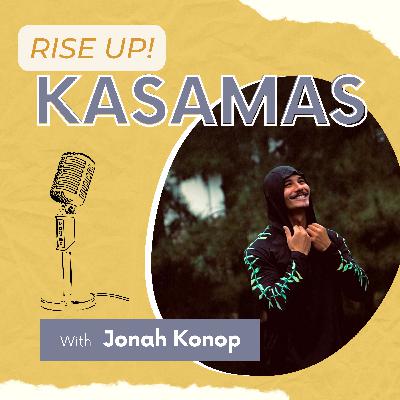
When it comes about Filipino identity and culture has so much than just where you came from or what language you speak. If you ask me when I first started with the podcast, I was first taken back by all the different cultures and language but as I continued with this journey, it comes to the land-based identity.
If you want to hear more of Jonah's story, listen to the podcast and follow his small business at @nanea.designs
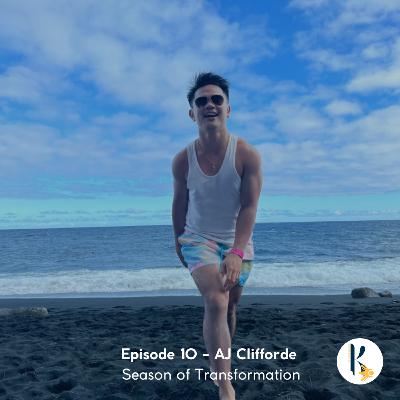
AJ Clifforde Alcover (1st generation) Filipino-Cebuano who immigrated from Digos City in the Philippines. He is a former graduate and alumni of Brown University.
He is currently on the pre-med track on his way to go for Medical School.
Shoutout to Kaeo Studios (@kaeostudios) in Waipahu Plaza for providing a space for us to do the podcast in person!
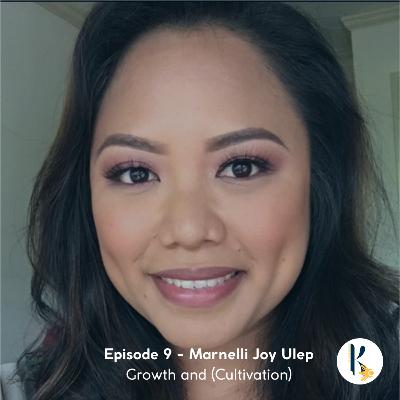
Marnelli Joy B. Ulep is the Program Development Manager for the Business Administration Division at UH West Oahu. She holds a BBA in Marketing and International Business and a MEd in Higher Education Administration, both from the University of Hawaiʻi at Mānoa.
For many years, she was involved with community organizations like NaFFAA and groups that empower Filipino/a youth, like the Sariling Gawa Youth Council and Miss Oahu Filipina Scholarship Pageant. She currently is an member of Advisory Boards for local high school academies.
Marnelli is also a wife, mother to two, and daughter to immigrant parents.
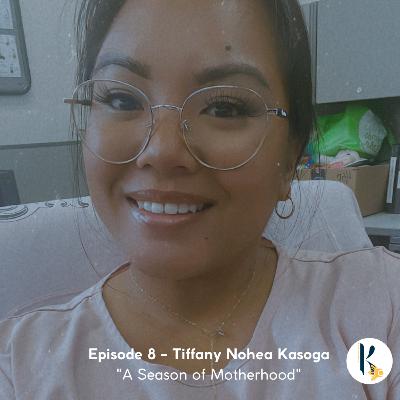
Fourth generation Filipino-Kama'aina Settler in the Kingdom of Hawai'i, I introduced to you, Tiffany Nohea Kasoga (she/her/hers). Through the season of her life she calls this, "motherhood" and the journey in re-discovering her culture again especially since growing up she did not have any close ties that helped her uproot her own cultural upbringing or the way she was brought up varied through her genealogy.
Key terms you should know:
Kama'aina - is a word describing Hawaii residents regardless of their racial background, as opposed to kanaka which means a person of Native Hawaiian ancestry.
'Aina - Land
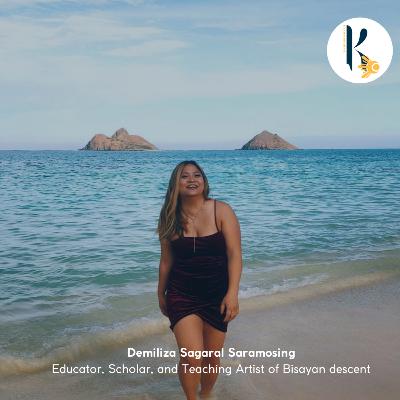
Description:
Demiliza Sagaral Saramosing is an educator, scholar, and teaching artist of Bisayan descent with genealogies rooted in the seas shared between the Visayas and Mindanao. She is the descendant of Sakada great grandparents and of immigrant Bisayan parents. Demiliza’s poetry, scholarship, and activism draws from her experiences being born and raised in occupied Hawai’i and growing up in working-class Kalihi. She waded through the stresses of poverty, policing, and assimilation in Kalihi alongside other racialized, diasporic, local, and Kānaka Maoli peers. For Demiliza, she believes that she and her peers collectively challenged their colonial realities through the building of new, fun, and pleasurable cultural identities grounded in Kalihi and other forms of youth subcultures. This Kalihi youth culture and consciousness has led Demiliza to identify and align herself with social justice movements that heal our relationships to land, waters, and to one another in her adulthood. Demiliza’s hybrid cultural youth experiences led her to align with and build transoceanic relationships in queer, feminist, Black, Brown, and Indigenous communities and scholarly spaces in Hawai’i, Oregon, California, Minnesota and globally. These experiences and relationships inform her commitments for decolonial and abolitionist justice in her scholarship and activism.
____________________________________________________________________
C O N N E C T with our guest here: @bisayanremix; @mykalihi
S U P P O R T us on: Venmo: @kasamahanco
F O L L O W us on: tiktok, instagram and youtube: @kasamahanco
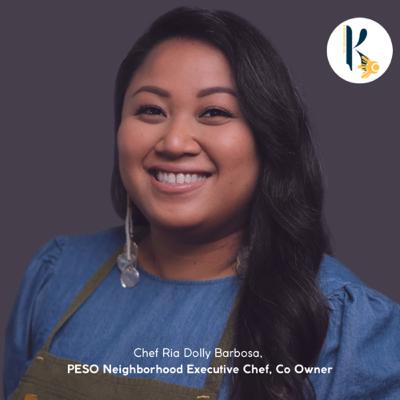
1.5 Filipino immigrant from Iloilo and Bacolod City to Los Angeles. We have Chef Ria Dolly Barobas coming to you live here in Hawai’i. Chef Ria has family lineage of our Sakadas. For those who may unfamiliar of what and who are Sakadas, Sakadas were migrant workers in and from the Philippines specially for this segment, Sakadas who moved from Philippines to Hawai’i between the years of 1906-1946 to work as labor contract workers on the plantation fields. Ria’s grandfather who went back to the Philippines after the plantation petition his family to immigrate to Los Angeles, California which at that time, Ria was 6 years old.
For this podcast narrative and episode, we will talk about her Sakada lineage, emotional hardships, and what is like to run a Filipino owned business led by a Filipina chef.
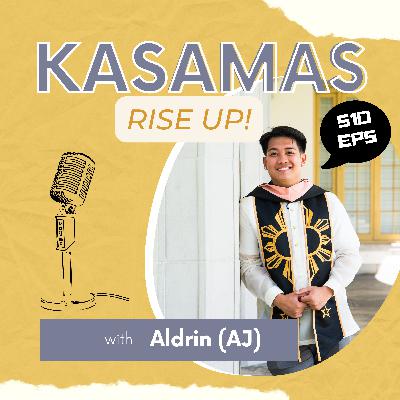
Growing up (in Hawaiʻi) like some of us, have experienced this shame behind trying to look like your "FOB" or Fresh of the Boat. Was this because our history wasnʻt represented in history books which forces us to assimilate to that typical "white" culture. The importance of knowing our own history in order for us to know ourselves plays a huge role in our identity. For our latest narrative, we have Aldrin, by friends and family is known by AJ. His entire Filipino-American journey is an experience that many might relate to and apart of it is learning that his roots were tied to Sakada lineage.
____________________________________________________________________________________________________
C O N N E C T w i t h us:
Instagram: @kasamahanco
S U P P O R T us on:
Venmo: @kasamahanco
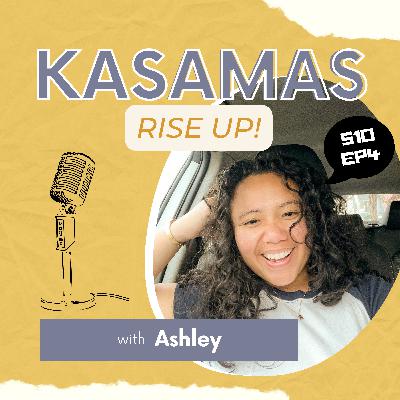
Ashley Marie is a second generation Ilokana Filipino American. Roots in Ilocos region. Ashley is someone who aspires to break cultural stigma.
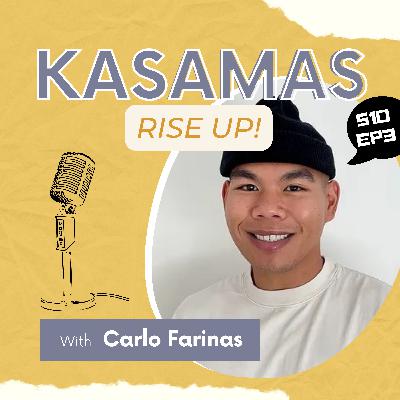
Kasamas Rise Up, Podcast Host meets Carlo Farinas, a second generation Filipino American born and raised in the island of Oʻahu as the only child.
Carlo is someone with great aspirations who continues to seek his Filipino heritage and roots.
A timeline of his grandparents lineage:
1969
My great-grandpa on my mom's side Grandpa Ikong immigrated to HI to work on the plantation and was recruited by his brother Bernard who came by boat from PH after WWII
1979
My great-grandma followed afterwards to also work at the dole plantation
1986
My grandpa Ipe and grandma Resura immigrated to work on the dole plantation, along with their children (my uncles) Sherwin and Ruben
Stay connected with us at https://kasamahancollective.com and social media @kasamahanco.
If you would like monetarily support us, you can through our venmo at @kasamahan-co!
Instagram: https://instagram.com/KasamahanCo
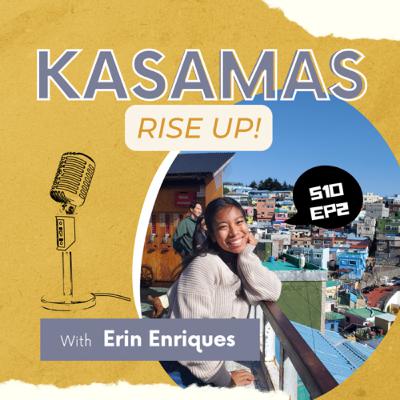
Kasamas Rise Up, Podcast Host meets Erin Enriques, Third-generation Filipino-American. She is currently a fourth year student studying international relations and environmental science. Erin is a great granddaughter of Vicente “Inting” Eligio, a sakada from the Philippines In this podcast narrative episode we not only reflect with Erin what it means to be a Filipina but we talk about the importance to travel by yourself which helps you into navigating on your identity as well as how the more self assured you need to be in your identity to navigate globalization in order to make new relationships who never was exposed to a person like you.
Stay connected with us at https://kasamahancollective.com and social media @kasamahanco.
Instagram: https://instagram.com/KasamahanCo
If you would like monetarily support us, you can through our venmo at @kasamahan-co
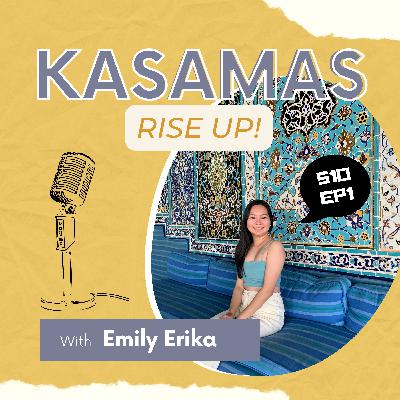
Kasamas Rise Up, Podcast Host meets Emily Erika, first-generation Filipino-American who was raised on the west side of Oʻahu. She is currently a second year medical student with hopes of becoming a primary care physician. She is passionate about mentoring first generation students especially those with aspirations of going to medical school. Emily is a granddaughter of a Filipino Sakada, Victoriano Tombaga who was known as ʻPapa Victorʻ to her family. In this podcast narrative episode we reflect on her culture and identity especially as a Filipino-Ilokano who is continously learning about her identity.
Connect with Emily about everything Pre Med & Medical School here:
Instagram: https://www.instagram.com/ee_to_md
Stay connected with us at https://kasamahancollective.com and social media @kasamahanco.
Instagram: https://instagram.com/KasamahanCo
If you would like monetarily support us, you can through our venmo at @kasamahan-co
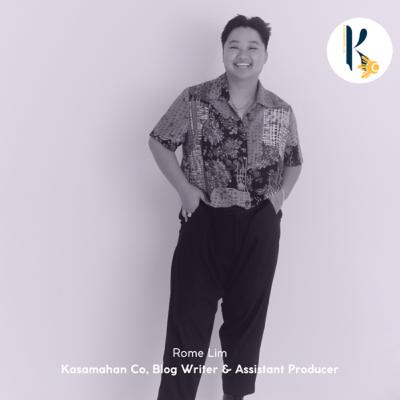
Kasamas Rise Up, A spin-off and re-brand show of our podcast series with a whole new look and name. Thrrough this spin off, we will have three featured guests from the diaspora before we dive into the Sakada stories in the coming months.
Today's featured episode we have Rome Lim, (he/him) He is our blog writer for Kasamahan Co with a passion in the creative industry. He is currently the director of communications for Pinoys on Parliament, It is Canada’s First and Largest National Youth Conference for Filipino Canadians. Every year, the conference is held in Ottawa, which is the capital of Canada. For today's episode, me and Rome had a conversation about what its like as a Filipino-Canadian.
To support Pinoys on Parliament, you can donate on their GoFundMe: https://www.gofundme.com/f/pinoys-on-parliament-2023?qid=804d2094e9a1e6f66a49b1b3792df0e7
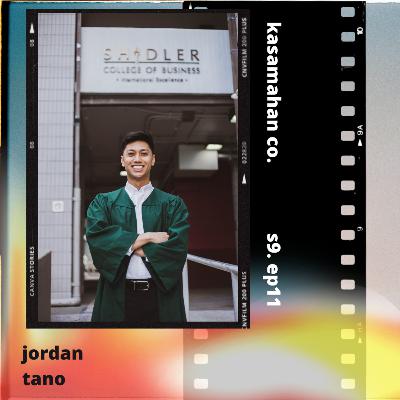
A conversation with Jordan Tano, a 1st generation-2nd generation Filipino, Chinese and Japanese American who was roots between Guam, California and Hawai'i. For his podcast narrative we briefly talk about this local identity and reflecting on what it means for him to stay close with family specially his grandparents and those he look up too. Jordan is the producer behind Hawai'i Verse Podcast (hawaiiversepodcast) as well as an entrepreneur for Hawaii Saloon Suites. (hisalonsuites) where he is helping local beauty professionals in the community.
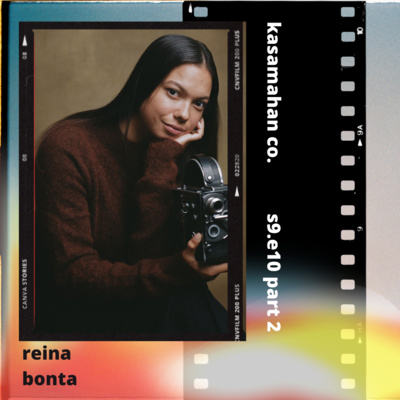
Reina is an award-winning filmmaker who graduated in 2022 from Yale University. Originally from California, she is currently based in Brooklyn, NY. Her semi-autobiographical short film and directorial debut, “LAHI”, has been accepted into several film festivals, won the audience award at San Diego Filipino Film Festival, and has secured streaming distribution with an AAPI-owned production company. Reina has spent time interning at HBO, worked in Kenya as a B-camera operator on a documentary about endangered black rhinos, was hired as an archival producer for an upcoming Imagine Pictures documentary, and has had her photography featured in world-renowned publications including Forbes Magazine. She is currently producing an AAPI-focused feature film which is in pre-production, while simultaneously training with the Philippines Women's National Soccer Team in preparation for the 2023 FIFA World Cup. Reina comes from a family of Filipino and Puerto Rican activists, which deeply informs all of her pursuits as a storyteller.
Produced by: Chachie Abara
The conversation is also available on our website: www.Kasamahancollective.com
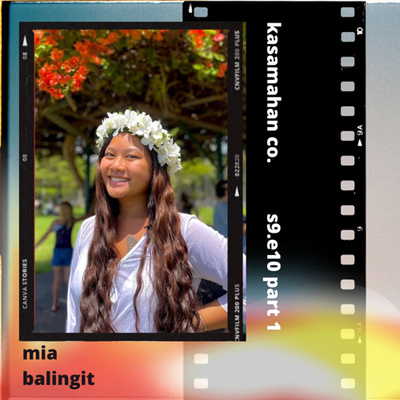
From sharing her Filipina-American experience as a queer pinay who advocates her culture through her small business of Perfectly Pinay — we learned that when it comes to her journey a huge chunk of it has to be the many lessons she learned from her grandparents and the values that her parents has taught her.
Raised by her grandparents and her parents who showed her the value of hard work and dedication. Mia is a third generation Pinay born and raised on the unceded lands of Ohlone Territory, (known as Union City, California). She later moved to the Kingdom of Hawai’i recently to pursue a degree in social work but later on she learned that you don’t necessarily need to go to college to do what you love.
Reflecting on what she learned, a big part of her journey has been a whole lot of self awareness, community and re-starting her small business!
Connect with Mia Balingit
* www.instagram.com/perfectlypinay
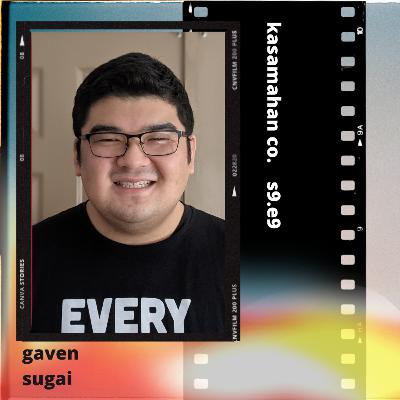
Gaven Sugai (he/him) 4th generation Filipino-Japanese born and raised in Kailua, O'ahu. He is an accountant by day and a podcaster at night. Growing up, He used to identify himself more with his Japanese side than Filipino. I didn’t embrace Filipino as an equal part of me until I dated my wife. It was only through cooking and learning Filipino cuisine that I embraced being Filipino and Japanese as equal parts of him.
See more from Gaven:
Instagram:
https://www.instagram.com/kampai_sugai_808
Podcast: The Kampai Sugai Podcast and Dark Paradise Podcast
___
Support Kasamahan Co: https://anchor.fm/kasamahancollective/support

Liberty Peralta (she/her) born on the 4th of July in Honolulu, Hawai’i and raised in the rural town of Wai’anae in West O’ahu. She is the DIrector of Marketing and Communications at Hawai’i Public Radio as well as the Founder and Owner of a Local Cat Cafe in Kaimuki called, “Popoki + Tea”
Produced by: Chachie A.
Support Us on AnchorFM by donating $1, $5, $10 to help keep the platform and for us to continue making great content for you. (https://anchor.fm/kasamahancollective/support)
Follow us on instagram @kasamahanco
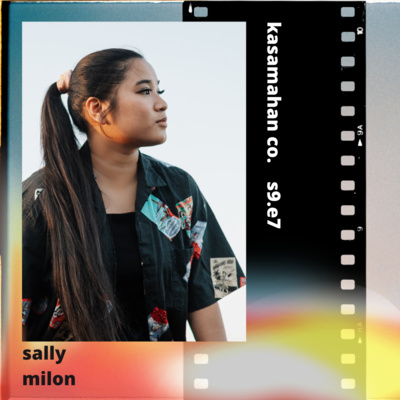
Sally Millon (she/her), born and raised in the Kingdom of Hawai'i in a multigenerational household. Graduate of Loma Linda University with Master’s Degree in Nutrition & Dietetics, Aspiring to be a dietitian. To her Reclaiming her own Filipino identity means to go back to the starting point. In a sense, I feel like I need to start from the ground up:
Learning more about my family and relatives - how they grew up, who they were associated with, etc. —> This creates a narrative
Allowing exposure to learn - Following social media accounts that educate people about the Filipino history & culture; watch films, shows, listen to the music
Connect with her more on Sally's photography Account: @sallysonders.jpg
Produced by: Chachie A.
Support Us on AnchorFM by donating $1, $5, $10 to help keep the platform and for us to continue making great content for you. (https://anchor.fm/kasamahancollective/support)
Follow us on instagram @kasamahanco
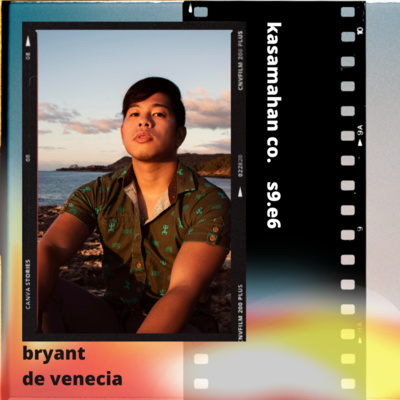
A first generation queer immigrant from Manila, Philippines.
A title to capture a season of his life is the season of becoming.
Produced by: Chachie Abara
Support Us on AnchorFM by donating $1, $5, $10 to help keep the platform and for us to continue making great content for you. (https://anchor.fm/kasamahancollective/support)
Follow us on instagram @kasamahanco
If you want to follow along Bryant's journey, follow My Partner the Movie as his film will soon to premiere in the coming month.
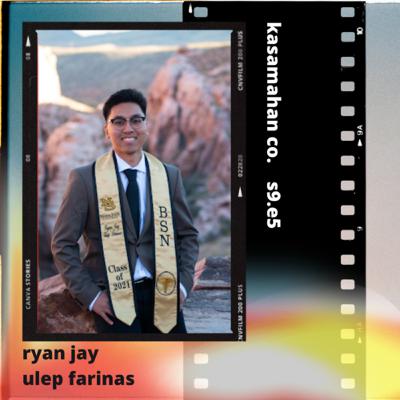
Ryan Farinas (he/him), a second generation Filipino-American who is the only child of Mr and Mrs. Farinas of San Nicolas, Ilocos Norte. Personally, Ryan struggled in embracing his own cultural identity but through learning what his own culture has to offer and give, he was able to learn the language, specifically the culture, superstitious, tradition that we practice and why we do certain things that can seem to be very complex.
To this day, since the interview Ryan continues to still learn about his own Filipino identity and culture. To get a sense of how Filipinos are and which is why we’re separated from other cultures. Filipinos are regarded as such hard working people, having a mindset to work hard and live a good life and provide for their family. Our culture has so much to offer and learn about. The practices we do, the types of food we eat, it’s so interesting learning about it from our parents, our grandparents, our family.

Comments

Download from Google Play

Download from App Store
 United States