


 Claim Ownership
Devpolicy Talks
Subscribed: 433Played: 1,540
Subscribe

© All rights reserved
Description
Devpolicy Talks brings you interviews, event recordings and in-depth documentary features relating to the topics we research at the Development Policy Centre. The Centre, part of the Australian National University’s Crawford School of Public Policy, works on Australian aid, development in Papua New Guinea and the Pacific, and regional and global development issues. It is host to the Devpolicy Blog (devpolicy.org) and a range of public events including the annual PNG Update, the Pacific Update and the Australasian Aid and International Development Conference.
348 Episodes
Reverse

Eric Olander, Editor-in-Chief of the China Global South Project, offers a nuanced perspective on China’s engagement with developing countries across Africa, Southeast Asia, Latin America and the Pacific. Drawing on 40 years of experience as a journalist covering China, including stints at the BBC, Associated Press and CNN, Olander challenges dominant Western narratives about Chinese development finance, including the much-discussed “debt trap” thesis. He examines the evolution of the Belt and Road Initiative toward “small yet beautiful” projects, explores how developing countries are exercising agency in navigating great power competition, and discusses China’s construction of a parallel international governance architecture. In a frank assessment of China’s presence in the Pacific Islands, Olander argues that Australian anxieties about military threats are disproportionate to actual Chinese capabilities, while suggesting pathways for more constructive engagement between Western donors and China in development cooperation.The conversation begins with Olander’s journey to covering China, having started studying Chinese in 1985 as a teenager in California when China was still poorer than most African countries. His career progressed through internships at radio stations in Taiwan and Hong Kong to positions at the BBC, Associated Press in Beijing, and CNN. It was during travels to Africa from the mid-2000s that he witnessed the explosive growth of Chinese presence — from one Chinese restaurant in Kinshasa in 2005 to a boom of construction crews, Huawei signs and Chinese enterprises by 2009. When he asked his Congolese employees what they thought of China, their nuanced, complex answers contrasted sharply with the polarised narratives in Western and Chinese media, sparking the insight that would eventually become the China Global South Project.The China Global South Project, which evolved from the China Africa Project, operates as an independent, non-partisan research and analysis service serving governments, universities and corporations across 15 to 20 countries. Funded through a mix of grants, university partnerships and subscriptions, the project maintains strict editorial independence — a stance that regularly draws accusations of being both a CIA spy and a CCP shill, sometimes within the same week. Olander notes that the project has faced sophisticated cyberattacks and has been targeted by Chinese state media, reflecting the sensitive nature of coverage that refuses to adopt binary positions on China.On the much-debated “debt trap diplomacy” thesis, Olander presents a detailed rebuttal drawing on research from institutions including Boston University, Johns Hopkins, Chatham House and the AidData Institute at William and Mary College. He argues that the narrative, first proposed by Indian pundit Brahma Chellaney in 2017, does not hold up to empirical scrutiny. Chinese loans to Africa at their peak represented only 18% of the continent’s debt, concentrated mostly in five countries with Angola alone accounting for a third. More importantly, Olander contends that the Chinese were never seeking assets — as Western imperial powers historically did — but rather repayment and cash. The infamous Hambantota port case in Sri Lanka, he explains, resulted from the incompetence and corruption of the Rajapaksa family rather than Chinese asset seizure, with the 99-year lease arising because the Chinese had no interest in taking back the port and pushed for a solution to recover their investment.The interview explores the evolution of the Belt and Road Initiative from massive infrastructure lending to “small yet beautiful” projects. Olander identifies four key drivers of this transition: China’s reduced excess capital due to slower economic growth and domestic debt problems; domestic political pushback against large overseas expenditures; borrower countries’ reduced capacity to take on debt following the pandemic; and Beijing’s shift toward private sector and provincial-level engagement rather than central government lending. The Belt and Road’s deliberate lack of institutional structure — no secretariat, no headquarters — has proven to be a feature rather than a bug, allowing it to adapt to changing circumstances.Challenging another common assumption, Olander argues that developing countries exercise considerable agency in navigating great power competition rather than being passive victims buffeted by China-West rivalry. He points to Kenya’s success under President Uhuru Kenyatta in maintaining robust relations with both China and the West, becoming a non-NATO major ally while hosting major Chinese infrastructure projects. Cambodia under Hun Manet represents an even more surprising example, pivoting away from his father Hun Sen’s China-heavy approach to welcome US naval vessels at Chinese-built ports while maintaining engagement with Beijing. Countries like Vietnam have mastered “bamboo diplomacy” — being an enemy to none and a friend to all — a model now emulated across ASEAN.On technology and manufacturing, Olander presents a sobering assessment of China’s dominance. Chinese investment in critical minerals, electric vehicles and new energy represents a 10-15 year head start that Western countries may not be able to overcome. The refining of critical minerals — the most complex and polluting part of the supply chain — is concentrated in China, which has paid an enormous environmental price for this capacity. Chinese electric vehicles entering markets at prices US$20,000 below competitors pose an existential threat to Western automakers, with one Vietnamese analyst predicting Ford, Toyota and Kia will be essentially eliminated from the market within five years. For developing countries, Olander raises provocative questions about whether aspiring to critical mineral processing makes sense given the high environmental costs and limited job creation.Regarding the Pacific Islands, Olander offers a frank assessment that Australian anxieties about Chinese military threats are disproportionate to reality. China lacks the command and control capacity, resupply ships and logistical network to project force this far south — its military is focused on the first and second island chains in the South and East China Seas. Chinese naval exercises near Australia are better understood as signalling — a message that if Australia operates in the South China Sea, China can reciprocate — rather than evidence of genuine invasion capability. The more significant Chinese interest in the Pacific stems from Taiwan diplomacy, as three Pacific Island states still recognise Taipei. Olander argues that China took advantage of a period when Australia, New Zealand and the United States neglected the region, and that more sustained Western engagement, as pursued by Foreign Minister Penny Wong, reduces the incentive for Pacific nations to turn to Beijing.The conversation examines China’s construction of a parallel international governance architecture, including the Asian Infrastructure Investment Bank, the BRICS New Development Bank, and what Olander calls the “Five Gs”: the Global Development Initiative, Global Security Initiative, Global Civilisation Initiative, Global AI Initiative, and most recently the Global Governance Initiative. While dismissing BRICS as essentially a “grievance forum”, Olander argues that grievance is itself a powerful political force that should not be underestimated — the same force that propelled Donald Trump to power. When Chinese ambassadors can offer developing country leaders participation in multiple new international frameworks while Western ambassadors speak only of preserving the “rules-based international order”, China’s forward-looking pitch proves more appealing.Olander concludes with advice for Western donors seeking constructive engagement with China. He suggests that Australia find neutral ground — perhaps in Africa or Latin America — to develop working relationships and interoperability with Chinese development actors before attempting cooperation in contested spaces like the Pacific. Drawing on the French model of partnership with China on infrastructure projects in the Global South, he argues that middle powers like Australia and Canada need to develop alternatives to pure reliance on increasingly unpredictable US leadership. The key is to build experience in low-stakes environments where mutual suspicions are less acute, then gradually work toward collaboration in more sensitive regions. Links:Eric Olander delivers the Mitchell Oration at the 2025 Australasian AID Conference (Devpolicy YouTube)China Global South ProjectThe China in Africa Podcast (Apple Podcasts)Global Public Diplomacy Dashboard by AidData ChinaBoston University Global Development Policy CenterChina Africa Research Initiative at Johns Hopkins SAISGriffith Asia Institute Belt and Road Tracker
Devpolicy Talks is the podcast of the Australian National University's Development Policy Centre. Read and subscribe to our daily blogs at devpolicy.org.Learn more about our research and join our public events at devpolicy.anu.edu.au.Follow us on Twitter, Facebook, LinkedIn and Instagram for latest updates on our blogs, research and events.You can send us feedback, and ideas for episodes too, to devpolicy@anu.edu.au.
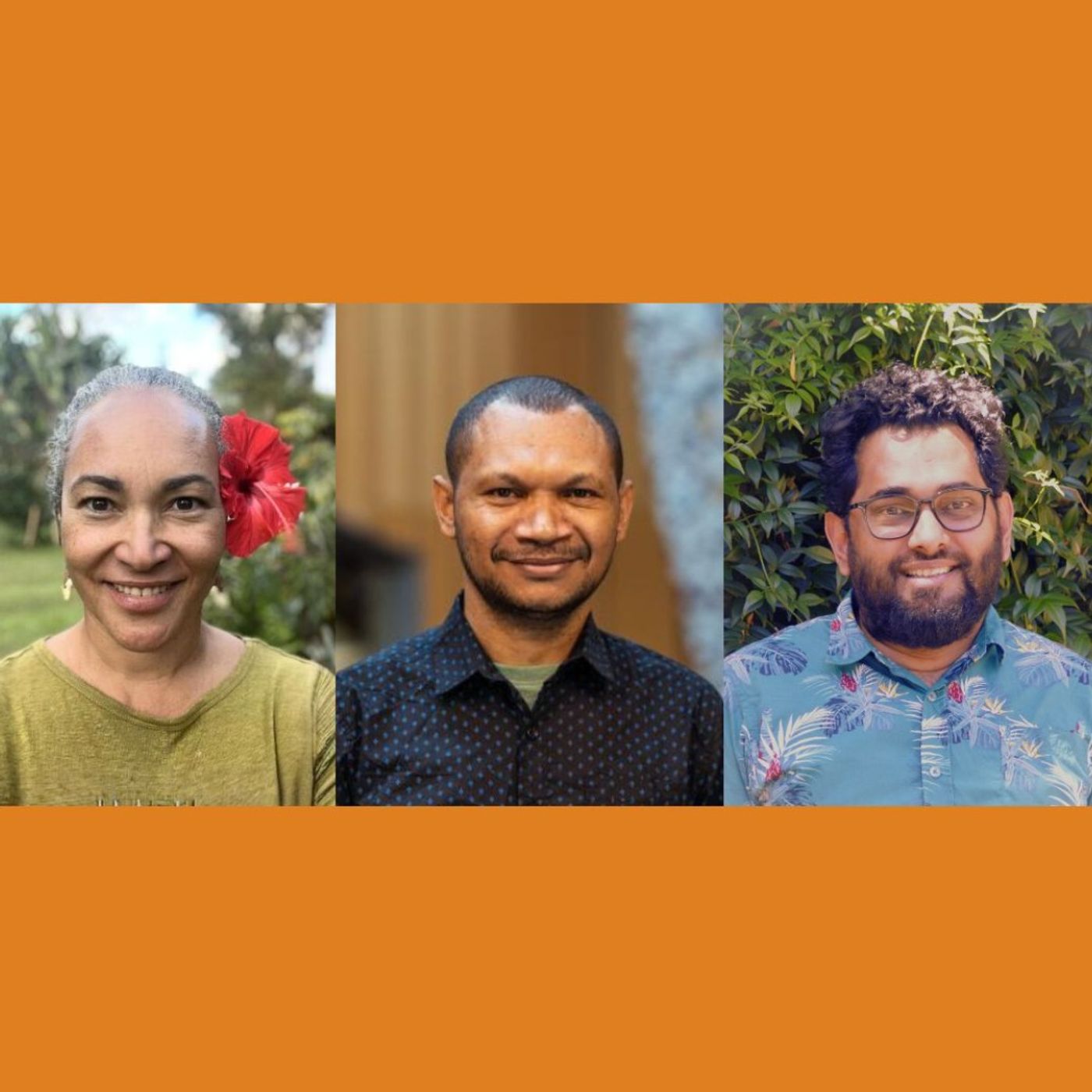
This episode explores the state of democracy in the Pacific, focusing on a joint report by International IDEA and the Australia National University's Department of Pacific Affairs (DPA). The report, released in mid-2025, assesses data from Fiji, Papua New Guinea, Solomon Islands and Vanuatu. It then looks at all Pacific nations, covering the six themes of grassroots democracy, scale, localised politics, cohabitation, political marginalisation and democratic innovation. After an introduction by International IDEA Director for Asia and the Pacific Leena Rikkila Tamang and DPA head Sonia Palmieri, three ANU Pasifika researchers, Michael Kabuni, Anna Naupa and Romitesh Kant, discuss the findings.Metrics like voter turnout and constituency funds are analysed. Challenges such as gender representation and civil society participation are highlighted. The conversation also touches on the role of international donors and the need for more research to understand the complexity of Pacific democracy.Assessing the State of Democracy in the Pacific - download the International IDEA / DPA reportThe Global State of Democracy 2025: Democracy on the Move - download the International IDEA reportUnspoken Rules of Politics: Uncovering the Motivations of Voters in Vanuatu's Elections - download DPA reportRefereeing democracy: judiciary, parliament and executive in 50 years of Papua New Guinea politics - article by Michael KabuniVoting Methods and Their Distribution in Papua New Guinea - DPA discussion paper by Thiago Cintra Oppermann, Nicole Haley and Colin Wiltshire
Devpolicy Talks is the podcast of the Australian National University's Development Policy Centre. Read and subscribe to our daily blogs at devpolicy.org.Learn more about our research and join our public events at devpolicy.anu.edu.au.Follow us on Twitter, Facebook, LinkedIn and Instagram for latest updates on our blogs, research and events.You can send us feedback, and ideas for episodes too, to devpolicy@anu.edu.au.

Inge Kaul, pioneering development economist and architect of the global public goods framework, discusses her groundbreaking work on international cooperation and development financing in this 2015 interview recorded at her flat in Berlin. Economists define public goods — like street lighting — as things everyone benefits from that nobody can be excluded from using. The problem is that individuals won't voluntarily pay for them, so governments provide them through taxation. Kaul's insight was recognising that globalisation has created global public goods — climate stability, disease control, financial stability — that benefit everyone across borders but that no world government exists to provide. Her central argument: financing cooperation on global public goods requires "new and additional" resources beyond traditional development assistance, because they serve fundamentally different purposes — one driven by moral concern for the poor, the other by shared self-interest. The conversation explores the fierce political resistance her ideas encountered, the chronic diversion of aid money towards global public goods purposes in violation of international agreements, her critical assessment of the SDGs, and the structural reforms needed in multilateral institutions. Kaul passed away in 2023, making this interview a valuable record of her intellectual legacy.The interview begins with Kaul explaining the origins and breakthrough of the global public goods concept. To understand why this concept matters, it helps to start with the basic economic definition. A public good is something that has two key characteristics: it's non-excludable (you can't prevent people from benefiting from it) and non-rivalrous (one person's use doesn't diminish another's). Classic examples include street lighting, national defence or clean air — once these exist, everyone benefits whether they pay for them or not. This creates a problem: rational individuals won't voluntarily pay for public goods because they can "free ride" on others' contributions. That's why governments typically provide public goods through taxation.Kaul's crucial insight was recognising that globalisation has created a new category: global public goods. Just as street lighting benefits everyone in a city regardless of who pays, climate stability, control of infectious diseases, financial market stability and a rules-based trading system benefit everyone on Earth regardless of which countries contribute to providing them. But there's a fundamental problem: there's no world government with the power to tax and provide these goods. Instead, sovereign nations must cooperate voluntarily to produce them. While earlier scholars like Kindleberger and Bruce Russett had used the term in academic journals, it was the 1999 UNDP publication Global Public Goods: International Cooperation in the 21st Century, edited by Kaul, that brought the concept into policy discourse.Kaul's central argument was that international cooperation operates along two fundamentally different tracks: traditional development assistance motivated by equity concerns for poor countries, and cooperation to provide global public goods driven by enlightened self-interest shared across all countries, rich and poor alike. Crucially, different countries have different priorities amongst global public goods. An Ethiopian woman facing maternal mortality risks might value accessible medicines more urgently than climate mitigation, even whilst recognising climate's importance. This variation in preferences means that international negotiations around global public goods resemble a political marketplace where agreements require fair terms of trade that make all parties better off. You can't simply impose solutions — you need to negotiate agreements where everyone perceives themselves as better off participating than not participating.Kaul reserves her sharpest criticism for the widespread practice of diverting official development assistance (ODA) towards global public goods purposes, particularly environmental programs. She argues this violates international agreements dating to the 1992 Earth Summit, which stipulated that financing for global environmental challenges should come from "new and additional" resources, not existing aid budgets. By 2015, she notes, approximately 24% of ODA had climate change as a primary purpose, with even more having it as a secondary objective — a figure that had risen from 33% across all global challenges in 1999. This diversion, she contends, undermines the capacity to address the growing number of failed and failing states that need resources for conventional development purposes.When Kaul challenged the chair of the Green Climate Fund at a resource mobilisation meeting in Berlin about whether they would require proof that contributions were "new and additional," the chair had to take a deep breath and look around for someone on the board to answer. The African delegate eventually admitted they had not discussed this issue. Kaul characterises the heads of agencies like the Global Environment Facility, the World Bank, and UNDP as acting in "non-compliance with the international agreements that exist on new and additional financing" when they accept ODA money for environmental purposes.The conversation delves into the intense political resistance Kaul encountered. The United States strongly opposed the three-word phrase "global public goods," fearing it implied supranational taxation or production. Developing countries worried the concept would siphon resources from traditional aid budgets. Some interpreted "public" to mean state-provided goods, evoking concerns amongst former Soviet bloc countries about returning to centrally planned economies. Kaul describes being "shouted and screamed at" in UN meetings, facing opposition so intense that leading economists avoided engaging with the concept. She characterises this treatment as "the severest human rights violation that I have ever experienced in my life." She argues that global public goods are simply a reality created by globalisation — she merely put a name to them.A French-Swedish commission on global public goods further muddled the concept by insisting that global public goods are "things that are good for everybody," which Kaul vigorously opposed. This interpretation, she argued, opened the door for hegemonic powers to impose their preferences on others under the guise of pursuing universal goods. Her dissenting voice stressed that precisely because countries have varying preferences and unequal power, decisions about global public goods are amongst the most contentious in international relations and must be negotiated fairly amongst sovereign equals. The commission even identified ten priority global public goods, which fed into developing country concerns that they would be told what was good for them.The discussion explores practical questions about financing arrangements. Kaul envisions a system where each country has separate budget lines: one for traditional ODA, and others within various line ministries (environment, health, transport, justice) for contributions to global public goods. The aggregate financing for global public goods would be the sum of contributions across these ministries, determined by each country's assessment of its willingness to pay for various global public goods based on how much it values them. She uses the example of New Zealand and ocean acidification — New Zealand cannot simply invest in its own coastal zones if it doesn't also invest upstream in places like Papua New Guinea to address the broader problem.On the question of "incremental costs" — paying developing countries extra when they're asked to adopt more expensive climate-friendly technologies — Kaul is pragmatic. Whilst acknowledging that the concept has methodological difficulties, she argues it's "better to be vaguely right than precisely wrong". When paying countries like Brazil or India to provide environmental services (like forest preservation), she suggests letting countries themselves propose what they consider a fair price, then negotiating mutually beneficial bargains. There should be a profit margin for developing countries, not just reimbursement of actual expenditures.Turning to the Sustainable Development Goals, Kaul is bluntly dismissive: "We will get it. No way. And there's nothing new, nothing new in it." Most SDG targets, she observes, already exist in national policy documents. What matters is implementation, and for that, the world needs fundamental institutional reforms. She advocates for issue-based management structures — essentially CEOs for major global challenges like climate change mitigation, disease control, or outer space governance — that can coordinate action across sectors, levels of government, and national boundaries. Current institutions are organised along geographic and sectoral lines, she argues, when what's needed is the capacity to produce specific outcomes like climate stability or food security.Using the metaphor of Boeing designing an aeroplane, Kaul asks: imagine if the CEO simply said "wouldn't it be nice if we had a Dreamliner?" without actually organising production of wheels, engines, and the outer shell. That's what the international community does with the SDGs — setting aspirational goals without creating the operational structures to achieve them. For climate change, UNFCCC handles negotiations but there's no operational manager, no CEO for climate change mitigation who oversees sub-CEOs for different types of mitigation (energy, clean technology, etc.) and someone dealing with adaptation. The beginnings of issue-based management are emerging — special envoys appointed by UN Secretaries-General, the response to Ebola — but these arise from compulsion rather than foresight.Kaul questions whether organisations like the World Bank have a clear future role, given competition from region

Dr Aditi Mukherji, Principal Scientist at the International Livestock Research Institute and coordinating lead author of the Intergovernmental Panel on Climate Change's water chapter, discusses her career spanning groundwater management, climate adaptation and the urgent challenge of the 1.5-degree threshold. From her groundbreaking work challenging conventional wisdom about groundwater in eastern India — which led to policy changes benefiting 200,000 farmers — to rehabilitating dying springs in the Himalayas, Mukherji reveals how climate change is transforming every component of the water cycle. She explains why adaptation measures are losing effectiveness as temperatures rise, what the IPCC's water assessment tells us about climate impacts on agriculture, and how pastoral communities in the Global South require different approaches to livestock and climate policy.The conversation begins with Mukherji's entry into water and climate research, shaped by her childhood experiences in the climate-vulnerable Sundarbans region of India and her family's involvement in agriculture. After completing her master's degree, she joined the International Water Management Institute's IWMI-Tata program, which set her on a path to Cambridge University as a Gates Cambridge scholar.Mukherji's early research challenged prevailing assumptions about groundwater scarcity in eastern India. Working in West Bengal, a region receiving three to four times more rainfall than water-scarce areas like Punjab, she discovered that the fundamental problem wasn't water scarcity but restrictive policies. Farmers needed permission from distant government departments to connect to the electricity grid for irrigation, leading to bureaucratic delays and corruption. Her research demonstrated that with metered electricity pricing and proper incentives, farmers could sustainably use groundwater while transitioning away from diesel pumps. This work culminated in a change to groundwater law following a state government transition, resulting in electricity connections for approximately 200,000 farmers. Her subsequent work in the Himalayas addressed a different water crisis: the drying of mountain springs that serve as the sole water source for upland communities. Despite the Himalayas being the water towers of Asia, settlements in the middle elevations — too far from glaciers and too high above river valleys — faced acute scarcity. Mukherji's research revealed that springs were drying primarily due to infrastructure development rather than climate change directly. Road construction and hydropower dam building disrupted the underground flow paths between recharge and discharge points. Using a combination of hydrogeological science, isotope tracing and indigenous knowledge, her team identified recharge areas and implemented rehabilitation programs. This work has influenced major government spring rehabilitation initiatives across India, though she notes that without better planning of infrastructure projects, solutions remain piecemeal.As coordinating lead author of the IPCC's water chapter, Mukherji synthesises five critical findings. First, every component of the water cycle — rainfall, permafrost, glaciers, groundwater — has been transformed by anthropogenic climate change, with largely negative impacts. Second, because water is used across all economic sectors, climate impacts are felt everywhere, particularly in agriculture, the largest consumptive water user. Third, these impacts disproportionately affect vulnerable populations, especially in the Global South where agriculture has become "the parking lot for the poor". Fourth, while water-related adaptation is happening extensively worldwide, its effectiveness varies significantly due to limitations in finance and technology. Fifth, water must be recognised in mitigation discussions, as greenhouse gas reduction strategies — such as bioenergy crops — have substantial water implications.The conversation turns to the declining effectiveness of adaptation as temperatures rise. Mukherji emphasises that 1.5 degrees above pre-industrial levels is not merely aspirational but represents a critical threshold, particularly for Pacific island nations where it means the difference between staying afloat and sinking. She provides a stark example from India's 2022 heat wave, which struck in early March when wheat was flowering — far earlier than historical patterns. Temperatures of 47-48 degrees during this critical growth stage overwhelmed even heat-tolerant seed varieties and irrigated systems. Breeders struggle to develop varieties that can withstand such extreme heat during flowering, illustrating the physical limits of adaptation.Reflecting on Australia's potential contributions, Mukherji highlights three areas: expanded research collaboration leveraging Australia's extensive scientific networks (universities, CSIRO, ACIAR); increased funding support for less-resourced regions; and sharing knowledge about low-emission agricultural pathways to help developing countries avoid mistakes made during earlier Green Revolution eras. She notes Australia's own experience managing water scarcity, while acknowledging imperfections, offers valuable lessons.Mukherji concludes by explaining her recent transition to the International Livestock Research Institute, where she leads the Livestock and Climate Solutions hub. She argues that livestock discourse must differ between the Global North and Global South. For pastoral populations in Africa, livestock is not just livelihood but culture and a crucial protein source. Her role focuses on ensuring Global South pastoral communities' voices are recognised in climate discussions, avoiding a one-size-fits-all narrative about livestock emissions while addressing the severe droughts these communities face — droughts bearing distinct climate change fingerprints.
Devpolicy Talks is the podcast of the Australian National University's Development Policy Centre. Read and subscribe to our daily blogs at devpolicy.org.Learn more about our research and join our public events at devpolicy.anu.edu.au.Follow us on Twitter, Facebook, LinkedIn and Instagram for latest updates on our blogs, research and events.You can send us feedback, and ideas for episodes too, to devpolicy@anu.edu.au.
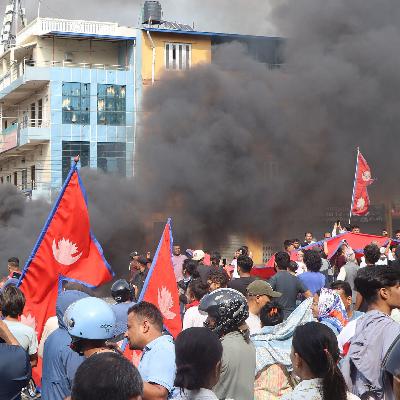
In August and September 2024, thousands of young people took to the streets across Southeast and South Asia in unprecedented displays of protest. This episode examines the youth-led demonstrations that erupted in Indonesia on 25 August and Nepal on 8 September, exploring the deeper frustrations driving Generation Z activism beyond the headlines of violence and regime change. Host Amita Monterola speaks with Garry Rosario da Gama, a PhD student researching corruption networks in Indonesia at the Australian National University's Crawford School of Public Policy, and Puspa Paudel, program manager at the Center for Investigative Journalism in Nepal. Together they discuss how embedded corruption, elite privilege and economic inequality triggered mass protests that resulted in ten deaths in Indonesia and regime change in Nepal, where 72 people died and the country appointed its first female prime minister as a caretaker leader.The conversation begins with the immediate triggers for the protests in each country. In Indonesia, demonstrations erupted after 21-year-old taxi driver Afan Kurnia was killed by a police vehicle, with video of the incident going viral. However, Garry explains that this was a breaking point reflecting deeper frustrations with daily struggles including rising food and fuel costs, stagnant wages, unaffordable housing and lack of formal employment for educated youth. Meanwhile, members of Parliament received housing allowances nearly ten times the minimum wage. The protests spread to 144 of Indonesia's 514 districts, bringing together students, taxi drivers and NGOs in a coalition demanding what became known as the “17 plus 8” reforms — seventeen short-term changes within one week and eight longer-term reforms within one year.In Nepal, Puspa describes how the protests began through social media, particularly TikTok and Instagram, where videos of politicians' children and family members flaunting extravagant wealth went viral amongst a generation struggling with extreme poverty. One particularly powerful trigger was a video of a parliamentarian's vehicle hitting an 11-year-old girl without stopping. On 8 September, young protesters gathered peacefully at Maitighar in Kathmandu, but when they attempted to reach the parliamentary building, police opened fire. Nineteen young people, many in school uniforms, were shot in the head with live ammunition. The brutality of the response, combined with the Prime Minister's refusal to resign and lack of remorse from government spokespersons, triggered massive nationwide violence on 9 September that saw the burning of government buildings, ministers' homes, police stations, media houses and business premises.The episode explores the embedded nature of corruption in both countries. Garry's research in Kupang city, Indonesia, reveals how corruption operates through networks connecting contractors, politicians, public servants, law enforcement officials and brokers. Contractors are expected to pay off multiple parties, with only 70-80% of budgets actually going to project work. This explains why roads crumble after one rainy season, clinics run out of medicine and schools lack basic furniture. Indonesians commonly refer to this system as KKN (korupsi, kolusi, dan nepotisme — corruption, collusion and nepotism), a term enshrined in a 1999 law. The Corruption Eradication Commission (KPK) was established in 2002, but the government attempted to weaken it in 2019, triggering public anger.Puspa explains that corruption in Nepal is perceived not merely as a governance issue but as a moral, ethical and political betrayal. Since the 2015 Constitution established Nepal as a federal republic with three tiers of elected government, power has rotated between just three leaders: KP Sharma Oli, Pushpa Kamal Dahal “Prachanda”, and Sher Bahadur Deuba. Corruption scandals are routinely used as bargaining chips in coalition negotiations rather than leading to accountability. The Commission for Investigation of Abuse of Authority (CIAA), Nepal's anti-corruption body, has itself become a tool of political parties who nominate loyalists to protect themselves from prosecution. Young people's first encounters with government institutions — obtaining citizenship cards or registering documents — teach them that middlemen and bribes are necessary to navigate systems that should be straightforward.Both guests discuss the challenges facing watchdog organisations. Garry describes how youth organisations in Kupang, many religion-based, have connections to the very politicians they're meant to criticise. Dependent on government funding for operations, they face pressure from senior politicians to “be more relaxed” and “not push too hard.” Police intimidation compounds these pressures. Puspa notes that whilst individual journalists in Nepal produce excellent investigative reporting on corruption, civil society organisations have failed to pressure government for accountability based on these exposés. Post-2008, older civil society groups lost credibility with younger generations, contributing to the emergence of new, decentralised protest movements.The episode examines the brutal police responses in both countries. In Indonesia, police are widely regarded as one of the most corrupt government institutions, with research from Murdoch University's Jacqui Baker documenting extensive corruption. Rather than serving as guardians of society, police serve those in power. In Nepal, despite orders to use rubber bullets, commanders authorised live ammunition against protesters, resulting in the incident mentioned above — teenagers in school uniforms being shot in the head, with scenes of this broadcast live across social media.A striking feature of the September protests was their organisational structure — or lack thereof. Puspa notes that unlike previous protests with clear organisers, leaders and contact points, the 8 September protest in Nepal emerged through social media calls with no identifiable organisers. Young people made “get ready with me” videos about attending protests, practising songs and dances. This decentralised, leaderless structure created confusion in the aftermath when different groups appeared at negotiation tables with no clear mandate. However, Puspa expresses respect for how protesters, through hours of discussion on Discord, managed to negotiate with the Army Chief and President to appoint former Chief Justice Khil Raj Regmi as caretaker Prime Minister — Nepal's first female Prime Minister — while protecting the Constitution and excluding the three established political leaders from negotiations. Elections are planned for March 2025, though the timeframe may prove challenging.In Indonesia, the protests achieved some immediate reforms including reduced parliamentary housing allowances and presidential calls for police reform. However, Garry argues the most significant outcome was the strengthening of civil society coalitions, with youth organisations, NGOs and student groups coming together under one umbrella to hold government accountable. There was also an important shift in public perception, with citizens recognising that even powerful institutions like the Army and police require reform. Public awareness of embedded corruption has increased significantly.The conversation reveals multiple barriers to accountability even when corruption is exposed. In Nepal, Puspa explains that policy-level corruption or kleptocracy is designed to look perfectly legal, making it difficult to challenge. Corruption operates through networks rather than isolated individuals, with powerful people and institutions protecting each other. Institutional barriers include compromised anti-corruption bodies, whilst societal barriers include normalised expectations that middlemen and bribes are simply how things work. The weakness of civil society in demanding action based on investigative journalism creates a gap between exposure and accountability. In Indonesia, similar patterns emerge with youth organisations caught between their watchdog role and dependence on government funding, while police and prosecutors are themselves embedded in corruption networks.Both guests identify these embedded corruption networks as the fundamental driver of youth protest. Despite Indonesia and Nepal being classified as middle-income countries by the World Bank, ordinary citizens see no development gains in their daily lives. Instead, they witness elite families flaunting wealth on social media whilst struggling themselves with poverty, unemployment and crumbling public services. Generation Z, highly active on platforms like TikTok and Instagram, can see the disconnect between official narratives of progress and lived reality with unprecedented clarity. When traditional civil society organisations and anti-corruption institutions fail to deliver accountability, mass street protest becomes the only remaining avenue for demanding change.The episode concludes by noting that similar youth-led protests have occurred across the region in recent years, including in Bangladesh, Sri Lanka, the Philippines and Timor-Leste, suggesting these are not isolated incidents but part of a broader pattern of generational frustration with embedded corruption and elite capture of development gains. The Devpolicy blog welcomes submissions analysing these governance challenges across the region.Nepal resources:Center for Investigative Journalism NepalCommission for the Investigation of Abuse of Authority (CIAA), NepalAn update: Gen Z protests one month on, Kalam WeeklyIndonesia resources:ANU Indonesia Update 2024 presentation by Liam Gammon on ANU TV YouTubeCommentary on corruption in Indonesia by Jacqui Baker, University of MelbourneIndonesian Corruption Eradication Commission (KPK)Devpolicy Blogs on Indonesia
Devpolicy Talks is the podcast of the Australian National University's Development Policy Centre. Read and subscribe to our daily blo
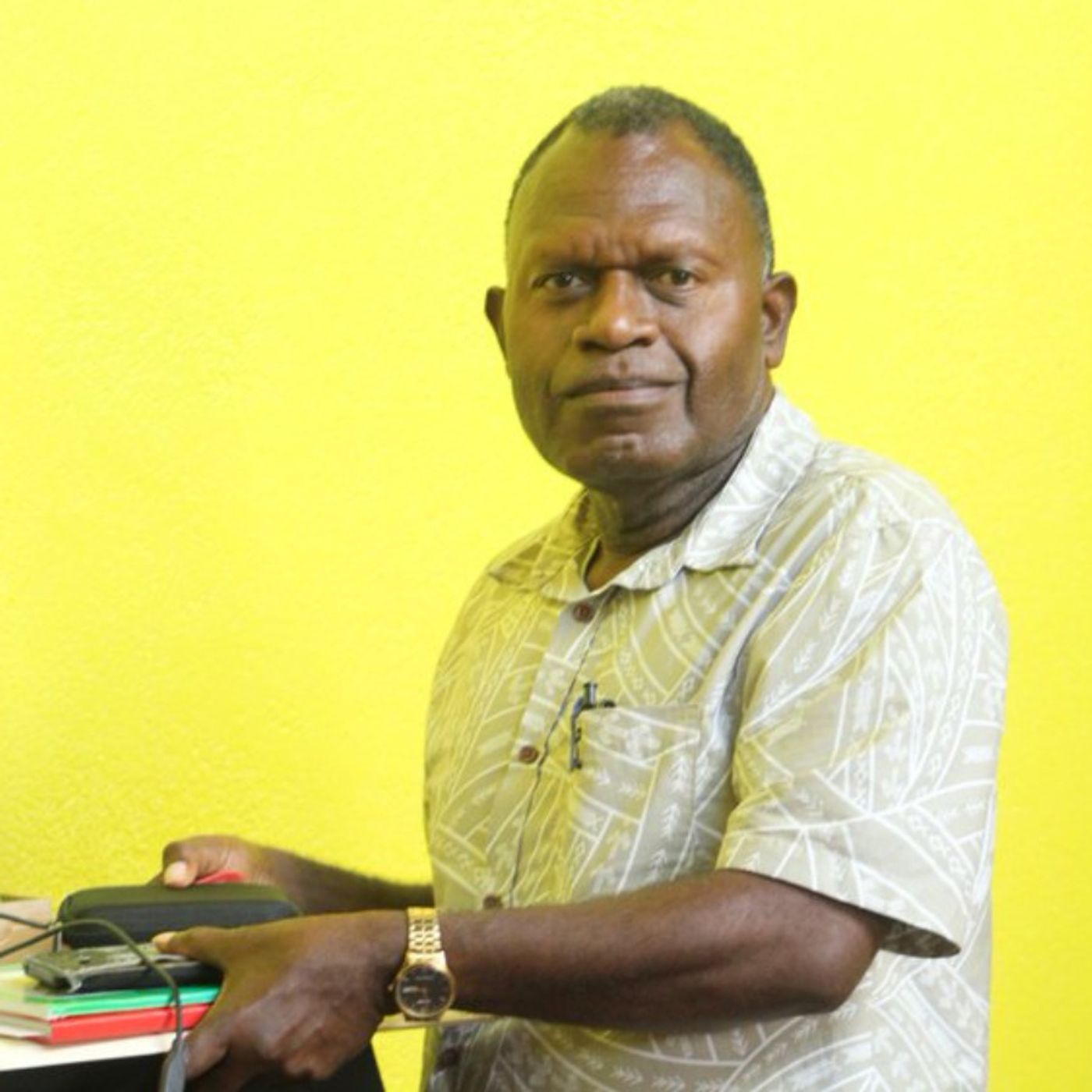
The conversation begins with Nimbtik's background as head of Vanuatu's Prime Minister's Department and Deputy Director General of the Melanesian Spearhead Group Secretariat. He provides context for understanding Vanuatu's current challenges by tracing the country's history from its unique condominium colonial system — where British and French administrations operated in parallel — through independence in 1980, when the country inherited a fundamentally divided administrative structure.Nimbtik identifies political instability, which began in earnest in 1991, as the root cause of many of Vanuatu's contemporary challenges. He discusses the bankruptcy of Air Vanuatu in May 2024, explaining how government ownership and political control of the airline's board — with changes occurring after each government transition — ultimately led to its liquidation. This crisis occurred against a backdrop of repeated natural disasters, including Cyclone Pam in 2015, Tropical Cyclone Harold, Twin Cyclones Judy and Kevin, and volcanic eruptions, culminating in the December 2024 earthquake that struck Port Vila. These compounding crises have left Vanuatu struggling to recover from one disaster before the next hits.The conversation explores Vanuatu's linguistic and cultural diversity — 110 languages representing 110 different value systems — which Nimbtik sees as contributing to the proliferation of political parties and the difficulty of creating inclusive societies. Recent constitutional amendments, including provisions 17A and 17B, aim to reduce political instability by making it harder for politicians to switch parties. Amendment 17B specifically requires independent members to affiliate with a larger political body within three months of election. Whilst these amendments are being implemented, their validity is still being challenged in court, with the decision yet to be released.Drawing on his PhD research at RMIT on corruption in politics, Nimbtik discusses the fundamental tension between custom governance and Westminster systems in Vanuatu. He explains how traditional leadership expectations — where a legitimate leader is someone who distributes resources, regardless of how those resources are obtained — clash with modern governance standards. This creates situations where behaviour viewed as corrupt through a Western lens may be seen as moral leadership within custom governance. Nimbtik points to the December earthquake as evidence of corruption's impact, noting that buildings collapsed because building codes were not enforced, yet there has been little public accountability or civil society reaction.The interview addresses growing geopolitical competition in the Pacific, with Nimbtik arguing that China's approach to development cooperation differs fundamentally from that of OECD countries. While Western partners focus on schools and dispensaries, China has invested in major government infrastructure like the President's Palace, National Convention Centre, and ministry buildings — investments that no Western partner has been willing to make. He emphasises that all countries, including small island states, are engaging with China primarily for economic reasons, and that larger countries like Australia and the United States expect smaller nations to adopt their geopolitical positions, treating China as an enemy if they do.On labour mobility, Nimbtik notes that programs like the Pacific Australia Labour Mobility scheme, the Recognised Seasonal Employer scheme, and the Seasonal Worker Programme were originally designed as capacity-building exercises. The intention was for farmers to go to Australia or New Zealand, learn skills, earn money, and return to start businesses, potentially accessing loans from the Agriculture Rural Development Bank at lower interest rates to complement their savings. However, this objective has been diverted, with labour mobility becoming one-way migration that depletes rural areas of young, energetic workers. Nimbtik notes the irony that while individuals may improve their wellbeing through remittances, the national economic impact is questionable, and the skills shortage is hurting both the private and public sectors. He indicates that the program has become a source of political propaganda, with politicians using it to secure votes by sending more people from their areas overseas.The conversation turns to Vanuatu's controversial citizenship-by-investment scheme, which can contribute 20 to 30% of government revenues in some years. Nimbtik explains that the scheme was introduced in desperation following Cyclone Pam in 2015 to fill budget shortfalls, but without realising it would become a source of corruption. He contrasts Vanuatu's approach — selling citizenship for cash contributions of US$130,000 — with more developed countries that tie citizenship to substantial investment in projects that generate employment and tax revenue. The recent Andrew Tate case, where the controversial influencer obtained Vanuatu citizenship around the time of his arrest in Romania, has embarrassed the government. Nimbtik notes that changing the system is difficult because many political leaders have been involved in and benefited from the scheme. He also discusses how international anti-money laundering and combating the financing of terrorism rules, as well as tightening correspondent banking relationships, have reduced revenues from the program.Nimbtik's experience with the Melanesian Spearhead Group provides insights into sub-regional cooperation. The MSG, comprising Fiji, Papua New Guinea, Solomon Islands, Vanuatu, and the Kanak and Socialist National Liberation Front (representing New Caledonia), with Indonesia as an associate member since 2015, was originally established to promote political independence for Melanesian territories. However, its approach has evolved to focus more on economic and trade cooperation rather than taking hard political positions. Nimbtik led the MSG delegation to the International Court of Justice on climate change, explaining that the MSG was included because it could represent voiceless members like New Caledonia.The MSG operates across multiple sectors including trade and investment, sustainable development, sports, and arts and culture. Nimbtik discusses initiatives he worked on, including bringing together vice-chancellors from national universities across Melanesia to establish collaborative mechanisms for sharing lecturers and resources, and creating APEC-style arrangements for private sector mobility within the MSG region. He emphasises that the MSG should be framed not as a competitor to the Pacific Islands Forum, but as a sub-regional body that adds value to the regional architecture. The MSG's 2038 Prosperity For All Plan is being harmonised with the Forum's 2050 Strategy.On Indonesia's associate membership and the sensitive issue of West Papuan independence, Nimbtik explains that the rationale for engaging Indonesia is pragmatic: to advance Melanesian interests in West Papua's political liberation, dialogue with the Indonesian government is necessary. The approach has shifted from the hard political positions Vanuatu took in the past towards using economic and trade lenses to engage with Indonesia on development issues. This represents what Nimbtik sees as a changing paradigm in how regional politics are conducted.The interview concludes with discussion of Vanuatu's leadership role in seeking an advisory opinion from the International Court of Justice on UN member states' climate change obligations. Nimbtik explains that Vanuatu was motivated to take this leadership role because, situated on the Ring of Fire and prone to disasters including cyclones, volcanic eruptions, and earthquakes, the country faces existential threats to its people's livelihoods. The economic costs of disasters and recovery are very high relative to GDP, and Vanuatu wanted bigger countries to recognise their obligations to support smaller countries facing climate change impacts. He notes the challenge of accessing climate finance, which "takes like ages" despite numerous international commitments.
Devpolicy Talks is the podcast of the Australian National University's Development Policy Centre. Read and subscribe to our daily blogs at devpolicy.org.Learn more about our research and join our public events at devpolicy.anu.edu.au.Follow us on Twitter, Facebook, LinkedIn and Instagram for latest updates on our blogs, research and events.You can send us feedback, and ideas for episodes too, to devpolicy@anu.edu.au.

Glenn Denning, Professor of Practice at Columbia University's School of International and Public Affairs and founding Director of the Master of Public Administration in Development Practice program, reflects on his remarkable 40-year career in international agricultural development. From his serendipitous start, Denning has become one of the world’s leading experts in food security and sustainable development. He has advised governments and international organisations on agriculture and food policy in more than 50 countries, served on the UN Millennium Project Hunger Task Force, and played key roles in transforming agricultural systems from post-Khmer Rouge Cambodia to the Millennium Villages across Africa. In 2023, he won the Global Australian of the Year Award, and in 2024 was honoured as Alumnus of the Year by the University of Queensland. His recent book, "Universal Food Security: How to End Hunger While Protecting the Planet", synthesises decades of experience into a comprehensive framework for ending global hunger.The conversation begins with Denning’s unexpected path into agriculture, starting as a suburban Brisbane student with no farming background who chose Agricultural Science at the University of Queensland simply because he enjoyed growing things and wanted to work outdoors. His international career began through pure serendipity when he overheard a fellow student saying he could no longer take up a research opportunity in Indonesia. Within minutes, Denning had volunteered for the position, leading to a year in Bali studying pasture science at Udayana University under the Australian Asian Universities Cooperation Scheme in 1975.This led to his next role with the Philippine Australian Development Assistance Program (PAAPP) in Zamboanga del Sur, Mindanao, during the conflict-affected 1970s. As one of only two agriculturalists among 40 Australian expatriates working primarily on road construction, Denning quickly learned that simply demonstrating new technologies to farmers was insufficient without addressing their fundamental constraint: lack of access to credit. Working with a modest $25,000 Australian government guarantee fund, he helped design a credit program through the Philippine National Bank that achieved approximately 90% repayment rates among hundreds of farmers, proving that small-scale farmers would responsibly utilise credit when given the opportunity.Denning’s 18-year tenure at the International Rice Research Institute (IRRI) began through another case of substitution when he was asked to cover for someone taking sabbatical leave. His most significant achievement during this period was his work in post-Khmer Rouge Cambodia, where IRRI had preserved 766 traditional Cambodian rice varieties in their gene bank, collected just as the intense bombing of Cambodia began in 1972-73. Working with the Cambodian government from 1986, Denning helped establish the Cambodian Agricultural Research and Development Institute and contributed to a remarkable transformation that saw rice production increase from two million tons to nine million tons over three decades, turning Cambodia from food aid-dependent to a rice exporter. For this work, he was honoured by the Government of Cambodia as Commander of the Royal Order of Sahametrei in 2000.After 18 years at IRRI, institutional changes led Denning to accept a position with the World Agroforestry Centre in Nairobi, where he spent six years directing African development programs. This positioned him to join Jeffrey Sachs in establishing what would become the Millennium Villages Project. Rather than accepting an offer to head the Mekong River Commission, Denning agreed to establish a Technical Support Centre in Nairobi that would work across multiple sectors — agriculture, health, infrastructure, energy, and education — to support African nations in achieving the Millennium Development Goals.The Millennium Villages Project represented a blueprint-based approach to integrated rural development, working in 12 countries with a strict budget cap of $100-110 per person per year. The project was designed as “a bold, innovative model for helping rural African communities lift themselves out of extreme poverty” and was intended to prove the merits of a holistic, integrated approach to rural development. Denning witnessed transformational changes in villages where agricultural production doubled, school attendance improved, and maternal mortality decreased. However, he acknowledges that the project’s main weakness was insufficient engagement with middle levels of government — working effectively with presidents and village leaders but not adequately involving district and provincial authorities who were crucial for sustainability and scale.Despite criticism regarding evaluation methodology and sustainability concerns, Denning defends the project’s “sense of urgency” approach, arguing that waiting to establish perfect monitoring and evaluation systems would have delayed critically needed interventions. He points to several innovations that did scale nationally, including anti-malarial bed net distribution programs and locally-sourced school meal programs that were adopted by the World Food Programme.Denning’s 2023 book on food security emerged from his involvement in developing the Sustainable Development Goals around 2014, when he was asked to address how to actually end hunger rather than simply reduce it. His framework identifies five major investment areas: sustainable intensification of agriculture, market connectivity, post-harvest stewardship (addressing the one-third of food that is wasted or lost), dietary shifts toward healthier consumption patterns and social protection systems for the 1.5 to 2 billion people who cannot guarantee their own food security. Underpinning these technical interventions, he emphasises the critical importance of transformational leadership at all levels of society.The interview explores the evolution of integrated rural development from the 1970s-80s era that saw projects like PAAPP to modern approaches emphasising localisation and community ownership. While supporting the principle of greater local leadership, Denning argues that the core concept of integrated rural development remains sound, with implementation challenges stemming from insufficient engagement with sub-national governance levels and over-reliance on top-down project structures.Denning concludes with reflections on Australia’s current role in regional food security, arguing that the country has unique qualifications for leadership in the Indo-Pacific region given its track record of agricultural innovation in challenging environments, long history of agricultural aid programs, and the strong demand for solutions from regional partners. He points to China’s prioritisation of agriculture as national security, Indonesia’s ambitious school meal program reaching 83 million children, and Pacific nations’ new focus on food security resilience following COVID-19 disruptions as evidence of convergent interests that Australia should engage with more actively.Universal Food Security: How to End Hunger While Protecting the Planet by Glenn Denning (Columbia University Press)
Devpolicy Talks is the podcast of the Australian National University's Development Policy Centre. Read and subscribe to our daily blogs at devpolicy.org.Learn more about our research and join our public events at devpolicy.anu.edu.au.Follow us on Twitter, Facebook, LinkedIn and Instagram for latest updates on our blogs, research and events.You can send us feedback, and ideas for episodes too, to devpolicy@anu.edu.au.

The Pacific Engagement Visa offers a life-changing opportunity for up to 3,000 Pacific Islanders and Timorese citizens annually to gain permanent residency in Australia. In this episode, Development Policy Centre Research Officer Natasha Turia discusses the newly opened 2025-2026 ballot, sharing insights from her research tracking the program's rollout and surveying PEV winners from Papua New Guinea. The conversation includes first-hand testimony from a successful PEV visa holder who has relocated to Australia, an update from DFAT's Jan Hutton on program improvements, and practical guidance on navigating the application process — from entering the ballot to securing a job offer and meeting visa requirements. With only a short period of time before the ballot closes (25 August), the episode provides essential information for prospective applicants while exploring the broader significance of this visa for Pacific labour mobility and regional integration.The episode opens with powerful testimony from a Papua New Guinean woman who recently migrated to Australia through the Pacific Engagement Visa. She outlines her three main motivations: accessing better income and job opportunities, living in a safer environment where she can move freely, and obtaining quality healthcare. Now working on a fly-in fly-out basis between Cairns and the Northern Territory, she describes the mixed emotions of leaving family behind while embracing new freedoms and opportunities in Australia.Host Amita Monterola introduces Natasha Turia, a Papua New Guinean scholar and PhD candidate at ANU's Department of Pacific Affairs, who has been working with Centre Director Stephen Howes to track the PEV's implementation. Turia explains why the visa represents such a significant opportunity for Pacific Islanders facing high unemployment and limited prospects for improving their families' living standards in their home countries.The conversation establishes key dates and changes for the 2025-2026 ballot. Unlike the inaugural round which ran for nearly three months, this year's ballot opened with just four weeks for registration, closing on 25 August. The shortened timeframe represents one of the most significant changes from last year's process. Turia notes that 11 countries are participating this round, with Samoa and Kiribati joining after opting out in 2024. Papua New Guinea maintains the largest quota at 1,350 visas, while the Federated States of Micronesia and Palau have the smallest allocation at 50 each.The episode features Jan Hutton, First Assistant Secretary of DFAT's Pacific Integration Division, speaking at the Pacific Update conference in Fiji. Hutton acknowledges the program's challenges while emphasising Australia's commitment to making it work. She reveals that as of June 2024, approximately 600 visas had been issued from the inaugural ballot of 56,000 primary registrants. By October, this number had grown to 1,000 visa grants — progress that Turia describes as positive, even if below the full 3,000 allocation.Hutton addresses systemic challenges facing applicants, particularly difficulties obtaining basic documentation like passports, police clearances, and health checks in their home countries. She outlines how the Australian government has invested in the Pacific Engagement Visa Support Service to help applicants navigate these requirements and connect with potential employers. A crucial change highlighted is that applicants now need only their passports to lodge the initial visa application within the 120-day deadline, with additional time granted to gather other required documents.The discussion turns to practical requirements for entering the ballot. Turia explains that primary applicants must be aged 18-45, hold a valid passport from a participating country, have been born in or have a parent born in an eligible country, and pay the A$25 ballot fee. New this year is the requirement for an ImmiAccount with multi-factor authentication—a security measure that may present technical challenges for some applicants but is designed to protect their personal information.On the question of using migration agents, Turia advises that the ballot process itself is straightforward enough not to require professional assistance, though she acknowledges some applicants without credit cards may need help from trusted third parties to pay the fee. She recommends accessing official government websites and consulting with others who have successfully navigated the immigration process.The job offer requirement emerges as perhaps the most challenging aspect of the visa process. Turia emphasises the importance of having an open mind about employment, noting that accountants don't need to find accounting work; any formal 12-month job offer suffices. The Pacific Engagement Visa Support Service aims to bridge this gap by connecting applicants with employers willing to hire PEV visa holders.Financial considerations feature prominently in the discussion. Beyond the A$25 ballot fee, successful applicants face visa application fees of A$335 for the primary applicant and A$80 per dependent. Turia's research calculates minimum migration costs of around A$10,000 for a single person moving to Brisbane, including documentation, health checks, airfares and initial accommodation. While the 12-month job offer provides income security, applicants need savings for upfront costs — a reality many weren't fully aware of in the inaugural round.The episode also touches on the special arrangements for Tuvalu under the Falepili Union treaty. Unlike other participating countries, Tuvaluan applicants don't require a job offer once selected in their separate ballot of 280 places. This more liberal visa setting reflects the bilateral agreement between Australia and Tuvalu, though applicants must still meet other eligibility requirements.The episode concludes with both Turia and the PEV holder offering encouragement to prospective applicants. The visa holder urges people to "have an open mind, be positive and take this great opportunity", dismissing any suggestions the program might be a scam by pointing to her own successful experience. She provides practical tips: create an email account, update passports and other identity documents, and start saving money. "Do this for you and your family," she says. "This is a great opportunity. Take it."Turia frames the opportunity in terms of rights and choices: "It is everybody's right to a decent standard of living ... And if an opportunity is presented to you, like the Pacific Engagement Visa, it is your right also to choose to have that better life for you and your family." She encourages potential applicants to learn as much as possible about the visa process, living and working in Australia, and to start asking questions to better prepare for permanent migration.
Devpolicy Talks is the podcast of the Australian National University's Development Policy Centre. Read and subscribe to our daily blogs at devpolicy.org.Learn more about our research and join our public events at devpolicy.anu.edu.au.Follow us on Twitter, Facebook, LinkedIn and Instagram for latest updates on our blogs, research and events.You can send us feedback, and ideas for episodes too, to devpolicy@anu.edu.au.
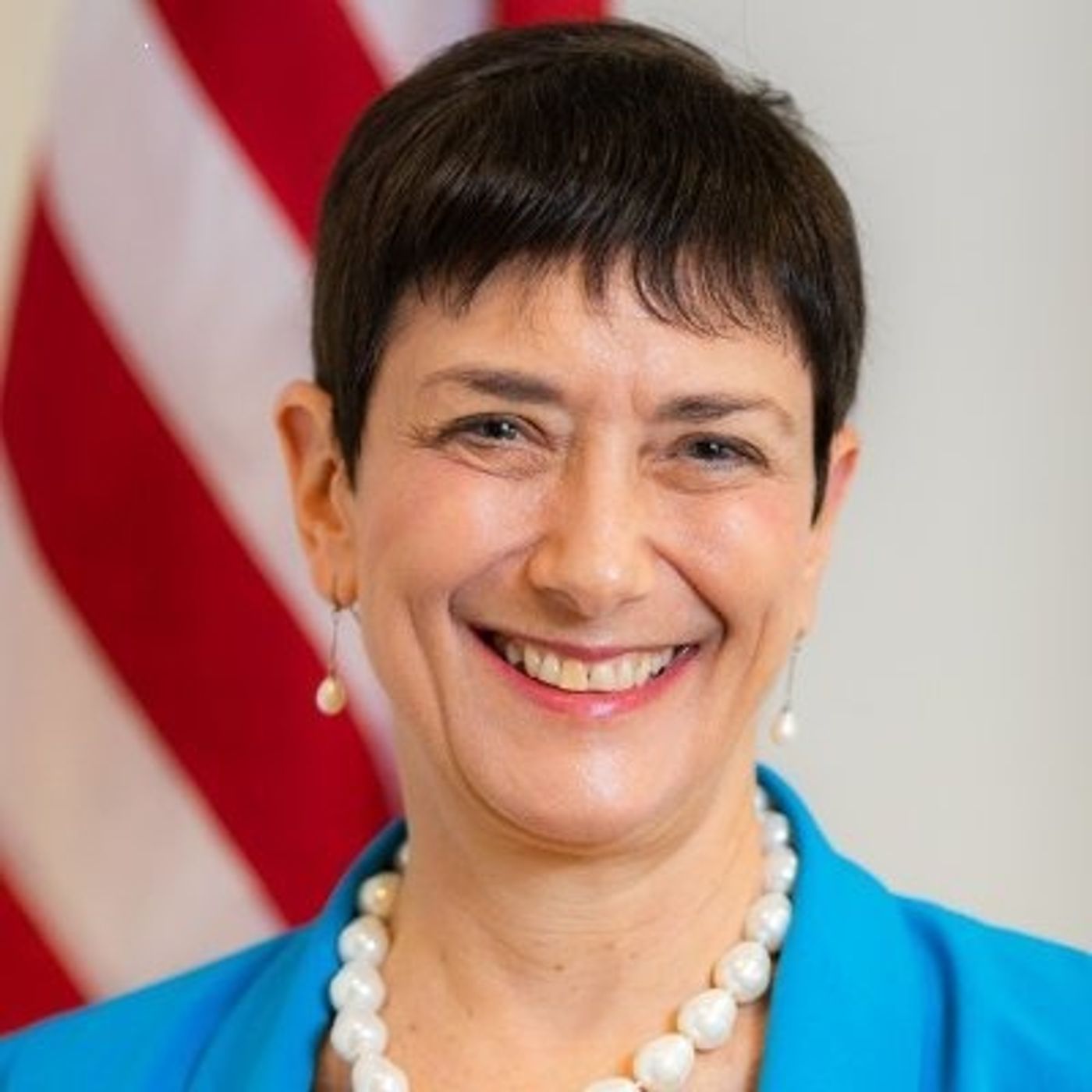
Former US Ambassador Judith Cefkin provides a sobering assessment of how the Trump administration's foreign policy shifts are reshaping American engagement with Pacific Island nations. Drawing on her 35-year diplomatic career and experience as US Ambassador to Fiji, Kiribati, Nauru, Tonga and Tuvalu from 2015-2018, Cefkin warns that the administration's withdrawal from the Paris Agreement, dismantling of USAID, and proposed 85% cuts to international affairs funding threaten to undermine decades of carefully built relationships. She contrasts America's retreat from soft power engagement with China's consistent approach to the region, while noting that some programs like the Millennium Challenge Corporation's work in Kiribati may survive. Overall, the US’s trajectory represents a dramatic scaling back at precisely the moment when strategic competition in the Pacific is intensifying.The conversation opens with Cefkin outlining the fundamental challenges facing US-Pacific relations under the second Trump administration. She identifies two immediate concerns that have deeply unsettled Pacific Island nations: the US withdrawal from the Paris Agreement, which she describes as a "bitter pill" for countries that view climate change as their primary security threat, and the freeze on aid programs coupled with the dismantling of USAID. These moves come after years of increased American attention to the region that began during the first Trump administration and accelerated under President Biden, making the reversal particularly jarring for Pacific partners who had grown accustomed to expanded US engagement.Cefkin provides stark details about the scale of proposed cuts to American foreign assistance. The administration has requested a 49% reduction in the International Affairs Budget for fiscal year 2026, while simultaneously attempting to claw back funding already appropriated for the current fiscal year. If both measures succeed, the result would be an unprecedented 85% cut to programs that fund both diplomatic operations and development assistance. While these are global figures that don't specify Pacific impacts, Cefkin emphasises that competition for increasingly scarce resources will make it difficult for Pacific programs to maintain funding levels. The human cost extends beyond aid recipients to include a brain drain within the State Department itself, as experienced professionals retire early or leave government service just when their expertise is most needed.The discussion reveals how comprehensively the cuts would affect US engagement tools in the Pacific. Educational exchange programs face potential budget reductions of up to 93%, threatening scholarships that bring Pacific students to American universities and short-term training programs that have built people-to-people connections for decades. The East-West Center in Honolulu, which Cefkin describes as "a vital platform for convening US and Pacific Island officials and citizens," faces existential threats from budget cutbacks. Even successful programs aren't immune — while the Millennium Challenge Corporation's threshold program in Kiribati continues to help young people develop workforce skills, the institution itself was targeted for elimination by the administration's efficiency commission, though it has survived thus far.Geopolitical implications emerge as a central concern throughout the conversation. Cefkin notes that China has already begun capitalising on perceived American disengagement, with the Chinese foreign minister recently hosting officials from eleven Pacific Island countries in Beijing where he "painted the United States as being disengaged and disinterested" while announcing new assistance programs. She describes China's approach as consistent and long-term, contrasting it with what Fiji's former ambassador to the US termed America's "stop-start relationships" that Pacific nations find deeply frustrating. This dynamic plays out against a backdrop of increasing Chinese economic leverage, with 2025 marking a critical year when ten Pacific Island countries must make record-high debt repayments to China based on loans accepted in the 2010s.The interview explores the unique relationships with the Freely Associated States — Federated States of Micronesia, Palau, and the Marshall Islands — which receive the bulk of US assistance to the Pacific. Cefkin explains how these countries maintain sovereignty while granting the US defence rights in exchange for substantial financial support administered through multiple federal agencies rather than traditional foreign aid channels. She expresses concern about implementation capacity as the agencies managing these programs face their own staff and budget reductions, though the compact funding itself appears more secure than other assistance programs. The discussion also touches on the stalled US tuna treaty, which remains stuck in Congress despite its economic importance to Pacific Island nations and symbolic value as a concrete expression of partnership.Military engagement emerges as the one area where US involvement continues to grow, with Cefkin acknowledging the strategic importance of defence partnerships while warning against an overly militarised approach. She describes valuable programs like ship-rider agreements that help Pacific nations patrol their vast maritime territories and counter illegal fishing that costs them millions in lost revenue. However, she emphasises that military cooperation alone cannot substitute for the comprehensive engagement that includes development assistance, educational exchanges, and diplomatic presence. The shift from soft power to hard power tools risks making the US a less attractive partner for Pacific nations seeking balanced relationships that address their development needs while respecting their sovereignty.The conversation concludes with Cefkin's reflections on the future of US-Pacific relations and the role of Congress in potentially moderating the administration's approach. She notes that bipartisan support for Pacific engagement has traditionally transcended party lines, citing testimony before Congress where both Democratic and Republican members expressed strong interest in strengthening regional relationships. Her hope is that Congress will recognise that maintaining Pacific programs requires relatively modest investments that yield disproportionate benefits for US interests. However, she acknowledges the fluid and uncertain nature of the current situation, with much depending on how Congress responds to the administration's budget requests and whether traditional supporters of Pacific engagement can make their voices heard above competing priorities.
Devpolicy Talks is the podcast of the Australian National University's Development Policy Centre. Read and subscribe to our daily blogs at devpolicy.org.Learn more about our research and join our public events at devpolicy.anu.edu.au.Follow us on Twitter, Facebook, LinkedIn and Instagram for latest updates on our blogs, research and events.You can send us feedback, and ideas for episodes too, to devpolicy@anu.edu.au.
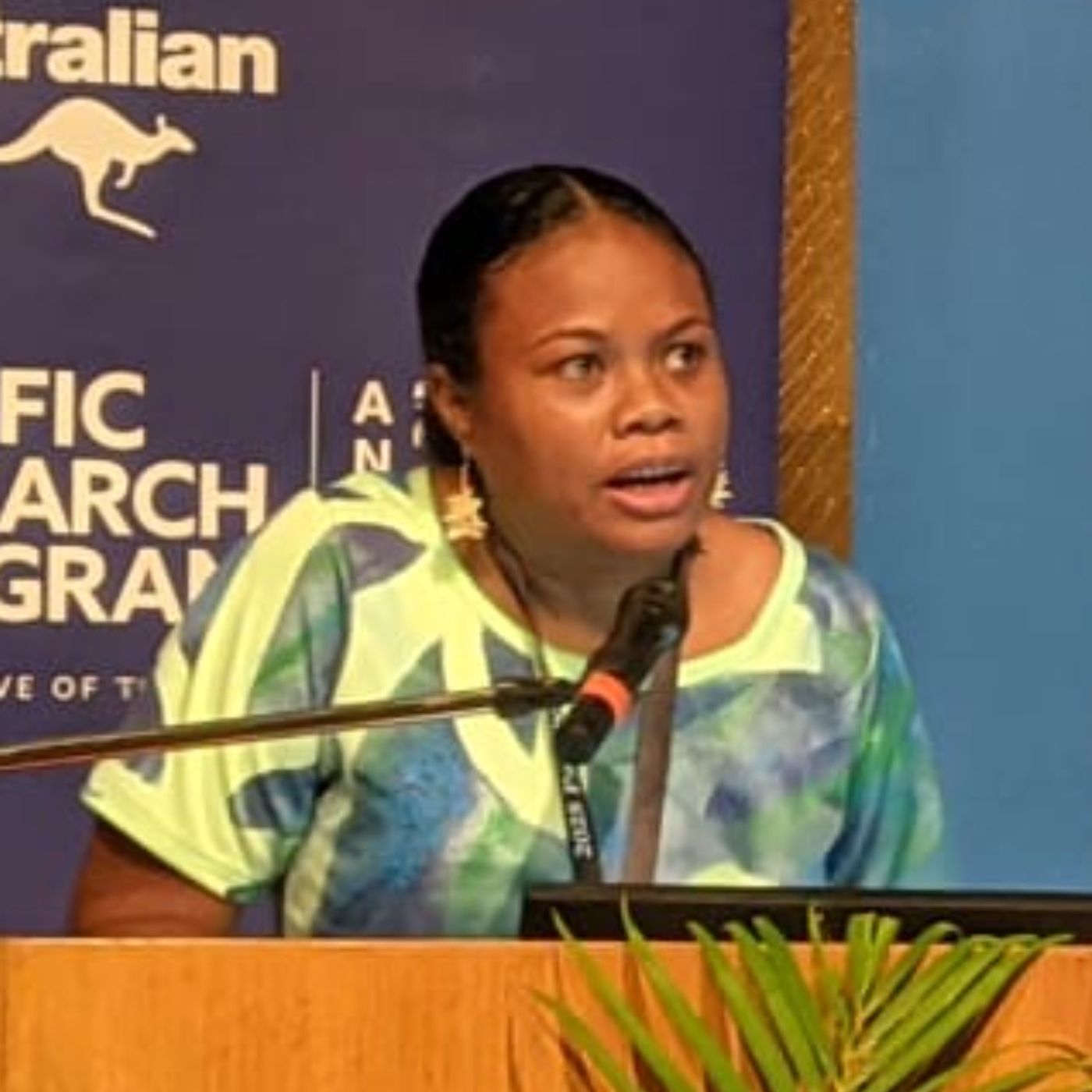
Christina Marau, Director for Labour Mobility at the Solomon Islands Ministry of Foreign Affairs and External Trade, provides an insider's perspective on how Pacific labour mobility schemes operate in practice. Drawing on her experience managing a system that handles thousands of applications and maintains a database of 6,500 work-ready candidates, Marau explains how Solomon Islands has become one of the most successful participants in Australia's Pacific Australia Labour Mobility (PALM) scheme and New Zealand's Recognised Seasonal Employer (RSE) program. She discusses the economic imperative driving participation — with remittances reaching $475 million SBD in 2024 — while addressing practical challenges from managing worker expectations to preventing absconding. Marau then shares her vision for expanding labour mobility opportunities throughout the Pacific region.The episode opens with Marau explaining why labour mobility has become a national priority for Solomon Islands. With a minimum wage of just $8 SBD (approximately A$1.60) and the government struggling to create sufficient employment for trained youth, the opportunity to work in Australia and New Zealand at vastly higher wages represents a transformative economic opportunity. This economic imperative drives remarkable participation rates — when Solomon Islands opened recruitment for just two weeks in 2023, it received 12,000 applications, eventually registering 8,000 into its "work-ready pool" database that now holds 6,500 candidates.Marau outlines how Solomon Islands has developed one of the most systematic approaches to labour mobility in the Pacific. Unlike countries relying on agents or direct recruitment, Solomon Islands uses a centralised government-managed system supported by Australian government funding through the Department of Foreign Affairs and Trade. This includes face-to-face interviews, biometric data collection and careful screening — a labour-intensive process that took two years to complete for the 2023 cohort but ensures transparency and maintains the country's strong reputation with employers. The system has evolved since Solomon Islands joined Australia's seasonal worker program in 2012 and New Zealand's RSE in 2008, with particular growth during COVID when the country's lack of community transmission allowed continued worker mobilisation.Economic impact emerges as a central theme, with remittances reaching $475 million SBD in 2024. However, Marau expresses concern about avoiding a "remittance trap", noting that returning workers tend to invest in basic ventures like transport services rather than larger businesses due to limited financial management skills and a challenging business environment. Other persistent challenges include low female participation at just 14% across programs, managing the tension between international opportunities and domestic labour needs, and preventing worker absconding which threatens Solomon Islands' reputation.The conversation reveals how Solomon Islands navigates the complex governance of these schemes. While supporting the single-employer model in Australia's PALM scheme for long-term placements, Marau sees merit in New Zealand's more flexible joint ATR [Agreement to Recruit] system for seasonal work. She describes engaging with Australian and New Zealand governments through multiple channels — from day-to-day dialogue with DFAT posts to formal processes like the Pacific Labour Mobility Annual Meeting that Solomon Islands will host in November 2025. Policy changes require patience as proposals work through multiple bureaucratic levels.Looking forward, Marau discusses an ambitious growth target of 16,000 workers by 2028 and emerging opportunities beyond traditional markets. Solomon Islands has pioneered an intra-Pacific labour mobility pilot with Niue and sees potential for formal arrangements with other Pacific nations where workers already go informally. She emphasises the importance of maintaining program integrity through careful pre-departure briefings and support systems while acknowledging ongoing challenges like helping workers access Australian superannuation and creating pathways for skills gained abroad to benefit the domestic economy.The episode concludes with Marau's reflections on research and evidence-building, advocating for locally engaged research that provides essential context for policy decisions. Her team of 20 staff (split between the labour mobility unit and DFAT-funded support program) represents a significant investment in managing these transformative but complex schemes that she describes as providing opportunities that are literally changing lives across Solomon Islands.
Devpolicy Talks is the podcast of the Australian National University's Development Policy Centre. Read and subscribe to our daily blogs at devpolicy.org.Learn more about our research and join our public events at devpolicy.anu.edu.au.Follow us on Twitter, Facebook, LinkedIn and Instagram for latest updates on our blogs, research and events.You can send us feedback, and ideas for episodes too, to devpolicy@anu.edu.au.
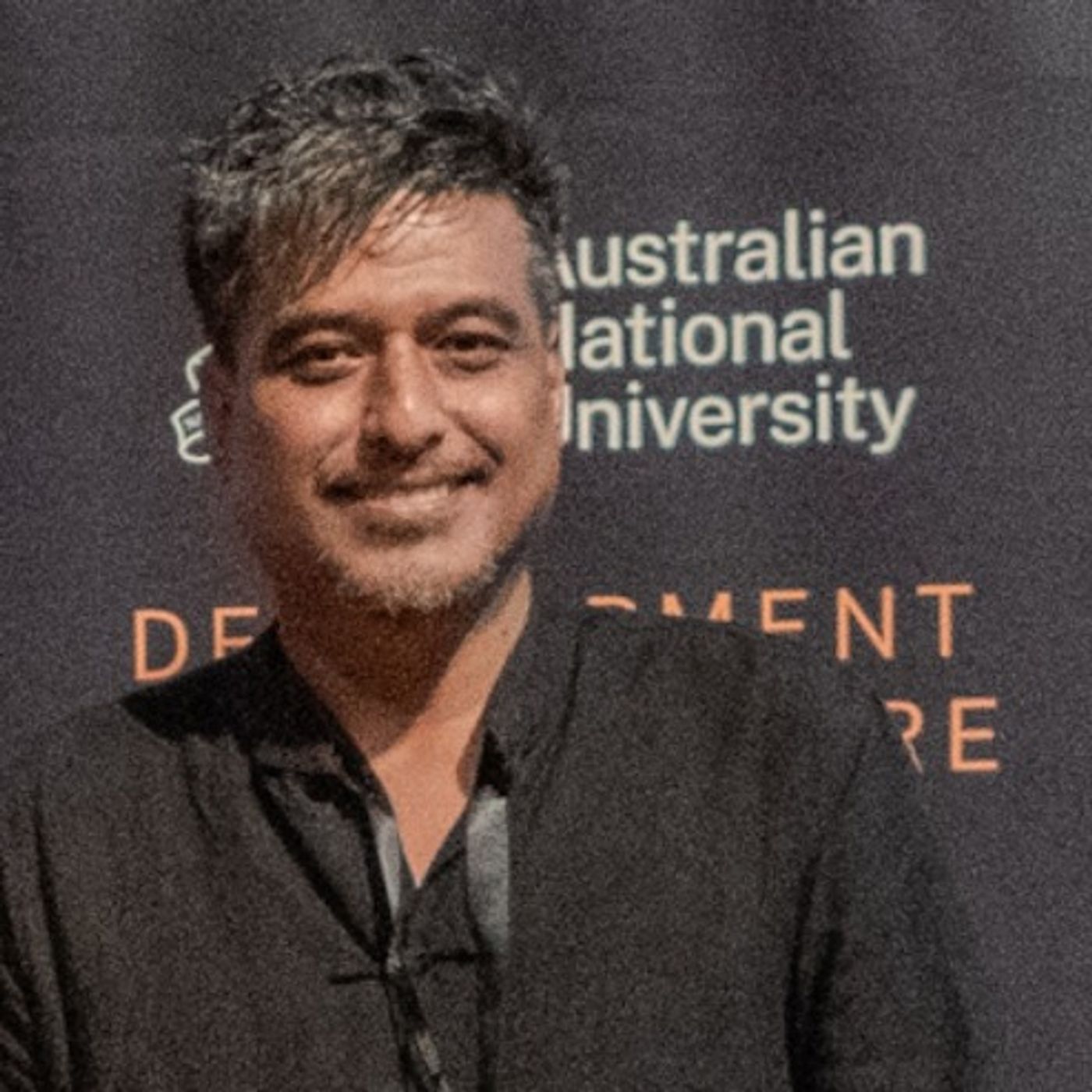
In this episode, we delve into the life and work of Rimon Rimon, a dynamic i-Kiribati citizen who has shaped both the public narrative in his own country and the evolution of independent journalism in the Pacific. Rimon’s career began in education and government service, but it was his appointment as Lead Communications and Public Relations Adviser to President Anote Tong that placed him at the centre of Kiribati’s international engagement. For over a decade, Rimon was responsible for crafting and communicating Kiribati’s message to the world — most notably on the existential threat of climate change. He managed media campaigns, coordinated public diplomacy and represented the country at major global forums, building a reputation as a skilled and trusted communicator.After leaving government, Rimon turned to independent journalism, founding the Kiribati Newsroom and contributing to regional and international outlets. His reporting has tackled corruption, misinformation and the everyday realities of life in one of the world’s most remote nations. Rimon’s advocacy extends beyond the newsroom: he is active in anti-corruption networks, mentors young journalists and has helped develop resources to strengthen Pacific media.Throughout the conversation, Rimon reflects on the pressures facing journalists in small island states, the lessons he learned working alongside President Tong and the ongoing struggle for press freedom and public accountability. He shares his vision for a Pacific where independent media is empowered to inform, challenge and connect communities, and where journalists can collaborate to defend democracy and drive development.Devpolicy Talks is the podcast of the Australian National University’s Development Policy Centre. Our producers are Robin Davies, Amita Monterola and Finn Clark.
Devpolicy Talks is the podcast of the Australian National University's Development Policy Centre. Read and subscribe to our daily blogs at devpolicy.org.Learn more about our research and join our public events at devpolicy.anu.edu.au.Follow us on Twitter, Facebook, LinkedIn and Instagram for latest updates on our blogs, research and events.You can send us feedback, and ideas for episodes too, to devpolicy@anu.edu.au.

The episode opens with Deputy Prime Minister Biman Prasad reflecting on his transition from academia to politics. Born in Dreketi, Vanua Levu, in a rice farming area that benefited from Australian aid programs in the 1970s, Prasad rose through the academic ranks to become Professor of Economics and Dean of the Faculty of Business and Economics at the University of the South Pacific. He left academia in 2014 to lead the National Federation Party, entering politics during what he describes as a challenging period following the 2006 coup and years of military rule.Prasad characterises the government that ruled from 2014 to 2022 as an "elective dictatorship," noting that despite elections being held, strict media censorship, restrictions on freedom of speech, and draconian laws carried over from the military regime created an undemocratic environment. His eight years in opposition taught him valuable lessons about the tension between good economics and good politics — a perspective he now applies as Finance Minister in Fiji's first coalition government in over 30 years.The conversation explores Fiji's economic recovery from COVID-19, when the country experienced the fourth-largest economic contraction globally with GDP falling by almost 20%. While acknowledging IMF concerns about the pace of fiscal consolidation, Prasad defends the government's approach of balancing debt reduction with continued social spending. He highlights the decision to write off $650 million in student debt — replacing it with merit-based scholarships — as an example of necessary post-COVID support that the IMF might not fully appreciate.Prasad outlines ambitious targets for Fiji's economic future, including becoming a high-income country by 2050, which would require sustained growth of 4-5% annually. The government has reduced the debt-to-GDP ratio from 90% to 78% since taking office and aims to bring it below 60% over the next 15 years. However, he emphasises that this must be achieved through economic growth rather than excessive spending cuts, which could be counterproductive.A significant portion of the discussion focuses on regional integration, with Prasad articulating his vision for visa-free travel throughout the Pacific, including Australia and New Zealand. He argues this would represent Australia's "century in the Pacific," creating deeper unity and common purpose across the region. While acknowledging this cannot happen overnight, he points to recent improvements in visa processing times and growing support from Pacific leaders as evidence of progress.The interview addresses current challenges including the 32% US tariff on Fijian exports — the highest in the Pacific — which particularly affects Fiji Water. Prasad expresses disappointment but remains optimistic about negotiations, while warning about the broader risks of global trade wars potentially affecting tourism and remittances if major economies slow down.On climate finance, Prasad advocates for what he calls "decolonising climate finance", arguing that Pacific Island countries need urgent support for adaptation and loss and damage rather than just mitigation. He criticises the application of the same funding rules to small island states as to large countries like Indonesia or India, calling for recognition of the unique vulnerabilities and limited fiscal capacity of Pacific nations.The episode also examines Fiji's complex relationship with development assistance. While the reduction in US aid presence is manageable given USAID had only recently re-established operations, Prasad sees the current global funding constraints as potentially beneficial, forcing African countries in particular to reduce aid dependence and take greater control of their health systems. He notes that Pacific countries, unlike many African nations, have largely avoided becoming overly dependent on external funding.Throughout the conversation, Prasad emphasises the importance of technical education in addressing labour shortages, particularly in tourism. He acknowledges that many trained Fijians will migrate to Australia and New Zealand but sees this as part of a broader regional integration that benefits Fiji through remittances. The government is investing heavily in technical education infrastructure that was neglected by the previous administration.The discussion concludes with Prasad's reflections on governance and democratic institutions. He notes with pride that the current coalition is the first in Fiji's 54-year history where a government has changed hands democratically and lasted more than a year. The immediate repeal of media restrictions, including the draconian Media Industry Development Act, and the restoration of academic freedom, represent fundamental changes. While acknowledging that "no government gets everything right", he believes they have established a solid foundation for democracy that augurs well for Fiji's future stability and prosperity.
Devpolicy Talks is the podcast of the Australian National University's Development Policy Centre. Read and subscribe to our daily blogs at devpolicy.org.Learn more about our research and join our public events at devpolicy.anu.edu.au.Follow us on Twitter, Facebook, LinkedIn and Instagram for latest updates on our blogs, research and events.You can send us feedback, and ideas for episodes too, to devpolicy@anu.edu.au.

The episode opens with Leith Greensalde recounting her journey from rural Queensland to international global health work. After starting her career as a political adviser to senior Labor politicians including Brian Howe, she moved to the United States for graduate study at the Harvard Kennedy School prior to Labor's anticipated 1996 election loss. Following a brief and unsatisfying return to work with Labor in opposition, and business studies in Hong Kong during the handover to China, she eventually settled in New York to work in global health during what she describes as the "golden era" of funding and institution-building in the 2000s.Her work with major institutions including the Gates Foundation, Gavi and the Global Fund gave her a front-row seat at the creation of the modern global health architecture but also left her frustrated by what she saw as narrow focus and bureaucratic limitations. This led her to found Just Actions, a platform focused on ten high-impact but neglected issues, with childhood pneumonia as the flagship cause.Leith explains that pneumonia has been the leading infectious killer of children for decades, claiming approximately 500,000 lives annually — more than HIV, malaria, and tuberculosis combined. Yet it has consistently been overlooked by global health agencies and funders. She attributes this neglect to several factors: children in low-income countries who are most affected have no political voice, the disease has multiple causes with no single solution, and unlike other major diseases, pneumonia lacks a dedicated global fund or agency to coordinate efforts.The conversation explores the multiple barriers children face throughout what Leith calls the "pneumonia journey." Many families do not recognise the symptoms or understand the urgency of seeking care — in many countries there isn't even a word for pneumonia. When children do reach health facilities, diagnosis is difficult without rapid tests that can differentiate bacterial from viral pneumonia. Essential treatments like amoxicillin dispersible tablets (child-friendly antibiotics) and medical oxygen are frequently unavailable due to market failures and the absence of coordinated procurement systems.Leith's advocacy during the COVID-19 pandemic brought the issue of medical oxygen to global attention. She describes families across Latin America, Asia and Africa being forced to source oxygen on black markets while the global health community was slow to respond. Her work with the Every Breath Counts Coalition and the subsequent Lancet Global Health Commission on Medical Oxygen Security revealed that 70% of people worldwide who need oxygen do not receive it — a gap far greater than for other essential medicines like HIV/AIDS or malaria treatments.The discussion turns to regional issues, with Leith noting that Asia is actually the worst-affected region for respiratory conditions when including India, driven by pollution, crowding and smoking. She acknowledges the particular vulnerability of Pacific Island countries, which experienced oxygen shortages during COVID-19, while praising the support provided by the Australian government and universities in the region. She highlights the work of Professor Fiona Russell at Murdoch Children's Research Institute as an exemplary case of Australian leadership in pneumonia prevention.Despite the challenges, the conversation includes discussion of promising innovations. New RSV vaccines and monoclonal antibodies could potentially eliminate RSV as a childhood killer, while WHO's recent Integrated Lung Health Resolution represents the first coordinated approach to addressing both infectious and chronic respiratory conditions together.The episode also examines the current global health funding crisis, which Leith views not as a catastrophe but as an opportunity for necessary reform of what she sees as an unsustainable system built in the 2000s. She argues that the proliferation of large international organisations created inefficient “middleman” layers while fostering unhealthy dependence, particularly in African countries where entire health systems became reliant on external funding. The current constraints may force more effective prioritisation and potentially allow countries to regain greater control over their health systems.Leith remains optimistic about achieving the Sustainable Development Goal of ending preventable child deaths by 2030. She notes that global child mortality has already halved from 12 million to 5 million deaths annually, and believes that with focused effort on diseases like pneumonia that kill the most children, the world could achieve what she describes as guaranteeing the survival of most children regardless of where they are born — something our species has never accomplished before.Devpolicy Talks is the podcast of the Australian National University's Development Policy Centre. Our producers are Robin Davies, Amita Monterola and Finn Clark. You can read and subscribe to our daily blogs on aid, international development, and the Pacific at devpolicy.org. Follow us on Facebook, LinkedIn, Instagram, and Twitter. Send feedback or episode ideas to devpolicy@anu.edu.au. Join us again in a fortnight for the next episode of Devpolicy Talks.Resources and Further ReadingEvery Breath Counts CoalitionLancet Global Health Commission on Medical Oxygen SecurityJust ActionsWorld Health Assembly Integrated Lung Health Resolution (2025)
Devpolicy Talks is the podcast of the Australian National University's Development Policy Centre. Read and subscribe to our daily blogs at devpolicy.org.Learn more about our research and join our public events at devpolicy.anu.edu.au.Follow us on Twitter, Facebook, LinkedIn and Instagram for latest updates on our blogs, research and events.You can send us feedback, and ideas for episodes too, to devpolicy@anu.edu.au.
The episode opens with Helen describing her unexpected route into humanitarian law, beginning as a labour lawyer before being drawn into international work through her involvement with women from the former Yugoslavia in the 1990s. Her early efforts to help establish rape as a war crime led her to gather evidence for war crimes tribunals and pursue a PhD on the laws of war, focusing on the prosecution of sexual violence and the impact of civil society on legal change.Helen recounts her experiences working at the grassroots level in Thailand and the Pacific, where she learned the importance of listening to affected communities and adapting legal frameworks to local realities. She reflects on her time at the International Committee of the Red Cross (ICRC), where she became the first woman and first non-Swiss to lead the International Law and Policy department. Helen discusses the cultural and gender dynamics she navigated, the need for a more open and solution-oriented approach, and her efforts to highlight the effectiveness of international humanitarian law in practice.A major focus of the conversation is Helen’s role in global treaty-making and legal reform. She shares insights from her work on the Treaty on the Prohibition of Nuclear Weapons, her advocacy for new norms on autonomous weapons, and her push for stronger compliance mechanisms within international humanitarian law. Helen also discusses the challenges of promoting legal accountability in an era of shifting geopolitics and the rise of non-state armed groups.Turning to her current role, Helen outlines her vision for RedR Australia: building a robust, sovereign capacity for deploying skilled professionals to crises both internationally and domestically. She emphasises the value of practical training, the importance of maintaining expertise within Australia, and the organisation’s expanding partnerships with government departments and emergency agencies.The episode concludes with Helen’s reflections on the paradoxes of humanitarian action, the ongoing need for political solutions, and her cautious optimism for the sector’s capacity to adapt and make a difference. She also highlights her involvement with Geneva Call, a Geneva-based humanitarian organisation that engages armed groups to improve the protection of civilians in conflict zones.
Devpolicy Talks is the podcast of the Australian National University's Development Policy Centre. Read and subscribe to our daily blogs at devpolicy.org.Learn more about our research and join our public events at devpolicy.anu.edu.au.Follow us on Twitter, Facebook, LinkedIn and Instagram for latest updates on our blogs, research and events.You can send us feedback, and ideas for episodes too, to devpolicy@anu.edu.au.

The interview opens with Postma reflecting on his career trajectory, from senior roles at the United Nations and the Dutch Ministry of Justice and Security to founding Justice for Prosperity. He explains how the organisation operates at the intersection of intelligence and advocacy, using advanced technologies — including AI-driven tools — to map and counter the tactics of anti-rights actors. Postma describes how his team supports at-risk groups such as LGBTIQ+ individuals, activists, and journalists, not only by sharing intelligence but also by providing training in physical and cyber security.A central focus of the discussion is the recent intelligence assessment conducted by Justice for Prosperity and the International Planned Parenthood Federation, covering ten countries in the region. Postma reveals how anti-rights actors — ranging from authoritarian states to ultra-conservative religious groups and populist alliances — manipulate cultural narratives and exploit societal divisions. He highlights how issues as diverse as vaccine scepticism, climate change, and demographic decline are weaponised to advance exclusionary and often destructive agendas. The report’s findings underscore the deliberate and interconnected nature of these movements, and the urgent need for early detection and coordinated responses across governments and civil society.Postma provides concrete examples from the region, such as the role of faith leaders in spreading disinformation about sexual and reproductive health, and the targeting of marginalised groups through lobbying, strategic alliances, and discriminatory legislation. He also discusses the economic and political motivations underpinning these campaigns, including the pursuit of influence, funding, and power. The conversation touches on the challenges of combating corruption and the blurred lines between legal and illegal activities, as seen in cases like Vanuatu’s passport sales to Russian nationals.The interview concludes with Postma’s vision for Justice for Prosperity and the broader fight to defend democracy in the Asia-Pacific. He emphasises the importance of cross-sectoral collaboration, intelligence sharing, and solidarity among rights movements, health networks, and climate advocates. Postma calls for governments — including Australia’s — to recognise these threats as matters of national security, not just health or human rights, and to break down silos in their policy responses. He stresses that only by understanding and exposing the complex, covert tactics of anti-rights actors can societies build effective, long-term defences.Download the Subversive Powers report.
Devpolicy Talks is the podcast of the Australian National University's Development Policy Centre. Read and subscribe to our daily blogs at devpolicy.org.Learn more about our research and join our public events at devpolicy.anu.edu.au.Follow us on Twitter, Facebook, LinkedIn and Instagram for latest updates on our blogs, research and events.You can send us feedback, and ideas for episodes too, to devpolicy@anu.edu.au.
This special episode is a joint production of the Australian National University’s Development Policy Centre, the Australian Council for International Development, the International Development Contractors Community and the Safer World for All Campaign. The episode opens with Minister Pat Conroy outlining Labor’s record and vision for Australia’s international development program. He highlights the government’s significant increases to the Official Development Assistance (ODA) budget, surpassing $5 billion for the first time in over a decade, and emphasises reforms to policy performance, gender equality, disability inclusion, and transparency. Conroy frames Australia’s aid as both a moral obligation and a matter of national interest, particularly as other donors withdraw from the region. He points to the importance of partner-led approaches, long-term indexation of the aid budget, and new mechanisms such as the Australian Development Investments vehicle. On humanitarian funding, Conroy acknowledges rising global needs but argues that the government’s overall humanitarian spending far exceeds the fixed $150 million Humanitarian Emergency Fund, with total humanitarian outlays projected at $859 million in the coming year. He also stresses the need for flexibility in policy settings to respond to evolving challenges and partner priorities, underpinned by ongoing sector consultation.Senator Mehreen Faruqi presents the Greens’ vision for a “bigger and better” aid program grounded in solidarity, global justice and climate justice. She critiques traditional aid paradigms based on charity or narrow national interest, advocating instead for needs-based, partnership-driven assistance that addresses historical injustices and centres the rights and voices of recipient communities. Faruqi calls for Australia to increase its aid budget to 0.7% of GNI over ten years, as recommended by the UN, and to provide additional climate finance in recognition of Australia’s role as a major fossil fuel exporter. She proposes an independent development oversight agency to improve accountability and ensure aid is not captured by commercial interests. Faruqi is critical of the government’s approach to climate change, arguing that continued fossil fuel expansion undermines claims of climate leadership. On humanitarian crises, she calls for increased support, particularly in the face of funding shortfalls caused by US and UK aid cuts, and highlights the need for Australia to play a constructive role in addressing global inequality and conflict.Independent MP Zali Steggall argues that strong international development is essential for both regional stability and Australia’s national security. She supports calls to restore the aid budget to 1% of federal expenditure, noting that current levels are well below public expectations and international standards. Steggall emphasises the importance of climate resilience, both domestically and regionally, and advocates for a $10 billion Climate Resilience Fund domestically with similar investments regionally. She frames aid not as a “nice-to-have” but as a strategic investment in Australia’s future, particularly as global leadership from traditional donors wanes. Steggall also calls for a reassessment of DFAT’s Humanitarian Emergency Fund, which has remained static despite rising needs, and urges a more humane and consistent approach to refugee policy, including clearer pathways for those fleeing conflicts such as Gaza. She sees a leadership opportunity for Australia, especially in partnership with Pacific nations, to advance climate and humanitarian objectives.Throughout the episode, all three interviewees respond to the withdrawal of major donors like the US and UK, agreeing that Australia must step up its support for the region and beyond. While there is consensus on the need for increased aid and a focus on climate resilience, the parties differ on the scale of ambition, the role of commercial interests, and the mechanisms for delivering and overseeing aid. The discussions also highlight broader themes of national interest, moral responsibility, and the interconnectedness of security, development, and climate action.Devpolicy Talks is the podcast of the Australian National University’s Development Policy Centre. The producers of this episode were Robin Davies, Amita Monterola and Cameron Hill. Music by Finn Clarke.Visit the Australian Aid Tracker at devpolicy.org/aidtracker.
Devpolicy Talks is the podcast of the Australian National University's Development Policy Centre. Read and subscribe to our daily blogs at devpolicy.org.Learn more about our research and join our public events at devpolicy.anu.edu.au.Follow us on Twitter, Facebook, LinkedIn and Instagram for latest updates on our blogs, research and events.You can send us feedback, and ideas for episodes too, to devpolicy@anu.edu.au.

In this episode of Devpolicy Talks, Robin Davies interviews Stefan Schmitz, Executive Director of the Global Crop Diversity Trust.The conversation begins with a discussion of the Svalbard Global Seed Vault in Norway. Often called the "Doomsday Vault", it actually serves as a safety backup for the world's 800+ gene banks, protecting against localised mishaps like civil wars, fires, or natural disasters. Stefan explains how this resource proved invaluable during the Syrian Civil War, allowing the International Center for Agricultural Research in the Dry Areas (ICARDA) to retrieve its vital seed collection and resume research in Morocco after its Aleppo headquarters was looted.Stefan details the practical aspects of the Vault's operations — its Arctic location provides natural cooling advantages, reducing operational costs while offering geological stability. Currently holding about one-third of its 4.5 million seed sample capacity, the Vault aims to fill the remaining chambers over the next 10 to 20 years.Beyond Svalbard, Stefan outlines the Crop Trust's broader mission to support gene banks worldwide through its endowment fund and technical assistance. He emphasises that gene banks aren't static museums but innovation hubs crucial for agricultural development. The Trust helps gene banks collect, characterise and distribute crop diversity to researchers and farmers, particularly focusing on developing varieties that can withstand climate change and provide improved nutrition.The discussion also covers the Trust's information systems work, including the Genesis platform that now catalogues 75% of all registered crop accessions globally. Stefan highlights the Trust's emergency response efforts in conflict zones like Ukraine and Sudan, where it helps secure threatened seed collections.Looking to the future, Stefan acknowledges funding challenges in the current climate of shrinking support for development programs and multilateral organisations, though 2024 was the Trust's most successful year for resource mobilisation. He outlines the Trust's 2030 strategy, which shifts from supporting individual gene banks to building a more integrated global system with better coordination and information sharing.The interview concludes with discussions about the Crop Trust's work in the Asia-Pacific region, including projects with the The Pacific Community in Fiji and prospects for deeper collaboration with Australia.
Devpolicy Talks is the podcast of the Australian National University's Development Policy Centre. Read and subscribe to our daily blogs at devpolicy.org.Learn more about our research and join our public events at devpolicy.anu.edu.au.Follow us on Twitter, Facebook, LinkedIn and Instagram for latest updates on our blogs, research and events.You can send us feedback, and ideas for episodes too, to devpolicy@anu.edu.au.
In this episode of Devpolicy Talks, Amita Monterola speaks with Dr Cameron Hill and Honorary Professor Robin Davies about Australia's 2025-26 aid budget. The conversation reveals two competing narratives within the budget: Australia's repositioning in an uncertain global environment alongside its role as a stable and reliable partner during turbulent times.The analysis shows that despite rhetoric about reprioritisation, the budget largely maintains stability in allocations. The Pacific continues to receive the largest share at 42% of total aid, followed by Southeast Asia at 25%, with minimal changes from previous patterns. The governance sector remains the predominant focus, while health expenditure stays relatively low at 13% of the aid budget.Robin Davies provides concerning projections for global aid volumes, suggesting a potential decline of at least 25% in international aid by 2027. This reduction is driven primarily by significant cuts from three major donors: the United States, the United Kingdom and Germany. The discussion details the chaotic implementation of US aid cuts, with approximately 25-50% of US aid dollars being cancelled across various sectors.The conversation also examines the Australian Infrastructure Financing Facility for the Pacific (AIFFP), revealing that despite being conceived primarily as a loan facility, it has relied heavily on its grant component. With 84% of its grant funding already committed but only a third of its available loans utilised, the facility faces challenges due to Pacific nations' limited capacity to take on non-concessional debt post-COVID.The timing of this budget is particularly significant as Australia heads into a federal election on 3 May. The discussion concludes with insights into how Devpolicy will cover the intersection of aid policy and election campaigning, noting that a change in government would render the current budget null and void and potentially signal shifts in Australia's approach to international aid. 2025 Australian aid update by Stephen HowesBurden-shedding: the unravelling of the OECD aid consensus by Robin Davies2025 aid budget breakfast recording2025 aid budget breakfast slidesAustralian Aid Tracker Further reading:Cheques and (power) balances: aid in a post-liberal world by Cameron HillUSAID Cuts: New Estimates at the Country Level by Justin Sandefur and Charles KennyHow many lives does US foreign aid save? by Justin Sandefur and Charles Kenny
Devpolicy Talks is the podcast of the Australian National University's Development Policy Centre. Read and subscribe to our daily blogs at devpolicy.org.Learn more about our research and join our public events at devpolicy.anu.edu.au.Follow us on Twitter, Facebook, LinkedIn and Instagram for latest updates on our blogs, research and events.You can send us feedback, and ideas for episodes too, to devpolicy@anu.edu.au.
In this episode of Devpolicy Talks, Robin Davies interviews Asif Saleh, the Executive Director of BRAC, one of the world’s largest and most influential non-governmental organisations. Asif reflects on BRAC’s remarkable evolution from a post-war relief organisation in Bangladesh to a global leader in tackling poverty, health, education and social innovation. Under his leadership, BRAC has identified and addressed emerging challenges such as urban poverty, youth unemployment and climate adaptation.Asif begins by recounting BRAC’s origins in the aftermath of Bangladesh’s War of Independence in 1971. Initially focused on refugee rehabilitation, the organisation quickly pivoted to long-term development solutions, recognising the multidimensional nature of poverty. Over the years, BRAC has pioneered scalable models in microfinance, health care, education, and social enterprises. It has also developed a unique ecosystem that integrates livelihood programs with market connections through its social enterprises, including a dairy company and a rural artisan fashion brand.The conversation explores Asif’s personal journey from investment banking at Goldman Sachs to development leadership at BRAC. He describes how his work with human rights advocacy among Bangladeshi diaspora communities inspired his transition to development. Since joining BRAC in 2011, Asif has leveraged his private sector expertise to drive innovation within the organisation, launching initiatives like the Social Innovation Lab and programs targeting urban poverty and youth skills development.Asif discusses BRAC’s current priorities, which reflect the pressing challenges facing Bangladesh today. Rapid urbanisation, climate-induced migration, and underemployment among young people are at the forefront of BRAC’s agenda. He highlights how climate adaptation is intertwined with poverty alleviation, as many displaced individuals come from Bangladesh’s poorest regions. BRAC is working to develop scalable solutions that enable vulnerable populations to remain in their communities while building resilience against climate shocks.The interview also touches on political changes in Bangladesh and their impact on BRAC’s operations. Asif explains how the organisation navigates political transitions while maintaining partnerships with governments to deliver essential services. He emphasises the importance of fostering collaboration between civil society, government, and the private sector to address systemic challenges.A key focus of the discussion is BRAC’s globally acclaimed Graduation Model for poverty reduction. This two-year program targets ultra-poor households with asset transfers, coaching, and skill-building to help them achieve sustainable livelihoods. Asif explains how this model has been rigorously tested and adapted across diverse contexts worldwide, becoming a gold standard for addressing extreme poverty.Looking ahead, Asif outlines BRAC’s strategic vision for addressing future challenges. The organisation aims to scale its Graduation Model globally while reimagining microfinance for a digital age and expanding initiatives in climate adaptation and youth employment. He underscores the need for innovative partnerships that leverage public and private sector strengths to tackle complex development issues.
Devpolicy Talks is the podcast of the Australian National University's Development Policy Centre. Read and subscribe to our daily blogs at devpolicy.org.Learn more about our research and join our public events at devpolicy.anu.edu.au.Follow us on Twitter, Facebook, LinkedIn and Instagram for latest updates on our blogs, research and events.You can send us feedback, and ideas for episodes too, to devpolicy@anu.edu.au.

In this episode of Devpolicy Talks, Robin Davies interviews Nina Schwalbe about the dramatic shifts in US global health policy under the Trump administration and their far-reaching consequences. As founder of Spark Street Advisors and a global health expert with extensive experience in multilateral organisations, Nina provides a sobering account of how these changes are reshaping international development assistance.The conversation begins with an exploration of the US withdrawal from WHO and its freezing of foreign assistance payments. Nina highlights how these actions have crippled WHO’s core finances and programs in immunisation, maternal health, non-communicable diseases and emergency response. She also discusses the removal of CDC secondees from WHO offices worldwide, further weakening global health capacity.The discussion then turns to other multilateral organisations like the Global Fund and Gavi. While Gavi is less reliant on US funding, the Global Fund faces existential risks due to uncertainty about unpaid commitments and potential conditionalities tied to future funding. Nina explains how these developments are undermining critical programs for HIV/AIDS, TB, and malaria.On the pandemic treaty negotiations, Nina offers cautious optimism. She notes progress in areas like vaccine production regionalisation and surveillance but acknowledges that key issues – such as equitable vaccine distribution and financial mechanisms – remain unresolved. She emphasises that while the treaty may lack strong commitments now, it provides a framework for future improvements.The interview concludes with a reflection on broader risks to global health security. Nina warns that US disengagement is occurring against a backdrop of ongoing outbreaks – from Ebola to H5N1 – underscoring that another pandemic is not a matter of if but when. She also shares her personal observations on the devastating impact of mass layoffs at USAID and other agencies on public servants dedicated to improving global health.
Devpolicy Talks is the podcast of the Australian National University's Development Policy Centre. Read and subscribe to our daily blogs at devpolicy.org.Learn more about our research and join our public events at devpolicy.anu.edu.au.Follow us on Twitter, Facebook, LinkedIn and Instagram for latest updates on our blogs, research and events.You can send us feedback, and ideas for episodes too, to devpolicy@anu.edu.au.


Download from Google Play

Download from App Store
 United States
✅✅▶️▶️ CLICK HERE Full HD✅1080p✅ 4K✅ WATCH ✅💻📺📱👉https://co.fastmovies.org