


 Claim Ownership
Think Neuro
Subscribed: 109Played: 3,047
Subscribe

© 2020 Think Neuro Podcast | Pacific Neuroscience Institute
Description
The Think Neuro podcast from Pacific Neuroscience Institute takes you into the clinic, operating room and laboratory with doctors and surgeons who are tackling the most challenging brain diseases and disorders. You’ll go deep into the brain and beyond, exploring the neurological processes and structures that control our health, hormones, behaviors, movements, moods, and emotions. You’ll learn about new therapies that are giving hope for sufferers of the most challenging diseases, and you’ll hear about some habits you can develop to keep your brain in good working order for years to come. We’ll show you why patients from around the world are coming to Pacific Neuroscience Institute for novel treatments that are in many instances, available at few other institutions.
pacificneuro.org | (310) 582-7640
Think Neuro’s has two co-hosts, Anthony Effinger and Dan Fost.
Anthony Effinger is an award-winning journalist who is fascinated with neuroscience and the workings of the brain. Anthony spent 24 years at Bloomberg News, where he covered money and finance, with deep forays into science and health. In 2006, the Association of Health Care Journalists awarded him first prize for Playing the Odds, an in-depth piece on the changing strategies used to treat prostate cancer. These days, he is a staff writer at Willamette Week, a Pulitzer Prize-winning newspaper in Portland, Oregon, where he lives with his wife and two children. He won the 2022 award for health care journalism from the Association of Alternative Newsmedia for his piece on the disproven Covid remedy ivermectin and the anti-vaxx Portland biologist who was its biggest booster.
Dan Fost is a veteran journalist who has written for the New York Times, Los Angeles Times, and the Washington Post. A former staff writer for the San Francisco Chronicle, he covers health, science, and technology, making complex subjects accessible to a broad audience. Dan has written extensively for the University of California, San Francisco, one of the nation’s leading health science universities, where he’s reported on leading scientists (including Nobel Prize winners), global health, and biotechnology innovations that have led to the launch of new companies. Dan is the author of “Giants Past and Present,” a book about the San Francisco baseball team. A native of New Jersey and a graduate of Boston University, Dan lives in Marin County, Calif., with his wife. They have one adult son.
pacificneuro.org | (310) 582-7640
Think Neuro’s has two co-hosts, Anthony Effinger and Dan Fost.
Anthony Effinger is an award-winning journalist who is fascinated with neuroscience and the workings of the brain. Anthony spent 24 years at Bloomberg News, where he covered money and finance, with deep forays into science and health. In 2006, the Association of Health Care Journalists awarded him first prize for Playing the Odds, an in-depth piece on the changing strategies used to treat prostate cancer. These days, he is a staff writer at Willamette Week, a Pulitzer Prize-winning newspaper in Portland, Oregon, where he lives with his wife and two children. He won the 2022 award for health care journalism from the Association of Alternative Newsmedia for his piece on the disproven Covid remedy ivermectin and the anti-vaxx Portland biologist who was its biggest booster.
Dan Fost is a veteran journalist who has written for the New York Times, Los Angeles Times, and the Washington Post. A former staff writer for the San Francisco Chronicle, he covers health, science, and technology, making complex subjects accessible to a broad audience. Dan has written extensively for the University of California, San Francisco, one of the nation’s leading health science universities, where he’s reported on leading scientists (including Nobel Prize winners), global health, and biotechnology innovations that have led to the launch of new companies. Dan is the author of “Giants Past and Present,” a book about the San Francisco baseball team. A native of New Jersey and a graduate of Boston University, Dan lives in Marin County, Calif., with his wife. They have one adult son.
312 Episodes
Reverse

With four Comprehensive Stroke Centers at Providence hospitals in the greater Los Angeles region, Pacific Neuroscience Institutes specialists have expert teams to treat stroke patients. Working with EMS, neurointerventional teams are standing by to provide immediate, advanced treatment. Using the latest in leading-edge imaging and minimally invasive clot-retrieval and clot busting techniques, we are able to treat strokes right away, maximizing the chance of recovery.

Normal Pressure Hydrocephalus (NPH) can cause symptoms of dementia, but these are reversible.
NPH is a neurological condition that occurs when cerebrospinal fluid (CSF) builds up in the brain’s ventricles, causing them to enlarge. It most commonly affects older adults and can lead to a unique set of symptoms, including difficulty walking, problems with bladder control, and cognitive decline. Because its symptoms often overlap with those of other neurological conditions, NPH can be challenging to diagnose but is often treatable once identified.
310-582-7450
pacifichydrocephalus.com

Multiple sclerosis (MS) is a chronic autoimmune neurological disorder that affects the central nervous system, specifically the brain and spinal cord. MS is managed by disease modifying therapies (DMTs), symptom management medications, and lifestyle interventions.
Lifestyle interventions focus on six pillars of brain health: nutrition, exercise, sleep, stress management, social connection and avoidance of harmful substances. Learn more.
pacificms.org
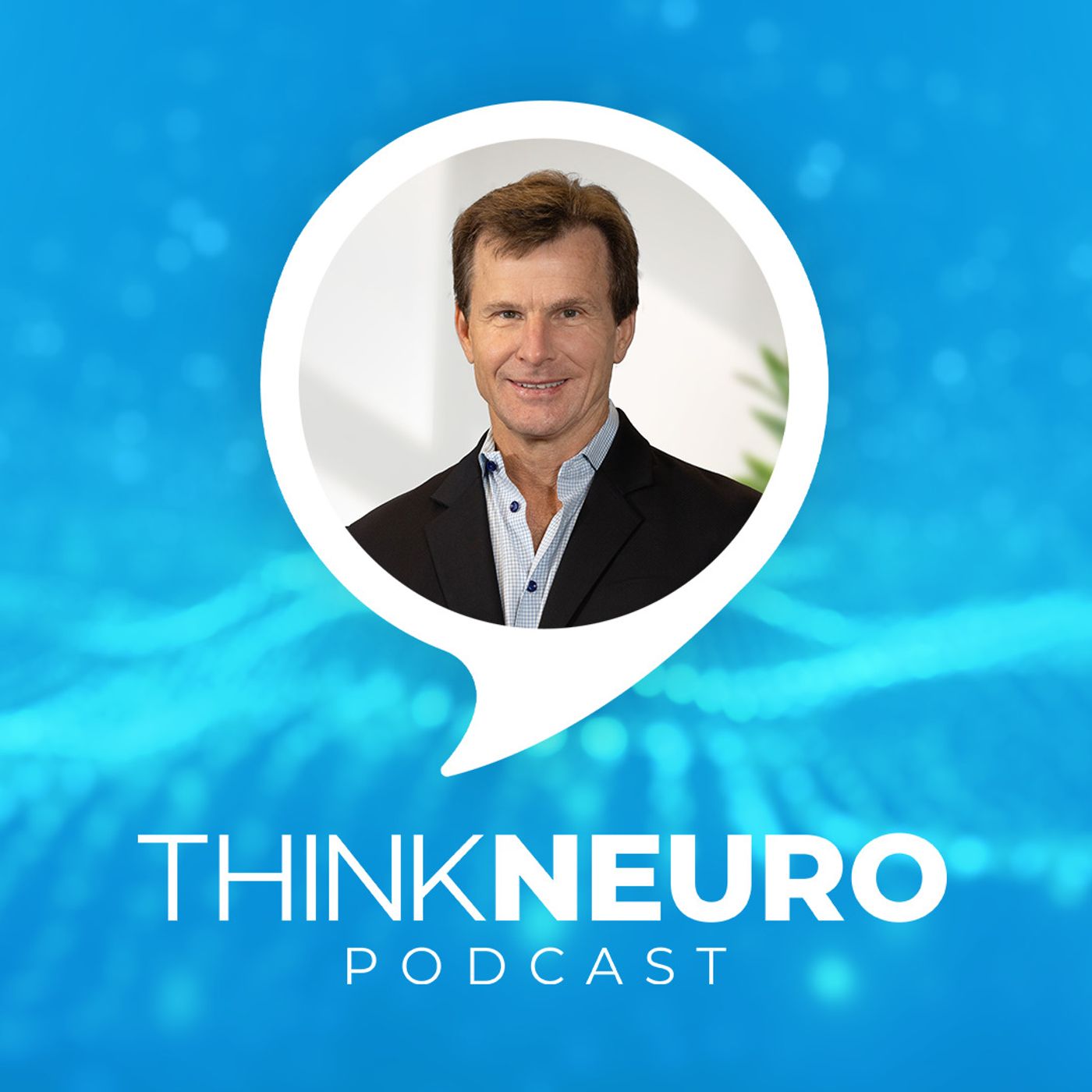
The world of brain surgery has changed dramatically over the past generation. Surgeons are able to remove many tumors and other problems from the brain, often using new approaches that have much shorter recovery times and much better long-term outcomes. Many of these surgeries are much less invasive than old methods that saw the need to cut into a patient’s skull. Dr. Daniel Kelly and the team at Pacific Neuroscience Institute have pioneered many of these new approaches, and they’ve published peer-reviewed papers on their work in an effort to spread the word through the field. Dr. Kelly, the CEO and co-founder of PNI, joins us today to talk about some of these papers and what he and the team have found.
For more information, visit: pacificneuro.org
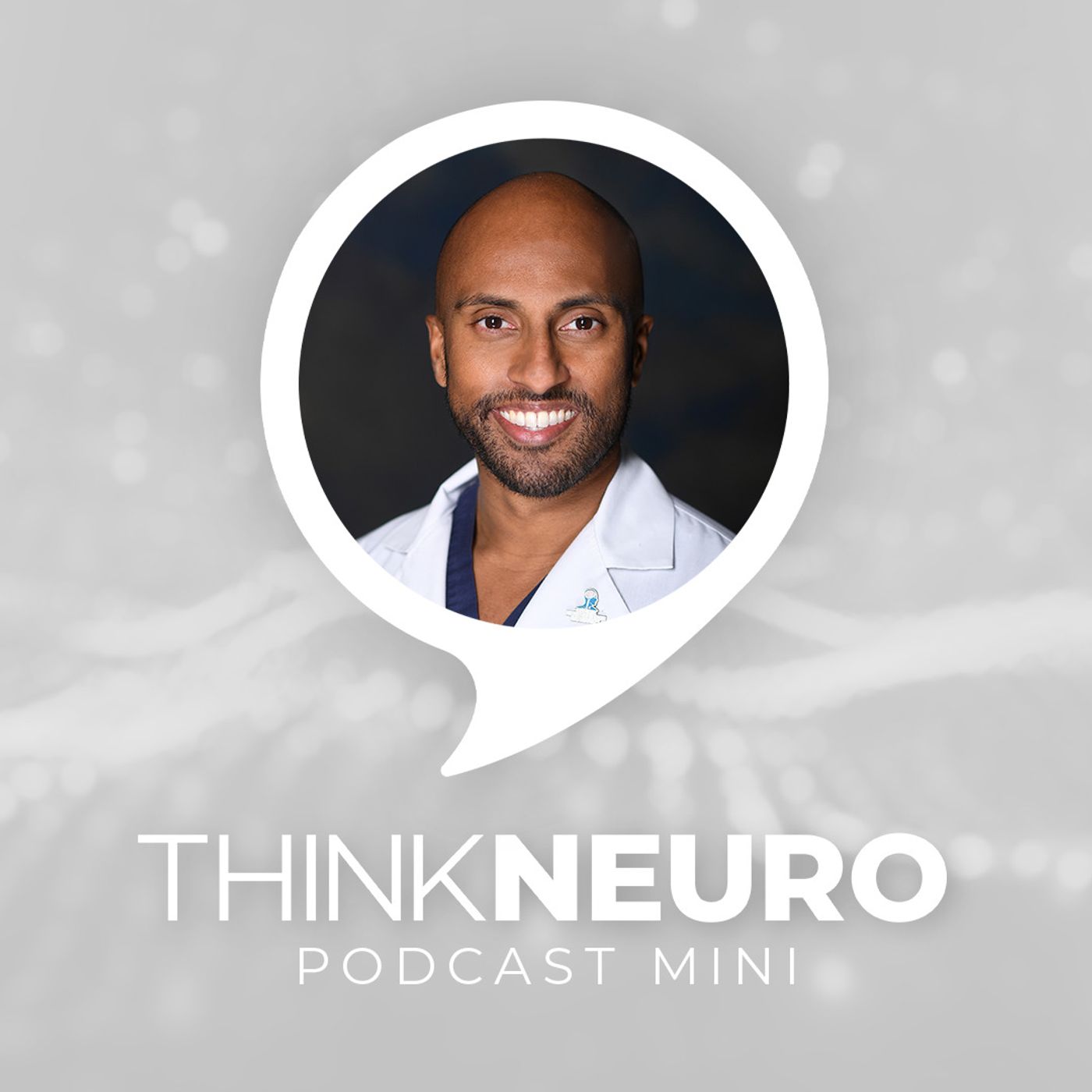
Walavan Sivakumar, MD, explains how Enhanced Recovery After Surgery (ERAS) is used at PNI to help patients with brain tumors through the neurosurgical process. ERAS unfolds in three phases, and Dr. Sivakumar details why the preoperative stage plays a key role in setting patients up for success.

Comments

Download from Google Play

Download from App Store
 United States