


 Claim Ownership
MSF Farm Talk Podcast
Subscribed: 16Played: 380
Subscribe

© 2026 Mallee Sustainable Farming
Description
MSF's Farm Talk Podcast proudly brings Farmers, Researchers and Ag Industry connections together to chat innovative farming practices to help build a sustainable farming future for our Mallee growers. Mallee Sustainable Farming is a farmer-driven organisation specialising in Research, Development and Extension for NSW, VIC & SA's low-rainfall Mallee region. For more information visit: www.msfp.org.au/podcast
162 Episodes
Reverse
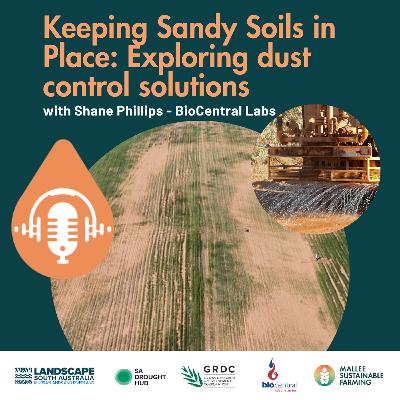
🎙️In this MSF Farm Talk podcast episode, host Sarah Day chats with Shane Phillips, lead chemist at BioCentral Labs, about dust control solutions for sandy soils in broadacre cropping. Shane discusses two products being trialled in the Mallee this year – DustChek, a polymer binding agent, and AquaBoost, a fermented seagrass bacterial product – and how they could help reduce soil drift and erosion risk. For more information on BioCentral Labs products, visit: https://www.biocentral-labs.com/To learn more about the project, check out the media release: https://msfp.org.au/new-project-funding-secured-as-drought-and-dust-take-hold-in-the-mallee/ Keep an eye out for updates from this project during the growing season. If you want to hear more, like 👍 and subscribe 🔔 to the MSF Farm Talk Podcast. This project is supported by the Murraylands and Riverland Landscape Board with funding from the South Australian Government’s Landscape Priorities Fund, with co-investment from GRDC.Support the show: https://msfp.org.au/about/membership/See omnystudio.com/listener for privacy information.
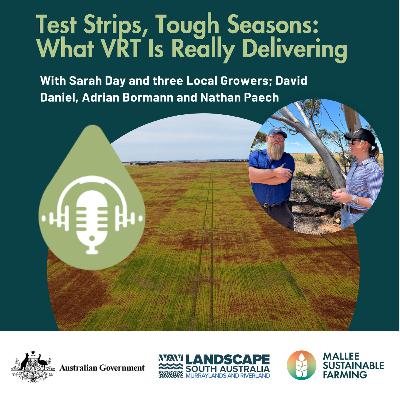
In this episode of the MSF Farm Talk Podcast 🎙️, host Sarah Day catches up with growers David Daniel, Adrian Bormann and Nathan Paech 🚜 to reflect on the season 🌱 and unpack their experiences with variable rate technology (VRT). Together, they explore the motivations behind running test strips and the key insights gained along the way. The growers share honest reflections on using data to guide decisions 📊, optimise inputs 💧🌾, and refine their approach for future seasons 🌤️. Listeners will come away with practical, paddock-ready advice 💡 on integrating VRT and test strips into their own farming systems. 🌾 If you want to hear more, like 👍 and subscribe 🔔 to the MSF Farm Talk Podcast 🚜🎙️ This podcast episode is supported by the Murraylands and Riverland Landscape Board and the Australian Government through funding from the National Heritage Trust under the Climate-Smart Agriculture Program. See omnystudio.com/listener for privacy information.Support the show: https://msfp.org.au/about/membership/See omnystudio.com/listener for privacy information.
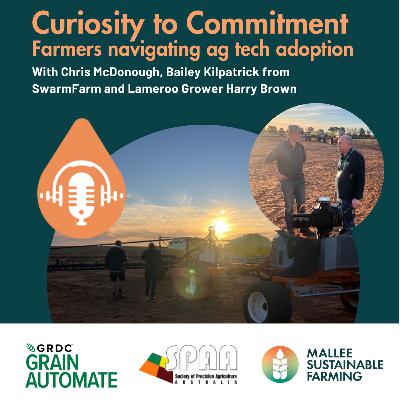
🎧 Join host Chris McDonough live from the Grain Automate Expo in Loxton 🌾 as he takes you out into the paddock for a deep dive into autonomous machinery 🚜 — featuring SwarmFarm and insights from a local grower 👨🌾 In this episode, Chris chats with: Bailey Kilpatrick from SwarmFarm Robotics, who shares insights into how on-farm robotics can transform time, data and spraying management. Harry Brown, a Lameroo grower, who reflects on how autonomy could fit into their farming system 🙌 The Grain Automate event was supported by the GRDC and SPAA, giving growers the chance to see new tech up close, ask questions, and think critically about what fits their farming business. 🌾 If you want to hear more, like 👍 and subscribe 🔔 to the MSF Farm Talk Podcast 🚜🎙️ If you missed Part 1 of this podcast, head to https://msfp.org.au/podcast/ For more information on SwarmFarm Robotics head to https://www.swarmfarm.com/Support the show: https://msfp.org.au/about/membership/See omnystudio.com/listener for privacy information.
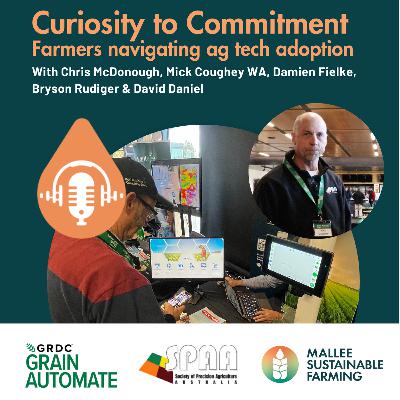
Join host Chris McDonough straight from the Grain Automate Expo in Loxton as he catches up with 3 growers and a machinery reps about how farmers are tackling the big leap into ag tech. 🎧 Stick with us—there’s about 30 seconds of background noise at the start as we resolve some mic issues, but the audio improves quickly! In this episode, Chris chats indoors with: Mick Caughey, WA grower managing 5,000ha with VRT & trial strips Bryson Rudiger, Mallee farmer about his gradual shift into adopting new technologies. David Daniel, a Pinnaroo grower who shares his thoughts on the learning curve of tech Damien Fielke, machinery expert and rep, providing insights into the gear that’s getting attention. Together, they explore what it takes for farmers to move from curiosity to full commitment when adopting agricultural technology. 📌 Part 2 will take you out into the paddock for a deep dive into autonomous machinery, featuring SwarmFarm and thoughts from a local grower. 🙌 The Grain Automate event was supported by the GRDC and SPAA, giving growers the chance to see new tech up close, ask questions, and think critically about what fits their farming business.Support the show: https://msfp.org.au/about/membership/See omnystudio.com/listener for privacy information.
This MSF FarmTalk episode is part of the 101 Soils Questions Series. We explore the basics of dry saline land—how it forms, why it gets worse in drought years, and what steps you can take to support recovery. Dr Chris McDonough, Insight Extension for Agriculture, joins host Tanja Morgan to discuss: What causes dry saline patches to emerge or expand How rainfall and evaporation affect salt movement Realistic strategies for recovery and long-term management This conversation is a must-listen if you’re managing low rainfall mixed farming systems and need practical support navigating drought-affected salt patches. Useful Links & Resources: Dry Saline Land ResourcesA practical decision tool to assess your site and select appropriate management actions:🔗 Dry Saline Land Decisions Tree 101 Soils Questions Book (Chapter on Salinity)Explore common questions and answers about managing dry saline land and other soil constraints:🔗 101 Soils Questions Book Learn about identifying and managing Mallee Seeps (a different form of salinity):🔗 Mallee Seeps Decision Tree This podcast episode is supported by the South Australian Grain Industry Trust (SAGIT).Support the show: https://msfp.org.au/about/membership/See omnystudio.com/listener for privacy information.
In this episode of MSF FarmTalk’s 101 Soils Questions series, we explore what’s really going on beneath the surface when it comes to compacted sandy soils. Nick Paltridge chats with Nigel Wilhelm about the causes of compaction, how to identify it, and how strategic deep ripping can improve root access to water and nutrients. They also discuss why timing, tine design, and ripping depth make a big difference to results. Whether you’re questioning if you’ve got compaction or weighing up the cost of amelioration, this episode offers practical knowledge you can use to assess your paddocks and improve decisions. 📚 Want more soil know-how?This episode is based on questions from the 101 Soils Questions book, developed with support from SAGIT. You can download your free copy from Soils Connect. This episode is part of the MSF FarmTalk – 101 Soils Questions podcast series and is proudly supported by the South Australian Grain Industry Trust (SAGIT). Special thanks to SARDI's Nigel Wilhelm for sharing his expertise.Support the show: https://msfp.org.au/about/membership/See omnystudio.com/listener for privacy information.
What does "building soil carbon" really mean on Mallee farms and why should you care? In this episode, we cut through the confusion and get straight to the facts. Nick Paltridge sits down with Amanda Schapel from PIRSA to unpack what soil carbon actually is, how it interacts with soil function, and what practical steps farmers can take to improve carbon levels on broad acre cropping land. We cover: The types of carbon in your soil (and which ones matter) How organic matter breaks down—and how to slow the loss Whether cover crops and stubble retention are worth it What carbon means for water-holding capacity, fertility & resilience Key limitations for increasing soil carbon in low rainfall zones If you’ve ever wondered whether carbon farming is realistic in your paddock—or just want to know how to make your soil more productive and resilient—this episode is for you. Resources mentioned:📘 Explore the 101 Soils Questions Book – www.soilsconnect.com.au📍 Join the Soils Connect Facebook Group for weekly updates https://www.facebook.com/groups/soilsconnect This episode is part of the Farm Talk – 101 Soils Questions podcast series and is supported by the South Australian Grain Industry Trust (SAGIT).Support the show: https://msfp.org.au/about/membership/See omnystudio.com/listener for privacy information.
In this episode of the MSF Farm Talk podcast, we dig into what’s really happening beneath the soil surface. Soil biology expert Dr Gupta Vadakattu from CSIRO joins us to explore the hidden microbial world in our paddocks. We talk through: What soil biology actually is How microbes help crops survive drought, disease, and nutrient stress The role of stubble retention, crop diversity, and nutrients in promoting soil life Whether herbicides and drought impact soil biology Why microbes might be chewing through stubbles faster than they used to And yes… the science behind burying cotton underpants in your soil! Whether you're managing sandy soils or wondering how to build a stronger biological base for crop production, this episode offers practical insights backed by decades of research. 🔗 Want to learn more about soil biology and other soil constraints?Check out Chapter 6 of the 101 Soils Questions Book and more on the Soils Connect website:👉 https://www.soilsconnect.com.au/resources 🎧 This podcast is part of the “Enhancing Farmer Knowledge of Soil Function to Improve Management Outcomes” project, proudly supported by the South Australian Grain Industry Trust.Support the show: https://msfp.org.au/about/membership/See omnystudio.com/listener for privacy information.
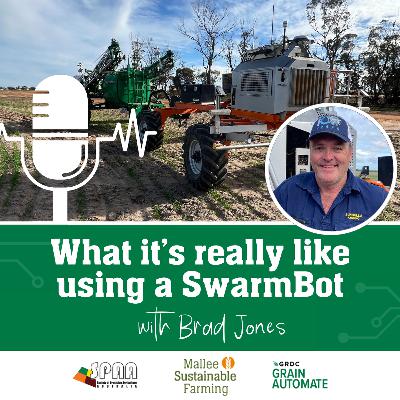
In this episode of MSF Farm Talk, we take a look at on-farm adoption of autonomous spraying technology. Merredin grower Brad Jones chats with Kylie Matthewson about his journey bringing Swarm Bot onto his family farm, how it’s working, what it took to get started, and whether it’s stacking up economically. Brad shares his take on why he made the switch, the efficiencies he’s seeing, and the learning curve that came with handing over the reins (or in this case, the spray boom) to automation. If you’ve been thinking about getting into autonomous machinery, or you’re curious whether it really pays off, this is one worth tuning into. Topics covered: What drove Brad to purchase a Swarm Bot How it compares with traditional spraying methods Efficiency gains and unexpected wins Downtime, learning curves, and what surprised him Future opportunities and how the system might evolve This podcast is part of the GRDC Grain Automate project, supported by the Grains Research and Development Corporation.Support the show: https://msfp.org.au/about/membership/See omnystudio.com/listener for privacy information.
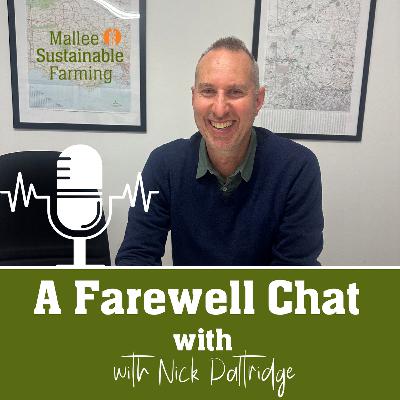
In this special episode, we say goodbye and thank you to Nick Paltridge, who has been Mallee Sustainable Farming’s podcast host, project manager, communicator, and all-round good sport for the past three years. Nick reflects on his time with MSF, sharing memories from the paddock, what he’s learned about Mallee farming systems and community, and why he’s optimistic about the future of low rainfall agriculture. It’s a warm, honest conversation to wrap up an important chapter for MSF's FarmTalk podcast and to celebrate the work that goes on behind the scenes to connect growers with ideas, research, and each other.Support the show: https://msfp.org.au/about/membership/See omnystudio.com/listener for privacy information.
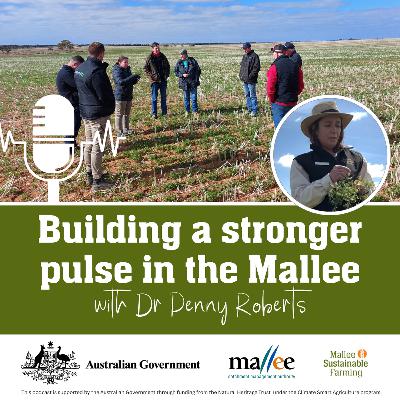
In this episode, Nick Paltridge is joined by MSF's Research Manager, Dr Penny Roberts to explore what it takes to grow profitable, resilient lentils and other pulses in the Mallee. They discuss the drivers behind the surge in pulse production, practical agronomy tips for low rainfall zones, and a new long-term rotation trial that’s set to provide valuable insights for years to come. 🛠️ Key Topics Covered Why pulses are playing a bigger role in Mallee farming systems Choosing paddocks and planning rotations Early sowing strategies and seeding depth considerations Disease management and variety selection Inoculation and the latest guides An overview of the new long-term rotation trial and what it will measure 💡 Quote from Dr Penny Roberts “There’s always been that recognised need to have legumes in the system. It’s about getting the right fit and planning ahead.” 🔗 Resources & Links GRDC Inoculation Guide This podcast is supported by the Australian Government through funding from the Natural Heritage Trust under the Climate Smart Agriculture program. Support the show: https://msfp.org.au/about/membership/See omnystudio.com/listener for privacy information.
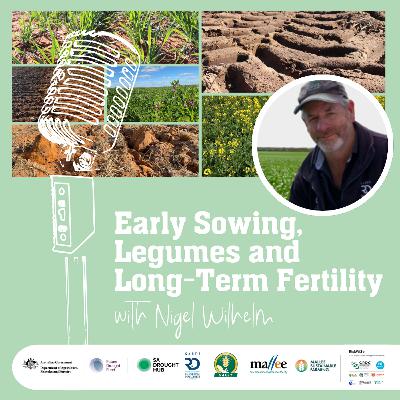
In this episode of MSF Farm Talk, we kick off a new series inspired by the book 101 Questions about SA Cropping Soils. Host Nick Paltridge is joined by Dr. Nigel Wilhelm from the South Australian Research and Development Institute to explore how cropping systems have evolved over recent decades—especially in low rainfall environments. The discussion covers key topics such as early sowing practices, nitrogen and phosphorus management during dry seasons, and the expanding role of grain legumes in sustainable crop rotations. Dr. Wilhelm also shares his perspective on the future of farming, highlighting the importance of diversified weed and pest control strategies for long-term productivity. This practical and forward-looking episode offers valuable insights for farmers, agronomists, and anyone involved in dryland agriculture. Chapters & Time Stamps: 00:00 – Introduction to MSF Farm Talk Podcast 00:58 – Meet Dr. Nigel Wilhelm: Career and Contributions 01:35 – Evolution of Farming Systems 02:40 – Nitrogen and Phosphorus Management 03:29 – Profitable Break Crops in Mallee Farming 05:06 – Green Manure and Crop Rotation Benefits 05:50 – Challenges and Strategies for Dry Seasons 07:07 – Long-term Crop Nutrition Strategies 09:13 – Future of Farming Systems 10:17 – Conclusion and Resources This episode is supported by the South Australian Grains Industry Trust, the GRDC's RiskWi$e project, and the Mallee CMA, which funds long-term trial work in North Western Victoria. To visit the 101 Question on Soils visit the MSF website: https://msfp.org.au/projects/enhancing-farmer-knowledge-of-soil-function/Support the show: https://msfp.org.au/about/membership/See omnystudio.com/listener for privacy information.
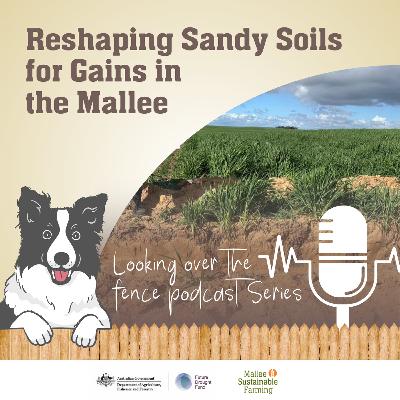
Looking Over the FenceEpisode Title: Reshaping Sandy Soils for Crop Gains in the MalleeHosts: Tanja Morgan & Nick PaltridgeSupported by: The Australian Government’s Future Drought Fund Extension and Adoption Project In this episode, Tanja and Nick head to Bow Hill in South Australia’s Mallee region to share what Mallee Sustainable Farming learned from a one-off soil amelioration demonstration. They explore how active inclusion ripping, designed to bury topsoil and organic matter deep into the profile, compared with conventional deep ripping and untreated paddocks in a challenging dry season. With faster emergence, deeper roots, and visible changes to the soil profile, this trial showed what’s possible when you rethink how you manage sandy, compacted, and water-repellent soils. The episode also unpacks practical considerations like erosion risk, cost-benefit, and what’s next for longer-term monitoring. Full case study available at Soils Connect Disclaimer: The practices discussed are based on regional trials and may not suit all farms. Please seek independent advice before applying these approaches on your property. This project is supported by Mallee Sustainable Farming, through funding from the AustralianGovernment’s Future Drought Fund.Support the show: https://msfp.org.au/about/membership/See omnystudio.com/listener for privacy information.
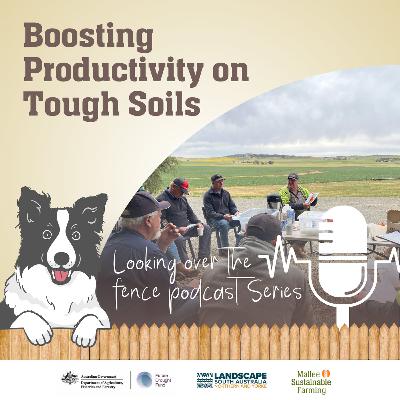
Looking Over the FenceEpisode Title: Boosting Productivity on Tough SoilsHosts: Tanja Morgan & Nick PaltridgeSupported by: The Australian Government’s Future Drought Fund Extension and Adoption Project In this episode, Tanja and Nick explore how farmers in South Australia's Northern and Yorke region are tackling soil constraints like acidity, salinity, and paddock variability using precision agriculture tools. From NDVI mapping and yield tracking to variable rate lime and gypsum applications, they highlight practical, cost-effective ways growers are reducing input waste and building soil health. With 70% savings on lime in some cases, clearer root growth in limed zones, and better decisions driven by local trials, this episode shows that small, targeted changes can lead to big gains in even the driest years. Full case study available at Soils Connect Disclaimer: The practices discussed are based on regional trials and may not suit all farms. Please seek independent advice before applying these approaches on your property. This project is supported by Mallee Sustainable Farming, through funding from the AustralianGovernment’s Future Drought Fund.Support the show: https://msfp.org.au/about/membership/See omnystudio.com/listener for privacy information.
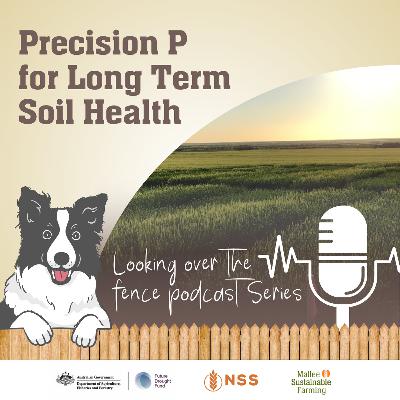
Looking Over the FenceEpisode Title: Precision P for Long-Term Soil HealthHosts: Tanja Morgan & Nick PaltridgeSupported by: The Australian Government’s Future Drought Fund Extension and Adoption Project In this episode, Tanja and Nick visit the Northern Sustainable Soils region to dig into how growers are using strip trials and variable rate technology (VRT) to make smarter phosphorus fertiliser decisions. They share what happens when long-treated paddocks still respond to P, how simple tools and local support can make VRT accessible, and why soil testing for plant-available phosphorus matters. From building confidence through yield maps to adjusting inputs by zones, not just the season, this episode is packed with insights for improving soil health and long-term productivity. Full case study available at Soils Connect Disclaimer: The practices discussed are based on regional trials and may not suit all farms. Please seek independent advice before applying these approaches on your property. This project is supported by Mallee Sustainable Farming, through funding from the AustralianGovernment’s Future Drought Fund.Support the show: https://msfp.org.au/about/membership/See omnystudio.com/listener for privacy information.
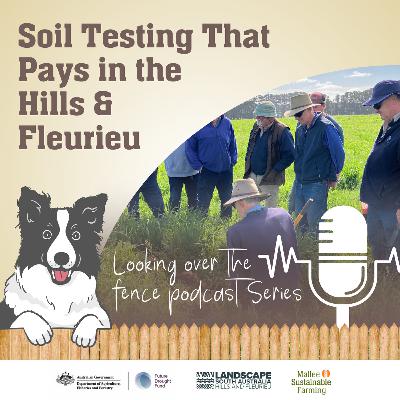
Looking Over the FenceEpisode Title: Soil Testing That Pays in the Hills & FleurieuSupported by: The Australian Government’s Future Drought Fund Extension and Adoption Project In this episode, Tanja and Nick explore how farmers in the Hills and Fleurieu region are using regular soil testing to manage constraints like acidity, salinity, and low soil biology. They unpack lessons from the "Soil Your Undies" test, highlight the need for consistent testing methods, and explain how understanding soil pH and nutrient levels can help suppress weeds, improve pasture resilience, and support livestock. From biodiversity benefits to smart rotational grazing, this episode offers practical ideas for building healthier, more productive soils in a complex and varied landscape. Full case study available at Soils Connect Disclaimer: The practices discussed are based on regional trials and may not suit all farms. Please seek independent advice before applying these approaches on your property. This project is supported by Mallee Sustainable Farming, through funding from the AustralianGovernment’s Future Drought Fund.Support the show: https://msfp.org.au/about/membership/See omnystudio.com/listener for privacy information.
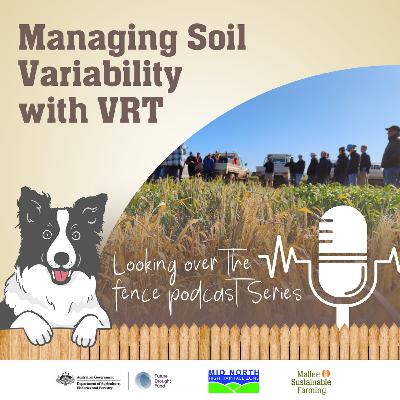
Looking Over the FenceEpisode Title: Managing Soil Variability with VRTHosts: Tanja Morgan & Nick PaltridgeSupported by: The Australian Government’s Future Drought Fund Extension and Adoption Project In this episode, Tanja and Nick explore how farmers in the Mid North High Rainfall Zone are using variable rate technology (VRT) to address pH and nutrient variability, improve input efficiency, and unlock yield potential. With real examples from local paddocks, they discuss using NDVI to guide lime applications, the impact of acidity on lentil production, and how service providers are helping bridge the knowledge gap. The focus is on making precision ag tools accessible—showing that even older machinery and simple approaches can make VRT a valuable part of a farmer’s toolkit. Full case study available at Soils Connect Disclaimer: The practices discussed are based on regional trials and may not suit all farms. Please seek independent advice before applying these approaches on your property. This project is supported by Mallee Sustainable Farming, through funding from the AustralianGovernment’s Future Drought Fund.Support the show: https://msfp.org.au/about/membership/See omnystudio.com/listener for privacy information.
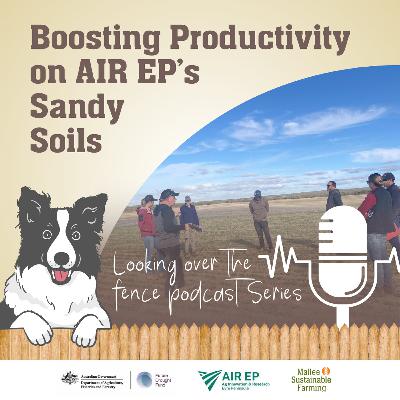
Looking Over the Fence Podcast SeriesEpisode Title: Boosting Productivity on AIR EP’s Sandy SoilsHosts: Tanja Morgan & Nick PaltridgeSupported by: The Australian Government’s Future Drought Fund Extension and Adoption Project In this episode, Tanja and Nick take us “over the fence” to the Eyre Peninsula to explore how AIR EP is helping farmers tackle tough sandy soils and make break crops like lentils a more viable option. They uncover practical strategies for managing compaction, salinity, and poor water retention using deep ripping, on-row sowing, and smart phosphorus management. What you’ll hear about: Why lentils struggle on sandy soils—and how to manage it Key nutrient advice: phosphorus importance, nitrogen exclusion, and copper considerations MAP vs. DAP fertiliser decisions in saline environments The benefits (and risks) of deep ripping for pulse crops How early biomass relates to yield potential Practical paddock planning for lentils The value of peer-to-peer learning and the need for long-term trials Full case study available at Soils Connect Disclaimer: The practices discussed are based on regional trials and may not suit all farms. Please seek independent advice before applying these approaches on your property. This project is supported by Mallee Sustainable Farming, through funding from the AustralianGovernment’s Future Drought Fund.Support the show: https://msfp.org.au/about/membership/See omnystudio.com/listener for privacy information.

Ever caught yourself muttering, "I'm losing my mind"—half-joking, but mostly serious? In this final episode of the Farming a Growth Mindset series, Dennis Hoiberg returns for a down-to-earth, practical conversation about mental overload. He shares clear, relatable ways to hit pause, sort through the clutter, and take small steps forward when your head and heart are at capacity. This isn’t about perfection—it’s about regaining clarity in the middle of chaos and learning how to check in with yourself before everything spins out. Whether it’s the season, the workload, or life piling up, this episode offers tools that genuinely help. 🛠️ What You’ll Hear: Why “losing your mind” doesn’t mean you’re broken How to spot when your internal load is too heavy Dennis’s top go-to strategies to reset your thinking Why “closing your mental tabs” might be the smartest thing you do today One powerful mindset shift that can stop the spiral This episode is part of the Farming a Growth Mindset series, brought to you by the South Australian Drought Resilience Adoption and Innovation Hub, through funding from the Australian Government’s Future Drought Fund.Support the show: https://msfp.org.au/about/membership/See omnystudio.com/listener for privacy information.

In this powerful and practical episode, Nick Paltridge sits down with Mary O’Brien, founder of the grassroots mental health initiative Are You Bogged Mate? Mary shares her trademark no-nonsense approach to rural mental health, offering honest reflections on the pressures faced by farmers, how mental load builds quietly, and why mateship and straight talk are sometimes the best tools we've got. The conversation dives into: Why rural men often go quiet when they’re struggling How Mary uses relatable language (and a bit of humour) to cut through the stigma The signs to look for in yourself or your mates Why being available—and being real—makes a difference Simple ways to start a conversation that could save a life Whether you’re personally doing it tough or just want to be a better support to your mates, this episode is worth your time. This episode is part of our "Farming a Growth Mindset" series - practical conversations that focus on the mental and emotional wellbeing when living life on the land. 🔗 Links and Resources Visit Are You Bogged Mate? Check out TIACS for free and confidential phone or text support This episode is brought to you by the South Australian Drought Resilience Adoption and Innovation Hub, through funding from the Australian Government’s Future Drought Fund.Support the show: https://msfp.org.au/about/membership/See omnystudio.com/listener for privacy information.

Comments

Download from Google Play

Download from App Store
 United States