


 Claim Ownership
PerchPeek Pods - Global Mobility Pros
Subscribed: 5Played: 194
Subscribe

© Copyright Paul Bennett
Description
PerchPeek Pods is the only place to be getting the full inside scoop of the stories, successes and strategies of the best minds in Global Mobility.
PerchPeek CEO Paul Bennett will sit down each week to discuss Mobility with an awesome GM leader guest. They'll be diving deep into their personal experiences and careers in the Global Mobility space, sharing valuable insights and advice that will benefit all levels of GM professionals.
Paul will be asking these pros about how they've achieved success for themselves and their companies in the relocation world. From navigating challenges to seizing opportunities, this is an amazing chance to tap into this wealth of knowledge and inspiration, that others can take into their own careers and organisations.
Our guests will also be sharing their thoughts on the future of the industry- get ready to gain some insider perspectives on where Global Mobility is headed and how you can stay ahead of the curve.
So, if you're eager to learn from the best in the business and get a sneak peek into the minds of some cracking GM leaders, listen in each week for the new PerchPeek Pods episode!
PerchPeek CEO Paul Bennett will sit down each week to discuss Mobility with an awesome GM leader guest. They'll be diving deep into their personal experiences and careers in the Global Mobility space, sharing valuable insights and advice that will benefit all levels of GM professionals.
Paul will be asking these pros about how they've achieved success for themselves and their companies in the relocation world. From navigating challenges to seizing opportunities, this is an amazing chance to tap into this wealth of knowledge and inspiration, that others can take into their own careers and organisations.
Our guests will also be sharing their thoughts on the future of the industry- get ready to gain some insider perspectives on where Global Mobility is headed and how you can stay ahead of the curve.
So, if you're eager to learn from the best in the business and get a sneak peek into the minds of some cracking GM leaders, listen in each week for the new PerchPeek Pods episode!
104 Episodes
Reverse

What changes operationally when travel and mobility sit under the same team? Why do most organisations still keep travel and mobility separate? What are the critical elements of the duty of care for mobile employees? How can mobility leaders stay ahead of constant change? In this episode, Paul sits down with Sangitha Shetty, Global Travel, Mobility, and Immigration leader with over three decades of experience across Tata Communications, IBM, Oracle Financial Services, and TCS. Sangitha brings deep expertise across Mobility strategy, compliance, travel transformation, and ESG, alongside a strong track record in cost optimisation and digital enablement. She has operated at scale in complex, fast-changing environments shaped by geopolitical shifts, economic pressures, and evolving talent needs. We hope you enjoy :)
How do partner work rights affect assignment acceptance? Why do countries that allow partners to work attract more international talent? How have partner work rights expanded globally over the past two decades?How has the Permit Foundation worked with governments to change work-right policies? In this episode, Paul sits down with Gill Gordon, Chair of the Permit Foundation.Gill Gordon is Chair of Permits Foundation and has been a Board Member since its establishment in 2001. Most of Gill’s career was with Schlumberger (SLB) in a wide range of international HR roles including HR Director of several global product lines. She spent over 12 years in assignments in France, Germany and the US, which she loved. Together, Paul and Gill discuss how work rights shape global talent mobility and why they are becoming an increasingly important factor in international assignments.We hope you enjoy :)
What should HR and Mobility teams prioritise when a crisis escalates quickly? What practical steps can companies take to support employees caught in geopolitical disruption? What are the biggest challenges mobility professionals face when handling crises? Which internal and external partners should teams work with when responding to a crisis? How can HR and Mobility teams better prepare for unexpected crises? With the current situation unfolding across the Middle East, impacting many organisations and employees, we’re resurfacing this conversation with Claire Fielding, Director, EMEA Advisory at AIRINC on crisis management in Global Mobility. Based in London, Claire has extensive experience leading mobility teams in the tech sector and now advises organisations on optimising mobility programmes and supporting global expansion. A qualified accountant (ACA), she also brings first-hand international experience to her work. Together, Paul and Claire explore how mobility leaders can prepare for crises, coordinate key stakeholders, and respond effectively when situations escalate quickly. We hope you find this useful!

How should organisations think about structuring Mobility across different use cases? How should leaders experiment with new tools responsibly? How transferable are mobility leadership skills outside of Mobility? How can Mobility professionals future-proof their careers? In this episode (Part 2), Paul continues the conversation with Julie Eisemann, former Amazon Director turned founder and mobility strategist, exploring what comes after scale - and how mobility leadership evolves beyond execution. Julie draws on her 26-year career in global mobility, including 12 years at Amazon where she led a 500-person team supporting 500,000 employees annually. Now building Second Act Studio and advising organisations across HR and mobility, she shares how the same ownership mindset applies far beyond a single function.Together, Paul and Julie discuss why mobility is inherently a matrix, how to structure around different move types and lifecycle stages, and what it takes to stay relevant as the function evolves.We hope you enjoy :)
What structural barriers prevent talent from moving inside large organisations? How do you create clear visibility of skills across a complex enterprise workforce? How can companies redeploy talent instead of hiring externally? How do you measure and prove the commercial impact of internal mobility & redeployment? How do executive search, relocation strategy, & return-to-office decisions influence senior talent movement? In Episode 91, Paul speaks with Kyle Ramkissoon, Senior Manager, Talent Acquisition at northteq. Kyle is a strategic People leader with 20 years of experience scaling global organizations. A specialist in Internal Mobility and Executive Search, he has saved millions by architecting talent redeployment engines at FIS Global. He is passionate about leveraging AI and skills-based workforce planning to future-proof careers. Together, Paul and Kyle explore what it takes to redeploy talent at enterprise scale - from removing structural barriers to aligning workforce demand with internal capability. We hope you enjoy 🙂

How do you integrate Talent Management and Global Mobility in practice? What business impact do you see when Talent and Mobility operate together? How can you get leadership buy-in for Talent Mobility? How can organisations improve visibility and advocacy for internal talent on assignment? How should global assignments be positioned to drive long-term career progression? In Episode 90, Paul speaks with Marquisa Nash, global HR executive and former leader across multinational organisations, including BASF, specialising in the intersection of Global Mobility and International Talent Strategy. With over 20 years of experience, Marquisa brings a distinctive executive coaching and people advisory lens to leadership transitions and global workforce planning. Her work sits at the point where assignments, succession planning, and long-term capability building meet - helping organisations move beyond operational mobility toward intentional Talent Mobility. We hope you enjoy 🙂
How do you run mobility when most moves are project-based, not long-term assignments? Why do project structures make mobility policy consistency & cost control so hard? Why is change management harder than technology in mobility transformations? Which stakeholders play the biggest role in making change management actually stick? In Episode 89, Paul speaks with Kirsten Meyerhoff, Former Global Head of Mobility and Total Rewards at Siemens Gamesa. Germany-based and with over 20 years of experience, Kirsten is known for building functions from scratch and for leading the rewards harmonisation at Siemens Gamesa. Her career spans complex, high-volume environments where mobility, cost, compliance, and delivery timelines collide. Outside of work, she recharges in nature with her husband, two sons, and a very energetic Labrador - often ice bathing or operating a chainsaw. Together, Paul and Kirsten discuss the realities of running Global Mobility in a project-driven organisation, including operating at scale, managing policy and cost pressure. We hope you enjoy :)

What is the CEO Mental Model at Amazon? How did Amazon scale its Mobility function during hypergrowth? Why does fragmented data undermine trust in Mobility teams? What risks do Mobility leaders underestimate when planning large-scale change? How does treating Mobility as a product change outcomes? In this episode 88, Paul speaks with Julie Eisemann, former Amazon director turned founder and mobility strategist, about what it really takes to lead Global Mobility with ownership and clarity. Julie is known for scaling global mobility programs to support up to 500,000 employees and delivering more than $230M in workforce efficiencies during her time at Amazon. She brings deep operational experience across immigration, relocation, and mobility strategy, alongside a strong focus on culture, belonging, and designing mobility functions that are fit for the future. Together, Paul and Julie explore what it means to be the CEO of your role in global mobility, why fragmented data undermines trust and decision-making, and how treating mobility as a product rather than a service changes outcomes. They also reflect on the risks leaders underestimate when driving change, and the lessons that only emerge when operating in complex environments.We hope you enjoy :)

How can mobility teams balance policy and flexibility for senior leaders? How should expectations be set early on senior and VIP relocations? What challenges commonly arise when managing VIP relocations? How should teams position themselves internally when faced with challenging or urgent business requests? Which topics have been most effective in helping the business understand mobility? In Episode 87, Paul speaks with Julio Herrera, Head of Mobility at Turner & Townsend, about managing Global Mobility in-house and the realities of supporting senior and VIP relocations within a large organisation.He leads international mobility strategy across transfers, assignments, tax, immigration, and compliance. He specialises in cost optimisation, policy design, and delivering practical mobility solutions that support business growth and employee experience globally.Together, Paul and Julio explore how senior relocations amplify pressure on mobility teams, why early conversations around scope, cost, and trade-offs are critical, and how treating senior leaders like decision-makers helps maintain credibility and control.We hope you enjoy :)
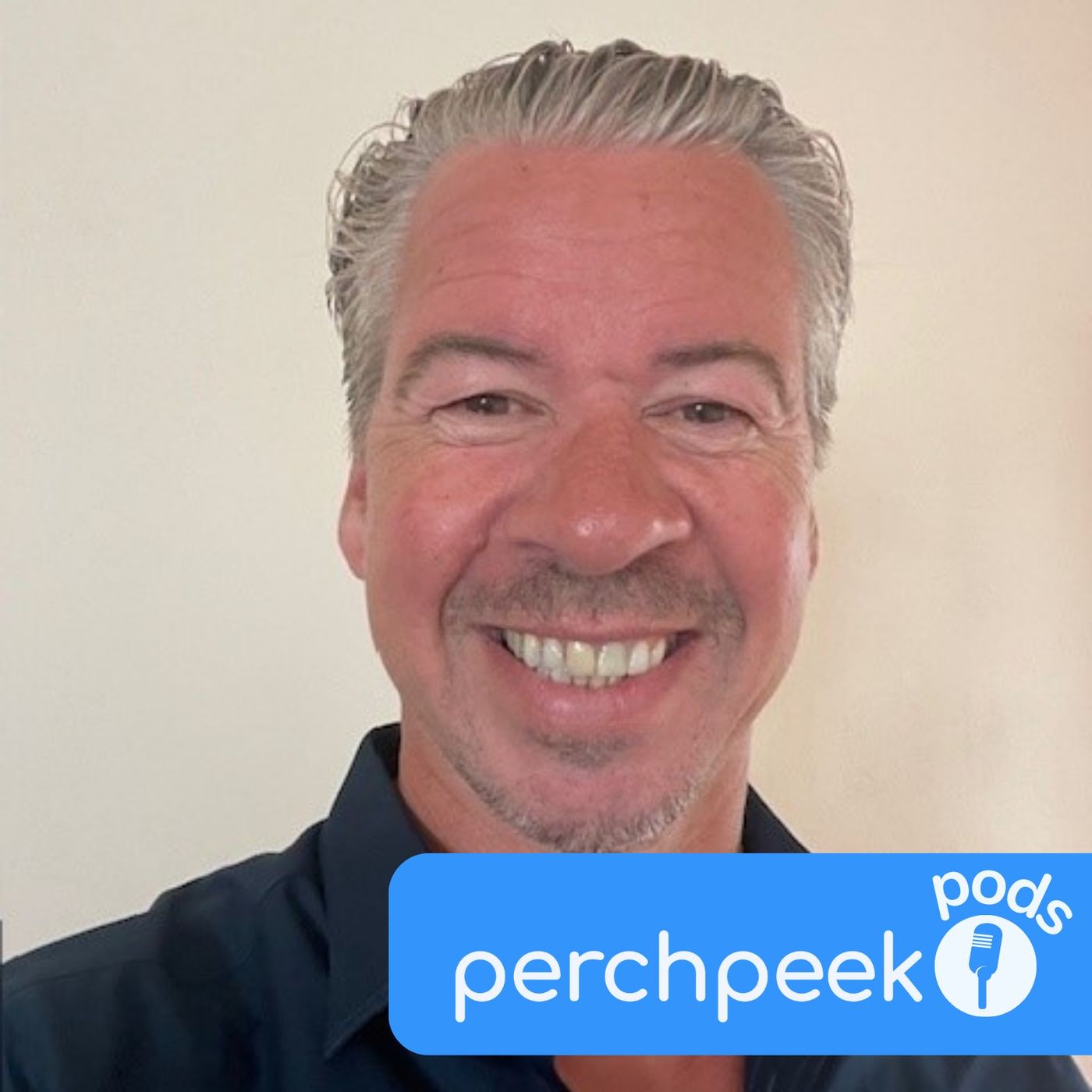
How does the nonprofit context change the role and expectations of mobility? What do you focus on when immigration and tax are no longer the primary constraints? Where are the biggest opportunities in making mobility more strategic? What really influences whether people say yes to relocation in this environment? In episode 86, Paul speaks with Mark Derksen, Head of Global Mobility & Internationally Recruited Staff at CIMMYT. He is returning to PerchPeek Pods to share how his perspective on global mobility has evolved since moving into a nonprofit, mission-led organisation. Now based in Mexico, Mark leads global mobility in a nonprofit context, bringing with him deep experience from senior mobility roles across consulting, consumer, and tech organisations. Having previously worked in expat tax with PwC before holding in-house mobility leadership roles at companies including Deloitte, Unilever, Arup, Booking.com, Uber and Getir, Mark offers a rare comparison between corporate and nonprofit mobility environments. Together, Paul and Mark explore how the nonprofit context reshapes the role and expectations of global mobility, what the function focuses on when immigration and tax fall into the background, and why relocation decisions look different when people are motivated by the work itself. We hope you enjoy :)

How fragmented data continues to hold some Mobility teams backWhere is the mobility industry in AI adoption today? What is currently blocking effective use of AI in Mobility? How have Mobility teams secured buy-in from the business when introducing AI? In this episode, Paul speaks with PerchPeek's very own Marketing Director Harry Lee, about how AI is starting to change expectations of Global Mobility teams. Harry is speaking to 100s of clients about their goals for implementing AI within their Mobility functions. He's a passionate believer that Mobility is on the cusp of monumental change, and loves digging under the surface with experts from the Talent, Mobility and Tech spaces. Together, Paul and Harry explore where the Global Mobility industry currently sits with AI adoption, why fragmented data continues to hold teams back, and how rising expectations around speed, insight, and earlier decision-making are changing the role of Mobility teams. We hope you enjoy :)

Is AI now essential for Global Mobility, not just a nice-to-have? Which new locations will benefit as traditional immigration routes tighten? How are Mobility teams changing as standalone functions become harder to justify? And why is immigration compliance about to land firmly on the board agenda? It’s time for Paul's annual Global Mobility predictions episode."This is my third year trying to step back and make sense of where our industry is heading, and if there’s one thing I’ve learned, it’s that predicting the future is a great way to stay humble. Some trends accelerate faster than expected. Others take a very different path.After another year speaking with hundreds of Mobility leaders, HR teams and partners across the ecosystem, one thing feels undeniable: the pace of change right now is wild. Expectations are rising, and 2026 is shaping up to be a year of real shifts for Mobility teams."In this episode, Paul walks through his five biggest predictions for Global Mobility in 2026, exploring what they could mean in practice and why they matter."As always, this list could be much longer, but these are the five I think will most shape the year ahead."Hope you enjoy, and we’d love to hear which ones resonate most!

How do you identify where the right senior talent actually sits globally? What makes leaders open to relocating, and what ultimately stops them? What does strong onboarding look like for senior talent who relocate? What’s the most underrated career benefit of relocating abroad? In this episode, Paul speaks with Inga Ezera, Principal at Pedersen & Partners with extensive experience hiring senior talent across global markets. Inga has spent her career working at the intersection of executive search, global hiring, and leadership decision-making. She supports organisations in identifying where senior talent actually sits globally, assessing leadership fit, and navigating the complexities of hiring across borders. Her work sits closely alongside global mobility, particularly at senior level, where hiring and relocation decisions are deeply connected.Her perspective is shaped not only by placing leaders internationally, but also by her own experience relocating. Together, Paul and Inga explore global mobility through an executive search lens, focusing on hiring decisions, onboarding, and what really sets leaders up to succeed long term. We hope you enjoy :)
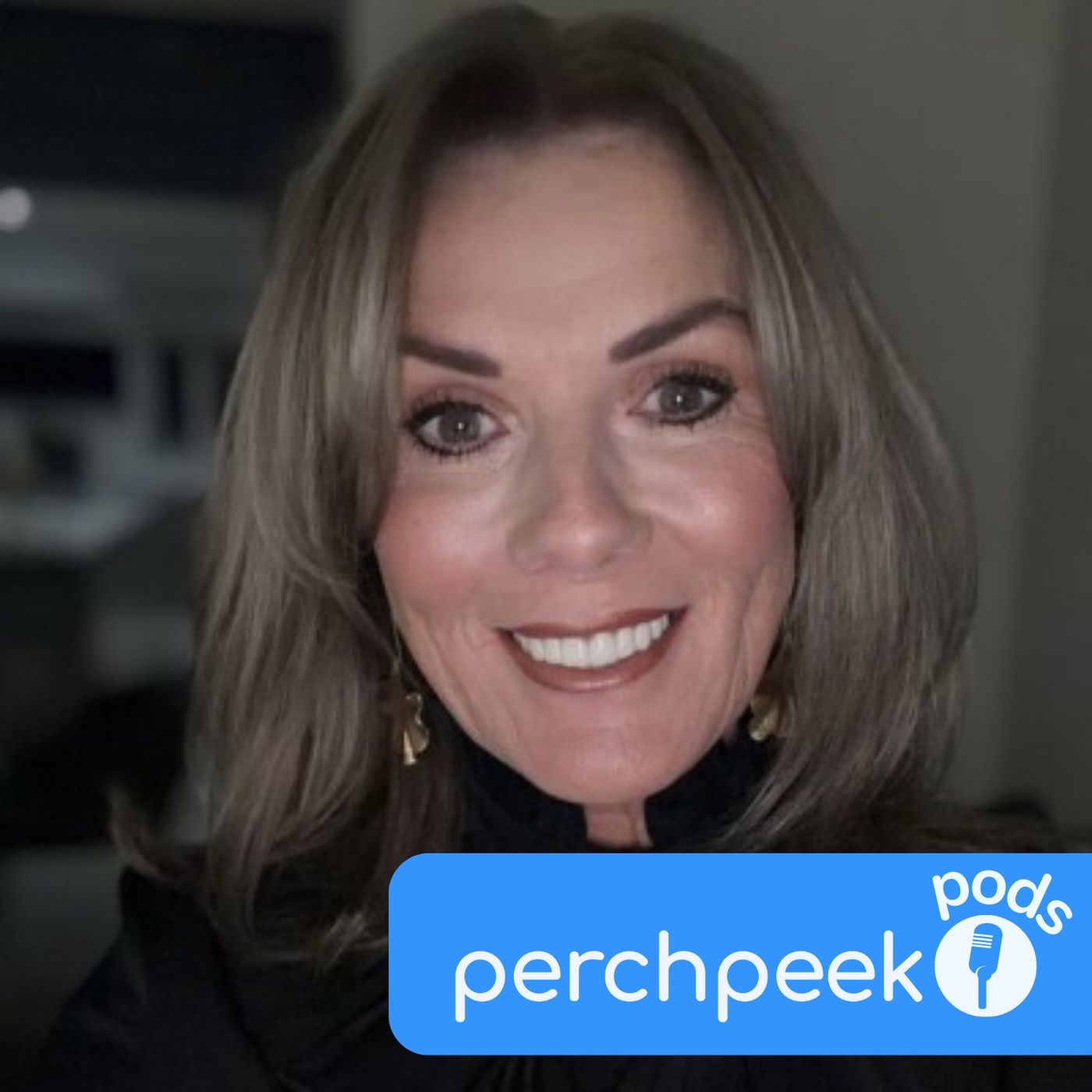
What is the Talent Acceleration Model - and why is it the missing function inside HR? What does a sustainable internal talent ecosystem look like? Why do global companies struggle to operationalise internal mobility? How can you encourage internal movement when managers resist losing their top talent? How can companies justify internal mobility costs, from relocations to backfilling roles? In this episode, Paul speaks with Adele Squires, a global Talent Leader with two decades of experience across Talent Acquisition, Talent Management and strategic workforce transformation. Adele has spent her career rebuilding TA functions, modernising processes, implementing talent technologies and introducing data-driven insights across Europe and around the world. She has delivered consultancy projects across FMCG, life sciences, manufacturing, technology and professional services — bringing a uniquely broad perspective on how organisations attract, develop and grow talent. Her entrepreneurial background adds another dimension to her work, giving her direct insight into commercial performance, compliance and long-term organisational strategy. We hope you enjoy!
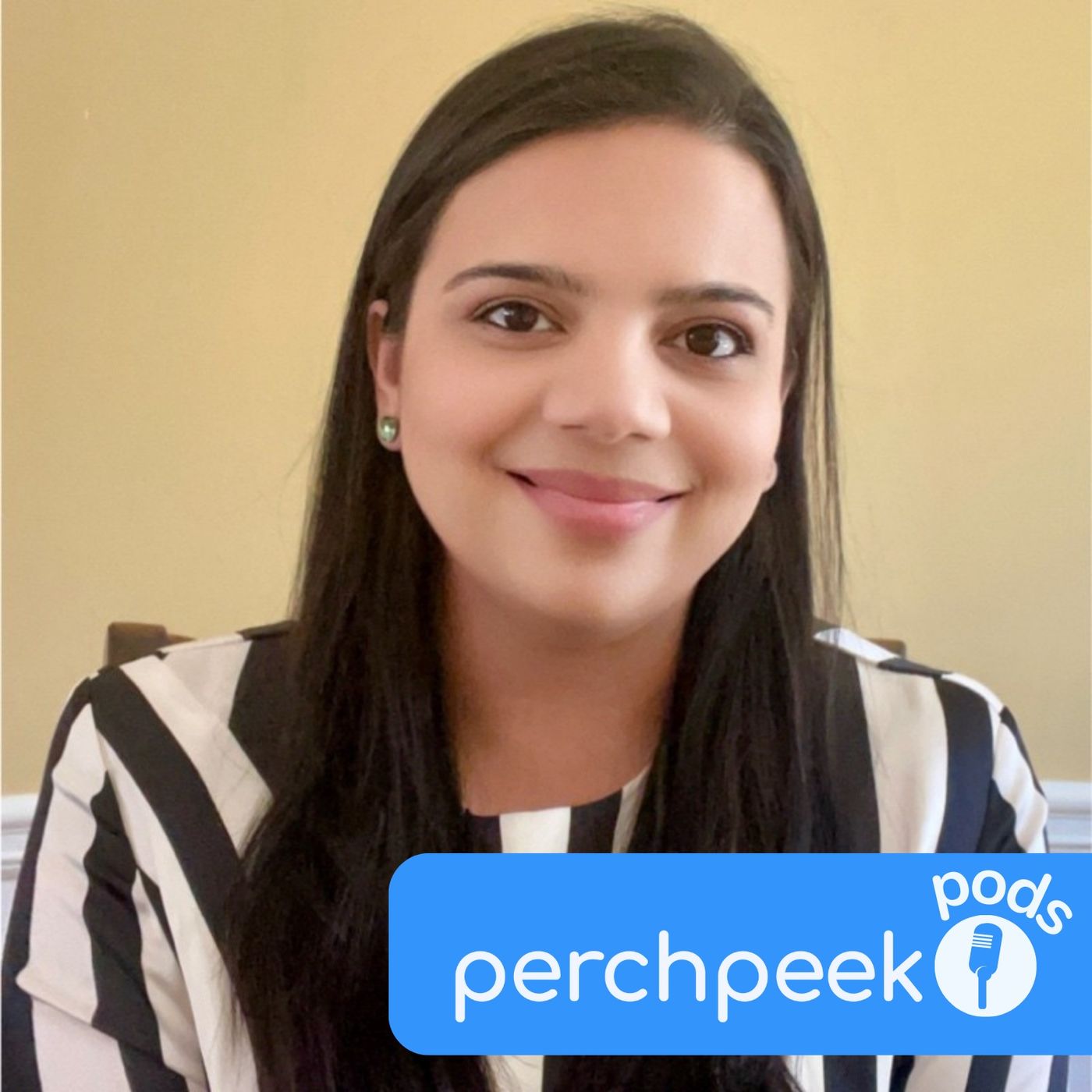
What does it take to transform a decentralised Mobility setup into a centralised workforce engine? When does a one-way transfer deliver more value than a traditional assignment? How do you navigate internal barriers to Mobility transformation? Which parts of the business benefit most from a Mobility function? Which skills position Mobility leaders to step into CHRO roles? In this episode, Paul speaks with Saloni Lakhani, Associate Director, Global Mobility at Kimberly-Clark. Saloni is a Global Mobility Leader who has built her Mobility career around creating seamless, human-centred Mobility journeys for employees and leaders. With deep experience across immigration, tax, relocation and talent mobility she brings a passion for innovation, partnership and building mobility’s influence at the table We hope you enjoy!

How do you align your team with the company’s bigger goals? What skills should you hire for in a Mobility team, both technical and soft? When is the right time to hire in Mobility - and how do you justify it to the business? How do you decide where to hire your Mobility team globally? Why should mobility leaders invest in networking and community? In this episode, Paul speaks with Khadeeja Islam and Nicole Millman, two seasoned Global Mobility leaders, about what it really takes to build a high-performing mobility team - one that supports business goals, protects employee experience, and can thrive under constant change. Khadeeja Islam brings 19 years of experience across expat tax, immigration, relocation and talent mobility. Recognised among the Top 250 Global Mobility Professionals, she has led mobility programmes across multiple industries, driving operational excellence, strengthening compliance, and shaping effective mobility strategy.Nicole Millman has over 20 years of experience in Global Mobility, spanning Big Four consultancies and Fortune 500 companies. Having lived and worked in six countries - including as an expat child - she brings both deep technical expertise and a uniquely human, global perspective to mobility leadership.If you're thinking about how to strengthen your mobility function - or how to build a team that can sustainably support the pace and pressure of global work - this episode is full of practical, honest leadership insight you’ll take with you long after it ends.We hope you enjoy!
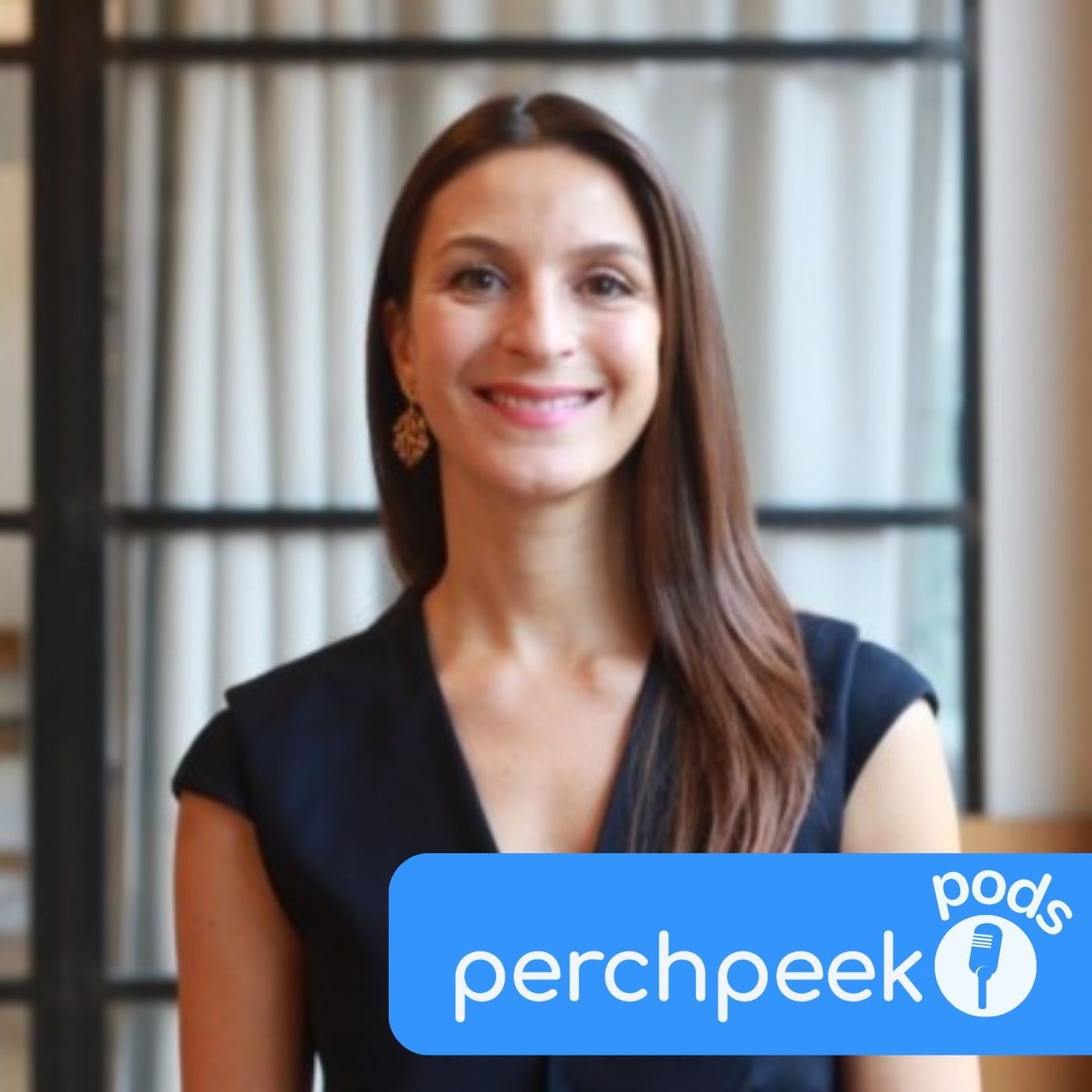
How can a strong internal brand be built intentionally? What leadership skills matter most for modern Mobility roles? How can Mobility leaders communicate their value and take ownership of the narrative? How can Mobility leaders move from being mentored to being sponsored? In this episode, Paul speaks with Mehibe Hill, Leadership & Executive Coach at The C-Coach, about what it truly takes for Mobility professionals to build a strong internal brand and be recognised as the strategic leaders they already are.Mehibe is a Leadership Coach with experience in leadership roles and leading in-house Global Mobility and HR programmes. She now supports senior Global Mobility leaders through her 1–2–1 and group coaching programmes, workshops, team coaching, and BE HER retreats, empowering clients to lead with authenticity, confidence ,and impact.If you’re thinking about how to elevate Mobility within your organisation - or how to elevate your own influence as a leader - this episode is full of practical, human insight you’ll take with you long after it ends.We hope you enjoy!

What did WERC reveal about where Mobility conversations are really happening? How do you turn conference inspiration into meaningful action? Why is ‘equitable, not equal’ becoming the mindset every mobility leader needs to master? How can lean Mobility teams scale their impact across global brands without losing consistency or care? Every conference season gives us new ideas - but the real question is what happens after the panels end. In this episode, Paul speaks with Ashley Hunter, Global Mobility Lead at Yum! Brands, about what this year’s WERC revealed about the state of global mobility - and how leaders can turn inspiration into lasting change. Ashley shares her reflections from her first WERC, the power of community learning, and the mindset shifts reshaping our field - from managing policies to leading with judgment. She built her career in HR and Total Rewards before discovering her passion for global mobility just over two years ago. She loves seeing the bigger picture of how mobility connects strategy, people, and performance - but at the heart of it all, she’s driven by one simple goal: putting the employee experience at the center of every move. We hope you enjoy!
Why do settling-in and cross-cultural benefits deliver more impact than their price tag suggests? How can leaders push back when pressured to make short-sighted cost cuts? What role does empathy play in relocation ROI? How can data and stories help reframe “small” benefits as strategic investments? When budgets tighten, the first things to go are often the most human. In this episode, Paul speaks with Sam Estall, former Global Mobility Leader at Accenture, about what really happens when we cut “small” benefits - and why settling-in help and cross-cultural training might deliver the biggest returns of all.From families struggling to integrate to the surprising role of empathy in relocation ROI, Sam shares what leaders can do to save smart - not cut blind. Sam recently left Accenture after a 27 year career with the last 13 in Global mobility leading cross-border moves and strategic mobility initiatives across Europe and beyond. Her focus was on compliance, driving efficiency, aligning mobility with business goals and delivering a premium high-touch service. She's passionate about making the transfer experience as seamless as possible, making complex moves feel simple for the business and the transferees. We hope you enjoy!
What’s the first thing you should do when you inherit a messy or non-existent mobility program?How do you uncover critical compliance and immigration risks-without setting off alarm bells?What’s the smartest way to build trust with Finance, Legal, and HR when fixing past mistakes?How do you future-proof your mobility program while handling urgent, high-pressure projects?In Episode 76, Paul sits down with Amanda Santamour. With over a decade of industry tenure, Amanda specializes in creating and optimizing bespoke Global Mobility programs to address key talent needs for rapidly growing businesses, while supporting employees with both empathy and efficiency. We hope you enjoy!

Comments

Download from Google Play

Download from App Store
 United States