DiscoverBRAVE Southeast Asia Tech: Singapore, Indonesia, Vietnam, Philippines, Thailand & Malaysia Startups, Founders & Venture Capital VC (English)
BRAVE Southeast Asia Tech: Singapore, Indonesia, Vietnam, Philippines, Thailand & Malaysia Startups, Founders & Venture Capital VC (English)
Claim Ownership

BRAVE Southeast Asia Tech: Singapore, Indonesia, Vietnam, Philippines, Thailand & Malaysia Startups, Founders & Venture Capital VC (English)

Author: Jeremy Au

Subscribed: 38Played: 1,211
Share

Description

Learn from Southeast Asia's best tech leaders. Build the future, learn from our past & stay human in between. No B.S on success. Southeast Asia's #1 startup & venture capital podcast with 80,000+ listeners.


Hosted by Jeremy Au. VC & serial founder. Harvard MBA & UC Berkeley. Sci-fi nerd & dad of two daughters. Growth and personal growth solves all problems. The best feeling is coaching good humans to be great leaders. 


Published on Monday & Thursday. Weekly tech news debates, changemaker interviews & listener Q&As.


Community of listeners and guests across Singapore, Indonesia, Vietnam, Thailand, Malaysia & the Philippines. Global top 10% podcast.


"Learned a lot from the journeys. Must-listen for anyone seeking advice to be a leader" @lindatangxy


"Refreshing to hear from distinguished founders what they learned, both the good & bad" @seanojw


"Incredibly useful in kickstarting my thought process around customers as an entrepreneur" @klowetan


"After tuning into a couple of episodes, this is now my weekly routine. Keep it up!!" @joshrodes8


648 Episodes
Reverse
Chong Ing Kai Founder and CEO of Stick’Em joins Jeremy Au to unpack how tinkering shaped his early years, how ADHD influenced his learning journey, and why he built a chopstick robotics kit to make STEAM education affordable for all. They explore how schools struggle with hands-on learning, why teachers need flexible tools rather than rigid kits, and how students learn better when they build instead of follow instructions. Their discussion covers the rise of open-ended tinkering, the pitfalls of screen-first childhoods, and the structural challenges of selling innovation into schools. Kai also shares how Stick’Em grew from a hundred-dollar prototype to a company used by thousands of students and how winning the Hult Prize at 22 changed his plans for global expansion. 02:42 Schools lacked quality STEAM programs: While working as a robotics trainer, Kai notices that schools rely on vendors who are businessmen rather than educators, creating weak learning experiences. 04:54 Chopsticks unlock creativity for kids: Kai shares why Stick’Em uses chopsticks, how they are cheap, sturdy, and open-ended, and how kids build robots, weapons, helicopters, and costumes in early tests. 07:05 Teachers adopt Stick’Em when it fits their real lessons: He explains how teachers use Stick’Em inside core subjects like social studies, ICT, science, and mother tongue — not just in after-exam activities. 11:38 Modern dopamine loops hit ADHD harder: Kai goes deep into TikTok, gaming, poor sleep, and how dopamine addiction creates pitfalls for impulsive students — plus how he manages these triggers as a founder. 18:48 Shifting the business model to recurring school revenue: Kai explains why selling hardware once was unsustainable and how Stick’Em now targets booklist placement so every P3 student receives a kit yearly. 29:39 Winning the Hult Prize transforms the company’s scale: He recounts entering the competition for mentorship, making semifinals and finals, and ultimately winning the million-dollar global prize because of traction and clarity. Watch, listen or read the full insight at https://www.bravesea.com/blog/chong-ing-kai-chopstick-engineering Get transcripts, startup resources & community discussions at www.bravesea.com WhatsApp: https://whatsapp.com/channel/0029VakR55X6BIElUEvkN02e TikTok: https://www.tiktok.com/@jeremyau Instagram: https://www.instagram.com/jeremyauz Twitter: https://twitter.com/jeremyau LinkedIn: https://www.linkedin.com/company/bravesea English: Spotify | YouTube | Apple Podcasts Bahasa Indonesia: Spotify | YouTube | Apple Podcasts Chinese: Spotify | YouTube | Apple Podcasts Vietnamese: Spotify | YouTube | Apple Podcasts #STEMeducation #TinkeringMindset #ChopstickRobotics #GenZFounders #ADHDJourney #HandsOnLearning #EdTechInnovation #ParentingInTech #FutureOfLearning #BRAVEpodcast
Portfolio Manager at Animoca Brands and former Chief Investment Officer at Node Capital, Shan Han joins Jeremy Au to trace his path from Hong Kong trading to fintech and Web3, discuss how early crypto grew from ideology, and explain why tokenizing assets like student loans can unlock education across Southeast Asia. They explore how customer urgency validates real problems, how global liquidity reshapes emerging markets, and how regulation and permissioned systems will define the future of crypto. Shan also reflects on leaving hedge funds to build companies that solve urgent needs. 06:00 First startup taught real founder lessons: Shan overbuilt the product and underinvested in speaking to customers, which he now sees as his biggest early mistake. 09:00 ICO wave created opportunity and chaos: Node Capital traded markets and backed early tokens as crypto cycles repeated with massive upside and sharp crashes. 10:00 SME lending proved a painkiller need: Borrowers called him for loans before a product even existed, showing that real demand always leads. 14:00 Tokenized student loans expand access: Global liquidity meets local underwriting so students in the Philippines and Indonesia receive financing they previously could not access. 14:55 Benefits emerge for investors, lenders, and borrowers: On-chain capital finds high-quality yield, local lenders scale faster, and students get more affordable financing. 17:15 Blockchain reshapes student loan markets: Unified liquidity, alternative credit models, and on-chain verification make lending systems more efficient and more inclusive. 22:00 Every major asset will become tokenized: Stablecoins lead the way, followed by T Bills and real-world assets as liquidity and tradability improve. 29:00 Courage means leaving comfort for impact: Shan left a hedge fund he loved to build companies because solving real problems mattered more than staying safe. Watch, listen or read the full insight at https://www.bravesea.com/blog/shan-han-tokenize-real-life Get transcripts, startup resources & community discussions at www.bravesea.com WhatsApp: https://whatsapp.com/channel/0029VakR55X6BIElUEvkN02e TikTok: https://www.tiktok.com/@jeremyau Instagram: https://www.instagram.com/jeremyauz Twitter: https://twitter.com/jeremyau LinkedIn: https://www.linkedin.com/company/bravesea English: Spotify | YouTube | Apple Podcasts Bahasa Indonesia: Spotify | YouTube | Apple Podcasts Chinese: Spotify | YouTube | Apple Podcasts Vietnamese: Spotify | YouTube | Apple Podcasts #Web3 #DeFi #Tokenization #StudentLoans #EmergingMarkets #CryptoEducation #FintechInnovation #DigitalAssets #FutureOfFinance #BRAVEpodcast
China analyst and Momentum Works founder Jianggan joins Jeremy Au to break down how US–China tensions evolved through a year of tariffs, rare earth leverage, supply chain shocks, and fast-moving geopolitical swings. They examine why both sides misread each other, how Chinese companies adapted faster than expected, and why the global system settled into a tactical pause instead of a decisive split. Their discussion shows how on-the-ground China differs from Western narratives, how product iteration and factory conditions changed under competitive pressure, and why neither side can force a quick victory. Jianggan also shares insights from thirteen trips across China as he tracks e-commerce exporters, shifting macro sentiment, and the emerging negotiation patterns that shape 2026. 02:28 US tariffs aimed to hurt China but failed to break its exporters: Chinese firms diversified markets, adjusted production, and kept shipping strong volumes even as analysts expected collapse. 03:08 China deployed rare earths and soybeans as leverage: Beijing used export controls, licensing rules, and supply pivots to respond in structured tit for tat moves that surprised US policymakers. 07:04 A tactical pause replaced escalation: Both sides realized they could not win quickly, creating a fragile equilibrium shaped by low trust but stable expectations. 10:06 Factory floors tell a different story: Air-conditioned warehouses, livestreamed food production, one dollar meals, and rising worker savings show a more complex China than what headlines describe. 21:12 Chinese product cycles sped up dramatically: Exporters improved quality within a year, added more features, and stayed cheaper, putting global incumbents under real pressure. 26:26 Narratives on both sides miss the nuance: Sensational media framing and echo chambers make Americans underestimate China and make Chinese underestimate America. 29:06 TikTok deal shows coexistence is possible: Restructuring turned adversaries into stakeholders and created a template for how cross-border platforms can operate under political pressure. Watch, listen or read the full insight at https://www.bravesea.com/blog/jianggan-li-chinas-counterplay Get transcripts, startup resources & community discussions at www.bravesea.com WhatsApp: https://whatsapp.com/channel/0029VakR55X6BIElUEvkN02e TikTok: https://www.tiktok.com/@jeremyau Instagram: https://www.instagram.com/jeremyauz Twitter: https://twitter.com/jeremyau LinkedIn: https://www.linkedin.com/company/bravesea English: Spotify | YouTube | Apple Podcasts Bahasa Indonesia: Spotify | YouTube | Apple Podcasts Chinese: Spotify | YouTube | Apple Podcasts Vietnamese: Spotify | YouTube | Apple Podcasts #USChinaRelations #Geopolitics #ChinaEconomy #TradeWar #RareEarths #GlobalSupplyChains #SoutheastAsiaTech #TariffTalks #MarketDynamics #BRAVEpodcast
Jeremy Au and Kristie Neo break down how China, the Middle East, and Southeast Asia are forming new economic corridors that reshape trade, capital movement, and technology strategy. They describe how China and the Gulf now work together at a scale that surpasses Gulf–West flows, how the UAE and Saudi Arabia use bold planning to diversify their economies, and why Western reporting still misses the magnitude of this shift. They examine how Chinese overcapacity fuels Middle Eastern mega projects, how sovereign funds on both sides deepen cross investment, and how AI, data centers, and energy abundance position the Gulf as a future compute hub. Kristie also outlines the gap between vision and execution in projects like NEOM, while Jeremy reflects on how these moves echo earlier global cycles. 00:55 Trade flows flipped direction. China Gulf commerce surpassed Gulf West trade in 2024 because Chinese overcapacity met Gulf demand for infrastructure, construction, and technology. 02:18 Media exposure hides the scale of change. Western and Chinese outlets lack global reach in covering Middle East China ties, which keeps the shift underreported. 08:56 UAE applied the Singapore playbook. Pro business policies, low tax systems, and investor friendly rules drew global hedge funds, family offices, and operators to Dubai and Abu Dhabi. 14:51 Qatar’s World Cup showed the model. Gulf capital combined with Chinese labor and construction speed to complete major stadium projects on compressed timelines. 25:32 Sovereign funds deepened two way flows. Middle Eastern allocators increased exposure to Chinese assets as both sides diversified away from US denominated risk. 40:12 AI infrastructure became a national priority. Gulf governments invested heavily in data centers and chip capacity by pairing cheap energy with large land availability. 54:23 NEOM revealed ambition and friction. The 120 kilometer enclosed city concept captured Saudi Arabia’s vision but faced delays that showed how difficult execution can be. Watch, listen or read the full insight at https://www.bravesea.com/blog/kristie-neo-accelerating-middle-east Get transcripts, startup resources & community discussions at www.bravesea.com WhatsApp: https://whatsapp.com/channel/0029VakR55X6BIElUEvkN02e TikTok: https://www.tiktok.com/@jeremyau Instagram: https://www.instagram.com/jeremyauz Twitter: https://twitter.com/jeremyau LinkedIn: https://www.linkedin.com/company/bravesea English: Spotify | YouTube | Apple Podcasts Bahasa Indonesia: Spotify | YouTube | Apple Podcasts Chinese: Spotify | YouTube | Apple Podcasts Vietnamese: Spotify | YouTube | Apple Podcasts #ChinaGulfCorridor #MiddleEastTech #GlobalSouthShift #GeopoliticsAndTech #SovereignWealthFlows #AIEnergyFuture #DubaiSingaporePlaybook #ChinaOvercapacity #EmergingMarketTrends #BRAVEpodcast
Jeremy Au outlines why founders must choose a single 10x advantage and commit to it. He explains how products win by being better or faster or cheaper than the status quo and why unfair advantages are required to defend that lead. He also highlights the Southeast Asian invention of the USB thumb drive as a case where a first mover delivered a better experience but still lost when fast followers and scale overtook them. 01:00 Spotify provides 10x better quality: Unlimited access to any song in any order is a better experience than CDs or using Napster or Kazaa. 04:45 Uber creates a 10x faster experience: Seeing when a car will arrive removes waiting uncertainty and feels much faster than waving for taxis or calling for bookings. 06:00 SpaceX wins by being 10x cheaper: The cost of sending one kilogram to space dropped from about 30,000 dollars to about 500 dollars and continues to fall. 09:00 Six unfair advantages that protect a 10x lead: Startups defend their position through first mover advantage, network effects, economies of scale, intellectual property, regulatory protection, and scarce expert teams. These moats determine whether a company can keep its 10x advantage as competitors enter. 14:00 Thumb drive first mover but lost advantage: Henn Tan, founder of Trek 2000 and creator of the USB thumb drive, built a better file transfer experience but lost his lead because patents were not enforced globally, fast followers copied cheaply, and competitors gained scale and network effects. Watch, listen or read the full insight at https://www.bravesea.com/blog/first-mover-loses Get transcripts, startup resources & community discussions at www.bravesea.com WhatsApp: https://whatsapp.com/channel/0029VakR55X6BIElUEvkN02e TikTok: https://www.tiktok.com/@jeremyau Instagram: https://www.instagram.com/jeremyauz Twitter: https://twitter.com/jeremyau LinkedIn: https://www.linkedin.com/company/bravesea English: Spotify | YouTube | Apple Podcasts Bahasa Indonesia: Spotify | YouTube | Apple Podcasts Chinese: Spotify | YouTube | Apple Podcasts Vietnamese: Spotify | YouTube | Apple Podcasts #10xStrategy #StartupMoats #BetterFasterCheaper #FounderInsights #SEATech #InnovationFrameworks #FirstMoverVsFastFollower #TechCaseStudies #VentureThinking #BRAVEpodcast

Joe Lu, Co-Founder of HeyMax, joins Jeremy Au to unpack how layoffs, timing, and conviction turned a setback into a startup opportunity. They trace Joe’s journey from Shanghai to Michigan to Facebook Singapore, and how getting laid off in 2022 pushed him to co-found HeyMax. The conversation explores his reflections on building a consumer-first fintech, understanding mindshare arbitrage, and predicting how AI will reshape loyalty and value distribution between businesses and consumers. Joe also shares how fatherhood, risk-taking, and curiosity shaped his path as a founder. 00:45 From Shanghai to Silicon Valley engineer: Joe recounts growing up in China, studying in the U.S., and joining Expedia and Facebook during the golden age of software engineering. 06:27 Building Facebook Singapore’s tech office: He helped establish one of Facebook’s first Asia engineering hubs, seeing firsthand how global tech scales into the region. 12:17 Meta layoffs spark a new beginning: Losing his job in 2022 became the catalyst to start HeyMax with three co-founders instead of returning to corporate life. 19:15 Pivoting from AI-for-money to credit card tools: The team experimented with finance bots before hitting traction with a merchant category search tool that drew thousands of users. 23:50 Discovering the miles community: Joe realized that while few people care about miles, those who do care deeply, creating a niche with high engagement and clear demand. 30:37 Building a consumer-first value model: Joe envisions a future where AI helps people capture their own value directly from brands instead of intermediaries taking the largest cut. 46:42 Being brave as a founder and father: Joe shares how starting a company during a funding drought with two young kids taught him resilience, balance, and optimism. Watch, listen or read the full insight at https://www.bravesea.com/blog/joe-lu-money-meets-ai Get transcripts, startup resources & community discussions at www.bravesea.com WhatsApp: https://whatsapp.com/channel/0029VakR55X6BIElUEvkN02e TikTok: https://www.tiktok.com/@jeremyau Instagram: https://www.instagram.com/jeremyauz Twitter: https://twitter.com/jeremyau LinkedIn: https://www.linkedin.com/company/bravesea English: Spotify | YouTube | Apple Podcasts Bahasa Indonesia: Spotify | YouTube | Apple Podcasts Chinese: Spotify | YouTube | Apple Podcasts Vietnamese: Spotify | YouTube | Apple Podcasts #HeyMax #JoeLu #StartupJourney #AIFintech #MilesAndRewards #ConsumerEmpowerment #FounderLife #MetaLayoff #SoutheastAsiaTech #BRAVEpodcast

Jeremy Au explores how technology, economics, and startups shape Southeast Asia’s future. He shares why young founders should take early risks, how AI is changing entry-level jobs, why GDP growth reflects centuries of human progress, and how unicorns are built across different customer and revenue models. 02:00 Taking Early Risks: Jeremy encourages young people to take risks early in their careers, explaining that finance will always be an option later. 05:00 AI and Work Automation: He describes how Microsoft Co-Pilot now handles meeting minutes, making senior executives’ lives easier but removing traditional tasks from junior staff. 09:30 Economic Lessons from Asia: He compares GDP per capita across countries, noting that Singapore’s 90,000 USD income level makes a Filipino visitor feel as if they are jumping 45 years into the future. 13:20 Startups and Unicorns: Jeremy defines startups as newly established businesses, from cafés to tech firms, and explains that only one in forty funded startups become unicorns. 16:40 Paths to a Billion-Dollar Company: He outlines the “flies to whales” framework, showing how companies grow through different mixes of customer numbers and annual revenue per user. Watch, listen or read the full insight at https://www.bravesea.com/blog/startup-time-machine Get transcripts, startup resources & community discussions at www.bravesea.com WhatsApp: https://whatsapp.com/channel/0029VakR55X6BIElUEvkN02e TikTok: https://www.tiktok.com/@jeremyau Instagram: https://www.instagram.com/jeremyauz Twitter: https://twitter.com/jeremyau LinkedIn: https://www.linkedin.com/company/bravesea English: Spotify | YouTube | Apple Podcasts Bahasa Indonesia: Spotify | YouTube | Apple Podcasts Chinese: Spotify | YouTube | Apple Podcasts Vietnamese: Spotify | YouTube | Apple Podcasts #AIinWorkforce #SoutheastAsiaTech #StartupGrowth #EconomicFuture #UnicornBuilders #DigitalTransformation #CareerRisks #AutomationImpact #TechEducation #BRAVEpodcast
AVP of Investments at ACV Larry Susanto and Jeremy Au discuss Larry’s journey from a Berkeley-trained engineer to a climate-tech investor shaping Indonesia’s sustainability future. They trace how his career evolved across research, product management, and consulting, and how Southeast Asia’s climate ecosystem compares to Silicon Valley’s innovation-driven model. Their conversation explores Indonesia’s renewable potential, capital gaps, and the role of government policy in turning natural resources into long-term value creation. Larry also shares how courage, learning agility, and purpose guided each of his career leaps across industries and continents. 00:00 From lab to venture capital: Larry shares how curiosity for chemistry and sustainability led him from UC Berkeley to the Bay Area’s solar startup scene. 05:32 Choosing home over the U.S.: Larry reflects on returning to Indonesia to give back despite visa hurdles and more advanced R&D ecosystems abroad. 10:42 Strategy at Bain: Larry deepened his business acumen, joining sustainability projects such as EV strategy, plastic recycling, and Bain’s Green Economy Report. 15:12 Climate tech in context: He contrasts the West’s deep-tech innovation with Southeast Asia’s business-model adaptation and localization approach. 19:36 ACV’s five climate pillars: Renewable energy, electric mobility, energy efficiency, climate-smart agriculture, and waste circularity form their investment focus. 25:22 Indonesia’s EV and mineral opportunity: Despite abundant nickel and raw materials, the nation must improve downstream capacity to capture more value. 30:22 Untapped green potential: With 500 gigawatts of solar capacity and 120 million motorbikes ripe for electrification, Indonesia holds a massive opportunity. Watch, listen or read the full insight at https://www.bravesea.com/blog/larry-susanto-indonesia-green-leap Get transcripts, startup resources & community discussions at www.bravesea.com WhatsApp: https://whatsapp.com/channel/0029VakR55X6BIElUEvkN02e TikTok: https://www.tiktok.com/@jeremyau Instagram: https://www.instagram.com/jeremyauz Twitter: https://twitter.com/jeremyau LinkedIn: https://www.linkedin.com/company/bravesea English: Spotify | YouTube | Apple Podcasts Bahasa Indonesia: Spotify | YouTube | Apple Podcasts Chinese: Spotify | YouTube | Apple Podcasts Vietnamese: Spotify | YouTube | Apple Podcasts #ClimateTech #Sustainability #GreenEnergy #IndonesiaStartups #RenewableFuture #ElectricMobility #VentureCapital #CleanInnovation #SoutheastAsiaTech #BRAVEpodcast

Franco Varona, Managing Partner of Foxmont Capital Partners and returning guest from episodes 357 and 516, joins Jeremy Au to unpack why the Philippines is fast becoming Southeast Asia’s next big investment and startup hub. They explore the country’s rapid digitization, growing middle class, and unique strengths like its global diaspora and English fluency. The conversation covers how Foxmont’s latest fund is backing local solutions to Filipino problems, the rise of accessible health and wellness ventures, and the government’s evolving role in supporting innovation. Franco also shares why first movers can dominate the Philippine market and how solving for price and accessibility unlocks massive opportunity. 01:34 Foxmont Capital’s journey and fund milestones: Franco shares how the firm built three funds since 2019, making 45 investments focused on the Philippines’ growth story. 04:53 Philippines’ digital leap fuels investment: From 30% digital wallet penetration pre-pandemic to 99% today, the country’s digitization and rising middle class are reshaping its economy. 08:00 Private capital surge matches Indonesia: Annual startup investments now top $1 billion, signaling growing global confidence in the Philippines. 16:46 Diaspora drives growth and return talent: Millions of overseas Filipinos send money home while second-generation entrepreneurs return to launch startups. 19:27 Language and cultural edge: The Philippines’ English fluency and global mindset make it an ideal second expansion market for regional startups. 22:58 First movers win big: Filipinos’ strong brand loyalty and investor collaboration help early entrants dominate categories like coffee chains and gyms. 25:23 Investing in accessible health and fitness: Foxmont backs BeFit, an affordable gym chain, and women’s clinics offering localized, comfortable care solutions. Watch, listen or read the full insight at https://www.bravesea.com/blog/franco-varona-philippines-rising Get transcripts, startup resources & community discussions at www.bravesea.com WhatsApp: https://whatsapp.com/channel/0029VakR55X6BIElUEvkN02e TikTok: https://www.tiktok.com/@jeremyau Instagram: https://www.instagram.com/jeremyauz Twitter: https://twitter.com/jeremyau LinkedIn: https://www.linkedin.com/company/bravesea English: Spotify | YouTube | Apple Podcasts Bahasa Indonesia: Spotify | YouTube | Apple Podcasts Chinese: Spotify | YouTube | Apple Podcasts Vietnamese: Spotify | YouTube | Apple Podcasts #PhilippinesStartups #SoutheastAsiaTech #VentureCapital #FoxmontCapital #DigitalEconomy #EmergingMarkets #DiasporaInnovation #AffordableGrowth #TechInvestment #BRAVEpodcast

Shao Ning, Cofounder of AngelCentral and returning guest from Episode 267, joins Jeremy Au to reflect on Southeast Asia’s startup evolution from the fundraising highs of 2021–2023 to today’s disciplined recalibration. They unpack how founders, investors, and angels are adapting to longer fundraising cycles, stricter due diligence, and a renewed focus on cashflow and execution. Shao Ning shares lessons from building AngelCentral, how she balances investing and family life, and what she tells her four sons about navigating an AI-driven future. Their conversation spans shifting market dynamics, founder accountability, and why sustainable growth now matters more than rapid expansion. 06:00 Market highs turned to prolonged winter: After the 2021–2023 boom, the ecosystem faces a slowdown as valuations drop and LPs demand real returns. 10:00 Fundraising timelines doubled: Founders now need up to 18 months to close rounds, making cost control and financial discipline critical to survival. 15:00 Over-optimism gave way to realism: Southeast Asian startups once chased rapid growth across markets, but the focus is shifting back to fundamentals and measured scaling. 17:00 Founders must prioritize business over fundraising: Shao Ning reminds entrepreneurs to build traction and sustainability instead of chasing term sheets or inflated valuations. 19:00 Balance investor advice with founder instinct: Founders should listen but make their own calls, since they understand operations and timing better than their investors. 25:00 Investment discipline returns: AngelCentral halves its annual outflow and targets post-seed founders with real revenue and strong cashflow management. 32:00 Preparing the next generation: Shao Ning urges her sons to combine hard skills with soft skills, invest in themselves, and build adaptability as AI transforms the job market. Watch, listen or read the full insight at https://www.bravesea.com/blog/shao-ning-surviving-startup-winter Get transcripts, startup resources & community discussions at www.bravesea.com WhatsApp: https://whatsapp.com/channel/0029VakR55X6BIElUEvkN02e TikTok: https://www.tiktok.com/@jeremyau Instagram: https://www.instagram.com/jeremyauz Twitter: https://twitter.com/jeremyau LinkedIn: https://www.linkedin.com/company/bravesea English: Spotify | YouTube | Apple Podcasts Bahasa Indonesia: Spotify | YouTube | Apple Podcasts Chinese: Spotify | YouTube | Apple Podcasts Vietnamese: Spotify | YouTube | Apple Podcasts #StartupWinter #SoutheastAsiaVC #AngelCentral #FounderDiscipline #CashflowStrategy #VCInsights #AIandEntrepreneurship #ResilientFounders #StartupRecovery #BRAVEpodcast
Nathaniel Yim, Founder of Nila Studios and former Co-Founder of Janio, joins Jeremy Au to share how he went from a fresh graduate to leading one of Southeast Asia’s fastest-growing logistics startups and later building a B2B marketing agency. They discuss how to earn trust in a mature industry, why human creativity remains vital in the AI era, and what resilience looks like when founders face real hardship. The conversation highlights lessons on credibility, adaptability, and building lasting value through learning by doing. 03:14 Startup leap over job offers: Right after graduation, Nathaniel turned down stable job offers to co-found Janio with friends after one pivotal conversation that reshaped his career path. 07:55 Cracking Southeast Asia’s logistics puzzle: Janio built a software-driven, asset-light platform to integrate fragmented cross-border supply chains and navigate customs. 14:22 Reverse logistics as a new frontier: He explains why product returns remain one of the region’s toughest and least profitable challenges in e-commerce logistics. 18:36 Wearing every hat as a founder: Nathaniel evolved from marketer to sales and operations leader, even managing warehouses to improve efficiency and execution. 23:48 Building credibility from zero: Without industry experience, he earned trust through partnerships, educational events, and consistent public storytelling. 28:55 From internal team to agency: After struggling with external vendors, he built Janio’s in-house marketing team, which later inspired his current venture, Nila Studios. 35:40 Defining bravery through scarcity: Nathaniel recalls surviving with only a few dollars before Janio’s first funding, learning that progress, not comparison, sustains founders. Watch, listen or read the full insight at  https://www.bravesea.com/blog/nathaniel-yim-startup-grit-growth Get transcripts, startup resources & community discussions at www.bravesea.com WhatsApp: https://whatsapp.com/channel/0029VakR55X6BIElUEvkN02e TikTok: https://www.tiktok.com/@jeremyau Instagram: https://www.instagram.com/jeremyauz Twitter: https://twitter.com/jeremyau LinkedIn: https://www.linkedin.com/company/bravesea English: Spotify | YouTube | Apple Podcasts Bahasa Indonesia: Spotify | YouTube | Apple Podcasts Chinese: Spotify | YouTube | Apple Podcasts Vietnamese: Spotify | YouTube | Apple Podcasts #FoundersJourney #SoutheastAsiaStartups #B2BMarketing #LogisticsInnovation #StartupGrit #CrossBorderCommerce #HumanCreativity #AIandMarketing #EntrepreneurshipLessons #BRAVEpodcast
Li Hongyi, Director of Open Government Products, and Jeremy Au discuss how leaders can define, measure, and sustain real performance within organizations. They unpack why clarity of purpose matters more than ambition, how to design fair and motivating systems, and how to prevent burnout in high-performing teams. Their conversation bridges lessons from public service and startups, showing how structure, accountability, and empathy build lasting excellence. 00:56 What is performance: Hongyi explains that success begins with clarity. Teams fail when they skip defining what “high-performing” means before chasing results. 03:15 Why clarity matters more than profit: In the public sector, lacking a clear anchor like profit causes teams to chase noise instead of purpose. 06:43 Designing the right metrics: He suggests tracking three to five key metrics that collectively prevent failure while balancing usability, reliability, and cost. 12:44 Communication through signposting: Hongyi shares that being explicit with intent by saying “this is advice” or “this needs to be done” reduces confusion and builds trust. 14:15 Rethinking performance reviews: Self, peer, and manager evaluations should gather information for better decisions rather than serve as political rituals. 27:00 The danger of over-promotion: Advancing too quickly can destroy confidence and create anxiety. Steady, sustainable growth builds stronger leaders. 31:00 Burnout and sustainable success: True progress comes from building skills, not just adding hours. Leaders must create space for learning and recovery. Watch, listen or read the full insight at https://www.bravesea.com/blog/li-hongyi-measure-what-matters Get transcripts, startup resources & community discussions at www.bravesea.com WhatsApp: https://whatsapp.com/channel/0029VakR55X6BIElUEvkN02e TikTok: https://www.tiktok.com/@jeremyau Instagram: https://www.instagram.com/jeremyauz Twitter: https://twitter.com/jeremyau LinkedIn: https://www.linkedin.com/company/bravesea English: Spotify | YouTube | Apple Podcasts Bahasa Indonesia: Spotify | YouTube | Apple Podcasts Chinese: Spotify | YouTube | Apple Podcasts Vietnamese: Spotify | YouTube | Apple Podcasts #PerformanceCulture #LeadershipDevelopment #OrganizationalClarity #PublicSectorInnovation #BurnoutPrevention #MetricsThatMatter #AccountabilityInAction #TeamBuilding #WorkplaceGrowth #BRAVEpodcast
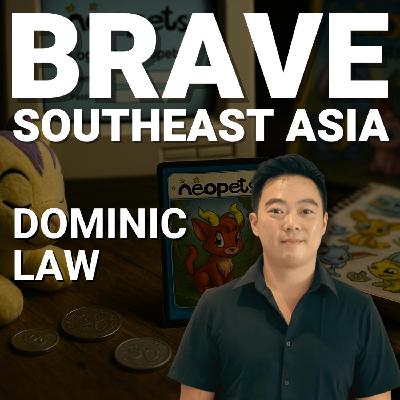
Dominic Law, CEO of Neopets and Jeremy Au dive into how a beloved millennial-era game evolved from early internet nostalgia into a modern revival story. They discuss the courage it took to spin Neopets out of its parent company, rebuild trust with long-time fans, and adapt a 25-year-old IP for new generations. Their conversation explores the challenges of updating old technology, the role of community-led development, and how emotional attachment can sustain a brand through decades of change. Dominic also reflects on leadership lessons from managing a turnaround, the balance between nostalgia and innovation, and why staying transparent keeps fans loyal for the long run. 00:45 Rediscovering Neopets sparked a new mission: Dominic found the brand’s hidden potential while restructuring NetDragon’s overseas business and proposed a management buyout to revive it. 03:30 Nostalgia and fandom kept the brand alive: A small but passionate community sustained Neopets through decades of inactivity, proving the power of emotional connection. 06:00 Missing the mobile era hurt growth: Neopets stayed static during key shifts to mobile and social gaming, losing younger audiences and momentum. 10:20 Collecting and trading define Neopets’ core: Digital ownership, customization, and item trading remain the game’s central appeal across generations. 13:45 Turning nostalgia into a family experience: Neopets now aims to become a shared parent–child game, offering safe, creative play and educational value. 26:00 Leadership shaped by transparency: Dominic learned that honesty, realistic timelines, and community dialogue rebuild trust better than overpromising. 38:20 Bravery defined the spinout: Taking the leap to lead Neopets independently was a high-risk, high-conviction move guided by belief in its legacy. Watch, listen or read the full insight at https://www.bravesea.com/blog/dominic-law-rebuilding-neopets #NeopetsRevival #GamingNostalgia #DigitalCollectibles #CommunityLeadership #GameReboot #TransgenerationalPlay #OnlineCommunity #IPTurnaround #NostalgiaEconomics #BRAVEpodcast
Jeremy Au explains how human civilization remained mostly unchanged for nearly a million years before experiencing rapid economic and technological growth in just the last few centuries. He traces this transformation from basic survival to modern innovation, reflecting on how technology, trade, and governance reshaped human life and why Southeast Asia’s development tells a unique story. 00:42 A Million Years of Sameness: Jeremy describes how humans lived by farming, hunting, and foraging for generations, using the same tools and passing down the same skills over time. 02:00 Flat Growth for Centuries: He explains that for hundreds of thousands of years, the global economy grew only about 0.05% per year, with little change in productivity or living standards. 06:40 Francis Bacon’s Utopia: Jeremy shares how in 1626, Francis Bacon imagined a future where humans could create light and see distant or microscopic objects, which were once seen as miracles. 09:00 Three Generations of Technology: He compares the Walkman era, the Nokia phone generation, and today’s iPhone and ChatGPT world, showing how fast technology evolves within three generations. 20:10 Southeast Asia’s Economic Divergence: He highlights how Singapore’s GDP per capita now matches the United States, while Malaysia, Indonesia, Vietnam, and the Philippines remain far lower. Watch, listen or read the full insight at https://www.bravesea.com/blog/future-shock Get transcripts, startup resources & community discussions at www.bravesea.com WhatsApp: https://whatsapp.com/channel/0029VakR55X6BIElUEvkN02e TikTok: https://www.tiktok.com/@jeremyau Instagram: https://www.instagram.com/jeremyauz Twitter: https://twitter.com/jeremyau LinkedIn: https://www.linkedin.com/company/bravesea English: Spotify | YouTube | Apple Podcasts Bahasa Indonesia: Spotify | YouTube | Apple Podcasts Chinese: Spotify | YouTube | Apple Podcasts Vietnamese: Spotify | YouTube | Apple Podcasts #HumanProgress #TechnologyEvolution #FutureShock #EconomicGrowth #InnovationJourney #SoutheastAsia #AIRevolution #GenerationalChange #DigitalTransformation #BRAVEpodcast
Jeremy Au explained how startups evolve from chaos to clarity and how fragmentation in Southeast Asia creates both problems and opportunities. He used the jungle-to-highway model to describe startup growth, compared founders to David facing Goliath, and showed how innovation, like oat milk or vaping turns small experiments into billion-dollar revolutions. Jeremy also reflected on how VCs spot talent early and why mastering Southeast Asia prepares companies for global expansion. 00:00 Jungle to Highway: Startups begin lost in a jungle, then build a dirt road through early customers, and finally pave a highway once they master product-market fit and scale 02:10 VCs as Recruiters: The best investors act like headhunters, identifying and closing founders before others do, while Southeast Asia’s fragmentation turns inefficiency into opportunity 05:25 Fragmentation as Opportunity: Jeremy explains how logistics and fintech thrive amid Southeast Asia’s complex, inefficient regulations, where “somebody’s inefficiency is my opportunity” 08:10 David vs. Goliath: Startups win by speed and focus, using their “slingshot”—fast execution—to overcome slow, over-armored incumbents 11:45 Oatly’s Rise: The invention of oat milk in 1994 shows how a startup can build a billion-dollar category by rethinking existing markets 13:20 Experimentation Over Scale: Jeremy concludes that small experiments often spark global trends, and founders who navigate Southeast Asia’s “jungle” can later scale worldwide Get transcripts, startup resources & community discussions at www.bravesea.com WhatsApp: https://whatsapp.com/channel/0029VakR55X6BIElUEvkN02e TikTok: https://www.tiktok.com/@jeremyau Instagram: https://www.instagram.com/jeremyauz Twitter: https://twitter.com/jeremyau LinkedIn: https://www.linkedin.com/company/bravesea English: Spotify | YouTube | Apple Podcasts Bahasa Indonesia: Spotify | YouTube | Apple Podcasts Chinese: Spotify | YouTube | Apple Podcasts Vietnamese: Spotify | YouTube | Apple Podcasts #startups #founders #venturecapital #SoutheastAsia #innovation #fragmentedmarkets #scaling #DavidvsGoliath #entrepreneurship #BRAVEpodcast

Jeremy Au and Jordan Dea-Mattson reconnect to explore how Vernor Vinge’s Rainbows End anticipated today’s world of accelerating technology, reskilling challenges, and demographic shifts. They examine which predictions came true, which fell short, and how these lessons apply to AI adoption, fragile digital systems, and the need for lifelong learning. Their conversation highlights why individuals must build meta-skills, why policymakers lack playbooks, and how Southeast Asia can prepare for a future shaped by both singularity and depopulation trends. 00:41 Tech change accelerates beyond generations: Vinge showed how skills like programming quickly became obsolete, leaving workers structurally unemployed. 07:27 Reskilling mirrors today’s digital divide: Characters were pushed back into classrooms, similar to how older workers struggle with cashless systems and SaaS adoption. 11:56 Rogue AI foreshadowed safety debates: Vinge hinted at AI bargaining to survive, connecting to current AI alignment concerns. 13:58 Belief circles resemble online echo chambers: Communities overlapped with reality, much like radicalization on forums and social platforms today. 18:29 Trust collapses with fragile systems: A single broken security certificate caused global chaos, resembling real-world failures like the CrowdStrike outage. 38:19 Singularity defined as break point: Jordan explains the mathematical roots of singularity as the moment when definitions collapse with exponential change. Watch, listen or read the full insight at https://www.bravesea.com/blog/jordan-dea-mattson-rogue-ai-rising Get transcripts, startup resources & community discussions at www.bravesea.com WhatsApp: https://whatsapp.com/channel/0029VakR55X6BIElUEvkN02e TikTok: https://www.tiktok.com/@jeremyau Instagram: https://www.instagram.com/jeremyauz Twitter: https://twitter.com/jeremyau LinkedIn: https://www.linkedin.com/company/bravesea English: Spotify | YouTube | Apple Podcasts Bahasa Indonesia: Spotify | YouTube | Apple Podcasts Chinese: Spotify | YouTube | Apple Podcasts Vietnamese: Spotify | YouTube | Apple Podcasts

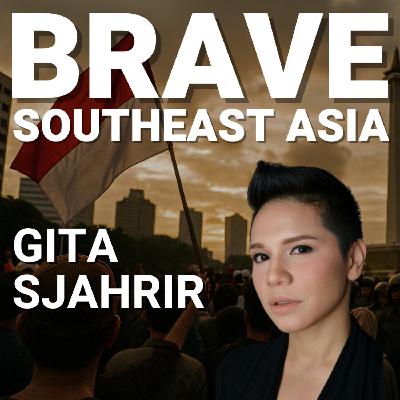
Gita Sjahrir and Jeremy Au analyze Indonesia’s nationwide protests to uncover how economic frustration, political tone-deafness, and social media reshaped the country’s trust in government. They discuss how widening income gaps and stalled reforms triggered anger across generations, how empathy and governance broke down, and how technology became both a rallying force and a regulatory battleground. Their conversation highlights the urgent need for reform, the rise of citizen activism, and the lessons Southeast Asia can draw from Indonesia’s call for accountability and change. 02:00 Economic anger ignited mass protests: Gita recounts how outrage over parliamentary pay and weak economic growth led to demonstrations in 33 cities across Indonesia. 03:35 Lawmakers’ high pay exposed inequality: Parliament members earning over $200,000 a year contrasted sharply with citizens living on a $5,000 GDP per capita. 06:46 Empathy collapsed in leadership: Gita explains how tone-deaf remarks and government inaction during hardship revealed a lack of care for ordinary people. 11:20 Citizens demanded reform through “17+8 Tuntutan”: Protesters called for salary freezes, free speech protections, and limits on military involvement in civilian life. 15:00 Political shifts followed public pressure: A new finance minister emerged, promising transparency and empathy amid policy reshuffles. 18:48 Structural reforms proved elusive: Bureaucratic red tape, poor SME support, and a lack of deregulation trapped Indonesia in slow growth. 21:29 TikTok ban worsened SME struggles: A freeze on TikTok Live and Shop disrupted small businesses that relied on digital sales for survival. Watch, listen or read the full insight at https://www.bravesea.com/blog/gita-sjahrir-indonesia-protests Get transcripts, startup resources & community discussions at www.bravesea.com WhatsApp: https://whatsapp.com/channel/0029VakR55X6BIElUEvkN02e TikTok: https://www.tiktok.com/@jeremyau Instagram: https://www.instagram.com/jeremyauz Twitter: https://twitter.com/jeremyau LinkedIn: https://www.linkedin.com/company/bravesea English: Spotify | YouTube | Apple Podcasts Bahasa Indonesia: Spotify | YouTube | Apple Podcasts Chinese: Spotify | YouTube | Apple Podcasts Vietnamese: Spotify | YouTube | Apple Podcasts #IndonesiaProtests #EmpathyInPolitics #SoutheastAsiaReform #TikTokBan #EconomicInequality #CitizenAwakening #DigitalDemocracy #JakartaUnrest #PowerOfConnection #BRAVEpodcast

Jeremy Au discussed the founder’s dilemma of when to persevere or when to pivot, and why company culture works better when treated as a sports team rather than a family. He illustrated the points with startup case studies like Instagram, Netflix, YouTube, and Rippling, showing how companies evolved by changing either product or customer. He also emphasized professionalism in managing team changes and exits. 01:45 Persevere vs. Pivot: Jeremy explains why founders must balance persistence with flexibility, using new data to know when to change direction. 03:20 Lean Canvas in Action: He shows how the tool helps identify whether to adjust the solution or customer, depending on what fails to fit. 05:05 Instagram and Netflix Examples: Case studies show how Instagram pivoted to photo sharing and Netflix shifted from DVDs to streaming and content creation. 07:10 YouTube and Play-Doh Pivots: YouTube evolved from a dating site to a universal video platform, while Play-Doh went from wall cleaner to toy. 09:02 Sports Team Culture: Jeremy stresses that companies should act like sports teams, not families, with honesty, performance focus, and fair exits. Watch, listen or read the full insight at https://www.bravesea.com/blog/netflix-startup-playbook Get transcripts, startup resources & community discussions at www.bravesea.com WhatsApp: https://whatsapp.com/channel/0029VakR55X6BIElUEvkN02e TikTok: https://www.tiktok.com/@jeremyau Instagram: https://www.instagram.com/jeremyauz Twitter: https://twitter.com/jeremyau LinkedIn: https://www.linkedin.com/company/bravesea English: Spotify | YouTube | Apple Podcasts Bahasa Indonesia: Spotify | YouTube | Apple Podcasts Chinese: Spotify | YouTube | Apple Podcasts Vietnamese: Spotify | YouTube | Apple Podcasts
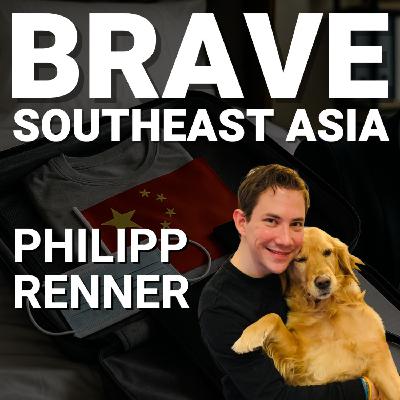
Philipp Renner, Founder & CEO of Dr. Shiba, joins Jeremy Au to share his journey from a global childhood to building one of Southeast Asia’s fastest-growing pet wellness companies. He reflects on how eight years at McKinsey, the personal challenges of long COVID, and the limits of corporate consulting led him to take the leap into entrepreneurship. They discuss the realities of product market fit iteration and the decision to pursue a semi-bootstrapped model rather than a VC-funded growth path. Philipp also shares how his toughest teenage year in Shenyang shaped his resilience and why focus on what truly matters became his personal north star, guiding him as he built Dr. Shiba from functional supplement treats into a wellness ecosystem now serving millions of customers across Southeast Asia and the UK. 02:00 Childhood across Germany, China, and Singapore built resilience and cultural fluency: Philipp recalls being the only foreigner in Chinese kindergarten, summers in Germany with extended family, and adapting to contrasting environments. 07:28 McKinsey years taught structure but came with high pressure: Philipp learned problem solving, investor communications, and performance systems, but he also faced unsustainable hours and a constant cycle of pressure. 14:23 Long COVID forced clarity and career reset: Contracting the virus in New York and suffering heart issues left Philipp fearful and uncertain, which led him to reassess his values and priorities in life. 18:54 Partnership revealed as a golden cage: Observing partners’ constant travel, endless client demands, and limited upside compared to entrepreneurship convinced Philipp to leave consulting. 22:21 Transitioning to founder life meant unlearning: Moving from slide decks to execution, Philipp raised funds, managed co-founder conflicts, and worked from a Manila coffee shop with no salary while building Tyger Brands. 27:36 Product market fit narrowed focus to Dr. Shiba: Starting with three consumer brands, Philipp and his team doubled down on the pet supplies line that scaled fastest, allowing the others to fade. 31:32 Bravery defined by survival in Shenyang: At 16, Philipp lived through minus 30 winters, two-hour commutes, and forgotten Chinese in an industrial city, which tested and built his resilience.  Watch, listen or read the full insight at https://www.bravesea.com/blog/philipp-renner-brave-brand-leap Get transcripts, startup resources & community discussions at www.bravesea.com WhatsApp: https://whatsapp.com/channel/0029VakR55X6BIElUEvkN02e TikTok: https://www.tiktok.com/@jeremyau Instagram: https://www.instagram.com/jeremyauz Twitter: https://twitter.com/jeremyau LinkedIn: https://www.linkedin.com/company/bravesea English: Spotify | YouTube | Apple Podcasts Bahasa Indonesia: Spotify | YouTube | Apple Podcasts Chinese: Spotify | YouTube | Apple Podcasts Vietnamese: Spotify | YouTube | Apple Podcasts

Jeremy Au shared lessons from Toyota’s Kaizen model, Boeing’s safety lapses, and lean startup methods. He explained why small improvements, frontline empowerment, and rapid iteration matter for both manufacturing and startups. The discussion connected MVP thinking with divergence/convergence cycles and how faster learning beats the competition. 00:46 Kaizen as Learning Flywheel: Jeremy introduces Kaizen as a cycle of building, measuring, and improving that mirrors startup learning. 01:35 Toyota’s Frontline Empowerment: He highlights how Toyota empowered workers to suggest improvements and stop production to ensure quality. 03:10 Boeing’s Safety Failures: Jeremy shows how ignoring frontline mistakes caused costly recalls and damaged Boeing’s reputation. 05:00 Rate of Learning as Edge: He explains why startups win by learning faster than rivals, compounding insights into competitive advantage. 07:15 MVP by Stages: Jeremy uses the skateboard-to-car analogy and China’s EV path to show how MVPs accelerate learning at every stage. Watch, listen or read the full insight at https://www.bravesea.com/blog/kaizen-vs-boeing #Kaizen #Toyota #Boeing #LeanStartup #MVP #ContinuousImprovement #Iteration #StartupLessons #ProductDevelopment #BRAVEpodcast Get transcripts, startup resources & community discussions at www.bravesea.com WhatsApp: https://whatsapp.com/channel/0029VakR55X6BIElUEvkN02e TikTok: https://www.tiktok.com/@jeremyau Instagram: https://www.instagram.com/jeremyauz Twitter: https://twitter.com/jeremyau LinkedIn: https://www.linkedin.com/company/bravesea English: Spotify | YouTube | Apple Podcasts Bahasa Indonesia: Spotify | YouTube | Apple Podcasts Chinese: Spotify | YouTube | Apple Podcasts Vietnamese: Spotify | YouTube | Apple Podcasts
loading
Comments