


 Claim Ownership
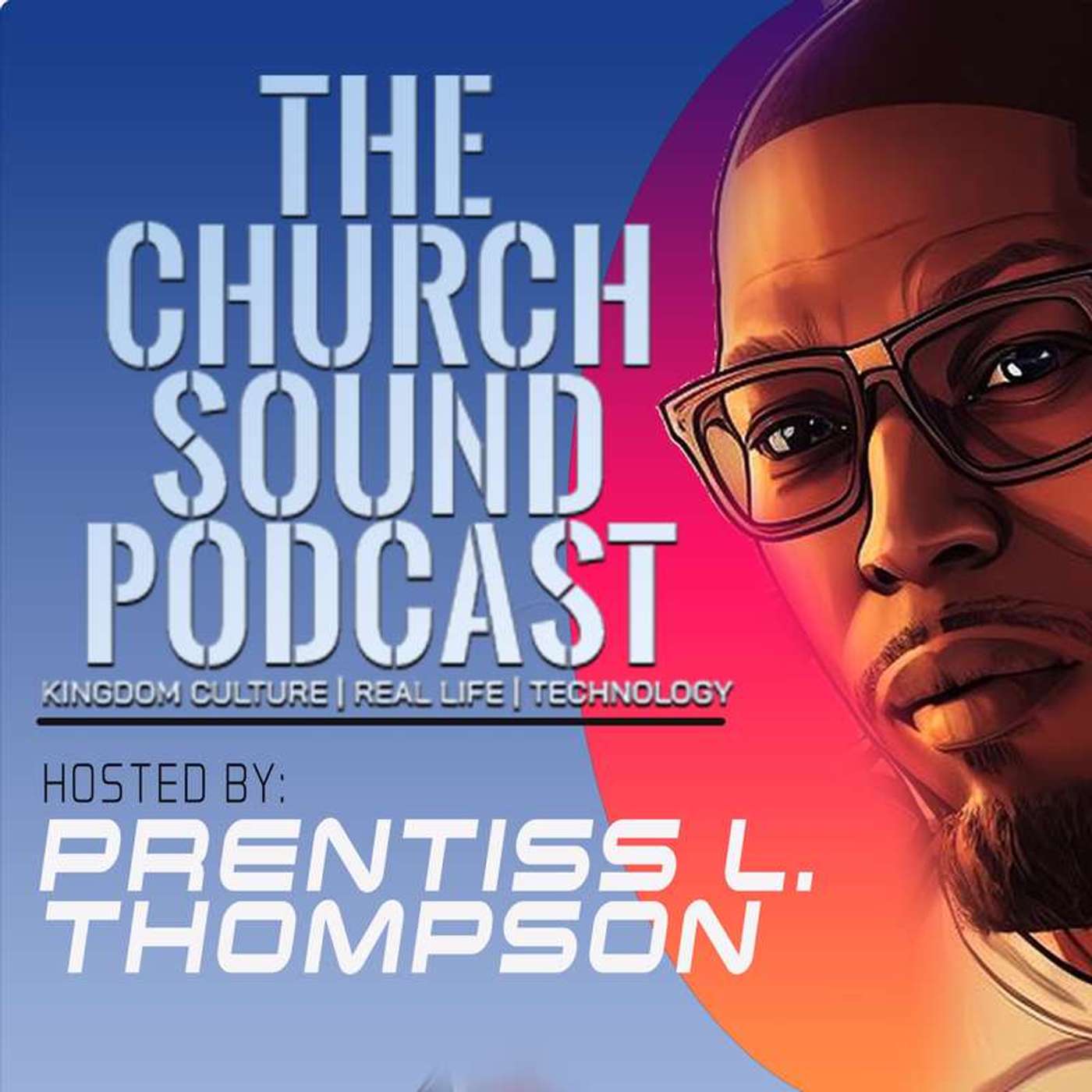
The Church Sound Podcast with Prentiss L. Thompson
Subscribed: 4Played: 315
Subscribe

© Copyright 2023 Prentiss L. Thompson
Description
The Church Sound Podcast is hosted by Prentiss L. Thompson that features discussions with Pastors, Musicians, Engineers, Manufacturers, and AV Team members about Technology in churches. This is where kingdom culture - Real life & Technology intersect” Listen, Laugh and Learn.
361 Episodes
Reverse
Midweek Service with Prentiss L. ThompsonStrong church production does not begin with equipment—it begins with communication.In this Midweek Service episode of The Church Sound Podcast, Prentiss L. Thompson discusses why clear, consistent communication is essential for every church media and production team. From last-minute service changes to unclear expectations, many technical problems are not actually caused by the equipment. They are caused by people not sharing the right information at the right time.Audio engineers, musicians, worship leaders, pastors, camera operators, livestream teams, and service coordinators may all be working toward the same goal, but the service can quickly become disorganized when those teams are not communicating with one another.Good communication allows the technical team to prepare, anticipate changes, solve problems, and serve the ministry with confidence. It also creates healthier relationships between church leadership, creative teams, and volunteers.In This EpisodeWhy communication is one of the most important parts of church productionHow poor communication creates unnecessary technical problemsThe importance of sharing service details before Sunday morningWhy worship leaders and pastors should communicate changes with the media teamHelping volunteers understand their roles and responsibilitiesThe value of production meetings, rehearsals, and service run-throughsAvoiding last-minute surprises whenever possibleCreating a clear chain of communication within the ministryWhy technical teams should feel comfortable asking questionsCommunicating corrections without embarrassing or discouraging volunteersBuilding trust between leadership and the production departmentUsing planning documents, schedules, group messages, and service outlines effectivelyCommunication Before the ServiceThe media team should not have to discover the entire service order while the service is already happening.Whenever possible, the team should receive important information in advance, including:The order of serviceSong selections and arrangementsMicrophone and stage requirementsVideo or presentation cuesLivestream instructionsSpecial guests or additional speakersChanges to the regular programAny creative or technical elements being added to the serviceAdvance communication gives the team time to prepare instead of constantly reacting.Communication During the ServiceEven with strong preparation, unexpected changes may still happen. When they do, the church should have a clear method for communicating those changes.Everyone should understand who is authorized to give production cues and how those cues will be delivered. Too many people giving conflicting instructions can create confusion for the audio, video, lighting, and livestream teams.Clear leadership helps the production team respond quickly without disrupting the worship experience.Communication After the ServiceHealthy communication should continue after the final benediction.A short post-service conversation can help the team identify what worked, what needs improvement, and what should be addressed before the next service. These conversations should be focused on growth—not blame.Corrections should be clear, respectful, and constructive. Volunteers are more likely to improve when they feel supported rather than attacked.Key TakeawayMany churches invest in better microphones, cameras, software, and production equipment while overlooking the importance of communication.The best equipment in the world cannot fix unclear instructions, poor planning, or disconnected teams.When everyone communicates, the production team can prepare properly, volunteers can serve with confidence, and the entire ministry can focus on delivering the message without unnecessary confusion.The Church Sound Podcast provides practical training, encouragement, and conversations for church audio engineers, media teams, production leaders, volunteers, and churches seeking to strengthen their technical ministries.
Leaving a church media or production position is not always an easy decision. Whether you are a paid employee, contractor, ministry leader, or volunteer, there may come a point when remaining in the position is no longer healthy for you, the team, or the ministry.In this episode of The Church Sound Podcast, Prentiss L. Thompson discusses how to recognize when it may be time to step away from a media position—and how to handle that transition with wisdom, professionalism, and integrity.Resigning should not be an emotional reaction to one difficult service, disagreement, or frustrating production problem. It requires honest reflection, clear communication, and an understanding of why you believe your season in the position has ended.The conversation also addresses the importance of leaving responsibly. Even when the circumstances are difficult, how you exit can affect your reputation, your relationships, and the team members who must continue serving after you leave.In This EpisodeRecognizing when frustration has become a larger, ongoing problemUnderstanding the difference between having a difficult season and needing to resignEvaluating whether the position is affecting your health, family, faith, or personal well-beingKnowing when leadership, communication, or cultural problems are unlikely to improveAvoiding emotional or impulsive resignationsHaving an honest and respectful conversation with church leadershipGiving appropriate notice whenever possibleHelping the church prepare for the transitionOrganizing files, passwords, equipment information, and production proceduresTraining or preparing the person who may serve after youLeaving without damaging relationships or creating unnecessary conflictProtecting your character and professional reputation during the transitionQuestions to Consider Before ResigningBefore making a final decision, ask yourself:Have I clearly communicated my concerns?Have I allowed leadership an opportunity to respond?Is the problem temporary, or has it become a consistent pattern?Am I resigning because I have reached a thoughtful decision, or because I am angry?Can the situation be improved through clearer expectations or healthier boundaries?What steps can I take to leave the ministry in a stable position?Key TakeawayThere are times when stepping away is the right and necessary decision. However, leaving well is just as important as knowing when to leave.Your final weeks in a position should reflect the same integrity, preparation, and commitment that you brought when you first accepted the responsibility. Do not allow a difficult ending to erase the value of the work you contributed or the relationships you developed.When it is time to resign, communicate clearly, prepare the team, document what is needed, and leave with peace rather than bitterness.The Church Sound Podcast provides practical conversations, training, and encouragement for church audio engineers, media teams, production leaders, volunteers, and churches working to strengthen their technical ministries.
CSP Classic: Put Down the PhoneMidweek Service with Prentiss L. ThompsonOur phones have become essential tools for communication, work, ministry, entertainment, and even Bible study. But when does a useful tool become a distraction?In this Midweek Service episode, Prentiss L. Thompson challenges church leaders, production teams, worship teams, and congregation members to examine how mobile phones affect our attention during worship. While technology can support the church experience, constantly checking messages, scrolling through social media, recording content, or responding to notifications can pull us away from what is happening in the room.The issue is not simply whether someone has a phone in their hand. The real question is whether the phone is helping them engage—or giving them an excuse to disconnect.Prentiss also discusses the responsibility of church leaders and production teams to create services that encourage participation and reduce unnecessary distractions. Technology should support the message, not compete with it.In This EpisodeHow mobile phones can interrupt our focus during worshipThe difference between using a phone as a ministry tool and using it as a distractionWhy notifications can prevent people from being fully presentHow phones affect volunteers, musicians, production teams, and congregation membersThe importance of remaining attentive while serving in ministryWhy church leaders should address phone use with wisdom rather than judgmentCreating a worship environment that encourages genuine engagementRemembering that technology should always serve the ministry—not control itKey TakeawayThere is nothing wrong with using technology in church. Phones can provide access to Scripture, sermon notes, livestreams, giving platforms, and other valuable resources. But there are moments when the best thing we can do is silence the notifications, put the phone down, and become fully present.Sometimes the most spiritual technology decision we can make is to disconnect from the device so we can reconnect with the moment.The Church Sound Podcast helps small and mid-sized churches strengthen their audio, video, livestream, worship, and production ministries through practical conversations, training, and encouragement.
Expectation is a word that is often missing from the conversation in small churches. Many ministries learn to operate with limited budgets, aging equipment, small volunteer teams, and very little technical training. Over time, “making it work” can quietly become the standard.But small does not have to mean unprepared, disorganized, or ineffective.The Church Sound Podcast is changing for the better. Moving forward, the show will place a stronger focus on the real needs of small to mid-sized churches—the ministries that may not have large production budgets or full-time technical staff but still want to serve their congregations with excellence.We will have honest and practical conversations about church audio, livestreaming, video production, lighting, presentation software, equipment selection, volunteer development, team building, leadership, budgeting, maintenance, and production planning. We will also address the challenges that smaller ministries face every week, including limited resources, inconsistent volunteers, outdated systems, insufficient training, and the pressure to produce more with less.The goal is not to make every church look like a television studio or a megachurch. The goal is to help every ministry use its available people, equipment, and resources more effectively.Church media is not simply about technology. It plays an important role throughout the entire worship experience. The right music, visuals, lighting, and presentation can help establish the atmosphere before the service begins. Clear sound and intentional media can keep people connected during worship and focused during the sermon. Announcements, videos, graphics, and closing information can help the congregation understand what is happening, what is coming next, and how they can remain involved after the service ends.When church media is prepared and executed properly, it supports the message instead of distracting from it. It helps remove barriers so people can hear clearly, participate confidently, and remain connected to the ministry.Excellence is not determined by the size of a church, the price of its equipment, or the number of people on its production team. Excellence begins with preparation, communication, training, consistency, and the expectation that what happens behind the scenes matters.This next season of The Church Sound Podcast is dedicated to helping small and mid-sized churches raise that expectation. We will provide practical guidance, meaningful conversations, technical education, and team-development strategies that ministries can apply immediately.You may not have the largest budget. You may not own the newest equipment. You may only have a few faithful volunteers.But with the right information, training, planning, and leadership, your church can still create a worship and media experience that is organized, engaging, dependable, and worthy of the message it has been called to share.Network: Join the Movementemail. [email protected] Video
Veteran audio engineer Frank Brown Jr. joins Prentiss L. Thompson for a practical conversation about mixing drums, developing your ear, and building a strong foundation as a church sound engineer.Frank shares lessons from his years behind the console, including how to approach the kick, snare, toms, cymbals, and the overall drum mix without allowing the kit to overpower the worship experience. They also discuss microphone selection and placement, EQ, dynamics, working with musicians, and why great sound begins with listening before touching the controls.This episode goes beyond settings and equipment. It explores the patience, preparation, discipline, and musical understanding required to produce a drum mix that supports the song, serves the congregation, and brings energy to the room.Whether you are a new church sound volunteer or an experienced engineer looking to sharpen your skills, Frank offers valuable insight that can help you become more intentional and confident behind the console.https://thechurchsoundpodcast.transistor.fm/

Comments

Download from Google Play

Download from App Store
 United States