


 Claim Ownership
Last Chair: The Ski Utah Podcast
Subscribed: 25Played: 507
Subscribe

© Copyright Ski Utah
Description
Ski Utah's new Last Chair will take you inside Utah's resorts for the story behind the Greatest Snow on Earth®. In a weekly series of audio features, host Tom Kelly will bring you behind the scenes with resort leaders, athletes and fascinating figures who are the stories inside Utah skiing and snowboarding. Whether you're a passionate local snow rider, or a guest to the Utah mountain landscape, you'll learn about mountain life through the stories of the men and women who shape the Ski Utah experience. Each Last Chair episode is 30-40 minutes, with insightful questions and fun anecdotal facts. As a career communicator, Kelly weaves stories with ease bringing listeners inside the mountain tales of Utah skiing and snowboarding.
91 Episodes
Reverse
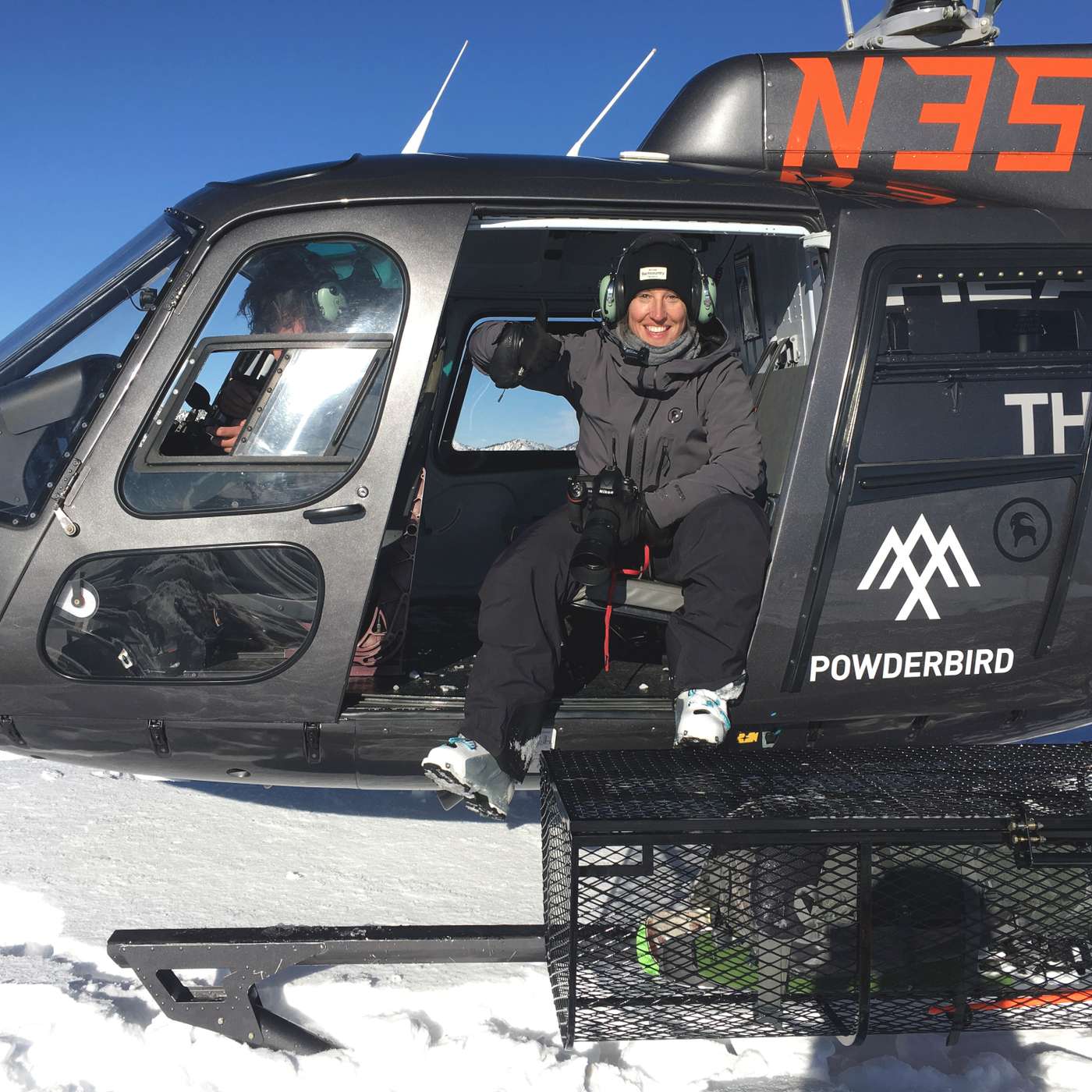
A tear came to Utah photographer Re Wikstrom’s eyes as she paged through Backcountry Magazine. There she was, her career splashed over the pages of Heather Hansman’s Opening the Lens story, profiling Wikstrom and how she has singlehandedly elevated the image of women in skiing. Wikstrom joined Last Chair from the High West Studio, reminiscing her start in photography, the love of passion to the Rocky Mountains, and the joy that shooting continues to provide her and all those around her.A Connecticut native, as a young girl, she loved making photographs with her mother’s Ricoh point-and-shoot camera. Soon, she combined her burgeoning love for photography with that of skiing. And at some point, she joined friends in moving west – first to Jackson Hole. But along the way, a big powder season in Utah and the offer of a futon lured her to the Wasatch, where for two decades she has been photographing the Greatest Snow on Earth.Re Wikstrom personifies happiness – something that rubs off on her subjects. As a photographer, she has a knack for managing light and capturing images. But a big part of that is the personality she exudes and the relationships she develops with her subjects.Hands down, Wikstrom is one of the best photographers shooting in the Wasatch. But her work with women is what has elevated her to a special place in her field. It’s her mission!“Part of my personal mission is to put more visuals of women athletes out into the world the way I want to see them portrayed,” she says.In her Last Chair interview, Wikstrom takes us back to her childhood and finding a love for photography. She reminsces on negotiating with her mother, who convinced her to finish school before becoming a ski bum. And she proudly walks us through some of her favorite images.This episode will take you high up into the Cottonwoods, early morning on a powder day, as Re Wikstrom chronicles her life as a ski photographer.
Salt Lake City native Marcus Caston grew up in the Wasatch, developing a passion for ski racing. After a stint as an aspiring alpine ski racer with the Snowbird race team, he found his pathway skiing big mountains around the world, becoming a star of Warren Miller films and beyond. Today, Caston is a professional skier and content creator who promotes appreciation for the art of skiing through his creative expression and athletic performance. On a quest to find the perfect turn, Caston looks for the unique coalescence of light, terrain, and snow. The Return of the Turn series, which he produces and stars in follows him on this journey, finding impeccable turns in every corner of the ski world. Today, you can find Marcus skiing around the Wasatch. His skiing is all about rhythm and flow, and if you’re not sure what that looks like, take a few tram laps at Snowbird, and you’ll probably find out.
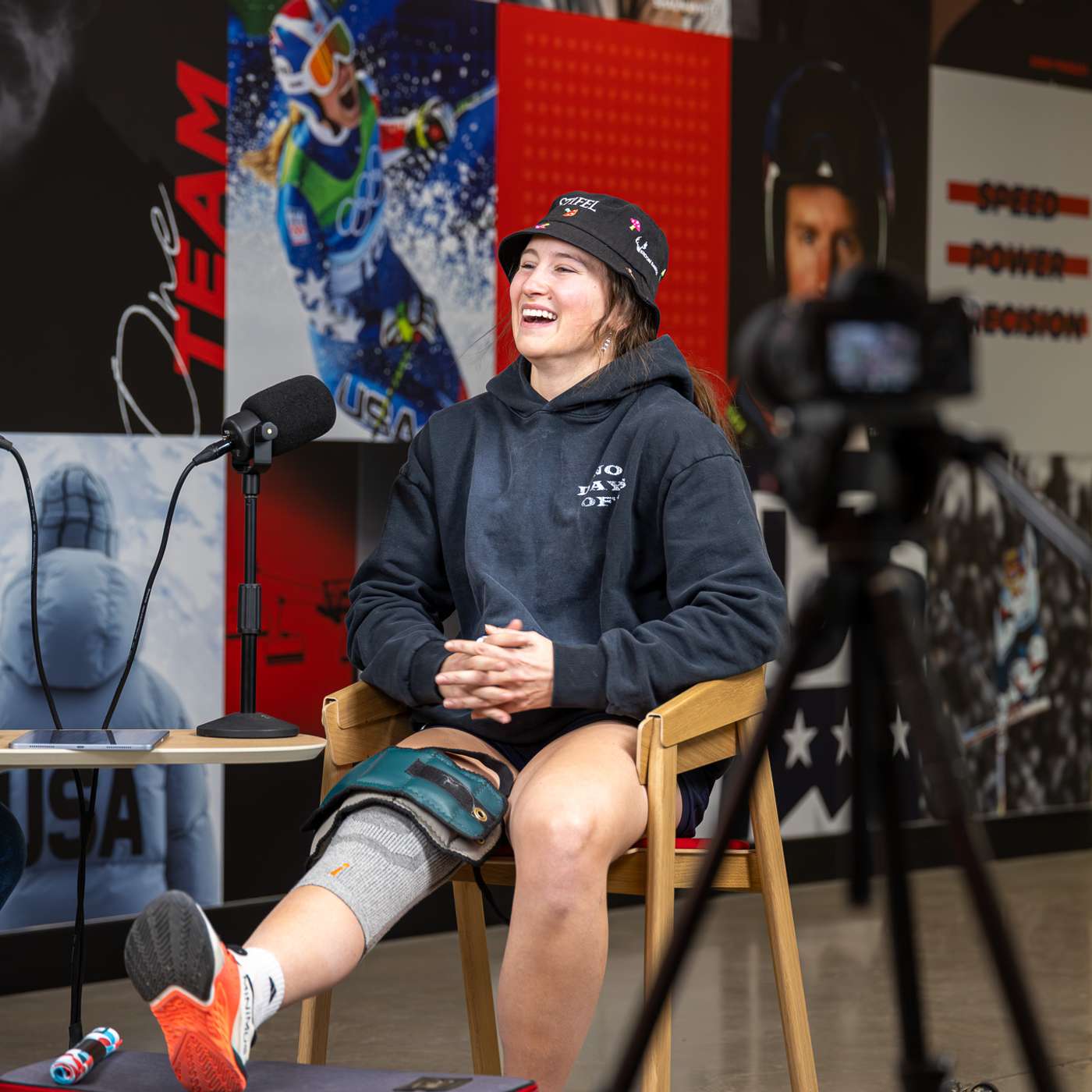
A rising star and the next generation of U.S. Ski Team speed skiers, Lauren Macuga is Park City native who rose through the development pipeline on the NorAm tour and is now among the best downhill and super G racers in the world. Her breakthrough 2024-25 season saw her on the downhill podium in Kvitfjell, Norway, and taking her first World Cup victory in a super G at St. Anton. She is known for her fearless, attacking style, as well as her traditional finish line bucket hat. She is one of four children, with three on national teams.
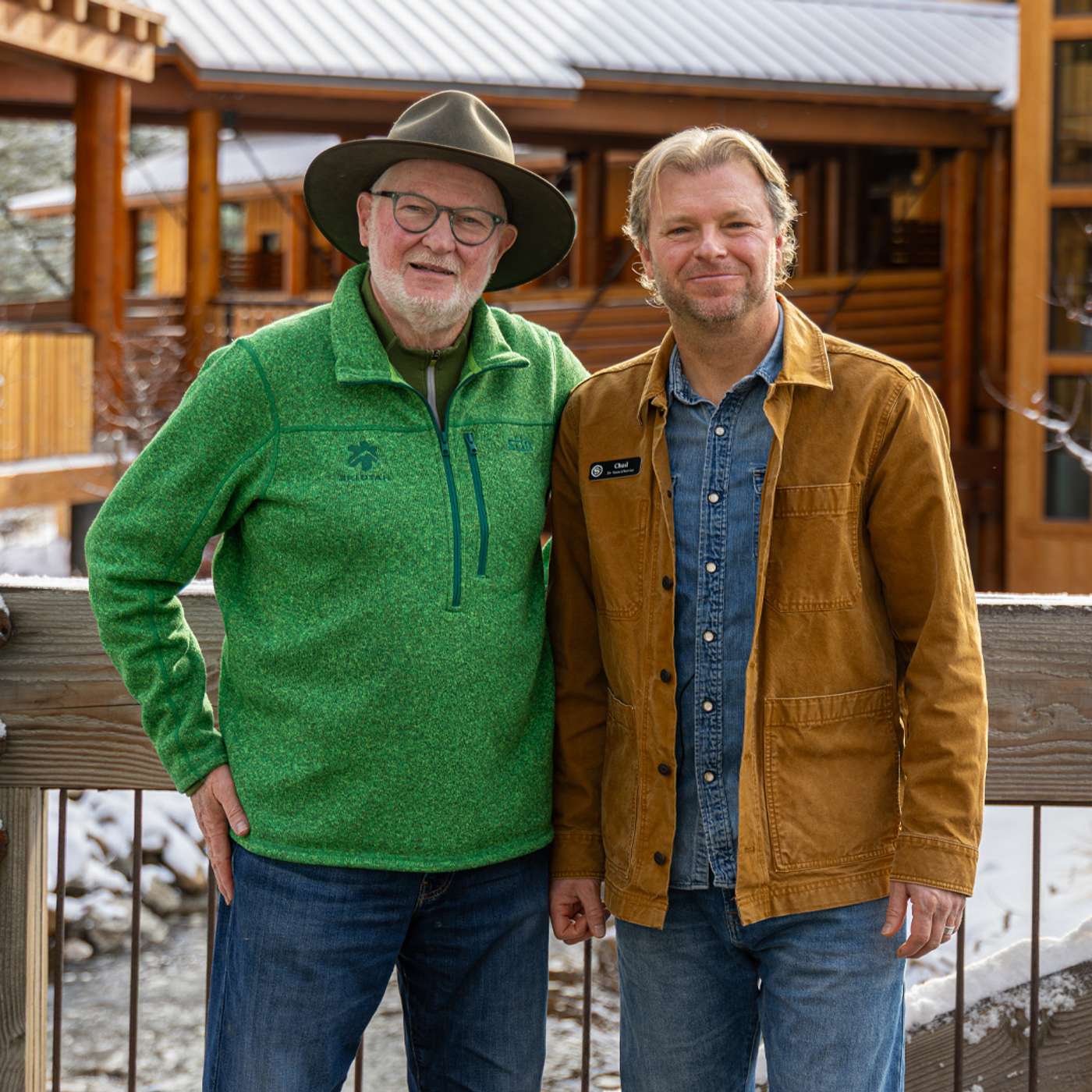
Walking through the new Inn at Sundance Mountain Resort feels like stepping into the enduring vision of Robert Redford.In this episode of Last Chair, Ski Utah sits down with Sundance President and General Manager Chad Linebaugh for an intimate conversation at the heart of the Inn. Linebaugh reflects on Redford’s legacy, the resort’s deep connection to nature, and how the new Inn, along with new lifts and terrain, enhances the Sundance experience while staying true to its roots beneath Mount Timpanogos.A story of place, history, and the canyon that continues to draw people back to Sundance.
EMILY FISHER: BRINGING KIDS TO THE SPORTThe 2002 Olympic and Paralympic Winter Games left a legacy of venues across Utah. But they also left a culture that motivates kids to get into sport. Each winter, the Youth Sports Alliance in Park City leads thousands of boys and girls into winter sport. And today, YSA is bringing its expertise to Ski Utah’s popular 4th Grade School Program. Last Chair sat down with YSA Executive Director Emily Fisher in the High West Studio to talk about the culture of winter sport in Utah, and how more kids than ever before are finding their way into skiing and snowboarding.Today, nearly a quarter century after the 2002 Games, new generations of Utah youth are finding excitement in winter sport – from speed skating to luge to skiing and snowboarding. Sure, it’s the fun and excitement of sport. But it’s also about the life lessons that sport teaches.“Really, it's the smiles and seeing how excited they are about skiing, about the culture, about being active in winter sport,” said Fisher. “I think if you're not exposed to it, it is easy to sit inside in the winter and to see these kids so excited to get outside, even when it's snowing, even when it's really cold, they're excited. They want to be part of this program, and their families want them to be part of this program. But just the smiles and the laughter make everything, all the hustle all year, worth it.”YSA’s longstanding Get Out & Play program introduces kids to myriad different sports. It’s a sampling program to give kids a sense of what they like to do. From there, they can pick a sport and engage in a local club. You never know where it might lead. At the upcoming Milan Cortina Olympics, local Utah athlete Casey Dawson will challenge for a speed skating gold, while Ashley Farquharson is a favorite in luge. This season YSA is taking on a new role, managing Ski Utah’s 4th Grade School Program. In its 30 years, the Ski Utah program has introduced over 100,000 Utah kids to skiing and snowboarding.
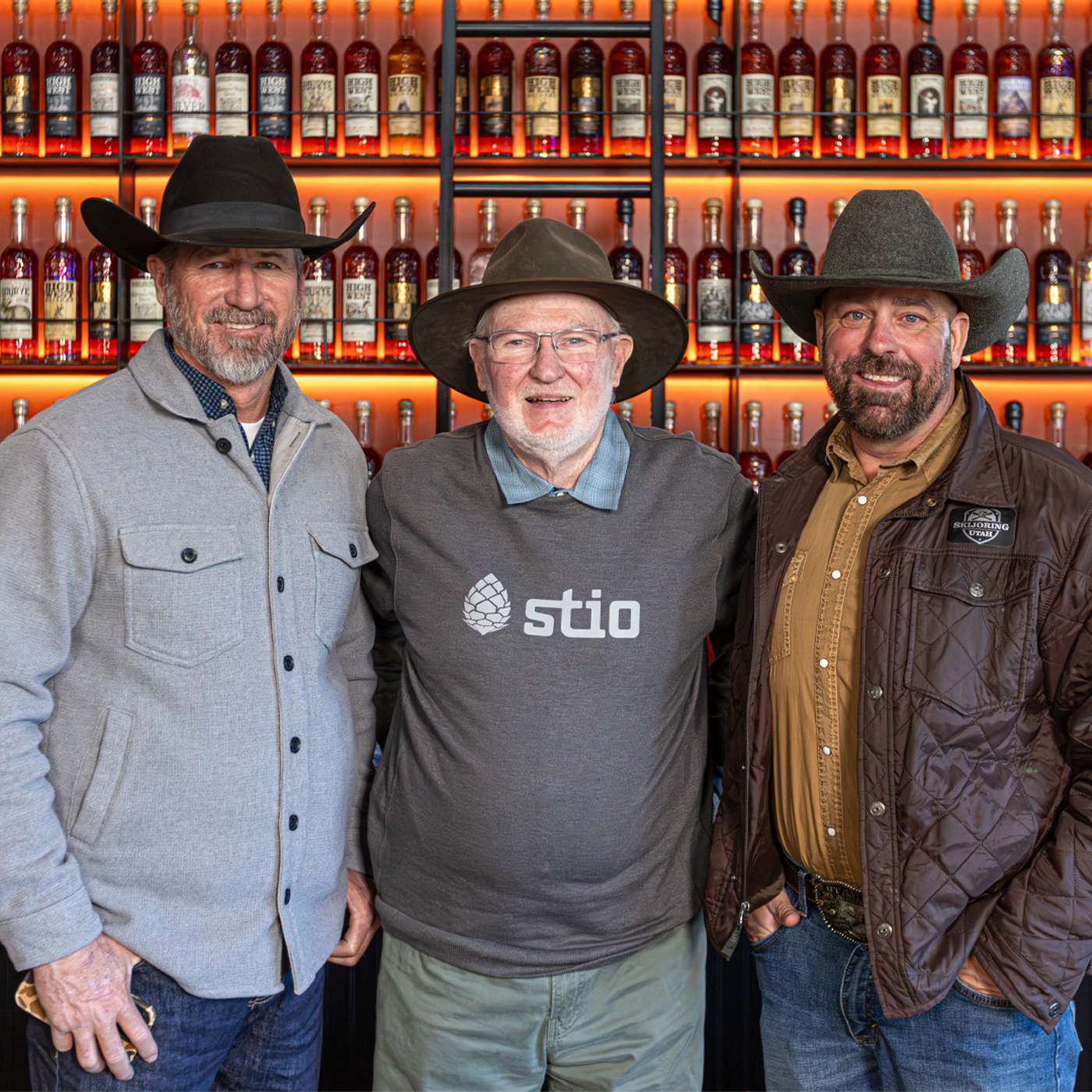
shorten it a bitSkis, speed, and charging horses collide in Skijoring, a winter sport rooted in Scandinavian tradition and reborn in the American West. In this episode, lifelong friends and Utah cowboys Joe Loveridge and Brian Gardner share how they turned their passions for skiing, horses, and ranching into Pro Skijor, a new pro tour spanning Utah, Idaho, and Montana. Recorded at the High West Whiskey Library, the conversation dives into Western heritage, big-time energy, and why skijoring has captured crowds across the Mountain West.
Nearly a quarter century after the 2002 Olympic and Paralympic Winter Games, Utah’s venues are more active than ever and getting kids into sport year-round. At the center of that legacy is Colin Hilton, President and CEO of the Utah Olympic Legacy Foundation.In this episode of Last Chair by Ski Utah, Colin shares how Utah planned for Olympic legacy long before 2002, why its venues are now four times busier than during the Games, and how that vision is shaping the road to the 2034 Winter Games. Recorded at the High West Whiskey Library.Listen now. Subscribe for more stories from the people shaping Utah’s ski and sport culture.
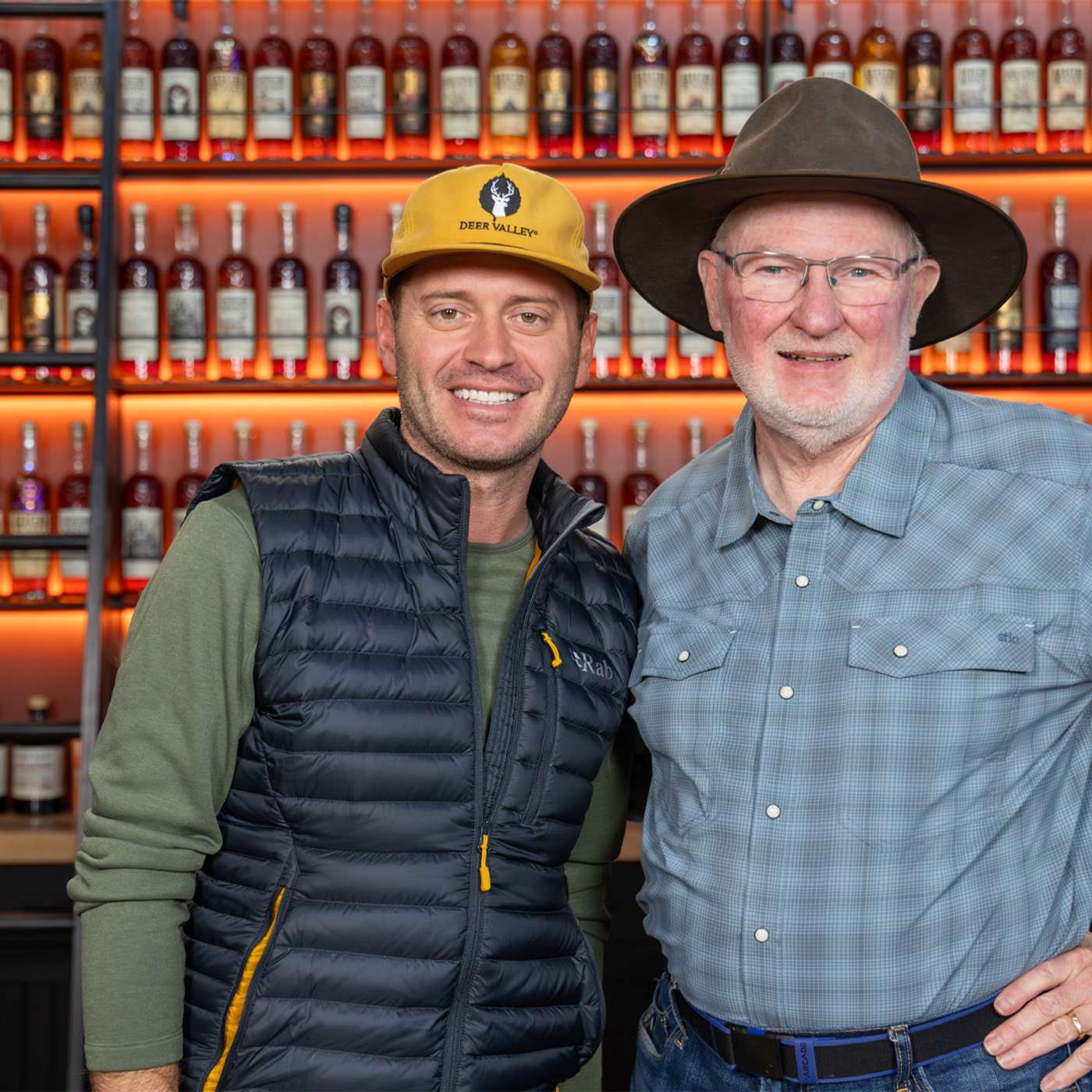
Growing up at the mouth of the Cottonwood Canyons, Chase Thomason went from deep powder kid to full-blown weather nerd after Twister hit screens. Now he’s a meteorologist at KUTV Channel 2 who still finds time to snowboard powder at Snowbird Ski Resort.In this episode of Last Chair by Ski Utah, Chase explains the science behind the Greatest Snow on Earth including snowflakes, storms and Utah’s wild lake effect magic. Recorded at the High West Whiskey Library.
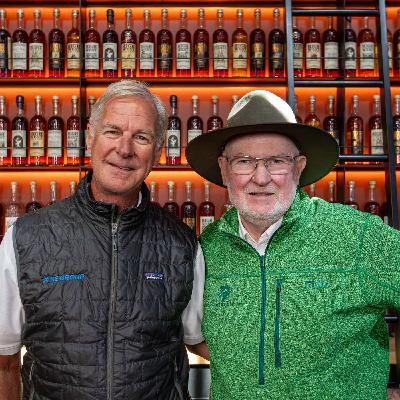
Legendary resort designer Chris Cushing joins Last Chair to share stories from a lifetime spent shaping ski areas around the world, including Deer Valley’s new East Village. From learning the craft alongside his father to watching families enjoy the terrain he built, Chris offers a rare look into the art and heart behind designing the mountains we love to ski
Celebrate 50 years of Utah skiing with Ski Utah and the Last Chair Podcast presented by High West. Host Tom Kelly sits down with President and CEO Nathan Rafferty and early leader Danny Richardson to share stories about Utah powder, the Interconnect Tour, and what makes skiing in Utah truly legendary.Recorded at the Whiskey Library at High West Distillery in Park City, this episode dives into the evolution of Ski Utah, its 16 world-class resorts, and the people who built the state’s ski culture. From Deer Valley to Snowbird, hear why Utah’s mountains deliver The Greatest Snow on Earth.

What’s happening with America’s largest ski resort expansion in decades? Deer Valley Resort is upping the game with 10 new lifts, 80+ new ski runs, and the debut of the all-new Deer Valley East Village, only 40 minutes from Salt Lake City International Airport.In this episode of Last Chair presented by High West, we ride high atop Bald Mountain at Snowshoe Tommy’s Cabin with:- Steve Graff, VP of Mountain Operations, Deer Valley Resort- Garrett Lang, Deer Valley Mountain Operations- Shawn Marquardt, Doppelmayr Ski LiftsHear how the new East Village Express gondola links Park Peak via Big Dutch, get insider details on cutting-edge lift technology, and find out which new Deer Valley runs should be on your hit list this winter.
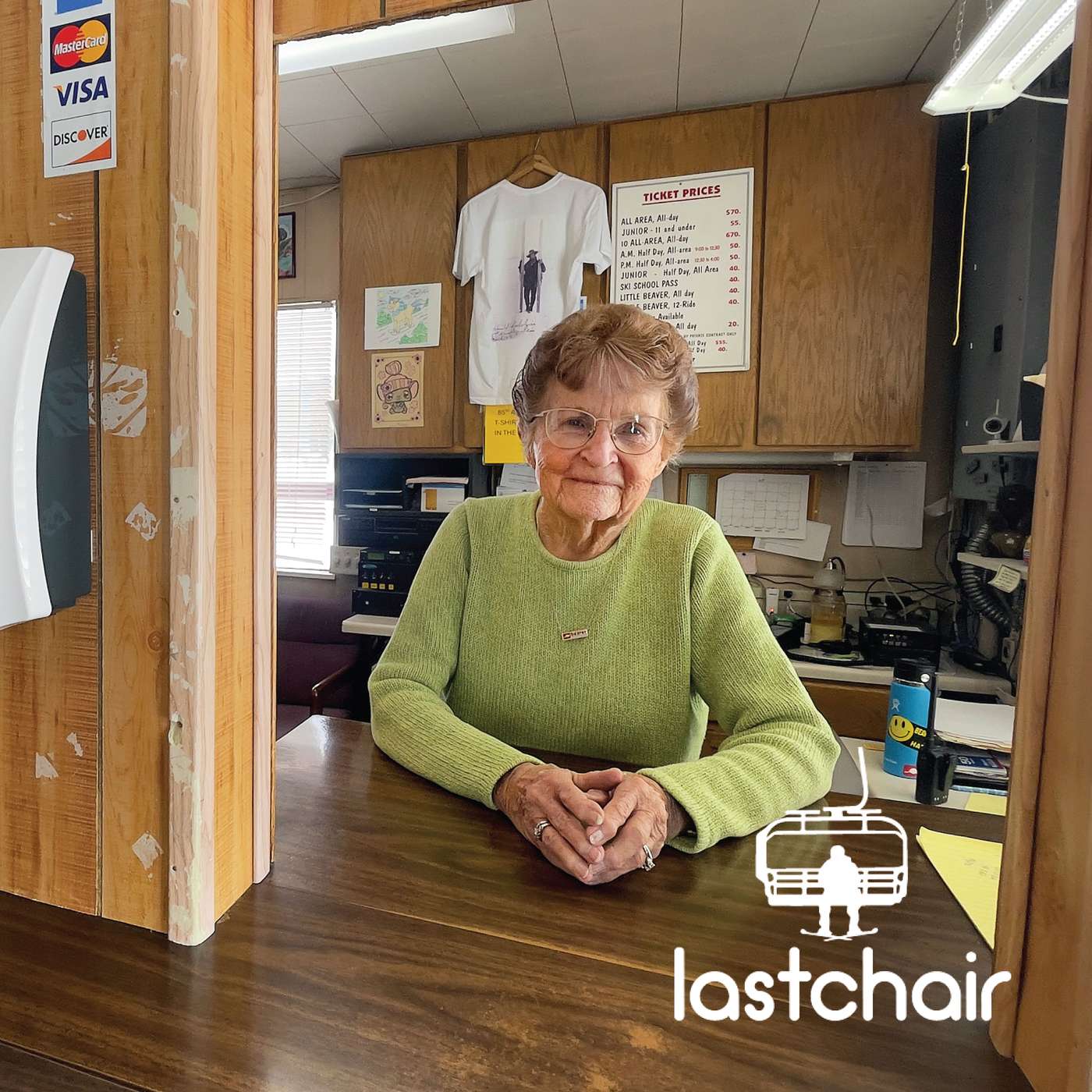
If you love skiing, take 30 minutes to listen to this conversation with Marge from family owned, Beaver Mountain. This episode of Last Chair exudes what the lifestyle of skiing is about. It’s something you simply don’t find in other sports. It’s a special place in Utah with some mighty fine skiing and riding, and the most celebrated ticket manager in the state: Marge!
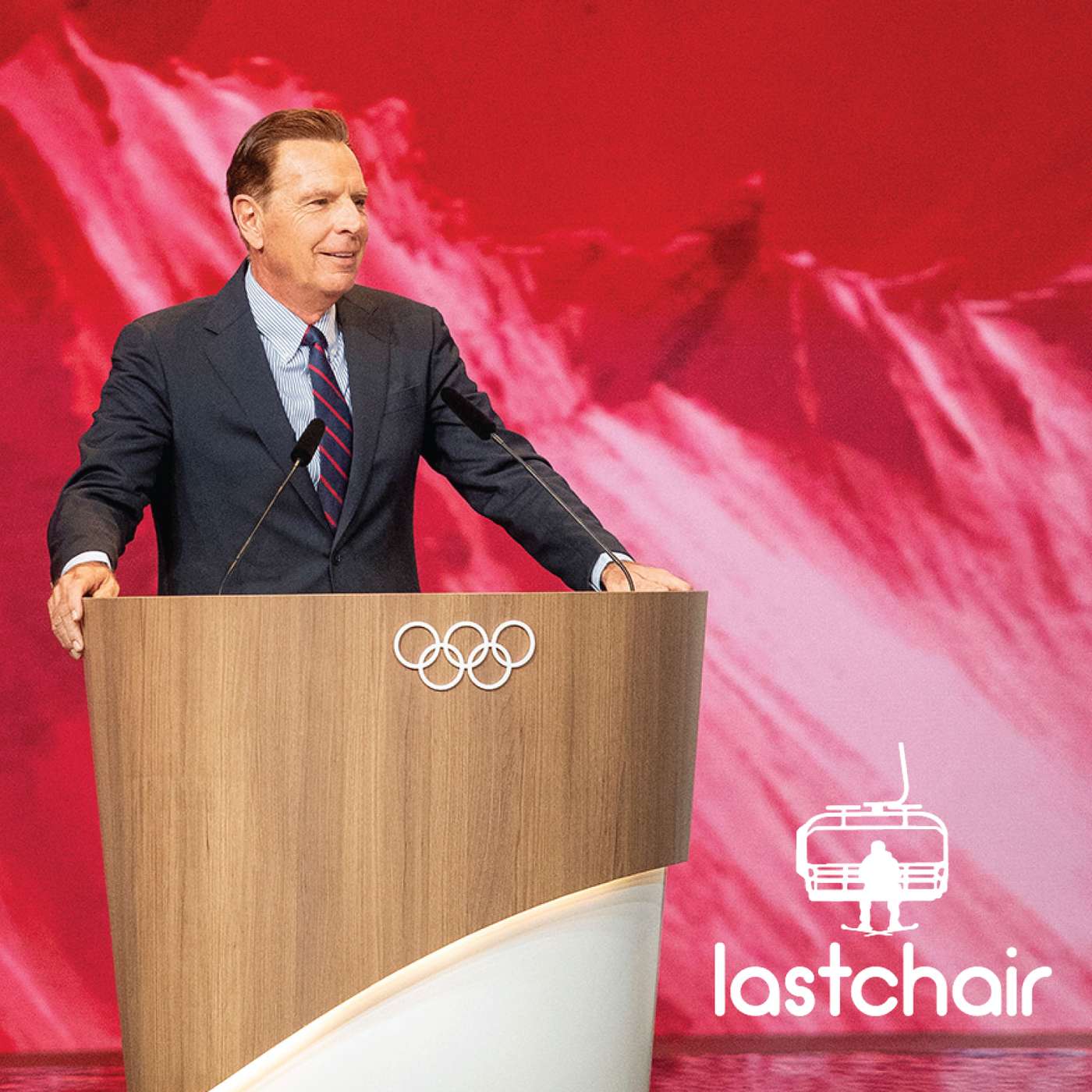
From their favorite Utah ski runs to their 2002 Olympic memories, Fraser Bullock and Nathan Rafferty provide great insights about Utah's 2034 Winter Olympic Games and everything in between.
This April, Raelene Davis will celebrate 40 years with the organization. She has served in her current role as Vice President of Marketing and Operations for 10 of those 40 years. Her face lights up with the biggest smiles as she recalls all of Ski Utah's creative marketing campaigns as well as the impressive and innovative engagement programs that she started from the ground up. Most of all, she remembers all of the people she’s met along the way.
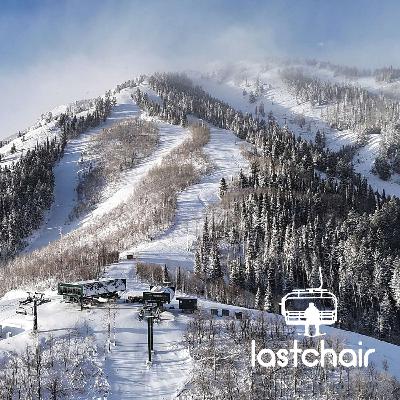
The lifts are spinning now at Deer Valley East Village! The first major destination ski resort to be built in America in over 40 years is taking shape with the opening of the Grand Hyatt Deer Valley. How did this pairing of a Manhattan skyscraper developer and one of America’s most renowned resorts come to be? Ski Utah’s Last Chair sat down with Extell Development Founder and President Gary Barnett and Deer Valley President and COO Todd Bennett in the brand-new Grand Hyatt Deer Valley to learn more.

On this episode, Last Chair grabbed veteran UTA ski bus driver Doug Malmborg for a ride on the 972 line up to Solitude and Brighton. Malmborg shared his vast knowledge of the UTA ski bus service, plus some fascinating ski and mining history that he has gleaned growing up in the Cottonwoods.

David Miller, director of operations at Ski Utah partner Wasatch Squatters Brewing, has long had a passion for brewing beer. But also for doing it in a sustainable way. The popular Utah brewery, born in the resort town of Park City in 1986, has put innovative practices in place to recycle cans, used grain, water, and more. Last Chair headed to the Wasatch Squatters taproom in Salt Lake City to get insights from Miller and to enjoy a Last One Down lager, a beer brewed in partnership with Ski Utah.Miller grew up in Oklahoma – not exactly ski destination. But his parents were Colorado skiers, so the family often hit small hills in New Mexico with a few trips north to the Rocky Mountains of Colorado. His passion for brewing first played out when he volunteered to help out at Oklahoma’s Prairie Artisan Ales. His brewery journey took him to North Carolina and then Dallas. While in Texas, his boss was in Utah, and the lure of the Wasatch – both the brewery and the mountains – brought him to Salt Lake City just a few years ago. He sees the mountains as a great place to raise a family, and his young kids are already ripping around Solitude.But as much as he loves brewing, his real passion is being a steward of the planet on which we live. It’s ingrained in Miller’s life, from the lessons he teaches his young kids to the practices he puts in place at Wasatch Squatters.“Sustainability does not always come easy – it's not just a flip of a switch,” said Miller. “So if we're able to do something more efficient and more sustainable, even though it may be really hard to do, we're going to take that challenge on.” It’s mid-day at the Wasatch Squatter’s taproom as guests slide up to the bar for a lunchtime brew. Meanwhile, Miller is diving deeper into the myriad ways Wasatch Squatters is creating ways to innovate its operation to be more sustainable.It’s about finding an effective way to recycle cans that are kicked off the bottling line. Or reusing water used to cool hot tanks during the process. Or finding a new home for the tons of grain used during brewing – which makes for some happy cattle on Utah ranches. Wasatch Squatters also substitutes nitrogen for carbon dioxide.“I couldn't imagine being part of an industry that didn't care about this,” said Miller.The conversation often swings back to his kids, who have learned early the importance of loading up the truck with cans to take to recycling. “I have two boys and just instilling sustainability practices in them is really important to my wife and I. And they’re already taking note of it – throwing their banana peels in the compost pile.”Those practices carry over to their day-to-day life, including their time on snow up in the Cottonwoods.“Every time I’m on the slopes with my family, I know I have to take care of this place. I pick up that piece of trash or recycle that piece of cardboard. And that carries through our business. And we know we’ve got a lot of people who get up on the mountain who have the same mindset – which is great.”Beer is a part of the culture of skiing. This episode of Last Chair takes you inside the brewery to learn about how Wasatch Squatters keeps sustainability a key priority. And while the sustainability practices at the brewery are on a high level, Miller easily relates them to things each of us can do ourselves. So grab a Wasatch Last One Down and enjoy this conversation with David Miller.
Steven Clark enjoyed the ideal skier’s lifestyle as a young boy living at the mouth of the Cottonwood Canyons. Today, he’s the avalanche safety program manager for the Utah Department of Transportation (UDOT). As skiers and riders wind their way up Little Cottonwood Canyon, one of the most avalanche-intensive sections of highway in the world, he’s the one leading efforts to help keep us safe. Clark joined this episode of Last Chair from Snowbird to talk about innovative new technology that is helping to keep avalanche safety workers – and all of us on the highway – safe during winter storms.Many of us think about backcountry avalanche safety. Clark himself, when he was young, had the Utah Avalanche Center phone number posted on the family’s home phone. But it’s doubtful many of us think a lot about avalanches as we travel mountain highways every winter. We think about the plows that clear the roadway for us. But what’s up above might be largely out of our minds as we wind up State Route 210 for eight miles towards Snowbird and Alta.In those eight miles from the mouth of Little Cottonwood Canyon up to Alta, there are 64 identified, named avalanche paths that can impact the highway. While the ski resorts all manage avalanche safety in their boundaries, it’s up to UDOT to mitigate the danger on the highway. From howitzers to hand charges, UDOT avalanche safety teams work to keep all highways in the state safe for drivers and residents.For around 75 years military howitzers have played a pivotal role, lobbing shells across valleys to dislodge snowpack before it poses a danger to the highway. In 2007, UDOT began to look at alternatives to lobbing shells through the air. Today, howitzers are being phased out. As an example, in 2023 Alta retired its 105-mm cannon that had fired thousands of rounds of shells since being introduced in the 1950s by avalanche safety legend Monty Atwater.Replacing the howitzers is an array of remotely triggered devices installed on mountainside towers throughout the canyon. Towers from Wyssen Avalanche Control can be remotely activated to drop charges into the snow. Installations from GAZEX™ create a controlled explosion from which the concussive force triggers a slide. UDOT is using both systems, with new installations around Mount Superior will be in operation this season. There are now nearly 90 remotely-activated avalanche mitigation installations in the canyon between UDOT and the ski resorts. The new systems provide yet another level of public safety, eliminating the need to fire shells across the valley or to have avalanche safety workers conduct high-risk operations. In addition, UDOT employs a sophisticated array of avalanche sensors to analyze the snowpack and provide valuable feedback and updates.This episode of Last Chair provides some fascinating insights into the work done behind the scenes to keep us safe as we travel the Cottonwood Canyons to ski and ride. A well-known figure in the Utah snow safety community, Steven Clark is a great example of the dedication of the UDOT team that helps keep us safe.

When Dr. Jeffrey Rosenbluth left med school for his first job at the University of Utah in 2001, he already had a vision in mind. A skier himself, he wanted to bring that wind-in-your-face sensation of the sport to those who didn’t have the same personal mobility. Fast forward to today, Dr. Rosenbluth's pioneering initiative has led to TetraSki – a device that combines medical science with engineering to create remarkable opportunities for individuals with physical disabilities.In this episode of Last Chair, we head to the Mobility Garage of the University of Utah’s Craig H. Neilsen Rehabilitation Hospital, speaking with Dr. Jeffrey Rosenbluth, along with program director of TRAILS Adaptive Tanja Kari, a six-time Paralympic champion cross country skier who was one of the heroes of the 2002 Paralympic Winter Games in Utah.TetraSki is truly a revolutionary mobility tool in sport. It features a customized chair attached to a pair of Rossignol skis. The engineering brains of TetraSki allow the operator to control the skis through a simple joystick. And if the skier doesn’t have the body functionality to manipulate the joystick, there’s a breathing tube – blow in or suck out, and the skis respond. A new innovation can also be attached to a functioning muscle, where muscular reflects are converted into ski movement.Yes, this is real! And there are now around two dozen TetraSkis around the world, providing mobility opportunities to those who might never have conceived that they might ski.Growing up in Los Angeles, Rosenbluth would always look for opportunities to get up to Utah for skiing. Wanting to spend his career in spinal cord injury medicine, when he saw a job opportunity in Salt Lake City he jumped at it.“After the first couple of years of getting settled here, it was obvious that we had this really tight, enthusiastic campus – people with engineering backgrounds and clinical backgrounds, other scientific backgrounds, and then the access to the outdoors is just unprecedented,” he recalled. “I don't think there's another academic center that has this. So there was just an obviousness to where we were heading and getting people excited about building new devices and getting out there and trying new programs – that was an easy sell.”Early in his tenure, he created TRAILS Adaptive – an acronym combining technology, recreation, access, independence, lifestyle, sports. TRAILS provided the first pathway to provide wellness programs and real opportunities for individuals. Kari was a young Finnish cross country skier when she visited Utah for the first time at the 2002 Winter Games. What stood out to her was that the same organizing committee managed both the Olympics and Paralympics – the first time ever! “We felt the difference in the Games for that,” she said, “in the level of expertise and perfectionism. It was just unbelievable for us.” Three years later, she found her way back and has now made Utah her home.She found a home at TRAILS Adaptive for very similar reasons. “As a Paralympian and being involved in this world for a long time in different roles, the fact that we have this mentality and space in the rehabilitation hospital – being able to meet those patients right when they're here with us and sharing the methods of active living – is really important to me.”It’s easy to geek out at the engineering in TetraSki today. However, the brilliance behind it goes back 20 years as Dr. Rosenbluth began mapping out the vision he brought from med school. “It was just this recognition that you couldn't just open up shop with just sports,” he said. “You had to really think about advocacy. You had to think about sports deeper than just participation – how could you be as independent at that sport as possible? And what if you didn't have transportation? You'd never be able to come and do the sport.“I thought at first we were really more of a think tank, going through all the different ways we could take folks, especially with more complex disabilities, and get them to participate more frequently to create life sports for some of our complex patients – and then do it at the highest level of independence and performance.”Ski Utah’s Last Chair podcast with Dr. Jeffrey Rosenbluth and Tanja Kari takes you inside one of the most innovative labs in the sport. It’s a fascinating – and emotional – journey showcasing the work being done at the University of Utah to provide the gift of skiing to those who can’t click into their bindings the same way that we do.

Comments

Download from Google Play

Download from App Store
 United States