DiscoverThe Rabbi's Husband
The Rabbi's Husband
Claim Ownership

The Rabbi's Husband

Author: SoulShop

Subscribed: 18Played: 1,158
Share

Description

The Torah (Bible) is the fundamental text of Biblical and Western thought and it is a guidebook for our lives. Mark Gerson, The Rabbi's Husband, will explore the greatest hits of Jewish thought in conversation with some of the most interesting thinkers from varying religious persuasions. The discussions on this show will reflect the understanding that the Torah and all associated books are intended to guide us through our challenges and in our decisions today. We will strive to understand how Torah passages, Biblical verses and ancient teachings can guide us towards happier, clearer and more meaningful lives today. We will show how the most helpful answers to the pressing contemporary questions are provided in the Biblical stories, characters, laws and commentaries that constitute our ancient heritage. Stay connected with us on Facebook, Instagram, Twitter, LinkedIn and by signing up for our newsletter at https://bit.ly/TRHnews. For more, head to our site https://www.therabbishusband.com/podcasts. To submit a question, please email mark@therabbishusband.com

142 Episodes
Reverse
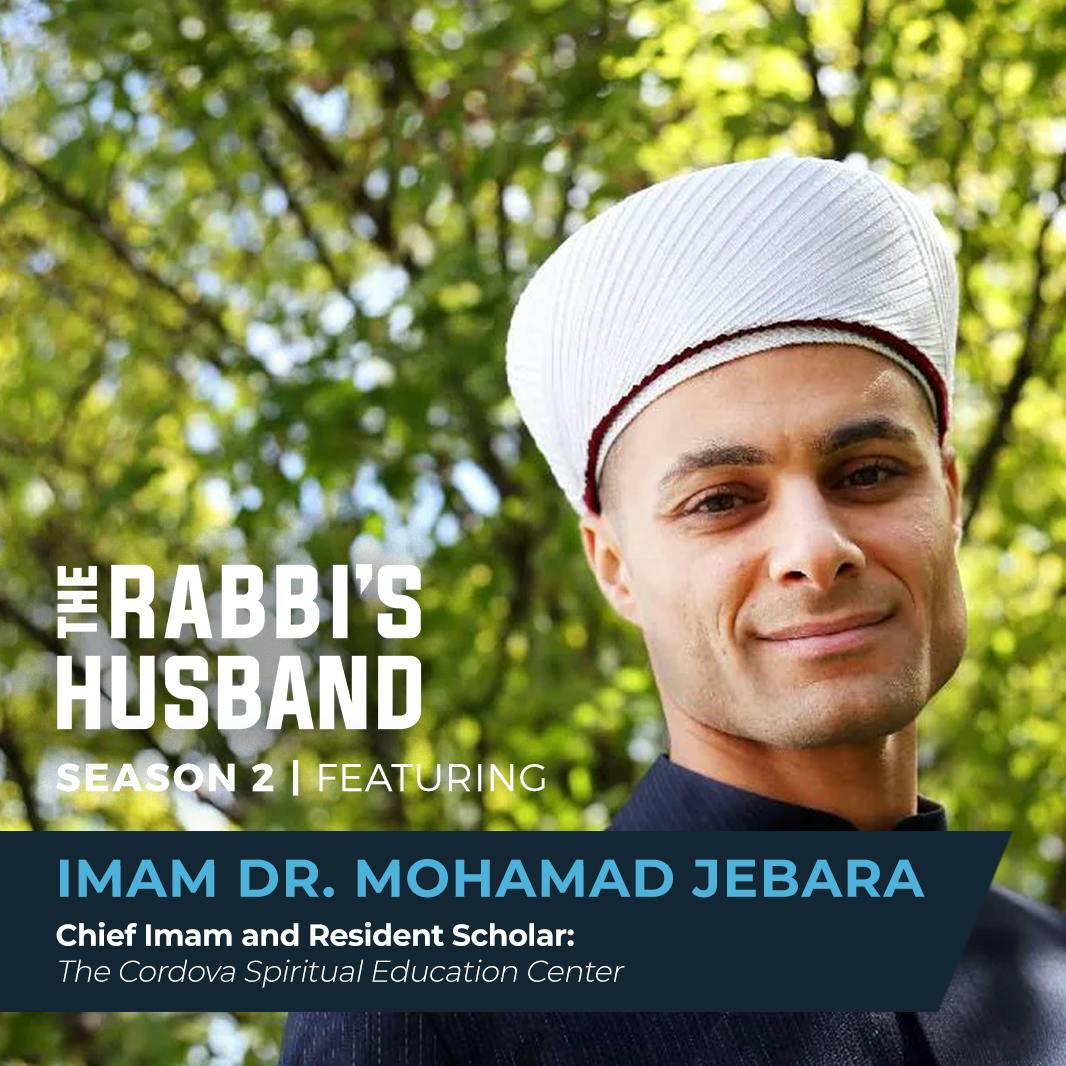
Mohamad Jebara, the author of "Muhammad, The World-Changer," joins Mark to discuss the power of love emphasized in the "Song of Songs," the historical popularity of the text, and explains how it is the source of the Prophet Muhammad’s name.  Here is the link to the verse on Sefaria.com: https://www.sefaria.org/Song_of_Songs
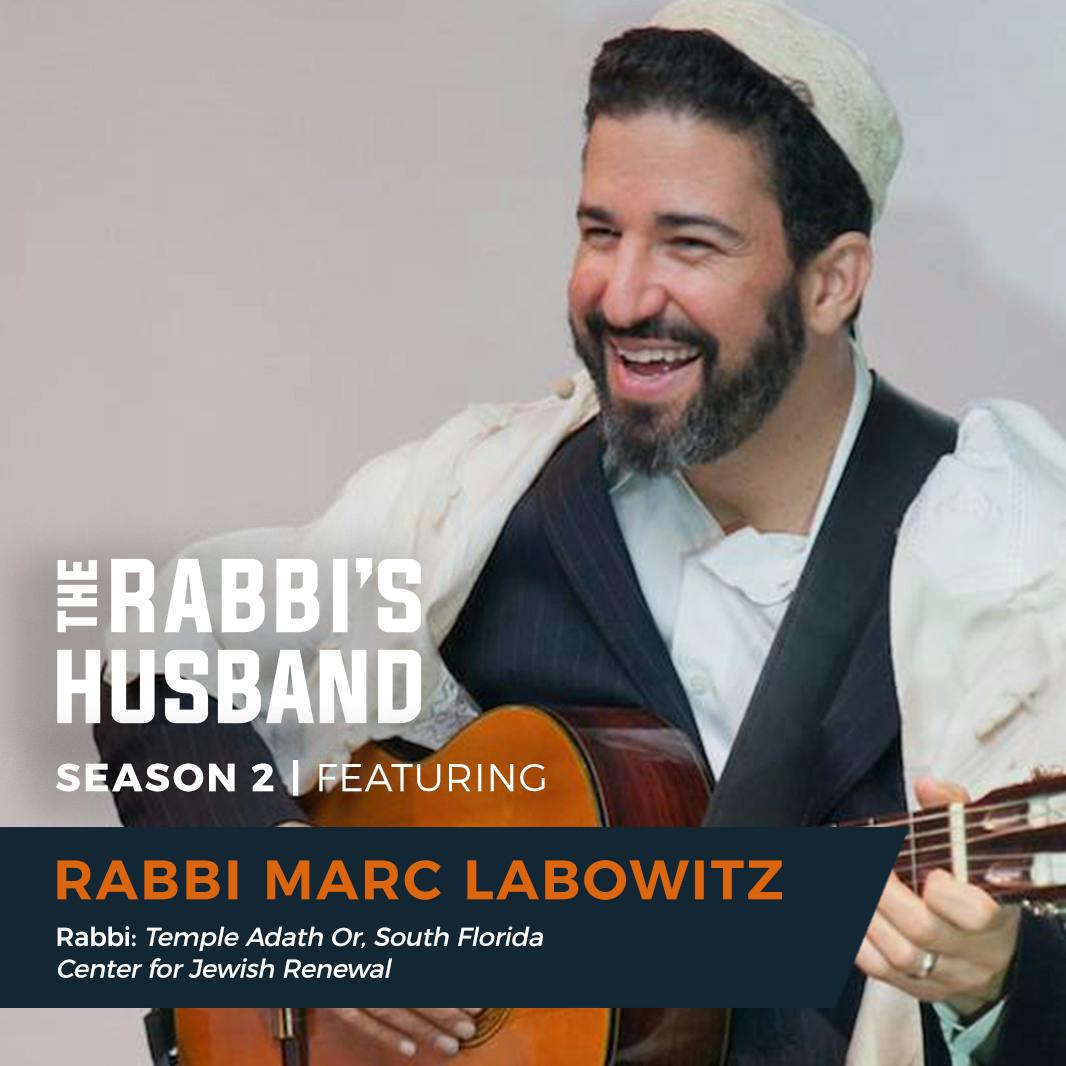
Rabbi Marc Labowitz, the leader of Temple Adath Or, South Florida Center for Jewish Renewal and a composer of over 30 original Jewish songs and melodies, joins Mark to discuss being the son of two Rabbis, the impact negative speech had on King David, and how the power of words impacts our communities today.  Here is the link to the verse on Sefaria.com: https://www.sefaria.org/Psalms.34.13?lang=bi
Tucker Carlson, Fox News journalist, political commentator, and talk show host joins Mark to discuss the secrets to a long and happy marriage, the downsides of being famous, and the worst parts of being human.  Here is the link to the verse on Sefaria.com: https://www.sefaria.org/Genesis.3?lang=bi&aliyot=0
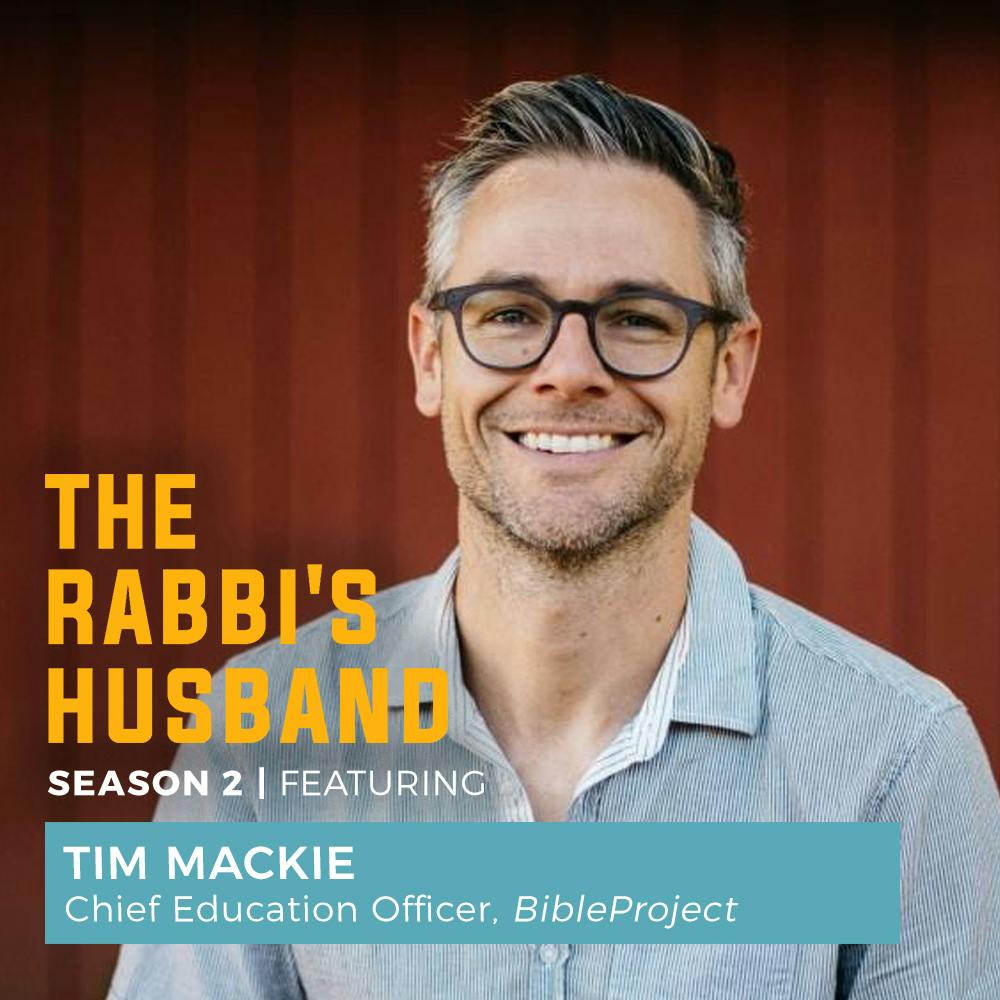
Tim Mackie, Chief Education Officer at the Bible Project, joins Mark to discuss his Oregonian origins, talking Leviticus at the skate park, and the Biblical sex scandal that reveals how the outsider can shape insider culture.  Here is the link to the verse on Sefaria.com: https://www.sefaria.org/Genesis.38
Rabbi Sherre Hirsch, Chief Innovation Officer at American Jewish University in LA, joins Mark to discuss what is Jewish spirituality, the experience of a 2000 person, non-Zoom Shivah, and the power of silence in the darkest moments. Here is the link to the verse on Sefaria.com: https://www.sefaria.org/Leviticus.10.2-7
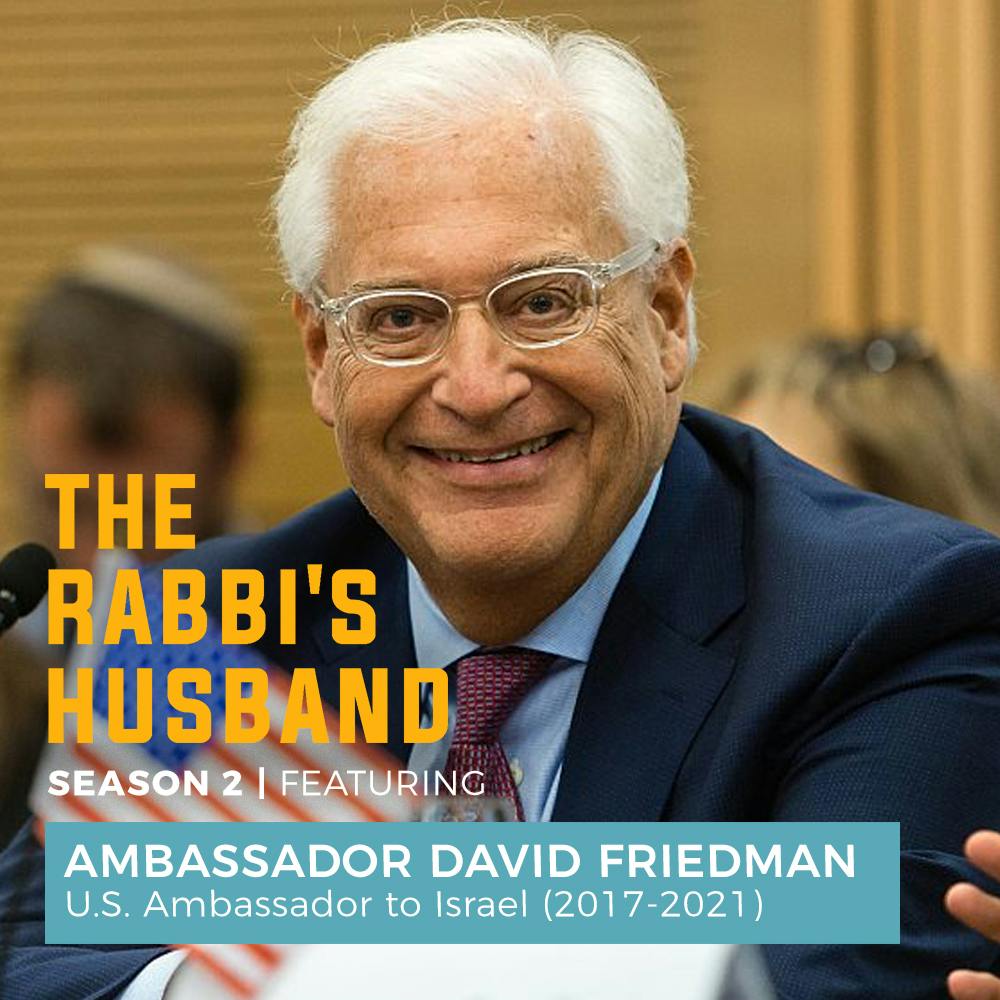
Former US Ambassador to Israel David Friedman joins Mark to talk about being inspired by the Bible on a daily basis, what he learned about mankind from living in Israel, and how a nation’s greatest weakness can also be its source of strength.  Here is the link to the verse on Sefaria.com: https://www.sefaria.org/Deuteronomy.9.9-21
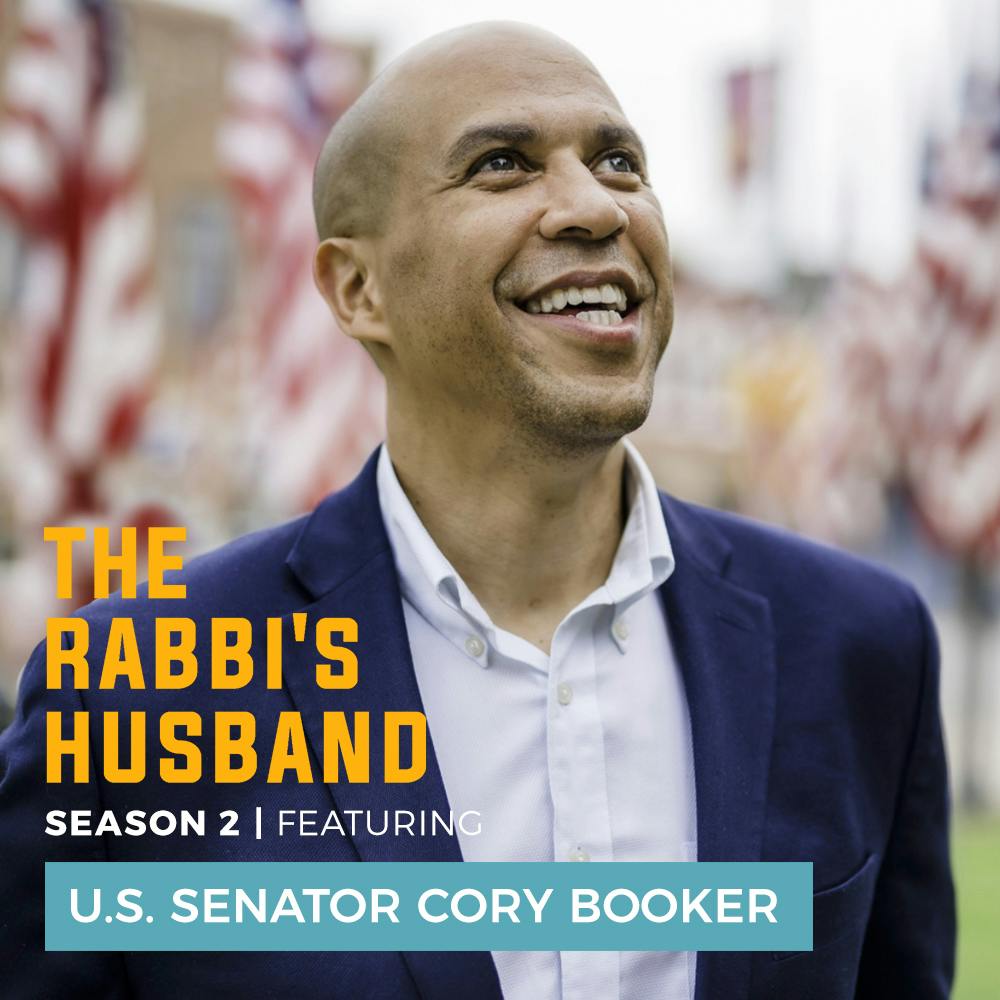
Senator Cory Booker of New Jersey joins Mark to talk about politics, Black-Jewish relations, and how Abraham's idea of hospitality continues to inspire us.   Here is the link to the verse on Sefaria.com: https://www.sefaria.org/Genesis.18.1-10
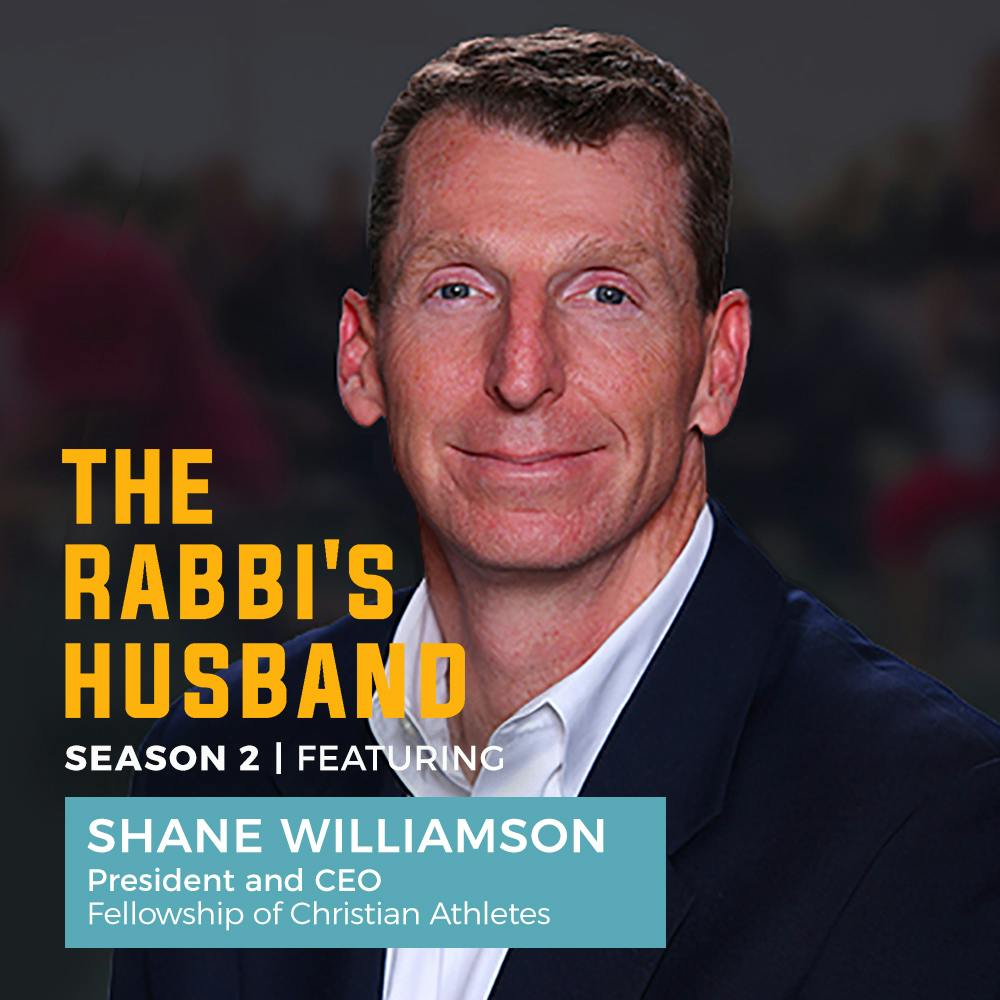
Shane Williamson, the president and CEO of the Fellowship of Christian Athletes, joins Mark to talk about faith, football, and the prophet Micah's vision of what God wants us to do. Here is the link to the verse on Sefaria.com: https://www.sefaria.org/Micah.6.8 and https://www.sefaria.org/Proverbs.3.5-6
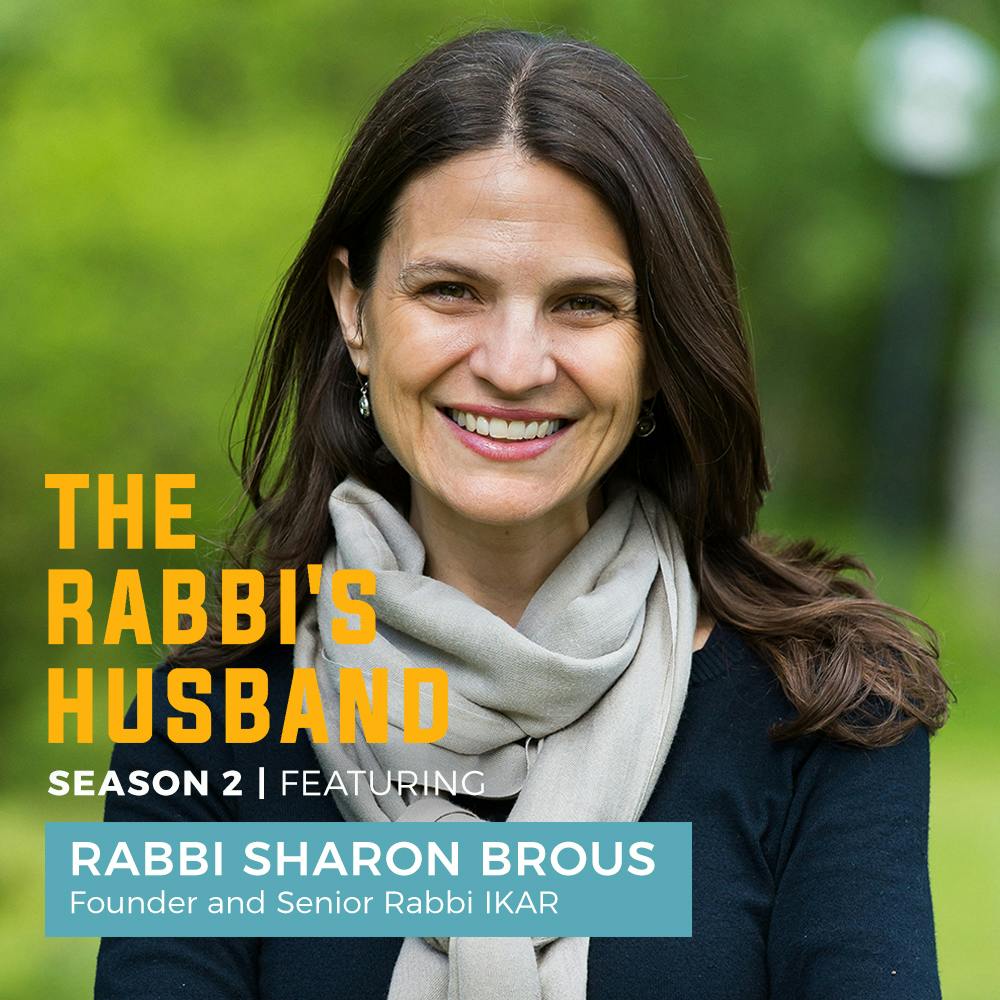
Rabbi Sharon Brous of LA's popular IKAR joins Mark to talk about nearly missing out on the rabbinate, making people feel welcome at synagogue, and what the Ten Commandments still have to teach us today.  Here is the link to the verse on Sefaria.com: https://www.sefaria.org/Exodus.20.9-10
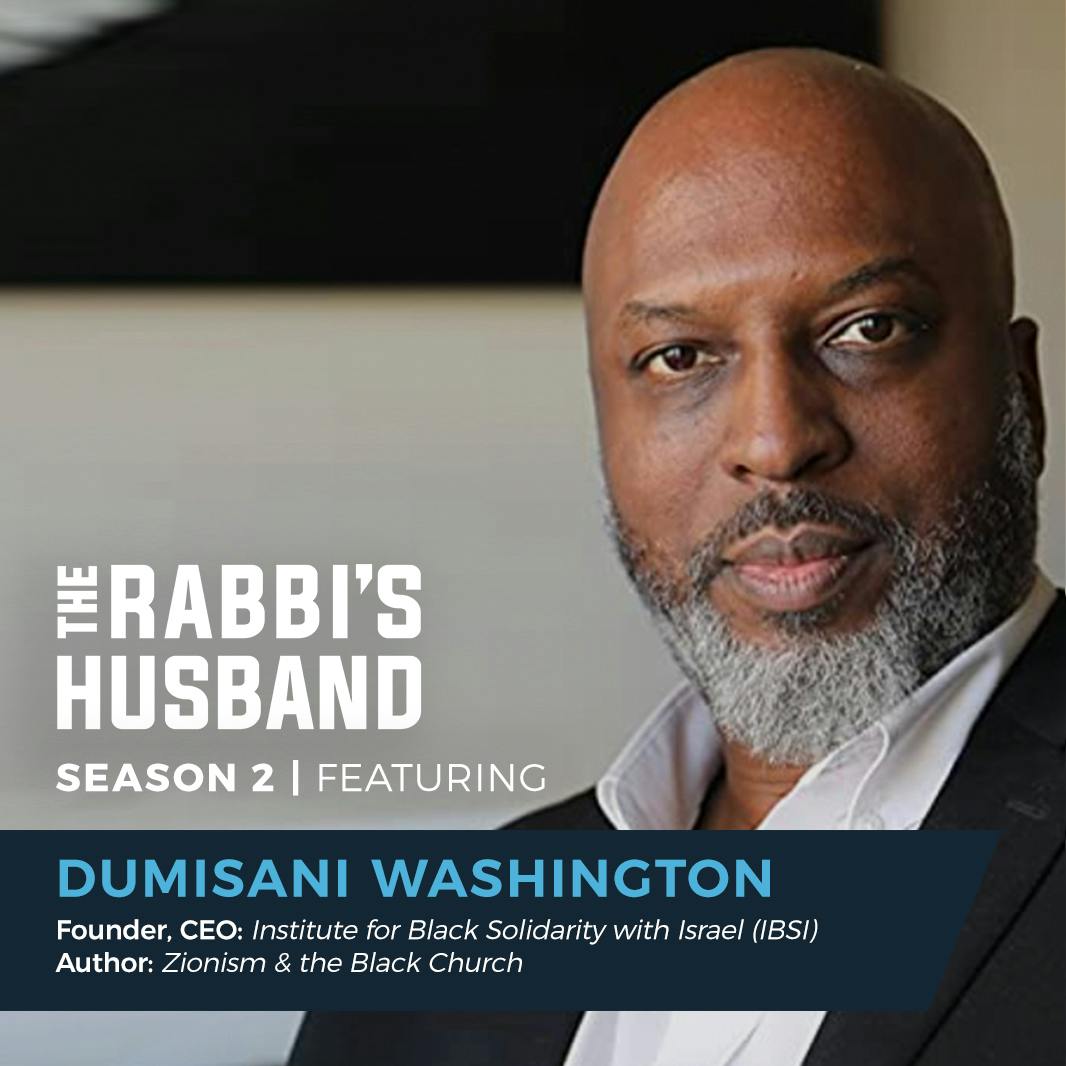
Pastor Dumisani Washington, pastor, composer, and Founder/CEO of Institute for Black Solidarity with Israel (IBSI), joins Mark to discuss being a church baby, his 5:00am trip to the Western Wall, and Moses’ failure to enter the Holy Land. Here is the link to the verse on Sefaria.com: https://www.sefaria.org/Deuteronomy.34
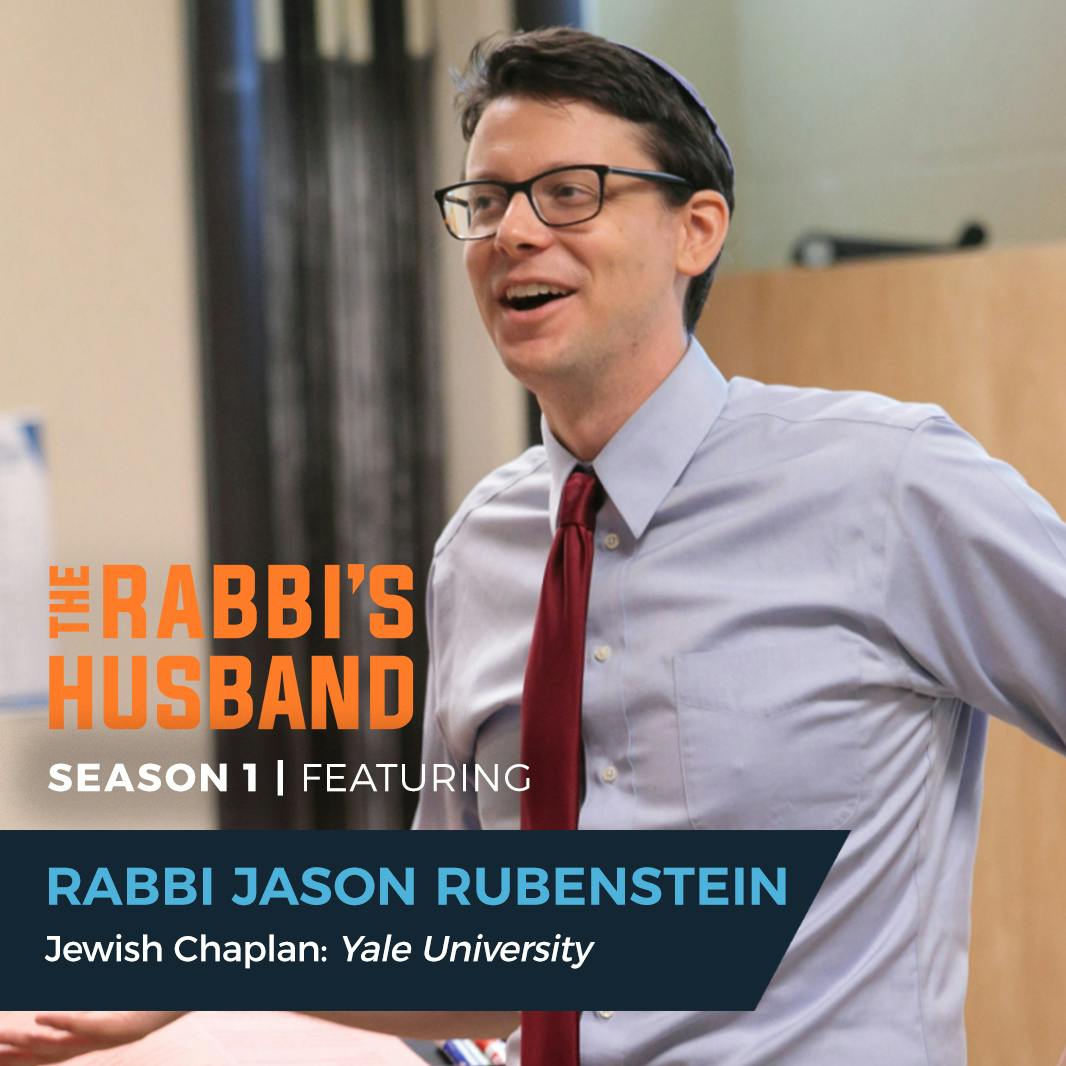
Rabbi Jason Rubenstein, Jewish chaplain at Yale University, joins Mark for a very special episode this week. Jason’s uniquely well-rounded education includes attending reformed Temple Micah in Washington DC as a child, spending his formative years studying at orthodox Yeshivat Ma’ale Gilboa in northern Israel, and receiving his rabbinic ordination from the conservative Jewish Theological Seminary. He has taught on the faculty of the Hadar Institute for a decade, and is the recipient of numerous awards including the Wexner Graduate Fellowship and the Covenant Foundation’s 2015 Pomegranate Prize for Emerging Educators. The passage he has chosen to discuss is Pesikta de-Rav Kahana (Mandelbaum) 19. Jason begins by sharing the passage, the notion of God’s marriage to the Jewish people illustrated within it, and the power of the Torah to sustain the Jewish people during God’s perceived absence. He and Mark then set off on a fascinating discussion of a number of related concepts including the rebirth of Hebrew and the Jewish State, the purpose of rituals, the Jewish commitment to Israel, and the nature of Zionism. The function and nature of prayer, the contrast between faith and belief, and the reason this passage holds such significance for Jason are also explored. As the episode draws to a close, Jason shares the lessons regarding humankind which he has learned, which leads to a discussion regarding the function of intellectual endeavor. In this remarkably dynamic conversation, the sheer amount of enthusiasm, knowledge, and insight of both host and guest entertains and informs as they clearly demonstrate yet again that the ‘wisdom in our tradition is boundless’ and the lessons eternal. Episode Highlights: · Jason’s telling of the parable · God’s marriage with the Jewish people · God’s return to the Jewish people in 1948 · The rebirth of Hebrew and the Jewish State · The purpose of rituals · The Jewish commitment to Israel · A baseball analogy for sacrifice · The nature of Zionism · The nature and function of prayer · The reason this text is so important to Jason · Faith and belief · The lessons about humankind that Jason has learned · The function of the intellectual endeavor Quotes: “I can’t believe you waited for me.” “Were it not for those letters that I kept, I would have left you a long time ago.” “God doesn’t promise us an easy time.” “God was absent.” “The portable homeland of the Jews.” “This text is, in a profound sense, atheistic.” “In 1911, the conclusion that Hebrew would not be revived was correct.” “The only way that she can keep him present in her life is by preserving the absence that he left…a hopeless romantic.” “Sacrifice is a game.” “There is absolutely no consensus for Zionism among Jews in the early 20th century.” “Religious institutions only take on their meaning in the context of the total absence of God’s presence.” “Unless you have that kind of doubt, you can’t have that kind of religious life that’s described in this text.” “The human soul is like a great wild animal.” “Your hard work as a mother is finally starting to pay off.” “Can I distill this and translate it in a way that touches someone’s heart?” “The Torah’s our great guidebook.” Pesikta de-Rav Kahana (Mandelbaum) 19: https://www.sefaria.org/Pesikta_D'Rav_Kahanna.19?lang=bi Links: The Rabbi’s Husband homepage: The Rabbi's Husband Mark’s Twitter: Mark Gerson - The Rabbi's Husband (@markgerson) The Rabbi’s Husband Newsletter contact: daniel@therabbishusband.com Rabbi Rubenstein’s Lecture on Miracles
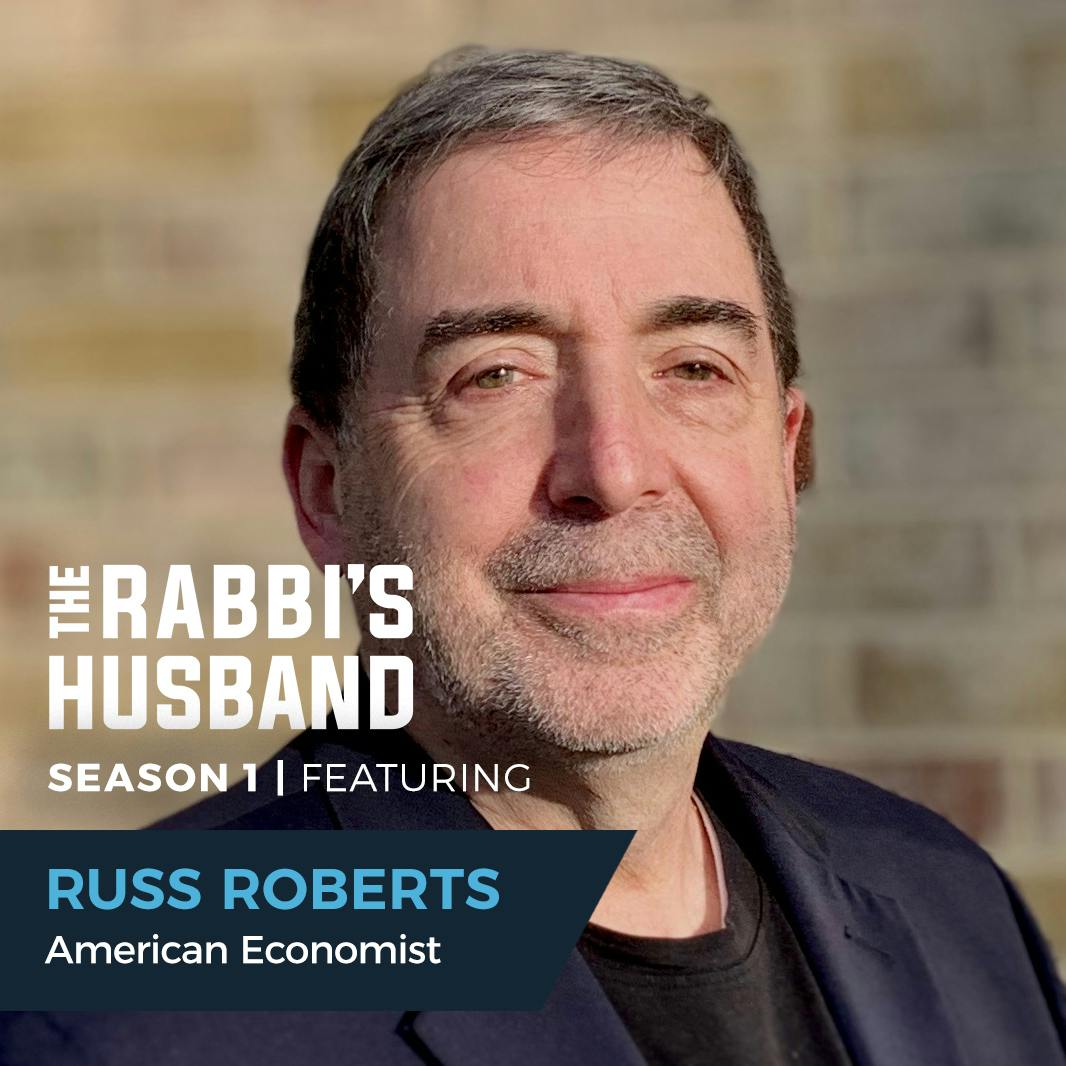
Mark is delighted to welcome Russ Roberts, possibly America’s premier popular economist, to the podcast today. A host of his own remarkably successful podcast, ‘EconTalk’, Russ is also a prolific writer in many forms, including rap, on a variety of topics such as economics and liberty. A three-time ‘Teacher of the Year’ at George Mason University, Russ currently teaches at Stanford. The passage he has chosen to discuss with Mark today is Genesis 44. Russ begins by sharing his summary of this passage and its backstory before joining Mark in an analysis of the use of the word ‘approach’ and their differing interpretations of both Judah’s words and the notion of forgiveness within the passage. They go on to review Judah’s heroic nature, the actual definition of forgiveness, and the advisability of starting new years without bearing grudges/anti-grudges or ‘keeping score’ within marriages. Russ draws the episode to a close by sharing the lessons he has learned about humankind, highlighting the power of being present for others and simply listening to them. Today’s conversation, with its insightful back and forth of differing interpretations, demonstrates the great tradition of debating the Torah and the expansion of ideas that is inherent to this practice, revealing the lessons and guidance so applicable, and so very necessary, for our current times. Episode Highlights:  · Russ’ summary of the passage and its backstory · The use of the word ‘approach’ in the passage · Differing interpretations of Judah’s words to Joseph · Perspectives on Joseph’s forgiveness of his brothers and himself · Judah’s extraordinary qualities · Defining forgiveness · Starting new years by ‘burning them both’ · Bearing grudges and anti-grudges · ‘Keeping score’ in marriages · The lessons that Russ has learned about humankind Quotes:   “Every single time there’s polygamy in the Bible, it’s a catastrophe.” “One of the most dramatic moments in all the Bible.” “It’s ripping his heart open.” “I don’t think he really forgave them.” “He doesn’t do the basics of forgiving.” “I’m not sure Joseph ever forgives himself.” “Maybe he said to himself, ‘I kind of deserve this’.” “Judah…he’s like the forgotten hero of the Book of Genesis.” “It’s quite complicated, the psychology and emotion of this.” “If you give most people the opportunity, they will disappoint you.” “Everyone’s in a battle so be kind.” “We go through life with this ‘Imposter Syndrome’.” “The world’s a lot more complicated than it appears on the outside.” “We look for causation everywhere.” “A lot of what comfort is, is just being there and allowing the other person to be heard.”   Genesis 44 - https://www.sefaria.org/Genesis.44.1-34?lang=bi&with=all&lang2=en  Links: The Rabbi’s Husband homepage: The Rabbi's Husband Mark’s Twitter: Mark Gerson - The Rabbi's Husband (@markgerson) The Rabbi’s Husband Newsletter contact: daniel@therabbishusband.com
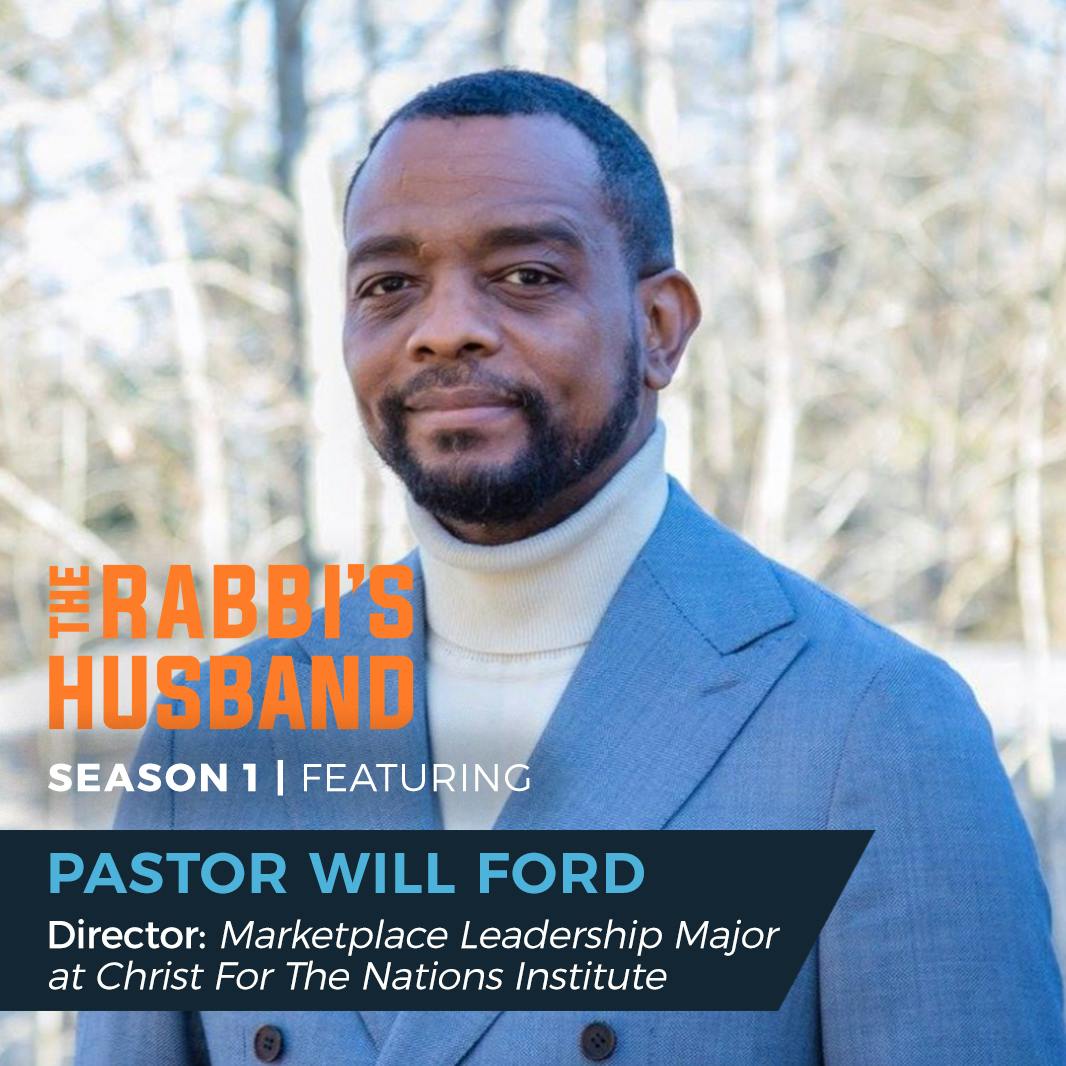
Mark is delighted to welcome Pastor Will Ford to the podcast today. Currently the Director of the Marketplace Leadership Major at Christ For The Nations Institute, in Dallas, Texas, Pastor Ford is also the founder of Hilkiah Ministries. He has been interviewed by CBS, featured on The 700 Club and also in Charisma and many other media outlets, and is known internationally for his family heirloom which he brings with him to the interview today to show and discuss with Mark, pictures of which you can find by visiting The Rabbi’s Husband homepage and Twitter page. The passages Pastor Ford has chosen for today are Joshua 4:20-24 and 1 Kings 18:31-32. Pastor Ford begins by describing his very special family heirloom, the role it has played in his life and the lives of his ancestors, some examples of the cruelty suffered by slaves, and the connection between Black Christians and the Jewish people. He then shares the fascinating story of a dream he had involving Dr. King, the impact that dream has had upon his life, and how these stories relate to today’s selected passages. Pastor Ford and Mark then explore the notion of God as a collector of memories, what God is saying to America right now, the inspirational story of Robert Russa Moton, and the development of the Pastor’s love of all things Jewish. As is the tradition, our guest concludes with the lessons he has learned about humankind. A highly engaging storyteller, Pastor Will Ford brings to life his family’s history as well as his own journey in the context of the Bible, unearthing the many profound insights to be found within these powerful passages and their very real application to current times in today’s fascinating episode.  Quotes: “Secretly, it was used for prayer.” “This is what you stand for.” “They prayed for the freedom of their children and the next generation.” “They didn’t want him to have a slave last name.” “William, get rid of your white baggage. You’ve been carrying it for way too long.” “What color is your baggage?” “We need each other right now more than ever before.” “I’ve been thinking about God being the collector.” “God, please don’t let the Jheri curl come back.” “Come near to me.” “He used the memories to be the building block for prayer, for intercession and…to remind God of his covenant with Abraham, Isaac, and Jacob.” “What storyline do you want to be a part of, the healing or the hurting, the blessing or the curse?” “I need to know more about this amazing Jewish faith.” “We have these artifacts that show our shared history.” “The word ‘coincidence’ is not in the Hebrew language.” “We’re just a small snapshot, a microcosm, of what God is doing to heal a lot of the division that is going on right now.” “The providential hand of God is moving behind the scenes.” “God loves us more than we can fathom.” “No one is a mistake.”   Joshua 4:20-24 - https://www.sefaria.org/Joshua.4.20-24?lang=bi  1 Kings 18:31-32 - https://www.sefaria.org/I_Kings.18.31-32?lang=bi&with=all&lang2=en   Links: The Rabbi’s Husband homepage: The Rabbi's Husband Mark’s Twitter: Mark Gerson - The Rabbi's Husband (@markgerson) The Rabbi’s Husband Newsletter contact: daniel@therabbishusband.com Pastor Will Ford's Story in Words and Pictures
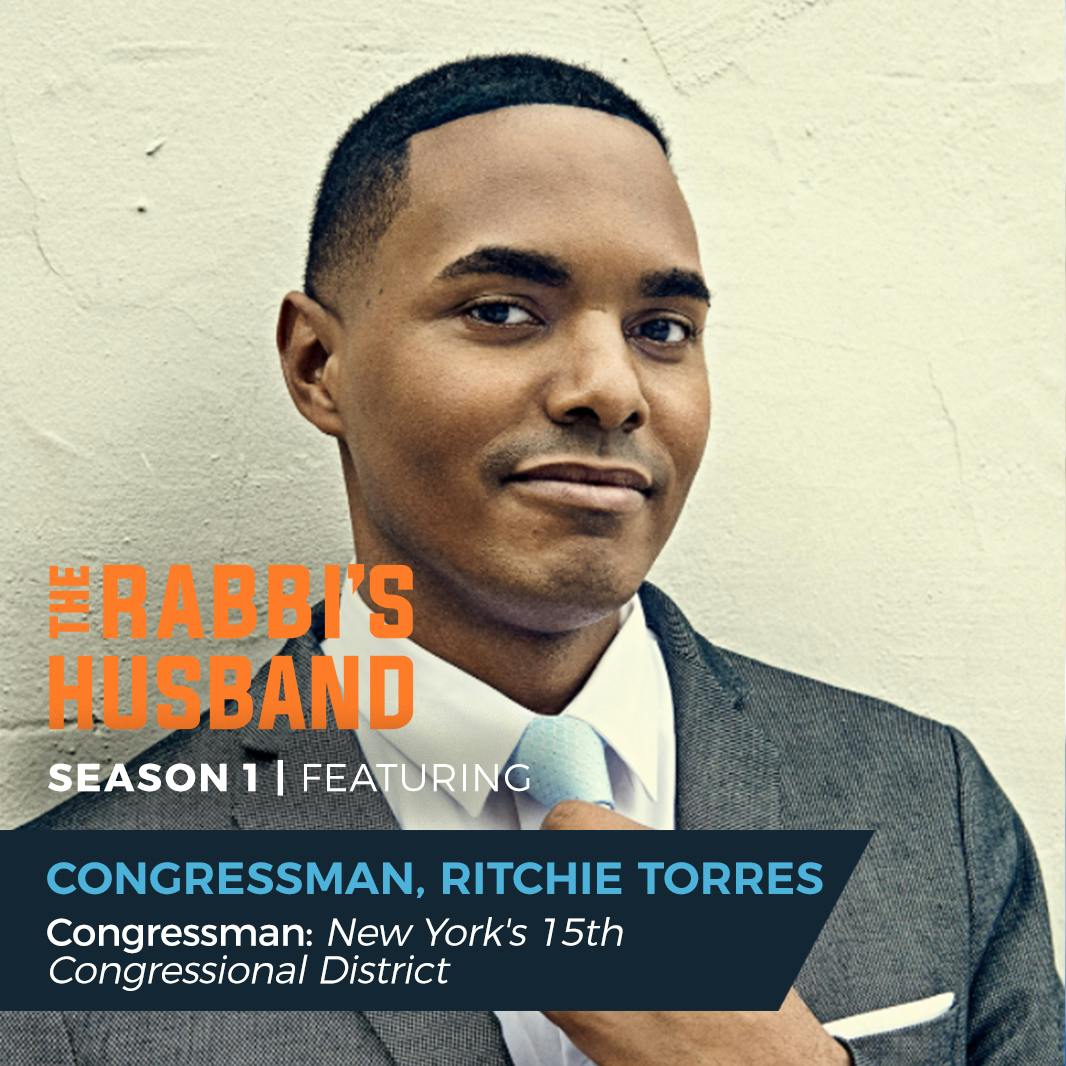
Newly elected Congressman, Ritchie Torres, is Mark’s very special guest this week. A product of public housing, public schools, and public hospitals in the Bronx, Ritchie went on to become the youngest elected official in New York City in 2013, and he now serves as the Congressman for New York's 15th Congressional District. The passage he has chosen to discuss with Mark today is Proverbs 18:24. Their conversation begins with Ritchie reciting the selected passage and exploring the need for, and nature of, friendship which it conveys. From there, he and Mark discuss many aspects of friendship including its role in politics, Aristotle’s categories of friendship, Ritchie’s greatest mentor and friend, and choosing a good friend. They also look at social media’s impact upon friendships, the resulting generational differences, the polarization of politics these days, and living with magnanimity. Ritchie draws the episode to a close by sharing the reasons behind his great friendship with the Jewish people and, of course, the lessons about humankind which he has learned. Intelligent, thoughtful, and intellectually honest, Ritchie Torres demonstrates a courageous and profoundly decent approach to politics, clearly inspired by this instructive text’s lessons regarding acquiring devoted friends, and provides some sorely needed hope for the American people he has so proudly committed to serve. Episode Highlights:  · Ritchie’s reading of the passage and its significance for him · The need for, and nature of, friendship · His experience with friendship in politics · Aristotle’s 3 categories of friendship · The impact that Ritchie’s mentor, Jimmy Vacca, had upon his life · Choosing a good friend · Judah and Hiram · Friendship and social media · Generational differences in friendships · The polarization of politics · Living by an ethic of magnanimity · His Congress orientation experience · Ritchie’s friendship with the Jewish people and his trips to Israel · The lessons about humankind which Ritchie has learned Quotes:  “We all need friendship.” “Prepare yourself emotionally to be bitterly disappointed, burned and betrayed.” “You can often forge relationships in the places you would least expect.” “The beauty of friendship is the voluntary nature.” “The best kind of friendship that I’ve seen in my life are my mentors.” “There were moments when I even though of committing suicide because I felt as if the world around me had collapsed, and…today I’m about to become a United States Congressman.” “He believed in me more than I believed in myself at times.” “Two people who shared the same soul.” “Social media creates the illusion of friendship.” “In the age of social media…we all manufacture a synthetic version of ourselves.” “We never give up on any human being.” “Friendship stems from the experience of recognizing divinity in others.” “When I treat a mother, I’m treating God.” “As a decent person, I have an obligation to speak out against hatred in every form, including anti-Semitism.” “It’s important for all of us to open our minds and open our hearts to new experiences.” “Friendship is the key to a great career in Congress.”  Proverbs 18:24 There are companions to keep one company, And there is a friend more devoted than a brother. https://www.sefaria.org/Proverbs.18.24?lang=bi&with=all&lang2=en  Links: The Rabbi’s Husband homepage: The Rabbi's Husband Mark’s Twitter: Mark Gerson - The Rabbi's Husband (@markgerson) The Rabbi’s Husband Newsletter contact: daniel@therabbishusband.com
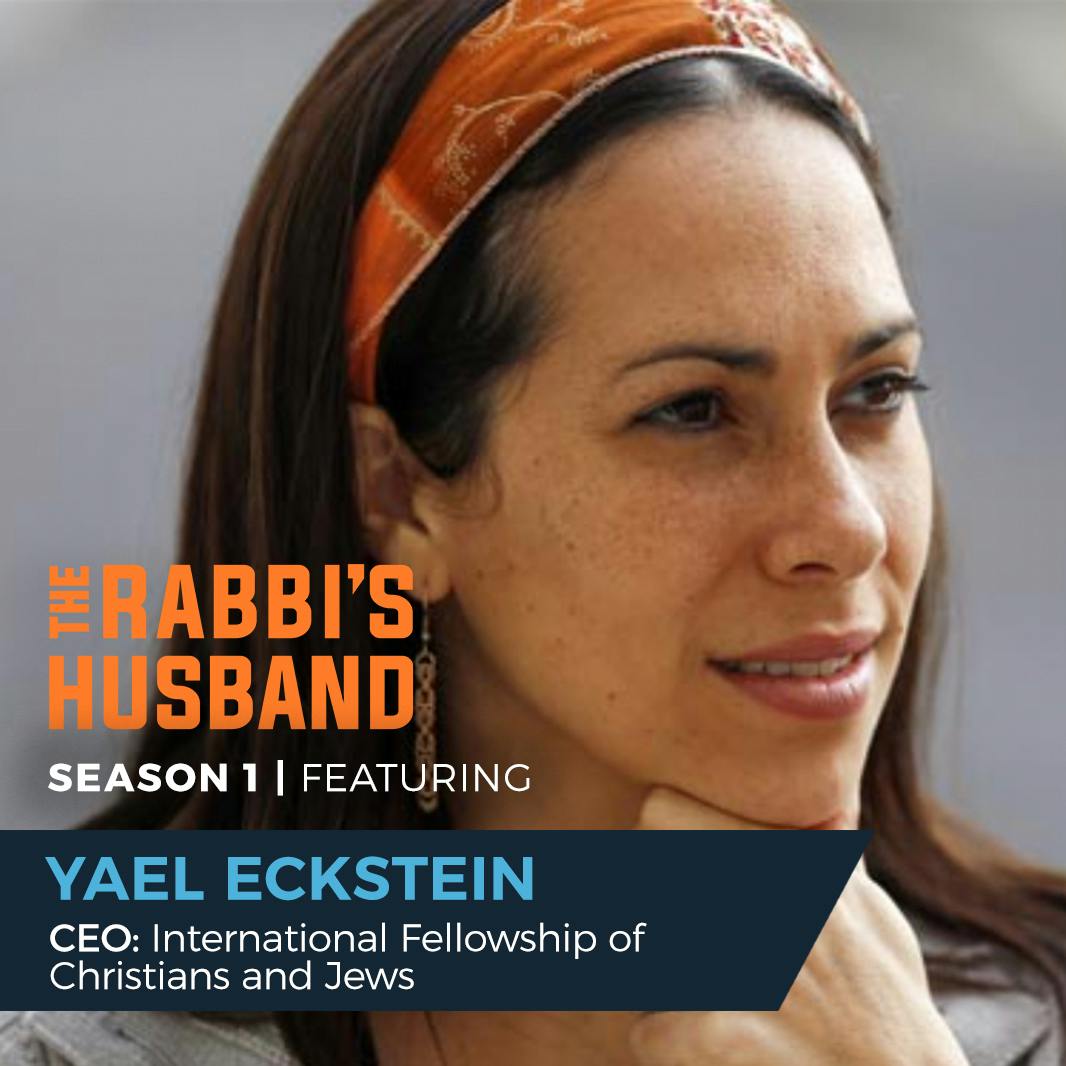
Yael Eckstein is Mark’s very special guest on the podcast today. As President and CEO of the International Fellowship of Christians and Jews (IFCJ), Yael heads the leading non-profit that is building bridges between Christians and Jews, and blessing Israel and the Jewish people around the world with humanitarian care and life-saving aid. A prolific author as well, Yael has been named one of "The World's 50 Most Influential Jews" by The Jerusalem Post in 2020. The passage she has chosen to discuss today, Ezekiel 11:17, is one that is most appropriate considering the important work to which she has dedicated herself. Yael starts things off by summarizing her selected passage and describing how it represents a culmination of all her favorite Bible verses. She and Mark then explore the two different levels of Judaism, the role that this passage and others play in her life, and Ezekiel’s prophecies and what it means to be able to live out these prophecies in today’s world. Yael also offers some moving reflections on those whom her organization helps bring to Israel, her experiences with those discovering their connection to Israel, and the unprecedented level of friendship that currently exists between the Jewish people and Christians. She and Mark conclude by warmly reflecting upon the lessons they have both learned from Yael’s father, Yechiel, who was also a great friend and mentor to Mark. Equal parts instructive, inspiring and heartwarming, today’s conversation truly brings the Torah to life as it examines the privilege, opportunity, and responsibility of living out these prophecies, and how Yael and the IFCJ undertake this ‘sacred work’ each and every day. Episode Highlights:  · Yael’s summary of the passage and how it represents a culmination of all her favorite Bible verses · The two different levels of Judaism · Ezekiel’s prophecies · The role this passage and others plays in Yael’s life · The privilege, opportunity, and responsibility of living out the prophecies today · The people that Yael’s organization and donors bring to Israel · Her experience with people discovering they belong to Israel · The Jewish friendship with Christians · The lessons Yael and Mark have learned from her father Quotes:  “In order to really get much out of these biblical teachings, you have to first have faith.” “We have this amazing ability to transform the mundane into holiness.” “This specific kind of ingathering and promise from God to be returned is really where the mundane and the spiritual kiss.” “This is a new light illuminating Zion.” “We are the culmination of prayers of 2000 years of the Jewish people coming home to Israel and it’s not something to be taken lightly.” “Ezekiel says it and here we are walking it.” “God, use me in whatever way I can to be a vessel to honor You and perform Your will.” “Until you’ve been in Israel, you can’t imagine where you’re going to. They’re really coming out of faith.” “Now, we’re living in these awesome times which are very connected again to the verse of Ezekiel 11:17, and Israel being reunited.” “For the first time in history, the Jewish people have friends…millions of Christians.” “There’s a lot more of us than we think.” “Be professional…never forget that this is a spiritual mission.” “This is a sacrificial gift…this is what generosity is.” “The modern state of Israel has what we might define as spirituality, as study. But it also has the IDF, and one cannot exist without the other.” “He was the smartest guy in the room.”   Ezekiel 11:17 - https://www.sefaria.org/Ezekiel.11.17?lang=bi&with=all&lang2=en  Links: The Rabbi’s Husband homepage: The Rabbi's Husband Mark’s Twitter: Mark Gerson - The Rabbi's Husand (@markgerson) The Rabbi’s Husband Newsletter contact: daniel@therabbishusband.com
Daron K. Roberts, the founding director of the Center for Sports Leadership and Innovation (CSLi) at the University of Texas, is Mark’s very special guest on the podcast today. A former NFL and college coach, Daron created CSLi in the fall of 2014 as the first university-based institute dedicated to developing leadership and character curricula for high school, collegiate, and professional athletes. He teaches his ‘A Gameplan for Winning at Life’ through the Centre, and he has also launched the #iLEAD Speakers Series where he has interviewed a number of famous elite athletes and leading thinkers. The passage Daron has chosen to discuss today is Genesis 1:26. He begins by sharing details of his TED Talk regarding fear before offering his summary of his selected passage and how it demonstrates God’s love of diversity and our partnership in living with Him. He and Mark also examine our shared call to create and liberate, and delve deeply into God’s use of the plural ‘us’ within this passage. Daron also explains his quarterly life reviews, his parenting traditions and wisdom, and finishes up by reviewing the lessons he has learned about humankind and the need for us all to act upon the problems so very prevalent in the world. You will undoubtedly sense the sheer amount of enthusiasm and mutual respect evident in this conversation as these two extremely well versed seekers of biblical truth uncover the lessons of this passage that resonate so powerfully in our lives today. Episode Highlights: · Daron’s TED Talk · His summary of the passage and its significance to him · God’s love of diversity · Our call to create and liberate · God using the plural ‘us’ in this passage · Living in partnership with God · Daron’s quarterly reviews of his life · His family’s ‘utility hours’ and ‘donut councils’ · Daron’s parenting wisdom · Lessons about humankind that Daron has learned · The need to take action on the world’s problems Quotes: “One of the things that I’ve dedicated my life to is trying to alleviate the shackles associated with fear.” “You should view life as a Chinese buffet.” “They want to get it right, because they think there is one thing they should be doing in life, and I think as much as we can, we have to dispel that myth.” “The creation of man was a collaboration. This was a mixed tape.” “It’s man that has had the problem with diversity. God’s been good with it from the beginning.” “This very intentional crafting by the Maker of not just a human life, but also of a future and a destiny that’s enclosed within that creation.” “There’s this co-presence right from inception.” “This is creation by committee.” “We’re in partnership in terms of my life.” “The less I prescribe, the happier they are.” “We’re constantly trying to integrate teachings from other religions into our own spirituality.” “What is more important than parenting?” “We heal faster than we think we will.” “You are who the tape says you are.” “What better year to remind us that the world’s problems deserve and require our attention than 2020?” Genesis 1:26 And God said, “Let us make man in our image, after our likeness. They shall rule the fish of the sea, the birds of the sky, the cattle, the whole earth, and all the creeping things that creep on earth.” https://www.sefaria.org/Genesis.1.26?lang=bi&with=all&lang2=en Links: The Rabbi’s Husband homepage: The Rabbi's Husband Mark’s Twitter: Mark Gerson - The Rabbi's Husband (@markgerson) The Rabbi’s Husband Newsletter contact: daniel@therabbishusband.com
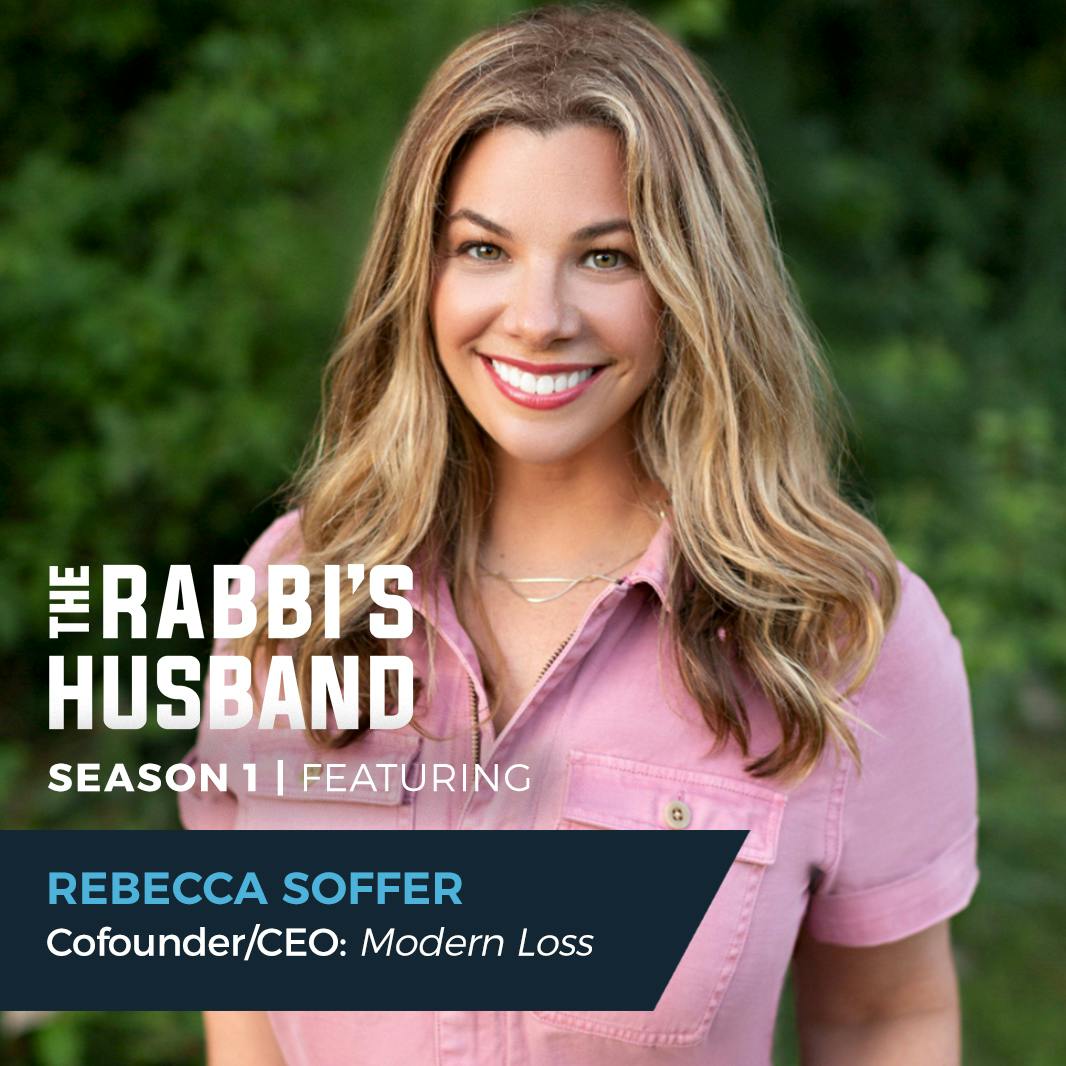
Mark is delighted to welcome Rebecca Soffer, Cofounder/CEO of Modern Loss, to the podcast this week. In addition to her work leading the Modern Loss community, Rebecca is also a co-author of Modern Loss: Candid Conversation About Grief. Beginners Welcome, and has another book coming out soon. She is a former producer for the Peabody Award–winning Colbert Report, a Columbia University Graduate School of Journalism alumna, and has spoken nationally on the themes of loss and resilience. The passage she has chosen to discuss today is Genesis 50:15-19. Rebecca begins the conversation by summarizing the passage and noting the beauty that can come out of grief and loss as demonstrated within it. With Mark, she explores the invention of forgiveness, the differing responses to grief, and the many perspectives on the notion of ‘dying well’. Infused throughout is Rebecca’s first hand knowledge of this universal yet intensely personal experience, and how she has emerged from these struggles with a blessing which she has shared with so many others. Rebecca concludes the episode by sharing the lessons she has learned about humankind and a profound statement of the potential for healing that grief can generate in our world. Bringing her personal experiences and trademark humor to bear here today, Rebecca reinforces the power of the Torah as she illuminates the message of this text, clearly demonstrating ‘what it can teach us about both the unexpected and also unifying qualities that grief can provide in our lives’. Episode Highlights:  · Rebecca’s summary of the passage and its significance for her · The beauty that can come out of grief and loss · The invention of forgiveness · The potential impacts of grief · Grief as both a singular and universal experience · The predictability of one’s response to grief · A comparison of grieving for an expected or an unexpected death · Rebecca’s experience with the sudden deaths of her parents · Her perspective on the notion of ‘dying well’ · The importance of having a medical directive and a will that are explicit about your wishes · The motivation found in remembering your mortality · Emerging from a struggle with a blessing · The lessons that Rebecca has learned about humankind Quotes: “When you’re thrown into a pit, something’s going wrong there.” “Grief is messy and it’s complicated.” “Beauty can come out of grief and loss and the complete mess of it. And when we’re in those initial throes of grief, it’s very hard to see that.” “It’s all coming from love and pain and confusion.” “I don’t think you can predict anything.” “I do agree that you can die well.” “Everybody should have a will…you can write it on a napkin.” “Be nice to each other or I will haunt you.” “To surprise people with ‘choose your own adventure’, to me, that’s just not a really kind thing to do.” “You never know what somebody else is going through.” “We are so much more similar than we think.” “Grief is excruciating…but it cracks us open…it can really heal the world.”   Genesis 50:15-19 - https://www.sefaria.org/Genesis.50.15-19?lang=bi&with=all&lang2=en   Links: The Rabbi’s Husband homepage: The Rabbi's Husband Mark’s Twitter: Mark Gerson - The Rabbi's Husband (@markgerson) The Rabbi’s Husband Newsletter contact: daniel@therabbishusband
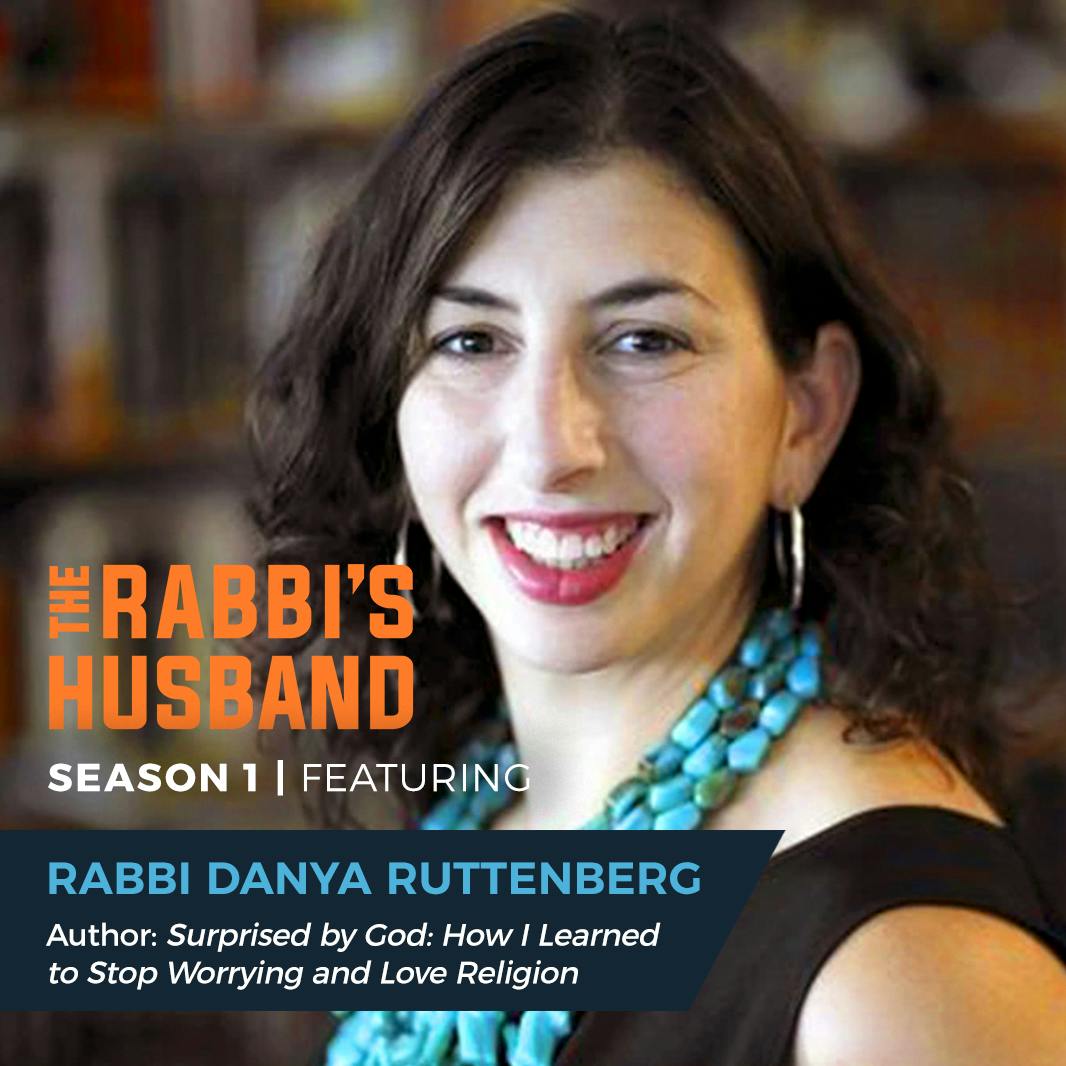
Mark’s guest this week is the award-winning author and writer, Rabbi Danya Ruttenberg. Danya is the author of numerous books, including Surprised By God: How I Learned to Stop Worrying and Love Religion, and has written for The New York Times, The Atlantic, Salon, Time, and Newsweek, among many other publications. She currently serves as Scholar in Residence at the National Council of Jewish Women, and the passage she has chosen to discuss today is Exodus 32, the story of the golden calf. Danya begins by offering a very animated summary of the passage, its context, and its significance for her, which leads to a look at the different interpretations of Aaron’s actions within the passage. She and Mark then delve into the details of Moses’ involvement, the character of God in the Torah, and Danya’s perspective on the failure of adaptive leadership demonstrated in this text. They also examine the potential reasons for Aaron’s inability to ‘meet the moment’, the difference between leaders who give people what they want as opposed to what they need, and Danya concludes by sharing the lessons she has learned about humankind which relate directly back to the chosen passage. Episode Highlights:  · Danya’s summary of the passage, its context, and its significance for her · Interpretations of Aaron’s actions within the passage · One of Moses’ greatest moments · The character of God in Torah · The failure of adaptive leadership in both this passage and today’s world · Why Aaron didn’t ‘meet the moment’ · Leaders who give people what they want vs. what they need · The lessons about humankind that Danya has learned Quotes: “This is one of these great moments that gets cited as to how we understand what a prophet is.” “If You do that, blot me out of Your Torah.” “This is a picture of God that is constantly learning and growing and changing.” “I believe the pronoun for God is God, because God is not a ‘dude’.” “I think the golden calf story is a story about the failure of adaptive leadership.” “Major change always involves loss, and adaptive leadership is about helping people to bridge that gap.” “The substitute teacher got kids who had way bigger needs than he expected and he didn’t meet the moment.” “Your need is legitimate and let’s find a healthy way to help you express it.” “We need to find a new way of coping to meet this moment.” “It’s…potentially, you know, an adaptive leadership moment.” “People need to hear, ‘You’re not bad’.” “Clean up your mess!” “Doing the hard work then makes you free.” “I don’t think you can read ‘The Golden Calf’ without talking about trauma.” “It’s not somebody’s fault if they don’t have tools.”  ] Exodus 32 - https://www.sefaria.org/Exodus.32.1-35?lang=bi&with=all&lang2=en  Links: The Rabbi’s Husband homepage: The Rabbi's Husband Mark’s Twitter: Mark Gerson - The Rabbi's Husband (@markgerson) The Rabbi’s Husband Newsletter contact: daniel@therabbishusband.com
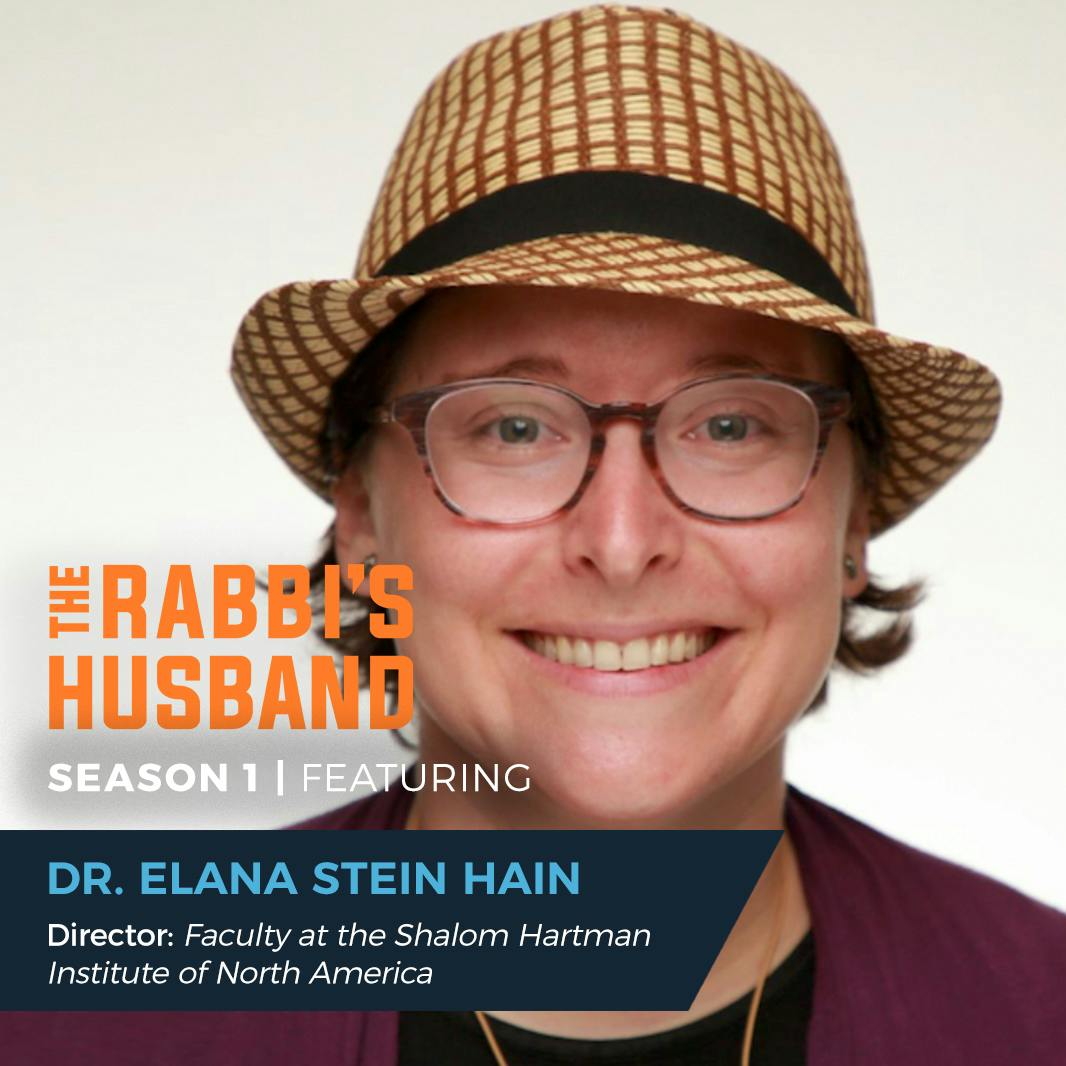
Mark is delighted to welcome Dr. Elana Stein Hain to the podcast today. In addition to her role as the Director of Faculty at the Shalom Hartman Institute of North America, Elana also co-leads the Created Equal research team, and is a widely well-regarded teacher and scholar. She has served for eight years as a clergy member on the Upper West Side of Manhattan, at both Lincoln Square Synagogue and the Jewish Center, and has taught at the Wagner School at NYU. The passage she has chosen to discuss with Mark today is Jeremiah 28. Elana begins by reviewing her doctoral dissertation on legal loopholes in rabbinic law, exploring examples of both the letter and spirit of the law, and then summarizing today’s passage and its significance for her. She and Mark discuss the differing models of leadership demonstrated within the passage and how these models are evident in America today, the complexities and demands of religion, the tendency among some to gravitate toward ‘cheap grace’, and the difference between the prophetic and the rabbinic. As with all episodes, our guest draws it to a close by sharing the lessons she has learned about humankind. From start to finish, the conversation here today is filled with fascinating ideas with very real implications in modern society, a function of the eternal guidance of this remarkable text. Episode Highlights: · Elana’s dissertation on legal loopholes in rabbinic law · Selling chametz before Passover · Elena’s summary of the passage and its significance for her · Leadership and the message of agency · Morality and politics in America today · The complexities and demands of religion · Gravitating toward ‘cheap grace’ · The difference between prophetic and rabbinic · The lessons about humankind that Elana has learned Quotes: “Some of my religious life was constructed around loopholes.” “You can actually sometimes use the letter of the law in order to fulfill the spirit of the law.” “You actually have to work on your relationship with God, you have to work on your relationship with people.” “Everybody is going to want to listen to the guy who gives the easy version.” “He actually wants the people to get it right.” “There’s going to be nothing easy about this.” “They turn it into politics when it’s really about morality, and that, I think, happens all the time.” “I always wonder, as an educator, whether we sell religion short by not talking about its complexities, by not talking about its demands.” “Are we created in God’s image or is God created in our image?” “We can justify anything.” “It’s really seeing something much bigger than oneself. We’re not the center of the story.” “So many people think that they’re the only one.” “You get to be there for a person and they know they’re not going to be judged.” “Your problem becomes your security blanket.” Jeremiah 28 - https://www.sefaria.org/Jeremiah.28.1-17?lang=bi Links: The Rabbi’s Husband homepage: The Rabbi's Husband Mark’s Twitter: Mark Gerson - The Rabbi's Husband (@markgerson) The Rabbi’s Husband Newsletter contact: daniel@therabbishusband.com
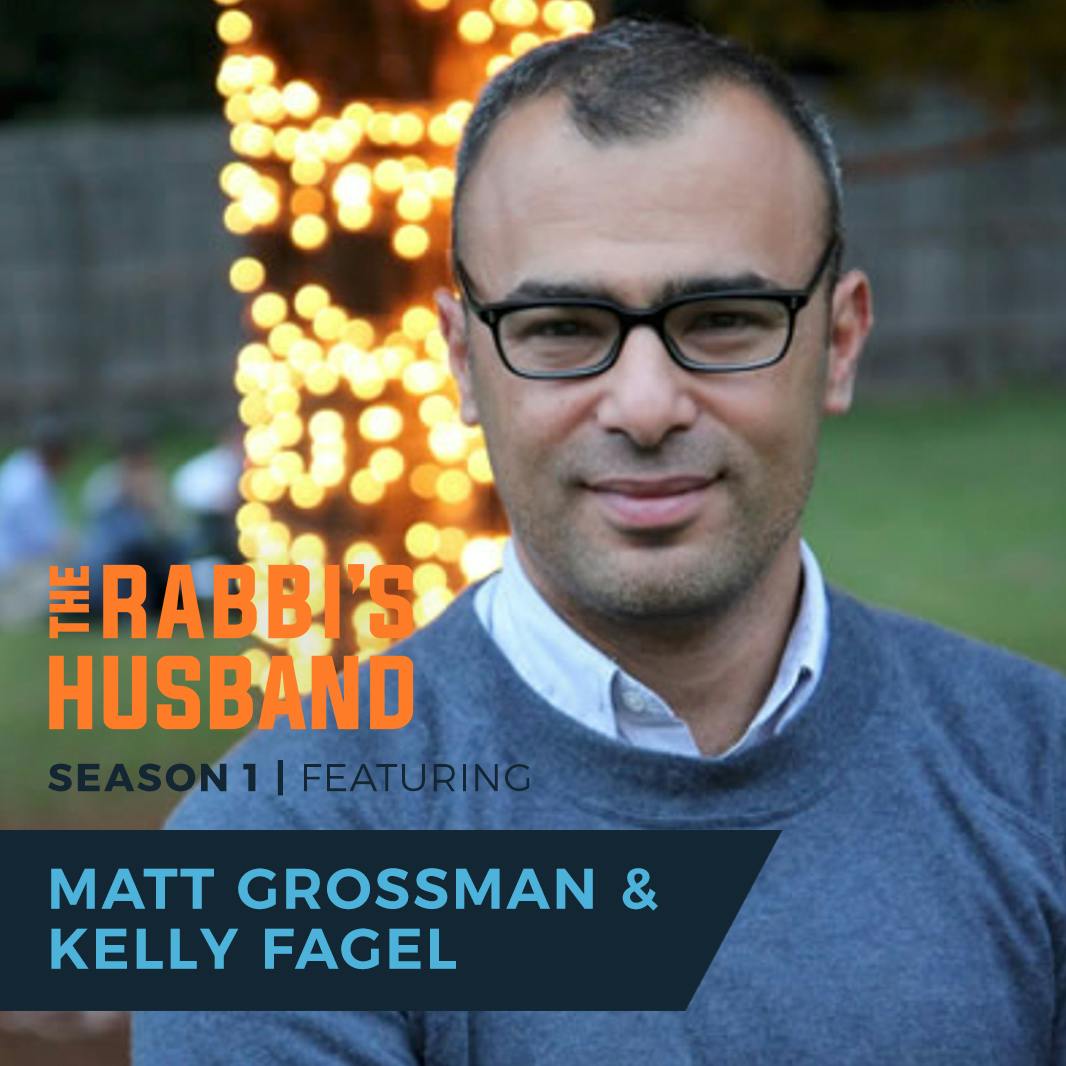
Mark welcomes two special guests from BBYO, one of the Jewish community’s premier platforms for reaching and inspiring Jewish teens, to the podcast today. Kelly Fagel is a 17-year-old High School Senior who serves as the 32nd International Sh'licha, Vice President of Jewish Enrichment and Community Service, with BBYO, and she is also the youngest guest to ever appear on the podcast. With her is BBYO's Chief Executive Officer since 2004, Matt Grossman, who is currently responsible for working with the organization's teen, professional, volunteer and philanthropic leaders, to set BBYO's vision and direction. The passage they have chosen to discuss is one that holds special meaning for them both, Leviticus 14:1-15:33. Matt and Kelly begin by discussing the special connection the passage holds for them, and then share a summary of the passage and a look at the notions of humility, pride, and confidence found within it. Much of the remainder of the podcast outlines the connection between the passage's message of how isolation impacts one’s ability to do good as well as how technology can prove both a blessing and a curse in these circumstances. Connecting this tale regarding leprosy to the current pandemic, our guests explore their own quarantine experiences as well as those within the BBYO community. The tremendous success that BBYO generates is also discussed before our guests conclude the episode with the lessons they have learned about humankind. This conversation, rooted as it is in the diseases of leprosy and COVID, nevertheless conveys a message of hope for the future, as we learn more about the power of BBYO and the incredible youth involved with it.  Quotes: “Generation apart but we’re studying the same sacred text and trying to derive new lessons from it.” “Even when we’re in our darkest moment…we’ll find the blessing.” “What is the purpose of life if not to give of oneself to others?” “The quarantine is taking away one’s ability to do good.”  “We’re addressing this by being there for each other.” “The greatest light is what’s motivating us.” “Our community needs this moment together right now.” “Shabbat became Shabbat for all of us.” “No one is immune from what’s going on in the world right now.” “Did we all collectively do something wrong in the world to deserve whatever’s happening in the world right now? “What’s helping to cure us is also tearing us apart.” “Learning how to engage with people even if you’re upset at them…still show them love in different ways.” “All of Jewish practice is about reminders.” “There’s definitely diversity in a lot of programming the communities do.” “A striking example of what young people can do when community’s the mission.” “People can chart their own path.” “People want to grow and they want to be a part of something bigger especially during the adolescent years.”   Leviticus 14:1 – 15:33 - https://www.sefaria.org/Leviticus.14.1-15.33?lang=bi&with=all&lang2=en Links: The Rabbi’s Husband homepage: The Rabbi's Husband Mark’s Twitter: Mark Gerson - The Rabbi's Husband (@markgerson) The Rabbi’s Husband Newsletter contact: daniel@therabbishusband.com
loading
Comments