


 Claim Ownership
The Constitution Study podcast
Subscribed: 261Played: 14,941
Subscribe

© 2018-2020 Paul Engel
Description
Join a group of Everyday Americans as we learn to read and study the Constitution, and teach the rising generation to live free.
451 Episodes
Reverse
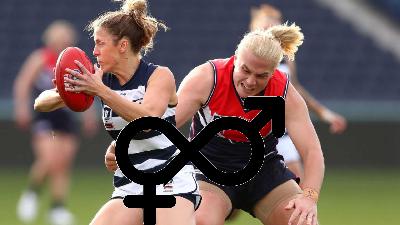
Two cases came before the Supreme Court for oral arguments asking the same basic question. Can states prohibit men from participating in women's sports?
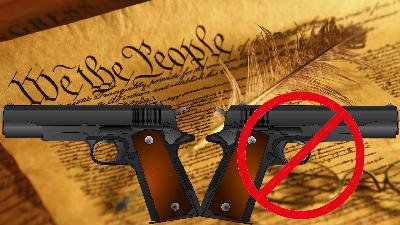
More than half of the states in the union allow constitutional carry, the right to carry a firearm without a permit or license. While Tennessee claims to have constitutional carry, their constitution places a but in that. A recent case in Tennessee Chancery Court asks whether two laws restricting someone's ability to bear arms is constitutional or not.
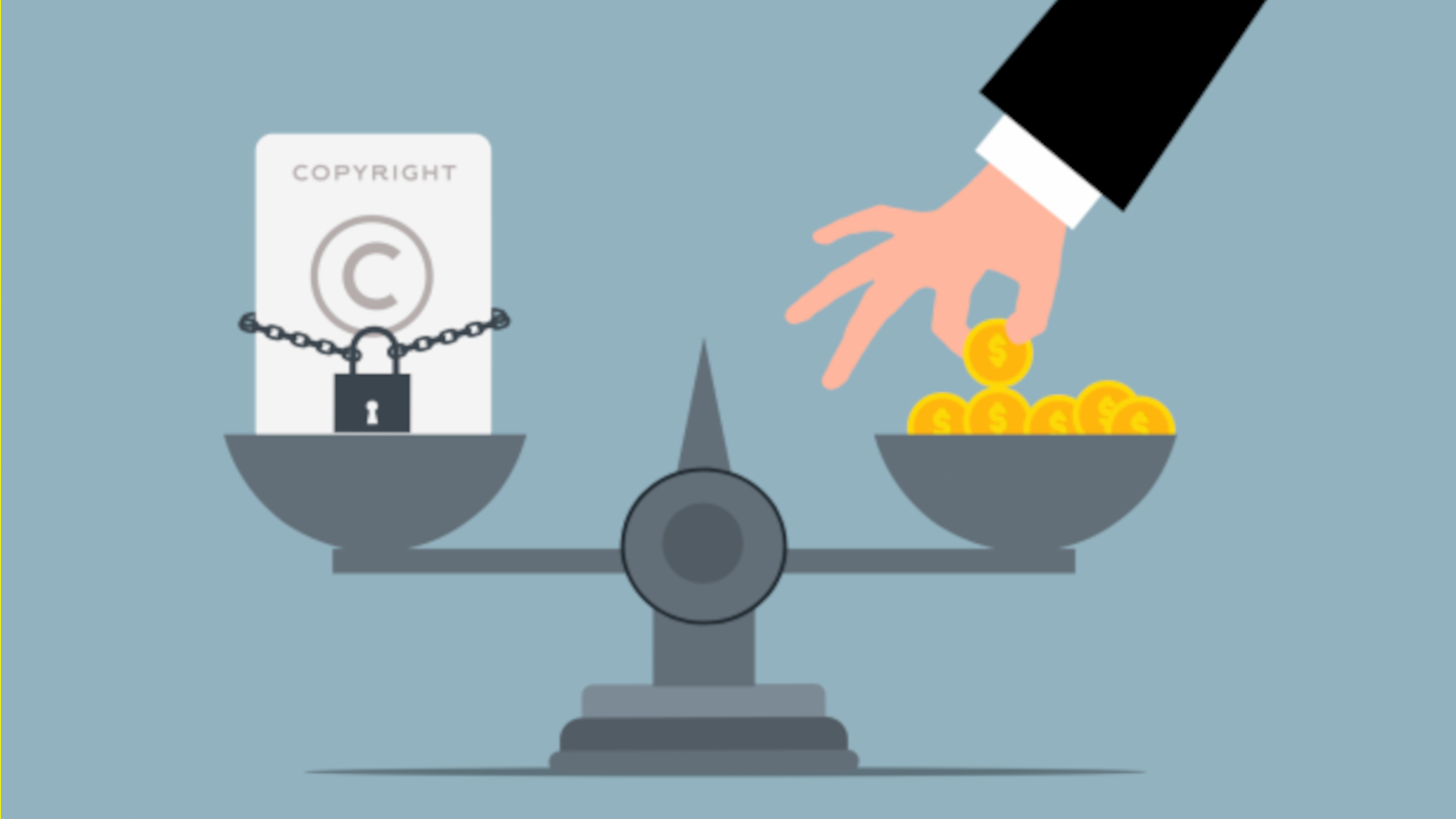
Copyrights and patents are important protections for inventors, authors, and all sorts of creators. In the case Cox Communications v. Sony Music Entertainment, I'm reminded of the response Willie Sutton gave when asked why he robbed banks. "Because that's where the money is." Because this case seems more like a copyright shakedown than the protection of copyrights.

When a government agency searches without a reason it's called "fishing". When the the Attorney General of New Jersey issued a subpoena demanding the names, addresses, and phone numbers of their donors, that wasn't just fishing, it was searching for a white whale.
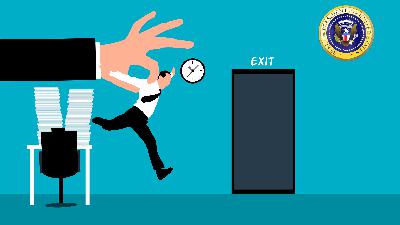
I've talked before about the unitary executive. However, a recent case before the Supreme Court brings into question not only whether or not the President has the power to fire employees in the executive branch, but the very structure of the federal government.
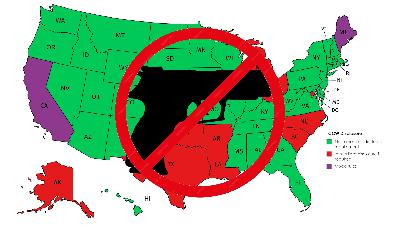
Concealed carry reciprocity is frequently a hot-button issue both in the Second Amendment community and those who oppose it. Once again Congress is attempting to resolve the issue via legislation, and The National Fraternal Order of Police is opposing it. Let's look at both sides of this story.
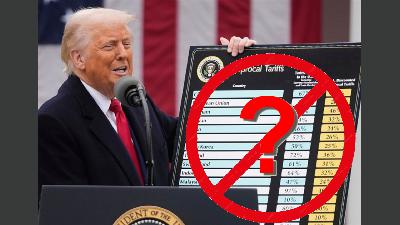
Love them or hate them, President Trump's tariffs have not only been a talking point, but have had an impact on most Americans. The question before SCOTUS in this case is whether or not the President has the power to create these tariffs in the first place.
In response to the COVID-19 vaccine mandates, several states passed legislation to put a halt to such practices. For example Idaho recently passed the Medical Freedom Act. The question is, does this legislation protect medical freedom or is it just another example of government overreach.

When I hear people talk about freedom, there seem to be two different general ideas, freedom from something and freedom to do something. It reminds me of my days in Information Technology, when people described "free" open source software as "Free speech, not free beer!" When we talk about freedom today, are we talking about free speech or free beer?



Back in June I wrote about the oral arguments in Mexico's law suit against American gun manufacturers and distributors. While the court overall came to the expected decision, I think it's still worth some time digging into the logic and reasoning of the justices.
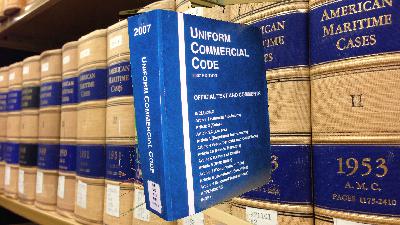
Most of us believe that our state legislatures are making our laws. But what if that is only partially true? What if a third-party was making the laws for your state? Would you be OK with that? Would you be concerned to find out that two private entities are making the laws your state uses regarding commerce?
There has been a lot of questions lately about the powers of the President. Can a President fire a member of an independent agency? Does the President have to spend money appropriated by Congress? Is it legal for the President to send the National Guard to our cities. Most of these questions can be answered by understanding a single constitutional point, the unitary executive.
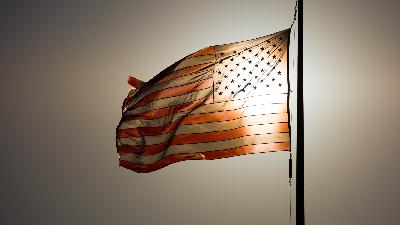
When it comes to freedom of speech, there are two things that generate a fair amount of controversy. First is yelling "Fire" in a crowded theater and second is burning the United States flag. Recently, Donald Trump issued an Executive Order about flag burning. So let's take a look at the order and some of the history around flag burning.

Like any other profession, there are good law enforcement officers, and bad law enforcement officers. While I believe that most LEOs are good men and women, doing a difficult and dangerous job, often with little respect because of the actions of bad LEOs. For years, courts have been protecting these bad officers through their rules and doctrines. A recent Supreme Court case finds that one of those rules violates the Constitution of the United States.

Donald Trump's recent executive order declaring a crime emergency in Washington, D.C. has created quite an uproar, both for and against it. While there have been many claims on both sides, what I haven't seen, except for my radio program, is a real constitutional analysis of his actions. With his recent announcement post about sending National Guard troops to Chicago, I think it's time we do that type of analysis.

Benjamin Franklin wrote "They who would give up an essential liberty for temporary security, deserve neither liberty or security." What does it say about the American people who seem willing to give up their right to control their government in exchange for Internet access?
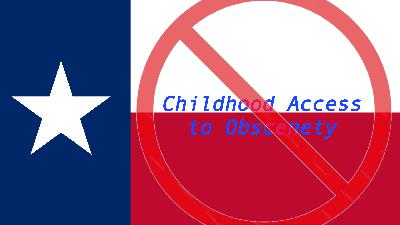
As a society, we've decided that certain things like alcohol, tobacco, and pornography are not safe for minors. When I buy wine at the grocery store, I have to show my ID to verify my age. Take a look at my picture on the website and you'll see I'm well over the age where I can purchase alcohol, but I'm still asked to verify my age. That's because my rights end when it infringes on the rights of another. However, the Free Speech Coalition thinks an adult's "right" to access pornography without age verification trumps the safety of minors. That is the basis of the case Free Speech Coalition, Inc., et el. v. Paxton, Attorney General Of Texas, which the Supreme Court decided this past term.
Congress created Medicaid in 1965 to subsidize state healthcare system for people unable to afford healthcare. South Carolina has a law the prohibits public funds being used for abortion. For this reason, South Carolina disqualified Planned Parenthood from participating in the state's Medicaid system. It should be no surprise that Planned Parenthood South Atlantic sued. The Supreme Court's decision may surprise you.


Download from Google Play

Download from App Store
 United States
I'm ecstatic for this one.
so based on this podcast, what's your proposed alternative to the CDC's act? I understand you believe it to be illegal, but what's an aternative option?
I'm curious as to why you've never done a post on separation of church and state or the original design to have the constitution change every 19 years. If I've missed any episodes on these topics, please point them out.
Appreciate your passion and dedication. I look forward to learning