


Recording & Mixing
Subscribed: 300Played: 6,537
Subscribe

© Copyright 2026 Sound On Sound Ltd
Description
Welcome to the Sound On Sound Recording and Mixing podcast channel where you’ll find shows packed with Hints & Tips about getting the most out of the recording, mixing and mastering process.
More information and content can be found at www.soundonsound.com/podcasts | Facebook, X and Instagram - @soundonsoundmag | YouTube - https://www.youtube.com/user/soundonsoundvideo
More information and content can be found at www.soundonsound.com/podcasts | Facebook, X and Instagram - @soundonsoundmag | YouTube - https://www.youtube.com/user/soundonsoundvideo
76 Episodes
Reverse
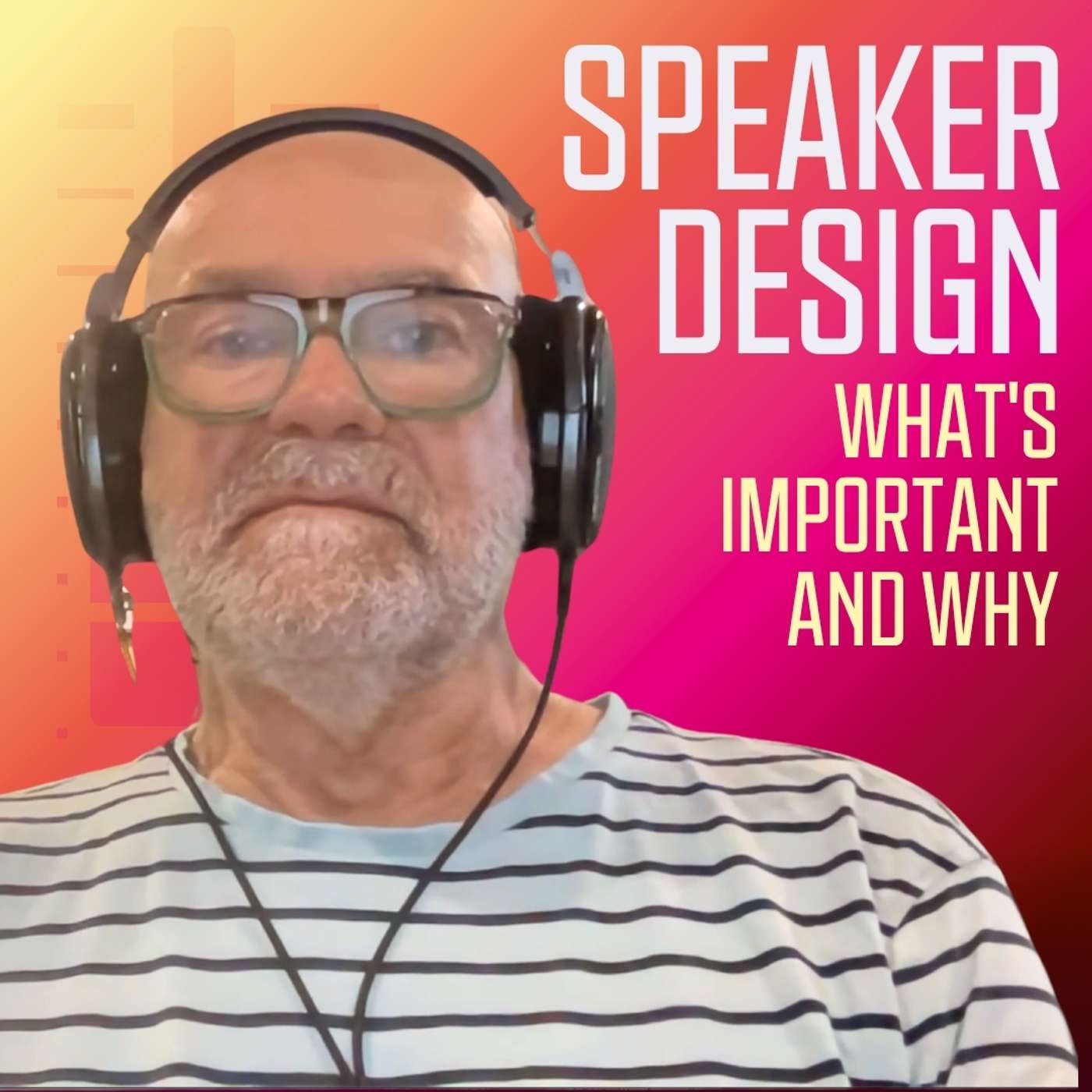
Phil Ward talks to Julian Rodgers about the fundamental challenges of loudspeaker design, from cabinet construction and bass response, to impedance, directivity and point-source designs. They explore how cost, materials, DSP and advances in driver technology determine the compromises involved in creating accurate studio monitors.Chapters00:00 - Introduction01:03 - Why Speakers Sound Different03:19 - The Impedance Of Air04:19 - How Cost Determines Outcome09:19 - Bass Response Challenges12:03 - The Benefits Of Porting14:52 - Different Cabinet Designs17:22 - Point Source22:29 - Research And Design Changes28:02 - Development Time33:55 - Digital Technologies39:47 - Favourite Speaker#MordauntShort #Genelec #PMC #Amphion #AsciLab #PURIFI #ATC #LAcoustics #AdamAudio #KiiAudio #DutchAndDutch #HOLOPLOT #PSIAudioPhil Ward BiogPhil Ward is a bassist, loudspeaker designer, technical writer and journalist who has worked in the consumer and professional audio industries for more than three decades. He began his career at Mordaunt-Short before going on to work in design and project management roles at Canon and Naim Audio, and has worked as a freelance consultant and writer since 2001. Phil is best known to Sound On Sound readers for his monitor reviews, and has also written extensively for hi-fi, professional audio, music and design publications. He is also a recording engineer and producer, working from his home studio near Brighton.https://musicandmiscellany.com/Julian Rodgers BiogJulian Rodgers is a freelance writer and audio engineer with a background in live sound. After many years working in education introducing new users to Pro Tools, he now lives by the sea in West Cornwall, where he plays keyboards in a couple of bands. He also plays bass and guitar equally badly, and remains an enthusiastic collector of microphones and opinions about all things audio.https://www.linkedin.com/in/julian-rodgers-04621926Catch more shows on our other podcast channels: https://www.soundonsound.com/sos-podcasts
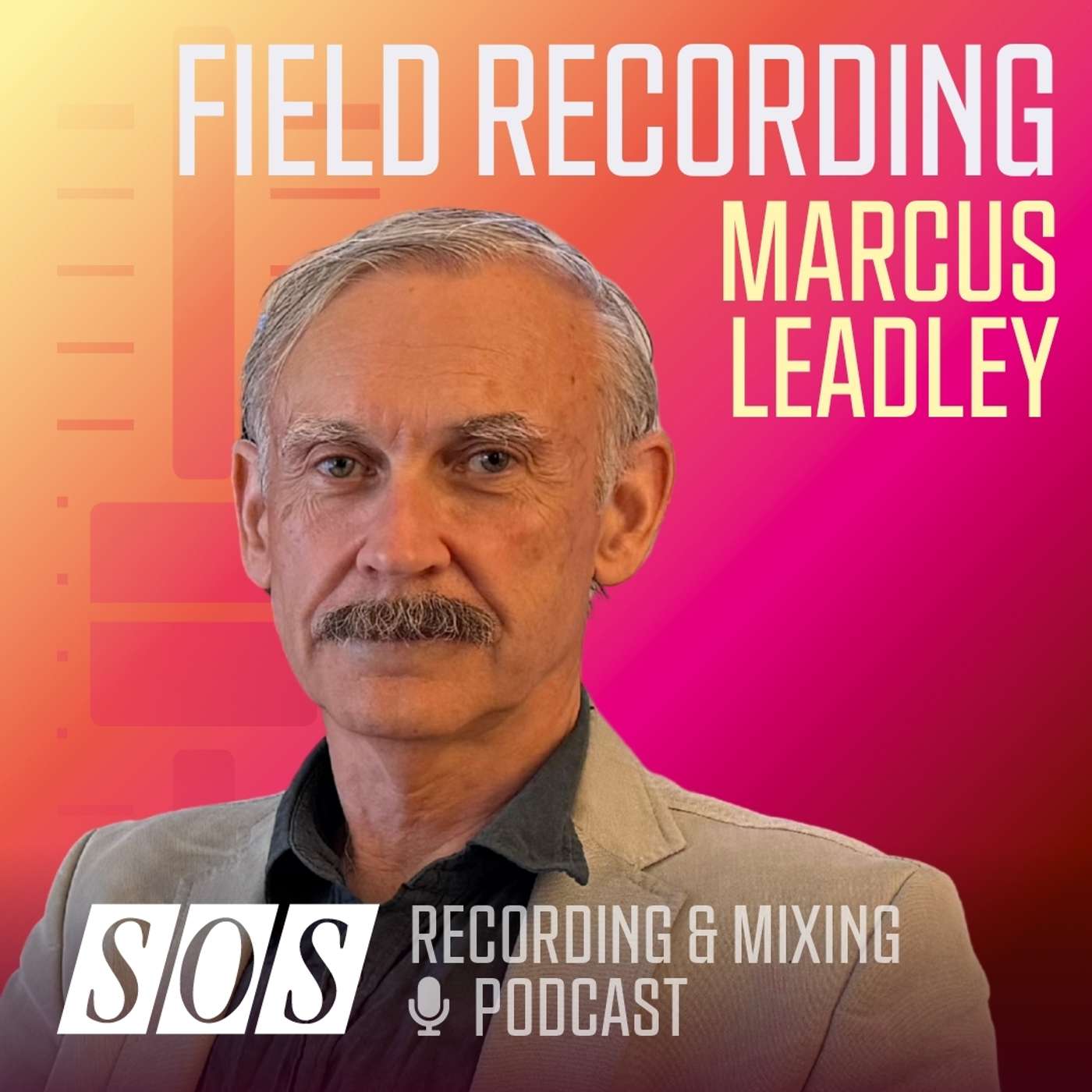
Marcus Leadley talks to Suzie Cross about his new book, Field Recording: A Practical Guide, exploring the techniques, equipment and creative approaches to capturing sound in the field. From microphones and denoising to electromagnetic and underwater recording, Marcus shares practical insights from more than 40 years of experience.Chapters00:00 - Introduction00:47 - Reasons For Writing The Book03:04 - A Background In Field Recording05:36 - Commonly Used Microphones07:05 - Discovering Hidden Sounds08:38 - Different Microphone Use Cases13:04 - Digital Denoising Tools14:25 - Using The Sounds In Compositions16:03 - Making Creative Decisions While Recording19:25 - Electromagnetic Detectors25:04 - Underwater Recording With Hydrophones29:18 - Managing Unpredictability30:52 - Allowing For The Unexpected32:36 - Analogue Pitch Shift And Time Stretch36:19 - Contact Microphones40:27 - Where To Hear Marcus' WorkMarcus Leadley BiogMarcus Leadley is a field recordist, sound artist, composer, curator and academic specialising in field recording, soundscape composition and environmental sound. He is Head of the Electronic Music Studios at Goldsmiths, University of London, where he teaches experimental sound and Sonic Arts. His research interests include phonography, soundscape composition, acoustic ecology and ecoacoustics, and his artistic practice includes field recordings, soundscape compositions, installations and collaborative projects.Marcus has been creating work based on field recordings since 1997 and also teaches field recording and soundscape composition through online courses and practical field trips. Before moving into academia, he worked as an engineer, producer and music technology journalist, managed commercial studios in Australia and edited Guitar & Bass magazine. He holds an MMus in Studio-Based Composition and a PhD in Sonic Arts.https://www.marcusleadley.com/https://www.crowood.com/book/field-recording/https://www.facebook.com/marcus.leadleySuzie Cross BiogSuzie Cross is an award-winning creative producer and multidisciplinary artist whose work explores connections between people, places and the natural world. Her practice spans sonic art, eco-acoustics, immersive installations, film, projection, poetry and electroacoustic composition. Her film Newland: New Vision for a Wilder Future, made with Dave Lynch, won Best Climate Film at the 2021 Research in Film Awards and led to an invitation to speak at COP26.A Clore Fellow, Suzie was awarded the Cultural Leadership Fellowship for Global Environmental Impact in 2018. She is Artistic Director of the Land Lines research project at the University of Leeds, Sound Artist in Residence at Manchester’s Mayfield development, and helps run SynthFest UK for Sound On Sound. She is also a member of the Frozen Music Collective, exploring neurodiversity and the relationship between the human brain and technology.https://suziecross.wordpress.com/https://www.instagram.com/suzieloves432/https://x.com/TheSuzieCrossCatch more shows on our other podcast channels: https://www.soundonsound.com/sos-podcasts
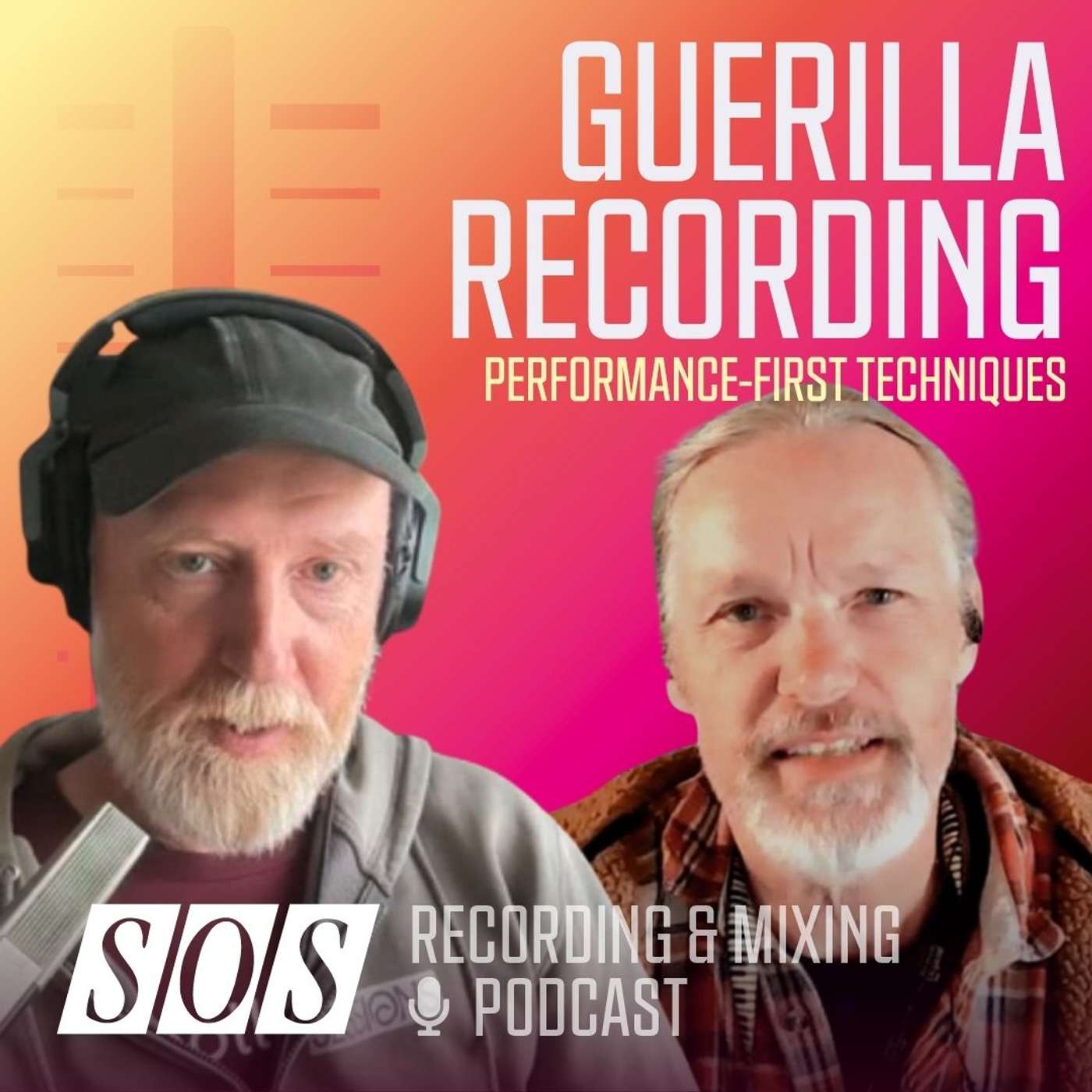
Lincoln Grounds joins Julian Rodgers to discuss guerrilla recording techniques, exploring how a focus on authentic performances, unconventional spaces and adaptability can matter more than technology and complex setups when creating compelling recordings.Chapters00:00 - Introduction01:09 - Definition Of Guerilla Recording05:59 - Not Over-Indulging In Tech11:14 - Getting A Good Performance Quickly16:18 - Recording Bands In Their Own Element19:50 - Working With Spill30:18 - Headphones And Clicks Where Needed33:10 - Post Production Techniques#BozDigital #ProTools #FabFilter #NoiseWorks #iZotope #WavesLincoln Grounds BiogLincoln Grounds is a composer, producer, recording engineer and owner of Maverick Music. His work spans production music for TV, film and advertising, alongside live performance and recording projects with artists including Sister Sledge, Cockney Rebel and Kid Creole. He has worked in a wide variety of recording environments, from improvised setups to world-renowned studios including Abbey Road and Blackbird Studio in Nashville.https://x.com/lincolngroundsJulian Rodgers BiogJulian Rodgers is a freelance writer and audio engineer with a background in live sound. After many years working in education introducing new users to Pro Tools, he now lives by the sea in West Cornwall, where he plays keyboards in a couple of bands. He also plays bass and guitar equally badly, and remains an enthusiastic collector of microphones and opinions about all things audio.https://www.linkedin.com/in/julian-rodgers-04621926Catch more shows on our other podcast channels: https://www.soundonsound.com/sos-podcasts
Eddie Bazil explores a range of advanced effects techniques, using practical audio examples to demonstrate how creative combinations of delays, reverbs, harmonisers, flangers and phasers can add depth, movement and texture to your productions.Chapters00:00 - Introduction02:43 - Example 1: Multi-Tap Delay05:43 - Example 2: Granular Resynthesis08:10 - Example 3: Wrapping Reverbs12:21 - Example 4: Adding Frequencies With A Harmoniser16:10 - Example 5: Flangers For 3D Motion20:43 - Example 6: Flanger, Phaser and Reverb#EventideUltraTap #SoundtoysCrystallizer #IKMultimediaCSRPlateReverb #AcusticaAudioRICE #EventideH949Harmonizer #BlueCatFlanger #InitialAudio808Studio2 #SoundtoysPhaseMistress #GForceM-tronProIV #EventideBlackholeEddie Bazil BiogEddie Bazil launched his music industry career at the age of 17 as a synth programmer for a range of Electro / New Wave bands, including Art Of Noise, Spandau Ballet, Pet Shop Boys, Bobin, Paul Dee, DJ Krush, DJ Shadow, Jets Orchestra, and many more. By his 20s, he was working as a sound designer for Akai, Roland, Emu/Ensoniq, eventually signing on exclusively with the latter. Later, due to a growing demand for software instruments and libraries, Eddie began developing libraries for various software manufacturers, including Native Instruments, Kiesel, Sound Effects Library, Rob Papen, Arturia, and Propellerheads.During this time, he trained in music production. He soon gained several prominent contracts working with some notable artistes such as Busta Rhymes, Greensleeves, 9 Bar, SFP, Sleeveless, Chris Campbell and Gam Productions. He contracted to Island Records and Chrysalis as a producer and remixer, and was commissioned to write the score for Macbeth that ran at 2 Way Mirror at Alexander Palace for the Cambridge Shakespeare Company. This led to him offering educational workshops and classes, and becoming a contributing creator and Forum moderator for Sound On Sound.Recently, he was invited by the Recording Academy to become a professional member, approved educator, and mentor for their member base. Eddie now concentrates on providing private sound design and mixing/production tuition, and creating content for Sound On Sound magazine.https://eddiebazil.co.uk/Catch more shows on our other podcast channels: https://www.soundonsound.com/sos-podcasts
In this episode, Eddie Bazil breaks down the different types of EQ, explains their most common uses in mixing and production, and demonstrates how they shape and enhance sound with practical audio examples.Chapters00:00 - Introduction00:48 - What EQ Is And Different Types01:33 - Active And Passive02:45 - Linear Phase And Minimum Phase03:46 - High-Pass and Low-Pass Filters04:36 - Example 1: Using Synth Filters06:47 - Common Functions Of EQ07:27 - Example 2: Shaping A Kick Drum10:31 - Example 3: Rebalancing An Acoustic Guitar13:48 - Selecting The Right EQ Shape15:55 - Managing Redundant Frequencies18:15 - Example 4: Rebalancing A Mix#PultecEQP-1 #XferSerum #BozDigitalTransgressor2 #EventideSplitEQ #SonibleEntropyEQ+ #SSLNativeXSaturator #SSLValveComp #TokyoDawnTDRArbiterTrack CreditsExample 2: from 'Puppet' by John Walden.Example 3: from James Perret.Example 4: from 'Another Way' by forester. Written, performed and produced by René Schneeberger.https://foresterdnb.bandcamp.com/musichttps://open.spotify.com/intl-de/artist/2BtzZiEDaReXLveskYtYkmhttps://soundcloud.com/foresterdnbhttps://cambridge-mt.com/Eddie Bazil BiogEddie Bazil launched his music industry career at the age of 17 as a synth programmer for a range of Electro / New Wave bands, including Art Of Noise, Spandau Ballet, Pet Shop Boys, Bobin, Paul Dee, DJ Krush, DJ Shadow, Jets Orchestra, and many more. By his 20s, he was working as a sound designer for Akai, Roland, Emu/Ensoniq, eventually signing on exclusively with the latter. Later, due to a growing demand for software instruments and libraries, Eddie began developing libraries for various software manufacturers, including Native Instruments, Kiesel, Sound Effects Library, Rob Papen, Arturia, and Propellerheads.During this time, he trained in music production. He soon gained several prominent contracts working with some notable artistes such as Busta Rhymes, Greensleeves, 9 Bar, SFP, Sleeveless, Chris Campbell and Gam Productions. He contracted to Island Records and Chrysalis as a producer and remixer, and was commissioned to write the score for Macbeth that ran at 2 Way Mirror at Alexander Palace for the Cambridge Shakespeare Company. This led to him offering educational workshops and classes, and becoming a contributing creator and Forum moderator for Sound On Sound.Recently, he was invited by the Recording Academy to become a professional member, approved educator, and mentor for their member base. Eddie now concentrates on providing private sound design and mixing/production tuition, and creating content for Sound On Sound magazine.https://eddiebazil.co.uk/Catch more shows on our other podcast channels: https://www.soundonsound.com/sos-podcasts

Comments

Download from Google Play

Download from App Store
 United States