


 Claim Ownership
Hé Pa: Het sportleven in de jaren 60
Subscribed: 4Played: 54
Subscribe

© Copyright 2026 Rik Bouman
Description
Hé Pa: Het sportleven in de jaren 60.
- Hij was topscorer in de Eerste Divisie met 27 goals
- Speelde 16 jaar betaald voetbal
- Kwam uit voor Sparta, Willem II en Fortuna Vlaardingen
- Maakte deel uit van de voorselectie Nederlands elftal
- Scoorde 2 x met Fortuna in de gewonnen kwartfinale KNVB beker in de Kuip tegen Feyenoord
- Was Man of the Match tegen Ajax (met Johan Cruijff)
- Behaalde met Sparta de 3de plaats in de eredivisie in het seizoen 66/67
Maar hij is bovenal mijn vader: Jan Bouman
- Hij was topscorer in de Eerste Divisie met 27 goals
- Speelde 16 jaar betaald voetbal
- Kwam uit voor Sparta, Willem II en Fortuna Vlaardingen
- Maakte deel uit van de voorselectie Nederlands elftal
- Scoorde 2 x met Fortuna in de gewonnen kwartfinale KNVB beker in de Kuip tegen Feyenoord
- Was Man of the Match tegen Ajax (met Johan Cruijff)
- Behaalde met Sparta de 3de plaats in de eredivisie in het seizoen 66/67
Maar hij is bovenal mijn vader: Jan Bouman
13 Episodes
Reverse
De nieuwe podcastserie ‘Boegbeelden & Bliktrekkers’Aflevering 1: 175 jaar historie van De Maas (met Evert Jan van den Berg, Siep Wijsenbeek, interviewer Erik Peekel en Podcastmaker Rik Bouman)In deze eerste aflevering van ‘Boegbeelden & Bliktrekkers’ duiken we in de rijke geschiedenis van de Koninklijke Roei- en Zeilvereeniging De Maas, één van de oudste en meest iconische watersportverenigingen van Nederland.Presentator Erik Peekel gaat in gesprek met Evert Jan van den Berg en Siep Wijsenbeek. Podcastmaker Rik Bouman zorgt voor de juiste uitwerking. Hoe zag Rotterdam eruit in 1851 en wat was de cruciale rol van Prins Hendrik de Zeevaarder bij de oprichtingIn deze aflevering ontdek je:De omzwervingen naar Katendrecht: Hoe de vereniging op Katendrecht belandde en hoe men daar vroeger vanuit de stad naartoe reisde.De geboorte van een familievereniging: De roemruchte afsplitsing (en hereniging) van de 'Trekvogels' en de herkomst van de beroemde rode broek.Veerkracht in oorlogstijd: De impact van de Tweede Wereldoorlog, het verzetswerk van voorzitter Willem Ruis en de wederopbouw na de bevrijding.Of je nu een gepassioneerd zeiler bent, een fanatieke roeier of een liefhebber van de Rotterdamse historie; dit gesprek werpt een uniek licht op het DNA van 'De Maas'.The podcast delves into the illustrious history of the Royal Rowing and Sailing Society de Maas, a venerable institution that has fostered connections between the city of Rotterdam and its waterways for an impressive 175 years. I engage in a comprehensive dialogue with esteemed guests Evert-Jan van den Berg and Siep Wijsenbeek, who elucidate the origins of the society and its architectural marvel. As we traverse the narrative of the society's evolution, we uncover its transformation from a modest rowing club into a social nexus for both rowing enthusiasts and the wider community. The discussion further illuminates pivotal moments in the society's timeline, including its adaptation during historical upheavals and its role in cultivating a familial atmosphere among its members. Ultimately, we reflect on the enduring significance of the society, underscoring the water as a persistent element that binds generations of members together in their shared passion for maritime pursuits.An exploration of the Sociëteit van de Koninklijke Roei en Zeilvereniging de Maas, situated in the picturesque heart of Rotterdam, reveals a storied legacy entwined with the maritime history of the city. Established 175 years ago, this esteemed institution stands not merely as a club for rowing and sailing but as a cultural nexus where prominent figures converge, fostering both athletic and social endeavors. The episode features an enlightening dialogue between Erik Pekel and his guests, Evert-Jan van den Berg and Siep Wijsenbeek, as they delve into the origins and evolution of the association, illuminating the architectural significance of its clubhouse, designed by the renowned architect Jürgen Stihl. The discussion traverses the transition from modest beginnings to the establishment of a prominent societal fixture, emphasizing the dual role of the building as a venue for sporting excellence and a social gathering place for the community. The conversation also encapsulates the architectural nuances of the clubhouse, highlighting its Art Deco influences and the striking green roof, a unique feature that enhances its visibility from the water. The guests elucidate the rich tapestry of...
Aflevering 23 met de eerste vier Olympische Winterspelen!The primary focus of this podcast episode is the inaugural Olympic Winter Games held in 1924 in Chamonix, France, which emerged as a significant milestone in the history of winter sports. Initially conceived as a subsidiary program to the Summer Olympics in Paris, the games garnered such acclaim that they were retroactively labeled as the first Olympic Winter Games after the Norwegian objection was withdrawn. The episode delves into the notable achievements of athletes, particularly highlighting Norway's dominance in skiing and skating, while also recognizing the participation of other nations and the unique circumstances surrounding the event. We examine the statistics of participation, including the stark gender disparity among athletes, and reflect upon the evolving nature of the Winter Olympics as subsequent events unfolded. Furthermore, we discuss the broader implications of these games in the context of international sports and their legacy, setting the stage for future competitions. The exploration of the inaugural Olympic Winter Games, which took place in Chamonix in 1924, unveils a historical tapestry woven with both triumph and contention. Initially conceived as a supplementary event to the Summer Games in Paris, the Winter Games garnered such remarkable success that they were retroactively declared an official Olympic event, contingent upon the withdrawal of objections from Norway, which had its own winter sports competition. This episode meticulously details the geopolitical landscape of the time, highlighting how the absence of notable nations such as Russia, Germany, and the Netherlands shaped the competitive field. The narrative further delves into the performances, with Norway emerging as the dominant force, claiming the majority of the medals, while the dynamics of participation and competition are examined through the lens of the limited number of athletes and nations present. This foundational moment sets a precedent for future Winter Games, illustrating the evolution of winter sports on a global stage. In a reflective analysis of the first Olympic Winter Games, the conversation meanders through the complexities of sportsmanship and national pride, emphasizing the significance of Chamonix as a pivotal location in Olympic history. The episode elucidates the cultural ambiance of Chamonix, described as a fashionable winter resort, juxtaposed against the backdrop of sporting excellence and national representation. The dialogue also touches upon the peculiarities of the early Winter Games, such as the introduction of sports like figure skating and ice hockey, which had previously been included in the Summer Games. The intriguing case of Kylis Krevstem, who uniquely defended his title from the Summer Olympics, serves as a focal point of discussion, highlighting the interconnectedness of winter and summer sports in this nascent period of Olympic competition. Through a serious and analytical lens, this summary encapsulates the essence of the episode, articulating the multifaceted themes of competition, culture, and the socio-political undercurrents of the time. The examination of the evolution of the Olympic Winter Games from their inception in 1924 to subsequent iterations reveals a narrative rich in historical significance and transformation. The podcast delves into the intricacies of the Chamonix Games, the subsequent Winter Games in St. Moritz, and the implications of the Lake Placid Games, all while emphasizing the growth of participation and the increasing prominence of female athletes. Notably, the transition from a predominantly male-dominated field to the inclusion of women in competitive events is articulated with a focus on the societal shifts that accompanied these changes. The episode critically evaluates the implications of the American dominance in Lake Placid, where the competitive format sparked controversies regarding fairness...
Bernard Leene, de pechvogel van 1932 en Carl Lewis, het fenomeen van 1984!De succesvolle Olympische Podcast serie is nu alweer toe aan de zesde aflevering. Vanaf aflevering 7 zullen ook de (voormalige en toekomstige) olympische sporters zelf deelnemen aan onze afleveringen.The discourse herein elucidates the historical trajectory of the Los Angeles Olympic Games, spanning from 1932 to 2028, with a particular focus on the events surrounding the 1932 Games. We meticulously examine the challenges faced by the Dutch tandem cycling team, notably the unfortunate circumstances that precluded Bernard Lenen from defending his title alongside Daan van Dijk due to financial constraints. The episode further delves into the strategic decisions made by athletes, notably Jacques van Egmond, who grappled with the implications of competing in multiple events on the same day. This discussion encapsulates the broader theme of financial limitations impacting athletic performance and opportunities. Notably, we draw parallels to contemporary issues faced by athletes, underscoring the enduring relationship between fiscal support and success in competitive sports.Takeaways:In 1932, financial constraints prevented the Dutch tandem duo from defending their title.Jacques van Egmond prioritized his sprint events over the tandem race in Los Angeles.The decision to withdraw from the tandem race was officially attributed to equipment failure.Carl Lewis's remarkable achievements in 1984 drew comparisons to Jesse Owens's historic performance in Berlin.The pressure on Lewis's teammates during the relay was immense, given his quest for a fourth gold.Inevitably, financial issues continue to affect the performance and preparation of athletes today.Companies mentioned in this episode:NRCWielenunieDaan van DijkJacques van EgmondHarry La VrijsseStanley ChambersErnst ChambersGuus SchillingCarl LewisJesse OwensGiusem BolterBob BiemanSam McGreadyBrownKelvin SmithPietro Menea
De succesvolle Olympische Podcast serie is nu alweer toe aan de vijfde aflevering. Vanaf aflevering 7 zullen ook de (voormalige en toekomstige) olympische sporters zelf deelnemen aan onze afleveringen.This podcast episode elucidates the intriguing parallels between the Netherlands and the Los Angeles area, especially in light of the preparations for the 2028 Olympic Games. We delve into the economic and demographic similarities, noting that both regions boast comparable gross national products and populations, each hovering around 18 to 19 million inhabitants. Furthermore, we examine the substantial urban challenges faced by both territories, such as housing shortages and climate-related issues, which serve to underscore their shared dilemmas. Additionally, we reflect on historical performances of Dutch hockey teams in the Olympics, particularly the nuances of past successes and failures, drawing connections to the aspirations for the upcoming Olympic events. Through this discourse, we aim to foster a deeper understanding of the interconnectedness of global sporting cultures and their implications for future competitions.The podcast episode provides a detailed exploration of the preparatory measures being undertaken by the Dutch Olympic Committee as it gears up for the 2028 Olympic Games in Los Angeles. Central to the discussion is the engagement of various Dutch enterprises in the establishment of a Holland Village, which seeks to promote Dutch culture and commerce during the Games. The speakers draw intriguing comparisons between the Netherlands and the Los Angeles region, noting their shared geographical features and urban challenges. Both regions are situated along the western coast, possess similar economic outputs, and face significant urban issues such as housing shortages and climate change management. This comparative analysis serves not only to highlight the collaborative potential between the two regions but also to underscore the importance of strategic partnerships as the Olympics approach.In a reflective segment, the conversation shifts to the historical context of Dutch hockey within the Olympic framework, specifically focusing on the 1984 Games held in Los Angeles. The speakers recount the experiences of the Dutch men’s hockey team, which boasted a roster of esteemed players yet ultimately fell short of expectations. Through a critical examination of their performance, the discussion reveals the complexities of competitive sports and the high stakes involved in Olympic competitions. The narrative serves as a reminder of the unpredictability of sports, particularly in high-pressure environments, and highlights the lessons learned that can inform the aspirations of future Dutch teams as they prepare for the upcoming Olympic events.Concluding the episode, the speakers reflect on the advancements in broadcasting technology that have transformed the viewing experience of Olympic events. They contrast the limited media representation of the 1984 Games with today’s capabilities, which allow audiences to engage with multiple events concurrently. This evolution illustrates a significant shift towards inclusivity in sports broadcasting, enhancing the accessibility of Olympic events for a diverse audience. The discussion wraps up with a forward-looking perspective on the potential for sustainable practices to be integrated into the planning of the 2028 Olympics, emphasizing the necessity of creating a legacy that not only celebrates athletic excellence but also prioritizes environmental stewardship.Takeaways:This episode discusses the similarities between the Netherlands and Los Angeles, particularly in terms of economic factors and geographical attributes.Both regions face significant urban challenges, including housing...
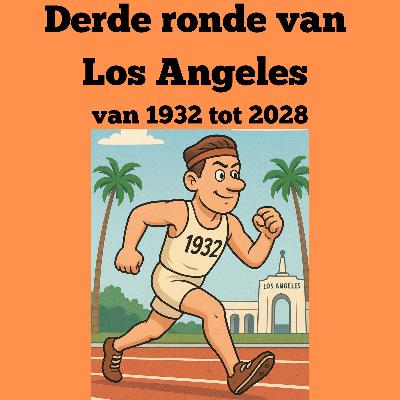
De nieuwe succesvolle sport podcast serie: "Derde Ronde van Los Angeles van 1932 tot 2028"In an engaging and comprehensive discussion, the podcast delves into the historical significance of doping scandals in the world of athletics, particularly as it pertains to the Olympic Games. The episode provides an insightful analysis of Ria Staalman's experiences during the 1984 Los Angeles Olympics, where she faced both triumph and intense scrutiny. The hosts reflect on how her achievements were overshadowed by allegations of doping, a theme that resonates throughout the history of competitive sports.As the conversation unfolds, the hosts consider the psychological and societal pressures that compel athletes to resort to performance-enhancing drugs, especially in a sporting culture that increasingly emphasizes success at any cost. Staalman’s eventual confession regarding her use of steroids presents a pivotal moment for discussion, prompting an exploration of the ethical implications and the long-lasting effects such decisions have on athletes’ lives and legacies. The episode serves as a critical examination of the intertwining narratives of integrity, competition, and the relentless pursuit of excellence, offering listeners a profound understanding of the complexities surrounding doping in sports.Takeaways:This episode delves into the historical context of the Los Angeles Olympics from 1932 to 2028, examining the evolution of this significant event over the decades.We explore the implications of doping in sports, particularly focusing on the cases of Dutch athletes and the societal pressures they faced during their careers.The discussion includes a critical analysis of the public perception surrounding doping allegations, as exemplified by Ria Stalman's experiences and her eventual admission of using performance-enhancing substances.The podcast highlights the complexities of Olympic history, including the achievements of Charles Pahout de Mortagne and his contributions to Dutch equestrian sports during the twentieth century.We reflect on the broader impact of doping scandals on the integrity of sports and how they influence the narratives surrounding athletic accomplishments.The episode also considers the societal and cultural factors that have shaped the Olympic Games, from the grandeur of the 1932 Los Angeles Olympics to the modern-day challenges athletes face.Companies mentioned in this episode:NOS
Luister naar de nieuwe podcast serie: "Derde Ronde van Los Angeles van 1932 tot 2028"The salient point of this podcast episode revolves around the historical instances of disqualifications in Olympic sports, particularly focusing on the events of 1932 and the subsequent implications of such actions. We delve into the tumultuous water polo match between Brazil and Germany, where the Brazilian team faced disqualification due to misconduct, leading to an altercation with the referees. This discussion serves as a precursor to a broader exploration of various Olympic events marred by disqualifications, including those stemming from doping violations. I further illuminate the context of the 1984 Olympics, where doping emerged as a significant issue, noting a marked increase in violations in subsequent games. We encapsulate our examination by reflecting on the most disqualifications recorded at the London 2012 Olympics, thereby underscoring the ongoing challenges of maintaining integrity within competitive sports.In a compelling analysis, the episode transitions from the tumultuous events of 1932 to the doping scandals that have plagued the Olympic Games over the decades. The speakers provide a meticulous examination of the disqualifications during the 1984 Olympics, identifying a significant uptick in doping violations across various sports. This segment not only elucidates the mechanisms of doping detection but also reflects on the broader implications for athletes and the integrity of the Olympic movement. The discussion is enriched by statistical insights into the prevalence of doping violations, as well as personal anecdotes that contextualize these occurrences within the larger narrative of Olympic history. The speakers emphasize the ongoing battle against doping, drawing parallels between past and present, and probing the effectiveness of current regulations in safeguarding the spirit of competition.Takeaways:In the 1932 Olympic water polo match, Brazil faced disqualification due to team misconduct.The intense emotions from the 1932 water polo incident demonstrate the longstanding passion for competitive sports.Doping emerged as a significant issue in the 1984 Olympics with multiple athletes testing positive.The 2012 Olympics saw a notable number of doping violations and subsequent disqualifications among athletes.Both the Summer and Winter Olympics have histories of disqualification related to doping infractions.The case of Aad van den Hoek highlights the repercussions of doping within the realm of competitive cycling.
Deze keer nemen we je mee naar Los Angeles 1984 – het jaar waarin een jonge Michael Jordan zijn wereldwijde doorbraak beleefde. Nog vóór zijn eerste NBA-minuten leidde hij Team USA naar olympisch goud en liet hij zien dat er een nieuw icoon was opgestaan.We ontrafelen de verhalen achter dit gouden team van 1984, kijken naar Jordans eerste stappen van talent naar legende en verbinden die momenten met de bredere betekenis van de Olympische Spelen toen én nu.Een mix van historie, anekdotes en vooruitblik – van de magie van 1984 tot de weg naar Los Angeles 2028.This podcast episode delves into the intriguing responses we have received regarding our inaugural episode, highlighting the growing interest from both listeners and athletes alike. We share insights about our journey towards the 2028 Olympics, reflecting on the connections we are forging with former Olympians who participated in the 1984 Los Angeles Games. The discussion encompasses the remarkable legacy of Michael Jordan, elucidating his amateur status during the 1984 Olympics and his subsequent ascent to global basketball fame. As we explore the historical context of basketball and its evolution, we also touch upon the significance of national representation in sports, including the Netherlands' achievements in recent competitions. Join us as we traverse the rich tapestry of Olympic history and its enduring impact on contemporary athleticism.The discourse unfolds with an enthusiastic recounting of the responses elicited from the debut episode of the podcast series, which has garnered attention not only from the general listening public but also from athletes, coaches, and trainers within the sporting community. It is a profound realization for us that the upcoming Olympic Games in 2028 serve not merely as a distant event but as a focal point that intertwines past and present, inspiring both listeners and athletes alike. The conversations delve into nostalgic reflections of the 1984 Los Angeles Olympics, highlighting notable athletes and their enduring connections. As we navigate through the annals of athletic history, we unearth personal anecdotes, illustrating the camaraderie that persists among team members, even decades after their competitive days. The anticipation of hosting former Olympic athletes on our platform promises to enrich our discussions with firsthand experiences and insights, thereby elevating the narrative surrounding the Olympic legacy and the personal journeys of those who have triumphed upon that global stage.In the subsequent segment of our dialogue, we steer towards the illustrious figure of Michael Jordan, whose nascent career blossomed during the 1984 Olympic Games. A pivotal moment is illustrated as we reflect on how Jordan, then a burgeoning talent from the University of North Carolina, exemplified the qualities of an exceptional athlete. His participation not only marked the beginning of a legendary career but also showcased the potency of the Olympic platform as a springboard for athletes entering the professional realm. Our discussions reveal the remarkable statistics from that tournament, where Jordan emerged as the leading scorer for the American team, thereby cementing his status as a formidable competitor. As we analyze the dynamics of the 1984 games, we also touch upon the broader implications of international competition and the evolution of basketball in the years that followed, culminating in the famed Dream Team of 1992.The concluding reflections pivot towards the contemporary landscape of sports, particularly as we consider the implications of international relations on future Olympic participation. The dialogue broaches the topic of potential Russian participation in the upcoming Olympic Games, drawing parallels with past boycotts and the ever-evolving nature of global politics as it pertains to athletics. The intricate relationship between sports and national identity emerges as a...
Naast de prachtige jaren met Sparta was Jan Bouman natuurlijk ook mister Fortuna Vlaardingen. Hij speelde daar maar liefst 12 seizoenen betaald voetbal. In 1962 stond heel Vlaardingen op zijn kop. Voetbalclub Fortuna Vlaardingen wist het kampioenschap in de eerste divisie te behalenMaar welke rol speelde de Schiedamse groenteboer bij dit kampioenschap en waarom stonden er 2500 toeschouwers te kijken vanaf de snelweg (A20). Is het normaal om 4 strafschoppen te krijgen en hoe bijzonder is het om 5 doelpunten in een wedstrijd te maken. Beleef nogmaals de kampioenswedstrijd tegen DHC en de beslissingswedstrijden tegen Heracles om promotie naar de Eredivisie.
Waarom lukte het maar niet om met Sparta te winnen van Feyenoord en waarom lukte dat Fortuna Vlaardingen wel?Drie seizoenen op rij winnen van Ajax, zelfs scoren en uitgeroepen worden tot Man of the Match terwijl ene Johan Cruijff bij Ajax meespeelde.Hoe waren de eerste jaren van Johan Cruijff en hoe was het gesteld met de media in die tijd. Samen met Eddy PG, Coen Moulijn en Faas Wilkes in het Rotterdams elftal. Uitgenodigd worden voor een onderlinge oefenwedstrijd van het Nederlands elftal ter voorbereiding op een interland tegen Noord-Ierland.
Sparta was thuis een seizoen lang (66/67) ongeslagen en eindigt op de derde plaats in de eredivisie. Wie waren de de spelers in die tijd?Hoe speciaal waren Rensenbrink en Van Hanegem toen al?De avonturen met Theo Laseroms. Waarom zat pa bijna op de bank bij PEC Zwolle in de gewonnen wedstrijd tegen Ajax?de liftende militaire voetballers.En heeft een spits spanning indien hij een aantal weken droog staat?
De bekerwinst van Sparta en het Europese avontuur. Waar was de champagne en wat gebeurde er met de badjassen? Trainen met zandzakken en de slidings met Wiel Coerver. Trainen op de Schie tribune. Het trieste verhaal van Hans Buitendijk. Een waterpartij op een zandveld op Malta en de schoppartij in Zwitserland.
Jan Bouman op reis met Sparta naar Roemenië. Noodweer en niet meer verder durven gaan met het vliegtuig.De vriendschappelijke wedstrijden in Engeland, Duitsland en Zweden.En wat hebben Jim Baxter, Helmut Rahn en Agne Simonsson met Sparta, de WK’s en het wereldelftal te maken?
Jan Bouman op de brommer naar Sparta voor z’n contractbespreking.Kennismaking met de spelers en de Engelse trainer Thompson.De komst van sterspeler Ole Madsen en zijn afscheidswedstrijd in Denemarken.Keeper Jan van Beveren en het zwarte bad.
Comments


Download from Google Play

Download from App Store
 United States