


 Claim Ownership
The Dairy Edge
Subscribed: 682Played: 27,927
Subscribe

© Teagasc
Description
The Dairy Edge is Teagasc’s dairy podcast for farmers with the latest information, insights and opinion to improve your dairy farm performance.
Visit the show page at: https://www.teagasc.ie/animals/dairy/the-dairy-edge-podcast/
Visit the show page at: https://www.teagasc.ie/animals/dairy/the-dairy-edge-podcast/
654 Episodes
Reverse
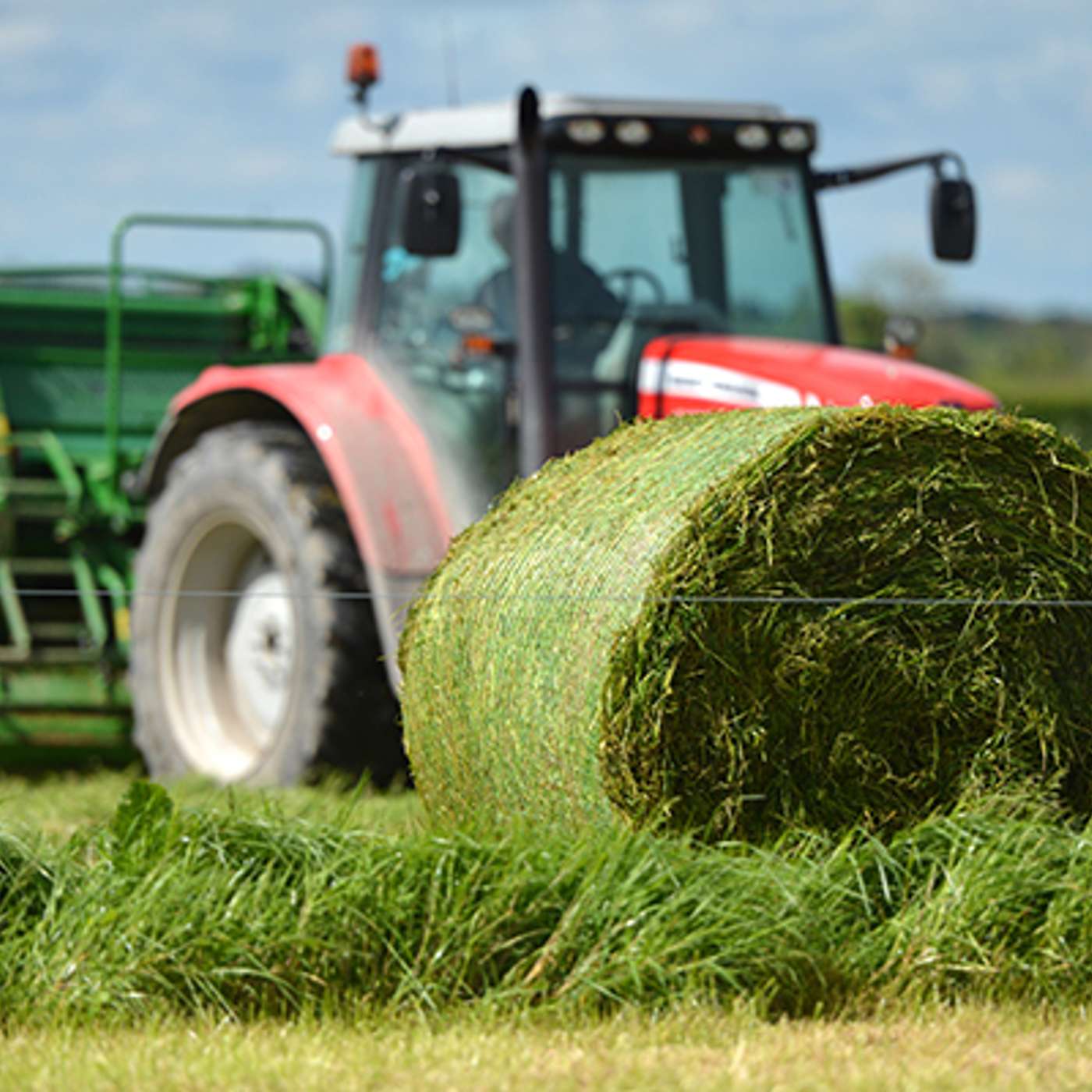
Mark Treacy, Dairy Specialist in Teagasc Clonakilty, joins Stuart Childs on this week’s Dairy Edge to discuss management tips for April. Mark explains that dairy farms are in various positions: some have moved too quickly into second-round grazing, others are well-balanced with remaining first-round grass, and some (especially on heavy ground) are delayed due to poor weather conditions. He then outlines the solutions such as housing some or all of the herd in order to get grass cover back up to where they need to be which might only take a week, or where there is a lot of grass on farm, tackling it from a number of angles including grazing, silage immediately once opportunity arises or longer term silage in some cases. Mark also spoke about the need for silage ground to be fertilised but to have cutting date influence the amount applied. With slurry application to most of this ground not an option, the advice is to cut early and return the slurry then. This will result in the same total yield with better quality than a large application of N for first cut now thus delaying the cut date. Finally, Mark spoke about the need to follow up on problem cows ahead of the breeding season as it is creeping up on farmers now. For more episodes from the Dairy Edge podcast go to the show page at:https://www.teagasc.ie/animals/dairy/the-dairy-edge-podcast/ The Dairy Edge is a co-production with LastCastMedia.com

For this week’s Grass10 grazing management update, John Maher explains why a flexible approach has to be applied on farm to begin the 2nd rotation and particular caution needs to be taken on farms that are starting the 2nd rotation to ensure AFC stays above 650 kg DM/ha. Walk the farm on a more regular basis as growth increases. Average farm cover needs to stay above 650 kg DM/ha. Take action by reducing demand if your cover drops below 650 kg DM/ha. Meanwhile, the featured farmer is Michael Leahy from Co. Kilkenny. Read more from this week’s Grass10 newsletter and subscribe for weekly updates at:https://bit.ly/Grass10-7thApril For more episodes from the Dairy Edge podcast go to the show page at:https://www.teagasc.ie/animals/dairy/the-dairy-edge-podcast/ The Dairy Edge is a co-production with LastCastMedia.com
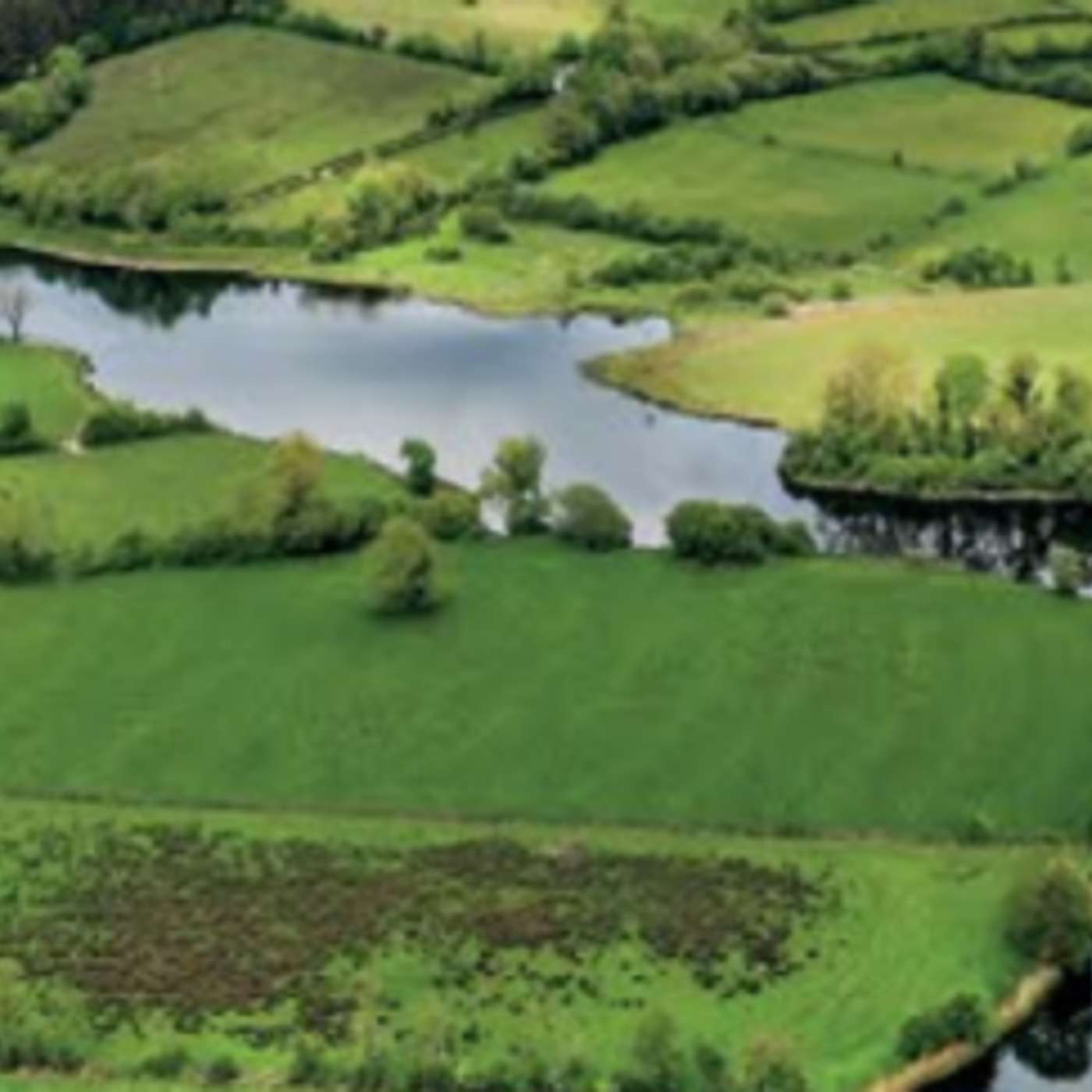
Water quality continues to be a major focus for the agricultural industry, and while farmers are already making changes on farm, there is increasing emphasis on how practical actions can improve water quality outcomes at catchment level. In this episode, Pat Dillon from Teagasc joins James Dunne to discuss the Better Farming for Water campaign. Pat explains what the Better Farming for Water campaign is aiming to achieve, why a catchment approach has been taken and the practical actions dairy farmers can take to make a difference. We also discuss concepts such as nitrogen use efficiency, nitrogen surplus, stocking rate and how all of these interact with water quality. For more episodes from the Dairy Edge podcast go to the show page at:https://www.teagasc.ie/animals/dairy/the-dairy-edge-podcast/ The Dairy Edge is a co-production with LastCastMedia.com

For this week’s Grass10 grazing management update, John Maher discusses why, due to the challenging conditions in spring 2026, a flexible approach has to be applied on farm to begin the 2nd rotation. By early April, dry farms should have about 60 units (75 kg N/ha) of N applied (combination of fertiliser and slurry) and most farms need to assess regrowths on the first 3 paddocks grazed for the next 2-3 weeks. Meanwhile, the featured farmer is Kieran Kennedy from Nenagh, Co. Tipperary. Read more from this week’s Grass10 newsletter and subscribe for weekly updates at:https://bit.ly/Grass10-31stMarch For more episodes from the Dairy Edge podcast go to the show page at:https://www.teagasc.ie/animals/dairy/the-dairy-edge-podcast/ The Dairy Edge is a co-production with LastCastMedia.com
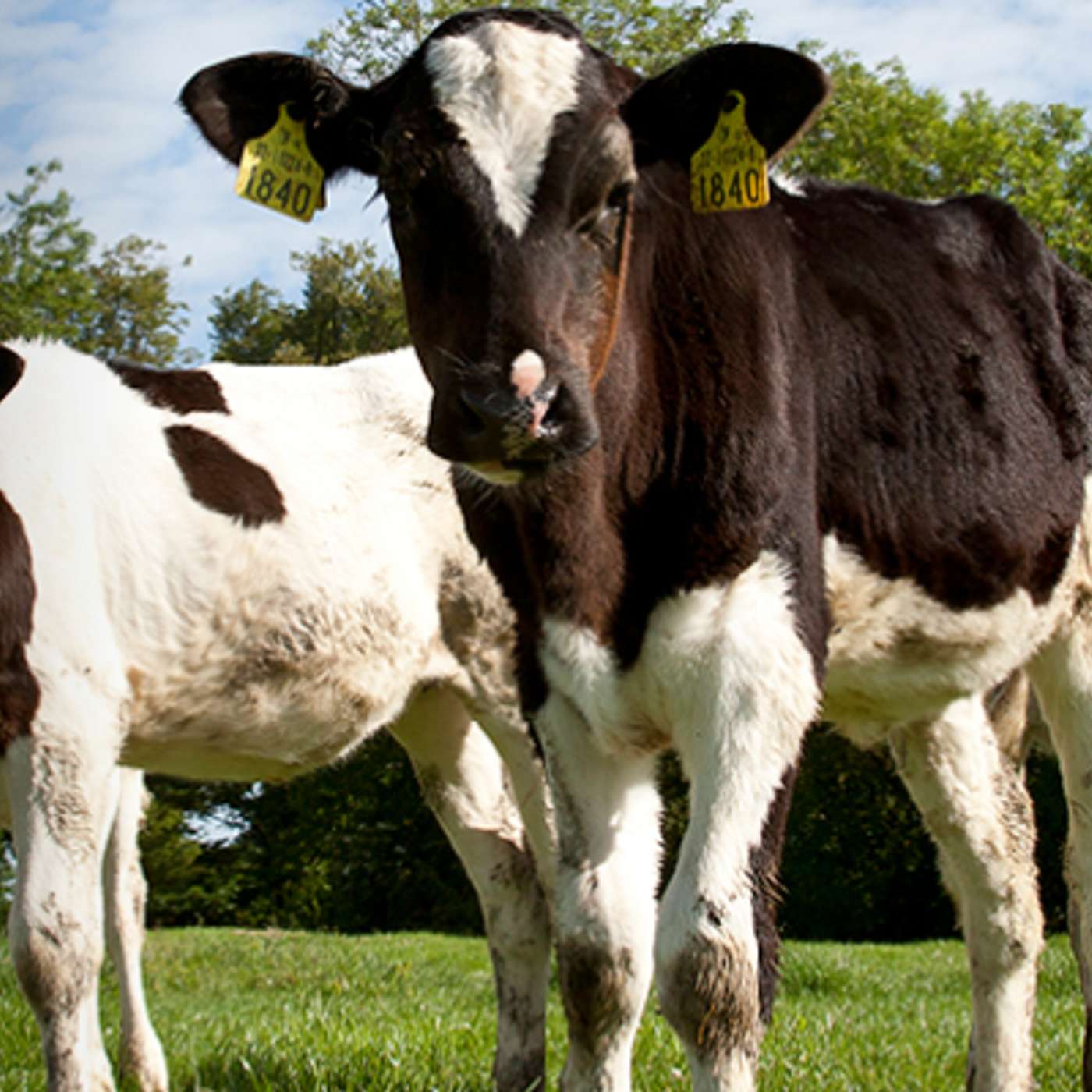
Prof. Donagh Berry, Quantitative Geneticist at Teagasc Moorepark, joins Stuart Childs on this week’s Dairy Edge to discuss the future of Irish Dairy Breeding Programmes. Donagh first explains that breeding is all about numbers. With the uptake in use of sexed semen, the pool of dairy bull calves being born has shrunk and while this was part of the objective of using it in the first place, there is a side effect which has the potential to slow genetic gain in Irish dairy. He outlines the type of numbers of calves that need to be born each year in order to maintain the genetic growth that Irish farmers have enjoyed since the late 2000s when genomics arrived. In order to continue this, it will be important to have a structured breeding programme that will see Irish farmers work with the AI companies putting some of their best cows in calf to nominated bulls with a view to delivering the bulls of the future. Failure to do so will see the progress made in the industry in the last three decades since the introduction of the EBI slow significantly. However, Donagh is attempting to avoid this occurrence by bringing industry together during 2026 to discuss the situation, identify the solutions and get them implemented as quickly as possible. For more episodes from the Dairy Edge podcast go to the show page at:https://www.teagasc.ie/animals/dairy/the-dairy-edge-podcast/ The Dairy Edge is a co-production with LastCastMedia.com

For this week’s Grass10 grazing management update, John Maher discusses why monitoring grass supply on farm is critically important at this time of the year; growth rates are predicted to be above average for the coming week so walk the farm and establish regrowth on paddocks grazed first in spring. Plus, it’s important to get up to date with Nutrient applications – the aim is to have 60 units N/acre applied by early-mid April. Meanwhile, the featured farmer is Michael Cunniffe from Fuerty, Co. Roscommon. Read more from this week’s Grass10 newsletter and subscribe for weekly updates at:https://bit.ly/Grass10-24thMarch2026 For more episodes from the Dairy Edge podcast go to the show page at:https://www.teagasc.ie/animals/dairy/the-dairy-edge-podcast/ The Dairy Edge is a co-production with LastCastMedia.com
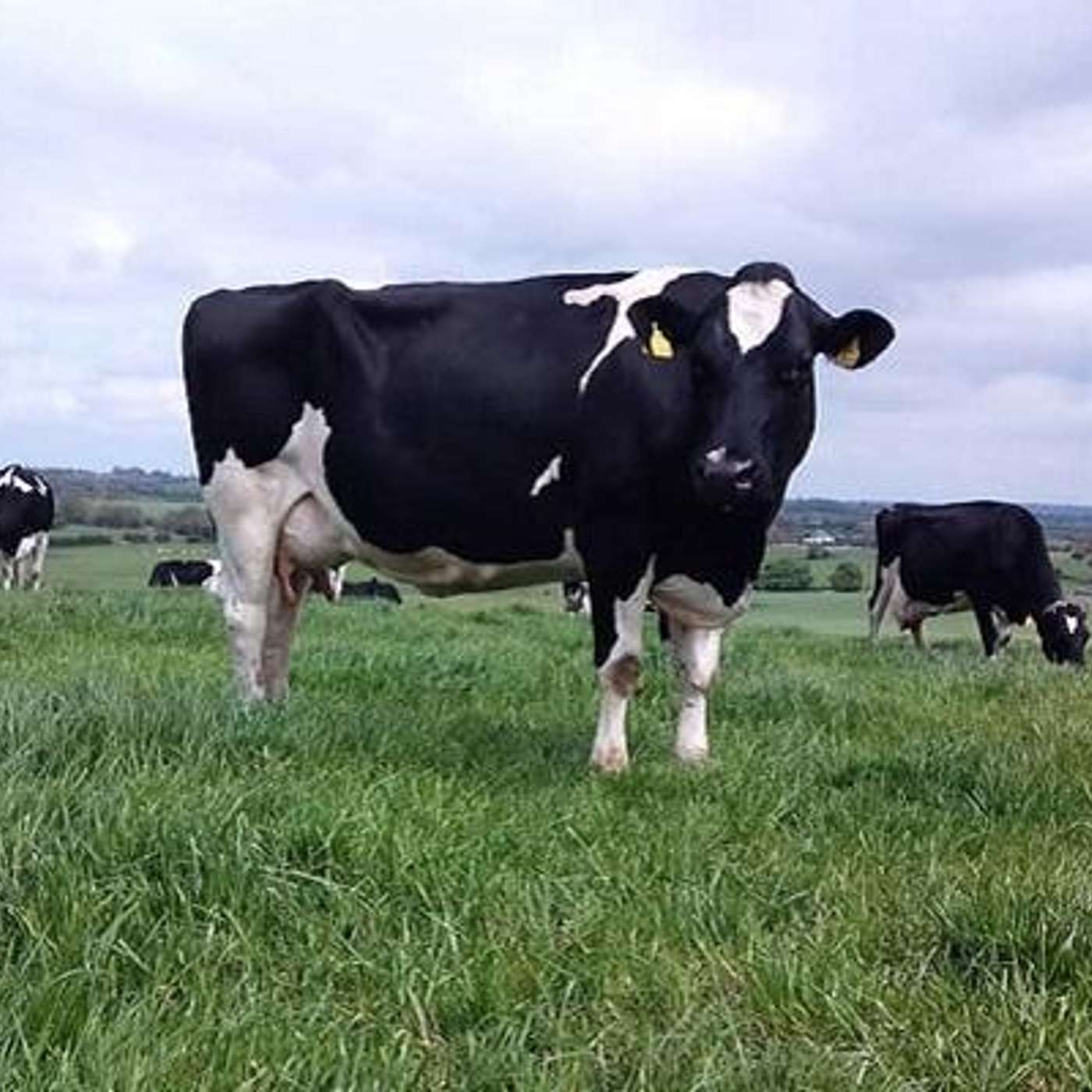
Kevin Downing and Dan O’Riordan of ICBF join Stuart Childs on this week’s Dairy Edge to discuss the Spring Breeding Guidelines that will be arriving to farmers across the country this week. Kevin explains how the scorecard included in the guidelines can be used to identify the herd strengths and weaknesses to allow people to see where they may need to target improvement. He then discusses the importance of using enough dairy AI straws to ensure there are adequate numbers of replacements coming through to support the needs of individual farms. 25% is required in order to ensure that 18-20% replacement rates can be maintained as not all heifers will go the distance so some surplus will be needed. He also spoke about the importance of using high DBI with high beef subindex beef sires to generate high quality dairy beef stock and emphasises the need to continue using AI until such time as there is sufficient bull power to meet demand. Finally Dan spoke about how sire advice is now available on the HerdPlus app which will facilitate more people to use it. He highlights the benefits of sire advice, balancing milk and fertility, avoiding inbreeding and lethal mutations and maximising beef merit while minimising calving difficulty risk, all making life easier for everyone involved. For more episodes from the Dairy Edge podcast go to the show page at:https://www.teagasc.ie/animals/dairy/the-dairy-edge-podcast/ The Dairy Edge is a co-production with LastCastMedia.com

For this week’s Grass10 grazing management update, with the weather improving and a significant decrease in rainfall expected, John Maher discusses the increase in grass growth rate. There's now an opportunity to get more of the farm grazed:· Get animals out (priority groups such as replacement heifers)· Day and night grazing for dairy herd It is especially important to prioritise grazing if:· There is a low level of fodder available (do a budget!!)· Quality of silage is poor· Have a high feed demand· Shortage of accommodation As weather conditions improve, get fertiliser and slurry applied across the farm. Target 30/35 units N per acre to areas of the farm that have not yet received any fertiliser. Meanwhile, the featured farmer is Liam Rochford from Co. Wexford. Read more from this week’s Grass10 newsletter and subscribe for weekly updates at:https://bit.ly/Grass10-17thMarch For more episodes from the Dairy Edge podcast go to the show page at:https://www.teagasc.ie/animals/dairy/the-dairy-edge-podcast/ The Dairy Edge is a co-production with LastCastMedia.com
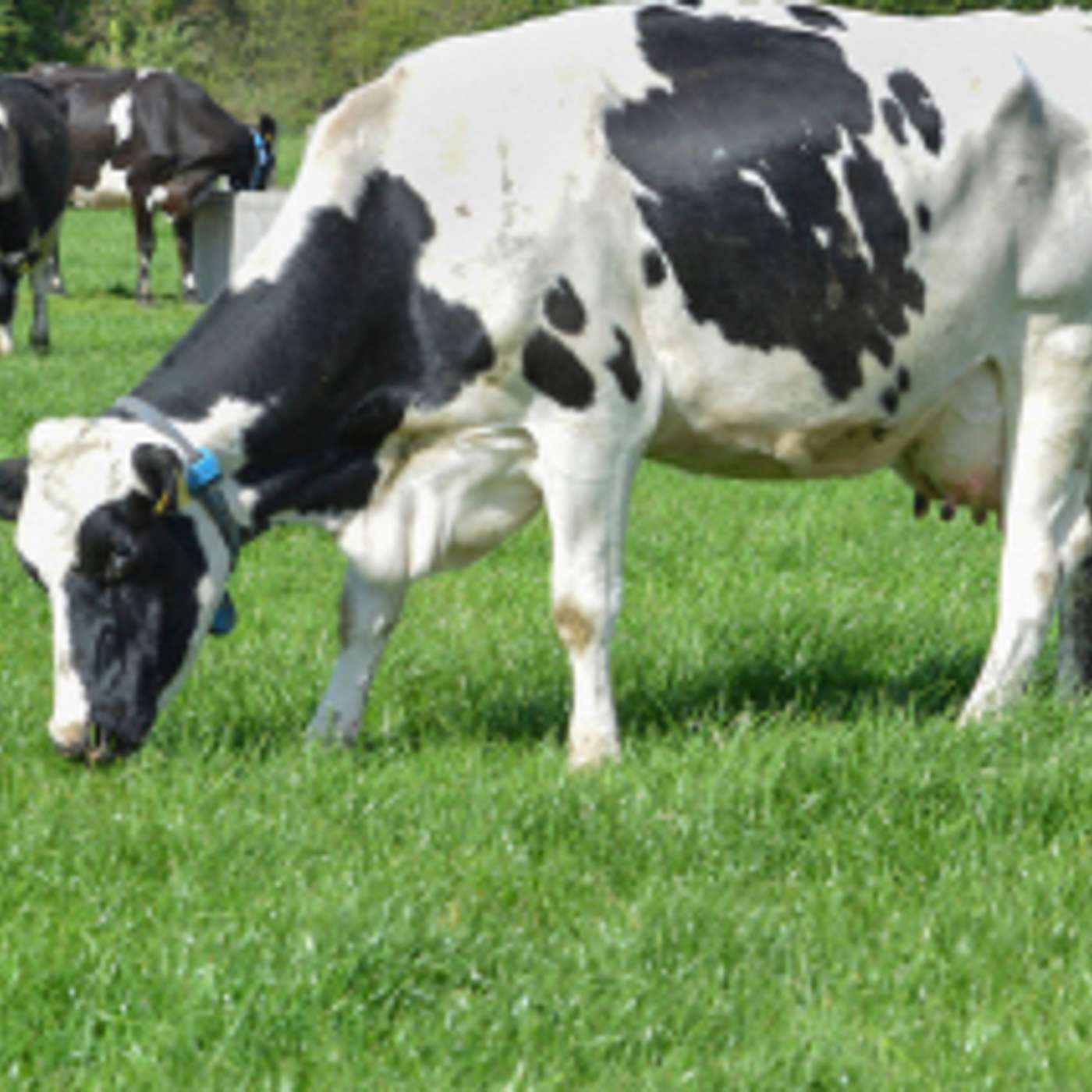
This week’s Dairy Edge is a special episode as it marks the 500th show of the podcast. The first episode aired on 11th January 2018, when Emma-Louise Coffey was joined by dairy farmer, John Leahy, and Teagasc ruminant nutritionist, Brian Garry, to discuss preparing for the spring calving season and managing forage supplies. Since then the podcast audience has grown significantly with the series now surpassing one million listens in total. To mark the milestone, we’re taking a look beyond the farm gate to the wider dairy industry with James Dunne speaking to Conor Mulvihill, Director of Dairy Industry Ireland. They discuss the remit of Dairy Industry Ireland withing the wider industry, the current market outlook, what ‘value-added’ really means for Irish dairy, the importance of the grass-fed story, and some of the key challenges and opportunities facing the industry. For more episodes from the Dairy Edge podcast go to the show page at:https://www.teagasc.ie/animals/dairy/the-dairy-edge-podcast/ The Dairy Edge is a co-production with LastCastMedia.com

For this week’s Grass10 grazing management update, John Maher discusses the importance of getting animals out grazing and why on/off grazing is the best approach to get going. Plus, getting the farm ready to move and having fertiliser ordered and in the yard will allow farms to take the opportunity spread when conditions allow Meanwhile, Michael Smith from Ballyjamesduff, Co. Cavan is this week’s featured farmer. Read more from this week’s Grass10 newsletter and subscribe for weekly updates at:https://bit.ly/Grass10-10thMarch For more episodes from the Dairy Edge podcast go to the show page at:https://www.teagasc.ie/animals/dairy/the-dairy-edge-podcast/ The Dairy Edge is a co-production with LastCastMedia.com
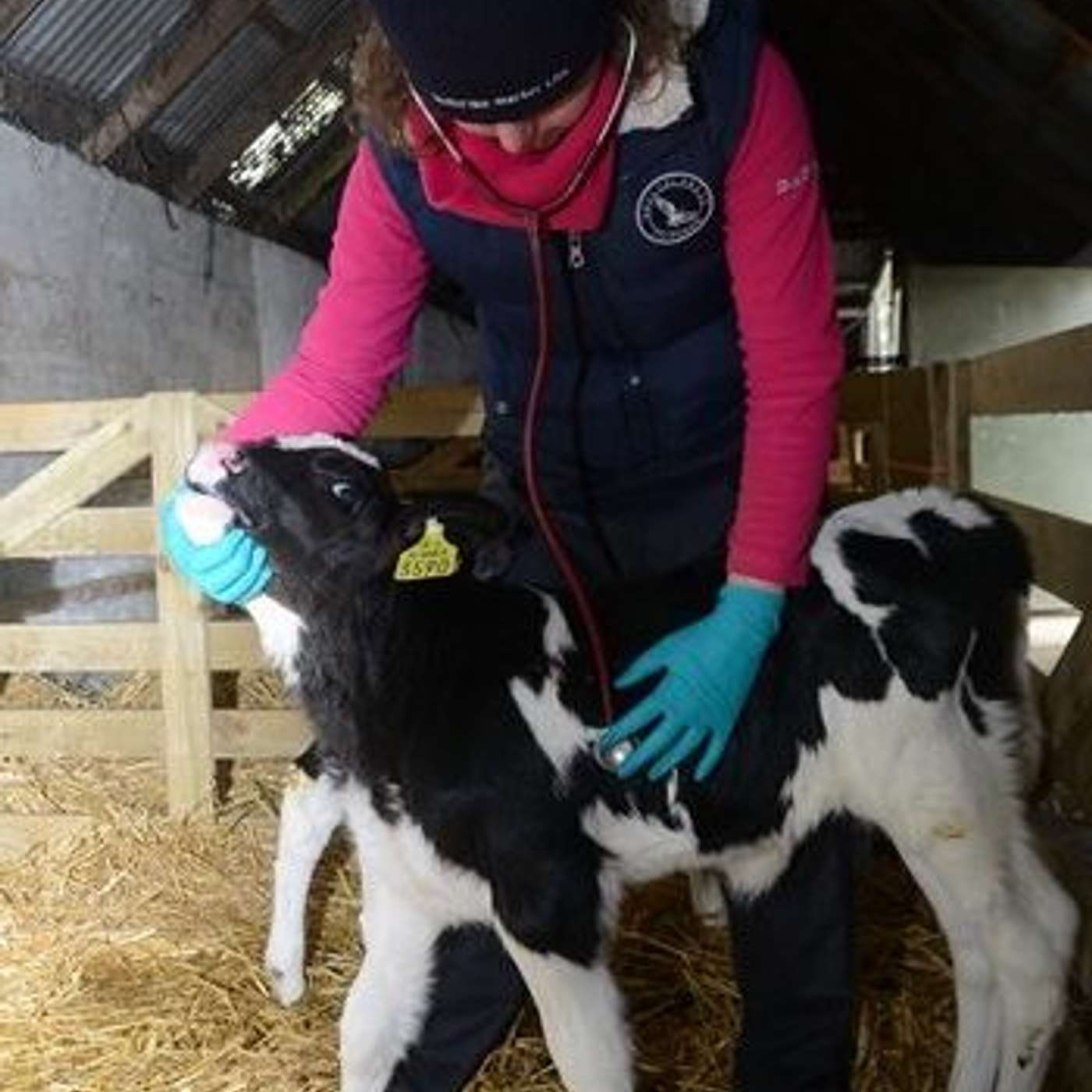
Marie Louise Ryan, veterinary practitioner with Mulcair vets covering the counties Limerick and Tipperary joins James Dunne on this week’s Dairy Edge to highlight what issues are raising their head at farm level when it comes to herd health on dairy farms at the moment. Marie Louise also discusses what farmers can do from a management perspective over the coming weeks to ensure good cow and calf health throughout the month of March. Topics covered include transition cow management, milk fever, displaced abomasums and calf management. For more episodes from the Dairy Edge podcast go to the show page at:https://www.teagasc.ie/animals/dairy/the-dairy-edge-podcast/ The Dairy Edge is a co-production with LastCastMedia.com

For this week’s Grass10 grazing management update, John Maher discusses updated spring targets, getting the farm ready to move, and why on/off grazing should be used to maximise the level of grass in the diet. Plus the featured farmer is Enda Walsh from Oranmore, Co. Galway. Read more from this week’s Grass10 newsletter and subscribe for weekly updates at:https://bit.ly/Grass10-3rdMarch For more episodes from the Dairy Edge podcast go to the show page at:https://www.teagasc.ie/animals/dairy/the-dairy-edge-podcast/ The Dairy Edge is a co-production with LastCastMedia.com
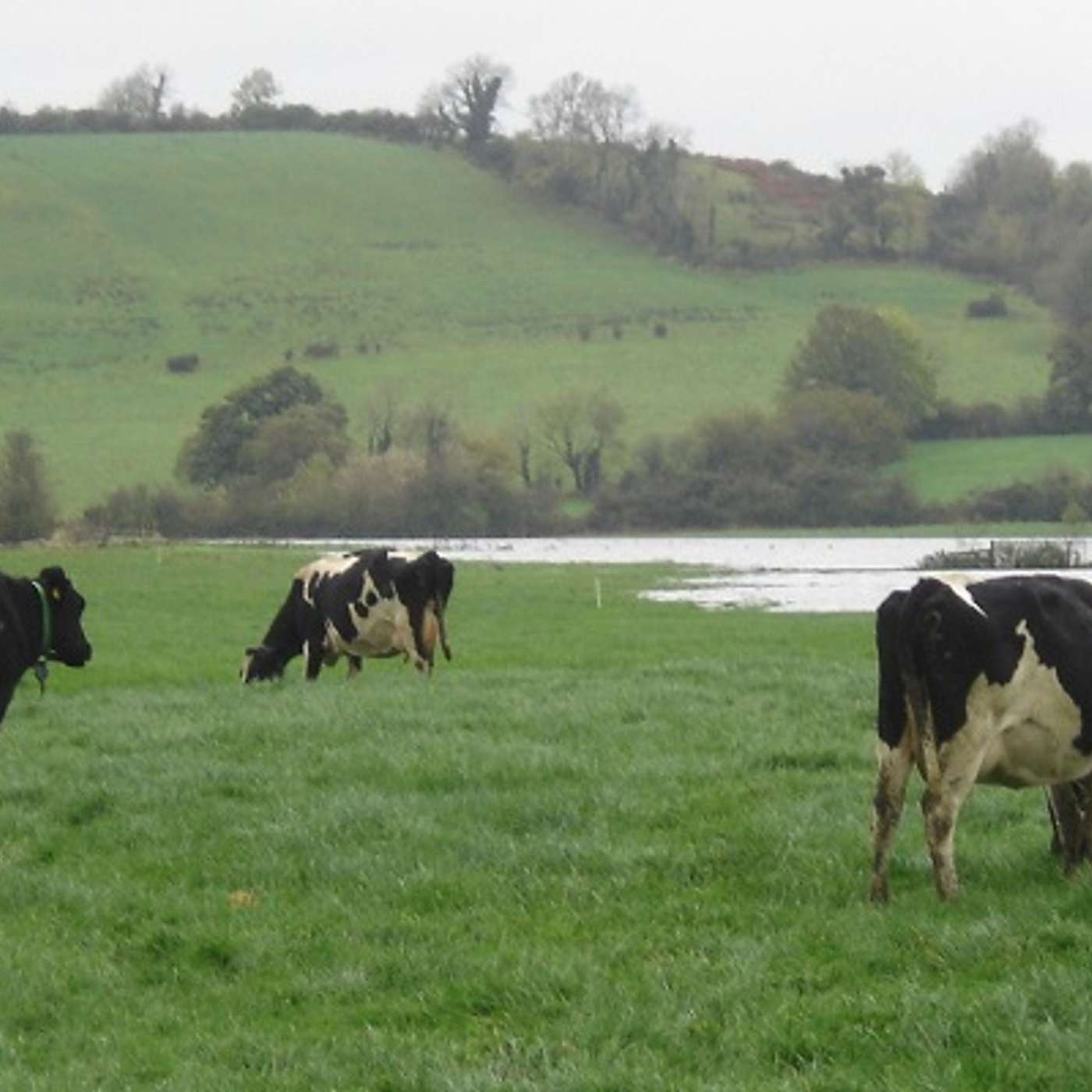
John Maher of Grass 10 and dairy farmer, Mike Bermingham, join Stuart Childs to discuss the challenges of grazing in 2026 and how to overcome them. John explains how February has been wet and people have been holding off grazing in the hope of dry weather, however, the forecast is middling at best for the next few weeks so people will have to make a start for the good of the grass and the good of the cow. Mike Bermingham is on a high north facing farm just outside Fermoy. He has experienced plenty of rain in the last few weeks like many others, but he is getting cows to grass most days and even some evenings now too. Mike explains how he feels the effort to get the cows out is less for him than the work in the yard and this drives him on to get cows to grass at every opportunity. Mike outlines how he is doing this and explains that the thought of what he will be paid on April 22nd for his March milk is a further incentive to get grass in every day if possible. Mike finishes by saying that grass is the best feed available and nothing you can buy in the yard can compare to it. For more episodes from the Dairy Edge podcast go to the show page at:https://www.teagasc.ie/animals/dairy/the-dairy-edge-podcast/ The Dairy Edge is a co-production with LastCastMedia.com

For this week’s Grass10 grazing management update, John Maher discusses being proactive and identifying what feed is available on the farm, dealing with the challenging conditions and why on/off grazing is the most important tool available to farmers at the present time. The featured farmer is Shane Seymour from Nenagh, Co. Tipperary. Read more from this week’s Grass10 newsletter and subscribe for weekly updates at: https://bit.ly/Grass10-24thFeb26 For more episodes from the Dairy Edge podcast go to the show page at:https://www.teagasc.ie/animals/dairy/the-dairy-edge-podcast/ The Dairy Edge is a co-production with LastCastMedia.com
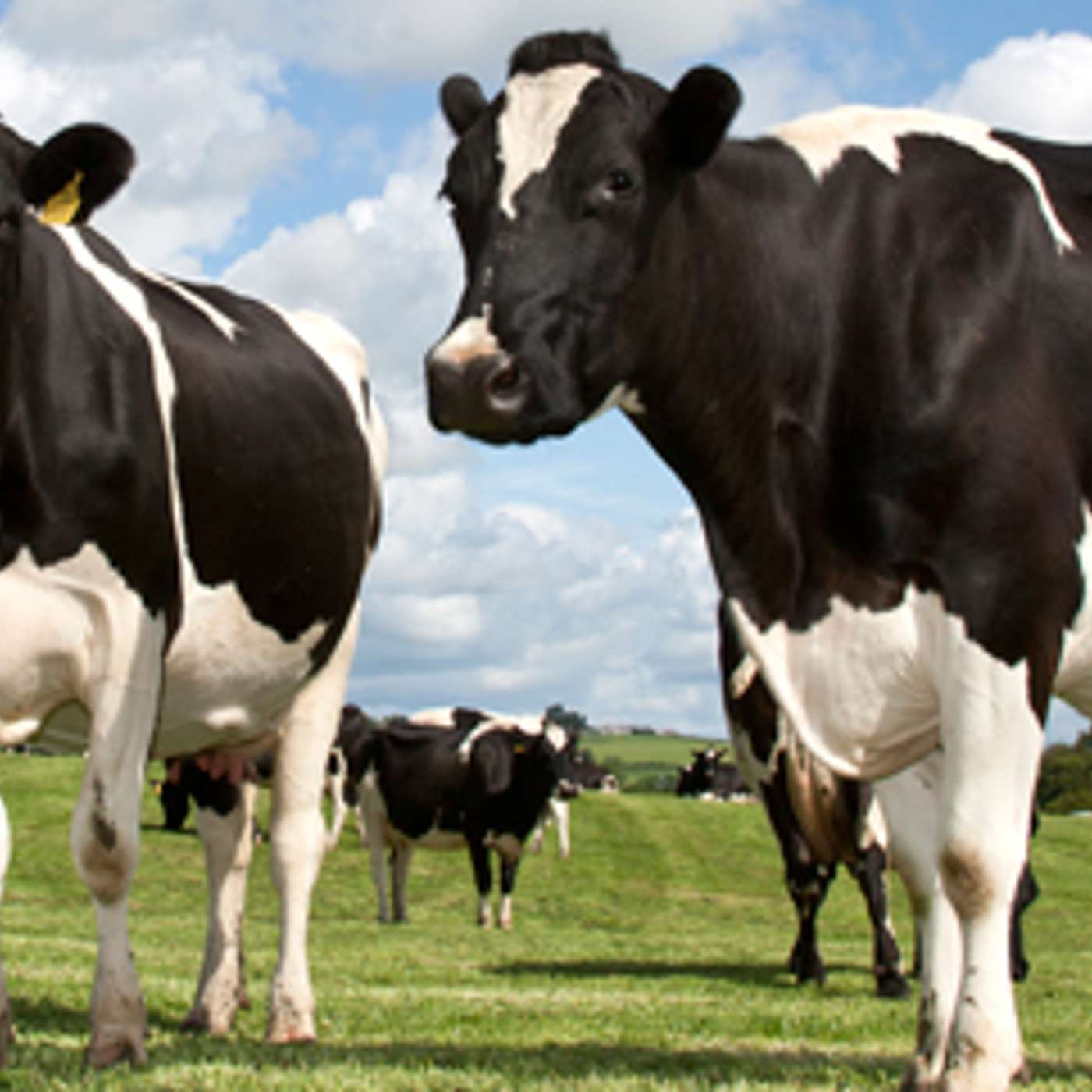
Emer Kennedy, Dairy Enterprise leader, Teagasc Moorepark and Joe Patton, Head of Dairy Knowledge Transfer, join James Dunne on this week’s Dairy Edge to discuss the recently launched Teagasc Dairy Roadmap 2030 — a blueprint for where the Irish dairy sector needs to go over the remainder of this decade. The roadmap sets out clear KPIs across profitability, sustainability, breeding, labour and environmental performance. For more episodes from the Dairy Edge podcast go to the show page at:https://www.teagasc.ie/animals/dairy/the-dairy-edge-podcast/ The Dairy Edge is a co-production with LastCastMedia.com

For this week’s Grass10 grazing management update, John Maher discusses on/off grazing, picking your paddocks and grass budgeting. The featured farmer is Ger Whelan from Ballinahinch, Co. Clare. Read more from this week’s Grass10 newsletter and subscribe for weekly updates at:https://bit.ly/Grass10-17thFeb For more episodes from the Dairy Edge podcast go to the show page at:https://www.teagasc.ie/animals/dairy/the-dairy-edge-podcast/ The Dairy Edge is a co-production with LastCastMedia.com
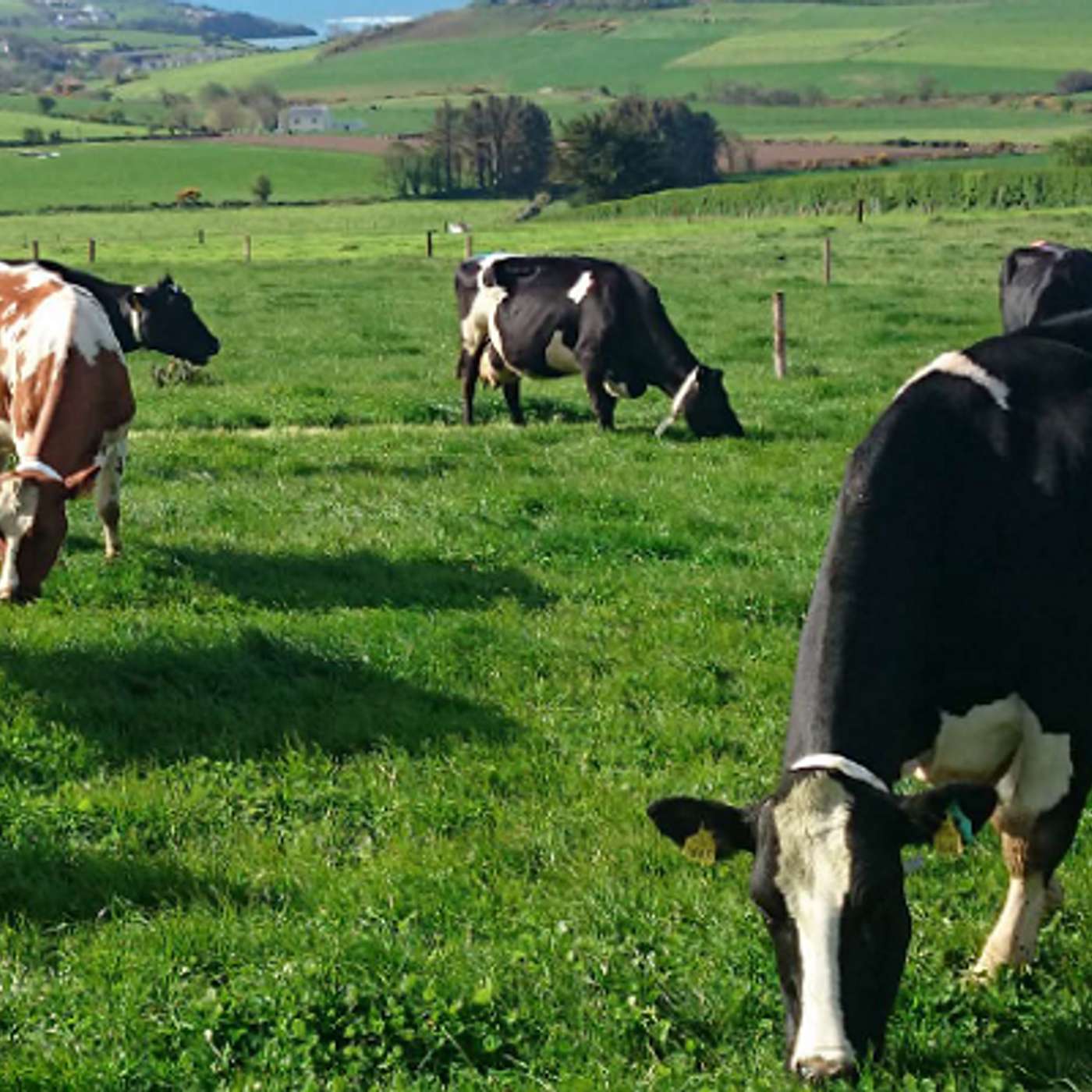
Donal Whelton, Head of Agri at AIB, joins Stuart Childs to discuss the financial situation that Irish dairy farmers are currently in and what challenges they may face and the solutions they may require in 2026. Donal says that the Irish dairy sector is entering 2026 from a position of financial strength. Farm debt levels are nearly half of what they were in 2009. Meanwhile, farm cash balances have doubled over the same period. Overdraft utilisation in dairy is currently at its second lowest in 20 years and despite tighter milk prices this year, the sector overall has stronger balance sheets than in previous downturns. Cost inflation is now the primary financial pressure. Total dairy farm operating costs have risen by 46% since 2020 with the key drivers of this being fertiliser and energy and concentrate feed which is up 56% and now averaging 9 c/L of production cost. Production costs range from mid-30s to mid-50s c/L, creating major resilience differences between farms. Knowing your break-even milk price, preparing 2025 accounts early (especially for tax liabilities), and targeting cost control will be important this year. Finally, Donal offers some advice around being prepared for a year like 2026, he recommends financial buffers such as €500 per cow working capital available at start of year and where debt level is >€3,000/cow, hold a reserve to cover 12 months of repayments. Farmers should complete simple forward cashflow projections (even in a notebook) to quantify funding needs accurately before approaching banks. Consider financing capital projects or tax liabilities rather than depleting cash. Banks can offer overdraft increases, term loans, interest-only options, or retrospective CapEx funding to help ease any cashflow pressures people might experience however, it is important that people identify pressure early and engage early as cashflow support is more effective when proactively structured than reactively requested. For more episodes from the Dairy Edge podcast go to the show page at:https://www.teagasc.ie/animals/dairy/the-dairy-edge-podcast/ The Dairy Edge is a co-production with LastCastMedia.com

For this week’s Grass10 grazing management update, John Maher discusses current grass growth, prediction for grass growth, plus rain and average soil temperature for the next 7 days. The featured farmer is Stephen Burchill from Bandon, Co. Cork. Read more from this week’s Grass10 newsletter and subscribe for weekly updates at:https://bit.ly/Grass10-10thFebruary For more episodes from the Dairy Edge podcast go to the show page at:https://www.teagasc.ie/animals/dairy/the-dairy-edge-podcast/ The Dairy Edge is a co-production with LastCastMedia.com
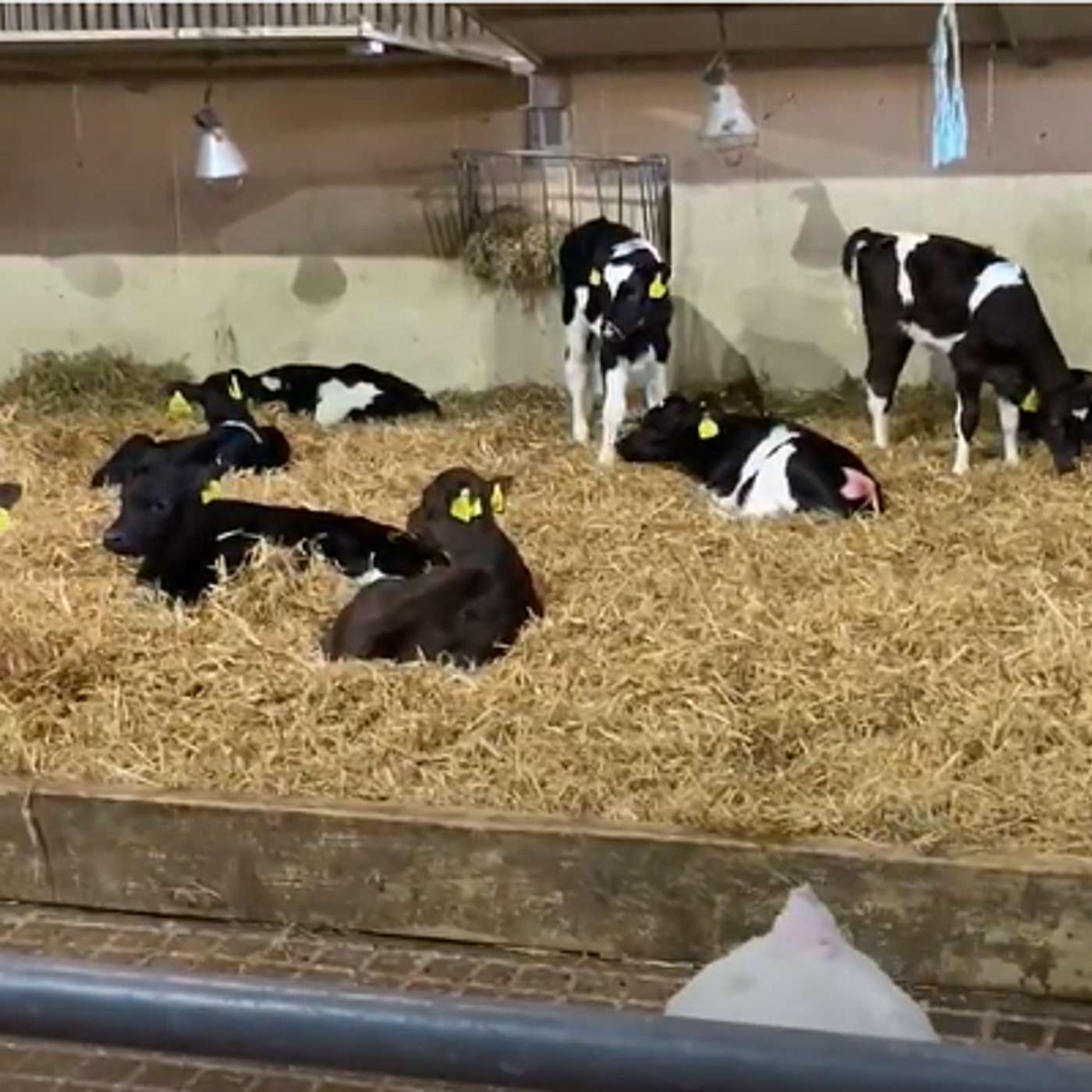
Conor Hogan, Research Officer with Teagasc Moorepark, whose work has focused on labour efficiency and work organisation on dairy farms, and Martina Gormley, Teagasc Dairy Specialist, who works closely with farmers on practical ways to reduce workload, join James Dunne on this week's Dairy Edge. With spring calving commenced on the majority of dairy farms it places an increased demand on farm workload and for this episode, we’ll be discussing what the research tells us about managing workload, what practical changes farmers can make to reduce pressure, and how small system adjustments can make a big difference to both efficiency and quality of life. For more episodes from the Dairy Edge podcast go to the show page at:https://www.teagasc.ie/animals/dairy/the-dairy-edge-podcast/ The Dairy Edge is a co-production with LastCastMedia.com

For this week’s Grass10 grazing management update, John Maher explains why opening farm cover measurement should be prioritised this week. Plus he discusses the importance of completing a spring rotation planner in PastureBase with the target for March 1st to have about 30% of the farm grazed. Read more from this week’s Grass10 newsletter and subscribe for weekly updates at:https://bit.ly/Grass10-3rdFebruary For more episodes from the Dairy Edge podcast go to the show page at:https://www.teagasc.ie/animals/dairy/the-dairy-edge-podcast/ The Dairy Edge is a co-production with LastCastMedia.com

Comments

Download from Google Play

Download from App Store
 United States