


 Claim Ownership
OTT Business Podcast
Subscribed: 7Played: 42
Subscribe

© DiscoverNet, Inc.
Description
OTT Business Podcast covers streaming TV technologies, services, and implementation tips for TV broadcasters, producers, and professionals. Each week we bring you leaders & experts in the TV and digital media industries who share their insights and success stories on new options, systems, and media services.
36 Episodes
Reverse

OTT and Streaming TV providers constantly face the challenge of delivering high-quality video content while managing bandwidth and storage costs. By adding AI-assisted video compression, they can reduce bandwidth or file sizes by 50% to 70% or more without compromising on video quality. AI video compression addresses critical issues such as buffering, latency, and poor video resolution, ensuring smoother streaming experiences for viewers. Listen to this episode to discover how AI video compression can transform your streaming operations, improve viewer satisfaction, and reduce operational costs. Topics Covered: What is AI Video Compression? Why is an AI Video Compression Important? What Surprises Companies about AI Video Compression? Who Needs AI Video Compression Solution? How does AI Video Compression Work - Basically? What Changes are Needed to AI Video Compression? How Long Does it take to Setup an AI Video Compression Solution? What Services and/or Equipment are Needed for AI Video Compression? Are there Other Benefits to AI Video Compression? Is Special AI Video Compression Training Required? Will AI Video Compression Work with Most Systems?
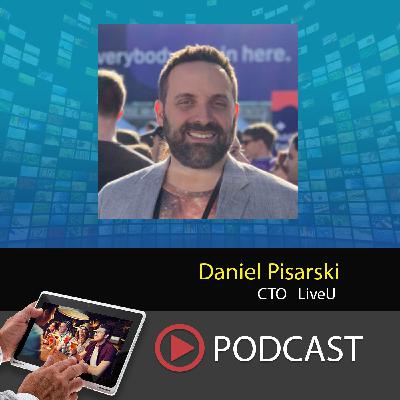
OTT and streaming TV providers face the critical challenge of delivering video and audio streams with consistent quality, even under demanding conditions. Effective mobile streaming optimization not only improves viewer experience by addressing issues such as latency and buffering, but also reduces mobile data costs, benefiting both operators and users. This session dives into the key issues such as overcoming network congestion and reviews how a resilient streaming protocol and an innovative IP-video ecosystem can ensure efficient, reliable and high-quality streaming from the most challenging locations. Tune in to discover actionable strategies to optimize mobile streaming and provide an exceptional viewer experience, while optimizing operational costs. This Session Covers: Mobile Streaming Challenges & Benefits Video Contribution Systems Reliable Live Content Delivery Needs IP Bonding for Stream Reliability Mobile Streaming Use Cases & Examples LiveU Reliable Transport (LRT) Managing Network Congestion & Latency 5G Impact on Mobile Streaming Workflows Mobile Streaming Training Requirements Mobile Streaming Hardware & Software Components Remote Production Features & Tools Sustainability via Remote Production (REMI) Compatibility with Streaming Platforms eSIM with LIQ for Dynamic Switching

Producing and hosting a TV show about new media innovations and technologies is complicated and exciting. This episode covers how Kimberly Corrigan, the associate producer and host of the TV Metaverse show, finds and explains amazing topics, interviews expert guests and shares cool demo videos. Learn about TV Metaverse show volunteers worldwide help to develop, produce and promote the show and how they learn and develop new skills. Topics Covered: - What is the TV Metaverse? - TV Metaverse Show Series - Surprises about the TV Metaverse Show - TV Metaverse Show Content Types - Topics Covered by the Show - Cool VR, XR & New Media Innovations - Expert Guests and Interview Methods - How and Where to Watch - Volunteer & Ambassador Opportunities

Pop-up TV channels offer an exciting and flexible way for OTT and streaming TV operators to generate significant revenue by launching temporary television channels for special events, live broadcasts, or themed programming. These short-term channels, which can run for just hours or days, provide content owners with a dynamic opportunity to capture audience attention and monetize unique moments. However, launching a successful pop-up channel comes with its own set of challenges: securing sponsors to fund the channel, developing a compelling program schedule, promoting the channel effectively, and navigating technical, regulatory, and broadcast rights issues. With Veset's pop-up TV channel management platform, you can easily set up and launch temporary channels on flexible hourly, daily, or monthly rate plans. The platform allows for seamless scaling, rapid deployment for OTT distribution, and can even be bundled with other media services to enhance your offering. Listen to this episode to discover how to create, manage, and maximize revenue with pop-up TV channels, and transform your service into a high-revenue, event-driven powerhouse. This Episode Covers: What are Popup TV Channels? Why are Popup TV Channels Important? What Surprises Companies about Popup TV Channels? Who Needs Popup TV Channels Solution? How does Popup TV Channels Work - Basically? What Changes are Needed to Popup TV Channels? How Long Does it take to Setup Popup TV Channels? What Services and/or Equipment are Needed for Popup TV Channels? Are there Other Benefits to Popup TV Channels Solution? Is Special Popup TV Channels Training Required? Will Popup TV Channels Work with Most Systems? Guest Bio - Gatis Gailis Gatis Gailis is the CEO and co-founder of Veset, a pioneer in cloud playout solutions for linear television channels. With over a decade of leadership and development experience in media technology, cloud computing, and broadcast solutions, he has been instrumental in advancing digital transformation within the media and entertainment industry. Under his guidance, Veset has collaborated with prominent companies, including PLAY, Inc., which acquired Veset in 2023. Gailis holds a degree in engineering sciences from Riga Technical University.
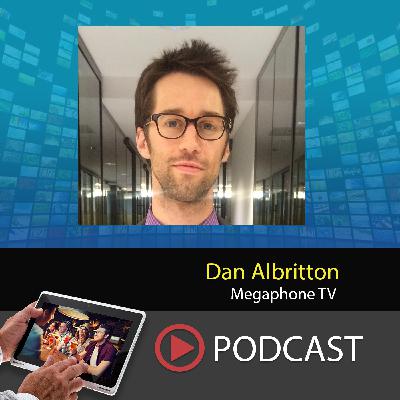
OTT and streaming TV service providers can leverage user-generated content (UGC) to boost viewer engagement, foster loyalty, reduce audience churn, and generate more revenue. However, content moderation for community motivation and legal compliance is complicated, and integration with streaming and media platforms can be difficult. This episode helps you discover how to use a platform such as Megaphone TV to simplify the fan content creation process, ensure the content meets social and legal requirements, and use UGC to attract, engage, and monetize fans. Topics Covered: What is Fan User Generated Content - UGC? Why is Fan UGC Important? Generate Revenue with Fan UGC Sponsors and Fan UGC Content How does a Sponsored FAN UGC Segment work? What Broadcast times are Good for Fan UGC? Example of a Fan UGC Project or Campaign UGC and Brand Safety Usage Rights for UGC Fan UGC Technology and Skills Services and or Equipment Needed for Fan UGC Fan UGC Training

Providing extended reality (XR) systems and services offers high revenue potential for content producers, telecom operators and supporting vendors. The XR industry is projected to reach 472.39 billion USD by 2028 with an annual growth rate of 34.93% [Market Size, Share, Forecasts, & Trends Analysis Report by Mordor Intelligence]. Companies are struggling to define and verify XR revenue strategies. The ROI of XR systems and services is unclear and finding and developing relationships with key partners is complicated. This podcast episode helps you to discover XR business value, revenue opportunities and implementation options. Topics Covered: Extended Reality (XR) & Spatial Computing XR Impact on the OTT Industry XR Vertical Industries XR Platform Capabilities XR Revenue Generation Opportunities XR Video Service Surprises Starting in the XR Business XR Video App Development Requirements
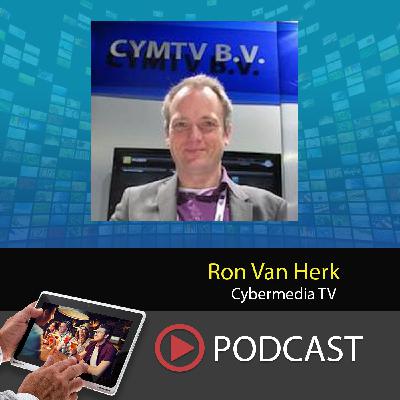
Today you're gonna learn about remote production and direction for television channels, events, and other types of media. Remote media production allows producers, directors, and crew to use cameras and other devices connected anywhere in the world. Normally setting this up and getting it to work is very difficult. Fortunately our guest today is Ron Van Herk. Who has created a system that makes this process fast, easy, and low cost. Ron Van Herk is the CEO and co-owner of Cybermedia Television in the Netherlands. He is the innovator behind several breakthrough production, streaming, and distribution systems. Ron has set up, run and created branded remote production systems for shows, live events and other media production activities, including world Police and fire games, the HighScope Foundation's annual conference and more.
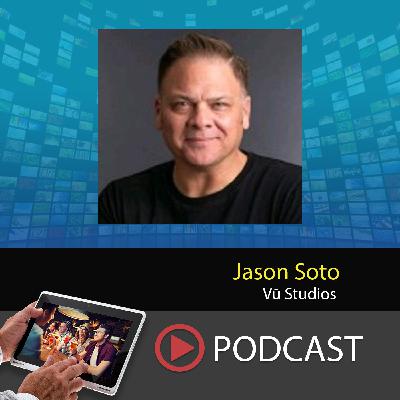
Virtual production studios enable film, television and other content companies to create more amazing shows faster and at lower cost. Setting up and running virtual productions is complicated. It requires technology, display hardware, software and experience. Fortunately, we have Jason Soto, a virtual studio production expert to share his successful virtual studio production experiences with you. Topics Covered: What Virtual Production? Key Virtual Production Benefits? What Types of Companies Use Virtual Production? Virtual Production Processes Typical Virtual Production Budgets Virtual Production Volume Studios Mobile Virtual Production How long does Virtual Production Take? What Skills are Required for Virtual Production?
Effective WISP Services Marketing programs can be low cost, work fast and be simple to manage. Unfortunately, wireless broadband Internet providers are often surprised that the least cost media channels can have the highest overall marketing cost. Promoting and marketing WISP services tend to have high costs for advertising, media creation, marketing staff & contractor wages. There are so many promotion choices and they can be complex to setup and manage. This session will help you to discover key WISP marketing options, their costs and typical results.
Wireless Internet service providers - WISP system owners, investors and vendors need to know the current size, potential and competition for wireless broadband systems & services. WISP system operators want to know typical rates to charge, potential revenues for other services, and how their WISP services compare and compete with other types of Internet service providers. Listen to this session to discover the revenues per subscriber, additional services that add revenues and how WISPs compare and compete with other types of Internet service providers. Topics Covered in this Session: Number of WISP SystemsWISP Subscriber Base & GrowthWISP Average Revenue per User - ARPUService Types & PricingFixed Wireless Churn RatesBroadband Wireless Competitive AnalysisKey Revenue Types & TrendsWISP Marketplace ForecastAnd more….

OTT service and system providers need to discover viewer interests to increase purchases and reduce costs. In many OTT systems, 10% of the content produces 90% of viewer engagement and revenues. Intense and growing OTT competition provides limited profit from viewing content. Unpopular content distracts audience viewing and increases costs. The wrong insertion of content or promotions can lose viewers and result in negative reviews. Listen to this session to discover how Plum Research gathers and measures viewer engagement activities across multiple devices and services to help OTT providers attract more viewers and generate more profit. This Session Covers: What are OTT Engagement Analytics?Why are OTT Engagement Analytics Important?Who Needs a OTT Engagement Analytics Solution?How does OTT Engagement Analytics Work?Why Gather Engagement Info from Multiple Devices?What is Needed to Implement OTT Engagement Analytics?How Long Does it take to Setup OTT Engagement Analytics Solution?What Equipment are Needed for OTT Multi-Device Engagement Analytics?Is any Special OTT Engagement Analytics User Training Needed?Will OTT Multi-Device Engagement Analytics Work with Most OTT Systems?Are there Industry Standards for OTT Multi-Device Engagement Analytics?What Additional information is Available about OTT Engagement Analytics?
WISPs need to add additional profitable services because competition is increasing. What may surprise WISP system owners is that free TV services with targeted advertising can become their most profitable service. WISPs need to add TV services to compete with bundled service deals from competitors such as Cable TV, overbuilders offering triple play and others. It can be hard and expensive to get good content for television services and streaming TV systems are costly to develop and hard to set up. Listen to this session with WIPTV's CEO Gus Neiva to discover how to add new profitable TV services to WISP systems, ways to get content and how to simplify delivery and management of streaming TV services. Topics Covered in this Session: WISP TV Service Options Streaming TV Operation TV on WISP Systems WISP TV Service Setup Time How Many WISP TV Channels WISP TV Equipment & Software Local TV Content Production WISP Television Services Training WISP TV Industry Standards
Setting up streaming TV distribution distribution deals can be difficult, time consuming, and the wrong platform & service options can result in little if no revenue. Equally, papering deals without first getting familiar with platform nuances, shelving limitations and trick functions including SEARCH can be as damaging as not doing a deal at all. Companies need OTT distribution to offset shrinking revenues. Reaching out to key players and platforms is time consuming. Turning those conversations into signed deals and subsequent launches tales even longer. This podcast covers ways to find good streaming TV platforms for your content, how to manage them, and ways to maximize your revenues. Topics Covered: What is OTT Distribution? Why is a OTT Distribution Important? What Surprises Companies about OTT Distribution? Who Needs to do OTT Distribution? How does OTT Distribution Work - Basically? What is Needed to Implement OTT Distribution? How Long Does it take to Setup a OTT Distribution Solution? What Services and/or Equipment are Needed for OTT Distribution? Are there Other Benefits to OTT Distribution Solution? Any Special OTT Distribution User Training Needed? Will OTT Distribution Work with Most Systems?
Content owners, broadcasters, and distributors need to know how to develop, distribute, and manage video apps for multiple types of viewing devices. It is important for them to understand the key features to include and how apps they can earn and optimize revenues. App promotion and distribution channels, options, and strategies are important to reaching the right audiences. Managing apps can be complex and costly if they are not designed well. Listen to this session to discover the key features in TV apps, how they can work for many types of devices, and ways to distribute and promote video Apps. Topics Covered in This Session:
TV broadcasters and OTT service providers can add new revenues by selling advertising services on multiple platforms. Using an integrated ad management platform can enable television service providers to sell video and digital ads across cross-media platforms increasing revenues. Ad inventory management automation and optimization is critical to ad targeting, insertion, and campaign optimization. Having an integrated ad management system allows for better media analytics which allows for ad inventory capacity forecasting, sellouts, and can manage pricing based on real time ad insertion demands. This session covers how multi-platform ad management systems can enable TV broadcasters and OTT service providers to setup and manage cross-platform campaigns which allows them to sell digital ad campaigns to existing and new advertising clients. This Session Covers: What is and Cross-Media Advertising? Why is a Cross-Media Advertising Important?What Surprises Companies about Cross-Media Advertising?Who Needs a Cross-Media Advertising Solution?How does Cross-Media Advertising Work - Basically?What Changes are Needed to Implement Cross-Media Advertising?How Long Does it take to Setup a Cross-Media Advertising Solution?What Services and/or Equipment are Needed for Cross-Media Advertising?Are there Other Benefits to Cross-Media Advertising Solution?Any Special Cross-Media Advertising User Training Needed? Will Cross-Media Advertising Work with Most Systems?Are there Industry Standards for Cross-Media Advertising?
Advertisers want to know which marketing campaigns and advertising messages influence or result in the purchase of their products and services. Advertising budgets have been shifting from TV to Internet platforms that can measure and demonstrate results. Gathering and processing engagement data from multiple TV systems has been difficult. New OTT distribution options have resulted in incorrect or fraudulent ad inserts. Listen to this session to discover how TV advertising attribution systems can provide ad influence measurements, the types of TV ad engagement data and ways to capture them, and how to verify that ads are being delivered to the right audiences.
TV channels need to implement advanced advertising to increase their ad revenue. The advanced TV advertising possibilities deliver the reach of TV and the targeting of digital using today's distribution methods – Over-the-Air, Cable, Satellite, and OTT. Implementing the available advancements in TV advertising can be done without rebuilding a TV channel's operations and without converting to Next Gen TV (ATSC 3.0). Listen to this session to discover new advanced TV advertising options and ways to implement them on traditional and OTT systems. Topics Covered: What is Advanced TV Advertising? Who Needs Advanced TV Advertising Solutions? Fundamental Components of Advanced TV Advertising Advanced TV Advertising Industry Standards Advanced TV Advertising Distribution Platforms Key Requirements for Advanced TV Advertising Cable, Broadcast Network, and Local Advertising Differences Required Advanced TV Advertising System Changes Advanced TV Advertising Setup Time How Advanced TV Advertising can be Measured TV Advertising Privacy Advertising and ATSC 3.0
Online TV movies, shows, and streaming video channels can earn higher revenue per impression from advertising than broadcast Superbowl ads because of ad targeting and multi-device delivery platforms. The sources of ads can come direct sold deals or programmatically delivered through ad servers like Google Ad Manager (DFP), Freewheel (mostly broadcast), SpotX, Springserve, and others. OTT Advertising technology has rapidly evolved to combine dynamic ad insertion (DAI) with advanced viewer demographic, behavioral, and other ad targeting and personalization options. However, there are still challenges and limitations with existing standards and device capabilities. Listen to this session to understand how OTT advertising technology works and enables online video service providers to implement and optimize. Topics Covered: What is OTT Advertising Who uses OTT Advertising What Surprises Most Companies about OTT Advertising Advertising Video On Demand (AVOD) platforms Key Benefits and Opportunities for AVOD Services Key Challenges for AVOD Services How OTT Advertising is Different than Broadcast Ad Insertion OTT Advertising System Operation (basic) What is Needed to Setup an OTT Advertising Service (equipment, services) Time it takes to Setup an OTT Advertising Platform Where Ads Come from for OTT Service Providers Challenges of Providing OTT Ads? Server Side Ad Insertion (SSAI) Training Required for OTT Providers Industry Standards for Advertising Video on Demand

 1
1OTT Services Industry is now facing intense competition. According to Parks Associates research, there were over 226 OTT service providers in the United States at the beginning of 2019.New OTT providers are offering lower prices, customer churn is over 18%, and streaming TV viewers expecting key features. OTT providers can compete by choosing the right mix of content, features, and services key customers and grow new revenues. Topics Covered: OTT Services Key Components of a Successful OTT Service OTT Service Provider Content Choices Content Sources for OTT Services Providers Key OTT Content Licensing Terms Content Delivery Quality Requirements Ways to Manage Content Quality Key OTT Device Types Costs of Setting Up and Managing OTT Devices Device Support Strategies Key OTT Business Models OTT Service Pricing OTT Service Distribution Territories Costs for OTT Service Distribution

Cloud video editing and production enables producers, editors, and graphic effects people to create amazing content without the need to purchase, setup, and maintain hardware and software. High production value connected video editors are now available with advanced features such as 8k production, remote multiuser collaborative capabilities, and multiformat rendering and distribution. However, there are some new challenges and risks to be careful of when using cloud video editors. Listen to this session to learn about cloud video editing platform features, operation, key benefits, and how to overcome risks and challenges. Topics Covered: What is Cloud Video Production? Why is Cloud Video Production Important? Who needs Cloud Video Production solution? How does Cloud Video Production work (basic)? What Changes are Needed to Implement Cloud Video Production? How Long Does it take to Setup a Cloud Video Production Solution? What Services and/or Equipment are Needed for Cloud Video Production? Are there Other Benefits to Cloud Video Production Solution? Any Special Training Required for Operators or Users? Will Cloud Video Production Work with Most Systems? What Additional information is Available?

Comments

Download from Google Play

Download from App Store
 United States