


 Claim Ownership
Never Seen It Podcast
Subscribed: 11Played: 44
Subscribe

© 2020 Never Seen It Podcast
Description
There always seems to be that one person, in every group of friends, that hasn't seen a popular movie. On this Podcast, we gather our friends, and expose one another (wink) to the hit films that flew under somebody's radar. Sit back, enjoy the laughs, and it should go without saying, but Warning: Spoilers Ahead!
94 Episodes
Reverse
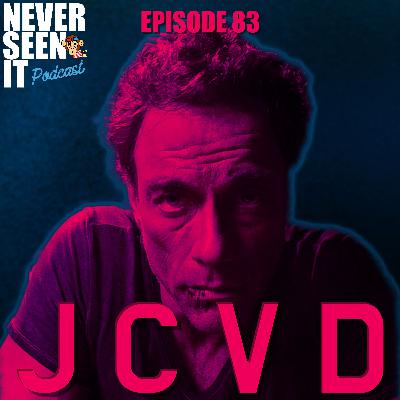
In this episode, we dive deep into JCVD and unpack the complicated legacy of Jean-Claude Van Damme as both an action icon and a serious actor. We ask the big question: is JCVD actually a great actor, or is he just wildly inconsistent?
We start by analyzing Van Damme’s performance, highlighting how he delivers genuinely powerful acting in select moments—particularly in emotionally vulnerable scenes—while struggling to maintain that same level throughout the film. As we discuss, there are flashes where he feels like a “legitimate actor,” followed by moments that feel flat or even amateurish . This “hot and cold” performance becomes a central theme of our conversation.
From there, we explore the film itself—its unstructured storytelling, nonlinear narrative, and meta commentary on Van Damme’s real life. While we appreciate the ambition of blending fiction with autobiography, we ultimately debate whether the film succeeds emotionally. For some of us, it feels like two different movies competing with each other: a grounded personal story and a disconnected crime narrative .
We also discuss how audience expectations shape our experience. When you see a Jean-Claude Van Damme movie, you expect action, splits, and high kicks—but JCVD subverts that, offering very little action and instead focusing on introspection. That mismatch creates tension between what we want and what the film is trying to do.
Another key topic is acting philosophy. We debate whether great acting is about transformation (think method actors) or simply playing variations of yourself. This leads to a broader discussion about actors like Van Damme who may excel within a specific range but struggle outside of it.
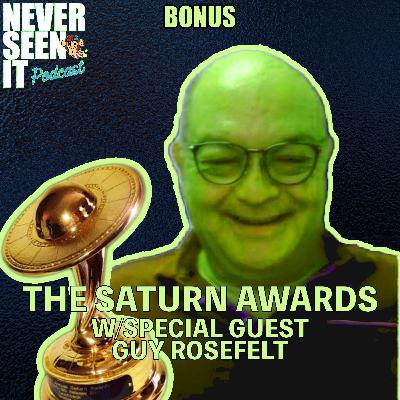
In this episode, we welcome Guy Rosefelt—engineer, event producer, and longtime contributor to the worlds of film, television, and Comic-Con culture—for a wide-ranging and deeply entertaining conversation.
We kick things off by exploring Guy’s unique career path, from engineering and Air Force service to working behind the scenes in live entertainment production. His journey highlights how creative problem-solving and execution—not perfection—are often the real keys to success in both art and life.
From there, we dive into his work with major events like the Saturn Awards and Palm Springs Comic Con, unpacking what it takes to manage fans, talent, and massive crowds. Guy shares insights into building fan experiences, including the challenges of balancing diehard fandom with celebrity-driven hype.
We also get into Comic-Con culture, debating the value of Hall H versus smaller panels, and why some of the best experiences happen off the main stage. The conversation highlights how fandom has evolved—and how community remains at the center of it all.
Along the way, we swap stories about movies, TV, and pop culture—from deep cuts like Max Headroom to blockbuster discussions and “movies we’ve never seen.” We also touch on Hollywood trends like legacy sequels and what keeps audiences coming back.
Guy also reflects on his early ambitions in the space program, including how the Challenger disaster reshaped his career trajectory—a powerful reminder of how unpredictable life paths can be.
Ultimately, this episode is about creativity, connection, and the passion that fuels both fandom and storytelling. Whether you’re into movies, Comic-Con culture, or behind-the-scenes Hollywood insights, this conversation is packed with humor, perspective, and unforgettable stories.
In this special episode, we revisit the Academy Awards with a full Oscars recap and analysis, breaking down the biggest wins, shocking snubs, and ongoing debates shaping the film industry. We take a deep dive into the Best Picture race, comparing One Battle After Another and Sinners, and discuss why one film ultimately took home the top prize while the other may have captured audiences’ hearts.
We explore standout performances in the Best Actor and Actress categories, including the buzz around Michael B. Jordan’s win and Jesse Buckley’s powerful performance. Along the way, we highlight notable snubs—like Jesse Plemons—and reflect on how the Academy continues to reward both emerging talent and long-overdue industry veterans.
Our conversation also examines key technical categories like cinematography, editing, production design, and costume design, unpacking what separates a good film from an Oscar-winning one. As editors and filmmakers, we offer insight into how elements like pacing, visual storytelling, and seamless cuts influence award decisions.
We also tackle bigger-picture conversations surrounding the Oscars, including:
The Academy’s evolving approach to diversity and representation
The tension between artistic merit vs. industry politics
Whether the Oscars reward “lightning in a bottle” moments or long-term careers
The growing divide between audience favorites and Academy picks
From passionate defenses of films like Sinners to critiques of surprise winners, we give our honest, unfiltered reactions to one of Hollywood’s biggest nights.
Whether you’re a casual movie fan or a hardcore cinephile, this episode is your go-to breakdown of the 2026 Oscars, packed with insight, humor, and hot takes.
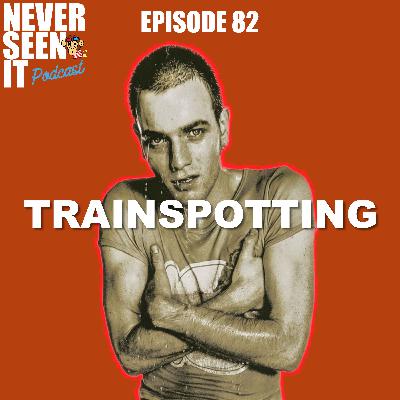
In this episode, we take a deep dive into Trainspotting, the 1990's grunge classic directed by Danny Boyle that redefined indie filmmaking in the 1990s. We explore how the film captures the gritty reality of heroin addiction, toxic friendships, and the nihilistic mindset of a generation rejecting traditional life paths.
We discuss standout performances, especially from Ewan McGregor as Mark Renton, and how his character’s journey reflects the push and pull between self-destruction and personal growth. From the film’s shocking and surreal imagery to its dark comedic moments, we analyze why Trainspotting still feels raw, disturbing, and relevant decades later.
We also break down some of the film’s most iconic scenes, including its use of practical effects and low-budget filmmaking techniques that enhance its realism. We compare its style and impact to films like Requiem for a Dream, highlighting how both movies portray addiction without glamorizing it.
Beyond the surface, we explore deeper themes like dopamine chasing, the cycle of addiction, and the struggle to break away from toxic environments. We reflect on how Trainspotting portrays relapse, personal accountability, and the difficulty of choosing a “normal” life over chaos.
Finally, we talk about the film’s cultural legacy, its influence on indie cinema, and why its bold, unfiltered storytelling still resonates today. Whether you’re revisiting the film or watching it for the first time, this discussion uncovers what makes Trainspotting one of the most unforgettable films of its era.
In this special Oscars preview episode of The Never Seen It Podcast, we sit down with Castle Rock Film Festival director and filmmaker Hunter Burns to break down the biggest contenders heading into the 2026 Academy Awards. From the major categories to the overlooked technical achievements, we dive deep into what films might dominate the night and which ones could surprise everyone.
We start by discussing one of the most historic changes to the Academy Awards this year: the introduction of the Best Casting category, a long-awaited recognition for casting directors and the ensembles that define a film. We debate how this new award might influence other categories like Best Director or Best Picture and whether it will simply mirror acting nominations or recognize true ensemble achievements.
oscars-2026
From there, we analyze standout films across multiple Oscar categories. One of the biggest talking points is the dominance of Sinners, which broke nomination records with an astonishing sixteen nominations. We explore whether its technical achievements — particularly in cinematography — could carry it to multiple wins on Oscar night.
oscars-2026
The discussion also dives into the visual artistry of this year’s nominees, including the gothic world-building of Frankenstein, the period authenticity of Hamnet, and the natural-light cinematography of Train Dreams, which was reportedly filmed almost entirely using available daylight. We talk about how these technical decisions shape storytelling and how the Academy historically rewards craftsmanship in categories like Cinematography, Production Design, and Costume Design.
oscars-2026
As filmmakers and editors ourselves, we also spend time discussing film editing and storytelling structure, including how massive productions like F1 combine real racing footage with visual effects to build a coherent narrative. It’s a reminder that editing isn’t just technical — it’s the invisible craft that determines the rhythm and emotion of a movie.
Of course, no Oscar conversation would be complete without addressing the Academy’s complicated relationship with genre films. We talk about why horror, science fiction, and comedy are often overlooked during awards season, even when they push filmmaking forward. From The Substance to Nosferatu, we debate whether the Academy is slowly becoming more open to genre storytelling — or if prestige drama still reigns supreme.
Along the way we also debate performances, controversial casting decisions, and which films we personally think deserve recognition. From bold cinematography choices to the politics of Oscar campaigning, this episode covers the full landscape of modern awards season and what it says about Hollywood today.
If you’re an Oscar fan, filmmaker, or movie lover, this is the ultimate 2026 Oscars preview — full of predictions, debates, and plenty of film nerd rabbit holes.
In this episode of The Never Seen It Podcast, we discuss Marty Supreme, the 2025 period sports drama directed by Josh Safdie and set in the early 1950s. Marketed as an Oscar contender, the film follows Marty Mauser, a young man obsessed with becoming the world’s greatest ping pong champion. But beneath the sports movie surface, we found something deeper.
We explore whether Marty is truly an antihero in the vein of Walter White or Tony Soprano, or if he’s simply a product of generational trauma, hustle culture, and survival instincts. Is he narcissistic? Is he misunderstood? Or is he just trying to escape a life of being used and degraded by older authority figures?
We unpack the film’s themes of ambition, exploitation, masculinity, and the cost of greatness. We debate the pivotal match-fixing offer from the Kevin O’Leary character, the emotional weight of Rachel’s storyline, and whether Marty earns his ultimate triumph. We also talk about the film’s stylized tone, its modern energy clashing with a 1950s setting, and how the ending lands differently depending on how you view Marty’s journey.
Performance-wise, we highlight surprising turns from Tyler, The Creator, whose acting chops impressed us beyond his Loiter Squad days, and Odessa Zion, who delivers one of the film’s most emotionally grounded performances. We also touch on the stunt casting, the layered supporting characters, and how Marty Supreme compares spiritually to Safdie’s earlier work like Uncut Gems.
Ultimately, we ask the big questions:
Is Marty Supreme a sports movie about ping pong, or a character study about ego and survival?
Does ambition inevitably corrupt?
And what would our 10-year-old selves think about the lives we’re living now?
We share our final ratings, reflect on the relatability of Marty’s highs and lows, and examine whether the film’s emotional payoff feels earned or script-driven.
If you’re searching for a Marty Supreme review, Marty Supreme ending explained, or an in-depth film analysis of this 2025 Oscar contender, this episode has you covered.
In this episode of The Never Seen It Podcast, we dive deep into Fantastic Four: First Steps, the latest reboot of Marvel’s First Family, and ask the big question: Did Marvel finally get it right?
We explore how this new take stacks up against the previous Fantastic Four films—including the early 2000s version starring Jessica Alba and the 2015 reboot—and whether this 2025 iteration feels like a true fresh start for the MCU’s Phase 6.
What We Discuss in This Episode:
Pedro Pascal as Reed Richards — Is he the right choice for Mister Fantastic?
Vanessa Kirby, Joseph Quinn, and the rest of the new cast
Ralph Ineson’s menacing take on Galactus
Julia Garner as Silver Surfer
The 1960s retro-futuristic aesthetic
Marvel’s ongoing multiverse strategy
How this connects to Avengers: Doomsday and Avengers: Secret Wars
Whether the MCU’s humor is undercutting emotional stakes
We also debate how Marvel handles comedy compared to filmmakers like James Gunn, whose work on Guardians of the Galaxy struck a better balance between trauma, humor, and character depth.
The Big Questions We Tackle:
Has the MCU become too reliant on multiverse storytelling?
Does Fantastic Four: First Steps feel watered down for younger audiences?
Are the emotional stakes high enough?
Does Marvel gloss over deeper character trauma from the comics?
Is this better than the Chris Evans-era Fantastic Four?
Could this version hold up long term within the MCU?
We also compare it to DC’s recent success with Superman and talk about whether Marvel is finally regaining momentum after a rocky post-Endgame era.
Our Verdict
We agree this is likely the best Fantastic Four movie yet, but we debate whether that bar was set too low. While we appreciate the streamlined origin story, strong performances, and standalone accessibility, we question whether the script pulls its punches emotionally.
Is this a true “first step” toward Marvel’s comeback — or just another decent entry in an increasingly crowded franchise machine?
We break it all down.
In this episode of The Never Seen It Podcast, we dive into Guillermo del Toro’s highly anticipated 2025 adaptation of Frankenstein. We’re joined by Arnie, Amber, Alex (aka Filipino Grigio), Chris (MilkmanAmerica), and Donnie for a wild, funny, and surprisingly deep discussion about one of literature and cinema’s most iconic monsters.We kick things off by talking about why this movie was chosen, how del Toro’s name alone carries massive expectations, and how genre films—especially gothic horror—are still treated unfairly by major awards shows. We break down the film’s long list of Oscar nominations and debate whether genre movies can ever truly compete in “prestige” categories.From there, we get into the heart of the movie:the monster.We all agree that Jacob Elordi’s performance as the creature is the emotional backbone of the film. Even buried under makeup and speaking very little, his physical acting, expressions, and vulnerability make him the most compelling character on screen. We talk about how this version finally centers the monster’s pain, loneliness, and need for acceptance—something that hits surprisingly close to home.We also unpack:The gothic horror tone and how it leans into classic literatureThe stunning production design, sets, costumes, and lightingWhether the movie is “too long” or perfectly pacedIf Frankenstein would’ve worked better as a limited seriesHow del Toro’s auteur vision clashes with mass-audience expectationsWhy streaming changed how people experienced this filmAmber brings up the anxiety-inducing tower set piece (yes, that hole), and we all agree that the architecture alone deserves an award. Chris argues that the movie’s length made him want even more character development, while Alex defends del Toro’s artistic intent and reminds us that “too long” is subjective—especially in the world of gothic storytelling.We also compare this adaptation to Mary Shelley’s original novel, including the cut third act involving the Bride of Frankenstein, and discuss what it means that del Toro chose not to include it. That leads to a broader conversation about adaptation, faithfulness, and creative freedom.Finally, we wrap with rapid-fire takes on the strongest and weakest characters, how the film balances horror with drama, and why—even with flaws—this Frankenstein stands as one of the most visually striking and emotionally resonant monster films in years.
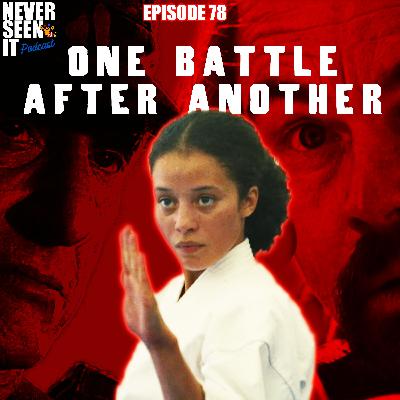
In this episode of The Never Seen It Podcast, we dive headfirst into Paul Thomas Anderson’s “One Battle After Another,” one of the most talked-about films of the 2025–2026 awards season. With a stacked cast including Leonardo DiCaprio, Sean Penn, Teyana Taylor, Chase Infinity, Regina Hall, Wood Harris, Tony Goldwyn, and Benicio Del Toro, this film has quickly become a lightning rod for controversy, praise, and heated debate.We start with a spoiler-light overview of the premise:After their extremist nemesis resurfaces 16 years later, a group of former revolutionaries reunite to rescue the daughter of one of their own—only to realize that the past is far from buried.From there, we ask the big question:Can “One Battle After Another” actually win Best Picture?With ten films competing—including Sinners, Hamnet, Marty Supreme, Train Dreams, and Begonia—we debate whether the Academy is spreading the love too thin, or quietly signaling which film will be the “safe” winner.The First Act: A Masterclass or Too Much, Too Fast?We spend a lot of time on the explosive opening act set in an internment camp, where we meet Leo and Teyana Taylor as revolutionaries fighting against a militarized white supremacist faction led by Sean Penn’s chilling “Lockjaw.”Some of us call it a screenwriting masterclass—a bold, in-media-res plunge into character, motivation, and chaos. Others feel it’s intentionally rushed, designed to shock us into the story rather than let us live in it.Politics, Relevance, and TimingWe wrestle with the idea that this film arrived at the exact wrong—or right—moment. The movie’s themes of extremism, surveillance, rebellion, and generational trauma feel ripped straight from today’s headlines.Is it art imitating life… or life imitating art?Chase Infinity: The Next Breakout StarWe also spotlight Chase Infinity’s performance as the daughter caught between revolution and survival. The visual parallels between her and her mother—especially the machine gun imagery—become one of the film’s most powerful generational echoes.Who Should Win the Oscar?Opinions clash:Some of us think Sinners will sweep the night.Others believe Hamnet is the Academy’s “safe” choice.A few of us argue that One Battle After Another is too bold to ignore—and might win because of the political climate, not in spite of it.And yes… we also go on a few wild tangents about:The Patriots conspiracy theoryBad Bunny, Green Day, and the Super BowlDesert Hot Springs, colonics, and cultsAnd why Timothée Chalamet might need to calm down 😅It’s chaotic, it’s hilarious, and it’s one of our most passionate film debates yet.
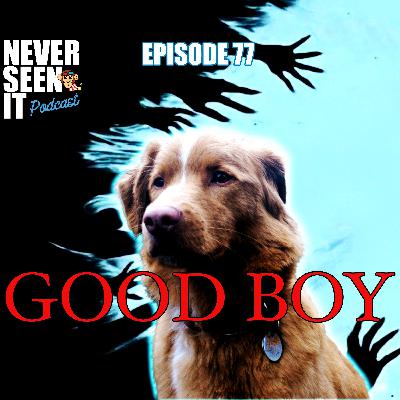
In this episode, we take on Good Boy (2025)—a haunting, emotionally strange horror film told largely through the eyes of a dog. The movie follows Indy, a loyal pup who moves with his owner Todd to a rural family home that may—or may not—be cursed. What begins as an eerie atmosphere slowly unfolds into something deeper, as the house, the illness, and the past all seem to blur together.We talk about why this film stood out as such a bold experiment in visual storytelling, from its decision to shoot at a dog’s eye level to its near-total absence of human facial closeups. The perspective shift forces us to experience fear, confusion, and loss in a completely different way—and we debate whether the movie would even work without this creative choice.Our conversation digs into the film’s layered themes:Is the “monster” a literal supernatural entity—or a metaphor for disease and generational trauma?Is the house cursed, or is it a symbol of inherited pain?Can animals sense things we can’t—whether that’s illness, danger, or something beyond logic?We also explore how Good Boy connects to other atmospheric horror films, the power of non-verbal storytelling, and why this movie feels more like a “vibes” experience than a traditional narrative. The discussion branches into topics like paranormal belief, emotional isolation, community, and how fear hits harder when an innocent animal is at the center of the story.Finally, we talk about what makes Indy such a compelling “lead,” why this movie feels deeply human despite barely showing human faces, and how Good Boy uses horror as a lens for grief, loyalty, and letting go.
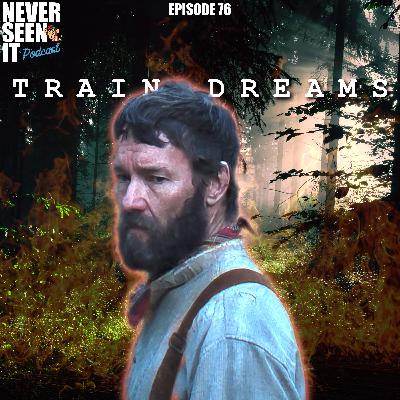
In this episode of The Never Seen It Podcast, we take a deep, thoughtful, and often hilarious look at Train Dreams (2025), the Clint Bentley–directed period drama starring Joel Edgerton, Felicity Jones, and a scene-stealing William H. Macy .Chosen by special returning guest Chris (MilkmanAmerica), Train Dreams is described as “a thinking movie and a feeling movie” that challenges the idea of what it means for a film to be entertaining . Rather than focusing on traditional plot, the movie observes the quiet, often brutal life of a logger during the early 20th century as America undergoes massive industrial change.We talk about how the film feels intentionally “plotless” and why the narration is essential to grounding us in Robert’s internal life . With minimal dialogue and a slow, meditative pace, the movie asks us to sit with grief, silence, and memory instead of chasing spectacle.Key Topics We CoverExistential themes and the fragility of lifeThe devastating loss of Robert’s wife and daughter in the cabin fireWilliam H. Macy as the “Gandalf” archetype and why his death is so symbolicThe brutal realities of the railroad era and racial violence against Chinese workersWhether Joel Edgerton “carries” a film the way Leonardo DiCaprio doesThe meaning behind the sudden, shocking death of Apostle FrankWhy the movie feels like a meditation on grief rather than a traditional storyWe also explore how Train Dreams reflects the dangers of the industrial revolution, showing a world without safety nets, HR, or even basic sanitation. Life is cheap, work is deadly, and survival is never guaranteed.The Music & Nick Cave ConnectionThe score by Bryce Dessner and the original song by Nick Cave are subtle but emotionally devastating. Alex connects Cave’s real-life losses to the emotional weight of the film, arguing that grief is not just a theme—it’s the soul of Train Dreams .Final TakeThis episode is part film breakdown, part philosophy session, part chaos—and that’s exactly why we love it. Train Dreams may not be for everyone, but it’s a movie that lingers long after the credits roll.
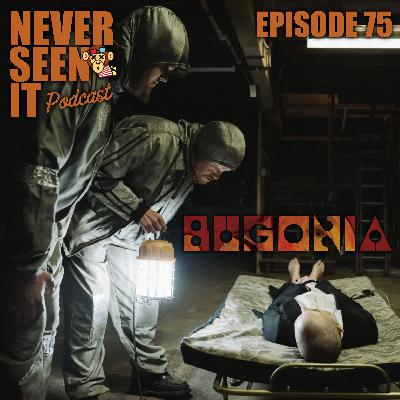
In this episode of Never Seen It, we unpack Bugonia (2025), the latest mind-bending film from director Yorgos Lanthimos, and one of his most deceptively accessible movies to date. We went in blind—and quickly found ourselves spiraling into questions about conspiracy culture, corporate power, alienation (literal and metaphorical), and how trauma reshapes reality.We break down the film’s central premise: two conspiracy-obsessed men kidnap a powerful tech CEO, convinced she’s an alien sent to destroy Earth. What sounds absurd at first becomes increasingly plausible as the film unfolds. Jesse Plemons delivers a chilling performance as Teddy, a man whose grief, abuse, and ideological freefall lead him to radical certainty. Emma Stone is pitch-perfect as a hyper-controlled CEO whose emotional detachment blurs the line between capitalist overlord and extraterrestrial invader.We spend a lot of time wrestling with the film’s biggest question: at what point did we believe she really was an alien? From disturbing electroshock scenes set to pop music, to superhuman physical moments, to the horrifying calm with which violence is absorbed, Bugonia constantly shifts our certainty. Lanthimos weaponizes tone—jumping from dark comedy to outright dread—to keep us off balance.The episode also explores the film’s deeper themes, including:How conspiracy thinking often grows out of real traumaThe overlap between tech CEOs and “inhuman” behaviorThe symbolism of bees, control, and resource extractionPower dynamics between captor and captiveWhy making the conspiracy true is the film’s most unsettling choiceWe also discuss the film’s shocking supporting turns, including Stavros Halkias as a cop whose presence introduces another layer of moral rot, and how childhood abuse, corporate negligence, and ideological extremism all feed into the story’s bleak worldview.By the end, we agree on one thing: Bugonia isn’t just asking whether aliens walk among us—it’s asking whether unchecked power has already made monsters of us all.
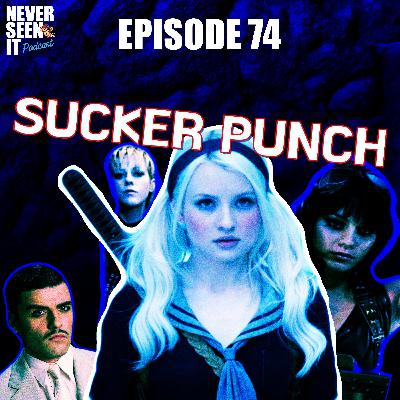
In our latest episode of Never Seen It, we finally take on Zack Snyder’s 2011 cult favorite (and critical punching bag), Sucker Punch. What starts as a discussion about flashy visuals and over-the-top action quickly evolves into a deeper conversation about interpretation, symbolism, and whether the film has been unfairly dismissed over the years.We talk through the film’s central premise: a young woman institutionalized by her abusive stepfather escapes into elaborate fantasy worlds as a coping mechanism. From there, we debate one of the movie’s biggest questions: are these action sequences alternate dimensions, metaphorical fantasies, or a theatrical abstraction meant to challenge the audience? The ambiguity becomes a key point of discussion, especially as we unpack how the film frames reality, performance, and agency.A major focus of the episode is the idea that Sucker Punch may itself be a “sucker punch” to the audience, presenting itself as glossy, male-gaze-driven action while quietly subverting expectations with themes pulled straight from Joseph Campbell’s Hero’s Journey. We explore the theory that Baby Doll functions as a guardian angel or fragmented self for Sweet Pea, and how sacrifice, refusal of the call, and transformation play into the film’s controversial ending.We also spend time discussing female empowerment versus exploitation, pushing back on surface-level critiques that dismiss the movie outright. Is Snyder objectifying his characters, or is the film commenting on how women reclaim power within systems designed to control them? We don’t fully agree, but that tension is exactly what makes the conversation compelling.The episode also dives into Snyder’s visual style, comparing it to video game cutscenes, music videos, and heightened fantasy aesthetics. While we’re critical of the script in places, we all agree that Snyder knows how to compose striking images, and that Sucker Punch never looks bad, even when it frustrates.We highlight standout performances from Emily Browning, Abby Cornish, Jenna Malone, Vanessa Hudgens, Jamie Chung, Oscar Isaac, Carla Gugino, and even a blink-and-you’ll-miss-it Jon Hamm appearance. We also talk about Browning’s surprisingly restrained performance and her decision to step away from major franchise stardom.Music plays a huge role in this episode as well. We break down the significance of Björk’s “Army of Me” and “Where Is My Mind?”, discussing how the soundtrack reinforces the film’s themes of agency, motivation, and internal conflict. The music isn’t just aesthetic, it’s narrative.Ultimately, this episode isn’t about declaring Sucker Punch a hidden masterpiece or a total failure. It’s about wrestling with a movie that sparks debate, invites multiple interpretations, and refuses to fit neatly into one box. Whether you love it, hate it, or are just confused by it, Sucker Punch gives us plenty to talk about, and we do.
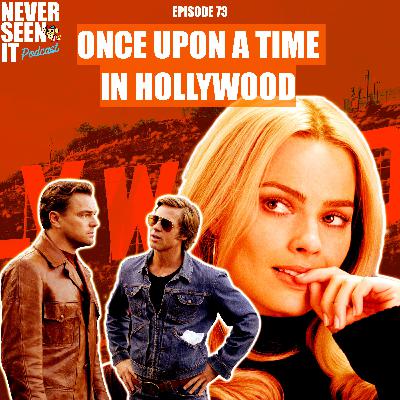
In this episode, we finally tackle Quentin Tarantino’s Once Upon a Time in Hollywood, a film that has only grown more divisive with time. We approach it not just as a Tarantino film, but as a meditation on Hollywood nostalgia, aging masculinity, and the mythmaking power of cinema itself.We start by talking about the film’s loose, meandering structure and how it operates more like a hangout movie than a traditional narrative. Rather than building toward constant plot escalation, the movie asks us to live alongside Rick Dalton and Cliff Booth as they drift through late-1960s Los Angeles. For some of us, that vibe is intoxicating; for others, it can feel indulgent and self-satisfied.We spend a lot of time on Leonardo DiCaprio’s performance as Rick Dalton, breaking down how his insecurity, desperation, and occasional self-awareness make him one of Tarantino’s most human characters. His fear of irrelevance hits especially hard in a story obsessed with the end of an era. We contrast that with Brad Pitt’s Cliff Booth, cool, capable, and intentionally opaque, and debate whether the character is aspirational, troubling, or both.Margot Robbie’s Sharon Tate becomes a major point of discussion as well. We examine Tarantino’s choice to portray her more as a presence than a fully fleshed-out character, and whether that approach feels respectful, reductive, or somewhere in between. Her scenes embody the film’s nostalgia but also raise questions about agency and perspective.Naturally, we dig into Tarantino’s revisionist history and the insane third act. We talk about why rewriting real-world violence into cathartic fantasy has become such a defining feature of his later career, and whether Once Upon a Time in Hollywood earns that ending emotionally and thematically.By the end, we land in a complicated place. We admire the craft, performances, and atmosphere, even as we wrestle with the film’s pacing, indulgence, and tonal choices. It’s a movie we don’t entirely love, but one we can’t stop thinking about, which might be the most Tarantino outcome possible.
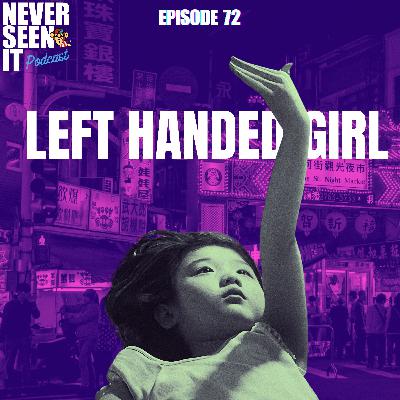
In this episode, we sit down to discuss Left-Handed Girl, the 2025 film directed by Shih-Ching Tsou, making her long-awaited solo directorial debut after years of collaboration with Sean Baker (Take Out, Tangerine, Anora). The film follows a mother and her two daughters as they relocate to Taipei to open a noodle stand in a bustling night market, hoping for a fresh start—only to find that family secrets, tradition, and unresolved trauma come with them.We talk about how Left-Handed Girl uses the idea of left-handedness as both a literal and symbolic device, touching on cultural superstition, childhood imagination, and the way shame and fear can be passed down through generations. The character of I-Jing becomes a fascinating lens for how kids internalize adult anxieties, sometimes in playful ways, sometimes in destructive ones.Visually, we break down how the film was shot largely on an iPhone, and why it never feels like a gimmick. Instead, the vibrant colors, natural lighting, and fluid camera movement make Taipei feel alive. The night markets, streets, and small apartments aren’t just settings—they’re characters. We discuss how limited resources, small crews, and real locations actually enhance the authenticity of the film rather than holding it back.We also share insights from the San Diego Asian Film Festival, where the film screened and where Shih-Ching Tsou participated in a Q&A, including the revelation that Left-Handed Girl had been in development for nearly two decades. That long gestation shows in the confidence of the storytelling and the emotional precision of the performances—especially from the young lead, who delivers one of the most natural child performances we’ve seen in recent years.Throughout the episode, we reflect on why films like Left-Handed Girl are so inspiring for independent filmmakers, how Sean Baker’s influence can be felt without overpowering Tsou’s voice, and why this quiet, observational drama lingers long after the credits roll. If you’re interested in Asian cinema, indie filmmaking, or character-driven storytelling, this is one we highly recommend.Join our Discord!
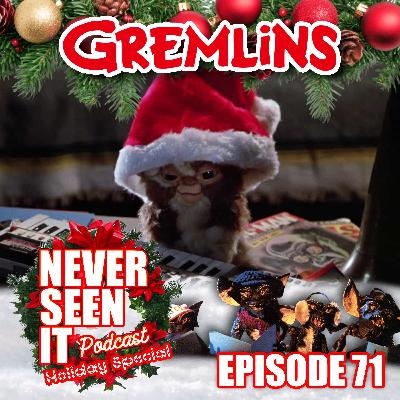
In this episode of Never Seen It, we finally sit down with Joe Dante’s Gremlins (1984), a movie that somehow balances Christmas cheer, creature-feature horror, slapstick comedy, and sharp social commentary all at once.We talk about watching Gremlins through fresh eyes, especially for those of us who only remembered scattered images from childhood like Gizmo in the toy car, the bar scene, or Stripe causing chaos. Rewatching it now, we explore how the film functions as both a holiday movie and a subversive horror film, complete with genuinely dark moments hiding under its family-friendly reputation.The conversation digs into practical effects and puppetry, praising how the gremlins’ physical presence gives the movie a texture that modern CGI often can’t replicate. We also highlight how the green blood, exaggerated violence, and cartoon logic allowed the film to push boundaries while still landing a PG rating.We examine the film’s Reagan-era themes, including American consumerism, corporate greed, and authority figures who are hilariously useless when things go wrong. That naturally leads us into a candid discussion about the movie’s problematic racial elements, particularly how Eastern mysticism and warnings are ignored and what that says about Western arrogance baked into the story.We also connect Gremlins to its cinematic lineage, including Chris Columbus’s original script, Steven Spielberg’s producer influence, Jerry Goldsmith’s iconic score, and how the film echoes earlier gremlin myths, The Twilight Zone, and even Bugs Bunny cartoons.Of course, we can’t avoid some of the movie’s most infamous moments, including Phoebe Cates’ wildly dark monologue, the bar scene chaos, and the sheer audacity of calling this a Christmas movie. We wrap things up with final ratings, thoughts on rewatchability, and whether Gremlins still works for new generations, including whether it’s safe or insane to show it to kids.Whether you’re a lifelong fan or watching it for the first time, Gremlins proves that holiday movies don’t have to be wholesome to be unforgettable.
In this end-of-year wrap-up episode of the Never Seen It Podcast, we take a step back from our usual deep dives and instead run through a rapid-fire list of movies that stood out to us this year, an intentionally uncomfortable storyfilms we watched, argued about, and couldn’t stop thinking about, even if they never got a full episode of their own.We kick things off by reflecting on the sheer volume of movies released this year and why this episode exists in the first place: there’s simply too much great cinema to cover everything in depth. That leads us into a broader conversation about what we’re excited to see next year, including upcoming releases, returning franchises, and how modern studios are increasingly blurring the line between filmmaking and corporate branding.One of the central discussions revolves around Eddington, a deeply polarizing film set during the early days of the pandemic. We break down Joaquin Phoenix’s unsettling performance as a small-town sheriff, Pedro Pascal’s role as a politically charged mayor, and how the film layers social unrest, tribal land jurisdiction, and media spectacle into a story that’s intentionally uncomfortable. While not all of us landed in the same place on the movie, the conversation highlights how messy, challenging films can still be worth engaging with.From there, we pivot into a nostalgic but revealing discussion about Ghost World and the evolution of color in cinema. We talk about how films from the late ’90s and early 2000s embraced bold, vibrant color palettes—even when the characters themselves were cynical or emotionally detached—and how modern movies and TV shows often favor muted, gray color grading. This sparks a broader conversation about “millennial gray,” production design, and how visual storytelling subtly affects how we emotionally experience films.One of the biggest moments of the episode comes when we talk about watching Jaws for the first time. We dig into why Steven Spielberg’s 1975 classic still works so well today, how its themes of political denial and public safety feel eerily modern, and why its restraint—especially the limited use of the shark—makes it more terrifying than many contemporary horror films. We also unpack its massive cultural influence, from John Williams’ iconic score to references that continue popping up in movies, TV shows, and pop culture decades later.Throughout the episode, we weave in personal anecdotes, side tangents, and genuine laughs—whether we’re talking about movie theaters, live concert screenings, classic directors, or the slow realization that we’re all getting older. We wrap things up by thanking listeners for sticking with us, shouting out new followers, and reflecting on the fact that the podcast has now been running for over five years.This episode is less about rankings and more about celebrating why we love movies in the first place—how they linger, how they change with time, and how watching them together makes the experience even better.
In this episode, we dive deep into the film’s powerful and unsettling portrayal of schizophrenia, paying special attention to how the sound design creates an authentic sense of what it feels like to hear literal voices in your head. We talk about how the film uses audio to make the audience experience the same eerie confusion, fear, and disorientation that someone with schizophrenia might face.We also explore the theme of secrets and how both central characters are hiding major parts of their lives from each other. Lucy Liu’s character is carrying a significant secret about her health, while her son struggles silently with symptoms he does not fully understand. We discuss how these unspoken truths build emotional walls between them and how the film uses these barriers to highlight the importance of communication in relationships.Throughout the conversation, we look at how the lack of openness intensifies their struggles and how their journey reflects real-world challenges around mental health, trust, and vulnerability. We share our takeaways on why empathy and understanding are essential when dealing with mental health issues and how better communication could have changed the trajectory of their story.If you’re interested in mental health representation in film, the psychology of sound design, or character-driven storytelling, this episode provides a thoughtful, engaging, and insightful breakdown of how the movie tackles schizophrenia, secrets, and emotional connection.Join our Discord!Check out our website for episodes, short-form reviews, blogs and more @ www.neverseenitpodcast.comYouTubeTikTok FacebookTwitchInstagramFollow us across all social media:Adrian - @b00tz2big/b00ks2big(TikTok)Justn - @GhostNerd88Alex - @dailydaresDonnie - @_donnieappleseedArnold - @arniecallego
In this episode, we take a deep dive into The Black Phone and unpack the film’s blend of real-world horror and supernatural mystery. We explore how Derrickson uses 1970s true-crime anxieties, child abductions, and local paranoia to ground the story’s paranormal elements, while also asking whether the film fully commits to either side of its identity. We break down Ethan Hawke’s chilling performance as The Grabber and discuss why his motives, rituals, and connection to the black phone itself remain so ambiguous. We question whether the movie intentionally leaves major narrative gaps in hopes of expanding into a franchise—especially since many elements feel like setup for a larger mythology that didn’t materialize until years later when the sequel finally arrived. We also get into the design of The Grabber’s masks, the concept of “naughty boy,” and Finney’s mysterious ability to hear the phone. Does it imply something supernatural about him? Was he always meant to be the final victim? And does the film subtly tease the Grabber’s transformation into a more mythic, Freddy-Krueger-like entity? These theories are all on the table, and we compare them to what the film actually provides onscreen. Finally, we discuss how the movie uses its short runtime—whether it’s lean and effective, or whether it sacrifices crucial character depth and world-building. With so many ideas introduced but not fully explored, we talk about what The Black Phone 2 might clarify, expand, or even retcon after the first film’s unresolved threads. We examine the film’s themes, unanswered questions, and what truly makes it resonate with viewers, even when parts of the story feel underdeveloped. If you’ve ever wondered what The Grabber actually wants—or what the franchise could become—you’re in the right place.Join our Discord!Check out our website for episodes, short-form reviews, blogs and more @ www.neverseenitpodcast.comYouTubeTikTok FacebookTwitchInstagramFollow us across all social media:Adrian - @b00tz2big/b00ks2big(TikTok)Justn - @GhostNerd88Alex - @dailydaresDonnie - @_donnieappleseedArnold - @arniecallego
In this episode, we're cracking open the containers and digging into the 2004 (released 2008) indie gem, Take Out, co-directed by the brilliant Sean Baker and Shih-Ching Tsou. We are the Never Seen It podcast, and we're all about fresh perspectives on films we should have seen by now.We start by discussing why we chose this film, connecting it to the San Diego Asian Film Festival and the new work from co-director Shi Qing Su. From there, we sink our teeth into the movie's simple yet powerful plot: an undocumented Chinese immigrant, Ming, must pay back a smuggling debt by the end of a single, grueling day working as a deliveryman in New York City.Our conversation covers the signature Sean Baker filmmaking style—the gritty, guerrilla-style, cinema verité approach that makes you feel the rain-soaked streets and claustrophobic apartments of New York. We talk about how the city itself becomes a character, a relentless force that Ming must battle against.We delve deep into the film's themes, including:The immigrant struggle in America and the immense pressure to provide for a family left behind.The brutal reality of the service industry and the often-unseen hustle of delivery workers.The powerful social realism that makes the story feel less like fiction and more like a documentary.The stark contrast between life pre- and post-smartphones, and how technology has changed the nature of this kind of work.We share our personal connections to the film's themes, from our own experiences in the food service industry to financial hustles that echo Ming's desperate race against the clock. We also highlight the incredible collaboration between Sean Baker and Shi Qing Su, noting her crucial role and continued influence in his later works like Tangerine, The Florida Project, and Red Rocket.Tune in for our full Letterboxd-style reviews, Arnold's official "Snooze-a-Meter" rating, and a heartfelt discussion on why this micro-budget film remains so impactful and relevant today. This is a must-listen for fans of independent cinema, social realist films, and anyone who wants to understand the roots of Sean Baker's filmography.

Comments

Download from Google Play

Download from App Store
 United States