


 Claim Ownership
SharkFarmer Podcast
Subscribed: 1,057Played: 54,571
Subscribe

© 2016 Rob Sharkey all rights reserved
Description
Conversation and interview with farmers and hunters
404 Episodes
Reverse
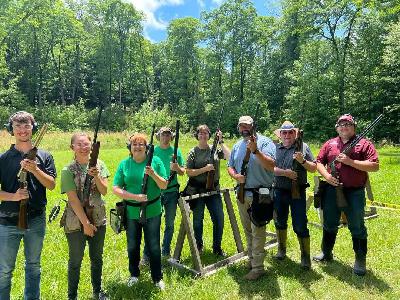
Join us as we explore Arkansas's outdoor skills programs, shooting sports, and the vital role of extension services in youth development. Jesse Boxneck shares insights on outdoor education, firearm safety, and the importance of hands-on learning for the next generation. key topics Outdoor skills programs in Arkansas Role of extension services in youth development Shooting sports and firearm safety education Innovative outdoor competitions and activities Impact of 4-H on youth outdoor education 00:00Introduction to Jesse Boxneck and Arkansas outdoor programs 02:02The role of extension services in youth outdoor education 03:50Overview of Arkansas's outdoor skills contests and activities 07:11Firearm safety and shooting sports in 4-H 11:54The importance of outdoor skills for youth development 17:01Innovative outdoor competitions: archery, muzzleloader, and more 23:09The impact of outdoor skills programs on youth and community 27:50Jesse's background and passion for outdoor education 33:04The future of extension services and youth outdoor programs 40:11Closing thoughts and how to get involved
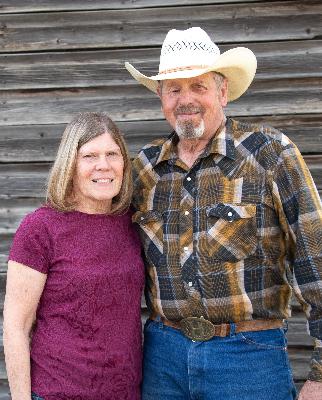
In this compelling interview, Dennis Hutzel shares his extraordinary story of a life-changing accident, miraculous recovery, and the role of faith in overcoming adversity. Discover insights into resilience, faith, and the incredible advances in medical technology that saved his life. key topics Miraculous recovery from severe facial injuries The role of faith and spirituality in healing Advances in medical technology for face reconstruction 00:00Introduction to Chinook, Montana and Dennis Houtzel 02:56Dennis's Journey from Illinois to Montana 05:52Career Choices: From Carpentry to Farming 08:47The Move to Montana: A New Beginning 12:11The 2022 Accident: A Life-Changing Event 15:07Val's Perspective: The Day of the Accident 24:05Navigating the Hospital Experience 29:09The Reality of Recovery 35:25The Role of Faith in Healing 38:45A Brush with the Divine

Alec White, a young first-generation farmer from Indiana, shares his inspiring story of a life-changing accident with a sweep auger, his recovery, faith, and lessons learned. This episode offers valuable safety insights and personal resilience strategies for farmers and agricultural workers. Key Topics Farm safety and accident prevention Recovery and use of prosthetics in agriculture The role of faith and mental health in recovery

This episode features innovative farmers and educators sharing their journeys, farm operations, and insights into modern agriculture, raw milk sales, and youth leadership in farming. 00:00Introduction and Guest Introduction 01:05LaKayla's Farming Background and Meeting Her Husband 02:28Advertising and Farm Equipment Tips 04:24LaKayla's Farm Operations and Niche Dairy Market 05:52Raw Milk: Controversy and Benefits 06:49Setting Up the Farm Store and Legal Aspects 08:11Winning the Grow Your Future Award 09:40Farm Store Details and Customer Experience 11:54Farm Events and Agritourism 13:38Customer Demographics and Health Benefits of Raw Milk 15:35Winning Moments and Future Plans 16:32Product Offerings and Business Expansion 17:30Cattle and Market Outlook 18:26Transition from Office Job to Farming 19:54Balancing Family and Farming Life 20:50Encouragement for Young Entrepreneurs 21:47Social Media and Business Marketing 22:46Guest Introduction Blake Anderson 23:14Blake's Farming and Teaching Background 24:10Challenges and Rewards of Teaching Agriculture 25:05Involvement in Farm Bureau and Leadership 26:26Agriculture Education and Youth Engagement 27:23Experience at the National Convention 28:21Advice for Aspiring Ag Teachers 29:15Work-Life Balance and Teaching Challenges 30:37Future Farming Goals and Community Impact 31:04Importance of Agriculture Advocacy 32:29Student Impact and Mentorship 33:52Encouragement for Future Educators 34:49FFA Traditions and Changes 36:39Communication and Technology in Agriculture Education 38:29Participation in National FFA Events 40:49Youth Engagement and Career Inspiration 41:45Reflections on Teaching and Farming 43:39Advice for Future Agriculture Leaders
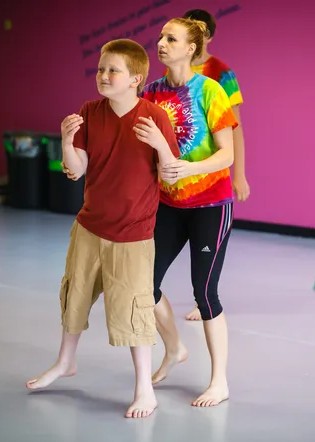
Erica Matthews is a dedicated advocate, educator, and entrepreneur based in Pana, Illinois—a small town in Christian County. She's best known as the founder, owner, and lead instructor of the Autism and Movement Project (AAMP), also referred to as Autism Movement Therapy (AMT). This program uses movement-based therapy to support children and individuals with autism, focusing on brain-body connections, building communication skills, independence, and hope through structured physical activities and sequences. Her work was inspired by personal experience: she began the project around her connection to a child named Connor (diagnosed with autism at age 2½), whose progress—including developing short sentences and greater independence—became a powerful testament to the approach. She's been providing this specialized therapy in Pana since at least the early 2010s, with media coverage highlighting "magic in movement" and breakthrough moments, like early verbal interactions with students. More recently, she expanded her impact by opening Brewin' Hope Coffeehouse in Pana, which creates meaningful employment opportunities for teens and young adults (including those with autism), emphasizing their strengths, purpose, and potential in a community setting. Erica has been featured in local and regional media, including PBS's A Shot of Ag (in a 2026 episode), newspaper stories from outlets like the State Journal-Register, and nonprofit profiles, where she's portrayed as passionate, compassionate, and transformative in her small-town community. She's a Pana native (or long-time resident), holds a sociology background from Millikin University, and is certified in Autism Movement Therapy. Her efforts show a deep commitment to neurodiversity, inclusion, and creating accessible resources where they might otherwise be limited.
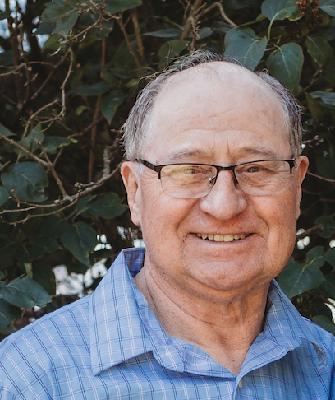
Do you know who discovered Pluto? We get a history lesson from life long farmer Larry Tombaugh on this weeks episode
Live podcasts from the 2026 Iowa Farm Bureau Young Farmer Conference in Des Moines Iowa
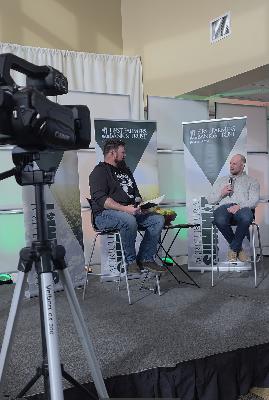
We are live at Prudue talking with Troy Fiechter of BioTownAg
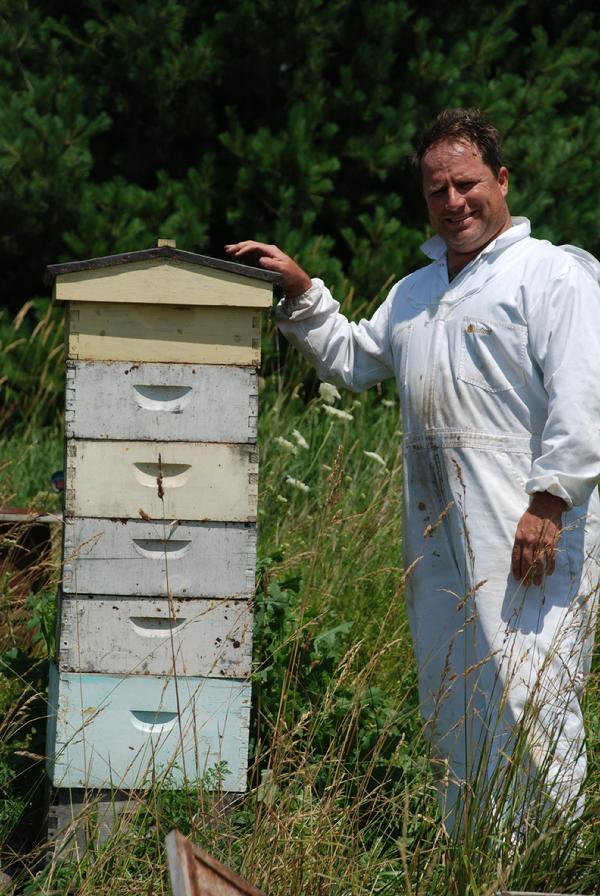
Can eating local honey help with allergies? Listen to Phillip Raines who became a first generation farmer by raising bees
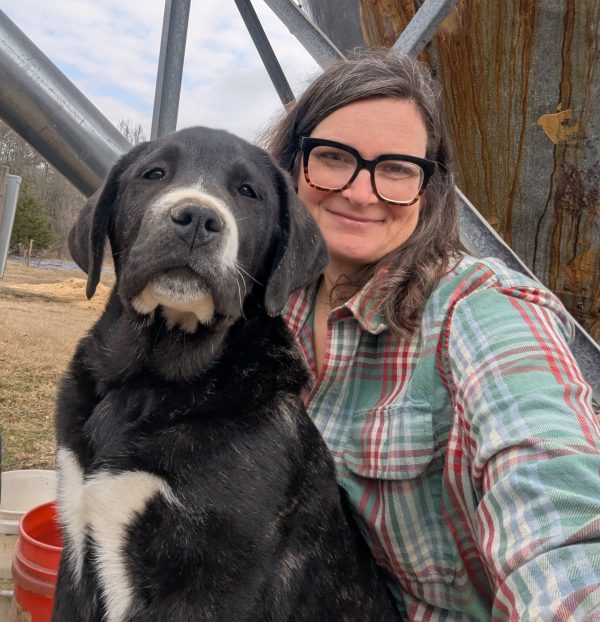
In this episode of the Shark Farmer Podcast, host Rob Sharkey chats with Holly Payne from Bigelow, Arkansas, who shares her unique journey from theater costume designer to farmer. Holly discusses her background, including her time in Milwaukee and her husband Aaron's biochemistry expertise, which they now apply to their farming venture. The couple started a small farm during the COVID-19 pandemic, initially as a hobby, but it quickly evolved into a full-time business focused on raising Gloucestershire Old Spot pigs and producing high-quality pork products, including sausages. Holly emphasizes the importance of sustainable farming practices and the joy of growing food that tastes like it did in their childhoods. Throughout the conversation, Holly shares insights into the challenges and rewards of farming, including the need for effective marketing and the importance of building relationships with customers. She also highlights the significance of using animal fats in cooking and how they can enhance flavor. The episode wraps up with Holly offering practical cooking tips and encouraging listeners to embrace the joy of cooking with quality ingredients. This engaging discussion showcases the couple's passion for farming and their commitment to providing delicious, sustainably raised food to their community. takeaways "We started looking for a new bit of property." "It's all about food for us." "You have to have a five-year plan." "You need to do the research, you need to do the math." "Cooking shouldn't be intimidating." "You have to be willing to put yourself out there." "Our life is great, but we don't get new cars every year." "It's hard to go wrong with a pork shoulder." "You can make tacos with chorizo easily." "So many farms fold in the first five years."
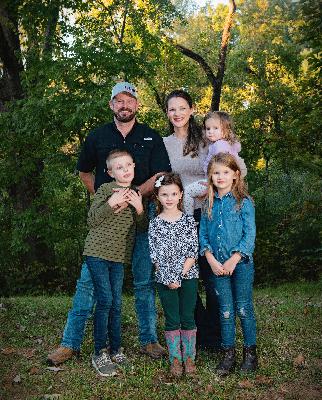
In this episode of the Shark Farmer Podcast, host Rob Sharkey interviews Lauren and Ben Neal from Columbia, Tennessee, who share their inspiring journey in agriculture and entrepreneurship. The couple discusses their unique backgrounds—Ben grew up on a small farm while Lauren was a city girl from Cedar Rapids, Iowa. They delve into how they met through the National Cattlemen's Beef Association and their decision to start a cow-calf operation after getting married. The conversation highlights their challenges and triumphs, including the impact of COVID-19 on their business and the launch of Lighthill Meats, a butcher shop that emphasizes clean, minimally processed foods.
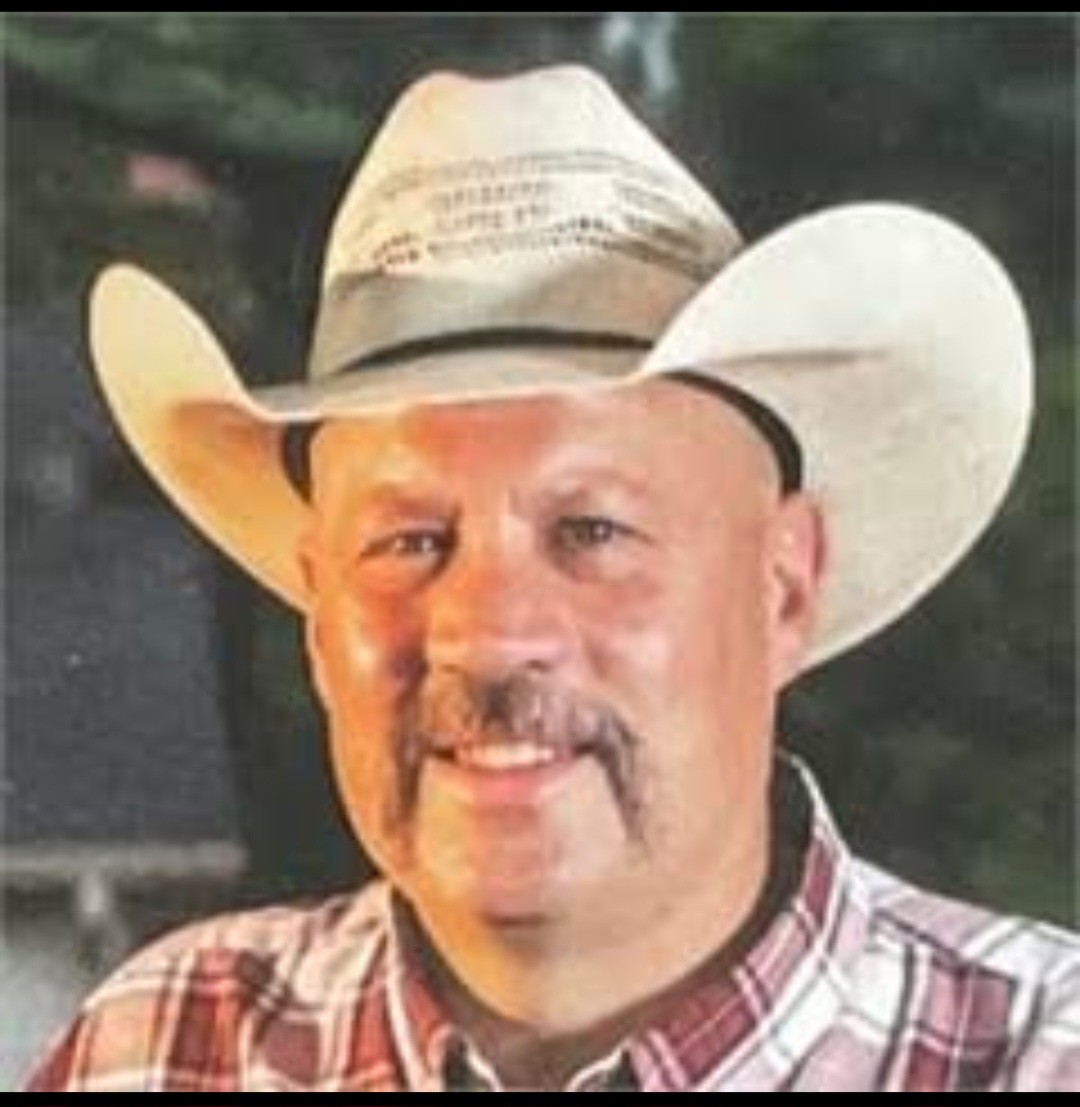
In this episode of the Shark Farmer Podcast, host Rob Sharkey speaks with Kevin Thompson, the Director of the Middle Tennessee Ag Research and Education Center (M-TREC) at the University of Tennessee. They discuss Kevin's background in agriculture, the impact of black vultures on cattle production, and the importance of diversification in farming. Kevin shares insights on precision livestock technologies, the role of horses in cattle management, and the significance of teaching stockmanship. The conversation emphasizes the need for advocates in agriculture to educate the public and promote sustainable practices. Kevin Thompson is the Director of M-TREC at the University of Tennessee. M-TREC focuses on research and education in agriculture, particularly beef and poultry. Kevin's background includes managing a large family farm and academic achievements in animal science. Black vultures have become predatory, impacting calf survival and producer safety. Research is being conducted to understand and mitigate the impact of black vultures on cattle. Diversification in agriculture can improve economic stability for producers. Precision livestock technologies are being implemented to gather real-time data on cattle. Teaching stockmanship is essential for low-stress cattle handling. Horses are preferred for cattle management due to their low-stress impact on livestock. Aspiring farmers should seek entry-level opportunities and be willing to learn from mistakes.
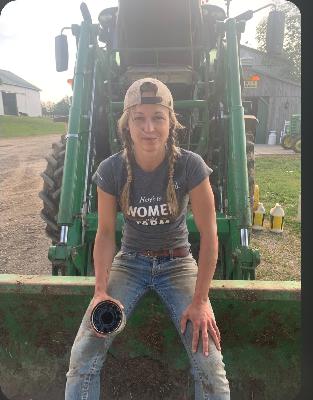
In this episode, Rob Sharkey interviews Belinda Bowman, a sixth-generation farmer from Ontario, Canada. Belinda shares her journey through grief after the loss of her partner, Troy, and how it has shaped her life and farming practices. She discusses the importance of animals in her healing process, the challenges of parenting, and her desire to help others who are navigating similar experiences. The conversation also touches on the differences between farming in Canada and the U.S., the impact of social media on agriculture, and the importance of authenticity in sharing one's story. takeaways Belinda is a sixth-generation farmer on a first-generation mortgage. The loss of her partner, Troy, profoundly impacted her life and farming. Animals played a crucial role in her healing process after loss. She emphasizes the importance of relationships during grief. Belinda wants to help others navigate their grief and trauma. Parenting has its own challenges, especially after loss. She feels a strong connection to the farming community. Belinda is open about her mental health struggles and healing journey. She believes in the power of authenticity on social media. Farming in Canada presents unique challenges compared to the U.S.

In this episode of Shark Farmer Podcast, host Rob Sharkey interviews fifth-generation farmer Tristan Schwartz from Gilman, Wisconsin. Tristan shares his unique journey into farming, influenced by his family history and a pivotal friendship with neighbor Tom Victory. He discusses his innovative farming techniques, including the use of traditional equipment and sustainable practices, while emphasizing the importance of community and memories in agriculture. takeaways Tristan Schwartz is a fifth-generation farmer from Wisconsin. He moved to Wisconsin from Missouri to pursue his dream of dairy farming. Tom Victory, his neighbor, played a significant role in his farming journey. Tristan uses traditional farming techniques, including a one-row corn picker. He emphasizes the importance of memories in farming and community. Tristan has a retirement pasture for cows that have served him well. He practices sustainable farming by using compost instead of commercial fertilizers. Tristan believes in mixing old and new farming techniques for better profitability. He encourages young people in agriculture to never stop trying and to find unique opportunities. Tristan's story highlights the importance of passion and community in agriculture.
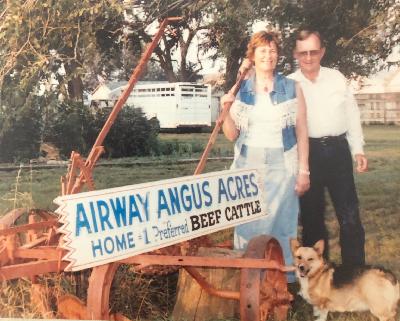
Imagine losing your farm... Moving to another state... Moving back years later... Finding out the farm was never foreclosed... Listen as I talk to Jim Sailer
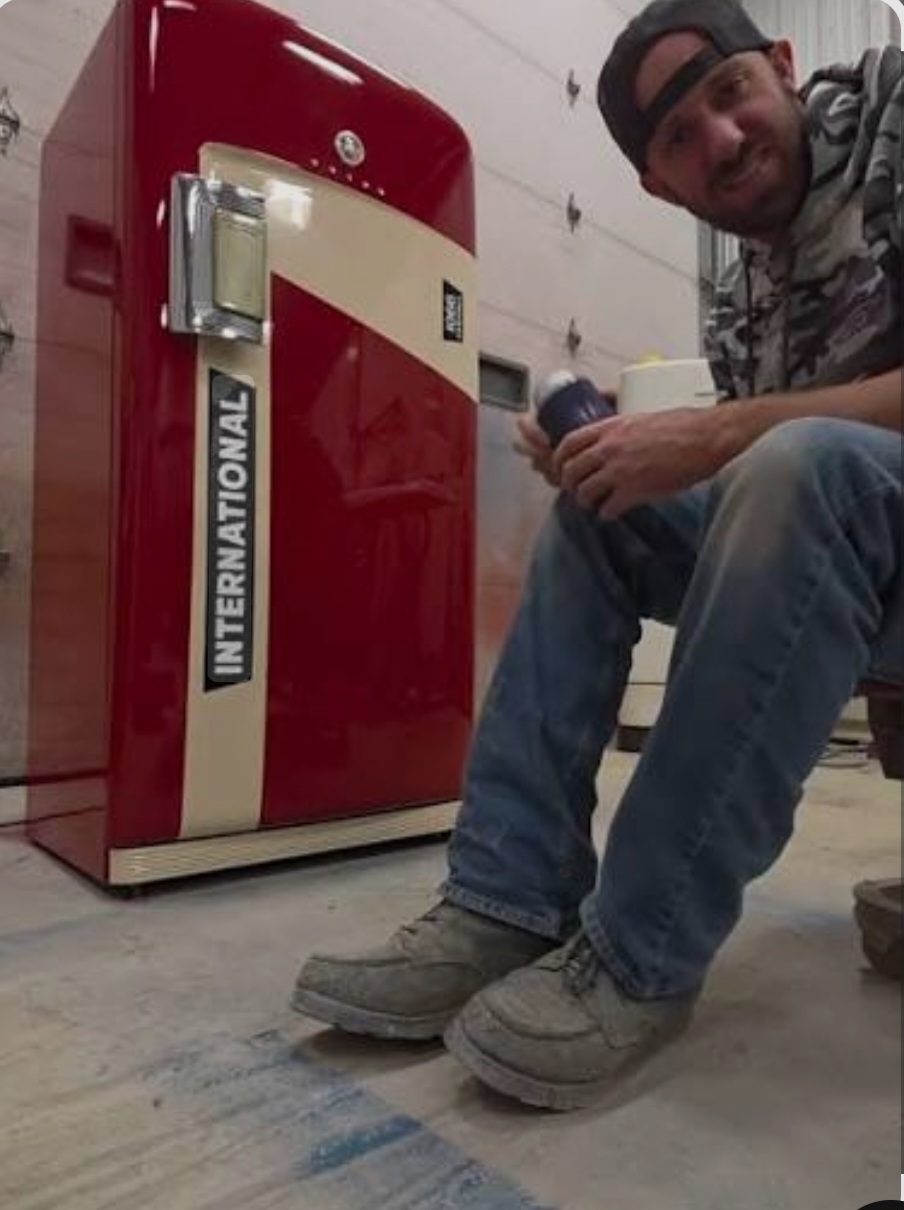
Let me see the coolest thing you have in your shop/mancave Is it as cool as a custom painted vintage Refrigerator from Cody Wessels?
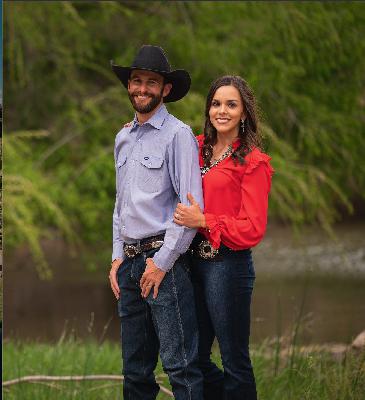
Listen as we talk with Ben and Ashley Menges, ranchers from Arizona
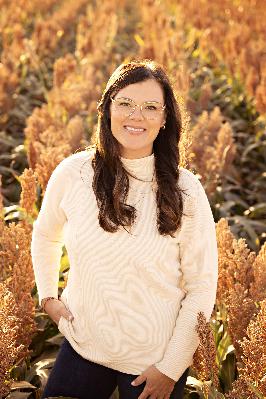
In this episode of the Sharkfarm Podcast, host Rob Sharkey sits down with Amy France, a passionate farmer and the chairman of the National Sorghum Producers. Amy shares her unique journey from a city upbringing in Kansas City to embracing the challenges and rewards of farm life in Scott City, Kansas. Join us as we explore her experiences in adapting to the agricultural world and the valuable lessons she has learned along the way. Understanding the Transition: From City to Farm Amy France's story begins in Kansas City, where she grew up in a music-loving family. Her parents were music educators, and she herself plays several instruments, including clarinet and saxophone. However, her life took a turn when she moved to Scott City, Kansas, to join her husband Clint, a third-generation farmer. This transition was not just geographical; it required a complete shift in her understanding of agriculture. Learning on the Job Amy candidly discusses the challenges she faced in adapting to farm life. "I couldn't even identify the crops in the field," she recalls. Despite her initial unfamiliarity with farming terminology and practices, Amy was determined to learn. She often turned to her father-in-law for guidance, especially when her husband was too busy to answer her questions. Her experience reflects a broader theme of resilience in learning, demonstrating how crucial it is to bridge the gap between farming and non-farming communities. The Importance of Communication Amy recognizes the need for effective communication in her dual role as a farm wife and a community member. She aims to be a translator between the farming world and those outside it, highlighting the unique language that farmers speak. This was particularly important during the hectic harvest season when tensions run high, and clear communication becomes vital for success. Life on the Farm: The Reality Life on the farm is not just about picturesque landscapes and peaceful living; it comes with its own set of challenges. Amy shares her experiences working with livestock in a cow-calf operation. She humorously recalls her early days sorting cattle, noting that it was not the ideal time to ask about farming equipment. The learning curve was steep, but each experience contributed to her growth as a farmer. Conclusion: Embracing the Farming Lifestyle Amy's journey from a city girl to a devoted farmer exemplifies the adaptability and commitment required in agriculture. Her story is a testament to the importance of community, communication, and continuous learning in the farming industry. Key takeaways from Amy's experience include: 1. The importance of asking questions and seeking help from experienced individuals. 2. The need for effective communication between farmers and non-farmers. 3. Embracing the challenges and realities of farm life, including the learning curve associated with it.
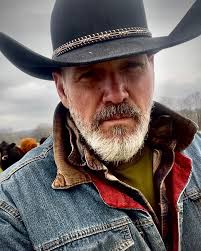
In this episode of the Shark Farmer Podcast, host Rob Sharkey speaks with Steve Lucie, a fifth-generation farmer and rancher from Basco, Illinois. They discuss the unique challenges of farming in a small town, the importance of local beef sales, and the impact of regulations on the cattle industry. Steve shares his experiences with community advocacy through Awake Illinois, emphasizing parental rights in education and the need for open dialogue on sensitive issues. The conversation also touches on agricultural traditions, the significance of the Second Amendment, and the importance of self-reflection in leadership. takeaways Steve Lucie is a fifth-generation farmer and rancher from Basco, Illinois. Basco is a small town with a population of 48, located in Hancock County. Steve raises both crops and cattle, adapting to the local land conditions. He emphasizes the importance of selling beef locally without government oversight. Steve discusses the challenges of regulations in the beef industry. He advocates for mandatory country of origin labeling for beef products. The conversation touches on the need for unity among cattle organizations. Steve is involved with Awake Illinois, focusing on parental rights in education. He shares insights on passing down agricultural traditions to the next generation. Steve highlights the importance of open dialogue in addressing community issues.
In this conversation, John Woodbury discusses his journey of building smokers to accommodate large gatherings. He shares insights on the design and capacity of his smokers, emphasizing the importance of having enough cooking space when feeding many people. The conversation highlights the evolution of his smoking equipment from a single smoker to multiple units capable of handling significant quantities of ribs.


Download from Google Play

Download from App Store
 United States
The irony of the guests making comments about the meetings they went to "going sideways" with uneducated people when these women are so uneducated about food they talk about in the beginning of the episode. BST growth hormone is no longer allowed in dairy and hasn't been for 10+ years. Growth hormones in beef are not allowed at the finishing stage, practice what you preach and get some education!
It's really rude of the host to use the guest as a prop for his ad-reads.
Do you have the full text this podcast?