


 Claim Ownership
On the Brink with Andi Simon
Subscribed: 16Played: 519
Subscribe

Description
On The Brink is a podcast where the goal is to help you better "see, feel and think" about your business, your job, your personal life and your purpose. There will be great interviews and conversations with people who are deeply involved in change—consultants, change agents, managers transforming their teams, entrepreneurs just starting out and CEOs running well-established companies.
342 Episodes
Reverse

What Sets Humans Apart? Key lessons from my conversation with Dr. Robin Hills .As artificial intelligence accelerates and reshapes how we work, learn, and communicate, one question keeps resurfacing: What remains uniquely human? That was at the heart of my recent On the Brink conversation with Dr. Robin Hills, a business psychologist and one of the world's leading voices on emotional intelligence. Our discussion offered both reassurance and challenge—especially for leaders navigating rapid change, generational shifts, and technology-driven uncertainty. Here are the key lessons that stood out. 1. Emotional intelligence is not "soft"—it is foundational Emotional intelligence (EI) is often mislabeled as a soft skill. In reality, it is a core operating system for effective leadership, collaboration, and decision-making. As Robin explained, EI is about being smart with your feelings—integrating emotion and cognition to respond thoughtfully rather than react impulsively. This matters because emotions are not optional. They are physiological and psychological responses to our environment. The choice is not whether emotions will influence us, but whether we will learn to work with them skillfully. 2. Self-regulation is becoming a critical leadership skill One of the most striking themes was self-regulation—our ability to pause, choose, and respond intentionally. In a world of constant notifications, endless information, and emotional triggers, self-regulation is increasingly difficult and increasingly essential. Robin highlighted how our attachment to devices can undermine emotional awareness, presence, and learning. When leaders (and teams) cannot disengage long enough to listen, reflect, or engage meaningfully, they lose both insight and connection. Mastering technology rather than being mastered by it is now part of emotional intelligence. 3. Emotional intelligence must be learned—and relearned We often assume people "pick up" emotional skills naturally. Yet many do not. Education systems may introduce emotional awareness early, but rarely sustain it through adolescence, higher education, or professional life. The pandemic amplified this gap. Younger generations lost critical years of social learning, while adults themselves were stretched emotionally. Rather than blaming or labeling behaviors, the opportunity now is to rebuild emotional skills deliberately—in schools, workplaces, and leadership development programs. 4. AI will not replace what makes us human Despite growing fears about artificial intelligence, Robin was clear: AI does not have emotions, empathy, purpose, or meaning. It cannot truly collaborate, lead, or innovate in the human sense. What AI can do is free us from routine tasks—making our emotional and relational capabilities even more valuable. Creativity, empathy, ethical judgment, perspective-taking, and meaning-making are not threatened by AI; they are highlighted by it. The more technology advances, the more human skills matter. 5. Emotional intelligence gives us choice Perhaps the most powerful insight was this: emotional intelligence gives us choice. Choice in how we respond under pressure. Choice in how we communicate across differences. Choice in how we turn uncertainty into opportunity rather than fear. We will not get it right every time. As Robin noted, if you respond well eight times out of ten, you are doing well. The work is learning from the other two—without self-criticism, and with curiosity. A final reflection As an anthropologist, I see emotional intelligence as part of how humans adapt. Our brains may resist change, but our capacity to learn, empathize, and create meaning has allowed us to thrive across millennia. In a world reshaped by AI, emotional intelligence is not a "nice to have." It is how we remain human, relevant, and resilient—at work and in life. If this conversation sparked new ways of seeing, feeling, or thinking, that is exactly the point. Watch our podcast interview here. Reach out and contact us if you want to see how a little anthropology can help your business grow. Let's Talk! From Observation to Innovation, Andi SImon, PhD CEO | Corporate Anthropologist | Author Simonassociates.net Info@simonassociates.net @simonandi LinkedIn

Humans need connection—not as a luxury, but as a foundation for thriving. Yet, in our hyper-connected world, loneliness persists. On this episode of On the Brink, I sat down with Todd Nilson, a community strategist with 25 years of experience in digital transformation and marketing for brands like Activision, Facebook, and SAP, to unpack what real community means and how to build it with intention. Who is Todd Nilson? Todd's journey began in journalism, driven by an authentic curiosity about people and their stories. That passion evolved into a commitment to "building a bigger family"—creating spaces where trust and belonging are central. He's clear: community isn't a "soft" strategy; it's essential for individual and organizational wellbeing. We explored the difference between networks and communities. Social platforms may connect thousands, but true communities are intimate, purposeful, and safe. As Todd put it, a network is like a busy freeway—you can make friends, but it's not where you belong. Real communities are built in "cozy warrens": discussion forums, private groups, and member spaces that foster trust and meaningful exchange. The technology for online communities is abundant, but Todd warns: tools alone don't build belonging. Trust is foundational. He outlined three layers of safety—trustworthy platforms, credible conveners, and benevolent members—enabling honest sharing and engagement. He shared the example of Truth Initiative, whose online community helps people quit smoking and vaping. There, anonymity and trust turn participation into a true "return on life." Watch Todd Nilson on Youtube Understanding Community in a Time of AI Organizations and associations often struggle to sustain engagement beyond annual events. Todd believes communities should keep people connected to their mission year-round, deepen commitment, and serve as pipelines for volunteers or future staff. However, he cautions against focusing solely on technology while neglecting the ongoing stewardship that makes communities thrive. People—not platforms—build lasting connections. Community success is a program, not a project. You can't just launch a platform and expect results. Todd stresses the importance of having a dedicated human facilitator—more concierge than manager—who welcomes, connects, and guides members. While AI can help with moderation, it can't replace human warmth or judgment. We also discussed the importance of strategic clarity: before asking for proof of ROI, organizations must define their community's purpose. What are the desired outcomes—reduced costs, improved retention, innovation? Community design must align with both organizational goals and member needs, even when those priorities differ. Hybrid models work best. Online and offline communities reinforce each other, extending the sense of belonging and engagement. Tools like the Sense of Community Index 2 can help organizations measure how well their community fosters connection and contribution. Culturally, we're faced with an "always open buffet" of groups, but meaningful community requires intentional participation, not just passive consumption. We must choose where to invest our attention, seeking out spaces that truly feed us personally and professionally. Big Ideas for Fast-Changing Times Todd left us with two takeaways: First, plan for purpose—define who your community is for, why it exists, and the unique value it offers. Second, embrace emergent design—start small, let the community evolve, and focus on trust and gradual growth rather than a massive launch. Ultimately, community is a driver of wellbeing—crucial not only at work but also in life's transitions, such as retirement. Whether you're building community for your organization or your next chapter, remember: networks aren't belonging, and community doesn't happen by accident. Purpose, trust, and stewardship make it real. Thanks for tuning in, and thank you to Todd Nelson for sharing such valuable insights. Want to keep the conversation going? Learn more about Todd Nelson's work in community strategy, and let us know what community means to you. From Observation to Innovation, Andi Simon, PhD CEO | Corporate Anthropologist | Award-winning Author Simonassociates.net andisimon.com Info@simonassociates.net LinkedIn

As artificial intelligence accelerates, many leaders, founders, and professionals are quietly asking the same question: Where do I still matter? If machines can write, analyze, summarize, and even "sound" human, what is left that cannot be automated? In this episode of On the Brink, I sat down with branding strategist and neuroscientist-turned-entrepreneur Carey James, co-founder of Brand Alchemy, to explore why a personal brand—not technology—is becoming the defining asset of the future. What emerged was a powerful reframing of branding—not as self-promotion, but as survival. Branding Isn't About Visibility—It's About Trust Carey's journey began in neuroscience labs and academic research, where brilliant minds often remain invisible. In these labs, the work mattered deeply, yet few people beyond their field ever heard about it. That disconnect led him to a simple realization: impact doesn't scale unless people know who you are. Branding, in Carey's view, is not about being flashy or loud. It is about becoming trustable at scale. Human beings evolved to live in tribes. We trusted the hunter, the healer, the builder—not because of logos or résumés, but because we knew who they were. That same ancient wiring still governs modern decision-making. Whether we are choosing a consultant, an executive hire, a keynote speaker, or a company to invest in, the first question is rarely "Is this organization impressive?" It is almost always: Do I trust this person? Your Name Is the Asset—Not the Logo One of Carey's most important insights is deceptively simple: your personal name is likely the most valuable asset you will ever own. Companies come and go. Products evolve. Roles change. But trust attached to your name transfers from project to project. This is why serial entrepreneurs can fail, pivot, and succeed again—while others disappear after one setback. In the age of AI, this becomes even more critical. You will not always be the smartest voice in the room. Algorithms already out-compute us. What they cannot replicate, however, is your lived experience, judgment, pattern recognition, and imperfections. Those human elements—your way of thinking, questioning, connecting ideas—are what create differentiation. The "Label on the Bottle" Problem Most people struggle to articulate their own brand because they are trapped inside it. Carey calls this the label-on-the-bottle syndrome: when you are inside the bottle, you cannot see the label. The solution is not more introspection—it is perspective. Carey encourages leaders to do what great organizations already do through 360-degree reviews: ask others how they experience you. Patterns emerge quickly. Strengths, quirks, values, and stories surface that feel obvious to everyone else—but invisible to you. This external clarity becomes the foundation of an authentic brand, not a manufactured one. Watch our podcast with Carey James here. Connect with me: Website: www.simonassociates.net Email: info@simonassociates.net Learn more about our books here: Rethink: Smashing the Myths of Women in Business Women Mean Business: Over 500 Insights from Extraordinary Leaders to Spark Your Success On the Brink: A Fresh Lens to Take Your Business to New Heights Watch for our new book, Rethink Retirement: It's Not The End--It's the Beginning of What's Next. Due out Spring 2026. Listen + Subscribe: Available wherever you get your podcasts—Apple, Spotify, Stitcher, YouTube, and more. If you enjoyed this episode, leave a review and share with someone navigating their own leadership journey. Reach out and contact us if you want to see how a little anthropology can help your business grow. Let's Talk!

What if the fastest route to meaningful growth isn't about launching another ad campaign, hiring more salespeople, or optimizing your funnel? What if the real accelerator is simply listening—really listening—to what's already happening around you? In this episode of On the Brink with Andi Simon, I had the pleasure of sitting down with Oscar Barrera, PhD—a brilliant corporate anthropologist and innovation strategist based in Mexico. Oscar and I share a core conviction: anthropology isn't just something you do; it's a way of seeing the world. It allows leaders to notice subtle patterns—those taking shape in their markets, inside their own companies, and in the everyday lives of their customers—even when the clues are hiding in plain sight. Oscar's work drives home a powerful point: the real obstacles to growth are often hidden. Not because they're imaginary, but because we haven't been trained to spot them. Meet Dr. Oscar Barrera: An Anthropologist Forging His Own Path Oscar's journey is as unconventional as it is inspiring. He earned his doctorate in social and cultural anthropology at the University of Washington, with years of fieldwork in Guatemala's highlands. But like so many academics, he realized that the expected career path—university teaching—wasn't really available. So Oscar got creative. He returned home to Mexico and started his own consulting practice from the ground up. He learned the language of business by reading voraciously, listening intently, and immersing himself in the entrepreneurial world—joining business groups, building relationships, and cultivating a brand that helped business leaders understand how anthropology could transform what they do. Through his firm, Antropologia Corporativa, Oscar helps organizations unlock deep understanding about their customers, employees, and markets—then turn those insights into human-centered strategies for growth and innovation. He also hosts a fantastic podcast called Nuevas Posibilidades ("New Possibilities"), which explores innovation, anthropology, and the future of work. A Real-World Case: Sourdough in a Sweet Bread Nation Oscar shared a wonderful story that brings anthropology to life. A bakery owner in Mexico was crafting sourdough bread: wholesome, preservative-free, and free of additives. But he was up against a market where bread is usually sweet, steeped in tradition, and sold cheaply. Here's the twist: the bakery wasn't struggling with demand. Instead, something unexpected was happening—distributors (mostly women) were approaching the bakery on their own, asking if they could resell the bread in their hometowns. The owner's question wasn't theoretical—it was urgent: Who are these women, and how can I grow this kind of distribution model intentionally? As he put it, he wanted "the formula." Why Anthropology Was Essential Oscar's first instinct was to do what anthropologists do best: ethnography. Go to the site, observe, listen, and understand the full context. But travel simply wasn't possible. So he adapted, because good anthropology is all about flexibility. He used remote interviews—speaking with distributors and customers over the phone and online. And what he learned should be a wake-up call for every leader: People will tell you what matters to them—if you listen with the right kind of attention. Oscar was surprised that sometimes meeting online made people more comfortable. It was safe, structured, and time-limited—there was no lingering vulnerability once the conversation ended. Watch our Podcast on YouTube The Discovery: A Purpose-Driven Sales Network The bakery owner assumed his distributors were motivated by money. Oscar found something far richer. These women were selling bread not just for income, but because they: Had personal or family health concerns Wanted to support and uplift their communities Believed deeply in natural, preservative-free foods Had stories that connected them emotionally to the product They weren't just pushing a product—they were sharing a solution and part of their own identities. They were savvy, too, introducing the bread at workplaces, gyms, and local events. Tasting led to trust—and more sales. This was no "features and benefits" transaction. This bread was an experience—one that resonated with values and stories. Five Key Ingredients for Scalable Growth Oscar translated these insights into actionable steps. He identified five elements that would determine whether the bakery's model could truly scale: Shared values and philosophy: The top distributors believed in a mission: boosting health and helping people, not just selling bread. Time and logistics: Without preservatives and in a hot climate, bread spoiled quickly. Delivery schedules and pickups became hidden bottlenecks. Packaging matters: Flimsy boxes led to crushed loaves—hurting both trust and credibility. Social selling support: Distributors used WhatsApp and Facebook, but needed better tools and content. The company needed to provide easily shareable visuals and educational materials. Customer experience and sampling: People didn't buy from a description—they bought after tasting. Real-life sampling was the engine of growth. What I love here is that Oscar didn't need a formal operations report to uncover these constraints. He surfaced them by deeply listening to lived experience—by drawing out stories. Bigger Than Bread: How Meaning Moves Markets One of the most profound insights was symbolic. Sourdough isn't "traditional Mexican bread." Yet, through the personal stories of these women, it became a bridge: a way to enjoy bread as part of daily life, to choose health without abandoning cultural identity, and to stay connected to tradition while eating differently. That's not just good marketing—it's anthropology in action. Lessons for Leaders Everywhere Oscar summed it up beautifully: Success often hides in plain sight, in details we overlook. Anthropology equips leaders and companies to see what's invisible and hear what's unsaid. True innovation doesn't always mean inventing something totally new—it often means listening to what your customers are already telling you. So here's my bottom line: If you're chasing growth, don't just ask, "How do we sell more?" Instead, ask, "What's actually happening in the lives of the people we want to serve that we haven't noticed yet?" When you listen for those answers, real transformation can begin. Connect with Oscar Barrera, PhD If you'd like to connect with Oscar, you can find him on LinkedIn, Connect with me: Website: www.simonassociates.net Email: info@simonassociates.net Learn more about our books here: Rethink: Smashing the Myths of Women in Business Women Mean Business: Over 500 Insights from Extraordinary Leaders to Spark Your Success On the Brink: A Fresh Lens to Take Your Business to New Heights Watch for our new book, Rethink Retirement: It's Not The End--It's the Beginning of What's Next. Due out Spring 2026. Listen + Subscribe: Available wherever you get your podcasts—Apple, Spotify, Stitcher, YouTube, and more. If you enjoyed this episode, leave a review and share with someone navigating their own leadership journey. Reach out and contact us if you want to see how a little anthropology can help your business grow. Let's Talk!

"Curiosity isn't a soft skill. It's a performance capability—and organizations are paying the price for ignoring it." Summary What if the most powerful leadership capability isn't having the right answers—but asking better questions? In this On the Brink with Andi Simon episode, Dr. Deborah Clary, author of The Curiosity Curve, explains why curiosity is a measurable driver of performance, engagement, and innovation—and how leaders can deliberately rebuild it to create stronger, more human-centered cultures. Why Curiosity May Be the Missing Link in Leadership and Culture Change In this episode of On the Brink with Andi Simon, I had the pleasure of speaking with Dr. Deborah Clary, author of The Curiosity Curve and a purpose-driven leader whose work sits at the intersection of leadership development, organizational culture, and performance. What emerged from our conversation was both refreshing and deeply needed: a reminder that curiosity—something many leaders unintentionally abandon as they rise—may be the very capability organizations need most right now . Deborah's journey is anything but linear. Straight out of business school, she began her career not in a corporate office but as a route driver for Frito-Lay in Detroit—wearing a uniform, managing a route, and learning leadership from the inside out. That truck, she says, became her classroom. Over the next four decades, Deborah moved through senior roles at Coca-Cola, Jack Daniel's, and Humana, eventually earning a PhD focused on leadership development and organizational design. Yet it was her growing fascination with human behavior—what makes leaders effective and cultures thrive—that ultimately shaped her work today . What Is Curiosity—Really? Deborah defines curiosity simply but powerfully: being genuinely interested in yourself, in others, and in the situation at hand. It's not about having the right answers. It's about asking better questions—and staying open long enough to explore them. That distinction matters, especially in organizations where leaders often believe their role is to know, decide, and direct. As Deborah shared, many leaders become "incurious" not because they lack interest, but because time pressures, performance demands, and past success reinforce the idea that they must always have the answer. Over time, curiosity is treated like a luxury—when in fact, research shows it is a driver of performance . The Engagement Crisis—and Why Leaders Matter More Than Ever One of the most striking parts of our conversation focused on employee disengagement. Gallup data shows engagement levels at historic lows, with millennials—now a critical segment of the leadership pipeline—showing especially high levels of disengagement. When Deborah and her research team conducted focus groups, they found a consistent theme: "My leader doesn't know me—and doesn't seem to care to know me." This wasn't about surface-level recognition or personal details. Employees wanted leaders to be curious about their ideas, their aspirations, and how they could contribute meaningfully. In other words, they wanted leaders who asked thoughtful questions instead of simply providing directives. Curiosity, Measured—and Made Actionable What makes Deborah's work especially compelling is that curiosity isn't treated as a vague personality trait. Through a validated assessment, she measures curiosity across four dimensions: Exploration Openness to new ideas Inspirational creativity Focused engagement In one executive team she worked with, the results revealed a powerful—and uncomfortable—truth. While most executives scored high in curiosity, the CEO did not. The organization was struggling with innovation, market share, and retention. When the data was shared openly, the CEO recognized that his resistance—not the team—was the bottleneck. His willingness to acknowledge this became a breakthrough moment for the organization . That story underscores a central theme of the episode: leaders shape culture not by intention alone, but by how open—or closed—they are to curiosity. Watch our podcast on YouTube. From Short-Term Answers to Long-Term Leadership Curious leadership, Deborah explained, is about playing the long game. The short game is giving answers. The long game is exploring possibilities, testing ideas, and learning from outcomes—even when they fail. This requires psychological safety. Leaders must normalize statements like, "I don't know—let's explore this together."When leaders model curiosity, they give others permission to think, experiment, and grow. Over time, this builds confidence, ownership, and engagement across the organization . Why This Matters Now? In fast-changing markets, yesterday's solutions rarely solve tomorrow's problems. Yet many organizations still rely on outdated assumptions, rigid hierarchies, and fear of failure. As an anthropologist, I see this pattern often: cultures resist change even when change is essential. Curiosity interrupts that pattern. It helps leaders see what they've been missing, hear voices that have been quiet, and test new ways forward. In Deborah's words, curiosity is contagious—and learnable. It can be rebuilt, one question at a time. If you're a leader navigating uncertainty, disengaged teams, or stalled innovation, this conversation offers both insight and hope. You don't need all the answers. But you do need the courage to ask better questions. And that may be exactly what helps you—and your organization—get off the brink. For more about Debra Clary, check out her website and LinkedIn Page. Connect with me: Website: www.simonassociates.net Email: info@simonassociates.net Learn more about our books here: Rethink: Smashing the Myths of Women in Business Women Mean Business: Over 500 Insights from Extraordinary Leaders to Spark Your Success On the Brink: A Fresh Lens to Take Your Business to New Heights Listen + Subscribe: Available wherever you get your podcasts—Apple, Spotify, Stitcher, YouTube, and more. If you enjoyed this episode, leave a review and share with someone navigating their own leadership journey. Reach out and contact us if you want to see how a little anthropology can help your business grow. Let's Talk! From Observation to Innovation, Andi Simon, PhD CEO | Corporate Anthropologist | Author Simonassociates.net Info@simonassociates.net @simonandi LinkedIn

"People aren't broken," she told me. "Our job is not to fix them. It's to hold them whole and complete." On this episode of On the Brink, I had the privilege of speaking with a remarkable woman whose life journey embodies resilience, reinvention, and the profound power of choosing joy. Nicki Keohohou—bestselling author, award-winning entrepreneur, global speaker, and founder of Coach School—joined me from her home in Hawaii to reflect on the experiences that shaped her, the wisdom she teaches, and the mindset shifts we all need in today's uncertain world. Nicki's path wasn't linear. She began as a teacher helping children build self-esteem and confidence. She later moved into her family's business, then into the world of direct selling, where she discovered her love for helping people grow. That passion evolved into founding the Direct Selling Women's Alliance and ultimately creating Coach School—programs that train leaders, educators, executives, and couples to coach through empathy, inquiry, and empowerment rather than advice-giving. What unifies Nicki's story is a belief that has guided her since childhood: life is abundant, people are capable, and every moment contains a choice. Watch our Podcast here on YouTube: The Power of Coaching: Asking Instead of Telling Nicki admits she wasn't a natural coach at first. Like many leaders, she began by telling people what to do. But she soon realized that the most powerful breakthroughs happen when people discover their own answers. She teaches coaching not just to executives, but to educators, medical professionals, sales teams—and even couples—because the skill of asking empowering questions transforms how people think, communicate, and relate. Her philosophy is simple: When people find their own solutions, they own them. And when they own them, they act. Why We're All Struggling Right Now Nicki works around the world, and she sees what many of us feel: people are more anxious, overwhelmed, and uncertain than ever. The economy, politics, global tensions, and constant disruption amplify our sense of helplessness. Her response? A model she teaches called "the bagel." The outer ring—the disempowerment zone—contains everything we cannot control (other people's opinions, world events, the economy, traffic, the past). The center—the empowerment zone—holds what we can control (our thoughts, our choices, our words, our actions, the meaning we assign to events). Most people live on the outer ring. Nicki helps them move to the center. How to Shift Your Mindset (Even in Hard Times) Many of Nicki's insights come from deeply personal experiences—including a devastating fall in Dubai that led to multiple surgeries, months of rehabilitation, and time spent in a nursing home. Instead of asking "Why me?" she asked: "What can I do with this situation?" She coached the staff. She uplifted patients. She even unknowingly taught a woman through the wall who listened to every class and filled an entire notebook with lessons. Her message is clear: You may not choose what happens to you, but you always choose how you respond. Key Takeaways from Nicki Keohohou 1. Happiness is a choice—and a practice. You can always look for what's wrong or what's right. Your mind will believe whichever story you tell it. 2. What you feed your mind at night shapes your next day. Avoid violent TV, tense news, or negative scrolling before bed. Instead ask: What is the best thing that happened today? What am I grateful for? 3. Self-coaching questions can instantly shift your emotional state. Try: How would I prefer to feel right now? What's the opposite of this thought? What do I actually have control over in this moment? 4. Joy compounds when shared. A smile, a kind comment, or a small gesture changes not just someone else's day—it elevates your own. 5. Simplicity reduces stress. Choose calm over drama. Choose presence over pressure. Choose perspective over frustration. Actionable Advice You Can Use Today 1. Start your morning with intention. Ask: What am I excited about today? Whose life can I make better today? 2. Create an accomplishment list—not a to-do list. Shift from obligation to opportunity. 3. Practice the "bagel model." Whenever stress rises, pause and ask: Is this in the empowerment zone? Or the disempowerment zone? If you can't control it—redirect your energy. 4. Adopt the "rain mindset." Instead of "Ugh, it's raining," try: "The rain is feeding my flowers." Reframe, and your brain will follow. 5. Give gratitude away freely. Say thank you. Compliment someone. Share something small. Science tells us that gratitude boosts the giver's happiness even more than the receiver's. Final Thoughts Nicki's story is a radiant reminder that your reality is shaped by the narrative you choose. You can choose joy. You can choose possibility. You can choose to smile at strangers and uplift the people around you. And you can choose to rewrite your story—every morning and every night. As she told me, "Bring joy and give joy. It doesn't cost anything." If you'd like to learn more or reach Nicki directly, you can find her at: Nicki@coachschool.com or call (800) 856-1662 (Hawaii time!). Connect with me: Website: www.simonassociates.net Email: info@simonassociates.net Learn more about our books here: Rethink: Smashing the Myths of Women in Business Women Mean Business: Over 500 Insights from Extraordinary Leaders to Spark Your Success On the Brink: A Fresh Lens to Take Your Business to New Heights Listen + Subscribe: Available wherever you get your podcasts—Apple, Spotify, Stitcher, YouTube, and more. If you enjoyed this episode, leave a review and share with someone navigating their own leadership journey. Reach out and contact us if you want to see how a little anthropology can help your business grow. Let's Talk!

The first step to transformation is to stop doing what no longer works." – Marcia Daszko On this episode of On the Brink with Andi Simon, I sat down with Marcia Daszko, a visionary leadership consultant and author of Pivot, Disrupt, Transform: How Leaders Beat the Odds and Survive. Marcia's journey—from being "excruciatingly shy" to mentoring leaders at Apple, Boeing, and the U.S. Navy—reveals a rare combination of courage, curiosity, and clarity. Her lessons, rooted in the teachings of Dr. W. Edwards Deming, challenge leaders to abandon outdated management practices and embrace a deeper, systems-based way of thinking. From Management Fads to Meaningful Leadership Marcia began her career in marketing before being mentored by Dr. Perry Gluckman, a close associate of Dr. Deming, who revolutionized management thinking through systems theory and continuous improvement. What she learned was not just what to do, but how to think. Too often, organizations chase the latest management fad—Six Sigma, Lean, "best practices"—without understanding the systems that create real success. Marcia calls these "tragedies" because they add complexity without meaning. She estimates that 50 to 80 percent of organizational waste comes from such misguided efforts. Her process begins with a bold question: "What do we need to stop doing?" Once leaders remove what's not working, they can open the flow of communication, creativity, and collaboration—what Marcia calls the "system of profound knowledge." When systems make sense, people thrive. Watch the podcast here: Learning to See Differently Like many of my guests, Marcia helps organizations "see, feel, and think" in new ways. She starts by asking questions that uncover hidden assumptions and systemic barriers. Employees usually know what's wrong, she says, but no one listens. When she leads workshops, she doesn't rely on PowerPoint slides. Instead, she creates experiences—conversations, simulations, and reflections—that shift perspectives. "I don't get resistance," she explains, "because the exercises take care of that." It's an anthropologist's insight wrapped in a strategist's toolkit: people don't change because they're told to—they change because they experience a new way of being together. The Strategic Compass for an Uncertain Future In today's world of disruption, Marcia argues that leaders don't need a roadmap—they need a compass. The future can't be predicted; it must be navigated through exploration, experimentation, and learning. Her Strategic Compass helps executives pivot as they encounter new "rivers and mountains" in their business landscape. Leadership, she reminds us, is not about control but curiosity. The most powerful organizations foster environments where everyone can learn, question, and contribute. Her three "legs of the stool" are: Innovation as a business strategy Continuous improvement as a business strategy Quality as a business strategy Sadly, she says, quality and customer service—once foundational to success—have too often been forgotten. Building a Culture of Trust and Curiosity Both Marcia and I share a passion for culture change. She emphasizes that great leaders reduce fear and build trust. When people feel safe, they can be curious and collaborative. It's not enough to post company values on a wall; leaders must define the behaviors that bring those values to life. Her workshops often transform even the most rigid workplaces. In one session, an employee of 15 years said it was the first time he had felt truly appreciated and engaged. That's the power of inclusion, curiosity, and respect in action. Leading in the Age of AI As we discussed the rise of artificial intelligence, Marcia was unequivocal: "If you're afraid of AI, you'll be left behind." She sees AI not as a threat but as a tool for learning and transformation. The challenge, she warns, is to build guardrails—policies and ethics that guide its use responsibly. In an age when consulting firms can generate proposals in minutes, leaders must rethink how people create value. The winners will be those who empower their teams to use new tools, think critically, and continuously learn. Key Takeaways Stop before you start. Identify and eliminate wasteful management practices that add complexity without results. Think in systems. Every part of your organization is interconnected. Problems are rarely isolated. Create flow. Open channels for communication, creativity, and collaboration. Replace fear with trust. People thrive when they feel safe to contribute. Stay curious. Learning is not a phase—it's a way of life. Use AI wisely. Embrace new tools, but balance innovation with ethical governance. What You Can Do Next Run a "Stop Doing" audit. Gather your team and list processes or habits that no longer serve your mission. Eliminate one per quarter. Host a curiosity circle. Ask open-ended questions like, "What assumptions are we making?" or "What would our customers say if they were in this room?" Map your system. Visualize how information, decisions, and accountability flow. Look for bottlenecks or blind spots. Pair technology with humanity. Use AI or analytics to inform—not replace—human judgment. Model the behavior you want to see. As Marcia says, leadership begins when everyone sees themselves as a leader. Marcia Daszko's work reminds us that transformation is not about new tools—it's about new thinking. If you're ready to pivot from managing the past to creating the future, this episode will show you how. To learn more about Marcia: https://www.linkedin.com/in/marciadaszko/ Connect with me: Website: www.simonassociates.net Email: info@simonassociates.net Learn more about our books here: Rethink: Smashing the Myths of Women in Business Women Mean Business: Over 500 Insights from Extraordinary Leaders to Spark Your Success On the Brink: A Fresh Lens to Take Your Business to New Heights Listen + Subscribe: Available wherever you get your podcasts—Apple, Spotify, Stitcher, YouTube, and more. If you enjoyed this episode, leave a review and share with someone navigating their own leadership journey. Reach out and contact us if you want to see how a little anthropology can help your business grow. Let's Talk!
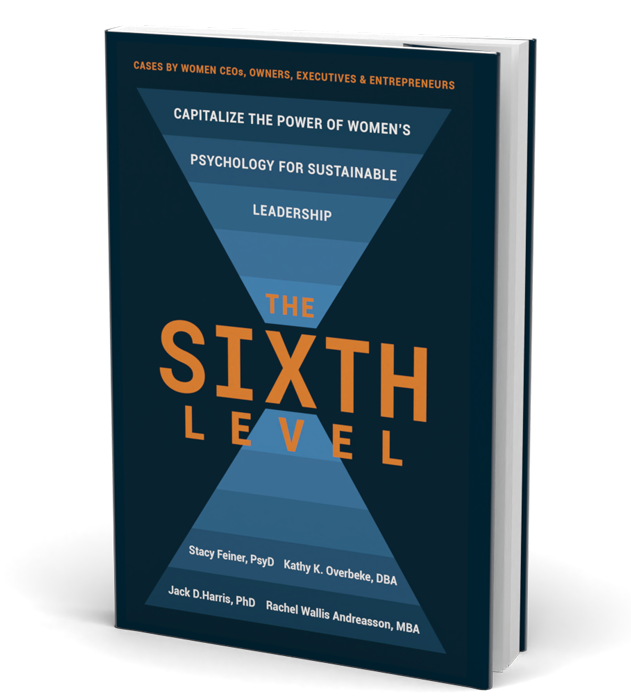
What happens when two powerful women—one a psychologist devoted to leadership transformation and the other a CEO who grew up in a family-run business—join forces to rethink what it means to lead? They discover the "Sixth Level" of Leadership! On this episode of On the Brink, Stacy Feiner, PsyD and Rachel Wallis Andreasson, MBA invite us to imagine leadership not as a position of power, but as a practice rooted in purpose, connection and care. The Birth of the Sixth Level Stacy Feiner, a high-performance psychologist and coach, has long focused on helping family and mid-market companies unlock the emotional dynamics that drive sustainable success. Her fascination with human potential began early—her mother introduced her to the groundbreaking Self-in-Relation theory at Wellesley's Stone Center, which challenged male-centered models of psychology and placed women's experiences at the center of understanding human behavior. From that foundation grew The Sixth Level: Capitalize on the Power of Women's Psychology for Sustainable Leadership, co-authored with Rachel Wallis Andreasson, Kathy Overbeke, DBA, and Jack Harris, PhD. The book expands on the belief that women's relational intelligence—empathy, collaboration, and the ethic of care—is not a deviation from leadership excellence but its evolution. Watch our video on Sixth Level Leadership here From Gas Station to $2 Billion Company Rachel Wallis Andreasson's story grounds those ideas in lived experience. The daughter of a gas-station owner on Route 66, she watched her father grow one small shop into a company now approaching $2 billion in annual sales. He modeled three values that remain central to her leadership: a strong work ethic, genuine care for people, and shared ownership through open communication. "When my dad walked into one of our stores," she recalls, "he didn't just check the numbers—he asked employees for their opinions. And then he used their ideas." Rachel worked for her family business for 24 years, rising to CEO and overseeing more than 1,100 employees. She is most proud of the cultural integration of the largest and most strategic acquisition of the company's history. Rachel builds cultures where people feel seen, heard, and trusted. Her philosophy mirrors her father's wisdom—lead by example, connect with authenticity, and invite others to own the company's success. The Four Core Differentiators of Sixth-Level Leadership At the heart of The Sixth Level are four principles that originate in women's social-psychology and form the basis of transformational leadership: Mutuality — Two-way empathy and shared purpose that align people behind a common vision. Ingenuity — Creative problem-solving that benefits the collective, not just the individual. Justness — Inclusion, accountability and equity built on transparency and trust. Intrinsic Motivation — Leading from within, not for external reward or authority. These are not soft skills—they are strategic capabilities that strengthen performance, retention, and resilience. "Accountability," Feiner explains, "doesn't start at the end of a project. It begins at the beginning, as a promise we make to each other to achieve success together." A Story of Transformation One of the book's most vivid case studies features Lisa, president of a rural Missouri hospital. Stepping into her role during the height of COVID-19, she found a demoralized staff, fragmented teams, and exhausted caregivers. Instead of imposing control, Lisa began by listening. She conducted open "snack-cart sessions" with employees, asking questions, sharing food, and gathering stories. From those conversations came a rallying cry—One Heart, One Team. Lisa modeled the change she wanted to see, shadowing every department, empowering cross-functional collaboration, and celebrating ingenuity at every level. The results were astonishing: record financial performance, unprecedented patient-satisfaction scores, and a palpable sense of unity across the hospital. "Transformation," says Andreasson, "is tangible. When you walk into that hospital today, you feel the caring culture. You feel 'One Heart, One Team.' " Beyond Self-Awareness to Relational Awareness Feiner believes traditional leadership training—often built on male norms—emphasizes self-control and individual performance. The Sixth Level expands that frame to relational awareness: how leaders build trust, reciprocity, and shared accountability. "We've been taught that leadership is about dominance and hierarchy," she says. "But sustainable success comes from mutuality—the capacity to care for others while driving results. Everyone can learn it. It's a human capability." A Model for All Leaders Although the book is rooted in women's social-psychology, both authors stress it is not for women only. Men thrive in Sixth Level environments too. "Command-and-control cultures haven't served anyone," Feiner notes. "When we bring the full picture—empathetic and analytical thinking together—we create workplaces where everyone can flourish." Andreasson agrees: "Culture is the secret weapon. The Sixth Level isn't a theory—it's a roadmap for building engaged teams, inclusive organizations, and caring communities." Rethinking What Leadership Looks Like As I reflected at the end of the conversation, the Sixth Level calls us to re-imagine leadership "not as power, but as purpose, connection, and deep relational intelligence." It's an invitation for all leaders—men and women alike—to claim a model that validates empathy, communication, and community as powerful drivers of performance. Perhaps the truest measure of success is what both Feiner and Andreasson have modeled themselves: leading with heart, lifting others, and proving that when we care for people, performance naturally follows. Connect with me: Website: www.simonassociates.net Email: info@simonassociates.net Learn more about our books here: Rethink: Smashing the Myths of Women in Business Women Mean Business: Over 500 Insights from Extraordinary Leaders to Spark Your Success

On this episode of On the Brink, I sat down with Dr. Max Teplitski—Chief Science Officer at the International Fresh Produce Association (IFPA)—to explore how a mindset is reshaping food safety, member value, and the future of a global industry. Max has practiced Blue Ocean thinking since his days as a professor, and today he's applying it at scale across a trade association that represents the entire fresh produce supply chain—from seed and inputs to retailers worldwide. From Competing to Creating: IFPA's Three Strategic Pillars Rather than fighting for attention in crowded "red oceans," IFPA reframed growth around three pillars that create new value for members and consumers alike: Future-proofing the industry amid climate volatility, supply chain complexity, and labor constraints. Worldwide influence for a global industry, recognizing interconnected markets and trade rules. Personalized member experience at scale—so each company (and individual) gets relevant, timely insight. This is classic Blue Ocean Strategy®: reduce what no longer adds value, eliminate legacy activities that drain resources, raise what customers truly care about, and create new offerings that unlock demand. Want a concise primer? Read our FAQ: What is Blue Ocean Strategy and Why It's the Smartest Way to Rethink Growth Personalization at Scale: AI That Stays Inside the (Trusted) Data One of IFPA's boldest moves is an AI-powered intelligence engine built on verified, curated data. Members can ask context-rich questions—"I'm in the Florida Panhandle planting winter crops; should I prioritize Asian greens, spinach, or baby lettuce?"—and receive synthesized answers spanning consumer trends, point-of-sale data, and operational considerations. The goal isn't more email; it's relevance on demand. This same platform enables on-demand micro-training. Need a five-minute safety huddle for a harvest crew—in Portuguese? The agent can generate it instantly from vetted guidance. That's value innovation: meeting real-world needs at the moment of work. Watch our video here Food Safety as a Promise—and a System Because most fresh produce is consumed raw, food safety is a shared responsibility between the producer and the consumer. IFPA's "supply chain of the future" work extends beyond traceability to quality, shelf-life, and incentives. With lot-level tracking and standardized practices—from field handwashing stations to controlled processing protocols—the industry continues to elevate both safety and transparency while extracting actionable value from the data generated along the way. Advocacy and a Community of Practice Some work will never be outsourced to algorithms. Advocacy—telling the industry's story to regulators and decision-makers—remains human, relational, and essential. In parallel, IFPA is designing a community of practice for food safety and sustainability professionals. Whether virtual, in-person, or hybrid, the north star is the same: connect practitioners to share what works, accelerate learning, and scale innovation. Culture Eats Strategy (and Then Powers It) Max underscores a truth we see in every successful transformation: strategy only sticks when culture supports it. IFPA treats culture as a system—meeting quarterly to practice competencies such as trust, communication, and agility, and to build behaviors into everyone's plan. That operating rhythm makes it easier to reduce or eliminate legacy programs and redirect resources toward higher-value offerings without losing the organization in the process. Three Takeaways You Can Use Now Stop competing; start creating. Use the Four Actions Framework to eliminate, reduce, raise, and build around what your customers actually value. Deliver relevance at the moment of need. Move from content push to context-aware personalization (AI helps when it's grounded in trustworthy data). Design for culture change, not just strategy change. Build the muscle—trust, communication, and agility—so your team can live the strategy. Blue Ocean Strategy isn't about inventing the next iPhone; it's about assembling a thoughtful portfolio that meets unmet needs better, faster, and more sustainably than the market expects. IFPA's journey shows how nonprofits and associations can open new market space—not by shouting louder, but by serving smarter. Further reading: FAQ – What is Blue Ocean Strategy and Why It's the Smartest Way to Rethink Growth And our white paper: Time to Find Your Blue Ocean Strategy Connect with me: Website: www.simonassociates.net Email: info@simonassociates.net Books: Learn more about our books here: Rethink: Smashing the Myths of Women in Business Women Mean Business: Over 500 Insights from Extraordinary Leaders to Spark Your Success On the Brink: A Fresh Lens to Take Your Business to New Heights Listen + Subscribe: Available wherever you get your podcasts—Apple, Spotify, Stitcher, YouTube, and more. If you enjoyed this episode, leave a review and share with someone navigating their own leadership journey. Reach out and contact us if you want to see how a little anthropology can help your business grow. Let's Talk! [block id="blog-signature"]

Peace Through Business: Building Peace by Empowering Women Entrepreneurs In a world often torn by conflict, peace through business may sound like a lofty goal. Yet for nearly two decades, that's exactly what Dr. Terry Neese , Monica Smiley, and the Peace Through Business Program have been accomplishing—helping women in Afghanistan, Rwanda, and now Uganda rise as entrepreneurs, leaders, and community changemakers. In the final episode of my three-part Peace Through Business podcast series, I was joined by Monica Smiley, president and founder of the Enterprising Women Foundation and publisher and CEO of Enterprising Women magazine. Monica, a long-time champion of women entrepreneurs worldwide, shared the remarkable journey of Dr. Neese, the founder of Peace Through Business, and how the Enterprising Women Foundation has joined forces to carry that mission forward. A Vision Born from a Call to Action The story began nearly twenty years ago when First Lady Laura Bush called Terry Neese with a bold request: travel with her to Afghanistan to help empower women through entrepreneurship. Despite her husband's warnings about the risks, Terry packed her bags and boarded a plane. What she witnessed changed her life. Soon after, she founded the Peace Through Business Program under the IEEW banner—a leadership and entrepreneurship training initiative designed to equip women in post-conflict nations with the tools to rebuild their lives and their communities through business ownership. Terry was no stranger to pioneering women's initiatives. She had co-founded Women Impacting Public Policy (WIPP), served as a president of NAWBO (National Association of Women Business Owners), and played a pivotal role in passing H.R. 5050, the landmark legislation often called the "Big Bang" of women's entrepreneurship by creating the National Women's Business Council, laying the groundwork for a network of Women's Business Centers across the nation, and changing archaic laws that kept women from getting credit in their own names. From her base in Oklahoma City, this native of Cookie Town, Oklahoma, went on to build a global movement rooted in one core belief: economic empowerment is the path to peace. From Afghanistan to Rwanda: Courage in Action What began as a training program for Afghan women quickly expanded. Within a year, Peace Through Business added Rwanda, a country rebuilding after the genocide that took more than 800,000 lives. "In Rwanda," Monica shared, "women literally held up the sky after the genocide." Many were left as heads of households and community leaders. With support from Peace Through Business, these women learned to create sustainable enterprises that fueled their country's recovery. Rwanda is now one of the few nations in the world where women hold a majority in Parliament, a testament to their determination and leadership. One unforgettable example is Chantal, a graduate of the program who turned a personal crisis into opportunity. After a car accident left her vehicle stranded abroad for repairs, she realized there were no local body shops. Determined to change that, she founded the first woman-owned auto repair business in Rwanda—and even created the National Garage Owners Association to help others follow her lead. When Monica presented Chantal with the Enterprising Woman of the Year Award, both women were moved to tears. "She had lost over 200 family members during the genocide," Monica recalled. "It was the only time I've ever broken down during a speech. The resilience of these women is indescribable." Adapting and Persevering Through Crisis The fall of Afghanistan to the Taliban in 2021 brought enormous challenges. The program's Afghan director, Manizha, happened to be in the U.S. when the country collapsed. She immediately called her team, instructing them to destroy records to protect participants from reprisal. In the days that followed, Peace Through Business helped over 300 graduates escape the country while continuing to support those who remained. Today, the Afghan program operates entirely online. The women meet virtually several times a week in a ten-week course covering business planning, marketing, finance, taxation, and leadership. Because many participants lack internet access, the program covers their connectivity costs. As Monica noted, "It's like a mini-MBA. The women are committed attendance is strict, there are assignments, tests, and business plans are developed." Graduates then join the Peace Through Business Alumni Association, where they mentor other women and "pay it forward." The results have been extraordinary: alumnae have launched new ventures, expanded into export markets, and even entered politics as ministers and policymakers. Watch our video on YouTube Here: A Call to Action: Women Helping Women Monica's message is clear—these programs depend on us. With cutbacks to international aid, nonprofit funding is tighter than ever, even as demand grows. "We had 124 Afghan women apply for 35 openings this year," she said. "The need is overwhelming." Every dollar and every mentor counts. Mentors are matched virtually with entrepreneurs to share expertise and encouragement. Donations go directly toward training, internet access, and modest stipends for local program directors like Manizha and Chantal, who continue to risk so much for others. Monica's organization, Enterprising Women Foundation, now hosts the Peace Through Business program, helping amplify its reach and celebrating its graduates at the annual Enterprising Women of the Year Awards. The partnership exemplifies how women lifting women can create ripple effects across continents—building stronger families, economies, and, ultimately, peace. Building Peace, One Business at a Time As I closed our conversation, I reflected on how deeply these women embody resilience and hope. Their stories remind us that peace is not simply the absence of conflict—it is the presence of opportunity. When women gain access to education, mentorship, and entrepreneurship, they transform not only their own lives but the futures of entire communities. Programs like Peace Through Business show that empowering women economically is one of the most powerful peace strategies in the world. The program is now operating in Canada and the United Kingdom. It is mostly serving immigrant women entrepreneurs from around the globe who have moved to those countries and need the Peace Through Business training. The Program is becoming truly global. If you would like to support or mentor women through the Peace Through Business program, visit Enterprising Women Foundation at www.enterprisingwomenfoundation. Together, we can build peace—one woman, one business, and one community at a time. Connect with me: Website: www.simonassociates.net Email: info@simonassociates.net Books: Learn more about our books here: Rethink: Smashing the Myths of Women in Business Women Mean Business: Over 500 Insights from Extraordinary Leaders to Spark Your Success On the Brink: A Fresh Lens to Take Your Business to New Heights Listen + Subscribe: Available wherever you get your podcasts—Apple, Spotify, Stitcher, YouTube, and more. If you enjoyed this episode, leave a review and share with someone navigating their own leadership journey. Reach out and contact us if you want to see how a little anthropology can help your business grow. Let's Talk!

Peace Through Business: How Women in Rwanda and Afghanistan Are Rebuilding Nations Through Entrepreneurship In this special episode of On the Brink with Andi Simon, I continue our series spotlighting Peace Through Business, a remarkable program empowering women entrepreneurs in Afghanistan, Rwanda, and beyond. The stories are profound, the impact undeniable, and the lessons universal: when women rise, entire nations begin to heal and prosper. As a corporate anthropologist and Blue Ocean Strategist, I want to remind us at the start: "When you invest in a woman entrepreneur, you invest in her family, her community, and her country's future." This conversation brings together Monica Smiley, publisher of Enterprising Women Magazine; Chantal Munanayire, Peace Through Business Program Director for Rwanda, Uganda, Canada, and the UK; and Manisha Wafeq, who leads the Afghanistan initiative. Each share not only how the program works but how it transforms lives — economically, socially, and spiritually. Creating Peace Through Business When Enterprising Women Foundation assumed stewardship of Peace Through Business in 2024, it became the natural extension of its mission to empower women globally. Monica Smiley explains that Enterprising Women began 25 years ago as a publication to celebrate women entrepreneurs but soon evolved into a global movement. "About 12 years ago," she recalls, "we launched the Enterprising Women Foundation to mentor girls in underserved communities across 30 U.S. cities. Then, by inheriting the Peace Through Business program, we broadened our mission — from helping American women entrepreneurs to supporting women rebuilding countries after conflict." Originally founded by Dr. Terry Neese at the request of former First Lady Laura Bush, the Peace Through Business program provides an intensive education in entrepreneurship, leadership, and civic responsibility. It began in Afghanistan, where women were often excluded from public life, and expanded into Rwanda, a country rebuilding its social and economic fabric after the 1994 genocide. Monica remembers traveling to Rwanda in 2014 and again in 2018. "The transformation in just four years was stunning," she says. "There were new hotels, a thriving convention center, and a new sense of hope. Women who once dreamed of a single business now run two or three. They are not waiting to be rescued — they are building the future themselves." Chantal's Journey: From Survivor to Mentor Few embody that spirit more than Chantal Munanayire. A survivor of Rwanda's genocide, Chantal rebuilt her life — and her country — one business at a time. In 2009, she broke barriers by opening the first woman-owned car repair and paint shop in Kigali, the capital city. "When I began, I didn't even know what a business plan was," she says with a laugh. "I was passionate but directionless. Through Peace Through Business, I learned to plan, to lead, and to see my company as separate from myself. That gave me freedom — and power." Today, Chantal runs the program across several countries and has mentored hundreds of women. "The women who come to us are determined but often afraid," she explains. "We teach them to turn that fear into focus. Once they succeed, they return to mentor others. That's how we build a sisterhood." She shares stories of women who began as small vendors and now own supermarkets, or dairy farmers who built shopping centers. "When one woman thrives, she brings ten others along," Chantal says. "That's how you build a country." Education, Mentorship, and Advocacy Peace Through Business unfolds in three powerful stages: Education– Ten weeks of in-country classes covering marketing, finance, leadership, and business planning. Leadership Development– A cultural and professional exchange in the U.S., where top graduates attend the Enterprising Women Conference to meet mentors and global leaders. Pay It Forward– Graduates return home to mentor others, advocate for policy reform, and expand the reach of women in leadership. As Manisha Wafeq explains, "This is not a one-week seminar. It's a life-changing journey. Our women become educators, activists, and community builders. They learn that business is not only about profit — it's about peace. And after they graduate, they pay their knowledge forward to other women and join our alumni association." A Call to Action: Supporting Women Who Change the World The episode closes with a powerful reflection from Monica and Andi: sustainable change requires participation. The program's impact depends on mentorship, funding, and global awareness. "This is a Blue Ocean in action," says Andi Simon. "These women are not competing in crowded markets. They're creating new ones — new industries, new opportunities, new futures." Monica adds, "We've given the Enterprising Women of the Year award to one Afghan and one Rwandan woman annually for nearly two decades. Seeing them stand on stage in front of hundreds of cheering peers brings me to tears every time. But we need more hands and hearts to keep the program thriving." Every contribution — financial or personal — helps sustain the work. Donations go directly to scholarships, training, and travel for participants. Mentors provide guidance and connection, bridging continents through compassion and shared purpose. To learn more or contribute, visit EnterprisingWomenFoundation.org. Why These Stories Matter For Andi Simon, this episode isn't just another interview — it's a reflection of what anthropology teaches us about change: that transformation begins when people reimagine what's possible. "Change happens," Andi concludes, "when we stop waiting for permission and start creating possibilities. These women are doing exactly that. They're rewriting the story of what it means to lead, to heal, and to build peace through business." Listen in to our YouTube Video:

When it comes to peacebuilding, business might not be the first answer that springs to mind. But for almost two decades, the Peace Through Business program has proved empowering women entrepreneurs is one of the most effective ways to repair broken societies. This was the first webinar in a series of three aimed at introducing people to the program's roots in Afghanistan, the women whose lives were changed and how urgently this work needs continued support - and growth. Watch our Interview Here. From Vision to Reality The Peace Through Business program was started by Dr. Terry Neese nearly 20 years ago at the suggestion of First Lady Laura Bush. The aim was humble but audacious: to empower Afghan women to enter their country's economic life, become business leaders and play a role in rebuilding a nation emerging from the darkness of Taliban rule. The public-private aspect of this from the very beginning made it different. This autonomy enabled the program to be flexible, creative and genuinely responsive to women. It also espoused a philosophy of paying it forward — the graduates were urged to not only expand their own businesses, but also to be advocates for others and create policies that would lift up other women across Afghanistan. Peace Through Business Program with Lasting Impact More than 900 Afghan women have been trained and mentored through Peace Through Business since 2007. These women are one of a kind trailblazers in every way. They have started Afghanistan's first printing press owned by women, established women's gyms to encourage health, ventured into logistics companies and forged a path into fields once thought inappropriate. One alum alone, for instance, sold her jewelry to fund a dried fruit-exporter dream. With the support of the program, she developed a business plan, figured out how to negotiate with international buyers and eventually, became one of the country's top exporters — until Taliban control prompted her to shut down operations. Today, she is building again, with resilience and strength. Other graduates teamed up to form the country's first Afghanistan Women's Chamber of Commerce and Industry. This advocacy group turned into the Afghan Women's Chamber of Commerce and Industry, which helped influence national trade policy, procurement laws and industrial land allocation processes — to ensure that women business owners were included in plans for the future. These are not small wins. They embody seismic cultural changes in a country where women were once banished from public life. Persevering Amid Crisis This whole success story was upended on August 15, 2021, when the Taliban reconquered Afghanistan. Decades of advances for women were rolled back in a single day. Gender Apartheid Since then, more than 130 decrees have curtailed women's rights, whatever those might be to a Muslim cleric in this type of Islamic state. But the women of Peace Through Business aren't ready to quit. Many are now operating home-based businesses, needing little more than a smart phone to connect with trainers and mentors. Former college professors, nonprofit workers and government employees — now unable to practice their professions — are remaking themselves as entrepreneurs. Their steadfastness to create livelihoods for themselves and others is an act of resistance and hope. Training That Changes Lives At its essence, Peace Through Business is more than a workshop or a certificate program. It's a meticulously planned learning trajectory. The participants acquire practical business skills — from writing business plans, to marketing and export. They are matched with mentors, often through virtual "e-mentoring," enabling supporters from across the world to walk alongside them in their growth. Above all graduates take with them more than knowledge. They come away with a sisterhood —women committed to lifting one another. It's this network that supports them through hard times and drives the ripple effect of change in their community. Why Now Matters--Why You Matter More Than Ever This year, more than 120 Afghan women applied for just 35 slots in the program. Demand is exponentially greater than supply at present. In a world where Afghanistan is fading from the headlines, never has the help been needed more. "There is no other program that rivals it," Monica Smiley, publisher of Enterprising Women and president of the Enterprising Women Foundation said in a webinar, "No matter where you are or what your career is … if you really want to make a difference in this world — significant difference — I can't think of a better example than the Peace Through Business program." How You Can Help Afghan women are not seeking charity, they are asking for opportunity. And we can help provide it. With a contribution, you are providing support for training programs, mentoring and small grants that enable women to begin or rebuild businesses. When you volunteer as a mentor, you're sharing your experience, reinforcing courage and sounding a voice for the cause. Every donation or hour of volunteers time offers a lifeline to women who refuse to be silenced, women who are making jobs happen and changing policy plus in spite of impossible odds keeping hope alive. Join Us Learn more, donate or volunteer as a mentor at Enterprising Women Foundation. Together we can make sure that the voices and visions of Afghan women entrepreneurs are not just heard, but magnified. For when women succeed, communities succeed. And when peace is constructed through business it happens to be lasting. Connect with me: Website: www.simonassociates.net Email: info@simonassociates.net Books: Learn more about our books here: Rethink: Smashing the Myths of Women in Business Women Mean Business: Over 500 Insights from Extraordinary Leaders to Spark Your Success On the Brink: A Fresh Lens to Take Your Business to New Heights Listen + Subscribe: Available wherever you get your podcasts—Apple, Spotify, Stitcher, YouTube, and more. If you enjoyed this episode, leave a review and share with someone navigating their own leadership journey. Reach out and contact us if you want to see how a little anthropology can help your business grow. Let's Talk!

On this episode of On the Brink with Andi Simon, I had the pleasure of speaking with Alan Gregerman, an internationally recognized authority on business strategy, innovation, and the hidden potential within all of us. Known as the "Robin Williams of Business Consulting," Alan brings humor, humanity, and deep insight into how we can adapt, grow, and innovate in a world changing faster than ever before. I couldn't wait to share this podcast with you! My friend and innovation mentor, Alan Gregerman, joined me on On the Brink with Andi Simon for a stimulating conversation that digs into the interesting challenges facing all those who want to find their own best way of innovating. The "Robin Williams of Business Consulting," Alan injects humor, humanity, and leading-edge thinking into the brutal truth about how we need to adapt, change & innovate so now we win in a world changing faster than ever. Alan's latest book, "The Wisdom of Ignorance: Why Not Knowing Can Be a Catalyst for Innovation in an Uncertain World," reminds us that our lack of knowledge can be the source of the greatest discovery. During our conversation, we discussed his unique personal journey, his desire to help others reinvent themselves, and the most critical skills for all of us to cultivate to succeed in a world of disruptions. Curiosity Begins Early Alan revealed that his interest in other cultures began in early life. His mother, a specialist in world history, and one cherished gift — an atlas — prompted him never to stop learning and exploring. That early sense of curiosity would eventually form the basis of his career: to help businesses and individuals look beyond what they know, he tells them, to find new ideas in unexpected places. This investigative spirit has characterized his writing, from Lessons from the Sandbox (about reclaiming the creativity of childhood) to Surrounded by Geniuses (on how ordinary people and ideas can spur innovation) to The Necessity of Strangers (for why we must connect with people unlike ourselves). Now, with The Wisdom of Ignorance, he contends that expertise is not sufficient: we must develop the courage to say "I don't know" and use that humility to drive our future expos. Why Adults Resist Change A common refrain in our conversations was how hard it is to make a change. Alan reminded us that whereas 10% of people are quick to embrace new concepts, and another 10% resist vigorously, the rest of us tend to be somewhere in between. This resistance is not only cultural — it's neurological. Because our brains are wired to conserve energy, they will always prefer established habits over new things to learn. It's why Alan emphasized that innovation frequently demands creating small, quantifiable experiments. We can try ideas out incrementally rather than insisting on wholesale change overnight. These experiments help build confidence, reduce fear, and allow us to adjust more organically to the world as it changes. Watch our video of our podcast on YouTube. Wisdom of Ignorance Alan's methodology is based on what he dubs the six fundamental skills for flourishing in uncertain times. Central to them is purpose. Without something transformative and exciting enough to wake up for, innovation merely wanders around aimlessly. Clarity of purpose, whether it's in a for-profit or not-for-profit organization, is what leads to curiosity and experimentation, which begets growth. "When I speak with people at non-profits, one of the common themes you'll hear is a greater sense of purpose than businesses," Alan says that both sectors need to revisit and sharpen their "why constantly." "Best is a space that's kind of a moving target," as he put it. What works today is no guarantee of relevance tomorrow, and without purpose, even the greatest idea can lose its impact. The Six Essential Capabilities of an Innovative Organization Alan boiled it down to six related skills - all of which are the building blocks of his book and consulting practice: 1. Purposefulness – Commit to something worth doing that is meaningful. 2. Curiosity – Ask for inspiration and you will find it, remembering that behind most great ideas is the thinking of others. 3. Humility – Acknowledge we don't have all the answers, discovery starts with an open mind. 4. Respect – Respect everybody and everything, they are coming from somewhere unexpected. 5. Focus Forward – Peer into the future with a focus on newer trends, cultures, and ideas. 6. Paranoia: Stay aware of the fact that competitors and threats are always on your heels. These habits together prompt us to adopt what Santayana gleefully termed "enlightened ignorance" — a stance that appreciates not knowing as yet as the beginning rather than the end of knowledge. Lessons for Leaders As an anthropologist, Alan's take felt eerily familiar. We both believe that growth is often staring organizations in the face, disguised in plain sight — if only they can look beyond their routines and assumptions. Leaders need to push teams out of their comfort zones, provoke new ways of thinking, and acknowledge progress along the journey. Alan cautioned us that our customers aren't loyal because they're devoted to us — they stay with us because switching to another provider seems more complex. But they'll leave as soon as something better comes along. Innovation, therefore, isn't optional. It's survival. Human-Centered Change All this talk of disruption nowadays is mainly centered on technology — and current trend words like AI, Bitcoin, blockchain, or the Fourth Industrial Revolution — but Alan warned us to remember that much more critical forms of change are human and social. From changing values across generations to increasing loneliness and shifting work habits post-COVID, leaders need to pay attention to the people side of transformation. He urges us to reach out to strangers, listen more closely, and pay attention to the subtle signs of change that are all around us. In it, we can transform ignorance into discovery and shape futures that count. A Final Thought Alan's lesson is that you don't have to have all the answers in your mind to do something remarkable. All you need is a sense of purpose, curiosity, humility, respect for others, and a focus on the future — together with just enough paranoia to keep you from being complacent. Most of all, you need to warm up to the wisdom that eighth graders get every single day going into high school: not knowing. For, as these people remind us: "We all actually do have the ability to make a difference. It's something we can attain if we engage in a few crucial behaviors each day." His new book, The Wisdom of Ignorance, was published on October 14 and is available wherever fine books are sold. Key Takeaways: • Lean into what you don't know — that's where the wonder is, and that's where you'll feel becoming. • Purpose orients; small experiments build confidence. • Remain curious, humble, respectful of norms and traditions while remaining future-oriented, and a bit paranoid. • The human and social change is at least as important as the technological disruption. • Each and every one can make a difference one step at a time. Connect with Alan: Alan's Profile: linkedin.com/in/alan-gregerman-a33b236 Website: alangregerman.com/ (Personal Connect with me: Website: www.simonassociates.net Email: info@simonassociates.net Books: Learn more about our books here: Rethink: Smashing the Myths of Women in Business Women Mean Business: Over 500 Insights from Extraordinary Leaders to Spark Your Success On the Brink: A Fresh Lens to Take Your Business to New Heights Listen + Subscribe: Available wherever you get your podcasts—Apple, Spotify, Stitcher, YouTube, and more. If you enjoyed this episode, leave a review and share with someone navigating their own leadership journey. Reach out and contact us if you want to see how a little anthropology can help your business grow. Let's Talk!

In this episode of On the Brink with Andi Simon, I had the pleasure of sitting down with Laurie Hirsch Schulz, a transformational coach, nonprofit leader, and founder of LHS Coaching. Laurie's career journey—from over two decades in corporate marketing at Kraft Foods and Visa to becoming a trusted coach and community leader—offers a powerful reminder that change is not something to resist but to embrace. Laurie brings to her clients a unique blend of corporate savvy, coaching expertise, and a deep passion for helping people find clarity when they reach what she calls inflection points. These are moments when life nudges—or pushes—you to recognize that what once worked no longer does. Whether it's career dissatisfaction, a health scare, a layoff, or simply the realization that you're ready for something new, inflection points are opportunities to redefine what comes next. From Corporate Success to Coaching Purpose Laurie enjoyed a successful career at Kraft Foods and Visa, thriving in marketing and strategy roles. But after more than 20 years, she hit her own inflection point: the work no longer aligned with her values. Rather than pushing through, she took a bold step. She negotiated an exit plan, gave herself what she called a "reboot year," and invested in coaching and reflection. That pause was pivotal. Laurie discovered that what she loved most wasn't just the marketing itself, but the mentoring, coaching, and team-building along the way. Out of that realization grew her coaching practice, where she now helps others navigate the complexity of transition. The Power of a Personal Compass Laurie's process begins with what she calls a personal compass. This is more than a vision statement—it's a grounding framework built around four key elements: Core Values – The non-negotiables that must guide decisions and actions. Mission – How you want to impact the world and show up in it. Energies – The activities, relationships, and pursuits that light you up. Capabilities – The skills and strengths that differentiate you, not just what you can do, but what you want to do. This compass serves as a touchstone, allowing clients to navigate life and career changes with greater clarity and confidence. It becomes especially powerful during times of uncertainty, when the "shoulds" of culture or family expectations may cloud what truly matters. Experimentation and the Permission to Change Clarity, however, is not enough. Laurie stresses the importance of experimentation—testing possibilities in small, manageable ways. That might mean scheduling coffee conversations with people in new fields, volunteering in a nonprofit role, or taking on stretch projects at work. These experiments open doors to new opportunities and perspectives while reducing the fear of change. And this is where Laurie offers something many of us forget: permission to change. So often, we keep doing what we've always done—even when it makes us unhappy—because it feels safe or because others have boxed us in. Laurie helps clients give themselves the grace and courage to step through new doors, even if what's on the other side looks different than expected. Coaching as a Gift to Yourself Laurie distinguishes coaching from therapy or consulting. Therapy often looks backward; consulting provides external solutions. Coaching, in contrast, is about partnering with clients to ask the right questions, surface insights, and guide them forward. It is future-focused, client-led, and deeply transformative. As Laurie puts it, coaching is a gift—a purposeful pause that helps you reconnect with who you are, gain confidence in your strengths, and create a future aligned with your values. Watch our video podcast on YouTube. Key Takeaways Listen to the inner voice. When something no longer feels right, don't ignore it. Inflection points are signs it's time for change. Define your personal compass. Ground yourself in your values, mission, energy sources, and unique capabilities. Challenge the "shoulds." Cultural and personal expectations can limit growth; real transformation begins by questioning them. Experiment your way forward. Try new roles, conversations, or volunteer work to clarify what resonates before making big leaps. Give yourself permission. You don't need to stay stuck in a box. Change is not failure—it's an act of self-leadership. Coaching is an investment. Partnering with a coach can help you pause, reflect, and move forward with confidence and clarity. Laurie's story is a reminder that change, while uncomfortable, is often the catalyst for growth and transformation. We may not always know what's on the other side of the door, but with clarity, experimentation, and courage, we can step through and discover new ways of living and working that truly align with who we are. To learn more about Laurie Hirsch Schulz and her coaching practice, or to connect with her for a complimentary introductory session, visit her at LHS Coaching or find her on LinkedIn. Connect with me: Website: www.simonassociates.net Email: info@simonassociates.net Books: Learn more about our books here: Rethink: Smashing the Myths of Women in Business Women Mean Business: Over 500 Insights from Extraordinary Leaders to Spark Your Success On the Brink: A Fresh Lens to Take Your Business to New Heights Listen + Subscribe: Available wherever you get your podcasts—Apple, Spotify, Stitcher, YouTube, and more. If you enjoyed this episode, leave a review and share with someone navigating their own leadership journey. Reach out and contact us if you want to see how a little anthropology can help your business grow. Let's Talk!

In this episode of On the Brink with Andi Simon, Dr. Andi Simon welcomes a remarkable young entrepreneur, Sana Ali, whose story is as surprising as it is inspiring. Just twelve years old, Sana has already built a reputation as a digital strategist helping coaches, consultants, and creators transform their online engagement into real business results. Her journey from Karachi, Pakistan, to an international podcast platform is a testament to curiosity, resilience, and the entrepreneurial spirit. A Journey Sparked by Curiosity and Encouragement Sana's story began in 2023, when she was only ten years old. With encouragement from her mother, she shifted her time away from passive entertainment toward learning coding and building websites. Very quickly, she not only mastered skills far beyond her years but began to attract attention from adults—some twice or three times her age—who turned to her for guidance. This early success underscored a truth that continues to shape her path: ambition and focus are not limited by age. Her initial LinkedIn presence grew rapidly, amassing thousands of followers. But because she was underage, the platform eventually banned her account. Instead of giving up, Sana started again, this time with a clearer vision. Rather than focusing only on coding, she saw an opportunity to address a widespread challenge: many professionals were generating likes, comments, and followers on LinkedIn, yet struggling to convert that visibility into paying clients. Sana stepped into this gap with a simple but powerful insight—engagement is nice, but clients are better. Sana Ali is Building a New Model on LinkedIn With her fresh approach, Sana began optimizing LinkedIn funnels. She mapped out the journey from a cold prospect to a high-ticket client, showing coaches and consultants how to stop chasing vanity metrics and start building sustainable revenue. One of her earliest breakthroughs came when a skeptical prospect realized that, despite thousands of followers, they were making no money. Sana provided strategic adjustments and, to their surprise, turned the engagement into paying clients. That success story became the first of many case studies demonstrating the effectiveness of her methods. In conversation with Andi, Sana explained how the tactics of outreach have shifted over the years. Cold pitches and generic compliments that may have worked in 2015 no longer resonate in 2025. Instead, the new "currency" is trust. Building trust requires empathy, genuine compliments, thoughtful questions, and adding value without immediately pushing for a sale. For Sana, this approach is not theoretical—it is the lived experience of someone whose age initially raised doubts, yet whose results quickly silenced them. The Core of Her Success: Trust and Empathy Throughout the discussion, Sana emphasized that trust is the foundation of client relationships today. Prospects are savvy, often wary of sales pitches, and increasingly skeptical about whether they are interacting with a real human or an AI bot. Sana has mastered the art of demonstrating authenticity—through personalized conversations, empathy for her clients' situations, and valuable insights freely given before any sales conversation. One example she shared involved a client who joined a call while ill. Instead of pressing forward, Sana suggested rescheduling, showing genuine care for the individual. That small act of empathy built immediate trust, leading to a long-term client relationship. Stories like these highlight her maturity, compassion, and business acumen far beyond her years. Lessons for Entrepreneurs of All Ages The episode closes with reflections on Sana's journey and her advice for young entrepreneurs: age should never be seen as a limitation. Whether learning coding at ten or advising adults on LinkedIn strategy by twelve, she has proven that commitment and ambition can accelerate success at any stage of life. For her, the choice to spend time building a business rather than playing video games has opened doors to opportunities she once could not have imagined. For listeners of On the Brink, this episode is more than an inspiring story—it is a reminder of how quickly the business landscape is changing, and how younger generations are not just adapting but leading. Sana Ali embodies the entrepreneurial mindset: seeing opportunities, embracing change, and building trust in a world where trust itself has become the most valuable commodity. You can watch our podcast on YouTube here Connect with me: Website: www.simonassociates.net Email: info@simonassociates.net Books: Learn more about our books here: Rethink: Smashing the Myths of Women in Business Women Mean Business: Over 500 Insights from Extraordinary Leaders to Spark Your Success On the Brink: A Fresh Lens to Take Your Business to New Heights Listen + Subscribe: Available wherever you get your podcasts—Apple, Spotify, Stitcher, YouTube, and more. If you enjoyed this episode, leave a review and share with someone navigating their own leadership journey. Reach out and contact us if you want to see how a little anthropology can help your business grow. Let's Talk! From Observation to Innovation, Andi Simon, PhD CEO | Corporate Anthropologist | Author Simonassociates.net Info@simonassociates.net @simonandi LinkedIn Andi Simon PhD CEO | Corporate Anthropologist | Author Simonassociates.net Info@simonassociates.net @simonandi LinkedIn
Selling has always been at the heart of business growth—but how we sell, who sells, and what customers expect has changed dramatically. On this episode of On the Brink with Andi Simon, I spoke with Tsahala David, CEO of Great Revenue, a sales consulting firm that helps B2B software companies grow smarter and faster. With an extraordinary background—MIT MBA, tech founder, and sales leadership roles at IBM and Salesforce—Tsahala has seen sales from every angle. Her story and insights reveal not just how to grow revenue but how to thrive in a new era of sales transformation From Startup Founder to Sales Leader Tshala's journey began in Israel, where she completed military service and studied psychology before shifting into computer science. After founding her own tech company in her twenties, she confronted an early challenge many entrepreneurs face: defining her role. At first reluctant to call herself "CEO," she quickly realized that imposter syndrome had to be shed—because if you're running the business, you are the CEO That early startup experience gave her first-hand knowledge of the uphill battle founders face in selling products, building teams, and convincing investors. Seeking more tools, she went to MIT for her MBA, then built a 20-year career in sales at global giants like IBM and Salesforce, closing multi-million-dollar deals with clients like Wells Fargo and Cisco. At Salesforce, she learned what she calls the "power of sparkle"—the way a company can attract talent, customers, and attention by combining strategy with personality and brand charisma. These lessons now fuel her work at Great Revenue, where she helps companies align their sales strategies with today's market realities. Common Mistakes in Startup Sales One of Tsahala's most valuable contributions is diagnosing the mistakes founders and sales leaders make at different growth stages. Early-stage startups often believe that signing a few reseller "partners" means they have a sales team. But, as Tshala warns, relying on partners who only earn commission when they sell means sales rarely happen. The real cost isn't money—it's lost time, and in startups, six months of delay can kill your competitive advantage Later-stage companies often get compensation plans wrong. She shared a case where salespeople were paid less for online orders than phone orders. Predictably, reps discouraged online buying and insisted clients call them—hurting profitability and wasting resources. The lesson? Follow the money. Salespeople respond to incentives, so design compensation plans with the outcomes you want Sales management is another weak spot. Too often, managers don't require reps to prepare for pipeline meetings. Tshala recommends using simple forms that force reps to answer key questions—deal size, decision makers, last contact, close date. This not only helps managers track progress but also helps sellers spot gaps in their deals The Role of AI in Sales Naturally, our conversation turned to AI in sales. Tsahala sees tools like ChatGPT as game-changers for research and preparation. Instead of spending hours digging through reports, salespeople can instantly access a company's strategy, leadership, and metrics. But there's a catch: weak sellers often use AI as a crutch, staying at a generic level. Strong sellers know to go deeper, asking sharper questions and tailoring insights to the customer's specific needs. AI, Tshala argues, empowers strong sellers but won't rescue weak ones The future belongs to those who combine technology with human curiosity, empathy, and problem-solving. Shifts in Buyer Behavior Another theme we explored was the dramatic shift in how buyers engage with sellers. Older generations may remember sitting across the table until a contract was signed. But today's buyers often don't work in offices, don't answer phones, and rely on digital channels to research solutions. Events are no longer centralized; instead, buyers connect through fragmented online communities—from LinkedIn groups to Discord servers. That means marketing now owns much of the top of the funnel, while sales must focus on converting leads and building trust. Sellers today must immerse themselves in buyers' digital worlds, positioning themselves not just as vendors but as collaborators in problem-solving Key Takeaways for Sales Leaders As we wrapped up our conversation, Tsahala emphasized that sales is a profession, not a side hustle. Everyone thinks they know how to sell—after all, we've all sold something, even if just a used car or lemonade stand. But true sales success requires expertise, structure, and strategy. Here are her top three lessons for sales leaders and entrepreneurs: Don't go it alone. Sales consulting isn't optional—it's an investment in avoiding costly mistakes. Design incentives wisely. Compensation plans drive behavior. Align them with your business goals. Embrace change. Buyer behavior, sales roles, and technology are evolving. Those who adapt will thrive Why This Matters Now We are living through a great transformation in sales. Marketing and sales are no longer siloed; collaboration is essential. AI accelerates preparation but cannot replace human insight. And customer expectations continue to evolve. For CEOs, founders, and sales leaders, Tsahala David's message is clear: if you want revenue growth, you must rethink your approach to sales. Invest in your people, design smart processes, and leverage technology thoughtfully. Sales isn't just about closing deals anymore—it's about creating value, building trust, and collaborating with buyers in ways that meet them where they are. Watch our interview on YouTube Listen + Subscribe: Available wherever you get your podcasts—Apple, Spotify, Stitcher, YouTube, and more. If you enjoyed this episode, leave a review and share with someone navigating their own leadership journey. Reach out and contact us if you want to see how a little anthropology can help your business grow. Let's Talk! From Observation to Innovation, Andi Simon, PhD CEO | Corporate Anthropologist | Author Simonassociates.net Info@simonassociates.net @simonandi LinkedIn
When opportunity knocks, sometimes it comes in the most unexpected ways—like someone breaking into your home to steal a salad dressing. That's the unlikely spark that launched Gregory Vetter's entrepreneurial journey, one that would forever change the way Americans think about clean eating. On this episode of On the Brink with Andi Simon, Gregory shares his remarkable story: how he turned his mother's homemade salad dressing into Tessemae's, the nation's #1 organic refrigerated salad dressing brand. His story is more than a business tale—it's a lesson in resilience, innovation, and redefining the American Dream. From a Missing Salad Dressing to a National Brand Gregory's journey began in the humblest way. A friend—who didn't even like salad—confessed to stealing Gregory's mother's homemade dressing. That was the "aha" moment. If the product was so irresistible it could inspire theft, perhaps it was good enough to sell. Armed only with conviction and cold-calling skills, Gregory approached local grocery stores. With no packaging, no brand, and no experience, he brought samples in Tupperware. The response was immediate: "This is the best salad dressing I've ever had." That first yes opened the door to a 15-year journey that saw Tessemae's become a pioneer in the clean food movement—introducing gum-free dressing, Whole30-approved products, and a national reputation for innovation. Scaling Dreams and Facing Hard Truths But entrepreneurship is rarely a straight line. As Gregory candidly shares, success brought challenges: supply chain crises, investor pressures, and hostile takeover attempts. What began as a family dream turned into a battle of lawyers, negotiations, and financial strain. Eventually, the company was handed to private equity for pennies on the dollar. For many, this might have felt like a nightmare ending. But Gregory reframed it: "Leadership comes down to leading by example and leaving things better than you found them." Redefining the American Dream That reframing became the core of Gregory's bestselling book, Undressed: The Unfiltered Story of My Failed American Dream and How It Led to Success. In it, he unpacks the lessons of failure—how losing what you built can actually unlock clarity, resilience, and a more grounded understanding of success. Today, Gregory leads Homegrown Brand Accelerator, helping emerging entrepreneurs avoid the pitfalls he faced. From produce businesses with zero food waste to launching Mexico's largest avocado oil brand in the U.S., his playbook is now a blueprint for others. Building Businesses with Purpose Gregory's work now emphasizes something far beyond profits: purpose. His ventures align with values like sustainability, clean food, and personal well-being. He also hosts retreats designed to help leaders find their most "optimal state"—balancing time, health, family, and purpose. He reminds us that money can't buy four essential things: your time, your soul, your health, and your children's love. For him, these are the real pillars of success. Lessons for Entrepreneurs and Leaders Gregory's story is full of takeaways for anyone navigating entrepreneurship or leadership: Ignorance can be fuel. Sometimes not knowing the rules lets you break them creatively. Conviction matters. Believing in your idea—before anyone else does—is often the hardest step. Protect your dream. Be cautious with investors; alignment of values is as important as funding. Failure is a teacher. Reframing setbacks can lead to stronger, wiser ventures. Purpose outlasts profit. Businesses built on doing good create lasting impact. As Gregory puts it, quoting JFK: "The ancient Greek definition of happiness was the full use of your powers along lines of excellence." When work aligns with purpose, excellence follows. Listen In or Watch on Youtube. This conversation is for anyone who's ever wondered how to turn an idea into reality, or how to rebuild after dreams don't go as planned. Gregory's story is proof that even when things don't end the way you imagined, they can still lead to something greater. Discover how you can turn your observations into innovations—just like Gregory Vetter. You might enjoy listening to these podcasts about similar topics at https://www.simonassociates.net/category/podcast/ Connect with me: Website: www.simonassociates.net Email: info@simonassociates.net Books: Learn more about our books here: Rethink: Smashing the Myths of Women in Business Women Mean Business: Over 500 Insights from Extraordinary Leaders to Spark Your Success On the Brink: A Fresh Lens to Take Your Business to New Heights Listen + Subscribe: Available wherever you get your podcasts—Apple, Spotify, Stitcher, YouTube, and more. If you enjoyed this episode, leave a review and share with someone navigating their own leadership journey. Reach out and contact us if you want to see how a little anthropology can help your business grow. Let's Talk!
In this episode of On the Brink with Andi Simon, I sit down with Dr. Philip A. Glotzbach, former President of Skidmore College, philosopher, and passionate advocate for the liberal arts, to talk about how students can get the most out of their college experience — and why it's about far more than getting a job. His latest book, Embrace Your Freedom: Winning Strategies to Succeed in College and in Life, is both a practical guide and a philosophical invitation to use higher education as a launchpad for a meaningful life. His message: Embrace freedom. Your college years are a time to be curious, explore ideas, build relationships, and learn to love freedom. A Life in Education and Leadership Dr. Glotzbach's journey began at the University of Notre Dame, where he discovered a love for philosophy, and continued at Yale University, where he earned his Ph.D. and fell in love with teaching. After 15 years as a philosophy professor at Denison University, he moved into administration, eventually becoming President of Skidmore College for 17 years. Throughout his career, one question has guided him: What can we do to give students the best chance at a meaningful life? The answer, for him, blends intellectual development, personal responsibility, and civic engagement — themes woven into his convocation talks to new students, which eventually became the foundation for Embrace Your Freedom. Why College Is a One-Time Opportunity to Embrace Freedom College, Dr. Glotzbach says, is a singular moment in life — "you get one shot at being an undergraduate." It's a time for "test-driving your adult self," exploring big questions, and deciding what kind of person you want to be, as well as what kind of world you want to help create. Too often, students see college only as a steppingstone to employment. While preparing for a career matters, narrowing your focus too early shortens the shelf life of your skills. Today's graduates will likely change not just jobs but entire careers multiple times. The broader your education, the better equipped you'll be to adapt to an unpredictable future. Watch our podcast on YouTube here: From Negative Freedom to Positive Freedom One of the book's central ideas is the shift from "negative freedom" — the absence of external constraints — to "positive freedom," which is about deciding what you will do with that freedom. Positive freedom requires embracing structure and responsibility to pursue meaningful goals. Dr. Glotzbach compares it to training for a marathon: you give up certain freedoms (like sleeping late) in exchange for the discipline that makes your goal achievable. In college, that means setting intentional objectives — for your courses, your extracurriculars, your relationships — and committing fully to them. Begin Now — And Begin Again If there's one mantra Dr. Glotzbach wants every student to remember, it's Begin now. Your college career doesn't start "later" — it starts the moment you arrive on campus. Don't wait for the second semester or sophomore year to get serious. That doesn't mean you won't face setbacks. Everyone stumbles. The key is to begin again — to get back up, recommit, and move forward. "The most important thing is not how many times you get knocked down," he says, quoting Vince Lombardi, "but how many times you get back up." The Liberal Arts Advantage for Embracing Freedom As a philosopher and liberal arts leader, Dr. Glotzbach believes deeply in the value of studying broadly. Liberal arts disciplines develop critical thinking, ethical reasoning, and the ability to synthesize perspectives — skills essential for solving the "wicked problems" of our time. One of his favorite quotes, from Horace Mann, is a call to action: "Be ashamed to die until you have won some victory for humanity." For Dr. Glotzbach, college is a privilege held by a small percentage of the global population, and with that privilege comes a responsibility to contribute to the greater good. Relationships Over Transactions Dr. Glotzbach warns against treating college as an "educational ATM," where you deposit tuition and withdraw a diploma. That transactional mindset robs you of the deeper value of the experience. College is about relationships — with people, with ideas, and with the skills you are developing. Friendships formed during college often become lifelong connections. These relationships — your first as an independent adult — are a key part of the transformation that happens during these years. Learning in the Age of AI Today's students must also navigate the opportunities and challenges of new technologies, including AI. While AI can be a powerful tool, relying on it too heavily during your studies can short-circuit the development of critical thinking and analytical skills. Dr. Glotzbach stresses the importance of reading and thinking critically — whether the material was written by a human 200 years ago or generated by AI yesterday. Advice for Students and Parents For students: approach college as a unique opportunity for growth. Be open to new ideas, seek out mentors, engage in campus life, and treat every class, project, and relationship as a chance to find meaning. For parents: remember that your child's education is not only about employment prospects but also about becoming a thoughtful, engaged, and adaptable human being. Get the Book Embrace Your Freedom: Winning Strategies to Succeed in College and in Life is available on Amazon, Barnes & Noble, Target, and other major booksellers, as well as through Dr. Glotzbach's website: www.philipglotzbach.com. Whether you're a student, parent, educator, or simply someone who values lifelong learning, this book offers a thoughtful, inspiring, and practical guide to making the most of one of life's most important chapters. Connect with me: Website: www.simonassociates.net Email: info@simonassociates.net Books: Learn more about our books here: Rethink: Smashing the Myths of Women in Business Women Mean Business: Over 500 Insights from Extraordinary Leaders to Spark Your Success On the Brink: A Fresh Lens to Take Your Business to New Heights Listen + Subscribe: Available wherever you get your podcasts—Apple, Spotify, Stitcher, YouTube, and more. If you enjoyed this episode, leave a review and share with someone navigating their own leadership journey. Reach out and contact us if you want to see how a little anthropology can help your business grow. Let's Talk!
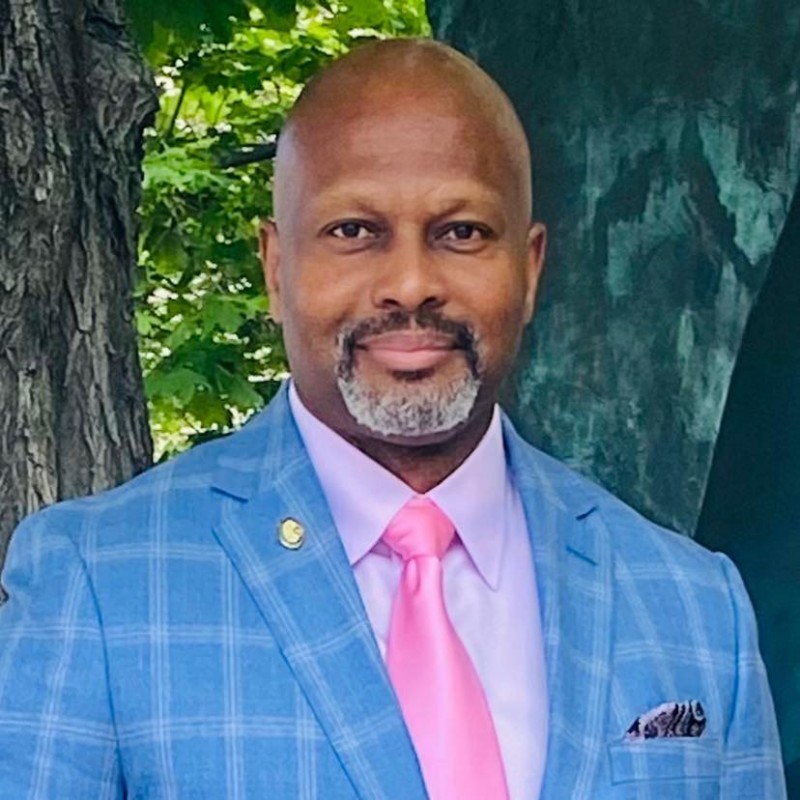
I could not decide on the right title for this podcast. Here was an alternate now: "Living, Looking, and Feeling Your Best: Nate Scott on Creating Lasting Wealth and Purpose." Nate Scott is a man whose journey from small-town Georgia to combat veteran, West Point graduate, entrepreneur, and executive coach is nothing short of inspiring. Nate's story is one of intentional living, resilience, and a commitment to helping others look, feel, and live the way they truly desire. From the Battlefield to West Point Nate's early dream was to play college basketball, but when that opportunity fell through, he enlisted in the U.S. Army. His life took a dramatic turn during Operation Desert Storm, where at just 19 years old, he made a vow: if he returned home, he would never waste a day of his life. That moment shaped his future, instilling a deep sense of purpose and urgency. While stationed in Germany, Nate was encouraged to apply to West Point — an idea he initially resisted. Yet in 1992, after careful consideration, he decided to attend, graduating with degrees in engineering, computer science, and sociology, and serving as a regimental commander among 4,000 cadets. Discovering the Power of Personal Development Just as pivotal as his West Point education was Nate's introduction to personal growth and entrepreneurship. A chance invitation to a network marketing meeting opened his eyes to the value of continuous learning, surrounding oneself with successful people, and taking control of one's financial destiny. An Entrepreneur's Path Nate's career path was anything but linear. He became a personal trainer, then applied the principles of fitness to business, personal finance, and leadership. He earned his MBA from George Washington University and gained experience as a CFO of a rapidly growing tech company. Along the way, he built a real estate portfolio that led to his first million by age 32. But Nate also faced significant challenges — market downturns, business closures, and personal setbacks. These experiences deepened his understanding of financial vulnerability and the importance of preparation, adaptability, and mindset. Life Is Rich: Addressing the Cash Flow Challenge Today, Nate is the author of Life Is Rich: How to Create Lasting Wealth, a book that serves as both curriculum and coaching foundation. His mission is clear: help people — especially women, who often outlive men and face unique financial pressures — address the very real cash flow dangers that threaten their future security. Nate stresses that finances are 80% behavior and only 20% knowledge. The two largest expenses most people face are taxes and ignorance. By teaching "how to think, not what to think," he guides clients toward creating sustainable cash flow through entrepreneurship, strategic tax planning, and purposeful living. If you would like to watch our podcast, click here: The Habit Factor Central to Nate's philosophy is the power of habits. As he explains, habits can either drive you toward your goals or pull you away from them — and they work with machine-like precision whether they serve you or not. Changing habits requires intentionality, discipline, and a clear vision of the life you want to live. One of Nate's most powerful coaching questions is: How do you want to look, feel, and live in the last ten years of your life? This future-focused visioning helps clients break free from autopilot living and start making daily choices that align with their desired future. From Individuals to Organizations While Nate works one-on-one with clients, he also coaches teams and organizations. His focus remains on the individual as the asset — helping people align their personal goals with professional success. His "alignment before assignment" mantra ensures that purpose drives action, not the other way around. Final Takeaways Nate leaves listeners with these key points: Alignment before assignment — Know your values and goals before taking on commitments. You are the asset — Invest in yourself first. Focus on how to think, not what to think — Empower yourself to make better decisions. For Nate, life is rich when you have the cash flow, health, purpose, and time freedom to live it fully. His work helps people get there — with a clear plan, disciplined habits, and a vision worth pursuing. You can learn more about Nate Scott and get Life Is Rich directly at lifeisrichbook.com, where purchasing from him includes access to bonus audio content and a complimentary session. Connect with me: Website: www.simonassociates.net Email: info@simonassociates.net Learn more about our books here: Rethink: Smashing the Myths of Women in Business Women Mean Business: Over 500 Insights from Extraordinary Leaders to Spark Your Success On the Brink: A Fresh Lens to Take Your Business to New Heights Listen + Subscribe: Available wherever you get your podcasts—Apple, Spotify, Stitcher, YouTube, and more. If you enjoyed this episode, leave a review and share with someone navigating their own leadership journey. Reach out and contact us if you want to see how a little anthropology can help your business grow. Let's Talk!

On this episode of On the Brink with Andi Simon, I sat down with Delia Passi, a three-time exited entrepreneur, women's health advocate, and the founder and CEO of MyCabinet — a groundbreaking virtual medicine cabinet that's changing how families and caregivers manage medications. Delia's story isn't just about building a successful business. It's about transforming a deeply personal, life-threatening moment into a purpose-driven company that blends healthcare innovation with impact entrepreneurship. The Crisis That Sparked a Movement Delia's journey into healthcare technology began when her elderly mother suffered a massive heart attack while Delia was 200 miles away. In the chaos of the moment, doctors urgently needed her mother's medical history — current medications, allergies, and past adverse reactions — but Delia didn't have the information. The result was sheer terror and helplessness. "I thought I was going to kill my mother," she recalls. That moment became a catalyst for change. Delia made a promise to God: if her mother survived, she would dedicate herself to ensuring no one else endured such a situation again. That promise became MyCabinet, a smart, virtual medicine cabinet designed to securely store, organize, and share critical medication information instantly with caregivers, healthcare providers, and family members. A Track Record of Impact Before founding MyCabinet, Delia had already made waves as the publisher of Working Mother magazine, where she championed family-friendly workplace policies and launched the "100 Best Companies for Working Mothers" list. After battling breast cancer herself, she founded WomenCertified, Inc., home of the Women's Choice Award, which helps women make informed healthcare decisions and sets rigorous standards for hospitals and providers. While proud of that work, Delia says she didn't initially view it as "purpose-driven" — it was doing good, yes, but not with the intentional integration of purpose into every business decision. MyCabinet, however, was different from the start. Building a Purpose-Driven Company Determined to align her entrepreneurial skills with a deeper mission, Delia joined Amplify, a nine-month program from the National Christian Foundation that taught her how to embed purpose into every aspect of a company. She now applies that framework to MyCabinet through four pillars: Employees – Hosting quarterly retreats with space for reflection, gratitude, and shared values, fostering a culture where faith and respect thrive across religious backgrounds. Investors – Choosing only impact investors who put people before profit and share the company's mission. Clients – Taking a holistic approach to helping healthcare partners and institutions improve patient lives, not just offering a product. Customers – Delivering peace of mind for caregivers and patients by preventing dangerous medication errors and improving health outcomes. Blue Ocean Thinking: Creating a New Market As I often share with my clients, Blue Ocean Strategy is about creating a market space where none existed before — and MyCabinet is a perfect example. There was no "smart medicine cabinet" category before Delia created it. Like the leap from standard TVs to smart TVs, MyCabinet transforms a familiar object into a connected, intelligent solution. Originally, Delia planned to sell direct-to-consumer (B2C), but quickly pivoted to a B2B2C model, partnering with large health plans, school systems, and other organizations that could deliver her product to hundreds of thousands of users at once. This strategic shift saved millions in marketing costs and accelerated adoption. Lessons for Entrepreneurs Delia's story offers powerful lessons for anyone building a purpose-driven business: Get out of your comfort zone. For Delia, that meant reaching out to politicians and leaders she didn't know, which opened unexpected doors in sectors like foster care, prison healthcare, and schools. Surround yourself with the right people. Seek advisors, investors, and partners who challenge you, support your vision, and keep your mission intact. Be prepared for the unseen. Women founders often face additional hurdles raising capital. Delia chose to navigate those challenges without compromising her values or taking on partners who didn't align with her mission. Focus on unmet needs, not just your product. MyCabinet succeeds because it solves a real, often hidden problem — the lack of accessible, accurate medication information in critical moments. Why This Matters In an era where healthcare technology is evolving rapidly, MyCabinet stands out as both a life-saving innovation and a model for how businesses can integrate purpose, profit, and impact. It's not just about managing medications — it's about protecting lives, reducing caregiver stress, and empowering families with information when they need it most. As Delia puts it, "You can build a unicorn and still be an active, purpose-driven organization." Her journey proves that the bottom line and higher calling don't have to be at odds. Call to Action: To learn more about Delia Passi and MyCabinet, visit mycabinet.com. And to hear the full conversation, listen to this episode of On the Brink with Andi Simon — where we explore how personal experiences can inspire innovations that change lives. Listen to other podcasts about people building purpose-driven companies where profit aligns with meaning. Connect with me: Website: www.simonassociates.net Email: info@simonassociates.net Books: Learn more about our books here: Rethink: Smashing the Myths of Women in Business Women Mean Business: Over 500 Insights from Extraordinary Leaders to Spark Your Success On the Brink: A Fresh Lens to Take Your Business to New Heights Listen + Subscribe: Available wherever you get your podcasts—Apple, Spotify, Stitcher, YouTube, and more. If you enjoyed this episode, leave a review and share with someone navigating their own leadership journey. Reach out and contact us if you want to see how a little anthropology can help your business grow. Let's Talk!

Comments

Download from Google Play

Download from App Store
 United States