


 Claim Ownership
DTC Podcast
Subscribed: 170Played: 13,733
Subscribe

© 352487
Description
Weekly discussions between disruptive direct to consumer ecommerce brands and our amazing team about marketing, funnels, and everything scaling related. Subscribe to our newsletter for highlights and step by step tactical insights 👉🏻 📦 directtoconsumer.co
723 Episodes
Reverse

 1
1Subscribe to DTC Newsletter - https://dtcnews.link/signup
Conversion Rate Optimization for Subscription Ecommerce Products...could there be a sexier topic for brand owners? 💃🏼
🤓Nerd out with Eric, the Pilothouse team, along with legends Josh F Elizetxe from Snow At-Home Teeth Whitening and Vinny McCauley from SmoothieBox for a golden nugget filled talk that fills in the details on how each has built, optimized and pivoted their funnels to reach 8 figures in sales.
Subscribe to DTC Newsletter - https://dtcnews.link/signup
Advertise on DTC - https://dtcnews.link/advertise
Work with Pilothouse - https://dtcnews.link/pilothouse
Follow us on Instagram & Twitter - @dtcnewsletter
Watch this interview on YouTube - https://dtcnews.link/video
Subscribe to DTC Newsletter - https://dtcnews.link/signup
In this cast we invite longstanding team member Brett to join us. We talk about what's working in lead generation, and the holistic approach to multi-touch marketing you need to make things work in today's environment. We also talk about what Ecommerce entrepreneurs can learn from lead generators and vice versa
What's Working with Lead Gen in 2020
Benefits from Lockdown for Lead Generation
How has Lead Generation Evolved in the last 5 years
Optimium form length (push the info onto the phone)
Multi-touch marketing for lead gen (incorporating SMS + Push)
Lead Generation Ad Content (What Works?)
Which Niches are Popping for Lead Gen?
Automation and aggregation in the Lead Gen space
Telemedicine Client with multiple Touchpoints
Server to Serve Tracking - Benefits, what it enables, how to set it up
Main takeaways: Smarter customers and more automated middlemen
Subscribe to DTC Newsletter - https://dtcnews.link/signup
Advertise on DTC - https://dtcnews.link/advertise
Work with Pilothouse - https://dtcnews.link/pilothouse
Follow us on Instagram & Twitter - @dtcnewsletter
Watch this interview on YouTube - https://dtcnews.link/video
Subscribe to DTC Newsletter - https://dtcnews.link/signup
The team was a little light this week, but the actionable insights are HEAVY.
🎥 How to make a first person explainer video (these are crushing)
📈Listicles continue to pay dividends in the form of cheap engagement
👨🏻⚖️Facebook Ads Rep Reports - Auction Competition is heating back
🛍Shopify vs. Tesla - which valuation is more nutty?
🏘Should you buy an office in this down market or continue to rent?
🩺Keeping a pulse on all accounts and staff as the weeks from home drag on
Subscribe to DTC Newsletter - https://dtcnews.link/signup
Advertise on DTC - https://dtcnews.link/advertise
Work with Pilothouse - https://dtcnews.link/pilothouse
Follow us on Instagram & Twitter - @dtcnewsletter
Watch this interview on YouTube - https://dtcnews.link/video
Subscribe to DTC Newsletter - https://dtcnews.link/signup
What do you do when the Facebook Ad creatives that brought you to scaletown BURN OUT?
That's what this week's AKNF found us asking. We brought in our Senior media buyer, Nate Vankoughnet and Creative Director Cam Wind to join co-founder Kylh Eitchcox and myself for a round table discussion on:
The Facebook Power 5 and why you need to embrace it for longer lasting audience and creative
The Pilothouse Creative process (and the importance of aligned incentives on the creative team
How to create purposeful, angle driven creative
How build creatives and campaigns for launch (and the place for dynamic ads.)
Creative testing at Scale through isolated variables
Restarting a MASSIVE campaign after creative burnout strikes
Subscribe to DTC Newsletter - https://dtcnews.link/signup
Advertise on DTC - https://dtcnews.link/advertise
Work with Pilothouse - https://dtcnews.link/pilothouse
Follow us on Instagram & Twitter - @dtcnewsletter
Watch this interview on YouTube - https://dtcnews.link/video
Subscribe to DTC Newsletter - https://dtcnews.link/signup
🚀🔪AKNF #5 is LIVE 🚀🔪
This week we discuss:
🧔🏻 Nick Shackelford's "It's True" ad copy hook and our experiment testing it across most of our clients campaigns
👟We bought Vessi shoes and this happened (experiential marketing)
🛠Anthony Ulwick's concept of Jobs to Be Done and how that should impact how we think of and talk about all our products
🍫Rogers Chocolate, Accountants and the big Covid Pivot Winners
Subscribe to DTC Newsletter - https://dtcnews.link/signup
Advertise on DTC - https://dtcnews.link/advertise
Work with Pilothouse - https://dtcnews.link/pilothouse
Follow us on Instagram & Twitter - @dtcnewsletter
Watch this interview on YouTube - https://dtcnews.link/video
Subscribe to DTC Newsletter - https://dtcnews.link/signup
🟢It's GO TIME - This week I surprised the panel with an ambush AKNF session. Good thing our team is always ready to rock 🤘🏼Here we discuss the success we're having across the board, as traffic is on sale, and clients are scaling hard and fast. Watch this quick cast to glean some insight onto how YOU can best ride this wave with your brand! 🌊
0:00 - It's GO TIME across the board (and how best practices allow you to ride the wave)
2:50 - Double, or Triple your Budgets yesterday!
4:00 - Exodus of certain traffic vertical advertisers (travel + + ) means inventory is on sale
4:40 - ROAS vs Volume in these BOOM times (invest now at a discount)
6:00 - Email Story telling and education tactics from Chris Meade and CROSSNET
7:28 - Lifetime Budgets still CRUSHING (are you switched over yet??)
9:00 - Control campaign overlap with FB Experiences, Facebook's native testing platform
11:35 - Pre Sales Magic - Use presales page to align your angles fully (shout out to the master, Mohamed Ali Aguel!)
14:12 - Advertisers and Ideas we LOVE: - Novel ideas - Brands reinventing themselves - Info Product Deluge (The GURUS are coming( - DIY and Hair Dye is the new TP
18:25 - Is this the new normal for Ecommerce? What happens when the economy rebounds?
20:15 - 🍷Are you drinking more or less? Box wine vs Bottle?
21:35 - Shoutout to Moez Ali's new podcast "Exit Strategy"
22:10 - Team member personal growth through #WINNING
23:10 - No such thing as a bad Dragon's Den experience
Subscribe to DTC Newsletter - https://dtcnews.link/signup
Advertise on DTC - https://dtcnews.link/advertise
Work with Pilothouse - https://dtcnews.link/pilothouse
Follow us on Instagram & Twitter - @dtcnewsletter
Watch this interview on YouTube - https://dtcnews.link/video

Subscribe to DTC Newsletter - https://dtcnews.link/signup
👀Watch this 20 min vid to learn the tactic (that we learned from Josh F Elizetxe, that's LOWERING our CPAs 20-50% (!!!) for our Agency clients across the board.
Find out how switching campaigns to lifetime budgets could make a big addition to your bottom line.
🚀Welcome to All Killer, No Filler Fridays, the pod where Pilothouse principles get together to discuss what worked this week in our agency with examples and data to back it up.
Skip to -12:00 to hear our Lifetime Budget Scaling hack that's working well right now, or blast the whole "all killer, no filler" cast for other tips on:
1. Crushing with Facebook Poll Ads
2. Quiz funnels for ecom and Lead Gen
3. Ad comment kung fu
4. Lifetime budget hacks that lowered CPA 30%!
5. Testing old tactics, finding new wins
6. New client runways coming out of the crisis
7. Custom calculations in ad reporting
Subscribe to DTC Newsletter - https://dtcnews.link/signup
Advertise on DTC - https://dtcnews.link/advertise
Work with Pilothouse - https://dtcnews.link/pilothouse
Follow us on Instagram & Twitter - @dtcnewsletter
Watch this interview on YouTube - https://dtcnews.link/video

Subscribe to DTC Newsletter - https://dtcnews.link/signup
👋🏻Hey everyone! Eric Dyck here with my new WFH studio all built out! What better time than a global pandemic to get five digital marketing veterans with over 50 years of performance ad buying experience into a #zoom call to discuss high level strategies and in-the-trenches tactics for brands and media buyers to keep their campaigns scaling throughout these uncertain times. If you're a brand or a media buyer looking for guidance, then check out this value-packed call where we discuss the angles that are working right now, how position your brand during this time of low cost traffic and high anxiety, compressing the customer journey with campaign structure changes and lots more! Check out the timestamps below to jump to the most relevant sections. If you dig it, we'll do it again and again.
Subscribe to DTC Newsletter - https://dtcnews.link/signup
Advertise on DTC - https://dtcnews.link/advertise
Work with Pilothouse - https://dtcnews.link/pilothouse
Follow us on Instagram & Twitter - @dtcnewsletter
Watch this interview on YouTube - https://dtcnews.link/video

Subscribe to DTC Newsletter - https://dtcnews.link/signupJordan Gordon from Pilothouse comes back to the DTC Podcast with a sharp warning for brands buying into AI-powered customer segmentation.The promise sounds good: send to the “best” people, cut waste, let the machine find hidden revenue. The problem is what happens after that.Jordan breaks down why over-segmentation can shrink your active list, cut click volume, hurt inbox placement, and quietly bleed revenue over time.For DTC founders, retention leads, and CRM operators trying to grow email revenue without slowly choking list health.In this episode, Jordan gets into:Why inbox placement still sits upstream of almost every retention result How “smart” segmentation can reduce sends so much that your list starts decaying The real risk of AI tools unsuppressing bad or low-quality addresses Why cleaner funnels usually beat clever segmentation The 15 lifecycle touchpoints most brands should actually be auditing across site, pop-up, landing pages, and email Who this is for:DTC operators, lifecycle marketers, Klaviyo teams, retention agencies, and founders trying to scale email without tanking deliverability.What to steal:Audit whether your segmentation strategy is growing revenue or just shrinking mail volume Map your top lifecycle touchpoints and check them for message, persona, and offer consistency Prioritize tools that increase high-intent capture and safe inbox placement instead of just “optimizing” who gets excluded Timestamps00:00 AI segmentation buyer beware02:20 Inbox placement vs message quality04:40 Why sending less can shrink revenue08:05 When AI unsuppresses bad addresses10:55 Has anyone cracked AI segmentation13:10 One clean funnel beats micro-segmentation15:35 The 15 lifecycle touchpoints to audit17:45 Persona mismatch kills conversion19:55 If everybody owns it, nobody owns itSubscribe to DTC Newsletter - https://dtcnews.link/signupAdvertise on DTC - https://dtcnews.link/advertiseWork with Pilothouse - https://www.pilothouse.co/?utm_source=AKNF601Follow us on Instagram & Twitter - @dtcnewsletterWatch this interview on YouTube - https://dtcnews.link/video
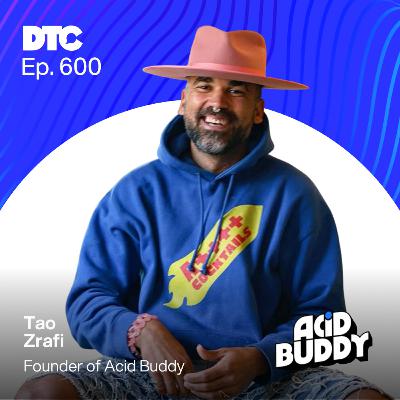
Subscribe to DTC Newsletter - https://dtcnews.link/signuphttp://cocktailbuddies.comTao, founder of Acid Buddy, joined the show to talk about a product that feels early, unusual, and potentially huge: flavored acids.After years working in bars and consulting, he kept running into the same issue. Citrus was inconsistent, messy, expensive, and limiting. So instead of treating acid like a background ingredient, he turned it into the product itself. That’s the bet behind Acid Buddy, and early traction suggests the market is paying attention: 1,000+ orders in the first 6 weeks, with customers in more than 75 countries. For DTC founders creating new categories, and beverage operators who want more consistency, speed, and flexibility behind the bar.In this episode, we get into:Why Tao believes flavored acids could become a real new category in beverages How Acid Buddy gives bars another place to build flavor, outside the usual syrup-heavy approach Why the product works for cocktails, mocktails, coffee, tea, and other drinks How this can help with half-sweet and skinny-style drinks that still feel balanced What the first 6 weeks looked like, including 1,000+ orders and strong pull without paid ads Who this is for: DTC founders, beverage brands, bar owners, operators, and anyone interested in category creation inside food and drink.What to steal:Build around a problem professionals already deal with every day Make the use case obvious fast, especially when the category is new Let early traction validate the story, then widen the market Timestamps00:00 Why Acid Buddy exists02:10 Solving consistency behind the bar04:12 Turning flavored acid into a product06:14 Why the cocktail market is huge08:24 What makes Acid Buddy different10:31 Mocktails, coffee, and drink less better13:08 The bar lime hygiene problem15:18 1,000 orders in the first six weeks18:03 The content and ambassador strategy21:12 Why TikTok Shop could be big23:35 Tao’s Netflix and Drink Masters story28:42 The Cocktail Buddy long-term visionSubscribe to DTC Newsletter - https://dtcnews.link/signupAdvertise on DTC - https://dtcnews.link/advertiseWork with Pilothouse - https://dtcnews.link/pilothouseFollow us on Instagram & Twitter - @dtcnewsletterWatch this interview on YouTube - https://dtcnews.link/video
To Subscribe to DTC Newsletter - https://dtcnews.link/signupBraydon Germain from Pilot House is back on AKNF to break down how AI is changing the actual day-to-day of marketing work. This episode isn’t about shiny demos or abstract AI hype. It’s about using Claude like a real coworker: building skills, breaking work into micro-tasks, automating repeatable steps, and keeping human taste where it matters.For DTC founders, agency operators, media buyers, and creative strategists trying to turn AI from a novelty into a real workflow.In this episode, Eric and Braden get into:How Claude shifts from “chat tool” to “coworker” why the best AI workflows start by breaking work into smaller repeatable tasks How teams can build shared skills for more consistent copy across channels Where auto-research and always-on optimization could actually change how marketers work Why human judgment still matters most in taste, positioning, and creative direction Who this is for: Marketers and operators who already use AI a little, but know they’re still nowhere near the ceiling.What to steal:Break one recurring workflow into micro-tasks before trying to automate all of it Build shared AI skills around tone of voice, reference examples, and approval standards Keep AI on structure and repetition, keep humans on taste and final judgment Timestamps00:00 Claude as a real coworker02:21 Why most people use AI too simply04:22 Breaking ad work into micro tasks06:26 Standardizing copy across client accounts08:01 Building Claude skills with Skill Builder10:06 Auto research and KPI-based optimization12:08 Always-on execution with AI agents14:15 Best Claude skill libraries on GitHubSubscribe to DTC Newsletter - https://dtcnews.link/signupAdvertise on DTC - https://dtcnews.link/advertiseWork with Pilothouse - https://www.pilothouse.co/?utm_source=AKNF599Follow us on Instagram & Twitter - @dtcnewsletterWatch this interview on YouTube - https://dtcnews.link/video
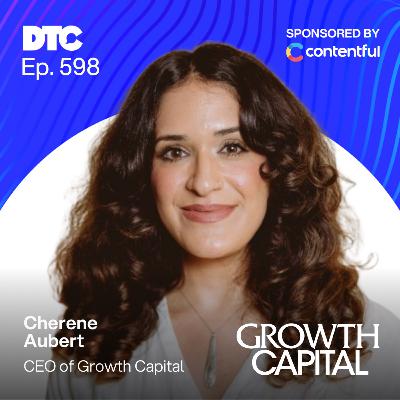
Subscribe to DTC Newsletter - https://dtcnews.link/signupCherene Aubert, founder of growthcapital.co and former growth leader at ILIA and Bobbie, breaks down why so many DTC brands hit a wall after early traction. The problem usually is not media buying. It’s weak creative systems, lazy offer strategy, and too much faith in Meta to do the marketing for you.For DTC founders and growth leads moving from scrappy traction to real scale, this episode is a blueprint for building a creative engine instead of leaning harder on Meta.We cover:Why Cherene is bearish on Meta dependency even though it still drives scaleThe 5 content pipes modern brands need to keep creative fresh and performance stableWhy most popup offers and funnel journeys are paint-by-numbersWhen TikTok ads and TikTok Shop can beat Meta for Gen Z brandsHow Cherene’s AI agent, OpenClaw, is automating reporting, analysis, and presentationsTimestamps:00:00 Why Growth Marketing Is Breaking01:19 Cherene’s Shift From Operator to Consultant05:12 When Testing Stops Driving Growth07:35 Why Cherene Is Bearish on Meta09:23 From One Funnel to Content Pipes12:33 The Real Lever Offer and Customer Journey19:32 Organic Content vs Paid Advantage27:01 What AI Actually Helps With and What It Does NotSubscribe to DTC Newsletter - https://dtcnews.link/signupAdvertise on DTC - https://dtcnews.link/advertiseWork with Pilothouse - https://dtcnews.link/pilothouseFollow us on Instagram & Twitter - @dtcnewsletter
Subscribe to DTC Newsletter - https://dtcnews.link/signupJoinAgency.coJon Bond has been in the agency game since the 1980s. He co-built Kirshenbaum Bond + Partners (K/B/B) from “two guys in New York” into one of the most talked-about independent agencies in the U.S., with peak scale hitting $90M revenue and 27% margins, and over $1B in billings (per the episode). In this conversation, Jon breaks down what actually drives agency growth when you’re past the scrappy phase and trying to scale without turning into a “we do everything” shop.Role-based hook: For agency founders scaling from $5–20M who want clearer positioning, better margins, and a path to bigger clients without chaos.What we get into:The “tip of the spear” framework: why clients don’t hire you for everything you can do, they hire you for the one thing you’re known for (then expand scope after trust is built)How they moved from low single-digit profit to 27% margins with discipline, forecasts, and real consequences (without killing culture)Culture as an actual growth lever: why “acceptance” made the agency sticky and hard to replicateWord of mouth at scale: the difference between “what you want people to say” and “what makes people talk”Building marketing assets that regenerate (vs renting attention that dies the second you stop paying)Who this is for:Agency owners and operators who feel stuck in “full-service mush,” want to land bigger clients, and want a smarter way to expand scope without blowing up delivery.What to steal:A simple positioning test: can you name the 1–2 things you do better than anyone, in one sentence, without listing services?A profitability rule that forces clarity: “If we invest X, what revenue shows up by month Y, and what gets cut if it doesn’t?”A growth path that doesn’t whiplash your team: expand one step away from your current strength, ideally funded by the clientTimestamps00:00 Agency Confidential preview03:00 Jon Bond on starting young06:00 Faking it till you make it08:00 Making the agency feel hot12:00 Culture built the agency17:00 Word of mouth that scales22:00 Growing with real margins27:00 Hiring people built for change30:00 Make your agency the top client33:00 The near future advantage37:00 Find your tip of the spear39:00 Why agencies still winSubscribe to DTC Newsletter - https://dtcnews.link/signupAdvertise on DTC - https://dtcnews.link/advertiseWork with Pilothouse - https://www.pilothouse.co/?utm_source=AKNF597Follow us on Instagram & Twitter - @dtcnewsletterWatch this interview on YouTube - https://dtcnews.link/video
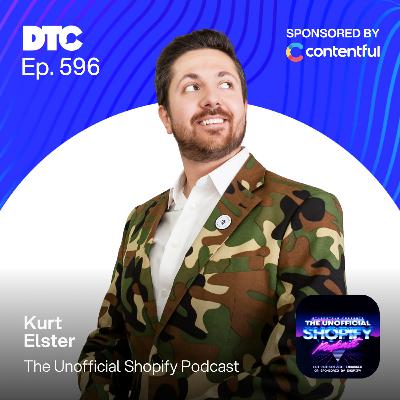
Subscribe to DTC Newsletter - https://dtcnews.link/signupKurt Elster is back to talk about what Shopify brands should actually be doing right now as AI starts influencing search, product discovery, and ecommerce workflows.For Shopify operators, DTC founders, and ecommerce marketers trying to stay ahead of rising CAC and AI-driven product discovery.This episode covers the stuff that’s easy to ignore until it’s suddenly important: Shopify category fields, structured data, AI referrals, TikTok Shop growth, and how vibe coding is already changing the SaaS and app ecosystem.We get into:Why Shopify category fields and category metafields matter more than most merchants realizeWhat ChatGPT referral traffic looks like todayHow structured data can help brands show up in answer enginesWhy TikTok Shop is becoming a real growth channel for some brandsWhat AI means for app sprawl, custom builds, and leaner ecommerce teamsKurt’s thinking on free gift with purchase and the app he built, Promo Party ProTimestamps:00:00 Ads Feel Broken Right Now (Here’s Why)01:17 The Shopify Feature Everyone Ignored02:14 This Powers AI Shopping (No One Realized)05:08 Why In-App Checkout Keeps Failing07:05 The Easiest Growth Lever You’re Missing09:28 SEO Is Dead. This Replaces It12:22 How AI Chooses Which Products Win16:15 The AI Mistake Breaking Your Builds26:01 Why CAC Keeps Getting Worse28:22 The Real TikTok Shop PlaybookSubscribe to DTC Newsletter - https://dtcnews.link/signupAdvertise on DTC - https://dtcnews.link/advertiseWork with Pilothouse - https://dtcnews.link/pilothouseFollow us on Instagram & Twitter - @dtcnewsletter
Subscribe to DTC Newsletter - https://dtcnews.link/signupDuncan Ferguson, Strategy Lead at Pilothouse, breaks down why so many DTC brands are stuck in the tactical spin cycle, always testing, tweaking, and “optimizing” without a clear answer for where growth will actually come from. This episode gets into the difference between platform-centric marketing and a real growth system built around the customer journey, message sequencing, and repeatable creative.For DTC founders, CMOs, and heads of growth who are tired of channel optimization masquerading as strategy.In this episode, we get into:The simplest question that exposes whether your brand has a strategy or just a pile of channel tasksWhy Meta, Google, email, and landing pages should work as a coordinated customer journey, not separate departmentsHow to identify the 3 to 5 messages a customer needs to hear before they buyWhy brands should stop doing light work on 300 ads and start doing real work on 5 to 10How a creative system makes scaling new channels, collections, and audiences way more repeatableWho this is for:DTC founders, ecommerce CMOs, retention leads, media buyers, and creative strategists trying to scale past the easy wins.What to steal:Ask your team: “Where will growth come from this year?” If nobody can answer it cleanly, you’ve got a strategy problem.Build creative around customer journey stages, not around whatever ad format the team feels like making this week.Create a 5-message creative system you can reuse across channels, audiences, and product lines.Timestamps:0:00 Why growth hacks stop working2:00 What a real brand growth system is4:00 Building customer journeys and message maps6:00 Inspiration not iteration in creative8:00 Finding objections that block purchase10:00 How channels work together in the journey12:00 Why most brands are stuck in the tactical spin cycle14:00 The question every founder should ask16:00 Customer-centric vs platform-centric growth18:00 Why optimization alone is limited20:00 How to find the right growth opportunity24:00 What a creative system actually looks like26:00 The five-message framework for conversionSubscribe to DTC Newsletter - https://dtcnews.link/signupAdvertise on DTC - https://dtcnews.link/advertiseWork with Pilothouse - https://www.pilothouse.co/?utm_source=AKNF595Follow us on Instagram & Twitter - @dtcnewsletterWatch this interview on YouTube - https://dtcnews.link/video
Subscribe to DTC Newsletter - https://dtcnews.link/signupGinny Lo is the co-founder of Odd Pieces, a story-driven puzzle brand that took a tired category and made it feel fresh again. Instead of selling just another image-in-a-box, Odd Pieces built puzzles with narrative, hidden clues, comic-style storytelling, and reveal mechanics that make customers want the next one as soon as they finish the first.For DTC founders building an original physical product with limited capital, this episode is a real look at category creation, Kickstarter validation, and early repeat purchase.In this conversation, Ginny breaks down how Odd Pieces started in a 400-square-foot apartment, why they skipped the big research deck and built from instinct, how they launched on Kickstarter with less than $10K, and what they’ve learned from scaling across DTC, Amazon, Barnes & Noble, and repeat Kickstarter launches.You’ll hear about:How a cheap COVID date night turned into a new product categoryWhy the first Odd Pieces prototype took 8+ months to get rightWhat actually makes Kickstarter work, and what agencies can’t do for youHow the first campaign hit $500K and nearly 10,000 backersWhy product design, not just marketing, is doing the heavy lifting on retentionWho this is for:DTC founders, consumer product operators, Kickstarter creators, and marketers trying to build something people actually come back for.What to steal:Build surprise and progression into the product itself so repeat purchase feels naturalUse playtesting to watch customer behavior, not just collect polite feedbackTreat Kickstarter as a distinct channel with its own customer psychology, creative, and conversion strategyTimestamps:00:00 Odd Pieces intro02:02 Why they started Odd Pieces04:14 Turning puzzles into story experiences06:58 Building without formal market research09:00 Making the first prototype11:23 Working with artists and storyboards15:08 Launch costs and early funding18:06 Pricing and repeat customers23:12 Tony Yu’s role in the business27:22 How Kickstarter really works31:00 First launch results and lessons35:17 Kickstarter creatives that convert38:24 The controversy that drove traffic43:17 Shopify, Amazon and retail growth47:14 Who they would hire nextSubscribe to DTC Newsletter - https://dtcnews.link/signupAdvertise on DTC - https://dtcnews.link/advertiseWork with Pilothouse - https://dtcnews.link/pilothouseFollow us on Instagram & Twitter - @dtcnewsletterWatch this interview on YouTube - https://dtcnews.link/video
Subscribe to DTC Newsletter - https://dtcnews.link/signupAves and Daniel Sendecki get into a problem a lot of brands still haven’t solved: how do you make ads feel culturally relevant without making them cringe, tone deaf, or useless in performance channels? This episode breaks down why “brand voice” alone no longer carries paid social, how algorithmic feeds reward relevance over cleverness, and why the best creative now has to do two jobs at once: feel native and resolve intent.For DTC founders, growth marketers, and creative strategists trying to make Meta and TikTok ads feel native without losing conversion intent.In this episode, we cover:Why brand voice was built for an older distribution model, and why that model doesn’t dominate anymoreHow to “cooperate with culture” instead of awkwardly borrowing itWhy great paid social creative now needs both cultural cues and problem-solution clarityHow generational context shapes what kind of humor, references, and framing actually landWhat Super Bowl ads, street interviews, and creator-style content reveal about where attention is movingWho this is for:DTC operators, paid social teams, creative strategists, and founders who want better-performing ads without sounding like every other brand online.What to steal:Build ads that use native visual language from the feed, not polished brand-world aestheticsUse cultural references as permission to speak, not as the entire messageMatch creative tone to the audience’s deeper context, not just surface-level trendsTimestamps:00:00 Cultural elements in ads that actually work02:00 Cooperating with culture vs co-opting culture04:01 Why brand voice works differently now06:04 Generational marketing and millennial humor08:58 Relevance, intent, and permission to speak11:07 Why ads need to feel native and authentic13:14 Ad examples that build cultural relevance17:18 Creative systems and authentic brand messaging19:02 McDonald’s, Burger King, and authenticity in ads23:03 Why Super Bowl ads missed the mark27:08 Where the best ads are happening nowSubscribe to DTC Newsletter - https://dtcnews.link/signupAdvertise on DTC - https://dtcnews.link/advertiseWork with Pilothouse - https://www.pilothouse.co/?utm_source=AKNF593Follow us on Instagram & Twitter - @dtcnewsletterWatch this interview on YouTube - https://dtcnews.link/video
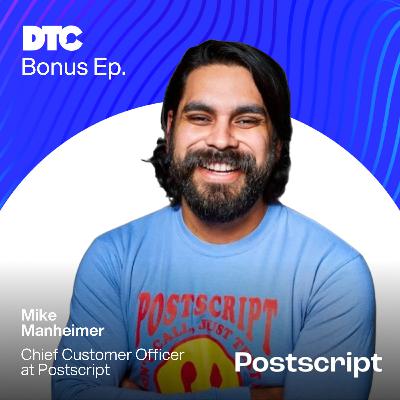
Subscribe to DTC Newsletter - https://dtcnews.link/signupWe co-authored The Conversational Report with Postscript to understand one simple question: when shoppers text brands back, what happens next? The punchline is uncomfortable. Customers treat texting like a real conversation, but most brands treat replies like a support inbox, or ignore them entirely. That gap is where a lot of abandoned carts live.Role-based hook: For DTC founders and operators scaling past $1M who want SMS to do more than broadcast promos, and want replies to turn into revenue plus better creative and PDPs.Mike Manheimer from Postscript joins to break down what the data says, why brands struggle operationally, and how AI changes the economics of responding quickly.What we get into:Why brands misread replies as “support,” and why that kills revenueThe consumer expectation gap, plus why 26% real time reply rate is a gift for anyone who executesThe easiest way to start: add one question to your welcome flow and watch what comes backTurning reply data into a weekly insight loop for PDP, creative angles, and offer clarityWhat a real playbook looks like beyond “send more promos”Who this is for: Retention, growth, CX, and founders who know SMS works, but feel like it has not matured into what it should be.What to steal:The “question mark” strategy for welcome and abandoned cart flowsA reply triage model that does not require headcount explosionsA simple way to turn conversations into segments you can act onPostscriptMikeReportTimestamps00:00 Why brands are wasting SMS potential02:00 The gap between brand assumptions and shopper behavior04:14 Why SMS should be treated like sales, not support06:00 The staffing problem behind slow SMS replies08:10 How Postscript’s conversational AI actually works11:20 Why fast replies create a better buying experience13:05 The LTV upside of real SMS relationships15:10 How to write SMS flows that get real responses18:12 The revenue and ROI from conversational SMS21:35 Why PDPs cannot answer every shopper question25:05 How SMS conversations create better customer insights31:20 The best conversational SMS playbook for brands37:45 Why one-way SMS is becoming obsoleteSubscribe to DTC Newsletter - https://dtcnews.link/signupAdvertise on DTC - https://dtcnews.link/advertiseWork with Pilothouse - https://dtcnews.link/pilothouseFollow us on Instagram & Twitter - @dtcnewsletterWatch this interview on YouTube - https://dtcnews.link/video
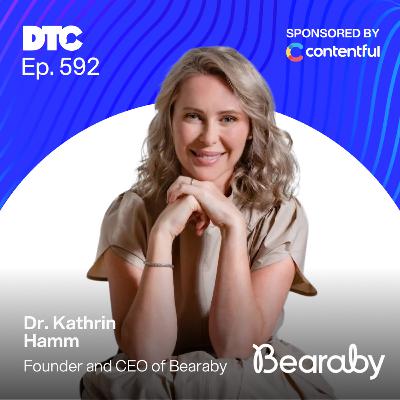
Subscribe to DTC Newsletter - https://dtcnews.link/signupDr. Kathrin Hamm (PhD Economics) didn’t set out to be a founder. She just wanted to sleep. One ugly “medical” weighted blanket fixed her insomnia… then made her realize the whole category was stuck in 30-year-old design, plastic beads, and overheating. So she rebuilt it from scratch with a chunky-knit, breathable form factor that looks like home decor, not a pharmacy product.Role-based hook: For DTC founders building a new category (or trying to escape the “Meta-only” trap) and scaling from early traction into real distribution.In this episode we get tactical on:Why Bearaby launched on Kickstarter to bypass “what even is this?” cold traffic frictionHow the product design (breathable chunky knit) became the marketingThe early growth engine: gifting + press + interior design circles, before paidA surprisingly underrated channel: TV/Netflix set placements as free cultural reachWhat changed on Meta: why creative strategists + creative diversity is now non-negotiableEurope expansion lessons: language, sleep habits, visuals, and humor are not transferableWho this is for: founders + marketers selling anything that requires education (sleep, wellness, new formats, “never seen this before” products).What to steal:Launch new categories where early adopters already are (Kickstarter) so you can teach before you sellBuild an earned pipeline (editors, designers, set decorators) that compounds for yearsTreat each country like its own market: copy, visuals, and cultural jokes includedTimestamps00:00 Bearaby origin story02:08 Discovering weighted blankets for sleep04:18 Why old weighted blankets failed08:05 Selling out the first 800 blankets10:10 Turning weighted blankets into a lifestyle brand14:20 Why Kickstarter and gifting worked18:15 Getting Bearaby onto Netflix sets20:45 Scaling through DTC, Amazon and retail24:45 Expanding Bearaby into Europe29:05 Germany launch and viral egg hats32:20 How Meta creative changed34:35 Dealing with copycats37:35 New product innovation beyond blankets42:00 Where Bearaby is headedSubscribe to DTC Newsletter - https://dtcnews.link/signupAdvertise on DTC - https://dtcnews.link/advertiseWork with Pilothouse - https://dtcnews.link/pilothouseFollow us on Instagram & Twitter - @dtcnewsletterWatch this interview on YouTube - https://dtcnews.link/video
Subscribe to DTC Newsletter - https://dtcnews.link/signupJacob (Head of Meta at Pilothouse) joins Eric to break down what Meta’s actually rolling out right now, what’s hype, and what’s worth testing. They get into CASC (combined awareness + sales), Meta’s new AI “business assistant,” and a super practical creative testing feature that can even help you split-test landing pages without nuking social proof.For DTC founders + performance marketers scaling spend who need creative variety and cleaner measurement in Meta.In this episode, you’ll learn:Why most accounts are trending video-heavy (think ~70/30 video/static), and where statics still make sense (hint: retargeting).What CASC is trying to solve (awareness + sales in one campaign) and who’s most likely to get access first.How Meta’s AI assistant can speed up reporting… and why you still need to fact-check it.How to use Meta’s ad-level creative testing to quickly find winning hooks (and kill losers fast).A sneaky use case: split-test URLs (homepage vs PDP vs collection vs presell) using the same ad.Who this is for:Operators managing Meta at $50K+/mo who are feeling the “Andromeda” shift and need more creative throughput without turning the account into spaghetti.What to steal:Run 5-hook tests on one hero concept before you film 10 more “new” creatives.Use ad-level creative testing to test landing pages while keeping comments/likes intact.Treat AI insights as a junior analyst: fast drafts, then human verification.Timestamps:00:00 CASC explained and why Meta is combining awareness with sales02:05 Why consolidation and bigger budgets matter more in the Andromeda era04:05 Who CASC is for and when it makes sense to test05:10 Creative strategy for upper funnel: intent buckets and first 2 seconds08:05 Meta AI Business Assistant: what it can answer inside Ads Manager11:25 Creative Testing at the ad level: how the new feature works13:55 Using Creative Testing to split test landing pages without losing social proof16:10 Attribution changes: engaged views and Meta taking less credit18:25 Rollout notes and how to start using these updatesSubscribe to DTC Newsletter - https://dtcnews.link/signupAdvertise on DTC - https://dtcnews.link/advertiseWork with Pilothouse - https://www.pilothouse.co/?utm_source=AKNF591Follow us on Instagram & Twitter - @dtcnewsletterWatch this interview on YouTube - https://dtcnews.link/video

Comments

Download from Google Play

Download from App Store
 United States