


 Claim Ownership
SuperPsyched with Dr. Adam Dorsay
Subscribed: 28Played: 3,054
Subscribe

SuperPsyched ©
Description
SuperPsyched is an award-winning podcast dedicated to improving your life with tools gained from interviewing world-class experts inside and outside the field of psychology. SuperPsyched will help get you more of what you want as well as gentle warnings to help you avoid things you don’t. See you there!
The content on SuperPsyched is for informational use only and not intended to diagnose or provide any type of healthcare treatment.
The content on SuperPsyched is for informational use only and not intended to diagnose or provide any type of healthcare treatment.
309 Episodes
Reverse
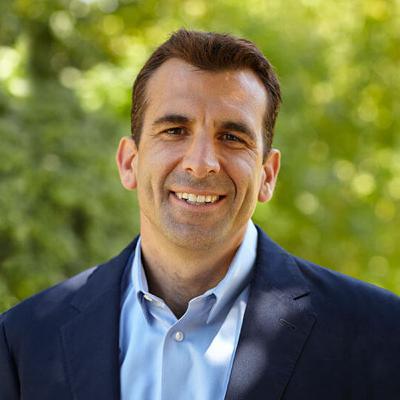
discusses the challenges and rewards of political life, the importance of humility and community, and his personal strategies for managing stress and staying grounded. Additionally, they delve into significant policy issues like mental health and housing, and the complexities of bipartisan collaboration in a polarized environment. Throughout the conversation, Liccardo's dedication to public service and thoughtful approach to leadership shine through.00:00 Introduction to SuperPsyched00:42 Meet Congressman Sam Liccardo02:08 Sam's Personal Story and Values05:22 The Drive for Public Service10:59 Balancing Personal Life and Career15:57 Mental Health Awareness and Policies24:52 Navigating Political Challenges27:54 Conclusion and FarewellHelpful Links:Sam Liccardo
Dr. Adam Dorsay, Silicon Valley psychologist and host of the SuperPsyched podcast, reflects on reaching episode 300 and how the show began during COVID when he suddenly had extra time. He explains that “SuperPsyched” is about being deeply connected to one’s psyche, not toxic positivity, and shares that he books guests largely by simply asking, citing the Franklin Effect. He highlights the show’s wide-ranging catalog—from athletes, musicians, and Nobel laureate Robert Lefkowitz to a Holocaust survivor, an undertaker, a cat psychologist, and Daryl Davis—along with milestone episodes featuring his father (episode 150) and mother (episode 300). Key takeaways include intimacy as “vulnerability well met” (Dr. James Cordova), the importance of psychological safety (Dr. Amy Edmondson), and evidence-backed self-compassion (Chris Germer), plus research suggesting luck increases with the number of people you meet.00:00 Welcome to SuperPsyched00:29 Episode 300 milestone00:38 Starting during COVID01:32 Meaning of SuperPsyched02:53 Asking for guests03:26 Franklin Effect explained04:36 Favorite guests and range06:59 Standout episodes and heroes10:32 Top downloads and animal minds11:12 Three key gleanings14:18 Miracle question themes15:17 Active luck through people16:00 Thanks and subscribe
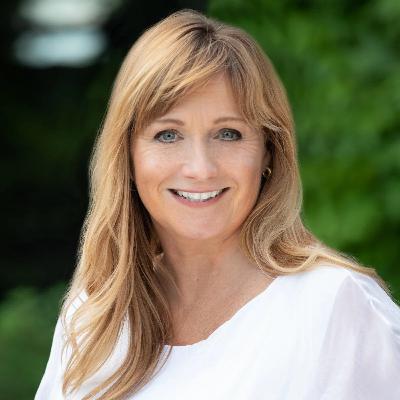
Dr. Adam Dorsay introduces SuperPsyched and interviews ADHD coach and author Dr. Tamara Rosier about ADHD, emotions, and daily strategies for healthier functioning. They discuss how people with ADHD are criticized far more than peers, may feel “broken,” and often have impulse-control challenges, heightened emotional intensity, high sensitivity, and sensory issues tied to a sensitive nervous system, making environmental fit and nervous-system regulation important. Rosier argues ADHD isn’t inherently a “gift,” but benefits can emerge when energy and emotions are managed, including choosing where attention goes and treating feelings as informants rather than facts. They emphasize sleep as foundational, covering difficulties with sleep onset, maintenance, and desire, the importance of deep sleep for the brain’s glymphatic “cleaning” system, and how time blindness and “rabbit holes” interfere with routines. Rosier closes with a wish that people understand human interconnectedness and accept themselves without constant proving.00:00 Welcome to SuperPsyched00:26 ADHD and Emotional Bruises01:11 Meet Dr Tamara Rosier02:48 Why ADHD People Click04:21 Not a Gift Managing Energy05:45 High Sensitivity and Nervous System08:12 Sensory Overload and Regulation08:41 Behavioral Basics Beyond Meds09:50 Sleep Struggles with ADHD11:47 Glymphatic System Brain Cleaning12:19 Beliefs About Sleep Drive14:50 Reframing Sleep with Clients15:01 Sleep as Necessary Evil15:26 Bedtime Sabotage Habits16:19 Time Blind Rabbit Holes17:55 Why Sleep Runs Everything18:33 ADHD Emotional Engine20:34 Feelings Aren't Facts24:04 Curious Not Furious24:41 Default Mode Network Explained26:16 One Skill for Humanity27:31 Connection Story and FarewellHelpful Links:Tamara Rosier, PhDTamara Rosier, PhD LinkedInTamara Rosier, PhD Books

Dr. Adam Dorsay introduces SuperPsyched and interviews six-time US Memory Champion Nelson Dellis about why memory is central to identity and why cognitive decline and Alzheimer’s are so devastating. Dellis describes memory championships as timed, full-day events involving feats such as memorizing a deck of cards, hundreds of digits in five minutes, and large sets of names and faces, emphasizing that success comes from a trained—not “naturally good”—memory. In the age of AI, he argues that continuing to use memory supports cognitive health, may help prevent atrophy, and preserves a core human element tied to lived experience. They discuss how Alzheimer’s may impair retrieval rather than erase memories, and highlight Dellis’s activity-based book, "Everyday Genius," which trains memory and other skills like calculation, creativity, and faster reading, alongside lessons learned from painful competitive losses.00:00 Welcome to SuperPsyched00:28 Why Memory Matters00:48 Meet Nelson Dellis03:04 Trained Not Gifted05:12 Inside Memory Championships06:38 Memory in the AI Age09:03 Alzheimers and Identity11:19 Everyday Genius Challenge14:28 Curiosity as Cross Training19:18 Learning Through Failure20:21 Closing and SubscribeHelpful Links:Nelson DellisEveryday Genius: Hacks to Boost Your Memory, Focus, Problem-Solving, and Much More BookNelson Dellis InstagramNelson Dellis YouTubeNelson Dellis LinkedIn

Dr. Adam Dorsay introduces SuperPsyched and interviews neurologist and Johns Hopkins professor Dr. Majid Fotuhi about keeping the brain resilient and reducing Alzheimer’s risk. Fotuhi describes the brain’s capacity to recover and adapt, citing cases of major brain injury and hemispherectomy, and challenges the myth that Alzheimer’s is inevitable with age, noting “super agers” and emphasizing “use it or lose it.” He outlines five key pillars for brain health: exercise, 7–8 hours of sleep, a Mediterranean/heart-healthy diet, stress reduction, and daily cognitive challenge. He reports a 12-week program in which 84% of patients improved on cognitive tests and many increased hippocampal volume by 1–3%. They discuss sleep apnea as a serious risk, cortisol’s harmful effects from chronic stress, managing repetitive negative thoughts, adopting growth mindset and broader views of intelligence, and choosing daily practices that build happiness.00:00 Welcome to SuperPsyched00:28 Why Brain Health Matters01:02 Meet Dr Majid Fotuhi02:51 The Invincible Brain Stories05:16 How the Brain Compensates06:48 Alzheimers Myths and Super Agers11:06 Use It or Lose It Mindset13:21 Beyond IQ Multiple Intelligences18:01 Growth Mindset Builds the Brain20:56 Reversing Aging in 12 Weeks23:12 Five Pillars of Brain Health25:36 Sleep Apnea and Brain Damage28:02 Exercise Is Nonnegotiable29:59 A Neurology Insider Story30:33 Three Pillar Basics31:20 Lifestyle Intelligence32:43 Teeth And Brain Care34:36 Culture And Identity Habits36:01 Stress Shrinks Hippocampus39:44 Reframing Stress Mindset41:18 Stop Negative Loops45:42 Morning Gratitude Practice49:44 Challenge Your Brain52:12 Happiness Is A Choice55:15 Small Things Compound56:41 Closing Thanks And SubscribeHelpful Links:Dr. Mahid FotuhiDr. Mahid Fotuhi Johns HopkinsDr. Mahid Fotuhi YouTubeThe Invincible Brain: The Clinically Proven Plan to Age-Proof Your Brain and Stay Sharp for Life Book

Dr. Adam Dorsay introduces SuperPsyched and interviews psychiatrist, professor, and author Dr. Gianpiero “GP” Petriglieri about how work shapes identity amid modern job insecurity, mobility, and AI-driven ambiguity. GP describes a historical shift from inheriting bundled identities to identifying with organizations after WWII, and now to “nomadic professionals” who identify with the work itself, seeking meaning, mastery, learning, and legacy. He argues leaders should measure and provide latitude for job crafting so people can both perform and learn, avoiding the evils of getting lost or stuck. GP advises parents and young workers to think of themselves as artists, have faith in the work rather than organizations or approval, and cultivate friends who “imagine” them. He warns against being labeled a “future leader,” urging people to lead now by bringing ideas to life.00:00 Welcome to SuperPsyched00:28 Work and Identity Trap01:54 GP Joins the Show02:43 From Companies to Craft05:27 Nomadic Professionals Today07:15 Leaders and Job Crafting09:14 Lost vs Stuck Paradox11:02 Meaning Beyond Work12:21 Advice for Parents12:53 Work as Art Mindset14:14 Faith in the Work17:15 Friends Who Imagine You20:26 Authenticity Under Pressure23:42 Lead Now Not Later26:27 Closing and Takeaways27:48 Subscribe and ShareHelpful Links:Dr. Gianpiero Petriglieri
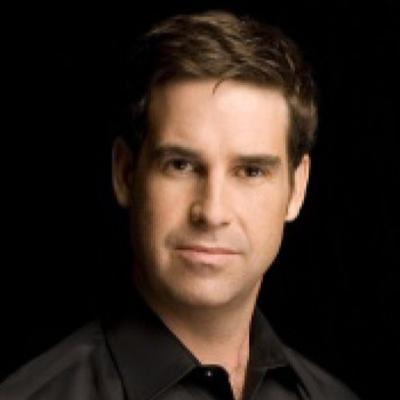
Psychologist and SuperPsyched host Dr. Adam Dorsay interviews novelist Andrew Davidson about Davidson’s debut novel The Gargoyle and the role fiction can play in empathy and mental health. Davidson summarizes the book as a burn-ward patient approached by a woman who claims they were lovers 700 years ago, highlighting the tension between the narrator’s atheism and Maryanne Engel’s faith. He discusses his research-driven writing process, including firsthand outreach to a burn survivor, extensive historical sourcing, and deliberate choices balancing accuracy with emotional truth. Davidson explains cutting a much longer manuscript, securing representation from agent Eric Simonoff, and how the book’s global publication—including translations and a reported $1.25 million advance—led to an overwhelming publicity tour that altered his relationship with writing. He describes later work in theater and ends by naming empathy as the key insight to improve society.00:00 Welcome to SuperPsyched00:26 Why Fiction Matters00:49 Introducing The Gargoyle02:28 Meet Andrew Davidson03:24 What The Book Is About06:44 Characters and The Author09:09 Researching Worlds and Trauma13:59 Accuracy vs Emotional Truth19:02 Trusting Intuition and Editing21:12 Loving the Writing Process22:26 Why Only One Novel24:39 Writing for Love25:40 Japan and The Gargoyle26:30 Fame and Touring Burnout29:11 Reset in Paris30:26 Theater and New Writing31:57 Writer Identity and Intrinsic Drive33:48 Landing a Top Agent36:07 Editing Down the Manuscript40:11 Luck Preparation and Gratitude42:35 Movie or Limited Series45:34 Winnipeg Theater Mission47:54 Empathy and FarewellHelpful Links:Andrew Davidson FacebookThe Gargoyle Book
Dr. Adam Dorsay introduces his podcast episode featuring Melissa Orlov, a Harvard-educated expert on ADHD and marriage and author of “The ADHD Effect on Marriage” and “The Couple’s Guide to Thriving with ADHD.” They discuss what adult ADHD is and is not, emphasizing attention dysregulation, distractibility, impulsivity, planning and working-memory difficulties, and emotional dysregulation, along with the hereditary and neurochemical basis (notably low dopamine) and why stimulants can be calming by increasing dopamine availability. Dorsay shares his own late ADHD diagnosis, his first experience taking Ritalin, and how medication helped him build habits and identity-based changes he later maintained without medication.Orlov describes common, predictable relationship patterns in ADHD-impacted couples, including the “hyperfocus courtship” phase driven by elevated dopamine and the shift after 24–28 months when symptoms become more visible. She outlines the experiences of both partners: the ADHD partner often carries lifelong shame and sensitivity to criticism, while the non-ADHD partner can feel lonely, resentful, and overwhelmed by chaos and perceived lack of follow-through. They explore distractibility and how “new or shiny” can override what is important, and they highlight strengths often associated with ADHD such as creativity, energy, passion, and effective performance in high-stimulation contexts.Orlov presents a three-stage framework for healing: moving out of denial and learning how ADHD impacts relationships, both partners taking responsibility for their own work, and breaking entrenched patterns such as parent-child dynamics and “symptom-response-response” cycles by reframing symptoms and changing reactions. They address sleep hygiene as foundational, noting sleep deprivation can worsen or mimic ADHD symptoms, and discuss strategies like consistent bedtime routines, “sacred bedtime,” and limiting electronics and blue-light exposure. They also discuss how parent-child dynamics harm sexual connection, the importance of lowering pressure when restarting sex, and improving communication about sex. Orlov closes with the importance of rebuilding trust through transparency and ownership rather than equating trust solely with perfect follow-through, and she names self-compassion and compassion for others as the key skill she would give to everyone.00:00 Welcome to Dorsay00:28 ADHD and Marriage Stakes01:00 Meet Melissa Orlov03:00 Why ADHD Feels Familiar04:17 What ADHD Is and Isnt06:23 Why Stimulants Help07:38 Adams Diagnosis Story09:36 Medication Targets and Hope12:14 Habits and Identity Shifts13:15 Empathy for Both Partners14:50 ADHD Partner Childhood Shame20:13 Non ADHD Partner Experience22:19 Hyperfocus Courtship Chemistry24:46 Distractibility in Relationships26:49 Main Thing Mantra27:24 Medication to Structure28:39 ADHD Strengths Kept30:17 Three Stages Healing31:29 Breaking Bad Patterns34:57 Sleep Hygiene Fixes40:36 Electronics at Bedtime42:14 Sex and Reconnection49:06 Rebuilding Trust54:21 Compassion Magic Skill55:22 Closing ThanksHelpful Links:Melissa OrlovMelissa Orlov The Couple's Guide to Thriving with ADHD Book

Dr. Adam Dorsay introduces SuperPsyched and frames the growing misinformation problem, citing low trust in traditional media , the rise of influencer-based news consumption among 18–29 year olds, research that false news spreads faster than truth on Twitter, and the World Economic Forum ranking misinformation/disinformation as the most severe global risk in 2024 and 2025. He interviews Dr. Avi Tuschman (Stanford StartX serial entrepreneur; Stanford doctorate in anthropological science; expert on human political bias) about Crickit.ai (C-R-I-C-K-I-T), an AI tool that provides real-time in-stream fact checks for social media videos, starting with YouTube on desktop. The discussion covers why misinformation spreads (high-arousal content, negativity bias, suggestibility, and attention scarcity), why it affects everyone (including errors/omissions/exaggerations in reputable content), and the relationship between media ecosystems, polarization, and a global democratic recession. Avi raises concerns about TikTok’s influence, urging people over 30 to review its “society” content, citing examples of high-production disinformation, alleged foreign influence efforts, elevated WWII revisionism compared with Instagram (UNESCO figure of 5.7x), and medical misinformation (e.g., a study finding ~25% of asthma content has significant misrepresentations and is overrepresented in viewing). He describes Crickit’s user experience as subtitle-like overlays with a pause expansion panel summarizing evidence in ~40–50 words, and positions it as a tool to build media literacy and critical thinking—like a flight simulator for evaluating persuasion and uncertainty. Plans include mobile support and additional platforms, potentially later in the year, though TikTok is not supported yet. Avi offers listeners a discount via promo code/URL “SUPERPSYCHED" for monthly subscription savings for up to three years.00:00 Welcome to SuperPsyched + Why Misinformation Is Surging00:55 The Numbers: Trust in Media, Influencer News & Falsehoods Spreading Faster01:45 Meet Dr. Avi Tuschman & Crickit.ai—Real-Time Fact-Checks for YouTube03:59 Why Avi Built Crickit: Science, Truth, and the 2018 Wake-Up Call05:31 How Crickit Works (and Why It’s Not ‘Just a Chatbot’)07:49 Inside the Engine: Claim Extraction, Source Cross-Checks & Reliability Ratings10:05 Accuracy, Benchmarks & Why ‘Good Enough’ Beats the Status Quo12:22 Misinformation’s Sneakiest Trick + Even ‘Trusted’ Videos Get Things Wrong16:09 Why BS Goes Viral: Attention Economics, High-Arousal Content & ‘The Medium Is the Message’19:06 Pinocchio, Crypto Scams & ‘The Conscience of Content’ Origin Story21:53 Human Suggestibility, Hypnosis, and the Social Media Influence Gap25:02 The Paradox: We Need Influence to Survive—But Negativity Bias Warps It25:37 Fear, Negativity Bias, and the Cost of Believing Bad Info26:19 TikTok’s Mental Health Misinformation Problem27:47 Why TikTok Is More Than ‘Dance Videos’—A Civic-Duty Reality Check29:08 Propaganda, Fake Viral Videos, and WWII/Holocaust Revisionism31:35 Can ‘Crickit’ Fact-Check TikTok? Roadmap and Timeline32:31 How Crickit Works: Real-Time Overlays, Categories, and Rationale Panels34:14 Training Critical Thinking: Ambiguity Tolerance, System 1 vs System 239:05 BS Is Omnipresent: Humility, Corrections, and Learning You’re Wrong40:40 Media Literacy Gap + Crickit as a ‘Flight Simulator’ for Critical Thinking42:40 Wrap-Up: Promo Code, Name Teasing, and the One Skill Humanity NeedsHelpful Links:Avi Tuschman LinkedInCrickit.aiHelpful Links:Avi Tuschman LinkedInCrickt
In this episode of the SuperPsyched Podcast, host Dr. Adam Dorsay chats with returning guest Dr. Guy Winch, a psychologist, TED speaker, and bestselling author, about his new book 'Mind Over Grind: How to Break Free When Work Hijacks Your Life.' They discuss common myths about work, the impact of workplace stress on personal lives, and the rise of workplace bullying. Dr. Winch shares insights on managing job stress, the importance of emotional intelligence, and practical tips for optimizing work-life balance. He also offers actionable advice on making vacations more restorative and the essential practice of detaching from work to improve overall well-being.00:00 Welcome to SuperPsyched Podcast00:39 Introducing Dr. Guy Winch and His New Book03:10 The Myths and Realities of Work Stress03:43 The Impact of Workplace Stress on Personal Life06:53 The Role of Emotional Intelligence in the Workplace15:34 The Importance of Communication and Clarity19:38 The Consequences of Chronic Stress and Burnout23:33 Internship Challenges and Stress24:55 The Importance of Taking Breaks26:26 Restorative Activities and Social Connections29:20 Effective Vacation Strategies34:26 Mental and Physical Exhaustion40:34 Detaching from Work for Better Well-being42:00 Final Thoughts and FarewellHELPFUL LINKS:Dr. Guy Winch Website'Mind Over Grind: How to Break Free When Work Hijacks Your Life.’ BookDear Therapists Podcast
In this episode of *SuperPsyched*, Dr. Adam Dorsay speaks with Rebecca Geshurii, co-author of 'When Good Moms Feel Bad'. Rebecca is a psychotherapist who integrates InternalFamily Systems (IFS) in her approach to helping moms navigate the emotional and physiological challenges of motherhood. They discuss the importance of self-compassion, embracing imperfections, and the value of community support. Rebecca shares practical tips for moms to soften their body, listen to their inner selves, open their hearts, and wait for internal messages, encapsulated in the acronym SLOW. The conversation highlights the need to recognize andprocess grief and shame in motherhood, ultimately promoting emotional well-being and familial connections. 00:00 Welcome to SuperPsyched00:28 The Challenges of Motherhood00:55 Introducing Rebecca Geshuri and Her Book02:27 The Reality of Parenting07:13 Understanding Internal Family Systems (IFS)08:02 Applying IFS to Motherhood13:38 The Importance of Self-Compassion17:44 Practical Tips for Self-Compassion22:15 The Power of Self-Compassion22:31 Understanding the SLOW Acronym24:40 The Impact of Shame and Guilt26:07 Navigating Motherhood and Grief28:53 The Complexity of Parenting34:32 Embracing All Parts of Ourselves36:32 Building Community and Support41:30 Final Thoughts and Reflections HELPFUL LINKS: Rebecca Geshuri WebsiteWhen Good Moms Feel Bad BookRebecca Geshuri InstagramRebecca Geshuri Facebook

In this milestone 300th episode of the SuperPsyched podcast, Dr. Adam Dorsay welcomes a very special guest—his mother, Dorothy Kurzrock Dorsay. Dorothy shares her extraordinary life journey, offering wisdom accumulated over 85 years. From her roots in Newark, New Jersey, to her impactful career in social justice with the National Conference of Christians and Jews, Dorothy gives insights into the importance of inclusivity, diversity, and lifelong learning. The episode is filled with heartwarming stories, including a hilarious anecdote about Adam's childhood mischief, and underscores the value of resilience, connection, and challenging prejudice.00:00 Welcome to SuperPsyched00:28 Introducing a Remarkable Guest01:01 Dorothy's Early Life and Career03:26 Life Lessons and Childhood Memories09:24 Social Justice and Inclusivity18:15 Global Experiences and Family Adventures21:38 Mitzvah Day and Community Impact26:58 The Power of Connections31:17 A Playgroup Incident and Susie's Theft33:45 The Wide Net of Connections34:55 Lessons from Mrs. Reed39:30 Lifelong Friendships and Reunions54:00 Parenting Moments and Life Lessons57:13 Final Reflections and Wisdom
In this episode of SuperPsyched, Dr. Adam Dorsay interviews Gretchen Rubin, author of 'The Four Tendencies'. They explore how people respond to internal and external expectations and the resulting personality profiles: Upholder, Questioner, Obliger, and Rebel. Gretchen explains the genesis of her framework and its practical applications in everyday life. The discussion covers strategies for handling different tendencies, especially in relationships, and delves into the concept of Obliger Rebellion. Listeners will gain valuable insights into improving self-management and interpersonal dynamics.00:00 Introduction to SuperPsyched00:28 Understanding Expectations01:07 Meet Gretchen Rubin02:49 The Genesis of the Four Tendencies05:23 Exploring the Four Tendencies07:58 Applying the Four Tendencies13:30 Personal Insights and Reflections16:07 The Importance of Accountability21:34 The Importance of Effective Communication21:38 Humorous Signs and Their Impact24:29 Tailoring Messages to Different Tendencies25:33 The Power of 'Only You Can Prevent Forest Fires'27:22 Navigating Relationships with Different Tendencies34:20 Understanding Obliger Rebellion38:33 The Value of Meaningful Connections39:59 Conclusion and Final ThoughtsHelpful Links:Gretchen Rubin WebsiteThe Four Tendencies BookHappier with Gretchen Rubin Podcast
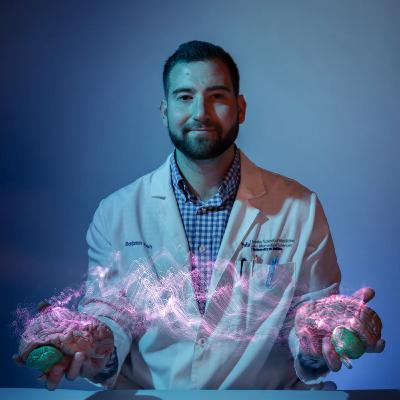
In this episode of SuperPsyched, Dr. Adam Dorsay sits down with Dr. Ben Rein, an acclaimed neuroscientist and Chief Science Officer at the Mind Science Foundation. They discuss Dr. Rein's book 'Why Brains Need Friends' and the critical importance of social connections for mental and physical health. The conversation dives into the science of empathy, the impact of loneliness and social isolation, and practical tips for building and maintaining meaningful relationships. They also explore interesting analogies, such as comparing social interactions to the care of plants and the concept of a diverse social diet. Listeners are encouraged to rethink their social habits and embrace the benefits of real human connections.00:00 Welcome to SuperPsyched with Dr. Adam Dorsay00:28 The Importance of Friendship and Social Connection01:11 Introducing Dr. Ben Rein and His Book01:35 The Neuroscience of Connection08:35 Defining Loneliness, Isolation, and Solitude17:53 Tips for Combatting Loneliness33:43 The Power of Empathy36:17 Conclusion and Final ThoughtsHelpful Links:Dr. Ben Rein WebsiteDr. Ben Rein LinkedInDr. Ben Rein TikTokWhy Brains Need Friends-The Neuroscience of Social Connection Book

Dr. Adam Dorsay, host of the SuperPsyched podcast, explores the concept of 'both and' thinking with Dr. Wendy Smith, professor at the University of Delaware. They discuss how simplistic binary questions can lead to problematic outcomes, especially in complex situations like parenting, corporate decisions, and political discourse. Dr. Smith highlights the importance of embracing paradoxical thinking to foster better decision-making and creativity. Their conversation delves into integrating competing demands in personal and professional contexts, enhancing relationships, and navigating life’s complexities with a mindset that values nuance and interconnectedness.00:00 Introduction to SuperPsyched00:28 The Problem with Binary Thinking01:08 Introducing Dr. Wendy Smith02:16 The Concept of Both/And Thinking05:13 Practical Applications of Both/And Thinking07:14 Challenges in Promoting Nuanced Thinking13:26 Both/And Thinking in Relationships21:04 Paradox Theory and Parenting25:02 Balancing Connection and Separation25:24 Innovation and Existing Products: The Tightrope Walk27:15 Parenting: Balancing Autonomy and Authority29:05 The Concept of Consistent Inconsistency30:22 The Power of Both-And Thinking32:09 The Placebo and Nocebo Effect34:44 Coopetition: Collaborating with Competitors42:36 The Importance of ListeningHelpful Links:Dr .Wendy K Smith WebsiteDr. Wendy K Smith LinkedinBoth/And Thinking: Embracing Creative Tensions to Solve Your Toughest Problems Book
In this episode of SuperPsyched, Dr. Adam Dorsay shares actionable strategies for increasing luck in the new year. He emphasizes the importance of surrounding yourself with supportive people, taking numerous chances, and learning from failures. Dr. Dorsay also discusses the psychological concept of 'cognitive after image,' the benefits of being audacious, and the significance of expanding your social network. Through anecdotal stories and scientific insights, he provides a roadmap to help you cultivate a luckier 2026. Happy New Year!00:00 Welcome to SuperPsyched00:28 Reflecting on the Past Year00:55 Strategies to Increase Your Luck01:43 Surround Yourself with Supportive People02:32 Take More Shots03:59 Embrace Failure and Learn05:33 Ask Better Questions06:36 The Power of Social Networks07:54 Unexpected Opportunities10:57 Final Thoughts and Wishes for 2026

In this episode of SuperPsyched, Dr. Adam Dorsay, a psychologist and podcast host, explores the complex dynamics of love and relationships. Joined by Allison Howe, a seasoned couple therapist, they delve into the challenges couples face in sustaining love and the unconscious ways people sabotage their relationships. They discuss the importance of the psychobiological approach to couple therapy (PACT), created by Dr. Stan Takin, and share actionable insights on improving emotional connections. Key topics include the impact of early attachment and nonverbal communication, the vital role of mutual vulnerability and empathy, and practical strategies like the PEPPR approach to overcome relationship hurdles. Listeners will gain valuable tools to foster healthier and more fulfilling relationships, whether facing current struggles or striving to strengthen their bond.00:00 Welcome to SuperPsyched00:21 The Paradoxes of Love01:05 Introducing PACT and Allison Howe03:06 The Importance of Love04:29 Understanding Attachment and Sabotage14:24 The PEPPER Approach to Relationship Success19:18 The Art of Apology20:04 The Power of Apology in Relationships21:22 Practicing True Repair in Couples Therapy23:46 The Importance of Mutual Happiness25:27 Collaborative Support and Redemptive Narratives31:00 The Role of Audience in Relationships36:20 Curiosity and Radical Amazement37:55 Conclusion and Final ThoughtsHELPFUL LINKS:Allison Howe

In this episode of SuperPsyched, Dr. Adam Dorsay hosts Dr. Alexandra Solomon, a licensed clinical psychologist and author, to discuss the complex and sensitive topic of affairs and betrayals in romantic relationships. They delve into the reasons behind infidelity, the emotional turmoil experienced by both betraying and betrayed partners, and the potential for healing and strengthening relationships post-affair. Dr. Solomon shares insights from her extensive experience and research, offering practical advice for couples aiming to rebuild trust and intimacy. Highlights include the importance of emotional attunement, understanding the impact of stress on libido, and the value of open communication. Dr. Solomon also mentions her online course designed to help couples navigate their journey after infidelity.00:00 Welcome to SuperPsyched00:28 Can Couples Survive Betrayal?01:17 Introducing Dr. Alexandra Solomon01:49 The Complexity of Affairs03:03 Why Do Affairs Happen?04:26 The Emotional Turmoil of Betrayal10:45 Gender Differences in Infidelity22:41 The Aftermath of Betrayal24:51 Normalizing the Initial Disruption25:29 Emotional Attunement Crash Course27:19 The Importance of Daily Check-ins32:23 Holding Yourself in Warm Regard34:16 Rebuilding Trust and Integrity36:46 Keeping the Relationship Alive39:15 Exploring Sexual Satisfaction44:58 Final Thoughts and ResourcesHELPFUL LINKS:Dr. Alexandra Solomon WebsiteDr. Alexandra Solomon’s BooksReimagining Love with Dr. Alexandra Solomon Podcast

Dr. Adam Dorsay, psychologist and host of the SuperPsyched podcast, interviews Dr. Sharon Chang, a distinguished surgical oncologist educated at Harvard Medical School. Dr. Chang shares her journey in the demanding field of surgical oncology, including the rigorous schedules, challenges of being a female in a traditionally male-dominated field, and work-life balance. She discusses her routines for maintaining physical and mental health, the creation of psychological safety within surgical teams, and the importance of caring deeply for patients. Dr. Chang also shares her transition into coaching, focusing on mental fitness for healthcare professionals, and her efforts to combat burnout and advocate for lifestyle medicine. The episode provides a compelling and insightful look into the high-stakes world of a cancer surgeon and the valuable lessons learned along the way.00:00 Introduction to SuperPsyched00:35 Meet Dr. Sharon Chang: A Life-Saving Surgeon03:00 Challenges and Triumphs of a Female Surgeon04:50 Balancing Surgery and Motherhood06:43 Self-Care and Physical Fitness08:29 A Day in the Life of a Surgeon15:30 Handling Surgical Surprises20:56 The Importance of Teamwork and Psychological Safety26:29 Exploring Plastic Surgery and Patient Experiences27:33 Communicating with Patients and Families28:01 The Impact of Social Media on Medical Information29:59 Humor in Medicine: Dr. Glaucomflecken and Misinformation https://youtube.com/@dglaucomflecken?si=6K46jj4z2LeMBfMZ32:35 Delivering Good and Bad News to Patients36:29 The Importance of Caring in Medicine43:13 Transitioning to a Career in Coaching47:30 Sharon Chang's Triple Aim for Healthcare51:35 Final Thoughts and ReflectionsHelpful Links:Sharon B. Chang, MD, FACS LinkedIn
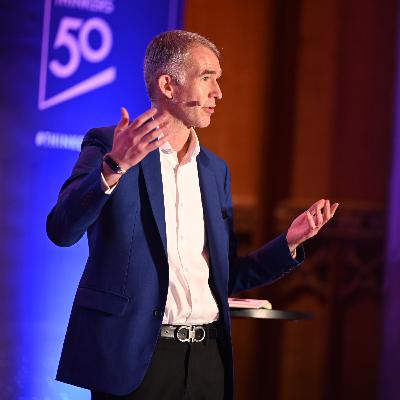
In this episode of SuperPsyched, host Dr. Adam Dorsay converses with Scott D. Anthony, a Dartmouth Tuck School of Business Professor and Top 50 Thinker. Anthony discusses his book 'Epic Disruptions: 11 Innovations that Shaped Our Modern World' and shares insights on navigating and understanding disruptions in various industries. The discussion touches on historical and modern innovations, the importance of feedback, maintaining friendships, cultivating resilience, and fostering a possibility mindset in the face of uncertainty. The episode offers practical advice and inspiring anecdotes from Anthony's career and personal life, providing listeners with tools to thrive in a rapidly changing world.00:00 Welcome to SuperPsyched00:28 Introduction to Epic Disruptions01:51 Meet Scott D. Anthony02:17 Scott's Journey and Influences04:42 Life Lessons and Career Moves07:09 Friendship and Networking11:22 Defining Innovation and Disruption15:38 The Importance of Feedback19:02 Navigating Uncertainty and Asking Good Questions22:19 Parenting in Unprecedented Times26:57 Julia Child: A Case Study in Disruption31:11 The Downside of Disruption33:38 Final Thoughts and OptimismHelpful Links:Scott D Anthony - DartmouthScott D Anthony - LinkedInEpic Disruptions: 11 Innovations that Shaped Our Modern World Book


Download from Google Play

Download from App Store
 United States
This was amazing to hear. My eyes teared up while listening. We do not celebrate failure enough. Thank you for this wonderful podcast.