


 Claim Ownership
Off the Chart: A Business of Medicine Podcast
Subscribed: 24Played: 194
Subscribe

© MJH Life Sciences
Description
Off the Chart: A Business of Medicine Podcast features lively and informative conversations with health care experts, opinion leaders and practicing physicians about the challenges facing doctors and medical practices. New episodes release every Monday and Thursday morning. Brought to you by Medical Economics and Physicians Practice.
Off the Chart: A Business of Medicine Podcast Staff
Hosts: Keith Reynolds, Austin Littrell
Contributors: Chris Mazzolini, Todd Shryock, Richard Payerchin, Keith Reynolds, Austin Littrell
Inquiries: Please email Hosts Keith Reynolds (kreynolds@mjhlifesciences.com) or Austin Littrell (alittrell@mjhlifesciences.com) with feedback, questions, guest suggestions and more.
162 Episodes
Reverse

Patient Care Online Editor Sydney Jennings and Dr. Steven P. Furr, Former President of the American Academy of Family Physicians sit down to discuss immunizations.
Music Credit: COCKTAIL by Mythical Audio - stock.adobe.com
Editor's note: Episode timestamps and transcript produced using AI tools.
Introduction to Immunizations (00:00:05)
Overview of the podcast and introduction of speakers discussing immunizations in primary care.
Decline in Vaccination Coverage (00:00:32)
Discussion on the decrease in vaccination rates among kindergarten students and its implications.
Impact of COVID-19 on Well-Child Visits (00:00:54)
How COVID-19 disrupted routine well-child visits affecting vaccination rates.
Measles Cases and Vaccination (00:01:33)
Increase in measles cases linked to unvaccinated individuals and the importance of herd immunity.
Vaccine Hesitancy Post-COVID (00:03:15)
Concerns about ongoing vaccine hesitancy and misinformation stemming from the COVID-19 pandemic.
Addressing Vaccine Confusion (00:03:30)
Need for clear communication from primary care providers regarding vaccination updates and schedules.
Encouraging Vaccination During Visits (00:04:44)
Strategies for clinicians to suggest vaccinations during patient visits to improve uptake.
Adult Vaccination Recommendations (00:05:52)
Changes in adult vaccination recommendations as respiratory virus season approaches.
Challenges with Medicare Vaccine Coverage (00:07:27)
Issues with Medicare coverage affecting access to certain vaccines for patients.
Advocacy for Vaccine Coverage (00:09:09)
Discussion on the need for advocacy to improve vaccine coverage under Medicare Part B.
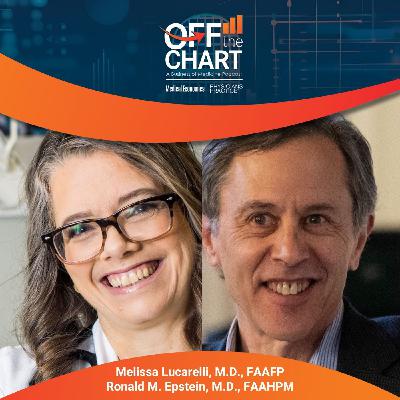
When patients talk about what they want from a visit with their physician, the answer is often simpler than the system makes it feel: they want to feel understood.Melissa Lucarelli, M.D., FAAFP, a family physician, owner of Randolph Community Clinic and longtime editorial advisor for Medical Economics speaks with Ronald Epstein, M.D., FAAHPM, professor of family medicine and palliative care at the University of Rochester and author of "Attending: Medicine, Mindfulness and Humanity."Their conversation explores how mindfulness shows up in everyday clinical practice — not as meditation or another box to check, but as attention, curiosity, presence and communication in the exam room. Epstein reflects on burnout, the limits of productivity-driven care and why small moments of awareness can improve patient relationships, teamwork and professional satisfaction.They also discuss mindfulness beyond the individual clinician, including its role in teams, leadership and organizational culture, as well as where tools like artificial intelligence (AI) may support — but never replace — human connection in medicine.Register now for Physicians Practice's Practice Academy event: Practice Management Track, on March 19, 2026, from 1:00 PM-5:00 PM EDT: https://registration.physicianspractice.comMusic Credits:Crystal Grind by NISO - stock.adobe.comA Textbook Example by Skip Peck - stock.adobe.comEditor's note: Episode timestamps and transcript produced using AI tools.0:00 — Cold open What patients say they want most from a doctor visit.0:23 — Intro Austin Littrell introduces the episode and the Practice Academy note.1:03 — Interview begins Melissa Lucarelli introduces Ronald Epstein and frames the conversation.1:53 — Burnout and dissatisfaction Why physicians and patients are both struggling with the system.2:30 — The four foundations of mindfulness Attention, curiosity, beginner’s mind and presence.3:45 — Relationships before prescriptions Why feeling understood matters as much as treatment.4:25 — Curiosity in long-term care Staying engaged with patients over years and decades.5:20 — Beginner’s mind and the clinical gaze How expertise can both help and limit perception.6:25 — Defining presence A story from the emergency department.7:58 — Learning from missed details What early experiences taught Epstein about attention.10:56 — Seeing the disease, missing the person A lesson from inpatient rounds.11:54 — A turning point with electronic health records What a patient taught Epstein about listening.13:07 — A simple practice that changed visits Why delaying the computer improved care.14:41 — Mindfulness and malpractice risk Why insurers care about communication.15:55 — “I don’t have time for mindfulness” Small practices that take seconds, not hours.17:54 — Finding beauty during COVID-19 Staying present in bleak moments.19:24 — Mindfulness in teams Shared purpose in high-risk environments.20:14 — Applying mindfulness in daily practice Lucarelli reflects on what’s worked for her.21:12 — Meditation and other paths Mindfulness beyond sitting on a cushion.22:30 — Emotional regulation in difficult encounters Responding instead of reacting.23:01 — Organizational mindfulness Why teams and culture matter.25:10 — Artificial intelligence and presence Where AI helps — and where it doesn’t.29:13 — Communication training with avatars Using technology to improve listening and clarity.31:02 — Can mindfulness fix a broken system? The role of leadership and organizational change.37:35 — Productivity and value-based care Why throughput isn’t the same as health.39:32 — Medical education and survival skills What training still misses.42:27 — If Epstein were rewriting the book today Leadership, community and collective intelligence.46:38 — Burnout as a long-standing reality What’s systemic and what’s intrinsic to medicine.47:34 — Final reflections Why mindfulness belongs in education, culture and leadership.48:08 — Outro Wrap-up, subscription reminder and Practice Academy note.
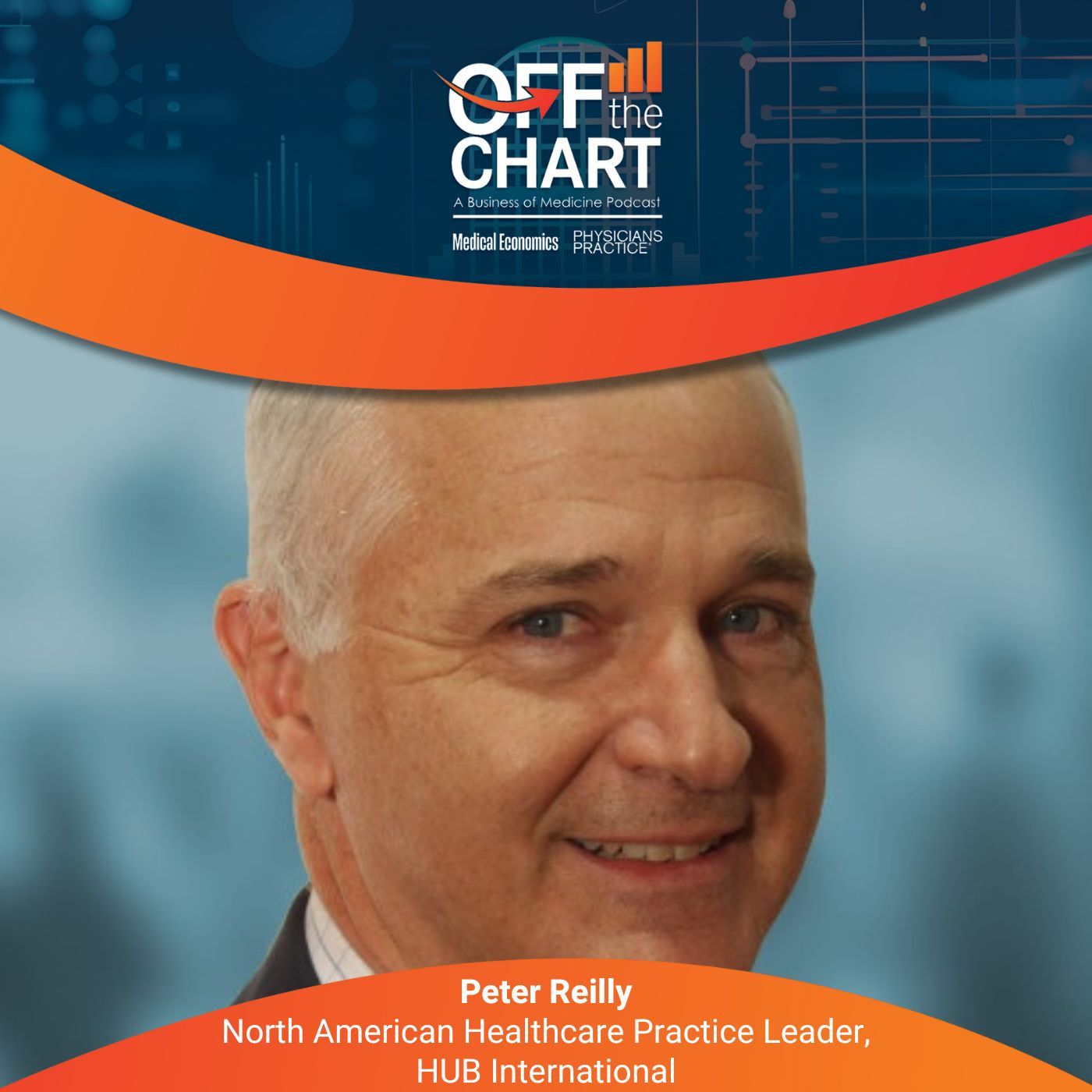
In 2026, physicians are facing a familiar mix of pressure — reimbursement uncertainty, rising labor and supply costs, staffing shortages and growing exposure to legal and cyber risk.Medical Economics Managing Editor Todd Shryock caught up with Peter Reilly, North American health care practice leader at HUB International, to talk about what those risks look like in practice, and which ones physicians can no longer afford to ignore.Reilly explains why reimbursement instability is unlikely to ease in the near term, why rural hospitals and critical access facilities remain especially vulnerable, and how burnout and disengagement continue to affect retention. He also breaks down what’s happening in the medical professional liability market, including the rise of “nuclear” and “thermonuclear” jury verdicts and what that means for rates moving into 2026.He shares practical guidance on planning, mitigation and why proactive steps matter more than ever in an increasingly unpredictable health care environment.Register now for Physicians Practice's Practice Academy event: Practice Management Track, on March 19, 2026, from 1:00 PM-5:00 PM EST: https://registration.physicianspractice.comMusic Credits:Neon Rainfall by Cephas - stock.adobe.comA Textbook Example by Skip Peck - stock.adobe.comEditor's note: Episode timestamps and transcript produced using AI tools.0:00 — Cold open Why health care hasn’t fully emerged from its post-COVID hangover.0:21 — Intro Austin Littrell introduces the episode and previews the conversation with Peter Reilly.1:31 — Interview begins Todd Shryock welcomes Reilly and frames the challenges facing physicians.1:35 — Why pressures aren’t easing in 2026 Reimbursement uncertainty, labor shortages and lingering instability.3:34 — Rural hospitals under strain Why critical access facilities remain especially vulnerable.5:29 — Burnout and disengagement What practices can do now to support staff and improve retention.7:39 — The medical professional liability market Competition, consolidation and what it means for rates.10:06 — Nuclear and thermonuclear verdicts Why outsized jury awards are becoming more common — and costly.13:06 — Cyber risk and vendor exposure Common misconceptions about data ownership and responsibility.16:29 — P2 Management Minute Keith Reynolds shares practical tips for practice leaders.17:21 — Enterprise risk management Why even small practices need a formal risk mindset.20:10 — Blind spots in physician practices Risks practices don’t always see coming.22:23 — Physical and location-based risk Why storefront care and parking lots matter.23:16 — Weather and disaster planning Natural disasters as a growing operational risk.25:33 — Closing thoughts Why proactive planning beats constant reaction.26:00 — Outro Wrap-up, subscription reminder and Practice Academy note.
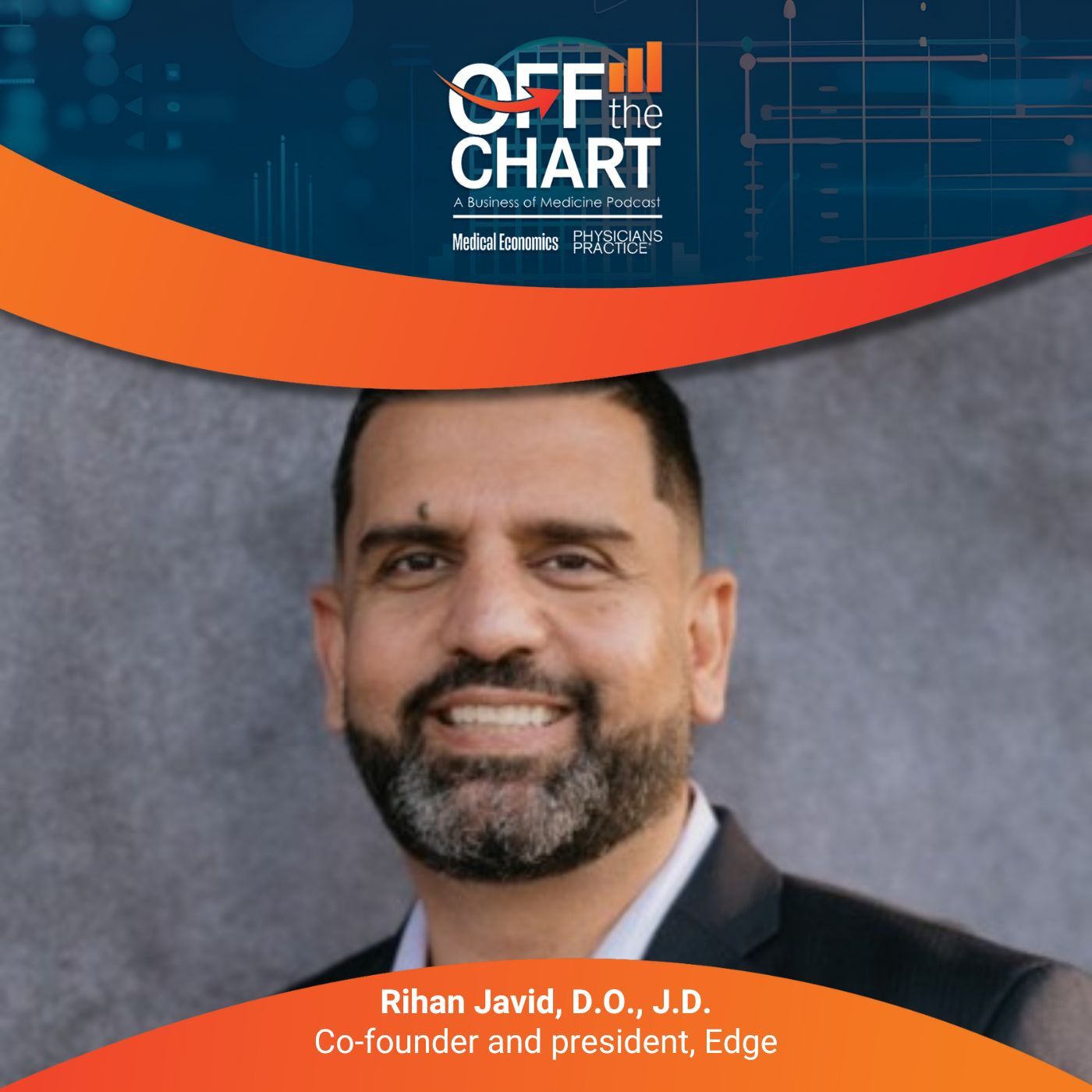
Rising minimum wages, fierce labor competition and persistent turnover are reshaping how physician practices operate — and higher pay alone isn’t solving the problem.Rihan Javid, D.O., J.D., a psychiatrist and co-founder and president of Edge, a remote staffing organization, about how staffing pressures are landing inside medical practices in 2026.Javid explains why small practices and rural hospitals are feeling the impact first, which roles are hardest to replace, and how frequent turnover quickly turns into operational and financial strain for physicians. He also shares practical guidance on retention, budgeting for the year ahead, and why flexibility — including remote staffing — is becoming essential as practices adapt to a changing labor market.Music Credits:Super Vibe Vlog by Elonix - stock.adobe.comA Textbook Example by Skip Peck - stock.adobe.comEditor's note: Episode timestamps and transcript produced using AI tools.0:00 — Cold open Why increasing salaries alone isn’t enough to solve staffing challenges.0:22 — Intro Austin Littrell introduces the episode, the Practice Academy note, and previews the discussion with Rihan Javid.1:34 — Interview begins Austin welcomes Javid and kicks off the conversation.1:40 — Minimum wage increases hit practices How rising minimum wages are affecting physician practices and rural hospitals.1:53 — Tight margins, big jumps Why sudden wage increases can blow up practice budgets.2:55 — Why higher pay isn’t stopping turnover Competing with large health systems, universities and public-sector benefits.4:13 — The hardest roles to replace Why patient-facing staff and billing roles create the biggest bottlenecks.5:30 — The salary arms race How pay increases turn into a cycle that practices can’t win.5:48 — Building a core workforce Why long-term retention matters more than constant replacement.7:15 — P2 Management Minute Keith Reynolds shares a quick note for practice leaders.8:05 — When turnover hits daily operations How staffing shortages push more work onto physicians.8:42 — Budgeting for 2026 Why flexibility matters more than precision.9:38 — One piece of retention advice Treat employees well, pay competitively and be clear about expectations.10:07 — Responding when staff leave Why practices need to look inward — and outward.10:22 — Thinking beyond local hiring How remote staffing is filling gaps practices can’t solve locally.11:39 — Roles that can go remote Deciding which positions need to be in-person and which don’t.12:27 — Closing thoughts Final takeaways on flexibility and planning.12:36 — Outro Wrap-up, subscription reminder and Practice Academy note.
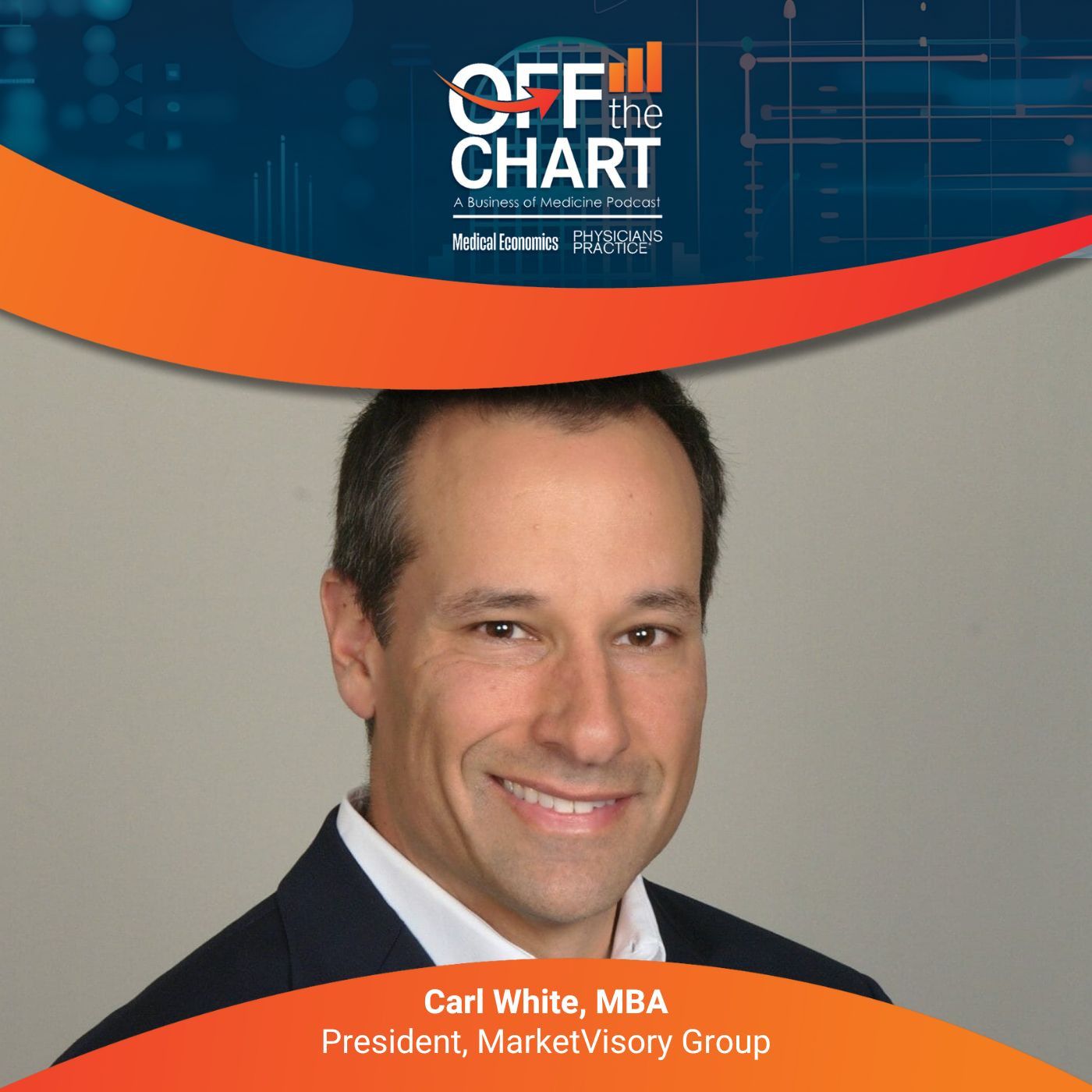
Independent medical practices are facing more competition than ever — from hospital systems, urgent care chains, private equity–backed groups and other local practices just down the road.Medical Economics Content Vice President Chris Mazzolini sat down with Carl White, president and founder of MarketVisory Group, to talk about what it actually takes for independent practices to stay visible, relevant and competitive.White explains why simply providing good care is no longer enough, how practices should think about differentiation and where marketing efforts often miss the mark. They also explore the growing role of generative artificial intelligence (GenAI) in health care marketing, why fundamentals like search and consistency still matter most and how practices can avoid blending into the noise.They discuss patient retention, operational friction points that quietly drive patients away and the small set of metrics practice leaders should watch to understand whether their strategy is working.Music Credits:Quiet Dawn by Cephas - stock.adobe.comA Textbook Example by Skip Peck - stock.adobe.comEditor's note: Episode timestamps and transcript produced using AI tools.0:00 — Cold open Why independent practices are competing for a shrinking pool of patients.0:19 — Intro Austin Littrell introduces the episode and previews the conversation with Carl White on physician marketing.1:36 — Interview begins Chris Mazzolini welcomes Carl White and frames the marketing challenges facing independent practices in 2026.1:49 — The competition problem Why independent practices are fighting for attention against urgent care, hospital systems and retail clinics.2:19 — A shrinking patient pool How rising insurance costs are quietly reducing the number of insured patients.3:20 — Standing out in a smaller market Why practices must clearly show value as competition intensifies.3:35 — Private-pay and concierge realities Why not every private-pay idea meets real patient demand.5:00 — “Good care isn’t enough” anymore Why quality medicine is expected — not a differentiator.5:26 — Why patients comparison shop How patients choose between practices when clinical quality looks the same.6:51 — When marketing gaps start to show Why ignoring competition is no longer an option.7:03 — Generative artificial intelligence enters marketing How artificial intelligence is changing content and visibility.8:48 — “Teach me” vs recommendations Which artificial intelligence prompts practices can realistically compete for.9:33 — Why search still matters most How artificial intelligence tools pull from Google, reviews and local search.10:13 — Artificial intelligence and content quality Why sounding authentic still matters more than speed.11:18 — Where artificial intelligence actually helps Using artificial intelligence for internal operations like appeals and documentation.12:09 — What actually moves the needle Identifying what’s valuable and different for patients.13:30 — Consistency beats volume Why repeating a clear message matters more than chasing trends.14:32 — Location still matters Why practice placement can make or break growth.15:43 — Thought leadership as marketing How physicians can build credibility without becoming full-time creators.18:06 — Setting goals for thought leadership Why marketing must align with a clear objective.19:04 — Retention vs acquisition Keeping patients loyal without feeling “salesy.”21:12 — Operational friction drives patients away Scheduling, reminders and visit efficiency as marketing tools.22:26 — Making the practice experience easier Why convenience matters as much as care.23:54 — Measuring success in 2026 Which metrics actually predict growth and stability.25:00 — Reviews, satisfaction and staff retention Why feedback and employee morale matter more than trends.26:53 — A critical HIPAA reminder Where marketing and compliance overlap — and why it matters.27:48 — Final thoughts Carl White’s closing advice for independent practices.28:22 — Outro Austin Littrell wraps up the episode.
Patients are making health decisions in a very different information environment — one shaped by social media, search engines, generative artificial intelligence (AI) and increasingly politicized medical claims.Medical Economics Senior Editor Richard Payerchin sat down with Colleen Denny, M.D., FACOG, chief ethics officer for the American College of Obstetricians and Gynecologists (ACOG), to talk about where patients are hearing medical misinformation, how it's showing up in exam rooms and what physicians can do about it.Denny explains why misinformation now extends far beyond vaccines, touching everything from contraception and pregnancy care to acetaminophen use during pregnancy and reproductive health more broadly. She discusses how patients weigh online claims alongside clinical advice, how conflicting federal messaging can complicate care and why physicians have a responsibility to clarify evidence even when the science is nuanced.Music Credits:Sky drifter by Cephas - stock.adobe.comA Textbook Example by Skip Peck - stock.adobe.comEditor's note: Episode timestamps and transcript produced using AI tools.0:00 — Cold open Why it’s more complicated to be a patient today than it was before the internet.0:13 — Intro Austin Littrell introduces the episode and previews the discussion with Colleen Denny, M.D., FACOG, on medical misinformation.1:12 — Interview begins Richard Payerchin welcomes Denny and asks about trust in medicine and whether science is under attack.1:35 — The information overload problem How social media, search engines and generative AI have changed patient decision-making.3:21 — Erosion of trust — and what hasn’t changed Why patients still say they want information from physicians, even as other sources grow louder.4:44 — “Dr. Google” in the exam room Real examples of misinformation patients bring to OB-GYN visits.5:00 — Contraception myths and clickbait headlines From benign concerns to fears about permanent infertility.5:46 — Depo-Provera and meningioma headlines How partial data and sensational framing complicate patient counseling.6:34 — Balancing risk and reality Helping patients weigh rare risks against the real consequences of pregnancy.8:05 — Misinformation beyond vaccines How acetaminophen guidance during pregnancy became a flashpoint.8:23 — Physicians’ responsibility to clarify evidence Why doctors must speak up when high-profile claims conflict with training and data.9:15 — ACOG’s stance on Tylenol during pregnancy Explaining the disconnect between FDA messaging and clinical recommendations.10:00 — ACOG resources for physicians and patients How the college is pushing back on non-medical voices shaping care.12:52 — Should physicians be on social media? Why avoiding platforms like TikTok may be a mistake.14:01 — Meeting patients where they are Why misinformation is the competition — and how physicians can respond.15:40 — Supporting physicians who speak online Why practices may need to invest time and resources.16:18 — A message for primary care physicians Why reproductive health misinformation is increasingly landing in primary care.17:24 — Partnering with OB-GYNs Using collaboration and telemedicine to improve patient care.19:25 — Vaccines in pregnancy Why pregnancy changes the vaccine conversation.19:52 — HPV vaccination reframed Why it should be discussed as cancer prevention.22:09 — Trust, burnout and persistence Why physicians should remember patients still trust them — even when they say they don’t.24:59 — Outro Closing remarks and where to find more Off the Chart episodes.
Physicians spend years mastering medicine, but many leave training with little guidance on managing money, debt or long-term financial decisions.Michael Jerkins, M.D., M.Ed., an internal medicine and pediatrics physician and co-founder of Panacea Financial, sits down with Medical Economics Senior Editor Richard Payerchin to break down what financial pressures look like at every stage of a physician’s career — from residency cash-flow strain and student loans to practice ownership and long-term stability.They explore why so many physicians struggle with traditional banking models, what “financial independence” really means for physicians and how financial decisions can quietly limit control over time. Jerkins also discusses growing interest in independent practice, direct primary care (DPC) and concierge models, along with the importance of financial literacy early in a medical career.Music Credits:Healing breeze by Cephas - stock.adobe.comA Textbook Example by Skip Peck - stock.adobe.comEditor's note: Episode timestamps and transcript produced using AI tools.0:00 — Cold open Michael Jerkins, M.D., M.Ed., practicing internal medicine and pediatrics physician and co-founder of Panacea Financial, explains how physicians can earn enough to mask financial mistakes — while debt quietly takes control of their time and flexibility.0:28 — Intro Austin Littrell introduces the episode and previews Richard Payerchin’s conversation with Jerkins on physician debt, cash flow and long-term financial stability.1:30 — Interview begins Payerchin welcomes Jerkins to the podcast and opens the discussion.1:35 — Physicians seeking control over their practices Jerkins discusses growing interest among physicians in independence, the lack of business exposure in medical training and why many doctors don’t know where to start when considering ownership.4:51 — Employment vs. independence for new physicians Why most new residency and fellowship graduates still choose employed roles, even as entrepreneurial interest slowly increases.6:28 — When physicians aren’t ready for financing Jerkins explains common reasons loan applications fall short and how Panacea focuses on coaching and connection rather than simple rejection.9:14 — Fixing financial literacy in medical education Why meaningful financial and business training won’t improve without accreditation requirements—and how current systems waste effort reinventing the wheel.11:51 — P2 Management Minute Keith Reynolds delivers a one-minute segment inviting physicians to share real-world workflow and leadership lessons.12:43 — Financial trends shaping the next decade Jerkins outlines looming pressures including Medicaid cuts, rural hospital instability, private equity consolidation and maldistribution of care.15:30 — Defining wealth for physicians Why controlling time—not income or lifestyle upgrades—is the real measure of financial success.18:38 — A message to primary care physicians Jerkins reflects on the pressures facing primary care and urges physicians to seek leadership roles to influence systemic change.20:02 — Closing remarks Payerchin thanks Jerkins and wraps the interview.20:31 — Outro Littrell closes the episode with subscription details and production credits.
Health systems and medical groups are fighting the same three-headed problem: money, access and staffing. In this episode, American Medical Group Association (AMGA) President and CEO Jerry Penso, M.D., MBA, and Practicing Excellence founder Stephen Beeson, M.D., discuss their new partnership meant to strengthen physician development without pulling clinicians out of the exam room. They explain why traditional half-day seminars have lost their edge, how context-driven micro-coaching powered by artificial intelligence (AI) fits into daily clinical workflows and how organizations should measure success — including turnover, burnout, engagement and patient experience. Music Credits:Groovy 90s Hip Hop Acid Jazz by Musinova - stock.adobe.comA Textbook Example by Skip Peck - stock.adobe.comEditor's note: Episode timestamps and transcript produced using AI tools.0:00 — Cold open Why growth and development are becoming central to retention. 0:33 — Intro Austin Littrell sets up the partnership and what’s at stake for practices and health systems. 1:39 — The partnership, in plain terms Keith Reynolds opens: what does the partnership entail? 1:56 — AMGA’s “top three” problems Finances, access and workforce—and why workforce is the root issue. 3:32 — Why human development, why now Beeson on creating cultures where people feel seen, supported and want to stay. 5:10 — Why AMGA chose Practicing Excellence Members want solutions; AMGA vets partners through set criteria. 6:19 — The new “must-have” for retention Clinicians increasingly choose organizations where they can grow and “ascend.” 7:21 — What feels different vs. traditional training Why half-day seminars and PowerPoints don’t meet the moment. 8:34 — “Context is king” Personalized, in-work learning that actually changes behavior. 11:12 — Beyond “see one, do one, teach one” Why clinician development needs new tools in a faster-changing system. 12:10 — How AMGA members access it Already used by 30 member organizations; AMGA facilitates and offers discounted rates. 13:20 — P2 Management Minute promo (mid-roll) Keith Reynolds invites listener tips and submissions. 14:13 — What the coaching looks like in practice Four domains: patient experience, team engagement, leadership effectiveness, clinical excellence/high reliability. 17:27 — Measuring success Turnover, burnout, engagement surveys, outcomes tracking, use analytics and CME. 20:59 — Scorecards and culture Why successful orgs define metrics and support clinicians with real tools. 22:53 — “One more tool” problem Why it’s designed to fit into workflow in minutes/seconds at a time. 25:34 — Trust, guardrails and governance AI governance expectations from member organizations. 26:36 — Security posture + no patient data claim SOC 2 in progress; “no patient information” in the ecosystem. 27:38 — Final thoughts “What got you here won’t get you there,” and a people-first closing. 29:52 — Outro Wrap-up, subscribe CTA, production credits.
Pediatrician and author David Higgins, M.D., M.P.H., M.S., joins the show to unpack what’s really happening with vaccine confidence. Higgins explains why true anti-vaccine activists are a tiny minority, how media coverage can exaggerate hesitancy and why most parents still want vaccines for their children — even if they come in with questions. He also digs into the role of social media algorithms in amplifying misinformation and the policy risks of assuming “everyone” is skeptical of shots.Higgins shares practical, exam room–tested communication strategies that busy clinicians can use right away, including how to open vaccine conversations with confidence, use motivational interviewing without adding time to visits and apply his “fact–warning–fact” approach to defuse persistent myths. Music Credits:Kind Winds by Cephas - stock.adobe.comA Textbook Example by Skip Peck - stock.adobe.comEditor's note: Episode timestamps and transcript produced using AI tools.0:00 — Cold open An individual’s physician remains the most trusted source of vaccine information.0:19 — Intro Austin Littrell introduces Medical Economics Senior Editor Richard Payerchin and guest David Higgins, M.D., M.P.H., M.S., previewing their discussion on vaccine hesitancy, misinformation, and communication strategies for physicians.1:11 — Interview begins Payerchin welcomes Higgins and asks about the current state of trust in medicine and science.1:25 — Trust in institutions and experts Higgins discusses the erosion of trust in public institutions and how it affects confidence in medicine and vaccines.2:37 — The risks of normalizing vaccine hesitancy Higgins explains why overstating vaccine hesitancy can distort public health policy and harm provider confidence.4:20 — Policy and perception How misconceptions about vaccine refusal influence lawmakers, and why most parents still want vaccines for their children.6:10 — The provider mindset Why assuming every patient is hesitant changes physician behavior and weakens communication.8:04 — Barriers to eradication and the importance of uptake Higgins underscores that vaccines don’t save lives unless vaccination occurs—and the human factors that determine success.13:13 — P2 Management Minute Keith Reynolds shares a one-minute practice management segment on workflow and leadership insights.14:02 — The Wakefield study and lasting damage Higgins recounts how fraudulent MMR-autism claims sparked long-lasting fear and skepticism.18:09 — How anti-vaccine activism spreads online Higgins distinguishes true activists from confused sharers and explains how algorithms amplify fear-based content.21:22 — Beyond facts: improving physician communication Why information alone doesn’t change minds, and the key communication techniques every clinician should use.25:33 — The “fact–warning–fact” method Higgins breaks down his “truth sandwich” approach for addressing vaccine myths effectively.27:05 — Final thoughts: trust in the physician’s voice Higgins closes with why patients still look to their doctors as “lighthouses in the storm” of misinformation.29:16 — Outro Richard Payerchin wraps the conversation and Austin Littrell closes the episode with subscription and contact details.
Two hours. One studio. Zero confetti (almost).
In the 2025 Off the Chart Holiday Spectacular, Off the Chart hosts Keith Reynolds and Austin Littrell race to clean the studio before a holiday party — and along the way, revisit some of the most important conversations of the year.
Listeners hear from Anders Gilberg of MGMA on what 2026 health care policy could actually bring for physician payment, prior authorization and value-based care. Deepika Srivastava breaks down how artificial intelligence is reshaping malpractice risk and what physicians need to do now to protect themselves. David Tawes of the HHS Office of Inspector General offers a clear warning on skin substitutes and sketchy offers targeting primary care. The episode also revisits leadership lessons from Dave Gans, practical branding advice from Scott Bartnick, and a quick victory lap from the show’s 100th episode.
It’s part year-in-review, part behind-the-scenes chaos and fully grounded in the real issues physicians are heading into the new year with — teamwork, boundaries and absolutely no confetti.
Happy holidays from the crew at Off the Chart: A Business of Medicine Podcast!
Music Credits:
Joyful Christmas Adventure by TheRatu - stock.adobe.com
Various Holiday Songs by Elizabeth Klucher Reynolds
Editor's note: Episode timestamps and transcript produced using AI tools.
0:00–3:49
Cold open chaos: last-minute studio cleanup, holiday banter and rules about boxes, soundboards and “fast, ugly cleaning.”
3:49–4:39
The temptation to turn cleanup into a clip show — and why this year actually matters.
4:39–8:21
MGMA policy outlook: Anders Gilberg on what health care policy could realistically look like in 2026, from physician payment reform to prior authorization and value-based care tensions.
8:21–10:45
Back to cleaning: aging, disco lights, mystery cables and why some boxes must never be opened.
10:45–12:24
Artificial intelligence and malpractice risk: Deepika Srivastava on informed consent, documentation, AI scribes and why physicians remain ultimately responsible.
12:24–15:07
Mops, closets, confetti debates and the hidden costs of sticky floors.
15:07–16:27
Compliance warning for primary care: HHS Office of Inspector General’s David Tawes on skin substitutes, red flags and when “too good to be true” really is.
16:27–17:08
Banner hanging, tape as the “EHR of the party world” and clinical perfectionism.
17:08–18:08
Milestone moment: a quick victory lap from the Off the Chart 100th episode lightning round.
18:08–19:08
Holiday music, near-confetti incidents and metaphors for practice management debt.
19:08–20:33
Leadership and retention: Dave Gans on why taking care of staff directly improves efficiency and practice performance.
20:33–21:06
Mic stand mishaps and festive elbows.
21:06–22:11
Physician personal branding: Scott Bartnick on reviews, local reputation and why doctors don’t need national brands to stand out.
22:11–23:36
Final checks: chairs set, snacks staged, disco light defeated.
23:36–25:14
Wrap-up, holiday thanks, subscription reminders and a firm no-confetti policy.
Today’s episode is brought to you by Specialdocs Consultants, and our topic today is the growing popularity of concierge medicine. As physician burnout, payer pressures, and patient expectations reach new inflection points, many doctors are rethinking how they practice medicine.
For this episode, Medical Economics Content Vice President Chris Mazzolini sat down with Greg Grant, the Chief Operating Officer of Specialdocs Consultants to explore why 2026 may be a pivotal year for physicians considering the transition to membership-based care. From financial models and patient demand to technology and lifestyle balance, Greg uncovers what’s driving the next wave of concierge medicine and what it could mean for your future in practice.
Music Credits:
Coffee Shop Sketches by Buurd - stock.adobe.com
A Textbook Example by Skip Peck - stock.adobe.com
Editor's note: Episode timestamps and transcript produced using AI tools.
(00:00:00)
Overview of physician administrative burden, episode introduction, and the focus on concierge medicine trends.
Macro trends shaping concierge medicine (00:01:32)
Discussion of macro trends: physician burnout, patient expectations, and the mainstreaming of concierge medicine.
Economic pressures and growth trajectory (00:04:06)
Impact of inflation, payer pressures, physician shortages and economic data on the growth of concierge medicine.
Physician specialties adopting concierge models (00:07:48)
Analysis of which specialties (primary care, cardiology, endocrinology, geriatrics, pediatrics, OB/GYN) are moving into concierge medicine.
Patient willingness to pay and changing expectations (00:11:22)
Exploration of patient attitudes toward paying for personalized care and the rise of health optimization trends.
Structure of modern concierge practices (00:14:45)
Details on practice structure: panel size, visit length, communication, care coordination, and work-life balance.
Integration with hospital systems (00:18:57)
Challenges and models for integrating concierge medicine within hospital systems and health networks.
Specialdocs’ unique approach (00:22:03)
What differentiates Specialdocs in the concierge medicine space and their support model for physicians.
Physician burnout and post-conversion experiences (00:26:24)
Physician stress and burnout before conversion, and improvements after transitioning to concierge medicine.
Hospitality mindset in concierge medicine (00:29:08)
How hospitality principles enhance patient experience and satisfaction in concierge practices.
Transition timeline and readiness signs (00:32:08)
Typical timeline for converting to concierge medicine and indicators that a physician is ready for the change.
Financial realities and misconceptions (00:35:31)
Common misconceptions about the economics of concierge medicine and financial outlook for 2026.
Advice for hesitant physicians (00:38:11)
Guidance for physicians considering the transition and reassurance about the mainstream status of concierge medicine.
Future outlook and excitement (00:40:14)
Predictions for the future growth of concierge and direct primary care, and reasons for optimism.
Closing remarks (00:42:41)
Final thanks, episode wrap-up, and information on subscribing and future episodes.
Most physicians say they’re satisfied with their jobs — but far fewer say they feel engaged at work. That disconnect is at the center of CHG Healthcare’s 2025 Physician Sentiment Survey, which draws on responses from more than 900 physicians nationwide.
In this episode of Off the Chart, Medical Economics Assistant Editor Austin Littrell speaks with Bill Heller, chief operating officer at CHG Healthcare, about what’s driving low engagement despite relatively high satisfaction. They break down the survey’s findings on trust in leadership, communication gaps, administrative burden, economic pressure and why engagement plays such a critical role in retention.
Heller also discusses what highly engaged physicians say makes the biggest difference in their day-to-day work, why involvement in decision-making, including around technology and artificial intelligence (AI), matters more than ever, and what health care leaders can do now to improve engagement without major new spending.
Music Credits:
Midnight Serenade by MORRIX Holyhold - stock.adobe.com
A Textbook Example by Skip Peck - stock.adobe.com
Editor's note: Episode timestamps and transcript produced using AI tools.
0:00 — Cold open
Why physician engagement is one of the most powerful retention tools health systems have.
0:16 — Intro
Austin Littrell introduces CHG Healthcare’s 2025 Physician Sentiment Survey and its core findings.
1:31 — Satisfaction vs. engagement
Why 75% job satisfaction doesn’t prevent turnover when only 18% of physicians feel engaged.
2:55 — What highly engaged physicians report differently
Transparency, open communication and trust in leadership stand out.
3:09 — How leaders build trust day to day
Visibility, explaining the “why,” frequent check-ins, and closing feedback loops.
5:40 — Trust gaps between physicians and executives
Why physicians trust direct supervisors far more than executive leadership.
7:46 — Net Promoter Score and physician loyalty
What a negative NPS says about physician advocacy and organizational risk.
10:56 — Physicians want a voice — but feel excluded
Why most doctors want input into decisions and how leaders can meaningfully involve them.
13:10 — When physician input becomes performative
Why late-stage consultation undermines trust and better decision-making.
15:13 — P2 Management Minute
Keith Reynolds on practical, real-world workflow and engagement ideas.
16:02 — Moonlighting, job changes and economic uncertainty
How engagement dramatically lowers the likelihood physicians will leave.
19:16 — Financial stress and physician decision-making
Why economic uncertainty affects physicians more than leaders may assume.
21:16 — Administrative burden and documentation pressure
What engaged physicians say helps make daily pressures more manageable.
24:44 — Artificial intelligence: hope and concern
Why physicians want AI to reduce burden — not simply increase patient volume.
27:01 — The message physicians want leaders to hear
Visibility, listening, well-being and time for patient care.
27:50 — What leaders may be underestimating
Why small changes can produce meaningful gains in engagement.
29:13 — Outro
Final thanks, credits and where to find future episodes.
Vaccine conversations have changed. Sure, there have always been skeptics, but since the COVID-19 pandemic — and especially since Robert F. Kennedy, Jr., has headed Health and Human Services (HHS) — debates have only intensified.
For physicians, what used to be occasional questions in the exam room have become daily conversations that are more emotional, more complex and more consequential for public health.
Paul Offit, M.D., one of the nation’s leading vaccine experts, joins the show to talk about the state of vaccine and public health skepticism we’re in — and what it means for physicians.
Offit explains why confidence in vaccines has slipped, how federal advisory processes have become more politicized and why rising outbreaks of measles, pertussis and other preventable diseases are a warning sign of things to come.
He discusses how misinformation shows up in the exam room, what’s worked for him when talking with hesitant patients and what physicians should keep in mind as they navigate these increasingly complex conversations.
This interview was conducted in preparation for Medical Economics November-December cover story, "Medicine under attack: How physicians can help their patients navigate the disinformation age."
Read more: https://www.medicaleconomics.com/view/medicine-under-attack-how-physicians-can-help-their-patients-navigate-the-disinformation-age
Music Credits:
After Hours by Yigit Atilla - stock.adobe.com
A Textbook Example by Skip Peck - stock.adobe.com
Editor's note: Episode timestamps and transcript produced using AI tools.
0:00 — Cold open
Dr. Offit on public health being “under siege.”
0:21 — Intro
Austin sets up the episode on vaccine skepticism and the rise of patient uncertainty.
1:18 — Where trust in science stands now
Offit describes the erosion of confidence in medicine and the rise of “make-your-own-truth” thinking.
2:06 — Vaccine skepticism before and after COVID
How distrust long predates the pandemic — and why mandated vaccines have always faced pushback.
2:38 — Vaccines as “victims of their own success”
Why younger parents must rely on faith, not firsthand memory of disease.
4:22 — Do people need to see disease return to believe in vaccines?
The Maurice Hilleman story and why outbreaks often precede attitude shifts.
6:37 — The politicization of immunization
Why Offit says vaccine science has collided with politics in unprecedented ways.
8:05 — What’s happened to ACIP
Offit’s concerns about expertise, bias, and the breakdown of federal vaccine guidance.
10:04 — Following ACIP’s recent votes
Why Offit saw “anti-science” decisions in 2025 influenza and hepatitis B deliberations.
12:20 — Debating unproven harm vs. studying real risk
How flawed research diverts attention, funding, and global vaccine support.
14:28 — P2 Management Minute
Keith Reynolds with practical, daily practice-improvement insights.
15:19 — Global ripple effects of U.S. vaccine misinformation
How America’s internal debates are shaping vaccine attitudes overseas.
16:26 — Communication strategies for frontline clinicians
How physicians can respond when patients bring vaccine misinformation into the exam room.
19:10 — How vaccines continue to be monitored
Why post-approval surveillance is essential — and how rare events are detected.
19:35 — Where COVID vaccine communication went wrong
Offit on “warp speed,” emergency-use confusion, breakthrough infections, and lost public trust.
21:30 — Will young scientists avoid vaccine research?
How funding cuts and political hostility may shift innovation overseas.
24:07 — States stepping in with their own guidance
Fragmented recommendations and the risks for states that do nothing.
25:08 — Surveillance breakdown and rising outbreaks
Why the U.S. is undercounting measles, flu, and pertussis — and the consequences of “see no evil” policies.
27:32 — Responding to conflict-of-interest accusations
Offit addresses claims about patent profits and ACIP voting.
29:11 — What changes things now?
Why Offit says the turning point will come from parents, not politicians.
30:41 — Closing with Richard Payerchin
Final thoughts and thanks.
31:01 — Outro
Austin wraps with credits and where to find future episodes.
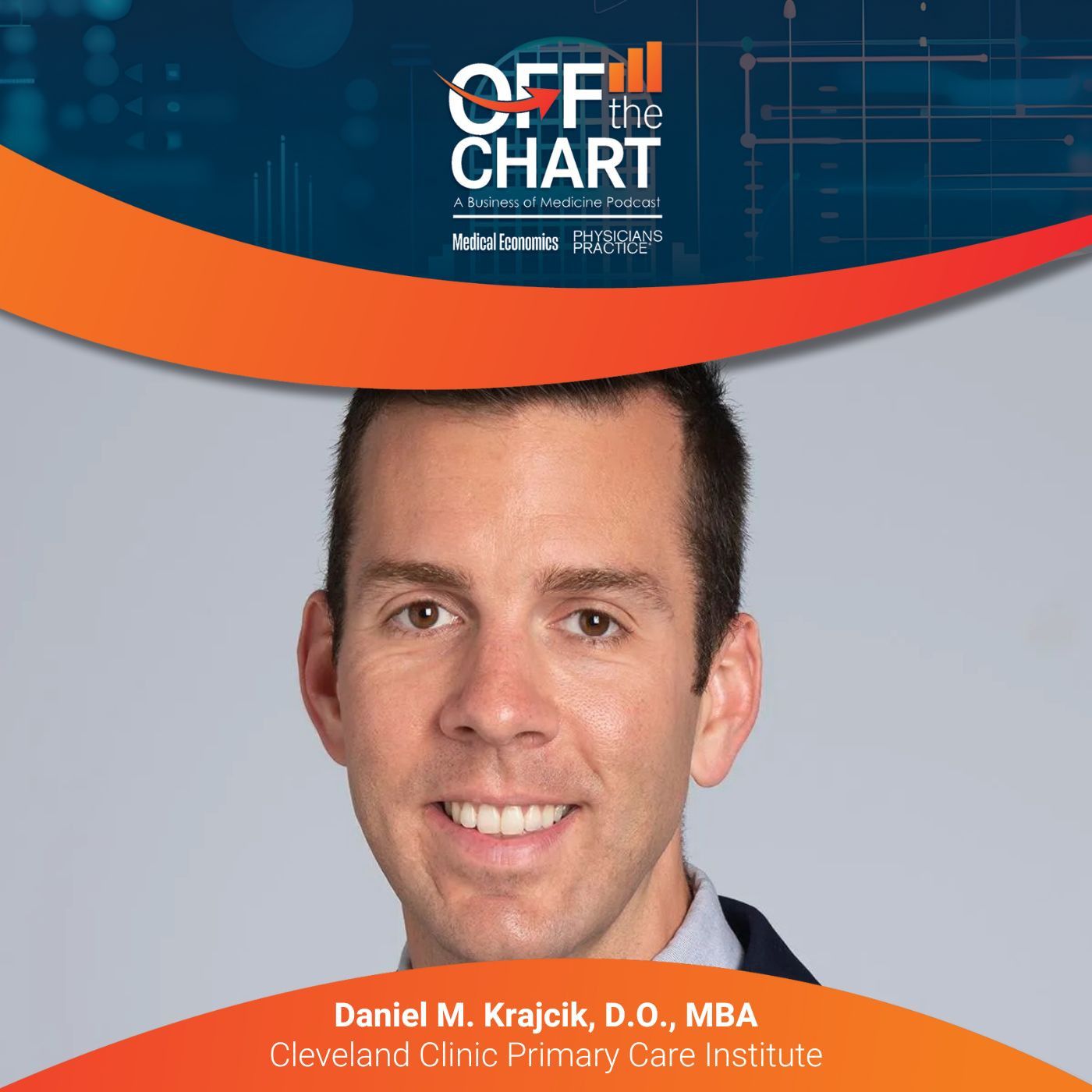
Point-of-care testing has become a core part of how many primary care practices diagnose, treat and manage patients — but deciding which tests to offer, how to implement them and whether the investment makes sense isn’t always straightforward.
Daniel Krajcik, D.O., MBA, a primary care physician with the Cleveland Clinic, joins the show to break down the real-world considerations of bringing rapid testing into the office. He talks about which low-cost tests make sense for small practices, how to evaluate your patient population, what fixed and variable costs look like, and what it actually takes to manage staffing, training and compliance.
This interview was conducted in preparation for the feature-length Medical Economics article: "Rapid Testing: Is it right for your practice?"
Read more: https://www.medicaleconomics.com/view/rapid-testing-is-it-right-for-your-practice-
Music Credits:
FUN PLAYFUL POWERFUL FUNK by Resolute Audio - stock.adobe.com
A Textbook Example by Skip Peck - stock.adobe.com
Editor's note: Episode timestamps and transcript produced using AI tools.
0:00 — Cold open
Why rapid COVID and flu diagnosis can reduce hospitalization risk.
0:21 — Intro
Austin Littrell sets up the conversation on point-of-care testing in primary care.
1:23 — Where practices should start with testing
How patient population and practice location shape which tests make sense.
1:41 — Low-cost testing essentials
Why urine dip tests and glucometers offer high clinical value with minimal upfront cost.
3:05 — What a CLIA waiver is and how to get one
What practices need to know about federal requirements and eligible tests.
4:37 — Which rapid tests practices can offer
Strep, STIs, pregnancy, A1C, INR and the real cost tradeoffs.
6:27 — Who manages and runs point-of-care tests
Training staff, assigning a compliance lead and maintaining quality control.
7:36 — How rapid testing changes clinical workflow
When testing adds time—and when it actually saves visits and improves care.
8:50 — Revenue and patient satisfaction impact
How in-office testing boosts both billing opportunities and patient experience.
9:05 — Competing with urgent care centers
Why rapid testing has become part of primary care’s market positioning.
9:54 — P2 Management Minute
Keith Reynolds on real-world practice workflow, efficiency and engagement.
10:48 — Legal, documentation and ethical considerations
What physicians must disclose about test accuracy and limitations.
12:53 — Inventory, expiration dates and waste
Why test tracking matters for small practices and revenue protection.
13:56 — How molecular rapid tests expand primary care capabilities
STIs, COVID, flu and testing for vulnerable populations.
15:15 — Value-based care and reimbursement incentives
How point-of-care diagnostics support chronic disease quality metrics.
16:28 — Advice for overwhelmed small practices
Why starting with a single test often leads to sustainable growth.
17:29 — Geography, labs and rural access challenges
When in-office testing matters most based on distance to labs.
19:23 — The economics of primary care
Why prevention and early intervention are finally gaining financial recognition.
20:03 — Outro
Final thanks, credits and where to find future episodes.
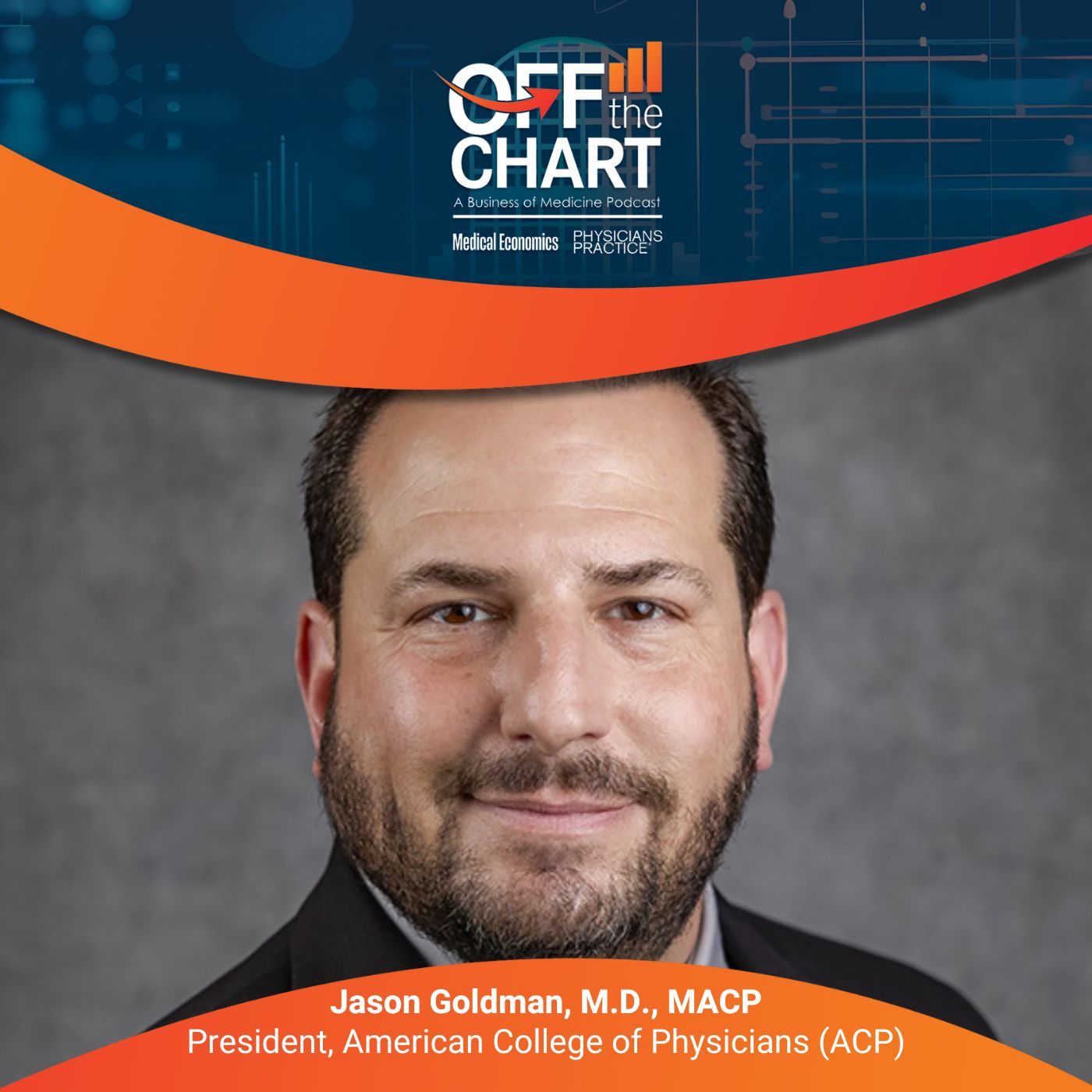
American College of Physicians President Jason Goldman, M.D., MACP joins the show to talk about one of the most difficult realities in clinical practice today: medical misinformation.
Goldman discusses the ripple effects he sees in the exam room — confused patients, politicized vaccine debates and growing skepticism toward scientific evidence. He also shares his perspective on the broader challenges weighing on primary care, including stagnant reimbursement, administrative overload and the deepening physician shortage.
Music Credits:
Coffee Lo-Fi by Mit-Rich - stock.adobe.com
A Textbook Example by Skip Peck - stock.adobe.com
Editor's note: Episode timestamps and transcript produced using AI tools.
0:00 — Intro
Trust in medicine breaks down as misinformation and politicization reshape patient care.
1:12 — The current state of trust in science
Jason Goldman, M.D., MACP, describes a “polarized” environment where echo chambers replace evidence.
2:17 — A public challenge to federal vaccine advisors
Why Goldman says the Advisory Committee on Immunization Practices must return to basic evidence standards.
4:59 — The real damage of vaccine politicization
How confusion, outbreaks, and patient doubt are reshaping public health.
7:58 — Vaccine access vs. vaccine uptake
Supply barriers, pharmacy restrictions, and rising patient hesitation collide in clinical practice.
10:53 — How physicians fight misinformation in the exam room
Goldman walks through the communication strategies that work — and the ones that fail.
13:31 — When vaccine resistance harms families
Preventable disease, household transmission, and the limits of “personal choice.”
19:43 — Autism, Tylenol and recycled health rumors
Why debunked claims still gain traction — and what real science says.
23:00 — Life inside the misinformation echo chamber
Why patients rely on filtered sources instead of public data and primary evidence.
25:04 — P2 Management Minute
Keith Reynolds on real-world practice workflows, staff morale and engagement.
26:03 — The reality of private practice economics
Flat reimbursements, crushing regulation and why primary care is financially fragile.
28:53 — Prior authorization: promises vs. reality
Why physicians still aren’t seeing relief from payer restrictions.
31:19 — Fixing the physician shortage
Medical education reform, student debt, and why primary care needs structural investment.
34:01 — A message to primary care physicians
Advocacy, resilience and unity in a strained system.
35:08 — Outro
Final thoughts, credits and where to find future episodes.
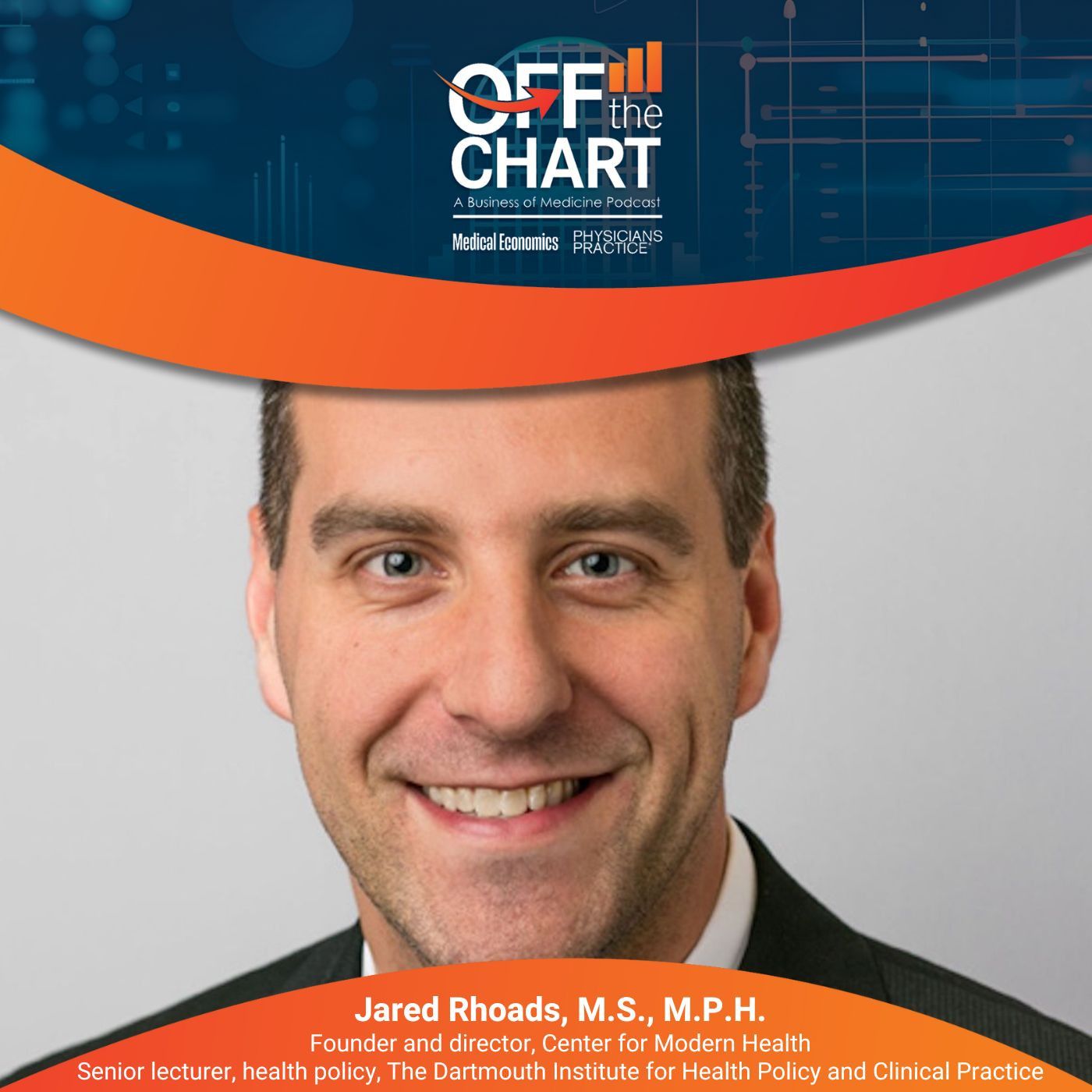
Jared Rhoads, M.S., M.P.H., founder of the Center for Modern Health and senior lecturer of health policy at the Dartmouth Institute for Health Policy and Clinical Practice, joins the show to talk about private equity’s role in health care and how politics are reshaping policy.
Rhoads offers a different take on private equity, arguing that current research is too mixed and fragmented to justify sweeping conclusions or aggressive regulation. He notes that outcomes differ widely across sectors and that positive cases are likely underreported. He also outlines findings from his 2024 prediction survey on health reform, highlighting rising expectations for psychedelic-assisted therapy legalization, growth in direct-pay models, expanded direct primary care and loosened HSA limits.
Throughout, he emphasizes market incentives, empirical evidence and caution against ideology-driven policymaking.
Check out Rhoads' September 2025 article in Medical Economics, "In defense of private equity in health care, mostly."
Music Credits:
Rooftops by Buurd - stock.adobe.com
Relaxing Lounge by Classy Call me Man - stock.adobe.com
A Textbook Example by Skip Peck - stock.adobe.com
Editor's note: Episode timestamps and transcript produced using AI tools.
00:00 — Why it’s too early to vilify private equity
Rhoads questions strong anti–private equity narratives and discusses limitations in current evidence.
01:20 — How the literature frames costs, outcomes, and price effects
He points to the BMJ systematic review and mixed findings on quality, utilization, and pricing.
04:55 — The case against broad private equity regulation
Concerns about deal-size review thresholds, bans, and financial instruments; Rhoads favors targeted guardrails over blanket restrictions.
08:50 — When private capital may actually help
Why hospitals in financial distress or needing infrastructure upgrades might benefit from outside investment — and why positive cases rarely surface.
12:30 — Surveying policy under Make America Healthy Again
Rhoads outlines his prediction survey on 28 health policy propositions tied to the Trump administration.
14:50 — Psychedelic-assisted therapy on the rise?
Why he sees legalization in several states as increasingly likely.
16:15 — Direct pay surgery centers and direct primary care
Cultural alignment with MaHA principles driving expectations of growth.
18:10 — HSAs: modest movement, but real movement
Contribution-limit changes and why he sees further shifts ahead.
20:35 — Call for clinicians to join the next prediction survey
Rhoads encourages physicians to participate in the 2025 policy outlook assessment.
21:00 — Close
Final thoughts.
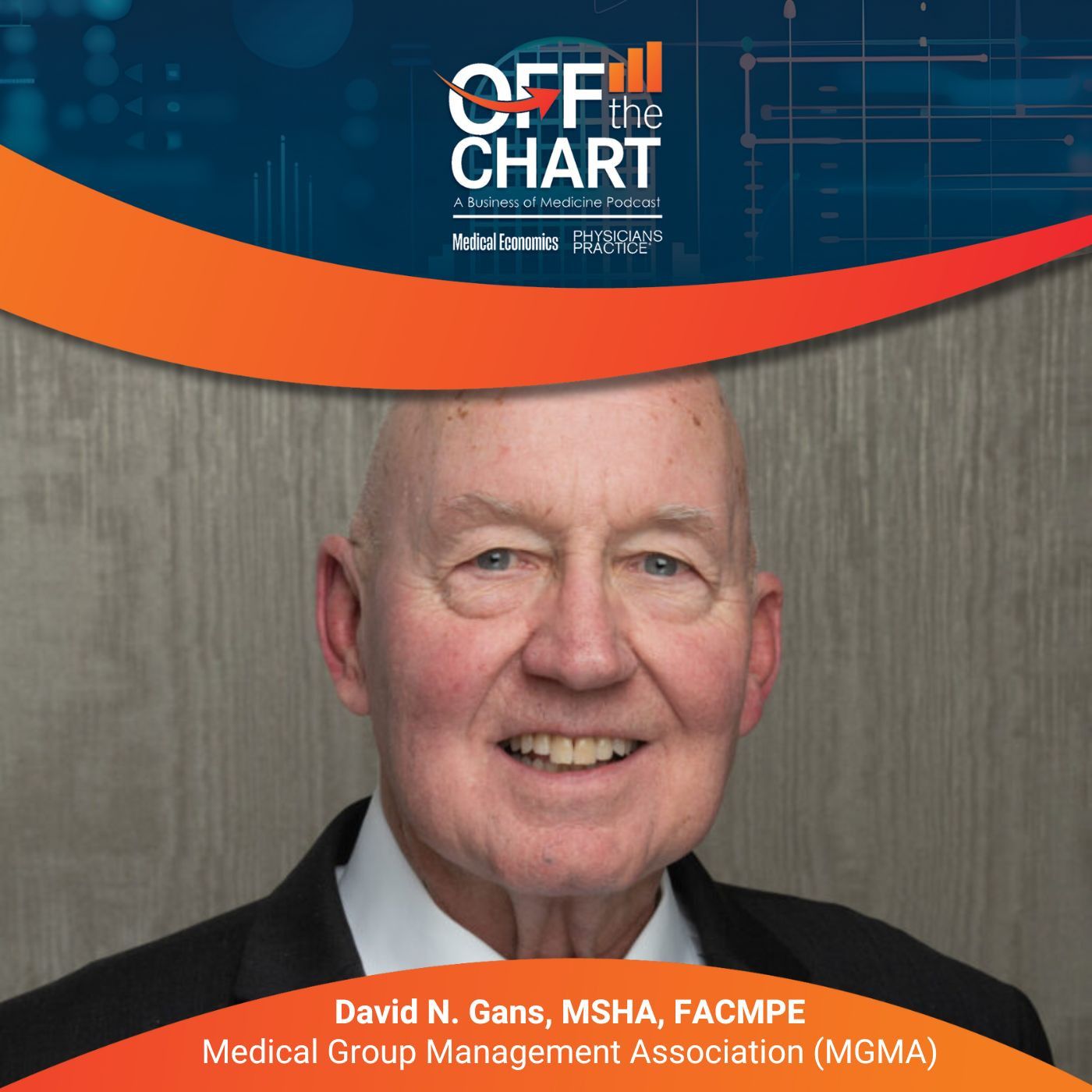
David N. Gans, MSHA, FACMPE, retired senior fellow at MGMA, joins the show to talk about the real pressures facing practices today — rising costs, flat reimbursement, staffing strain and the push for efficiency.
Gans breaks down the key metrics leaders should watch in 2026, the compliance gaps he sees most often, and how to evaluate new technologies like automation and artificial intelligence. He also shares why private-practice profits may have peaked and what that means for administrators planning ahead.
Music Credits:
SEDUCCION by Bopper Beats - stock.adobe.com
A Textbook Example by Skip Peck - stock.adobe.com
Editor's note: Episode timestamps and transcript produced using AI tools.
00:00 — Introduction
Austin opens the episode and tees up the conversation with David Gans, retired senior fellow at MGMA.
01:15 — Setting the stage
Keith greets David and dives straight into the big-picture question: which operational and financial trends practice leaders are still underestimating.
01:38 — The real cost pressures
David breaks down rising costs, static reimbursement, wage competition, and why efficiency is now non-negotiable for practices.
03:19 — The reimbursement squeeze
How Medicare, commercial insurers, and Medicaid leave little room for negotiation—and what that means for practices of different sizes.
04:22 — Efficiency or bust
Why “doing more with less” has become the only path forward, and how automation, workflows, and scheduling changes help practices stay afloat.
05:00 — Primary care vs. surgical pressures
David explains why cognitive specialties feel revenue constraints differently than procedural ones.
06:34 — What can practices actually control?
Coding accuracy, revenue cycle discipline, and the push to optimize every minute.
06:55 — What data should leaders watch in 2026?
David lays out the essential metrics: top-line revenue, encounter mix, RVUs, staffing costs, and net income trends.
07:33 — Productivity & expense alignment
Why practices need to understand revenue drivers and compare staffing benchmarks against peers.
08:52 — Quality and safety without more admin burden
David shares a framework: right staff, right tasks, right incentives, right outcomes.
09:46 — Technology and environment matter
How COVID reshaped expectations for clinical environments and cleanliness standards.
10:40 — Accreditation realities
David describes Triple-A-HC and where practices most often fall short in compliance.
12:23 — The metrics administrators misinterpret
David explains why FTE calculations are often flawed—and how job-sharing, varied schedules, and workload mismatches distort perceptions.
14:54 — Tech adoption: what’s really new?
Keith asks about telehealth, automation, and artificial intelligence. David places today’s tech challenges in a 100-year historical context.
16:31 — Practices have always adapted
From telephones to punch-card records to EHRs, David highlights the through-line of efficiency.
18:00 — How to evaluate AI today
Use case frequency, patient impact, niche opportunities, and reimbursement potential.
19:49 — Leadership in uncertainty
David identifies the core leadership trait that matters most: cultivating a healthy work environment that boosts efficiency.
20:02 — Staff morale as a performance driver
How workplace culture alone can lift productivity by up to 20%.
20:54 — The surprising trend in private-practice profits
David breaks down his recent Data Mine column on revenue after operating expenses and why private practices may have hit “peak profits.”
22:39 — A 15-year look at the numbers
Inflation-adjusted revenue trends, productivity gains, and why the recent plateau is worrisome.
25:00 — Why profits finally dropped
Payment constraints, supply-chain fallout from COVID, and shifts in patient services.
25:40 — Closing thoughts
Keith and David wrap up and agree to revisit the data when the next column comes out.
26:16 — Outro
Austin closes the show and promotes upcoming episodes, newsletters, and subscription options.
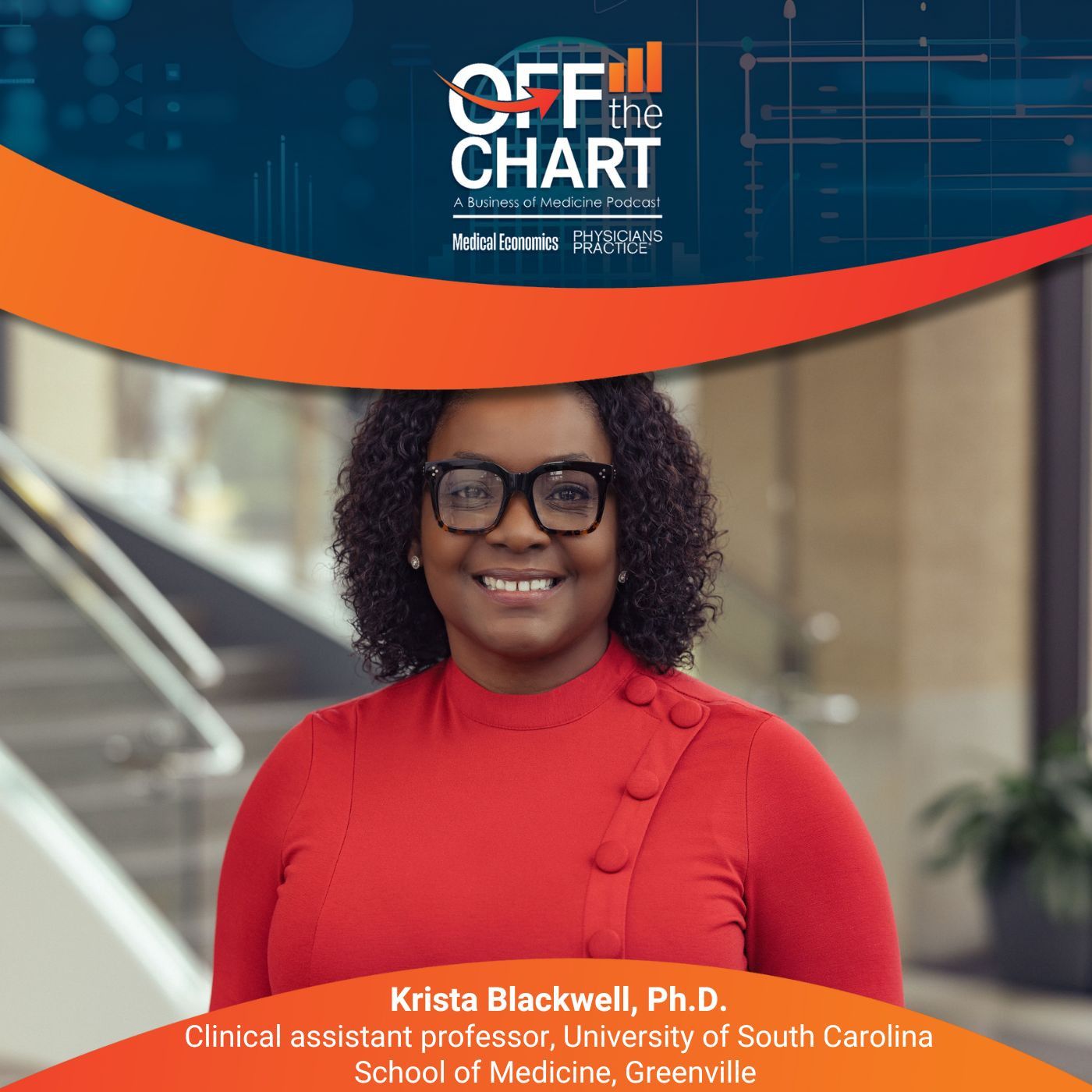
Krista Blackwell, Ph.D., clinical assistant professor of biomedical sciences at the University of South Carolina School of Medicine, Greenville, joins the show to talk about two new reports from the U.S. Centers for Disease Control and Prevention (CDC) and the American Heart Association (AHA) examining ultraprocessed foods and their growing role in the American diet.
Blackwell explains why youth consumption stood out in the data, how convenience, family routines, school meals and food marketing influence eating patterns, and what the latest research says about cardiometabolic risks. She also discusses how primary care physicians can approach nutrition counseling more effectively using motivational interviewing and principles of culinary medicine.
AHA report:
"Ultraprocessed Foods and Their Association With Cardiometabolic Health: Evidence, Gaps, and Opportunities: A Science Advisory From the American Heart Association" https://www.ahajournals.org/doi/epub/10.1161/CIR.0000000000001365
CDC report:
"Ultra-processed Food Consumption in Youth and Adults: United States, August 2021–August 2023"
https://www.cdc.gov/nchs/products/databriefs/db536.htm
Music Credits:
Midnight Jazz by Alexey Anisimov - stock.adobe.com
Relaxing Lounge by Classy Call me Man - stock.adobe.com
A Textbook Example by Skip Peck - stock.adobe.com
Editor's note: Episode timestamps and transcript produced using AI tools.
0:00 — Intro
Overview of today’s topic: new CDC and American Heart Association reports on ultra-processed foods.
1:30 — First impressions of the new data
Dr. Blackwell explains why the findings align with lifestyle-medicine training and culinary-medicine education.
2:43 — CDC survey surprises
Why children ages 6–11 had the highest intake of ultra-processed foods.
3:56 — Pandemic effects on diet
How COVID-19 changed food preparation, access, and reliance on processed foods differently for different populations.
5:56 — Why kids consume so many ultra-processed foods
Marketing, school meals, fast-food access, and environmental factors.
6:40 — Key takeaways from the AHA scientific advisory
What the advisory says about saturated fat, sugar, sodium, additives, and unknowns about processing techniques.
8:47 — Are 70% of grocery-store products “bad”?
How to evaluate ultra-processed foods using nutrition labels and the “1:1 sodium-to-calories” rule taught in culinary medicine.
10:24 — How physicians can approach nutrition counseling
Motivational interviewing, identifying small changes, and real-world examples for primary care.
12:20 — How patients respond to motivational interviewing
Why meeting people where they are leads to better engagement.
14:09 — What culinary medicine looks like in practice
Hands-on patient cases, meal prep, and teaching medical students practical nutrition skills.
16:29 — What future research needs to explore
Additives, processing methods, and understanding their impact on cardio-metabolic disease.
17:41 — The GLP-1 conversation
How GLP-1 drugs fit into the gut-brain axis research and what they mean for individualized patient care.
19:29 — Ultra-processed foods and national policy
How MAHA and recent federal attention could accelerate progress.
21:03 — Defining “ultra-processed” foods
Why the lack of a unified definition complicates dietary guidelines.
22:23 — Where primary care physicians can learn more
Culinary-medicine certification and integrating nutrition into practice.
24:12 — What global models can teach the U.S.
Australia and EU “health scores” and how clearer labeling could help patients.
25:47 — Closing thoughts
Full-circle wrap-up and final remarks from Richard Payerchin and Dr. Blackwell.
26:12 — Outro
Show credits and where to find future episodes.
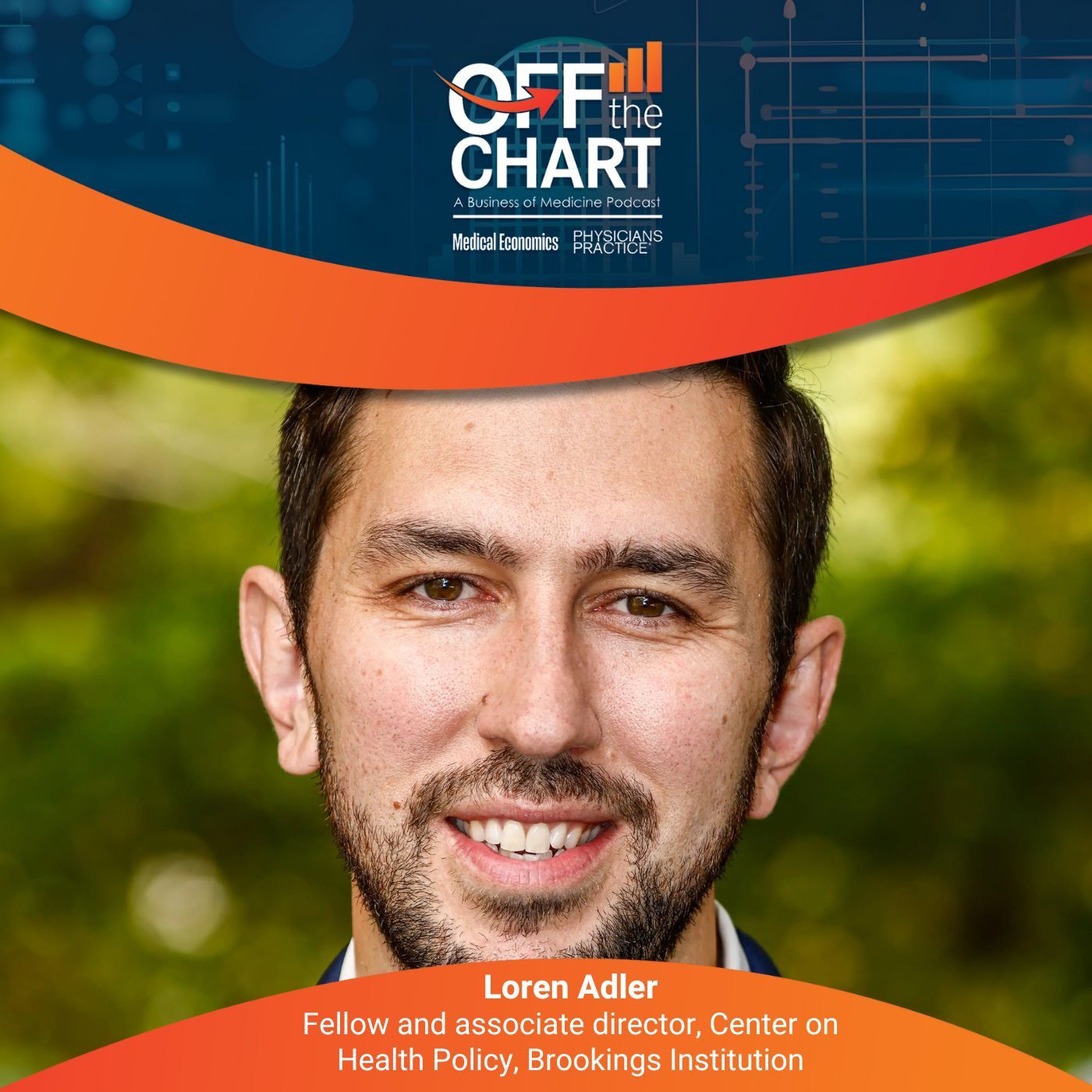
Loren Adler, fellow and associate director at the Brookings Institution's Center on Health Policy, joins the show to talk about his new Health Affairs study examining the rise of insurer-owned primary care practices.
Adler breaks down how quickly payer ownership has expanded, why certain markets are seeing far higher concentrations and what this consolidation means for costs, competition, Medicare Advantage and independent physicians. He also discusses the data sources behind the research, the role risk adjustment plays in shaping insurer incentives and the policy questions that come with these trends.
Music Credits:
Cozy Evening Time Coffee by BJBeats - stock.adobe.com
Relaxing Lounge by Classy Call me Man - stock.adobe.com
A Textbook Example by Skip Peck - stock.adobe.com
Editor's note: Episode timestamps and transcript produced using AI tools.
0:00 – Cold open
“There are a few markets where nearly half of the primary care market is payer-operated — and typically those are largely Optum operated.”
0:20 – Introduction
Austin Littrell introduces Off the Chart and previews the conversation between Richard Payerchin and Brookings Institution health policy expert Loren Adler.
1:35 – How the study began
Richard asks Adler what sparked the analysis behind The Changing Landscape of Primary Care, and why payer ownership needed real measurement.
1:54 – Why insurers are acquiring practices
Adler explains the motivations behind payer acquisitions and the lack of hard data before this study.
3:05 – Key findings
A breakdown of how payer-owned primary care grew from under 1% in 2016 to more than 4% by 2023 — and why 6% of clinicians now work for a payer.
4:17 – The biggest surprises
Adler discusses misconceptions about Optum’s size and the complexity of “affiliated” versus employed clinicians.
4:22 – Where consolidation is happening
Why markets with high Medicare Advantage penetration and less hospital consolidation are hotspots for insurer acquisitions.
7:10 – Why 4–6% matters
Adler explains how national averages hide dramatic geographic concentration — including counties where Optum controls nearly 40–50% of primary care.
7:35 – Antitrust implications
A look at counties with more than 10% payer ownership and the antitrust concerns that follow.
9:31 – Input from payers
What Brookings learned from stakeholder interviews — and why major insurers didn’t influence the data.
9:54 – Why Kaiser and Intermountain were excluded
Adler clarifies why hospital-integrated payers were left out of this analysis.
11:29 – How the data was built
Behind the scenes of the dataset: Medicare claims, ownership tracking, press releases, and acquisition timelines.
14:11 – P2 Management Minute
A quick workflow and operations segment with Keith Reynolds.
14:57 – Core concerns about integration
Adler outlines the biggest risks: antitrust issues, risk-coding incentives, and how payer ownership can change documentation behavior.
15:27 – Risk adjustment and coding intensity
How Medicare Advantage payment design creates incentives to document as many diagnoses as possible.
17:12 – Market foreclosure concerns
Could payer-owned practices limit access to rival insurers? Adler explains the risk — and the open questions.
18:40 – Potential benefits
Areas where payer ownership could improve care coordination, cost alignment, or reduce hospital use.
21:12 – What the study didn’t yet measure
Why patient outcomes remain an open research area — and what anecdotal reports suggest.
23:15 – Pressure on independent practices
Adler discusses aggressive contracting tactics, including first-right-of-refusal clauses.
25:19 – The reality for small practices
Why some independents join IPAs or third-party organizations for leverage and better reimbursement.
25:37 – How this fits into MAHA
Adler’s take on how consolidation trends intersect with federal policy priorities.
26:32 – Policy actions that matter most
The need for transparency, antitrust scrutiny, and major changes to Medicare Advantage risk adjustment.
29:08 – The role of AI
How large language models can help track ownership and consolidation across markets.
30:19 – What’s still unknown
Will payer ownership keep accelerating, or level off? Adler outlines the unanswered questions.
31:26 – What independent physicians should know
Why hospitals — not payers — remain the dominant consolidator of primary care, and how Medicare policy shapes that.
33:04 – Closing thoughts
Richard wraps up the conversation and thanks Adler for joining.
33:27 – Outro
Austin closes the episode with subscription reminders, publishing schedule, newsletter information, and production credits.
Mental health remains a silent crisis among physicians.
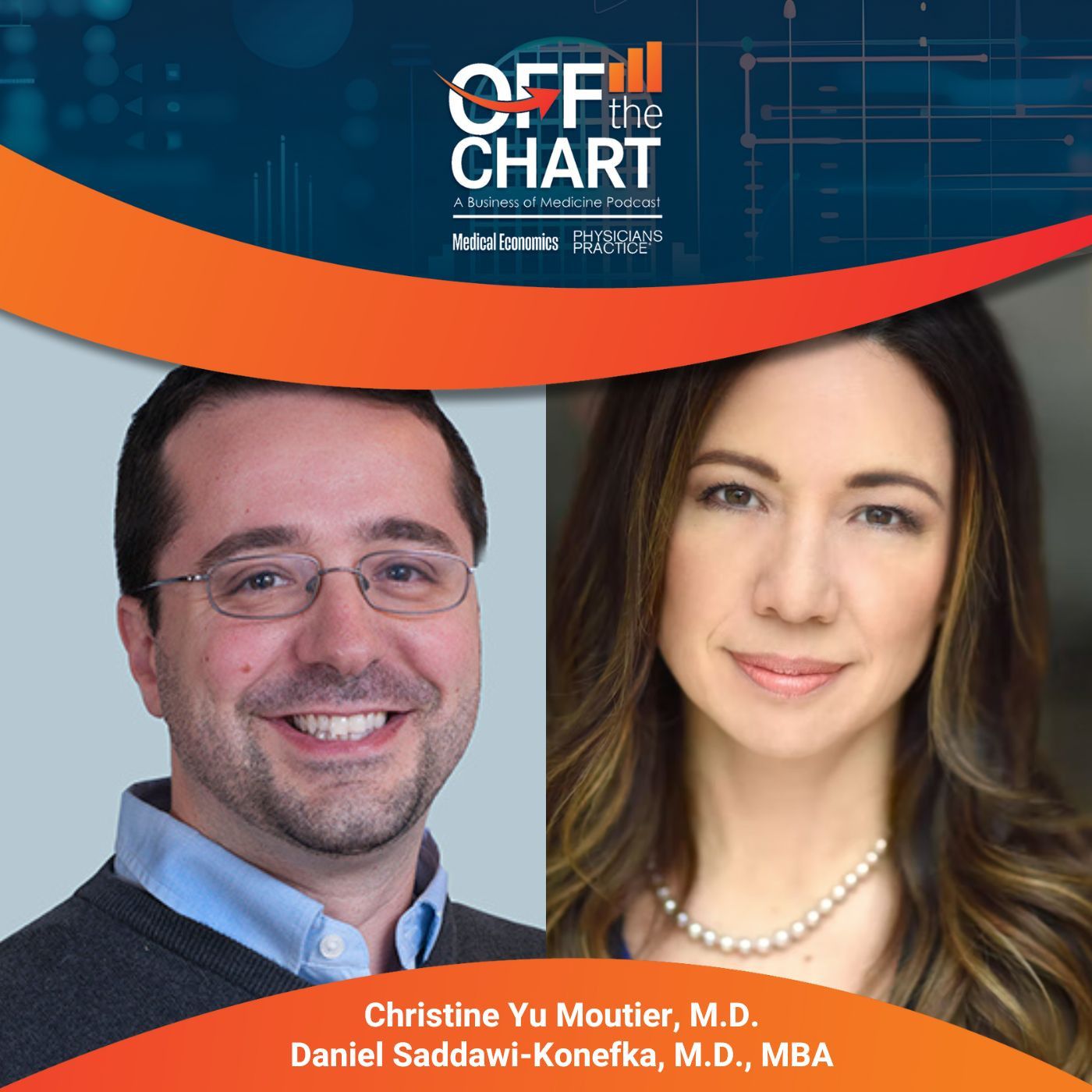
Medical Economics Senior Editor Richard Payerchin sat down with Daniel Saddawi-Konefka, M.D., MBA, and Christine Yu Moutier, M.D., to learn more about the rising rates of depression and suicidal ideation among physicians, why stigma and licensing questions still keep many from seeking help, and how to separate burnout from true mental health conditions.
They also outline practical steps that can make care safer and more accessible for clinicians at every stage of training and practice.
Saddawi-Konefka and Moutier are co-authors of a JAMA Special Communication on reducing barriers to mental health care for physicians, published earlier this year.
Learn more: https://www.medicaleconomics.com/view/barriers-remain-between-physicians-and-needed-mental-health-care
Music Credits:
Lo Fi Warm Piano by Elonix - stock.adobe.com
Relaxing Lounge by Classy Call me Man - stock.adobe.com
A Textbook Example by Skip Peck - stock.adobe.com
Editor's note: Episode timestamps and transcript produced using AI tools.
00:00 — Opening statistic: Hidden physician mental health crisis
Depression, suicidal ideation and suicide attempts among physicians.
00:22 — Welcome + episode setup
Austin introduces the guests and framing of the discussion.
01:24 — Conversation begins
Richard welcomes Dr. Saddawi-Konefka and Dr. Moutier.
01:29 — Why the JAMA special communication was needed
How the paper came together and why the topic remains urgent.
02:28 — Personal stakes: Colleagues lost, suffering overlooked
Both guests explain how their own experiences pushed this work forward.
03:47 — The current state of physician mental health
What the latest data reveals — and why so much remains hidden.
04:49 — Silence, stigma and the treatment gap
Why physicians rarely seek help even when symptoms are severe.
05:54 — Burnout vs. diagnosable mental health conditions
A clear distinction — and why conflating the two can be dangerous.
08:48 — How burnout gets mislabeled — and why it matters
Why calling every form of distress “burnout” can delay real treatment.
09:41 — The culture of medicine: perfectionism, toughness and silence
How training and tradition fuel stigma and avoidance.
11:15 — Stigma beyond medicine: Broader cultural misunderstandings
Why mental health remains poorly recognized even at the societal level.
14:25 — The role of medical schools
Accreditation requirements, missed opportunities and needed reforms.
15:44 — What med schools still get wrong
How fear of stigma grows during training — and what could change it.
17:15 — Normalizing vulnerability through education
Why modeling “being human” matters for future physicians.
18:35 — Self-prescribing: How common it is and why it’s risky
Data on antidepressant self-prescribing and its consequences.
19:50 — Suicide data: Physicians less likely to be in treatment
How self-management and avoidance increase long-term danger.
21:45 — Fixing licensing and credentialing questions
Why outdated forms perpetuate stigma — and where reforms stand.
24:10 — Why changing the forms isn’t enough
Remaining cultural barriers even after policy fixes.
25:22 — Multi-level solutions: What leaders can actually do
Approaches from screening tools to sustained institutional strategy.
26:45 — Opt-out therapy programs
A promising model that flips the default on seeking help.
28:12 — The most vulnerable moments in training
ACGME mortality findings and early-year risk.
28:28 — Closing reflections + sign-off
Richard wraps the discussion; Austin closes the show.

Comments

Download from Google Play

Download from App Store
 United States