


 Claim Ownership
The Real Estate Sessions
Subscribed: 58Played: 609
Subscribe

© Copyright 2025 Bill Risser
Description
Interviews with real estate industry leaders, hosted by 25-year industry veteran, Bill Risser. The Real Estate Sessions was selected as the 2019 Inman Innovator Award Winner for Video/Podcast Show.
Unlike many shows in the real estate space, Bill does not focus on investing, sales and marketing, or any specific topic. He focuses on his guest and does his best to get their backstory.
Bill is curious by nature and finds the backstory of our industry's leaders fascinating. He has discovered lenders who were ballerinas, Chief Creative Officers who managed bands, and CEOs who sold vacuum cleaners (and not very well) in college.
So, if you are looking for stories about industry leaders with a bit of strategy and business knowledge tossed in, give The Real Estate Sessions a shot.
Unlike many shows in the real estate space, Bill does not focus on investing, sales and marketing, or any specific topic. He focuses on his guest and does his best to get their backstory.
Bill is curious by nature and finds the backstory of our industry's leaders fascinating. He has discovered lenders who were ballerinas, Chief Creative Officers who managed bands, and CEOs who sold vacuum cleaners (and not very well) in college.
So, if you are looking for stories about industry leaders with a bit of strategy and business knowledge tossed in, give The Real Estate Sessions a shot.
545 Episodes
Reverse

The primary focus of this episode is a personal reflection on the significant events that transpired in the year 2025, as narrated by me, the host, Bill Risser. With a career spanning nearly 25 years in the real estate sector, I take this opportunity to share not only the highlights of my podcast journey but also poignant personal experiences that shaped the year. Notably, I recount the momentous occasion of my son Kevin's wedding in Asheville, North Carolina, as well as the subsequent reception hosted in Miami for family and friends. Furthermore, I reflect on the conclusion of the Die Happy Tour, which marked the end of a profound chapter in my life, culminating in the passing of my dear friend John. This monologue aims to encapsulate the myriad of emotions and milestones encountered throughout the year, providing listeners with insight into both my professional and personal realms. In an evocative solo episode of the Real Estate Sessions podcast, host Bill Risser embarks on a profound exploration of the year 2025, characterized by both joyous celebrations and poignant reflections. As he marks a decade of podcasting, Risser opts for a personal monologue that eschews the customary guest interviews, allowing for an unfiltered and intimate narrative. His nearly 25 years of experience in real estate informs his storytelling, yet this episode is less about the industry and more about the personal experiences that have shaped his life. Risser recounts significant personal milestones, such as the wedding celebrations of family members Kevin and Sarah, set against the breathtaking backdrop of Asheville, North Carolina. The vivid imagery he employs brings to life the narrow, winding roads leading to an enchanting Airbnb, creating a sense of adventure and familial joy. The narrative extends to a subsequent reception in Miami, further emphasizing the importance of family gatherings and the connections that bind us. Each anecdote serves to highlight the significance of love and community in navigating life's myriad challenges. Conversely, the episode does not shy away from the weighty themes of loss and remembrance, particularly as Risser reflects on the conclusion of the Die Happy Tour, dedicated to his beloved friend John, who passed away in November. This segment of the narrative is rich with emotion, as Risser shares the final golfing experiences they had together, entwining their shared passions with the poignant reality of mortality. Through these heartfelt reflections, Risser captures the essence of friendship, the bittersweet nature of farewells, and the enduring impact of cherished memories. As he looks forward to the next year, Risser expresses a desire to revitalize the podcast and reconnect with his audience, reinforcing the importance of ongoing dialogue and community in both real estate and life.Takeaways:The host, Bill Risser, reflects on his tenth anniversary of the podcast and shares personal highlights from the year 2025, marking a significant milestone in his journey.During the episode, Bill recounts the memorable wedding of Kevin and Sarah, noting the picturesque setting in Asheville, North Carolina, which provided a stunning backdrop for the celebration.Bill emphasizes the importance of personal connections and experiences, detailing a special family trip to Key West that included engaging activities such as a bike tour and viewing manatees.The episode also touches on the conclusion of the Die Happy Tour, a poignant chapter in Bill's life, reflecting on the impact of his late friend John and the fulfillment of promises made to him.
This podcast episode serves as a poignant tribute to the late John Bjorlie, who recently passed away on November 13, a date that coincidentally marks his sister Lisa's birthday. I share my personal reflections on the profound impact John had on my life and the lives of those around him, particularly highlighting his unique sense of humor and indomitable spirit during his final months. Throughout our years of friendship, John exhibited an unparalleled ability to bring joy and laughter, exemplified by our memorable golfing experiences together. As I embark on the journey of compiling a book that encapsulates his essence and the stories we shared, I express my gratitude for the support of friends and family who stood by him during his illness. This episode not only honors John's legacy but also invites listeners to cherish the memories of those they hold dear.In a heartfelt tribute to John Bjorlie, the episode delves into the shared memories and experiences that defined their friendship. The speaker reminisces about their adventures, particularly their golfing escapades, which served as a backdrop for countless stories and laughter. The camaraderie developed on the golf course is emphasized, illustrating how John's jovial spirit and lighthearted banter enriched each round they shared. Specific incidents, such as John achieving multiple hole-in-ones and his unique approach to life, are recounted with fondness. The narrative not only celebrates John’s life but also acknowledges the collective grief felt by those who knew him. The speaker discusses the importance of preserving John's legacy through a book that will capture the essence of their friendship and the lessons learned along the way, enriching the lives of others through John's story.Takeaways: The first two weeks of November were traditionally filled with celebrations and birthdays, but this year marked a poignant change. John Bjorlie, a beloved friend, passed away on November 13, coinciding with his sister Lisa's birthday, symbolizing a personal connection between them. Throughout his life, John had a remarkable ability to bring joy to those around him, often through humor and wit. I recall fondly the numerous golf outings with John, where he demonstrated both passion for the game and a unique sense of camaraderie. The stories shared in this podcast serve as a testament to the profound impact John had on his friends and community. I am in the process of compiling a book that chronicles John's life and the memories we shared, aiming to honor his legacy.
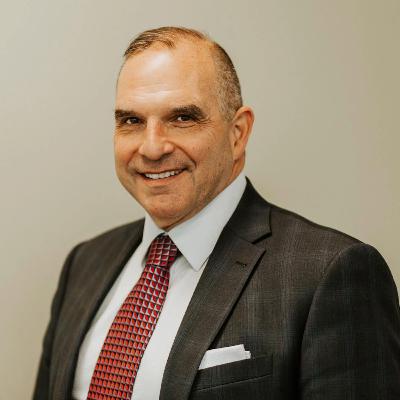
In this discourse, Wayne Einhorn, the proprietor of Inner Circle Broker Coaching, covers the pivotal issues surrounding brokerage operations and the complexities of asset management within the real estate domain. He poignantly reflects on a critical juncture in his career, wherein he confronted the stark realities of financial mismanagement, emphasizing the necessity for brokers to cultivate repeatable cash flow and establish sustainable business models. Furthermore, we delve into the essential competencies required for effective recruitment and retention, alongside the significance of nurturing a brokerage that not only thrives but also offers a lucrative exit strategy for its owners. Einhorn's insights underscore the transformative potential of coaching and mentorship in enhancing the operational efficacy of brokerages while fostering a conducive environment for growth and profitability. As we engage in this enlightening dialogue, we aspire to illuminate the pathways available for brokers to transcend the traditional constraints of their profession and achieve unprecedented success.Creating a Sustainable Brokerage: Wayne Einhorn's Key PrinciplesIn this engaging conversation, Wayne Einhorn shares his extensive expertise in real estate brokerage with host Bill Risser, shedding light on the essential components of running a successful brokerage. Einhorn recounts his journey from a fledgling agent to a prominent coach, discussing the critical lessons learned throughout his career. He highlights the importance of establishing a brokerage that not only generates revenue but also offers a fulfilling lifestyle for its owner. The episode delves into the intricacies of business models in real estate, emphasizing the necessity for brokers to understand their financial health and the value of repeatable cash flow. Einhorn's insights into recruiting and retention strategies provide listeners with practical tools to enhance their brokerage operations. Furthermore, the conversation touches on the current state of the real estate market, juxtaposing the Canadian and U.S. markets and discussing the implications for brokers. The episode serves as a vital resource for real estate professionals, offering a wealth of knowledge on building and sustaining a profitable brokerage in an ever-changing landscape.Takeaways: Wayne Einhorn emphasizes the importance of establishing a business model that provides repeatable cash flow, ensuring long-term stability and profitability. The podcast highlights the necessity for brokers to develop a clear exit strategy, ideally five to ten years in advance, to maximize business value upon sale. Einhorn discusses the critical role of effective recruiting and retention strategies in maintaining a successful brokerage, particularly in a competitive market. The conversation reveals that successful brokers are those who prioritize business health checks to identify areas for improvement and growth. Wayne shares that integrity and work ethic are paramount qualities for individuals seeking to thrive in the brokerage business, as these traits cannot be taught. Finally, Einhorn suggests that new agents should focus on understanding the vast possibilities within the real estate industry, particularly in today's favorable market conditions. Links referenced in this episode:RealEstateBrokerCoaching.com

Mergers and Acquisitions: Insights from BrokerVMA's Norma RawlingsIn this enlightening discourse, we engage with Norma Rawlings, the esteemed founder of BrokerVMA, who shares the nuanced complexities of valuations and mergers within the real estate sector. Norma's extensive experience, spanning nearly 25 years, imbues her insights with a depth of knowledge that is both compelling and informative. We delve into the intricacies of how real estate brokerages can strategize their exit plans to maximize value, highlighting the importance of aligning with potential buyers who share similar values and business philosophies. The conversation further explores the distinctions between the Canadian and American real estate landscapes, particularly in the context of operational practices and ancillary revenue generation. As we traverse these pivotal topics, it becomes evident that understanding one's unique market niche and building a legacy are paramount for success in this dynamic industry.In this insightful episode, Bill Risser welcomes Norma Rawlings, whose expertise in real estate valuations and mergers and acquisitions presents a rare perspective on the industry. Norma's journey from a family law attorney to a successful entrepreneur in real estate finance is a testament to her adaptability and keen business acumen. Throughout the conversation, she discusses the foundational principles of valuing real estate brokerages, stressing the significance of understanding the market value and the financial metrics that underpin successful transactions. The dialogue also touches upon the importance of fostering relationships that are mutually beneficial, thereby creating environments where both buyers and sellers can realize their aspirations. Norma shares compelling anecdotes from her experiences, illustrating the common pitfalls that brokers encounter when navigating the sale of their businesses, and the vital need for realistic expectations regarding valuations. The episode also explores the cultural nuances and regulatory frameworks that distinguish the Canadian real estate market from its American counterpart, offering listeners a comprehensive view of the industry's operational landscape.Takeaways: Bill Risser introduces the podcast as a platform for discussing real estate stories and insights, emphasizing its longevity and extensive episodes created over the years. Norma Rawlings shares her journey from family law to real estate, highlighting her educational background and the evolution of her career towards mergers and acquisitions. Broker VMA, co-founded by Norma, focuses on assisting real estate companies with valuations and mergers, aiming to help them exit successfully while maintaining their legacy. The conversation covers the differences between real estate practices in Canada and the U.S., particularly regarding revenue generation and regulatory environments. Norma's experiences reveal that a significant question from brokerage owners is about the worth of their business, emphasizing the importance of proper valuation processes. The podcast concludes with insights on the essential qualities for new real estate agents, stressing the value of expertise and local knowledge in developing a successful career. Links referenced in this episode:brokervma.com
Empowering Real Estate Professionals: Jason Pantana's Blueprint for SuccessThe primary point of this episode centers on the transformative impact of artificial intelligence on real estate marketing, as articulated through the insights of Jason Pantana. Bill Risser, the host, offers a comprehensive overview of Jason's contributions to the field, highlighting his role in equipping agents and entrepreneurs with the tools necessary to navigate the evolving landscape of digital marketing. The discussion emphasizes the significance of Jason's AI Marketing Academy, which is designed to streamline marketing efforts through actionable training and innovative strategies. Furthermore, the episode recounts Jason's extensive background with Tom Ferry International, underscoring his influence in shaping marketing practices within the real estate sector. As we delve into this discourse, we aim to illuminate the essential strategies that enable real estate professionals to leverage AI effectively, ensuring they remain competitive in an increasingly digital marketplace.Bill Risser's latest monologue serves as a profound exploration of the intersection between real estate marketing and the burgeoning field of artificial intelligence, featuring the influential figure Jason Pantana. Risser, a seasoned veteran in the real estate industry, draws upon his extensive experience to articulate the transformative potential of AI in reshaping how real estate professionals engage with their clients and market their services. Through his personal anecdotes and observations from various Tom Ferry events, Risser paints a vivid picture of Pantana's impact on the industry, emphasizing the shift from traditional marketing approaches to more innovative, technology-driven strategies that resonate with today’s consumers.The episode delves deeply into the methodologies that Pantana has developed as part of his role with Tom Ferry International, where he has been instrumental in guiding agents to rethink their digital presence and embrace AI as a powerful marketing ally. Risser highlights the importance of Pantana’s YouTube channel, which serves as a treasure trove of information ranging from SEO tactics to the latest AI tools, thereby equipping agents with the knowledge necessary to navigate the complexities of modern marketing. Furthermore, Risser discusses the AI Marketing Academy, a pioneering initiative designed to arm agents with practical skills and resources to leverage AI effectively, transforming it from a mere buzzword into a tangible business advantage.Ultimately, this episode is a clarion call for real estate professionals to adapt and thrive in an era dominated by technological advancement. Risser’s narrative underscores the urgency of embracing innovative marketing techniques that not only enhance operational efficiency but also elevate the client experience. By sharing Pantana's insights and strategies, Risser provides a roadmap for agents seeking to elevate their marketing prowess and establish themselves as thought leaders in the real estate domain, thereby ensuring their sustained success in a competitive landscape where adaptability and foresight are paramount.Takeaways: Bill Risser, the host of the Real Estate Sessions podcast, has nearly 25 years of experience in real estate, and he enjoys sharing the stories of industry leaders. In episode 426, Bill discusses the significant impact of AI and digital marketing strategies on the real estate sector, emphasizing Jason Pantana's contributions. Jason Pantana's YouTube channel serves as a valuable resource for real estate professionals seeking to enhance their marketing skills through AI tools and strategies. The AI Marketing Academy introduced by Jason Pantana provides agents and entrepreneurs with essential training, workflows, and automation strategies to optimize their...
Patience and Persistence: The Golfing Approach to Real Estate SuccessThis podcast episode elucidates the profound parallels between the disciplines of golf and real estate, emphasizing that success in both arenas is underpinned by the principles of focus, adaptability, and persistence. I delve into the notion that the ability to concentrate amidst distractions—whether on the golf course or during client interactions—significantly influences outcomes. Furthermore, I explore the importance of preparation and the establishment of a consistent routine, drawing a compelling comparison between a golfer's pre-shot routine and a realtor's daily practices. The episode also highlights the necessity of maintaining mental fortitude in the face of challenges, advocating for techniques such as visualization and mindful breathing to cultivate resilience. Ultimately, I encourage listeners to recognize that regardless of the field, the mastery of focus remains the cornerstone of achieving enduring success.The podcast articulates the intricate parallels between the realms of golf and real estate, elucidating how the principles governing success in both domains are fundamentally intertwined. The host, Bill Risser, draws upon his extensive experience in the real estate sector to underscore the necessity of discipline, focus, and preparation. In his monologue, he likens the meticulous pre-shot routine of a golfer to the preparatory rituals that realtors engage in prior to client interactions. Emphasizing the importance of mental fortitude, Risser posits that both golfers and real estate professionals must cultivate resilience and patience in the face of setbacks. He poignantly illustrates that the ability to maintain concentration amidst distractions is paramount for achieving success, whether one is addressing a client’s needs or executing a golf swing.Risser deftly navigates through various anecdotes and insights, drawing attention to the psychological challenges that both golfers and realtors encounter. He notes that a single adverse experience, such as a lost client or a misplayed golf shot, can significantly impact one's confidence and subsequent performance. Consequently, he advocates for the establishment of mental routines—be it through meditation, journaling, or strategic visualization—that can aid in maintaining composure and focus. This exploration culminates in a profound revelation: the triumph of both golfers and real estate agents hinges not on the absence of error, but rather on the capacity to recover, adapt, and persist despite the inevitable challenges that arise in their respective fields.Takeaways: The similarities between golf and real estate underscore the importance of focus and discipline. Preparation and routine are critical for Realtors, much like the pre-shot routine in golf. Both Realtors and golfers must develop the ability to block distractions to succeed. In both fields, resilience and patience are key to navigating setbacks and challenges.
This podcast episode serves as a reflective commemoration of my ten-year journey with the Real Estate Sessions, emphasizing the importance of authentic storytelling in the real estate industry. I share insights garnered from over 400 episodes, highlighting how the narratives of individuals, rather than mere industry jargon, have enriched our discussions. This episode also revisits poignant moments from my personal life, particularly the influence of my dear friend John Bjorlie, who has faced terminal illness with extraordinary grace and resilience. His experiences have imparted invaluable lessons about empathy, connection, and the significance of savoring life's moments. As I transition into the next phase of this podcast, I express my intention to slow the pace of episodes while I embark on writing a memoir that captures the essence of friendship and the profound impact of shared experiences.In a poignant reflection on the past decade, Bill Risser, the host of the Real Estate Sessions podcast, shares his insights on the transformative power of storytelling within the real estate sector. With nearly 25 years of industry experience, Risser has dedicated the last ten years to uncovering the narratives that shape the lives of real estate professionals, emphasizing the importance of human connection over transactional dialogue. His journey began in 2015 with the aim of understanding podcasting, yet it evolved into a platform that celebrates the intricate tapestry of personal stories, highlighting the resilience and creativity that define the industry. Risser's commitment to authenticity is evident as he recounts how he has avoided superficial marketing tactics, instead opting for deep, meaningful questions that elicit the true essence of his guests’ experiences.Throughout the episode, Risser revisits significant moments from the podcast's history, including memorable interviews that have left a lasting impact on both him and his audience. He reflects on the lessons learned from guests such as Joe Rand and Sean Carpenter, who have shared insights that extend beyond real estate, touching on themes of relationships and personal growth. Risser's emphasis on the human element serves as a reminder that the stories of triumphs, setbacks, and reinventions are what resonate most with listeners, offering them valuable lessons in empathy and connection that transcend the confines of the real estate industry.As the podcast enters its next phase, Risser announces a new direction that prioritizes depth over frequency, signaling a commitment to crafting a memoir that delves into his personal experiences with his friend John Bjorlie. This narrative will explore the profound lessons of joy, resilience, and the human spirit in the face of adversity, reinforcing the idea that the bonds we forge and the stories we share are what truly matter. Risser's reflections on his decade-long journey with the podcast underscore the significance of consistency, integrity, and the power of listening, reminding us all of the importance of walking alongside each other through life's challenges.Takeaways: The podcast celebrates ten years of storytelling in the real estate industry and beyond. Bill Risser emphasizes the importance of genuine narratives over industry jargon in his interviews. Listeners appreciate the podcast for its depth, connection, and emotional resonance rather than mere tactics. The 'Die Happy Tour' serves as a significant reflection on living fully and finding joy amid adversity. In transitioning to season 11, the podcast will shift to a slower pace to allow for deeper storytelling. Consistency, integrity, and the power of questions have emerged as vital lessons from a decade of podcasting.
The central theme of this discourse is the imperative nature of inquiry over assumption in our professional interactions. I emphasize the significance of asking questions, rather than presuming to know the thoughts and feelings of clients, colleagues, or escrow officers. Such assumptions often lead us astray, as they are mere constructs of our imagination, devoid of the reality we seek to comprehend. By fostering a culture of curiosity, we cultivate understanding and trust, thereby strengthening our relationships within the real estate domain. I implore you to embrace this practice, for it is through inquiry that we build connections, and through assumptions that we erect barriers.Engaging in a reflective discourse on the imperative of questioning rather than assuming, Bill Risser provides a thought-provoking examination of communication dynamics in the real estate industry. The episode illustrates how assumptions can lead to significant miscommunications, as we often craft narratives in our minds that do not align with reality. Risser posits that the courage to ask questions is fundamental not only to professional success but also to personal relationships. By invoking the wisdom of notable figures such as Don Miguel Ruiz and Stephen Covey, he reinforces the notion that understanding precedes being understood, a principle that is critical in navigating complex interactions within the real estate sector. The host adeptly weaves in cultural references, notably drawing parallels between his insights and the popular television series 'Ted Lasso.' By highlighting Ted's mantra of curiosity over judgment, Risser articulates a broader message about the necessity of empathy and inquiry in fostering trust. This thematic exploration culminates in a compelling argument for the transformative potential of questioning—both in terms of enhancing professional relationships and enriching personal interactions. Risser concludes with a clarion call for listeners to adopt this mindset, emphasizing that the simple act of asking questions can significantly alter the landscape of communication, ultimately leading to stronger connections and more fruitful outcomes in their professional endeavors.Takeaways: In the realm of real estate and interpersonal interactions, the imperative to ask questions supersedes the tendency to make assumptions, fostering clearer communication. Assumptions often lead to misunderstandings and misinterpretations, which can adversely affect relationships in both personal and professional spheres. The act of asking questions is a demonstration of humility and courage, acknowledging that one does not possess all the answers. Curiosity, as opposed to judgment, is a fundamental trait that enhances connections and builds trust among individuals. Engaging in dialogue with clients or colleagues about their true concerns is crucial for effective collaboration and relationship-building. The assertion that assumptions are the termites of relationships highlights the destructive nature of unverified beliefs in personal and professional interactions.
A Journey Through Episodes: Revisiting Memorable ConversationsI dive into a reflective examination of past episodes, wherein I comment upon twenty distinguished guests who have graced the show. With an emphasis on the significant contributions these individuals have made to the real estate industry, I present my subjective insights pulled from their respective interviews. This retrospective endeavor not only serves to highlight the diverse perspectives and expertise of each guest but also aims to provide listeners with concise yet profound takeaways from their collective wisdom. Noteworthy figures such as Sean Carpenter and Paula Monthofer emerge prominently, exemplifying the rich tapestry of conversations that have characterized the podcast's journey. As I navigate through seasons of insightful dialogues, I invite you to engage with these reflections and consider revisiting select episodes that resonate with your professional interests.A theme emerges throughout this episode, encapsulating the notion that the real estate industry thrives on connections and the exchange of knowledge. I emphasize the enduring relationships forged through the podcasting medium, highlighting how these interactions have not only enriched my understanding but have also fostered a sense of camaraderie among industry professionals. The episode culminates in an invitation for the audience to engage with the stories shared, encouraging them to explore the show notes for links to the featured episodes. This call to action reinforces the idea that the wealth of knowledge contained within these discussions is but a click away, empowering listeners to further their own professional development.In my conclusion to this reflective episode, I introduce a segment dedicated to a cherished friend, John Bjorlie, who is currently confronting terminal cancer. I share not only the profound lessons gleaned from our long-standing friendship but also the inspiration derived from John's resilience and determination to live life fully despite the challenges he faces. This segment transcends the typical boundaries of a real estate podcast, as it explores themes of mortality, friendship, and the human experience. Listeners are thus reminded of the importance of genuine connections in both personal and professional spheres, as well as the indelible impact that one individual can have on another's life. The episode serves as a testament to the power of storytelling, as I weave together threads of humor, depth, and sincerity, culminating in a rich tapestry of insight that resonates well beyond the confines of real estate.Takeaways: The podcast episode features a retrospective discussion about notable guests from previous seasons. I have selected specific guests based on their impactful contributions and memorable episodes. Each guest's unique insights and experiences have significantly enriched the podcast's content and audience understanding. Listeners are encouraged to explore the show notes for links to the highlighted episodes and further details. SEASON 1Episode 5 – Sean Carpenterhttps://www.therealestatesessions.com/episode-5-sean-carpenter-director-of-agent-development-ohio-nrt-companies-coldwell-banker/Episode 16 – Paula Monthoferhttps://www.therealestatesessions.com/episode-16-paula-monthofer-high-peaks-real-estate/SEASON 2Episode 93 – Heather Eliasa...

Brian Boero articulates a pivotal truth within the realm of real estate marketing, emphasizing the lack of creative storytelling and brand development that has historically characterized the industry. He explains how this unclaimed territory has been staked by his firm, 1000watt, as they ventured to redefine conventional approaches to marketing in real estate. Over the years, the company has grown, increasingly recognized for its innovative strategies and compelling narratives. In our dialogue, we delve into the evolution of marketing practices, the challenges agents face in a hyper-competitive landscape, and the necessity for professionals to cultivate bravery in their branding efforts. Ultimately, we underscore the importance of establishing a distinct and authentic identity in a field where differentiation remains critically scarce.Brian's narrative is punctuated by the challenges he faced while transitioning from political campaigns to real estate. Disillusioned with the political landscape and the individuals within it, he found solace and purpose in the realm of real estate marketing. His partnership with Mark Davison, another luminary in the industry, further propelled 1000watt's success. The duo's dedication to exploring uncharted territories of creativity and branding has led to a distinctive methodology that not only focuses on visual design but also emphasizes the importance of messaging and strategic positioning. This holistic approach ensures that clients are not merely following trends but are instead cultivating a unique brand identity that reflects their values and aspirations, setting them apart in a crowded market.Takeaways: The real estate industry, particularly in the past, lacked innovation in storytelling and brand building, which presented an unclaimed territory ripe for exploration. In establishing 1000watt, we recognized the absence of creativity in real estate marketing, allowing us to define a unique space for our services. The evolution of our firm was marked by a gradual expansion of projects and clients, leading to our recognition for innovative branding solutions. Clients often require encouragement to embrace creative risks, and our established reputation facilitates their willingness to venture beyond conventional marketing. Understanding the distinct characteristics of a client’s brand requires an in-depth discovery process, which serves to differentiate them in a crowded marketplace. The misconception that immediate engagement in marketing equates to effective brand building overlooks the necessity for a thoughtful and strategic approach.
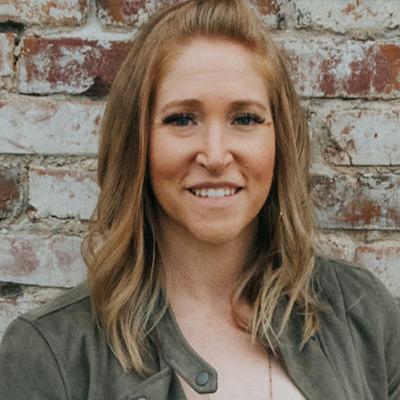
Michelle Berman-Mikel shares the autonomy inherent in the worlds of real estate and mortgage professions, emphasizing that aspiring solopreneurs must take the initiative to cultivate their own business and revenue streams. The conversation, hosted by Bill Risser, delves into Michelle's extensive background, including her transition from competitive swimming and her journey into entrepreneurship. She articulates the importance of personal branding and storytelling in social media, asserting that agents must engage authentically to foster genuine connections rather than merely chasing trends. Furthermore, Michelle discusses her forthcoming book, "The Black Line," which intertwines her personal adversities with professional insights, offering a roadmap for others navigating similar challenges. This episode serves not only as an exploration of Michelle’s career but also as a motivational call to action for individuals in the real estate industry to embrace their unique narratives.In dialogue with Bill Risser, Michelle Berman-Mikel shares her unique insights on the evolution of social media within the real estate sector and how agents can leverage these platforms effectively. She delineates the distinction between social media coaching and social media prospecting, asserting that the latter focuses on converting social interactions into tangible business opportunities. Michelle draws upon her extensive experience in the industry to articulate the significance of authenticity and personal branding in social media. She challenges conventional approaches that prioritize flashy content over genuine engagement, advocating for a strategy rooted in relationship-building and community connection. This episode not only provides listeners with actionable advice but also encourages a paradigm shift in how real estate professionals perceive and utilize social media as a tool for success.Takeaways: The journey of a real estate agent or mortgage professional requires one to embody the spirit of a solopreneur, taking initiative to cultivate their own business and revenue streams, as no one will do it for them. Michelle Berman-Mikel's narrative illustrates the importance of personal resilience and adaptability, especially in the face of life's adversities, which ultimately shapes one's professional identity. The concept of the 'black line' serves as a metaphor for focus and direction in both personal and professional pursuits, emphasizing the need for individuals to identify their guiding principles amidst distractions. Successful social media engagement in real estate is fundamentally about building relationships and connections, rather than merely following trends or algorithms, a principle Michelle passionately advocates throughout her career. Michelle's experiences highlight the necessity for real estate professionals to leverage their unique personal stories and backgrounds as a means of differentiating themselves in a competitive market. The podcast serves as a platform for meaningful conversations that not only foster personal connections but also provide invaluable insights into the intricacies of the real estate industry and the human experience.
The episode presents a deeply reflective examination of John Bjorlie’s 'Die Happy Tour', an initiative born from his desire to embrace life and connect with loved ones during his terminal illness. Bill Risser eloquently narrates John's journey, capturing both the joy and sorrow woven into his experiences as he travels to see family and friends, culminating in the poignant moment of attending his own wake. As John's health has notably declined, the podcast transitions to a discussion on the gravity of hospice care, which emphasizes comfort over curative treatment, highlighting the sensitive nature of this phase in John's life. Risser’s portrayal of John’s situation strikes a balance between the somber realities of illness and the uplifting moments shared among friends, illustrating the duality of life’s experiences.The dialogue centers around the profound impact of John's oncologist's declaration of 'firing' himself from treatment, a moment that encapsulates the transition from aggressive medical intervention to a focus on palliative care. This shift reflects not only John's medical reality but also the emotional landscape he navigates. Risser shares candid conversations with John about the symptoms he faces—fatigue, appetite loss, and pain—yet he emphasizes John's remarkable resilience and his determination to maintain a sense of normalcy, including enjoying meals and engaging in social activities. The narrative underscores the importance of personal agency in the face of illness, showcasing how John continues to assert his will to live fully, even as he confronts the inevitability of his condition.A significant highlight of the episode is the 'golf portion' of the Die Happy Tour, where Bill, Paul, and Vernon join John on the golf course, a longstanding venue of friendship and joy. Risser articulates the promise he made to John to ensure they would always share these moments together, regardless of the circumstances. The recounting of their golfing outings not only illustrates the therapeutic benefits of friendship but also serves as a reminder of the importance of shared experiences in fostering joy during challenging times. Through laughter and camaraderie on the course, Risser captures the essence of life’s fleeting moments, making this episode a heartfelt tribute to friendship, resilience, and the enduring human spirit amidst the shadows of terminal illness.Takeaways: In this poignant episode, we discuss John Bjorlie's transition to hospice care as he embarks on the next phase of his Die Happy Tour. The episode highlights the profound impact of friendship, as we continue to engage John in meaningful activities despite his declining health. We reflect on John's remarkable resilience, as he maintained his passion for life and golf throughout his journey with cancer. The conversation underscores the importance of support systems, as friends rally around John to ensure his comfort and happiness during this challenging time. We explore the significance of creating lasting memories, as John enjoys golfing and sharing meals with friends during his final days. This episode serves as a testament to the enduring spirit of camaraderie, even in the face of life's most difficult challenges.

Russell Marsan, a distinguished expert from IPX 1031, shares the intricacies and significant advantages of 1031 exchanges, which facilitate the deferral of capital gains taxes on real estate transactions. He emphasizes the common misconception that only properties of the same type can be exchanged, clarifying that any property utilized for investment or business purposes qualifies as like-kind. This episode serves as a critical resource for real estate professionals, particularly those engaged with baby boomer clients, who may be underutilizing their real estate assets. Russell advocates for proactive engagement with these clients to help them recognize the potential benefits of their holdings and the opportunities afforded by 1031 exchanges. With nearly three decades of experience, he provides invaluable insights that can significantly enhance an agent’s ability to assist clients in navigating the complexities of real estate investment.Marsan begins by addressing a prevalent fallacy regarding the 'like-kind' requirement of 1031 exchanges, clarifying that the true essence of 'like-kind' pertains to the investment or business nature of the properties involved, rather than their physical characteristics. This pivotal clarification empowers realtors and investors to explore a wider array of investment opportunities, thereby enhancing their financial portfolios. Marsan encourages real estate professionals to engage with potential clients who may own underutilized properties, such as raw land, which could be transformed into lucrative investments through the strategic application of 1031 exchanges. The conversation further delves into the demographic trends influencing real estate transactions, particularly the significant role of baby boomers in the current market landscape. Marsan's assertion that this demographic holds a substantial portion of real estate assets underscores the urgent need for targeted outreach and education to facilitate their transition into more suitable investment vehicles.Takeaways: The 1031 exchange allows investors to defer taxes by swapping investment properties, enhancing their financial strategies significantly. A common misconception about the 1031 exchange is the belief that only similar property types can be exchanged, when in fact, any investment property can qualify. Educating realtors about the benefits of 1031 exchanges can help them gain new clients and offer valuable advice to property owners. Baby boomers hold a significant amount of real estate and are increasingly looking to reposition their assets to align with their retirement goals. Time constraints are crucial in 1031 exchanges; investors have only 45 days to identify new properties after selling, which can lead to failed exchanges if not properly managed. Utilizing 1031 exchanges effectively can dramatically transform an investor's financial landscape, shifting stagnant assets into productive income-generating properties. Links referenced in this episode:ipx1031.comrussell.marsan@ipx1031.com

The conversation with Sam Mehrbod shares the profound parallels between the arduous journey of pursuing a Ph.D. and the entrepreneurial path, emphasizing the necessity of self-reliance and resilience. In his insightful dialogue, Sam reflects on the absence of a universal formula for success, underscoring that individuals must navigate their own challenges with tenacity and perseverance. He shares his personal experiences, illustrating how the landscape of real estate has evolved and the importance of innovation within the proptech sector. As the founder of Roomvu, Sam articulates the significance of creating valuable content and maintaining affordability for agents, advocating for a supportive ecosystem that fosters growth for emerging professionals. This episode invites listeners to contemplate the intricate dynamics of real estate, entrepreneurial spirit, and the imperative for continuous adaptation in an ever-changing market.The discourse with Sam Mehrbod, a visionary entrepreneur and founder of Roomvu, illuminates the intricate dynamics of the real estate industry, particularly through the lens of technological innovation and marketing strategies. Mehrbod's multifaceted background, encompassing a Ph.D. pursuit in computer science, provides a strong foundation for his insights into the entrepreneurial landscape. He articulates the notion that both academia and entrepreneurship require a profound level of self-motivation and resilience, as there exists no singular formula for success; rather, it is the relentless pursuit of goals that yields fruitful outcomes. During our dialogue, Mehrbod reflects on his transition from the academic world to real estate, spurred by a realization of the limited opportunities available for Ph.D. graduates. This pivotal moment prompted him to explore the lucrative avenues within real estate, leading to his engagement in property development and investment. He expounds upon the evolution of Roomvu from a content creation entity into a robust platform that automates marketing solutions tailored for real estate professionals, highlighting the necessity for adaptability and innovation in response to market fluctuations and consumer demands. Moreover, Mehrbod underscores the importance of consistent content creation and the strategic use of technology to enhance marketing efforts, advocating for a model that minimizes the burden on agents while maximizing outreach and engagement. His narrative serves as a compelling testament to the entrepreneurial spirit, emphasizing the value of perseverance, adaptability, and the willingness to embrace change as critical components of success in the ever-evolving landscape of real estate.Takeaways: Pursuing a PhD resembles an entrepreneurial journey, where one must navigate challenges independently and find solutions without external assistance. The realization that academia offers limited financial rewards prompted a transition to real estate investment and development, highlighting the importance of adaptability in career choices. Building a content-driven real estate business requires consistency in content creation and strategic automation to ensure sustained engagement and visibility in the market. Agents often struggle with the misconception that their close friends will be their primary clients; instead, they should focus on generating new leads and expanding their network to find success. The evolution of Roomvu showcased the necessity of adapting business models in response to market demands, especially in challenging times like the COVID-19 pandemic. Future trends in real estate suggest a shift towards reduced commission rates and increased automation, reflecting the ongoing transformation of the industry's operational landscape.

AK Lalani, the founder of Rollout, joins us to share the profound challenges associated with API integrations within the real estate sector. He elucidates how Rollout endeavors to streamline the integration process, thereby enabling proptech companies to focus on their core offerings without the burden of complex API management. Drawing from his rich background, including a formative upbringing in Tanzania and extensive experience in the tech industry, AK shares insights into his entrepreneurial journey and the motivations behind his innovative solutions. Our conversation traverses his early ventures, the lessons learned from working at startups, and the pivotal moment that led him to address the critical integration issues plaguing the industry. As we delve into the future of technology in real estate, AK emphasizes the transformative potential of AI and the imperative for seamless data connectivity across platforms.The dialogue with esteemed guest AK Lalani unveils a profound narrative of his formative years, tracing back to his upbringing in Tanzania and the indelible impact of his familial background on his entrepreneurial aspirations. Lalani's reflections on growing up in a developing nation highlight the stark contrasts between his educational experiences and those of his peers in the United States. He articulates a burgeoning sense of empathy fostered by witnessing the struggles of those in his community, which ultimately propelled him to initiate a poverty reduction initiative during his high school years. This endeavor exemplifies how early exposure to socio-economic challenges instilled in him a desire to effectuate tangible change, a theme that resonates throughout his professional journey.Transitioning from his roots, the conversation delves into Lalani's academic pursuits at Stanford University, where he encountered the duality of being both a standout student and a member of a highly competitive cohort. His experiences at Stanford were transformative, shaping his understanding of entrepreneurship and technology. The narrative highlights the pivotal moments that led him to recognize his strengths in economics, steering him away from traditional engineering pathways. This realization set the stage for his eventual foray into the startup world, where he sought to learn from existing enterprises before embarking on his entrepreneurial ventures.The latter part of the discourse centers on Lalani's current ventures, particularly his role as the founder of Rollout, which addresses the intricate challenges associated with API integrations in the proptech sector. He elucidates the complexities faced by companies striving to connect various software solutions, emphasizing the time-consuming nature of building and maintaining integrations. Rollout's innovative approach—allowing companies to build once and integrate everywhere—represents a significant advancement in simplifying this process. Lalani's insights into the future of technology in real estate, particularly the integration of AI through their recently released MCP server, underscore his forward-thinking perspective and commitment to enhancing the operational efficiency of proptech companies.Takeaways: Growing up in Tanzania provided AK Lalani with a unique perspective on community and empathy, shaped by the challenges of poverty. His entrepreneurial journey began in high school with a poverty reduction initiative called Prompt, reflecting a commitment to social impact. AK's experience at Stanford was transformative, challenging him to outwork his peers and discover his true talents in economics. Rollout, the company founded by AK, addresses the complexities of API integration in prop tech, aiming to simplify data connectivity for businesses. The MCP server introduced by Rollout enables advanced AI capabilities, facilitating seamless communication between CRM systems and...

The conversation with Karla Saladino elucidates the intricate dynamics of real estate transactions in Manhattan, particularly highlighting the challenges posed by privacy concerns and the unique market structure that eschews traditional MLS systems. Saladino, a co-founder of Mirador Real Estate, articulates the necessity for brokers to maintain direct control over high-value listings, advocating against their exposure on platforms like Zillow, which may divert leads to less qualified agents.. Through her extensive experience, she emphasizes the importance of matching agents’ strengths to their roles within the industry, encouraging new agents to undertake personality assessments to ensure alignment with the demands of real estate. The discourse further delves into the significant impact of regulatory changes on market availability, noting how over-regulation has contributed to a scarcity of rental properties. Listeners will gain valuable insights into the nuances of Manhattan real estate, along with practical advice for aspiring agents navigating this complex landscape.The discussion between Bill Risser and Karla Saladino unveils the multifaceted nature of the Manhattan real estate market, highlighting the unique challenges faced by brokers and developers in this iconic urban landscape. Saladino articulates her perspective on the evolving dynamics of property transactions, particularly the impact of digital platforms like Zillow that complicate traditional brokerage practices. As she elucidates the intricacies of the Real Estate Board of New York (REBNY) and the lack of a conventional MLS in Manhattan, listeners gain an understanding of the market's distinctive framework that prioritizes privacy and personalized service. Saladino also shares her insights on the pressing issues of housing availability and the implications of recent legislative changes on rent stabilization and development, showcasing her expertise and the proactive approach taken by her firm to navigate these challenges. This episode is not merely an exploration of real estate; it is an insightful commentary on the broader socio-economic factors influencing urban living.Takeaways: Karla Saladino elucidates the complexities of the Manhattan real estate market, emphasizing the unique challenges posed by limited MLS functionality and privacy concerns. Saladino articulates the necessity of aligning one's innate strengths with specific roles in real estate, advocating for rigorous personality assessments such as DISC testing. The discussion underscores the critical importance of effective communication within real estate teams, particularly in fostering a cohesive work environment for enhanced productivity. Saladino's insights reveal the intricate relationship between leadership styles and market dynamics, highlighting the need for authenticity in one's approach to real estate management. The episode expounds on the detrimental impact of excessive regulatory measures on housing availability in Manhattan, suggesting a need for a more organic market-driven approach. Saladino encourages new agents to thoroughly evaluate their compatibility with commission-based roles, reflecting on the high attrition rates within the industry. Links referenced in this episode:miradorrealestate.com

The salient point of our discussion with Todd Carpenter revolves around the transformative nature of social media and technological advancements within the real estate industry, particularly in relation to compliance and image management. I elucidate how Todd has significantly contributed to bridging the gap between emerging technologies and real estate practices, particularly through his current role at Styldod. We delve into the intricacies of how artificial intelligence is revolutionizing image editing processes and compliance measures within Multiple Listing Services (MLS). Furthermore, Todd shares invaluable insights from his extensive career, detailing the evolution of social media's role in real estate and the imperative of fostering genuine connections in this competitive industry. This episode serves as a profound exploration of the intersection between technology and real estate, highlighting Todd's expertise and forward-thinking perspective.A profound exploration of Todd Carpenter's journey through the real estate landscape unfolds in this episode, revealing the intricate interplay between technology, social media, and industry dynamics. The conversation ranges from Carpenter's early influences in the real estate sector, rooted in familial connections, to his pivotal role at the National Association of Realtors, where he championed the integration of social media as a means of fostering communication and mitigating public criticism during challenging times. His anecdotal experiences highlight the evolution of the industry, especially in the face of technological advancements and shifting consumer expectations.The dialogue further delves into Carpenter's transition to Styldod, a company leveraging artificial intelligence for compliance in real estate listings. With a keen focus on the challenges faced by Multiple Listing Services (MLS) regarding image compliance, Carpenter elucidates how Styldod's innovative solutions not only alleviate the burdens of compliance but also enhance the aesthetic representation of properties. This episode serves as a testament to the ongoing evolution of real estate practices, emphasizing the necessity for agents to adapt to emerging technologies while maintaining a strong network of professional relationships.Listeners are offered a glimpse into Carpenter's personal philosophy regarding the importance of connections in the real estate industry, as he encourages new agents to prioritize relationship-building over mere transactional interactions. His insights illuminate the significance of leveraging one's sphere of influence to foster success, showcasing a holistic approach to real estate that transcends conventional sales tactics and underscores the human element of the profession.Takeaways: In our conversation, we explored the profound impact of social media on real estate, particularly emphasizing the necessity for leadership and volunteers to effectively engage with negativity and criticism. Todd Carpenter elaborated on his extensive career trajectory, highlighting his unique entry into real estate, informed by his family's background in the industry. The discussion encompassed the evolution of technology in real estate, notably Todd's insights on how artificial intelligence is transforming compliance and image enhancement for listings. We delved into the intricacies of compliance challenges faced by MLSs, emphasizing how emerging technologies can preemptively address these issues before they escalate. Todd shared his experiences at the National Association of Realtors, focusing on the need for a cultural shift towards embracing social media as a vital communication tool within the organization. The episode culminated in Todd's current role at Styldod, where he is at the forefront of integrating AI technology to streamline real estate image compliance and enhance property...
The forthcoming dialogue features Joe Rand, a distinguished figure in the real estate sector, who elucidates the significant transformations currently reshaping the industry, particularly concerning the new regulations surrounding buyer broker compensation. As he articulates, these changes necessitate that buyers and their agents engage in more nuanced negotiations regarding compensation, a departure from the previously established norms where such arrangements were often implicit. Rand emphasizes the critical importance of formalizing buyer agreements, a practice that aims to elevate the standards of representation for buyers, thereby ensuring that they receive adequate advocacy in their transactions. Furthermore, he posits that while these adjustments may initially provoke concern, they ultimately present an opportunity for agents to refine their negotiation skills and demonstrate their value to clients. We invite you to immerse yourself in this insightful conversation that promises to shed light on the evolving landscape of real estate.Takeaways: In the evolving real estate landscape, sellers retain the ability to offer buyer agent compensation, albeit without using MLS as a communication tool. The introduction of mandatory buyer agreements represents a significant shift in the real estate industry, ensuring formal representation for buyers. Despite concerns regarding buyer compensation, the market will adapt, and agents must refine their negotiation strategies to maintain fair compensation. The separation of listing and buyer commissions may lead to increased pressure on pricing, compelling agents to clearly articulate their value to clients. As the market transitions, real estate professionals must avoid reverting to outdated practices that contributed to previous industry challenges. Ultimately, adapting to these changes will demand resilience and innovation from agents in order to sustain their business and provide value to clients.

In this episode, I, Bill Risser, take the opportunity to discuss several personal reflections and significant events occurring in my life. I emphasize the importance of colorectal cancer awareness, particularly the necessity of scheduling colonoscopies for those eligible, as I participated in a local awareness walk. Additionally, I share my enthusiasm for the impending baseball season and my plans to celebrate opening day in San Diego, where I will also engage in social activities with friends. Furthermore, I express my heartfelt sentiments regarding a visit to my friend John Bjorlie, who is navigating the challenges of terminal prostate cancer. Lastly, I look forward to attending the TechCon 2025 in Fort Myers, where I anticipate gaining insights from esteemed speakers, some of whom have previously shared their expertise on this platform.A rich narrative unfolds within the confines of this episode of the Real Estate Sessions, as host Bill Risser shares an intimate glimpse into his life and the various themes that shape his experiences. The observance of Colorectal Cancer Awareness Month emerges as a central motif, where Bill recounts his involvement in a local awareness walk. This event serves not merely as a backdrop but as a catalyst for a broader discussion on health awareness and the imperative of regular screenings. Bill's earnest advocacy for colonoscopies is underscored by his personal reflections, urging listeners to prioritize their health and consider the critical nature of early detection. His message resonates with urgency and sincerity, illuminating the often-overlooked importance of preventive health measures within the community.Transitioning from health to personal enjoyment, Bill expresses his palpable excitement for the forthcoming baseball season, particularly as he prepares to celebrate opening day in San Diego. This segment of the episode is infused with nostalgia and warmth as he reminisces about past experiences shared with friends. The communal aspect of sports becomes apparent, highlighting how these shared moments foster connections and enrich personal relationships. Bill's reflections on the Tampa Bay Rays and the challenges of their current season serve as a reminder of the integral role that local sports play in community dynamics, illustrating how they can act as a unifying force amid diverse backgrounds.Additionally, the episode poignantly addresses the theme of friendship and resilience as Bill prepares to visit his ailing friend John Bjorlie, who is navigating the complexities of terminal cancer. This narrative thread introduces a layer of vulnerability, emphasizing the importance of companionship and emotional support during life's most challenging moments. Bill's commitment to maintaining their friendship amidst adversity underscores the profound impact that relationships can have on our lives. The episode concludes with Bill anticipating his participation in TechCon 2025, signifying his dedication to continuous learning and professional development within the real estate sector. This episode serves as a multifaceted exploration of personal anecdotes, community engagement, and the importance of relationships, leaving listeners with a deep sense of connection and reflection on the themes presented.Takeaways: Bill Risser reflects on his nearly 25-year journey within the real estate industry, highlighting the significance of storytelling in connecting with guests. The importance of colorectal cancer awareness is emphasized, particularly the necessity of regular screenings for individuals at risk. Risser shares his excitement for the opening day of baseball season, showcasing the personal joy and community connection it brings. A heartfelt acknowledgment is made regarding his friend John Bjorlie, who is battling terminal prostate cancer, illustrating the power of friendship in difficult times. The...

Christian Dwiggins, co-founder and co-CEO of Rayse, articulates a transformative vision for the real estate industry, focusing on the imperative of enhancing agent-client relationships through innovative technology. The primary salient point of our discussion centers on Rayse's pioneering buyer presentation tool, which seeks to empower agents by providing them with a rich, interactive platform that showcases their value and expertise. Dwiggins emphasizes the necessity for agents to convey their worth effectively in a rapidly evolving market, particularly in light of recent legal changes affecting commission structures. Throughout the episode, he reflects on his multifaceted background, including his experiences in the military and the audio engineering industry, which have shaped his approach to leadership and collaboration. We explore the overarching theme that successful real estate practices hinge not solely on transactions but on fostering trust and connection between agents and their clients.The conversation with Christian delves deeply into the intricacies of the real estate industry and the innovative solutions his company is providing. Dwiggins recounts his upbringing in San Luis Obispo, sharing how his formative years spent with his influential grandfather shaped his critical thinking and problem-solving abilities. He discusses his transition from a background in audio engineering and the military to the realm of real estate technology, emphasizing the importance of interpersonal relationships and the trust that agents must cultivate with their clients. Throughout the episode, he articulates how Rayse is redefining the buyer experience with a nonlinear, interactive presentation platform that empowers agents to showcase their unique value propositions effectively and efficiently. Dwiggins also reflects on the current challenges facing real estate agents, particularly in light of recent lawsuits affecting commission structures, and how Raise aims to position agents as trusted advisors in a rapidly changing landscape.Takeaways: The product strategy for Rayse was deliberately crafted to address the evolving needs of real estate agents. Christian Dwiggins shared insights on how the platform empowers agents to articulate their value to clients effectively. The discussion highlighted the importance of building trust between agents and clients in the real estate industry. Dwiggins emphasized that agents must navigate a complex landscape of client expectations and market dynamics to succeed. Rayse's innovative approach includes a nonlinear buyer presentation that adapts to various client relationships. The company aims to leverage AI technology to enhance agent-client interactions while maintaining the personal touch essential for trust.

Comments

Download from Google Play

Download from App Store
 United States