


 Claim Ownership
Samson Strength Coach Collective
Subscribed: 9Played: 113
Subscribe

© Samson Strength Coach Collective
Description
Samson Strength Coach Collective is created with coaches of all levels in mind! We want it to be a resource for coaches to be able to learn and grow all year round. With a great network of coaches to lean on, this will allow us to raise the standard in our industry! Nothing like some shop talk that leads to coaching gems to enhance your career.
247 Episodes
Reverse
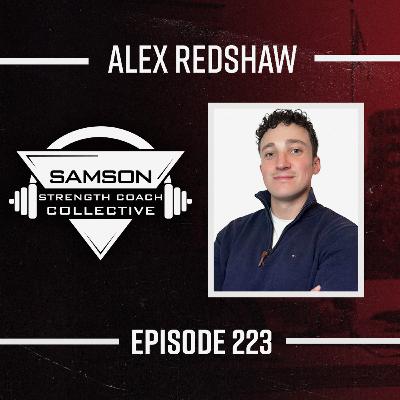
On the latest edition of the Samson Strength Coach Collective, we speak with Alex Redshaw, O2X Human Performance Program Manager for Arlington County Fire Department. Alex discusses his career journey, the importance of strength and conditioning in firefighting, and the unique health challenges firefighters face. From injury prevention and cardiovascular risks to sleep education and nutrition, Alex highlights strategies to improve firefighter wellness and extend career longevity.Key TakeawaysStrength & conditioning is essential to prepare firefighters for high-stress demands.Firefighters face elevated risks of cardiovascular disease and obesity.Education on sleep and nutrition is critical for long-term health.Wellness programs can help firefighters prioritize themselves in a culture that often demands self-sacrifice.A supportive environment drives successful lifestyle changes.The ultimate goal is to help firefighters retire strong and healthy.Quote “But then, so outside of the musculoskeletal side of things, we have cardiovascular events. So the acute impact of firefighting… your blood gets thicker, which turns harder to pump around the body. So any underlying or pre-existing heart issues that you may have are exacerbated or brought to the front during those events.” – Alex Redshaw
In this special 50 Year Legacy Series episode of the Samson Strength Coach Collective, Doug Briggs shares decades of perspective on the evolution of strength and conditioning. Doug breaks down how training philosophies have shifted, the growing focus on injury prevention, and the cultural changes within gyms. Drawing from personal experience, he explains why returning to basic training principles may be essential for developing stronger, more resilient athletes—while honoring the role Samson Equipment has played in shaping training environments over the last 50 years.Key Takeaways:Strength and conditioning has evolved significantly over the past five decades.Injury prevention has become overemphasized at the expense of performance.Training has shifted away from large, compound movements.The late 80s and early 90s marked a turning point in coaching philosophy.Balance-focused training is not universally beneficial.Foundational training methods are regaining importance.Training intensity was higher in previous generations.Gym culture and etiquette have changed dramatically.Anecdotal coaching experience still provides valuable insight.Samson Equipment has played a meaningful role in the 50-year evolution of training spaces.Quote:“We train too much to prevent injuries.”— Doug Briggs
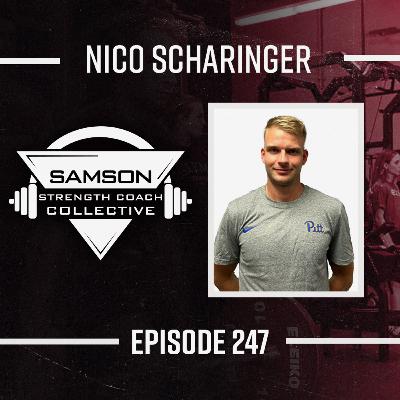
In this episode of the Samson Strength Coach Collective, we sit down with Nico Scharinger, Coaching Assistant at Florida State University. Nico shares his unique journey from playing soccer in Europe to pursuing a career in strength and conditioning in the United States.Throughout the conversation, Nico discusses the major cultural differences between European and American strength and conditioning systems, and why the collegiate sports model in the U.S. offers opportunities that don’t always exist overseas. He explains how discovering the American college sports environment sparked his interest in pursuing strength coaching abroad.Nico also breaks down the realities of the visa and immigration process for international coaches and students, offering insights into how preparation and persistence are key for navigating those challenges. The conversation highlights how embracing change, moving between environments, and continuously learning can shape a successful career in strength and conditioning.Key Takeaways:Nico transitioned from playing soccer in Europe to pursuing strength coaching in the United States.The U.S. collegiate athletics model provides unique opportunities for strength coaches.International coaches must be proactive when navigating visa and immigration processes.Cultural differences between Europe and the U.S. influence training philosophies and opportunities.Adaptability and openness to change are essential traits for long-term coaching success.Quote:“First of all, other sports are growing now. But it wasn't like in the US. I was like, that's just a college—how are there 10,000 people watching this game? A strength coach posted a video about the college experience and I thought, that's really cool. So I searched a little more about it and just got interested in it.” — Nico Scharinger
In this episode of the Samson Strength Coach Collective, Leo Totten shares insights from a 50-year career in strength and conditioning. From his early influences in Olympic weightlifting to leading successful teams and mentoring generations of coaches, Leo reflects on how the profession has evolved and what remains timeless.Leo discusses the importance of cultivating a growth mindset, striving for elite standards, and continuously learning throughout your career. He emphasizes the value of relationships in coaching, the necessity of work-life balance, and the discipline required to lead athletes and programs effectively. This conversation offers practical wisdom for coaches at every stage who want to build sustainable success while maintaining perspective and purpose.Key TakeawaysThe foundation of great coaching begins with a commitment to continuous learning.A growth mindset is essential for long-term success in strength and conditioning.Building successful programs requires leadership, standards, and community.Relationships with athletes and family must be intentionally prioritized.Elite performance demands tenacity—but also knowing when to let go.Quote"Strive for the elite mindset." — Leo Totten
In this episode of the Samson Strength Coach Collective, Jeff Madden reflects on his legendary career in strength and conditioning, beginning as a 21-year-old coach and evolving into a national championship-winning leader. He shares the critical role quality equipment plays in athlete development, the collaborative innovations he experienced with Samson Equipment, and the realities of navigating university procurement processes. Jeff dives into the relationships that define the profession — from administrators and donors to athletes whose lives are shaped in the weight room. Through championship victories and difficult losses, he emphasizes that strength coaching is ultimately about preparation, trust, and building a lasting legacy.Key TakeawaysJeff Madden began his strength coaching career at just 21 years old.Strong relationships with equipment manufacturers lead to meaningful innovation.Quality equipment directly impacts athlete performance and training culture.University procurement processes can be one of the biggest challenges for strength coaches.Championship programs are built through preparation, consistency, and trust.Strength coaches play a central role in the success of athletic departments.Personal connections with athletes often outlast wins and losses.Samson Equipment has played a significant role in the evolution of modern weight rooms.Quote"You can't coach his heart." — Jeff Madden
In this episode of the Samson Strength Coach Collective, Richard McClure breaks down what truly separates high-quality strength equipment from the rest. Drawing from his experiences in elite collegiate programs like USC, UCLA, and Kansas State, Richard explains how durability is tested in real-world training environments—not just in theory. He reflects on the legacy of well-built equipment, the role it plays in shaping athlete development, and why high school programs in particular benefit from investing in long-lasting free weight solutions. This conversation highlights how thoughtful design, hands-on experimentation, and a commitment to quality directly influence training outcomes and program success.Key TakeawaysUnderstanding the technical side of equipment helps coaches make smarter investments.Durability is proven under real training conditions, not marketing claims.Elite programs prioritize equipment that withstands daily, high-volume use.Equipment design impacts safety, performance, and long-term athlete development.High school weight rooms especially benefit from dependable, long-lasting equipment.Experimentation and stress-testing reveal what truly holds up over time.The legacy of a weight room is often tied to the quality of its tools.Quote: "We tried every which way to destroy this stuff." — Richard McClure
In this episode of the Samson Strength Coach Collective, Samson sits down with Dana LeDuc to discuss his experiences working with Dave and Linda Schrader, founders of Samson Equipment. Dana shares his journey from being a world-class shot putter to serving as a strength coach at the University of Texas. Along the way, he reflects on how strength training methodologies and equipment have evolved over the years.Dana recounts his first interactions with Dave and Linda and how their willingness to customize equipment set them apart in the industry. At a time when many companies offered rigid, one-size-fits-all solutions, Samson Equipment prioritized collaboration and quality. Dana explains how access to durable, athlete-centered equipment transformed his training environment and positively impacted performance. He closes the conversation with gratitude for the legacy Dave and Linda built and the influence they’ve had on generations of strength coaches.Key Takeaways:Dana LeDuc’s transition from elite shot putter to collegiate strength coach shaped his training philosophy.Early strength training environments often relied on subpar, outdated equipment.Samson Equipment stood out by offering customization and collaboration.High-quality equipment directly impacts athlete performance and training culture.Dave and Linda Schrader built a legacy rooted in relationships and service to coaches.Quote"“Their willingness to listen and build what we actually needed changed everything for us.” — Dana LeDuc
In this episode of the Samson Strength Coach Collective, Jerry Simmons shares a lifetime of lessons learned through strength coaching at every level—from college football and the NFL to Special Forces training. Growing up on a farm instilled a work ethic that shaped his coaching philosophy and expectations. Jerry reflects on mentorship, athlete evaluation, equipment quality, and the relationships that define a long career, while celebrating 50 years of Samson Equipment and its role in the profession.Key Takeaways:A farming mentality builds discipline, consistency, and accountabilityHard work remains the great separator in coaching successGreat coaches recognize athletes as people firstMentorship shapes careers more than job titlesEquipment quality directly impacts training standards and safetyRelationships are the true legacy of strength and conditioningQuote“If you’re gonna be good at it, you’re gonna have to work hard at it.”— Jerry Simmons
Rick Huegli joins the Samson Strength Coach Collective to celebrate 50 years of Samson Equipment and reflect on his decades-long career in strength and conditioning. From his early aspirations as a college football coach to leading programs at Wake Forest and the University of Washington, Rick discusses the realities of earning athlete trust, navigating outdated myths about strength training, and building lasting professional relationships. The conversation highlights how leadership values, reliability, and communication—both in coaching and business—have defined long-term success.Key Takeaways:Trust is the foundation of effective strength coachingWinning environments accelerate athlete buy-inCoaches must consistently challenge outdated strength mythsLong-term relationships drive success in coaching and businessSamson Equipment’s reliability mirrors Rick’s coaching philosophyLeadership values shape culture and longevityRetirement can be a meaningful transition focused on growthClear communication strengthens partnershipsConsistency matters more than trendsLegacy is built through people, not productsQuote:“You want to buy it once.” — Rick Huegli
In this episode of the Samson Strength Coach Collective, Bill Foran—former Head Strength and Conditioning Coach of the Miami Heat—walks through his decades-long career in sports performance. Bill discusses his transition from college athletics to the NBA, the cultural standards that defined the Heat organization, and how quality equipment and strong relationships shaped athlete development. He also offers candid advice for young coaches navigating a rapidly evolving profession.Key TakeawaysBuilding culture is just as important as building strengthEarly NBA strength coaches helped define today’s performance standardsQuality, customizable equipment plays a major role in athlete developmentTrust is earned through consistency, care, and work ethicModern athletes require variety while still mastering fundamentalsMentorship remains a cornerstone of coaching growthStrength and conditioning continues to evolve with technology and specializationQuote:“You gotta care and work with them.” — Bill Foran
As part of the Samson Legacy Series celebrating 50 years of Samson Equipment, Scott Warman joins the Samson Strength Coach Collective to share stories from his pioneering career in strength coaching. Scott discusses the evolution of training across sports, the importance of safety in the weight room, and the innovations in equipment design that helped establish Samson as an industry leader. He also reflects on his long-standing relationship with Dave and Linda Schroeder, whose integrity and vision have been central to Samson’s longevity and success.Key Takeaways:Scott Warman is a pioneer in strength coaching with a deep industry historySamson Equipment has evolved significantly over the past 50 yearsSafety in the weight room is critical to long-term athlete developmentInnovative equipment design has always set Samson apartDave and Linda Schroeder’s leadership shaped Samson’s foundationStrength training is now widely accepted across all sportsEarly strength coaches faced skepticism and limited resourcesSamson’s legacy is rooted in integrity and qualityScott’s passion for strength training remains strongThe bond between Scott Warman and the Schroeder family defines the Legacy SeriesQuote:“I’m gonna keep lifting to my last breath.” — Scott Warman
On the latest edition of the Samson Strength Coach Collective, we sit down with Blaine Johnson, Assistant Athletic Director of Sports Performance at Rider University. In this episode, Blaine shares what it was like building a strength and conditioning program from the ground up, navigating limited resources, and learning how to earn buy-in across an entire athletic department.We dive into mentorship, career growth, managing massive team loads, and why preparation and boundaries matter if you want to stay in the profession long term. Blaine also closes with some fun Pokemon talk, including his all-time favorites.⸻Topics Covered:• Building a strength and conditioning program from scratch• Coaching with limited racks and barbells• Earning buy-in from athletes and sport coaches• Time management, organization, and avoiding burnout• Mentorship and building career momentum• Setting boundaries and learning when to say no• Favorite Pokemon, games, and growing up on Emerald⸻Keywords: Blaine Johnson, Rider University, sports performance, strength coach, strength and conditioning, building a program, buy-in, limited resources, mentorship, New Jersey, time management, coaching career, athlete development
S02|E237Reflections on a Year of Growth | Samson Strength Coach CollectiveIn this solo episode of the Samson Strength Coach Collective, Connor Agnew takes time to reflect on the past year—reviewing personal and professional goals, lessons learned, and the life experiences that reshaped his priorities. Connor Agnew discusses the importance of balancing work and family, navigating health and personal loss, and how reflection can lead to clarity and growth. He also outlines new goals for the year ahead, centered on education, health, and intentional living.⸻Topics Covered:• Reflecting on past goals and growth• Balancing career and family life• Lessons learned from personal loss• Health and longevity in coaching• Setting meaningful goals for the future• Education and lifelong learning• Gratitude, perspective, and personal growth⸻Keywords: reflection, goals, personal growth, family, lessons learned, strength coaching, health, education, social media, life changes⸻✉️ JOIN OUR NEWSLETTER ✉️https://www.samsonequipment.com/newsletter📝 BLOG 📝https://www.samsonequipment.com/blog/🏋️ FACILITIES 🏋️https://www.samsonequipment.com/facilities💯 GET YOUR SOLUTION 💯https://www.samsonequipment.com/get-your-solution💪 FIND US ON 💪Twitter - https://x.com/SAMSON_EQInstagram - https://www.instagram.com/samson_eqLinkedIn - https://www.linkedin.com/company/samson-equipment-inc./Website - https://www.samsonequipment.com/🔥 PLAYLISTS 🔥Testimonies • [Installations Playlist]The Collective • [Strength Coach Collective Playlist]
In this conversation, Keane Hamilton discusses his unique career path that blends collegiate strength coaching with teaching in higher education. He explains how he frames research alongside real-world examples, why flexibility matters more than rigid systems, and how effective communication helps bridge the gap between academics and athletics. Keane also shares insight into the future of strength coaching, accreditation, and the return to foundational training principles.Key TakeawaysBridging theory and practice strengthens both coaching and educationReal-world examples help athletes and students understand researchFlexibility is essential for long-term athlete developmentCommunication builds trust between coaches, athletes, and academicsFoundational strength training remains critical despite evolving trendsAccreditation will continue to professionalize the fieldQuote“I’ll show what the research says, what I actually do in practice, and usually there’s a middle ground where both sides meet.” — Keane Hamilton
In this conversation, Peter Kenn, Director of Olympic Sports at SMU, traces his path from student-athlete to strength coach, emphasizing how early internships shaped his foundation and understanding of the profession. He outlines his coaching principles, the evolution of SMU’s Olympic sports department, and the essential role of communication, shared ownership, and culture in program development. Peter stresses that coaches must embrace being wrong—remaining open to new ideas, honest feedback, and continuous learning—to evolve in the ever-changing landscape of strength and conditioning.Key Takeaways:Early internships provide critical real-world experience.Understanding the realities of coaching helps prevent burnout and early exits.Creating a positive environment is essential for both athletes and staff.Maximal strength and power remain foundational performance pillars.Shared ownership improves cohesion across athletes and staffs.Being willing to be wrong accelerates personal and professional growth.Networking and relationship-building open career opportunities.Continuous learning strengthens coaching longevity and adaptability.Coaches should adopt a service-driven mindset centered on athlete success.Developing a unique coaching philosophy is a key step in personal growth.Quote:“You have to create shared ownership.” — Peter Kenn

In this episode, Lilly Simon of the University of North Carolina dives into “The Illusion of Choice”—the idea that small, seemingly simple decisions can shape the direction of a coaching career. Drawing on her journey from lacrosse athlete to strength coach, Lilly explains how taking initiative, reflecting on personal values, and making intentional choices have positioned her for early success in the field. Her insights highlight how meaningful career growth often stems from the smallest moments of alignment.Key Takeaways:Small decisions can significantly impact your career trajectory.Evaluating decisions through the lens of your values is essential.Aligning goals with values strengthens long-term decision-making.Reflection provides clarity for shaping future choices.Career development is built through consistent, small actions.Knowing your values helps guide your professional path.Success is often the result of many small, intentional choices.Intentional decision-making fosters fulfillment and growth.Values-aligned career paths lead to greater satisfaction.Continuous reevaluation of goals is key to development.Quote“Just how impactful small decisions can be… evaluating how choices align with my values and goals has put me in the position I am today.” — Lilly Simon
Justin McKenna, Director of Basketball Performance at Bucknell University, joins the Samson Strength Coach Collective to discuss his journey through the strength and conditioning world—from small-school beginnings to experiences at powerhouse programs like Duke and Kentucky. He dives into the importance of being adaptable, filling additional roles that support overall team operations, and developing systems that promote athlete ownership. Throughout the conversation, Justin highlights the role of nutrition, communication, and individualized training in maximizing performance. His perspective emphasizes that success in basketball performance isn’t just about sets and reps, but about providing athletes with the tools, environment, and autonomy to grow.Key Takeaways:Justin’s path from Division III athlete to Power 5 performance coach shaped his coaching versatility.Building genuine relationships is foundational for athlete buy-in.Nutrition and recovery innovations play a critical role in modern performance.Strength coaches must adapt to increasing demands and evolving athlete needs.Autonomy fosters investment—athletes perform better when they have a say.Individualized training strategies are essential in basketball performance.Creativity and alternative environments can keep athletes engaged.Strength coaches often fill additional roles beyond the weight room.Life skills built in sport can prepare athletes for long-term success.Quote:“Because at the end of the day, like if they're more invested, if they feel like they have a stake in what we're doing, they're going to give better outputs.” — Justin McKenna
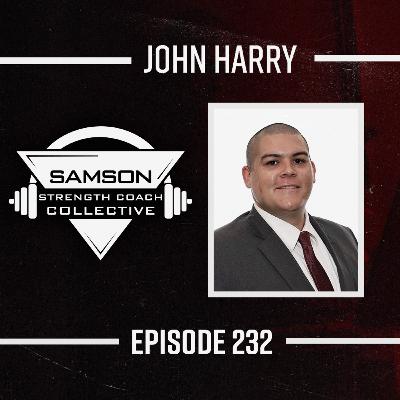
In this engaging conversation, Dr. John Harry shares his journey from athlete to academic in biomechanics and strength conditioning. He emphasizes bridging research with practical application, helping coaches understand the purpose behind their methods. The discussion covers technology’s role in coaching, momentum versus velocity, and the importance of movement quality and clarity in data interpretation.Key Takeaways:Understanding biomechanics is fundamental to athletic development.Coaches must bridge the gap between research and practice.Momentum, not just velocity, is essential for effective training.Clarity in terminology prevents confusion in performance data.Overreliance on technology can hinder coaching intuition.Understanding the “why” behind training methods enhances effectiveness.Research informs practice—but experience completes the picture.Simplified methods often lead to better athlete outcomes.Quote: “It's all about how you interact with the environment. The interaction with the environment is overcoming gravity, it's force application, and putting those things together within the laws of motion—and that's how movement goes.” — Dr. John Harry
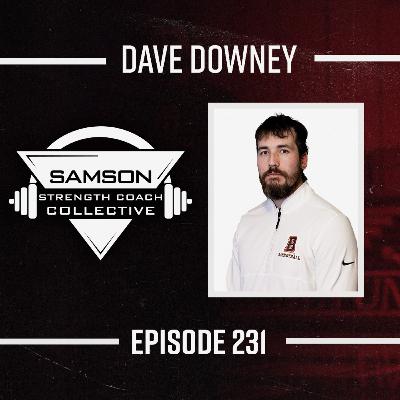
Dave Downey, Assistant Strength and Conditioning Coach at Brown University, joins the Samson Strength Coach Collective to discuss the realities of coaching insecurity and self-doubt. From difficult internship experiences to exploring sports psychology, Downey shares insights from his journey and his book Imposter Coach. He highlights how vulnerability and empathy can strengthen relationships between coaches and athletes, and how initiatives like Brown’s “Bruno Cares” support mental health and peer connection.Key TakeawaysImposter syndrome is common among coaches and athletes.Mentorship and honest reflection are key to personal growth.Building genuine athlete relationships drives effective coaching.Mental health must be prioritized within performance programs.Leadership is developed through resilience, empathy, and consistency.Programs like Bruno Cares foster community and support among athletes.Quote“It got to a point where they told me, ‘Hey man, I don’t think coaching is for you.’ That’s hard to hear when you’ve invested everything into it.” — Dave Downey
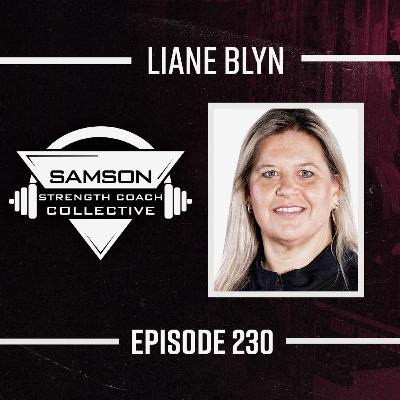
In this episode, Samson sits down with Liane Blyn, Director of Sports Performance for Olympic Sports at Arizona State University. Liane shares how strength and conditioning has evolved through the years and what it takes to build a culture of accountability. From breaking barriers as a female coach in a male-dominated field to mentoring the next generation of coaches, Liane’s story embodies grit, growth, and purpose in the ever-changing landscape of athletics.Key TakeawaysBuilding professional connections is vital for growth in coaching.Communication styles and expectations have evolved across generations.Structure and consistency benefit both coaches and athletes.Transitioning from athletic training to strength coaching can redefine a career.Female coaches continue to face unique barriers in male-dominated fields.The transfer portal has transformed athlete development and retention.Adversity builds resilience and fosters accountability.Competing in strength sports can deepen a coach’s credibility and empathy.Quote: “75% of kids drop out of organized sports by the time they get to high school. You can’t just point the finger and blame the coach—look in the mirror sometimes.” — Liane Blyn

Comments

Download from Google Play

Download from App Store
 United States