


 Claim Ownership
Nyamishana's Podcast
Subscribed: 26Played: 234
Subscribe

© Nyamishana Prudence
Description
This podcast challenges stereotypes, discusses social and political issues through in-depth dialogues and monologues with Ugandans through their lived experience.
47 Episodes
Reverse
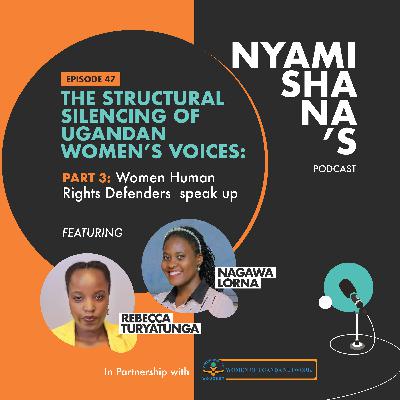
In this episode, Rebecca Turyatunga Juna and Nagawa Lorna, a lawyer with the Women's Probono Initiative and who weigh in on the conversation on the structural silencing of voices of women in Journalist in Uganda women voices. They share their perspectives on how they are actively challenging and resisting this silencing.
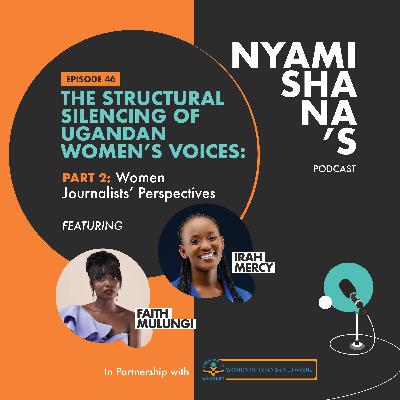
Sexual harrasment in newsrooms, objectification of women, and discrimination of queer women threaten the work of women journalists. In this episode, Faith Mulungi of RadioCity and Irah Mercy of Kuchu times shade light on this systematic silencing of Ugandan women in journalism.
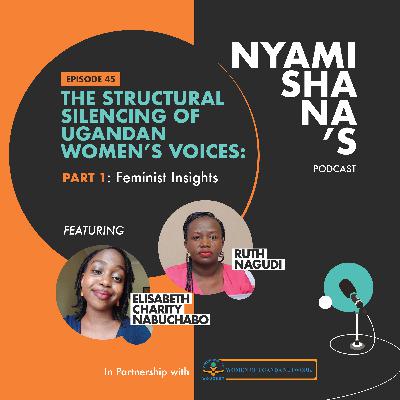
In this episode, the guests share insights on how systems connive to silence women's voices. Elisabeth particularly shares a story of how she fought against sexual harrasment that was rampant in a university hostel and how those who hold power did everything in their means to silence her.
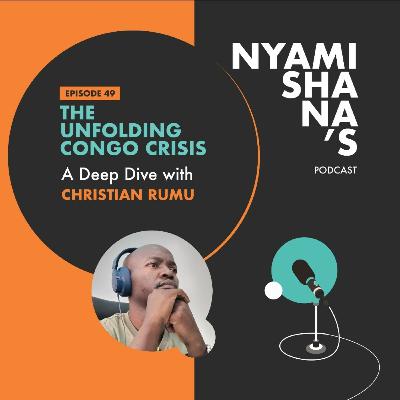
In the wake of the Genocide in palestine, the world has also woken up to the ongoing conflict in the Eastern Democratic Republic of Congo. Since 1996, over six million people have been killed in Eastern DRC. In this episode, Christian Rumu, a Senior Campaigner at Amnesty International, speaks so elaborately about the conflict in DRC, the historical background, actors, the humanitarian cost and what individual activists can do to campaign for the liberation of DRC.
This episode is crossposted from Africa-blogging where Daniel Ominde interviews me about the current situation in Uganda.
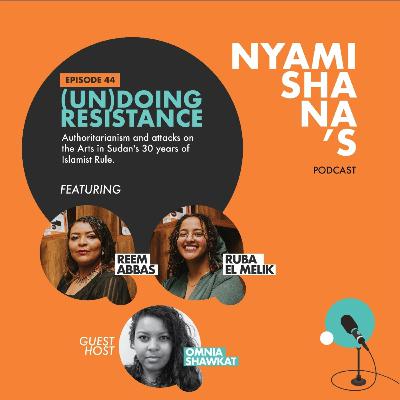
In April 2019, when millions marched to the headquarters of the military in Khartoum and other cities and the march was transformed into a sit-in that continued for two months, the sit-in became Sudan’s largest arts festival. The art produced during the revolution went viral, as it was covered by foreign journalists who swarmed Khartoum to report on the revolution. However, the narrative was always lacking the historical significance of how art was mobilized. Sudan’s contemporary art history was nurtured by its many revolutions; in 1964, in 1985 and in 2018/2019. Due to the military dictatorships that continued to rule Sudan since independence, except brief honeymoons of democracy, art was always positioned as a revolutionary product.
To contextualize, the revolutionary art produced and consumed during the 2018/2019 revolution, this book explores Sudan’s contemporary history by briefly looking at the politically turbulent 1980s and deeply looking at how culture and art were policed in the dark 1990s- which is the period after the Islamists took over power after the 1989 coup. During that period, the entire artistic and cultural landscape came under attack as artists were arrested, sacked from jobs and intimidated, but the infrastructure that has always supported this landscape suffered the most as the book hopes to explain.
In this Episode, Omina Shawkat hosts the authors of the book Ruba El Melik is an independent researcher and Reem Abbas is a freelance Sudanese journalist, writer, researcher and communications expert.
Positivity when served in excesses and wrong contexts can be toxic.
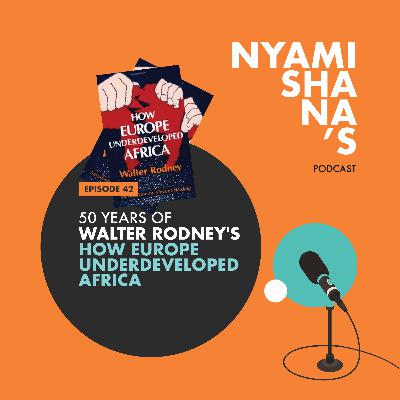
50 years of Walter Rodney's 'How Europe Underdeveloped Africa' An inspiring conversation.
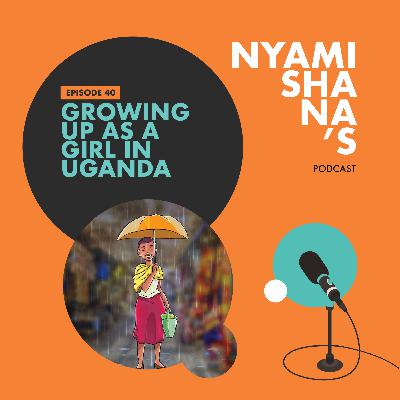
This episode features the voices of Ugandan women as we share our stories of the complexities of what it means to grow up as girls in Uganda.
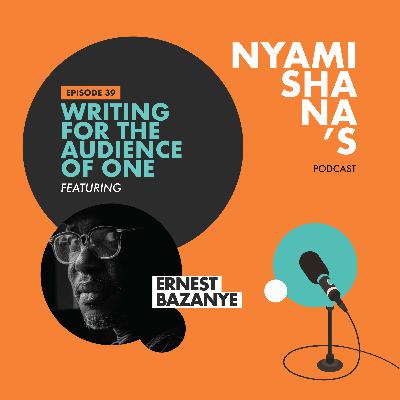
In this Episode we talk about writing, storytelling, the writer's disease. Ernest Bazanye brings wisdom and a free spirit to the table. I recommend that this is added as a resource for Mass com class 101. It is that enriching.
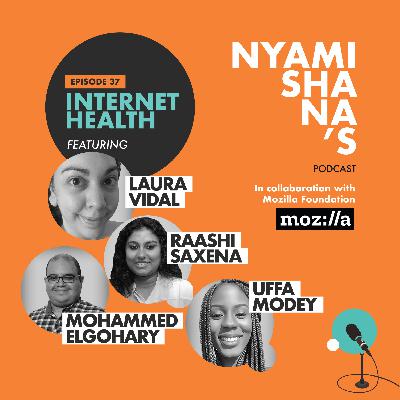
In this Episode, we diagnose the health of the internet, This episode brought together 5 amazing people from differemt countries that originally contributed to the Mozilla Internet health report 2020. This episode was originally posted on the Mozilla sounds channel on Anchor. The production was done by Laura Vidal and edited a bit by B Keith Kuyoh to tailor it for the listeners of Nyamishana's Podcast
More African countries are seeķing to increase their tax base. So, as more businesses become digitalised, governments are imposing digital taxes. In this episode capture highlights from a conversation hosted by Cipesa on the of impact of these taxes on the rights of users.
Uganda is facing the 3rd wave of the COVID19 pandemic and we are under lockdown there is so much loss and uncertainty. In this chat with Vivienne Kabarungi and Maureen Nagasha we talk about how to radically take care of ourselves.
Ruth Nyambura a Kenyan eco-feminist brilliantly introduces us to the concept Eco-Feminism and discusses the contribution that indigenous women and feminists make towards combating the climate crisis. This episode is brought to you by Akina Mama Wa Afrika
In this Episode, innovator and digital transformation evangelist Samson Tusiime gives us insight into how digital transformation is shaping up in Ugand, barriers and the role political governance in Uganda.
What does decentering men mean? When did men become the main actors and the women props to spice up the narrative? How does decentering men affect the daily psychology of women and non binary humans? ln this episode, Lydia Namubiru a Ugandan feminist and journalist gives us some insights into this complex topic.
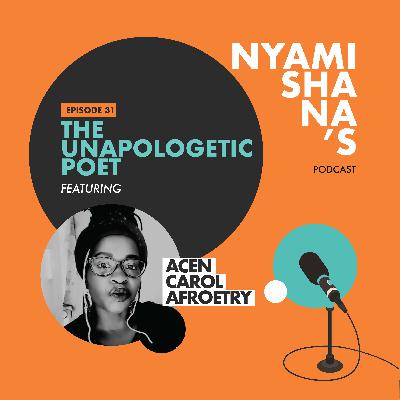
The Unapologetic Poet Caroline Acen Afroetry shares with us her poetry . Her powerful poems cover sexism, women's voices and colourism.
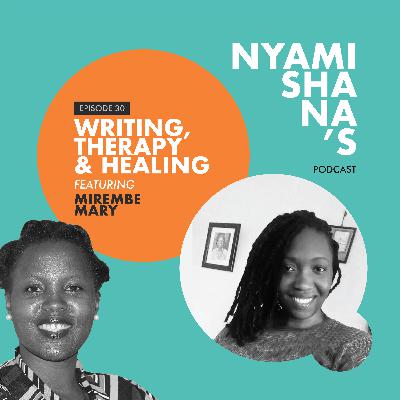
I host Mirembe Mary a blogger and mental health advocate. Mimar blogs candidly about her therapy sessions. She shares with us her fight against depression.
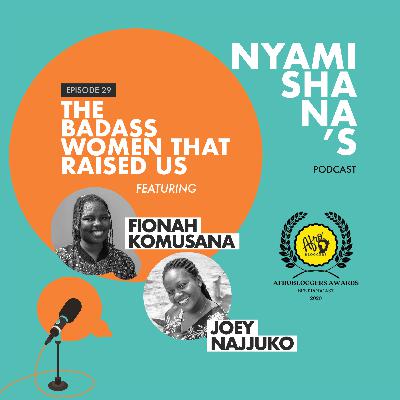
In this laughter filled episode, Sunshine and Joey share their mom's funny and stories of resilience that are a cool ingredient to being an African Woman.
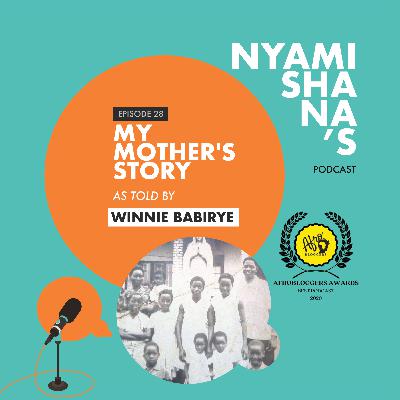
To celebrate the individuality of Ugandan that came before us, I speak to winnie Winnie Babirye who shares with me the story of her mother Theresa Nnalongo Nababi.

Comments

Download from Google Play

Download from App Store
 United States