


 Claim Ownership
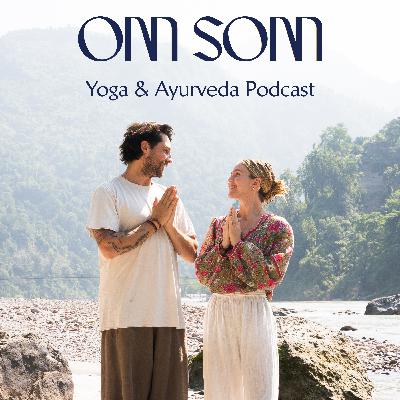
Om Som Yoga + Ayurveda Podcast
Subscribed: 17Played: 287
Subscribe

© Aaron Petty + Paige Taylah
Description
Welcome to the Om Som Yoga and Ayurveda Podcast with Aaron Petty and Paige Taylah.
Our goal with this podcast is to dive into how we as humans can live more intentional, ethical & sustainable lives.
And also how we can come into harmony with, ourselves, others & the earth in the process.
Our goal with this podcast is to dive into how we as humans can live more intentional, ethical & sustainable lives.
And also how we can come into harmony with, ourselves, others & the earth in the process.
115 Episodes
Reverse
PRACTICE WITH US:365 Sadhana Sanghahttps://practice.omsom.yoga/365-sadhana-sandha/join100 Hr Asana Sadhana Dharmahttps://practice.omsom.yoga/asana-sadhana-dharma-oto200 Hr Yoga Teacher Training Sri Lanka 2026https://omsom.yoga/200-hour-yoga-teacher-training-sri-lanka50 Hr Online Yin Yoga Teacher Traininghttps://practice.omsom.yoga/yin-yoga-and-prana-vayus-otoON THIS WEEK'S EPISODE:We talk about slowing down, calming the nervous system, resting more. And it's necessary. Until it's not.Sometimes people aren't anxious. They're stagnant. Flat, foggy, heavy. Apply calming practices there and things sink further. This week, Aaron and Selenna explore Brahmana, the final piece in their series on energetic technique. Not stimulation for its own sake, but nourishment through expansion. The right fuel, in the right amount, at the right time.DEFINITION & ETYMOLOGY:Brahmana (Sanskrit: ब्राह्मण)Root: bruh, to grow, enlarge, or strengthenIn yoga: any practice that builds heat, increases prana, and creates upward or expanding energetic movementThe counterpart to Langhana (descending, calming) and complement to Samana (balancing)KEY CONCEPTS & INSIGHTS:• Brahmana is the coffee. Langhana is the whiskey. Samana is the water, good anytime. This three-part energetic framework makes practice intentional rather than random.• The Katha Upanishad story of Nachiketa and Yama: the sacred fire must be built, fed, and tended with care. Too little fuel and it dies. The wrong fuel and it explodes. The right fuel, offered with awareness, sustains the light.• Dosage is everything. Anything is a medicine. What makes it medicinal is the amount. Brahmana in excess becomes depleting.• Ayurvedic lens: Kapha types (earth and water) tend toward stagnation and benefit most from Brahmana. Vata types need Langhana. Pitta types need Samana. No extremes for Pitta.• The breath is the barometer. Stagnant mind: move the breath. Anxious mind: slow it. Hathayoga Pradipika, Chapter 2: when the breath moves, the mind moves.TEXTUAL & TRADITIONAL SOURCES:• Hathayoga Pradipika, Chapter 2: practice Bhastrika 10 times daily. Not 50. The text is precise. 10 inhales, hold, release. One round.• Hathayoga Pradipika, Chapter 2: when the breath moves, the mind moves. When the breath is still, the mind becomes still.• Gheranda Samhita: Kapalbhati destroys impurities and eliminates excess Kapha dosha. Brahmana practice and Ayurvedic dosha theory are inseparable.PRACTICAL INTEGRATION:• Bhastrika and Kapalbhati are the key Brahmana pranayamas. Fast, rhythmic, heating. Best in the morning or when energy is low. Not before sleep or when agitated.• In asana: move through Surya Namaskar with more pace and add strength elements. Monitor for over-stimulation and ease back if needed.• In daily life: Brahmana is reengagement. Rekindling enthusiasm after withdrawal. Finding what excites you and pursuing it.Reflection: Where in your life are you sinking when what you actually need is more fuel?SHARE & CONNECTThank you for listening to the Om Som Yoga & Ayurveda Podcast.Please share this episode with someone it might support, and connect with us on social media or via our website.Instagram: @OmSom.yogaWebsite: OmSom.yogaWe operate a yoga studio in Berwick, Victoria, Australia, offering classes, workshops, and Yoga Teacher Training programs. We'd love to connect with you wherever you are on your journey.HARI OM
PRACTICE WITH US:365 Sadhana Sangha https://practice.omsom.yoga/365-sadhana-sandha/join100 Hr Asana Sadhana Dharma https://practice.omsom.yoga/asana-sadhana-dharma-oto200 Hr Yoga Teacher Training Sri Lanka 2026 https://omsom.yoga/200-hour-yoga-teacher-training-sri-lanka50 Hr Online Yin Yoga Teacher Training https://practice.omsom.yoga/yin-yoga-and-prana-vayus-otoON THIS WEEK'S EPISODE:Bandha gets taught like it's just about gripping the core. Tighten, hold, brace. And then people wonder why their breath disappears.This week, Aaron and Milli unpack one of the most misunderstood concepts in Hatha yoga. Bandha is not muscular force. It is intelligent containment. This episode covers both the physical and energetic dimensions of bandha, why the distinction matters, and how learning to hold without hardening changes your practice and your daily life.DEFINITION & ETYMOLOGY:Bandha (Sanskrit: बन्ध)• Literal meaning: to tie, bind, restrain, or hold together• The English word "bandage" shares the same root• Too loose and it does nothing. Too tight and it cuts off circulation. The same principle applies in yoga.KEY CONCEPTS & INSIGHTS:• Physical bandha: co-activation of opposing muscle groups around a joint complex (attributed to Krishnamacharya). Creates joint stability, prevents injury, and keeps energy moving efficiently without leaking.• Energetic bandha: the three subtle bandhas are Mula Bandha (pelvic floor), Udiana Bandha (navel center), and Jalandhara Bandha (throat center). Classified in the texts as mudras, not muscular contractions. Their purpose is to contain and direct prana.• Together they are called Treta Bandha or Maha Bandha. According to the Hathayoga Pradipika (Chapter 3), when all three are combined, prana enters the Sushumna, the central channel.• Mula Bandha works with apana vayu (downward force). Jalandhara Bandha with udana vayu (upward force). Udiana Bandha draws both to meet at the navel. This is the ha-ta union at the heart of Hatha yoga.• The mythic archetype is Shiva containing the halahala poison at the throat using Jalandhara Bandha. Hence Nilakanta, the blue-throated one.TEXTUAL & TRADITIONAL SOURCES:• Hathayoga Pradipika, Chapter 3: when Mula, Udiana, and Jalandhara Bandha are combined, prana enters the Sushumna nadi.• Gheranda Samhita: the three bandhas are great secrets within the discipline of yoga. No classical text describes bandha as muscular contraction.PRACTICAL INTEGRATION:• Instead of squeezing or clenching, try counter-activation cues. Can you bend and straighten the knee simultaneously? That meeting point of opposing forces is bandha.• For hypermobile practitioners: co-activating muscles around joints creates stability that passive flexibility alone cannot.• In daily life: awareness of where your energy is going makes boundaries less effortful. Containment is not force. It is awareness.• Stay in Tadasana after each pose and feel the energetic effect.Reflection: What changes when you allow strength to organise itself from within?SHARE & CONNECTThank you for listening to the Om Som Yoga & Ayurveda Podcast.Please share this episode with someone it might support, and connect with us on social media or via our website.Instagram: @OmSom.yogaWebsite: OmSom.yogaWe operate a yoga studio in Berwick, Victoria, Australia, offering classes, workshops, and Yoga Teacher Training programs. We'd love to connect with you wherever you are on your journey.HARI OM
PRACTICE WITH INDU IN MELBOURNE:https://indu-arora.mykajabi.com/yoga-nidra-australiaPRACTICE WITH US:365 Sadhana Sanghahttps://practice.omsom.yoga/365-sadhana-sandha/join100 Hr Asana Sadhana Dharmahttps://practice.omsom.yoga/asana-sadhana-dharma-oto200 Hr Yoga Teacher Training Sri Lanka 2026https://omsom.yoga/200-hour-yoga-teacher-training-sri-lanka50 Hr Online Yin Yoga Teacher Traininghttps://practice.omsom.yoga/yin-yoga-and-prana-vayus-otoON THIS WEEK'S EPISODE:Aaron sits down with Indu Arora, yoga and Ayurveda teacher, mentor, and author, for a wide-ranging conversation on what yoga actually is. They explore soma, the nectar of the mind, why we have settled for flexibility and muscular strength when yoga promises something far greater, and how samadhi is not a peak experience reserved for cave-dwelling monks but a natural state we are all already moving toward.This is a conversation for anyone who has ever felt that yoga has more to offer than they have yet found.ABOUT INDU ARORA:Indu Arora is a yoga and Ayurveda teacher, mentor, and author based in the USA. She has been sharing yoga philosophy, yoga therapy, and Ayurveda for over two decades, teaching across Kriya Yoga, Himalayan Yoga, Kashmir Shaivism, and Sivananda lineages. She studied in the traditional Guru-shishya parampara setting and considers herself a student for a lifetime. Her core teaching is that yoga is a work-in, not a work-out.She is the author of Mudra: The Sacred Secret, Yoga: Ancient Heritage Tomorrow's Vision, and Soma: 100 Heritage Recipes for Self-Care.KEY CONCEPTS & INSIGHTS:• Yoga as a work-in, not a work-out. When we define yoga by asana, we reduce it to a tug of war with the body. You can do yoga without moving a muscle.• The purpose of yoga is yoga. Every health benefit, every physical improvement, is a side effect. As Indu's teacher says: buy one, get one free. Don't stop at the candy store.• Soma (Sanskrit: सोम): the nectar of the mind. A calm, cohesive, lunar quality of awareness. It is not found outside. It drips down when the mind settles and is consumed by our inner fire when we live in depletion and constant doing.• Samadhi is not a peak experience for the enlightened few. The word itself tells us: dhi means mind, sa means to gather. Samadhi is simply collecting the scattered pieces of the mind together. How simple is that?TEXTUAL & TRADITIONAL SOURCES:• The Rigveda references soma as the nectar of the sacred fire, offered to invoke immortality. In yoga, this external ritual is realised internally.• The soma chakra, also called bindu or indu chakra, sits within the Sahasrara (crown) chakra. This is considered the seat of soma in the subtle body.• Pratyahara, the fifth limb of Patanjali's eight-limbed path, describes this conscious introversion. It is not sleep. It is a U-turn of the senses toward the self.PRACTICAL INTEGRATION:• Three times a day, pause for 2 minutes. Breathe in for 4 counts, out for 4 counts. Make it an unbroken loop. This builds the nervous system's readiness for deeper practice and offers a daily taste of soma.• Keep your forehead relaxed. While cooking, commuting, talking. Notice where micro-tension lives in the jaw, the shoulders, the fingers. Easing the body is the first step to easing the mind.• Before entering an asana, feel first. Visualise. Hold the experience. Come down. Reflect. Let the body lead with its innate wisdom rather than the mind imposing a shape.Reflection: What would your practice look like if you stopped doing yoga and started listening for it?SHARE & CONNECTThank you for listening to the Om Som Yoga & Ayurveda Podcast.Please share this episode with someone it might support, and connect with us on social media or via our website.Instagram: @OmSom.yogaWebsite: OmSom.yogaHARI OM
PRACTICE WITH US:365 Sadhana Sangha https://practice.omsom.yoga/365-sadhana-sandha/join100 Hr Asana Sadhana Dharma https://practice.omsom.yoga/asana-sadhana-dharma-oto200 Hr Yoga Teacher Training Sri Lanka 2026 https://omsom.yoga/200-hour-yoga-teacher-training-sri-lanka50 Hr Online Yin Yoga Teacher Training https://practice.omsom.yoga/yin-yoga-and-prana-vayus-otoON THIS WEEK’S EPISODE:In this episode we explore Spanda, the subtle pulsation and rhythm of life that restores flow when stillness turns into stagnation. Through stories, classical Tantra, and lived practice, this conversation reframes meditation and yoga as a relationship with rhythm rather than control. We unpack how rigidity is not stillness, why forcing silence often backfires, and how tuning into Spanda allows the mind, breath, and body to move naturally again. This episode invites you to soften fixation, rediscover rhythm, and reconnect with the living pulse beneath all experience.DEFINITION & ETYMOLOGY:• Spanda (स्पन्द) - pulsation, vibration, rhythmic movement, throb• From the root spand - to vibrate, quiver, expand, pulse• In Tantric philosophy, Spanda refers to the subtle movement within apparent stillness• A key distinction explored in this episode:– Spanda as natural rhythm and pulsation– Rajas as erratic, out-of-time movement that lacks harmonyKEY CONCEPTS & INSIGHTS:• Rigidity is not the absence of movement, but frozen movement• A busy mind can still be a stuck mind when thoughts loop without progression• Spanda restores flow by reintroducing rhythm rather than forcing silence• Stillness in yoga does not negate movement: breath, heart, and awareness continue to pulse• Rhythm is how life expresses itself, from the heartbeat to the breath to the cycles of nature• Music moves us because it mirrors our own inner rhythm and vitality• When the mind reconnects to rhythm, fixation softens and awareness naturally progresses• Plateaus in practice often arise from clinging rather than listeningTEXTUAL & TRADITIONAL SOURCES:• Spanda Kārikā - a foundational Tantric text devoted entirely to the principle of Spanda• “Yatra yatra mano yāti tatra tatra samādhayaḥ” - wherever the mind goes, there is absorption• Teaching explored: when awareness absorbs into rhythm, identity loosens and presence deepens• Spanda as the bridge between consciousness and manifestation in Tantric cosmologyPRACTICAL INTEGRATION:• Notice where your mind has become rigid, even if it feels busy• Return to rhythm through breath when fixation appears• In asana, allow movement within steadiness rather than gripping for control• Practise without a fixed sequence: sit, feel, move when it feels right, return, and notice the residue• In meditation, soften focus instead of forcing attention onto an object• When the mind wanders, reconnect with breath and rhythm rather than self-judgement• Reflect: where are you clinging to how things “should” be? What happens when you listen instead?SHARE & CONNECTThank you for listening to the Om Som Yoga & Ayurveda Podcast. Please share this episode with someone it might support, and connect with us on social media or via our website.Instagram: @OmSom.yogaWebsite: OmSom.yogaWe operate a yoga studio in Berwick, Victoria, Australia, offering classes, workshops, and Yoga Teacher Training programs. We’d love to connect with you wherever you are on your journey.HARI OM
PRACTICE WITH US:365 Sadhana Sangha https://practice.omsom.yoga/365-sadhana-sandha/join100 Hr Asana Sadhana Dharma https://practice.omsom.yoga/asana-sadhana-dharma-oto200 Hr Yoga Teacher Training Sri Lanka 2026 https://omsom.yoga/200-hour-yoga-teacher-training-sri-lanka50 Hr Online Yin Yoga Teacher Training https://practice.omsom.yoga/yin-yoga-and-prana-vayus-otoON THIS WEEK’S EPISODE:Have you ever noticed how some people aren’t actually exhausted they’re just scattered? In this episode we explore Samāna, the balancing, gathering, integrating principle that brings us back into the centre when life feels dispersed. This conversation reframes nourishment as equilibrium: when the system returns to homeostasis, every layer of life is fed. We unpack why more effort, more intensity, and more “input” doesn’t fix burnout and what’s missing is integration. You’ll learn how Samāna works through breath, body, digestion, and the mind, and how balance becomes the foundation that lets you move through life with clarity, buoyancy, and ease.DEFINITION & ETYMOLOGY:• Samāna / Samana - the equalising, gathering, integrating principle of prāṇa• Root sama (सम) - equal, together, whole, unified, complete• A key distinction explored in this episode:– samāna as a quality of balance and equilibrium– samāna as a vāyu (a specific action of prāṇa in the body), often linked with digestion and the navel centreKEY CONCEPTS & INSIGHTS:• Feeling “burnt out” is often dispersed energy, not a lack of energy• Adding more intensity (hard practice, heavy breathwork, more doing) can further deplete a scattered system• Samāna is the force that brings you back to centre physically, mentally, emotionally• Balance is not an extreme: yoga continually returns us to the middle ground• Water as nourishment = equilibrium, buoyancy, and the ability to stay afloat• When you know what imbalance feels like, you gain a reference point for what balance actually isTEXTUAL & TRADITIONAL SOURCES:• Charaka Saṃhitā (Chapter 12) - Samāna vāyu digests the nutritive essence of food• Charaka Saṃhitā - Samāna resides in the abdominal / belly region• Aṣṭāṅga Hṛdayam - Samāna assists Agni (digestive fire): it steadies the fire rather than being the fire itselfPRACTICAL INTEGRATION:• Nāḍī Śodhana (alternate nostril breathing) to balance Iḍā and Piṅgalā• Sama Vṛtti (equal ratio / box breathing) e.g. 4 in / 4 hold / 4 out / 4 hold• Twisting postures to gather awareness into the belly and create an internalising, centring effect• Balancing postures (like tree pose) as a lived training of returning to centre• Reflect: where does your energy disperse (work, relationships, social media)? What brings you back?• Track the last 24 hours: what pulled you out, what restored youSHARE & CONNECTThank you for listening to the Om Som Yoga & Ayurveda Podcast. Please share this episode with someone it might support, and connect with us on social media or via our website.Instagram: @OmSom.yogaWebsite: OmSom.yogaWe operate a yoga studio in Berwick, Victoria, Australia, offering classes, workshops, and Yoga Teacher Training programs. We’d love to connect with you wherever you are on your journey. HARI OM
PRACTICE WITH US:365 Sadhana Sangha https://practice.omsom.yoga/365-sadhana-sandha/join100 Hr Asana Sadhana Dharma https://practice.omsom.yoga/asana-sadhana-dharma-oto200 Hr Yoga Teacher Training Sri Lanka 2026 https://omsom.yoga/200-hour-yoga-teacher-training-sri-lanka50 Hr Online Yin Yoga Teacher Training https://practice.omsom.yoga/yin-yoga-and-prana-vayus-otoON THIS WEEK’S EPISODE:In this episode, we are joined by yoga teacher and Pilates instructor Milli for an embodied exploration of Lahiri, the yogic principle of wave-like, adaptive movement. Together, they unpack a common pattern seen in modern practice: bodies that can hold strong poses but freeze the moment movement is required. Rather than chasing flexibility or forcing flow, this conversation reframes fluidity as something that arises naturally once the body feels supported and stable. Drawing from yoga philosophy, lived teaching experience, and practical movement education, this episode explores how true flow comes from adaptability, not looseness, and how movement becomes nourishing when it undulates rather than resists.DEFINITION & ETYMOLOGY:Lahiri (लहरी) means a wave or rhythmic rippleDerived from the root lahar, meaning to oscillate or undulateLahiri describes continuous, predictable, wave-like movementIn yoga, Lahiri is movement that adapts and reorganises without collapsingKEY CONCEPTS & INSIGHTS:Strength without adaptability leads to gripping and rigidityTrue flow only arises when the body feels safe and supportedStability is the foundation from which movement becomes fluidThe spine functions best as a wave, not a rigid stickUndulating movement improves coordination, awareness, and easeFluid movement mirrors nature - tides, rivers, spirals, and breathNourishment comes from movement itself, not effort or intensityTEXTUAL & PHILOSOPHICAL REFERENCES:Zen story of the river and the rock - adaptability over rigiditySaundarya Lahiri - “the waves of beauty,” attributed to Ādi ŚaṅkaraClassical Tantric insight: Śiva united with Śakti enables movementConsciousness requires aliveness and embodiment to manifestNature moves in curves and spirals, not straight linesPRACTICAL INTEGRATION:Establish stability through the feet, legs, and pelvis before flowingPractise spinal waves to articulate each segment of the spineInitiate movement from the sacrum rather than forcing shapeAllow transitions to blend rather than move in rigid segmentsMatch breath to movement - inhale to rise, exhale to foldLengthen the breath to match the duration of the movementUse gentle joint movements and Apāna kriyās to restore nourishmentBack off depth in poses to allow movement and adaptabilityNotice how fluid movement creates ease both on and off the matSHARE & CONNECTThank you for listening to the Om Som Yoga & Ayurveda Podcast. Please share this episode with someone it might support, and connect with us on social media or via our website.Instagram: @OmSom.yogaWebsite: OmSom.yogaWe operate a yoga studio in Berwick, Victoria, Australia, offering classes, workshops, and Yoga Teacher Training programs. We’d love to connect with you wherever you are on your journey. HARI OM
PRACTICE WITH US:365 Sadhana Sangha https://practice.omsom.yoga/365-sadhana-sandha/join100 Hr Asana Sadhana Dharma https://practice.omsom.yoga/asana-sadhana-dharma-oto200 Hr Yoga Teacher Training Sri Lanka 2026 https://omsom.yoga/200-hour-yoga-teacher-training-sri-lanka50 Hr Online Yin Yoga Teacher Training https://practice.omsom.yoga/yin-yoga-and-prana-vayus-otoON THIS WEEK'S EPISODE:In this episode, Aaron is joined by our Studio Manager here at Om Som and Senior Teacher Lina for a grounded exploration of Kaya Sthiram, the steadiness and stillness of the body as the foundation for meditation. Together, they unpack one of the most common frustrations people experience in practice: “I can’t meditate because my mind won’t stop.” Rather than approaching stillness through effort or mental control, this conversation reframes meditation as something that begins in the body. Drawing from classical yoga teachings, lived experience, and practical application, this episode explores why mental steadiness cannot arise until the body feels safe, settled, and unmoving, and why stillness has always been taught as a somatic experience before a mental one.DEFINITION & ETYMOLOGY:Kaya (काय) means body, field, or embodied formSthiram (स्थिर) means steady, stable, unmoving, able to holdKaya Sthiram refers to the steadiness of the body and the field of awareness inhabiting it. It is not rigidity, but a grounded stillness that allows awareness to settle.KEY CONCEPTS & INSIGHTS:A restless mind is often the result of an unsettled bodyStillness does not begin with thought, but with sensationThe nervous system must recognise safety before the mind can restAncient yogic teachings observed that animals only rest once their bodies fully settleKaya Sthiram acts as a doorway into parasympathetic regulationThe body is the first anchor for awareness before breath or mantraModern overstimulation keeps the body vigilant, preventing mental stillnessAsana exists to prepare the body for meditation, not to bypass itTEXTUAL SOURCES:Yoga Sūtra 2.46Sthira sukham āsanam, posture as steadiness and easeYoga Sūtra frameworkAsana before pranayama, pranayama before meditationHaṭha Yoga PradīpikāAsana steadies the body and brings firmnessClassical teachingWhen the body is steady, prana settles, and the mind followsPRACTICAL INTEGRATION:Do fewer asanas and hold them for longer periodsMinimise fidgeting, adjusting, and unnecessary movement in posesUse the body as the anchor for attention rather than the mindRepeat a simple internal cue such as “I am here” or “Where are my feet?”Pause between tasks in daily life and notice bodily sensationsAllow the body to fully settle before moving on to the next actionMeet basic needs first (thirst, hunger, rest) before asking the mind to be stillPractise small moments of stillness throughout the day as daily Kaya SthiramSHARE & CONNECTThank you for listening to the Om Som Yoga & Ayurveda Podcast. Please share this episode with someone it might support, and connect with us on social media or via our website.Instagram: @OmSom.yogaWebsite: OmSom.yogaWe operate a yoga studio in Berwick, Victoria, Australia, offering classes, workshops, and Yoga Teacher Training programs. We’d love to connect with you wherever you are on your journey.HARI OM
PRACTICE WITH US:365 Sadhana Sanghahttps://practice.omsom.yoga/365-sadhana-sandha/join100 Hr Asana Sadhana Dharmahttps://practice.omsom.yoga/asana-sadhana-dharma-oto200 Hr Yoga Teacher Training Sri Lanka 2026https://omsom.yoga/200-hour-yoga-teacher-training-sri-lanka50 Hr Online Yin Yoga Teacher Traininghttps://practice.omsom.yoga/yin-yoga-and-prana-vayus-otoON THIS WEEK’S EPISODE:In this episode, Aaron is joined by long-time Om Som teacher and student of Chinese medicine, Selenna, for a grounded exploration of Langhana, the yogic principle of calming, descending, and settling the breath and nervous system. Together, we explore why so many people struggle to slow their breath, and how what we often label as anxiety or restlessness is actually excess energy with nowhere to land. Rather than breathing more, this conversation invites us to breathe less, allowing the system to settle through longer, slower exhalations. Drawing from yoga philosophy, Ayurveda, physiology, meditation, and lived practice, this episode reframes pranayama as an energetic practice rather than breath control, and offers Langhana as the foundational approach to calming the body, mind, and prana.DEFINITION & ETYMOLOGY:• Langhana (लङ्घन) comes from the Sanskrit root lang, meaning to lighten, reduce, alleviate, or settle• In yogic and Ayurvedic traditions, Langhana refers to practices that calm excess and reduce overstimulation• Langhana describes an energetic effect, not a single technique• The result of Langhana is down-regulation, grounding, and nervous system settlingKEY CONCEPTS & INSIGHTS:• Anxiety and restlessness as excess energy rather than personal failure• The overfilled bowl metaphor and the need to empty before receiving• Why classical pranayama begins with the exhale before the inhale• Langhana as the first and foundational approach to breath and energy regulation• The difference between breath work and pranayama - prana rides the breath• How fast, forceful breathing can feel good while increasing agitation• Discomfort when slowing the breath as information, not failureTEXTUAL SOURCES:• Yoga Sūtra 2.49 - pranayama as regulation of inhalation and exhalation• Yoga Sūtra 2.50 - exhalation, inhalation, and retention as the classical order• Yoga Sūtra 2.51 - dirgha-sukshma, the deep and subtle breath• Ayurvedic principle of Langhana as the primary response to excess and overstimulationPRACTICAL INTEGRATION:• Practise slow, extended exhalations and build gradually over time• Use viṣama vṛtti, unequal ratios such as inhaling for 4 and exhaling for 6–8• Explore gentle belly breathing to support diaphragmatic movement• Use soft ujjayi on the exhale to naturally lengthen the breath• Pause between asanas rather than moving continuously• Do less, on and off the mat, to reduce excess stimulation• Notice natural sighs or spontaneous slowing of the breath as expressions of the body’s innate intelligenceSHARE & CONNECTThank you for listening to the Om Som Yoga & Ayurveda Podcast. Please share this episode with someone it might support, and connect with us on social media or via our website.Instagram: @OmSom.yogaWebsite: OmSom.yogaWe operate a yoga studio in Berwick, Victoria, Australia, offering classes, workshops, and Yoga Teacher Training programs. We'd love to connect with you wherever you are on your journey.HARI OM
PRACTICE WITH US:365 Sadhana Sanghahttps://practice.omsom.yoga/365-sadhana-sandha/join100 Hr Asana Sadhana Dharmahttps://practice.omsom.yoga/asana-sadhana-dharma-oto200 Hr Yoga Teacher Training Sri Lanka 2026https://omsom.yoga/200-hour-yoga-teacher-training-sri-lanka50 Hr Online Yin Yoga Teacher Traininghttps://practice.omsom.yoga/yin-yoga-and-prana-vayus-otoON THIS WEEK’S EPISODE:In the first episode of Season 3, Aaron is joined by yoga teacher and Pilates instructor Milly for a grounded, practical exploration of Sthiram Āsanam, steadiness in posture.Together, we unpack why so many people feel busy, effortful, and inconsistent in their bodies, despite moving constantly. Rather than blaming motivation or discipline, this conversation reframes instability as a lack of support and explores how true steadiness begins with grounding, alignment, and relationship with the Earth.Using classical yogic teachings, lived experience, and practical asana insights, this episode bridges philosophy and practice, showing how stability in the body becomes the foundation for steadiness in the mind, emotions, and life.DEFINITION & ETYMOLOGY:Sthiram (स्थिर) — steady, stable, firm, grounded, unmovingĀsanam (आसनम्) — seat, posture, abiding placeSthiram Āsanam refers to a posture that can be inhabited with stability and support, rather than endured through effort or force. In the yogic tradition, the body becomes the seat of awareness only when it feels safe, rooted, and held.KEY CONCEPTS & INSIGHTS:Stability before ease: The episode explores Patanjali’s teaching that steadiness comes before comfort and why ease cannot arise without support.The body as Earth: Drawing from the Purāṇic story of Bhūmi Devī, the Earth Goddess, Aaron shares how even the Earth must be held correctly to sustain life, a powerful metaphor for asana and alignment.Feet as foundation: True stability begins at the feet, not the spine. Spreading, yielding, and stacking the feet creates the surface area needed for steadiness.Alignment over effort: Stability arises from stacking bones and joints, not muscular tension. When structure supports the body, effort can soften.Slow transitions build steadiness: Moving slowly between postures trains stability through change, not just in static shapes.Standing postures as training ground: Tādāsana, Warriors, Goddess, lunges, and balance poses are key practices for cultivating Sthiram.Steadiness of body, steadiness of mind: Classical texts consistently link physical stability with mental clarity and emotional grounding.TEXTUAL SOURCES:Yoga Sūtra 2.46sthira sukham āsanamPosture is steady and easeful.Yoga Sūtra 2.47prayatna śaithilya ananta samāpattibhyāmBy relaxing effort and meditating on the infinite, asana is mastered.Haṭha Yoga PradīpikāAsana steadies the body, destroys disease, and gives lightness to the limbs.Steadiness of the body leads to steadiness of the mind.Gheraṇḍa SaṁhitāAsana gives firmness to the body, steadiness to the limbs, and lightness.PRACTICAL INTEGRATION:Begin with simplicity: Choose one to three standing postures and practice them consistently.Start from the ground up: Establish the feet first, then stack ankles, knees, hips, and spine.Slow down transitions: Maintain stability as you move between postures, not just when holding them.Pause before moving: In practice and in life, steadiness comes from pausing before the next step.SHARE & CONNECTThank you for listening to the Om Som Yoga & Ayurveda Podcast.Please share this episode with someone it might support, and connect with us on social media or via our website.Instagram: @OmSom.yogaWebsite: OmSom.yogaWe operate a yoga studio in Berwick, Victoria, Australia, offering classes, workshops, and Yoga Teacher Training programs. We’d love to connect with you wherever you are on your journey.HARI OM
PRACTICE WITH US:365 Sadhana Sanghahttps://practice.omsom.yoga/365-sadhana-sandha/join100 Hr Asana Sadhana Dharmahttps://practice.omsom.yoga/asana-sadhana-dharma-oto200 Hr Yoga Teacher Training Sri Lanka 2026https://omsom.yoga/200-hour-yoga-teacher-training-sri-lanka50 Hr Online Yin Yoga Teacher Traininghttps://practice.omsom.yoga/yin-yoga-and-prana-vayus-otoON THIS WEEK'S EPISODEWe complete our 4-part series on the functions of the mind (Antaḥkaraṇa) with a deep dive into Buddhi, the faculty of discernment. Often misunderstood or underdeveloped in modern life, Buddhi is the seat of clarity, intuition, and right action. Without it, our practice remains mechanical and our decisions reactive. This episode explores Buddhi not just as an idea, but as a spiritual function that bridges the mind to the Self.DEFINITION AND ETYMOLOGY OF BUDDHIBuddhi (बुद्धि) is derived from the Sanskrit root budh, meaning "to know" or "to awaken".It refers to the discerning faculty of the mind — the one that decides, reasons, and realises.Buddhi is the still, silent witness that sees without reacting. When activated, it leads us from compulsion to clarity.KEY CONCEPTS COVEREDHow Buddhi differs from Manas, Citta, and AhaṃkāraBuddhi as the internal guide, and how it's clouded by Rajas and TamasThe role of Buddhi in yoga practice, ethics, and daily decision-makingWhy Buddhi is essential for moving toward viveka (discrimination between real and unreal)Christ Consciousness and Buddha nature as metaphors for awakened BuddhiThe transition from reactive mind to witnessing awarenessTEXTUAL SOURCESYoga Sūtra 1.20: śraddhā vīrya smṛti samādhi prajñā pūrvaka itareṣām — the path to awakening requires discernment (prajñā)Bhagavad Gītā 2.50: yogaḥ karmasu kauśalam - Yoga is skill in action, guided by BuddhiReferences to the Katha Upaniṣad’s chariot model, where Buddhi is the charioteerTantric model of viveka khyāti - developing clear seeing through sustained practicePRACTICAL INTEGRATIONPractices to strengthen BuddhiSvādhyāya (self-study) and scriptural reflectionPratyāhāra and Dhyāna for non-reactive observationChoosing sāttvic food, company, and habits to clear mental fogAsking: “Is this reaction or response?” before making decisionsMeditating on the silence behind thoughtsViewing spiritual maturity as the refinement of Buddhi — not just accumulation of knowledgeSHARE & CONNECTThank you for listening to the Om Som Yoga & Ayurveda Podcast.Please share this episode with someone it might support, and connect with us on social media or via our website.Instagram: @OmSom.yogaWebsite: OmSom.yogaWe operate a yoga studio in Berwick, Victoria, Australia, offering classes, workshops, and Yoga Teacher Training programs. We'd love to connect with you wherever you are on your journey.HARI OM
PRACTICE WITH US:365 Sadhana Sanghahttps://practice.omsom.yoga/365-sadhana-sandha/join100 Hr Asana Sadhana Dharmahttps://practice.omsom.yoga/asana-sadhana-dharma-oto200 Hr Yoga Teacher Training Sri Lanka 2026https://omsom.yoga/200-hour-yoga-teacher-training-sri-lanka50 Hr Online Yin Yoga Teacher Traininghttps://practice.omsom.yoga/yin-yoga-and-prana-vayus-otoON THIS WEEK’S EPISODEWe continue our exploration of the four functions of mind (antaḥkaraṇa) with Ahaṃkāra, the sense of “I” and the formation of identity. Often misunderstood as something to eliminate, Ahaṃkāra is in fact essential to navigating the world. In this episode, we look at how ego forms, how it binds us, and how Yoga offers a path to clarity, self-awareness and liberation, not through destruction, but integration.DEFINITION AND ETYMOLOGY OF AHAṂKĀRAAhaṃkāra (अहंकार) is composed of aham (I) and kāra (maker), the “I-maker.” It is the function of mind that claims identity over thoughts, memories and actions, saying: I am this. While necessary for daily life, problems arise when Ahaṃkāra forgets its true source.KEY CONCEPTS COVEREDThe Upanishadic view of ego as the servant who believes himself the kingHow Ahaṃkāra assigns “I” to the body, thoughts, emotions, and rolesThe role of ego in waking, dreaming, and deep sleepTurīya - the witness beyond egoHealthy vs unhealthy ego: ownership vs identificationThe difference between egoic collapse and spiritual refinementYoga’s path of recognition: you are not the ego, but awareness itselfTEXTUAL SOURCESKatha Upaniṣad - the chariot metaphor: body as chariot, buddhi as charioteer, manas as reins, and Ahaṃkāra as the mistaken “self”Yoga Sūtra 2.6: “Dṛg-darśana-śaktyor ekātmatā iva asmitā” - the confusion of the seer with the instruments of seeingBhagavad Gītā — ego as one of the threefold gates to hell (alongside desire and anger) when imbalanced, yet not rejected when purifiedPRACTICAL INTEGRATIONRecognise: begin noticing when “I” is assigned - to body, thought, mood, or memoryWitness: through meditation and self-inquiry, create space between awareness and identityReturn: use breath, mantra, and āsana to return to the seat of the witnessRelate: soften the edges of “I” in relationship - offer, serve, listenRefine: practice humility and right action through Karma Yoga and Vairāgya (dispassion)SHARE & CONNECTThank you for listening to the Om Som Yoga & Ayurveda Podcast.Please share this episode with someone it might support, and connect with us on social media or via our website.Instagram: @OmSom.yogaWebsite: OmSom.yogaWe operate a yoga studio in Berwick, Victoria, Australia, offering classes, workshops, and Yoga Teacher Training programs. We'd love to connect with you wherever you are on your journey.HARI OM
PRACTICE WITH US:365 Sadhana Sangha https://practice.omsom.yoga/365-sadhana-sandha/join100 Hr Asana Sadhana Dharmahttps://practice.omsom.yoga/asana-sadhana-dharma-oto200 Hr Yoga Teacher Training Sri Lankahttps://omsom.yoga/200-hour-yoga-teacher-training-sri-lanka50 Hr Online Yin Yoga Teacher Traininghttps://practice.omsom.yoga/yin-yoga-and-prana-vayus-otoON THIS WEEK’S EPISODEThis episode explores Citta, the storehouse of memory, impressions, and latent tendencies within the mind. As the second part of our Antaḥkaraṇa series, we unpack how Citta governs the deeper layers of our mental activity and what it means for yoga practice and self-awareness.DEFINITION AND ETYMOLOGY OF CITTADerived from the root cit, meaning “to perceive” or “to be conscious,” Citta is the memory aspect of mind, a vast internal field of impressions (saṃskāras) and mental patterns (vṛttis) that shape how we perceive and respond to the world.KEY CONCEPTS COVEREDCitta as the substrate for vṛtti and its role in the Yoga Sutras (1.2)How memories and conditioning form behavioural tendencies (vāsanās)Mirror analogy from the Bhāgavata Purāṇa - how Citta reflects the world and the selfDistinguishing Citta from Manas, Ahaṃkāra, and BuddhiCitta in the four states of consciousness: waking, dreaming, deep sleep, and TurīyaCleansing the Citta through Sādhana and inner stillnessTEXTUAL SOURCESYoga Sūtra of Patañjali (especially 1.2: Yogaś citta vṛtti nirodhaḥ)Bhāgavata Purāṇa - the analogy of the mirror covered with dustTraditional Hatha and Vedantic references to the mental field (citta-bhūmi)PRACTICAL INTEGRATIONWe offer practices to refine and clarify Citta including:Stillness in āsana to reveal subconscious patternsPrānāyāma for emotional digestionMeditation to observe and reduce vṛttisDaily reflection and repetition to cultivate new saṃskārasLiving with awareness to interrupt automatic patternsSHARE & CONNECTThank you for listening to the Om Som Yoga & Ayurveda Podcast.Please share this episode with someone it might support, and connect with us on social media or via our website.Instagram: @OmSom.yogaWebsite: OmSom.yogaWe operate a yoga studio in Berwick, Victoria, Australia, offering classes, workshops, and Yoga Teacher Training programs. We'd love to connect with you wherever you are on your journey.HARI OM
PRACTICE WITH US:365 Sadhana Sangha https://practice.omsom.yoga/365-sadhana-sandha/join100 Hr Asana Sadhana Dharmahttps://practice.omsom.yoga/asana-sadhana-dharma-oto200 Hr Yoga Teacher Training Sri Lankahttps://omsom.yoga/200-hour-yoga-teacher-training-sri-lanka50 Hr Online Yin Yoga Teacher Traininghttps://practice.omsom.yoga/yin-yoga-and-prana-vayus-otoON THIS WEEK'S EPISODEWe begin our final podcast series for the year: The Four Functions of the Mind (Antaḥkaraṇa). In this first part, we explore Manas, the aspect of mind responsible for sensory processing, attention, and coordination. Drawing from the Katha Upaniṣad and yogic psychology, we look at how Manas operates in different states of consciousness and how it can be trained through practice.DEFINITION AND ETYMOLOGY OF MANASThe Sanskrit word manas comes from the root “man”, to think or perceive. It refers to the lower mind, the part that organises incoming sensory data and initiates responses. It is different from Buddhi (intellect), Ahaṁkāra (ego), and Citta (memory storehouse).KEY CONCEPTS COVEREDManas as the driver of the chariot (Katha Upaniṣad analogy)The role of Manas in sankalpa-vikalpa (considering options)How Manas governs the senses (indriyas)Drishti-Citta-Prāṇa connection in Hatha YogaThe function of Manas in waking, dreaming, deep sleep, and TurīyaTEXTUAL SOURCESKatha Upaniṣad - the metaphor of the chariotYoga Sūtra - distinction between states of mind (YS 1.1–1.6)Hatha Yoga Pradīpikā - practices to steady the mind (HYP 4.34)PRACTICAL INTEGRATIONYou’ll learn ways to refine and stabilise Manas using tools from both Raja and Hatha Yoga traditions, including:Drishti practices to anchor attentionBreath-gaze-mind coordinationMeditative observation of the changing mindCultivating presence across all four states of consciousnessSHARE & CONNECTThank you for listening to the Om Som Yoga & Ayurveda Podcast.Please share this episode with someone it might support, and connect with us on social media or via our website.Instagram: @OmSom.yogaWebsite: OmSom.yogaWe operate a yoga studio in Berwick, Victoria, Australia, offering classes, workshops, and Yoga Teacher Training programs. We'd love to connect with you wherever you are on your journey.HARI OM
PRACTICE WITH US:365 Sadhana Sangha https://practice.omsom.yoga/365-sadhana-sandha/join100 Hr Asana Sadhana Dharmahttps://practice.omsom.yoga/asana-sadhana-dharma-oto200 Hr Yoga Teacher Training Sri Lankahttps://omsom.yoga/200-hour-yoga-teacher-training-sri-lanka50 Hr Online Yin Yoga Teacher Traininghttps://practice.omsom.yoga/yin-yoga-and-prana-vayus-otoON THIS WEEK'S EPISODEWe’re closing out our series on the three Guṇas with Tamas - the guna of inertia, resistance, and concealment.Far from being just the bad guy, Tamas is the force that allows for deep rest, stillness, and even death - the necessary pause for rebirth. In this conversation, we explore the textures of Tamas, how it shows up in our lives and practice, and how to work with it rather than fight against it.DEFINITION & ETYMOLOGY OF TAMASTamas comes from the Sanskrit root tam, meaning darkness or obscurity. It is the quality of concealment - what covers, hides, or veils the truth. It is associated with the downward pull of gravity, resistance, confusion, and apathy.KEY CONCEPTS COVEREDThe difference between heavy sleep and regenerative rest.How Tamas can distort perception and suppress truth.Why it's essential for endings, death, and withdrawal.How to distinguish between grounding and numbing.Practices that purify or uplift Tamas (without bypassing it).The connection between food, energy, and tamasic states.The importance of love and devotion in transforming TamasTEXTUAL SOURCESWe reference the Bhagavad Gita, which speaks of Tamas as the guna that binds the soul through confusion, delusion, and inertia but also as part of the essential fabric of creation. Tamas isn’t evil; it is necessary for dissolution, sleep, and stillness.PRACTICAL INTEGRATIONTamas is best met with gentleness. If you're experiencing deep Tamas, don’t immediately jump to action - begin by noticing, accepting, and gently bringing in light.Practices include:Prayer or bhakti-based meditation to bring warmth to dark spaces.Getting out of bed and into the sun to shift inertia.Sattvic meals to reduce heaviness and fog.Slow movement and breathwork to invite prana without overwhelm.Choosing one small act of connection - reaching out to someone, lighting a candle, taking a short walk.When Tamas becomes chronic, these simple efforts help reintroduce momentum without shame.SHARE & CONNECTThank you for listening to the Om Som Yoga & Ayurveda Podcast.Please share this episode with someone it might support, and connect with us on social media or via our website.Instagram: @OmSom.yogaWebsite: OmSom.yogaWe operate a yoga studio in Berwick, Victoria, Australia, offering classes, workshops, and Yoga Teacher Training programs. We'd love to connect with you wherever you are on your journey.OM
PRACTICE WITH US:365 Sadhana Sangha https://practice.omsom.yoga/365-sadhana-sandha/join100 Hr Asana Sadhana Dharmahttps://practice.omsom.yoga/asana-sadhana-dharma-oto200 Hr Yoga Teacher Training Sri Lankahttps://omsom.yoga/200-hour-yoga-teacher-training-sri-lanka50 Hr Online Yin Yoga Teacher Traininghttps://practice.omsom.yoga/yin-yoga-and-prana-vayus-otoON THIS WEEK’S EPISODEIn part two of our Mahāguṇa series, we explore Rajas - the force of movement, desire, and change. Rajas is what gets us out of bed, onto the mat, and into the world. But left unchecked, it’s also what drives restlessness, distraction, and burnout.We unpack how to recognise Rajas in the mind and body, how to work with its energy wisely, and how to shape it toward Sattva through yoga, breath, meditation, and daily life.DEFINITION AND ETYMOLOGY OF RAJASFrom the Sanskrit root rañj, meaning to colour or to stir.Rajas is the guṇa of action, propulsion, stimulation, restlessness, and friction.It is responsible for change, transformation, and intention but when excessive, it agitates the mind and disturbs stillness.KEY CONCEPTS COVEREDRajas as the upstirring factor behind all movement and motivation.Its presence in Samkhya philosophy, Prakṛti, and the meaning of “Kriyā” (action).The symptoms of rajasic imbalance: overstimulation, restlessness, fidgeting, racing breath, insomnia.Rajasic Citta in the Yoga Sutra and its obstacles to meditation.The fine line between Tejas (discernment) and Rajas (overdrive).The “exit ramp” metaphor for slowly settling excessive Rajas.When to pacify Rajas vs when to cultivate it (e.g. from lethargy or procrastination).TEXTUAL SOURCESSamkhya Kārikā: defines Rajas as “activity” and “impulse”.Yoga Sutra references to rajasic citta, breath disturbances, and agitation as obstacles to steadiness.Hatha Yoga Pradīpikā and traditional Prāṇāyāma frameworks for regulating energy.PRACTICAL INTEGRATIONWhen Rajas is Excessive:Asana:Slow transitions, long holds, grounding poses (twists, forward folds, belly-down backbends).Emphasise symmetry and rhythm over intensity.Extend Savasana to allow full integration.Prāṇāyāma:Lengthen the exhale (e.g. 4:8 ratio).Chandra Bhedana, Śītalī (cooling breath).Avoid stimulating kriyas and aggressive techniques.Meditation:Use structured meditations like 61-point relaxation or kriya-based visualisations.Build up from movement-based or guided practices.Avoid jumping straight into stillness - build spaciousness gradually.Lifestyle & Ayurveda:Reduce stimulants (coffee, spicy foods, loud media, excessive screen time).Focus on routine, rest, cooling foods and soothing sensory inputs.Use unstructured time to unwind - slow mornings, no-schedule days.When Rajas is Deficient:Practice dynamic asana like Surya Namaskār, backbends, lateral extensions.Use energising prāṇāyāma: Kapalabhāti, Bhastrikā, Sūrya Bhedana, Ujjāyī.Short, purposeful meditation to set clear direction.Cultivate intention, rhythm and forward momentum in daily life.SHARE & CONNECTThank you for listening to the Om Som Yoga & Ayurveda Podcast.Please share this episode with someone it might support, and connect with us on social media or via our website.Instagram: @OmSom.yogaWebsite: OmSom.yogaWe operate a yoga studio in Berwick, Victoria, Australia, offering classes, workshops, and Yoga Teacher Training programs. We'd love to connect with you wherever you are on your journey.OM
PRACTICE WITH US:365 Sadhana Sangha https://practice.omsom.yoga/365-sadhana-sandha/join100 Hr Asana Sadhana Dharmahttps://practice.omsom.yoga/asana-sadhana-dharma-oto200 Hr Yoga Teacher Training Sri Lankahttps://omsom.yoga/200-hour-yoga-teacher-training-sri-lanka50 Hr Online Yin Yoga Teacher Traininghttps://practice.omsom.yoga/yin-yoga-and-prana-vayus-otoON THIS WEEK'S EPISODEThis week we begin a new three-part series on the Mahāguṇas, the foundational qualities of the mind in Yogic and Sāṃkhya philosophy. In this first episode, we explore Sattva, the guna of clarity, lightness, harmony and inner truth.We look at the origins of the guṇas in the Samkhya Kārikā, how Sattva expresses itself in the mind and body, how it can be cultivated through Yoga and Ayurveda, and the fine line between embodying Sattva and becoming bound by it.DEFINITION AND ETYMOLOGY OF SATTVASat means truth or pure being; -tva is the suffix for quality.Sattva is the quality of truth, clarity, and purity in perception.It is the guṇa most conducive to knowledge, meditation, right action, and spiritual insight.KEY CONCEPTS COVEREDSattva as the mental quality of lightness, balance, lucidity, and harmony.Comparison with Rajas (activity) and Tamas (inertia) - Sattva as their perfect balance.How too much Sattva can also be binding.Signs of Sattvic predominance: calm alertness, compassion, tidy environments, kind speech.Signs of low Sattva due to excess Rajas (restlessness) or Tamas (dullness).Samkhya Kārikā: describes Sattva as light, lucid, and buoyantTEXTUAL SOURCESYoga Sūtra 1.33: cultivation of the heart qualities (maitrī, karuṇā, muditā, upeksā) for sattva śuddhi.Hatha Yoga Pradīpikā and Gheraṇḍa Saṁhitā: link Sattva to the effects of balanced breath and subtle practice.PRACTICAL INTEGRATIONYoga Practice:Symmetrical asana sequencingBalanced effort between strength and softnessSpacious transitions and intentional pausesSteady Drishti and breath awarenessPrānāyāma:Nāḍī Śodhana (alternate nostril) to balance solar and lunar currentsSama Vṛtti (equal ratio breath)Gentle use of Bhrāmarī and soft Ujjayi, avoiding aggressive techniquesMeditation:Heart-based meditations (Yoga Sūtra 1.33)Mantra repetition for single-pointednessCultivating presence and compassion over performanceĀyurveda & Lifestyle:Seasonal, warm, home-cooked, soul-nourishing mealsDaily rhythm, early rising, time in nature, gentle routinesSensory awareness and sattvic inputs (media, sound, space)Most importantly - right intention behind actions and consumptionSHARE & CONNECTThank you for listening to the Om Som Yoga & Ayurveda Podcast.Please share this episode with someone it might support, and connect with us on social media or via our website.Instagram: @OmSom.yogaWebsite: OmSom.yogaWe operate a yoga studio in Berwick, Victoria, Australia, offering classes, workshops, and Yoga Teacher Training programs. We'd love to connect with you wherever you are on your journey.OM
PRACTICE WITH US:365 Sadhana Sangha https://practice.omsom.yoga/365-sadhana-sandha/join100 Hr Asana Sadhana Dharmahttps://practice.omsom.yoga/asana-sadhana-dharma-oto200 Hr Yoga Teacher Training Sri Lankahttps://omsom.yoga/200-hour-yoga-teacher-training-sri-lanka50 Hr Online Yin Yoga Teacher Traininghttps://practice.omsom.yoga/yin-yoga-and-prana-vayus-otoON THIS WEEK’S EPISODEThis week we explore Ojas, the subtle essence of Kapha dosha and the deepest storehouse of vitality. Ojas is the foundation of our immunity, resilience and inner strength. It governs stability, love and our capacity to endure. Without it, we burn out. With it, we radiate presence.DEFINITION AND ETYMOLOGY OF OJASOjas comes from the Sanskrit root uj, meaning strength or vigour.It is the refined essence of the dhātus (tissues), particularly formed from Śukra Dhātu.Ojas is responsible for immunity, endurance, mental stability and spiritual glow.KEY CONCEPTS COVEREDThe role of Ojas as the subtle essence of KaphaHow Ojas is produced through proper digestion and dhātu formationThe difference between Para Ojas (original) and Apara Ojas (circulating)Signs of Ojas depletion: fatigue, fear, dryness, burnoutMetaphors for Ojas: the beeswax of the flame, the glow of vitalityHow Ojas supports mental clarity, emotional stability and spiritual depthTEXTUAL SOURCESCharaka Saṃhitā defines Ojas as the vital essence of life (Jīvita), seated in the heartOther Ayurvedic texts emphasise its role in strength, nourishment and resistance to diseasePRACTICAL INTEGRATIONNourish Ojas with wholesome, unctuous food, rest and loving relationshipsAvoid excessive stimulation, fasting, or depletion from overworkPractices like Yoga Nidra, meditation, slow asana, and prānāyāma build OjasProtect your Ojas by living in alignment with natural rhythms and valuesBuild consistency, compassion and containment in your daily ritualsSHARE & CONNECTThank you for listening to the Om Som Yoga & Ayurveda Podcast.Please share this episode with someone it might support, and connect with us on social media or via our website.Instagram: @OmSom.yogaWebsite: OmSom.yogaWe operate a yoga studio in Berwick, Victoria, Australia, offering classes, workshops, and Yoga Teacher Training programs. We'd love to connect with you wherever you are on your journey.OM
PRACTICE WITH US:365 Sadhana Sangha https://practice.omsom.yoga/365-sadhana-sandha/join100 Hr Asana Sadhana Dharmahttps://practice.omsom.yoga/asana-sadhana-dharma-oto200 Hr Yoga Teacher Training Sri Lankahttps://omsom.yoga/200-hour-yoga-teacher-training-sri-lanka50 Hr Online Yin Yoga Teacher Traininghttps://practice.omsom.yoga/yin-yoga-and-prana-vayus-otoON THIS WEEK’S EPISODEThis week we explore Tejas, the subtle essence of Pitta dosha. Tejas is the inner radiance that gives you vitality, clarity, courage and transformative insight. It’s the brilliance that burns away ignorance, the heat that powers your digestion and the glow behind your eyes when you're living with purpose.DEFINITION AND ETYMOLOGY OF TEJASIn Sanskrit, Tejas means “brilliance,” “radiance,” or “fire.”It is the subtle, luminous counterpart of Pitta, associated with insight, vitality, digestion, discernment and spiritual luminosity.Tejas is one of the three Upadhatus (subtle essences) alongside Ojas and Prāṇa. Together, they reflect the health and refinement of the gross elements.KEY CONCEPTS COVEREDTejas as the light of Buddhi (discriminative intelligence)The role of Tejas in Agni, digestion and cellular metabolismBalancing Tejas with Ojas and Prāṇa for sustainable vitalityThe shadow side of excess Tejas: burnout, inflammation, intensityTejas as the fire of transformation in Yoga and AyurvedaSpiritual dimensions: how Tejas illuminates the path to SelfTEXTUAL SOURCESCharaka Saṃhitā and other classical Ayurvedic texts discuss Tejas in the context of subtle essences and AgniYogic texts such as the Hatha Yoga Pradīpikā point to Tejas as the radiant force cultivated through tapas (discipline) and practicePRACTICAL INTEGRATIONTo cultivate Tejas: Practice tapas, discipline, clear intention and mindful eatingTo balance excess Tejas: Ground through Ojas-building foods and cooling practicesIncorporate time in nature, candle-gazing (tratak), or reflective meditationObserve your inner fire - is it a steady flame or a wildfire?Use breath and mantra to stabilise the light withinSHARE & CONNECTThank you for listening to the Om Som Yoga & Ayurveda Podcast.Please share this episode with someone it might support, and connect with us on social media or via our website.Instagram: @OmSom.yogaWebsite: OmSom.yogaWe operate a yoga studio in Berwick, Victoria, Australia, offering classes, workshops, and Yoga Teacher Training programs. We'd love to connect with you wherever you are on your journey.OM
PRACTICE WITH US:365 Sadhana Sangha https://practice.omsom.yoga/365-sadhana-sandha/join100 Hr Asana Sadhana Dharmahttps://practice.omsom.yoga/asana-sadhana-dharma-oto200 Hr Yoga Teacher Training Sri Lankahttps://omsom.yoga/200-hour-yoga-teacher-training-sri-lanka50 Hr Online Yin Yoga Teacher Traininghttps://practice.omsom.yoga/yin-yoga-and-prana-vayus-otoON THIS WEEK’S EPISODEThis week,we explore the Dhātus, the seven bodily tissues that form the foundational architecture of the body and mind in Ayurveda. We trace how nourishment from food moves through each tissue and ultimately builds vitality (ojas).You’ll learn how your digestion fuels not just energy, but structure, stability and even your capacity for love, strength and creativity.DEFINITION AND ETYMOLOGY OF DHĀTUThe Sanskrit root dha means “to hold” or “to support.”Dhātu refers to that which upholds and sustains the body, the structural and functional tissues.There are seven classical Dhātus:Rasa – Plasma, lymphRakta – BloodMāṃsa – MuscleMeda – FatAsthi – BoneMajjā – Marrow, nerve tissueŚukra – Reproductive tissueKEY CONCEPTS COVEREDDhātu Agni: The unique digestive fire of each tissue.Supply vs Demand: Balancing nutrition with physical and energetic practices for optimal tissue health.Nutritional links: What foods, minerals, and practices nourish each tissue best.Impact of Digestion: Weak digestion can hinder tissue formation — leading to long-term imbalance.TEXTUAL SOURCESClassical Ayurveda texts such as the Charaka Saṃhitā and Ashtanga Hridayam outline the Saptadhātu system.This teaching also underpins many Ayurvedic approaches to diagnosis, nutrition, and treatment.PRACTICAL INTEGRATIONEat for all 7 tissues — not just for energy but for structure, lubrication, clarity, and vitality.Understand your symptoms not just as isolated problems, but as imbalances at the level of specific Dhātus.Use a 40-day lens: the food you eat today affects your deepest tissues more than a month from now.Embrace lifestyle rhythms like movement (for Rakta, Māṃsa), rest (for Majjā), and conscious intimacy or self-connection (for Śukra).Revisit this episode alongside your Ayurvedic cooking journey or yoga practice to deepen your embodied understanding.SHARE & CONNECTThank you for listening to the Om Som Yoga & Ayurveda Podcast.Please share this episode with someone it might support, and connect with us on social media or via our website.Instagram: @OmSom.yogaWebsite: OmSom.yogaWe operate a yoga studio in Berwick, Victoria, Australia, offering classes, workshops, and Yoga Teacher Training programs. We'd love to connect with you wherever you are on your journey.OM
PRACTICE WITH US:365 Sadhana Sangha https://practice.omsom.yoga/365-sadhana-sandha/join100 Hr Asana Sadhana Dharmahttps://practice.omsom.yoga/asana-sadhana-dharma-otoBali Retreathttps://omsom.yoga/bali-retreat-2025200 Hr Berwickhttps://omsom.yoga/200-hour-yoga-teacher-training-berwick-2025ON THIS WEEK’S EPISODEVIKṚTI — SPOTTING IMBALANCE & RETURNING TO CENTREIn this week’s episode, we explore Vikṛti, the ever-changing reflection of imbalance across the body, mind, energy and emotions. Paige and Aaron guide you through how Vikṛti arises, how it differs from Prakṛti, and the deep intelligence it holds.Understanding your Vikṛti isn’t about pathologising yourself. It’s about learning to read the signs of your system and realign with nature’s rhythm.DEFINITION AND ETYMOLOGY OF VIKṚTIVikṛti (विकृति) comes from vi (apart or change) and kṛti (creation or action), meaning “distortion” or “alteration.”In Ayurveda, it refers to your current state of imbalance, influenced by time, environment, food, emotions and habits.Unlike Prakṛti (your nature), Vikṛti is mutable and can be improved with right living.KEY CONCEPTS COVEREDThe dynamic relationship between Prakṛti and VikṛtiHow the Doshas become disturbed and push us out of alignmentThe six stages of disease (ṣaṭkriyākāla) in AyurvedaPhysical, mental and emotional signs of VikṛtiThe role of ahaṃkāra (ego) and prajñāparādha (error of intellect) in imbalanceWhy Vikṛti shows up as a teacher, not a punishmentTEXTUAL SOURCESCharaka Saṃhitā on the formation of Vikṛti through external and internal causesThe concept of ṣaṭkriyākāla - six stages of disease progressionDiscussion on prajñāparādha from Ayurvedic classical textsPRACTICAL INTEGRATIONLearn to observe signs of imbalance in your digestion, mood, energy and sleepReconnect with your Prakṛti through seasonal rhythms, mindful movement and restUse daily routines (dinacharya), food choices and breathwork as gentle correctionsTreat imbalance early - Ayurveda is preventative firstInstead of chasing perfection, return to presenceSHARE & CONNECTThank you for listening to the Om Som Yoga & Ayurveda Podcast.Please share this episode with someone it might support, and connect with us on social media or via our website.Instagram: @OmSom.yogaWebsite: OmSom.yogaWe operate a yoga studio in Berwick, Victoria, Australia, offering classes, workshops, and Yoga Teacher Training programs. We'd love to connect with you wherever you are on your journey.OM

Comments

Download from Google Play

Download from App Store
 United States