


 Claim Ownership
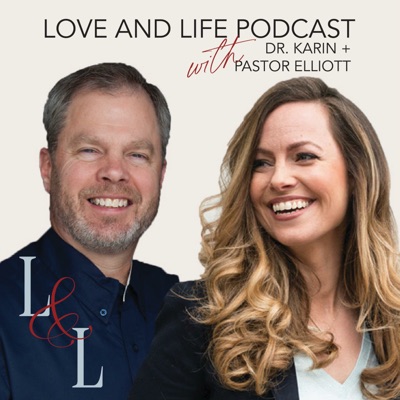
Love and Life with Dr. Karin and Pastor Elliott
Subscribed: 181Played: 7,208
Subscribe

© Dr. Karin and Pastor Elliott
Description
Love & Life is your place for conversations grounded in psych research, psychotherapy, and Biblical truth to help you THRIVE in love and life!
Join psychologist Karin Anderson Abrell, Ph.D. and pastor and psychotherapist Elliott Anderson, M.A., as they focus on relationships and how to flourish therein with a holistic approach to emotional and psychological well-being, recognizing we only thrive when we nourish each of these key domains—Mind, Body, and Spirit. Together they bring over 60 years of counseling experience and academic expertise to each podcast discussion and interview.
Join psychologist Karin Anderson Abrell, Ph.D. and pastor and psychotherapist Elliott Anderson, M.A., as they focus on relationships and how to flourish therein with a holistic approach to emotional and psychological well-being, recognizing we only thrive when we nourish each of these key domains—Mind, Body, and Spirit. Together they bring over 60 years of counseling experience and academic expertise to each podcast discussion and interview.
423 Episodes
Reverse

Anger isn't the problem—but what we do with it can change everything.In this episode, Karin and Elliott explore one of our most misunderstood emotions: anger. Is anger always sinful? What does the Bible actually mean when it says, "Be angry, but do not sin"? And how do we hold righteous conviction without becoming consumed by resentment, bitterness, or outrage?Drawing from Elliott's recent sermon on surrendered emotions, they discuss the difference between righteous anger and distorted anger, why unresolved anger often becomes part of our identity, and how surrender—not suppression—is the path toward emotional maturity.Elliott's book Simon Says captures many of the memorable sayings their father repeated throughout their childhood, including one they revisit in this episode: "Get happy." Together, Karin and Elliott reflect on the wisdom behind those words, where they fit within emotional health, and how they align with a biblical understanding of surrender and emotional maturity.Along the way they explore:The difference between righteous and distorted angerWhy identity and powerlessness often fuel our strongest emotional reactionsWhat neuroscience says about rumination and emotional habitsWhy venting isn't always healingHow surrender differs from stuffing your emotionsThe challenge of speaking truth with both conviction and humilityWhether your anger is directed at a relationship, the culture around you, or even toward God, this conversation offers a thoughtful look at how emotional honesty and spiritual surrender can coexist.Dr. Karin & Pastor Elliott AndersonWebsite: http://loveandlifemedia.com/Empowered Dating Playbook: smarturl.it/EmpoweredDatingBookInstagram: @dr.karin | @pastorelliottanderson

Conflict is inevitable. Disconnection doesn't have to be.In Part 2 of this conversation, Karin and Elliott continue developing a new framework for understanding conflict—not as something to avoid, but as an opportunity to build deeper intimacy. Together they workshop what Elliott calls the "relationship triangle," exploring how healthy conflict can lead to greater comfort and connection, while unresolved conflict often pulls couples into criticism, contempt, and emotional distance.They discuss why emotionally healthy relationships aren't defined by the absence of conflict, but by the ability to repair, reconnect, and move toward one another with courage and humility.Whether you're married, dating, or simply hoping to build healthier relationships, this conversation offers practical tools for recognizing unhealthy patterns, understanding where they come from, and learning how to return to connection when conflict inevitably arises.Dr. Karin & Pastor Elliott AndersonWebsite: http://loveandlifemedia.com/Empowered Dating Playbook: smarturl.it/EmpoweredDatingBookInstagram: @dr.karin | @pastorelliottanderson

The Lindsay Clancy trial has reignited difficult questions about postpartum mental health, psychiatric medication, personal responsibility, and the systems we trust to care for vulnerable people. But beneath the headlines lies a much bigger conversation.In this episode, Karin is joined by psychiatric nurse David Wayne to examine the case through the lens of someone who spent years working inside the mental health system. Together they explore the role psychiatric medications may have played, why adverse drug reactions are so often overlooked, and what this trial reveals about the current state of psychiatric care.The conversation also expands beyond one case. Karin and David discuss the growing crisis of trust in medical institutions, the challenges of informed consent, the importance of community support for new mothers, and how modern culture has increasingly replaced family and relational care with pharmaceutical solutions.Whether you've followed the Lindsay Clancy trial closely or are hearing about it for the first time, this conversation invites you to think more deeply about mental health, medicine, and the stories beyond the headlines.Dave WayneX: https://x.com/DescribeHealthDr. Karin & Pastor Elliott AndersonWebsite: http://loveandlifemedia.com/Empowered Dating Playbook: smarturl.it/EmpoweredDatingBookInstagram: @dr.karin | @pastorelliottanderson

The tragic Lindsay Clancy case has reignited difficult conversations about postpartum mental health, psychiatric medication, and how we care for people in emotional crisis. But beyond one heartbreaking story lies a much bigger question:Have we begun treating normal human suffering as something that always needs to be medicated?In this episode, Karin and Elliott explore the growing tendency to medicalize grief, anxiety, stress, and emotional pain, discussing how our culture often seeks immediate relief instead of deeper healing. They examine the role medication plays in mental health treatment, the importance of informed decision-making, and why counseling, community, family support, and spiritual care should remain central parts of the conversation. Together they wrestle with difficult questions surrounding the Lindsay Clancy case, the rapid increase in psychiatric prescribing, the complexity of postpartum struggles, and the responsibility of both healthcare providers and the broader community in caring for those who are suffering. Rather than offering simplistic answers, they encourage listeners to think critically, ask better questions, and remember that emotional pain is often part of the human experience—not simply a problem to eliminate.Dr. Karin & Pastor Elliott AndersonWebsite: http://loveandlifemedia.com/Empowered Dating Playbook: smarturl.it/EmpoweredDatingBookInstagram: @dr.karin | @pastorelliottanderson

Conflict is inevitable.Whether it's in marriage, friendships, family, or the workplace, every meaningful relationship will experience moments of tension, disappointment, and disagreement. But what if conflict isn't the problem? What if it's actually one of the greatest opportunities for growth?As the Freedom series continues, Elliott introduces a new framework for understanding conflict through the lens of connection, comfort, and Christ-centered relationships. Drawing from decades of counseling experience, he explains why most of us either avoid conflict or handle it in ways that create greater distance, and how healthy conflict can actually deepen trust, strengthen intimacy, and build lasting relationships.Together, Elliott and Karin explore why our family history, past relationships, personality, and emotional patterns all shape the way we respond to conflict. They discuss the importance of creating emotional safety, learning new relational habits, and recognizing that disagreement doesn't have to lead to division.Whether you're navigating conflict in your marriage, your family, your friendships, or at work, this conversation offers practical wisdom for approaching difficult moments with greater grace, honesty, and hope. Instead of seeing conflict as something to fear, you'll discover how it can become one of God's greatest tools for cultivating deeper connection and healthier relationships.Dr. Karin & Pastor Elliott AndersonWebsite: http://loveandlifemedia.com/Empowered Dating Playbook: smarturl.it/EmpoweredDatingBookInstagram: @dr.karin | @pastorelliottanderson

Comments

Download from Google Play

Download from App Store
 United States