


 Claim Ownership
QueerCore Podcast
Subscribed: 17Played: 581
Subscribe

© August Bernadicou
Description
Digging into The LGTBQ History Project’s vast interview archive, we portray the individuals who led from the frontlines, worked behind the scenes, and demonstrated resilience in their fight for civil rights. We seek to empower activists to vocalize their experiences in unfiltered narratives—a mission that remains singular. We are all about global recognition, preservation, and homage to often marginalized legacies. The QueerCore Podcast underscores the pressing need to uphold historical preservation and acknowledge narratives that might otherwise fade into oblivion.
35 Episodes
Reverse
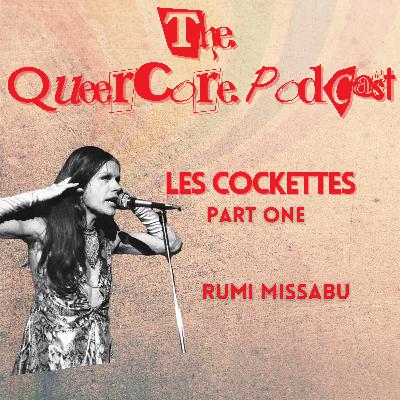
This episode takes a look at the life of Rumi Missabu, a founding member of the late 1960s and early 1970s Cockettes, a radical drag performer, and a counterculture visionary who spent years reshaping what art and identity were during his time. After the dissolution of the Cockettes, Rumi spent over 35 years off the grid, living in almost complete anonymity; however, his contributions to drag, performance, and queer culture continued to resonate long after his departure.This episode highlights not only the effects of renouncing one's notoriety but also how an individual can choose to remain anonymous while having a legacy that continues to grow in his absence. Rumi Missabu truly made the greatest comeback since Lazarus.
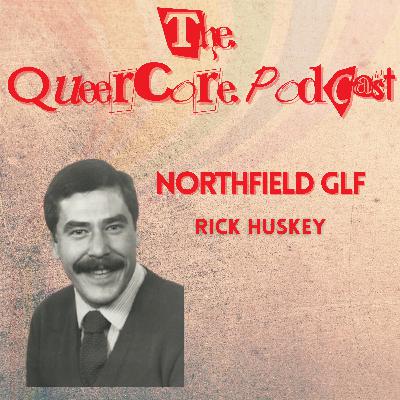
In this episode, we have Dr. Rick Huskey, a physician and theologian who was instrumental in the creation of Affirmation: United Methodists for LGBTQ Concerns. As a college student in 1971, Rick was one of the first to help create the Northfield, MN, Gay Liberation Front. He later took the fight for LGBTQ inclusion in the United Methodist Church head-on and challenged the church from within. Doing so cost him nearly 30 years of being able to be ordained. Rick lived his life in faith, quietly resisting the church to the best of his ability until he was finally ordained as a United Methodist Elder, just one day before he passed away.
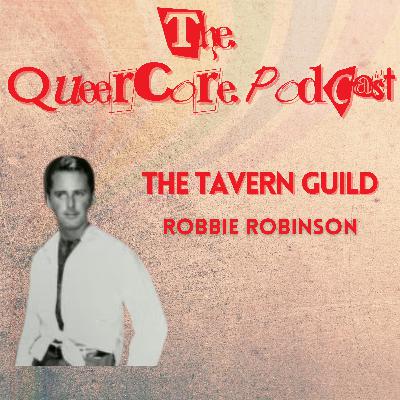
In 1962, seven years before Stonewall, Robbie Robinson co-founded the Tavern Guild, which was America’s first association of gay bars. A true pioneer for LGBTQ+ rights, he played an integral role in creating the organization that systematized San Francisco's gay nightlife and worked toward visibility and safety for the LGBTQ+ community. In this episode, Robbie talks about his trailblazing work with the Tavern Guild, whose impact on queer history we continue to experience today. Hear the incredible story of courage, solidarity, and rebellion in today’s world of LGBTQ+ individuals from someone who was there in the early days!
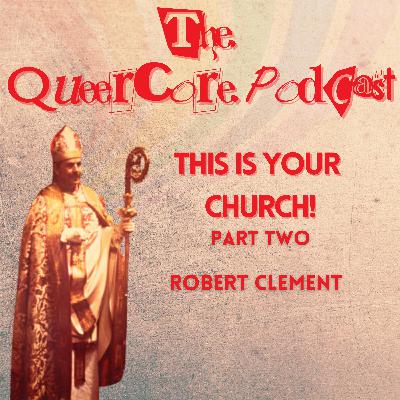
Part One was so juicy, we are bringing you Part Two. It's all about Reverend Robert Mary Clement, a pioneer in the LGBTQ religious movement. This is Your Church delves deeper into the life of Reverend Clement, spotlighting his groundbreaking ministry in New York City during the earliest years of gay liberation. We explore how the Church of the Beloved Disciple became a spiritual home for queer people at a time when few institutions offered safety or affirmation. This episode also traces Clement’s close collaboration with the Gay Activists Alliance, where his theology and activism intersected to challenge both church and state.
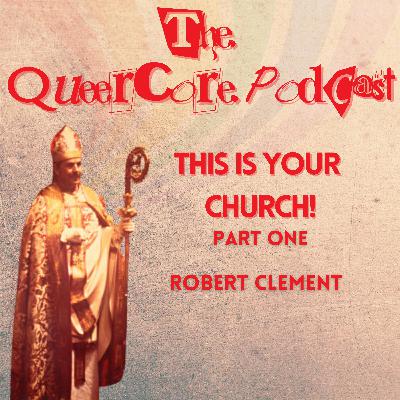
In this episode, you will be introduced to Reverend Robert Mary Clement, one of the very first openly gay bishops in the U.S. Before marriage equality was even on the radar, Clement marched in the original Pride parades wearing his clerical collar and conducted some of the first public "Holy Unions" for same-sex couples. You will hear about how he founded the Church of the Beloved Disciple and the queer-affirming radical faith he practiced in his ministry for multiple decades. There will be time for you to sit in the sanctuary carved out of protest and to hear Clement tell his story in his own words.
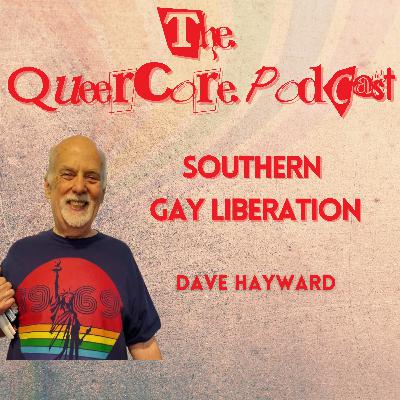
This episode focuses on Dave Hayward, a passionate advocate on the front lines of the gay liberation revolution. From calling the pre-gay liberation homophile organization, the Mattachine Society, from his college dorm in Washington, D.C., to organizing the first Pride march in Atlanta, Georgia, his experiences navigate the space between buttoned-up activism and radical revolution. He shares his joyful chaos and courage of coming out when "gay" was still a whisper, and how the struggles for liberation in the 1970s shaped the movement as we currently understand it. It's history told with grit, humor, and heart—by someone who has been a part of that history from the start.
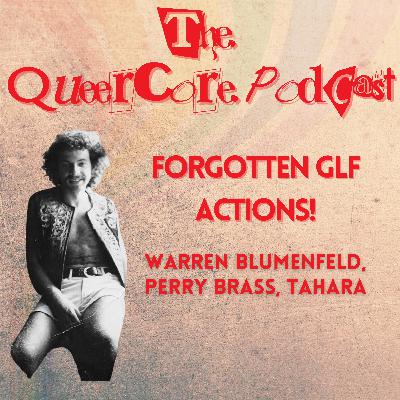
The revolution gets personal. In this episode, three pioneers from the Gay Liberation Front in Washington D.C., New York, and Berkeley share their experiences from the early years of the gay liberation revolution. Gay liberation swept the world, and many actions occurred that are largely unknown to history. Now that changes! This panel discusses the raw and chaotic moments that transformed the movement. From bold protests in Times Square to underground groups meeting to discuss actions, their stories highlight the anger, brilliance, and hope that drove change.Listeners will hear about blood and ink on the streets of New York, experiments in identity and power in Berkeley, and the struggle to redefine what it means to be “us.” This isn’t just history; it’s the heartfelt rhythm of change. Tune in to see how saying “we exist” turned into saying “we will be free."
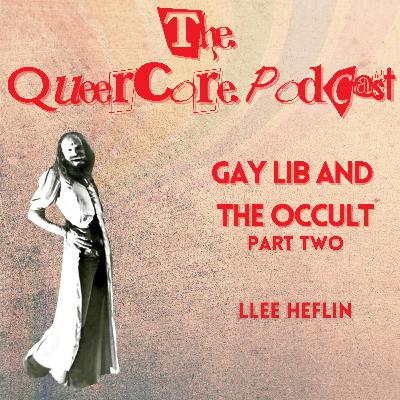
The rabbit hole gets wilder. You wanted gay lib and magik? We teased in the last episode—now get ready to dive in! In Part Two, Llee Heflin of the Los Angeles Gay Liberation Front shares insights: magik, magik babies, and the surreal, psychedelic queer experiments that pushed the limits of reality. There are outrageous rituals and mind-melting actions. Llee takes us on a journey where activism, art, and enchantment collide; nothing is ever what it seems. Get ready to peek behind the curtain of LA’s wildest queer underground and listen to the magik for yourself.
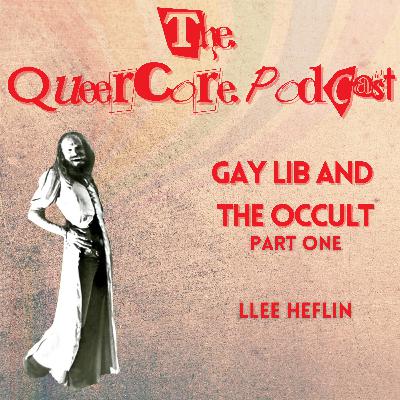
He’s back! In this episode, Llee Heflin, an early member of the Los Angeles Gay Liberation Front and author of the occult book The Island Dialogues, takes us deep into the intersections of radical activism, queer imagination, and literary exploration. From organizing on the frontlines of Los Angeles' gay liberation movement to crafting visionary works that challenge norms, Llee shares stories of courage, creativity, and community that helped shape a generation of queer thought and action. It’s a whacky and wonderful acid trip that will change your life! Guaranteed!
The QueerCore Podcast returns with an earth-shattering new season. Hear archival interviews with the LGBTQ+ pioneers who sparked the Gay Liberation Revolution after Stonewall—and discover how their lessons shape the fight for equality today.
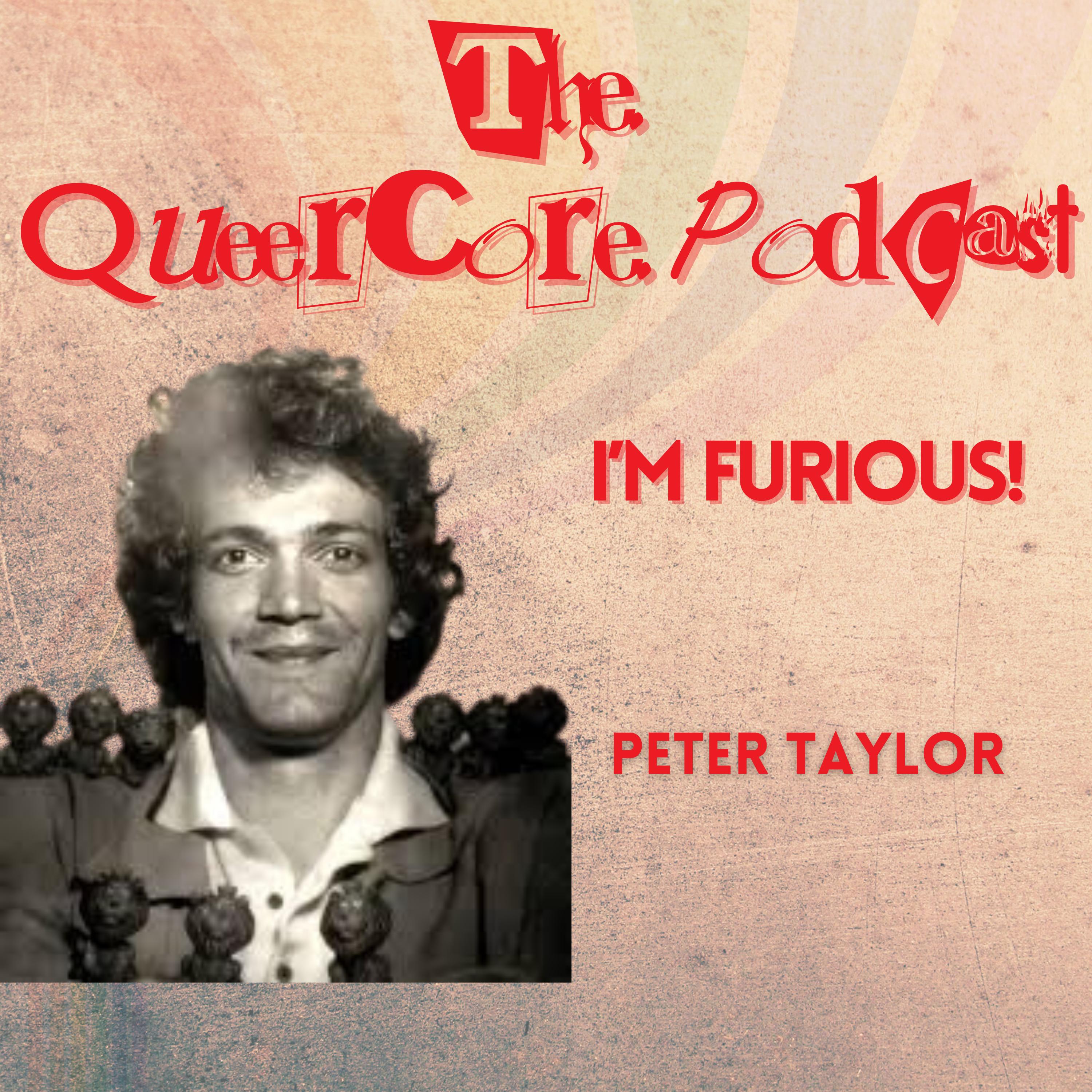
In this episode, Peter Taylor—once president of the Lexington, Kentucky Gay Liberation Front—revisits the raw, radical beginnings of queer organizing in Appalachia. From attempting to gain official recognition on a conservative college campus to being arrested under the pretext of solicitation, Peter doesn’t shy away from the shame, the fear, and the fierce resistance.You’ll hear how a simple act—offering someone a couch—was twisted into a legal weapon against him. His reflections reveal the nightmarish absurdities of entrapment laws, the weight of public outing, and the resolve it takes to push back against a system built on hiding. Tune in to walk beside a pioneer who knew early on that, if even living openly was dangerous, that was precisely the point.
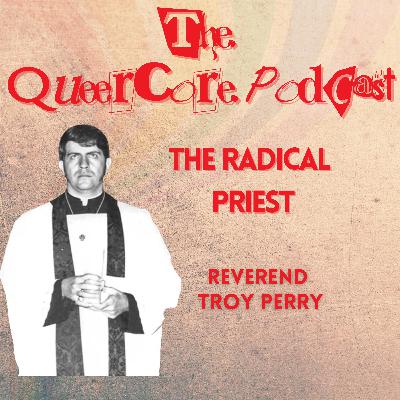
He’s preaching revolution! In this episode, Reverend Troy Perry, founder of the Metropolitan Community Church, joins us to chart his unlikely journey from Southern Baptist roots to gay‐affirming ministry and queer liberation. He recalls founding MCC in his living room in 1968, officiating groundbreaking same-sex marriages, and fighting for dignity when society told him faith and queerness could never co-exist. There were fires—literal and metaphorical—that threatened his church, courtroom battles, and protests in the street. Through it all, he held onto something radical: that God loves us all, fully and without apology. Tune in to witness faith as resistance and prophecy as sanctuary.
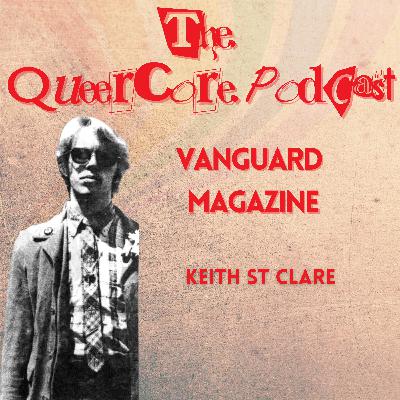
He’s back in the story: Keith St Clare, the trailblazing mind behind Vanguard magazine—“gay liberation pre-gay liberation”—returns to share how he gave voice to the untouchables at a time when many in the movement wanted conformity over difference. From serving in the U.S. Air Force underage, to publishing Vanguard under his own name and address, to producing a youth TV show and fostering hundreds of children, Keith’s life is a testament to radical care and uncompromised visibility. In this episode, you’ll hear about his fear, his courage, and how he chose writing joy, inclusion, and love over silence. His legacy isn’t just in the pages of a magazine—it’s in every life he lifted up and every unheard voice he amplified.
 1
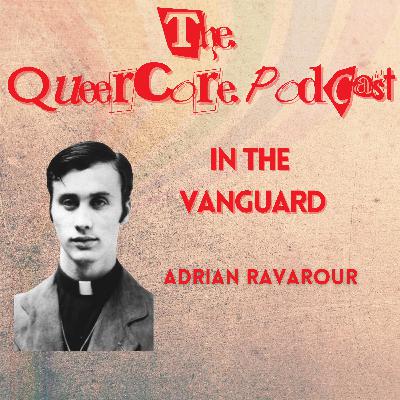
1He’s here and he’s taking us back. In this episode, Adrian Ravarour, founder of one of America’s earliest gay youth liberation groups, Vanguard, returns to share raw, unfiltered stories from the frontlines of queer rebellion in 1960s San Francisco. From organizing the now-legendary Street Sweep protests to quietly igniting the Compton’s Cafeteria Riot, Adrian reveals how grassroots action and street-level leadership changed the movement forever.Adrian’s voice is hopeful, defiant, and deeply personal—equal parts spiritual artist, former Mormon priest, and radical educator. He’ll challenge what you thought you knew about LGBTQ+ history, insisting that youth from the Tenderloin, not just well-heeled homophile groups, helped spark real liberation. Tune in to feel the energy, the stakes, and the stubborn beauty of queer resistance.
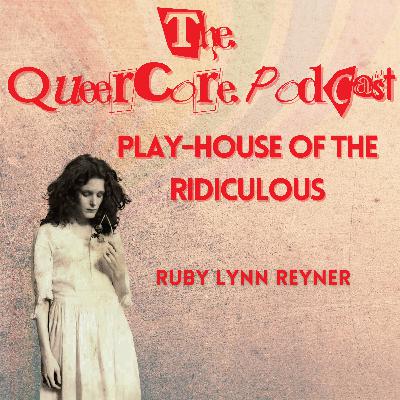
She’s back in our hearts: Ruby Lynn Reyner, the dazzling force behind the 1960s Play-House of the Ridiculous and frontwoman of glam-punk band Ruby and the Rednecks, joins us as we dive into her wild, glitter-drenched world. From being plucked off the street and thrust into a leading role in a John Vaccaro play to commanding the Downtown New York club circuit at Max’s Kansas City and CBGB’s, Ruby’s story is pure off-off-Broadway legend with a rebellious sparkle.We explore her fearless theatrical sprawl—from absurdist extravaganzas featuring surreal props (ever heard of a 12-foot, water-spraying “…?")—to her punk-glam musical mayhem wowing audiences as she shrieked, shrunk teddy bears, and stomped the stage with unapologetic fury. Ruby reinvented queer performance art as an act of joyful defiance, and in this episode, you'll feel every glittery, outrageous second.
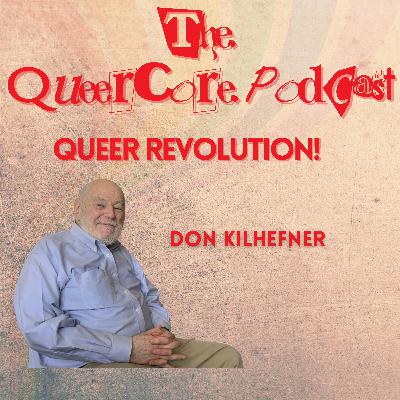
He’s back! In this episode, Don Kilhefner—an early member of the Los Angeles Gay Liberation Front, co-founder of the Los Angeles LGBT Center, and co-founder of the Radical Faeries—returns to share unflinching stories from the front lines of queer revolution. With sharp wit and unapologetic honesty, Don revisits the battles, the breakthroughs, and the vision that fueled a movement determined to change the world.From the tumult of the 1970s to the urgent challenges facing LGBTQ+ communities today, Don’s reflections remind us why liberation is never finished—and why queer love, rage, and imagination remain unstoppable forces for transformation.
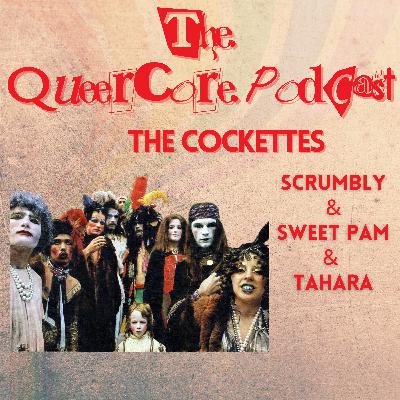
Glitter, rebellion, and radical joy take center stage in this episode as we sit down with Scrumbly, Sweet Pam, and Tahara, legendary members of the Cockettes and their free-theater offshoot, the Angels of Light. From San Francisco’s wild countercultural nights to community stages where anything was possible, they share how outrageous costumes, psychedelic music, and unapologetic queerness redefined performance and politics in the early 1970s.More than camp and glitter, their stories reveal a revolution in art and identity—where theater was free, gender was fluid, and every show was an act of defiance and love. Step into their kaleidoscopic world and discover how these visionary artists turned performance into liberation.
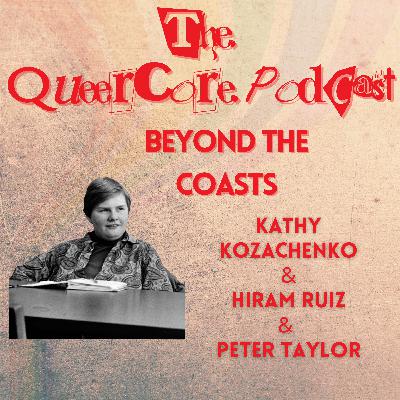
Dive into the fiery heart of early gay liberation as Kathy Kozachenko, the first openly gay candidate elected to public office in the U.S., Hiram Ruiz, who organized in the Tallahassee Gay Liberation Front, and Peter Taylor, a leader in the Lexington, Kentucky Gay Liberation Front, trace the movement’s roots beyond the coasts. Early 1970s Gay Liberation. Their stories prove that gay liberation was never confined to New York, San Francisco, or Los Angeles—it was taking root in communities across the country.From underground meetings to brave public declarations, these trailblazers recall the risks, raw emotion, and fierce solidarity that powered the movement and carried queer liberation from the margins to the mainstream.
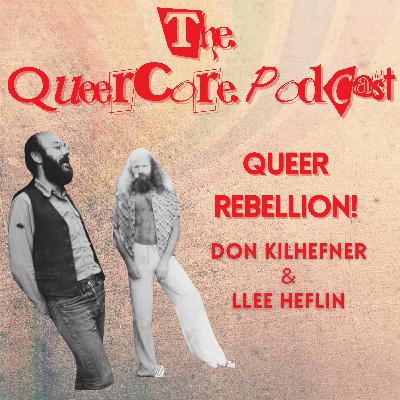
Step into the heart of the LGBTQ+ revolution with this raw and riveting podcast episode that unearths the power and passion behind the Los Angeles Gay Liberation Front. Join Llee Heflin and Don Kilhefner, two trailblazers who fought for the rights we sometimes take for granted today. From fiery protests to breaking down barriers, their stories are a testament to the fierce spirit that sparked a movement. Tune in for a glimpse of queer resistance in its purest form—raw, real, and unapologetic.
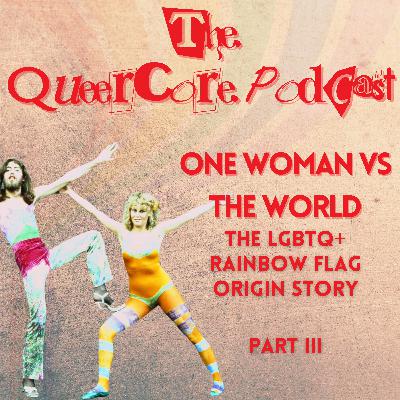
2024 is the year for women who have been pushed aside. Did you know that a woman was the catalyst behind creating the LGBTQ+ Rainbow Flag? No? Well, here we go, go go. Many enduring symbols that establish an instant understanding and define a diverse community are intrinsically linked with controversy, confusion, and ill-informed backstories dictated by vested interests and those who tell the story loudest. The LGBTQ+ Rainbow Flag is no different. While it was the work of many, the people who deserve credit the most have been minimized, if not erased. A woman named Faerie Argyle Rainbow (as per her driver’s license!) was one of the main movers. During this time, she was a member of the Angels of Light, a free-theater performance troupe whose members were forced to reject credit for their work. She proposed the idea for the Rainbow Flag, was the original dyer, and managed the whole kit and caboodle. After the 1978 flag’s debut, she moved to Japan. When she returned, the flag was everywhere (as it should have been), but the damage was done. There is more than enough credit to go around. We celebrate and respect everyone who played a role. This three-part oral history series features Faerie Argyle Rainbow, as well as John Serrian, Paul Langlotz, Lee Mentley, Adrian Brooks, Dan Nicoletta, Randy Alfred, and Bethany the Princess of Argyle.

Comments

Download from Google Play

Download from App Store
 United States