


 Claim Ownership
Khyeltam འཁྱལ་གཏམ།
Subscribed: 6Played: 52
Subscribe

© All rights reserved
Description
A podcast in Tibetan by two Tibetans, Jamyang Phuntsok and Ugyan Choedup, to discuss some Tibetan and not-so-Tibetan topics. Contact: khyeltam@gmail.com
51 Episodes
Reverse
ཨིན་ཇི་བཙན་རྒྱལ་རིང་ལུགས་སྐབས་ཀྱི་རྩོམ་པ་པོ་གྲགས་ཅན་རཌ་ཡཌ་ཀིཔ་ལིང་གི་བརྩམས་སྒྲུང་<ཀིམ།> ནི་བུ་ཆུང་གཞོན་ནུ་ཀིམ་དང་བོད་པའི་བླ་མ་“ཀྲེ་ཤུ་”(བཀྲ་ཤིས་ནས་ཟུར་ཆག་པ་འདྲ) བར་གྱི་བླ་སློབ་ཀྱི་འབྲེལ་བ་ཟབ་མོ་མཚོན་བཞིན་བླ་མའི་ཐུགས་རེ་ལྟར་འཕགས་ཡུལ་ཉུལ་ནས་སངས་རྒྱས་ཀྱིས་བྱིན་གྱིས་བརླབས་པའི་ཆུ་བོ་ཞིག་འཚོལ་བའི་བ་དང་། དེ་དང་དུས་མཚུངས་ཀིམ་རང་ཉིད་ཚར་ལོང་བྱུང་བཞིན་ཨིན་ཇི་གཞུང་གི་གསང་ཉུལ་གྱི་ལས་ཀར་བཞུགས་ནས་དགྲ་བརྒོལ་བྱས་པ་སོགས། རྒན་གཞོན་སུས་ཀློག་ཀྱང་བརྩམས་སྒྲུང་སྒྱུ་རྩལ་གྱི་བྲོ་བ་ཆེ་ཞིང་། མི་སྣའི་བཞེངས་སྐྲུན། ཡུལ་སྐོར། ལོ་རྒྱུས་ཀྱི་གནས་ཚུལ་དང་ཆབ་སྲིད་ཀྱི་རྒྱབ་ལྗོངས་སོགས་ཀྱི་མཐོང་སྣེ་སྣ་མང་ཅན་གྱི་བརྩམས་ཆོས་ཤིག་ཆགས་ཡོད། ད་དུང་དེ་ལ་ཕྱིས་སུ་ཨེཌ་བཌ་ས་ཡེད་ཀྱིས་བཙན་རྒྱལ་ཕྱི་མའི་ལྟ་ལུགས་ཐོག་ནས་དཔྱད་ཞིབ་ཟབ་མོ་བྱས་ཡོད་པ་སོགས་ནི་ད་ལན་ལེ་ཚན་འདིའི་བརྗོད་གཞིའོ།Despite Kipling's deep imperial sympathies, 'Kim' still remains an eminently readable novel today. I got the urge to pick up this book again after seeing an old Buddhist monk and his young charge in Bodhgaya recently. As a Tibetan, I do have several complaints about Kipling's description of Teshoo Lama who gives his blessings in 'ornate Chinese' and his predeliction for pointing out 'Oriental/Asiatic' tendencies in his native characters. Yet, as Edward Said notes in his essay on the novel, 'Kim' is not a political tract but a master work of imperialism, 'a rich and absolutely fascinating, but nevertheless profoundly embarrassing novel.' I discuss the novel and the essay in this new (short) episode.Support this podcast at — https://redcircle.com/khyyl-gtm-khyeltam/donations
ལེ་ཚན་སྔ་མའི་མུ་འབྲེལ་དུ་ད་ལན་ང་ཚོའི་ཕཱ་རཱན་སིའི་རྩོམ་པ་པོ་དང་ལྟ་གྲུབ་སྨྲ་བ་ཨཱལ་བེར་ཀཱ་མུའུའི་བརྩམས་སྒྲུང་<ཕྱི་མི།> ལ་དཔྱད་ཞིབ་དང་དེ་འབྲེལ་གནས་སྟངས་རིང་ལུགས་དང་ཆོ་མེད་རང་བཞིན་གྱི་ལྟ་གྲུབ། དེ་བཞིན་རྩོམ་པ་པོ་ཁོང་ཉིད་ལ་གཞན་གྱིས་སྡོམ་ཚིག་གནང་བ་ལ་ཕྱིར་ལྟ་དང་<མཚན་ཞག་སྟོང་གི་གཏམ་རྒྱུད།> ནས་གཏམ་རྒྱུད་དང་སྒྲུང་གི་རིན་ཐང་མདོ་ཙམ་སོགས་གླེངས་ཡོད། As a sort of continuation of our previous episode, this time we discuss Albert Camus’s famous novel ‘The Outsider’ and try to explore the ideas behind the philosophy of Existentialism/Absurdism which Camus highlighted through the novel’s anti-hero. We also briefly discuss literary critic Harold Bloom’s take on Camus and close with some thoughts on ‘One Thousand And One Nights'.Support this podcast at — https://redcircle.com/khyyl-gtm-khyeltam/donations
གདན་ཞུའི་བགྲོ་གླེང་བ་འཕྲིན་ལས་དབང་ཕྱུག་དང་ལྷན་དུ་ངེད་ནས་ནུབ་ཕྱོགས་ཀྱི་དེང་རབས་རྩོམ་རིག་སྒྱུ་རྩལ་ཁྲོད་ཀྱི་སྒྲུང་ཐུང་གྲགས་ཆེ་ཤོས་གྲས་འདིའི་སྐོར་དཔྱད་གླེང་བྱས་ཡོད། We discuss one of the most famous short stories of modern Western literature with our episode guest Thinley WangchukSupport this podcast at — https://redcircle.com/khyyl-gtm-khyeltam/donations
མི་རིགས་ཀྱི་ལྟ་བ་དེའི་བྱུང་རིམ་གང་འདྲ་ཞིག་ཡིན། དེ་ནི་མིའི་སྤྱི་ཚོགས་དང་རང་གཤིས་སུ་གདོད་མ་ནས་ཡོད་པའི་བསམ་བློ་ཞིག་ཡིན་ནམ།ཡང་ན་འཛམ་གླིང་ལོ་རྒྱུས་ཀྱི་ཀྱོག་འཚམས་དང་འགྱུར་ལྡོག་ངེས་ཅན་འགའ་ལ་བརྟེན་ནས་ད་གཟོད་བྱུང་བ་ཞིག་ཡིན། ཨེན་ཌར་སན་ལ་ལྟར་ན་མི་རིགས་ཀྱི་ལྟ་བའི་འཕེལ་རིམ་ནི་དུས་རབས་ ༡༨ ཡས་མས་ནས་བྱུང་བའི་མ་རྩ་རིང་ལུགས་དང་པར་སྐྲུན་གྱི་ནུས་པ་ཟུང་འབྲེལ་ལ་ཐུག་ཡོད། མ་ཟད་དེ་སྐབས་ཀྱི་པར་སྐྲུན་གྱི་ཐོན་རྫས་གཙོ་བོ་གཉིས་ཏེ་གསར་ཤོག་དང་བརྩམས་སྒྲུང་གིས་མི་རིགས་ཀྱི་ལྟ་བ་ཞིག་ཐོག་མར་མིའི་བློ་ཡུལ་དུ་འཆར་བར་བྱས་ཡོད། གནད་དོན་འདི་དག་ནི་ད་ལན་གྱི་ལེ་ཚན་གྱི་བརྗོད་དོན་གཙོ་བོ་ཡིན། གསན་སྤྲོ་བོ་ཡོང་བར་ཞུ།It is said that nations are 'objectively recent but subjectively ancient', or even eternal. So, then, how do we define a nation? For Anderson, nations come about through an act of imagining a political community, and it was first made possible in the 18th century by the advent of print capitalism. This is the gist of his seminal book (or at least its first three chapters). To hear us struggle to render accurately the term 'imagined communities' in Tibetan, also struggle to explain Anderson's unique take on how novels brought about a new way of apprehending time and thereby made it possible to imagine a nation, tune it to the latest Khyeltam episode.Support this podcast at — https://redcircle.com/khyyl-gtm-khyeltam/donations
We sat down to chat with Tenzin Choephel on the status of Tibetan language in exile and why more Tibetans should enter the field of Tibetan Studies. Choephel, born in Tibet, holds an MPhil in Tibetan and Himalayan Studies from the University of Oxford. He is also the founder of EasyTibetan and co-founder of TibShelf.ཐེངས་འདིར་ང་ཚོས་བསྟན་འཛིན་ཆོས་འཕེལ་ལགས་དང་ལྷན་དུ་བཙན་བྱོལ་དུ་བོད་ཀྱི་སྐད་ཡིག་གི་གནས་བབས་དང་། དེ་བཞིན་བོད་རིག་པའི་ཞུབ་འཇུག་ཁོངས་སུ་བོད་དང་བོད་རིགས་མང་དུ་འཇུག་དགོས་པ་སོགས་ཀྱི་སྐོར་ཁ་བརྡ་བྱས་ཡོད། ཆོས་འཕེལ་ནི་བོད་ནང་སྐྱེས་བཞིན་ཨིན་ཇིའི་གཙུག་ལག་སློབ་གྲྭ་ཆེན་མོ་ཨོགསི་ཕོཌ་ནས་བོད་དང་ཧི་མ་ལ་ཡའི་རིག་པའི་ཐོག་ཉེ་བའི་འབུམ་རམས་པའི་སློབ་གཉེར་གནང་། ཁོང་གིས་དྲ་ཐོག་ནས་བོད་ཡིག་སློབ་པའི་༼སློབ་སླའོ།༽སོགས་ཀྱང་གསར་འཛུགས་གནང་ཡོད།Support this podcast at — https://redcircle.com/khyyl-gtm-khyeltam/donations

After a long hiatus (perhaps inevitable in any long-distance, non-romantic relationship), we finally sat down to talk about something serious: Tibet and the Global Left. Expect a quick detour into a Tibetan YouTube controversy along the way.Intro/Outro theme: Karachal - Alash Ensemble (freemusicarchive.org/music/Alash_Ensemble/)Support this podcast at — https://redcircle.com/khyyl-gtm-khyeltam/donations

Discussion on the Epic of Gesar with Khenpo Ju Tenkyong. (Image: Himalayan Art Resources Inc.)Support this podcast at — https://redcircle.com/khyyl-gtm-khyeltam/donations

A short series on the history of 20th-century China.Intro/Outro theme: Karachal - Alash Ensemble (freemusicarchive.org/music/Alash_Ensemble/)Image: Anonymous. The Qianlong Emperor as an Emanation of the Bodhisattva Manjusri. Thangka, ink, and colors on silk. Palace Museum, Beijing. Presented entirely in keeping with Tibetan Buddhist iconography, this religious painting and others like it reinforced Qianlong's claim to rule as a righteous "wheel-turning king," or chakravartin. © Palace Museum, Beijing.Support this podcast at — https://redcircle.com/khyyl-gtm-khyeltam/donations
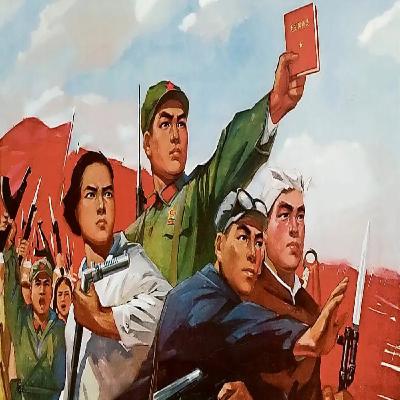
A short series on the history of 20th-century China.Intro/Outro theme: Karachal - Alash Ensemble (freemusicarchive.org/music/Alash_Ensemble/)Image: A Propaganda poster for the Chinese People’s Liberation Army, with Red Army and Red Guard members charging forward holding Mao Zedong’s Little Red Book. Photograph: GraphicaArtis/Getty ImagesSupport this podcast at — https://redcircle.com/khyyl-gtm-khyeltam/donations
An episode on the final chapter of Marx's Capital Vol. 1 where he delves into the origins of capitalist mode of production, giving an alternate picture of the theory of so-called primitive accumulation. (Image: Cover, Capital - Wordsworth Editions)Support this podcast at — https://redcircle.com/khyyl-gtm-khyeltam/donations
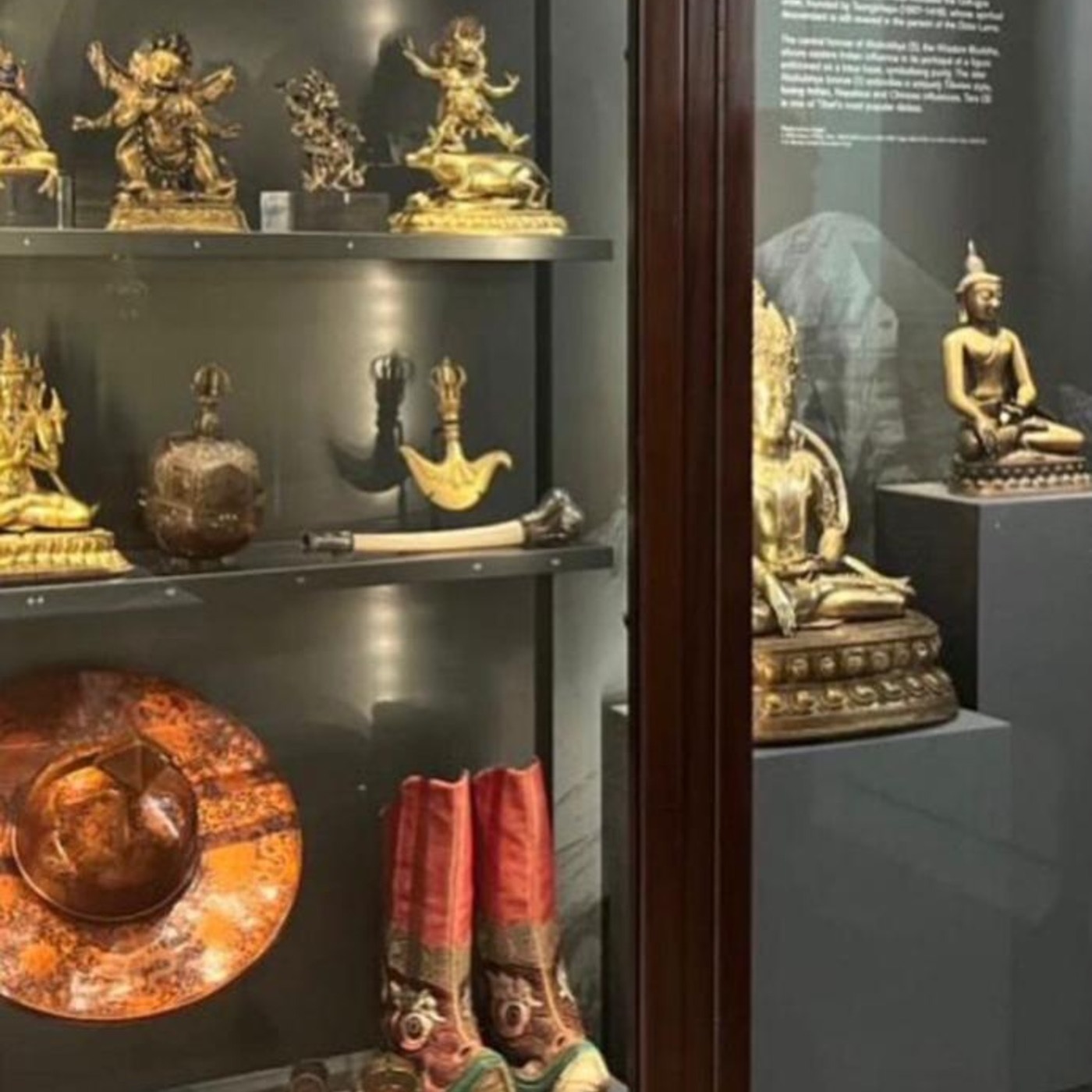
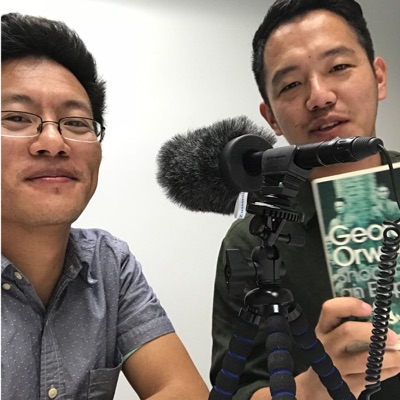
For this episode we decided to meet and discuss (like Dream and Hob Gadling in The Sandman) at least two new things we had done/learned/found worth thinking about since our last episode. These include questions about language and culture inspired by a trip to Ladakh, digging through the libraries and archives of former imperial powers like England and other European countries for Tibet-related materials (where would Tibet be on the late Queen’s Christmas culture property repatriation gift list?), Iranian filmmaker Kiarostami’s Koker trilogy and the idea of self-reflexivity in cinema and Tibetan politics. Particularly in Tibetan politics, let us reiterate. Overall, a real khichdi of an episode. All under an hour, we’re mighty please to add.Intro/Outro theme: Karachal - Alash Ensemble (freemusicarchive.org/music/Alash_Ensemble/)image: personal Support this podcast at — https://redcircle.com/khyyl-gtm-khyeltam/donations
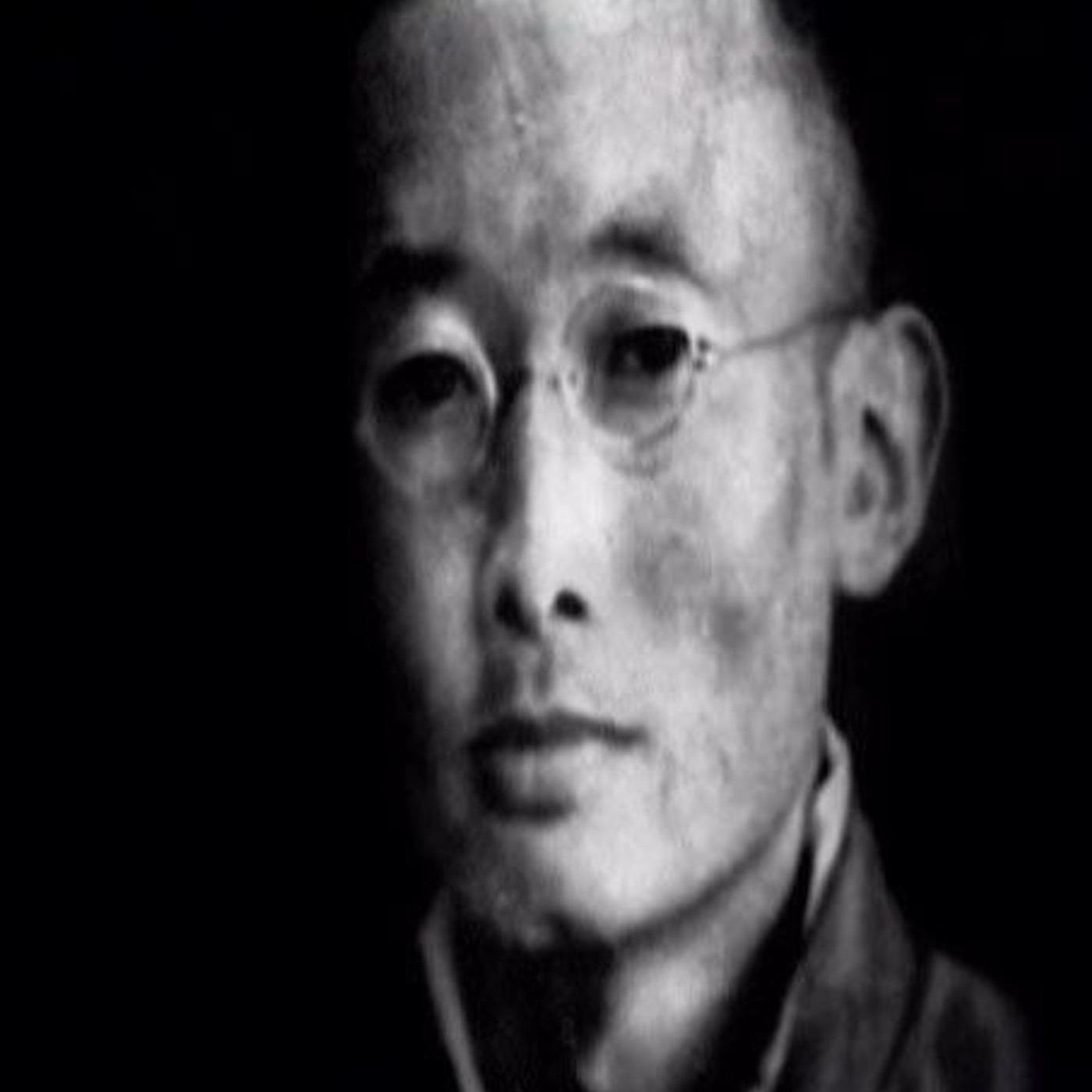
In this episode of Khyeltam, we discuss the life of Gendun Chopel (1903-1951), perhaps, one of the foremost modern Tibetan thinkers.Intro/Outro theme: Karachal - Alash Ensemble (freemusicarchive.org/music/Alash_Ensemble/)Image credit: unknownSupport this podcast at — https://redcircle.com/khyyl-gtm-khyeltam/donations

A 'short' episode on the unexpected cultural and historical sights and sounds I encountered on the Annapurna circuit trail in Nepal. Support this podcast at — https://redcircle.com/khyyl-gtm-khyeltam/donations
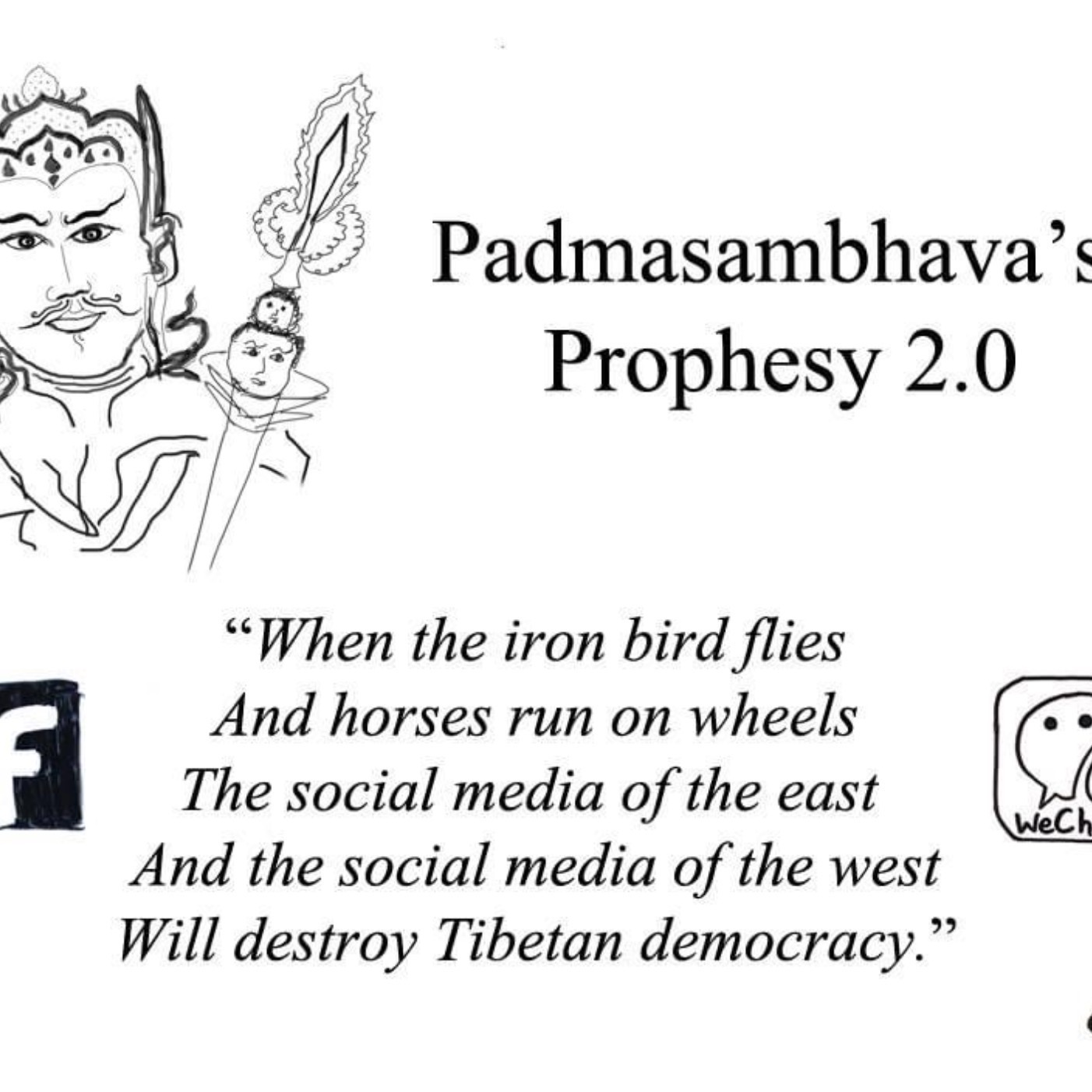
In this experimental free-style episode of Khyeltam, I sat down with Palden Sonam to discuss our thoughts on democracy. As will be apparent from the discussion, we began our conversation with no clear sense of how this episode will unfold or if we will decide to upload it. However, given our long, silence our last Khyeltam episode, I have decided to upload this here anyway.Intro/Outro theme: Karachal - Alash Ensemble (freemusicarchive.org/music/Alash_Ensemble/)Image: TendorSupport this podcast at — https://redcircle.com/khyyl-gtm-khyeltam/donations

What is history? How do we know what happened in the past? Can we know the truth of our past? In this episode, Jamyang and I discuss these questions based primarily on E.H Carr's classic work "What is history?" In order to make better sense of Carr's work, we have attempted to use some of the examples from the Tibetan context. The question of what is history is inextricably linked with larger question of can we know the truth? Therefore, perhaps, given you have many hours to waste, one can listen to this episode of Khyeltam along with our second episode (from season 1) on "Roshomon." Intro/Outro theme: Karachal - Alash Ensemble (freemusicarchive.org/music/Alash_Ensemble/)Image: E.H. Carr Source: https://www.newstatesman.com/culture/2019/05/history-according-to-eh-carrSupport this podcast at — https://redcircle.com/khyyl-gtm-khyeltam/donations

This episode is on Conspiracy Theory. It may or may not have been sponsored by the CIA. Support this podcast at — https://redcircle.com/khyyl-gtm-khyeltam/donations

ཨ་རོགས་ཚོ་བདེ་མོ། མ་མཇལ་ཡུན་རིང་། ལོ་ཕྱེད་ཙམ་ངེད་གཉིས་སོ་སོའི་ལས་གལ་ཆེ་ཆུང་སྣ་ཚོགས་ལ་བྲེལ་རྐྱེན་ལེ་ཚན་གསར་པ་བཅུག་མ་ཐུབ། ད་ལན་གྱི་བརྙན་ཡོད་ལེ་ཚན་འདི་ནི་འཁྱལ་གཏམ་དུས་ཚན་ནམ season གཉིས་པའི་འགོ་འཛུགས་ཀྱི་རྟེན་འབྲེལ་དུ་ཁྱེད་རྣམ་པའི་སྤྱན་ལམ་དུ་འབུལ། འདིའི་ནང་ད་བར་གྱི་ལེ་ཚན་དང་དེ་ལ་མཆན་དང་བསམ་ཚུལ་གང་བྱུང་བ་ལ་བསྐྱར་ཞིབ་དང་མ་འོངས་པའི་ལེ་ཚན་གང་བཟོ་འཆར་ཡོད་པ་སོགས་ཀྱི་སྐོར་ལ་གླེང་ཡོད།So, we decided our hiatus has stretched long enough (and just long enough to justify calling this resumption the season two of our podcast 😂). We promise you nothing but more of the same old, same old. In this one, we talk a bit about what we have been up to so far, (besides trying to book a slot on the Cowin app), a bit of an overview of season one, and a look ahead to some future episodes. It is in video primarily for the purposes of what we Tibetans call 'temdrel'.Support this podcast at — https://redcircle.com/khyyl-gtm-khyeltam/donations
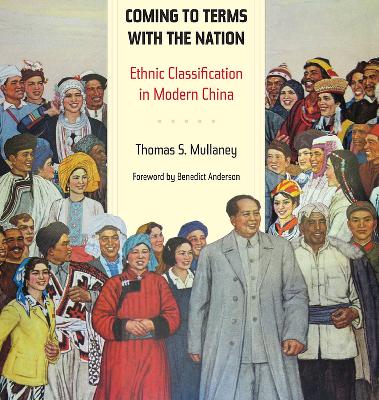
The modern Chinese empire (PRC) hides its colonial set-up by camouflaging itself as a multi-minzu (nationality/ethnic) nation-state. Central to this discourse is the idea of minzu. However, historically, this is a new concept. What is the origin of the term Minzu? How did the contemporary 56 minzu in China come into being? I discuss these questions and more in this khyeltam short episode on Thomas Mullaney’s book “Coming to terms with the Nation.”Intro/Outro theme: Karachal - Alash Ensemble (freemusicarchive.org/music/Alash_Ensemble/)Image: University of California PressSupport this podcast at — https://redcircle.com/khyyl-gtm-khyeltam/donations
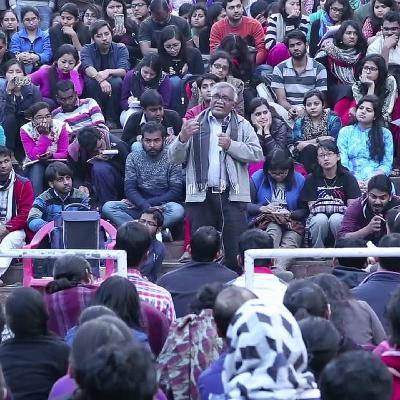
What is public sphere? A dominant liberal answer: a sphere where private individuals, members of a political community, on equal footing engage in reasoned deliberation on matters of public concern to form public opinions on what is public good(s). Such a sphere is fundamental to democracy—a sphere that mediates a relationship between society and state and holds later accountable to the former. What are the problems with this dominant liberal conception of public sphere? Fundamental to democracy is public deliberation but on what and whose terms and conditions are these deliberation taking place? In an actually existing society with unequal distribution of power, who gets heard? Who represents the public? How do subordinate groups reorganize and deliberate their public concerns? We read Jurgen Habermas’s classic work on the public sphere alongside Nancy Fraser’s critical rethinking to discuss these questions and more. Intro/Outro theme: Karachal - Alash Ensemble (freemusicarchive.org/music/Alash_Ensemble/)Image description: Gopal Guru, Dalit social and political theorist, speaking on nationalism in Jawaharlal Nehru University outside the VC's office. Amidst the widespread crackdown on student political activism under the new BJP government in India and the national media proclaiming students in the university as anti-national, the students and professors of the university reorganize themselves outside the University's VC office to debate what is a nation? How should we understand nationalism? In the process, they proclaimed the space as Freedom Square--a site Nancy Fraser might call subaltern public sphere, a site resistance and counter-discourse.Image Credit: still image from https://www.youtube.com/watch?v=joTTDAOyPLY&feature=emb_titleSupport this podcast at — https://redcircle.com/khyyl-gtm-khyeltam/donations
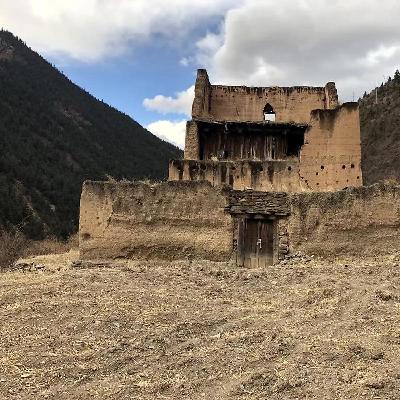
In the mid-19th century, Gonpo Namgyel, a relatively unknown chief from Nyarong in Kham, rose to power and went on to conquer most of Kham and cause problems for both the Lhasa government and the Qing court. He has been usually depicted as a villain or a bandit in the Tibetan written and oral sources, sometimes called ten-dra (enemy of the faith) but later inducted into the pantheon of Buddhist protectors, and as 'a leader of serf uprising' by Chinese Marxist historians. Yudru Tsomu's book, the subject of this podcast, tries to resolve these contradictory narratives by locating him properly in the context of local history and cultural milieu. At the same time, it provides a useful understanding of the power arrangement that existed between the various polities in Kham and their two neighbouring power centers in Lhasa and Beijing.Intro/Outro theme: Karachal - Alash Ensemble (freemusicarchive.org/music/Alash_Ensemble/)Image: Ruins of Gonpo Namgyal's Caste in NyarongSource: http://m.zangdiyg.com/article/detail/id/14863.htmlSupport this podcast at — https://redcircle.com/khyyl-gtm-khyeltam/donations

Comments

Download from Google Play

Download from App Store
 United States