


 Claim Ownership
Let's Talk Scripture
Subscribed: 9Played: 393
Subscribe

© Let's Talk Scripture (2020). All rights reserved.
Description
Verse by verse Bible study and commentary with Pastor Eric Lee. Deep and instructive teaching for critical students as well as beginners.
Visit us at: https://letstalkscripture.org
529 Episodes
Reverse
Get the notes!
The Antichrists Are Here: Discerning Truth in the Last Hour (1 John 2:15–24)
In a world filled with shifting ideologies and “modern” gospels, the Apostle John’s ancient warnings have never felt more urgent. If you have ever struggled to discern true biblical worldliness from legalism, or wondered how to identify the subtle “antichrists” mentioned in Scripture, this study is for you.
The Three Enemies of the Soul
John begins this section with a stark prohibition: “Do not love the world nor the things in the world.” To understand this, we must recognize that “the world” (the kosmos) is a theological system at enmity with God. John breaks down worldly desire into three distinct categories:
The Lust of the Flesh: The drive to satisfy our base, sinful nature (sarcos).
The Lust of the Eyes: A deep sense of dissatisfaction and a heart-level complaint against God’s sovereign providence.
The Pride of Life: Arrogance rooted in material status and “prosperity” that replaces spiritual humility.
Identifying the Spirit of Antichrist
John provides a “litmus test” for salvation and fellowship. He reveals that those who abandon apostolic doctrine were never truly of the Body. The hallmark of an “antichrist” (a false teacher) is a distorted view of Jesus.
True Christian orthodoxy requires a dual confession:
Jesus is the Christ: He is fully human, the physical Seed of David who suffered and rose.
Jesus is the Son: He is fully God, sharing the exact divine nature of the Father.
To deny either His humanity or His divinity is to lack a relationship with the Father. As believers, we are called to lean on the “anointing” (chrisma) of the Holy Spirit to discern these lies and abide in the original truth of the Word.
Deepen Your Study: The 1 John 2:15–24 Resource Bundle
To help you, your small group, or your congregation master these vital truths, we have packaged a complete, professional-grade study resource. This bundle is designed to take you from a high-level overview to deep theological mastery.
What’s Included in the Package:
Publication-Style Outline: A structured breakdown of the text with precise time markers for the video teaching.
Comprehensive Lesson Plan: An in-depth analysis of the Greek text, historical context (Docetism), and practical applications.
Teacher & Student Guides: 🍎 Tailored insights for leaders and 📖 interactive notes for students to ensure the message sticks.
Knowledge Mastery Tools: A 10-question publication-style quiz 📝 and a detailed answer sheet 🔑 with theological explanations.
Equip yourself with the discernment needed to navigate the “Last Hour.”
[Download the Complete 1 John 2 Study Bundle Here]

Get the notes!
Are You Walking in the Light? A Deep Dive into 1 John 2:7–14
In the modern church, many claim to know God, but the Apostle John provides a specific, inescapable “litmus test” to prove it: The Social Test of Love.
If we claim to be in the light but harbor hatred for a brother or sister, the Scripture is clear—we are still in the darkness. This teaching on 1 John 2:7–14 strips away religious pretension and challenges every believer to examine the reality of their fellowship with Jesus Christ.
The Commandment That Is Both Old and New
John describes the command to love as “old” because it has been the foundation of the Gospel from the beginning. Yet, it is “new” because Jesus Christ gave it a fresh, revolutionary standard. We are no longer called to merely “like” our neighbors; we are commanded to Agapa—to love with a self-sacrificing commitment that mirrors the Cross.
Three Stages of Spiritual Growth
This lesson also explores the unique categories of Christian maturity:
Little Children: Resting in the joy of forgiven sins.
Young Men: Standing strong against the evil one through the abiding Word of God.
Fathers: Possessing a deep, unshakable history with the Eternal Father.
Confronting the Darkness of Hatred
One of the most sobering aspects of this study is the warning against spiritual blindness. Hatred—including the sins of racism and partiality—does not just hurt the church; it blinds the individual. When we walk in hatred, we lose our spiritual orientation and stumble in the dark.
Deepen Your Study: Complete Resource Package
To help you, your small group, or your congregation master these truths, we have packaged this entire teaching into a professional, ready-to-use digital resource.
What’s Inside the 1 John 2:7–14 Study Pack:
Detailed Publication Outline: A comprehensive, time-marked breakdown of the 30-minute teaching.
Complete Bible Study Lesson: Narrative-style teaching designed for a Christian audience.
🍎 Teacher & 📖 Student Guides: Structured materials perfect for Sunday School or discipleship.
📝 Comprehensive Quiz: A 10-question assessment to test your understanding of Light vs. Darkness.
🔑 Answer Key & Rationale: In-depth explanations of the biblical text and Greek terminology.
Don’t just hear the Word—study it. This package is formatted for easy use in Microsoft Word and is available for immediate download.
[Download the 1 John 2:7–14 Resource Package Here]

Get the notes!
Stop Living a Lie: A Deep Dive into 1 John 2:1-6
Are you tired of “surface-level” Christianity that emphasizes spiritual feelings but ignores moral character? In this essential teaching from the Let’s Talk Scripture series, we explore the Apostle John’s direct challenge to the early church—and to us today.
John’s message is clear: If you claim to know Jesus Christ but live a lifestyle of habitual, unrepentant sin, you are living a lie.
The Heart of the Message: Practical Holiness
This study tackles the dangerous “Gnostic” idea that our spiritual life has nothing to do with our physical actions. John corrects this by providing the ultimate litmus test of salvation:
Our Advocate and Propitiation: We learn that when we stumble, we have a “Paraclete”—an Advocate—in Jesus Christ. He is our hilasmós, the one who satisfied and exhausted the righteous wrath of God against sin on our behalf.
The Evidence of Knowing Him: Knowing God isn’t about secret intellectual knowledge; it is evidenced by keeping His commandments. Obedience is the “strong identification” that you have truly been saved.
Walking as He Walked: To “abide” in Christ means our daily walk must reflect His righteousness. Our private lives must match our public worship.
Introducing the “Stop Living a Lie!” Study Package
To help pastors, teachers, and biblical students master this profound passage, we have developed a Complete Publication-Style Study Bundle. This package is meticulously formatted for easy use in Microsoft Word and is designed for a Christian audience seeking deep, theological growth.
What’s Included in the Digital Bundle:
Comprehensive Teacher’s Guide (🍎): Detailed pedagogical objectives, Greek word studies (Paraclete, Hilasmós, Teleioō), and instructional strategies.
Student Study Guide (📖): Structured notes, scriptural analysis, and personal application questions to drive the lesson home.
Publication-Style Outline: A professional, lettered/numbered outline featuring hyperlinked time markers to the video teaching for quick reference.
Formal 10-Question Quiz (📝): A non-interactive assessment to verify comprehension of key theological concepts.
Answer & Explanation Sheet (🧾): A deep-dive answer key that explains the “why” behind every answer using the original Greek context.
Master the Word of God Today
Whether you are leading a small group or deepening your personal study, this package provides the tools to move from theory to practical holiness. Ensure your profession of faith matches your daily walk.
[Download the Complete 1 John 2:1-6 Study Package Here]

Get the notes!
Walking in the Light: A Study of 1 John 1:5–10
In a world filled with moral ambiguity, the Apostle John provides a striking, uncompromising definition of truth: God is Light, and in Him, there is no darkness at all. Our latest teaching resource, “If You Say You Have No Sin… You’re Lying,” dives deep into the first chapter of 1 John to explore what it truly means to have fellowship with a thrice-holy God. This study is designed for believers who want to move beyond surface-level Christianity into a life of authentic, transparent communion with Christ.
What Does It Mean to “Walk in the Light”?
Many today claim to have a relationship with God while their “practice of life” remains in the shadows. This lesson explores the vital distinction between salvation (our eternal relationship with God) and fellowship (our daily walk with Him).
Key insights from this study include:
The Nature of God: Understanding God’s absolute holiness through the metaphor of Light.
The Present Tense Cleansing: Why the blood of Jesus isn’t just for our past—it’s for our continual cleansing as we walk with Him.
Refuting Self-Deception: A biblical response to the error of “sinless perfectionism.” If we say we have no sin, we call God a liar.
The Power of Confession: How 1 John 1:9 offers a complete, thorough restoration of fellowship the moment we acknowledge our faults before a faithful and righteous God.
Unlock This Complete Lesson Package
Designed for pastors, small group leaders, and serious students of the Word, this digital package provides everything you need to teach or study this text with theological depth and practical clarity.
This Digital Download Includes:
A Detailed Publication-Style Outline: Structured with time markers for the companion video teaching.
Comprehensive Bible Study Lesson: In-depth exposition using the NASB 1995 Updated Edition.
Teacher & Student Guides: 🍎 Teacher-specific insights and 📖 student application questions to facilitate meaningful discussion.
Assessment Tools: A publication-style quiz (📝) with a detailed answer sheet (✅) explaining the Greek and biblical logic behind each answer.
Deepen Your Study Today
Stop settling for a “darkened” walk. Learn how to live in the transparency of God’s light, relying daily on the advocate who is faithful to forgive and righteous to cleanse.
[Link to Product Page: Download the 1 John 1:5–10 Lesson Package]

Get the notes!
Who is Jesus? Your answer to that question determines your salvation and the quality of your fellowship with God. In our latest study of 1 John 1:1-4, we confront the ancient heresies that sought to strip Jesus of His humanity and explore the powerful eyewitness testimony of the Apostles.
The God-Man: Fully Divine, Fully Human
While the Gospel of John begins by emphasizing that “the Word was God,” the First Epistle of John was written to defend a equally vital truth: the Word became flesh. In this lesson, we examine the “Apostolic We”—the firsthand account of those who didn’t just hear about Jesus, but heard His voice, saw Him with their eyes, and touched His resurrected body with their hands. We explore why the physical body of Christ is not just a historical fact, but a theological necessity. Without a physical body, there is no cross, no shedding of blood, and no propitiation for our sins.
What You Will Learn:
The Timelessness of Christ: Understanding the Greek arche and why Jesus exists outside of created time.
Defeating Docetism: How to defend the faith against the error that Jesus was merely a spirit.
The Basis of Fellowship: Why true koinonia (fellowship) is only possible through the shared truth of the Apostles’ Doctrine.
The Pathway to Joy: How a settled mind regarding the person of Jesus leads to complete and lasting joy.
New Resource: 1 John 1:1-4 Complete Lesson Package
I am excited to announce that a comprehensive Lesson Product for this teaching is now available for download. This package is specifically designed for pastors, Bible study leaders, and students who want to go deeper into the Word.
Inside the Package:
Publication-Style Outline: Structured for easy teaching with integrated video time markers.
Teacher & Student Guides: Professionally formatted for immediate classroom use.
Comprehensive Quiz & Answer Sheet: 10 questions to test doctrinal comprehension with detailed theological explanations.
Video Integration Notes: Direct links and timestamp references to the original teaching video.
Whether you are preparing a sermon or looking to enrich your personal study, this package provides the tools you need to present the reality of the God-Man to a Christian audience.
[Click here to view the product page and download your copy today.]
Get the notes!
Understanding the Foundations: An Introduction to 1 John
As we begin a new journey through the First Epistle of John, we must first lay a firm foundation. Before diving into a verse-by-verse exegesis, it is vital to understand the “why” and “who” behind this powerful letter. In our latest teaching at Let’s Talk Scripture, we explore the apostolic authority of John and the urgent historical context that prompted this writing.
The Apostle of Love and Truth
The evidence for the Apostle John’s authorship is overwhelming. From the linguistic parallels with the Fourth Gospel to the intimate, eyewitness perspective of the “Word made flesh,” this epistle carries the weight of one who personally leaned on the breast of Jesus. John doesn’t just teach theology; he testifies to what his own hands have handled.
Combatting the Spirit of Antichrist
The primary battleground of 1 John is the defense of the Incarnation. In the first century, a heresy known as Docetism (an early form of Gnosticism) began to infiltrate the church. These teachers claimed that because matter is evil, Jesus could not have possessed a physical body.
John’s response is definitive: If Jesus did not have a physical body, He could not die. If He did not die, our sins are not paid for. The physical death of Christ was “absolutely necessary and critical” to satisfy the wrath of God against sin.
A Circular Journey of Faith
Unlike a linear argument, 1 John is circular. It repeatedly returns to three foundational pillars:
Truth: Maintaining a correct Christology (Jesus is God in the flesh).
Love: The essential requirement of loving the brethren as a mark of true faith.
Fellowship: Walking in the light by acknowledging our sin and relying on the Spirit.
New Release: 1 John Comprehensive Lesson Package
To help you, your small group, or your congregation dive deeper into these truths, we have released a complete 1 John Study Package. This resource is formatted for professional publication and is ready for immediate use in any teaching environment.
What’s Inside the Package?
Publication-Style Outline: A comprehensive, numbered breakdown of the entire introductory lesson.
Complete Bible Study Lesson: A detailed teaching manuscript following the NASB 1995 Updated Edition.
🍎 Teacher & 📖 Student Guides: Tailored resources with discussion prompts, key Greek terms, and reflection questions.
📝 Interactive Quiz & ✅ Answer Sheet: A 10-question assessment with full theological explanations for every answer.
Video Integration Notes: This entire package is meticulously timestamped to our “Introduction to 1 John” video, making it an ideal companion for digital learning or classroom settings.
[Download the Complete 1 John Lesson Package Here]
Get the notes here!
Restoring Unity: A Study of Galatians Chapter 6
Are you dealing with division, burnout, or the lingering effects of legalism in your fellowship? In this final chapter of Paul’s Epistle to the Galatians, we find the “spiritual balm” necessary to heal a fractured church. After dismantling the false teachings of the Judaizers, the Apostle Paul provides a practical roadmap for living out the freedom we have in Christ.
Healing through the Spirit
The lesson focuses on the transition from the “works of the flesh” to the “fruit of the Spirit.” When a brother or sister falls, the goal is not condemnation but restoration. We explore what it means to be “spiritually mature”—approaching the broken with a spirit of gentleness while acknowledging our own vulnerability to temptation.
The Law of the Harvest
Paul introduces the immutable law of sowing and reaping. This teaching provides a clear correction to modern misconceptions about “prosperity,” instead focusing on the biblical mandate to support faithful teachers and invest our resources in the Spirit rather than the flesh. We are encouraged to “not grow weary in doing good,” keeping our eyes fixed on the eternal return that awaits us when we see Jesus.
Boasting in the Cross
The climax of this study centers on Paul’s defiant resolve: to boast in nothing except the Cross of our Lord Jesus Christ. You will learn why religious rituals like circumcision hold no value compared to the reality of the “New Creation.”
Complete Lesson Package Available
To help you facilitate this study in your own church or small group, I have developed a comprehensive Lesson Product Package. This professional, publication-style resource is ready to be used in your ministry.
The Package Includes:
Comprehensive Publication Outline: A structured breakdown of verses 1-18 for clear teaching.
🍎 Teacher Guide: Leadership points on “The Israel of God,” stewardship, and restoration protocols.
📖 Student Guide: Printable notes with reflection questions and practical weekly applications.
📝 Comprehensive Quiz: A 10-question assessment to ensure theological clarity.
📋 Detailed Answer Sheet: Full explanations for every answer based on the Greek context.
Video Integration
This package is specifically designed to work alongside my video exposition. Each resource includes Video Integration Notes with timestamps, allowing you and your students to follow along with the teaching verbatim.
[Download the Galatians 6 Lesson Package Here]
Get the complete and comprehensive notes here!Victory in the Great Battle: Understanding the Flesh vs. the SpiritIn the life of every believer, there exists an internal conflict so significant that it determines the very quality of our walk with God. In his letter to the Galatians, the Apostle Paul identifies this as the struggle between the Flesh and the Spirit.This tension is not merely about “trying harder” to be good; it is about a fundamental shift in whose power we rely on to live a holy life.The Core of the Lesson: Liberty vs. LegalismMany Christians fall into the trap of legalism—attempting to keep God’s righteous standards through human willpower. Paul argues that this is an “opportunity for the flesh” that inevitably leads to failure, pride, and division within the Church.The alternative is not license (sinning because we are under grace), but Liberty. True Christian freedom is the power to serve one another in love. When we “walk by the Spirit,” we are empowered by God Himself to fulfill the heart of the Law naturally, without the bondage of a written code.The Dual Nature and the Divine GuaranteeThe believer possesses two natures:The Flesh: Our innate sinful inclination that produces deeds like immorality, strife, and sorcery.The Spirit: The divine nature that produces the singular fruit of Love, Joy, Peace, and Self-control.Paul provides a divine guarantee in Galatians 5:16: If you are being led by the Spirit, it is impossible to satisfy the desires of the flesh. The Spirit cannot sin; therefore, when we are dependent on Him, victory is secured.Equip Your Ministry: The Complete Product PackageTo help you or your congregation master these truths, we have packaged this teaching into a comprehensive digital resource. This study is designed for those who desire to move beyond surface-level religion and into a deep, Spirit-led existence.The “Flesh vs. Spirit” Study Package Includes:Professional Exegetical Outline: A detailed, publication-ready roadmap of Galatians 5:13–26.Comprehensive Bible Study Lesson: A deep-dive exploration into the Greek nuances and theological applications of the text.Educator’s Toolkit: Complete Teacher and Student guides featuring comparison charts and discussion keys.Assessment Suite: A 10-question quiz with a full answer sheet and theological explanations to ensure the material is mastered.Whether you are preparing a sermon, leading a small group, or seeking personal growth, this package provides the tools necessary to understand and apply the “crucified life” daily.Ready to transform your walk?[Download the Full Galatians 5 Study Package Now]
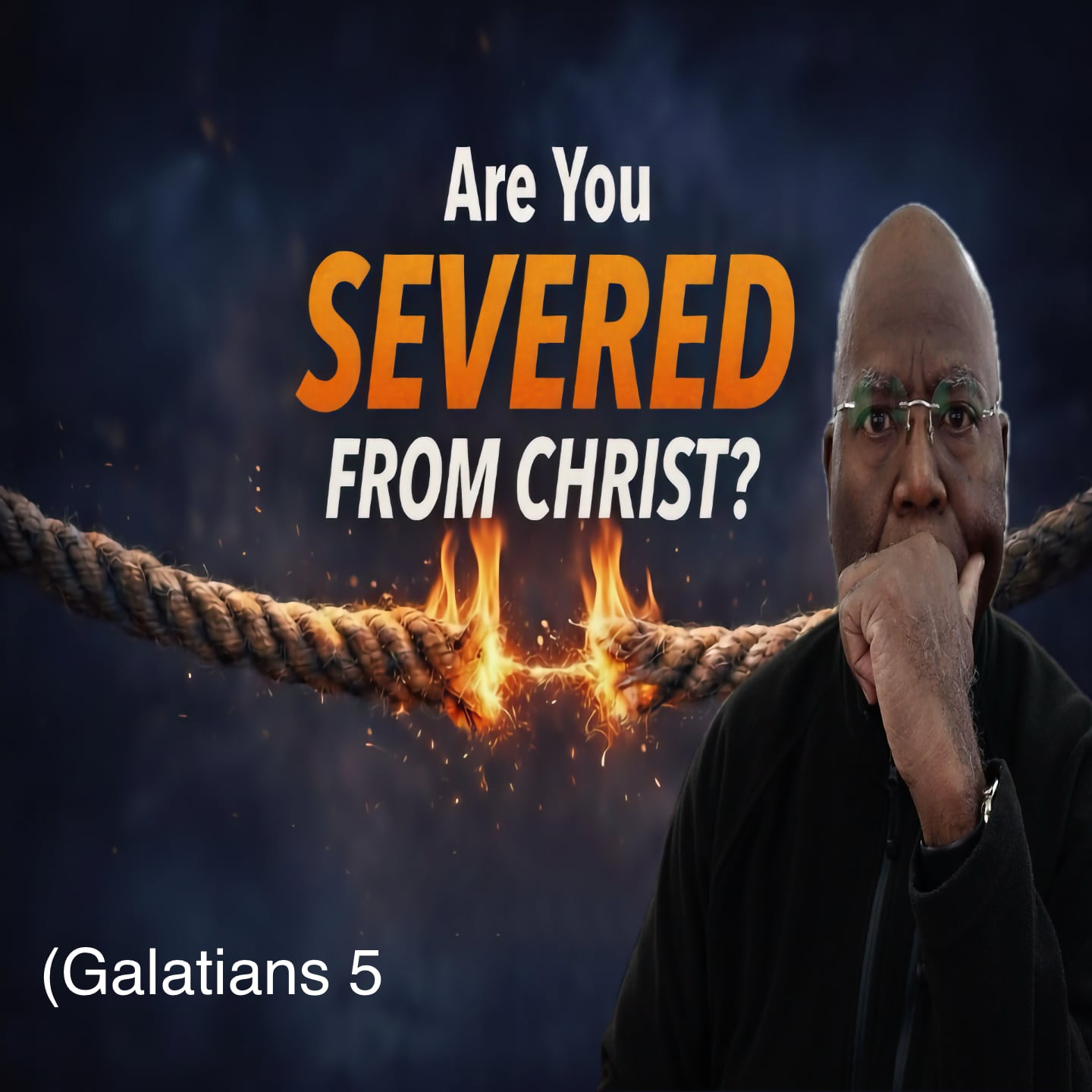
Get the notes now!
What Does Freedom in Christ REALLY Mean? (Galatians 5:1–12 Study)
Many believers struggle with the tension between following God’s commands and falling into the trap of legalism. In Galatians 5:1–12, the Apostle Paul delivers a stern warning: adding even a “little leaven” of human effort to the Gospel can sever you from the life of grace.
The Core Lesson: Stand Firm in Liberty
The foundational truth of this passage is that it was for freedom that Christ set us free. This isn’t a license to sin, but a liberation from the “yoke of slavery”—the impossible burden of trying to earn God’s favor through religious performance.
Key Insights from the Study:
The Law is All-or-Nothing: Paul makes it clear that if you choose to be justified by one part of the Law (like circumcision), you are obligated to keep all 613 commandments perfectly.
Falling from Grace: To “fall from grace” isn’t about losing your salvation, but about abandoning the system of grace for a system of works.
Faith Expressed Through Love: In Christ, outward rituals mean nothing. What counts is a living faith that acts through the motive of love, empowered by the Holy Spirit.
The Hope of Righteousness: We distinguish between our positional righteousness (our status in Christ now) and our realized righteousness (the perfection we await at Christ’s return).
Take Your Study Deeper: The Complete Teaching Package
If you are a pastor, small group leader, or a serious student of the Bible, we have packaged this entire expository lesson into a professional resource kit. This isn’t just a summary; it’s a full curriculum designed to help you teach these complex truths with clarity and authority.
What’s Inside the Galatians 5 Resource Pack:
Professional Teaching Outline: A structured, publication-style guide for sermons or lectures.
Comprehensive Teacher & Student Guides: Scannable, detailed notes to guide any group through the text.
10-Question Bible Study Quiz: Test your knowledge on the nuances of legalism vs. grace.
Answer Key with Theological Rationales: Deep-dive explanations for every answer to ensure sound doctrine.
Whether you are looking to enrich your personal devotion or equip your church, this package provides the tools you need to understand—and defend—the purity of the Gospel.
[Download the Galatians 5:1–12 Study Package Now]
Get the notes!
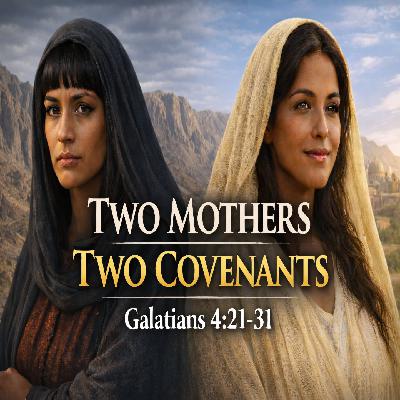
Understanding Our Inheritance: The Two Covenants of Galatians 4
In the life of every believer, there is a fundamental question that must be answered: Are you living by your own effort, or by the power of God’s promise? In the Apostle Paul’s masterful exposition in Galatians 4:21-31, he takes us back to the book of Genesis to settle this question once and for all. By contrasting the lives of Hagar and Sarah, Paul reveals the radical difference between a life of religious bondage and a life of spiritual freedom.
The Flesh vs. The Promise
The narrative of Abraham’s two sons, Ishmael and Isaac, is more than ancient history—it is a spiritual blueprint.
The Way of the Flesh: Represented by Hagar and Ishmael, this path relies on human “conniving” and effort to achieve God’s approval. It is the path of the Law, given at Mount Sinai, which leads only to bondage.
The Way of the Spirit: Represented by Sarah and Isaac, this path relies on a supernatural miracle. Isaac was born not because Abraham was strong, but because God was faithful to His Promise.
As children of the “Jerusalem above,” believers today are not under the thumb of legalistic rules. We are heirs to a kingdom, born of the Spirit, and justified by faith in the singular Seed: Jesus Christ.
Introducing: The Galatians 4 Comprehensive Study Suite
To help you dive deeper into these truths, we have packaged a complete set of professional study resources. Whether you are a pastor preparing a sermon series or a student of the Word seeking clarity, this package is designed to move you from the “yoke of bondage” into the “liberty of the Spirit.”
What’s Inside the Package:
Master Outline: A professional, publication-ready breakdown of the text without the “first-person” commentary.
Teacher & Student Guides: 🍎 Annotated guides for instructors and 📖 interactive handouts for students to facilitate high-level discussion.
Comprehensive Assessment: A 📝 10-question quiz designed to test for theological mastery.
Detailed Answer Sheet: A 📜 scriptural key that explains the “why” behind every answer, reinforcing the doctrine of Grace.
Secure Your Inheritance Today
Don’t let the “son of the bondwoman” dictate your standing with God. Understand your identity as a child of the free woman.
[Explore the Product Page & Download the Full Suite]
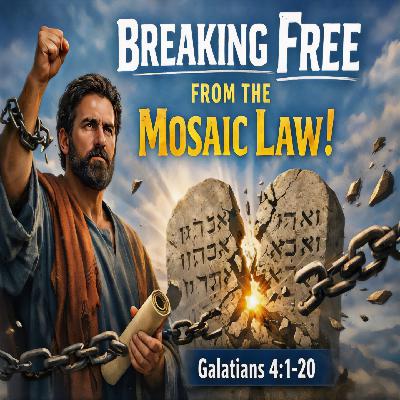
This study examines Galatians 4:1–20 as Paul continues his argument that the Mosaic Law was temporary — a guardian preparing God’s people for Christ. With Christ’s coming, believers move from slavery under the Law to sonship through the Spirit. Paul warns the Galatians that returning to observing the Law’s calendar and regulations is a regression into bondage promoted by the Judaizers. He appeals personally, reminding them of their former love for him and expressing pastoral anguish until they fully grasp the sufficiency and completeness of salvation in Christ alone.
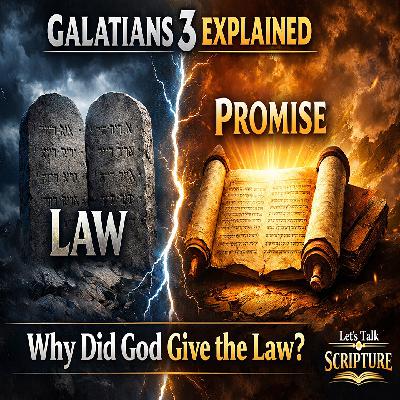
In this study of Galatians 3:15–29, we examine Paul’s argument that the promise to Abraham was fulfilled in Christ and cannot be nullified by the Law given 430 years later. What was the purpose of the Law? How does the singular “seed” point to Christ? And how are believers made heirs of the promise through faith? This verse-by-verse study explores covenant, justification by faith, and the relationship between Law and promise.
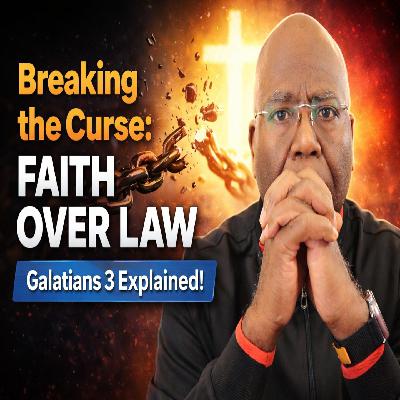
In Galatians 3:1–14, Paul argues that salvation and the gift of the Spirit come by faith in Christ, not by works of the Law. He appeals to the Galatians’ own experience, to Abraham’s justification by faith, and to Scripture itself to show that the Law brings a curse because it demands perfect obedience. Christ redeems believers from that curse by becoming a curse on the cross, so that both Jews and Gentiles receive the blessing of Abraham and the Spirit through faith alone.
Be sure to get the notes for this teaching!
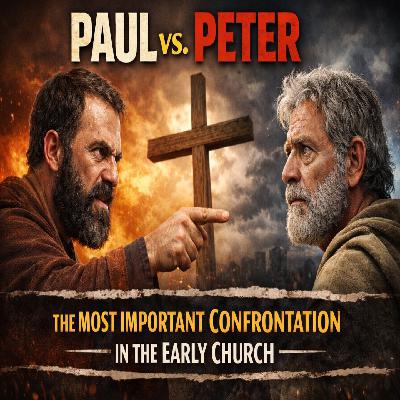
Paul vs. Peter: The Most Important Confrontation in the Early Church
Galatians 2:11–21
In Galatians 2:11–21, the Apostle Paul recounts one of the most significant moments in early church history: his public confrontation with the Apostle Peter in Antioch. This was not a personal dispute, but a theological crisis that struck at the very heart of the gospel itself.
Peter had been freely eating and fellowshipping with Gentile believers. However, when certain men from Jerusalem arrived, Peter withdrew out of fear and separated himself. His actions implied that Gentile believers were somehow spiritually inferior unless they adopted Jewish customs and practices. Paul recognized immediately that this behavior contradicted the truth of the gospel and publicly rebuked Peter for it.
At the core of Paul’s argument is the doctrine of justification by faith alone. Both Jews and Gentiles, Paul explains, are sinners and stand equally in need of salvation. No one is declared righteous by works of the law—whether Mosaic law or any system of human effort—but only through faith in Jesus Christ.
Paul then moves beyond the confrontation and gives one of the most profound theological statements in all of Scripture:
“I have been crucified with Christ; and it is no longer I who live, but Christ lives in me; and the life which I now live in the flesh I live by faith in the Son of God, who loved me and gave Himself up for me.” (Galatians 2:20, NASB 1995)
Here, Paul describes what it means to be “in Christ”—a complete union with Christ in which the believer’s old identity is replaced by a new life grounded entirely in faith. Salvation is not achieved by human obedience, moral effort, or religious performance, but by participation in the life, death, and resurrection of Christ.
Paul concludes with a powerful and emotional declaration:
“I do not nullify the grace of God, for if righteousness comes through law, then Christ died needlessly.” (Galatians 2:21)
If righteousness could be gained by anything we do, then the cross was unnecessary. But because salvation is entirely an act of divine grace, Christ alone is the foundation of our hope.
This passage stands as one of the clearest and strongest affirmations in the New Testament that salvation is by grace alone, through faith alone, in Christ alone.
Get your notes for this teaching!
What happens when the gospel itself is put on trial?
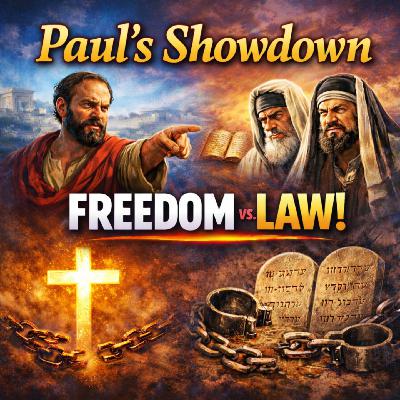
In Galatians 2:1–10, Paul faces pressure to compromise grace and return to the law — and he refuses.
False brothers attempt to force circumcision, re-impose the Mosaic Law, and drag Gentile believers back into spiritual bondage. Paul stands firm so that the truth of the gospel would remain.
This teaching reveals the real conflict in the early church: freedom in Christ versus religious legalism. You will see why Titus became the test case, how Paul defended the gospel, and why apostolic authority is rooted in divine calling, not human reputation. James, Peter, and John ultimately affirm Paul’s mission — proving that salvation is by grace alone, through faith alone, in Christ alone.
If you’ve ever wondered how law and grace fit together, why Paul resisted the Judaizers, or what it truly means to live free in Christ, this study will bring clarity and conviction.
Topics in this teaching:
Paul vs false teachers, law vs grace, Galatians 2 explained, Christian freedom, justification by faith, apostolic authority, early church controversy, sound doctrine, verse-by-verse Bible study
Get your notes for this teaching:
https://letstalkscripture.org/product/the-untold-story-of-pauls-apostleship-no-council-needed-galatians-111-24/
If you’ve ever wondered where Paul’s gospel really came from, why Acts 15 matters, and how grace stands apart from religious tradition, this study will change how you read the New Testament.
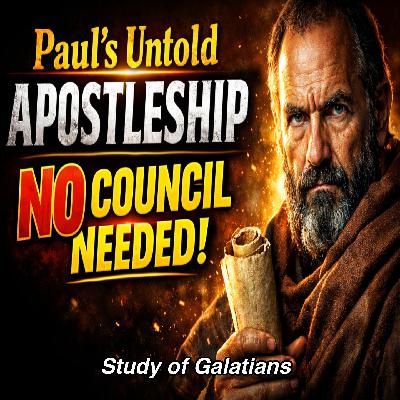
Paul did not receive his gospel from men — and he did not need Jerusalem’s approval. In Galatians 1:11–24, the apostle defends the divine origin of his message and reveals the hidden years that shaped his calling. From Arabia to Damascus, from persecution to proclamation, this passage exposes the truth about Paul’s independent apostleship and the source of his authority.
What happens when the gospel is distorted?
In Galatians chapter 1, verses 1 through 10, the apostle Paul delivers one of the strongest warnings in all of Scripture: “Let him be accursed.” This is not mild correction — this is divine seriousness.
In this teaching, we examine why Paul places such weight on the purity of the gospel, what he means by “another gospel,” and why altering the message of grace is not a small matter but a spiritual catastrophe. You’ll see how Paul’s words confront false teaching, defend apostolic authority, and remind the church that the gospel is not ours to modify.
If you care about sound doctrine, biblical truth, and understanding the real stakes of preaching Christ rightly, this study of Galatians 1:1–10 is essential.
The Epistle to the Galatians is Paul’s strong defense of the gospel of grace. He confronts believers who were being pressured to add Jewish law—especially circumcision—to faith in Christ, and he insists that justification comes by faith alone, not by works of the Law. The letter emphasizes Christian freedom, life in the Spirit, and the danger of returning to legalism after having begun by grace.

What did Jesus mean when he said said, “He who has ears to hear; let him hear!”?
A sober call to accountability: the rich are warned of coming judgment, believers are urged to endure suffering with patience until the Lord’s return, integrity in speech is demanded, and the church is reminded of the power of prayer, confession, and restoring those who stray.

Comments

Download from Google Play

Download from App Store
 United States