


 Claim Ownership
You in 2042 ... The Future of Work
Subscribed: 0Played: 0
Subscribe

© Danielle Wallace
Description
Glimpse into the future with thought provoking insights from global thought leaders. Imagine yourself in 2042 with the work world transformed around you. Get ready for this future now!
64 Episodes
Reverse
Lorne Novolker, co-founded Prospero Learning and a seasoned leader in talent development and digital transformation, shares how organizations can navigate workforce change in an AI-accelerated world. From putting strategy before software to integrating AI into core talent decisions, he explains why this moment requires thoughtful leadership—not fear-driven reactions.Tune in to hear his perspective on human differentiators like empathy and judgment, the shift from task-based work to decision-based roles, and the critical debate between skills-first and AI-first strategies. Connect with Lorne at novolker.com or on LinkedIn.Show Notes[00:01] Introduction to Lorne NovolkerLorne Novolker is a seasoned leader in learning, talent development, and digital transformation. He co-founded Prospero Learning and was a former executive at GP Strategies and Calian Learning. He now advises organizations on AI-driven talent strategy and EdTech innovation, helping leaders navigate workforce transformation in an AI-accelerated world.[02:02] AI and the Crossroads of Talent StrategyHe describes this moment as both exciting and unsettling, emphasizing that AI must move beyond IT and into core talent strategy. Organizations need to rethink how they recruit, develop, and lead in a way that integrates AI without creating fear.[03:43] Strategy Before SoftwareLorne stresses that AI implementation requires strategic thinking—not just software deployment. The real opportunity lies in integrating AI with human capability, not treating it as a standalone technical solution.[05:07] Lessons from Past Digital TransformationsDrawing parallels to the fax machine, email, and social media, he reflects on how each wave of technology reshaped work. These past evolutions offer important lessons for how we approach AI’s rapid acceleration today.[05:50] Human Differentiators as Premium SkillsHe emphasizes that empathy, critical thinking, context, and judgment will become even more valuable. Rather than competing with AI, humans must complement it by focusing on uniquely human strengths.[07:33] From Task-Based Work to Decision-Based RolesLorne explains that work is shifting away from repetitive tasks toward decision-making and critical thinking. Judgment, in particular, becomes a defining capability in the AI-enabled workplace.[08:50] Learning Faster Than the Pace of DisruptionWith AI accelerating change, he underscores that thriving will depend on the ability to learn faster than disruption unfolds.[09:36] The Cost-Cutting TrapHe identifies a major pitfall: organizations focusing primarily on cost savings rather than long-term value creation. This mindset fuels workforce fear instead of innovation.[11:30] The Skills-First or AI-First DebateLorne outlines the strategic dilemma many organizations face: Should they build a strong skills architecture first and layer AI on top? Deploy AI rapidly and adapt skills later? Or attempt both in parallel? The approach taken will significantly shape future outcomes.[13:04] Connect with Lorne NovolkerHe invites listeners to connect via LinkedIn or visit novolker.com to continue exploring how AI and talent strategy can evolve responsibly and effectively.
Emily Coleman, Co-Founder and CEO of a higher education data analytics company, shares how colleges can prepare students for the jobs of 2042. She explains how predictive modeling informs enrollment, retention, and student success, why adaptability is critical in higher education, and how alternative degree models and data literacy can future-proof graduates.Learn practical insights on using data, nimble strategies, and innovative learning models to help students—and institutions—thrive. Connect with Emily at haianalytics.com or on LinkedIn @EmilyColeman.Show Notes[00:26] Introducing Emily ColemanEmily Coleman is the Co-Founder and CEO of a data analytics company serving higher education. With over 23 years in the field, she and her team build predictive models for “admit-to-enroll yields, retention, and student success,” helping institutions make more informed decisions.[01:04] Preparing Students for 2042 JobsEmily notes that while data science and AI programs are important, the larger issue for colleges and universities is adaptability. She explains that higher education struggles to “shift strategy around to meet new needs” due to its structure—tenured faculty, physical campuses, and long-standing systems. Institutions that learn how to be more nimble, she says, will be the ones that succeed.[02:18] Why Data-Driven Decision Making MattersEmily reflects on how far higher education has come, explaining that when she started her career, a data-driven strategy wasn’t widely embraced. Today, “almost every job has some sort of data component,” even if individuals aren’t directly working with the data themselves.[03:37] Predictive Modeling in Higher EducationShe describes how universities rely on predictive modeling to support enrollment goals that go beyond headcount and revenue. Schools use data to balance program needs, geographic and ethnic diversity, and limited financial aid—while also examining retention and student satisfaction. Data, she says, now works alongside experience and intuition to confirm or challenge assumptions.[03:54] Data Literacy and Job ReadinessEmily explains that most students now graduate with some exposure to data or statistics. While not every career requires great technical skills, she believes understanding how data informs decisions helps graduates be “better off” in a workforce where data is used across industries.[05:03] Rethinking the Traditional Degree ModelAs more students question the value of a four-year residential degree, Emily emphasizes the need for alternative learning models. She points out that “everyone coming for four years” is no longer practical, especially for working adults, parents, and non-traditional students. Institutions that meet learners where they are will be more sustainable long-term.[06:34] Accelerated Degrees and Return on InvestmentEmily highlights the growing use of accelerated degree programs, noting that saving even a year of tuition can make a significant difference—while still keeping job outcomes and future-ready skills in focus.[09:07] Where to Learn MoreEmily invites listeners to connect with her on LinkedIn or visit her company’s website at haianalytics.com to learn more about her work in higher education and data analytics.
Desiree Goldey, Founder of Do Better Consulting, shares real talk about the future of work, shaped by empathy, authenticity, and people-first leadership. She dives into the evolution of DEI and the crucial role middle managers play in creating lasting change. Tune in for bold insights and connect with Desiree at dobetterconsulting.net or LinkedIn.Show Notes[0:30] Introducing Desiree GoldieDesiree Goldie, Director of Marketing and Culture at ZRG Partners. With roots in hospitality, she transitioned into the talent space in 2015 to champion DEI, eventually expanding her expertise across recruiting, operations, analytics, and marketing.[2:05] Shifting to a People-Centered FutureDesiree shares her perspective on how the world of work is evolving. She sees a move away from company-centric mindsets toward a stronger focus on people. As we head toward 2042, empathy, inclusion, and belonging will be essential for organizational success, regardless of what labels are used.[3:47] The Evolution of DEI and LeadershipDesiree reflects on the surge of DEI initiatives in 2020, noting that while momentum grew, many efforts lacked depth. Organizations often prioritize representation without fostering true inclusion and belonging. As we move forward, she emphasizes the need for intentional strategy and training, especially for leaders and middle managers, to create genuinely inclusive environments by 2042.[6:43] Empathy and Authenticity as StrategyDesiree highlights empathy and authenticity as powerful leadership tools. Leaders who show vulnerability and genuinely support their teams can instantly transform workplace dynamics. She stresses that while empathy may come naturally in personal life, applying it at work is a different skill—one that must be intentionally taught and nurtured.[8:25] The Power of Being HumanDesiree emphasizes the importance of simply being human in interactions. She argues that if leaders approach others with empathy and authenticity, not just for the sake of metrics or profits, the world and workplaces would undergo a significant transformation. She advocates for the correlation between empathy, authenticity, and success, believing it can drive both positive societal and organizational change.[9:07] Connecting with DesireeYou can follow Desiree on LinkedIn, where she actively shares insights and connects with her community. Visit dobetterconsulting.net to learn more and join her newsletter. She’s also on BlueSky under the handle @dobetter.
Tara Chklovski, former aerospace engineer and CEO of Technovation, breaks down what it takes to thrive in a future shaped by rapid AI growth. From “durable human skills” to managing cognitive load, she shares how to stay relevant, confident, and creative as technology accelerates.Gain practical insights on building technical confidence, navigating uncertainty, and preparing yourself—and the next generation—for a world where anyone can create, lead, and solve meaningful problems. Connect with Tara at Technovation.org or on LinkedIn @TaraChklovski.Show Notes:[00:12] Introducing Tara ChklovskiTara Chklovski, former aerospace engineer and CEO of Technovation, leads the world’s largest AI accelerator. She reflects on the rapid pace of change as we look 17 years ahead.[00:57] Rethinking How We Predict the FutureTara shares why predicting 2042 is difficult, noting how unpredictable the past 17 years have been. She recalls Technovation’s early innovations—from mobile app education shortly after the iPhone’s release to publishing curriculum on MOOCs—reminding us that the lead time for staying ahead keeps shrinking.[02:10] Humans and AI: A Growing CollaborationTara sees human–AI collaboration accelerating, sharing an example of a pastor in Kenya using ChatGPT for weekly sermons. It’s one sign of how quickly AI is integrating into everyday life.[02:40] Beyond Prompt Engineering: Building Durable Human SkillsShe highlights the “durable human skills” needed in an AI-driven world—creativity, empathy, and problem-solving—and previews an upcoming Oxford workshop focused on these capabilities.[03:00] Solving the Hard Problems TogetherAs simpler issues get solved, Tara notes we’re left with complex, human-centered challenges like inequality and suffering. AI can help address them, but only if people shift toward purpose-driven, collective problem-solving.[04:00] Skills for 2042: Data, Design, and Decision-MakingTara points to rapid prototyping, data science, and analytical thinking as core future skills. With abundant knowledge at our fingertips, people can create and lead more than ever—if they’re ready to make bold decisions.[05:18] Empowering the Next GenerationShe believes technology and entrepreneurship will remain essential. Future teams will operate faster, smaller, and globally, achieving impact with fewer resources.[05:39] The Bottleneck of Cognitive LoadTara warns that while tech accelerates, human cognitive limits don’t. Managing cognitive load will be a major challenge as problems and workdays grow more complex.[06:09] Resilience as a Core SkillShe emphasizes resilience and cognitive load management as key leadership skills. Tara urges integrating coping strategies into education to prepare future leaders.[07:10] Why Technical Learning and Self-Efficacy Matter Most NowTara stresses cognitive problem-solving and self-efficacy as essential. Staying relevant means embracing discomfort, learning new skills, and practicing technical problem-solving daily. She encourages everyone—even beginners—to build simple coding projects to expand their confidence and adaptability.[09:45] Blurring Work-Life Boundaries for GrowthShe challenges traditional work-life balance, suggesting deeper integration helps individuals continue learning while tackling big problems.[10:10] From Passive Consumption to Active CreationTara notes how much time is spent on passive consumption and urges shifting toward making and building instead.[10:50] Making Small, Intentional ShiftsEven replacing a small portion of passive habits with simple technical projects can improve problem-solving and confidence.[11:12] Where to Find Tara’s Work and WisdomTara invites listeners to explore Technovation.org , where her organization empowers girls globally to solve real-world problems with technology. She also encourages people to volunteer or judge student submissions, and to follow her on LinkedIn for practical insights and learning tips.
Chris Dyer, a workplace strategist, examines how organizations can thrive amid rapid technological change. He discusses the need for clear goals, continuous learning, and workforce adaptability to ensure AI and automation enhance productivity rather than create barriers. Chris shares practical insights on how leaders and employees can embrace new technologies, stay relevant, and foster a culture of growth in an evolving digital landscape.Explore how workplace culture and technology shape the future of work. Gain actionable strategies to adapt, lead, and thrive. Connect with Chris Dyer on LinkedIn and learn more at ChrisDyer.com.Show Notes[00:26] Introduction to Chris DyerChris Dyer, a retired CEO and leadership speaker, shares his expertise in workplace culture and how to make work more engaging while preparing for the future.[01:05] The Acceleration of ChangeChris Dyer explains how technological cycles are becoming shorter, accelerating the pace of change in the workplace. While previous generations experienced one major shift in their lifetime, today's workforce navigates multiple transformations, from the rise of the internet to AI and the Internet of Things. He emphasizes the need for adaptability, urging leaders to embrace change rather than resist it.[03:06] The Cultural Impact of Rapid ChangeHe discusses how the fast pace of change could disrupt societal and workplace culture. Without shared beliefs or a common language, organizations risk losing their foundational identity. He illustrates this with a personal anecdote, questioning whether future generations will even need to learn how to drive as autonomous technology advances. This shift, he warns, could redefine not just work but fundamental aspects of human experience.[04:40] The Workplace Challenge of Keeping Up with ChangeChris Dyer highlights the growing gap between institutional knowledge and technological fluency. He compares it to the frustration of teaching older generations how to use new devices, warning that employees who struggle to adapt may become a burden rather than an asset. To bridge this divide, he predicts a resurgence in workplace training, where companies must take an active role in educating employees on emerging technologies like AI to maintain efficiency and competitiveness.[07:07] The Key to Future-Proofing the WorkforceHe emphasizes that companies must first clarify what they want to achieve with new technologies and why it's important before getting caught up in the how. Many organizations struggle with implementation details instead of focusing on clear objectives, automation priorities, and employee benefits. He points out that simply introducing AI or software without explanation leads to confusion and missed opportunities. To succeed, companies must ensure employees understand the purpose of new tools, provide proper training, and secure buy-in to drive meaningful adoption.[09:00] How Individuals Can Stay Future-ReadyChris Dyer encourages individuals to take initiative in learning about AI and emerging technologies. With many free resources available, employees at any skill level can start building their understanding. He emphasizes that you don’t need to be an expert in the technical details, but having enough knowledge to explain the why and what’s possible will make you a valuable asset in the workplace. Rather than fearing AI, employees should embrace it as a tool that simplifies tasks—not something that requires coding expertise. Danielle Wallace reinforces that developing basic skills ensures individuals stay relevant amid constant change[10:30] Where to Connect with Chris DyerTo learn more about Chris Dyer, he is active on TikTok, and LinkedIn. For more in-depth content, he recommends visiting his website, ChrisDyer.com, where he shares blog articles and other resources.
Lisa Taylor, Founder and CEO of Challenge Factory, reveals how longevity, identity, and overlooked demographics are transforming the future of work. She challenges the “skills-first” mindset and makes the case for career development as a core strategy, not a reactive fix.Get practical insights on rethinking career paths, navigating transitions with purpose, and preparing your workforce for what’s next. Connect with Lisa at challengefactory.ca or on LinkedIn.Show Notes[0:27] Introducing Lisa TaylorLisa Taylor is the Founder and CEO of Challenge Factory, a Canada-based research and consultancy firm focused on career development and the future of work. A proud Torontonian, devoted mom and wife, Lisa also happens to be a passionate baseball fan.[1:04] Predictable Patterns in Workforce RevolutionsLisa explains that while the future is hard to predict in exact terms, revolutions—like those shaping the workforce—tend to follow repeatable phases: emergence, coalescence, and catalyst. She highlights how we’re seeing this unfold with generative AI and workplace transformation, noting that those who understand these cycles can better anticipate what’s next.[3:00] The Overlooked Disruptor: Demographics While technology dominates the conversation, Lisa urges a shift in focus toward people. She emphasizes that intergenerational dynamics and demographic changes are more disruptive to the workforce right now than tech, reminding us that the true future of work lies in human effort.[3:50] Rethinking Work in the Age of LongevityLisa spotlights a powerful yet under-discussed trend: the impact of increased life expectancy on the workforce. While people are now living and working 20 years longer than previous generations, most workplace systems are still built on outdated models. “We’ve added twenty extra years of life and productivity,” she notes, but talent programs and retirement expectations haven’t kept up, contributing to labor shortages and missed opportunities for experienced talent.[6:05] Career Development as a Missing LinkLisa highlights career development as a vital yet often overlooked pillar of the future of work, distinct from HR or education. Rooted in identity, labor market shifts, and lifelong learning, it's a proactive field in countries like Finland and Singapore. In contrast, Canada still relies on a “fail-first” model. Lisa urges a cultural shift toward career literacy, helping people align who they are with a changing world—before they feel like they’ve “run out of time.”[10:23] The Risk of a "Skills-First" ApproachLisa explains why focusing only on in-demand skills often falls short—people may get jobs, but don’t stay if the roles don’t align with their identity or purpose. She calls for stronger career literacy and agency so workers can navigate transitions more purposefully. Lisa also highlights that Canada has 40,000–60,000 certified career development professionals—about as many as pharmacists—who remain underused. Her call: shift from reactive training to proactive, human-centered career development.[16:13] Real Career Conversations Start with ManagersLisa emphasizes that career development is different from performance management—it’s ongoing, not just annual. She shares research showing that managers often avoid career talks due to three fears: Pandora’s Box (opening tough topics), Time Warp (conversations dragging on), and Imposter Syndrome (feeling unqualified). Her solution? Equip managers with practical tools—like the Retain and Gain playbooks—and encourage authentic, future-focused conversations.[19:53] Stay Connected with LisaFollow Lisa Taylor on LinkedIn at @authorlisataylor for weekly insights on the evolving world of work. You can also explore her practical resources, including career development playbooks, at challengefactory.ca, and don’t forget to sign up for the Wednesday newsletter for fresh tools, trends, and thought starters.
Mike Vaughan, CEO of The Regis Company and Editor-in-Chief of The Thinking Effect, shares bold insights on the future of L&D in an AI-powered world. From accelerating course development to validating real-world skills, Mike unpacks what it takes to stay ahead. He emphasizes the need for L&D leaders to move beyond passive learning and adopt smarter, more human-centered strategies. If you're rethinking how to drive relevance, speed, and quality in your learning programs—this one's for you. Tune in for insights and connect with Mike on LinkedIn and at theregiscompany.com.Show Notes:[0:27] Introducing Mike VaughanMike Vaughan is the Editor-in-Chief of The Thinking Effect, a platform focused on AI’s impact on upskilling and reskilling, and CEO of The Regis Company, which develops AI-driven technologies for skills practice, learning, and validation.[1:10] The Future of Workforce LearningMike discusses the shift towards personalized learning, focusing on skills validation and data-driven decision-making. Organizations investing in data strategies will better understand how to allocate resources, upskill, and reskill employees more effectively. Skills validation powered by data will grow in importance.[2:32] The Evolution of Learning TechnologiesMike predicts that AI will replace knowledge-based learning tools like eLearning and knowledge management, leading L&D professionals to focus on developing higher-order skills such as decision-making and problem-solving. Future learning will emphasize simulations and skills practice, where learners get immediate feedback.[03:53] The Need for Skills Validation in L&DMike stresses that businesses will demand proof of employees' skills in action, pushing L&D to provide better data-driven insights. Traditional metrics fall short, but evolving learning technologies can address this gap by integrating talent management and skills validation systems for a more comprehensive view.[5:37] Navigating AI Trends and PitfallsMike highlights the opportunity and challenge that AI presents for L&D. With an overwhelming influx of tools, he warns that waiting too long to adopt AI may leave companies unprepared. Leaders must leverage AI for task automation, enhancing learner engagement, and improving talent selection and skills validation.[7:28] Strategic AI AdoptionMike urges L&D professionals to proactively integrate AI into their processes, using it to automate tasks, speed up course development, and enhance learning experiences. The goal should be efficiency and engagement, not just more content.[8:10] Quality Over SpeedMike warns against rushing AI-driven training without improving quality, as there’s already too much low-quality content. Continuing this trend could render some L&D roles obsolete.[9:00] Prioritizing Speed and RelevanceMike emphasizes that L&D must respond faster to business needs, with a focus on efficiency without sacrificing quality. AI can streamline processes, but high-impact learning aligned with business goals remains the priority.[10:15] How to Connect with Mike VaughanMike Vaughan is with The Regis Company, which focuses on AI-driven, human-centered learning solutions. He invites those interested in upskilling, reskilling, and the future of AI in L&D to explore The Thinking Effect, which is launching soon.
George Hanshaw, Director of eLearning Operations, shares his vision for a future where learning is integrated, engaging, and never boring. He talks about embracing AI, building a culture of experimentation, and why learning and development is the best place to spark organizational transformation. For George, it’s all about starting small, iterating fast, and leading with a people-first mindset.Discover how AI-driven support and cultural architecture can drive meaningful change in organizations. Tune in for practical strategies and connect with George at hanshawshorizon.com or on LinkedIn.Show Notes:[0:25] Introducing George HanshawGeorge Hanshaw, an innovative creator and thought leader, is on a mission to eliminate boring learning. Known for his bold, action-first mindset, he brings energy and purpose to reimagining how we design impactful learning experiences.[1:02] The Future of Integrated LearningGeorge Hanshaw imagines a future where "the world gets really blurred" between work and training. He sees tools like augmented reality delivering just-in-time learning, eliminating the need to “clock in on a training number.” Instead, training becomes embedded in daily tasks, enhancing spatial awareness and enabling real-time skill application. As George puts it, “Somebody along the line decided learning was boring—when it’s not supposed to be that way.”[4:00] AI Course Assistants and the Human TouchGeorge Hanshaw shares how his institution integrated AI course assistants—named “Spark”—into every course, offering students 24/7 support without replacing human instructors. Designed with Socratic-style prompts, Spark encourages back-and-forth conversations to boost understanding, clarify assignments, and enhance motivation. As George explains, this approach is “radically student-centred” and helps maintain, rather than diminish, the human connection in learning.[6:00] Start Small, Build SmartGeorge Hanshaw encourages a progressive approach to using AI in learning: “Start—just start somewhere—and then iterate outward in concentric circles.” He highlights the impact of using AI assistants for active learning, which led to a 20% increase in student performance. From course support to professor tools and hands-on practice, his method proves that small beginnings can lead to transformative results.[7:30] Shifting Culture for AI IntegrationGeorge points out that embracing AI requires more than just new tools—it demands a cultural shift. Rather than focusing solely on technology, he urges organizations to prioritize integration with a people-first approach. He highlights the importance of appointing a “cultural architect”—someone dedicated to designing the kind of workplace where innovation, learning, and AI-driven support can succeed.[09:40] L&D as a Starting Point for TransformationGeorge highlights Learning & Development as a powerful lever for cultural change, given its reach across all departments. He urges teams to “get comfortable with being uncomfortable,” and view experimentation as a pathway to growth. The message is clear: start small, iterate often, and use L&D to drive the mindset shift needed for the future of work.[12:40] Evolving L&D’s Role in the BusinessWhen aligned with business outcomes, L&D can transform from a support function into a strategic partner. George emphasizes that by piloting initiatives and learning from what works—and what doesn’t—L&D becomes more than a trainer. It becomes a collaborator, a problem-solver, and a vital force in shaping future-ready organizations.[13:18] Follow George HanshawYou can follow George Hanshaw on LinkedIn, where he actively shares insights on learning, innovation, and organizational transformation. To dive deeper into his work, visit hanshawshorizon.com. George also invites fellow educators and professionals to connect via email at ghanshaw@lpu.edu.
Paul Schneider, Head of Product Marketing at Dominknow, explores the evolving role of AI in learning technologies. He highlights its potential to enhance training, personalize learning, and analyze data for better decision-making. Paul shares insights on maintaining control, developing AI policies, and leveraging AI tools effectively—without waiting for new platforms. Discover how AI and human-centric solutions are shaping the future of work. Learn practical strategies to stay ahead in an evolving landscape. Tune in for insights and connect with Paul at Dominknow.com.[0:26] Introducing Paul SchneiderPaul Schneider, an instructional design expert, shares his journey from earning his doctorate in the ’90s to working in learning technologies. With experience in business and vendor-side operations, he provides insights into the industry’s evolution.[1:03] The Cyclical Nature of Learning TechnologiesPaul highlights two key observations: learning technologies constantly change, yet trends often repeat. He reflects on how past training methods, once delivered on physical media, have evolved and resurfaced in new digital formats. Learning approaches are shaped by both technology and audience needs.[2:12] The Role of AI in eLearningAI is transforming eLearning in two major ways: it accelerates content creation, making development faster and more accessible, and it enables data-driven personalization for adaptive learning. Paul discusses AI’s potential to enhance accessibility, automate tasks, and create more realistic training experiences.[4:57] Navigating Technology Trends and PitfallsPaul advises against adopting new technology just because it’s trendy. He emphasizes the importance of aligning AI with business needs, protecting intellectual property from data privacy risks, and verifying AI-generated content to prevent misinformation. Strategic adoption is key.[08:01] Preparing for the Future of L&DUnlike previous shifts like PowerPoint-based eLearning, AI affects entire organizations. Paul stresses the need for clear policies to mitigate risks related to data security, compliance, and intellectual property. As regulations evolve, businesses must stay proactive.[09:47] Key Focus for Learning TechnologiesThe core purpose of training is to improve employee performance and efficiency. Paul urges organizations to focus on AI’s impact on learning outcomes rather than chasing the latest tools. Instead of waiting for AI features in specific platforms, companies can leverage existing AI tools to enhance scenarios, accessibility, and training strategies.[12:33] AI’s Role in Data Analysis & PersonalizationAI personalizes learning by analyzing training data and recommending skill advancements based on user behavior. Paul highlights AI’s ability to process large datasets, measure ROI, and integrate training insights with business metrics, such as safety and performance tracking. Rather than fearing data overload, organizations should use AI to extract valuable insights and drive measurable change.[15:51] How to Connect with Paul SchneiderPaul Schneider works at DominKnow, a cloud-based provider of off-the-shelf authoring tools for eLearning and instructor-led training. He encourages anyone interested in content creation, management, and maintenance to reach out.
Suriel Arellano—Author, Speaker, and Executive Coach on Digital Transformation & AI Leadership—explores how leadership must evolve alongside AI and digital transformation. He envisions a future where technology empowers humanity rather than replaces it, emphasizing people-first strategies. Suriel shares insights on navigating this shift, ensuring AI enhances human potential, fosters collaboration, and upholds ethical workplace practices.Learn more about leading in the digital age and prioritizing the human element in tech transformations. Follow on LinkedIn Suriel Arellano and visit his website at surielarellano.com for more insights, and to learn his books.Show Notes[00:25] Introduction to Suriel ArellanoSuriel Arellano, a leadership expert with over 25 years of experience, shares his journey from engineering to leadership, working with organizations to integrate technology and human potential. He advocates for a future where technology, including AI, empowers employees, and humans thrive alongside machines.[01:22] Industrial Revolution 5.0: A New EraSuriel discusses the concept of Industrial Revolution 5.0, where humans coexist with AI, robots, and other technologies. He envisions a world where machines enhance human capabilities rather than replace them, leading to a future where work is more efficient, creative, and innovative.[02:46] AI and Leadership: Empowering HumansSuriel underscores the need for leadership to integrate AI in a way that empowers people rather than displaces them. Drawing from his own experience, he emphasizes the importance of ethical, non-biased implementation of technology, where leaders play a key role in ensuring AI serves humanity by augmenting skills and creativity. He states, "Tech needs to empower humanity, not replace it," highlighting that technology should enhance the human experience, not diminish it.[04:17] Ethical AI and Leadership ResponsibilitySuriel explores the leadership responsibility to ensure AI is used ethically in organizations. He highlights the risk of AI perpetuating biases if not carefully implemented. Leaders must focus on creating a moral framework for technology adoption, ensuring that employees are empowered rather than sidelined by the rise of automation.[05:47] Practical Steps for Leaders: The PPT FrameworkSuriel recommends a practical approach for leaders to consider: the PPT framework (People, Process, Technology). He suggests that organizations start by assessing their people—understanding their skill gaps and readiness for technological change—before diving into process re-engineering or choosing technology. This ensures that employees feel valued and part of the transformation process.[10:37] Preparing for the Future with Suriel ArellanoSuriel invites leaders to connect with him through his website, surielarellano.com, where they can learn more about his books and consulting services through Tech 4 Digital. He offers guidance on navigating digital transformations, stressing the importance of keeping people at the heart of the change to foster success in a technology-driven future.

Dr. Alaina Szlachta, Founder and Chief Measurement Architect at By Design Development Solutions, explores whether traditional training is evolving or becoming obsolete. They discuss shifting from content-driven learning to performance support, holistic human capital strategies, and the role of technology, data, and discomfort in shaping the future workforce.Explore actionable insights to future-proof your work culture. Connect with Dr. Alaina Szlachta on LinkedIn for more resources and thought-provoking content.Show Notes[0:27] Introducing Dr. Alaina SzlachtaDr. Alaina Szlachta, a Doctor of Education and expert in human behavior, to explore how data-driven insights can transform learning and development for better organizational outcomes.[1:52] The Future of Training: Extinction or Evolution?Danielle and Dr. Alaina discuss whether traditional training will become obsolete within the next 20 years and what changes are needed to align with the future of learning.[4:00] Rethinking the Value of LearningTogether, they explore the importance of connecting learning outcomes with business goals to drive measurable performance improvements. Dr. Alaina shares insights from her discussions with her book editor on this crucial shift.[5:00] Shifting Mindsets in Corporate LearningThe conversation turns to the need for a performance-driven approach to learning, moving away from “education for education’s sake” toward equipping employees with the right skills for business success.[7:38] The Need for Performance Support Beyond ContentDanielle and Dr. Alaina examine how mentorship, well-being, and workplace design play a critical role in supporting employee performance beyond traditional training methods.[10:00] Preparing for a Holistic Approach to Human CapitalThey discuss the shift toward holistic human capital strategies, emphasizing employee well-being and continuous growth, and the key role L&D professionals will play in this transformation.[11:00] Elevating Human Capital Through Technology and AIDr. Alaina and Danielle explore the integration of technology and AI in learning strategies, providing real-time performance support to enhance employee development.[13:20] The Role of Data and Comfort with DiscomfortBoth speakers highlight the importance of data analysis in L&D and how embracing discomfort can drive meaningful organizational change.[15:30] A Complex Future for L&DThey envision a future where data, technology, and human-centered strategies work together to meet the growing demands of a performance-driven workforce.[17:40] Facing Change with Transparency and Honest ReflectionDanielle and Dr. Alaina discuss the importance of transparency and self-reflection in navigating change, recognizing that discomfort is essential for career growth.[18:25] Reimagining Retirement and Embracing ChangeThe conversation challenges traditional views on retirement, encouraging professionals to embrace career reinvention and lifelong learning at any stage.[19:45] Finding What Excites You in the Future of WorkThey share insights on staying curious, exploring opportunities in data and human-centered roles, and preparing for long-term career success.[20:20] Preparing for the Unknown and Embracing UncertaintyDanielle and Dr. Alaina discuss strategies for navigating uncertainty, including financial safety nets and evaluating worst-case scenarios.[22:50] Embracing the Unknown: A Step Toward Personal GrowthThey reflect on how stepping into uncertainty fosters personal and professional growth, encouraging self-reflection as a tool for unlocking potential.[24:18] Connecting with Dr. AlainaDr. Alaina invites listeners to connect with her on LinkedIn for more insights on the future of work and personal development.
Niki Avraam, a speaker and adviser to businesses on the future of workforce and leadership, explores the evolving world of work, emphasizing autonomy, adaptability, and job crafting. She introduces the concept of "preferred discomfort" to foster resilience and discusses the importance of clear communication and safe-to-fail environments. Tune in for insights on transforming organizational structures and empowering individuals for tomorrow’s workforce.Explore actionable insights to future-proof your work culture. Visit NikiAvraam.com for resources and connect with Niki on LinkedIn.Show Notes:[00:25] Introducing Niki AvraamNiki Avraam, an employment and discrimination lawyer, is on a mission to inspire organizations to adopt "ownership culture." She believes empowering individuals with autonomy over their work unlocks untapped potential, driving innovation and growth.[01:25] Evolving Organizational Ecosystems by 2042Niki predicts that by 2042, workplace structures will shift to collaborative models, like "mentern" programs pairing professionals with interns. These models will challenge traditional hierarchies, valuing diverse perspectives and collaborative innovation.[02:40] Redefining Professional GrowthNiki envisions a future where traditional career paths give way to portfolio careers, adaptability, and dynamic skill sets. As AI takes over repetitive tasks, workers must expand their expertise across industries and pivot between roles to stay relevant.[04:15] Future Skills That Will MatterNiki highlights human-centric skills—emotional intelligence, creativity, and adaptability—essential in an automated workplace. These traits will set workers apart in fields where technology cannot replicate human depth.[05:10] Autonomy and Identity in LeadershipLeadership in 2042 will empower autonomy and embrace individuality. Niki believes diverse perspectives and unique identities will drive innovation, with leaders fostering trust and collaboration.[05:40] Autonomy and Job CraftingNiki stresses the importance of fostering autonomy through job crafting, where individuals align their skills and passions with organizational goals. This flexibility will allow both individuals and organizations to evolve.[06:55] Preferred Discomfort and AdaptabilityNiki introduces "preferred discomfort," encouraging individuals to embrace challenges that foster adaptability. She cites Zappos' Holacracy as an example of a self-management system supporting rapid adaptation.[07:50] Dynamic and Agile Work StructuresNiki envisions dynamic, flexible roles replacing static ones, aligning individual skills with organizational needs to create a more agile environment for professional development.[09:55] Supporting Teams for the FutureNiki emphasizes the importance of communication in evolving teams. Regular meetings to align skills with organizational goals and asking "What skills or knowledge do you have that the organization isn’t using?" can uncover hidden potential.[11:00] Creating Safe-to-Fail EnvironmentsNiki advocates for safe-to-fail environments to encourage innovation. Clear principles aligned with the organization’s vision will empower employees to experiment, learn from mistakes, and assert their identities.[11:55] Where to Learn MoreTo learn more about Niki's work, visit NikiAvraam.com, where details on her keynote speaking and leadership philosophy programs are available. Niki is also active on LinkedIn.
Leadership expert Paul Morton explores the future of leadership, focusing on emotional intelligence, creativity, and servant leadership. He discusses how businesses can thrive by shifting from traditional command-and-control models to more empowering, people-centered approaches.
Learn more about leading with purpose and adaptability. Follow Paul Morton and visit practical-leadership.podbean.com for more insights.
Show Notes
[00:25] Introduction to Paul Morton
Paul Morton, founder of Practical Leadership Academy, shares his mission to bridge gaps in sales leadership training, drawing from 25 years of experience in L&D and HR. His academy helps sales managers lead teams effectively and adapt to evolving leadership needs.
[01:30] Leadership in 2042: What’s Changing?
Paul believes leadership will shift from task management to fostering human connections. With AI handling routine work, leaders will focus on emotional intelligence, creativity, and complex problem-solving—skills unique to humans.
[02:30] Soft Skills and Authenticity in Leadership
Looking ahead, Paul emphasizes that future leaders will need to be transparent, flexible, and trustworthy. As information becomes more accessible, employees will expect leaders to serve their teams with authenticity and commitment.
[03:40] The Shift from Command and Control to Coaching
Paul reflects on the shift from traditional hierarchical leadership to a coaching approach. Leaders will empower teams through servant leadership, supporting growth and success rather than simply commanding compliance.
[05:20] Operationalizing Love in Leadership
Paul highlights the importance of "agape" love in leadership,
focusing on supporting team members to reach their full potential. Leadership will move away from micromanagement to a more facilitative, growth-oriented style.
[06:00] The Role of Leadership in Business Growth
Paul suggests that businesses investing in leadership development will thrive. Future leadership will focus on asking thoughtful questions and fostering growth, both personally and professionally, instead of micromanaging.
[06:25] A Real-World Example of Servant Leadership
Paul shares a case study from a tech company, where a shift from micromanaging to coaching had a positive impact on leadership and team performance.
[07:20] Shifting Mindsets to Servant Leadership
Paul describes how servant leadership, through coaching and feedback, transformed managers' mindsets from "checking up" to "checking in" with their teams, increasing respect and productivity.
[08:10] Results and Lessons Learned
The approach empowered sales teams, leading to greater autonomy and measurable success. Paul advises focusing leadership development on sales teams for impactful results.
[09:40] Learn More About Paul Morton
Paul offers a free resource from Practical Leadership Academy: "Five Steps to Rebooting and Transforming Your One-to-Ones," featuring the CUFCP model: Check-In, Update, Feedback, Coaching & Plan Forward.
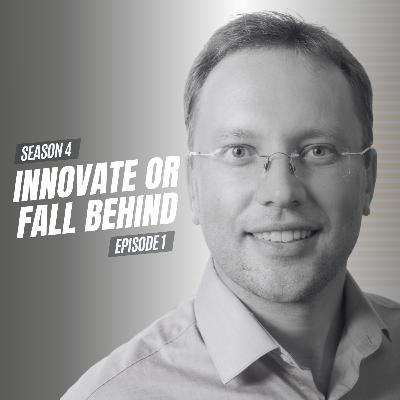
Sergey Beznosov shares his deep insights into the rapidly evolving world of work, focusing on key trends transforming industries today—remote work, automation, continuous upskilling, and data-driven decision-making. He explores how businesses can leverage these changes to stay competitive in a digital-first world. Tune in to find out how to navigate the future of work. Follow Sergey Beznosov for more expert insights.
Show Notes
[00:01] Sergey Beznosov’s Background
Sergey shares his extensive experience in business strategy, innovation, and leadership, focusing on the role of technology in driving success in dynamic business environments.
[01:50] Trends Driving the Future of WorkSergey outlines key trends shaping the future of work, including remote work, automation, continuous upskilling, and data-driven decision-making. He stresses the need for businesses to embrace these changes to stay competitive.
[03:05] Impact on Business StrategiesSergey explains how these trends will reshape business strategies, urging companies to adapt quickly or risk falling behind in a rapidly changing landscape.
[05:20] Data-Driven DecisionsSergey discusses the growing importance of data analytics in making informed decisions across marketing, product development, and customer experience, helping businesses optimize strategies and enhance operational efficiency.
[07:30] Adapting to the Changing Business LandscapeSergey highlights how emerging technologies like AI, machine learning, and blockchain are transforming business operations, and shares how companies can foster a culture of innovation to remain agile and responsive.
[09:55] Upskilling and ReskillingSergey emphasizes the need for continuous learning to future-proof careers, offering advice for businesses on supporting employees through training programs, certifications, and on-the-job learning.
[11:50] AI and Technology InvestmentsSergey warns about the high costs associated with AI implementation and the importance of integrating AI into an interconnected organizational system to enhance customer journeys and business operations.
[13:25] Closing Thoughts on the Future of WorkSergey concludes with an optimistic view on how technological advancements, especially AI, will reshape industries. He stresses the importance of strategic investments, long-term planning, and upskilling for both individuals and organizations to thrive in the future.
Change is not an obstacle; rather, learning embodies change. Meet Caterina Ichkhanian, a senior learning professional, who discusses the evolving role of learning and development in the future workplace, especially in the context of advancing technologies. As she encourages professionals to prove their value by understanding needs and evaluating outcomes, Caterina expresses concern over how organizations often misunderstand the role of learning and development. The conversation also explores the importance of fostering partnerships within organizations, staying abreast of industry trends, and aligning with KPIs.
Key Points Discussed:
Learning Professionals at a Crossroads: Caterina talks about the current state of learning and development professionals, who are at a pivotal point with the advent of various technologies.
Harnessing Learning Fundamentals: The importance of sticking to the roots of learning – understanding needs assessment, development, and evaluation – to make learning professionals irreplaceable, despite technological advancements.
Proving Value in Learning and Development: Caterina stresses the necessity of aligning training with organizational KPIs, emphasizing evaluation and the impact of training on behavior and business outcomes.
Misunderstandings and Challenges in Learning and Development: She highlights common misconceptions about the role of learning and development in organizations and the risks of underestimating its value.
The Role of Technology as a Tool: Caterina discusses how technology should be viewed as an enhancer, not a replacement, for the strategic role of learning and development.
Advocacy and Marketing in Learning: The need for learning professionals to market their capabilities and educate stakeholders about their strategies and the impact of their work.
Community and Global Perspectives: Caterina encourages learning professionals to form communities of practice, sharing research and staying abreast of global learning trends.
Agility, Resilience, and Learning from Failures: She underscores the importance of agile and resilient approaches in learning, accepting and learning from failures, and taking calculated risks.
Collaboration and Partnerships: The significance of forming partnerships across different functions within organizations to strengthen the position of learning and development.
Final Thoughts: Caterina's parting advice is to stay true to the core principles of learning, stand firm in beliefs, and consistently prove the value of learning initiatives.
Conclusion:
Caterina's insights shed light on the critical role of learning and development professionals in shaping the future of work, emphasizing the importance of advocacy, evaluation, and embracing change while staying rooted in fundamental learning principles.
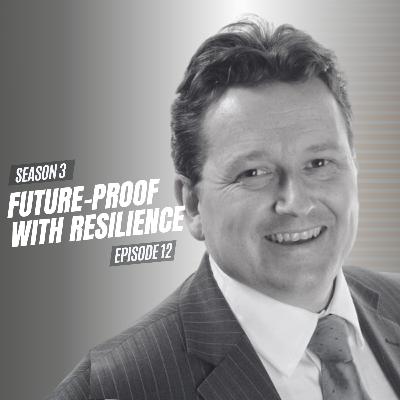
Resilience coach Russell Harvey envisions the future of leadership and organizational success, emphasizing how resilience will shape tomorrow’s workplaces. He discusses the transformative role of executive coaching, the growing focus on wellness, and the need for adaptability in navigating an unpredictable world. By embedding resilience into future-focused strategies, he highlights how businesses can stay agile and thrive amid constant change.
Discover how to stay resilient and thrive in a fast-paced world. Follow Russell Harvey and visit theresiliencecoach.co.uk for expert insights.
Show Notes
[00:30] Introducing The Resilience Coach
Russell Harvey, "The Resilience Coach," explores how leadership coaching prepares leaders to meet the demands of a rapidly evolving world.
[00:55] The Role of Executive Coaching
In an age of constant change, executive coaching offers leaders the opportunity to step back, reflect, and engage in meaningful dialogue to navigate the complexities of tomorrow.
[02:45] Resilience Beyond the Buzzword
Russell redefines resilience as a forward-looking, actionable framework, emphasizing strategies that empower leaders to anticipate and adapt to future challenges.
[03:45] Building Resilient Organizations
Truly resilient organizations are built on trust and wellness—integrated into their culture—not on surface-level well-being initiatives, ensuring they are prepared for the unknown.
[05:00] Future-Proofing Through Resilience
Resilience becomes a competitive advantage when organizations use both hindsight and foresight to pivot effectively and thrive in unpredictable environments.
[06:00] Embedding Resilience in Strategy
Russell underscores the need to embed resilience into core strategies and operations, making it a foundation for long-term growth and innovation.
[07:00] The Foundation of Resilience and Recovery
Resilience isn’t just about recovery but about progressing with new insights, ensuring organizations are stronger and better equipped for the future.
[08:00] Adapting to Change and Artificial Intelligence
As hybrid work and AI reshape industries, maintaining adaptability and situational awareness becomes critical to seizing new opportunities and staying ahead.
[09:30] Resilience Career Coaching for the Future
Russell highlights the importance of resilience-focused career coaching in helping individuals align with their strengths and prepare for evolving career landscapes.
[11:00] Observations on Emerging Generations
With younger generations facing unique mental health challenges, Russell stresses the need to prioritize holistic wellbeing as a foundation for future success.
[12:45] The Resilience Wheel
The "Resilience Wheel," a research-backed framework, provides actionable steps for leaders to sustain and grow resilience in themselves and their teams.
[14:05] Adaptability and Thriving
Adaptability is the cornerstone of future success, requiring leaders to embrace change and cultivate agility to thrive in ever-shifting circumstances.
[15:00] Learn More About Russell Harvey
Discover more about resilience and the "Resilience Wheel" on Russell’s website, theresiliencecoach.co.uk, and explore his podcast for forward-thinking insights.
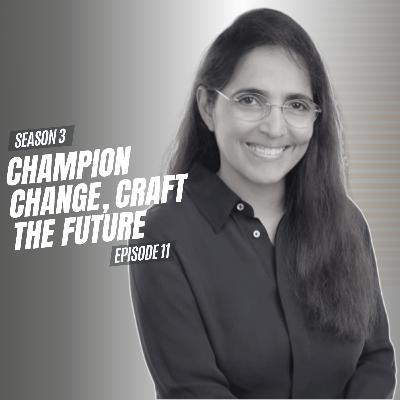
Sonia Sant, Director for Learning & Development at Sedha Consulting, explores the future of work, emphasizing adaptability and human-centric skills. She highlights how curiosity, collaboration, and technology empower professionals to navigate change and deliver impactful solutions.
Discover how AI and human-centric strategies are transforming work. Gain practical insights to stay ahead. Follow follow Sonia Sant and learn more at SolutionsForLearning.co
Show Notes
[00:30] Sonia’s Background
Sonia Sant reflects on her 25+ years in learning and development, starting as an engineer and transitioning into L&D through a job that blended programming and training.
[01:00] Adapting to Change
She discusses the rapid technological changes since her early career, from IBM mainframes to AI-driven transformations, as well as challenges like environmental concerns and hybrid work models.
[01:50] The Impact of AI
Sonia explains how AI is disrupting industries on a deeper level, with AI agents mimicking human interactions and requiring businesses to adapt for competitiveness.
[02:50] The Future Workforce
Sonia envisions a future with fewer hierarchies and the rise of “Gen AI”—AI that seamlessly integrates into human teams without aging or traditional training.
[03:35] Elastic Workforce
She emphasizes the need for an elastic workforce that can adapt, bounce back, and evolve amidst rapid change, requiring resilience and innovation.
[04:00] AI in Training
Sonia explores how AI will revolutionize training, with AI tools like GPT providing on-demand learning directly within workflows.
[04:25] Real-World Problem Solving
She predicts businesses will focus on solving real-world problems in fields like agriculture and health, requiring speed, curiosity, and critical thinking.
[05:10] Evolution of Training
Sonia contrasts past hands-on training with modern reactive methods and sees a shift toward integrated, performance-driven solutions.
[06:15] Meaningful Training
She stresses the importance of making training meaningful by focusing on human skills and aligning them with both business and learner goals.
[06:45] Training Throughout Life Stages
Sonia discusses aligning training with an employee’s lifecycle, ensuring it’s relevant at every stage and avoids wasteful use of resources.
[07:40] Performance Consulting
She highlights the growing need for performance consulting to identify underlying issues beyond training gaps, improving business and employee outcomes.
[08:20] Using Microsoft Teams for Learning
Sonia shares her success using Microsoft Teams for dynamic, engaging, learner-focused training, leveraging microlearning, gamification, and real-time feedback.
[09:40] Quick Training Development
She describes using Teams for quick, impactful product pitch training, emphasizing flexibility and collaboration through social learning features.
[12:55] Enhancing the Learning Experience
Sonia discusses the importance of engaging microlearning modules and using platforms like Skillsoft for custom learning journeys.
[14:20] Embracing Change for Future Readiness
She emphasizes staying curious and developing key human skills like feedback, communication, and collaboration to stay ahead in the future.
[14:55] Skills for Success
Sonia stresses that critical thinking, design thinking, and problem-solving are essential for thriving in the evolving business landscape.
[15:30] Leveraging Technology & AI
She advocates using AI tools to streamline processes and enhance responsiveness, sharing how she quickly prototyped solutions using AI.
[16:05] Seeking Help & Sharing Knowledge
Sonia encourages professionals to seek help and share knowledge, offering mentoring sessions to support others in learning and development or AI.
[17:00] Final Thoughts
She stresses human-centric solutions and the power of small, meaningful connections, urging professionals to engage directly with their audiences for impactful results.
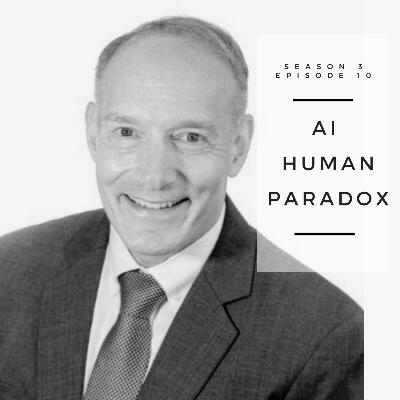
AI expert Bruce Randall discusses how AI is transforming business strategies, from intelligent chatbots to AI-augmented surgeries. He explores the ethical challenges of technologies like brain-computer interfaces and shares how emotional intelligence and data literacy will be crucial skills for the future workforce.
Gain practical insights on navigating AI-driven advancements and staying ahead in a rapidly changing world. How will AI reshape your industry, and are you ready for the shift? Tune in to find out. Follow Bruce Randall and learn more at AIHumanParadox.com
Show Notes
[00:29] Bruce's BackgroundBruce shares his experience in technology over the last few decades, focusing on AI, cloud, and machine learning. He discusses the importance of understanding AI's uses and potential in transforming industries.
[01:08] How AI is Enabling EfficiencyBruce explains how AI is an enabler for businesses, allowing for greater efficiency and faster decision-making through large language models and real-time data analysis.
[02:51] Chatbots and AI in Customer ServiceBruce explores how AI-powered chatbots are evolving from simple FAQ systems to sophisticated tools capable of engaging customers and setting appointments autonomously.
[04:08] Brain-Computer Interfaces and Robotic SurgeryThe conversation shifts to advancements in brain-computer interfaces, like Neuralink, and how robots are being used to perform precise surgeries, illustrating the spectrum of AI applications from customer service to healthcare.
[07:20] AI’s Impact on Data and Decision-MakingBruce discusses how AI helps companies handle large volumes of data by providing more targeted and useful insights for different business levels, making data more actionable.
[07:33] Skills for the Future WorkforceBruce emphasizes the importance of emotional intelligence, data literacy, and adaptability in an AI-driven workplace. He highlights how these skills will be crucial as collaboration with AI becomes more common.
[09:15] The Role of Curiosity and Ethics in AIAI’s limitations, such as lacking curiosity, provide an edge for humans. Bruce also touches on emerging ethical issues with AI, from deepfakes to brain-computer interfaces, and the need for regulatory guardrails.
[10:17] Brain-Computer Interface EthicsBruce explains why ethical regulation is critical for brain-computer interfaces and how this area feels like the "Wild West" of technology. He calls for more oversight to ensure AI enhances humanity rather than creates division.
[12:09] Urgent Ethical and Regulatory ChallengesThe discussion turns to the ethical dilemmas posed by AI advancements, with Bruce emphasizing the importance of regulating technologies that manipulate human experience, like AI-generated deepfakes.
[13:47] A Call to Action on AI EthicsBruce encourages listeners to contact policymakers and express the importance of addressing these ethical concerns before AI evolves further, highlighting how California is leading the way with AI regulations.
[14:30] Learn More About Bruce RandallBruce shares details about his upcoming book and website, The AI Human Paradox, which dives deeper into AI's role in society and where it’s headed next.
Sotos Poulimenos, Head of Global Learning, shares an inside look at the future of work based on his global leadership experience.
As companies grapple with rapid advancements in technology, Sotos explains how organizations must shift from traditional management models to a coaching-focused approach, where leaders foster growth and empathy.
He explores how future workers—many without traditional degrees—will drive change with skills and adaptability, and why digital dexterity will become essential. Sotos highlights the pivotal role of resilience, courage, and innovation, and offers practical steps for leaders to embrace ambiguity and future-proof their teams.
Key Highlights:
0:00 – Sotos Poulimenos’ global career journey from Athens to North America.
1:25 – The future of work: integrating humans with machines and the rise of digital dexterity.
2:50 – Gen Alpha’s focus on skills over degrees and its impact on hiring.
4:35 – The shift in middle management: from process managers to coaches and mentors.
6:40 – The evolving role of the office as a hub for innovation and collaboration.
7:50 – The growing importance of peer mentorship in the future workplace.
8:35 – Why adaptability, resilience, and “soft skills” (or "power skills") are crucial for future success.
10:20 – Embracing ambiguity and fostering environments for growth and learning from failure.
11:30 – Courageous leadership: empowering teams to challenge the status quo and innovate.
13:20 – Final thoughts on resilience, adaptability, and how leaders can guide the future workforce.
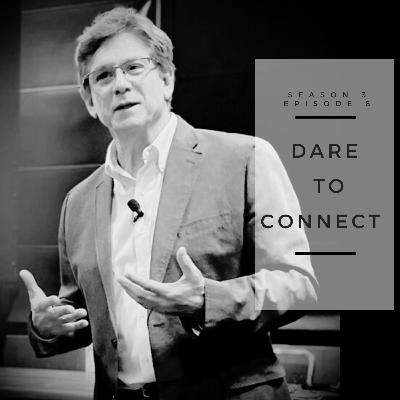
In this episode communication coach Jo Rios shares insights on the evolving landscape of communication, especially in high-tech environments like Google. Jo discusses the progression and impact of AI, the tension between traditional and emerging communication styles across generations, and the importance of cultivating communication skills such as empathy, assertiveness, and creativity.
Jo emphasizes the need for human interaction and offers practical advice on improving day-to-day communication and building stronger communities amidst advancing technology.
00:00 Introduction and Guest Introduction
00:10 Jo Rios' Background and Expertise
01:16 Technological Changes and AI Impact
03:27 Future of Communication Skills
04:18 Generational Differences in Communication
07:10 Global Communication and Cultural Nuances
09:00 Practical Steps for Better Communication
14:07 Conclusion and Final Thoughts

Comments

Download from Google Play

Download from App Store
 United States