


 Claim Ownership
Talking Transport Transformation
Subscribed: 21Played: 268
Subscribe

© Deutsche Gesellschaft für internationale Zusammenarbeit (GIZ) GmbH
Description
We are TUMI – the Transformative Urban Mobility Initiative.
Join us on a trip around the world to learn about sustainable mobility solutions in cities. Meet inspiring experts and pioneers working on resilient urban transport systems, e-mobility, gender-sensitive transport planning and many more. Our guests will be taking us from Nairobi via Bogotá to Delhi. Tune in to accelerate the sustainable transformation of urban mobility.
Join us on a trip around the world to learn about sustainable mobility solutions in cities. Meet inspiring experts and pioneers working on resilient urban transport systems, e-mobility, gender-sensitive transport planning and many more. Our guests will be taking us from Nairobi via Bogotá to Delhi. Tune in to accelerate the sustainable transformation of urban mobility.
50 Episodes
Reverse

Mobility is one of the hardest spaces to build in. Cities are complex, change is slow, and decisions made today shape daily life for decades.
In this episode of Next Stop, we sit down with a young urban planner and entrepreneur working in mobility to talk about what it really takes to build a start-up inside transport systems. We explore her non-linear path into mobility, the realities of founding in a highly institutionalised sector, and why entrepreneurship in transport looks very different from other industries.
Recorded in the context of International Women in STEM Day, this conversation focuses less on labels and more on substance – who gets to build, how decisions are made, and what it means to work where cities are planned and movement is designed.
We also talk about recognition, responsibility, and what comes next.
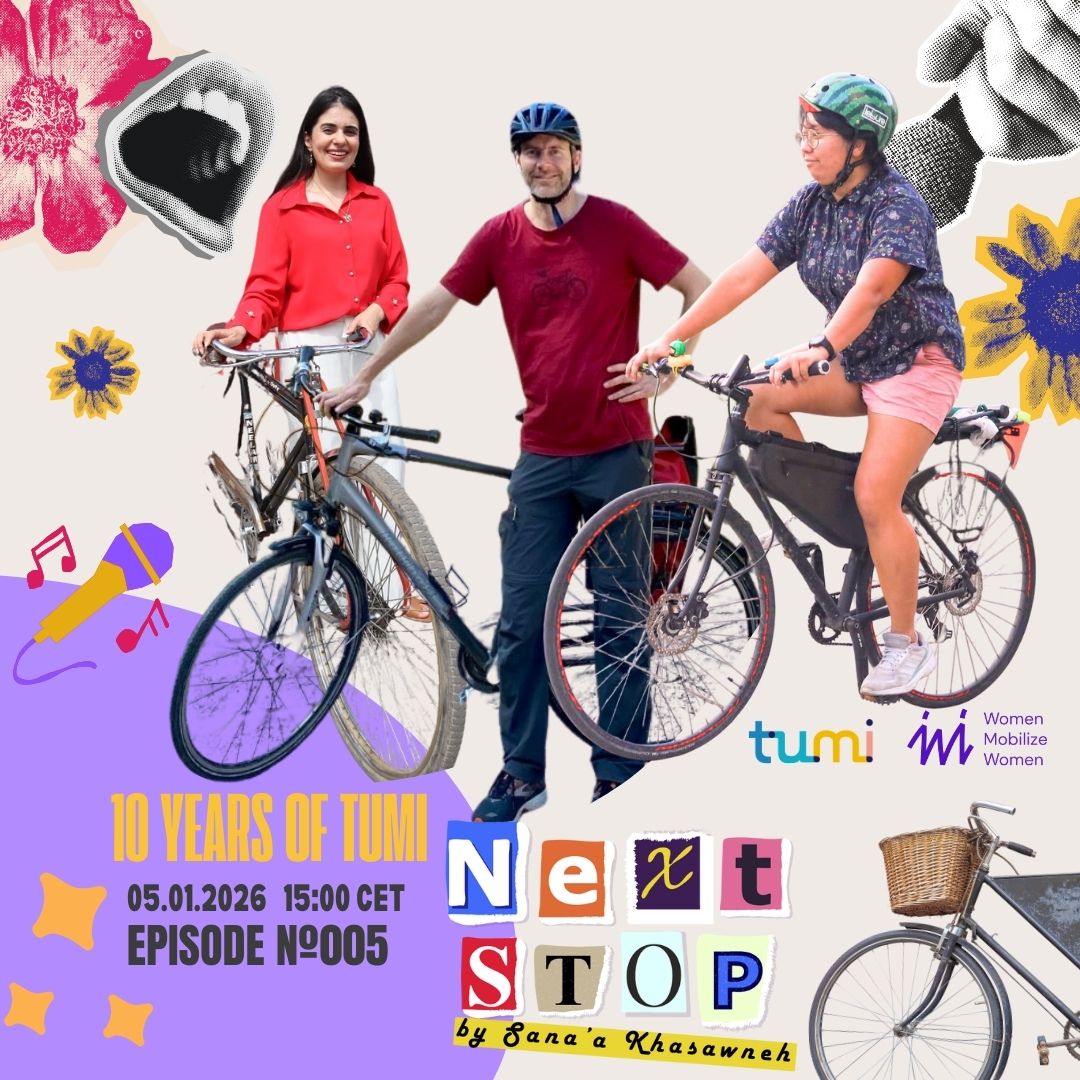
This special New Year’s episode of Next Stop marks ten years of the Transformative Urban Mobility Initiative (TUMI) – a decade of working with cities, practitioners, and youth to reimagine how mobility can be safer, greener, and more inclusive.
Joined by Jens and Keisha, Sana’ reflects on the key lessons, turning points, and decisions that shaped TUMI’s first ten years. The conversation looks ahead to the next decade, exploring the commitments that feel most urgent, the projects and partnerships that will define TUMI’s future, and the role everyday choices and micro-decisions play in transforming large systems.

This episode looks at mental health through the everyday realities of how we move.
From car-centric cities to walkable neighborhoods, we explore how transport systems shape our stress levels, our sense of safety, and even our ability to feel connected to the world around us.
Together with Shaimaa Refaat — a global health and development professional with experience spanning mental health, youth empowerment, and public policy — we unpack the quiet yet powerful ways mobility affects our well-being.
From anxiety behind the wheel to the healing effect of walking, from social isolation to the need for inclusive public spaces, this conversation dives into the emotional life of our cities.
We reflect on why mental health is more than the absence of illness, how movement can support resilience, and what it takes to design transport systems that help people feel grounded, safe, and supported.
At its heart, this episode asks a simple but overlooked question: What would our cities look like if they were built to protect our minds as much as our bodies?
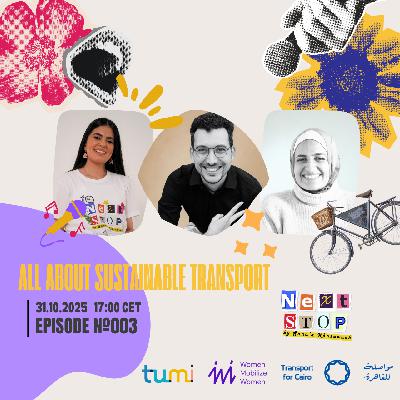
This episode looks at sustainable transport through the lens of Cairo: a city of over 20 million people where mobility, resilience, and history intersect, but the conversation goes far beyond one place.
Together with Mohamed Hegazy (Co-founder of Transport for Cairo and Transport Lead with the Climate Champions) and Ghada (Senior Research Associate at Transport for Cairo and advocate for walkability), we explore big questions around how cities can move better.
From cycling and public space to governance, equity, and the future of urban mobility, we reflect on what it takes to design transport systems that truly serve people and communities everywhere.
Learn more about Transport for Cairo here: https://transportforcairo.com/
Learn more about TUMI here: https://transformative-mobility.org/

Next Stop #2 | On Car-Free Cities
What does “car-free” really mean in practice? Is it a ban, a phased reduction, or a rebalancing of priorities? How can we design cities where caregiving, errands, and school runs aren’t invisible trips but part of inclusive planning? And what would it take to turn the 15-minute city from a buzzword into everyday reality? In this episode of the Next Stop campaign, our Youth Ambassador for Inclusion & Sustainable Transport, Sana’a Khasawneh, sits down with Bronwen Thornton, CEO of Walk21 and one of the world’s leading advocates for walkability, to unpack these questions.
Topics we cover:
– Redefining “car-free” beyond the slogan
– Designing car-light strategies with equity at the core
– The 15-minute city: concept vs. practice
– Commerce and logistics in car-free transitions
– Who builds the political mandate for change
– From pilots to permanent transformation
Join us as we dive into the compromises, creativity, and coalitions that shape truly walkable cities.

Next Stop #1 | Remembering Cecilia 🌻
In this first episode of the Next Stop campaign, our Youth Ambassador for Inclusion & Sustainable Transport, Sana’a Khasawneh, takes over the Talking Transport Transformation Podcast.
She speaks with Jeffrey Jossepy Leandro Díaz, an activist from Lima, Peru, who turned personal tragedy into a movement for safer, more inclusive mobility. After the loss of his partner, Cecilia Melgar — a passionate environmentalist and transport justice advocate — Jeffrey founded Pacto por Ceci (“Pact for Cecilia”), a call to reimagine streets not for speed, but for life.
Together, Sana’a and Jeffrey reflect on Cecilia’s vision of mobility rooted in dignity, safety, and belonging, and how her legacy continues to inspire youth-led transport justice worldwide. 🌻
This heartfelt conversation marks the first stop on a journey through stories of courage, imagination, and the fight for inclusive, sustainable transport.
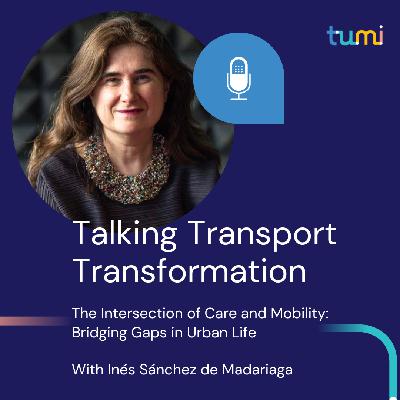
In this episode, we delve into the concept of mobility of care, an often-overlooked aspect of urban mobility that is crucial for creating inclusive and equitable cities. Mobility of care encompasses an analytical category to highlight trips made for caregiving. These trip purposes are typically hidden in other categories, such as shopping. With her work, Inés counteracts a male bias in mobility data and uncovers the true travel patterns of women around the world.
Our special guest, Inés Sánchez de Madariaga, a leading expert in gender and urban planning, shares her insights on integrating mobility of care into transportation planning and policy.
In today's podcast episode, we delve into the dynamic realm of e-mobility and its potential to unlock new opportunities for greater gender equity and inclusivity. Join us as we explore the transformative impact of electric mobility on the public transport sector and discuss how it plays a crucial role in promoting equal access to transportation.
Urban transport planning can be gender-friendly and inclusive – Lucas Snaije from BYCS, an Amsterdam-based NGO for promoting cycling in cities, will show us different initiatives where people’s needs take center stage. This is an insightful and enriching episode covering different perspectives of transport users, mainly from vulnerable groups, and their challenges in daily mobility.
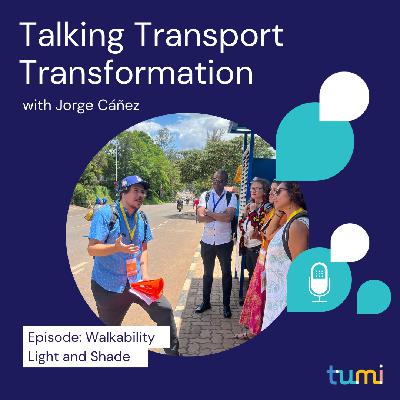
In this episode, recorded at the Walk21 conference, we sat down with Jorge Cáñez, who is part of the Kounkuey Design Initiative. KDI is a nonprofit that combines community development and design to create equitable urban spaces that meet social, economic, and environmental needs. Currently, KDI is working on the Gender Equity Action Plan for Los Angeles, USA. This transformative initiative was sparked by the "Changing Lanes" report of 2021, which shed light on the transit system's deficiencies in serving women and gender minorities. We explore the intricacies of sustainability, walking conditions, road safety, and gender equity, including challenges like inaccessible bus stops and lighting concerns. Moreover, we discuss innovative strategies aimed at closing these gaps. Join us on this enlightening journey as we work towards a more equitable, sustainable, and pedestrian-friendly cities.
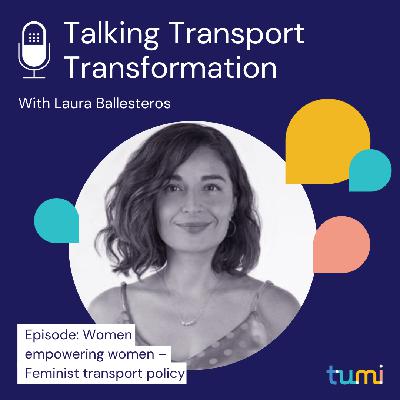
Join us in exploring transport policy from the perspective of women in Latin America by listening to this amazing podcast episode featuring Laura Ballesteros Mancilla. She is the co-founder of Mujeres en Movimiento – Women in Motion, a network that connects advocates of gender-sensitive mobility across various sectors in Latin America.
Together with Laura, we discuss the violence and underrepresentation faced by women in transport, whether they are commuting or at the decision-making table. Laura's message to all women is that they are not alone and to remember that any resistance they face reflects the importance of the change they seek to realize.
Last but not least, Laura reflects on the journey of Women in Motion and Women Mobilize Women alongside each other since their foundation in 2018 and finds: We've come a long way!
This episode is part of a series of interviews with some of the Remarkable Feminist Voices in Transport 2023, who were awarded by TUMI’s Women Mobilize Women initiative. Tune in!
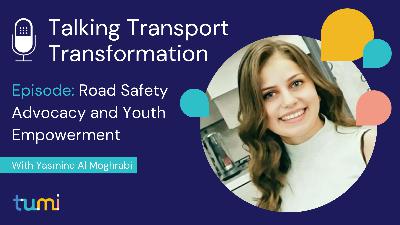
Ever wondered about the link among road safety, sustainable mobility and youth? Or why road safety is a feminist cause? Join us in this inspiring episode as we uncover the powerful story of Yasmine Al Moghrabi and her unwavering dedication to making our roads safer. In a world where road safety is a growing concern, Yasmine's passion as a youth leader and activist takes center stage. Discover her advocacy for empowering young people and its importance in building safer cities. Get ready for an eye-opening conversation that will leave you motivated to play an active role in creating a safer future for everyone!
This episode is part of a series of interviews with some of the Remarkable Feminist Voices in Transport 2023, who were awarded by TUMI’s Women Mobilize Women initiative. Tune in!
Have you ever wondered about the hidden trips that underpin the care work essential to our daily lives? Inés Sánchez de Madariaga coined the concept mobility of care, shining light on the daily travel patterns and mobility needs that go along with reproductive labor.
In this thought-provoking episode, we discuss the need to elevate the mobility of care in transport planning. Joined by esteemed expert Aimée Gauthier, the Chief Knowledge Officer at the Institute for Transportation and Development Policy (ITDP), we explore the significance of acknowledging and prioritizing these often unvalued and unrecognized care trips. From addressing gender disparities in transportation to fostering inclusive communities, we uncover the essential elements for a more compassionate and equitable transport system.
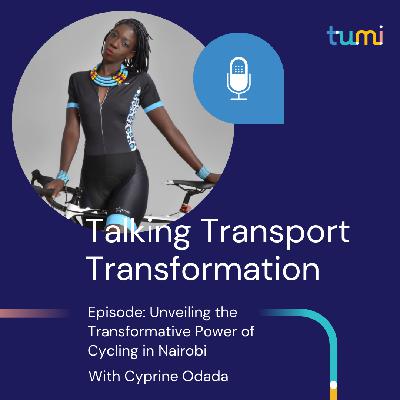
Are you ready to uncover the transformative power of cycling in Nairobi? In a city where cycling is often associated with either poverty or an elitist sport, the Critical Mass movement is challenging these perceptions. In this inspiring episode our special guest Cyprine Odada, the Executive Director of Critical Mass Nairobi, shares her personal journey within the movement and her ambitious goal of transforming Nairobi into a cycling city, bringing happiness and smiles back to people's faces. Discover how Critical Mass empowers cyclists, fosters safe corridors, and breaks cultural barriers for women, making a remarkable impact in the city. This episode is part of a series of interviews with some of the Remarkable Feminist Voices in Transport 2023, who were awarded by TUMI’s Women Mobilize Women initiative. Tune in!
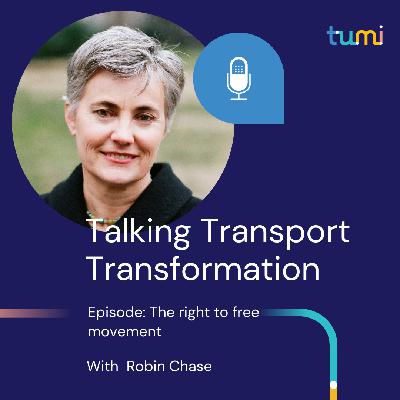
Imagine: Sustainable mobility that lets people move autonomously at all ages and income levels! Our special guest Robin Chase paints a clear vision and says when people try and see for themselves, they’ll love it! We speak about overcoming resistance against new solutions, the responsible use of data, and why electric private vehicles won’t save us from the climate crisis. The co-founder of Zipcar and founder of NUMO discusses why it’s imperative to actively invite different perspectives to change one’s mindset. Her role models are young professionals advancing transport systems in a new way. This is the first episode of a series of interviews with some of the Remarkable Feminist Voices in Transport 2023, who were awarded by TUMI’s Women Mobilize Women initiative. Tune in!
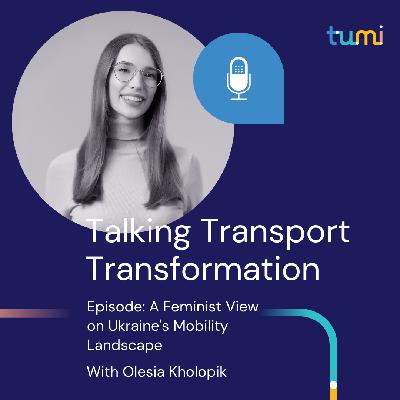
In this episode, we are meeting Olesia Kholopik, the Director of the Centre for Democracy and Rule of Law in Ukraine. We discuss the challenges for road safety in Ukraine, the role of civil society in the transport sector, and how the full-scale war of Russia against Ukraine affects the work of the sustainable transport community. Despite the ongoing attacks against her country, Olesia has remained committed to protecting human lives in many ways – including the engagement for safer roads. Join us to hear about her impressive work as an advocate for human rights in mobility and the lessons she has learned along the way. This episode is part of WomenMobilizeWomen's campaign on "Remarkable Feminist Voices in Transport".

Comments

Download from Google Play

Download from App Store
 United States