


 Claim Ownership
Hope for the Caregiver
Subscribed: 41Played: 829
Subscribe

Copyright © 2014-2025 Peter W. Rosenberger All rights reserved.
Description
Drawing upon four decades as a family caregiver, Peter Rosenberger offers a lifetime of experience as a lifeline for fellow caregivers.
867 Episodes
Reverse

I opened the show with Balaam, the original for-profit prophet. He was not the last one. We still have plenty today with nice suits, studio lighting, and partner plans "…if you act now!" Balaam took the job, hopped on his donkey, and headed out. God blocked the road. The donkey saw it. Balaam did not. After a few detours and a smashed foot, the donkey finally spoke. And instead of freezing or questioning reality, Balaam argued with her as if this was completely normal. That part always gets me. Did animals talk a lot back then? I live around horses and cattle here in Montana. If one of them said, "Peter, we need to talk," I would like to think I would pause and reconsider a few things. Balaam did not. He snapped right back at the donkey and missed the angel standing in the road. And thinking about it, as a caregiver, do I often do the same thing? I get locked in on what I am trying to do … and miss the very thing God may be using to protect me. Sometimes the obstacle is not the problem. It is the rescue.
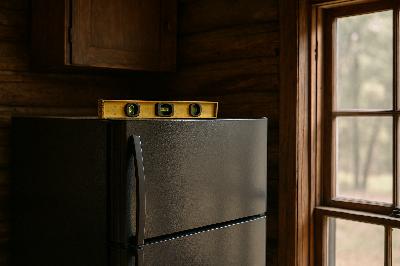
In this episode of Hope for the Caregiver, I share three ordinary moments from life in our Montana cabin that turned into extraordinary lessons for caregivers. First, I finally leveled our refrigerator—a small victory that reminded me how good it feels to make one crooked thing straight in a world that leans. Then I talk about a tough situation a friend faced with her aging father, and what it really means to honor our parents when impairment or sin clouds their judgment. Using the story of Noah and his sons, I call it "walking backward with a blanket"—protecting dignity even when it's painful. Finally, as I cleaned the big new windows in our addition for Gracie, I saw a picture of how resentment, fear, and fatigue can cloud our hearts—and how only Christ can wash us clean. The episode ends at the caregiver keyboard with one of my favorite hymns, Fairest Lord Jesus, and a reminder that He truly makes the woeful heart to sing.

Out here at our home in Montana, I had one of those nights that turned into a sermon I didn't plan to preach. A young calf had wedged himself tight in a fence — and if I hadn't gone back to check the mineral bucket, he'd have been mountain lion food by morning. I cut the chain loose, he bolted off without so much as a "thank you," and I stood there on that hillside grinning like a fool, feeling lighter than I had in weeks. It had nothing to do with caregiving — and that's exactly the point. Every caregiver needs something that lifts the soul, something that reminds us we're still alive, not just functioning. For me, it was freeing a calf. For you, it might be painting, gardening, music, or a quiet moment with a puzzle. These aren't hobbies — they're oxygen for the spirit. I wrapped the show with Gracie's favorite hymn, This Is the Day That the Lord Has Made. We've sung it in hospital rooms and now here at home with the mountains out our window. It's not a children's song to us — it's a statement of faith when the day looks hard. Zephaniah wrote, "The Lord your God is in your midst… He will rejoice over you with gladness; He will quiet you by His love; He will exult over you with loud singing." That's the kind of God we serve — one who doesn't just command us to rejoice, but actually rejoices over us. So that's my message this week: find your thing. Give yourself permission to breathe, to laugh, to live. Because the God who called you into this life is already singing over you.
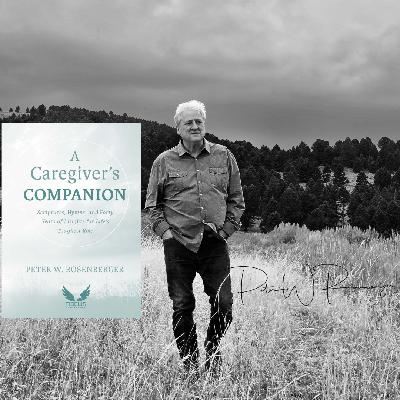
Each week on Hope for the Caregiver, I take listeners into the heart of what sustains us when life's weight feels too heavy. This week, I shared why our deepest comfort as caregivers doesn't come from rest, money, or even help—it comes from knowing we are not our own, but belong body and soul to our faithful Savior, Jesus Christ. From the Heidelberg Catechism to the story behind the hymn Have Thine Own Way, Lord, I explored what it means to surrender our weariness to the One who shapes and reshapes us like clay in the hands of a potter. Caregiving forces us to face what we can't fix—but it also invites us to trust the One who holds every broken piece. I also shared about our new addition at home—Built for Grace—and the moment Gracie saw her new accessible space for the first time. It reminded me that love doesn't cling to what used to be; it builds again with what remains. "Love that endures learns to build again with what remains." — Wendell Berry 🎧 Listen to this week's episode: Have Thine Own Way, Lord – Hymns Every Caregiver Ought to Know 📘 My new book: A Caregiver's Companion More resources: PeterRosenberger.com Support the ministry: StandingWithHope.com/giving

After 40 years of caring for my wife Gracie — a double amputee who's endured 98 surgeries — I know what it means to retrofit life around disability. For decades, we chased our tails trying to adapt spaces in our Nashville home and later our little Montana cabin. This year, we finally stopped retrofitting and built a space custom-made around us. From wide doorways and a roll-in shower to moving our grand piano into the bedroom so Gracie wouldn't have to leave her bed to make music, every detail was designed to restore her dignity and independence. When she walked into that new room with her walker and saw it for the first time, her eyes were wide. Later that night, with firelight flickering across the walls, I sat at the piano and played Great Is Thy Faithfulness. Gracie sang — filling the room with music. In that moment, I thought of Christ's words, "I go to prepare a place for you," and the joy of preparing a place for someone you love. I also share the powerful story behind This Is My Father's World — and how its message strengthens weary family caregivers like me to remember that though the wrong seems oft so strong, God is the ruler yet. What does it look like for you to prepare a place — physically or emotionally — for someone you love?
In this powerful episode of Hope for the Caregiver, Peter Rosenberger shares a deeply personal story from Aurora, Colorado — a chance encounter with a frightened young woman that turned into a moment of grace and truth. Instead of debating or preaching, Peter reminded her of a truth many caregivers and wounded souls need to hear: "You are worth protecting." Drawing from Hebrews 7:25, he reflects on Christ's ongoing intercession for us and calls listeners to join Him by offering compassion to those who are hurting — even when their pain looks different from our owntranscript_2025-10-14T16_37_22.…. Peter is then joined by psychologist and fellow caregiver Dr. Barry Jacobs, author of The Caregiver Answer Book. Together they unpack the emotional weight of caregiving — deferred grief, family conflict, sibling rivalries, and the burnout that comes when caregivers try to "muscle through." Jacobs urges caregivers to acknowledge their grief, be kind to themselves, and even reclaim joy, reminding them there's no such thing as a perfect caregiver — only "good enough" ones who show up with lovetranscript_2025-10-14T16_37_22.…transcript_2025-10-14T16_37_22.…. Peter also shares updates from Standing With Hope's prosthetic limb outreach in Ghana, marking 20 years of service to the wounded. And at the caregiver keyboard, he performs "His Eye Is on the Sparrow," reflecting on its origins and why this timeless song continues to comfort weary hearts. It's not a performance piece, he says — it's a song "sung in the watches of the night" when despair looms, a reminder that God sees, knows, and watches over ustranscript_2025-10-14T16_37_22.…. Whether you're deep in the trenches of caregiving or just beginning the journey, this episode offers biblical hope, practical wisdom, and heartfelt encouragement to help you stay strong — body, mind, and soul. Order A CAREGIVER'S COMPANION TODAY!
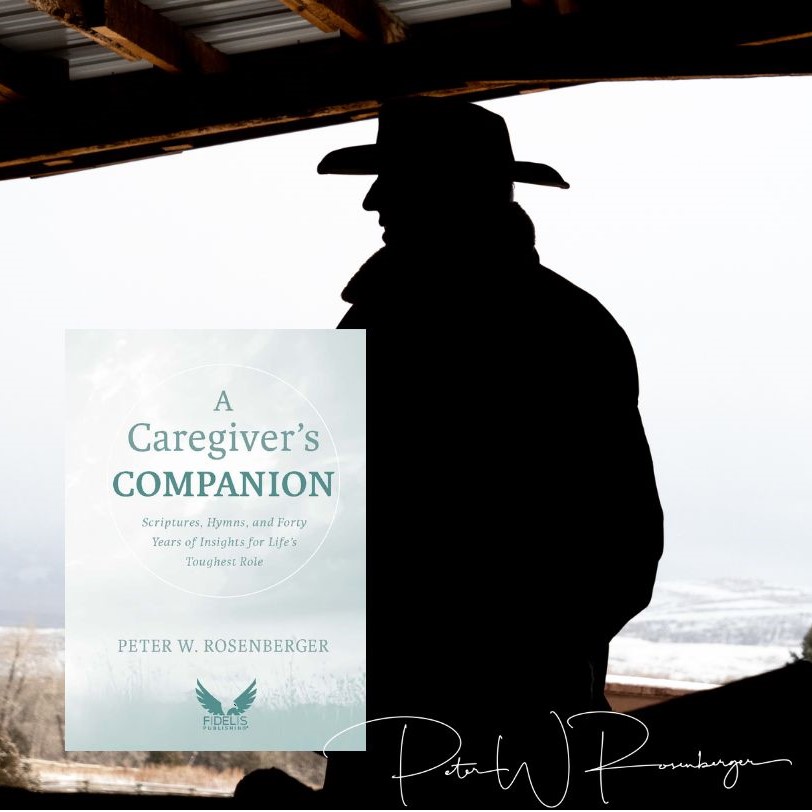
If you've ever wondered how to hang on—much less laugh—while caring for someone you love, this episode of Hope for the Caregiver is for you. I recently joined Dr. Jessica Peck, known to her listeners as Dr. Nurse Mama on American Family Radio, for a conversation about faith, humor, and the realities of caregiving. We talked about my new book, A Caregiver's Companion: Scriptures, Hymns, and 40 Years of Insights for Life's Toughest Role, and the lessons Gracie and I have learned through her 98 surgeries, chronic pain, and the daily challenges that come with four decades of caregiving. You'll hear how I've found strength in Scripture, laughter in the hardest places, and peace in trusting God when nothing makes sense. We discussed what it means to be healthy while caring for someone who isn't—and why I believe healthy caregivers make better caregivers. I also shared one of the most powerful moments of my life: Gracie singing "In My Life, Lord, Be Glorified" while nurses worked on her open leg wound—and later, singing hymns with Joni Eareckson Tada over FaceTime. Those moments reveal what the world can't understand but what believers know deeply: even in the ICU, there is hope. I close the program at the Caregiver Keyboard with one of my favorite hymns, "Near to the Heart of God," and the story behind its writing—a reminder that even in sorrow, there is a place of quiet rest near to His heart. If you're a caregiver—or love someone who is—I invite you to listen, share, and visit HopefortheCaregiver.com for more resources, music, and encouragement.
In my regular guest-host slot on Truth Talk Live (Truth Network), I opened with a friend's dilemma: If people living through the events described in Revelation see beasts, plagues, and cosmic signs with their own eyes, doesn't that give them an advantage over those who died without seeing such proof? Isn't that unfair—almost as if some are lost on a technicality? That question pulled us into Romans 1, where Paul says God's attributes are "clearly seen," and into Jesus' rebuke of crowds who demanded signs even after seas had split and manna had fallen. The pattern was plain: evidence never settled the question. Trust did. I've heard the same struggle in hospital corridors, casually dispensed over a loved one's bed: "If you had more faith, you'd be healed." It sounds spiritual in the moment, but when suffering leans on those words, they crumble. And I saw something different but just as hollow on late-night television, when Jimmy Kimmel, tearful after his suspension, said he follows the "teachings of Jesus." Which teachings? The one where He said, "Before Abraham was, I am"? The one where He said, "No one comes to the Father except through Me"? Or the one where He said, "Take up your cross and follow Me"? Noble words, but casual references to Jesus without the weight of His actual words leave us splashing in the kiddie pool, calling it swimming. These moments — Revelation's visions, hospital corridors, late-night tears — all press the same core issue: do we trust God, or are we still demanding that He prove Himself on our terms?
On this week's Hope for the Caregiver radio show and podcast, I shared why healthy caregivers make better caregivers—and how small daily choices shape our future. From rest and prayer to forgiveness and boundaries, each decision helps caregivers reduce stress, avoid resentment, and stay strong for the long journey. Check out my friend Dale's page that I referenced in the first block. https://richerhealthforyou.com/ I also spoke with Carolyn Wheeler O'Byrne, founder of Daisy's Place in Florence, Alabama, a nonprofit offering safe housing, meals, and support for families caring for loved ones in the hospital. Born out of her own experience sleeping in a hospital parking lot, Carolyn now provides caregivers with a refuge of rest and community rooted in Christian faith. At the Caregiver Keyboard, I featured the beloved hymn Open My Eyes That I May See, reminding us that even in exhaustion, God opens our eyes to His truth and peace. ➡️ Listen to the full interview, hear the hymn performance, and explore more resources for family caregivers at HopeForTheCaregiver.com and caregiver.substack.com.
When Caregiving Means Sleeping in a Van: The Story Behind Daisy's Place On this week's Hope for the Caregiver, I spoke with Carolyn Wheeler O'Byrne from Florence, Alabama—a mother whose fierce advocacy for her 17-month-old daughter, Daisy, turned into a decades-long mission. Carolyn recounted the terrifying season when Daisy was diagnosed with congestive heart failure, endured failed procedures, experimental treatments that nearly killed her, and infections that pushed her to the brink. Through nights spent in hospital windowsills and even a van in the Vanderbilt parking lot, Carolyn fought for her child's life with grit and faith. Now, twenty years later, Daisy is thriving—and Carolyn has transformed her pain into purpose by founding Daisy's Place, a nonprofit home that provides weary caregivers with food, showers, clean clothes, and, above all, dignity. Instead of parking lot vans, families now find refuge in fully furnished bedrooms, stocked kitchens, and the compassionate presence of someone who truly understands. This episode is a reminder that caregivers are not alone, that faith sustains when resources collapse, and that one woman's determination can ripple out to bless countless others. 👉 Listen now and learn more about Daisy's Place at daisys-place.org
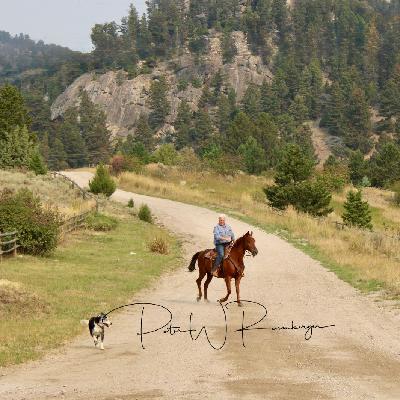
This week on Hope for the Caregiver, I opened the program by discussing my new Blaze Media article, Reckless Hate Cannot Win: Christ Has Already Broken It. The piece grew out of the grief and reflection surrounding Charlie Kirk's sudden death. Dana Perino's emotional appeal on Fox for a "circuit breaker" to the fury in our culture resonated deeply with me—but I reminded listeners that no human breaker exists. History shows reform, politics, and revolutions can only reset the current for a time. The real interruption came at the cross, where Christ absorbed the full voltage of human hatred and divine justice. I drew on Tolkien's Lord of the Rings, where Aragorn responds to Theoden's dread of "reckless hate" with the charge, "Ride out and meet them." Charlie Kirk did that in his generation, but even more so, Christ rode out from heaven to confront and conquer hate forever. Luther echoed this courage with "Here I stand, I can do no other." The hymn he gave the church, A Mighty Fortress, still proclaims: "The body they may kill, God's truth abideth still." That's where I called caregivers—and myself—to stand, not with bravado but with scars, anchored in Christ who rewires the entire system. Hate cannot win. From there, I introduced my audience to Carolyn Wheeler O'Byrne and her remarkable journey with her daughter, Daisy. Her story of motherly intuition, pushing past dismissive doctors, surviving terrifying nights in hospitals, and even sleeping in a van outside Vanderbilt, is a vivid picture of caregiver authority and sacrifice. Carolyn's testimony reminded us of the courage every caregiver must summon, often in the most isolating and exhausting circumstances. We closed with this week's hymn in our series, Hymns Every Caregiver Ought to Know: "Blest Be the Tie That Binds." Written by John Fawcett in the 1700s after he chose to stay with a small country parish rather than leave for a prestigious London pulpit, the hymn captures the communion of saints—the bond of love that unites us in Christ. As caregivers, we are not laboring unseen or alone. We are part of that great invisible church, surrounded by a cloud of witnesses who cheer us on like fans welcoming home a walk-off home run. That tie binds us, sustains us, and reminds us: healthy caregivers make better caregivers. Click Here to Get the new book - Today
In this episode of Hope for the Caregiver, I open with the story of a 1950s chemist who failed 39 times before discovering something simple yet world-changing. His quiet persistence became a picture of what caregivers need when our hearts feel rusted and stuck. We can't muscle our way through this life; we need grace that loosens what strain has tightened. That theme of letting go of force carries through the whole show. I share a personal story from the 2004 Republican National Convention, when Gracie sang at Madison Square Garden and the White House unexpectedly asked us to stay for President Bush's speech. While I was panicked and trying to control everything, my father told me, "Sit down and be still." It became a defining moment—reminding me how often our Heavenly Father speaks the same words into our chaos. I also reflect on my recent Blaze Media article, "School Shootings and the Street Called Straight," exploring how Paul faced the full measure of suffering ahead of him and still pressed on. That same Spirit sustains us when the caregiving road looks dark and unending. Then I share part of my conversation with DJ and Jessica Rowland, a couple navigating Huntington's disease. Their love, resilience, and commitment to live fully—despite grief and fear—show how loosening our grip can make space for grace. I close at the Caregiver Keyboard with a hymn every caregiver should know: "Turn Your Eyes Upon Jesus." Written by Helen Lemmel at age 55, this hymn calls us to lift our gaze from what we can't fix and rest it on the One who carries us. ORDER THIS BOOK TODAY!
I sat down with Dr. Barry Jacobs—a clinical psychologist, family therapist, and fellow caregiver whose story began when his father was diagnosed with brain cancer. Out of that crucible, he has spent nearly four decades helping families navigate the emotional and practical challenges of caregiving. We talked about the unspoken grief many caregivers carry, why sadness is not a weakness but a source of strength, and how family conflict often masks deeper sorrow. Dr. Jacobs shared powerful metaphors—the "half loaf" of life after disability, the cards we're dealt and how we play them—and offered wisdom drawn from both his clinical practice and his own scars. Together, we explored what it means to "respect the trauma," why caregivers must give themselves permission for joy, and how purpose can grow even out of devastating loss. Along the way, I shared Gracie's clarity after her 98th surgery—her determination to live, sing, see her grandchildren, and return to Africa to serve other amputees. Dr. Jacobs also introduced his newest work, The Caregiver Answer Book (AARP/Guilford Press), which offers nearly 150 concise responses to the questions caregivers most often ask. It's a practical, compassionate resource that belongs in every caregiver's hands. As Dr. Jacobs reminded us: "There are no perfect caregivers—only good enough caregivers." That's encouragement every one of us needs. 👉 Listen now, share with a friend who's struggling, and check out The Caregiver Answer Book wherever books are sold.
Caregiving often hides what I call smoldering rage—resentment that simmers quietly until a fresh crisis ignites it like a wildfire. In this week's Hope for the Caregiver radio show, I open with a monologue about those hidden embers, drawing from Montana's fire season to show how caregivers can confront resentment and apply God's grace before it consumes us. The program closes with a hymn every caregiver needs: "Be Still, My Soul." Gracie's a cappella performance of this timeless hymn reminds us that God's faithfulness steadies us when caregiving feels unbearable and that the daily grind of service is, in fact, holy work. This episode also features excerpts from my conversation with author and fellow caregiver Jess Ronne, whose story of loss, resilience, and faith offers a powerful reminder that we're not alone in this journey. 👉 Listen to the full interview with Jess Ronne on the podcast 👉 Read and hear the full interview on Substack
Caregiving has pushed me to the point where I've had to ask what I really believe when life gets overwhelming. In this episode, I talk about those moments of faith under fire and share clips from my conversation with author Jess Ronne (Caregiving with Grit and Grace). Jess opens up about raising a son with disabilities, losing her husband to brain cancer, and continuing forward as a caregiver. I close with Blessed Assurance at the Caregiver Keyboard, a hymn that reminds me where to stand when everything feels unsteady. Order the new book today!
Author and caregiver Jess Ronne joins me to share her story and her new book, Caregiving with Grit and Grace. As the mother of a son with profound disabilities and the young wife who walked through her husband's brain cancer, Jess has lived the struggles many caregivers face but few talk about. Together, we discuss the loneliness of caregiving, special needs parenting, the reality of grief and anger, and the hope that comes through faith in Christ. This conversation is for anyone navigating the challenges of family caregiving, special needs, or long-term illness — offering encouragement, honesty, and spiritual strength for the journey.
Mike Tyson is famous for saying, "Everybody has a plan until they get punched in the nose." When suffering punches us in the nose, our plans - and clichés - don't hold. In this episode of Truth Talk Live, I explore why "drive-by ministry" fails and why true comfort begins with seeing people in their pain—just as Christ sees us. You'll hear: My reflections from the ICU after Gracie's 98th surgery. The danger of empty phrases like "God has a plan" or "just trust Jesus." A listener in tears, struggling to accept God's forgiveness. A reminder from Scripture: not why, but who. Gracie also sings Breathe on Me, Breath of God a cappella—an anchor of hope in moments when words fail. If you've ever wondered what to say (or not say) when someone is in trauma, this episode points to solid ground in Christ. ORDER THE NEW BOOK …TODAY!
In this week's episode of Hope for the Caregiver, I continue my two series: Difficult Issues Caregivers Face but Don't Want to Talk About and Hymns Every Caregiver Should Know. I start with a memory of a pastor who once told me, "Peter, you do yourself a disservice—you make this look easier than it is." He was right. For years I made caregiving look manageable, even while quietly drowning inside. That appearance of strength often kept others from stepping in or even knowing what to say. Meals and casseroles are thoughtful, but they're not enough. Caregivers need more than temporary relief—we need sustainable support. Vocational direction, financial guidance, and mentors willing to walk with us can make the difference between barely surviving and building a life that endures. Scripture reminds us of El Roi, the God who sees. Just as He saw Hagar, Zacchaeus, and the multitudes, He also sees caregivers who mask their exhaustion. And if God sees, the church must learn to see too—not just the obvious needs, but the hidden cracks in a caregiver's life. I share about Gracie's 98 surgeries, including a recent five-month stretch in the hospital, and how impossible it has been to plan a "normal" career or even a five-week calendar. Caregiving has reshaped everything in my life, and for too long I didn't have people asking the deeper questions about what was sustainable. Then I take you to the Caregiver Keyboard, where I introduce this week's hymn. I not only play it, but also show how its harmonies—tension, dissonance, and resolution—mirror the emotional weight caregivers carry. The story behind the hymn ties directly into this theme: before we can encourage or rescue anyone, we first have to see them. I close by sharing from my new book, A Caregiver's Companion: Scriptures, Hymns, and 40 Years of Insights for Life's Toughest Role. I wrote it to give caregivers—and the church—a vocabulary of hope. Because healthy caregivers make better caregivers. Get this book today!
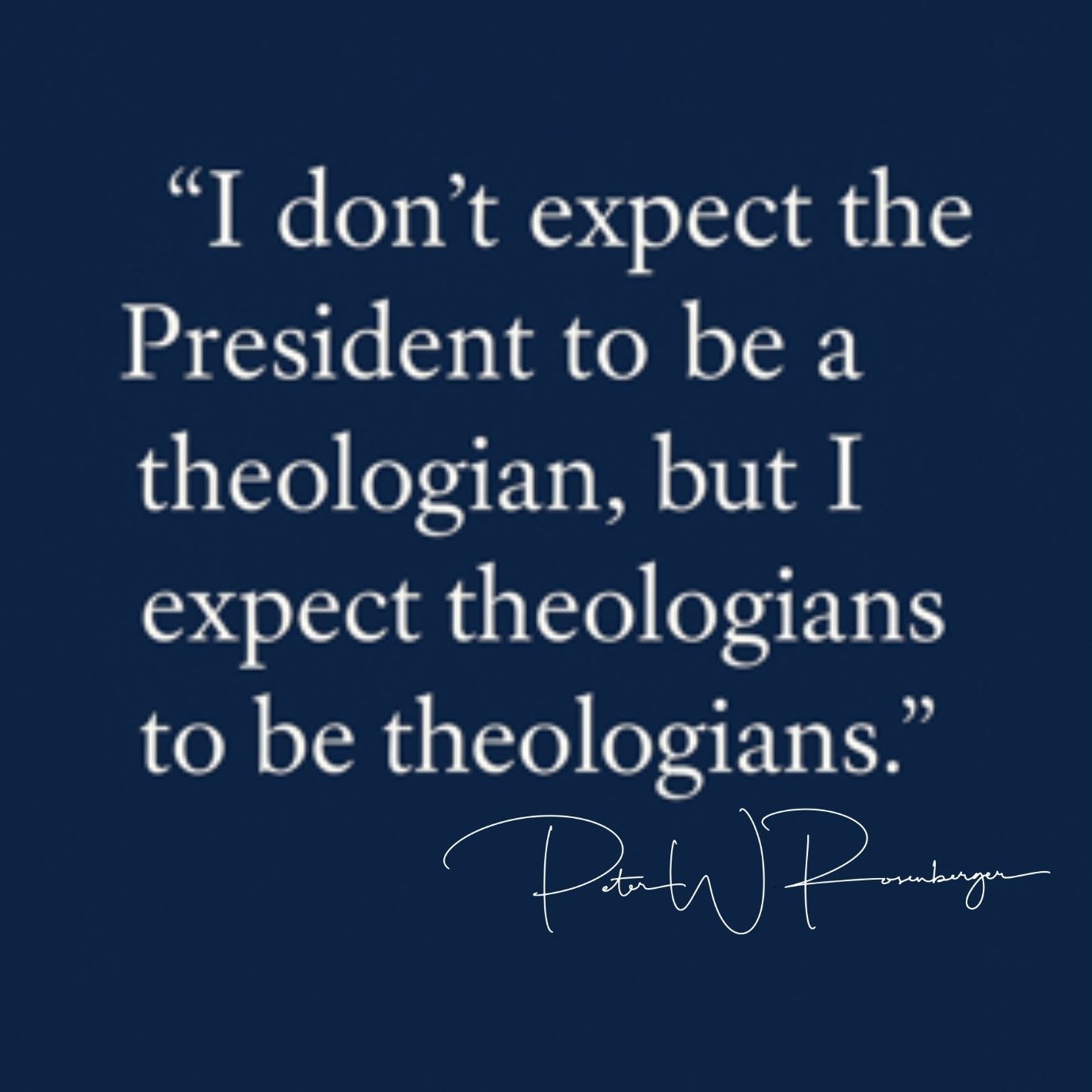
"I don't expect the President to be a theologian - but I expect theologians to be theologians." When former President Trump suggested that ending the war in Ukraine might "help him get to heaven," the headlines exploded—but the church stayed silent. In this episode of Truth Talk Live (I guest-host it weekly), I challenge that silence, point to the cross of Christ, and invite callers to proclaim the gospel out loud. Nothing but the blood of Jesus can save us—nothing else. This is not about politics. It's about clarity. If the church won't speak when the gospel is distorted on the world stage, then what are we even doing? Click to get the new book today!
In this episode of Truth Talk Live ( I guest-host on Wednesdays), I started with a little laughter, but the conversation quickly turned to the deeper reality of marriage. Drawing from Scripture, from our culture, and from my own 39 years with Gracie, I shared why I believe "weddings cost money, but marriage costs everything." Along the way, listeners called in with raw and vulnerable stories. One man opened up about childhood trauma that still weighs heavily on his marriage. Another shared how Christ delivered him from addiction. Others reflected on decades of faithfulness in their own homes. Their honesty gave us all a reminder that marriage isn't about ease or comfort—it's about sacrificial love, just as Ephesians 5 commands. This wasn't a light episode, but it was a hopeful one. We laughed at the start, we listened to pain in the middle, and we ended with a clear picture of what covenant love really costs—and why it's worth it. Read the article at BLAZE MEDIA https://www.theblaze.com/columns/opinion/weddings-cost-money-marriage-costs-everything Check out my new book (08/20/2025)!

Comments

Download from Google Play

Download from App Store
 United States