


 Claim Ownership
Cause & Purpose
Subscribed: 3Played: 49
Subscribe

© All rights reserved.
Description
Cause & Purpose is the show about the leaders, innovators, and change-agents dedicating their lives to making the world a better place. In each episode, we'll feature a different leader, social entrepreneur, founder, or executive who has spent their careers pursuing positive social impact - either at nonprofit organizations or social enterprises. Learn more at causeandpurpose.com Enjoy!
46 Episodes
Reverse
Introduction two Season 3 of Cause & Purpose.
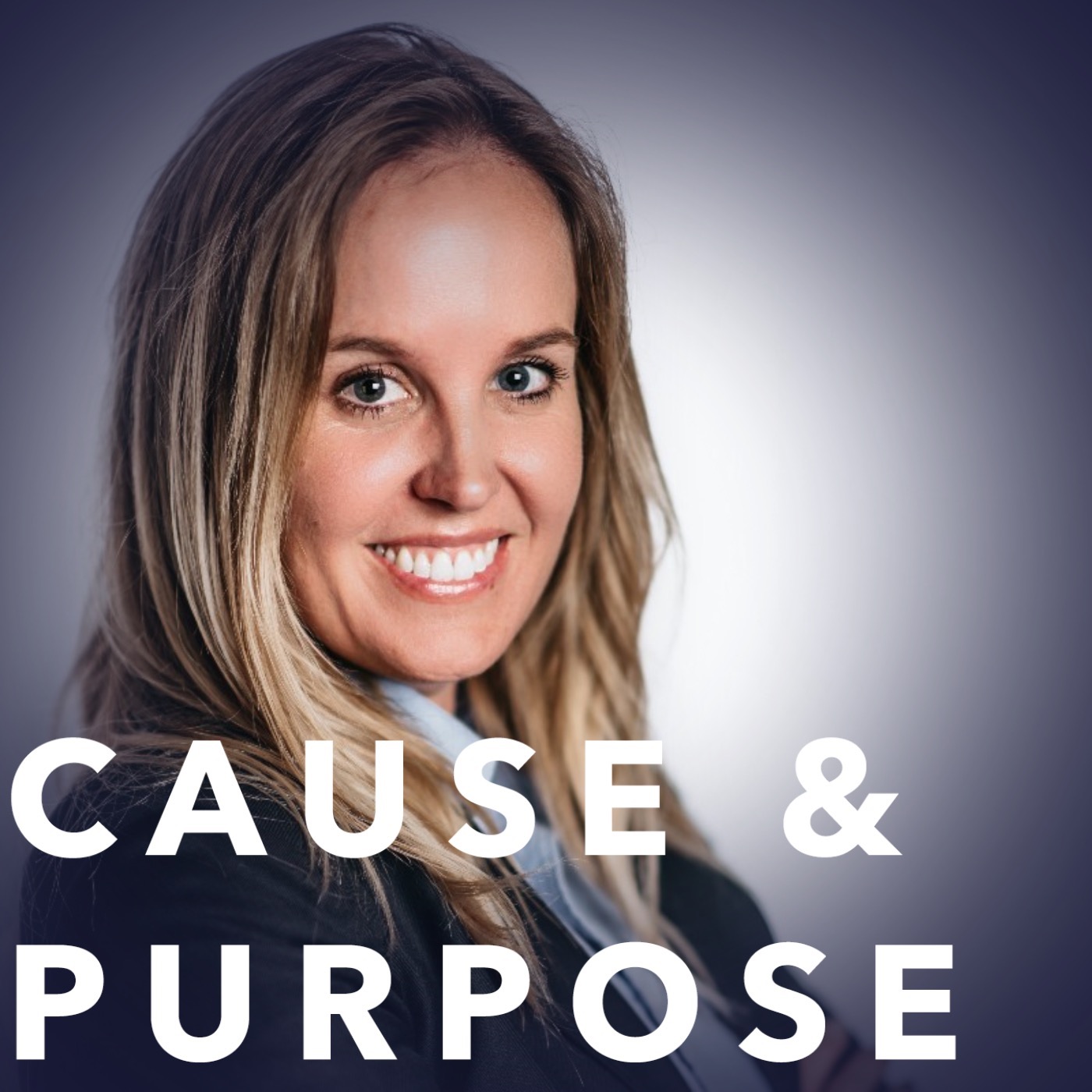
In this episode, we welcome Heidi Kershaw, the CEO of Multiple, a nonprofit organization focused on funding and incubating transformative tech solutions for people with autism. Rather than focusing on cure research or direct service to families, Multiple operates as a technology incubator, supporting scalable for-profit solutions. The conversation explores Heidi's personal journey as a mother of a neurodivergent child and how that led her to her work at Multiple. The episode highlights the importance of connectivity and acceptance for individuals with autism and how technology can play a role in enhancing their lives. Tune in to learn more about Multiple's innovative approach to addressing the challenges faced by the autism community.“If we did a better job at trying to trust one another, that we have good intentions, I think the world would look a lot different."Topics covered:[00:04:18] Relationship with autism mourned.[00:08:25] Parenting a child with autism.[00:12:23] Autism education and understanding.[00:18:10] Nonprofits and mission-driven work.[00:20:10] Creating a product for autism.[00:27:09] Bringing tech products to market.[00:32:55] Wearable for understanding communication.[00:36:05] Safety concerns for those with autism.[00:39:08] Receptive language development.[00:44:05] Job programs and economic growth.[00:47:32] Corporations supporting neurodivergent individuals.[00:55:14] Long waitlists for autism services.[00:59:13] Wearing a suit for acceptance.Links mentioned:https://www.multiplehub.org/https://www.valencevibrations.com/https://www.socialciphergame.com/https://cogniable.tech/https://altruous.orgGuest links:https://www.linkedin.com/in/heidikershaw/

In this episode of Cause & Purpose, we hear from Jared Walker, the founder and CEO of Dollar For. Dollar For is a nonprofit organization that helps tackle the issue of medical debt in the United States by advocating for patients and using patient data to drive policy change. Inspired by personal experience, Jared shares how Dollar For began as Dollar for Portland, crowdfunding money to support people with unexpected medical expenses. Now, they help eligible patients take advantage of charity care, a provision of the Affordable Care Act that requires nonprofit hospitals to waive fees for low-income patients. With medical debt being a significant cause of bankruptcies in the U.S., Dollar For is making a massive impact and aims to eliminate as much medical debt as possible. Tune in to learn more about Jared's journey and the work of Dollar For."Being able to buy the repair for the wheelchair accessible van, or buy the medical equipment that they can't afford, or pay the hospital bill that's gone to collections, is a pretty freaking big deal for people."Topics covered:[00:04:35] Healthcare system frustrations.[00:07:53] Inspiration for action.[00:14:48] Community response to launch.][00:22:09] Discovering Charity Care.[00:23:52] Frustration with the healthcare system.[00:32:06] Pursuing forgiveness of medical fees.[00:35:27] Childbirth as ineligible elective procedure.[00:41:14] Key metrics for impact.[00:44:14] Opportunities from the program.[00:56:08] Mental health organizations.Links mentioned:https://dollarfor.org/https://altruous.orgGuest links:https://www.linkedin.com/in/jared-walker-b6865397/
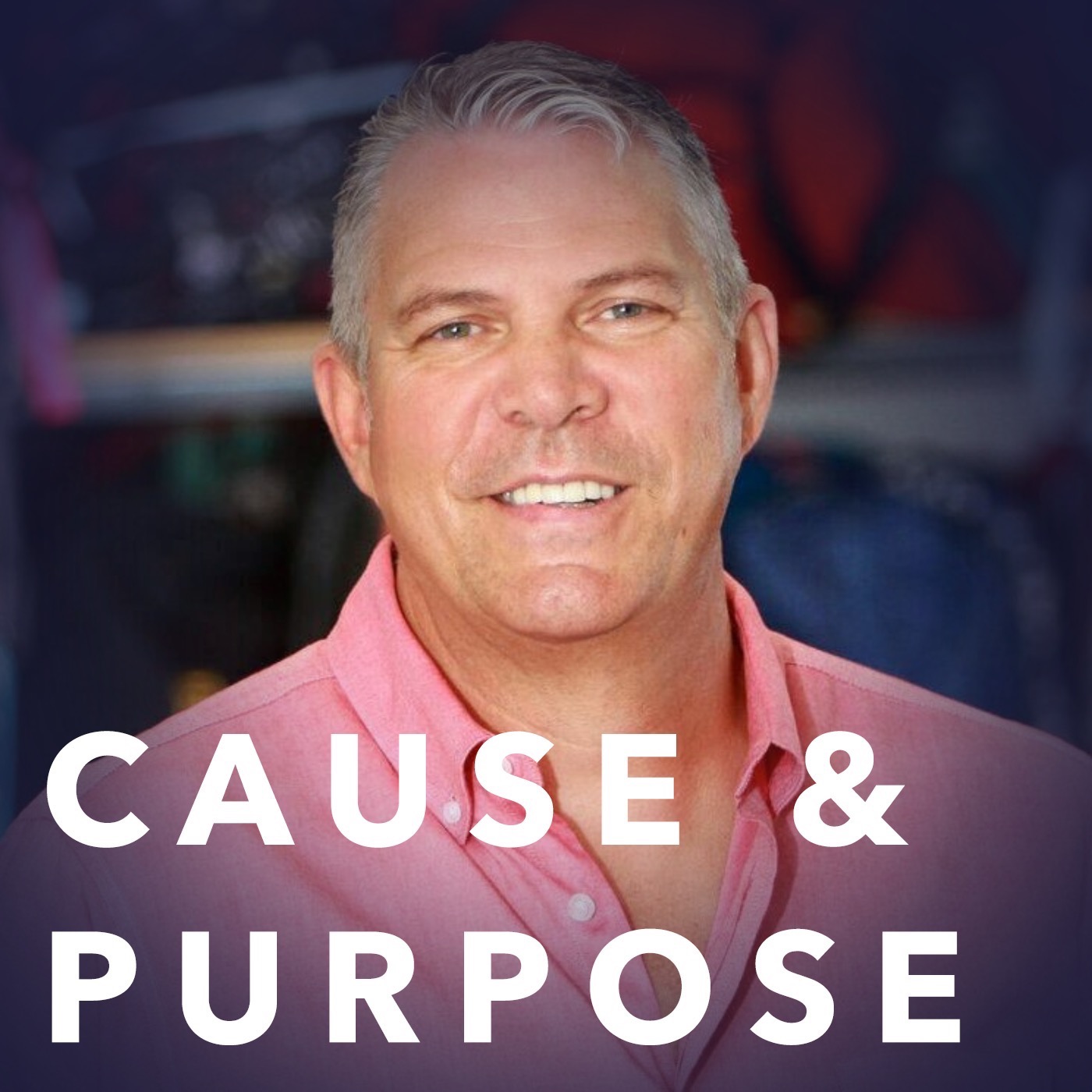
In this episode, we are joined by Rob Scheer, founder and CEO of Comfort Cases, an organization that supports kids in the foster care system. Rob, who grew up in foster care himself, shares his personal story and sheds light on how the foster care system functions. He emphasizes that empathy is not innate but taught, and discusses the need for dignity and basic necessities for kids in the system. Rob challenges the notion that the system is broken and instead highlights the importance of understanding and supporting children in foster care. Tune in to hear more about Rob's inspiring journey and the work of Comfort Cases."If we're going to pay for these children's tuition, we need to pay for all the wraparound services to make them healthy humans of our society, because that's what we want."Topics covered:[00:01:36] The shattered foster care system.[00:04:30] Homelessness and resilience.[00:07:44] Creating a supportive foster system.[00:12:11] Rebuilding the foster care system.[00:15:28] Investing in our future.[00:19:47] Foster care and dental hygiene.[00:22:39] Dignity for children in transition.[00:28:20] People experiencing homelessness.[00:32:19] Foster systems around the world.[00:33:37] Obscure but badly needed niche.Links mentioned:https://comfortcases.org/https://altruous.orgGuest links:https://www.linkedin.com/in/robert-scheer-27482653/
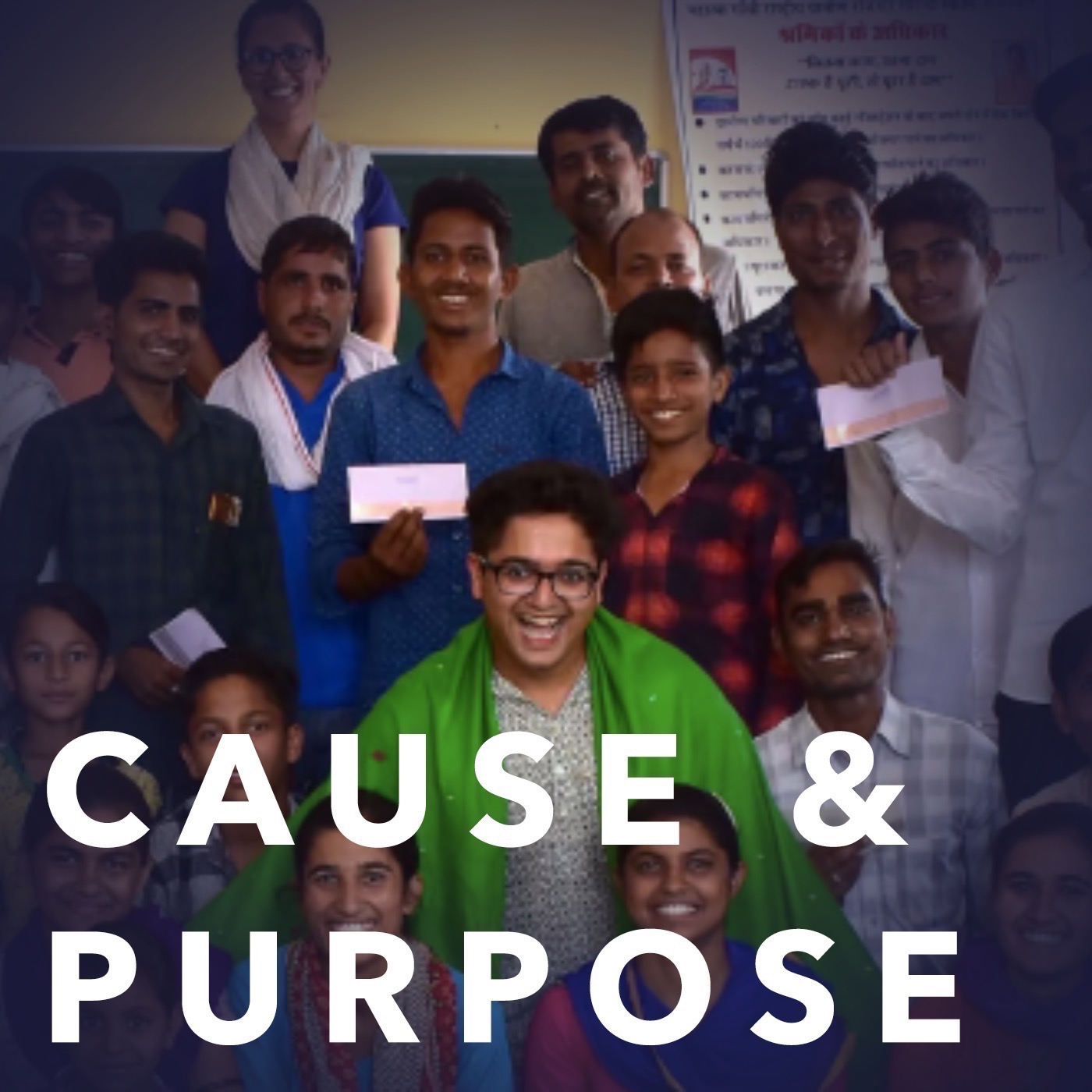
In this episode, the founders of startup Karya.In discuss their mission to create pathways out of poverty for people in low-income communities. Drawing from their personal experiences growing up in India, they share the challenges they faced and the emotional drive behind their entrepreneurial journey. The conversation explores the intersection of entrepreneurship and impact, emphasizing the importance of the smartphone application that connects rural Indian workers to tech companies, allowing them to earn income. The conversation also touches on the challenges and solutions in India's nonprofit sector, the importance of measuring impact and worker satisfaction, and the economic value of Indian languages. “I think both the desire to create a nonprofit and the desire to tackle poverty comes from my childhood. For me personally, it's such an intense desire that I feel like . . . working on anything else always felt like a waste of time because it was almost existential.”Topics covered:(00:07:47) Growing up in poverty(00:15:09) Entrepreneurial Journey and Impact(00:22:28) The Impact of Travel(00:29:55) Karya: Empowering Rural Indians(00:36:37) Challenges and Solutions in India's Nonprofit Sector(00:43:18) Working with Gates Foundation and Microsoft(00:50:36) Measuring Impact and Worker Satisfaction(00:56:59) Amplifying Existing Human Forces(01:03:33) The Economic Value of Indian Languages(01:11:20) The Importance of CompassionLinks mentioned:https://karya.in/https://altruous.orgGuest links:https://www.linkedin.com/in/manuchopra42/https://www.linkedin.com/in/vivek-seshadri-07127511/
In this episode, Woodrow Rosenbaum, the Chief Data Officer at GivingTuesday, discusses the challenges and opportunities in nonprofit giving. He emphasizes the importance of funders understanding the impact of the organizations they support and the need for nonprofits to set themselves up for long-term success. The conversation touches on the role of technology, specifically artificial intelligence, and the importance of collaboration with other stakeholders. Woodrow highlights the increase in giving in 2020 due to COVID-related needs and racial justice movements, but also notes the risk of over-reliance on large donors. “We're about relationships over technology, so we're in many ways a tech company; but we build the technology on the relationships.”Topics covered:(00:06:32) Engaging More Donors(00:12:57) Unlocking Donor-Advised Funds(00:19:02) The Importance of Donor Engagement(00:25:15) Understanding Generosity(00:32:00) The Importance of Collaboration and Effectiveness Measures in Philanthropy(00:38:36) Data interoperability and AI in the social sector(00:45:21) Blind spots in the social sectorLinks mentioned:https://givingtuesday.orghttps://altruous.orgGuest links:https://www.linkedin.com/in/woodrowrosenbaum/
In this episode, Matt Scott returns to the podcast for a second time and discusses the importance of having a growth strategy and hiring the right people to execute it in the nonprofit sector. He emphasizes the opportunity to stand out during challenging times, such as the pandemic, by focusing on growth and hiring. The conversation delves into the changes CauseMic has undergone and the challenges they faced during the pandemic. Matt also touches on building brand awareness for small nonprofits, managing organizational growth, and the significance of culture and communication in driving success, as he outlines in his new book, The High Growth Nonprofit. Quotes:“I think that it's actually a moment of opportunity when everyone else is running for the hills. It's a great opportunity to say, hey, here's our growth plan. This is where we're focused on hiring.”Topics covered:(00:06:31) The Challenges of Building Brand Awareness for Small Nonprofits(00:13:13) Rewarding Employees in the Social Sector(00:19:37) Nonprofit Culture and Incentivizing Employees(00:25:44) Culture and Growth(00:31:32) Instilling a Sense of Urgency and Growth Mentality(00:37:24) Importance of Communication and Growth in Change Management(00:43:44) Leveraging Systems and Frameworks(00:49:49) Proud Success Stories(00:55:58) Fast Forward ProgramLinks mentioned:https://www.causemic.com/The High Growth Non-Profit bookhttps://altruous.orgGuest links:https://www.linkedin.com/in/mscottbba/
In this episode, Mike Spear and Eric Barela discuss the launch of their new project, Altruous, and share pieces of their personal backstories of how they got into this work. They highlight the significance of Altruous in addressing social challenges and amplifying unheard voices. The conversation explores the intersection of social justice and personal background, emphasizing the need to recognize and value diverse perspectives. They discuss expected value calculations, the debate between quantitative and qualitative evaluation, the role of human evaluators in an AI-driven world, and the importance of comprehensive evaluation methods. “If we're going to pat ourselves on the back for doing good things, then we should actually be doing good things.”Topics covered:(00:07:55) The Intersection of Social Justice and Personal Background(00:15:06) High EV Calculation(00:21:48) Quantitative vs Qualitative Evaluation(00:29:11) The Importance of Qualitative and Quantitative Data(00:38:01) The Role of Human Evaluators in an AI-Driven World(00:45:47) Shared Passion for Impact Measurement(00:53:32) Burning Man's Impact and Integrity(01:00:25) Measuring Impact and Avoiding Harm(01:07:30) Marks of Success for Altruist(01:14:48) Democratizing Monitoring and EvaluationLinks mentioned:https://altruous.orgGuest links:https://www.linkedin.com/in/ericbarela/
In this episode Derrick Feldmann discusses the importance of building social movements and engaging individuals in creating meaningful change. He explores the intersection of social issues and generational engagement, highlighting the unique perspectives and characteristics of Millennials and Gen Z. The conversation also delves into personal journeys in civic engagement, the motivations for giving and sustaining involvement, and the need for inclusive activism. Quotes:“The more you do, the more perspective you gain for the issues around you that are often hidden.”Topics covered:(00:06:44) Bridging Local and Global Perspectives(00:13:25) Personal Journey in Civic Engagement(00:20:16) Enabling Engagement and Action(00:27:18) Importance of Inclusive Activism(00:33:43) Social Issues and Generational Engagement(00:40:25) Motivations for Giving and Sustaining Involvement(00:47:19) Importance of Milestones in Engaging Supporters(00:55:07) Corporate Social Mind(01:01:49) The Future of Corporate Social Responsibility(01:09:09) Career Path and Cause Areas Links mentioned:https://altruous.orgGuest links:https://www.linkedin.com/in/derrickfeldmann/
In this episode, Jake Wood discusses his journey from being a Marine to co-founding Team Rubicon, a nonprofit organization that provides disaster relief and humanitarian aid. The episode explores the humble beginnings of Team Rubicon after the earthquake in Haiti in 2010 and how they gained traction through viral donations. The conversation also delves into the role of technology in their success, particularly their partnership with Palantir, a big data intelligence platform. The episode highlights the evolution of culture and leadership within Team Rubicon, as well as the importance of measuring impact and prioritizing vulnerable communities.
In the premiere episode of Cause & Purpose Season 2, Mike Spear and Shalini Vajjhala discuss inefficiencies in the philanthropy space and how to make the most of your philanthropic dollars. From building footbridges to proactive disaster mitigation, we explore how to think about funding and collaboration to achieve the best possible outcomes for communities around the world.
Welcome back to Season 2 of the show!
 1
1COMMON Foundation combines the power of an incubator with philanthropy and social entrepreneurship to support, promote and develop non-profit ideas and organizations in the US and abroad for the benefit of people, planet, and peace. Prior to becoming the CEO of COMMON LLC, Mark Eckhardt was a principal at UFUSE Visionary Strategy Management, a global consulting firm devoted to unleashing creativity and helping entrepreneurs produce outstanding results through innovative business strategies, organizational design, and alignment of partnerships. Mark is also a Zen Buddhist Priest who has dedicated his life to transforming the nature of capitalism through social and environmental entrepreneurship. Mark joined us at Cause and Purpose to share the lessons he has learned through an entire career of conscious impact-building within capitalism.
Shannon Farley is the cofounder and executive director of Fast Forward, an accelerator that focuses specifically on tech nonprofits. To date, they’ve graduated seven cohorts, raised more than $275 million on behalf of their members, and impacted the lives of more than 88 million people. Cause & Purpose was beyond excited to host Shannon and discuss how an entrepreneurial mindset has helped her career journey, from mobilizing the largest network of millennial philanthropists ever to funding the next great nonprofit founders obsessed with making a lasting impact on the world.
Tim Kachuriak is the Founder, Chief Innovation Officer, and Optimization Officer at NextAfter, a fundraising research lab and consultancy. They specialize in work with cause-driven businesses and nonprofit organizations to help them better understand their customers and inspire their donors to give generously. He's also the founder of The Human Coalition, a nonprofit that is committed to the goal of rescuing children and families from abortion. Tim joined us on Cause & Purpose to tell the story of how he was able to take career experiences from the world of advertising marketing and fuse it with the world of social impact. We also got tons of actionable insights for nonprofits to go along with the exciting tale.
Becky Kekula is a social change advocate, dynamic public speaker, and driving force behind the Disability Equality Index (DEI) from Disability:IN. A lifelong advocate for the rights and representation of people living with disabilities, Becky has covered many miles, touched many hearts, and has made a real impact on how people with disabilities are treated in the workplace. Becky joined Cause & Purpose to share her lived experiences, and talk about some of her struggles, successes, and failures from a life advocating for equal treatment for everyone.
Of all the social entrepreneurs we've met, few have had as diverse and unique a career journey as Rama Chakaki. Truly a citizen of the world, Rama spent parts of her youth in Syria, Saudi Arabia, and the United States. She's run both for-profit and nonprofit organizations. She's pushed boundaries in technology and touched countless lives through uplifting multimedia and purpose-driven e-commerce. Rama joined Cause & Purpose to share stories from her life and career, lessons learned, and discuss her latest ventures, including Ed Seed, a nonprofit crowdfunding platform that gives young refugees the resources they need to succeed in school and giving "their entire family a new chance at life outside of a refugee camp."
As a teenager growing up in New Jersey, Maggie Doyne looked ahead to a future already written - college, career, student loans - and realized there must be more out there. During a gap year spent traveling in Southeast Asia, Maggie came face to face with a reality starkly different than the one she had known growing up - a refugee crisis, children forced into hard labor, and families torn apart by the Nepalese civil war. Struck by a deep affinity for the Nepalese people, Maggie new she had to act. She pooled what little resources she had, and together with her cofounder, a local Nepali man named Top Malla, she founded BlinkNow, a nonprofit organization that runs a school, women's center, and children's home in Surkhet Nepal.
When her best friend was diagnosed with breast cancer at age 26, Zionna Hanson realized that there are serious problems in the way breast cancer is diagnosed and treated. The minimum screening age is typically 40 (far later than many women develop breast cancer) and long-term mental, physical, and emotional care is virtually nonexistent. Z founded Barbells for Boobs to advocate to redefine the standard of care in breast health and improving quality of life post diagnosis. Z joins Cause & Purpose to talk about her founding story and share insights gleaned from growing her organization from a single fundraising event to the thriving nonprofit organization it is today.
Throughout her career, Becky Straw has seen the affect stable employment can have on families and the communities they live in. A self-described “advocate for the unsexy,” Becky has repeatedly gotten involved with causes that created or supported entrepreneurship and job creation in communities that need them. Turning a surprise setback into an opportunity, Becky launched The Adventure Project in 2010 to give people the tools, education and resources to become social entrepreneurs in their own communities.

Comments

Download from Google Play

Download from App Store
 United States