


 Claim Ownership
The Fiftyfaces Podcast
Subscribed: 17Played: 820
Subscribe

© Copyright 2026 Aoifinn Devitt
Description
A series that showcases the diversity and richness of the investment world through showcasing inspiring investors and their stories.
437 Episodes
Reverse
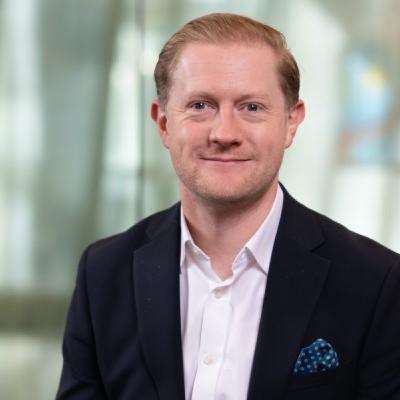
We are delighted to bring you this special conversation with John Harney who is a former guest on the show and a prominent writer and thinker on pensions as well as career and wellness topics. Our conversation picks up with where we left off - John's former discussion on the podcast in which he described his unconventional career journey as well as a love of baking, nurtured during Covid.We move then to discuss the evolution of John's current thinking on pensions - how pensions should form part of the holistic risk discussion that all companies hold, and further how the the structure of ultimate responsibility resting with the trustees while major functions are outsourced is an important distinctive feature. This unconventional lens holds a host of opportunities for re-thinking how we see pensions and we discuss the evolution of John's role within AON and the kind of opportunities that he is seeing on the road.You can find John's previous podcast here. This podcast is kindly sponsored by Benefit Street Partners and PIMCO. Founded in 2008, Benefit Street Partners – BSP – is Franklin Templeton’s specialised private credit manager with $92 billion in assets under management. The firm provides a wide range of private credit strategies across the US, Europe, Middle East and Asia Pacific, including direct lending, special situations, commercial real estate debt, infrastructure debt, asset backed finance, structured credit and liquid credit. PIMCO (Pacific Investment Management Company LLC) is a premier global investment management firm founded in 1971, specializing in active fixed-income with over $2 trillion in assets under management. Headquartered in Newport Beach, California, it offers diversified investment solutions across public and private markets, serving institutional and individual investors worldwide.
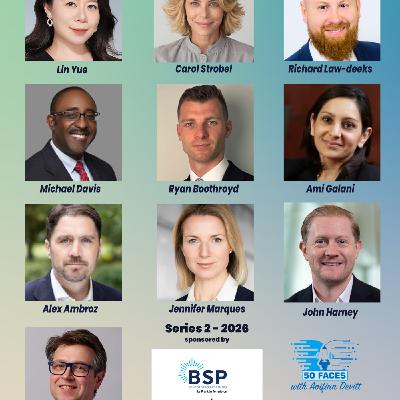
We are thrilled to launch Series 2 of the 2026 Fiftyfaces Podcast with a bumper collection of guests featuring three senior professionals at UK LGPS pools - Richard Tomlinson (CIO at LPPI), Richard Law-Deeks (CEO at LGPS Central) and Ryan Boothroyd (Head of External Management at Border to Coast). We also feature titan of the industry Michael Davis of T Rowe Price on the cusp of his retirement from heading up retirement solutions there and he reflects on that decades in the industry taught him about client relationships and trust.We hear from an experienced venture professional (Carol Strobel of Antler) about the venture environment in Brazil and why some boards need a reboot, while John Harney of AON reboots our thinking about pensions - again. Ami Galani of TIPT ventures describes her move from industry and Dick's Sporting Goods into running her own venture firm and the potential in women's sports, while Alex Ambroz founder of the Allocator Training Institute discusses his background in foster care and the US army and how this formed his work ethic and his approach to investing. Lin Yue discusses her upbringing in China and how she learned to seek to build a new table and not just find a place at an existing one, while Jennifer Marques of Oaktree discusses the burgeoning world of private credit as well as discussing a personal hardship that shaped her approach to resilience. This podcast series is kindly sponsored by Benefit Street Partners and PIMCO. Founded in 2008, Benefit Street Partners – BSP – is Franklin Templeton’s specialised private credit manager with $92 billion in assets under management. The firm provides a wide range of private credit strategies across the US, Europe, Middle East and Asia Pacific, including direct lending, special situations, commercial real estate debt, infrastructure debt, asset backed finance, structured credit and liquid credit. PIMCO (Pacific Investment Management Company LLC) is a premier global investment management firm founded in 1971, specializing in active fixed-income with over $2 trillion in assets under management. Headquartered in Newport Beach, California, it offers diversified investment solutions across public and private markets, serving institutional and individual investors worldwide.
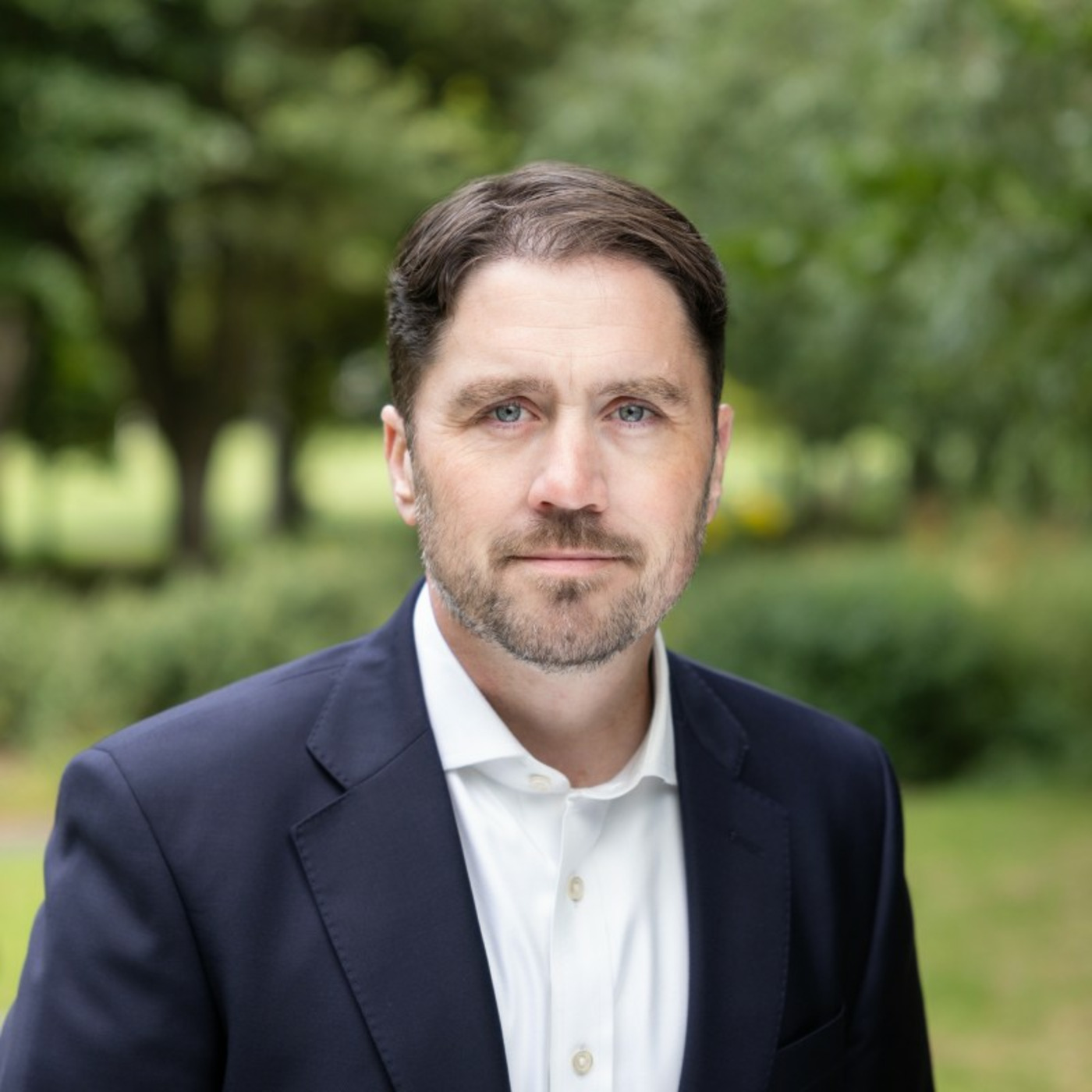
Alex Ambroz is CEO of the Allocator Training Institute, which grew out of a career-long observation of the gap in the market for the kind of training that allocators need. Our podcast discussion starts with his own upbringing and he describes how he grew up in foster care and moved around a lot during his childhood in the US North East. The US Army was then a natural place to find his bearings given his lack of family supports and he went from there into university from where his career in finance began. Alex discusses how he found his role at Morgan Creek Capital Management and the range of skills and mentorship that he had access to there. We move then to discuss his investment beliefs and Alex highlighted the "Ferrari effect" and "fake alpha," stressing the need for systematic evaluation of factor exposures. He also introduced a novel emerging managers program involving a structured three-year investment bake-off. Alex is currently based in Ireland and we discuss what brought him there, his role in Aberdeen Investments Ireland and what drove him to create the Allocator Training Institute and the vision behind it. We discuss the value of networks, continuous learning, and the importance of getting stakeholder buy-in for successful change management.This podcast is kindly sponsored by Benefit Street Partners and PIMCO. Founded in 2008, Benefit Street Partners – BSP – is Franklin Templeton’s specialised private credit manager with $92 billion in assets under management. The firm provides a wide range of private credit strategies across the US, Europe, Middle East and Asia Pacific, including direct lending, special situations, commercial real estate debt, infrastructure debt, asset backed finance, structured credit and liquid credit. PIMCO (Pacific Investment Management Company LLC) is a premier global investment management firm founded in 1971, specializing in active fixed-income with over $2 trillion in assets under management. Headquartered in Newport Beach, California, it offers diversified investment solutions across public and private markets, serving institutional and individual investors worldwide.
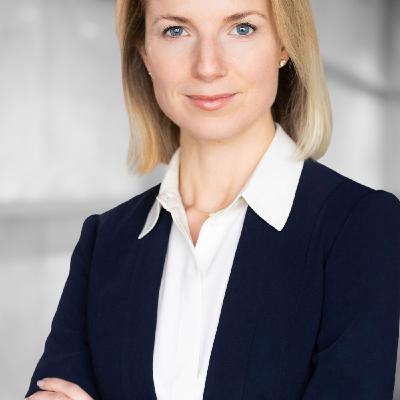
Jennifer Marques is Head of Strategy and Structuring for Structured Credit and Asset-Backed Finance at Oaktree, based in Los Angeles. She started her career as a corporate lawyer, first in private practice and then within Oaktree. She discussed her career journey from law to finance, emphasizing the importance of resilience. She highlights Oaktree's focus on asset-backed finance, which involves lending to lenders, and its strategic partnership with Brookfield. She discusses in particular the recent SAAS-pocalyse and why it has affected certain areas more than others. Marques noted the evolving role of banks in asset-backed finance and the opportunities for private alternative lenders like Oaktree. Turning to personal reflections She also shared her personal resilience after losing her home in the 2025 LA wildfires, underscoring the importance of community support. Marquez advised taking risks, providing solutions, and remaining calm in crises.This podcast is kindly sponsored by Benefit Street Partners and PIMCO. Founded in 2008, Benefit Street Partners – BSP – is Franklin Templeton’s specialised private credit manager with $92 billion in assets under management. The firm provides a wide range of private credit strategies across the US, Europe, Middle East and Asia Pacific, including direct lending, special situations, commercial real estate debt, infrastructure debt, asset backed finance, structured credit and liquid credit. PIMCO (Pacific Investment Management Company LLC) is a premier global investment management firm founded in 1971, specializing in active fixed-income with over $2 trillion in assets under management. Headquartered in Newport Beach, California, it offers diversified investment solutions across public and private markets, serving institutional and individual investors worldwide.
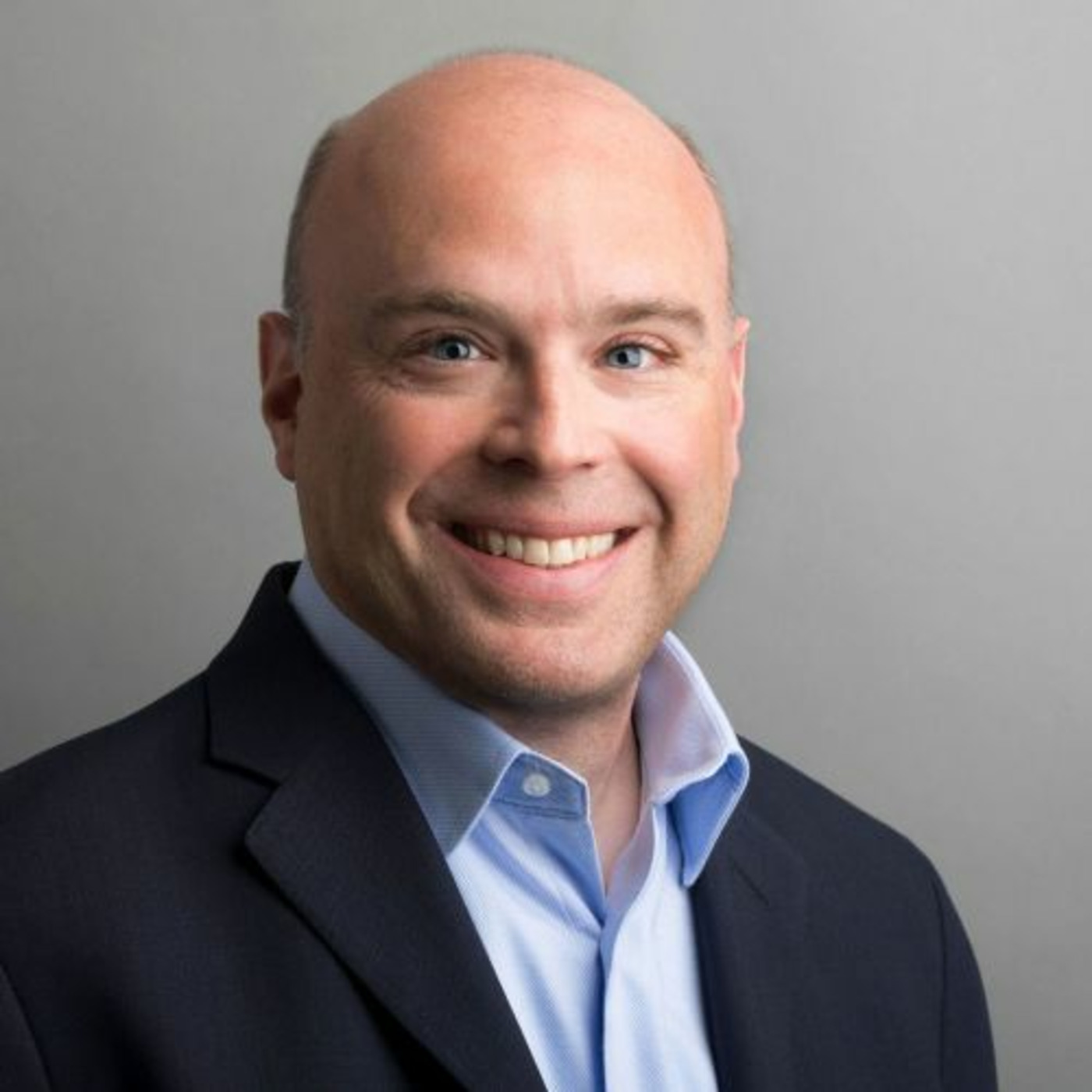
Adam Blitz is CEO and Co-CIO at Evanston Capital, where he has spent 24 years. He previously worked as a trader at AQR and in the prime brokerage division at Goldman Sachs. Our conversation starts with the serendipitous turn that saw Adam move from the prime brokerage division into the very early days of Evanston capital at the heyday of hedge funds going mainstream. We speak about the risk that that involved, and the vision of expanding upon the endowment investing model that had been in place at NorthWestern University in Illinois. We move then into what has made Evanston’s approach to hedge fund investing stand the test of time – such as a continuing commitment to uncovering fresh talent in smaller, more nimble funds. Adam discusses the importance of “polish” in a manager’s presentation style, and how sometimes it is necessary to see through that to assess the true edge that a manager may have. We examine the role of hedge funds in a portfolio and how that has evolved over time and I cite the notable transparency that has always characterized Evanston’s approach, and we discuss the merits of that. This podcast is kindly sponsored by Evanston Capital and Alvine Capital. For over 20 years Evanston Capital has had a key focus in identifying early-stage investment managers it believes are capable of generating long-term, value-added returns in complex, innovative strategy areas. Alvine Capital is a specialist investment manager and placement boutique with a particular focus on alternative assets with significant presence in London and Stockholm.

Matthew Rice is Chief Investment Officer of Vistamark Investments LLC where he leads the creation and execution of innovative, research-driven investment strategies anchored in disciplined portfolio management .He launched the firm in June of 2025 after a long career at Fiducient Advsors. Our conversation starts with his career as a college and then professional athlete and the way that this experience shaped him in terms of resilience and teamwork. We move then to his continued formative years in investment consulting at the firm that was then DiMeo Schneider and follow this with what led him to launch Vistamark. Matt emphasized the importance of qualitative analysis alongside quantitative models and shared his approach to maximizing return at a given risk budget. He also discussed the challenges of mission-driven investing, such as removing fossil fuels from portfolios. His final advice is around the importance of being honest, hardworking, and true to oneself as an investor.This podcast is kindly sponsored by Evanston Capital and Alvine Capital. For over 20 years Evanston Capital has had a key focus in identifying early-stage investment managers it believes are capable of generating long-term, value-added returns in complex, innovative strategy areas. Alvine Capital is a specialist investment manager and placement boutique with a particular focus on alternative assets with significant presence in London and Stockholm.
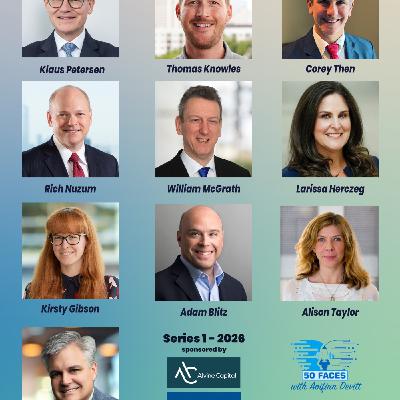
Welcome to Series 1 of 2026 – we are now approaching the age of 6 – if we were a person we would be entering school, so we have come of age, and we are going deep.Tune in to a series in which we question what it is to stick to one’s investment beliefs, hear about the changing world of OCIOs and take a different take on pension fund thinking. Our guests are:
Kirsty Gibson of Baillie Gifford who discusses investment beliefs and the conviction of being an active manager
Rich Nuzum of Franklin Templeton, who discusses the evolution of OCIOs
Klaus Peterson of Apera Capital, discussing the opportunity in lower and middle market lending in Germany and the surrounding region
Corey Then, general counsel - regulation at Circle, lifts the veil on Stablecoin and their promise
Thomas Knowles of the Gratitude Railroad reveals the evolved state of impact investing
William McGrath of C Suite Strategies has an unorthodox view on DB pensions and he would like you to know why
Larissa Herczeg of 1 Seed, who shares the secret to seeding managers in the real estate arena
Alison Taylor, of NYU Stern school, a legend in the corporate responsibility area
Matt Rice of newly formed Vistamark Capital on the potential for OCIO and family advisory businesses.
Adam Blitz of Evanston Capital, who explains their unique approach to unearthing talent in hedge fund investing
This podcast is kindly sponsored by Evanston Capital and Alvine Capital. For over 20 years Evanston Capital has had a key focus in identifying early-stage investment managers it believes are capable of generating long-term, value-added returns in complex, innovative strategy areas. Alvine Capital is a specialist investment manager and placement boutique with a particular focus on alternative assets with significant presence in London and Stockholm

Alison Taylor is Clinical Professor at the NY Stern School of Business – her Linkedin profile describes her as having “lots of other hats and even more opinions”. She is the author of “Higher Ground – How Business can do the right thing in a Turbulent World”, and has a successful Substack as well as being a member of multiple governance oriented boards such as the FT Moral Money Advisory Board as well as holding senior advisor roles at KKR and Unilever. Our conversation starts out with her career journey, in which before joining the academic world she had such intriguing roles as a fraud and corruption investigator in the US and the Middle East. We discuss how this framed her mindset entering the corporate world, and then the pathway that led her to Stern School of Business.Moving then to the central theme of corporate governance and corporate responsibility we discuss what it means to do the "right" thing, and some of the challenges that performative responsibility has led to. We speak about the prime importance of leadership and culture, and Alison emphasizes the need to focus on group behavior and predictable actions rather than individual morality. The importance of authenticity is noted as well as the need for credible and defensible approaches to diversity and sustainability.Alison notes the trend of thinking becoming a luxury good and the need for offline, in-person events to foster critical judgment and EQ and we discuss the impact that AI will have on all of that.Finally we discuss Alison's recent launch on Substack and the reception that that kind of engagement has received compared to Linked In.This podcast is kindly sponsored by Evanston Capital and Alvine Capital. For over 20 years Evanston Capital has had a key focus in identifying early-stage investment managers it believes are capable of generating long-term, value-added returns in complex, innovative strategy areas. Alvine Capital is a specialist investment manager and placement boutique with a particular focus on alternative assets with significant presence in London and Stockholm.
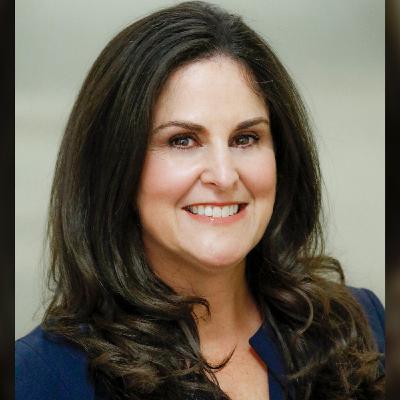
Larissa Herczeg is Founder and Managing Partner of 1 Seed Partners. One Seed Partners backs rising stars across the real estate complex Prior to founding 1 Seed she was Head of Seeding at Blue Owl, and prior to that CIO at Oak Street Capital before which she had series of financial roles. She was a 2025 Honoree for the Influential Women in Institutional Investing Awards. Our conversation traces Larissa's first foray into real estate - how it was a default option rather than an original direction - but how it turned out optimally. We discuss the reasons she was attracted to the industry and the strong "human" component that drives deal success as well as organizational sustainability.We turn then to discuss the seeding business in particular, and how so much more than capital is involved. We discuss today's landscape for emerging managers, how the goal posts have changed and how barriers to entry affect capital raising as well as getting a head start.This podcast is kindly sponsored by Evanston Capital and Alvine Capital. For over 20 years Evanston Capital has had a key focus in identifying early-stage investment managers it believes are capable of generating long-term, value-added returns in complex, innovative strategy areas. Alvine Capital is a specialist investment manager and placement boutique with a particular focus on alternative assets with significant presence in London and Stockholm
Corey Then is the Vice President and Deputy General Counsel - Global Policy at Circle, a global financial technology company. He previously held a series of legal roles, and spent a period in the White House as an economics and Department of Justice lead. He's also an adjunct professor at the Washington University School of Law. We got to know eachother while Corey was in-house counsel at Moneta in St Louis. Our conversation starts with Corey's entry into law and how his stint in the White House was formative in terms of his approach to problem solving and working with teams. We move then to what interested him first in crypto assets and what brought him to Circle. Corey explains what it is about Stablecoins that makes them so transformational. He suggests that they will enable commerce to speed up and that this increase in money velocity, will bring more prosperity to more people around the world..In terms of the risks to this trajectory, Corey suggests that if there are not comparable laws around the world, that StableCoin won't meet its full potential. He suggests that if there are balkanized regulatory structures around the world, we could end up with stable coins stopping at borders, which would be a huge disservice to consumers around the world. This podcast is kindly sponsored by Evanston Capital and Alvine Capital. For over 20 years Evanston Capital has had a key focus in identifying early-stage investment managers it believes are capable of generating long-term, value-added returns in complex, innovative strategy areas. Alvine Capital is a specialist investment manager and placement boutique with a particular focus on alternative assets with significant presence in London and Stockholm.

William McGrath is CEO of C suite pension strategies. He has a financial and industrial sector background and was a longtime CEO of AGA range master. He has an honorary doctorate from Birmingham City University for work to sustain the relevance of the Midlands industrial heritage. He returned to the financial sector after 25 years working in industry.In our discussion we trace William's own career path and the source of his interest in pensions and the financial sector more generally. Moving then to his current perspective on pension funds at C Suite Pension Strategies, he discusses the importance of corporate pensions, emphasizing that they should be seen as a corporate wealth fund rather than a burden. He highlights that there is still £1.2 trillion in private sector investments in the UK, advocating for a "run on" strategy over "buyout." William criticizes the lack of scrutiny in actuarial work and calls for better regulation and oversight of some of the workings of this sector. Overall he emphasizes the importance of a "members first" approach which puts member interests at the center of pension fund governance. We move then to broader governance issues and we talk in some detail about his experience in leadership at Aga and getting back to his love of history and the industrial heartland refers us to “Aga, Allied and Ogilvy – The Management of Groups”, which contains remarkable Boardroom records of a group of allied iron founders seeking to integrate businesses between the 1930s and 1950s – https://homehearthistory.files.wordpress.com/2015/12/aga-allied-ogilvy-book.pdfThis podcast is kindly sponsored by Evanston Capital and Alvine Capital. For over 20 years Evanston Capital has had a key focus in identifying early-stage investment managers it believes are capable of generating long-term, value-added returns in complex, innovative strategy areas. Alvine Capital is a specialist investment manager and placement boutique with a particular focus on alternative assets with significant presence in London and Stockholm.

Thomas Knowles is Managing Partner of Gratitude Railroad. Gratitude Railroad is a community driven impact investing firm championing innovative businesses that generate compelling financial returns and enduring impact. He was previously an Operating Partner at the Builders Fund and prior to that held a series of other roles, having started out in venture at SVB Capital. We speak about the evolution of the focus on The Gratitude Railroad since our last conversation with one of its Founders, Howard Fischer in July 2023. You can find Howard’s podcast here. Thomas elaborates on the investment focus areas, including climate (energy transition, energy efficiency, waste to value) and social impact (education, healthcare, financial services). We examine the impact that has been delivered to date, some of the obstacles and challenges that have delivered important lessons and the future of impact investing amid the current zeitgeist. This podcast is kindly sponsored by Evanston Capital and Alvine Capital. For over 20 years Evanston Capital has had a key focus in identifying early-stage investment managers it believes are capable of generating long-term, value-added returns in complex, innovative strategy areas. Alvine Capital is a specialist investment manager and placement boutique with a particular focus on alternative assets with significant presence in London and Stockholm.
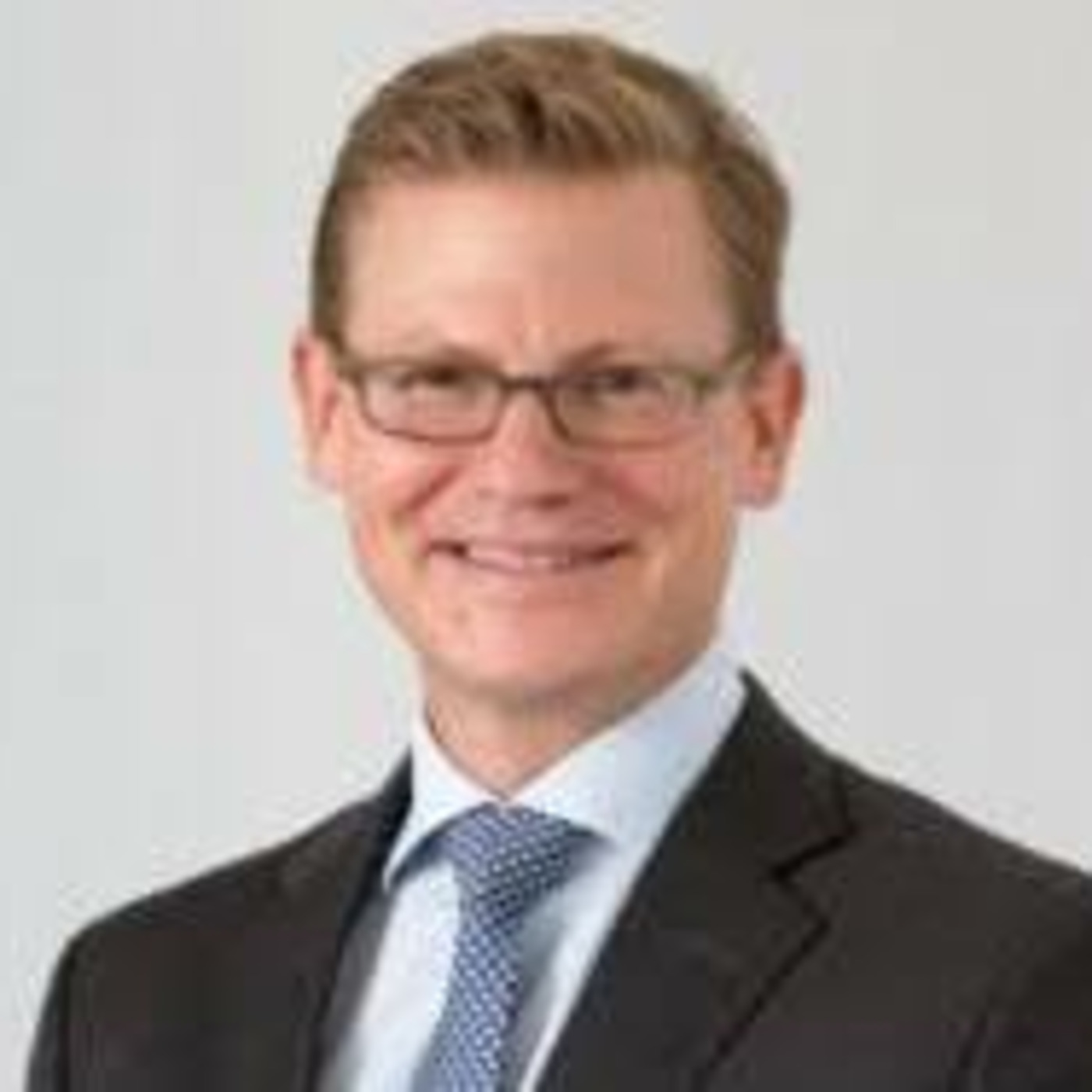
Klaus Peterson is a founding partner at Apera Asset Management, based in Munich. Apera is a lower mid-market private debt investor that provides financing solutions to European SMEs and asset management services to investors. Apera focuses on the DACH region, the United Kingdom, the Nordic countries, France and Benelux.Apera is part of Franklin Templeton a global investment management organization with $1.5 trillion assets under management. Our conversation starts with Klaus's journey into finance and his early start as a lawyer, before he finally discovered private credit via a route of private equity. We then turn to the focus on Apera's business, which is in the lower middle market and stress the difference between this size of issuer and the larger issuers which tend to occupy private credit headlines. We move through some case studies - the good, the bad and the ugly - and Klaus shares how he learned to focus on the detail, to kick the tires, and emphasizes the importance of understanding investments and questioning assumptions, sharing a lesson learned from a printing business investment.We discuss some of the challenges facing private credit as it continues to grow in size, and then focus in particular on the German market, examining the risk profile of most institutional investors and their expectations when it comes to their credit portfolioslOverall, this is a unique deep dive into a niche area of credit investing that is often overlooked in the sweeping generalizations made about the mainstream credit markets. This podcast is kindly sponsored by Evanston Capital and Alvine Capital. For over 20 years Evanston Capital has had a key focus in identifying early-stage investment managers it believes are capable of generating long-term, value-added returns in complex, innovative strategy areas. Alvine Capital is a specialist investment manager and placement boutique with a particular focus on alternative assets with significant presence in London and Stockholm
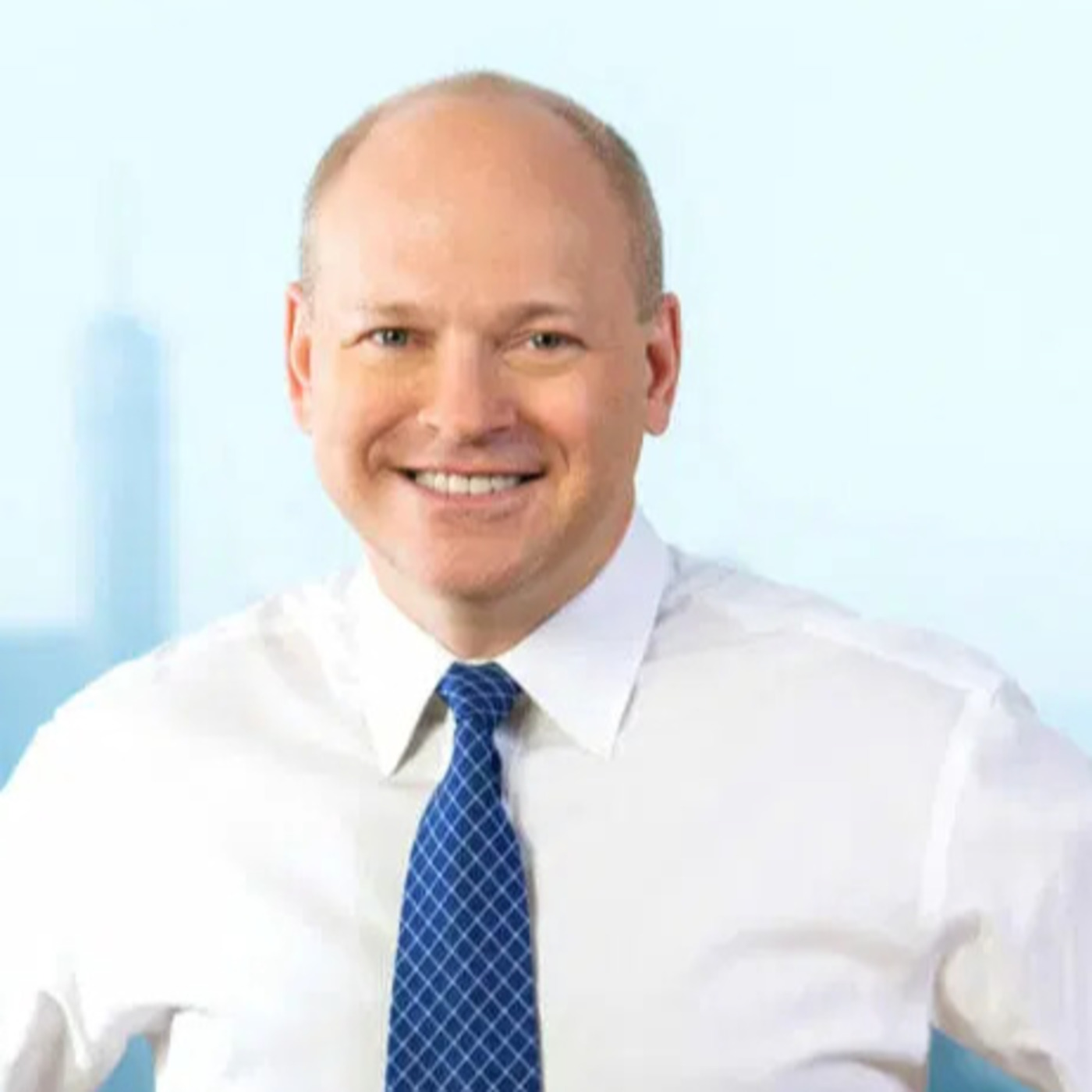
Rich Nuzum is head of OCIO at Franklin Templeton. He joined Franklin Templeton from Mercer where he spent more than three decades providing investment consulting advice to institutional investors. Nuzum holds an MBA in analytic finance and accounting from the University of Chicago and a bachelor’s degree in mathematical sciences and mathematical economic analysis from Rice University. Rich also did graduate work in international economics at Tokyo University. Our conversation starts with Rich’s upbringing and growing up with his parents as school teachers. He describes how he came upon finance as a career, and the impact of the time spent in Tokyo studying economics, one of the most difficult academic paths he has ever navigated. We speak then about his various phases in investment consulting which saw some movements to head up different areas, some planned and some serendipitous. We turn then to the concept of Outsourced CIO (OCIO) serviced and how this service offering has evolved in recent years – often to be less of a complete substitute for an investment team and more of an adjacent set of complementary skills at times. We discuss the global experience of OCIO adoption and where the future integration of this might lie. This podcast is kindly sponsored by Evanston Capital and Alvine Capital. For over 20 years Evanston Capital has had a key focus in identifying early-stage investment managers it believes are capable of generating long-term, value-added returns in complex, innovative strategy areas. Alvine Capital is a specialist investment manager and placement boutique with a particular focus on alternative assets with significant presence in London and Stockholm

Kirsty Gibson is an investment manager at Baillie Gifford, where she has spent over 13 years. She is currently focused in particular on investing in US equities with a growth orientation. Our conversation starts with Kirsty’s roots and her training in classical ballet. This was an unusual yet direct route to Baillie Gifford as she first came across the firm when she saw that they were sponsoring a ballet performance they had attended – evidence that sponsorship of similar events does in fact get noticed and yield returns! We move then to her investment beliefs, her Masters in carbon management and what she derived from it and her approach to stock picking. We dive into the cultural aspects that make a firm a rewarding place to work, and about the mindset needed to thrive as an active equity manager today. This podcast is kindly sponsored by Evanston Capital and Alvine Capital. For over 20 years Evanston Capital has had a key focus in identifying early-stage investment managers it believes are capable of generating long-term, value-added returns in complex, innovative strategy areas. Alvine Capital is a specialist investment manager and placement boutique with a particular focus on alternative assets with significant presence in London and Stockholm.
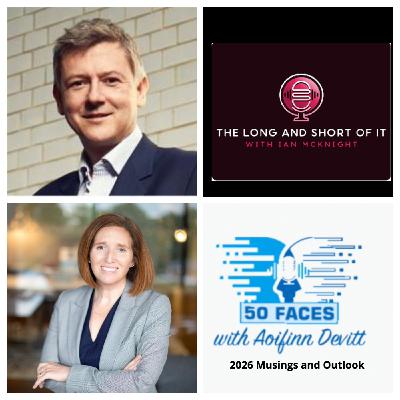
This inaugural episode of The Long and Short of It with Ian McKnight kicks off with a reflection on a news-filled Christmas period where geopolitics started the year in explosive fashion and markets started to digest the aftermath.Today's episode features Aoifinn Devitt, Senior Investment Advisor at Moneta, as a guest and we discuss topics as diverse as the impact of geopolitics, UK growth, interest rates and the need for the triumph of hope over nihilism!We conduct a health check on US equity markets, looking at valuations and of course the Mag 7, tracing their fortunes along the course of the year, and check in on how stocks such as @tesla have forged their own path and how the "average may lie" when it comes to both earning expectations and returns

Everaldo Franca is CEO at PPS Portfolio Performance, a role he has held since 1996. He has deep experience with advising pensions and institutional investors in Brazil. Our conversation starts with his upbringing in Sao Paolo and the straitened circumstances wrought by the economy that forced various job changes and a combination of academic and professional pursuits. We discuss what it means to build one's career in an economy under strain, with high inflation, unpredictability and volatility. We discuss then the process behind starting PPS Portfolio Perfomance and the proof of concept that led to traction for the business. We end with a detailed discussion of the challenges facing pension funds and other institutions in Brazil at a time when interest rates for domestic short term rates. Series 5 of 2025 is kindly sponsored by Diamond Hill. Diamond Hill invests on behalf of clients through a shared commitment to its valuation-driven investment principles, long-term perspective, capacity discipline and client alignment. An independent active asset manager with significant employee ownership, Diamond Hill’s investment strategies include differentiated US and non-US equity, alternative long-short equity and fixed income.
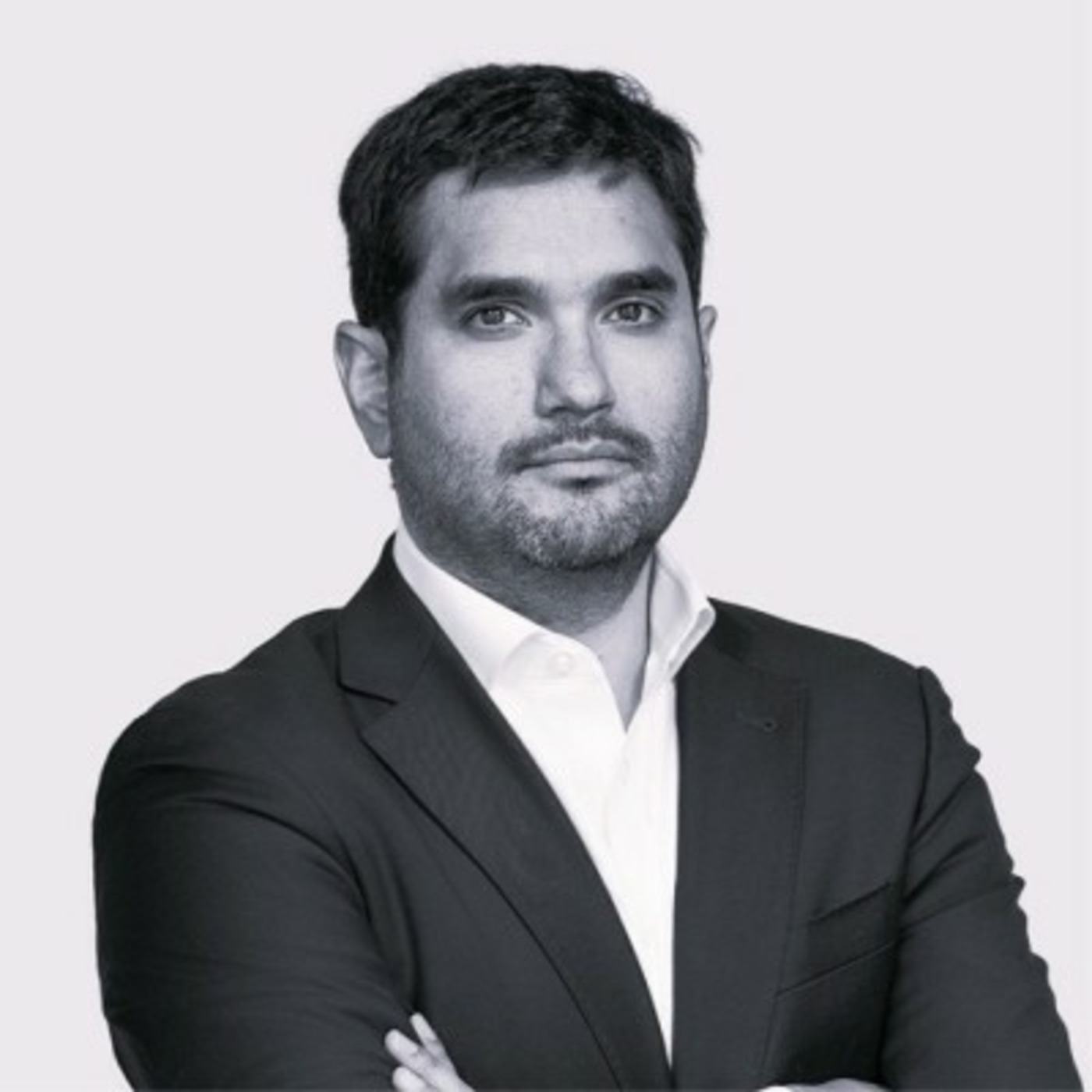
Matias Guajardo Marchant who is a Portfolio Manager Farmland at Toesca Asset Management in Santiago. He is an Agronomist with a career fully dedicated to agriculture, firmly believing that this sector is one of the fundamental pillars of both the Chilean and global economy. He is a mentor with Startup Chile and has held a series of financial roles throughout his career. Our discussion dives into the nature of agriculture as an asset class and the potential to structure investments in high-value, sustainable agriculture for institutional investors. Matias describes the favorable political and economic backdrop to this strategy in Chile today where the economy is open and there are numerous trade agreements in effect.We discuss the wave of focus on sustainability and how this can enhance the return for investors as well as how the sustainability impacts are measured. Finally we reflect on some of the learnings that he has internalized over the course of his career - including, memorably, the notion that if you look after the small money, the big money will look after itself as well as the importance of patience, long term thinking, and strategic planning.This podcast is appearing as our penultimate episode in our special Latin American voices focus series.

James Clark is senior managing director at Blue Owl and the Global Head of Institutional Capital. He has 26 years of asset management experience, and prior to Blue Owl, worked for Pimco, Golden Tree Asset Management and Landmark Partners. We had met on the circuit during my time as an allocator with Chicago Policemen's Annuity and Benefit Fund, and I recently enjoyed listening to him on this podcast with Ted Seides of Capital Allocators. https://youtu.be/laLuf6XrrDw?si=uixmWOvMGnPNeydfI wanted to catch up with James to capture some of his lessons learned amid such an accomplished career as an institutional capital raiser - he has an innate ability to play the long game, and a sharpened set of skills that enable him to know what a client needs and when, as well as when to dial things back. Diving in to these skills, he notes the value of active listening, core competencies, and the alignment of values in leadership. We end with a discussion of the changing dynamics of the private credit market, and the team’s approach to building strong partnerships with clients.Series 5 of 2025 is kindly sponsored by Diamond Hill. Diamond Hill invests on behalf of clients through a shared commitment to its valuation-driven investment principles, long-term perspective, capacity discipline and client alignment. An independent active asset manager with significant employee ownership, Diamond Hill’s investment strategies include differentiated US and non-US equity, alternative long-short equity and fixed income.

Jamila Osman is a trainee investment manager in the graduate training program at Baillie Gifford. She graduated from Edinburgh University with a First in Chemical Engineering. Our conversation starts with her upbringing in Ghana and the pioneering training high school training program that prepared her for a demanding academic load in science that paved her way to Edinburgh University.We describe how she developed an interest in finance and this then transitions into a discussion as to what her generation is looking for in an employer today. This includes paying more than mere lip service to employee wellbeing, being mindful of mental health, offering flexible work solutions and stretch opportunities. She describes a typically intense and varied work day at Baillie Gifford and the blend of deep research time with industry network events that is so essential in an apprenticeship. This podcast is also being released as part of our Ghanaian voices series.Series 5 of 2025 is kindly sponsored by Diamond Hill. Diamond Hill invests on behalf of clients through a shared commitment to its valuation-driven investment principles, long-term perspective, capacity discipline and client alignment. An independent active asset manager with significant employee ownership, Diamond Hill’s investment strategies include differentiated US and non-US equity, alternative long-short equity and fixed income.

Comments

Download from Google Play

Download from App Store
 United States