


 Claim Ownership
Your World of Creativity
Subscribed: 10Played: 449
Subscribe

© Copyright 2026 Mark Stinson
Description
On YOUR WORLD OF CREATIVITY, best-selling author and global brand innovator, Mark Stinson introduces you to some of the world’s leading creative talent from publishing, film, animation, music, restaurants, medical research, and more.
In every episode, you'll discover:
- How to tap into your most original thinking.
- Inspiration from the experts’ own experience.
- Specific tools, exercises, and formulas to organize your ideas.
- And most of all, you’ll learn how to make connections and create opportunities to publish, post, record, display, sell, market, and promote your creative work.
Listen for the latest insights for creative people who want to stop questioning themselves and overcome obstacles to launch their creative endeavors out into the world.
Connect with Mark at www.Mark-Stinson.com
In every episode, you'll discover:
- How to tap into your most original thinking.
- Inspiration from the experts’ own experience.
- Specific tools, exercises, and formulas to organize your ideas.
- And most of all, you’ll learn how to make connections and create opportunities to publish, post, record, display, sell, market, and promote your creative work.
Listen for the latest insights for creative people who want to stop questioning themselves and overcome obstacles to launch their creative endeavors out into the world.
Connect with Mark at www.Mark-Stinson.com
418 Episodes
Reverse
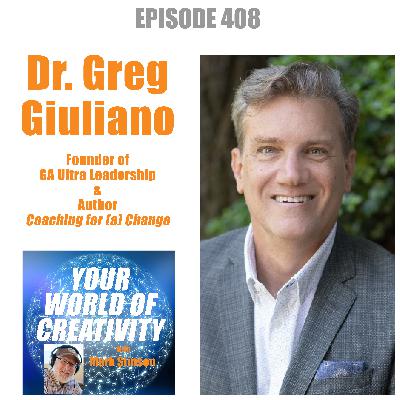
Today, we welcome Dr. Greg Giuliano, advisor and executive coach to senior leaders and teams around the world, and founder of GA | Ultra Leadership. Greg is the author of three #1 Amazon Bestsellers, including his newest book, Coaching for (a) Change: How to Engage, Empower, and Activate People.Greg's WebsiteGreg on YouTube@ultraleadership on InstagramLinkedIn: https://www.linkedin.com/in/greggiuliano/In this book, Greg challenges traditional command-and-control leadership and offers a practical alternative: coaching. Drawing on more than two decades of experience, he introduces the GR8 Coaching Framework, a set of eight powerful questions designed to help leaders shift from being expert problem-solvers to facilitators of ownership, engagement, and real change.Why This Book, and Why Now?Greg, let’s start at the beginning. What experiences or patterns in your leadership and coaching work prompted you to write Coaching for (a) Change? What problem were you seeing leaders struggle with most?From Manager to CoachYou talk about the need for leaders to shift from “manager” to “coach.” What does that shift really mean in day-to-day leadership—and why does the old command-and-control model fall short?Ultra Leadership vs. Traditional LeadershipYou distinguish between traditional leadership and what you call Ultra Leadership. How are they different, and what behaviors separate leaders who engage and empower people from those who unintentionally shut them down?The Power of Coaching (and the Misconceptions)Many leaders say they don’t have time to coach—or that coaching is soft or optional. Why is coaching actually a critical leadership skill today, and what are the biggest misconceptions leaders have about it?The GR8 Coaching FrameworkLet’s get practical. Walk us through the GR8 Coaching questions. How do these questions help leaders kick the “expert problem-solver” habit and activate ownership, accountability, and change?For leaders listening right now who want to start coaching for change—but don’t know where to begin—what’s one question they can ask this week that would immediately shift how their people show up?Thanks to our sponsor, White Cloud Coffee — fueling creative conversations everywhere. Listeners, enjoy 10% off your first order at whitecloudcoffee.com.And before you go, you can download a free copy of my e-book A World of Creativity when you visit mark-stinson.com.
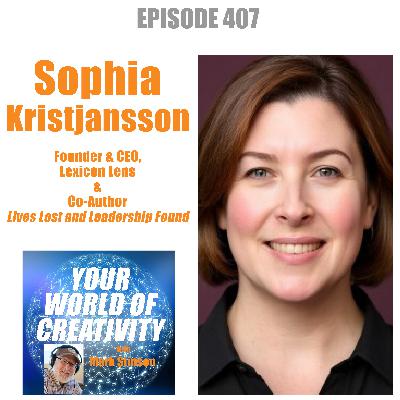
Today we’re joined by Sophia Kristjansson, Founder and CEO of Lexicon Lens, a boutique consulting firm that helps leaders close the persistent gap between strategy and execution—so plans don’t just look good on paper, they actually turn into results.Sophia's WebsiteLinkedIn: https://www.linkedin.com/in/sophiakristjansson/With more than 25 years of experience guiding organizations through growth, change, and transformation, Sophia works closely with leadership teams to restore clarity, align people and process, and build traction when momentum starts to stall. She also teaches graduate courses in business strategy and organizational transformation at the University of DenverShe’s a contributing author to Lives Lost and Leadership Found, edited by Ian Ziskin—who joined us a few episodes back.Why Strategy Fails at the Finish LineSophia, many organizations have smart strategies—but struggle with execution. From your experience, where do things most often break down between intention and action?Closing the Strategy–Execution GapAt Lexicon Lens, your work centers on alignment, collaboration, and leadership development. What are the first signs you look for that tell you a team is losing traction—and how do you help them regain momentum? Sophia shares these six signs:Misaligned success signals – Leaders focus on the wrong metrics, missing what truly indicates performance or risk.Organizational silos – Limited cross-functional visibility creates blind spots that hide emerging problems.Communication mistaken for clarity – Sending emails or memos is assumed to solve issues, without ensuring understanding or follow-through.Execution problems misdiagnosed – Symptoms are addressed instead of root causes, leading to recurring issues.Outdated mental models – Leaders rely on old assumptions and ways of thinking without realizing they no longer fit current realities.Human risk ignored – The people impact (capacity, morale, alignment, burnout) is not surfaced or discussed openly.These six signals indicate leaders may not be seeing the real problem. Bringing leaders together to surface these blind spots enables shared understanding, innovation, and collaboration—often prompting the realization that the issue isn’t execution alone, but perception and alignment.Turning Ideas into Action in Complex EnvironmentsLeaders today are navigating constant change, competing priorities, and growing complexity. What practical frameworks or habits help leaders move from analysis paralysis to decisive action?Lessons from “Lives Lost and Leadership Found”You contributed to Lives Lost and Leadership Found, a book that explores how personal loss and reflection can deepen leadership capacity. How did that experience shape—or reinforce—your perspective on leadership, resilience, and execution?Teaching the Next Generation of LeadersYou teach graduate students in business strategy and organizational transformation. What do you see emerging leaders getting right—and where do they most need to develop skills to lead effectively in today’s organizations?For leaders listening right now who feel stuck between a clear vision and uneven execution—what’s one small, meaningful step they can take this week to move forward?
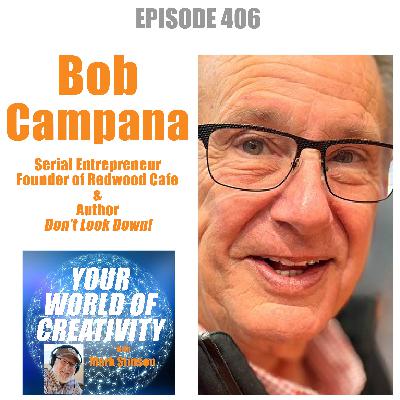
Today, we’re welcoming Bob Campana, a California-based serial entrepreneur with more than 40 years of experience building businesses across hospitality, travel, real estate, and aviation.ROBERT's WebsiteROBERT on YouTubeFrom hot tub manufacturing to founding the beloved Redwood Café in Modesto, to leading Redwood Café Tours across Europe, Asia, and Oceania, Bob’s career is a living case study in adaptability, optimism, and grit.He’s also the author of the book Don’t Look Down! The Improbable Adventures and Battle-Tested Lessons of a Serial Entrepreneur, where he shares candid lessons learned from a lifetime of figuring it out as he went. Bob has his own entrepreneurship podcast, continuing his mission to share what really happens behind the scenes of business building.1. A Lifetime of ReinventionBob, you’ve built businesses in very different industries—from manufacturing to hospitality to aviation. Looking back over 40 years, what allowed you to keep reinventing yourself rather than getting stuck in one version of success?2. Risk, Fear, and the Title “Don’t Look Down!”Your book title says a lot. Don’t Look Down! suggests both courage and consequence. How have you learned to take risks without being reckless—and what’s one moment when looking down might have stopped you if you’d let it?3. Building Places That Connect PeopleRedwood Café became more than a restaurant—it became a community hub, and now it’s evolved into Redwood Café Tours around the world. What do you think makes an experience or a business truly memorable to people? (Bob recommends two books. “Moments of Truth: How the SAS President and CEO Adapted to the New Customer-Driven Economy” by Jan Carlzon. “Setting the Table: The Transforming Power of Hospitality in Business” by Danny Meyer.)4. Lessons Earned the Hard WayYour book promises “battle-tested lessons,” not theory. What are one or two hard-earned truths about entrepreneurship that you wish more people understood before they start their first venture?5. What’s Next—and Why Keep Going?You’re still expanding into real estate and aircraft leasing, writing books, and launching a podcast. What keeps you energized at this stage—and what advice would you give to entrepreneurs who wonder if it’s too late to start something new?Bob, if you could leave our listeners with one mindset or principle that’s helped you navigate uncertainty over four decades, what would it be?
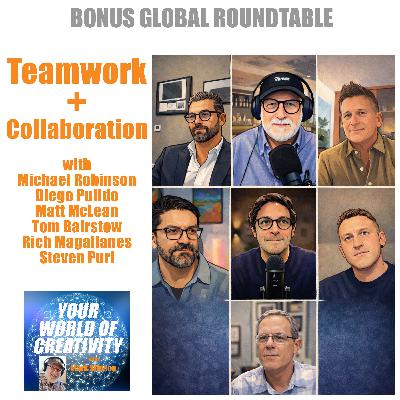
On Your World of Creativity, we travel around the world talking with creative practitioners who turn ideas into impact. In this special roundtable episode, Mark brings together leaders from film, animation, hospitality, consumer brands, immersive experiences, and big-tech UX to explore one powerful theme:Teamwork.When creative outcomes depend on dozens—or even hundreds—of contributors, how do you align vision, manage complexity, and still leave room for magic?Today’s PanelistsMichael Robinson — Hotel & Hospitality Operations LeaderDiego Pulido — Lead UX Designer, Amazon (formerly Google, Walmart, Adobe, JPMorganChase)Matt McLean — Organic Consumer Juice Brand FounderTom Bairstow — Event, Concert Production & Immersive Visual Experiences Rich Magallanes — Children’s & Animated Content ProducerSteven Puri — Focus app creator, ex-studio exec/producer Fox, DreamWorks, SonyTogether, they share real-world lessons from film sets, animation studios, hospitality teams, live events, consumer brands, and product design at scale.In This Episode, We Explore:Creativity as a Team Sport. What great collaboration actually looks like across industries—and why creativity doesn’t happen in isolation.Aligning Vision Across Many Contributors. How leaders communicate creative direction clearly when working with writers, designers, engineers, performers, vendors, and operational teams.Conflict, Constraints & Creative Breakthroughs. How budget limits, timelines, technical requirements, and differing opinions can either block creativity—or unlock it.Leadership in Collaborative Environments. What it means to lead when you’re not the only decision-maker, how to build trust quickly, and why delegation is essential for scale.Practical Takeaways for Better Collaboration. From film crews to UX teams, each panelist shares what actually helps teams work better together—and what listeners can apply immediately.Final Lightning RoundEach panelist shares one simple action listeners can take this week to become a better collaborator.Huge thanks to our panelists. Be sure to connect with them.https://www.linkedin.com/in/michael-robinson-a6985735/https://www.linkedin.com/in/diegopulido/https://www.linkedin.com/in/matt-mclean-5507733/https://www.linkedin.com/in/tombairstownorthhouse/https://www.linkedin.com/in/rich-magallanes-executive-producer-15290776/https://www.linkedin.com/in/steven-puri/If you enjoyed this episode, please take a moment to subscribe, rate, and review Your World of Creativity. It helps more creative leaders discover the show.And come back next time, when we’ll sit down with another creative professional to explore how they get inspired, organize ideas, and turn imagination into impact.New Book AnnouncementMark’s new book is coming soon.UNLOCK Your World of Creativity: 6 Key Lessons Learned from More Than 250 Creatives WorldwideBuilt from the first 250 conversations on the podcast, this book distills practical insights from founders, artists, designers, musicians, healers, strategists, and innovators around the globe.Inside you’ll discover:• how creative people get inspired• how they organize ideas into action• how they move through doubt, burnout, and uncertainty• how they turn creativity into meaningful work and real-world impactIt’s designed to be practical, reflective, and encouraging—whether you’re leading a business, building a creative practice, or bringing a new idea into the world.UNLOCK Your World of Creativity coming on Amazon.Just search the full title or look for Mark Stinson.Thanks for being part of this creative journey—and for supporting the podcast and the book.
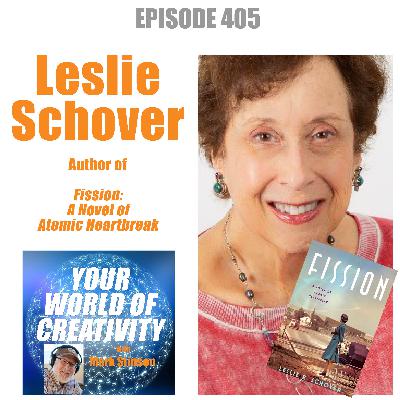
Today I’m joined by Leslie Schover, clinical psychologist turned novelist and author of Fission: A Novel of Atomic Heartbreak.Set during the Manhattan Project in Oak Ridge, Tennessee, Fission explores love, ambition, secrecy, identity, and moral conflict at a moment when the world was being reshaped—both scientifically and emotionally.Drawing on her parents’ lived experiences and her own deep understanding of relationships, Leslie brings a uniquely human lens to one of history’s most consequential chapters.From Family Stories to Historical FictionFission is rooted in the stories your parents told about life in Oak Ridge during the Manhattan Project. When did you first realize these personal memories could become a novel—and what shifted for you in turning family history into fiction?Atomic Power and Emotional FissionThe title Fission works on so many levels—scientific, emotional, relational. How did you think about the parallel between splitting the atom and the fractures within marriage, identity, and moral responsibility?Doris Friedman: Ambition, Identity, and ConstraintDoris is such a complex character—a young mother, a frustrated artist, a woman navigating marriage, ambition, antisemitism, and gender expectations in the 1940s. What drew you to tell the story through her eyes, and what does she represent to you?Psychology, Secrecy, and Relationships Under PressureAs a clinical psychologist, you’ve spent decades studying relationships, sexuality, and identity under stress. How did that background shape the way you portrayed marriage, desire, betrayal, and resilience in a world defined by secrecy and existential fear?Moral Ambivalence and LegacyBy the end of the novel, Doris and Rob are left with pride, guilt, love, and doubt—having helped save the world and also put it at risk. What questions do you hope readers sit with after finishing Fission, especially as we think about scientific progress and ethical responsibility today?As someone who returned to fiction after a long and impactful career in psychology and healthcare, what would you say to creatives who feel it may be ‘too late’ to return to an earlier calling?
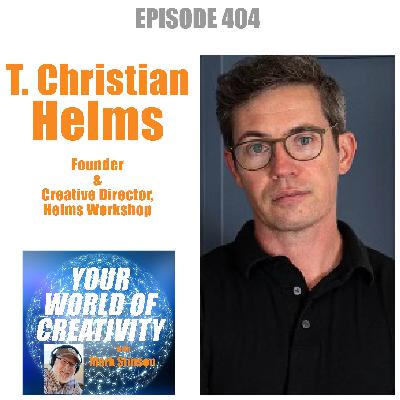
Today we’re welcoming T. Christian Helms, Founder and Creative Director of Helms Workshop, an award-winning branding agency known for building brands that truly connect.https://www.linkedin.com/in/tchristianhelms/T. Christian's WebsiteOver the past 15 years, Christian has led creative strategy for beloved names like Jack Daniel’s, Hershey, Austin Beerworks, and Howler Brothers—helping them clarify their voice, tell authentic stories, and bring creative visions to life.But what makes Christian’s creative journey especially powerful is the transformation behind the work. After years struggling with an undiagnosed illness, he rebuilt his life and his business using the same creative tools he teaches—clarity, storytelling, curiosity, and purpose. Today he helps companies and creators alike rediscover their creative spark and turn ideas into meaningful impact.Rebuilding Through CreativityChristian, your story includes a long period of illness and recovery—and ultimately a complete personal and creative reset. How did those challenges shape the way you think about creativity, purpose, and your role as a storyteller and brand builder?The Spark of Curiosity and PlayYou often talk about the importance of curiosity and play in breaking out of creative ruts. How do you intentionally bring curiosity into your process, both for yourself and for the brands you help shape?Storytelling as StrategyYour agency is known for helping brands find their soul and voice. What’s your approach to uncovering an authentic story—whether you're working with a global brand like Jack Daniel’s or an emerging creative business?Rebuilding Creativity After BurnoutMany of our listeners have faced burnout, adversity, or seasons where their creative energy felt depleted. From your own journey, what have you learned about restoring creativity when the tank feels empty?Creating Meaningful ImpactYou’ve said that great design connects—and great stories endure. What does “impact” look like to you now? And how can today’s creators translate their ideas into work that actually makes a difference for others?Christian, for creatives who are listening and may be at a crossroads—professionally, personally, or creatively—what’s one small step they can take today to reconnect with their creative spark?”Thanks to our sponsor, White Cloud Coffee Roasters, fueling creative conversations everywhere. Listeners, enjoy 10% off your first order with the code CREATIVITY at checkout. Visit whitecloudcoffee.com.And before you go, download your free e-book A World of Creativity, featuring insights and interviews from the podcast. Visit mark-stinson.com
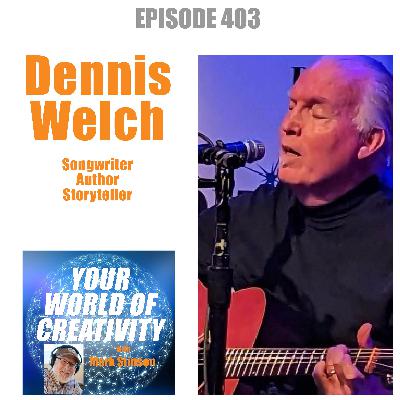
Today, we welcome Dennis Welch — a lifelong songwriter and creative force who is now experiencing a remarkable musical renaissance in his sixties. Dennis has written more than 500 songs, published two books, played concerts far and wide, and built a body of work anchored in one central identity: storyteller.Dennis's WebsiteDennis on YouTube@Poo_Welch on InstagramDennis's Facebook pageAfter recording an album in 2000, Dennis continued writing but went 18 years without releasing new music… until a single moment changed everything. When his longtime friend, Little River Band guitarist Rich Herring, heard one of Dennis’s songs, he offered to produce a single — which turned into an album, and then another, all landing on the first Grammy ballot in multiple categories.His newest album, Strong, released this July, continues this extraordinary creative chapter. Dennis’s message is simple but powerful: Never give up. Keep creating. You never know what’s around the next corner.A Renaissance at Sixty: Why Now?Dennis, your story is such a powerful example of perseverance. After releasing an album in 2000, you kept writing but didn’t return to the studio for nearly two decades. What was happening creatively during those years — and what made this the right moment to reemerge?The Song That Changed EverythingWhen Rich Herring heard one of your songs and offered to produce a single, it sparked an entire new era of your career. Tell us about that moment. What did you feel when you realized this might be the beginning of something big?Storytelling as Your LegacyYou’ve said that if you could be remembered for just one word, it would be storyteller. How does storytelling show up in your songwriting today, and how has your perspective evolved across 500+ songs?Three Albums, Two Grammy Ballots, and a Creative SurgeWhat Love Makes Us Do and If I Live to Be a Hundred both made the first Grammy ballot in five categories — and now you’ve released Strong. What themes, emotions, or experiences shaped this newest album?Advice for Creatives Who Feel “It’s Too Late”Your message is incredibly encouraging: Don’t ever give up. Tune out the naysayers. Do what you’re here for. What do you want other artists — especially those who feel their creative window is closing — to understand from your journey?Dennis, if you could leave our listeners with one thought about sustaining creativity across a lifetime — what would it be?Thanks to our sponsor, White Cloud Coffee Roasters. Listeners can enjoy 10% off your first order — just use the code CREATIVITY at checkout at whitecloudcoffee.com.And don’t forget to download your free e-book, A World of Creativity — a collection of inspiring interviews from the podcast. Visit mark-stinson.com to get your copy.
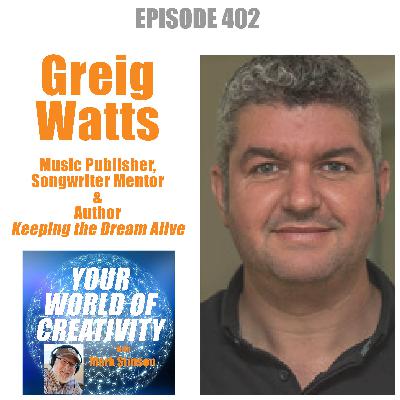
Today, we welcome Greig Watts, a powerhouse in songwriting, publishing, and music development. Greig is one-third of the internationally successful songwriting and publishing team DWB, known for selling millions of units worldwide and for pioneering early breakthroughs in markets like Japan and South Korea long before the global rise of J-Pop and K-Pop.Greig's Website @greigwatts on Instagram Greig's Facebook page Greig's LinkedIn: https://www.linkedin.com/in/greigwatts/For songwriters who feel stuck, discouraged, or tired of rejection, his mission: help creators overcome setbacks, rediscover joy, and keep fighting for the dream that first sparked their love of music. Greig has captured decades of experience—and the heart of his creative philosophy—in his bestselling book, Keeping the Dream Alive. It’s part memoir, part guide, and part rallying cry.He’s overseen 16 Eurovision entries in 10 consecutive years, coached dozens of successful writers, spoken at industry conferences from Moscow to Taiwan to Amsterdam, served as a BBC Music Consultant, and mentored songwriters around the world.From Almost Quitting to International SuccessGreig, your book opens with a vulnerable story—by 2003 you almost walked away from music entirely. What helped you turn rejection into fuel instead of failure, and how did that turning point shape the book Keeping the Dream Alive?The Mindset of PersistenceYou say showing up matters more than talent. What does “showing up” actually look like for songwriters—and how can creatives overcome procrastination, self-doubt, and the belief that they’re not good enough? What’s the secret to finishing songs instead of endlessly rewriting them?Protecting Creativity While Treating Music as a BusinessYou’re very honest that loving music isn’t enough—you also have to monetize it to keep going. How can songwriters protect their creativity from burnout while still building a viable career in an intensely competitive industry?Finding Success in Unexpected PlacesYou and DWB broke into Japan and Korea long before most UK or US writers even knew those markets existed. You also helped make Eurovision songwriting camps what they are today. How has seeking out “the niche” shaped your creative and business success?Mentorship, Neurodiversity & Keeping the Dream AliveYou’ve launched courses supporting songwriters—including neurodiverse creatives—and you speak often about defending the underdog. How do you help writers identify their strengths, build a supportive team, and keep the dream alive even when people around them doubt them? Greig, for any songwriter listening who feels like their dream is slipping away—what’s the one thing you want them to hear today?”Book link for listeners:https://www.amazon.co.uk/Keeping-Dream-Alive-Songwriters-Overcoming/dp/195725551XThanks to our sponsor, White Cloud Coffee—fueling creative conversations everywhere. Listeners, enjoy 10% off your first order at whitecloudcoffee.comAnd before you go, be sure to grab your free e-book A World of Creativity when you visit mark-stinson.com
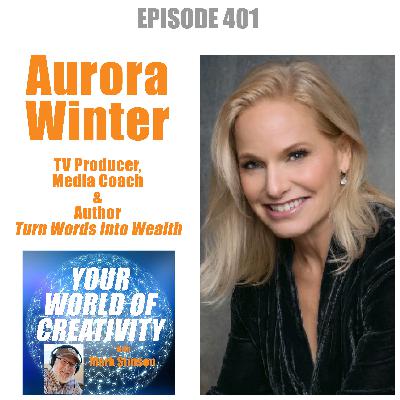
Today’s guest is Aurora Winter — an award-winning bestselling author; TV producer; media coach; ghostwriter; and successful serial entrepreneur. Aurora is founder of SamePagePublishing.com and the creator of the Spoken Author™ method, helping experts craft award-winning books that expand their impact and income.Her book Turn Words Into Wealth: Blueprint for Your Business, Brand, and Book to Create Multiple Streams of Income & Impact won Outstanding Non-Fiction Book of the Year in 2022 and many other awards since then.Aurora's Website @aurorawintermba on Instagram Aurora on YouTube Aurora left a lucrative career as a TV executive to pursue a life built on storytelling, creativity, and contribution. Today she empowers entrepreneurs, authors, and speakers to turn their words — and their wisdom — into wealth.Turning Words Into WealthAurora, you help entrepreneurs and experts use books as a centerpiece for their brand and business. What are the most powerful ways someone can turn their words into multiple streams of income today?The Neuroscience of Memorable MessagesYou’re known for blending filmmaking, storytelling, and neuroscience. What does science tell us about why certain messages stick — and how can listeners apply this to their own communication, branding, or writing?The 27X Power of StoryYou talk about the “27X value of a story.” What does that mean — and why is story still the most persuasive, profitable, and memorable tool in business?New Ways to Market — AI, Kickstarter, and BeyondThe landscape for authors and entrepreneurs is shifting fast. What new marketing approaches should people be paying attention to — including AI, Kickstarter, or other platforms?Pivoting From Business to Award-Winning FantasyYou’ve recently stepped into writing fantasy — and winning awards for it. How has writing fiction influenced your creative life? And in your view, how can fiction shape or illuminate real-world issues. “Seven Ways to Make 7 Figures”: Could you share one or two of your favorite strategies that listeners could begin applying today?· Gift for Our Audience - Includes your Turn Words-to-Wealth starter library and a video masterclass on how to attract capital, clients, and media coverage.: https://turnwordsintowealth.com· Marketing Fastrack: The Little Book That Launched a New Business by Aurora Winter- on Amazon: https://a.co/d/8xrIglK· Turn Words Into Wealth: Blueprint for Your Business, Brand and Book by Aurora Winter - on Amazon: https://a.co/d/7RRkVYb· Magic, Mystery, and the Multiverse Book 1 Amazon: https://a.co/d/5cmA6Um· LinkedIn: https://linkedin.com/in/AuroraWinterThanks to our sponsor, White Cloud Coffee — fueling creative conversations everywhere. Listeners, enjoy 10% off your first order at whitecloudcoffee.com.And before you go, you can download a free copy of my e-book A World of Creativity when you visit mark-stinson.com.
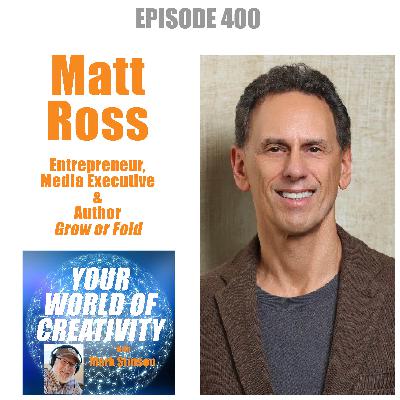
Episode 400 – and the start of our 8th year of the podcast!We welcome Matt Ross — entrepreneur, media executive, and author of the book Grow or Fold: Transform Yourself in Midlife & Beyond.Matt's WebsiteMatt's Facebook pageLinkedIn: https://www.linkedin.com/in/matt-ross-entrepreneur/Matt has spent nearly 30 years building businesses at the intersection of creativity and leadership. He led New York’s legendary rock station Q104.3 and hip-hop station Hot 97, helped scale School of Rock from a struggling startup into a global franchise, and later founded One River School, a first-of-its-kind art education company now with fifteen schools across six states. Grow or Fold — Why This Book, and Why Now?Matt, you’ve spent decades building creative organizations—from School of Rock to One River School. What inspired you to write Grow or Fold, and what does that title mean to you personally?From Rock Stages to Art Studioso Throughout his career, Matt has made creativity the core of every organization he’s led, whether inspiring musicians, mentoring young artists, or empowering educators to think like innovators.What lessons carried over from building School of Rock that helped you launch One River School—and how did those experiences change your view of what creativity really means?Building Communities Through ArtOne of your core beliefs is that creative spaces are essential for wellbeing and connection. How have you seen art schools, studios, and community programs transform the lives of students and adults alike?Creative Growth and Leadership at Every AgeYou’ve said that creativity isn’t just for the young—it’s the key to staying sharp as we age. How can leaders, educators, and professionals rediscover their creative edge during midlife transitions or after major life changes?The CEO as Creative — and the Creative as CEOYou’ve lived in both worlds—the creative studio and the C-suite. What can business leaders learn from artists about innovation, and what can artists learn from CEOs about sustainable growth?You write about nurturing originality and trust in teams. What are the most effective ways leaders can foster that kind of environment?You’ve described Grow or Fold as a mindset for sustainable creativity and leadership. How can people apply that mindset to their daily lives, especially in times of uncertainty or change?Matt, for listeners who might be standing at a crossroads in their own careers or creative paths — what’s one action they can take today to start ‘growing’ rather than folding?Thanks to our sponsor, White Cloud Coffee — fueling creative conversations everywhere. Listeners, enjoy 10% off your first order at whitecloudcoffee.comAnd before you go, be sure to download your free e-book of A World of Creativity when you visit mark-stinson.com.
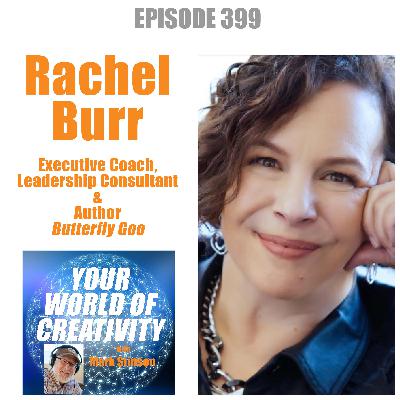
Today, as we wrap up our seventh year and 399th episode of Your World of Creativity, it’s fitting that we welcome a guest who perfectly captures the essence of transformation and growth — Rachel Burr.Rachel's Website @Catamentum on Instagram Rachel's Facebook page Rachel is an executive coach and leadership consultant with more than 20 years of experience helping leaders navigate the complex, unpredictable world of human dynamics. She knows that leadership can be messy — because people are unpredictable — and most leaders are promoted for technical excellence, not people skills.Rachel specializes in human-centered leadership, guiding executives to build self-awareness, empathy, and relational intelligence. Her book Butterfly Goo beautifully compares leadership growth to a caterpillar’s transformation — messy, nonlinear, and deeply transformative.1. From Caterpillar to Leader — Why “Butterfly Goo”?Rachel, your metaphor of transformation is so vivid — comparing leadership development to the chaos of metamorphosis. What does that “goo” stage represent for leaders, and why do you think so many get stuck there instead of breaking through?Human-Centered Leadership in a Technical WorldYou often say leaders are promoted for technical excellence, not people skills. What are some of the most common people-dynamic challenges leaders face — and how can they start to build emotional and relational intelligence?Overcoming Fear and Finding FulfillmentMany of your clients struggle with fear — of failure, of being vulnerable, of not being enough. How do you help leaders confront those fears and replace them with a sense of purpose and fulfillment?Navigating Complex Workplace DynamicsWith your background in organizational development and clinical psychology, what practical tools or exercises do you use to help leaders manage interpersonal challenges and organizational change — especially in high-pressure environments?Humor, Humanity, and Real ChangeYou use humor and practical exercises to make deep transformation approachable. Why is it important for leaders to lighten up — and how can humor actually support growth, empathy, and connection?Rachel, as we wrap up this milestone episode and our seventh year of Your World of Creativity, what’s one piece of advice you’d offer to leaders — or anyone listening — who’s ready to embrace their own transformation and move from stuck to unstoppable?Thanks to our sponsor, White Cloud Coffee — fueling creative conversations everywhere. Listeners, enjoy 10% off your first order at whitecloudcoffee.comAnd before you go, be sure to download your free e-book A World of Creativity when you visit mark-stinson.com.Then come back for our next episode — as we begin our eighth year of creative conversations — where we’ll continue to travel around the world to talk with creatives about how they get inspired, how they organize ideas, and most of all, how they gain the confidence and connections to launch their work out into the world.
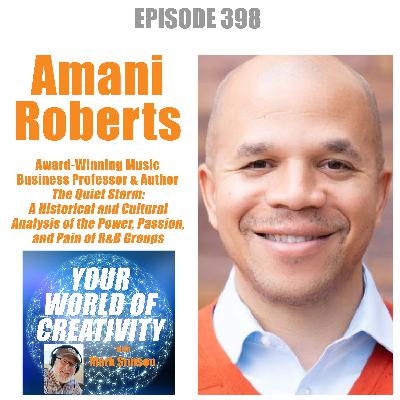
Today is Episode: 398 as we near the end of our 7th year of Your World of CreativityI’m thrilled to welcome Amani Roberts — an award-winning music business professor, international keynote speaker, and global DJ performer.He’s a USA Today bestselling author, and his upcoming book, The Quiet Storm: A Historical and Cultural Analysis of the Power, Passion, and Pain of R&B Groups, offers a powerful deep dive into how Black R&B groups shaped music, identity, and community.Amani's Website @amaniexperience on Instagram Amani on YouTube From DJ Booth to Classroom — The Creative JourneyAmani, your career bridges music, business, and education. How did your early experiences as a DJ evolve into this mission of helping others unlock their creativity and confidence?The Quiet Storm — Why This Story Matters NowYour new book, The Quiet Storm, is a cultural and historical analysis of Black R&B groups — from The Temptations to TLC. What inspired you to take on this topic, and why do you think it’s so important to tell this story today?Beyond Entertainment — R&B as Social CommentaryYou write that R&B groups didn’t just make music — they moved culture. How did these artists influence identity, social change, and even the civil rights movement through their art and community presence?Resilience, Reinvention, and Relevanceo With over 30 years in hospitality and 17 years in the music industry, Amani has collaborated with brands like Marriott, 7-11, Calendly, and Chartmetric, generating millions in revenue while inspiring professionals to unlock their creativity, take risks, and stay resilient.o You’ve led in corporate settings, creative spaces, and classrooms. What are the biggest lessons you’ve learned about staying relevant and resilient — whether you’re spinning records, teaching students, or advising executives?o Amani’s leadership extends beyond the stage — he was the first African American President of Meeting Professionals International’s Southern California Chapter in 45 years and is co-host of the podcast Adventures in Business. His work has been featured in Forbes, People Magazine, NBC, and Yahoo! Finance.The Future of R&B and Creative LeadershipAs we look forward, how can today’s creatives — musicians, entrepreneurs, or educators — apply the lessons from R&B’s rise, dominance, and decline to keep their work meaningful, collaborative, and authentic?Thanks to our sponsor, White Cloud Coffee — fueling creative conversations everywhere. Listeners, enjoy 10% off your first order at whitecloudcoffee.com.And as we close out this special 7th anniversary episode of Your World of Creativity, remember to grab your free e-book, A World of Creativity, when you visit mark-stinson.com.Join us next time as we continue our round-the-world journey, talking with creative people about how they get inspired, how they organize ideas, and how they build the confidence and connections to launch their work into the world.
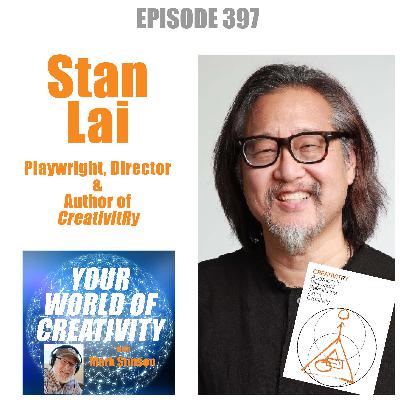
Today we’re honored to welcome Stan Lai, one of the world’s most celebrated playwrights and theatre directors. He has been called by one critic ‘the major contemporary Asian playwright of his time, perhaps of all time’ and by the BBC ‘the best Chinese-language playwright and director in the world’. Stan's Website @Stanlai99 on Instagram Stan on YouTube Born in the U.S. and raised in both America and Taiwan, Stan earned his PhD from UC Berkeley before launching a groundbreaking career in Taiwan that now spans over 40 acclaimed plays, including masterpieces like A Dream Like a Dream and Secret Love in Peach Blossom Land. He’s also the co-founder of the Wuzhen Theatre Festival and Huichang Theatre Village in China, and his Shanghai venue, Theatre Above, is dedicated entirely to his work.Stan joins us today to discuss his new book, CreativitRy: Asia’s Iconic Playwright Reveals the Art of Creativity, coming in November 2025 from Anthem Press — a transformative guide that blends memoir, Buddhist philosophy, and practical methods for unlocking the creative potential that lives within each of us. https://a.co/d/56PRqeG5 QuestionsThe Source of CreativityStan, you’ve said that CreativitRy explores “where creativity lives — within each and every one of us.” How did your own creative process as a playwright and director lead you to this realization, and what inspired you to put these ideas into book form?From Stage to Page — Translating Art into InsightYour plays are known for their emotional depth and philosophical reach. How was writing about creativity — in prose rather than in performance — a different kind of creative act for you?Buddhist Wisdom and Creative FlowYou describe the book as rooted in Buddhist thought, guiding readers to unlock creativity through introspection rather than productivity hacks. How do mindfulness and spiritual awareness shape your own approach to artistic creation?Creativity as Education — A New FrontierCreativitRy is being adopted as the foundational text for a new Department of Creative Studies at major Chinese universities. How did that initiative come about, and what does it say about the growing importance of creativity in education and society today?The Universality of the Creative JourneyYou’ve been praised by artists like Ang Lee and Jack Ma for bridging the arts, business, and human growth. What do you hope readers — whether they’re artists, entrepreneurs, or students — will take away from CreativitRy about living a truly creative life?Stan, as we close, what’s one piece of advice you’d offer to someone who feels disconnected from their creativity — someone who wants to rediscover that creative energy in everyday life?Thanks to our sponsor, White Cloud Coffee — fueling creative conversations everywhere. Listeners, enjoy 10% off your first order at whitecloudcoffee.com.And be sure to download your free e-book of Your World of Creativity when you visit mark-stinson.com
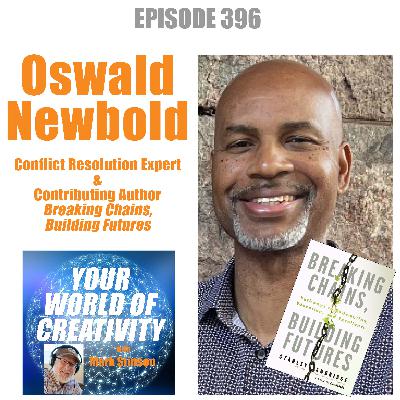
Today, we welcome Oswald Newbold, a certified mediator, conflict resolution specialist, and contributing author to the new book Breaking Chains, Building Futures: Pathways to Redemption, Education, and Excellence, edited by Dr. Stanley Andrisse and published by Wiley.Oswald's Website Oswald's Facebook page This powerful collection features first-hand stories from individuals impacted by incarceration — stories of struggle, triumph, and transformation. Oswald’s own journey is especially compelling: sentenced to life at 20, he has emerged as a leader in mediation, education, and criminal justice reform.Through Breaking Chains, Building Futures, Oswald and his co-authors shed light on how redemption, education, and empathy can create real pathways toward healing and social change.Breaking Chains — Finding Purpose in PainOswald, your story in Breaking Chains, Building Futures is both raw and inspiring. What led you to share such a personal journey in this book, and what do you hope readers take away from it?From Lived Experience to LeadershipYou were sentenced to life at 20, and yet you’ve turned that experience into a lifelong mission to mediate conflict and help others rebuild their lives. What inspired you to take on a leadership role in reentry services and criminal justice reform?The Power of Education and MediationYour background in mediation and conflict resolution is remarkable — with a 90% success rate and now a youth program training young people as certified mediators. How did your own access to education, both formal and informal, shape your path toward healing and leadership?Collaboration and Creative ProcessThis book brings together deeply personal stories from many voices, under Dr. Stanley Andrisse’s vision. What was it like to collaborate with other contributors on such emotionally charged material, and how did that creative process affect you?Building Futures — From Systemic Change to Personal HopeIn your view, what are the biggest barriers people face when reentering society after incarceration? And what gives you hope that we can create more equitable and effective pathways to redemption?You’ve built a career around conflict resolution — from prisons to communities to youth programs. What lessons from your time mediating behind the wall still guide you today?How do you maintain your own sense of balance, hope, and self-care while doing such emotionally demanding work?What does redemption mean to you now, both personally and professionally?For listeners who may be navigating their own second chances, or trying to turn pain into purpose — what’s one message you’d like them to carry forward from your story?Thanks to our sponsor, White Cloud Coffee — fueling creative conversations everywhere. Listeners, enjoy 10% off your first order at whitecloudcoffee.comAnd before you go, remember to download your free e-book of A World of Creativity when you visit mark-stinson.com
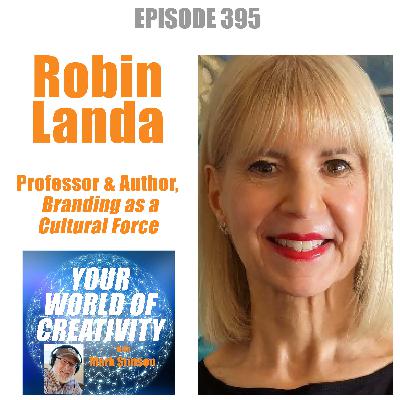
Today, we’re welcoming Robin Landa back to the show. I first interviewed Robin in February 2023 about her book The New Art of Ideas, and I’m thrilled to continue that conversation.Robin is a distinguished professor at Kean University and a globally recognized expert in creativity and branding. She received the 2024 Gold Design Education Recognition Award, was named by the Carnegie Foundation among the ‘Great Teachers of Our Time,’ and will be inducted into the New Jersey Advertising Hall of Fame in 2025.Robin 's Website @proflanda on Instagram Robin 's Facebook page Robin on YouTube Author of 25 books—including Graphic Design Solutions, Strategic Creativity, Advertising by Design, and Shareworthy (with Greg Braun)—Robin now turns to her new release: Branding as a Cultural Force: Purpose, Responsibility, and ResonanceFrom The New Art of Ideas to Cultural ForceRobin, when we talked in February 2023, you laid out a practical pathway for generating and shaping ideas. What’s evolved in your thinking since then—and how did that trajectory lead to Branding as a Cultural Force?Branding as a Vehicle for Systemic ChangeYour new book argues that branding can—and should—shape culture, not just reflect it. What catalyzed this call to action, and how does it challenge conventional brand playbooks?From Product Stories to Cultural MovementsWhich brands or campaigns today truly function as cultural forces? What makes them work—and what can creative teams learn about purpose, responsibility, and resonance?Authenticity, Accountability, and RiskWhen brands take a stand, what’s the right balance between authentic purpose and measurable responsibility? How should leaders navigate backlash, skepticism, and “purpose-washing”?Teaching Creative CourageYou’ve shaped thousands of careers through teaching, mentoring, judging, and writing. What practices help people move from safe, incremental ideas to bold, world-shaping concepts—without losing strategic clarity?The Next Generation of Brand LeadersWith AI, rapid cultural shifts, and fragmentation of attention, what skills—and mindsets—will define tomorrow’s most effective brand leaders?Thanks to our sponsor, White Cloud Coffee—fueling creative conversations everywhere. Listeners, enjoy 10% off your first order at whitecloudcoffee.com.And before you go, remember to download your free e-book of Your World of Creativity when you visit mark-stinson.com.
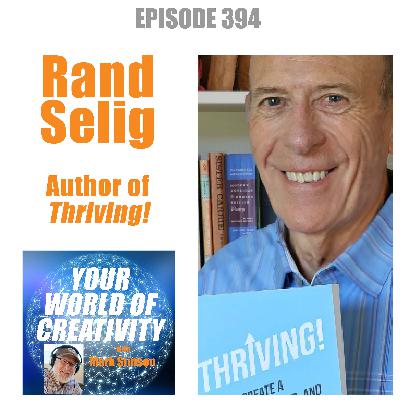
Today, we welcome Rand Selig — an accomplished investment banker, entrepreneur, coach, Scoutmaster, board member, and hands-on conservationist. Rand brings a unique balance of analytical insight and human understanding to everything he does.For more than 35 years, he’s led The Selig Capital Group, named the Best Sustainable Investment Banking Firm in the San Francisco Bay Area in 2024 by Wealth and Finance International. Rand is also the author of the award-winning book Thriving! How to Create a Healthier, Happier, and More Prosperous Life — a 333-page guide that’s been inspiring readers around the world since its release through selfpublishing.com.Rand's Website @Rmsinstat on Instagram Rand on YouTube Rand's Facebook page Thriving! resonate with readers seeking practical guidance for designing a life filled with purpose, vitality, and joy.The Power of Choice — Why “Thriving” MattersRand, your book is built on the idea that intentional choices can completely reshape our lives. What inspired you to write Thriving! and how do you define what it truly means to “thrive” in today’s fast-paced world?Overcoming Setbacks and Building ResilienceYou write about turning obstacles into opportunities — something you’ve clearly practiced in your own entrepreneurial and personal journey. What are some of your favorite tools or mindset shifts for building resilience through life’s challenges?The Science of ThrivingWith your background in both psychology and mathematics, you take a unique, evidence-based approach to personal growth. How do you bridge scientific insights — like self-awareness and behavioral psychology — with practical, everyday tools your readers can apply right now?Designing Your Life — Becoming the Architect of Your FutureYou often say we can design our own lives. What does that process look like in practice? Could you share a few of the most powerful exercises or decisions that help people move from drifting through life to actively creating it?The Ten Keys to Aging Well and Living with VitalityOne of my favorite parts of the book is your section on “The 10 Keys to Aging Well.” You emphasize that aging well is about vitality, not longevity. What are some of the key choices we can make today — psychologically, emotionally, and physically — to keep thriving as we age?You talk about defining success on your own terms. How can people begin that process when society tends to equate success with money or status?Thanks to our sponsor, White Cloud Coffee — fueling creative conversations everywhere. Listeners, enjoy 10% off your first order at whitecloudcoffee.com.And before you go, remember to download your free e-book of Your World of Creativity when you visit mark-stinson.com.
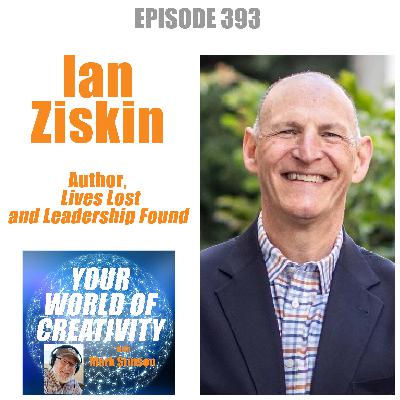
Today, we’re welcoming back Ian Ziskin, President of EXec EXcel Group, a leader with more than 40 years of experience as a business executive, board advisor, coach, consultant, and author. Ian has held senior leadership and Chief Human Resources Officer roles at three Fortune 100 companies, written extensively about the future of work, HR, and leadership, and continues to influence how organizations develop people and purpose.Ian's Website Ian first joined us on Your World of Creativity back in 2022, when he shared insights from another collaborative anthology project that brought together diverse voices in leadership. Today, he returns to discuss his new book, Lives Lost and Leadership Found, just released by Routledge. The book blends neuroscience, survey insights from 150 professionals, and deeply personal essays from dozens of contributors to explore how grief, loss, and connection can actually deepen our leadership capacity — and how our ‘special somebodies’ may be our most powerful teachers.Why This Book, and Why Now?Ian, you’ve written and spoken extensively about leadership and HR — but Lives Lost and Leadership Found takes a much more personal and emotional turn. What inspired you to write this book, and why was now the right time?Neuroscience, Grief, and GrowthThe book explores how neuroscience rewires our leadership capacity through experiences of loss. What did you discover about the connection between grief, empathy, and leadership resilience?Collaborative Creativity, Round TwoYou were last on the podcast in 2022 discussing another anthology you co-created. How has that collaborative creative process worked for you over the years — and what lessons did you carry forward into this new project?Leading Together — The Power of Many VoicesIn Lives Lost and Leadership Found, you serve as the lead author but included essays from dozens of contributors. What were the benefits — and maybe the challenges — of weaving so many perspectives into a single narrative?Lessons from the Data and the StoriesYou surveyed 150 professionals and featured essays from leaders and coaches across industries. What key lessons or themes emerged — and were there any surprises in how people transformed loss into growth?Music, Reflection, and RenewalYou even wrote and recorded a song for the book, “Here and Gone,” to honor your parents and brother. Tell us about the story behind that song — and why you encourage readers to write their own essays about their “Special Somebodies.Thanks to our sponsor, White Cloud Coffee — fueling creative conversations everywhere. Listeners, enjoy 10% off your first order at whitecloudcoffee.com.And before you go, remember to download your free e-book of Your World of Creativity when you visit mark-stinson.com.
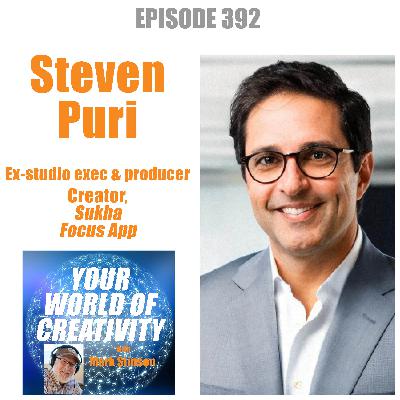
Today we’re joined by Steven Puri, Founder and CEO of The Sukha Company based in Austin, Texas, whose mission is to help millions of people find their focus, achieve more, and build a healthy work life. His latest creation, the Sukha Focus App, integrates science and soul to help people achieve deep, sustainable focus in a distracted world.Steven's Website The Journey from Hollywood to HappinessSteven, you’ve had such an eclectic career—from film production and tech startups to founding a company devoted to focus and balance. Steven’s creative journey spans journalism, film, technology, and now mindfulness. He began as a newscaster for the #1 youth news show in the DC/Baltimore market, then went on to work as a software engineer and Thomas J. Watson Scholar at IBM.From there, he entered the film world—producing computer-generated visual effects for Independence Day and 13 other movies, launching his first company, Centropolis Effects, which he later sold to German media conglomerate Das Werk. He went on to senior leadership roles at 20th Century Fox and DreamWorks, developing hit franchises like Die Hard, Wolverine, Transformers, and Star Trek.What turning point inspired you to create The Sukha Company?Creative Systems and ScienceYou’ve led creative and technical teams at the highest levels—from Independence Day to Transformers. What lessons from those high-pressure creative environments have shaped how you now think about productivity, empathy, and well-being at work?Defining “Sukha” in Modern WorkThe Sanskrit word sukha means happiness through self-fulfillment. How does that philosophy show up in your company’s products—and in your own daily focus habits?Focus in the Age of OverloadYou’ve built an app to help people stay focused in a world of constant distraction. What are the biggest focus challenges you see today, and how does The Sukha help users navigate them?The Future of Work and Well-BeingYou talk about “healthy productivity.” What do you see as the next evolution for creative professionals and organizations who want to get more done without burning out?Steven, what’s one piece of advice you’d give to creatives and leaders who are trying to find focus, fulfillment, and flow in their daily work?Thanks to our sponsor, White Cloud Coffee—fueling creative conversations everywhere. Listeners, enjoy 10% off your first order at whitecloudcoffee.com.And before you go, don’t forget to download your free e-book of Your World of Creativity when you visit mark-stinson.com.
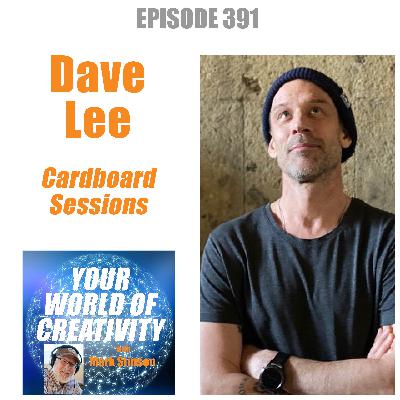
Today, we’re talking with Dave Lee, the creative engineer and co-creator of Cardboard Sessions, the viral series where paper becomes possibility. In each episode, top-tier artists step into the studio to create unrehearsed sonic magic using fully playable instruments made entirely out of cardboard.Dave on YouTube @cardboardsessions on Instagram From cardboard Stratocasters and Telecasters to full drum kits, Dave and his team turn imagination into reality, documenting the process in stunning behind-the-scenes videos that blend art, science, and pure creative courage.The Spark of Cardboard ChaosDave, where did this idea begin—what first made you look at cardboard and think, “let’s make a snowboard, a guitar, or a pair of Vans out of this”? What was the creative leap from Cardboard Chaos to Cardboard Sessions?Engineering Meets ArtYou’ve built fully playable instruments out of cardboard—something that sounds impossible until people see and hear it. If you’ve ever looked at an everyday object and thought, ‘What if we made this out of cardboard?’—Dave’s probably already done it. Your creative journey—from Cardboard Chaos experiments to collaborations with icons like Tony Hawk, Marcus King, and Keanu Reeves—proves that true innovation often starts with the simplest materials and the boldest questions. I was watching the Cardboard Session with Peter Yorn -- How do you and your team balance the technical precision of engineering with the spontaneity of creative experimentation?The Magic of Unrehearsed MusicEach Cardboard Session is unrehearsed, unfiltered, and full of creative risk. What do you think happens to artists when the normal studio structure disappears and they’re just responding to the moment—with instruments made of paper?Collaboration and Creative FlowYou’ve brought in everyone from ZZ Top to Marcus King to Keanu Reeves. What have you learned about collaboration from these sessions—and how do you create an environment that invites trust, play, and genuine creativity?The Lesson for Creatives EverywhereYour work embodies the idea that creativity thrives on limits and curiosity. What’s your advice for listeners who want to tap into that “build it anyway” mindset—especially when they’re facing doubt or resistance?What’s one takeaway you hope creators remember from your work—about staying inventive, curious, and hands-on in a digital world?Thanks to our sponsor, White Cloud Coffee—fueling creative conversations everywhere. Listeners, enjoy 10% off your first order at whitecloudcoffee.com.And before you go, don’t forget to download your free e-book of Your World of Creativity when you visit mark-stinson.com.
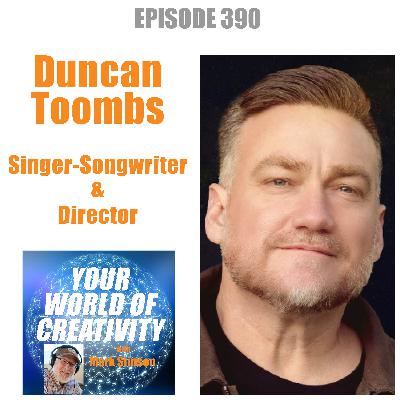
Today, we’re heading to Australia to welcome Duncan Toombs—one of the country’s powerhouse vocalists and storytellers. Duncan’s music reconnects us to our humanity and reminds us of the importance of love, life, and family. I first heard Duncan live this summer when I visited Sydney and stopped into Jolene’s country bar and I was blown away by his performance.Then, I learned Duncan appeared on Channel Seven’s The Voice, where his raw, powerful vocals won over the hearts of millions. His original song, Steel on Steel, went viral with nearly 3 million viewers tuning in, and it has since reached audiences worldwide on TikTok and Instagram.Duncan is also a nine-time Golden Guitar Award winner, an ARIA #1 album artist with Steel on Steel, and a Hands of Fame inductee.Duncan's Website @duncantoombs on Instagram Duncan's Facebook page Duncan on YouTube Here is an overview of our conversation, plus you'll hear samples from 3 of Duncan's songs:The Voice & Viral BreakthroughDuncan, your performance of Steel on Steel on The Voice captivated millions and went viral globally. What was that moment like for you—and how did it change the way people connect with your music?Storytelling Through SongYour songs are deeply rooted in love, life, and family. How do you translate personal experiences into stories that resonate so universally with listeners?Crafting an AlbumYour album Steel on Steel reached ARIA #1. What was your creative process in pulling that project together, and what makes it different from your earlier work?Sustaining a Career in MusicWith nine Golden Guitars and a Hand of Fame induction, you’ve already built an incredible legacy. What has kept you inspired to keep writing, performing, and pushing your artistry forward?The Other Creative Pursuit: Filmmaking & Content CreationMany of our listeners are creatives themselves—writers, musicians, makers—trying to find their voice. What advice would you share about staying true to your craft while navigating other creative pursuits and an ever-changing industry?Duncan, what’s one message you’d like to leave with listeners about the role of music in keeping us connected to each other and to what really matters in life?Thanks to our sponsor, White Cloud Coffee—fueling creative conversations everywhere. Listeners, enjoy 10% off your first order at whitecloudcoffee.comAnd before you go, don’t forget to download your free e-book of Your World of Creativity when you visit mark-stinson.com

Comments

Download from Google Play

Download from App Store
 United States