


 Claim Ownership
Women Mind the Water
Subscribed: 5Played: 221
Subscribe

Description
The Women Mind the Water podcast engages artists in conversation about their work and explores their connection with the ocean and how it influences their art.
116 Episodes
Reverse
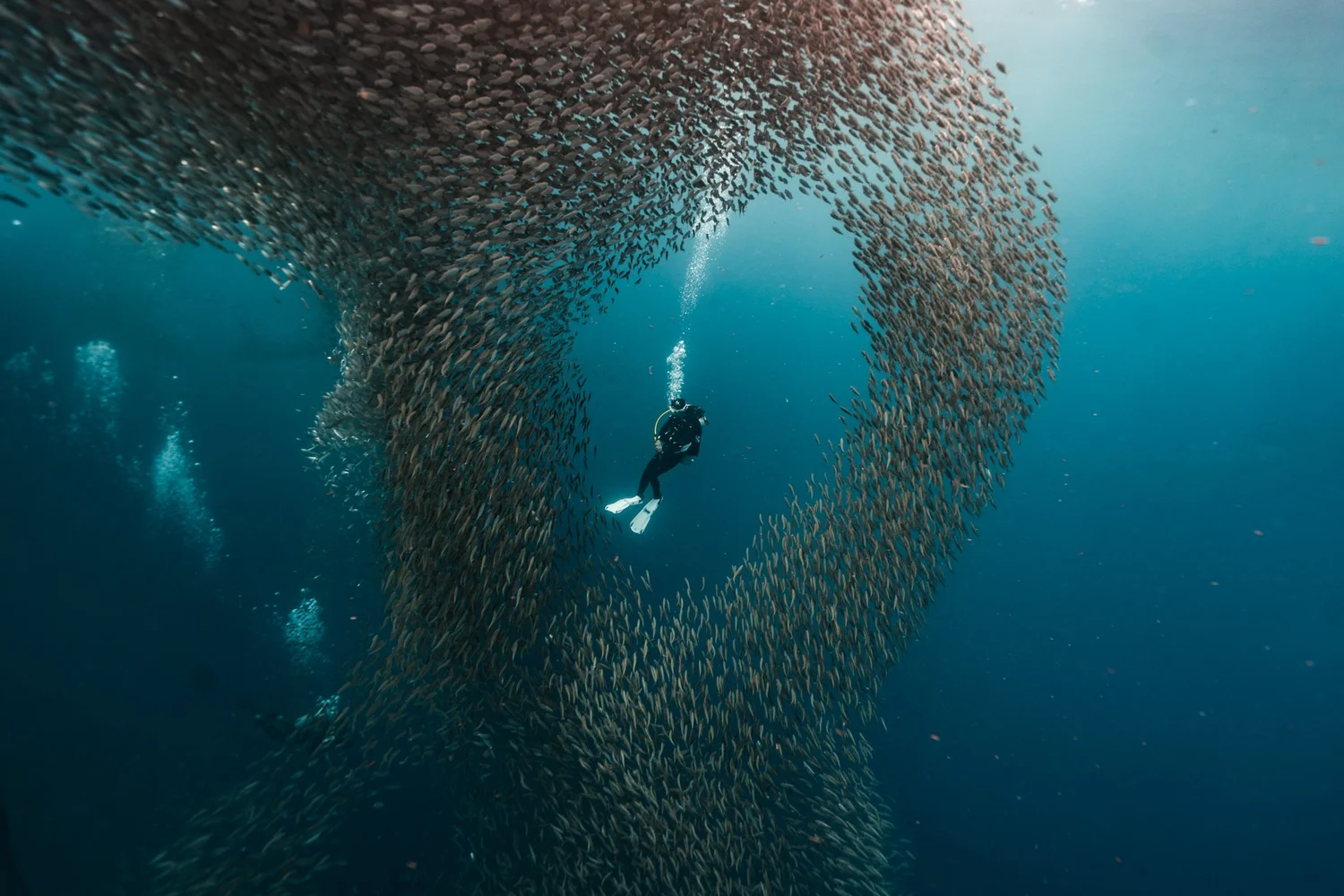
Andi Cross of Edges of Earth works with individuals and communities to
advance nature-based solutions. She brings these perspectives to corporate
decision-makers offering actionable strategies that offer tangible changes
for organizations on the front line of the climate crisis.

Ashley Kidd cofounder and conservation program manager the Sunflower Star
Laboratory in California discusses sunflower sea stars: what they are, why
they are critically endangered, how her laboratory is trying to restore
them to the wild, and why this is important.
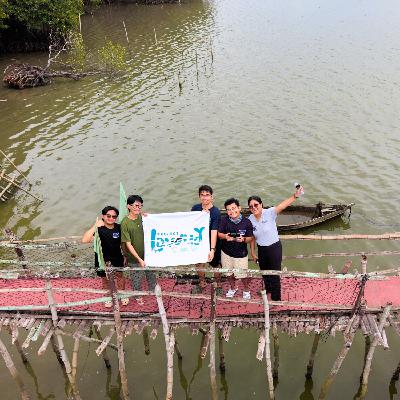
Project Lawud is concerned with the survival of the Philippines dugong.
Project Lawud was awarded the 2025 Seed Prize by the Iris Project.
Christian Agregado talks about dugongs, why they are important, and what
Project Lawud is doing to build awareness of this endangered marine mammal.
Rebecca works for the Oceanic Preservation Society, a documentary movie
production company. She is currently involved with post-production work on
Speaking with Giants, a film about whale communication.
100 episodes globally produced podcast of ocean art/ artist interview,
marine conservation theme. Podcaster discusses podcast production, shares
personal stories

Patrizia Zelano, an acclaimed Italian photographer, invites viewers to look
beyond the immediacy of the image. Her series inspired by the 2019 flood in
Venice share images of destruction and transformation.

Artistic entrepreneur Parisa Golchoubian is a global nomad. She creates
art, represents other artists, and has tech startup designed to solve
marine plastic pollution. She talks about art, storytelling, AI, and
technology.
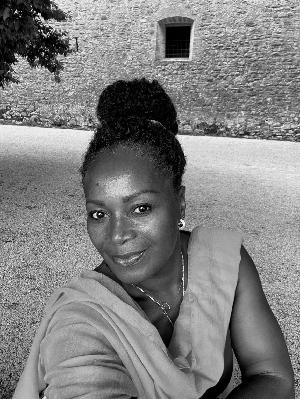
Renown photographer Angèle Etoundi Essamba . Her camera tells story of
Africa, women, and strength.

Amanda Leland, Exec. Dir Environmental Defense Fund, organization focused
on climate change, healthy oceans, and more discusses her new book Sea
Change, a true story about unlikely allies in pursuit of achieving
sustainable fisheries. The book is a narrative of a real Gulf Coast
fisherman and Amanda’s pursuit to help find a path forward that would
enable fishermen to keep fishing and have a healthy, vibrant ocean for all
of us.
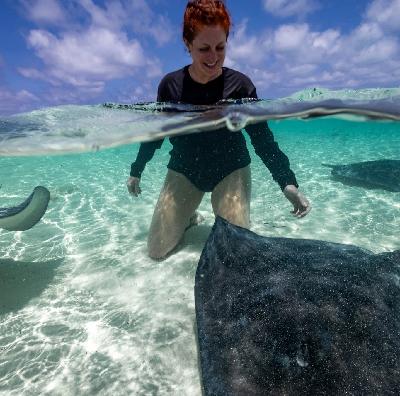
Sophie Maycock, shark research/conservationist, website SharkSpeak , author
Shark: The illustrated biography, guest Wo(men) Mind the Water Artivist
Series podcast on womenmindthewater.com, UK representative Sharks
Educational Institute.

Stephanie Elzondo Griest, professor of Creative Nonfiction UNC Chapel Hill,
author six books has traveled to 50 countries & 49 states collecting
material for her stories. On Women Mind the Water Artivist Series podcast
she talks about her stories, women interviewees, and the connection between
water and people, about the Mohawk Akwesasne on the St. Lawrence and
Mexicans on the Rio Grande River.

Shelby Thomas, Ocean Rescue Alliance International, restores marine
ecosystems. The non-profit has installed more than 300 modules, some in the
form of mermaids, as living reefs off southern Florida. They are ideal
spots for coral restoration, marine life, research and tourism. Shelby is
the latest guest on the Wo(men) Mind the Water Artivist Series on
womenmindthewater.com.
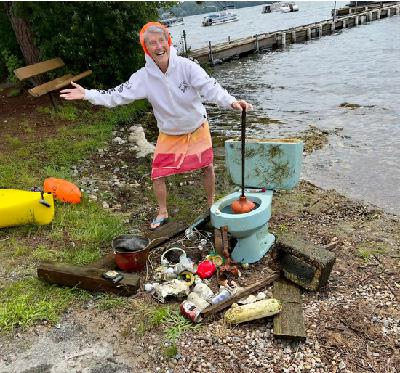
Susan Baur is founder of Old Ladies Against Underwater Garbage, a group of
women aged 64 and up that dive for sunken garbage in ponds. Their work
restores the ponds and enhances the lives of the women. It’s physically
demanding work but the women are rewarded with camaraderie,
self-satisfaction, and cookies.

Lily Niederhofer, competitive swimmer/octopus advocate, conceived
open-water swim, to raise awareness /money, to stop world’s first
industrial-sized octopus farm. The preteen speaks to students and lawmakers
hoping to block commercial octopus operations. Wo(men) Mind the Water
Artivist Podcast series speaks with the Lewis Pugh Foundation Environmental
Sports Champion and Young Planet Leader.
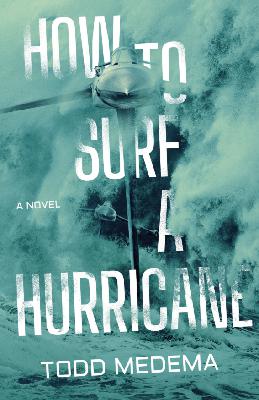
Todd Medema, the latest guest on the Wo(men) Mind the Water Artivist Series
podcast, is author of How to surf a hurricane, an scifi ecothriller. We
talk about many things including technology, scifi, and climate change. He
advises us to recharge and connect with nature, join communities with
similar values and start taking action. For Todd, writing his new novel was
a way to make a difference.

Gabriel Forestieri and Meredith Sallee are partners in life as well as
projectLIMB, their dance company that explores the relationship between
humans and water. Their dances are performed while freediving, meaning they
move underwater relying on the air contained in their lungs. On this
edition of the Wo(men) Mind the Water Artivist Series podcast the couple
discuss how they came to dance underwater and the work involved in creating
these mesmerizing performances.
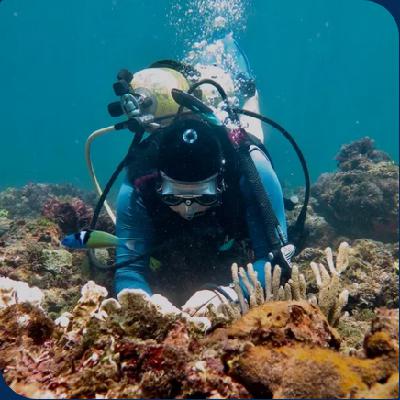
Krista Shoe is founder of Mother of Corals, an organization based in Panama
involved in coral restoration and education organization. Mother of Corals
others to learn and participate in coral restoration and conducts its own
coral restoration to combat rising ocean temperatures.

Arielle Moody worked in the beauty industry for more than 15 years, before
she started her own company. Mama Sol was a collaboration between three
women who wanted to protect themselves, their children, and the planet from
the harmful petrochemicals found in many commercially available sunscreens.
Mama Sol’s tagline is: “For all mamas, Mother Earth included.” In addition
to protecting the skin from the harmful rays of the sun, the sunscreens are
also less harmful to coral reefs. Important because it has been estimated,
that roughly one fifth of the world’s coral have died in the past three
years.
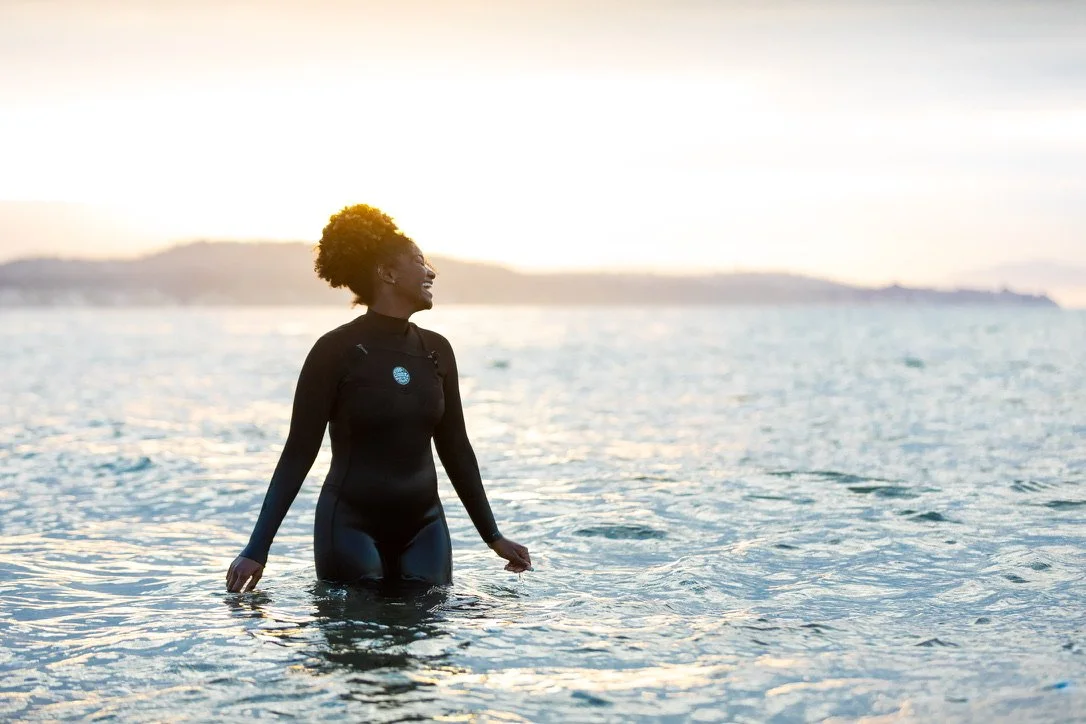
Jada Alexander has a deep reverence for the ocean. Her personal journey as
a young Black woman left her with emotional scars. She has come to
understand that the ocean is more than a place to surf. Jada is the founder
of the Daybreak Beach Club. Daybreak teaches participants to enjoy, respect
and protect the ocean while discovering that the ocean provides a path to
healing and personal growth.

Indira Brook, the latest guest on the Wo(men) Mind the Water Artivist
Series podcast, is a manager at Roatán Marine Park. The marine park is a
non-profit dedicated to the protection of the Caribbean island located
about 40 miles off the northern coast of Honduras. Indira’s work for the
Roatán Marine Park involves working with people to protect coral reefs,
mangroves and other marine species. Roatán’s coral reefs are second only in
size to Australia's Great Barrier Reef. Indira is currently working with
others to institute an island-wide ban of sunscreens containing
petrochemicals. Coral bleaching and deformity in the development of fish
are attributable to the petrochemicals in sunscreen. (
https://womenmindthewater.com/featured-guests)

Comments

Download from Google Play

Download from App Store
 United States