


 Claim Ownership
BaseCamp Live
Subscribed: 208Played: 7,922
Subscribe

© All rights reserved.
Description
BaseCamp LIVE will equip you, the parent, educator, or mentor to climb the biggest mountains as you seek to shape young people to become exceptionally prepared, compassionate, and thoughtful human beings. Our guests are thought leaders, culture watchers, and educational experts who are seeing the benefits of a classical Christian education to form students into adults who can think critically, believe with courage, and serve compassionately.
363 Episodes
Reverse
What is a good teacher?Most of us can name a teacher who made a lasting impact, not just through information, but through formation, awakening curiosity, shaping understanding, and building confidence. In this BaseCamp Live episode, host Davies Owens sits down with classical educator and mentor Carrie Eben, co-author of The Good Teacher: 10 Pedagogical Principles That Will Transform Your Teaching, to explore the often-overlooked piece of classical Christian education, how we teach, not only what we teach.Carrie has spent more than 25 years serving in classical education across schools and homeschooling. She is a founding board member at Sager Classical Academy in Siloam Springs, Arkansas, and a head mentor for the Searcy Institute Master Teacher Apprenticeship in the Ozark Mountain region. Together, Davies and Carrie discuss why classical schools must often “make” teachers through mentorship and apprenticeship, and why pedagogy matters because the teacher is not merely delivering content, the teacher is shaping the classroom culture and the student’s loves.The conversation centers on two foundational principles that set the rhythm for great teaching:Festina Lente, “make haste slowly,” a reminder that learning cannot be rushed. Wonder, contemplation, repetition, and embodied learning take time, and growth happens step by step.Carrie also turns to the importance of assessment, explaining that it should align with the purpose of education and the nature of the student, not simply a score. She highlights relational approaches like narrative assessment, and practical options like narration, oral work, debates, and live demonstrations of understanding, especially in a world navigating new pressures like AI.🎧 Tune in to hear:Why pedagogy is central to classical Christian formationHow “make haste slowly” reshapes classrooms and homesWhy “much, not many” protects depth, wonder, and love of learningHow assessment can become more relational, meaningful, and aligned with virtueEncouragement for teachers who want language and confidence for what they are already doing wellMultum non multa, “much, not many,” a call to prune. Depth matters more than volume, and fewer things done well forms students more effectively than trying to cover everything.Resources Mentioned:The Good Teacher BookBuy the Book Today!Circe ApprenticeshipCheck out Wilson Hill Academy's Free GuideSpecial Thanks to our partners who make BaseCamp Live possible:The Herzog FoundationThe Champion GroupWisephone by TechlessZipCastWilson Hill AcademyLife Architects Coaching
Stay tuned for more enlightening discussions on classical Christian education, and join us next time on BaseCamp Live! Remember to subscribe, leave us a review, and reach out to us at info@basecamplive.comDon't forget to visit basecamplive.com for more info and past episodes.
AI is moving faster than any technology humanity has ever created. For Christian schools and families committed to timeless, unchanging truth, that speed raises urgent questions. How should schools rethink testing, writing, and academic integrity? Where is the line between being informed and becoming dependent?In this episode of BaseCamp Live, host Davies Owens welcomes back Emily Harrison, a writer, speaker, and consultant who helps schools and churches think wisely about digital media. Emily works closely with Christian and classical Christian communities and equips families to engage technology through a biblical worldview.Together, they explore why AI can be helpful for experts but often harmful for amateurs, especially students who are still forming knowledge, discernment, and intellectual habits. They address student pressure to outsource thinking, the limits of filters and detection tools, and why true formation cannot be automated.Emily raises a growing concern schools can no longer ignore: student digital privacy. With the rise of AI-generated deepfakes and image misuse, she urges schools to rethink how student photos are shared online and to clearly communicate risk, consent, and protection with families.🎧 Tune in to hear:Why AI can be “good for experts” but “bad for amateurs”How schools and colleges are rethinking writing, testing, and assessmentWhy typing and basic productivity tools still matterHow to talk with students about integrity, plagiarism, and truthWhat schools need to consider about student images and digital privacyThis episode is not a call to fear or retreat. It is a call to wisdom, formation, and clarity. Technology will continue to change, but truth does not. When students are formed to love what is true, good, and beautiful, they are equipped not just to navigate an AI world, but to thrive within it.Resources Mentioned:Check out Wilson Hill Academy's Free GuideSpecial Thanks to our partners who make BaseCamp Live possible:The Herzog FoundationThe Champion GroupWisephone by TechlessZipCastWilson Hill AcademyLife Architects Coaching
Stay tuned for more enlightening discussions on classical Christian education, and join us next time on BaseCamp Live! Remember to subscribe, leave us a review, and reach out to us at info@basecamplive.comDon't forget to visit basecamplive.com for more info and past episodes.
What truly sets a classical Christian classroom apart?Curriculum matters, but as Mandi Gerth explains, it is not the only or even the primary driver of formation. A child is shaped day after day by the culture of the classroom, the small liturgies, the tone of the teacher, and the habits that govern transitions, conversations, and even how class begins and ends.Host Davies Owens talks with Mandi about her book Thoroughness and Charm: Cultivating the Habits of a Classical Classroom and about what it means for a teacher to be a “monarch” in the best sense, an authority who orders the room so that students can rest, attend, and delight in learning. They discuss the difference between entertainment and genuine engagement, how joy differs from “fun,” and why liturgy is such a powerful antidote to chaos in both school and home.Mandi also addresses the “3:01 p.m. problem,” naming how easy it is for phones, entertainment, and scattered schedules to undo the formation that happens during the school day. She shares simple habits any family can start, even in just a few minutes a day, to reinforce attention, conversation, and a shared story centered on Christ.🎧 Tune in to hear:How classical classrooms focus on ideas and values, not just skills and informationWhy “sit and get” and sugary entertainment both fail to form students wellWhat healthy, rightful authority looks like for teachers and why students need itHow liturgies, songs, and repeated practices shape a classroom’s culturePractical ways parents can build small, realistic habits at home that support what is happening in classThis episode is a hopeful invitation for teachers and parents who want more than busy classrooms and busy homes. It points toward an ordered, joyful life of learning where children know who they are, why they are there, and Whom they are made for.Resources Mentioned:Thoroughness & Charm | CiRCE PressCultural Artifacts with Mandi Gerth | PodcastStudy Guide for Thoroughness & CharmLiturgy Graphic Organizer for Teacher PlanningCheck out Wilson Hill Academy's Free GuideSpecial Thanks to our partners who make BaseCamp Live possible:The Herzog FoundationThe Champion GroupZipCastWilson Hill AcademyLife Architects Coaching
Stay tuned for more enlightening discussions on classical Christian education, and join us next time on BaseCamp Live! Remember to subscribe, leave us a review, and reach out to us at info@basecamplive.comDon't forget to visit basecamplive.com for more info and past episodes.
Smartphones have become the default for families, but what if the default is actually harmful? In this episode, Davies Owens talks with Chris Kaspar, founder and CEO of Techless, about why modern devices were never designed with children in mind and how parents can choose a healthier path.Chris shares the moment that opened his eyes as a foster parent and explains why families today feel trapped between two extremes. Either give kids full access to the digital world or reject technology altogether. He argues that both options miss the mark. The real issue is the design, incentives, and addictive features built into mainstream phones that quietly shape identity, attention, and spiritual formation.🎧 Tune in to hear:Why smartphones were never created for childrenThe hidden harms built into everyday techWhat a healthier, middle path looks likeHow families can transition with confidenceWhy kids actually crave limits and protectionThis conversation offers a compelling third way. Not hyperconnected and not Amish, but a thoughtful, intentional approach that meets basic communication needs without exposing kids to the dark side of digital life. Chris also shares why kids often want more boundaries than parents realize and how families can make sustainable changes together.Resources Mentioned:Wisephone DiscountTechlessCheck out Wilson Hill Academy's Free GuideSpecial Thanks to our partners who make BaseCamp Live possible:The Herzog FoundationThe Champion GroupZipCastWilson Hill AcademyLife Architects Coaching
Stay tuned for more enlightening discussions on classical Christian education, and join us next time on BaseCamp Live! Remember to subscribe, leave us a review, and reach out to us at info@basecamplive.comDon't forget to visit basecamplive.com for more info and past episodes.
Senior thesis is the capstone of a classical Christian education, and Dr. Tom Vierra believes it may be one of the most countercultural things schools do today. In this episode, Davies Owens talks with Tom, longtime classical educator and Senior Thesis Coordinator at Wilson Hill Academy, about why thesis is far more than “just a big paper.” Tom shares his path from early days at Great Hearts to helping shape Wilson Hill’s senior thesis program, where students research a topic that matters, write a 12–15 page thesis-driven paper, and publicly defend it. Along the way, they learn self-management, deep research, biblical reasoning, and confident communication that carry far beyond college.Together they unpack the six-part classical rhetoric structure, including exordium, narratio, and refutatio, and why Wilson Hill requires students to write an antithesis paper arguing against their own position. This habit trains humility, civil discourse, and the ability to engage real counterarguments rather than living in an echo chamber. Tom also gives examples of standout thesis topics, from classical music and beauty to AI in medicine and political theory, and explains how schools can approve ambitious topics that still reflect a biblical worldview.🎧 Tune in to hear:Why senior thesis is the true capstone of classical Christian educationHow the six-part structure and antithesis train deeper thinking and discourseWays to navigate AI while still forming original thinkers and speakersPractical encouragement for parents and schools walking through the thesis yearDavies and Tom address the challenge of AI, why filters and detection tools are not enough, and how a live oral defense reveals whether students truly own their work. They also touch on Augustine’s “all truth is God’s truth” approach to pre-Christian thinkers like Aristotle and Cicero, and how their insights on persuasion, instruction, and delight can be used faithfully under Scripture. Tom closes with encouragement for parents who feel the weight of senior year and for educators who want to make thesis a core part of their school’s identity rather than an add-on requirement.Resources Mentioned:https://wilsonhillacademy.com/guideSpecial Thanks to our partners who make BaseCamp Live possible:The Herzog FoundationThe Champion GroupZipCastWilson Hill AcademyLife Architects Coaching
Stay tuned for more enlightening discussions on classical Christian education, and join us next time on BaseCamp Live! Remember to subscribe, leave us a review, and reach out to us at info@basecamplive.comDon't forget to visit basecamplive.com for more info and past episodes.

Classical learning has deep roots in the United Kingdom. Yet many schools in England, Scotland, and Wales have drifted toward child-led, utilitarian models that leave students unformed and unmoored. At the same time, a quiet renewal is beginning to take shape.In this episode, British educator Jamie Burns, founder of the Fellowship for Classical Learning, joins host Davies Owens to share how he rediscovered classical Christian education, why he believes it is the answer to the UK’s educational crisis, and how God is using a small group of families to start new schools in London and Cardiff.Jamie traces his own story, from an average state education to rich conversations around his family’s dinner table, through years in mainstream schools, and finally to an “aha” moment listening to Andrew Kern that gave him language for what he had always felt. Along the way he offers a clear, inside look at the current state of education in England, Scotland, and Wales, and the surprising ways classical ideas are resurfacing in policy, practice, and school life.🎧 Tune in to hear:How Jamie grew up with a relativistic school education yet tasted something very different at homeWhy a simple question, “What is school for?”, revealed a stark contrast between UK schools and US classical schoolsHow recent reforms in England embraced phonics and knowledge-rich curricula, while Wales and Scotland doubled down on child-led learningWhy the pace and pressure of modern schooling can feel inhumane, even when test scores improveHow the Fellowship for Classical Learning is launching two new schools, Fountain Christian School in London and St Anselm’s in CardiffWhy historic Christian schools in Britain often exist in name only, and why teacher character now matters more than everEncouragement for parents who are counting the cost of choosing a different path for their childrenHope for educators and school starters who feel underqualified, yet called, to stand in the classical Christian traditionTechnology, politics, and culture may be shifting quickly, yet this conversation reminds us that God is at work in quiet and surprising ways. Listeners will come away with fresh vision for what schooling can be, a deeper sense of solidarity with believers in the UK, and renewed courage to pursue truth, goodness, and beauty in their own communities.Resources Mentioned:www.fellowshipforclassicallearning.co.ukwww.stanselmscardiff.co.ukwww.thefountainschool.londonSpecial Thanks to our partners who make BaseCamp Live possible:The Herzog FoundationThe Champion GroupZipCastWilson Hill AcademyLife Architects Coaching
Stay tuned for more enlightening discussions on classical Christian education, and join us next time on BaseCamp Live! Remember to subscribe, leave us a review, and reach out to us at info@basecamplive.comDon't forget to visit basecamplive.com for more info and past episodes.
Parents often wonder if pushing through difficult books is worth the tears and late nights. In this episode, Davies Owens is joined by Sara Osborne, author of Reading for the Long Run, as she explains why classics feel hard, how to discern real obstacles from attitude or context, and practical steps to move forward with confidence.🎧 Tune in to hear:Why classics challenge modern readers, and why the challenge is good for minds and heartsHow to make an honest assessment: simple journaling, patterns to watch, and assembling a “team of knowers”The start-small strategy: short, rich texts, repetition, paired audio, and building stamina like training for a raceRespectful bridges for older students that avoid “babyish” materials, including short stories and thoughtful fablesTech, timing, and motivation: shaping habits that support deep reading at home and schoolThe telos of reading: from “checking the box” to a lifelong love of truth, beauty, and goodnessWeakness and formation: how pushing through hard things shapes character for students, parents, and classroomsWith honest assessment, small wins, and steady practice, any family can grow a reading life that lasts. If this episode encouraged you, share it with a friend, then try one simple step this week, such as a short story with paired audio or a five-minute read-aloud after dinner. Resources Mentioned:Reading for the Long RunSara Osborne, author at Circe InstituteSpecial Thanks to our partners who make BaseCamp Live possible:The Herzog FoundationThe Champion GroupZipCastWilson Hill AcademyLife Architects Coaching
Stay tuned for more enlightening discussions on classical Christian education, and join us next time on BaseCamp Live! Remember to subscribe, leave us a review, and reach out to us at info@basecamplive.comDon't forget to visit basecamplive.com for more info and past episodes.
Technology is changing faster than families can keep up. From social media to smartphones to the latest wave of AI “companions,” new tools are shaping how children think, connect, and even define friendship. In this episode, Chris McKenna, founder of Protect Young Eyes and a leading voice on digital safety, joins host Davies Owens to unpack what’s really happening and how parents and schools can respond with both truth and grace.🎧 Tune in to hear:Why AI “friends” appeal so powerfully to teens and what’s really going on in the developing brainHow to recognize and respond to the risks of AI companions and mature content onlineThe three kinds of families in the digital age and what each can do todayChris’s HALT framework for course-correcting unhealthy tech habitsWhy it’s time to “be weird together” as parents and schools who choose community over conformitySimple, real-life “micro moves” families can make to model authentic, human connectionTechnology may be accelerating, but parents are not powerless. Listeners will come away with a renewed sense of hope and concrete ways to model healthy technology use, foster real-world connection, and guide students toward wisdom in an increasingly digital world.Special Thanks to our partners who make BaseCamp Live possible:The Herzog FoundationThe Champion GroupZipCastWilson Hill AcademyLife Architects CoachingStay tuned for more enlightening discussions on classical Christian education, and join us next time on BaseCamp Live! Remember to subscribe, leave us a review, and reach out to us at info@basecamplive.comDon't forget to visit basecamplive.com for more info and past episodes.
Stay tuned for more enlightening discussions on classical Christian education, and join us next time on BaseCamp Live! Remember to subscribe, leave us a review, and reach out to us at info@basecamplive.comDon't forget to visit basecamplive.com for more info and past episodes.

Can classical schools really prepare students for STEM careers? Many parents wonder if a humanities-rich education leaves room for science and technology. Our guest, Diane Gray, scientist, musician, contractor, tutor, and mother of seven, says yes. After 12 years in biotech R&D, Diane completed a master’s in Classical Studies to explore how classical Christian education and STEM can thrive together.In this conversation with host Davies Owens, Diane shares her research comparing STEM and classical models, revealing that the two are not in competition, but complementary.🎧 Tune in to discover:Why the fear that classical schools shortchange STEM is understandable, but misplacedHow classical education forms curious, adaptable thinkers who excel in science and technologyWhy ethics, history, and philosophy are essential companions to innovation, especially in the age of AIHow classical tools of learning (language, logic, rhetoric) strengthen problem-solving, communication, and creativity in STEM fieldsDiane reminds us that the goal isn’t just to make scientists but whole humans who pursue truth and wisdom through their work.🎧 Join us for this encouraging episode and see why classical formation might just be the best preparation for the modern lab.Resources Mentioned:Science Education in the Modern World - Diane’s full dissertationSpecial Thanks to our partners who make BaseCamp Live possible:The Herzog FoundationThe Champion GroupZipCastWilson Hill AcademyLife Architects Coaching
Stay tuned for more enlightening discussions on classical Christian education, and join us next time on BaseCamp Live! Remember to subscribe, leave us a review, and reach out to us at info@basecamplive.comDon't forget to visit basecamplive.com for more info and past episodes.
Davies Owens welcomes Ken Rhinehart, a commercial real-estate veteran and founder of VPA Classical, to demystify how classical schools can find, fund, and secure facilities that actually serve the mission.🎧 In this episode, you’ll learn:Why facilities shape formation. Leases, landlords, and leaking roofs quietly undermine learning—and enrollment confidence.Buy vs. lease—what’s wiser right now. Capital costs, lender track records, conditional-use permits, and the hidden time drain on administrators.Mission-aligned investors. How long-term, praying partners can acquire and rehab properties, then lease back to schools—sometimes with lease-to-own pathways.Church properties: promise & pitfalls. Beautiful sanctuaries can work—if governance, improvements, and expectations are clear.What not to do. Don’t hand this to the office admin or your residential-agent brother-in-law—commercial leasing is a different language.A generous freebie. Ken offers a no-cost lease review so schools actually know what’s in their agreements.If this episode sparks ideas, forward it to your head of school, board chair, or facilities lead. Rate and follow BaseCamp Live so other schools can find it, and tell us the #1 facilities question you want answered next. Resources Mentioned:RSVP Now for ADVANCE RetreatSpecial Thanks to our partners who make BaseCamp Live possible:The Herzog FoundationThe Champion GroupZipCastWilson Hill AcademyLife Architects Coaching
Stay tuned for more enlightening discussions on classical Christian education, and join us next time on BaseCamp Live! Remember to subscribe, leave us a review, and reach out to us at info@basecamplive.comDon't forget to visit basecamplive.com for more info and past episodes.
 1
1We live in a culture of soundbites, but Christian parents and educators are called to form young people who listen well, think deeply, and speak with humility and grace. Host Davies Owens sits down with Dr. Justin Smith, Head of School at Little Rock Christian Academy and Herzog Foundation coach, to unpack the Harkness Method (a modern form of Socratic dialogue) and why it may be one of the most vital forms of discipleship in our time.In this conversation:Harkness vs. Socratic: what’s the same, what’s different, and how each keeps the text at the center rather than opinion.Truth matters: how Christ-centered schools avoid “bad talk radio” and anchor discussion in authorial intent, Scripture, and absolute truth.Formation over performance: why silence, restraint, and student discovery create stickier learning than efficient lectures.K–12 on-ramps: how Justin’s team trains 7th–12th graders in names, manners, eye contact, question stems, and textual evidence.Home practices: simple dinner-table question bowls, “roses & thorns,” and “heaven & earth” prompts that cultivate a household of inquiry.🎧 Join Davies Owens and Jacob Hess as they unpack how to fill our homes and classrooms with better stories that train hearts to love what God loves.Special Thanks to our partners who make BaseCamp Live possible:The Herzog FoundationSchedule an introduction with Champion GroupZipCastWilson Hill AcademyLife Architects Coaching
Stay tuned for more enlightening discussions on classical Christian education, and join us next time on BaseCamp Live! Remember to subscribe, leave us a review, and reach out to us at info@basecamplive.comDon't forget to visit basecamplive.com for more info and past episodes.
In this Best of BaseCamp Live flashback, host Davies Owens sits down with pastor, musician, and author Jacob Hess to explore how story, liturgy, and imagination shape the hearts of our children - and why the stories we tell matter now more than ever. 🎧In this episode:Life is liturgy: how small, repeatable rituals - at dinner, in class, or before bed—tell the Gospel story.Formation over information: why habits shape what we love (Charlotte Mason; James K. A. Smith).Worship in every moment: practical ways to make the ordinary sacred using tools like Every Moment Holy.Why fiction matters: Jacob’s The Bright Abyss (think Star Wars meets Tolkien) as a case study in shaping imagination.A takeaway for this week: identify one small ritual that tells a better story—and practice it faithfully.🎧 Join Davies Owens and Jacob Hess as they unpack how to fill our homes and classrooms with better stories that train hearts to love what God loves.Resources Mentioned:The Bright AbyssRSVP Now for ADVANCE RetreatSpecial Thanks to our partners who make BaseCamp Live possible:The Herzog FoundationThe Champion GroupZipCastWilson Hill AcademyLife Architects Coaching
Stay tuned for more enlightening discussions on classical Christian education, and join us next time on BaseCamp Live! Remember to subscribe, leave us a review, and reach out to us at info@basecamplive.comDon't forget to visit basecamplive.com for more info and past episodes.
What does it mean to be a woman today? Our culture has turned this into a debate, but for many young women—especially in Christian homes and schools—the real struggle comes in sorting through competing voices, conflicting priorities, and a lack of clear role models.In this episode of BaseCamp Live, Davies sits down with his daughter, Hannah Owens, founder of The Swish Magazine. Drawing from her own classical Christian upbringing, Hannah shares how she came face-to-face with the confusion around womanhood in her Gen Z college years and why she’s now committed to recovering a vision of classical femininity—the preservation and reflection of truth, goodness, and beauty in womanhood.Together they discuss:Why Gen Z women often prioritize career over marriage and family—and what that reveals about cultural messaging.The gap between “pioneer bonnets” and modern feminism—and why girls need something more rooted and hopeful in between.How role models, from Princess Catherine to contemporary Christian entrepreneurs, can embody duty, beauty, and service.Practical ways parents and schools can guide daughters toward confident, Christ-centered womanhood.From family photo walls to auditing media habits, Hannah offers tangible steps to help reframe femininity not as performance, but as calling. This is a conversation for parents, educators, and young women alike who long to celebrate the true, good, and beautiful in a culture that has lost its way.Special Thanks to our partners who make BaseCamp Live possible:The Herzog FoundationThe Champion GroupZipCastWilson Hill AcademyLife Architects Coaching
Stay tuned for more enlightening discussions on classical Christian education, and join us next time on BaseCamp Live! Remember to subscribe, leave us a review, and reach out to us at info@basecamplive.comDon't forget to visit basecamplive.com for more info and past episodes.
What role do the arts really play in a classical Christian education? For many of us, “art class” growing up felt like a filler - something fun, but hardly central to learning. Music, theater, and visual art were often seen as side activities, not essential to shaping minds and hearts. But as guest Jarrod Richey reminds us, that view couldn’t be further from the historic Christian tradition.Jarrod - music teacher at Geneva Academy, author of Bach to the Future and editor of Raise the Song - makes the case that the creative arts are not extras but vital ways we reflect our Creator and form our children’s affections. He explains why hymn-singing, music literacy, and participatory art are as essential to discipleship as books and doctrine, helping students love what is true, good, and beautiful in tangible ways.In this episode, you’ll discover:Why the church historically led the way in the arts—and why we need to reclaim that vision todayHow hymns carry theology, unity, and gratitude across generationsWhy music literacy is a core skill, not an optional enrichmentPractical ways families and schools can weave rich music and art into daily lifeThe arts aren’t just about self-expression - they are about imaging God and passing on the faith. Don’t miss this inspiring conversation about recovering beauty in education, worship, and the home.Resources Mentioned:Raise the SongBach to the FutureSpecial Thanks to our partners who make BaseCamp Live possible:The Herzog FoundationThe Champion GroupZipCastWilson Hill AcademyLife Architects Coaching
Stay tuned for more enlightening discussions on classical Christian education, and join us next time on BaseCamp Live! Remember to subscribe, leave us a review, and reach out to us at info@basecamplive.comDon't forget to visit basecamplive.com for more info and past episodes.
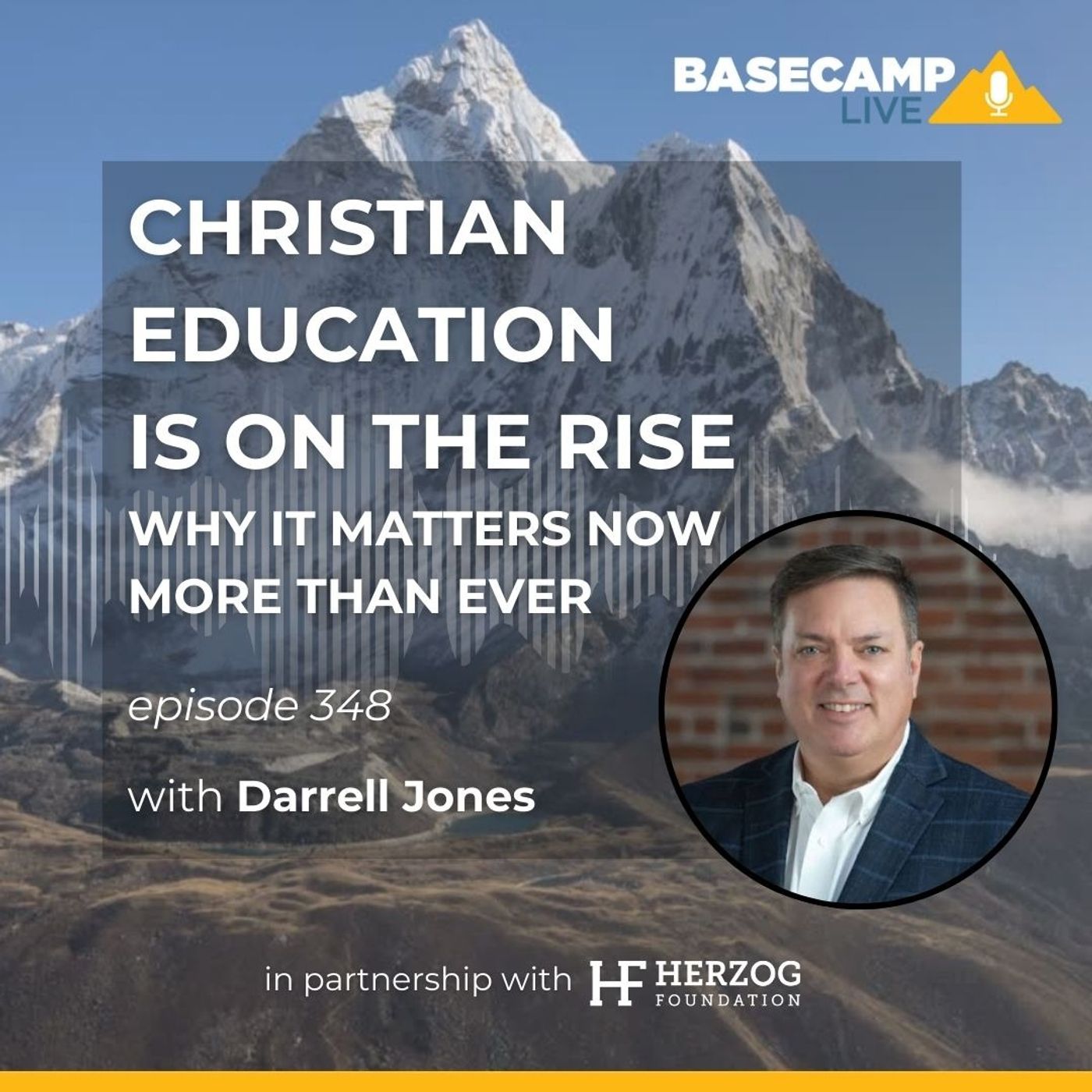
One of the biggest decisions parents make is where their children go to school. With classrooms shaping faith, wisdom, and character, the stakes couldn’t be higher.In this episode of BaseCamp Live with Davies Owens, President of the Stanley M. Herzog Foundation Darrell Jones, shares how one man’s vision has grown into a nationwide movement for Christ-centered education. From his years as a pastor to leading one of the most influential organizations in the space, Darrell offers a front-row look at what’s changing in public education, why families and pastors are seeking new options, and how the Herzog Foundation is stepping in with practical support.Discover:Why the “yellow bus” may look the same but is headed to a very different destination than a generation agoHow the Herzog Foundation Institute is equipping schools with free training and resourcesThe role of parents, pastors, and schools in raising up salt-and-light disciplesWhy the rapid growth of Christian education is more than a trend - it’s a movement🎧 Join us as we explore how the Herzog Foundation is helping families and schools build the next generation with wisdom and faith. Resources Mentioned:Schedule an introduction with Champion Group Special Thanks to our partners who make BaseCamp Live possible:The Herzog FoundationThe Champion GroupZipCastWilson Hill AcademyLife Architects Coaching
Stay tuned for more enlightening discussions on classical Christian education, and join us next time on BaseCamp Live! Remember to subscribe, leave us a review, and reach out to us at info@basecamplive.comDon't forget to visit basecamplive.com for more info and past episodes.
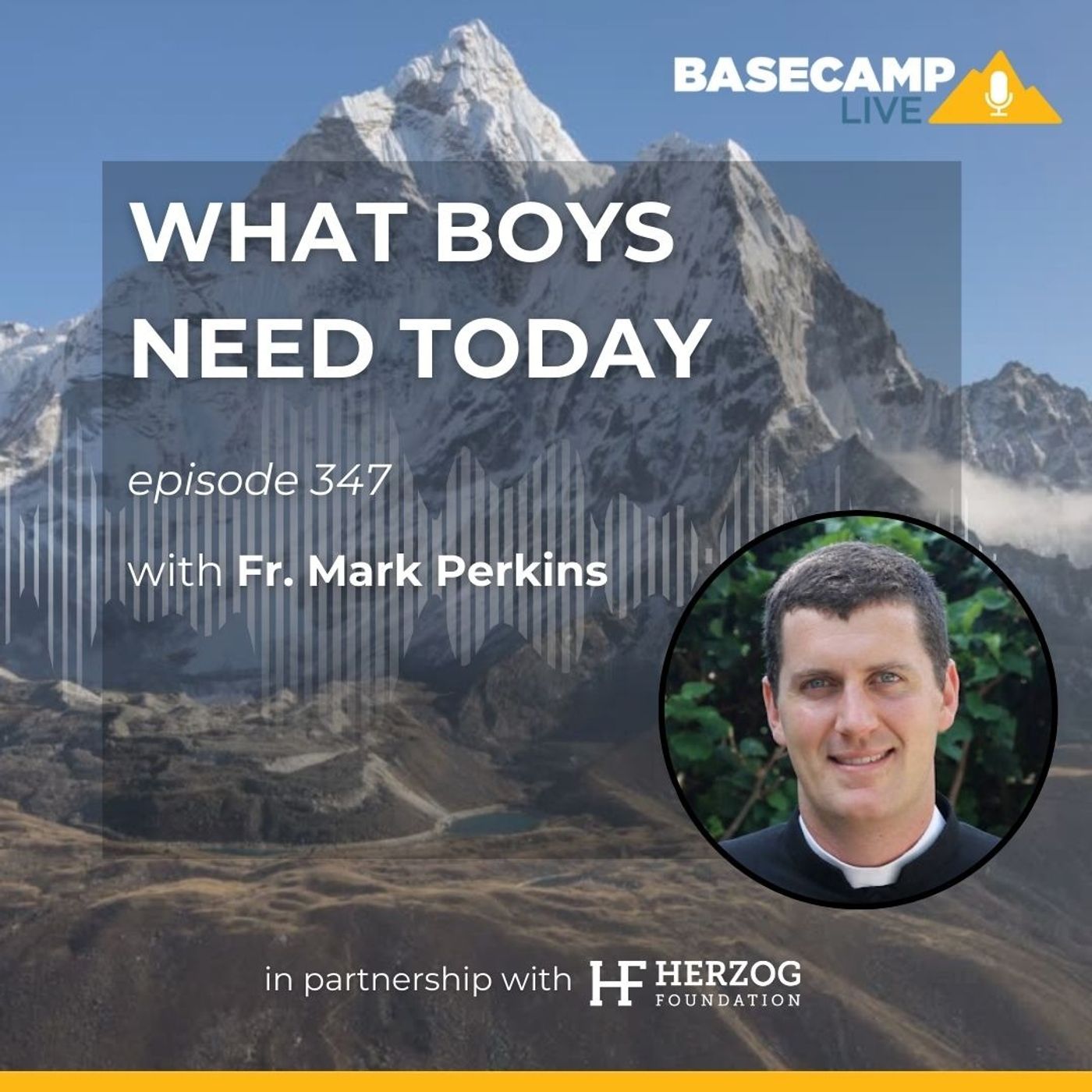
What does it take to raise boys into men in today’s culture? Fr. Mark Perkins, chaplain and assistant headmaster at St. Dunstan’s Academy, joins Davies Owens to discuss the urgent challenges facing boys and the bold vision behind launching a farm, trades, and classics boys’ boarding school in the Anglican tradition. Drawing on personal experience as a teacher, minister, and father, Fr. Mark highlights why so many boys are disengaging from schools, church, and even family life - and what we can do about it. From the importance of rites of passage, to the value of single-sex education, to the power of farming and trades as apprenticeships into manhood, this conversation offers parents and school leaders practical insights for re-embodying learning and lengthening the runway into adulthood. You’ll also hear about The Joshua Program, a new vocational discernment gap-year track for young men ages 17–20.🎧 Tune in to discover:Why boys today struggle with school, work, and even forming familiesHow rites of passage and mentorship shape healthy masculinityThe four pillars of St. Dunstan’s Academy: Christian formation, classical academics, farming life, and tradesPractical steps for parents and schools to cultivate responsibility, resilience, and communityResources Mentioned:https://mereorthodoxy.com/common-arts-that-matterSpecial Thanks to our partners who make BaseCamp Live possible:The Herzog FoundationZipCastWilson Hill AcademyLife Architects Coaching
Stay tuned for more enlightening discussions on classical Christian education, and join us next time on BaseCamp Live! Remember to subscribe, leave us a review, and reach out to us at info@basecamplive.comDon't forget to visit basecamplive.com for more info and past episodes.
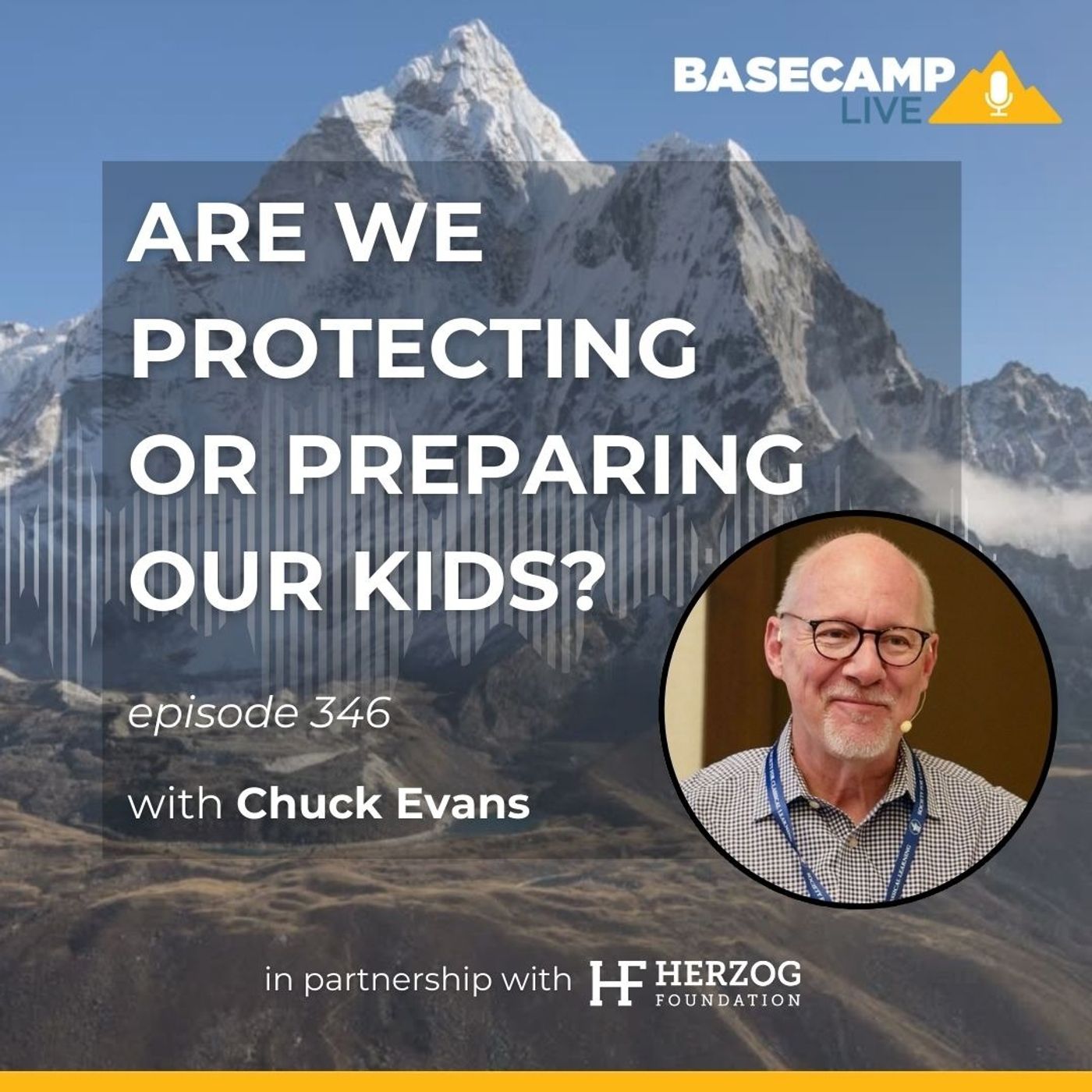
In this episode of BaseCamp Live, host Davies Owens welcomes Chuck Evans - longtime leader in classical Christian education and co-author of Wisdom and Eloquence. Nearly 20 years after the book’s original release, Chuck reflects on why he and Robert Littlejohn rewrote the new parent edition, and why the balance between protecting and preparing children matters more than ever.Chuck challenges the tendency toward “escapist” schooling, reminding parents that while protection has its place, our ultimate goal is preparation - raising wise, eloquent, Christ-centered young people who can engage culture with courage, persuasion, and hope. From the dangers of over-censorship to the importance of modeling faith at home, this conversation offers both inspiration and practical advice for families and educators alike.Tune in to hear:Why rhetoric—not coercion—is the cultural tool our kids need mostThe danger of turning schools into “protectatories” rather than preparatoriesHow parents model either fear or faith in everyday lifePractical encouragement for both parents and teachers on raising confident, persuasive disciplesResources Mentioned:Wisdom and Eloquence (Parent Edition) – Classical Academic PressSpecial Thanks to our partners who make BaseCamp Live possible:The Herzog FoundationZipCastWilson Hill AcademyLife Architects Coaching
Stay tuned for more enlightening discussions on classical Christian education, and join us next time on BaseCamp Live! Remember to subscribe, leave us a review, and reach out to us at info@basecamplive.comDon't forget to visit basecamplive.com for more info and past episodes.
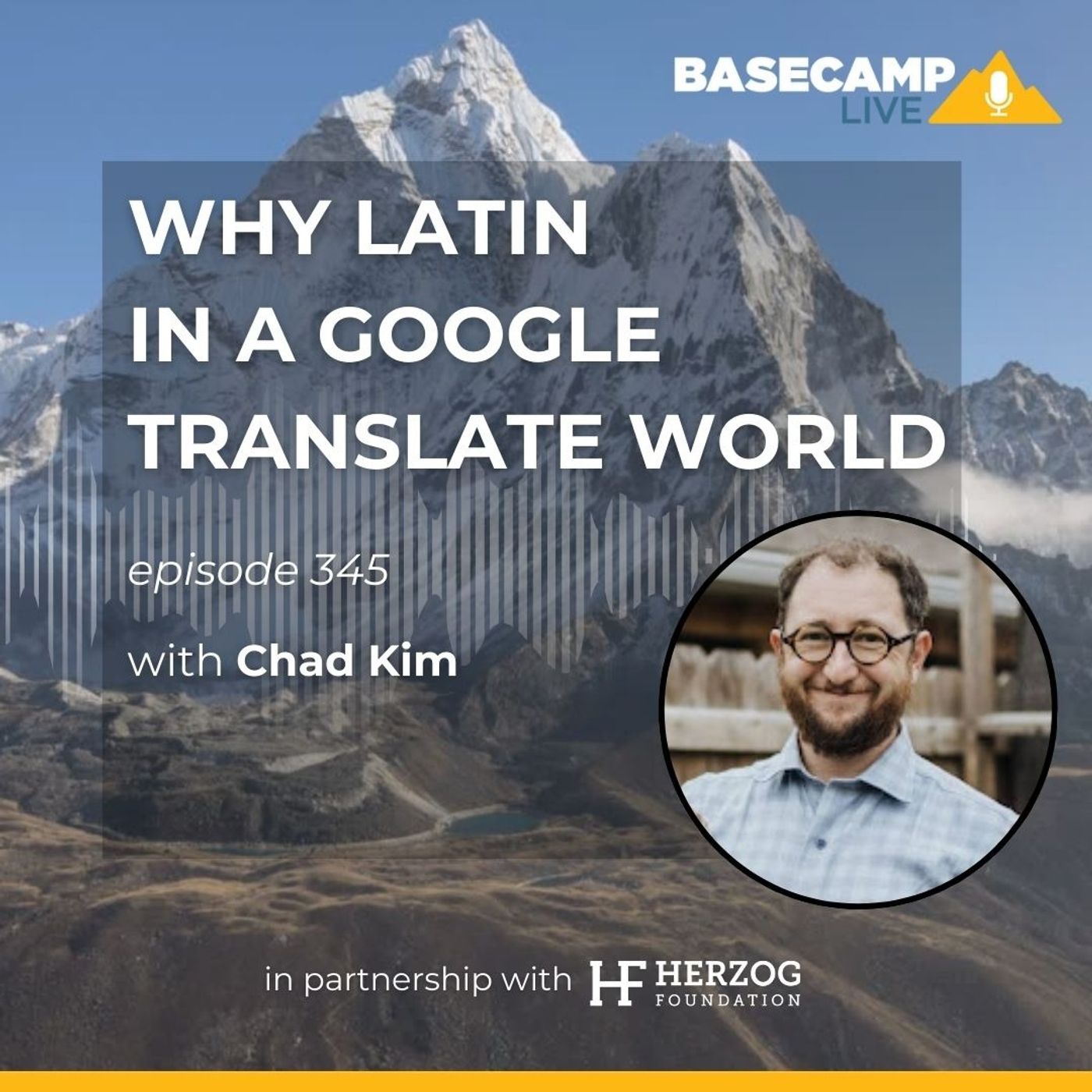
Does Latin Still Matter? Why Parents Should Care About This “Dead” LanguageLatin is often dismissed as outdated or impractical - especially in an age of Google Translate and global languages like Spanish or Mandarin. So why do classical Christian schools keep it at the center of their curriculum? In this episode, host Davies Owens sits down with Dr. Chad Kim - author, pastor, and long-time Latin teacher - to unpack the surprising relevance of Latin today.Together they explore:Why Latin is more than a “dead language” and remains the bedrock of Western civilizationHow learning Latin strengthens logic, attention, and critical thinkingThe way Latin opens doors to Scripture, church history, and the Great BooksWhy wrestling with Latin builds the discipline and fortitude our distracted culture desperately needsHow Dr. Kim’s new curriculum brings joy, depth, and even prayer into Latin study🎧 If you’ve ever wondered why your child’s school requires Latin - or if it’s really worth the effort - this conversation will give you a fresh, thought-provoking perspective.Special Thanks to our partners who make BaseCamp Live possible:The Herzog FoundationZipCastWilson Hill AcademyLife Architects Coaching
Stay tuned for more enlightening discussions on classical Christian education, and join us next time on BaseCamp Live! Remember to subscribe, leave us a review, and reach out to us at info@basecamplive.comDon't forget to visit basecamplive.com for more info and past episodes.
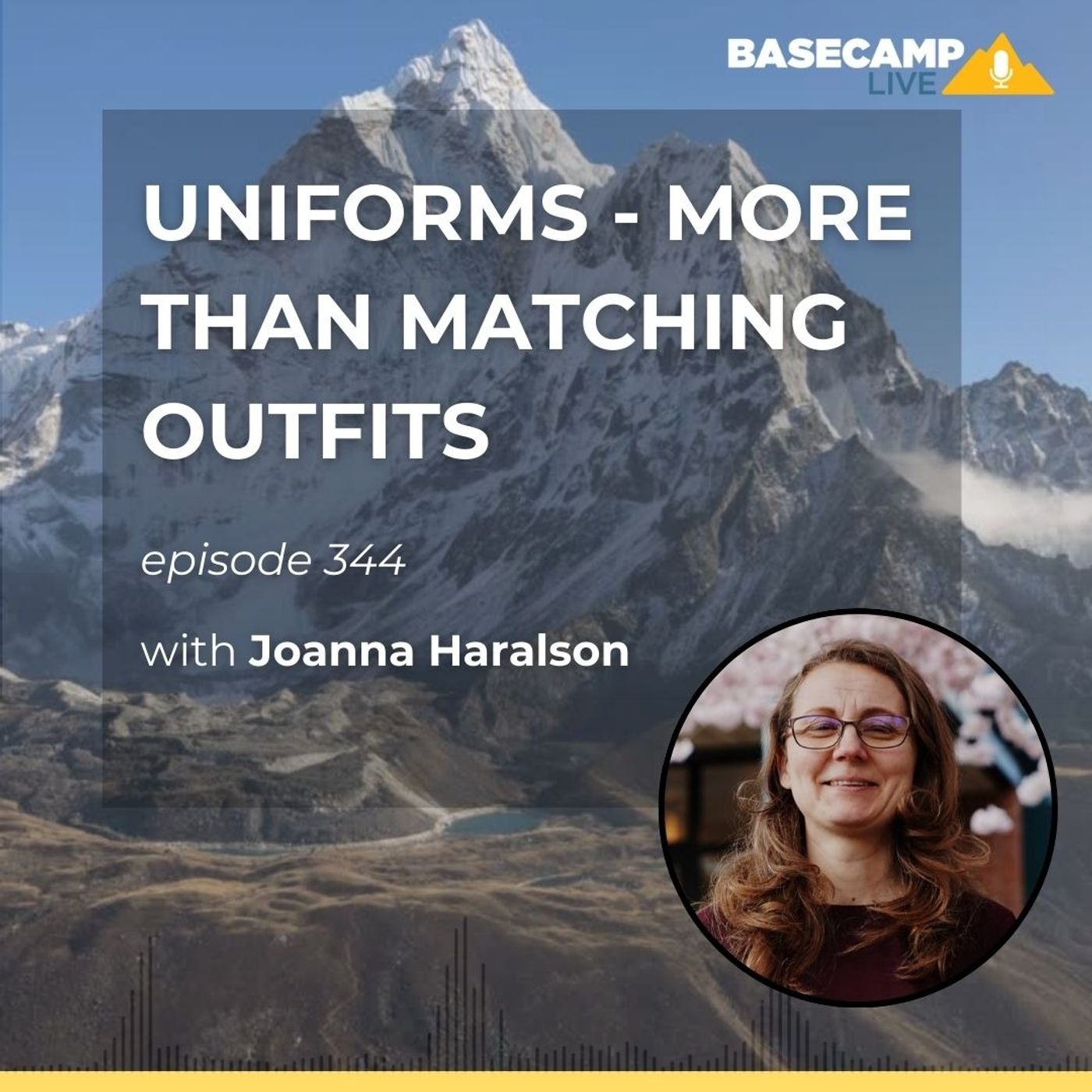
Uniforms in schools often stir up debate—are they too rigid, or do they actually cultivate something deeper? In this conversation, host Davies Owens is joined by Joanna Haralson, founder of Uniformee, to explore the real impact of uniforms in classical Christian schools.Uniforms aren’t just about matching outfits. They shape daily habits, reduce distractions, and help students focus on what matters most - learning and growing in virtue. From the practical benefits to the deeper cultural and spiritual significance, this episode unpacks why what students wear really does matter.🎧 Tune in to discover:Why uniforms can be a powerful tool for unity and orderHow clothing choices affect a child’s sense of identity and focusPractical ways schools and parents can rethink uniforms as formation, not just dress code Listen in to rethink uniforms - not as a restriction, but as a tool for shaping hearts and minds.Special Thanks to our partners who make BaseCamp Live possible:ZipCastWilson Hill AcademyLife Architects Coaching
Stay tuned for more enlightening discussions on classical Christian education, and join us next time on BaseCamp Live! Remember to subscribe, leave us a review, and reach out to us at info@basecamplive.comDon't forget to visit basecamplive.com for more info and past episodes.
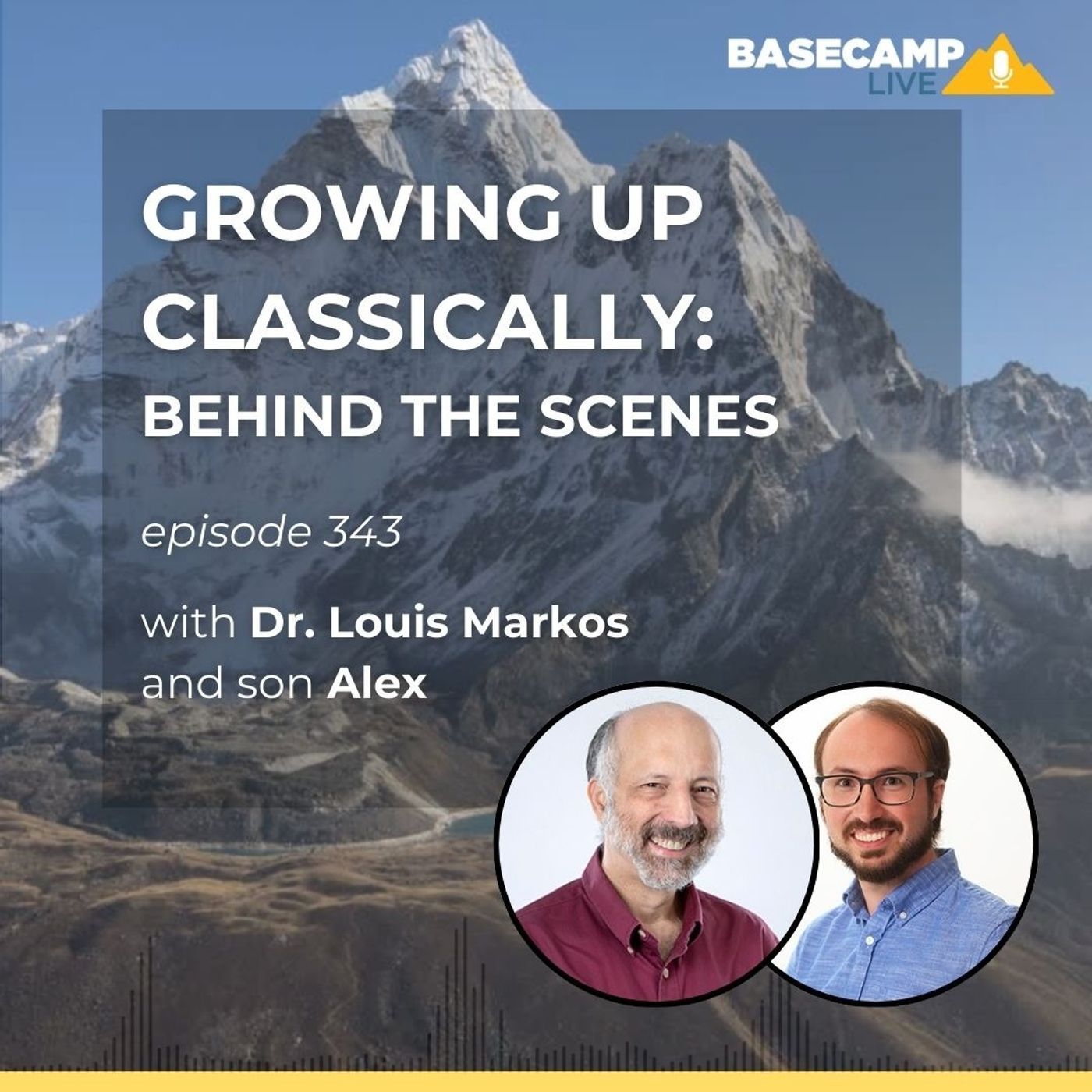
Classical Christian education is a generational journey - and in this BaseCamp Live episode, we get a rare, behind-the-scenes glimpse of how a love for the true, good, and beautiful is passed from parent to child. Dr. Louis Markos, professor, author, and longtime advocate for the great books, is joined by his son Alex, now a humanities teacher, to share how formative family habits, road-trip literature, and a Christian worldview shaped Alex’s path from public school to a deep embrace of the classics.Together, they explore why Christians should read pagan literature, the difference between formation and information, and how ancient texts can lead students toward truth and scripture. With memorable stories - from Marcus Aurelius-inspired dance moves to processing grief through The Iliad - this conversation offers both encouragement and practical ideas for parents and educators seeking to form thoughtful, faithful young people.🎧 Tune in to discover:How classical education forms hearts and minds across generationsWhy reading pagan literature can prepare students to receive the gospelWays families can naturally instill a love for great booksThe difference between simply learning information and being formed in virtueReal-life classroom moments where ancient texts shaped faith and characterSpecial Thanks to our partners who make BaseCamp Live possible:ZipCastWilson Hill AcademyLife Architects Coaching
Stay tuned for more enlightening discussions on classical Christian education, and join us next time on BaseCamp Live! Remember to subscribe, leave us a review, and reach out to us at info@basecamplive.comDon't forget to visit basecamplive.com for more info and past episodes.


Download from Google Play

Download from App Store
 United States
I didn't have any problems doing my homework. But writing a term paper caused me stress. I decided to go to the site https://paperspoint.com/ and find out more about the services provided to students. They helped me write a good paper. I was satisfied because I didn’t have to sit for days on statistics and materials.