


 Claim Ownership
ZamZamAcademy
Subscribed: 89Played: 5,847
Subscribe

© All rights reserved
Description
ZamZam Academy was established in 2003 to help disseminate knowledge of the Islamic Sciences (such as Aqeedah, Fiqh, Usul al-Fiqh, Tafseer, and Hadith) online.
896 Episodes
Reverse
Surah al-Kawthar (Part 1), delivered by Dr. Mufti Abdur-Rahman Mangera as part of The Last Ten Surahs: The Power of the Message series in Ramadan 2026, introduces the profound reassurance and promise contained within the Qur’an’s shortest surah. The session explores the historical context in which the surah was revealed, when the Prophet Muhammad ﷺ faced personal loss and public mockery, and how the divine gift of al-Kawthar affirmed that true honour, legacy, and abundance come from Allah alone. By reflecting on the opening verse and the concept of divine generosity, the talk invites listeners to recognise the countless blessings granted to the Prophet ﷺ and his community. It sets the stage for deeper reflection by highlighting how gratitude, trust in Allah, and a renewed awareness of spiritual abundance form the foundation for the surah’s message.
In this series we explore the profound wisdom of the last ten surahs of the Quran during Ramadan 2026.
Link to donate: https://www.whitethread.org/donate/
Surah Al-Kahf is the 18th chapter of the Qur’an. It was revealed in Makkah and contains 110 verses. The surah emphasizes faith, trials of life, reliance on Allah, humility, and the reality of the Hereafter.
It revolves around four major stories, each highlighting a different test.
🌿 Main Themes of Surah Al-Kahf
- Life is a series of tests: faith, wealth, knowledge, and power
- The temporary nature of this world
- The certainty of the Day of Judgment
- Sincerity in worship and reliance on Allah
The surah concludes by reminding believers that righteous deeds must be done purely for Allah alone.
This video series is a curated collection of reflections and summaries drawn from the 30 Days with the Qur’an series, where each Juz was explored over the month of Ramadan. While not a full tafsir, these concise and heartfelt talks aim to highlight key themes and insights from each Surah to inspire a deeper connection with the Qur’an.
In this series, we’ve taken those reflections and focused them surah by surah, offering a dedicated video for each chapter of the Qur’an. The goal is to spark curiosity, build motivation, and encourage further study of the Qur’an in a manageable, engaging format.
Whether you're revisiting familiar Surahs or exploring new ones, these summaries are here to help you pause, reflect, and fall in love with the Qur’an all over again.
Link to donate - https://www.whitethread.org/whitethread-centre/
Name covered in this lesson al-Waahid (The One)
In the Qur'an, Allah says, "To Allah belongs the Most Beautiful Names, so call on Him by them" (7:180). This verse encourages people to worship Allah by praising Him with His beautiful names and making du'ā'. In this series Dr. Mufti Abdur-Rahman goes through the famous 99 names of Allah and provides practical examples on which name to call on Him in different situations. Learning the names of Allah, or Asma ul-Husna, can help people get closer to Allah.
Link to donate: https://www.whitethread.org/donate/
Mufti Abdur-Rahman presents a reflective and insightful talk centered on Shaykh Masihullah Khan’s The Path to Perfection, focusing on the chapter “Love of the World.” Through a moving reading of the text and thoughtful commentary, he brings its timeless spiritual lessons into conversation with the realities of modern life. The talk offers clear, practical guidance on navigating today’s challenges while cultivating sincerity, balance, and a deeper connection to what truly matters.
In this series Dr. Mufti Abdur-Rahman covers the book titled, 'Essentials of Islamic Spirituality' previously known as 'The Path to Perfection'.
Link to book: https://www.whitethreadpress.com/publication/essentials-of-islamic-spirituality/
At a time when the discourse surrounding Islam is generally inauthentic and shallow, The Essentials of Islamic Spirituality presents a much-needed antidote. It goes beyond simply diagnosing the spiritual ailments that afflict us; it puts forward means of eradicating them, so that we as individuals, as communities, and as an Umma can reap the benefits of a spiritual way of life.
White Thread Press makes this invaluable work available in elegant and moving prose, while remaining true to its traditional origins. The result, a profound awakening of the heart, is within the reach of all. Those new to the spiritual sciences will delight in the range and profundity of the psychological and spiritual disciplines of Islam, while those already on the Path will gain new insights and perspectives.
Shaykh Masihullah Khan, a renowned student of the eminent Mawlana Ashraf ‘Ali Thanawi, wrote Shari’at & Tasawwuf to pass on to future generations of Muslims the numerous benefits of his teacher’s wisdom. The teachings gathered here are notes of admonition and encouragement written by a man who has walked the path to his Creator; and at their core, these teachings are sustenance for the ailing hearts and souls of our time.
Name covered in this lesson al-Maajid (the Magnificent)
In the Qur'an, Allah says, "To Allah belongs the Most Beautiful Names, so call on Him by them" (7:180). This verse encourages people to worship Allah by praising Him with His beautiful names and making du'ā'. In this series Dr. Mufti Abdur-Rahman goes through the famous 99 names of Allah and provides practical examples on which name to call on Him in different situations. Learning the names of Allah, or Asma ul-Husna, can help people get closer to Allah.
Link to donate: https://www.whitethread.org/donate/
Surah Al-Isra, the 17th chapter of the Qur’an, is a Makkan surah consisting of 111 verses. It is named after the miraculous Night Journey (Isra) of the Prophet Muhammad ﷺ from Makkah to Jerusalem, an event that signifies Allah’s power and the special status of the Prophet.
The surah emphasizes core themes of Tawhid (the Oneness of Allah), accountability in the Hereafter, and moral responsibility. It calls for righteousness, kindness to parents, justice, humility, and compassion, while warning against arrogance, wastefulness, and disbelief. It also highlights that guidance comes through divine revelation and that every individual is responsible for their own deeds.
Overall, Surah Al-Isra serves as a powerful reminder of faith, ethical conduct, and trust in Allah’s wisdom and justice.
This video series is a curated collection of reflections and summaries drawn from the 30 Days with the Qur’an series, where each Juz was explored over the month of Ramadan. While not a full tafsir, these concise and heartfelt talks aim to highlight key themes and insights from each Surah to inspire a deeper connection with the Qur’an.
In this series, we’ve taken those reflections and focused them surah by surah, offering a dedicated video for each chapter of the Qur’an. The goal is to spark curiosity, build motivation, and encourage further study of the Qur’an in a manageable, engaging format.
Whether you're revisiting familiar Surahs or exploring new ones, these summaries are here to help you pause, reflect, and fall in love with the Qur’an all over again.

Name covered in this lesson al-Waajid (The Perceiver)
In the Qur'an, Allah says, "To Allah belongs the Most Beautiful Names, so call on Him by them" (7:180). This verse encourages people to worship Allah by praising Him with His beautiful names and making du'ā'. In this series Dr. Mufti Abdur-Rahman goes through the famous 99 names of Allah and provides practical examples on which name to call on Him in different situations. Learning the names of Allah, or Asma ul-Husna, can help people get closer to Allah.
Surah An-Nahl highlights the many signs of God found in nature and everyday life — such as animals, rain, crops, and especially the bee, whose work symbolizes divine wisdom and order. The surah reminds people that these blessings are meant to lead them to belief in one God and sincere gratitude.
This video series is a curated collection of reflections and summaries drawn from the 30 Days with the Qur’an series, where each Juz was explored over the month of Ramadan. While not a full tafsir, these concise and heartfelt talks aim to highlight key themes and insights from each Surah to inspire a deeper connection with the Qur’an.
In this series, we’ve taken those reflections and focused them surah by surah, offering a dedicated video for each chapter of the Qur’an. The goal is to spark curiosity, build motivation, and encourage further study of the Qur’an in a manageable, engaging format.
Whether you're revisiting familiar Surahs or exploring new ones, these summaries are here to help you pause, reflect, and fall in love with the Qur’an all over again.
Name covered in this lesson al-Qayyoom (The Sustainer)
In the Qur'an, Allah says, "To Allah belongs the Most Beautiful Names, so call on Him by them" (7:180). This verse encourages people to worship Allah by praising Him with His beautiful names and making du'ā'. In this series Dr. Mufti Abdur-Rahman goes through the famous 99 names of Allah and provides practical examples on which name to call on Him in different situations. Learning the names of Allah, or Asma ul-Husna, can help people get closer to Allah.
Link to donate: https://www.whitethread.org/donate/
Name covered in this lesson al-Hayy (The Ever-Living)
In the Qur'an, Allah says, "To Allah belongs the Most Beautiful Names, so call on Him by them" (7:180). This verse encourages people to worship Allah by praising Him with His beautiful names and making du'ā'. In this series Dr. Mufti Abdur-Rahman goes through the famous 99 names of Allah and provides practical examples on which name to call on Him in different situations. Learning the names of Allah, or Asma ul-Husna, can help people get closer to Allah.
Link to donate: https://www.whitethread.org/donate/

In this insightful talk, Dr. Mufti Abdur-Rahman ibn Yusuf Mangera explores the core reasons marriage is emphasized in Islam—spiritually, emotionally, and socially—highlighting how it brings stability, companionship, and a pathway to fulfilling one’s faith. He outlines the essential qualities to look for when choosing a spouse, focusing on character, piety, emotional maturity, and compatibility, while cautioning against superficial criteria that often mislead. Dr. Mangera also addresses how individuals can prepare themselves for marriage by cultivating strong personal habits, realistic expectations, and a clear understanding of the responsibilities that come with this sacred bond.
The talk further examines common causes of marital conflict, from communication breakdowns and unmet expectations to spiritual neglect and external pressures. Dr. Mangera offers practical and faith-anchored strategies to prevent and resolve these issues, urging couples to approach marriage with sincerity, patience, and a commitment to mutual growth. By blending classical teachings with contemporary insight, he equips listeners with the tools needed to build marriages that are resilient, compassionate, and rooted in divine guidance.
Link to donate - https://www.whitethread.org/whitethread-centre/
Link to donate: https://www.whitethread.org/donate/
This video features a brief introduction to Al Hizb al Aʿzam, a renowned compilation of prophetic supplications cherished by scholars and spiritual seekers for centuries. Recorded in Tooting, the session includes an overview of its significance, virtues, and purpose, followed by a short live recital creating an atmosphere of reflection and remembrance.
May this gathering inspire a deeper connection with duʿā, dhikr, and spiritual tradition.
Name covered in this lesson al-Mumeet (The Creator of Death)
In the Qur'an, Allah says, "To Allah belongs the Most Beautiful Names, so call on Him by them" (7:180). This verse encourages people to worship Allah by praising Him with His beautiful names and making du'ā'. In this series Dr. Mufti Abdur-Rahman goes through the famous 99 names of Allah and provides practical examples on which name to call on Him in different situations. Learning the names of Allah, or Asma ul-Husna, can help people get closer to Allah.
Name covered in this lesson al-Muhyi (The Giver of Life)
In the Qur'an, Allah says, "To Allah belongs the Most Beautiful Names, so call on Him by them" (7:180). This verse encourages people to worship Allah by praising Him with His beautiful names and making du'ā'. In this series Dr. Mufti Abdur-Rahman goes through the famous 99 names of Allah and provides practical examples on which name to call on Him in different situations. Learning the names of Allah, or Asma ul-Husna, can help people get closer to Allah.
Name covered in this lesson al-Mueed (The Restorer)
In the Qur'an, Allah says, "To Allah belongs the Most Beautiful Names, so call on Him by them" (7:180). This verse encourages people to worship Allah by praising Him with His beautiful names and making du'ā'. In this series Dr. Mufti Abdur-Rahman goes through the famous 99 names of Allah and provides practical examples on which name to call on Him in different situations. Learning the names of Allah, or Asma ul-Husna, can help people get closer to Allah.
Surah Al-Hijr is the 15th chapter of the Qur'an and presents a powerful reminder about faith, divine truth, and human accountability. The surah emphasizes that God’s revelation is clear and protected, even though many people choose to deny or mock it. It reflects on earlier nations who rejected their prophets and were ultimately destroyed, showing the consequences of arrogance and disbelief. Through the story of the creation of Adam and the defiance of Iblis, it highlights the ongoing struggle between guidance and temptation that humanity faces.
This video series is a curated collection of reflections and summaries drawn from the 30 Days with the Qur’an series, where each Juz was explored over the month of Ramadan. While not a full tafsir, these concise and heartfelt talks aim to highlight key themes and insights from each Surah to inspire a deeper connection with the Qur’an.
In this series, we’ve taken those reflections and focused them surah by surah, offering a dedicated video for each chapter of the Qur’an. The goal is to spark curiosity, build motivation, and encourage further study of the Qur’an in a manageable, engaging format.
Whether you're revisiting familiar Surahs or exploring new ones, these summaries are here to help you pause, reflect, and fall in love with the Qur’an all over again.
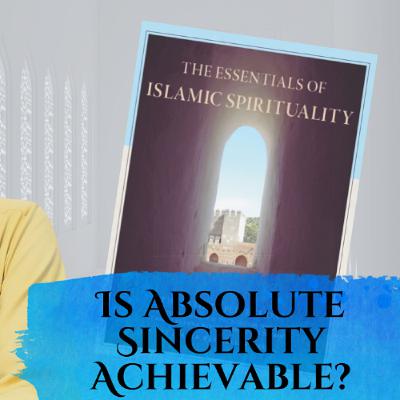
Dr. Mufti Abdur-Rahman presents a reflective and insightful talk centered on Shaykh Masihullah Khan’s The Path to Perfection, focusing on the chapter “Love of the World.” Through a moving reading of the text and thoughtful commentary, he brings its timeless spiritual lessons into conversation with the realities of modern life. The talk offers clear, practical guidance on navigating today’s challenges while cultivating sincerity, balance, and a deeper connection to what truly matters.
In this series Dr. Mufti Abdur-Rahman covers the book titled, 'Essentials of Islamic Spirituality' previously known as 'The Path to Perfection'.
Name covered in this lesson al-Mubdi (The Originator)
In the Qur'an, Allah says, "To Allah belongs the Most Beautiful Names, so call on Him by them" (7:180). This verse encourages people to worship Allah by praising Him with His beautiful names and making du'ā'. In this series Dr. Mufti Abdur-Rahman goes through the famous 99 names of Allah and provides practical examples on which name to call on Him in different situations. Learning the names of Allah, or Asma ul-Husna, can help people get closer to Allah.
Surah Ibrahim (Chapter 14 of the Qur’an) is a Makkan surah consisting of 52 verses. It focuses on the message of monotheism (belief in one God) and the purpose of revelation: guiding humanity from darkness into light. The surah highlights the missions of past prophets and the recurring pattern of people either accepting or rejecting divine guidance, along with the consequences of both choices.
This video series is a curated collection of reflections and summaries drawn from the 30 Days with the Qur’an series, where each Juz was explored over the month of Ramadan. While not a full tafsir, these concise and heartfelt talks aim to highlight key themes and insights from each Surah to inspire a deeper connection with the Qur’an.
In this series, we’ve taken those reflections and focused them surah by surah, offering a dedicated video for each chapter of the Qur’an. The goal is to spark curiosity, build motivation, and encourage further study of the Qur’an in a manageable, engaging format.
Whether you're revisiting familiar Surahs or exploring new ones, these summaries are here to help you pause, reflect, and fall in love with the Qur’an all over again.
Surah al-Ma’un (Part 2), delivered by Dr. Mufti Abdur-Rahman Mangera as part of The Last Ten Surahs: The Power of the Message series in Ramadan 2026, deepens the reflection on the surah’s powerful call to moral integrity and sincere worship. Building upon the earlier discussion, this session examines the subtle forms of hypocrisy that can enter acts of devotion, highlighting how heedlessness, showing off in prayer, and withholding even small acts of kindness erode the spirit of faith. By unpacking the surah’s closing warnings, this second part challenges listeners to align their inner intentions with their outward actions, emphasizing that true worship is manifested through humility, generosity, and consistent care for others in everyday life.
In this series we explore the profound wisdom of the last ten surahs of the Quran during Ramadan 2026.


Download from Google Play

Download from App Store
 United States
i always watch Japanese street tour vids on utube..they appear to be the most polite..modest ppl i ever seen..ladies with long dresses n always joy on their face
mashallah what an interesting concept. volunteer to help secure ur jannah .. actually brainstorm ideas to help n give others in community..made me think i need to do more than just be it about ME ME ME.. in this nafsi nafsi world. as prophet said donate even a date, to help u reach jannah. All these small deeds will come handy on J-day.