


 Claim Ownership
Ungrafted
Subscribed: 25Played: 227
Subscribe

© Icy Liu
Description
Ungrafted is a podcast about wine, humanity, and the planet. Join Icy Liu in a series of conversations with scientists, winemakers, and industry professionals who are dedicated to pushing deeper into biodiversity, regenerative agriculture, reducing the carbon footprint of wine, increasing diversity in the wine business and more.
Instagram: @ungraftedpodcast
Website: www.ungraftedpodcast.com
Instagram: @ungraftedpodcast
Website: www.ungraftedpodcast.com
23 Episodes
Reverse
 1
What would happen if we brought some of the most thoughtful growers together — n
What would happen if we brought some of the most thoughtful growers together — not to compete or compare, but to listen, share, and learn from one another?
On January 22, 2026, the Ungrafted Farming Conference hosted four panels exploring soil health, cover cropping, plant sap analysis, and animal integration in the vineyard, with some of the most committed and curious farmers working today. Here is a (very) condensed version of the day.
[00:00] Welcome — Icy Liu @icy_liu_ Opening remarks and a reading from Robin Wall Kimmerer's Braiding Sweetgrass
[00:02] Introduction — Paul Wasserman @paulbwasserman How a group of obsessive farmers accidentally created a conference
[00:04] Panel 1: “Foundations of Vineyard Health and Effects on Wine Quality” with Cyril Courvoisier (Cornas, France) and Thomas Bouley (Volnay, France) Moderated by Paul Wasserman & Icy Liu
Thomas Bouley @thomasbouley1 — Thomas is a fourth-generation vigneron who took over in 2002 and completely transformed his approach to soil health. Thomas shares his early misconception that poor soils make great grapes, what changed his mind, and why he distinguishes between vigor and vitality. Topics include grinding versus burning pruning canes, late hedging, and 23 years of patient observation.
[00:11] Cyril Courvoisier @domainecyrilcourvoisier — Cyril shares how planting on abandoned land with 70-year-old forest led him to discover the power of wood chips and straw mulching, and how that completely changed his approach to soil biology, mycorrhizae, and more.
[00:17] Panel 2: “Let Vines Vine: Cover Crops, Balance And Adaptation In A Variable Climate” with Dr. Dylan Grigg @gdylla (Barossa Valley, Australia) Moderated by Paul Knittel @paul.knittel and Icy Liu
Dr. Dylan Grigg @gdylla — Dylan is a viticulture consultant and grower with over 25 years of experience across Australia and Spain. He breaks down the three types of cover crops (green manure, permanent regenerating, and specialist), carbon to nitrogen ratios, seeding methods, species complexity, and why a beautiful cover crop can quietly be stealing from your vines.
Key topics covered:
Green manure vs. permanent regenerating vs. specialist cover crops
Pioneer species and degraded soils
Carbon to nitrogen ratios and the 60/40 cereal to legume blend
Seeding depth, broadcasting vs. direct drilling
Why complexity brings resilience — but also why only a few species tend to dominate
Six years of building a seed bank from 0.5% organic matter up
[00:26] Panel 3: “Vine Health & Nutrition and Effects on Wine Quality” with Tomoko Kuriyama-Bott (Chanterêves, Savigny-lès-Beaune, France) and Philine Isabelle Dienger (Barolo, Italy) Moderated by Icy Liu
Tomoko @chantereves & Philine @az._agr._philine_isabelle
A fascinating and cutting-edge panel on what is actually happening inside the plant itself. Tomoko gives a crash course in redox chemistry and pH, explains the redox cross, and walks through how the Nutriscope scanner and Nova Cropp lab analysis work in practice. Topics include:
Why pH alone is no longer enough — and why redox changes everything
How plants spend up to 80% of photosynthesis energy maintaining EH/pH homeostasis
The oxidative burst and what copper spraying really does to a vine
Why iron and manganese are almost always deficient, and why foliar feeding works better than soil fertilizers
The Fenton reaction and why bare soil is the worst outcome
Fresh cow dung, sheep dung, and urine as reducing agents
How to reach the humus threshold for no-till — and why Tomoko and Philine are going carefully at 25% no-till for now
[00:46] Panel 4: Holistic Vineyard Management with Alice Anderson (Âmevive Winery, Santa Barbara, USA) Moderated by Christina Rasmussen @christinarasmussen_ @littlewine.io and Icy Liu
Alice walks through the practical realities of holistic vineyard management and animal integration — the beauty, the heartbreak, and the biology behind it all. A genuinely joyful and honest conversation about working with animals to build living soils.
Animals covered:
Sheep — saliva enzymes, photosynthesis stimulation, timing grazing with understory growth
Pigs — Kune kune breed as obligate grazers, year-round vineyard presence, electric fencing essentials
Chickens — low commitment entry point, scratch behavior, mealybug control, when to take them out (bud swell and fruit set)
Ducks — snail and slug hunters, nitrogen-rich poop, the Turkey roosting trick
Cows — best used outside the vineyard for compost
Goats — a caution
Barn owls — 3,000 to 4,000 rodents per year per box
Western bluebirds — 400,000 insects per year, effective against sharpshooters and Pierce's disease
Bats — grapevine moth, budworm, 30% of body weight in insects per hour
Thank you to @beckywasserman.co for sponsoring the conference.
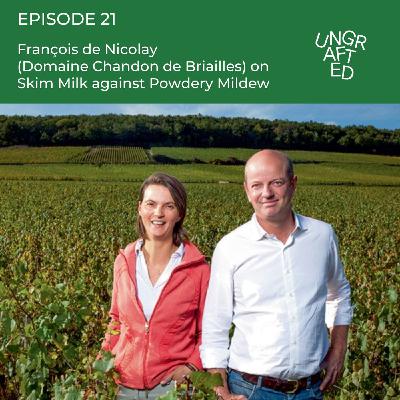
Today I speak with François de Nicolay from Domaine Chandon de Briailles in Savigny-les-Beaune, Burgundy. The 14 hectare biodynamic domaine started experimenting with spraying with skim milk instead of sulfur against powdery mildew in 2013. Powdery mildew (oidium in French) is a major fungal disease that affects vitis vinifera worldwide by decreasing grape quality and yield. Francois talks about how milk works as a preventative and curative measure, as well its advantages and disadvantages. @chandon.de.briailles
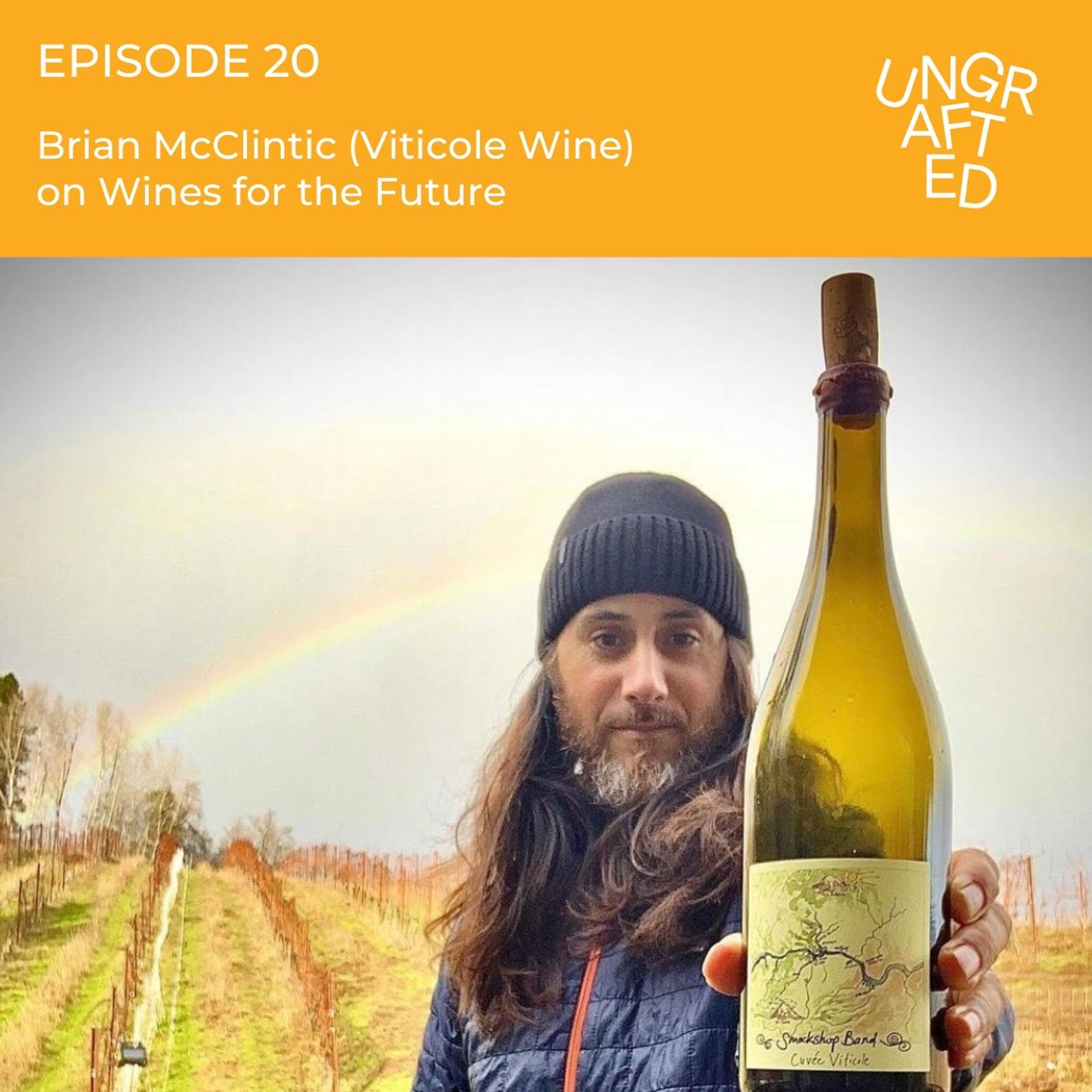
Brian McClintic is an ex Master Sommelier who worked at the Little Nell in Aspen and starred in the SOMM documentary films. Brian launched Viticole Wine in 2016, a wine club for which he collaborates with organic wine and cider producers around the world on custom bottlings. Today I speak with Brian about fermented beverages of the future, including multiple fruit ferments and herbal infusions. We also chat about regenerative agriculture, racism, and how to make our lives and businesses more sustainable with glass bottle recycling, homesteading, and B Corp certification.Instagram @brianbmcclintic @viticolewine
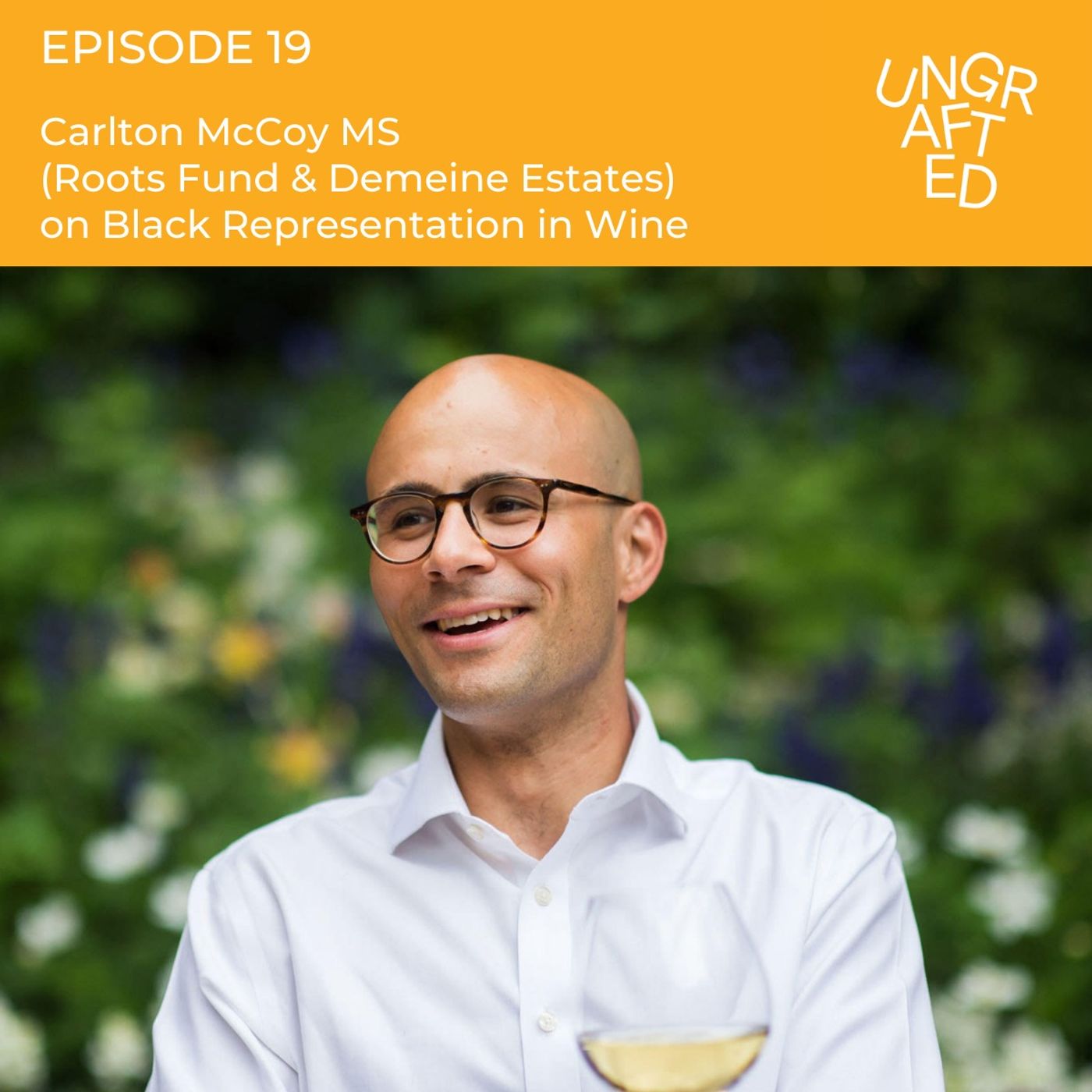
Today I speak with Carlton McCoy MS from the Roots Fund and Demeine Estates about Black representation in the wine industry. Carlton grew up in southeast Washington DC where wine was not part of his family or culture. After winning the C-CAP (Careers Through Culinary Arts Program) cooking contest, he earned a full scholarship to the Culinary Institute of America in Hyde Park, NY, which kickstarted his wine career. Carlton became a Master Sommelier when he was only 28 years old, and was the second African American to earn the title. To date, there are only 3 Black Master Sommeliers out of 269. He was the Wine Director at The Little Nell in Aspen before becoming President and CEO of Heitz Cellar and Demeine Estates.Carlton and I discuss the situation of black wine professionals and the importance of mentorship. We also chat about the Roots Fund, which provides wine education, mentorship, and job opportunities for people of color. To learn more about the Roots Fund founded by Carlton McCoy, Tahiirah Habibi, and Ikimi Dubose, please visit www.rootsfund.comInstagram: @carltonmccoy @rootsfund @sippingsocialite @thehuesociety
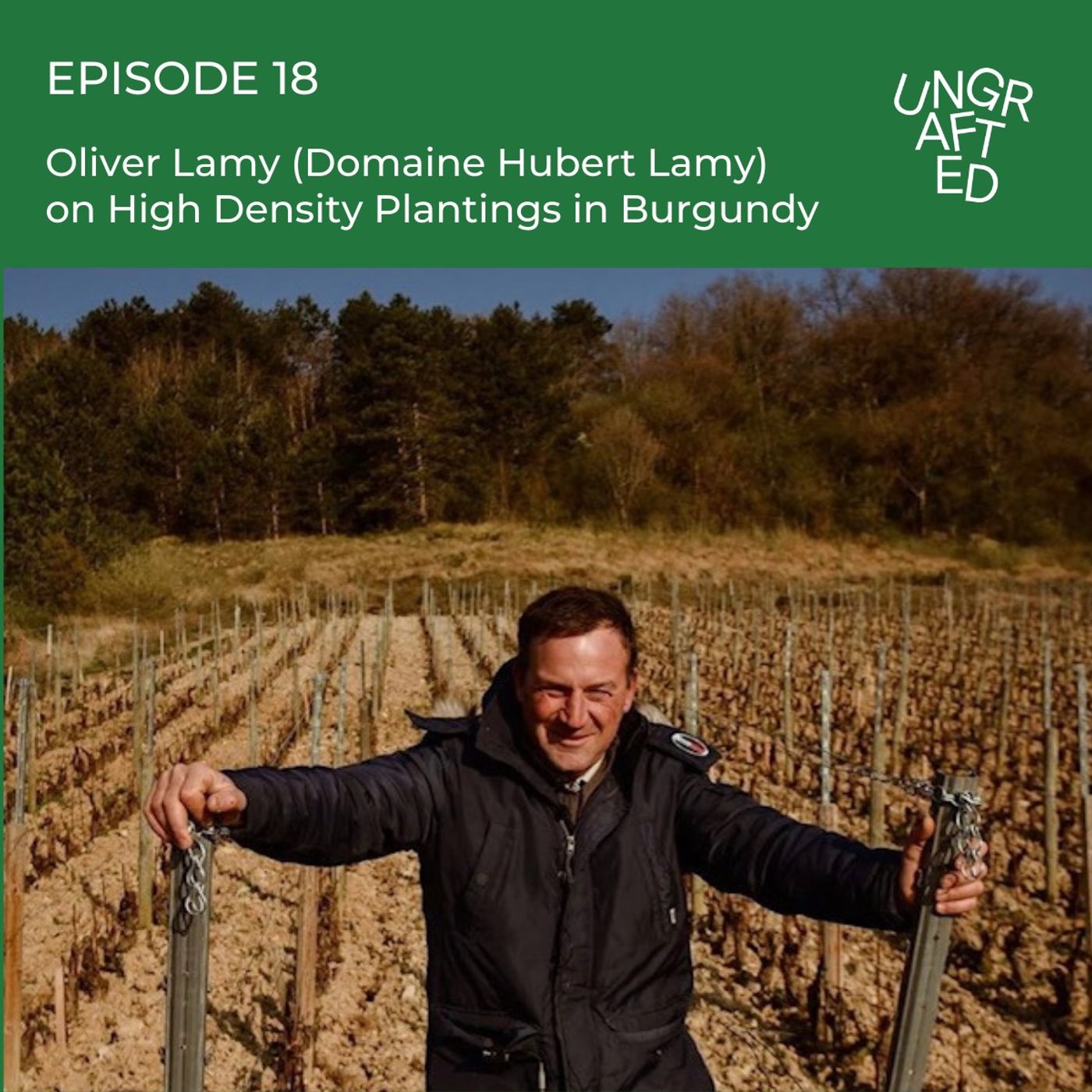
Today I speak with Olivier Lamy of Domaine Hubert Lamy in Saint Aubin, Burgundy. Olivier is one of Burgundy’s cult winemakers and a pioneer in the return to high density plantings. Olivier discusses the history of plantations in Burgundy and Champagne, the practical choices that led to a lowering of the vine densities after phylloxera, and how his vines yield better quality grapes and perform better in warmer vintages. Photo by: Gretchen Greer

Comments

Download from Google Play

Download from App Store
 United States