


 Claim Ownership
American Building
Subscribed: 7Played: 41
Subscribe

© Copyright 2025 Atif Qadir
Description
If you want to explore urgent topics related to housing and what they can teach us about ourselves and our country, join us here at American Building.
Your host, Atif Qadir, Atif Qadir is a licensed architect and entrepreneur, interested in solving big problems through innovation and technology. He has founded two proptech companies and a real estate development firm, building products ranging from software to workforce housing. Through these experiences, he has a unique perspective on the housing problems - and solutions - we’ll hear about this season.
We’ll not only dive into the design and development of iconic buildings, but we’ll also analyze how federal and state policy, local entitlements, and access to capital and distribution are making it increasingly difficult to house Americans. Plus, we will be unpacking relevant news headlines and providing insight into the current legislation related to housing. Subscribe wherever you listen to podcasts.
Your host, Atif Qadir, Atif Qadir is a licensed architect and entrepreneur, interested in solving big problems through innovation and technology. He has founded two proptech companies and a real estate development firm, building products ranging from software to workforce housing. Through these experiences, he has a unique perspective on the housing problems - and solutions - we’ll hear about this season.
We’ll not only dive into the design and development of iconic buildings, but we’ll also analyze how federal and state policy, local entitlements, and access to capital and distribution are making it increasingly difficult to house Americans. Plus, we will be unpacking relevant news headlines and providing insight into the current legislation related to housing. Subscribe wherever you listen to podcasts.
104 Episodes
Reverse
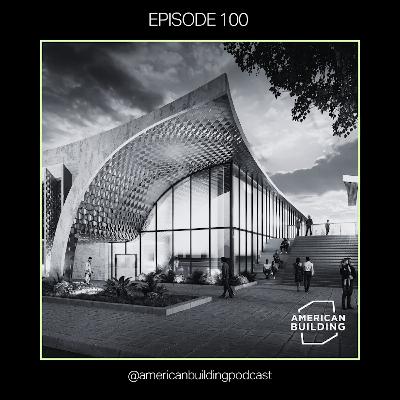
We’ve officially reached 100 episodes of American Building, and to mark the milestone, I’m joined by Austin Crowley, Senior Associate, and Robert Blaser, Principal, of Michael Graves Architecture. We center the conversation on one of Austin and Robert’s current projects: Cutler Bay Legacy Park, a civic project that addresses how a Florida community can engage with its government and waterfront. The project brings together municipal facilities, public programming, and coastal resilience in a site that had been degraded by years of industrial use and contamination.We explore the technical challenges of building in South Florida's climate, material choices inspired by the historic Old Cutler Trail, and maintenance strategies for long-term durability. Through extensive community input and environmental remediation, the design team created a destination that will serve both daily civic functions and large community gatherings.Beyond the project, we take a step back to look at the current architectural landscape. With the recent passing of industry titans Frank Gehry and Robert A.M. Stern, the architectural world is reflecting on the mark they left. Robert offers his perspective on where Michael Graves fits into that era of design and discusses his own role in carrying Graves’ humanist philosophy forward. Austin, speaking from his decade of experience with the team, highlights how Michael Graves Architecture draws inspiration from Gehry’s approach to technology, emphasizing that the future of the firm lies in thoughtful integration and strategic acquisitions. Episode Outline(01:52) Austin and Robert's paths into architecture and Michael Graves Architecture(09:28) Winning the Cutler Bay Legacy Park RFP through narrative-driven design strategy(13:37) Managing community input without compromising the project vision(18:10) Navigating environmental remediation constraints and budget implications(21:48) Building with flood zones, hurricane codes, and material costs in mind (27:29) The vision for the visitor experience: moving through community and civic spaces(39:06) Evolving Michael Graves’ design legacy beyond stylistic replication(49:03) Geographic expansion and entering new markets through acquisition(58:15) AI integration in design and business operationsAdditional ResourcesThis episode of American Building is brought to you by New Blueprint Partners — making industrial real estate accessible to the everyday investor. They provide a simple, hassle-free, and transparent path to owning industrial properties, backed by experienced operators. You may remember founders Ron Schinik and Marc Esrig from our episode on the Vancouver Innovation Center, where they shared how collaboration and communication shape successful projects. Learn how you can build your industrial real estate portfolio at newblueprintpartners.com. Episode 43: Austin Crowley of Michael Graves Architecture & Design | Next Gen Interview Episode 2: Samer Hanini of Hanini Group | Peoples Bank Building in Passaic, NJ | Preserving History a...
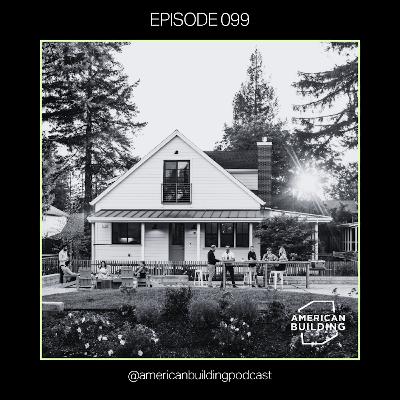
Hundreds of real estate conferences happen every year, but very few address the tactical realities of small scale development. In 2012, Jim Heid, in conjunction with the Urban Land Institute, launched the first Small Scale Developers Forum (SSDF) with 20 people in San Francisco. What started as an "Island of Misfit Toys” now sells out within a week of registration and draws in 100+ participants per event. Attendees tour projects, workshop development challenges, and connect with peers facing similar obstacles in other cities.The success of SSDF revealed a deeper need: Developers wanted more than twice-yearly gatherings. They needed ongoing support, access to proven templates, and connections that lasted between events. Jim's book "Building Small" captured a decade of knowledge from 150+ projects, and now the Building Small platform expands that foundation into a membership program with coaching workshops, online project critiques, and resources organized around each stage of the development process.Our conversation also addresses the practical barriers facing small scale development today, from local regulatory cultures to national capital structures. Plus, we discuss how small scale development can address housing diversity and affordability. Episode Outline(04:57) Jim’s early projects and formative development experiences (14:41) How the SSDF format grew from single-day programming to immersive multi-day events(31:50) The three pillars of Building Small: community, bridging the gap, and championing great design(39:46) How small scale development responds to today’s housing challenges(42:10) Working through industry barriers and scaling sustainably (46:03) The distinction between mentoring and coaching(56:55) How to get involved with Building Small Additional ResourcesThis episode of American Building is brought to you by New Blueprint Partners — making industrial real estate accessible to the everyday investor. They provide a simple, hassle-free, and transparent path to owning industrial properties, backed by experienced operators. You may remember founders Ron Schinik and Marc Esrig from our episode on the Vancouver Innovation Center, where they shared how collaboration and communication shape successful projects. Learn how you can build your industrial real estate portfolio at newblueprintpartners.com. Connect with Jim Connect on LinkedIn Learn more about Building Small Join Building Small the NetworkBuilding Small: A Toolkit for Real Estate Entrepreneurs, Civic Leaders, and Great Communities by Jim Heid More From American Building Grab the exclusive guide: How Eight Developers & Designers Are Responding to The Housing Crisis Learn more on the American Building...
When most universities build research facilities for data science and AI, they create sleek, futuristic spaces that showcase technology. The University of Pennsylvanias School of Engineering and Applied Science (Penn Engineering) took the opposite approach with Amy Gutmann Hall. The six-story building uses mass timber construction to bring natural warmth and a sense of openness to technical programs. Walking through the 116,000-square-foot structure, the exposed wood columns, beams, and ceiling decks contrast with a fresh color palette rarely seen in institutional environments.Andrew Herdeg, Partner at Lake Flato Architects, leads projects that connect people to the natural environment through warm, contextual architecture. Lake Flato's work spans from private residences to complex university facilities, always designing within an environmental context. David Meaney serves as Solomon R. Pollack Professor of Bioengineering and Vice Provost for Research at Penn where he guides planning and facilities decisions for a campus that values collaboration, sustainability, and financial stewardship. This conversation explores why Penn Engineering selected mass timber for a major academic building, how the design team front-loaded procurement to reduce risk, and the outcome of incorporating hospitality-like experiences into research environments. From union negotiations to CLT panel optimization, the discussion reveals both the philosophy and practical realities of building Philadelphia's first large-scale urban mass timber structure.Episode Outline(01:56) How Andrew's firm brings residential design principles to institutional projects(11:14) The eight-year planning process for a data science building in a doubling-data world(15:43) Eight competing design visions and Lake Flato's winning pitch (21:55) Designing for deep focus work while encouraging spontaneous collaboration(30:09) Running cost analysis: mass timber versus conventional steel and concrete construction(34:29) Achieving 52-70% embodied carbon reduction through integrated structural systems(38:31) Shifting procurement left: how early contractor engagement de-risked the project(48:31) Experiencing exposed timber, natural daylight, and the southern campus vistaAdditional ResourcesThis episode of American Building is brought to you by New Blueprint Partners — making industrial real estate accessible to the everyday investor. They provide a simple, hassle-free, and transparent path to owning industrial properties, backed by experienced operators. You may remember founders Ron Schinik and Marc Esrig from our episode on the Vancouver Innovation Center, where they shared how collaboration and communication shape successful projects. Learn how you can build your industrial real estate portfolio at newblueprintpartners.com. Learn more about Amy Gutmann Hall Connect with Andrew HerdegConnect on LinkedIn Website Connect with David MeaneyConnect on LinkedIn a...
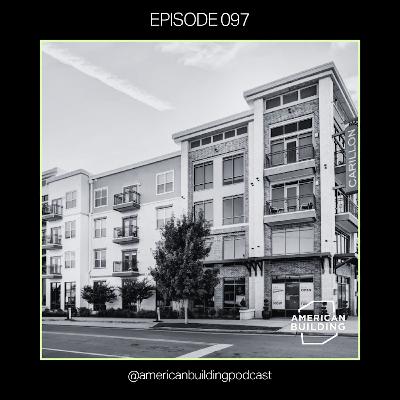
Danny Fishman co-founded GAIA Real Estate in 2009 when the financial crisis created distressed opportunities across multifamily markets. His approach centers on hands-on management rather than passive ownership. When evaluating properties, Danny and his team spend weekends on-site observing tenant behavior, testing neighborhood walkability, and understanding what drives the local rental market. This boots-on-the-ground mentality led to their biggest early win: winning the bid for a 10,000-unit Lehman Brothers portfolio in bankruptcy court.The Carillon in Nashville's Germantown neighborhood demonstrates how GAIA converts distress into value through operator-led repositioning. Rather than installing trendy amenities, they studied actual tenant needs at the 300-unit property. They discovered 70% of residents had dogs, but lacked quality outdoor space, and remote workers were competing for the conference room space while the gaming room sat empty. The solution was simple: convert unused rooftop parking into a dog park and replace the gaming room to a co-working hub. This tenant-focused strategy helped the property consistently outperform projections.Danny's investment philosophy challenges conventional underwriting. When other investors were modeling aggressive rent growth in 2021, GAIA sold their entire 20,000-unit portfolio because the math didn't work. Now, with interest rates dropping from 6.5% to around 5% and distress returning to the Sun Belt, Danny sees opportunity in South Florida neighborhoods where hands-on property developers can drive transformation through targeted volume acquisitions.Episode Outline(04:53) Lessons learned from the New York market and expanding into Sun Belt multifamily(09:36) Why treating real estate as a consumer product shapes every investment decision(11:10) Discovering Nashville's Germantown neighborhood (13:22) The Carillon acquisition strategy and initial value-creation opportunities(19:54) Performance results and the decision to hold through market volatility(26:03) Red tape and regulatory challenges that make Northeast investing difficult(34:03) Opportunities in 2026 as oversupply gets absorbed and financing improvesAdditional ResourcesThis episode of American Building is brought to you by New Blueprint Partners — making industrial real estate accessible to the everyday investor. They provide a simple, hassle-free, and transparent path to owning industrial properties, backed by experienced operators. You may remember founders Ron Schinik and Marc Esrig from our episode on the Vancouver Innovation Center, where they shared how collaboration and communication shape successful projects. Learn how you can build your industrial real estate portfolio at newblueprintpartners.com. Learn more about The Carillon in NashvilleConnect with Danny FishmanConnect on LinkedIn Website More From American Building Grab the exclusive guide: How Eight Developers & Designers Are Responding to The Housing Crisis Learn more on the a...
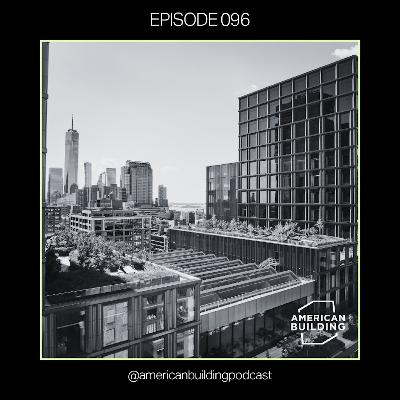
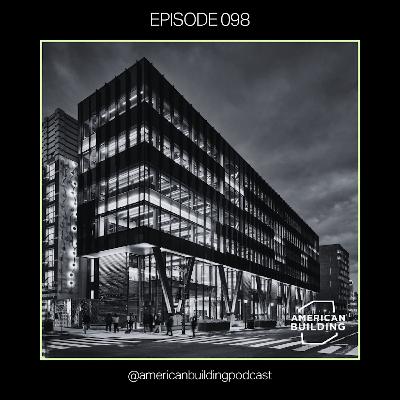
Disney's New York operations were scattered across the Upper West Side in aging facilities, including a former horse stable that housed ABC News broadcast sets. When the company set out to bring ABC, ESPN, Marvel, and its other divisions under one roof, the design prompt required upgrades for the next generation of broadcast technology and adherence to New York's Local Law 97 emissions requirements. The result is the Robert A. Iger Building at 7 Hudson Square, a 1.2 million-square-foot vertical campus that's fully electric and LEED Platinum certified.Joseph Chase, Principal at Skidmore Owings & Merrill, and Maxwell Hatfield-Biondo, Director of HVAC at Jaros, Baum & Bolles led the technical design, drawing on decades of collaboration between their firms on projects like Manhattan West and 35 Hudson Yards. Their approach to electrification starts with a question most developers skip: what do you actually need? Rather than sizing systems for hypothetical worst-case scenarios, they used Disney's utility data from existing facilities to right-size equipment. Then they designed mechanical systems to recover heat that would otherwise be rejected to the outdoors. Only after reducing and recovering did they electrify the remaining loads. Following this sequence is the difference between a building that struggles to heat itself in winter and one where the heating systems barely turn on because there's so much recoverable heat from production equipment and people.The conversation also gets into specifics of how condenser water source heat pumps work alongside air source heat pumps to create redundancy, why the terracotta facade was essential for both thermal performance and construction speed, and the acoustic strategies required when you're building broadcast studios next to a subway line and the Holland Tunnel entrance. Episode Outline01:39) Joe and Max's backgrounds and the long SOM-JB&B collaboration history(06:52) Disney's motivation to bring multiple companies into one Hudson Square campus(13:25) Why Hudson Square's zoning enables large floor plates for media and tech tenants(17:17) Local Law 97 requirements and the reduce-recover-electrify approach to compliance(27:20) Air source heat pumps, condenser water systems, and dual-source heating strategy(35:43) How the high-performance terracotta facade enables low-temperature heating(44:46) Box-in-box construction and sound isolation mats for below-grade production studios(52:41) The business case for electrification: efficiency gains and increased leasable areaAdditional ResourcesCheck out The Mira Shoppe. American Building Podcast listeners get a complimentary gift with their first purchase! Email info@themirashoppe.com to receive your exclusive code and treat yourself to a piece you’ll cherish, while supporting a brand that gives back.Learn more about The Robert A. Iger Building LEED project tools and resources NYSERDA programs Local Law 97 Connect with Joseph ChaseConnect on LinkedIn a...
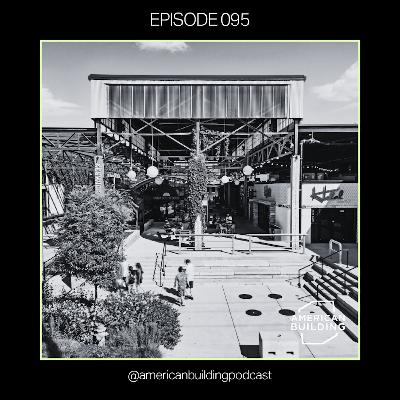
There's a piece of conventional wisdom in real estate that almost every developer accepts: retail follows rooftops. Build the housing first, then the storefronts will follow. Tesho Akindele and the team at Camp North End did the opposite—and it’s paying off in a major way. Camp North End is a 76-acre adaptive reuse project in Charlotte, North Carolina. Formerly a Ford manufacturing plant turned Army facility turned Rite Aid warehouse, ATCO Properties acquired the site in 2017. For decades, the entire campus was disconnected from the eight surrounding residential neighborhoods, completely paved over, and zoned industrial. Today, it's one of the most vibrant developments in the Southeast: 400,000 square feet of office, 75,000 square feet of retail, 300 apartments, and 1.1 million visitors this past year alone. This conversation unpacks the mechanics behind large-scale adaptive reuse: how to structure opportunity zone financing across multiple phases, ways to optimize brownfield remediation, and strategies for building community buy-in every step of the way. Tesho also walks through the three buckets of development work—project management, financial analysis, and capital raising—and shares how small teams can rise to the challenge of complex projects. Episode Outline(02:06) Tesho’s career as a professional soccer player and the leadership lessons he learned along the way(08:28) Tesho's transition from soccer to real estate, his passion for housing advocacy, and joining ATCO(13:05) Walking through Camp North End's site and the long-term vision for the neighborhood(23:42) Rezoning industrial land and negotiating over rail easements(31:23) What "legalize housing" means and why single-family-only zoning hurts cities (36:38) Affordable housing solutions that meet diverse community needs(39:16) Why opportunity zones encourage long-term thinking and better design choices(44:05) Building an internal team with community managers, placemakers, and 24/7 security(49:52) Practical advice for mixed-use developers Additional ResourcesCheck out The Mira Shoppe. American Building Podcast listeners get a complimentary gift with their first purchase! Email info@themirashoppe.com to receive your exclusive code and treat yourself to a piece you’ll cherish, while supporting a brand that gives back.Access resources from my panel discussion on Opportunity Zones at the Yale AREA ConferenceConnect with TeshoConnect on LinkedIn Follow on InstagramWebsite More From American Building Grab the exclusive guide: How Eight Developers & Designers Are Responding to The Housing Crisis Learn more on the American Building websiteFollow on LinkedInFollow on InstagramConnect with Atif...
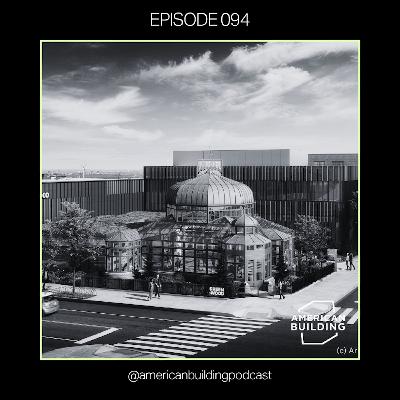
"I'll plan anything a man wants, from a cathedral to a chicken coop," architect H.H. Richardson famously said. Stephen Cassell has done exactly that—designing a chicken coop, a synagogue, and now comes full circle with a cemetery welcome and education center in Brooklyn.Green-Wood Cemetery is transforming from an active burial ground into a cultural institution. With art installations, concerts in the catacombs, and educational programming, the cemetery is preparing for a future when burial plots run out. Stephen Cassell and his team at Architecture Research Office (ARO) designed the Education & Welcome Center to support that transition.The project sits adjacent to a delicate 1890s greenhouse made of cast-iron and glass. ARO chose a deep burgundy terracotta with fine-grained baguette patterns, resulting in vertical fins that catch light differently depending on their angle. The design serves as an elegant backdrop, allowing the Weir Greenhouse to remain the focal point while providing exhibition space, classrooms, and offices for the cemetery's expanding cultural programming.This conversation explores the strategic decisions behind designing within a landmark, from research in Green-Wood's archives to collaboration with landscape architects. Stephen also reflects on lessons from his years at Steven Holl Architects, ARO's research-driven approach to practice, and how constraints can actually lead to better design solutions.Episode Outline(02:01) Early lessons from Steven Holl on craft and materiality(03:14) Meeting Adam Yarinsky at Princeton and starting ARO in the early 1990s(12:21) Green-Wood Cemetery's history, landscape, and transformation into a cultural institution(18:07) The Green-Wood RFP process and interview (22:40) Design details that tie into the historic greenhouse and cemetery grounds (31:17) When to contrast with historic context versus when to serve as backdrop(33:15) Navigating Landmarks Preservation Commission regulations Additional ResourcesCheck out The Mira Shoppe. American Building Podcast listeners get a complimentary gift with their first purchase! Email info@themirashoppe.com to receive your exclusive code and treat yourself to a piece you’ll cherish, while supporting a brand that gives back.Kim Yao of Architecture Research Office | Milgard Hall in Tacoma | A School for EveryoneThe Green-Wood Cemetery Education and Welcome CenterMichael Van Valkenburgh Associates Inc Green-Wood Cemetery T-ShirtConnect with StephenConnect on LinkedIn WebsiteMore From American Building Grab the exclusive guide: How Eight Developers & Designers Are Responding to The Housing Crisis Learn more on the a...
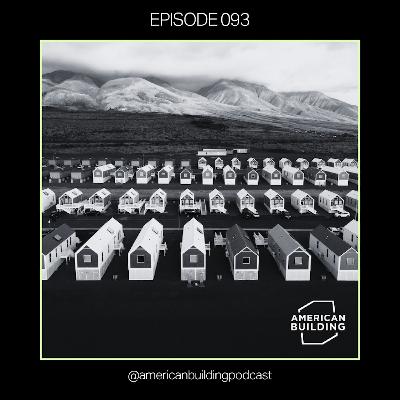
There are over 2,000 different building codes across the United States, including 340 in Colorado alone. This fragmentation is one of the biggest barriers preventing modular housing from addressing America's affordability crisis. Wayne Norbeck and Jordan Rogove, co-founders of DXA Studio and Liv-Connected, are working to change that through their design work and their efforts on Capitol Hill.In this second part of our conversation, Wayne and Jordan explain the technical strategy behind the Lahaina project. By engineering components to fit on standard flatbed trucks rather than expensive wide-load transport, they reduced shipping costs from $18 per mile to $2-3 per mile. Each unit arrives complete and can be installed in four hours, with finishes that include pre-finished birch plywood interiors and peaked roofs—features manufacturers repeatedly tried to eliminate, but made a huge difference for tenants. The conversation also explores how regional code standardization could save 30 cents on every housing dollar and current progress with bipartisan support for legislation extending HUD's manufactured housing authority. This would cut approval times from months to weeks while maintaining quality standards, potentially transforming how America responds to natural disasters and housing affordability. Episode Outline(01:01) Volumetric versus hybrid modular systems and the economics of shipping costs(04:31) Material choices that avoid institutional aesthetics and support permanent housing(11:05) Navigating FEMA, Army Corps of Engineers, and Maui County building approvals(14:37) Where modular housing can have the highest impact beyond disaster relief(17:45) The case for regional building codes to unlock affordable housing at scale(21:30) Legislative solutions and bipartisan Congressional support for modular expansion(29:25) Connecting with state officials, nonprofits, and the UCLA cityLAB initiativeAdditional ResourcesCheck out The Mira Shoppe. American Building Podcast listeners get a complimentary gift with their first purchase! Email info@themirashoppe.com to receive your exclusive code and treat yourself to a piece you’ll cherish, while supporting a brand that gives back.Learn more about Liv-ConnectedLearn more about DXA Studio The Modular Construction Landscape by Atif Z. QadircityLAB - UCLAModular Building InstituteSen. Tim Scott's ROAD to Housing ActRep. Ilhan Omar’s Homes for All Act A New Take on Disaster Housing in Hawaiʻi (Part 1)Connect with Jordan RogoveConnect on LinkedIn Connect with Wayne NorbeckConnect on
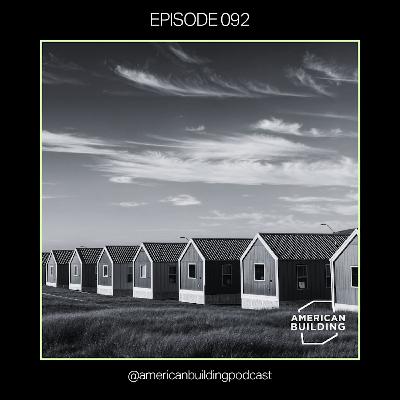
When the Lahaina wildfires devastated Maui in 2023, Hawaiʻi's governor did something unprecedented: he rejected FEMA trailers. The reason was simple一those trailers were designed to last three seasons but routinely became permanent housing for 10-plus years, bringing mold, formaldehyde, and health problems with them. Hawaiʻi wanted something better. Jordan Rogove and Wayne Norbeck, co-founders of DXA Studio and Liv-Connected, manufactured and delivered 109 homes to the Maui community in under two months. Their solution challenged conventional wisdom about disaster housing, demonstrating that speed and dignity can coexist. Their work on the Lahaina project reveals the tensions in disaster response: federal bureaucracy versus innovation, volumetric versus flat-pack construction, and how to maintain design integrity under tight deadlines.This conversation also traces their journey from Virginia Tech classmates to established architects running a New York City practice. Along the way, they discovered that adaptive reuse and architecture-as-activism weren't just design philosophies, but rather catalysts for creating Liv-Connected, their modular housing initiative focused on integrating health technology into factory-built homes.Episode Outline(02:17) Meeting at Virginia Tech and collaborating on design competitions post-grad(10:24) The Haiti competition approach: team building and community engagement (16:04) The inspiration behind integrating health technology into modular housing(18:46) Getting FEMA's attention through the Texas General Land Office RFP(24:09) Why Hawaiʻi rejected FEMA trailers and sought out permanent housing solutions(26:39) Design trade-offs for manufacturing at scale (29:56) Navigating FEMA's seven-layer decision-making structureAdditional ResourcesCheck out The Mira Shoppe. American Building Podcast listeners get a complimentary gift with their first purchase! Email info@themirashoppe.com to receive your exclusive code and treat yourself to a piece you’ll cherish, while supporting a brand that gives back.Learn more about Liv-ConnectedLearn more about DXA Studio The New York Times article: In Lahaina, ‘Dignified’ Havens for Wildfire SurvivorsEpisode 81 with Vishaan Chakrabarti Dreams from my Father by Barack ObamaConnect with Jordan RogoveConnect on LinkedIn Connect with Wayne NorbeckConnect on LinkedInMore From American Building Grab the exclusive guide: How Eight Developers & Designers Are Responding to The Housing Crisis Learn more on the
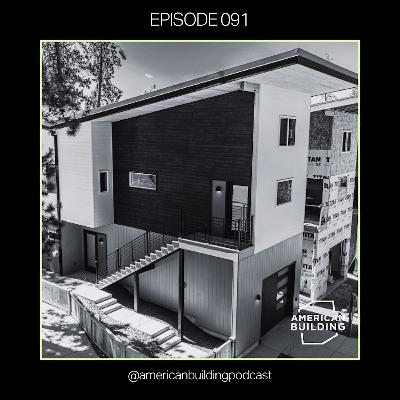
Most developers assume the housing crisis is about supply. Jesse Russell and Ryan Andrews of Hiatus Homes see it differently: it's about designing for households that most developers overlook. One to two-person households represent the largest and fastest-growing demographic in America, yet they're the least served by new construction. Based in Bend, Oregon, Hiatus Homes builds 500-1,200 square foot homes specifically for this market, and since 2020, they've raised $8M from 60 local investors. Their Hiatus Ninth project demonstrates how small-scale infill development works in practice. On a half-acre lot that once held a single home, they subdivided the property into nine lots and built "twinhomes"—a main unit with an attached ADU that functions as both a primary residence and rental property. This approach allows middle-income buyers (80-120% AMI) to afford homeownership while generating rental income, using financing structures that treat the combined units as a primary residence rather than an investment property.This conversation also explores the policy changes enabling this housing type, the three-stage capitalization strategy they use, the construction process with guaranteed-price builders, and the barriers still preventing small-scale development from scaling nationally. Jesse and Ryan offer practical advice for developers navigating zoning codes, engaging local government, and creating housing that serves workforce needs while remaining financially viable.Episode Outline(03:59) Capital raising through the JOBS Act and community-based investors(08:52) Defining small-scale development and the housing types that qualify(13:49) Hiatus Ninth project overview: subdividing one lot into nine twin homes(21:06) Design and construction process with guaranteed-price builders(23:44) Pricing strategy and the importance of getting buyers into the physical space(27:50) Three-stage financing structures and end-user mortgages(33:23) How Freddie Mac allows rental income to offset mortgage qualification(39:47) Inventory challenges and building permit slowdowns(43:29) Barriers to scaling small-scale developments(53:50) How developers can engage local government and advocate for zoning reformAdditional ResourcesCheck out The Mira Shoppe. American Building Podcast listeners get a complimentary gift with their first purchase! Email info@themirashoppe.com to receive your exclusive code and treat yourself to a piece you’ll cherish, while supporting a brand that gives back.Hiatus HomesGeneral Contractor: Simplicity Homes Private Lender: Builders Capital Freddie MacTour of Homes 2025 Winners Abundance By Ezra Klein and Derek Thompson Rep. Ilhan Omar's Housing for All Act (2022)Road to Housing Act (2025)...

The return-to-office policies have settled, but the real challenge has just begun. As companies bring employees back to their desks, the question isn't whether people will return—it's whether they'll want to stay. The office buildings succeeding in this new era aren't necessarily those with the best locations or lowest rents, but rather those who approach office spaces with a hospitality mindset. Michael Kirchmann understood this shift before most developers even recognized the opportunity.As co-founder and CEO of GDSNY, Michael transformed the Met Tower from 20% to 84% leased in 15 months. His strategy includes offering a premium experience at $85-90 per square foot (versus $220+ for new Plaza District towers), hiring former Four Seasons concierges as building staff, and creating amenities like members-only clubs. This approach recognizes that employers now use office environments as recruitment and retention tools, making design quality a competitive necessity rather than a luxury.Beyond development, GDSNY operates GDS Brightstar, a lending platform that combines their construction and leasing expertise, creating unique opportunities to underwrite office deals that traditional lenders avoid. As both borrower and lender, they can identify promising assets and provide rescue capital, construction finance, and workout solutions. Their hands-on approach has saved borrowers tens of millions in construction costs by leveraging existing contractor relationships, making them valuable partners when deals need creative restructuring.Episode Outline(01:54) Growing up in a real estate family and the path from architecture to development(03:31) European development experience with SOM and Howard Ronson (09:15) GDSNY's mission of creating exceptional real estate through design differentiation(14:40) Assessment of Met Tower's condition and repositioning potential(19:12) Creating hospitality-inspired office experiences and targeting new tenant types(27:37) Walking through the transformed tenant experience from street to suite(31:02) Real estate debt market opportunities and GDSNY's lending platform(38:17) Key elements of successful loan workouts and preventing problems through relationshipsAdditional ResourcesCheck out The Mira Shoppe. American Building Podcast listeners get a complimentary gift with their first purchase! Email info@themirashoppe.com to receive your exclusive code and treat yourself to a piece you’ll cherish, while supporting a brand that gives back.Learn more about Met TowerFogarty Finger Architecture Ace Hotel Kyoto Kengo Kuma & AssociatesCommune Design Connect with Michael Connect on LinkedIn Follow on Instagram Website Email: studio@gdsny.com More From American Building Grab the exclusive guide: a...
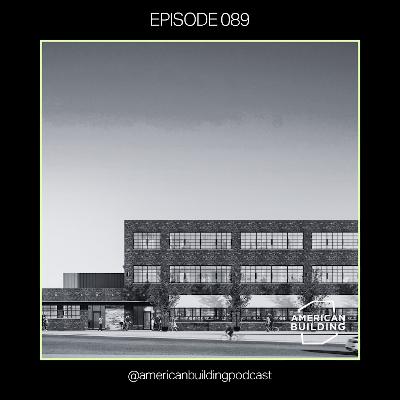
When's the last time a ping pong game determined whether you could close a $350,000 loan? For Jonathan Dodson, it happened during his first major development project after walking away from a banking career. His moral stand against workplace harassment led him to launch Pivot Project, an Oklahoma City-based development firm specializing in historic preservation and community revitalization. In this episode, we talk through Medley Market, which exemplifies Jonathan's approach to adaptive reuse projects. The 24-unit mixed-use development with a market hall and rooftop pickleball courts required navigating investor fraud, underground drug operations, and a five-part capital stack including historic tax credits and C-PACE financing. Instead of walking away from the chaos, Jonathan saw a unique opportunity.The conversation reveals Jonathan's philosophy of transparent compensation and community relationships. He shows team members exactly how their contributions translate to development fees, pays consultants what they're actually worth, and gets the greenlight from neighborhood decision-makers before starting projects. This approach treats development as relationship-building rather than financial engineering, creating lasting value for both investors and the communities Pivot Project serves.Episode Outline(03:56) The workplace harassment incident that led to an entrepreneurial pivot(13:07) The legendary ping pong game that secured crucial construction financing(20:15) Acquiring Medley Market: uncovering investor fraud and recapping the deal(32:51) Managing construction costs and tariff impacts in today's development market(38:26) How to turn valued consultants into true partners(45:30) Upcoming hotel project fundraising and Medley Market expansion Additional ResourcesCheck out The Mira Shoppe. American Building Podcast listeners get a complimentary gift with their first purchase! Email info@themirashoppe.com to receive your exclusive code and treat yourself to a piece you’ll cherish, while supporting a brand that gives back.Learn more about Small Scale Developers ForumVogue: Eating Your Way Through America’s Best Food Halls Newsweek: 2025 Best Food Hall Kate Kaufman Candace Baitz Matt Dean Meta Quest 3 Connect with Jonathan Connect on LinkedIn Website Email: jonathan@pivotproject.com More From American Building Grab the exclusive guide: How Eight Developers & Designers Are Responding to The Housing...
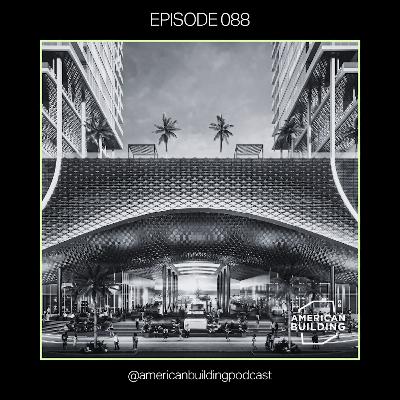
Many architecture firm owners struggle with the same challenge: How do you build a sustainable business that can thrive beyond the founder? Joe Furey solved this problem by bringing his finance and technology background to Michael Graves Architecture & Design, one of America's most iconic firms.As CEO and President, Joe has transformed the practice from a firm dependent on Michael Graves’ reputation into a diverse platform business with 165 employees across 10 offices. His approach combines strategic acquisitions with technology integration, creating what he describes as "a mile wide and an inch deep” approach. This conversation reveals the mechanics behind how a firm transitions, grows, and looks forward. Joe explains his evaluation criteria, integration process, and how he structures deals that benefit both buyers and sellers. He also discusses expanding into technology consulting through the acquisition of Parallax Team and opportunities to leverage AI within real estate development. Episode Outline(02:09) The biggest lessons from Fortune 500 consulting that informed his leadership philosophy (15:51) Joining Michael Graves at peak revenue and recognizing the succession planning gap(22:43) Mitigating the number one post-acquisition problem: Trust (32:34) The Parallax Team acquisition and turning Revit consulting into a revenue driver(36:10) The acquisition playbook for due-diligence and integration frameworks(46:09) Measuring success through KPIs, budgets, and earn-out structures(52:47) Economic adaptation and positioning the firm for long-term growthAdditional ResourcesCheck out The Mira Shoppe. American Building Podcast listeners get a complimentary gift with their first purchase! Email info@themirashoppe.com to receive your exclusive code and treat yourself to a piece you’ll cherish, while supporting a brand that gives back.Dario Amodei and his essay in the social postsTrust: America's Best Chance by Pete Buttigieg Outsourced Connect with Joe Connect on LinkedIn Website Contact: jfurey@michaelgraves.com More From American Building Grab the exclusive guide: How Eight Developers & Designers Are Responding to The Housing Crisis Learn more on the American Building websiteFollow on LinkedInFollow on InstagramConnect with Atif Qadir on LinkedInLearn more about Michael Graves Architecture & Design Watch this episode on...
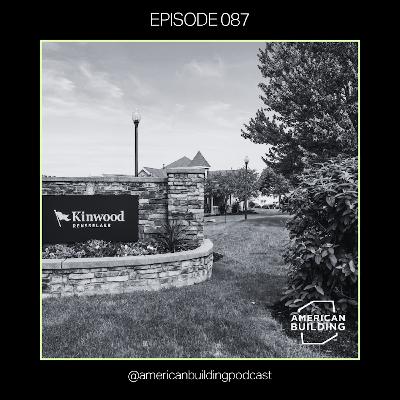
Stephen Ross had an uncompromising vision for a transformational park built over a highway as part of an ambitious Detroit master plan. The challenge was cost. Tina Ladd has built her career remaining determined in the face of challenges. Through her work on both the Detroit master plan and Hudson Yards, she honed her skills to turn the impossible into possible. Today, that same relentless, solutions-driven mindset defines her work at Aker, where she shows that determination applies just as much in multifamily value-add as it does in billion-dollar mixed-use developments. The Kinwood redevelopment in Rensselaer, New York exemplifies Aker's approach to value-add properties. What began as "Mansions at Technology Park" — a deteriorating 390-unit complex with 21 years of deferred maintenance—became a case study in strategic repositioning. Rather than chasing luxury branding, Aker focused on authentic values that brought a sense of community into a once transient neighborhood. By building a strong brand around values like dependability, authenticity, accessibility, and even playfulness, the Aker team laid the groundwork for more than just property upgrades — they set the stage for community impact. With a clear phasing strategy, Tina’s team addressed deferred maintenance, added connection-driven amenities, and refreshed apartments with smart, high-impact materials. The result shows how intentional branding, paired with strategic capital investment, can breathe new life into overlooked assets while building a genuine sense of community.Episode Outline(01:47) Early career lessons from Hudson Yards and exposure to large-scale development(04:40) Mentorship lessons in people management and problem-solving (12:05) Joining Aker, an employee-owned company focused on community building(19:13) Evaluating and repositioning Mansions at Technology Park(25:13) Unit renovation strategy based on Aker’s core values(34:41) Working with branding consultants and creating cohesive guidelines across assets (40:01) Current projects, including first fund launch and expansion closer to New York CityAdditional ResourcesCheck out The Mira Shoppe. American Building Podcast listeners get a complimentary gift with their first purchase! Email info@themirashoppe.com to receive your exclusive code and treat yourself to a piece you’ll cherish, while supporting a brand that gives back.Connect with Marianne Kwok Connect with Amelia Patt-Zamir Learn more about Method Develop Learn more about No Walls StudioCheck out excerpts from the Kinwood brand guidelinesContact leasing for the KinwoodConnect with TinaConnect on LinkedIn Aker Website Email tina@akercompanies.com to get in touch with her regarding the fund mentioned in...
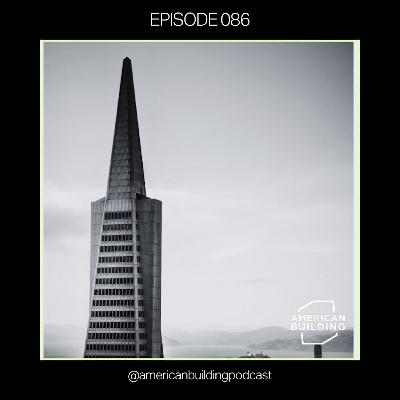
SHVO's $400 million transformation of the Transamerica Pyramid required solving a fundamental problem: how do you renovate an iconic building without destroying what makes it unique? The building's original architect, William Pereira, created brilliant structural innovations but made unusual interior design decisions—hiding 17-foot ceilings behind nine-foot drops and resulting in what was for a long time a standoffish, brutalist entranceWorking with Lord Norman Foster and Foster + Partners, Michael Shvo's team spent three years on an authentic restoration that would make visitors believe the spaces had always existed exactly as they found them. They expanded the Redwood Park to surround rather than sit within the building complex, exposed the original concrete grid structure, and made meticulous decisions about materials—evaluating stone samples with minute grain variations to achieve perfect light reflection at different times of day. The most revealing insights from this conversation come from Shvo's navigation of San Francisco's entitlements process. When consultants warned that his proposed changes would waste months seeking impossible approvals, Shvo and Foster submitted their plans anyway. Their fast-track approval and subsequent leasing success—90% occupancy with tenants like Morgan Lewis—demonstrates how authentic design vision combined with strategic community engagement can overcome even the most challenging regulatory environments.Episode Outline(01:21) The $400 million budget breakdown and three-year remastering timeline(02:24) Transforming the brutalist concrete entrance into an inviting space for gathering(01:33) Remastering an iconic design with Foster + Partners(11:41) Shvo's community engagement philosophy that guides the entitlement process(17:31) What's next for Transamerica Pyramid Center, 2 Transamerica, and 3 TransamericaAdditional ResourcesCheck out The Mira Shoppe. American Building Podcast listeners get a complimentary gift with their first purchase! Email info@themirashoppe.com to receive your exclusive code and treat yourself to a piece you’ll cherish, while supporting a brand that gives back.Missed part one with Michael Shvo? Listen hereLearn more about Pyramid DreamsTo Inquire about leasing, visit transamericapyramid.com/leasing Learn more about The Raleigh Listen to American Building episode with Vishaan Chakrabarti For the full episode show notes and property photos, visit americanbuildingpodcast.com Connect with Michael ShvoConnect on LinkedIn Website More From American Building Grab the exclusive guide: a...
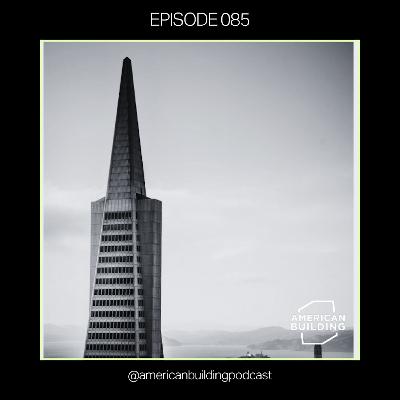
Michael Shvo, founder, chairman, and CEO of SHVO, has built a reputation for transforming iconic properties through hospitality-driven real estate development. From residential to commercial assets, his customer-first philosophy has created some of the most iconic properties across global markets.In this episode, Michael shares the remarkable story behind his $650 million acquisition and transformation of San Francisco's Transamerica Pyramid Center—a deal that almost didn't happen due to the pandemic, 600 open building permits, and a lender backing out at the last minute. The building also carries profound personal significance: as an eight-year-old, Michael drew himself next to the pyramid as a symbol of the American Dream, only to discover this childhood drawing four decades later while becoming the building's steward. Michael offers tactical insights on customer understanding gained from his broker background, risk management during unprecedented market uncertainty, and the power of unwavering conviction rooted in core values. From opening the ground floor to the public to creating what became known as the Pyramid District, his transformation strategy demonstrates how deep market knowledge and authentic hospitality principles can revitalize both individual properties and entire neighborhoods. Episode Outline(01:49) What Michael's early career as a residential broker taught him about real estate development(06:43) Advice for building teams and attracting talent in real estate development(07:13) Applying hospitality principles to commercial real estate operations(11:25) Attracting and retaining capital: from friends and family to institutional investors(13:23) Green flags and red flags when evaluating potential investor partnerships(19:41) Opposition and challenges during the original construction of The Transatlantic Pyramid in the 1960s(17:52) Bidding against 44 competitors and winning based on brand stewardship(31:51) Financing challenges and the AIG lender backing out(35:22) The childhood connection: from eight-year-old's drawing to $650M acquisition(38:18) Inspiring the next generation of leaders through Pyramid DreamsAdditional ResourcesCheck out The Mira Shoppe. American Building Podcast listeners get a complimentary gift with their first purchase! Email info@themirashoppe.com to receive your exclusive code and treat yourself to a piece you’ll cherish, while supporting a brand that gives back.Learn more about Pyramid DreamsFor the full episode show notes, including Michael’s childhood sketch, visit americanbuildingpodcast.comConnect with Michael ShvoConnect on LinkedInWebsite More From American Building Grab the exclusive guide: How Eight Developers & Designers Are Responding to The Housing Crisis Learn more on the American Building websiteFollow on LinkedInFollow...
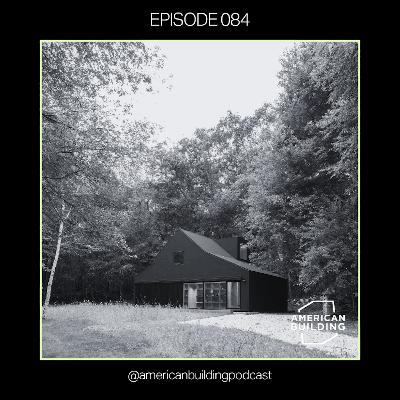
When the construction numbers came back for Worrell Yeung’s artist studio design in Westerly, Rhode Island, everyone had to pause and recalibrate. The ground-up approach they'd developed was simply too expensive for the clients' needs and lifestyle. This moment led them back to the initial design prompt and sketches. Rather than seeing this as a setback, Jejon Yeung and Max Worrell, co-founders of Worrell Yeung, discovered that working with the existing horse stable structure resulted in a space with more character and historical layering than the big and bold remodel would have achieved. Their approach to transforming the barn demonstrates how adaptive reuse can honor what has value while breathing new life into a property. The material strategy exemplifies this even further: wrapping the entire structure in asphalt roofing sheets to create a unified envelope, maintaining the exposed timber frame and inserting plywood volumes for functional needs.Beyond Studio Barn, this conversation explores how Worrell Yeung draws inspiration from artists to inform architectural projects. From a Long Island glass house inspired by Sol LeWitt's grid sculptures to an upstate New York property that references Michael Heizer's "Double Negative," they demonstrate how art can provide formal and conceptual frameworks for residential architecture. Their approach to adaptive reuse extends across functions, from renovating MoMA's Founders Room to expanding a historic chapel for The Evergreens Cemetery, always guided by the philosophy that adaptive reuse should both preserve and innovate.Episode Outline(01:40) The collaborative studio environments that shaped their practice(08:16) Building a diverse team and trusted collaborator network(12:10) The Studio Barn project origins and working with artist clients(17:37) Creating flexible workspace for two different artistic practices(24:37) Solving infrastructure challenges while preserving the timber frame structure(32:19) Turning inspiration into tangible design (38:56) Common challenges in adaptive reuse and designing for future use cases (41:02) Three principles for successful adaptive reuse projectsAdditional ResourcesCheck out The Mira Shoppe. American Building Podcast listeners get a complimentary gift with their first purchase! Email info@themirashoppe.com to receive your exclusive code and treat yourself to a piece you’ll cherish, while supporting a brand that gives back.Learn more about Studio BarnCheck out artists and Studio Barn owners Ari Marcopoulos and Kara Walker Learn more about Frame House Learn more about Ridge HouseWatch 6 Secrets Architects Use to Create a Calming Retreat with Worrell Yeung (Design Masterclass) https://www.youtube.com/watch?v=FkXhqrUh01s Listen to Episode 9 with Kim Yao Connect with Jejon and...
When architect Michael Chen, principal of MKCA, got a call about designing a 600-square foot apartment, the project brief was straightforward enough: renovate a 2-bedroom summer vacation home with multifunctional furniture. However, this wasn’t East Hampton or Miami Beach. In fact, there wasn’t an address at allーthe apartment floats on a luxury residential yacht that spends 365 days a year at sea. Michael discovered that designing for constant motion meant rethinking everything he knew about residential architecture. Bronze dining tables now required a piston system to fold safely into walls. Murphy beds replaced traditional frames to optimize space and showcase ocean views. Every material choice had to account for salt spray, UV exposure, and oxidation. Working with Austrian shipbuilders, Michael and his team developed prefabrication techniques that compressed a typical two-year renovation timeline into brief month-long dry dock periods. The results merge modernist design principles with maritime engineering requirements, creating spaces that feel both grounded and dream-like. Our conversation reveals Michael’s approach to craft as something that encompasses community engagement, sustainability, and social responsibility. He shares insights from teaching architecture thesis studios, the evolution of MKCA’s practice philosophy, and the founding of Design Advocatesーa nonprofit that has participated in 100+ projects serving the public good over the past five years.Episode Outline(07:48) Teaching thesis studios and the dozen student projects that shaped MKCA's approach(15:58) The client request that led to designing aboard MS The World(18:53) Construction challenges at sea and developing prefabrication solutions with Austrian partners(21:42) Engineering elegant and multifunctional furniture for life in constant motion(33:55) Material choices that embrace patina and the fingerprint of global travel(40:29) Navigating maritime building codes and the importance of expert collaborators(44:31) Design Advocates and the mission to promote equality in the built environmentAdditional ResourcesLearn more about MS The WorldLearn more about Pied-à-mer Connect with Michael Connect on LinkedIn Learn more on MKCA’s website Follow on Instagram Support and get involved with Design Advocates on their website Follow Design Advocates on Instagram More From American Building Grab the exclusive guide: How Eight Developers & Designers Are Responding to The Housing Crisis Learn more on the American Building websiteFollow on LinkedInFollow on
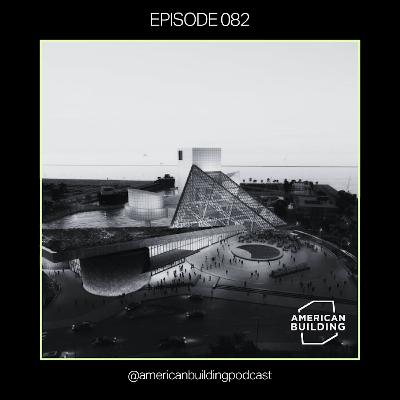
In the continuation of our conversation with architect Vishaan Chakrabarti, we dive deeper into the philosophy and challenges behind PAU's Rock and Roll Hall of Fame expansion. What emerges is a masterclass in honoring architectural legacy and a candid discussion about building a principled practice. Vishaan reveals PAU's "place needs connection" methodology—starting as archaeologists to unearth a site's hidden history, then becoming seamstresses to reconnect fractured urban fabric. This approach led them to discover that I.M. Pei's original building was actually designed for a different site, explaining why the plaza never felt quite right.The conversation explores fundamental questions about balancing individual creativity with community responsibility, working within constraints, and understanding the role of apprenticeship within professional architectural development. As construction progresses in Cleveland, this episode offers insight into how contemporary architects grapple with legacy, community, and the evolving definition of American culture—including what it means when rock and roll represents "the spirit of young America" in an era of hip-hop and social change.Episode Outline(02:21) Understanding I.M. Pei's original design challenges and how the building evolved over time(09:08) Creating a 30-person firm with clear values and boundary conditions(22:20) Balancing individual creativity with community engagement in architectural practice(25:45) Understanding I.M. Pei's legacy through personal experience and historical research(32:58) Rock and roll and its evolving definition(36:23) Architecture as a manifestation of American contradictions and possibilities(39:43) How to honor architectural legacy while responding to contemporary needsAdditional ResourcesCheck out The Mira Shoppe. American Building Podcast listeners get a complimentary gift with their first purchase! Email info@themirashoppe.com to receive your exclusive code and treat yourself to a piece you’ll cherish, while supporting a brand that gives back.I.M. Pei’s MIT undergraduate thesisThe Rock and Roll Hall of FameConnect with VishaanConnect with Vishaan on LinkedIn Learn more about PAUMore From American Building Grab the exclusive guide: How Eight Developers & Designers Are Responding to The Housing Crisis Learn more on the American Building websiteFollow on LinkedInFollow on InstagramConnect with Atif Qadir on LinkedInLearn more about Michael Graves Architecture & Design Watch this episode on a...
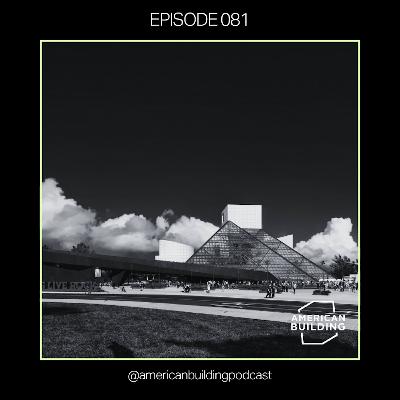
Four years ago, we sat down with architect and urbanist Vishaan Chakrabarti to explore his vision for the Rock & Roll Hall of Fame expansion in Cleveland—then still on the drawing board. Today, that project is under construction, reshaping Cleveland’s lakefront with a bold new cultural landmark. As cranes rise and the tower takes form, our conversation with Vishaan feels more timely than ever: it’s a front-row seat to how great design can catalyze civic life and spur economic vitality.Vishaan Chakrabarti is a licensed architect and the founder of the Practice for Architecture and Urbanism (PAU). His professional portfolio is diverse, expanding from creating a master plan for the surrounding area of Michigan Central Station in Detroit to creating a social housing neighborhood in East New York. In this conversation, we focus on how PAU is seamlessly iterating on the legendary I.M. Pei’s design and Vishaan’s broader vision for creating sustainable and equitable designs that result in accessible spaces.The Rock and Roll Hall of Fame is located on Lake Erie and has been an essential driver for the local economy. It was no surprise that after securing a plot of land that the institution would immediately start looking towards expansion and renovation. From all across the world, 25 leading architects submitted their proposals and eventually, eight were shortlisted. Vishaan’s firm was selected as the winning design: a 50,000-square-foot triangular building made of steel, crafting a careful balance of the cutting-edge and the conservative.Episode Outline(02:03) Vishaan's unconventional path to architecture through engineering and art history at Cornell(11:47) "A Country of Cities" manifesto and stumbling into the culture war around urbanism(14:49) The design problem with density in transit-oriented development(22:36) Advice for mayors on the three pillars of "jobs, justice, and joy"(31:42) First impressions of Cleveland while working across the Rust Belt(34:24) The cultural significance of the Rock and Roll Hall of Fame(36:38) Understanding I.M. Pei's iconic Rock Hall building and its challenges(37:55) Winning the competition by creating an addition that expands on the Pei buildingAdditional ResourcesCheck out The Mira Shoppe. American Building Podcast listeners get a complimentary gift with their first purchase! Email info@themirashoppe.com to receive your exclusive code and treat yourself to a piece you’ll cherish, while supporting a brand that gives back.Triumph of the City by Edward GlaeserThe Architecture of Urbanity by Vishaan Chakrabarti A Country of Cities by Vishaan ChakrabartiThe Rock and Roll Hall of FameConnect with VishaanConnect with Vishaan on LinkedIn Learn more abouta...

Comments

Download from Google Play

Download from App Store
 United States