


 Claim Ownership
SECTION27news
Subscribed: 0Played: 0
Subscribe

© news@section27.org.za
Description
SECTION27 is a public interest law centre that seeks to achieve substantive equality and social justice in South Africa. Guided by the principles of the Constitution, SECTION27 uses law, advocacy, legal literacy, research and community mobilisation to achieve access to healthcare services and basic education. SECTION27 aims to achieve structural change and accountability to ensure the dignity and equality of everyone. On our podcast channel, you will hear more about our campaigns and the issues we are advocating for.
43 Episodes
Reverse
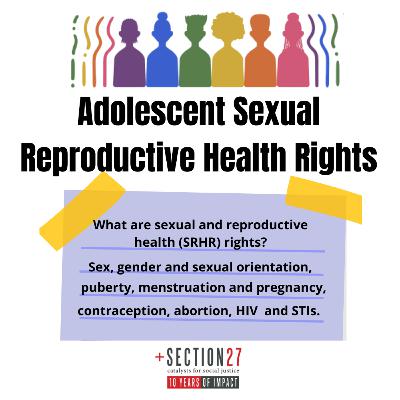
Presenting this episode on sexual reproductive health rights in TshiVenda is SECTION27s Researcher, Annah Maluleke and Facilitator, Tebogo Makhalenela Mdletshe. In this discussion, the following questions on SRHR are explored:
1. What are sexual reproductive health rights?
2. Sex, gender and sexual orientation seem to feature prominently in sexual reproductive health rights; what do these terms mean?
3. Why are these rights important?
In this episode with Imbokodo FM, we will deal with a second and important step in reporting sexual abuse: going to the police. Questions about:
• How do you go about opening a case for sexual violence?
• Why is it important to go with a friend/someone you trust?
• What are your rights at the police station?
• What must ensure to do before you leave the station?
• What is the difference between CAS number and CASE number?
will all be answered in this episode.
If a teacher or principal has sexually abused a learner, the incident must be reported to the Department of Basic Education. Should a learner wish to change schools after an incident of sexual abuse, they can. Listen to find more about reporting cases of sexual abuse to the DBE.
Applying for a protection order may be something you need to do to ensure your abusers keeps their distance from you. In this episode, we cover who can apply for a protection order? Why should you apply for a protection order? And the difference between interim and final protection orders?
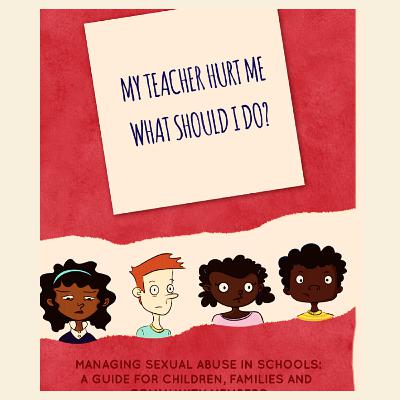
Going for counselling after being sexually abused will help you receive the comfort and support you need to feel safe again. In this episode with Imbokodo FM, we take a look at some of the tell-tell signs to look out for someone who has been sexually abused and share an understanding of why is counselling important? And, what to expect from counselling?
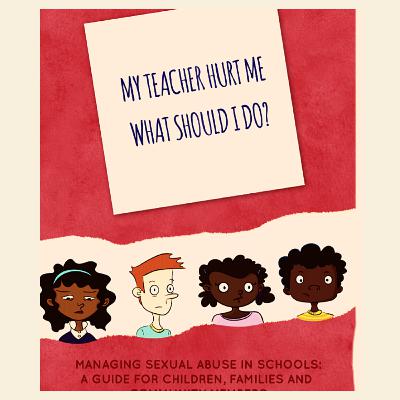
In this episode, our discussion with Imbokodo FM looks at: what is sexual violence? How to distinguish the types of sexual violence, and what does it mean to give consent?
Consult our Sexual Violence handbook for more information on identifying and reporting sexual violence: https://section27.org.za/2014/05/someone-hurt-me-sexual-violence-guides/
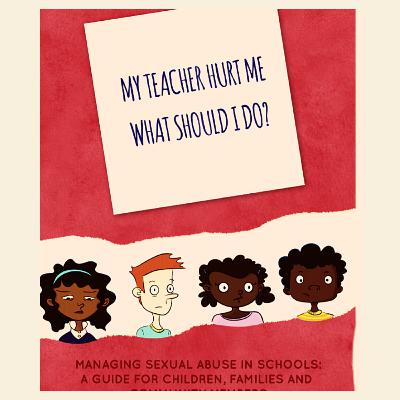
If a teacher or principal has sexually abused a learner, the incident must be reported to the Department of Basic Education. Should a learner wish to change schools after an incident of sexual abuse, they can. Listen to find more about reporting to DBE.
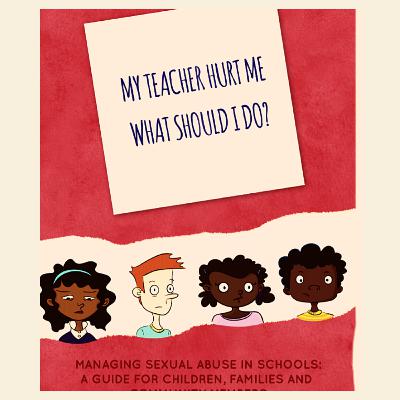
Applying for a protection order may be something you need to do to ensure your abusers keeps their distance from you. In this episode, we cover who can apply for a protection order? Why should you apply for a protection order? And the difference between interim and final protection orders?
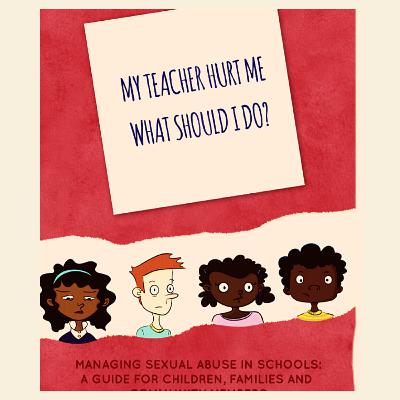
Going for counselling after being sexually abused will help you receive the comfort and support you need to feel safe again. In this episode with Radio Turf, we take a look at some of the tell-tell signs to look out for someone who has been sexually abused and share an understanding of why is counselling important? And, what to expect from counselling?
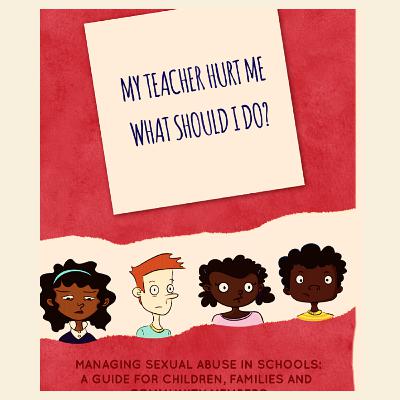
In this episode with Radio Turf, we will deal with a second and important step in reporting sexual abuse: going to the police. Questions about:
• How do you go about opening a case for sexual violence?
• Why is it important to go with a friend/someone you trust?
• What are your rights at the police station?
• What must ensure to do before you leave the station?
• What is the difference between CAS number and CASE number?
will all be answered in this episode.
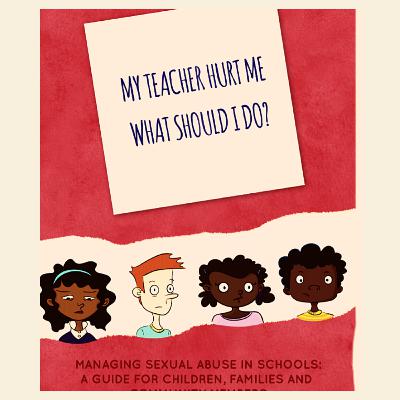
Going to the hospital is the first place to report if you have been sexually abused. In this episode, we will explain what you should expect when you get to the hospital, everything from signing a J88 form to the need for emergency contraceptives and Pre-exposure Prophylaxis (PrEP).
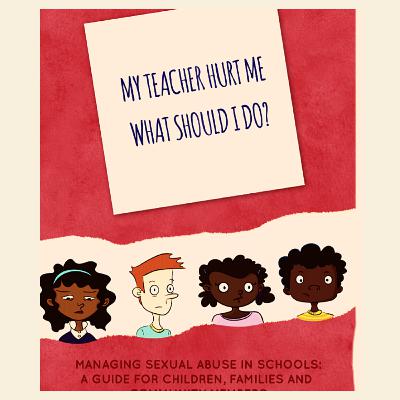
In this episode, our discussion with Turf Radio looks at: what is sexual violence? How to distinguish the types of sexual violence, and what does it mean to give consent?
Consult our Sexual Violence handbook for more information on identifying and reporting sexual violence: https://section27.org.za/2014/05/someone-hurt-me-sexual-violence-guides/
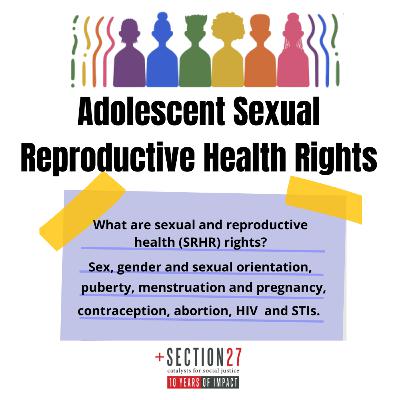
STI's are infections that are passed on from one person to another through sexual activity. In this episode, SECTION27's Researchers answer the questions: What are the different types of STIs?; What is the difference between an STI and a urinary tract infection (UTI)? and when and how often one should get screened for STIs.
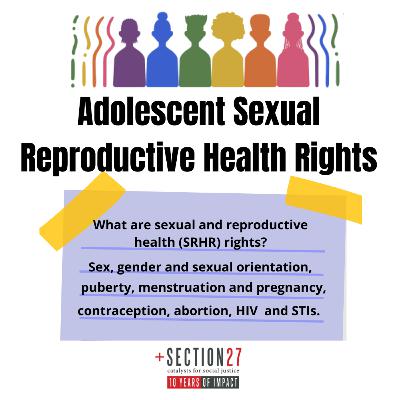
This episode covers information on HIV, providing an understanding of what is HIV, how it is transmitted from one person to another, how can you prevent contracting HIV and more.
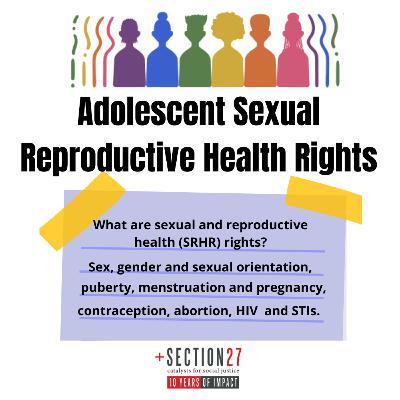
School pregnancies are common in South Africa. It is often the case that learners who fall pregnant consequently drop out without completing their schooling. In this episode, SECTION27s, Researchers deal with adolescent pregnancies, access to contraceptives and safe abortions.
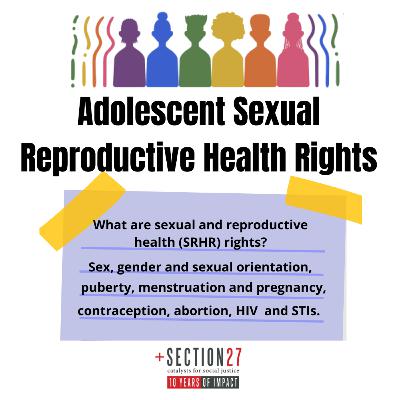
In this episode, SECTION27's Researchers summarise all the changes young boys and girls can expect during puberty. The discussion moves on to deal with the myths and truths about female menstruation.
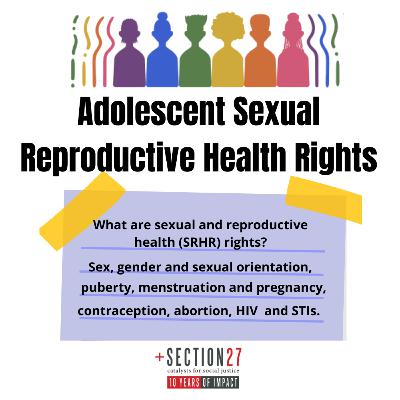
Presenting this episode on sexual reproductive health rights in SePedi is SECTION27s legal assistant, kholofelo mphahlele and Facilitator Lethabo Tjano. In this discussion, the following questions on SRHR are explored:
1. What are sexual reproductive health rights?
2. Sex, gender and sexual orientation seem to feature prominently in sexual reproductive health rights; what do these terms mean?
3. Why are these rights important?
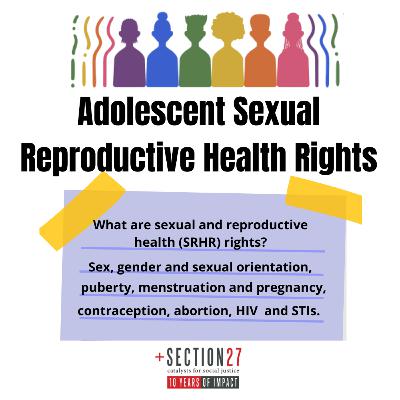
In this episode, SECTION27's Researchers summarise all the changes young boys and girls can expect during puberty. The discussion moves on to deal with the myths and truths about female menstruation.
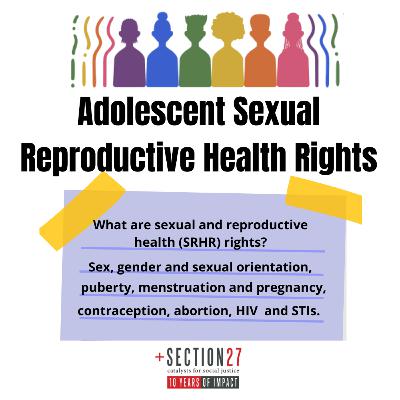
Presenting this episode on sexual reproductive health rights in IsiZulu is SECTION27s researchers, Thuthukile Mabatha and Patrick Zaid Mdletshe. In this discussion, the following questions on SRHR are explored.
1. What are sexual reproductive health rights?
2. Sex, gender and sexual orientation seem to feature prominently in sexual reproductive health rights, what do these terms mean?
3. Why are these rights important?
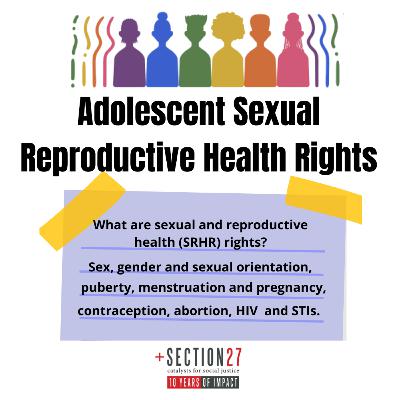
STI's are infections that are passed on from one person to another through sexual activity. In this episode, SECTION27's Researchers answer the questions: What are the different types of STIs?; What is the difference between an STI and a urinary tract infection (UTI)?; and when and how often one should get screened for STIs.

Comments

Download from Google Play

Download from App Store
 United States