


 Claim Ownership
Native Lights: Where Indigenous Voices Shine
Subscribed: 122Played: 3,873
Subscribe

© 2021 Association of Minnesota Public Educational Radio Stations. All rights reserved.
Description
In Native Lights, people in Native communities around Mni Sota Mkoce - a.k.a. Minnesota - tell their stories about finding their gifts and sharing them with the community. These are stories of joy, strength, history, and change from Native people who are shaping the future and honoring those who came before them.
Native Lights is also a weekly, half-hour radio program hosted by Mille Lacs Band of Ojibwe members and siblings, Leah Lemm and Cole Premo. Native Lights is a space for people in Native communities.
Native Lights: Where Indigenous Voices Shine is produced by Minnesota Native News and Ampers, Diverse Radio for Minnesota’s Communities with support from the Minnesota Arts and Cultural Heritage fund. Online at https://minnesotanativenews.org/
273 Episodes
Reverse
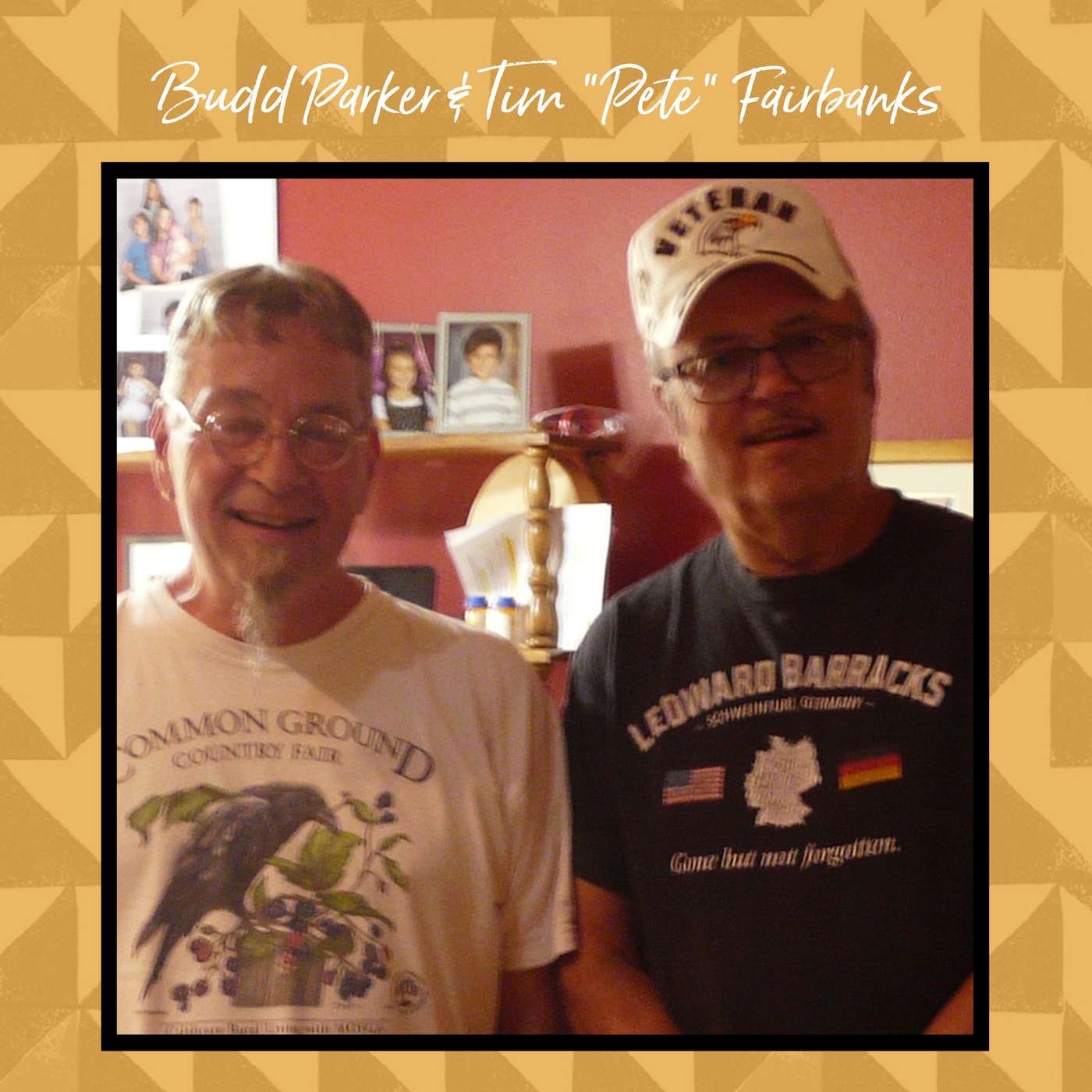
Today we're joined by Budd Parker and Tim "Pete" Fairbanks. Budd is a Navy veteran and descendant of the White Earth Nation. He lives in Osage and was raised by grandparents who knew Civil War soldiers. He and his crew, including cousin Pete Fairbanks, dig through records. They clear forgotten cemeteries and set corrected headstones so families can hear their ancestors' names again. Pete, an Army veteran, is also from the White Earth Nation, and he works with Budd to restore headstones and graveyards. Budd and Pete grew up around grandparents born in the 19th or early 20th century, who shared stories of friends and neighbors who'd been Civil War soldiers from what would later become White Earth Reservation. Through storytelling, these long-ago veterans became real living humans, not historical figures, to the young cousins. In his 20s, Budd replaced wooden crosses with permanent gravestones for two White Earth family members. This set in motion his lifelong quest, shared with Pete, to restore the reservation's cemeteries. They've logged so many hours among the dead, they've earned the nickname The Grim Reapers. The pair discuss the importance of remembering White Earth's veterans, and what it takes to hunt down the identities of forgotten soldiers, from record searches and photographs to family interviews. They also get into the sheer brute strength that's needed to set upright a gravestone that's toppled and sunken into the earth over centuries, and their hope that a new generation can take over this important, and almost always unpaid, work. If you would like to get in touch with Budd Parker and Pete Fairbanks, you can reach them at [email protected] or [email protected] / Producers: Leah Lemm, Cole Premo Editor: Britt Aamodt Editorial support: Emily Krumberger Mixing & mastering: Chris HarwoodPhoto Credit: Budd Parker and Pete Faribanks-----For the latest episode drops and updates, follow us on social media. instagram.com/ampersradio/instagram.com/mnnativenews/ Never miss a beat. Sign up for our email list to receive news, updates and content releases from AMPERS. ampers.org/about-ampers/staytuned/ This show is made possible by community support. Due to cuts in federal funding, the community radio you love is at risk. Your support is needed now more than ever. Donate now to power the community programs you love: ampers.org/fund
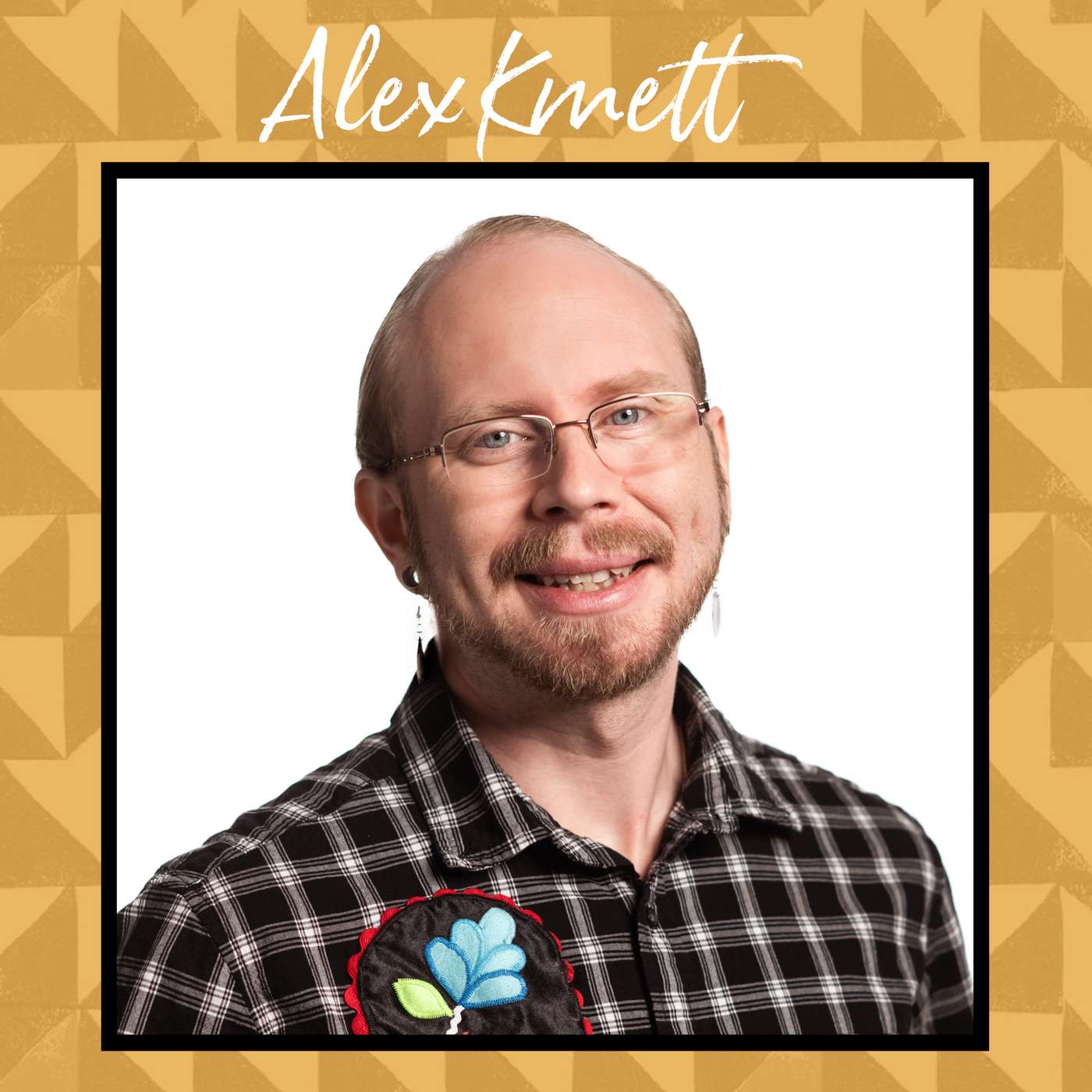
Today, we're speaking with language revitalization leader and cultural educator Alex Kmett. Alex is a citizen of the Red Lake Nation and a descendant of the Leech Lake Band of Ojibwe. He's a 2026 Bush Fellow and a co-founder of a charter school in Red Lake Nation. Alex says he was lucky to have grown up in the late 1980s and early 1990s, when there were more First Language speakers around. He soaked up their language and cadences. But he didn’t really have the opportunity to figure out the mechanics of Ojibwemowin until college and then, during immersive study with First Language speakers. His passion for language revitalization extends to teaching, co-founding a school, and contributing to the online Ojibwe People’s Dictionary. In 2026, he was awarded a Bush Fellowship in recognition of this lifetime of work. Alex shares why he thinks AI is not the answer to learning Ojibwemowin. He talks about bringing up his children in an immersive language environment, what it means to care for the Ojibwe language, and how to teach a new generation of speakers. -----Hosts / Producers: Leah Lemm, Cole Premo Editor: Britt Aamodt Editorial support: Emily Krumberger Mixing & mastering: Chris Harwood Image: Alex Kmett [photo credit: Caroline Yang] -----For the latest episode drops and updates, follow us on social media. instagram.com/ampersradio/instagram.com/mnnativenews/ Never miss a beat. Sign up for our email list to receive news, updates and content releases from AMPERS. ampers.org/about-ampers/staytuned/ This show is made possible by community support. Due to cuts in federal funding, the community radio you love is at risk. Your support is needed now more than ever. Donate now to power the community programs you love: ampers.org/fund
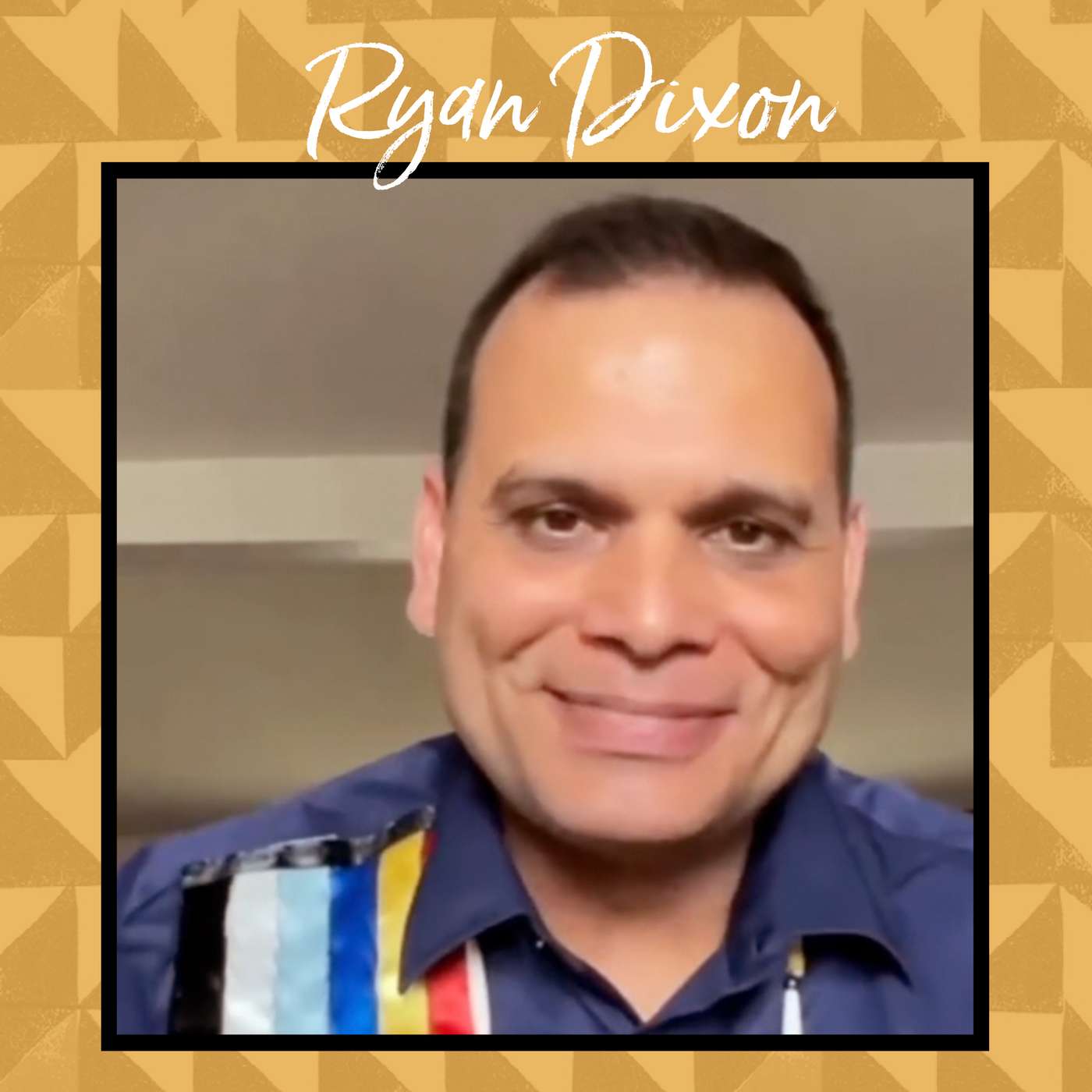
Today, we're speaking with Ryan Dixon. Ryan is an enrolled member of the Oglala Lakota Tribe from Pine Ridge in South Dakota and has spent over two decades immersed in the Lower Sioux community in southern Minnesota. He trained under First Language Dakota speakers, and he now teaches Dakota. An educator and Indigenous language activist, he co-founded a Dakota Immersion Head Start programming and works to keep the language alive for future generations. Ryan grew up in Georgia, far away from the Lakota homelands, but he had access to a first language speaker in his grandmother. When he moved to the Lower Sioux community in Southern Minnesota, he was recognized as someone who knew a little language. That led to people asking him to translate and, later, to an unbelievable apprenticeship that paid him to learn and teach Dakota. He didn’t speak fluently until he was 31 and believes anyone can gain fluency in two years. But he says there’s one key ingredient that can’t be missing if a language learner wants to succeed. He also shares how he connects to the spirit of the Dakota language and what it means to become its friend.-----Hosts / Producers: Leah Lemm, Cole Premo Editor: Britt Aamodt Editorial support: Emily Krumberger Mixing & mastering: Chris Harwood -----For the latest episode drops and updates, follow us on social media. instagram.com/ampersradio/instagram.com/mnnativenews/ Never miss a beat. Sign up for our email list to receive news, updates and content releases from AMPERS. ampers.org/about-ampers/staytuned/ This show is made possible by community support. Due to cuts in federal funding, the community radio you love is at risk. Your support is needed now more than ever. Donate now to power the community programs you love: ampers.org/fund
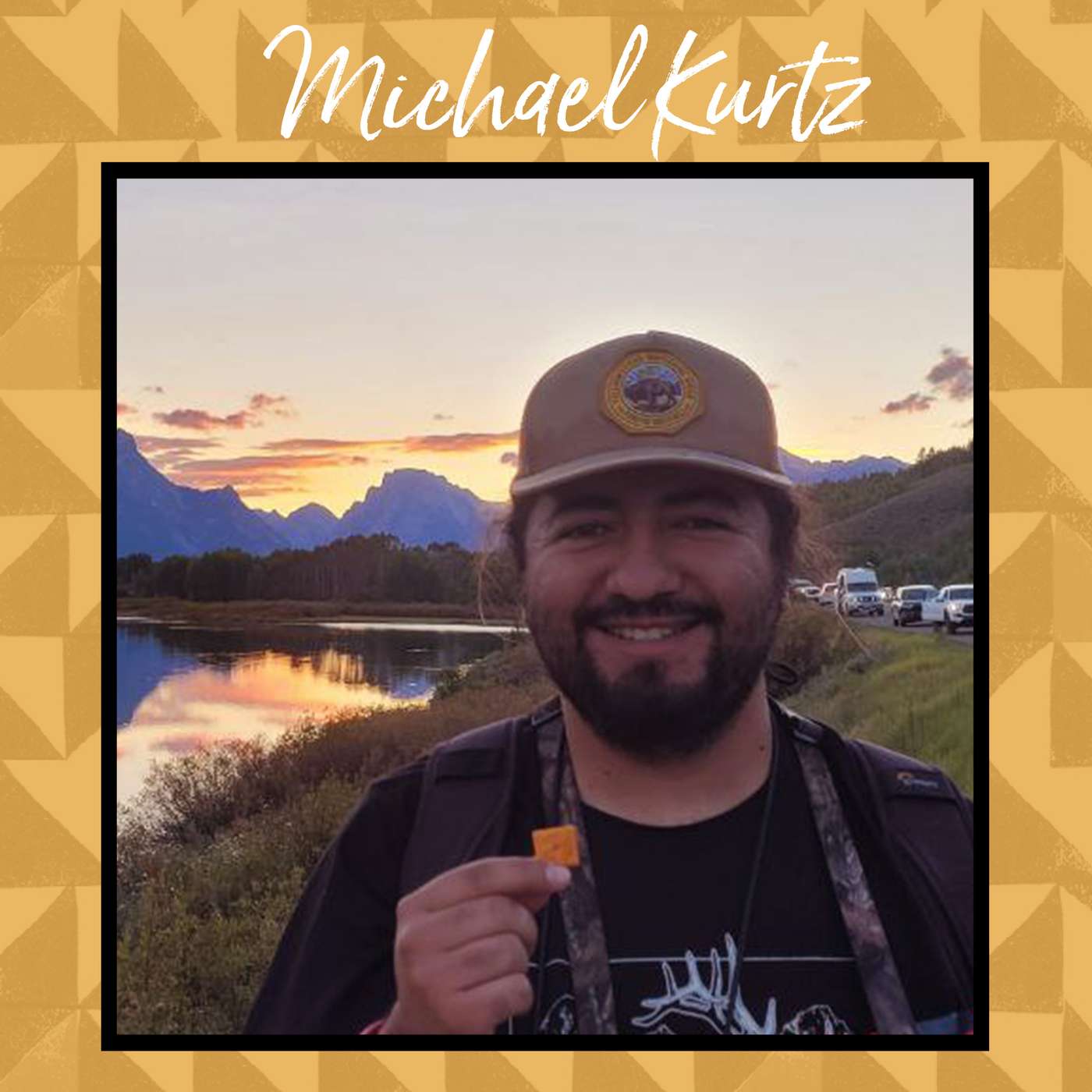
Our guest today is a photographer who takes some stunning photos of wildlife. We're very excited to speak with Michael Kurtz (Tasunka Opi). He's Sicangu Lakota, enrolled in the Lower Brule Sioux Tribe. He runs Lakota Photography, blending wildlife photography, tracking, and cultural education. He's also a naturalist and has volunteered with groups like the National Park Service and Project Coyote. He has spent countless hours across the Dakotas, Minnesota, and beyond, capturing wildlife in its natural habitat. Currently, he's supervisor of programming and interpretation with Hoċokata Ṫi Cultural Center at the Shakopee Mdewakanton Sioux community. Michael's first camera was a Fisher Price kid's model, which he used to photograph toy dinosaurs. That early interest, paired with a love of the natural world, laid out his life's path as a wildlife photographer and naturalist. He gives us his photography tips, weighs in on camouflage and scenting, reveals the once-in-a-lifetime wildlife shot he still can't believe he got and explains why he's putting off photographing a wolverine till retirement. He also talks birding and attempts his favorite birdcall.-----Hosts / Producers: Leah Lemm, Cole Premo Editor: Britt Aamodt Editorial support: Emily Krumberger Mixing & mastering: Chris Harwood Michael Kurtz [photo credit: Michael Kurtz] -----For the latest episode drops and updates, follow us on social media. instagram.com/ampersradio/instagram.com/mnnativenews/ Never miss a beat. Sign up for our email list to receive news, updates and content releases from AMPERS. ampers.org/about-ampers/staytuned/ This show is made possible by community support. Due to cuts in federal funding, the community radio you love is at risk. Your support is needed now more than ever. Donate now to power the community programs you love: ampers.org/fund
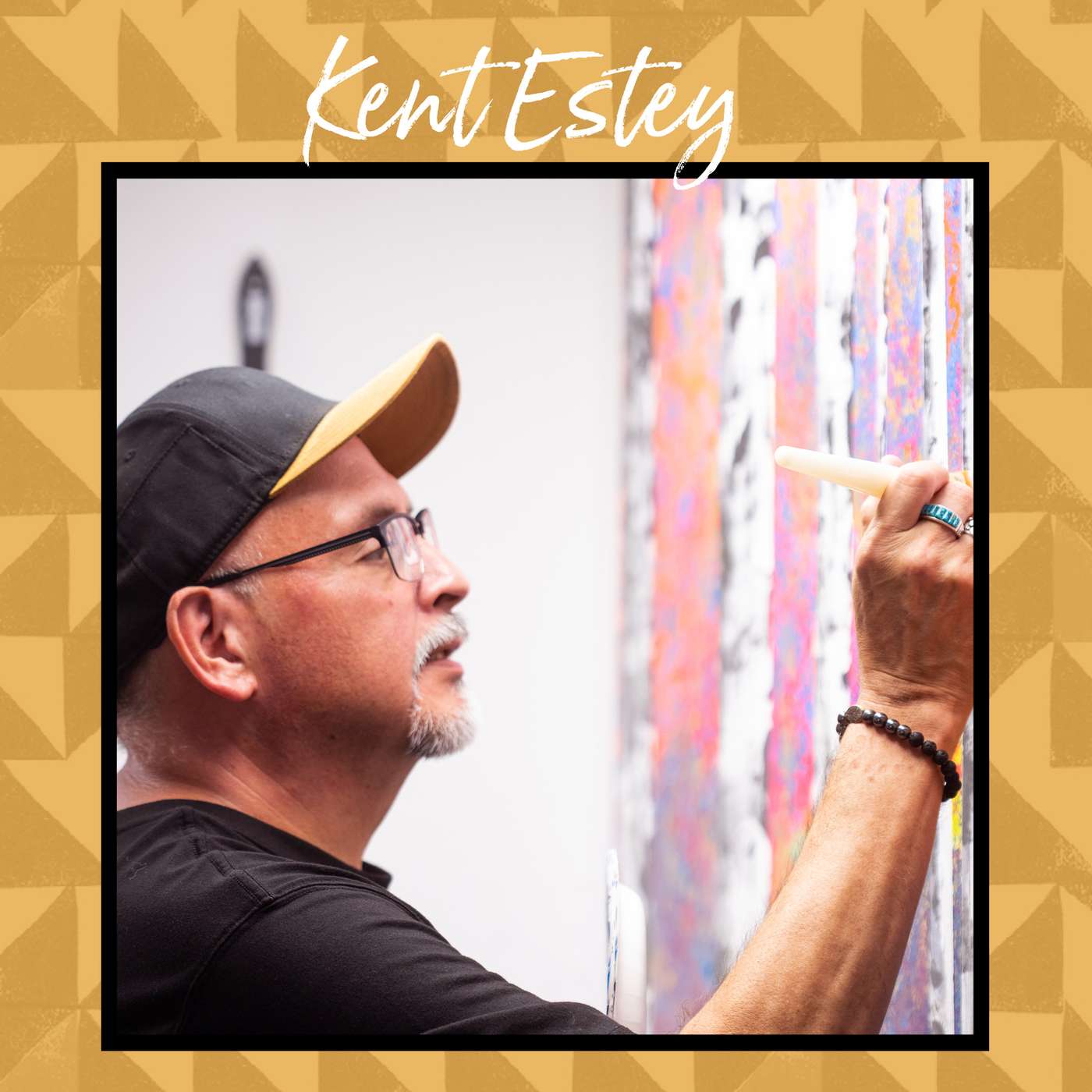
On this episode, we speak with contemporary artist and White Earth Nation citizen Kent Estey. Kent paints at his home studio in Naytahwaush, in the heart of the White Earth Reservation. He's known for really bold abstract landscapes, acrylic, oil, ink, and metal. He’s also an author. In 2025, he released the children's book Picking Sweetgrass. His latest exhibit, "Mino-Bimaadiziwin: The Good Life" runs through Labor Day weekend in Detroit Lakes: https://project412mn.org/Estey-The-Good-Life-Art/. Kent shares why he believes his community is the best place to live and to make his work, and how he’s turned his rural studio into a hub of his art merchandizing. Kent tells us how his success is due in large part to Becky, his wife and partner in the business. Kent’s grandmother was a nationally recognized black ash basket maker. Before she was a well-known artist, she was an Ojibwe girl from White Earth who’d been stripped of her culture and language by boarding schools. She never again spoke Ojibwe with her family. But, she made traditional black ash baskets the rest of her life. Kent explains how those baskets became her language and how he’s kept her legacy alive in his own creations. When Kent started out, he got a great piece of advice: Don’t settle on being a starving artist. If you’re starving, you’re not doing the right work. Find out what it is and do it.-----Hosts / Producers: Leah Lemm, Cole Premo Editor: Britt Aamodt Editorial support: Emily Krumberger Mixing & mastering: Chris Harwood -----For the latest episode drops and updates, follow us on social media. instagram.com/ampersradio/instagram.com/mnnativenews/ Never miss a beat. Sign up for our email list to receive news, updates and content releases from AMPERS. ampers.org/about-ampers/staytuned/ This show is made possible by community support. Due to cuts in federal funding, the community radio you love is at risk. Your support is needed now more than ever. Donate now to power the community programs you love: ampers.org/fund

Comments

Download from Google Play

Download from App Store
 United States