


 Claim Ownership
Brand Growth Heroes
Subscribed: 60Played: 1,263
Subscribe

© Copyright Fiona Fitz Consulting Ltd.
Description
Brand Growth Heroes ranks in the top 1.5% of ALL podcasts globally. With +27 years' experience working for brand giants and as coach to over 400 challenger brand founders, Fiona Fitz asks the questions you need the answers to from the founders of wildly successful consumer goods brands driving transformational growth.
136 Episodes
Reverse
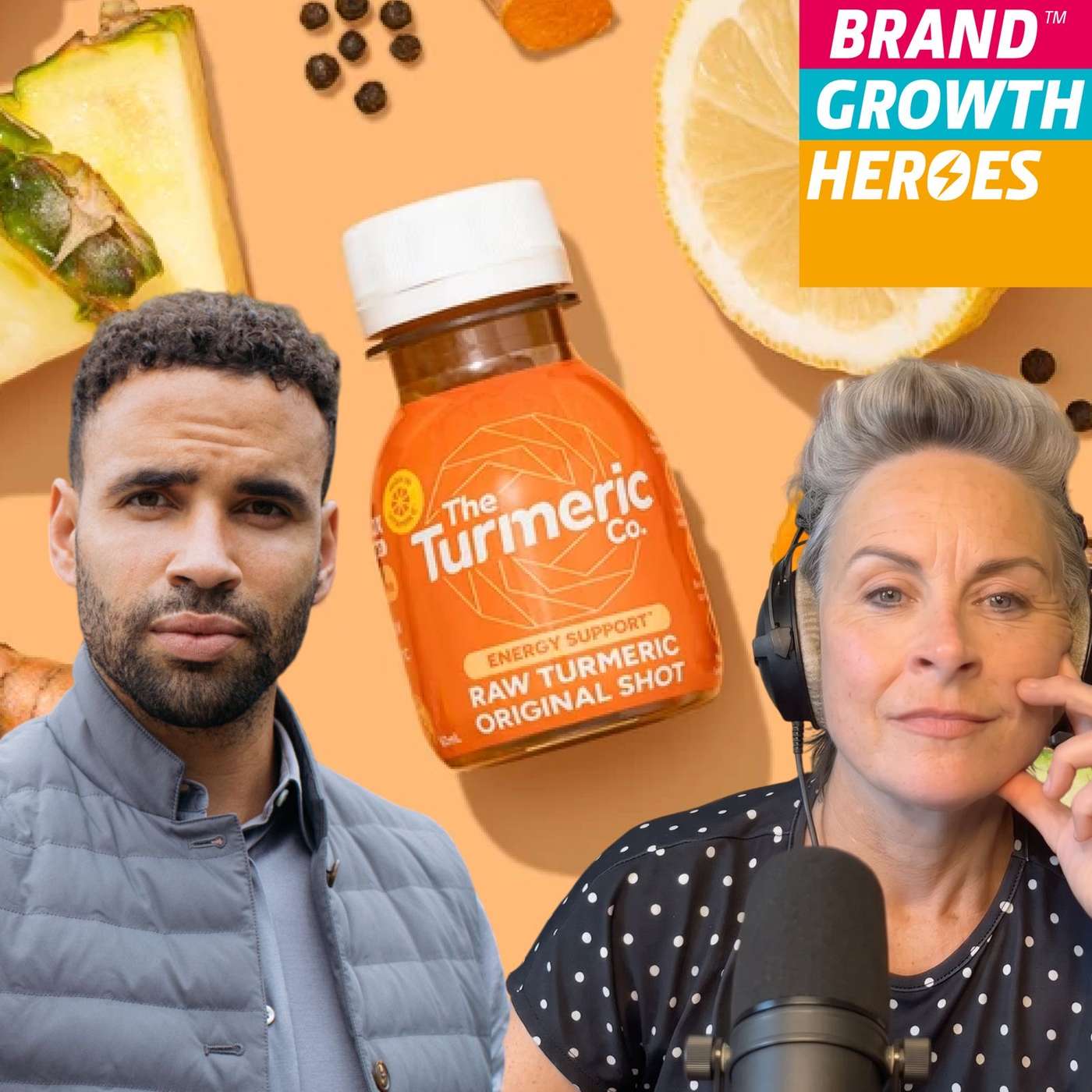
What if the biggest opportunity for your consumer brand wasn't actually in the category you're competing in? In this episode of Brand Growth Heroes, I'm joined by former Premier League and international footballer Thomas Hal Robson-Kanu, founder of The Turmeric Co., to explore how he's building a functional wellness brand with ambitions that go far beyond the increasingly crowded wellness shot category. Thomas shares the extraordinary personal story behind the business, the proprietary blend developed with his father, and why he believes the future of functional food and drink could be much bigger than most of us imagine.The Turmeric Co. has become a substantial challenger brand, with Thomas reporting more than 20,000 customer testimonials describing life-changing experiences and estimating that the business sells a shot approximately every six seconds. But what I found particularly interesting was how differently Thomas thinks about brand growth, consumer health, competition and the opportunity ahead. We talk about his vision for food as medicine, the importance of clinical research and consumer education, and the leadership lessons he's brought from elite professional football into building a scaling CPG business. It's a conversation that challenged me to think beyond the supermarket shelf and reconsider how we define the categories our brands operate in.What You'll LearnWhy The Turmeric Co. doesn't define its competition as other wellness shots — and what that means for brand positioning and category strategy.How a personal health experience became the foundation of a consumer brand, built around a proprietary blend of functional ingredients.Why customer testimonials, scientific research and consumer education matter when building credibility in the crowded functional wellness market.How Thomas is preparing the business for a much bigger shift in consumer behaviour, rather than focusing exclusively on immediate growth.What elite professional football taught Thomas about founder leadership, continuous improvement, resilience and building a business around a clear vision.Key Topics DiscussedThomas's football injuries, rehabilitation and the origins of The Turmeric Co.Developing a proprietary blend of turmeric, ginger and other functional ingredientsDifferentiating a functional product in a competitive consumer categoryThe changing expectations of health-conscious consumersWhy functional wellness could represent a bigger commercial opportunity than conventional category definitions suggestThe role of customer testimonials and independent clinical researchCommunicating complex functional benefits within retail packaging and marketingBuilding consumer rituals and encouraging repeat consumptionCreating a business prepared for long-term category and behavioural changeContinuous improvement and the influence of elite sport on founder leadershipThe relationship between vision, resilience and business growthDID YOU LEARN SOMETHING GOOD? Reviews, follows and shares are basically my 'rate of sale' - please do me a massive favour and hit the button to follow, or to share the love by sharing this episode with another founder building a challenger brand, a colleague or a mate or anyone trying to work out how to build a sharper, more focused business.AND! Don't forget to FOLLOW or SUBSCRIBE to Brand Growth Heroes on your favourite podcast app, and even LEAVE A REVIEW - both of these actions make a MASSIVE difference to our mission to help more founders just like you.IF you leave a review with your name and I can find you on LinkedIn, I promise to write to say thanks!*** Thanks to Brand Growth Heroes’ podcast sponsor — Joelson, the commercial law firm ***If you're a founder, you already know how much energy goes into building the perfect product, creating standout branding and connecting with consumers.But scaling a CPG business also brings legal complexities that can make or break your growth journey - from contracts and regulatory compliance to protecting your intellectual property.That’s why we’re proud to partner with Joelson, the leading commercial law firm with 10000s of hours experience supporting the founders of scaling consumer brands, just like you.Joelson works with brands like Little Moons, Trip, Eat Natural, Bear Graze and Pulsin, and advised the innocent founders on their landmark sale to Coca-Cola - and they still work with them at JamJar Investments today!Joelson is offering a FREE LEGAL CONSULTATION to all BGH listeners (https://joelsonlaw.com/contact/bookings/ We HIGHLY recommend you take them up on it, you'll learn a LOT. (Don't forget to let them know you booked becauase you listened to Brand Growth Heroes)********Follow Brand Growth Heroes to learn more from winning founders scaling Challenger Brands:Instagram (https://www.instagram.com/brandgrowthheroes)LinkedIn (https://www.linkedin.com/company/brand-growth-heroes/?viewAsMember=true)Youtube (https://www.youtube.com/@brandgrowthheroes)Find out more about the programmes and courses Fiona runs here (https://www.brandgrowthheroes.com/mini-mba-2026)Join the NextGen CPG WhatsApp group for founders leaning in to the value that a leadership approach to engaging with AI can unlock for businesses like yours. https://mailchi.mp/fionafitzconsulting.com/building-ai-native-challenger-cpg-brandsCreditsThanks to our Sound Engineer, Producer and all-round HERO Gyp Buggane at Ballagroove.com and to Charlie at CBMedia - Mention BGH when you contact them for special listener offers.
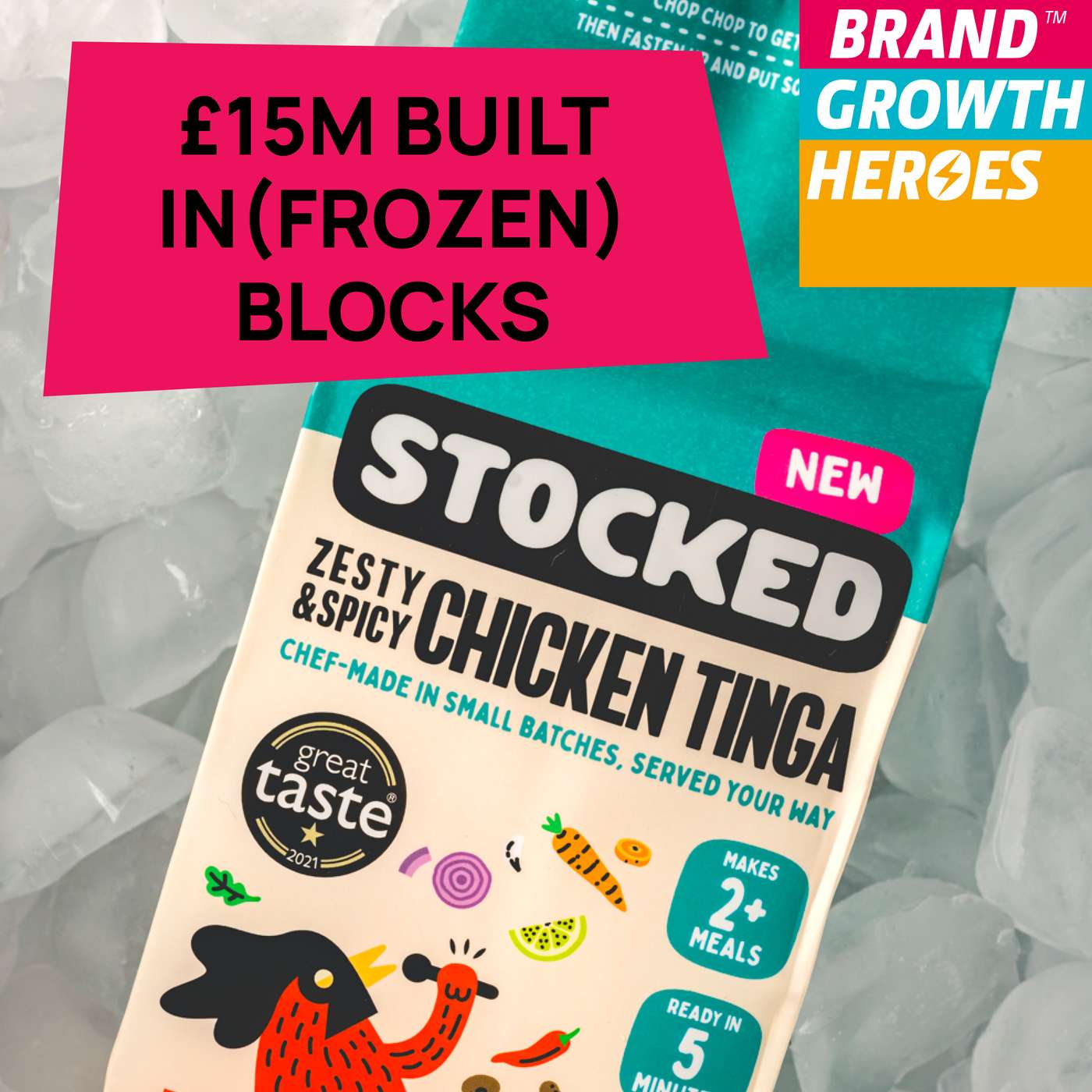
Sometimes it's lunch, sometimes it's dinner. Sometimes you're one, sometimes you're a family of 4. Sometimes it's a side, sometimes you're starving. How does a food brand answer all of these consumer/human need-states?STOCKED has created a product category that didn't previously exist: chef-made, frozen blocks of deliciousness - that you can choose to eat in 2,4 or 6 - you do it your way.In this episode of Brand Growth Heroes, I'm joined by Sam Moss and Charlie Gilpin, the co-founders of Stocked, which is chef-made frozen food and reinventing the ready meal with portion-sized blocks that customers can heat, combine and serve however they like. We talk about their extraordinary brand growth journey, from launching direct-to-consumer and cooking everything themselves to appearing on Dragons' Den, building their own manufacturing operation and securing listings with Ocado, Waitrose and Sainsbury's.I first met Sam and Charlie in 2022 when they joined the Brand Growth Heroes strategy programme, and it's been AMAZING to see what they've built since. What makes their story particularly valuable for founders scaling consumer brands is how many apparently difficult decisions have become genuine strengths. Manufacturing in-house, keeping their product range focused on one type of food, and asking consumers to do a little of the preparation themselves might not sound like the obvious route to scale. But each has helped Stocked build a differentiated proposition. We also get into the realities of scaling a team, the advantages of having a co-founder you've known since childhood, and why growing a business doesn't necessarily mean making the product more complicated.What You'll LearnHow Stocked grew from £4K monthly revenue to a £15M annualised run rate, and why direct-to-consumer was so important in proving the proposition before retail.What Dragons' Den actually delivered commercially, including 60% month-on-month growth, long-term social proof and interest from major retailers.Why manufacturing in-house became a competitive advantage, despite initially being something the founders had hoped to outsource.How product focus enables more innovation, with over 65 unique SKUs developed while keeping production centred on chef-made, sauce-based meals.What Sam and Charlie have learned about scaling together, from sharing ownership and responsibility to building a team that allows them to move beyond day-to-day production.Key Topics DiscussedCreating a new category within frozen ready mealsGrowing from £4,000 monthly revenue to a £15 million annualised run rateThe role of DTC in consumer education and product developmentDragons' Den, social proof and retail credibilityLaunching into Ocado, Waitrose and Sainsbury'sWhy around 90% of the business was still DTC at the time of recordingBuilding a manufacturing facility from scratchUsing operational complexity to create a competitive moatKeeping the manufacturing model focused while expanding the rangeRestaurant, chef and food creator collaborationsWhy consumers value control as well as convenienceThe economics of flexible portions and different eating occasionsScaling the team without losing operational disciplineThe realities of building a business with a childhood friendWhy a 50/50 co-founder partnership has worked for Sam and CharlieWhat the Brand Growth Heroes programme taught them about messaging and consumer awarenessLinks:Website: https://stockedfood.com/?srsltid=AU7gw4Uj6rrYMb0tAqZtRTi6oed5mIi3lx0sLIBwb3mbxcQuyzK_pmP5Insta: https://www.instagram.com/stockedfood?utm_source=ig_web_button_share_sheet&xtok=ZDNlZDc0MzIxNw==Did you get value from this episode?As founders, you know how important Rate of Sale is. For you, it's units sold on shelf or from your website. For us, it's episode downloads, follows, and even comments and shares.Want to share some love or thanks back this way? Then double-check that you've clicked FOLLOW or SUBSCRIBE - it makes a REAL difference to our business.Instagram (https://www.instagram.com/brandgrowthheroes)LinkedIn (https://www.linkedin.com/company/brand-growth-heroes/?viewAsMember=true)Youtube (https://www.youtube.com/@brandgrowthheroes)Find out more about the programmes and courses Fiona runs here (https://www.brandgrowthheroes.com/mini-mba-2026)Join the NextGen CPG WhatsApp group for founders leaning in to the value that a leadership approach to engaging with AI can unlock for businesses like yours.*** HUGE Thanks to Brand Growth Heroes’ podcast sponsor — Joelson, the BEST commercial law firm for Founders of CPG brands ***If you're a founder, you already know how much energy goes into building the perfect product, creating standout branding and connecting with consumers.But scaling a CPG business also brings legal complexities that can make or break your growth journey - from contracts and regulatory compliance to protecting your intellectual property.That’s why we’re proud to partner with Joelson, the leading commercial law firm specialising in helping founders of scaling consumer brands.Joelson works with brands like Little Moons, Trip, Eat Natural, Bear Graze and Pulsin, and advised the innocent founders on their landmark sale to Coca-Cola - and still work with them at JamJar Investments today!Joelson is offering a FREE LEGAL CONSULTATION to all BGH listeners (https://joelsonlaw.com/contact/bookings)- we highly recommend you take them up on it!CreditsThanks to our Producer & Sound Engineer Gyp Buggane at Ballagroove.com, to Kimberely and Charlie, to Nats and all the BGH team.
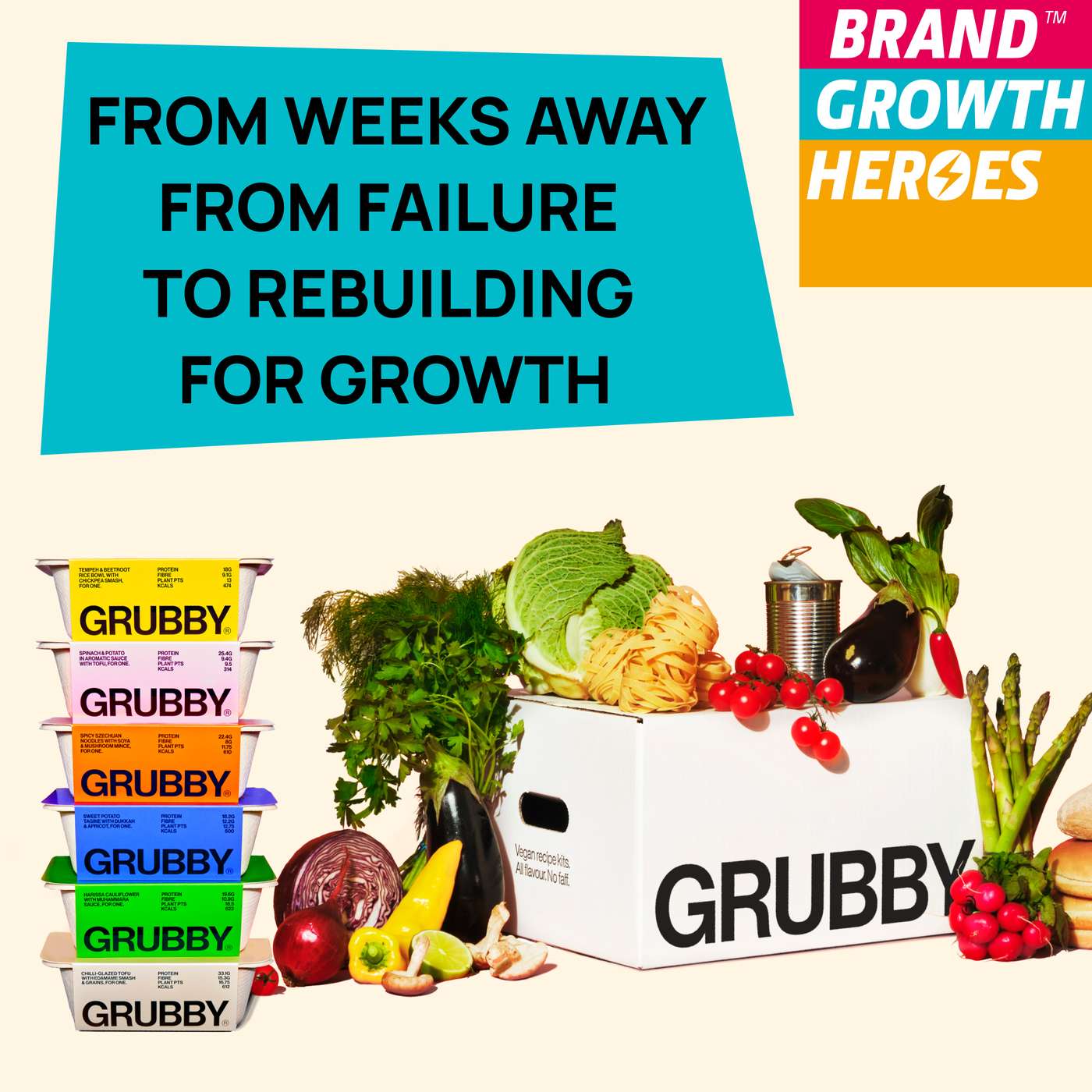
Grubby - the award-winning plant-based meal kits and ready meals delivered to your door - went from a £23M valuation and rapid growth TO around 140 VC rejections, losses of more than £1m in a year and a point where the founder says the business was probably only weeks away from “game over.” BUT... if you need some inspiration from someone who has been through this and successfully turned things around then you're going to love this convo with founder Martin Holden-White - an unusually open conversation about what it REALLY takes to turn around a scaling D2C consumer brand. Today, the picture looks very different! Grubby is heading towards roughly £6m revenue, growing around 25%, has recorded approximately six profitable months this year and is close to achieving its first break-even year. Martin shares what had to change to get there: the down round, cost cutting, greater financial transparency, bringing in stronger financial leadership, acquiring manufacturing and recipe IP from Allplants, launching ready meals and becoming far more disciplined about how growth is funded. What You’ll LearnHow Grubby went from a £23m valuation to being weeks away from failureWhy Martin now looks back at that £23m valuation as “completely bonkers”What changed to take Grubby from £1m+ annual losses towards break-even while still growingHow acquiring Allplants’ manufacturing and recipe IP accelerated Grubby’s move into ready mealsWhy Martin wishes he had hired a Financial Director much earlierKey Topics DiscussedGrubby’s journey towards approximately £6m revenueThe danger of valuations becoming detached from business fundamentalsRaising around £6m and navigating an extreme down roundWhat happened after roughly 140 VC rejectionsCutting technology and marketing spend to change the economicsHow existing investors helped save the businessFounder dilution and protecting crowdfunding investorsThe physical impact of founder stressWhy Grubby shares its P&L internally every monthBuilding a more financially disciplined growth modelAcquiring manufacturing and recipe IP from AllplantsReady meals growing to around 20% of the business£50-ish customer acquisition costs and reducing reliance on paid socialUsing AI for menu optimisation, forecasting and waste reductionPartnerships as a route to product discovery and growthWhy Martin wishes he’d hired an FD sooner Pasted textCommunity and review requestIf you learn anything from this chat, PLEASE share the love by sharing this episode with another founder building a challenger brand, a colleague or a mate or anyone trying to work out how to build a sharper, more focused growth model.AND! Don't forget to FOLLOW or SUBSCRIBE to Brand Growth Heroes on your favourite podcast app, and even LEAVE A REVIEW - both of these actions make a MASSIVE difference to our mission to help more founders just like you.IF you leave a review with your name and I can find you on LinkedIn, I promise to write to say thanks!*** Thanks to Brand Growth Heroes’ podcast sponsor — Joelson, the commercial law firm ***If you're a founder, you already know how much energy goes into building the perfect product, creating standout branding and connecting with consumers.But scaling a CPG business also brings legal complexities that can make or break your growth journey - from contracts and regulatory compliance to protecting your intellectual property.That’s why we’re proud to partner with Joelson, the leading commercial law firm with 10000s of hours experience supporting the founders of scaling consumer brands, just like you.Joelson works with brands like Little Moons, Trip, Eat Natural, Bear Graze and Pulsin, and advised the innocent founders on their landmark sale to Coca-Cola - and they still work with them at JamJar Investments today!Joelson is offering a FREE LEGAL CONSULTATION to all BGH listeners (https://joelsonlaw.com/contact/bookings/ We HIGHLY recommend you take them up on it, you'll learn a LOT. (Don't forget to let them know you booked becauase you listened to Brand Growth Heroes)********Follow Brand Growth Heroes to learn more from fab founders scaling Challenger Brands:Instagram (https://www.instagram.com/brandgrowthheroes)LinkedIn (https://www.linkedin.com/company/brand-growth-heroes/?viewAsMember=true)Youtube (https://www.youtube.com/@brandgrowthheroes)Find out more about the programmes and courses Fiona runs here (https://www.brandgrowthheroes.com/mini-mba-2026)Join the NextGen CPG WhatsApp group for founders leaning in to the value that a leadership approach to engaging with AI can unlock for businesses like yours. https://mailchi.mp/fionafitzconsulting.com/building-ai-native-challenger-cpg-brandsCreditsThanks to our Sound Engineer Gyp Buggane at Ballagroove.com and the entire BGH team.
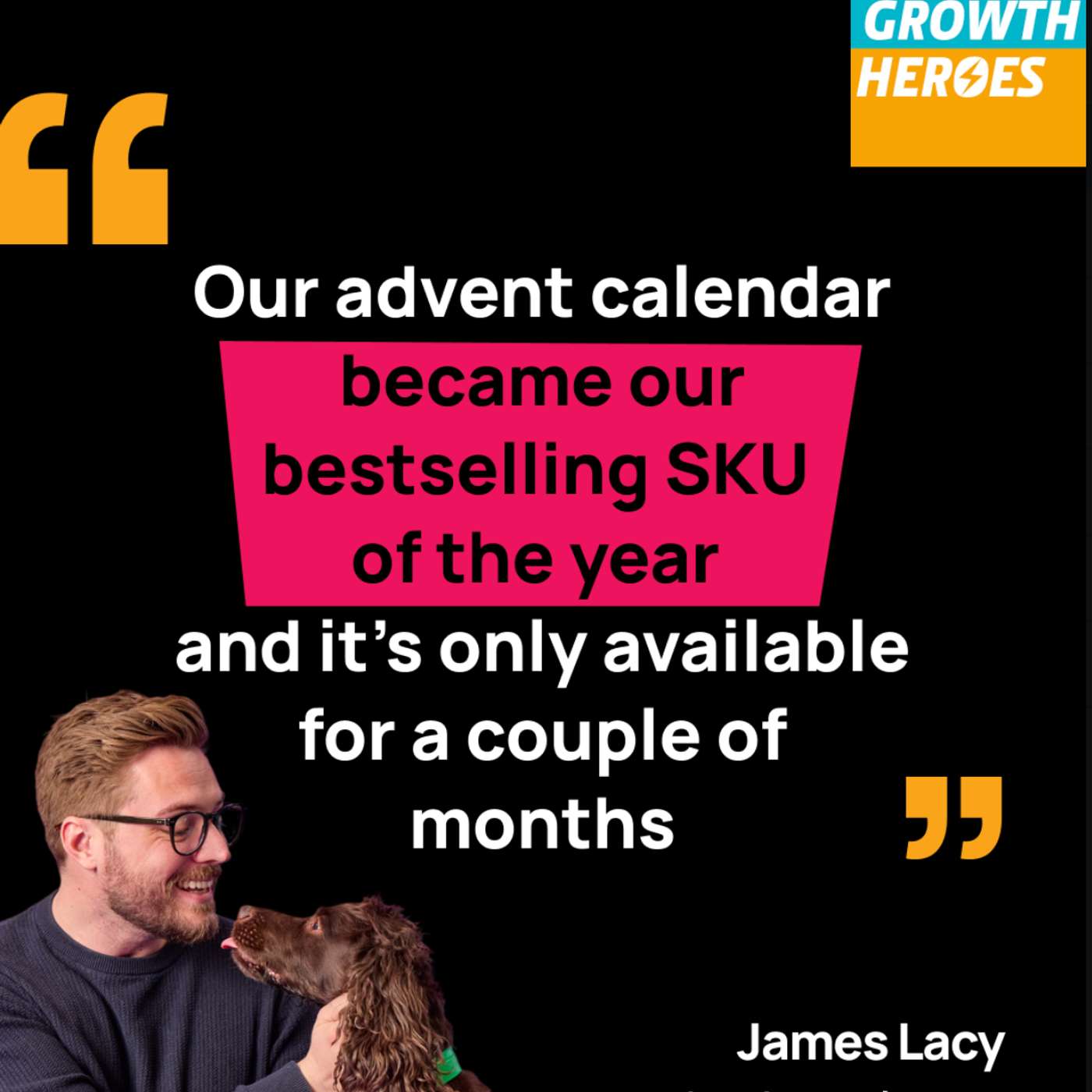
Most pet brands sell function. Denzel’s Dog Treats built its challenger brand around something very different: Happiness!! In this conversation, I speak with founders James and Nathan about how they spotted an emotional gap in the pet category and used brand strategy, packaging, product format and occasion-based innovation to turn dog treats into something much bigger than a functional purchase.And the commercial results are what make this such an interesting story for founders scaling consumer brands. A Valentine’s activation delivered around 15–17x the rate of sale of a normal promotion, with more than 60% of shoppers buying it having not previously bought from pet. Their advent calendar has become their bestselling SKU despite only being available for part of the year. We get into how seasonal innovation moved from “marketing stunt” to revenue channel, why they designed for grocery, hospitality and online from day one, and how becoming obsessive about the brand experience helped Denzel’s create genuinely incremental growth.Use code BGH25 for 25% off Denzel's NEW Advent Calendars from https://www.denzels.co.uk/products/advent-calendarDetails below **Redeemable from https://www.denzels.co.uk/products/advent-calendar only25% off Advent CalendarApplies to one-time purchasesNo minimum purchase requirementOne use per customerCan’t combine with other discountsEarly bird discount, active from 15 Sept to 22 Sept (23:59)What You’ll LearnHow James and Nathan identified an emotional white space in a category dominated by functional positioning.Why Denzel’s spent roughly 30–50% of its initial £25,000 startup loan on brand, design and packaging.How Valentine’s treats generated around 15–17x normal promotional rate of sale and attracted shoppers who had never previously bought from pet.Why seasonal NPD has evolved into an acquisition funnel that can ultimately drive shoppers into the core Denzel’s range.How to design products and formats around new channels and occasions rather than simply competing for space within your existing category.Key Topics DiscussedBuilding a pet brand around the “happiness exchange” between dogs and their ownersBorrowing inspiration from consumer brands such as BEAR rather than the existing pet categoryUsing Denzel himself as the central brand characterStarting the business with a £25,000 loanInvesting disproportionately in packaging and brand from day oneDesigning dog treats to work in grocery, cafés, pubs and onlineCreating selection boxes, Valentine’s treats, Easter products, birthday products and advent calendarsBringing a Tesco Valentine’s idea from conversation to delivery in only a few monthsDriving incremental category shoppers rather than simply stealing shareSelling more than 30,000 advent calendars through Denzel’s own website during an early launchBecoming a bestseller on Amazon at ChristmasBuilding specific hospitality products including peanut butter brownie, banana bread and pistachio cheesecake treatsOutselling a chocolate Florentine in Caffè NeroThe operational pain behind seasonal forecasting and manufacturingTurning seasonal innovation into a repeatable retail growth modelBuilding the UK blueprint before selectively expanding into EuropeWhy packaging has to do more of the selling in crowded grocery categoriesTargeting what Denzel’s calls “Gen Zennial pet parents”Useful links https://www.instagram.com/thedenzelstory/?hl=enhttps://www.denzels.co.uk/collections/shop-our-treats?srsltid=AfmBOorqeOYT4jb5u60GQa-AtYmjaba8MHZRynjaGkfn1vmkOy_DcN5ACommunity and review requestDid you get a nugget of value from this chat? If so, PLEASE share your thanks by hitting FOLLOW or SUBSCRIBE to Brand Growth Heroes on your favourite podcast app, and even LEAVE A REVIEW - both of these actions make a MASSIVE difference to our mission to help more founders just like you.AND by sharing this episode with another founder building a challenger brand, a colleague or a mate who loves business podcasts - or anyone trying to work out how to build a sharper, more focused growth model±Join our community Instagram (https://www.instagram.com/brandgrowthheroes) LinkedIn https://www.linkedin.com/company/brand-growth-heroes/ Youtube (https://www.youtube.com/@brandgrowthheroes)Fiona Fitz runs lots of great programmes, courses and coaching sessions. Find out more here or contact her directly on Linkedin to find out about booking one of her advisory hours. https://www.brandgrowthheroes.com/mini-mba-2026https://www.linkedin.com/in/fionafitz/Are you a founder leaning in to the value that AI can unlock for your consumer branded business? Then join Fiona's NextGen CPG WhatsApp group for founders leaning in to the value that a leadership approach to engaging with AI can unlock for businesses like yours.Sponsor*** Thanks to Brand Growth Heroes’ podcast sponsor — Joelson, the commercial law firm ***If you're a founder, you already know how much energy goes into building the perfect product, creating standout branding and connecting with consumers.But scaling a CPG business also brings legal complexities that can make or break your growth journey - from contracts and regulatory compliance to protecting your intellectual property.That’s why we’re proud to partner with Joelson, the leading commercial law firm specialising in helping founders of scaling consumer brands.Joelson works with brands like Little Moons, Trip, Eat Natural, Bear Graze and Pulsin, and advised the innocent founders on their landmark sale to Coca-Cola - and still work with them at JamJar Investments today!Joelson is offering a FREE LEGAL CONSULTATION to all BGH listeners ([email protected] or https://joelsonlaw.com/contact/) - we highly recommend you take them up on it!CreditsThanks to our Sound Engineer Gyp Buggane at Ballagroove.com
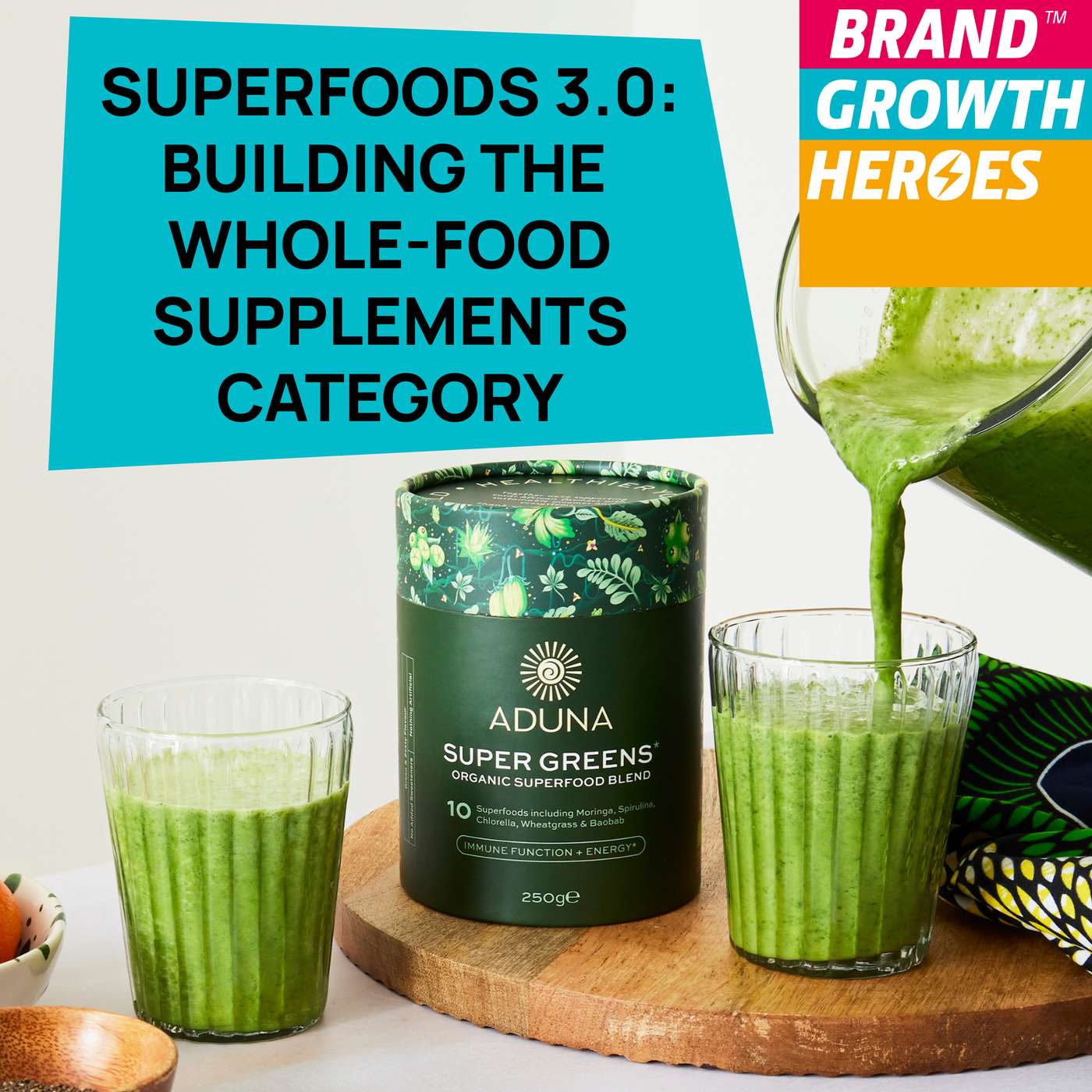
Many of you founders working with niche ingredients out there might have struggled with this question: How do you build a new category when consumers don’t yet understand the ingredient, retailers don’t know where to place it, and nobody is walking into stores asking for it? In this episode of Brand Growth Heroes, I speak with Andrew Hunt, co-founder and CEO of Aduna Superfoods, about what category creation around niche ingredients really looks like for CPG founders. We talk about how he has built a business that is approaching £5M in annual revenue by bringing ingredients like baobab and moringa to the UK, to creating demand through education, sampling and relentless market development - until these ingredients are on the brink of becoming mainstream.What I found particularly interesting is how Aduna has evolved as the market around it has changed. The business started out highly ingredient-led and impact-led, but eventually hit a commercial ceiling. Around 2022, Andrew and the team shifted towards clearer consumer needs such as gut health and everyday wellness, while keeping the quality of the ingredients and their sourcing at the heart of the brand. Now, as wholefood supplements, gut health, UPF-free products and higher-quality functional ingredients all move further into the mainstream, Aduna is increasingly well positioned for what Andrew calls the next generation of superfoods.What You’ll LearnHow Aduna created demand for ingredients consumers had never heard ofWhy getting a retail listing means very little if shoppers don’t understand what your product is forHow intensive sampling helped take baobab from almost no rate of sale to a best-selling superfoodWhy Aduna moved from ingredient-first communication towards clearer consumer need statesWhat founders building new categories can learn about timing, market education and knowing when the consumer is finally readyKey Topics DiscussedBuilding a new category around unfamiliar ingredientsIntroducing baobab and moringa to the UK marketWhy Whole Foods initially rejected Aduna because “nobody comes in asking for baobab”Creating demand before there is established consumer awarenessThe role of sampling in category buildingGoing from around 10 units sold in three months to becoming a best-selling superfood in Whole Foods and Planet OrganicUsing early retail success to unlock Holland & BarrettWhy product education alone can become a commercial constraintAduna’s strategic shift towards consumer needs such as gut health and radianceProtecting brand integrity while becoming more commercially focusedThe rise of wholefood powders and supplementsWhy ingredient quality matters as consumers become more knowledgeableAduna’s “Superfood 2.0” thinking around bioactive compoundsHigh-flavanol cacao and the difference between commodity ingredients and higher-quality functional ingredientsBuilding a proprietary supply chain in Ghana and Burkina FasoWorking with more than 100 women’s cooperativesAgroforestry, tree planting and community infrastructureThe relationship between Aduna’s branded consumer business and its ingredient supply businessAmazon as a major growth channelAmazon UK growing around 50–60% year on yearThe scale of the Amazon US opportunityAduna’s ambition to grow towards £15 million over the next four yearsBuilding long-term sustainable growth rather than chasing scale at the expense of qualityUseful linkshttps://www.instagram.com/adunasuperfoods/?hl=en20% Discount code for Brand Growth Heroes Fans: Use BGH20% at checkout at the Aduna store Like this episode?PLEASE share the love by sharing this episode with another founder building a challenger brand, a colleague or a mate who loves brilliant non-alcoholic drinks, or anyone trying to work out how to build a sharper, more focused growth model.Don't forget to FOLLOW or SUBSCRIBE to Brand Growth Heroes on your favourite podcast app, and even LEAVE A REVIEW - both of these actions make a MASSIVE difference to our mission to help more founders just like you.Join our communityInstagram (https://www.instagram.com/brandgrowthheroes)LinkedIn (https://www.linkedin.com/company/brand-growth-heroes/?viewAsMember=true)Youtube (https://www.youtube.com/@brandgrowthheroes)Find out more about the programmes and courses Fiona runs here (https://www.brandgrowthheroes.com/mini-mba-2026)Join the NextGen CPG WhatsApp group for founders leaning in to the value that a leadership approach to engaging with AI can unlock for businesses like yours.*** Thanks to Brand Growth Heroes’ podcast sponsor — Joelson, the commercial law firm ***If you're a founder, you already know how much energy goes into building the perfect product, creating standout branding and connecting with consumers.But scaling a CPG business also brings legal complexities that can make or break your growth journey - from contracts and regulatory compliance to protecting your intellectual property.That’s why we’re proud to partner with Joelson, the leading commercial law firm specialising in helping founders of scaling consumer brands.Joelson works with brands like Little Moons, Trip, Eat Natural, Bear Graze and Pulsin, and advised the innocent founders on their landmark sale to Coca-Cola - and still work with them at JamJar Investments today!Joelson is offering a FREE LEGAL CONSULTATION to all BGH listeners - just request it here - we highly recommend you take them up on it!CreditsThanks to our Sound Engineer Gyp Buggane at Ballagroove.com and the entire BGH team.

Comments

Download from Google Play

Download from App Store
 United States