


 Claim Ownership
BooksPodcast
Subscribed: 15Played: 981
Subscribe

© Green-Shoot 2023
Description
An authoritative look at recent books that may or may not have shown up on your radar screen. Fiction and non-fiction. Biographies and comic books. Politics and the arts. And quite certainly, no gardening or cookery books. All presented with Tim Haigh’s passion for books and writing. Tim is a widely respected critic, reviewer and broadcaster. Expert without being stuffy, he is noted for the lively intelligence and irreverence he brings to the field.
115 Episodes
Reverse
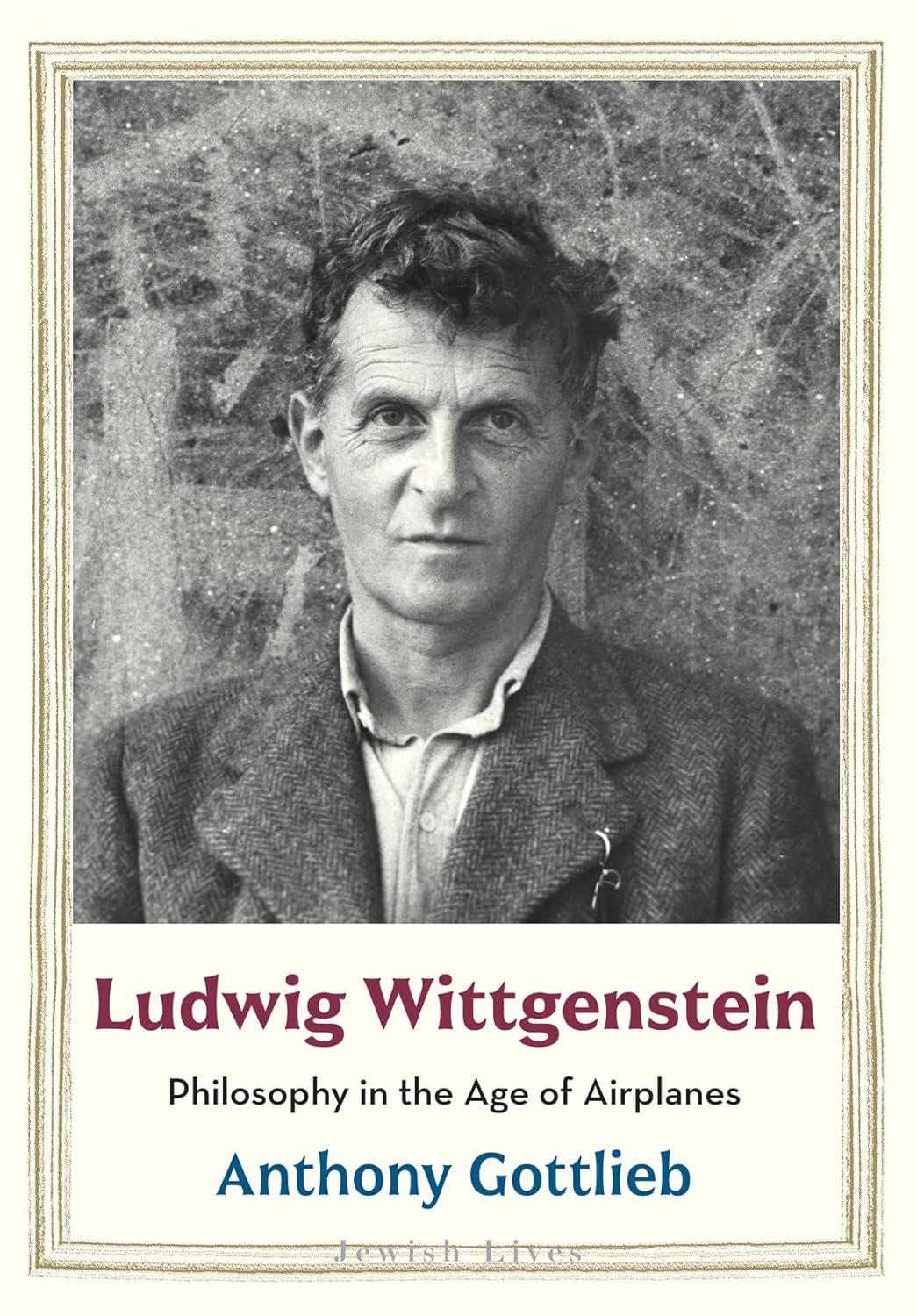
Yes, but does it matter? There is an old joke: Why is it hard to move a philosophy department into a different building? Answer: because philosophers are reluctant to abandon their premises. [This is Tim’s own joke [ED]] And then we come to Ludwig Wittgenstein. Not for him a safe berth in an ivory tower or the security of wealth. All his life he was on the move. The scion of an illustrious family – during his life he was hardly the most celebrated member – he struggled against the expectations of his parents, his teachers, his employers, his students… pretty much everybody. And yet he inspired remarkable loyalty in … Continue reading →
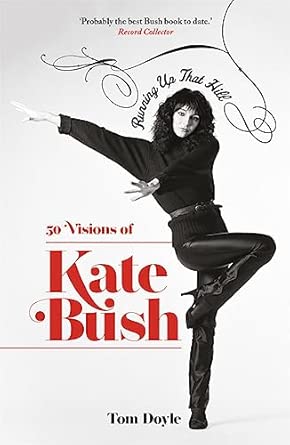
Is this what a “Pop icon” is? Kate Bush burst onto the scene in 1978 with Wuthering Heights, a wildly unlikely and ethereal single. The record industry and radio DJs were bemused, but the record-listening public were instantly smitten. I loved it, but I thought it had ‘one-hit wonder’ written all over it. I was spectacularly wrong. (I have form in that department. I also tagged Sultans of Swing by Dire Straits as a one-hit wonder.) Kate Bush has had a remarkable career, increasingly on her own terms, and earned the highest respect of her peers and the adoration of her fans. She was anxious when she released her eight … Continue reading →
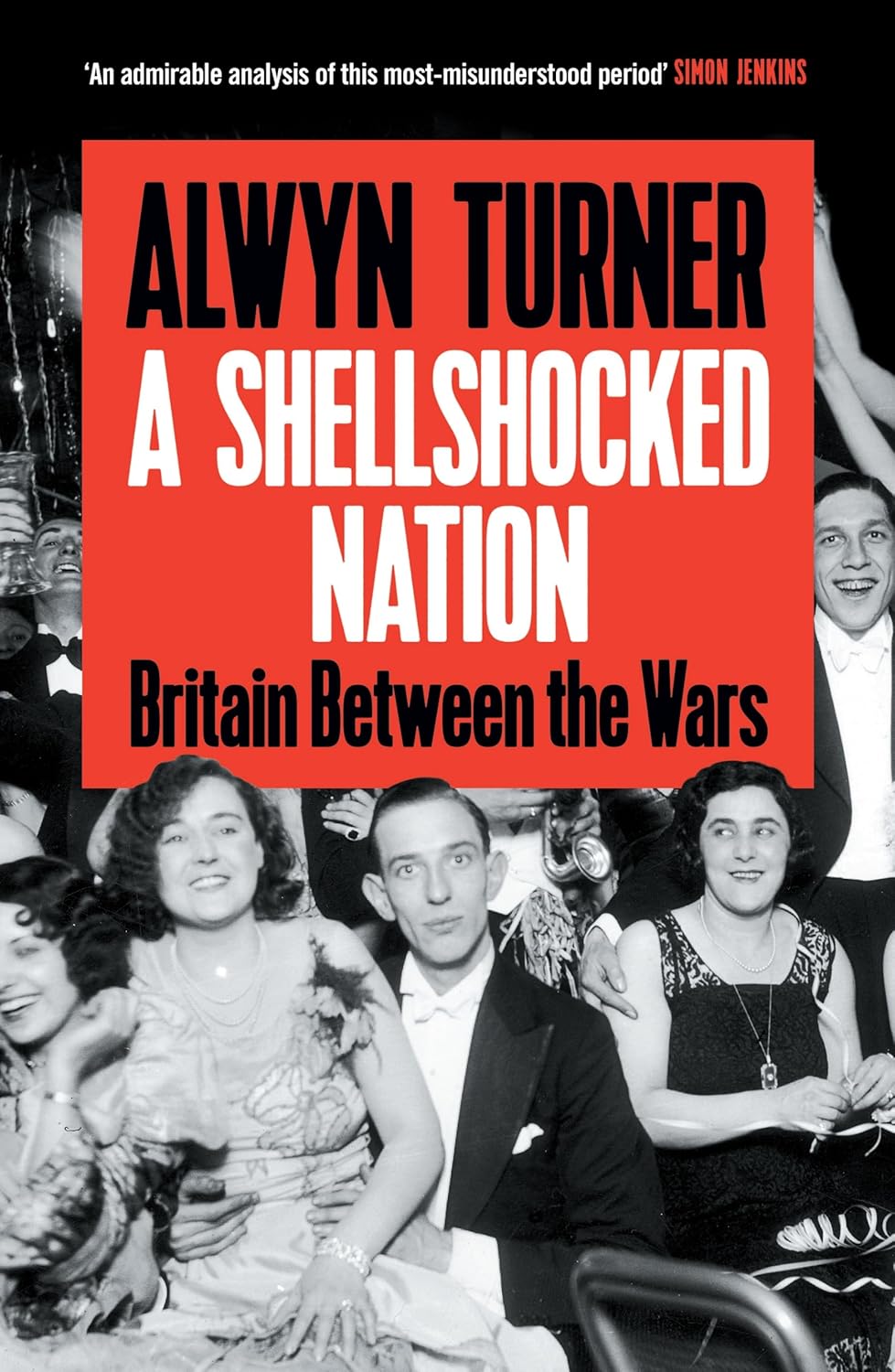
Don’t mention the war! Alwyn Turner is our finest cultural and social historian. His focus is typically on the lived experience of the people, rather than the Sunday papers’ idea of culture or the minutiae of the Westminster Village. He once argued with us that Middle of the Road were a culturally more significant band than Pink Floyd. And he can make the case. Two years ago Alwyn published Little Englanders – a dazzling account of the Edwardian era. A Shellshocked Nation is a companion to that book. Alwyn picks up in the strange and rather sad period between the horror of the Great War and the apocalypse of the … Continue reading →
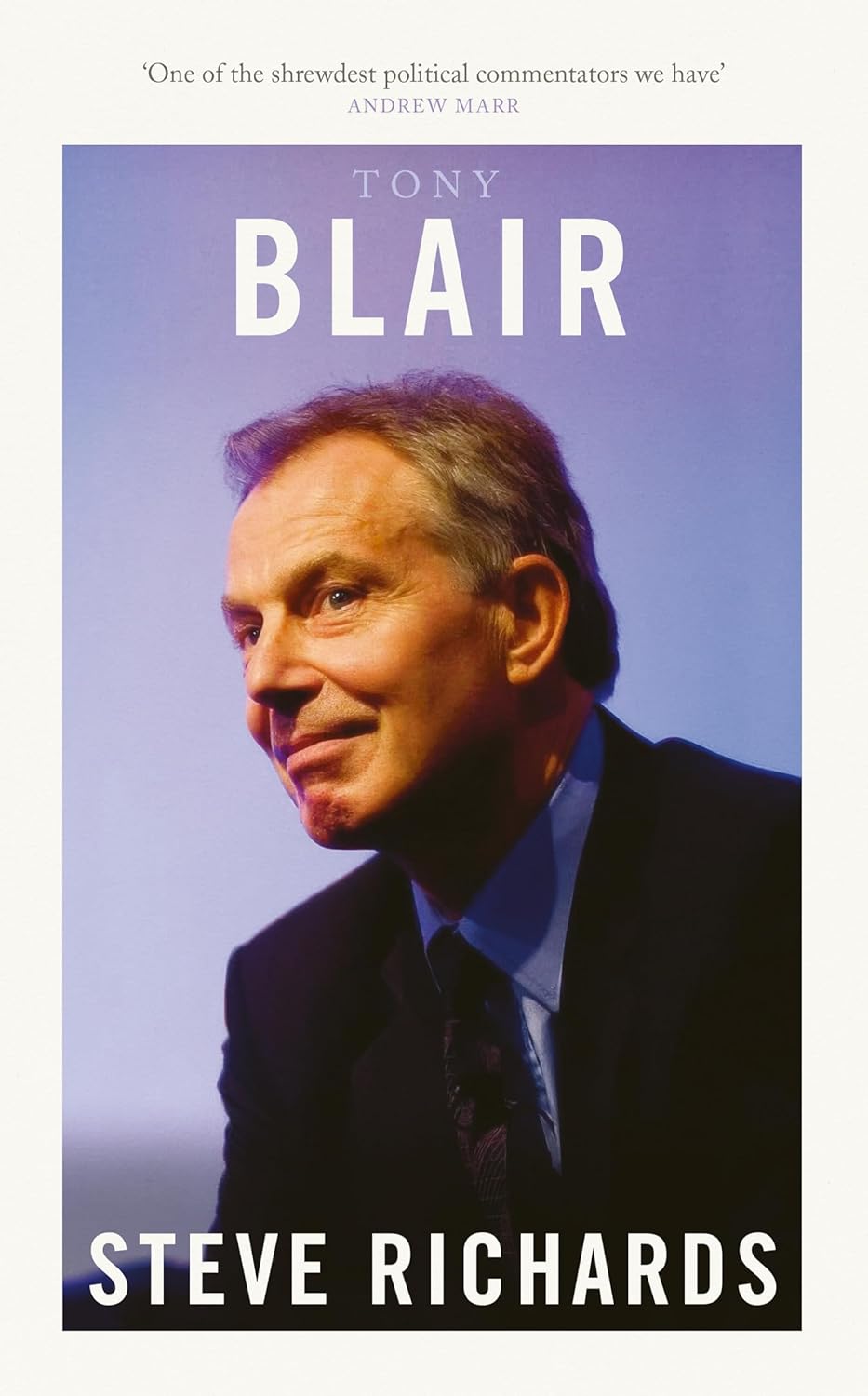
He was not arrogant enough! Tony Blair is one of the defining politicians of post-war Britain, but he failed to transform the country on the same scale as, say, Margaret Thatcher. For his enemies he was a warmonger and a social meddler. His admirers note that under him public services were restored after the neglect and vandalism of the Thatcherite years, and that he left Britain a better place to live. Steve Richards is unimpressed by the caricatures. When considering Blair’s actions he always considers how much room he had on the political stage. He has written a typically elegant and thoughtful book, punchily discussing Blair as a leader, his … Continue reading →
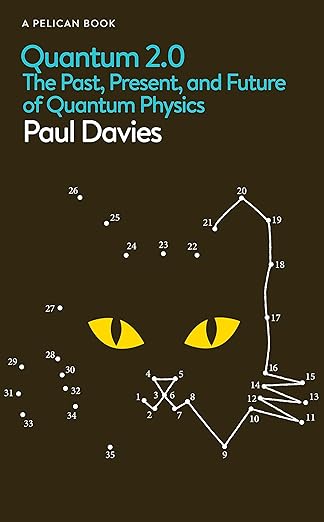
Reality doesn’t exist … probably … “Quantum physics is, without doubt, the most disruptive technological transformation in history.” “Really?” you say, “And what has quantum physics done for us?” Electronics. Computers. GPS. Hi-definition television. Smartphones. Lasers. Transistors. Lists of what quantum theory has done for us are peppered through Paul Davies’ book. The theory, a hundred years old, has given you miracles and wonders. And if you think it has been impressive so far, Paul Davies tells us that a second quantum revolution is just getting underway: Quantum computers will be exponentially faster and more powerful than conventional computers. Quantum intelligence will go places human minds cannot follow. Quantum clocks can … Continue reading →
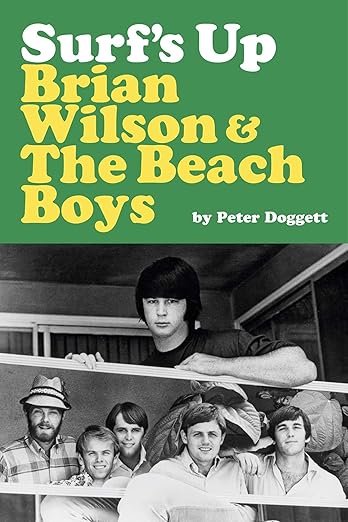
“There are dozens of Beach Boys!” Jack Reiley (Beach Boys manager 1970 to 1973) said: “The Beatles were focussed, strategic, professionally and well-led during the years of their mounting ascendency. During that period, the Beach Boys were divided, unprofessional and horrendously led… There was no career direction to speak of and chaos reigned.” Transcendental meditation, Charles Manson, heroic drug abuse, tragic deaths, the piano in the sandpit, a chapter which asks the question, “Why do people hate Mike Love? Let me count the ways…”, and arguably the worst album sleeve of any major release, but at the same time, peerless vocal harmonies and, in his glory years, a pop writer … Continue reading →
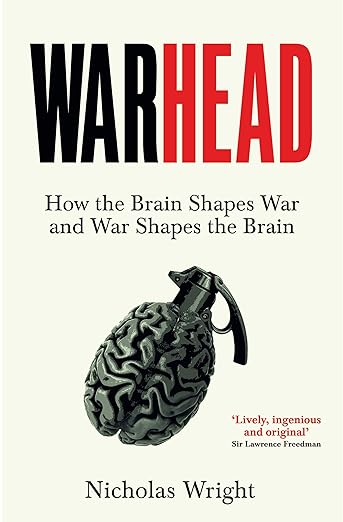
War. Huh! (Dum dum dum!) What’s our brain good for? “Human brains were not built for comfortable lives”, writes Nicholas Wright. Which rather raises the question, what were they built for? Well, among other things, “Every human brain is built to win – or at least survive a fight.” Dr Wright uses the topography and geography of the human brain as a chapter by chapter means of exploring its many functions and show how it does its job. He shows you where your basic drives such as hunger, thirst and sleep are located – the hypothalamus and the thalamous, since you ask – and navigates all the way to the … Continue reading →
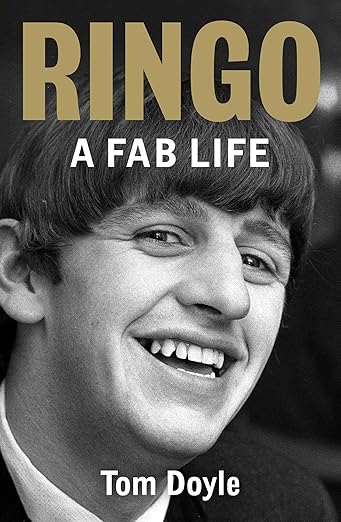
In the 70’s, he was a happy drunk … by the 80’s, he was just miserable! It is 1962. Ritchie Starkey – better known by his stage name of Ringo Starr – is widely acknowledged as the best drummer in Liverpool. His current gig is with Rory Storm and the Hurricanes. He evenhas a featured star slot singing the old Shirelles number ‘Boys’. He is a professional musician. Then two scruffy Beatles turn up and invite him to jump ship and join them. Ringo’s response: Well, I’ve got this gig here at Butlins with Rory for the summer season; I can’t just drop everything and leave them in the lurch. … Continue reading →
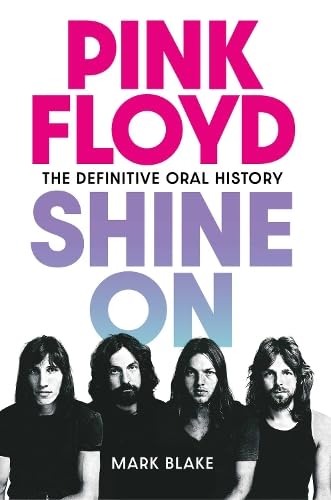
Syd Barrett was probably not really an acid casualty! Peter Jenner (Floyd’s first manager): “Syd’s behaviour was avant-garde and I thought avant-garde was good. Of course in hindsight, we should have taken a break, but none of us knew what we were doing and we had an album out.” Nick Mason (Floyd’s drummer): “We wanted to be pop stars and Syd didn’t.” David Gilmour (Floyd’s guitarist): “I heard Piper At The Gates Of Dawn and was sick with jealousy.” Nick Mason: “Other bands seemed so professional.” Bob Ezrin (Collaborator on The Wall): “Roger Waters was fun to write with. He was just difficult to live with.” David Gilmour: “(Atom Heart … Continue reading →

“A gentleman’s hands are [always] clean” Infectious diseases caused by bacteria have killed well over half of all humans who have ever lived on Earth. Historically, bacterial infections have started major pandemics such as the bubonic plague, which is estimated to have killed 50-60 per cent of the population of Europe during the Black Death in the 14th Century. And yet when a person in Oregon came down with bubonic plague in 2024 it was a non-event. The pathogen involved was quickly identified and antibiotics given. There was no chain of infection and no epidemic. And the patient lived. Germ theory is one of the most transformative developments in human history. … Continue reading →
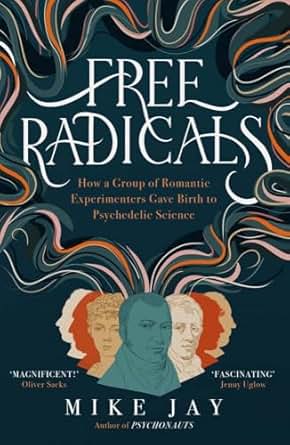
I mean, you’ve got’a laugh, aintcha! Nitrous Oxide made “a picaresque journey from laboratory to lecture hall, variety palace to dentist’s chair.” A substance that does not exist in nature, it fairly blew the minds of the radical scientific community in the late 18th Century when it was isolated and synthesised. Some of them couldn’t decide whether it was more remarkable medicinally or recreationally. What they did know was that it was a wonderful product of a modern scientific sensibility. It is a story that takes in Joseph Priestley, Erasmus Darwin, Samuel Taylor Coleridge, Robert Southey, Humphrey Davy, Peter Mark Roget (yes, that Roget), James Watt, and at its centre, … Continue reading →
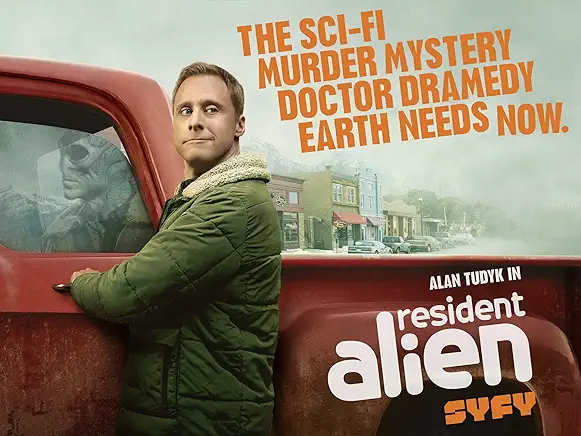
They walk among us … possibly. When a book is turned into a film or, in this case, a comic into a television series, there are usually disagreements about which is better, ranging from polite opinions to open cultural warfare. Resident Alien seems to have bridged the gap, or survived the transformation, pretty well: now both a successful TV series and a popular … they used to be called “Comics”, then they graduated to be styled graphic novels (or, as Terry Pratchett said, ‘Big Comics’). Our hero, Harry Vanderspiegel, is the small town doctor in Patience, Washington State. His side hustle is solving crimes. Harry is also an extra-terrestrial alien. … Continue reading →

Capitalism and government go hand in hand – one feeding the other Some people think of economic history as a trifle dry, but how can you resist a book that includes quotes like these: “The love of money (as a possession) is… a somewhat disgusting morbidity.” (Keynes). “Capitalism is an economic system, but it’s also so much more than that. It’s become a sort of ideology, this all-encompassing force that rules over our lives and our minds.” (Rund Abdelfatah) How many critics of Capitalism can you name? I bet you can only think of a very few. Marx and Engels, I suppose. Keynes. Maybe Thomas Picketty in recent years. But … Continue reading →
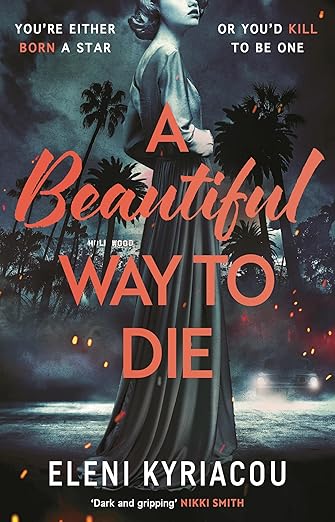
Would you kill to be famous? If we want impossible glamour and corruption we could do worse then 1950’s Hollywood. A Beautiful Way To Die is a romp of ambition and decadence in which everyone has an agenda and dark secrets. It weaves its magic through carefully-embedded real-life locations and oblique references to real-world Hollywood scandals, telling a lively tale of a dazzling movie star couple, a wannabe starlet, a mystery woman sequestered and brutalised in a sanatorium, a studio fixer and a pill-pushing studio Dr Feelgood. Tim met Eleni Kyriacou at her publishers to explore this exciting milieu, to discuss the significance of the casting couch, and to carefully … Continue reading →
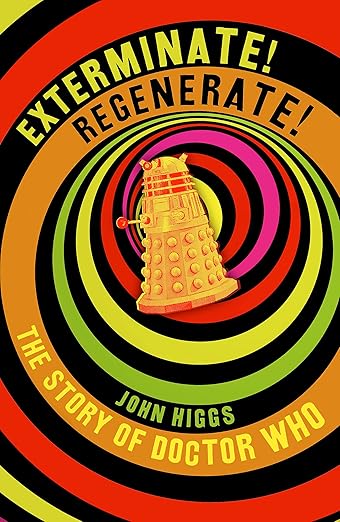
Wot, no Daleks?!? If you had a time machine and could return to 1963 you would be surprised at the haphazard genesis of Dr Who. We think of it today as the eternal jewel in the BBC crown, but the show was curiously unloved by the Corporation in its first long run. It only made it to air by the skin of its teeth, and the Head of Drama, having definitively ruled out any ‘bug-eyed monsters’, was livid when The Daleks hove into view. Later, Michael Grade, who hated the show, tried to cancel it and was overruled by the fanbase. John Higgs is a fan – oh, me too! … Continue reading →
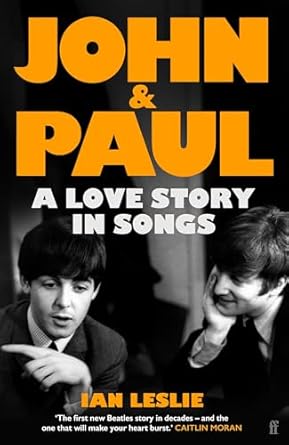
They created each other Does the world actually need another Beatles book? There are Mongolian peasants in one-yak villages far outside Ulan Bator who could tell you how John and Paul met at the Woolton Church fete in July 1957, and offer a considered opinion of the relative merits of Revolver and Sgt Pepper. Ian Leslie has performed a marvellous balancing act in telling a story that is in the public domain while bringing a fresh consideration of the relationship between the creative powerhouse of The Beatles. He has listened to Lennon and McCartney’s output as if it were a dialogue between them, and while he doesn’t go so far … Continue reading →
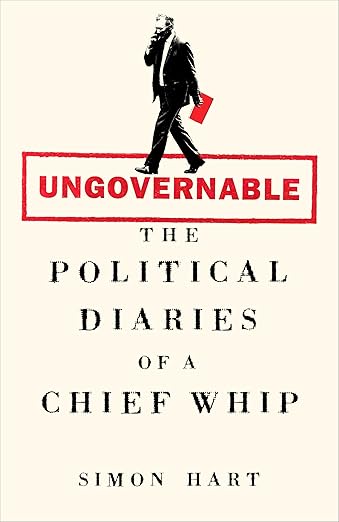
Strap in, this is going to be quite a ride! 31 October 2023. “Amongst today’s HR joys is the report from Emma that a departmental SpAd (Special Adviser) went to an orgy over the weekend and ended up taking a crap on another person’s head. To make matters worse, in a separate incident a House employee went to a party dressed as Jimmy Savile and ended up having sex with a blow-up doll. Just another day at the office, I suppose.” Well, it’s just another day at the office if you happen to be Chief Whip of His Majesty’s government. Simon Hart was Member of Parliament for Camarthen West and … Continue reading →
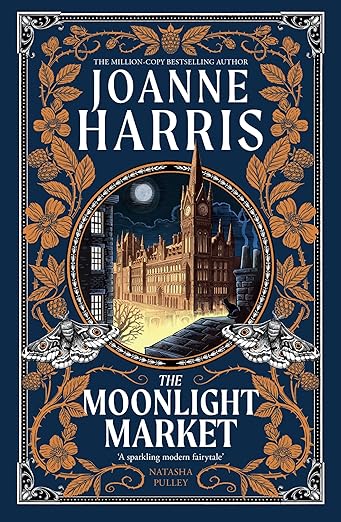
If you can’t see it … is it real? “What does real mean? Is love real? Or magic, or hope, or joy, or the quest for enlightenment? Are any of those things less real just because they’re woven in words?… Fairy stories matter. They’re how we understand what’s true.” Joanne Harris is serenely unconcerned with the subdivisions of literary genre. Her new book is, yes, a fairytale, but one that breaks through into the real world, the world of the Sightless Folk – as the fairy Folk call us. The war between the Daylight Folk and the Midnight Folk is waged, as it were, in the negatives rather than in … Continue reading →
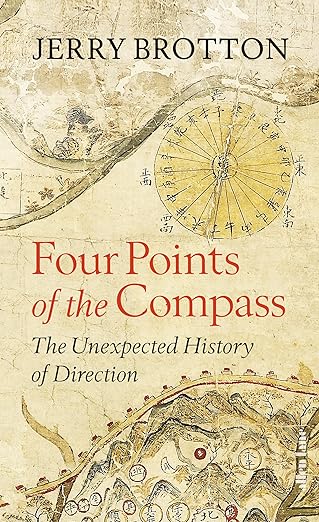
Where are we?!? Why deep South but far North? Why do some maps orient East or South, but never West? When did direction change from being where things came from to where we were going? Is the North Pole a real place? Who gave the cardinal directions their familiar one-syllable names? (It was Charlemagne – it’s always Charlemagne.) How do we know which way is which? Jerry Brotton’s delightful new book asks and answers such questions on every page. Jerry is a Professor at Queen Mary University in London, so Tim went to compare notes on what it means to be a northerner living in the south. Jerry Brotton – … Continue reading →
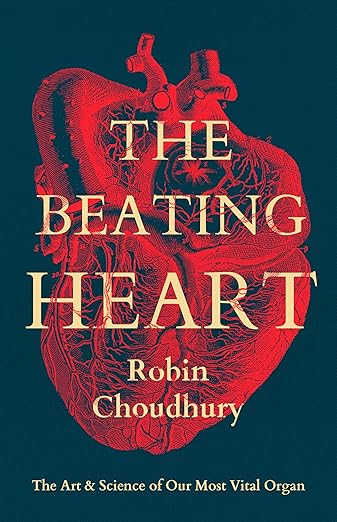
What lies within? Every culture places the heart at the centre of personhood. It beats independently of our volition and when it stops we are dead. But if it were no more than a muscular pump it would hardly feature so widely in our visual imagery and iconography. The human heart, Robin Choudhury tells us, has been “…the dwelling place of the soul, the source of life, a furnace or fermentor providing the heat of living bodies, the source of semen and a repository of deeds. It has become the seat of love and desire.” It has fascinated the greatest minds in history and exercised the genius of the finest … Continue reading →

Comments

Download from Google Play

Download from App Store
 United States