


STEM-Talk
Subscribed: 13,741Played: 150,943
Subscribe


© Florida Institute for Human and Machine Cognition
Description
The most interesting people in the world of science and technology
199 Episodes
Reverse
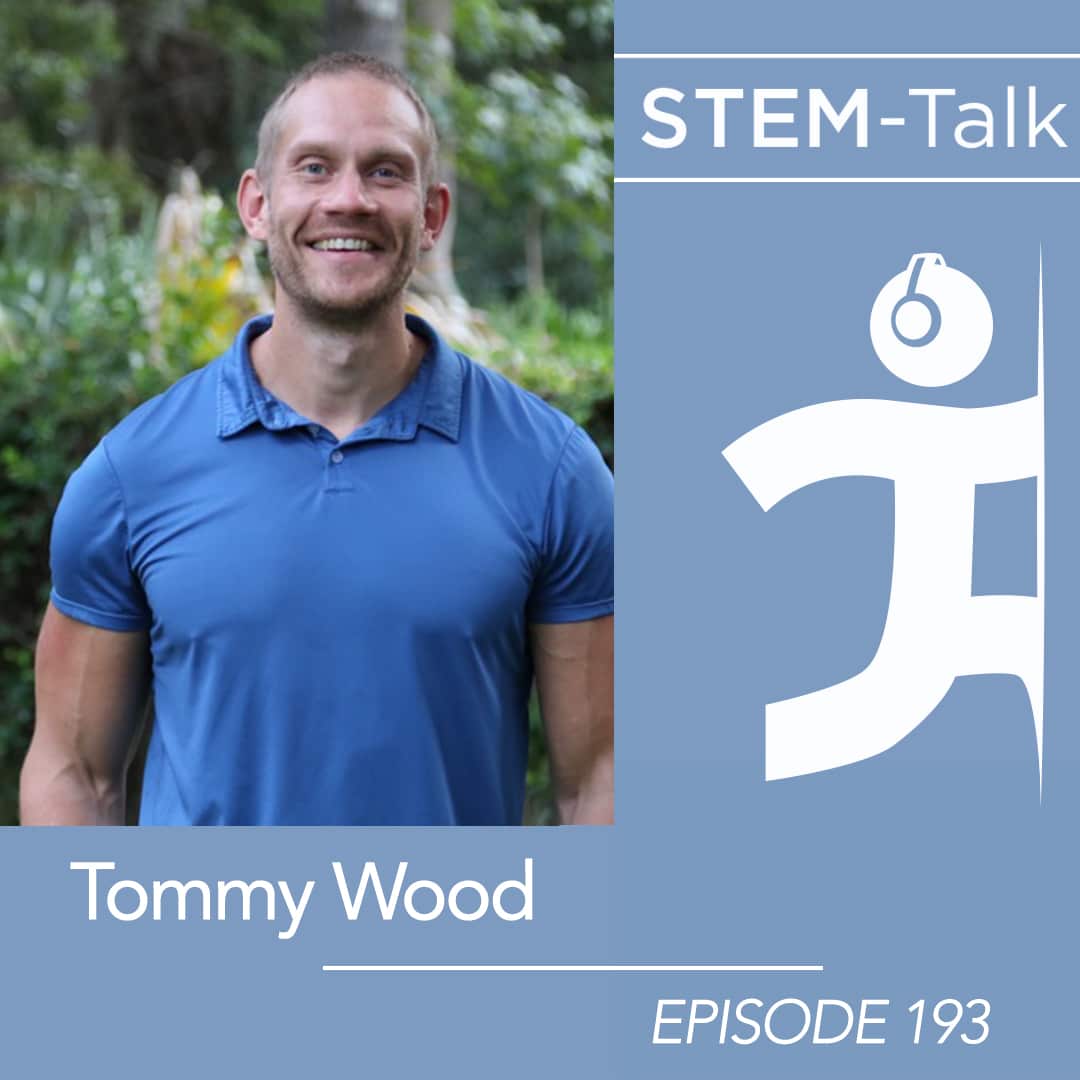
Today we have Dr. Tommy Wood, a neuroscientist and frequent STEM-Talk guest who joins today on the eve of the publication of his first book, “The Stimulated Mind: Future-Proof Your Brain from Dementia and Stay Sharp at Any Age.”
Tommy is an Associate Professor of Pediatrics and Neuroscience at the University of Washington, where his laboratory focuses on brain health across human lifespan. Tommy is a colleague and good friend who also is a Visiting Research Scientist here at IHMC.
Today we talk to Tommy about his mission to dispel the myth that the brain is doomed to decline with age. His book, which publishes on March 24 but is available for pre-order on Amazon, offers science-backed strategies to enhance mental sharpness and prevent cognitive decline, including Alzheimer’s disease.
There was so much to unpack with Tommy about his book, that we decided to split his interview into two parts. Today we talk to Tommy about the history of neuroscience and how researchers go about studying the brain. We also have a conversation with Tommy about what is holding us back in terms of addressing an ever-increasing burden of cognitive and mental health disorders we are experiencing not only here in the U.S., but also around the world. In part two of Tommy’ interview, which will air in a few weeks following today’s episode, Tommy shares science-backed strategies to help people future-proof their brains.
Tommy’s lab at the University of Washington focuses on brain health across the lifespan. He conducts research that focuses on ways to treat a range of brain injuries, including babies born preterm and adults who experience brain trauma. He also investigates lifestyle factors that affect long-term cognitive function and increase the risk of dementia.
Tommy has a bachelor’s degree in biochemistry from the University of Cambridge, a medical degree from the University of Oxford, and a Ph.D. in Physiology and Neuroscience from the University of Oslo.
Show notes:
[00:04:04] Dawn opens our interview congratulating Tommy on his new book, “The Stimulated Mind.” Dawn asks Tommy what inspired him to write his first book.
[00:07:29] Since writing the book consumed more than 18 months of Tommy’s life, Dawn asks Tommy if he thinks he’ll write another one.
[00:09:36] Dawn asks if it’s fair to say that the overarching theme of “The Stimulated Mind” is that the conventional belief the adult brain is fixed and incapable of change is wrong.
[00:17:35] Ken explains that Tommy opens his book with a story about a study on barn owls, where researchers outfitted a group of owls with prism goggles that altered the perceived position of objects in the owls’ vision. While young owls were able to quickly adapt to the change in their vision and return to normal behavior and activities, adult owls, even after months of wearing the goggles, were unable to adapt and would miss mice that were directly under their beaks. However, the research group amended their study design and found something interesting. Ken asks Tommy to explain what they found when they amended their design.
[00:22:40] Ken asks Tommy to share how a human study, which outfitted participants with goggles that flipped their vision upside down, demonstrated the adaptability of the adult brain.
[00:25:32] Ken asks if these sorts of adaptations have been seen as beyond basic sensory modalities in higher cognitive functions.
[00:31:25] Dawn zooms out in our discussion and asks Tommy, given the falsehood of our previous understanding of the adult brain as being fixed, what exactly do we know about the brain.
[00:35:36] Dawn asks Tommy to talk about Santiago Ramón y Cajal, who is considered the first neuroscientist.
[00:38:41] Dawn mentions chapter two of Tommy’s book, “How do Neuroscientists Study the Brain,” in which Tommy explains the complexity of the brain, which is comprised of almost 100 billion neurons which compose nearly a quadrillion synapses. Given the complexity of the brain, Tommy notes in his book that even an organ as complex as the human brain is incapable of fully comprehending its own complexity. Dawn asks Tommy to talk about how he and his colleagues approach studying the brain.
[00:43:30] Ken notes the parallels between attempting to understand the function of the brain based on an understanding of its individual components to the process of trying to understand how a piece of software works on a computer by systematically studying the computer’s hardware. Ken goes on to start a discussion on the parallels between the brain as a self-referential system that is so complex it cannot even fully understand itself, to various paradoxes as well as Gödel’s theorem, while noting that such comparisons are a false equivalency, and the brain is not a formal system in the sense of mathematical proofs. Still, Ken notes, the parallels are interesting.
[00:47:07] Dawn asks Tommy about a humorous but insightful section in his book that illustrates the complexity of neurological research called “Can a Biologist Fix a Broken Radio.” Dawn asks Tommy to explain what this analogy is about.
[00:52:18] Dawn notes that the modern belief that the adult brain is fixed stems from work done by Cajal in the late 1800s where he claimed that after development the adult brain was no longer capable of regeneration or plasticity. Dawn asks Tommy to touch more on this.
[00:56:26] Ken explains that while people are likely familiar with neurons, as the basic building block of the nervous system, most people are less familiar with glial cells, which, until recently, were considered to play a minor role in the brain. However, Tommy in his book, argues that glial cells should be seen as just as important as neurons. Ken notes that within the neuroscience community there is a renewed interest in these cells.
[01:02:35] Dawn shifts the conversation to ask about the importance of cardiovascular health in brain health.
[01:06:35] Dawn explains that Tommy ends part one of his book by looking at what the brain is actually for, and to answer that question, he first explains that although the brain is capable of adaptation and change over a lifespan, it requires the right environment. To illustrate this, and the fact that dementia is not predetermined, Dawn asks Tommy about the indigenous Tsimané people of the Bolivian Amazon, who have some of the lowest rates of dementia in the world.
[01:08:27] Ken asks Tommy if it’s true that these people also have a lower prevalence of APOE 4/4 and 3/4 genotypes.
[01:11:26] Dawn asks, since one of the aims of Tommy’s book is to help people improve their cognitive function and reduce their risk for dementia, if he could give listeners a brief history of Alzheimer’s disease.
[01:17:07] Ken explains that general warnings that as we get better at treating various diseases and increasing lifespans, we will see an overwhelming number of people develop age-related dementia. Recent studies out of Europe, however, have shown the opposite trend, and that the likelihood of being diagnosed with dementia at the age of 70 is now lower than it was 20 years ago.
[01:22:43] Ken and Dawn close out part one of our interview with Tommy by explaining that in part two we will focus our discussion with Tommy on ways people can stimulate neuroplasticity in their adult brains. Ken asks Tommy to close out by briefly discussing the recipe for changing and improving the adult brain.
Links:
Tommy Wood bio
STEM-Talk episode 47 with Tommy Wood
STEM-Talk episode 110 with Tommy Wood
STEM-Talk episode 111 with Tommy Wood
STEM-Talk episode 128 with Tommy Wood
Learn more about IHMC
STEM-Talk homepage
Ken Ford bio
Ken Ford Wikipedia page
Dawn Kernagis bio
Today we have the second of a two-part AMA. In part one, episode 198, we covered a multitude of listener questions about AI, which lately seems to dominate the news cycle. Other than one AI question that managed to sneak in, today’s AMA features a wide range of questions on a number of topics other than artificial intelligence.
Today, Ken and Dawn respond to listener questions that range from:
— Whether there’s a critical difference between whey protein powders and ready-to-drink protein shakes?
— Is there a sweat spot for how much time a person should spend on resistance training during a week?
— Ken’s thoughts on a paper that looked at whether higher meat consumption could be associated with a lower risk of dementia among people carrying the APOE ε4 gene variant.
— What kind of Pandora’s box will we open if parents start doing genetic tests on their infants to see if their children have, say, the APOE ε4 gene variant?
— Will NASA will be able to meet its target date of sending astronauts back to the Moon by 2028?
— And a lot more.
Show notes;
[00:03:05] A listener asks Ken about the 2019 Trim study by Gregory Fahy and colleagues in Aging Cell, which reported reversal of epigenetic aging and signs of thymic regeneration in nine healthy men treated with the growth hormone, DHEA, and metformin.
[00:06:56] Ken responds to a question about the market being flooded with protein supplements. The listener asks if whether there’s a critical difference between whey protein and ready-to-drink protein shakes, and if there are any specific products he recommends.
[00:10:50] A listener asks Ken about a recent article in Nature Reviews Neuroscience titled:
[00:15:26] A listener asks Ken about a Chinese company called Moonshot AI and its open-weight model, Kimi K3. The listener references Gary Marcus who anticipates that the power of this model paired with the open-weight design will have immense implications. The listener asks for Ken’s take.
[00:25:56] A listener mentions that they’ve heard that Ken likes to tell graduate students a fable about a rabbit pursuing their Ph.D. A listener asks Ken if he would share the fable.
[00:30:15] A listener asks Ken about a study published in Jama Network Open by Norgren and company which suggests that higher meat consumption may be associated with lower Alzheimer’s risk for people carrying the APOE 4 gene variant, the strongest common genetic risk factor for late onset Alzheimer’s.
[00:38:24] A listener mentions in their question for Ken that the Department of Health and Human Services recommends at least 150 minutes of moderate exercise per week, but this recommendation does not break down how much of that time should be spent on aerobic versus strength training. The listener goes on to mention a study in the that looked at identifying this sweet spot for resistance exercise, finding that between 90-119 minutes per week of weightlifting was associated with a 13 perent lower risk of premature death and a 27 percent reduction in neurological disease mortality, particularly Alzheimer’s. The listener also mentions that they are aware of IHMC’s ongoing clinical trial looking at the ability of exercise to mitigate the hallmarks of aging in people over 60 years old. The listener asks if this study is similarly trying to identify a sweet spot for resistance exercise, and if Ken has any recommendations on this topic.
[00:46:32] Another listener mentions that they really enjoyed our interview with Doug Cooke on the Artimis II mission (episode 195), as well as our interview with Mike Griffin and Lisa Porter about NASA’s plan to return to the moon (episode 189). The listener goes on to mention that since then a Blue Origin rocket, one of the companies responsible for building a lunar lander, exploded on the launch pad in Florida. The listener asks if Ken is he’ still skeptical about the Artemis III mission architecture and timeframe in light of the recent news.
[00:54:37] A listener asks Ken for his thoughts on the growing research efforts to investigate the feasibility of doing genetic testing on infants to identify their predisposition to specific diseases such as Alzheimer’s.
[01:01:57] A listener asks for Kens thoughts on a study of creatine’s effects on physically active vegans. The study reported that 4 weeks of creatine supplementation improved lower-body power, especially jump height and flight time. But they did not find improvements in strength tests.
[01:08:10] A listener asks for Ken’s thoughts on a recent White House report “Science: A New Golden Age”, which argues that the American scientific enterprise needs to be reformed and that agencies like NSF have become overly bureaucratic, slow, and risk averse.
Links:
Learn more about IHMC
STEM-Talk homepage
Ken Ford bio
Ken Ford Wikipedia page
Today we have an Ask Me Anything episode that focuses on artificial intelligence. For the past year, AI has dominated the headlines. Perhaps because there’s so much media and public interest, as well as paranoia, about AI, listeners have been flooding our mailbox with AI-related questions.
So, today’s AMA is an exclusive focused on artificial intelligence. For our listeners who have been sending questions about ketamine; NASA’s Artemis mission to the Moon; or whether high meat consumption leads to dementia; fear not, because we will follow up today’s episode in a few weeks with a second round of AMA.
Dr. Ken Ford will be answering today’s AI questions. He has been working in AI since the 1980s and is a Fellow of the Association for the Advancement of Artificial Intelligence. As a result, he is well-positioned to help us today to separate real advances in AI from hype, panic and science fiction.
If you have questions for Ken and Dawn after listening to today’s episode, or any episode of STEM-Talk, email your questions to STEM-Talk producer Randy Hammer at rhammer.ihmc.org.
Show notes:
[00:03:15] Dawn opens our AMA episode on AI with a listener question for Ken on whether AI companies should be protected under section 230 of the U.S. Communications Decency Act.
[00:08:03] Following up on the previous question, a listener asks if Ken foresees a day where laws and courts will designate AI as a judicial person, in the same way that corporations have rights under the legal doctrine of corporate personhood.
[00:10:55] A listener asks Ken for his thoughts on a recent article published in the Atlantic titled “The Data-Center Panic is Overblown: Critics are Inflating the Costs.”
[00:16:09] A listener asks Ken a question regarding episode 171 of STEM-Talk, in which Ken discussed a June 2024 report by Leopold Aschenbrenner which predicted rates of growth in both compute resources and power requirements for AI data centers. The listener asks how well these predictions have held up in the following year.
[00:22:19] Another listener question about data centers asks Ken what his thoughts are on the notion of solving the electricity costs and cooling requirements for data centers by building them in orbit and powering them via solar energy.
[00:30:07] Moving on to the applications of AI, Peter Attia recently wrote about a study out of Harvard that suggests that today’s large language models perform extremely well on medical licensing exams and often arrive at the correct diagnosis yet still struggle with differential diagnosis. The listener asks what this means about the use of AI in medicine.
[00:36:53] A listener asks Ken about repeated public statements by Anthropic’s CEO that their AI models, and those expected in the future, are already powerful and dangerous enough to justify concern, while at the same time Anthropic and other leading AI companies are continuing to employ these systems and cautioning governments against regulation that could slow down innovation. The listener asks Ken how to resolve this contradiction.
[00:45:18] A listener writes that in a previous AMA, STEM-Talk episode 184, Ken objected to the use of the word hallucination to describe errors made by large-language models and asks Ken to expound on this.
[00:53:28] A listener asks Ken whether current AI models are evolving from being fundamentally prediction engines to being able to truly understand and reason, or if they are just becoming better and more convincing prediction engines.
[00:59:37] A listener writes to Ken, mentioning that a few years ago, a thousand technology experts and researchers signed a letter urging AI labs and executives to pause the development of highly advanced AI systems and tools. This letter, drafted through the not-for-profit Future of Life Institute, warned that AI developers were locked in an out-of-control race to develop and deploy ever more powerful digital minds that no one, not even their creators, can understand, predict or reliably control. The listener also states that they learned recently that ChatGPT 5 was programmed using an earlier version of ChatGPT. If the concerns of tech leaders are to be taken seriously, the listener wonders if it is a good idea to have earlier versions of ChatGPT programing later versions of ChatGPT?
[01:07:45] A listener asks Ken about the process of training smaller AI models from larger models, a process called distillation. The listener asks how this process works and if this is a way for the cost of training large models to benefit everyone.
[01:14:56] A listener asks Ken what it means for China’s Open Weight GLM 5.2 to be reported to have achieved near parity with Anthropic’s Mythos. On several cyber security and vulnerability discovery benchmarks, it seems alarming that GLM 5.2 is operating at roughly 1/6th the cost and remaining openly available for download and deployment.
[01:22:34] A listener writes that they recently heard a story about someone who asked an AI whether they should walk or drive to a car wash in order to get their car washed when the car wash was close by their starting location. The AI in this condition recommended that they walk instead of drive. The listener asks why the AI was unable to give the obviously correct answer to a simple common-sense question.
[01:29:05] For our final question in this AMA, a listener writes that, recently, nearly 200 researchers and economists signed a statement warning that as AI becomes more powerful it could take over a large share of human work and lead to widespread joblessness. The listener wants to know if Ken would have signed the statement and what he thinks of the statement’s three points: One: AI may become radically more powerful over the next 10 years. Two: This could drive an unprecedented transformation of our economy larger than the industrial revolution and over a vastly shorter timeframe, with large scale job displacement. Three: Economists, policy makers, and tech leaders must act now in order to understand the economic impacts of transformative AI and to build the incentives guardrails and institutions need to steer AI in a direction that compliments humans and benefits society.
Links:
Learn more about IHMC
STEM-Talk homepage
Ken Ford bio
Ken Ford Wikipedia page
Dawn Kernagis bio
 1
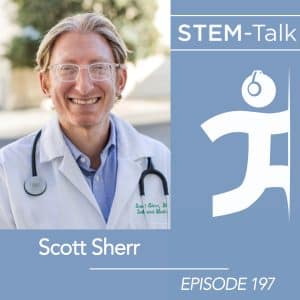
1Today we have Dr. Scott Sherr, an internal medicine physician who specializes in Hyperbaric Oxygen Therapy.
Scott is the director of Integrative Hyperbaric Medicine and Heath Optimization at Hyperbaric Medical Solutions. It is a division of Hyperbaric Medical Solutions, an independent, hyperbaric oxygen therapy provider that aims to educate people about the benefits of hyperbaric oxygen therapy via telemedicine consulting. He also is COO of Troscriptions, which provides physician-formulated products including popular methylene blue products.
In today’s interview, Scott talks about how he uses Hyperbaric Oxygen Therapy (HBOT) to treat a number of health conditions. He also shares how he incorporates methylene blue into some of his treatment strategies and explains how HBOT is now being used as a complementary treatment for autoimmune diseases by helping reduce inflammation, improve blood flow and support immune function.
Show notes:
[00:03:29] Dawn tells Scott that she heard a story that Scott had his spine adjusted when he was just five minutes old. She asks Scott if he can share what happened.
[00:04:15] Dawn mentions that Scott grew up in New York on Long Island and that as a child he spent a lot of time at his father’s chiropractic office. Dawn asks Scott about his father and his practice.
[00:05:38] Ken notes that Scott was into sports as a kid and asks him to talk about his childhood and what he was like as a kid.
[00:07:09] Dawn notes that after high school, Scott left New York for the West Coast, landing at UCLA. Dawn asks Scott to talk about what led him there.
[00:08:00] Dawn explains that Scott initially started to major in biology but quickly changed majors. Scott explains why he changed majors.
[00:08:41] Dawn asks Scott why he chose to attend the University of Maryland for medical school after graduating from UCLA.
[00:09:26] Dawn asks Scott about the story of how he met his wife at the University of Maryland.
[00:09:50] Dawn pivots back to Scott’s love of music, mentioning that Scott and three other medical school students at Maryland formed a band called The Airport Rocking Chairs. Scott describes how the band came together and how they performed at gigs around the Baltimore/D.C. area.
[00:11:16] Ken asks Scott to talk about how his early ambition upon entering medical school was to find a way to bridge the gap between conventional and alternative/chiropractic medicine.
[00:12:54] Ken explains that in Scott’s third year of medical school, he did rotations at the University Shock and Trauma Facility. Ken asks Scott to talk about why this was such an important experience for Scott.
[00:14:32] Dawn explains that hyperbaric chambers are used to treat injuries like necrotizing fasciitis and severe wounds. Dawn asks Scott to talk about finding a hyperbaric chamber in the basement of the University Shock and Trauma Facility and how that led to his fascination with the potential for hyperbaric oxygen therapy.
[00:15:51] Dawn asks Scott to talk about how his initial research on hyperbaric therapies led him to conclude that they were being vastly underutilized in conventional medicine.
[00:16:31] Dawn mentions that people are likely familiar with hyperbaric oxygen therapy (HBOT) in terms of treating divers suffering from decompression sickness. She asks Scott to give a primer on the mechanisms by which HBOT affects the body and why it has potential to treat other conditions besides decompression sickness.
[00:19:38] Ken asks Scott to talk more about other conditions, both acute and chronic, that HBOT might be helpful in treating.
[00:22:51] Dawn asks about Scott’s experience as a hospitalist, which is an internal medicine physician who acts as a primary care physician in a hospital, and how this experience gave him a unique perspective on the strengths and limitations of modern medicine.
[00:25:13] Ken asks Scott if it’s fair to say that his experience as a hospitalist was foundational in developing his understanding of patient care and healthspan.
[00:26:51] Dawn explains that when Scott’s wife received a fellowship at Stanford University, Scott eventually left his career as a hospitalist to serve as the medical director for a hyperbaric medicine facility in the San Francisco Bay area. Dawn asks Scott to talk about how this experience deepened his understanding and expertise in hyperbaric oxygen therapy.
[00:28:26] Ken asks Scott to talk about his relationship with Dominic D’Agostino, who was our recent guest on STEM-Talk episode 196, and who is very active in the field of hyperbaric oxygen therapy.
[00:30:48] Dawn mentions that during Scott’s work as a hospitalist, he began to develop a more integrated approach to hyperbaric medicine, taking nutritional status, sleep patterns, mitochondrial function, and a number of other factors into consideration. Doing this work, Scott noticed that a number of patients would require weeks or months of preparation before beginning HBOT, contrary to the status quo of the time. Dawn asks Scott to talk about his insights and how this experience changed his views on medicine.
[00:33:19] Dawn asks Scott to talk about the evolution of his work in developing an integrative hyperbaric medicine model and how he caught the attention of HBOT practitioners around the world.
[00:35:21] Ken notes that interest in hyperbaric oxygen therapy has grown substantially in the last 20 years and goes on to mention that a particularly promising application of HBOT is as a complementary treatment for autoimmune diseases, being shown to reduce inflammation, improve blood flow and support immune function. Ken asks Scott to talk in depth about HBOT in the context of autoimmune disease treatment.
[00:39:13] Following up on Scott’s mention of epigenetic changes following HBOT, Ken asks if this has been directly measured and if so, how long are these changes sustained.
[00:41:14] Dawn asks Scott about the potential for HBOT to be used for athletes looking to speed up their recovery times from injuries.
[00:43:19] Dawn asks Scott if there are certain populations who should avoid HBOT.
[00:46:27] In order to optimize HBOT, Dawn explains that Scott works with people to tailor their treatment to their individual needs and asks Scott to walk listeners through how this process works in practice.
[00:50:00] Ken notes that most HBOT studies describe dosages of HBOT in terms of oxygen concentration, oxygen pressure and number of sessions. He asks Scott how he defines a “dose” biologically and what metrics he uses to tell whether a patient has received enough treatment to induce durable change?
[00:53:40] Ken asks Scott if his experience treating patients has informed him on different characteristics that can predict whether a patient will have a robust response to HBOT.
[00:56:01] Dawn mentions that the benefits of HBOT are often explained in terms of either improved oxygen delivery or improved mitochondrial signaling and neuroplasticity. Dawn asks Scott what mechanisms are most important in the context of chronic neurological disease.
[00:58:04] Dawn asks Scott for his thoughts on the hyperoxic-hypoxic paradox (HHP) as an explanation of HBOT-induced adaptation.
[01:00:28] Ken asks Scott if he could only measure three variables before and after HBOT treatment, what would they be.
[01:03:43] Ken goes on to asks Scott what he sees as the most important unanswered question in HBOT today.
[01:06:22] Dawn mentions that in 2017 Scott met Dr. Ted Achacoso, who is the founder of Health Optimization Medicine. Dawn asks Scott to explain how Ted introduced him to a fundamentally different framework for understanding health.
[01:10:08] Circling back to the topic of bridging the gap between conventional and alternative medicine, Dawn mentions that Scott has become part of a practice that isn’t afraid to tap into therapies that break from conventional medicine. As an example, Dawn explains that Scott sometimes integrates psychedelic therapy with HBOT. Dawn asks Scott to talk about the framework he uses, combining HBOT with psychedelic therapy.
[01:13:56] Ken mentions that Scott also incorporates methylene blue into some of his treatment strategies, Ken directs listeners interested in learning more about how methylene blue can improve cognitive function and energy production to listen to STEM-Talk episode 191 with Francisco Gonzalez-Lima. Ken asks Scott to talk about his use of methylene blue in his practice.
[01:20:15] Dawn asks Scott where people can go to learn more about him and his practice.
[01:22:33] Ken asks Scott if he has any new projects looming on the horizon.
[01:23:54] Dawn closes our interview with Scott by asking if he still plays guitar and if his old band The Airport Rocking Chairs have any plans for a reunion.
Links:
Scott Sherr bio
Learn more about IHMC
STEM-Talk homepage
Ken Ford bio
Ken Ford Wikipedia page
Dawn Kernagis bio
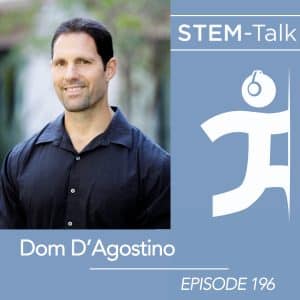
Today we have Dr. Dominic D’Agostino, who over the past 10 years has been a frequent guest on STEM-Talk. Today Dom joins us to give us an update on his recent research into ketogenic metabolic therapies, ketone supplements as well as hyperbaric oxygen therapy for traumatic brain injuries. Dom and his lab at the University of South Florida have published more than 20 papers since his last appearance on STEM-Talk in 2023.
Dom is an Associate Professor in the Department of Molecular Pharmacology and Physiology at South Florida’s Morsani College of Medicine. Dom has a background in neuroscience, molecular pharmacology, nutrition and physiology.
In addition to developing and testing metabolic-based therapies, Dom’s lab also investigates seizure disorders, brain cancer, neurodegenerative diseases and rare genetic-metabolic disorders.
Show notes:
[00:03:28] Dawn welcomes Dom back to the show and explaining that he has been quite busy since his last appearance, authoring or co-authoring more than 20 papers. Over the past several years, Dom has been helping to advance the science and application of ketogenic metabolic therapy (KMT) with colleagues at Moffitt Cancer Center, particularly focusing on using KMT to enhance immune-based therapies for certain types of cancers. Dawn asks Dom about this collaboration.
[00:05:04] Dawn explains that ketogenic metabolic therapy is a dietary approach that focuses on a high-fat/low-carb diet to reduce glucose availability for cancer cells, potentially slowing their growth and improving treatment outcomes. It has been explored as a complimentary treatment for a variety of cancers including gliomas by shifting the metabolism of tumor cells away from glucose. Dawn asks Dom to explain what is involved in KMT.
[00:06:58] Dawn clarifies that KMT requires less than 20-25 grams of carbohydrates per day, and that ketosis is a metabolic state in which the body switches from glucose metabolism to metabolizing fats in the form of ketones. Dawn goes on to explain that cancer cells typically consume glucose at a higher rate than normal cells. However, cancer cells are also very adaptable, and Dawn asks Dom to talk about this feature of cancer cells.
[00:09:14] Ken explains that KMT has shown the most promise in treating high-grade gliomas, or brain cancers, such as glioblastoma, which is the most aggressive primary brain tumor in adults. Ken explains that Dom was part of a massive review titled “Clinical research framework proposal for ketogenic metabolic therapy in glioblastoma,” which proposed guidelines for the management of glioblastoma based on an understanding of cancer as a metabolic disease, particularly involving mitochondria. Ken asks Dom to talk about this review.
[00:11:21] From a patient advocacy perspective, Ken notes that the review recommends that there should be an aggressive education campaign that can arm patients with knowledge about KMT and other novel therapies. Ken asks Dom to talk about that recommendation.
[00:13:15] Ken asks about the process of cutting the review from upwards of 200 pages down to around 50 pages with 49 authors.
[00:15:04] Dawn mentions that Dom was part of another paper in 2024 titled “Targeting the mitochondrial stem cell connection in cancer treatment – a hybrid orthomolecular protocol.” Dawn explains that this paper looked at the mitochondrial stem cell connection theory (MSCC), which argues that cancer originates from chronic oxidative phosphorylation insufficiency in stem cells. This insufficiency leads to the formation of cancer stem cells and abnormal energy metabolism ultimately resulting in malignancy. There were 16 research centers and organizations involved in this paper which introduced a hybrid orthomolecular protocol to target the mitochondrial stem-cell connection. Dawn asks Dom to give an overview of MSCC.
[00:18:26] Dawn explains that in this paper Dom and his co-authors propose a protocol that would enhance oxidative phosphorylation and inhibit the primary fuels of cancer, glucose and glutamine. This would target both cancer stem cells and metastasis. Dawn asks Dom to explain why this concept is attracting so much interest as a potential therapeutic approach for cancer.
[00:20:48] Dawn asks if Dom could discuss the orthomolecular protocol, which is an approach that focuses on preventing and treating diseases by correcting nutritional balances in the body.
[00:24:41] Ken asks if the proposed dietary intervention in the orthomolecular approach is different from a standard or typical ketogenic diet.
[00:26:48] Ken shifts the discussion to talk about ketone supplements, explaining that Dom recently published a paper titled “Divergent hepatic outcomes of chronic ketone supplementation.” Ken goes on to explain that ketone salts preserve liver health, while some ketone esters and precursors appear to drive inflammation and steatosis. There is a lot of interest in ketone supplementation because they substantially elevate circulating ketones without having to restrict carbohydrates as strictly. The problem, as Ken explains, is that the long-term hepatic safety of ketone supplements remains unclear. In the aforementioned paper, Dom’s rodent study evaluated the formulation-dependent impact of chronic ketone supplementation on liver histopathology, inflammatory signaling and systemic biomarkers. Ken asks Dom to discuss this paper and its findings and to give an overview of the various ketone supplements currently available.
[00:30:49] Dawn asks Dom to dive into the methods and findings of the rodent study.
[00:34:36] Ken asks Dom what his confidence is in the rodent model used in this study, and what are the next step for further research.
[00:37:47] Regarding the two different doses given to rats in the study, Ken asks Dom how these doses correlate to doses in humans
[00:40:23] Ken mentions that Ben Bikman, who was our guest on episode 143, published a study in February which Dom helped co-author. It examined the effects of ketone supplements on liver function. Ken asks Dom to discuss this study.
[00:44:38] Dawn pivots to ask about a joint paper that Dom did with Andrew Koutnik, who was our guest on episode 185, on carbohydrates and physical performance titled “Carbohydrate ingestion on exercise metabolism and physical performance.” Dawn asks Dom to talk about this paper, which showed that a small amount of carbohydrates is sufficient to fuel athletic performance, and how additional carbohydrate intake showed diminishing returns.
[00:49:18] Ken follows up on the finding that endurance athletes who rely on carb loading can tend toward pre-diabetes.
[00:51:39] Ken asks Dom about the University of South Florida trial that Dom is an advisor for on traumatic brain injury and hyperbaric oxygen therapy.
[00:54:41] Dawn mentions that Dom recently had an editorial in Frontiers that gave an overview of the emerging applications of hyperbaric/hyperbaric-oxygen therapy in the treatment of different neurological disorders. Dawn asks Dom what the key points in that editorial were.
[00:59:06] Dawn explains that Dom recently gave a lecture at IHMC (available to view on IHMC’s YouTube page), on traumatic brain injury and the populations at greatest risk in that context. Dawn asks Dom to give an overview of how an injury to the brain can result in neurometabolic crisis.
[01:02:53] Ken asks Dom, excluding occupation demographics, what demographic is most at risk for traumatic brain injury (TBI) and why.
[01:04:45] Ken mentions that it is understandable the risk that young people face with TBI due to the activities that young people engage in. Older people, however, have increased risk of TBI from falling as well as an additional age-related biological component that young people are not subject to. Ken asks Dom to elaborate on this.
[01:07:12] Dawn mentions that several years ago, Dom and his wife bought some acreage in the countryside and started farming and asks Dom how the farm life is going.
[01:07:57] Dawn closes the interview asking how Dom’s wife is doing.

Comments

Download from Google Play

Download from App Store
 United States