


 Claim Ownership
Sermons
Subscribed: 3Played: 12
Subscribe

© Copyright 2025 Plymouth Church of Christ
Description
This podcast is made available from Plymouth Church of Christ. Plymouth, MI
599 Episodes
Reverse
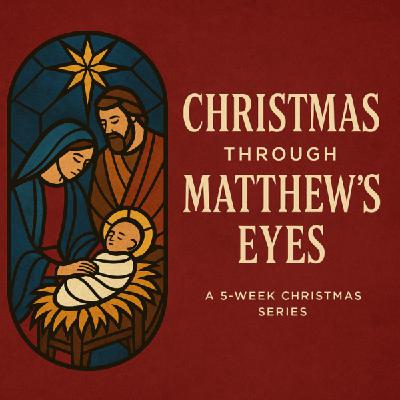
Sermon Summary: “The Unexpected Arrival” — Matthew 24:36–44
This week we launched a new Christmas series, Christmas Through Matthew’s Eyes, by looking at a passage most people never associate with Christmas: Jesus’ teaching on His return. Matthew ties the first coming of Christ to the second by highlighting one shared reality—both arrivals come unexpectedly.
Jesus tells us plainly that no one knows the day or hour of His return. Just as people were unprepared for His birth in Bethlehem, most will be unprepared for His return as King. Jesus uses the days of Noah, everyday scenes from ordinary life, and the image of a thief in the night to warn us that His coming will be sudden and surprising.
In this season when we celebrate Christ’s first coming, Scripture calls us to prepare our hearts for His second. Jesus gives three commands that shape how we should live while we wait: watch, be ready, and live faithfully. Readiness is not about predicting dates or deciphering signs—it’s about a present, obedient, personal relationship with Christ. It’s about living today in the way we will wish we had lived when He returns.
As we enter the Christmas season—decorating, planning gatherings, and celebrating Jesus’ birth—we are reminded that the same Savior who came quietly and unexpectedly to Bethlehem will one day return in glory. The question is not whether He will come, but whether we will be ready when He does.

The Weapon of Worship: Learning from Jehoshaphat
Thanksgiving Week Message
Scripture: 2 Chronicles 20:1-30
Summary
Following our seven-week "Suited Up" series on spiritual warfare, this Thanksgiving week message explores one of the most unusual and powerful weapons in spiritual battle: worship. Not just worship on Sunday morning when everything's going well, but worship in the trenches—worship when you're surrounded, outnumbered, and facing impossible odds.
The story of King Jehoshaphat in 2 Chronicles 20 demonstrates how worship invites God to fight our battles for us.
The Story:
King Jehoshaphat ruled Judah during a time of relative peace. But one day, messengers came with terrifying news: three armies—Moab, Ammon, and others—were united and marching against Judah. They were outnumbered, outmatched, and out of time. Humanly speaking, the situation was hopeless.
But what Jehoshaphat did next is one of the most remarkable displays of faith in Scripture, teaching us how to fight spiritual battles with the weapon of worship.
Key Points:
1. When Facing Impossible Battles, Turn to God First
Jehoshaphat's first response reveals his character. 2 Chronicles 20:3 says, "And Jehoshaphat feared, and set himself to seek the Lord, and proclaimed a fast throughout all Judah."
Notice three things: First, he felt fear—the text doesn't hide this. Three armies were bearing down and he was terrified. But fear drove him TO God, not away from God. Second, he sought the Lord with determination and focus—this wasn't casual prayer but desperate, all-in seeking. Third, he called the nation to fast, recognizing this battle was too big for human effort.
Jehoshaphat's prayer (2 Chronicles 20:6-12) is a masterclass in praying during impossible circumstances:
He starts with WHO GOD IS: "You rule over all kingdoms. In Your hand is power and might."
He recalls WHAT GOD HAS DONE: "You drove out the inhabitants. You gave us this land."
He acknowledges THEIR HELPLESSNESS: "We have no power. We don't know what to do."
He declares THEIR DEPENDENCE: "Our eyes are upon You."
This is brilliant praying. Jehoshaphat doesn't deny the threat's reality, doesn't pretend they can handle it, doesn't give God suggestions. He simply reminds himself and the nation of God's character, God's past faithfulness, and their complete dependence on Him.
The first step when facing impossible battles: Turn to God first, not as a last resort.
2. God Responds With a Promise and a Strategy
After Jehoshaphat prayed, God responded through the prophet Jahaziel: "Do not be afraid nor dismayed because of this great multitude, for the battle is not yours, but God's. Tomorrow go down against them...You will not need to fight in this battle. Position yourselves, stand still and see the salvation of the Lord."
God's message had three parts:
A promise: "The battle is not yours, but God's"—one of the most important truths about spiritual warfare. When you're facing battles as God's child, you're not fighting alone. The battle ultimately belongs to God.
Strange instructions: "You will not need to fight. Position yourselves, stand still"—go to the battlefield but don't fight? Just stand there? This made no sense militarily, but God's strategies rarely make human sense.
Repeated reassurance: "Do not fear or be dismayed"—God knows fear is natural, so He repeats the command three times.
Before they saw any evidence of victory, they worshiped (2 Chronicles 20:18-19). The armies were still coming. The threat hadn't changed. But they worshiped anyway. That's faith—not waiting until the problem is solved to give thanks, but giving thanks because God has promised to solve it.
The next morning, Jehoshaphat did something audacious: "He appointed those who should sing to the Lord...as they went out BEFORE the army" (2 Chronicles 20:21). He sent worshipers to the front lines. Not warriors. Not weapons. Worshipers. The choir went first, armed with nothing but praise, singing about God's mercy while enemy armies bore down.
When God makes you a promise, respond with worship—before you see it fulfilled.
3. Worship Invites God to Fight Your Battles
Watch what happened when worship went to the front lines: "Now when they began to sing and to praise, the Lord set ambushes against the people of Ammon, Moab, and Mount Seir, who had come against Judah; and they were defeated" (2 Chronicles 20:22-23).
When they began to sing and praise, God set ambushes. The three armies that had united against Judah suddenly turned on each other. By the time Judah's army arrived, the enemy was already destroyed. Judah didn't swing a single sword. They just worshiped, and God fought.
The principle: Worship invites God's presence, and God's presence defeats the enemy.
When you worship, you're declaring several truths:
God's supremacy over your circumstances
Your dependence on Him
Your trust in His character
Your confidence in His promises
Every one of those declarations is an act of spiritual warfare. The enemy cannot stand in the presence of genuine worship because worship acknowledges the truth about who God is and who the enemy is not.
How this works practically:
When anxiety attacks, worship shifts focus from the problem to the Problem-Solver
When bitterness takes root, worship reminds you of God's goodness and mercy
When discouragement overwhelms, worship reorients perspective from temporary circumstances to eternal truth
When temptation seems irresistible, worship reminds you that God's presence is more satisfying than sin
Worship isn't just singing songs—it's declaring truth about God that drives out lies from the enemy.
4. Victory Through Worship Brings Abundant Blessing
The story doesn't end with the enemy's defeat. When Judah came to the battlefield, they found the dead bodies of their enemies and "an abundance of valuables...more than they could carry away; and they were three days gathering the spoil" (2 Chronicles 20:24-25).
Three days to collect the plunder. They went to battle empty-handed with only worship, and came home with more wealth than they could carry.
They named the battlefield "The Valley of Berachah" (blessing) because that's what it became. They went to battle with worship. They came home with worship. And in between, God gave them victory and abundant blessing.
When God fights your battles, the victory is complete and the blessing is abundant. When you fight in your own strength, even if you win, you're exhausted and barely surviving. But when God fights for you, you come out blessed, strengthened, and with more than you had before.
The final result: "And the fear of God was on all the kingdoms of those countries when they heard that the Lord had fought against the enemies of Israel. Then the realm of Jehoshaphat was quiet, for his God gave him rest all around" (2 Chronicles 20:29-30).
The Bottom Line: When you face impossible battles, worship is a weapon that invites God to fight for you. Jehoshaphat turned to God first in desperate prayer, believed God's promise before seeing the outcome, sent worship to the front lines, and watched God fight and give abundant blessing. This Thanksgiving, when battles come—and they will—send worship to the front lines. Declare God's character. Praise His faithfulness. Thank Him for past victories. Trust Him for present battles. Watch Him fight for you.

The Sword of the Spirit and Prayer
Series: Suited Up - The Armor of God (Week 7 of 7 - SERIES FINALE)
Scripture: Ephesians 6:17b-18
Summary
After six weeks of studying defensive armor, we conclude the "Suited Up" series with our offensive weapons—the sword of the Spirit and prayer. Everything before this has been about protection. But now Paul arms us for attack. In Roman warfare, every piece of equipment was defensive except the sword—it enabled soldiers not only to defend themselves but to defeat the enemy.
Paul identifies the sword as "the word of God" and immediately adds prayer, showing these two offensive weapons work together to attack enemy strongholds and advance God's kingdom.
Key Points:
1. The Sword of the Spirit Is God's Word—Your Offensive Weapon
The sword is not defensive—it's offensive. All other armor protects you. But the sword enables you to attack.
When Paul says the sword is "the word of God," he uses the Greek word rhema—specific words from Scripture applied to specific situations. You don't swing the whole Bible at the enemy; you wield specific truths that cut through specific lies.
Jesus modeled this in Matthew 4. When Satan tempted Him, Jesus responded with precision: "It is written..." Three temptations. Three specific Scripture responses. Three victories.
Three essentials for wielding the sword:
You must know the Word to wield it. You can't use a weapon you don't have. Hebrews 4:12 says God's Word is "living and powerful, and sharper than any two-edged sword." But you can only wield what you know. When temptation comes, you need 1 Corinthians 10:13. When fear attacks, you need 2 Timothy 1:7. When the enemy accuses, you need Romans 8:1.
You must use the Word skillfully. 2 Timothy 2:15 commands us to be "rightly dividing the word of truth"—handling Scripture accurately, using it correctly, applying it properly. Don't quote verses out of context. Don't twist Scripture to justify sin. Don't use God's Word as a weapon against people—it's a weapon against the enemy's lies.
The Word attacks enemy strongholds. 2 Corinthians 10:4-5 speaks of "pulling down strongholds"—patterns of thinking or beliefs entrenched in our lives that are contrary to God's truth. Examples: believing you're worthless, thinking you can't overcome sin, being controlled by fear or bitterness. When a lie is deeply entrenched, you attack it repeatedly with biblical truth until the stronghold crumbles.
2. Prayer Is Your Strategic Weapon for Advancing God's Kingdom
The sword is powerful, but it doesn't work alone. Immediately after describing the sword, Paul shifts to prayer: "Praying always with all prayer and supplication in the Spirit."
Paul emphasizes: "Praying always" (constant), "all prayer and supplication" (every kind), "in the Spirit" (empowered by the Holy Spirit), "with all perseverance" (persistent), "for all the saints" (not just yourself). This isn't casual prayer—it's strategic, persistent, Spirit-led warfare prayer.
What makes prayer an offensive weapon:
Prayer invades enemy territory. When you pray, you're advancing God's kingdom into enemy-occupied territory. Jesus taught us to pray, "Your kingdom come, Your will be done on earth as it is in heaven" (Matthew 6:10). Every time you pray that, you're declaring war on the kingdom of darkness. Prayer isn't passive—it's active spiritual warfare.
Prayer releases God's power. James 5:16 says, "The effective, fervent prayer of a righteous man avails much." Prayer accomplishes things—it's powerful and effective. When you pray in faith, standing on God's promises, spiritual blindness is removed, hearts are changed, circumstances shift, the enemy's schemes are thwarted, God's purposes advance. This is why the enemy fights to keep believers from praying. Prayerless Christians are powerless Christians. But praying Christians are dangerous to his kingdom.
Prayer requires persistence. Paul emphasizes "perseverance"—continuing even when you don't see immediate results. Jesus taught this in Luke 18:1-8. Why does God require persistence? Because it tests and strengthens faith, aligns our will with His, teaches dependence, and prepares us to receive what we're asking for. Spiritual warfare prayer isn't one quick request—it's sustained, persistent, believing prayer that continues until breakthrough comes.
3. Wielding the Sword and Prayer Together Defeats the Enemy
Scripture without prayer is knowledge without power. Prayer without Scripture is emotion without direction. But when you combine them—when you wield both weapons together—you become incredibly effective in spiritual warfare.
How they work together:
Scripture informs your prayers. The best prayers are saturated with Scripture. When you pray God's Word back to Him, you're praying according to His will. Instead of vaguely praying "God, help me not to worry," you pray: "Father, Your Word says in Philippians 4:6-7 to be anxious for nothing. I bring this situation to You now, trusting that Your peace will guard my heart and mind."
Prayer applies Scripture to specific battles. Example: You're battling temptation. The enemy whispers, "You can't resist this." Wield the sword: "God is faithful, who will not allow me to be tempted beyond what I am able, but with the temptation will also make the way of escape" (1 Corinthians 10:13). Then pray: "Father, You promise a way of escape. Show me that way now. Give me strength to take it."
Scripture and prayer pull down strongholds. When attacking a deeply entrenched lie, combine Scripture and prayer persistently. Example: You've struggled for years believing you're worthless. Wield the sword daily: "I am fearfully and wonderfully made" (Psalm 139:14). "I am a new creation in Christ" (2 Corinthians 5:17). Pray persistently: "Father, Your Word says I'm fearfully and wonderfully made. I choose to believe that truth. Tear down this stronghold of worthlessness. Help me see myself as You see me." Day after day, you attack that stronghold until it crumbles.
The four-step process: (1) Find Scripture that speaks truth to the situation, (2) Speak that Scripture out loud, (3) Pray that Scripture back to God, (4) Persist until breakthrough comes.
The Closing Illustration:
A WWII soldier was wounded in battle and taken to a field hospital. A chaplain noticed his uniform was torn and bloodstained, but he had no serious injuries. The soldier pulled out a small Bible from his pocket with a bullet lodged halfway through it, stopped at Psalm 91: "He who dwells in the secret place of the Most High shall abide under the shadow of the Almighty...A thousand may fall at your side, and ten thousand at your right hand; but it shall not come near you."
The chaplain said, "Son, that Bible saved your life."
The soldier replied, "No sir. The Bible didn't save my life. What saved my life was that I read it, believed it, and carried it with me every day."
That soldier understood something many Christians miss: Having God's Word isn't enough. You must read it, believe it, and carry it with you into battle.
The Bottom Line: Over seven weeks we've been given the complete armor—truth, righteousness, gospel peace, faith, salvation, the sword, and prayer. But the question remains: Are you actually putting on the armor? You're in a battle right now. The enemy is real. His attacks are constant. But God has equipped you completely. You have everything you need to stand firm and advance. The question is: Will you use what God has given you? You are suited up. You are equipped. You are ready. Now go fight—not in your own strength, but in the power of His might.
Series Complete: "Suited Up - The Armor of God"
Thank you for joining us on this seven-week journey through Ephesians 6:10-18.
PERSONAL FACEBOOK POST
Option 1: The Illustration + Series Wrap (Recommended)
We just concluded our 7-week "Suited Up" series, and the closing illustration has been echoing in my mind:
A WWII soldier survived a direct hit—a bullet lodged in his Bible, stopped at Psalm 91. When a chaplain said, "That Bible saved your life," the soldier replied:
"No sir. What saved my life was that I read it, believed it, and carried it with me every day."
That's the challenge after seven weeks studying the armor of God.
We've covered: • The belt of truth • The breastplate of righteousness
• The shoes of the gospel of peace • The shield of faith • The helmet of salvation • The sword of the Spirit • Prayer
But here's the question: Am I actually putting on the armor?
Today's message focused on our offensive weapons—God's Word and prayer. Not just for defense, but for attack. Scripture without prayer is knowledge without power. Prayer without Scripture is emotion without direction. But together? They pull down strongholds, defeat the enemy's lies, and advance God's kingdom.
The soldier understood what many of us miss: having the Bible isn't enough. You have to read it, believe it, and carry it into battle.
Seven weeks of teaching means nothing if I don't use what God has given me.
So here's my commitment going forward: Put on the armor daily. Wield the sword. Pray persistently. Stand firm in the victory Christ has already won.
You are suited up. You are equipped. You are ready.
Audio: [LINK]
Option 2: Personal Challenge Focus
Seven weeks. Seven pieces of armor. One critical question:
Am I actually putting on the armor, or just learning about it?
Today we finished "Suited Up: The Armor of God" with our offensive weapons—the sword of the Spirit (God's Word) and prayer.
Here's what's convicting me: I can know everything about the armor and still lose battles if I don't actually wear it.
So let me ask myself (and you) directly:
Am I girding myself with truth—or living in compromise?
Am I wearing righteousness—or letting sin create vulnerability?
Am I standing on gospel peace—or losing my footing in trials?
Am I lifting the shield of faith—or fighting in my own strength?
Am I wearing the helmet of salvation—or l
The Helmet of Salvation
Series: Suited Up - The Armor of God (Week 6 of 7)
Scripture: Ephesians 6:17a
Summary
In Roman warfare, the helmet was critical. A soldier could survive wounds to his body, but a blow to the head could be fatal—causing instant death, unconsciousness, or disorientation that left him completely vulnerable. The Roman helmet protected the skull, temples, neck, and cheeks from sword strikes, arrows, and blunt force.
Paul uses this image for salvation because salvation protects your mind—your thoughts, your thinking patterns, your understanding of reality. The enemy knows that if he can control your mind, he controls everything. Your mind determines how you interpret circumstances, respond to attacks, believe about God, believe about yourself, and whether you stand firm or fall.
Key Points:
1. Salvation Gives You Assurance That Protects Your Mind
The first way salvation functions as a helmet is by providing assurance—settled confidence that you belong to God. Without assurance, your mind is under constant attack. Every sin makes you question if you're really saved. Every struggle makes you doubt God's acceptance. Every failure makes you wonder if you've lost salvation.
That mental instability is exactly what the enemy wants. If he can keep you uncertain about your salvation, you'll never have confidence in spiritual warfare.
But salvation—properly understood—provides unshakeable assurance that protects your mind. 1 John 5:13 says, "These things I have written to you who believe in the name of the Son of God, that you may KNOW that you have eternal life." Not hope. Not wonder. Not maybe. KNOW.
How the helmet of assurance protects:
When you sin: "I am saved by grace through faith. My salvation isn't based on sinless perfection but on His finished work"
When you struggle: "All Christians struggle with sin. I hate my sin and fight it—that's evidence OF salvation, not against it"
When you feel distant: "My feelings don't determine my standing. Nothing can separate me from God's love"
This assurance rests on three foundations: God's promise (John 3:16), Christ's finished work (John 19:30), and the Spirit's witness (Romans 8:16).
When your mind is protected by assurance of salvation, the enemy's accusations lose their power. He can't destabilize you with doubt because your confidence is anchored in unchanging truth.
2. Salvation Shapes Your Identity and Renews Your Thinking
The helmet of salvation doesn't just protect—it transforms how you think. Romans 12:2 says, "Do not be conformed to this world, but be transformed by the renewing of your mind." The Greek word for "transformed" is metamorphoo—complete metamorphosis through renewing your mind.
Salvation fundamentally changes how you think about:
WHO YOU ARE (Your Identity)
Before salvation, your identity was in your sin and failures. But salvation gives you a new identity in Christ: child of God (John 1:12), new creation (2 Corinthians 5:17), chosen and adopted (Ephesians 1:4-5), forgiven and justified (Romans 8:1).
The enemy attacks your identity constantly: "You're defined by your worst moment. You're just a sinner. You're worthless." But the helmet protects by reshaping how you see yourself. You're not defined by your past—you're defined by Christ.
HOW YOU THINK (Your Thought Patterns)
Salvation doesn't just change your legal standing—it transforms thought patterns. Philippians 4:8 instructs us to meditate on things that are true, noble, just, pure, lovely, and of good report. Before salvation, our minds defaulted to fear, anxiety, lust, bitterness, pride. But salvation retrains our minds toward trust, gratitude, purity, forgiveness, humility, hope.
2 Corinthians 10:5 says, "Casting down arguments and every high thing that exalts itself against the knowledge of God, bringing every thought into captivity to the obedience of Christ." This is warfare language—there's a battle for your mind, and the helmet equips you to win by taking thoughts captive.
WHAT YOU BELIEVE (Your Worldview)
Salvation transforms your entire worldview. You begin seeing reality through Scripture's lens rather than through culture, feelings, or human reasoning. The enemy attacks your worldview, but the helmet anchors your thinking in biblical truth.
3. You Must Actively Guard Your Mind From Enemy Attacks
Paul says "take the helmet of salvation"—that's active. You must put it on, keep it on, and guard what enters your mind. The enemy attacks your mind constantly because if he controls your thoughts, he controls your life.
How to actively guard your mind:
RECOGNIZE THE BATTLE - The enemy's primary battlefield is your thought life. Mental warfare looks like: obsessive thoughts (worry, lust, bitterness, fear), lies about God ("He doesn't care"), lies about yourself ("You're worthless"), lies about others ("They're against you"), lies about circumstances ("This is hopeless").
FILTER WHAT ENTERS - Proverbs 4:23 warns, "Keep your heart with all diligence, for out of it spring the issues of life." What you allow into your mind shapes everything. Ask: What entertainment am I consuming? What social media? What conversations? What thoughts am I rehearsing? If you fill your mind with garbage, you'll think like the world. Colossians 3:2 commands, "Set your mind on things above."
REPLACE LIES WITH TRUTH - When attacks hit, don't just resist—replace with truth. When fear assaults: "God has not given me a spirit of fear, but of power, love, and a sound mind" (2 Timothy 1:7). When worthlessness attacks: "I am fearfully and wonderfully made" (Psalm 139:14). This is taking every thought captive. Jesus modeled this in Matthew 4, responding to Satan's lies with "It is written..."
The Closing Illustration:
During World War II, a soldier wounded in battle was plagued by PTSD. His mind couldn't accept that the battle was over. Every noise became enemy fire. Every shadow became a threat. He lived in constant mental torment, still fighting a war that had ended.
A fellow soldier visited and said something that began to change everything: "The war is over. We won. You're safe now."
That's what the helmet of salvation does for your mind. The enemy wants you to live as though the war isn't over—as though your salvation is still in question, your identity uncertain, your future at risk. But the helmet protects your mind with truth: The decisive battle has been won. Jesus defeated sin, death, and Satan at the cross. You are on the winning side. You are safe in Him.
Your salvation is secure—not based on performance but on Christ's finished work.
Your identity is settled—you are a child of God, a new creation.
Your future is certain—nothing can separate you from His love.
The war for your soul is over. Christ won. Now you fight from victory, not for victory.
The Bottom Line: The helmet of salvation protects your mind by giving you assurance against doubt, shaping your identity and renewing your thinking, and equipping you to actively guard your thoughts. Your mind is the battlefield, but when you wear the helmet—confident in your assurance, grounded in your identity, actively guarding your thoughts—your mind is protected. The decisive victory has already been won.
Next in Series:
Week 7 (SERIES FINALE) - "The Sword of the Spirit and Prayer" (Ephesians 6:17b-18)
Our offensive weapons in spiritual warfare—the conclusion of "Suited Up: The Armor of God"
The Shield of Faith
Series: Suited Up - The Armor of God (Week 5 of 7)
Scripture: Ephesians 6:16
Summary
When Paul describes the armor of God, he says "above all, taking the shield of faith." That phrase alone tells us how critical this piece of armor is—it's our primary defense in spiritual warfare.
In Roman warfare, soldiers carried large rectangular shields (scutum)—about 4 feet tall and 2.5 feet wide, made of wood covered with leather. This shield protected the soldier's entire body and could interlock with other shields to form a defensive wall. Most critically, when soaked in water, it could extinguish flaming arrows that enemies would shoot to create panic and break battle lines.
That's the picture Paul gives us. The enemy shoots fiery darts—attacks designed to ignite fear, doubt, and destruction. But the shield of faith, when properly used, extinguishes every single one.
Key Points:
1. Faith Is Active Trust in God's Character and Promises
Faith is not positive thinking, "believing hard enough," or blind optimism. Biblical faith is active trust in God's character and promises based on what He has revealed in His Word.
Hebrews 11:1 defines it: "Now faith is the substance of things hoped for, the evidence of things not seen." Faith has substance and evidence—it's not vague spirituality but confident trust in a God who has proven Himself faithful.
The key distinction:
Positive thinking says: "Everything will work out fine" (based on nothing)
Biblical faith says: "God works all things together for good for those who love Him" (based on Romans 8:28)
Faith is only as strong as its object. You can have great faith in a weak foundation and still fall. Or you can have small faith in a strong foundation and stand firm. It's not the size of your faith that matters—it's the size of your God.
Jesus said even faith as small as a mustard seed can move mountains (Matthew 17:20). Why? Because even tiny faith in an infinite God is powerful.
What does faith trust?
God's Character - Who He is: faithful, good, sovereign, loving, just, wise, powerful
God's Promises - What He has said in Scripture
God's Word - The foundation for knowing both His character and promises
When attacks come, you don't lift the shield by "believing harder." You lift it by actively trusting what you know to be true about God.
2. The Enemy's Fiery Darts Are Designed to Destroy Your Faith
In ancient warfare, fiery darts were devastating weapons. Archers would wrap arrow tips in cloth, soak them in pitch or oil, light them on fire, and shoot them at enemy forces. These arrows weren't just designed to injure—they were designed to ignite, spread panic, and create chaos.
That's exactly how Satan's attacks work. He shoots multiple fiery darts designed to ignite fear, doubt, and spiritual destruction.
What are these fiery darts? Specific examples:
Doubt - "Did God really say that? Can you trust His promises? Where is He now?"
Temptation - "You can't resist this. You've failed before. Just give in."
Accusation - "You're not really saved. Look at your sin. God couldn't accept you."
Discouragement - "Nothing's working. God doesn't hear your prayers. Give up."
Fear - "You're going to lose everything. This situation is hopeless."
Comparison - "Everyone else has it better. God must not care about you."
Bitterness - "You have every right to be angry. They don't deserve forgiveness."
Notice the pattern: Every fiery dart is designed to make you question God's character or doubt His promises. Satan's goal isn't just to make you sin—it's to destroy your faith. If he can get you to stop trusting God, everything else crumbles.
Here's what makes these darts "fiery"—they don't just hit you; they ignite ongoing damage. One moment of doubt can spiral into days of spiritual paralysis. One temptation can become a consuming pattern. One accusation can create crushing guilt that destroys your effectiveness.
But the good news: The shield of faith doesn't just deflect these darts—it extinguishes them.
How faith extinguishes specific darts:
When doubt comes: "I will trust in the Lord with all my heart" (Proverbs 3:5-6)
When temptation attacks: "God is faithful and will provide a way of escape" (1 Corinthians 10:13)
When accusation hits: "There is no condemnation for those in Christ Jesus" (Romans 8:1)
When discouragement weighs you down: "Those who wait on the Lord shall renew their strength" (Isaiah 40:31)
You extinguish the fiery dart by lifting the shield—actively trusting a specific truth about God.
3. You Must Actively Lift the Shield to Extinguish the Darts
Many Christians have the shield but don't lift it. Paul says "taking the shield of faith"—that's active. You must pick it up, position it, and use it.
Faith isn't passive. It's not "Well, I believe God exists, so I'm covered." It's active trust that responds to specific attacks with specific truths about God.
What actively lifting the shield looks like:
Step 1: RECOGNIZE THE ATTACK
You can't defend against an attack you don't see coming. When thoughts of doubt, temptation, accusation, or fear hit—recognize them as spiritual attacks, not just random thoughts. James 4:7 says, "Resist the devil and he will flee." You can't resist what you don't recognize.
Step 2: RESPOND WITH TRUTH
This is where you lift the shield. Immediately respond with specific biblical truth about God. Don't argue with the dart or trust your feelings. Lift the shield—speak God's truth. Jesus modeled this in Matthew 4: "It is written..." Three attacks, three responses from Scripture.
Step 3: REPEAT AS NECESSARY
The enemy doesn't shoot just once. He keeps firing. So you keep lifting the shield. Every time an attack comes, respond with faith—active trust in God's character and promises. Sometimes you'll lift the shield multiple times in one day. That's not weak faith—that's what warfare looks like.
Practical example:
You're struggling with financial fear. The enemy shoots: "You're going to lose everything. God isn't going to provide."
Lift the shield: "My God shall supply all my needs according to His riches in glory" (Philippians 4:19). I choose to trust His faithfulness over my fear.
The dart comes again: "But look at your bank account."
Lift the shield again: "God has never failed me. He fed Israel in the wilderness. He will provide for me. I trust His character, not my circumstances."
As you repeatedly lift the shield of faith, the fiery dart is extinguished. The fear loses its power. Not because you "believed harder," but because you actively trusted specific truths about God.
The Bottom Line: The shield of faith is your primary defense because it protects against the enemy's primary attack—destroying your trust in God. Faith is active trust in God's character and promises. The enemy shoots fiery darts designed to ignite doubt and fear. You must lift the shield actively by recognizing attacks, responding with truth, and repeating as necessary. Above all, take the shield of faith—it will extinguish every fiery dart the enemy shoots at you.
Next in Series:
Week 6 - "The Helmet of Salvation" (Ephesians 6:17a)
How salvation protects your mind and thoughts.
The Shoes of the Gospel of Peace
Series: Suited Up - The Armor of God (Week 4 of 7)
Scripture: Ephesians 6:15
Summary
What happens when you try to fight without proper footwear? You slip, stumble, and lose your balance. In ancient warfare, a soldier's footwear determined whether he could maintain his footing on uneven terrain and stand firm in battle. Roman soldiers wore caligae—military sandals with thick soles studded with hobnails that provided traction, stability, and protection.
This often-misunderstood piece of armor isn't primarily about evangelism—it's about the stability the gospel gives us in spiritual warfare. When you're rooted in the reality that you have peace with God through Christ, you can stand firm no matter what storms come, what attacks hit, or what circumstances threaten to knock you off balance.
Key Points:
1. The Gospel Gives You Peace With God—Your Foundation for Stability
The gospel is the good news that through Jesus Christ, sinners can have peace with God. Romans 5:1 says, "Therefore, having been justified by faith, we have peace with God through our Lord Jesus Christ." Before salvation, we were at war with God—enemies because of our sin. But through the gospel, through Christ's death and resurrection, God made peace. He initiated it, paid the price, and removed the barrier.
This is objective peace—a settled legal reality based on Christ's finished work, not on your feelings. This peace is your foundation for stability in spiritual warfare.
When you don't have peace with God, you're spiritually unstable. Every trial makes you wonder if God is punishing you. Every attack makes you question if He's abandoned you. Every sin makes you fear you've lost salvation. But when you're grounded in the gospel of peace, you have stability that nothing can shake.
How this works practically:
When trials come, you don't wonder if God is punishing you—you know you have peace with Him through Christ
When attacks intensify, you don't fear God has abandoned you—nothing can separate you from His love
When you sin and fall, you don't lose assurance—Christ's righteousness covers you
When circumstances feel chaotic, you don't panic—you're standing on solid gospel ground
Jesus promised in John 16:33: "In Me you may have peace. In the world you will have tribulation; but be of good cheer, I have overcome the world." The gospel doesn't remove trials—it gives you firm footing to stand through trials.
2. Gospel Peace Keeps You Ready and Mobile in Spiritual Warfare
The word "preparation" (hetoimasia) means readiness, firm footing, or being equipped and ready for action. It's not primarily about being ready to GO somewhere—it's about being ready to STAND somewhere.
Roman soldiers needed footwear that allowed them to maintain position under pressure, shift weight to deflect attacks, move quickly when necessary, and keep balance on unstable ground. That's exactly what the gospel does in spiritual warfare.
Gospel readiness looks like:
Stability under pressure - You don't get knocked over when attacks come because your feet are planted on gospel peace, not on performance (which shifts) or feelings (which change)
Mobility in obedience - The gospel gives you freedom to serve (not paralyzed by guilt), boldness to witness (you've experienced its power), and willingness to obey (your relationship with God is secure)
Balance when attacked - When accused, you stand on justification; when tempted, you remember you're a new creation; when discouraged, you recall God's faithfulness
You're stable but not rigid. Firm but not frozen. Ready for whatever comes. The gospel doesn't just save you and leave you static—it equips you for battle with both stability to stand and mobility to move as needed.
3. Gospel Peace Prepares You to Share the Good News With Others
While the primary focus is on YOUR stability, there's a clear secondary application: being ready to share the gospel with others. If the gospel gives you firm footing, then sharing it with others is powerful offensive spiritual warfare. When you lead someone to Christ, you're plundering Satan's kingdom.
Romans 10:15 says, "How beautiful are the feet of those who preach the gospel of peace." What makes feet beautiful? When they're bringing the gospel.
How gospel peace prepares you for evangelism:
You can't share what you don't have - You must be firmly rooted in the gospel yourself before you can effectively share it with others
The gospel removes fear - Your identity isn't based on people's responses but on your standing with God through Christ. If someone rejects the gospel, they're rejecting Christ, not you
The gospel gives you a message - You don't need complex arguments; you just share what the gospel has done: you were at war with God, but through Christ, you have peace
When opportunities arise—a coworker asking why you have peace in chaos, a friend wondering how you maintain stability in trials, someone seeing joy despite difficulties—you're ready to point them to gospel peace.
The Bottom Line: The shoes of the gospel of peace give you stability (peace with God through Christ as your unshakeable foundation), readiness (prepared to stand, move, and respond as needed), and boldness (free to share the gospel that transformed your life). The gospel isn't just your ticket to heaven—it's your firm footing for the battles of life.
Next in Series:
Week 5 - "The Shield of Faith" (Ephesians 6:16)
How faith extinguishes the enemy's fiery darts.
The Breastplate of Righteousness
Series: Suited Up - The Armor of God (Week 3 of 7)
Scripture: Ephesians 6:14b
Summary
In ancient warfare, a soldier could survive wounds to his arms, legs, or even head—but a wound to the heart was fatal. That's why the breastplate was critical. Similarly, in spiritual warfare, the enemy's primary target is your heart—your emotions, your conscience, your sense of identity. The breastplate of righteousness protects what matters most.
This message explores how two kinds of righteousness work together to guard your heart from the enemy's attacks.
Key Points:
1. Christ's Righteousness Is Your Foundation
Before we can talk about living righteously, we must establish the foundation: you cannot earn righteousness through your own effort. Isaiah 64:6 says all our righteousnesses are like filthy rags. The breastplate begins with what Christ has done FOR you, not what you do for Him.
2 Corinthians 5:21 reveals the great exchange: Jesus took your sin, and you receive His perfect righteousness. This is justification—your legal standing before God. When Satan accuses you (and Revelation 12:10 calls him "the accuser of our brethren"), you don't defend yourself by your performance. You point to Christ's finished work.
This is the first layer of the breastplate. It protects your heart from crushing guilt and constant insecurity. Your acceptance before God doesn't depend on your daily performance—it depends on Christ's perfect righteousness credited to you by faith.
2. Righteous Living Protects Your Heart From Attack
While your standing before God is secured by Christ's righteousness alone, your effectiveness in spiritual warfare requires righteous living. Paul tells us to "put on" the breastplate—that's active. We must put on righteous living daily.
Why? Because unconfessed sin creates vulnerability in your armor. If you're harboring secret sin, living a double life, or deliberately disobeying God, what happens? Your prayers feel powerless. Your Bible reading feels dry. Your conscience condemns you. Your confidence evaporates.
The pattern is: Deliberate disobedience → guilt and shame → loss of confidence → weakened prayers → spiritual ineffectiveness.
We explored specific examples: unconfessed bitterness, secret sexual sin, financial dishonesty, unresolved conflict. Each creates a hole in the breastplate that the enemy exploits.
Proverbs 28:1 says, "The wicked flee when no one pursues, but the righteous are bold as a lion." Why are the righteous bold? Because they have nothing to hide. Their conscience is clear. That gives them confidence in prayer, boldness in witness, and power in spiritual warfare.
3. The Enemy Attacks Your Heart With Guilt, Shame, and Condemnation
The enemy's strategy is to attack your heart through three primary weapons:
Guilt - "Look at what you did." Satan takes legitimate guilt and twists it, bringing up sins you've already confessed and making you feel like you can never be forgiven.
Shame - "Look at who you are." While guilt says "I did something bad," shame says "I AM bad." It attacks your identity and worth, paralyzing you with the belief that you're fundamentally broken.
Condemnation - "You're disqualified." This weapon says you've gone too far, sinned too much, and can't be used by God. It stops believers from stepping into ministry and being effective for the kingdom.
We learned how to distinguish the Holy Spirit's conviction from Satan's condemnation:
Holy Spirit's conviction: Specific about sin, leads to repentance, results in restoration, points to Christ
Satan's condemnation: Vague and general, leads to despair, results in isolation, points to yourself
The breastplate of righteousness protects you from these attacks. When you're trusting in Christ's righteousness AND walking in obedience, the enemy's accusations bounce off because your confidence is in Christ, not yourself.
The Bottom Line: The breastplate of righteousness protects your heart in two ways—Christ's righteousness gives you standing before God, and your righteous living gives you confidence in warfare. You need both. Christ's righteousness without obedience leads to presumption. Obedience without Christ's righteousness leads to works-based religion. But together, they form a breastplate that fully protects your heart.
Next in Series:
Week 4 - "The Shoes of the Gospel of Peace" (Ephesians 6:15)
How the gospel gives us firm footing in spiritual warfare.
The Belt of Truth
Series: Suited Up - The Armor of God (Week 2 of 7)
Scripture: Ephesians 6:14a
Summary
In spiritual warfare, truth is the foundation that holds everything else together. Just as a Roman soldier's belt held his armor in place and carried his weapons, the belt of truth is our first line of defense against the enemy's attacks. Without it, every other piece of armor becomes ineffective.
This message explores how to defend yourself against Satan's lies by knowing, believing, speaking, and living God's truth.
Key Points:
1. Truth Is Foundational—Without It, Everything Else Fails
The belt wasn't decorative; it was functional. It held the soldier's armor in place and made him battle-ready. Similarly, every other piece of spiritual armor depends on truth. You must both know biblical truth and live with integrity. Building your life on anything other than the gospel truth—whether performance, others' opinions, or circumstances—creates instability in every area of your spiritual life.
2. Our Enemy Is the Father of Lies—He Attacks With Deception
Satan's primary weapon isn't force but deception. Jesus called him "the father of lies" (John 8:44). We explored the specific lies Satan tells today about God's character, our identity in Christ, the nature of sin, and even spiritual warfare itself. His most dangerous lies contain just enough truth to seem believable, which is why knowing Scripture is essential for identifying deception.
The lies covered include:
Lies about God (distorting His holiness, grace, authority, and sovereignty)
Lies about yourself (false identity apart from Christ)
Lies about sin (redefining it, excusing it, minimizing it)
Satan's ultimate lie (that spiritual warfare isn't real)
3. We Must Actively Pursue and Practice Truth
"Having girded your waist with truth" is an active verb. You must intentionally put on truth and keep it fastened. This means four things:
Know the truth - Regular, consistent study of God's Word
Believe the truth - Trust God's Word over your feelings and circumstances (When guilt attacks, believe Romans 8:1. When life feels chaotic, believe Romans 8:28. When you feel inadequate, believe 2 Corinthians 5:21)
Speak the truth - Verbally declare God's truth when lies come, just as Jesus did in the wilderness
Live the truth - Walk in integrity with no hidden sin or secret compromise
The Counterfeit Money Illustration:
Treasury agents aren't trained by studying thousands of counterfeits—they study genuine currency so thoroughly that when a fake appears, they recognize it immediately. The same is true with truth. When you're saturated in Scripture and walking in integrity, the enemy's lies become obvious.
The Bottom Line: Truth is the foundation of spiritual protection. When you know it, believe it, speak it, and live it—you're protected. The enemy's lies can't penetrate, his schemes can't deceive you, and you can stand firm in any battle.
Next in Series:
Week 3 - "The Breastplate of Righteousness" (Ephesians 6:14b)
How righteous living protects your heart from enemy attacks.
Ready for Battle: Understanding Spiritual Warfare
Series: Suited Up - The Armor of God (Week 1 of 7)
Scripture: Ephesians 6:10-12
Summary
Many Christians are losing spiritual battles—not because they lack strength, but because they don't understand who their real enemy is or the nature of the war they're fighting. In this opening message of our seven-week series on the Armor of God, we discover four foundational truths about spiritual warfare that every believer needs to understand.
Key Points:
1. We Have a Real Enemy Who Is Powerful but Defeated
Satan is not a myth or symbol—he's a real spiritual being with deliberate schemes against believers. But here's the good news: Jesus defeated him at the cross. We don't fight for victory; we fight from the victory Jesus already won.
2. Our Struggle Is Not Against Flesh and Blood
The person who hurt you, opposed you, or frustrated you is not your true enemy. Behind human conflict are spiritual forces working to accomplish Satan's purposes. This truth transforms how we respond to marriage conflict, church disagreements, and cultural opposition.
3. The Battle Requires God's Armor, Not Our Own Strength
You can't fight a spiritual enemy with natural weapons. Positive thinking, willpower, and human wisdom are insufficient for spiritual warfare. We need supernatural resources—the whole armor of God—to stand against the enemy's schemes.
4. The Goal Is to Stand Firm, Not to Fall
Victory in spiritual warfare doesn't mean escaping all difficulties or attacks. It means remaining faithful to Christ when "evil days" come. With God's armor, we can withstand intense temptation, discouragement, and opposition without falling.
The Bottom Line: We are in a real spiritual war against a real spiritual enemy, and victory comes not from our own strength but from standing firm in God's power using the armor He provides.
Over the next six weeks, we'll explore each piece of God's armor and learn how to use it effectively in daily spiritual battles.
Next in Series:
Week 2 - "The Belt of Truth" (Ephesians 6:14a)
"Who Is My Neighbor?" - The Jesus Creed Series Finale
Scripture: Luke 10:25-37 (The Good Samaritan)
In this powerful conclusion to our Jesus Creed series, we explored the question that cuts to the heart of what it means to love our neighbor as ourselves: "Who is my neighbor?" Through the familiar yet challenging parable of the Good Samaritan, Jesus radically redefined both who our neighbors are and what it means to be neighborly.
Key Message: The question isn't "Who is my neighbor?" but "Whose neighbor will I be?"—and Jesus calls us to be neighbors to everyone, especially those who are different, difficult, or distant.
The message examined four transformative truths: how the lawyer's question reveals our natural desire to limit our love through geographic, relational, and moral boundaries; how the parable exposes the failure of selective love through the priest and Levite who passed by; how the Samaritan demonstrates radical, boundary-crossing love that sees need without prejudice; and how Jesus reframes the entire question to focus on our behavior rather than others' worthiness.
We discovered that Jesus deliberately chose a Samaritan—an ethnic and religious enemy to his Jewish audience—as the hero of his story, showing that neighbor-love must cross the very boundaries we're most tempted to maintain. The Samaritan's willingness to be interrupted, to sacrifice personally, and to help someone who could never repay him models the kind of love Jesus calls us to demonstrate.
Jesus' final words, "Go and do likewise," transform this from a nice story into a practical call to action. Every person we encounter becomes an opportunity to answer the question: "Will I be a neighbor to this person?"
Perfect for: Anyone struggling with prejudice or selective compassion, believers wanting to understand Jesus' radical call to love, or those seeking to move beyond comfortable Christianity to costly discipleship.
Series Conclusion: This message beautifully concluded our six-week exploration of the Jesus Creed, showing how loving God completely naturally leads to loving others without boundaries.
"Loving God with All Your Mind" - The Jesus Creed Series (Week 5)
Scripture: Romans 12:1-2
In this fifth installment of our Jesus Creed series, we explored what it means to love God with our intellectual life, addressing the false divide between faith and reason that permeates our culture. Drawing from Paul's call to "be transformed by the renewing of your mind" in Romans 12:1-2, we discovered that our minds are gifts from God designed to know truth, not accidents of evolution.
Key Message: Loving God with all your mind means thinking God's thoughts after Him, letting His truth transform your thinking, and using your intellectual abilities to know Him and serve others.
The message examined four crucial truths: how our minds are gifts from God designed to know truth, why mind renewal requires intentional engagement with Scripture rather than passive cultural absorption, how intellectual honesty includes both asking hard questions and accepting biblical answers, and why a renewed mind serves God by thinking biblically about every area of life—work, relationships, money, entertainment, and civic engagement.
We learned that our minds will either be conformed to worldly thinking or transformed by God's truth—there's no neutral ground. True intellectual honesty means having both the courage to wrestle with difficult questions and the humility to accept biblical answers even when they conflict with our preferences or cultural pressure.
The sermon concluded with the reminder that loving God with our minds isn't compartmentalized to theology but affects every decision we make, from how we treat colleagues to how we handle our finances to how we engage with politics and entertainment.
Perfect for: Anyone who's been told faith and reason are incompatible, believers wanting to develop biblical thinking skills, or those struggling with intellectual challenges to their faith.
Series Context: This message builds on our exploration of loving God with heart, soul, and strength while preparing for our upcoming focus on loving our neighbors as ourselves.
Website Summary
"Loving God with All Your Soul and Strength" - The Jesus Creed Series (Week 4)
Scripture: Psalm 63:1-8
In this fourth installment of our Jesus Creed series, we explored what it means to love God with both our soul and our strength—moving from partial commitment to complete surrender. Drawing from David's passionate declaration in Psalm 63, we discovered how inner devotion must connect with outward action.
Key Message: Loving God with all your soul and strength means surrendering your will to His will and dedicating your life's energy to His purposes.
The message examined four crucial truths: how our soul represents our essential life force that God wants completely, how our strength encompasses all our resources (time, energy, abilities, possessions) that should be used for His glory, why soul and strength must work together to avoid empty spirituality or heartless activism, and how this love requires daily surrender rather than one-time commitment.
We learned that our souls are not neutral—they're already thirsting for something. The question isn't whether we'll find our life in something, but whether that something will be God or lesser things like approval, control, comfort, or success. Similarly, our strength is always being used for some purpose; the challenge is using it intentionally for God's glory rather than just our own advancement.
Perfect for: Believers struggling with compartmentalizing their faith, anyone wanting to move from partial to complete surrender, or those seeking to connect their spiritual life with practical daily choices.
Series Context: This message builds on our exploration of loving God with our heart while preparing for future discussions about loving God with our mind and loving our neighbors as ourselves.
"Loving God with All Your Heart" - The Jesus Creed Series (Week 3)
Scripture: Deuteronomy 6:4-5
In this third message of our Jesus Creed series, we explored what it means to love God with all our heart—not just emotions, but the command center of our entire being. Drawing from the Hebrew understanding of "heart" as the source of thoughts, emotions, decisions, and character, we discovered both the beauty and challenge of giving God our deepest affections.
Key Message: Loving God with all your heart means giving Him the deepest, most central part of who you are—your core identity, your primary affections, and your controlling passions.
The message addressed four crucial truths: how our hearts serve as mission control but are under attack from competing loves, why heart transformation requires both divine work and human cultivation, how to engage emotions in faith without being controlled by them, and how a God-centered heart transforms every other relationship and priority.
We learned that we cannot simply decide to love God more—we need new hearts that only God can provide. Yet we also have a role in cultivating that love through practices like spending time in God's presence, meditating on His character, and fighting against the competing loves that war for our heart's allegiance.
Perfect for: Anyone struggling with divided affections, believers wanting to grow in their love for God, or those wondering how emotions fit into authentic faith.
Series Context: This message builds on our exploration of the greatest commandment while setting up future messages on loving God with soul, mind, and strength.
"Teaching Children to Love God and Others" - Move Up Sunday
Scripture: Deuteronomy 6:4-9
On Move Up Sunday, as we prayed over our children and teachers for the new school year, we explored our calling to teach the next generation what matters most: loving God completely and loving others sacrificially. This special message from our ongoing "Jesus Creed" series focused on the sacred responsibility and incredible privilege of shaping young hearts.
Drawing from Moses' instructions in Deuteronomy 6, we discovered that teaching children to love God isn't optional curriculum—it's our primary mission. We explored how God commands parents to be the primary teachers of what matters most, weaving love for God and neighbor into everyday life through both modeling and instruction.
Key Message: Teaching children to love God and others isn't just one of our responsibilities as parents and teachers—it's our primary mission and greatest privilege.
The message addressed how children learn to love God differently at different developmental stages, from preschoolers' simple trust to high schoolers' mature commitment, while emphasizing that biblical love for children requires both grace and truth, both acceptance and clear expectations.
Perfect for: Parents seeking biblical guidance on raising children, teachers looking to connect education with spiritual formation, and anyone involved in shaping young lives for God's glory.
Special Elements: This Move Up Sunday message included extended prayers of blessing over both our children and teachers as they begin the new academic year.
"The Greatest Commandment" - The Jesus Creed Series (Week 1)
Scripture: Mark 12:28-34
When a religious expert asked Jesus which commandment was most important, Jesus didn't hesitate. He pointed to the foundation of all spiritual life: "Love the Lord your God with all your heart, soul, mind, and strength. Love your neighbor as yourself."
This opening message in our new 6-week series explores why Jesus called these the greatest commandments and what they reveal about both our highest calling and our deepest need. Discover how our natural tendency to make faith "manageable" runs counter to God's comprehensive call to love, and why the impossibility of this standard points us directly to the gospel.
Key Message: The greatest commandment reveals both our highest calling and our deepest need—calling us to a love we cannot produce on our own, but that God graciously provides through Jesus Christ.
Learn how to use the "Jesus Creed Filter" for daily decisions, understand the difference between being "not far" from God's kingdom and actually entering it, and find both challenge and comfort in Christ's perfect fulfillment of what we could never accomplish.
Perfect for: Anyone exploring what it means to follow Jesus, believers wanting to understand the heart of Christian living, or those questioning whether they're truly in God's kingdom or just close to it.
Series: This is the first message in our 6-week "Jesus Creed" series, unpacking what it means to love God completely and love others sacrificially.

"The Discipline of Service" - Sacred Rhythms Series Finale
Scripture: John 13:1-17
In the final message of our Sacred Rhythms series, we explore the discipline that completes our spiritual formation: service. On the night before His crucifixion, Jesus shocked His disciples by washing their feet—the job of the lowest servant. This wasn't just a nice gesture but a radical redefinition of greatness.
This message explores four transformative truths: that Jesus redefined greatness through the radical act of foot washing, that service to others is actually service to Christ and deepens our relationship with God, that effective service requires identifying gifts and recognizing needs, and that servant leadership transforms both the server and the served.
Key Message: Service is not something we do after we become mature Christians—it's how we become mature Christians.
Discover how taking up the towel and basin can revolutionize your understanding of purpose, greatness, and spiritual growth. Learn practical steps for serving in your family, church, and community, and see how all the sacred rhythms—solitude, prayer, fasting, and service—work together to form us into Christlikeness.
Perfect for: Anyone seeking to understand their purpose as a Christian, believers wanting to move beyond consumer Christianity, or those looking to integrate spiritual disciplines into a life of practical love.
Series Conclusion: This final message brings together all five sacred rhythms, showing how they interconnect to transform us into mature followers of Christ.
This week's sermon in our "Sacred Rhythms" series is "The Discipline of Worship." The message was brought to use by worship minister and Elder Jim Calkin.
"The Discipline of Fasting" - Sacred Rhythms Series
Scripture: Matthew 6:16-18
In our abundance-saturated culture, the ancient discipline of fasting seems foreign and extreme. Yet Jesus didn't say "if you fast"—He said "when you fast," assuming His followers would practice this spiritual discipline.
This message explores four key truths about biblical fasting: that Jesus both practiced and expected it, that it creates spiritual hunger by addressing physical hunger, that different types of fasting serve different purposes, and that common misconceptions can be corrected with biblical understanding.
Key Message: Fasting is not about earning God's favor—it's about creating space in our lives to hunger for God above all else.
Discover how voluntary hunger can lead to spiritual abundance, learn practical guidelines for safe fasting, and explore how this countercultural discipline can deepen your relationship with God. Whether you're a complete beginner or looking to establish regular fasting rhythms, this message provides biblical foundation and practical wisdom for incorporating fasting into your spiritual life.
Perfect for: Anyone curious about fasting, believers wanting to deepen their spiritual disciplines, or those seeking to break free from cultural patterns of constant consumption.
Sermon Summary: "The Discipline of Prayer" - Luke 11:1-13
Series: Sacred Rhythms (Message 3)
Main Message: Prayer is not about changing God's mind—it's about aligning our hearts with His and experiencing the intimacy we were created for.
Overview
When Jesus' disciples asked Him to teach them to pray, they had witnessed Him perform incredible miracles. Yet they didn't ask to learn miracles—they asked to learn prayer. Why? Because they observed that Jesus' power, wisdom, and peace all flowed from His constant conversation with the Father. This message explores how to develop the same transformative discipline of prayer in our own lives.
The Revolutionary Request
The disciples' request was actually surprising given their familiarity with Old Testament prayer. But they recognized that Jesus' prayers were radically different from the traditional, ceremonial prayers they knew from religious leaders. Jesus responded by giving them not just a prayer to recite, but a framework for all prayer—a pattern that prevents error and ensures our prayers align with God's will.
Key Points
1. Prayer Is Intimate Conversation with Our Heavenly Father
When Jesus taught His disciples to address God as "Father," He used the Aramaic word "Abba"—the intimate term a child would use for their daddy. This revolutionized prayer, moving it from approaching a distant deity to talking with a loving Father who delights in hearing from His children. We don't need to earn the right to approach God, use fancy language, or fear rejection. As Charles Spurgeon said, "Prayer is not overcoming God's reluctance, but laying hold of His willingness."
2. Persistent Prayer Demonstrates Faith and Deepens Relationship
Jesus' parable of the midnight friend illustrates the power of bold persistence. A man's shameless determination to get bread for his guest succeeded where friendship alone failed. If even a sleepy, inconvenienced neighbor eventually responds to persistent requests, how much more will our loving heavenly Father respond to our persistent prayers? George Müller understood this: "The beginning of anxiety is the end of faith, and the beginning of true faith is the end of anxiety."
3. Prayer Involves Various Types That Enrich Our Spiritual Life
A rich prayer life includes multiple elements: adoration and worship, confession, thanksgiving, supplication (requests), intercession for others, and listening prayer. Think of prayer like a symphony with different movements—sometimes triumphant worship, sometimes gentle thanksgiving, sometimes urgent intercession. A balanced prayer life incorporates all these elements, though not necessarily in every session.
4. Common Obstacles to Prayer Can Be Overcome with Practical Strategies
Jesus addressed real challenges believers face: doubt about God's willingness to answer, not knowing what to say, wandering minds, lack of time, and feeling like prayer doesn't matter. Each obstacle has practical solutions, from using the Lord's Prayer as a framework to finding quiet spaces and starting with manageable time commitments. Even great saints like Teresa of Avila struggled with distractions, calling her wandering mind "the little lizard" that needed gentle redirection.
Practical Applications
Develop a Daily Prayer Routine: Choose consistent time and place, starting with 10-15 minutes daily
Use the Lord's Prayer as Framework: Begin with worship, align with God's will, present requests, confess sins, seek protection
Practice Different Types of Prayer: Include adoration, confession, thanksgiving, intercession, and listening
Be Persistent: Keep bringing concerns to God, allowing the process to develop faith and align hearts with His will
Overcome Obstacles: Identify specific hindrances and implement practical solutions
This Week's Challenge
Beginners: 10 minutes daily using the Lord's Prayer framework
Developing: Focus on one neglected type of prayer this week
Experienced: Address one obstacle hindering your prayer life and mentor someone beginning their prayer journey
Everyone: Write down three things to pray about persistently this month
The Heart of Prayer
Prayer is the most natural thing in the world because we were created for relationship with God, yet it's also a discipline requiring practice, persistence, and patience. You're not bothering God when you pray—you're delighting Him. You don't need perfect words—just an honest heart. God isn't waiting to say "no"—He's a loving Father eager to give good gifts.
The invitation is simple: Come to your Father. He's waiting to hear from you. Start today and begin the conversation that will transform your life.
Listen to the full sermon audio above. This continues our six-part "Sacred Rhythms" series on spiritual disciplines. For upcoming messages and other sermon resources, visit our sermon archive.
Sermon Summary: "The Discipline of Bible Study" - Psalm 119:9-16
Series: Sacred Rhythms (Message 2)
Main Message: Regular, thoughtful engagement with Scripture transforms our hearts, renews our minds, and directs our steps.
Overview
Imagine receiving a personal letter from someone who loves you deeply and has wisdom that could change your future. Would you skim it quickly, or would you study every word? That's exactly what you have in the Bible—a personal letter from God. Yet many Christians treat it casually, glancing at it occasionally rather than studying it intentionally. This message explores how to move beyond casual reading to transformative Bible study that changes lives.
The Psalmist's Passion
Psalm 119 is the longest chapter in the Bible—176 verses almost entirely about God's Word. The psalmist didn't see Scripture as religious duty but as spiritual delight. He found more joy in God's Word than in material riches because he understood its power to guide, cleanse, and transform.
Key Points
1. God's Word Is Our Guide for Righteous Living
"How can a young man cleanse his way? By taking heed according to Your word." Scripture serves as our moral GPS, showing us where we are, where we should be, and how to get there. The difference between casual reading and intentional study is this: reading says "That's a nice verse," while study asks "How does this apply to my life?"
2. Delighting in God's Word Brings Joy and Stability
The psalmist "rejoiced" in God's testimonies and found "delight" in His statutes. This wasn't drudgery—this was genuine happiness. God's Word provides what our hearts desperately need: stability in chaos, wisdom for decisions, comfort in pain, hope in despair, and identity in confusion.
3. Consistent Study Requires Intentional Methods and Habits
Passion for God's Word doesn't happen accidentally—it requires intentional practices. The message introduces five practical study methods: SOAP (Scripture, Observation, Application, Prayer), the 5 W's and H, Book Study, Topical Study, and Verse-by-Verse Study. Consistency matters more than length—start with 15-20 minutes daily.
4. Bible Study Must Move from Knowledge to Obedience
The ultimate goal isn't just knowing more about God but knowing God more and living differently. Knowledge without obedience leads to spiritual pride. True Bible study always asks: "What is God calling me to do differently because of what I've learned?"
Practical Study Methods Introduced
SOAP Method: Scripture, Observation, Application, Prayer
5 W's and H: Who, What, When, Where, Why, How
Book Study: Study entire books chapter by chapter
Topical Study: Explore what the Bible says about specific topics
Verse-by-Verse: Intensive study of individual passages
This Week's Challenge
Beginners: 15 minutes daily using the SOAP method with the Gospel of John
Developing: Choose one book to study over the next month with multiple methods
Experienced: Complete a thorough topical study on a relevant subject
Everyone: Apply one recent biblical truth more fully in your life
The Invitation
God has given you a treasure more valuable than gold—His Word. But like any treasure, its value is only realized through careful study, not casual glances. Your Bible isn't just a book—it's a bridge to the heart of God.
The psalmist found incredible joy in Scripture because he invested time studying it, meditating on it, and applying it. The same opportunity is yours today. God is waiting to speak to you through His Word, offering wisdom for decisions, comfort for pain, and direction for your future.
Start today. Start small. But start. Don't miss what God wants to say to you through His Word.
Listen to the full sermon audio above. This continues our six-part "Sacred Rhythms" series on spiritual disciplines. For upcoming messages and other sermon resources, visit our sermon archive.

Comments

Download from Google Play

Download from App Store
 United States