



 Claim Ownership
The Fourcast
Subscribed: 4,218Played: 111,064
Subscribe

© Channel 4 News
Description
A podcast from Channel 4 News taking an in-depth look at the biggest stories from Westminster, Washington and around the world. From global conflicts to the corridors of power, we expose, examine and interrogate what's really going on with the people who really know.
Watch the episodes here:
https://www.channel4.com/news/the-fourcast
Watch the episodes here:
https://www.channel4.com/news/the-fourcast
189 Episodes
Reverse
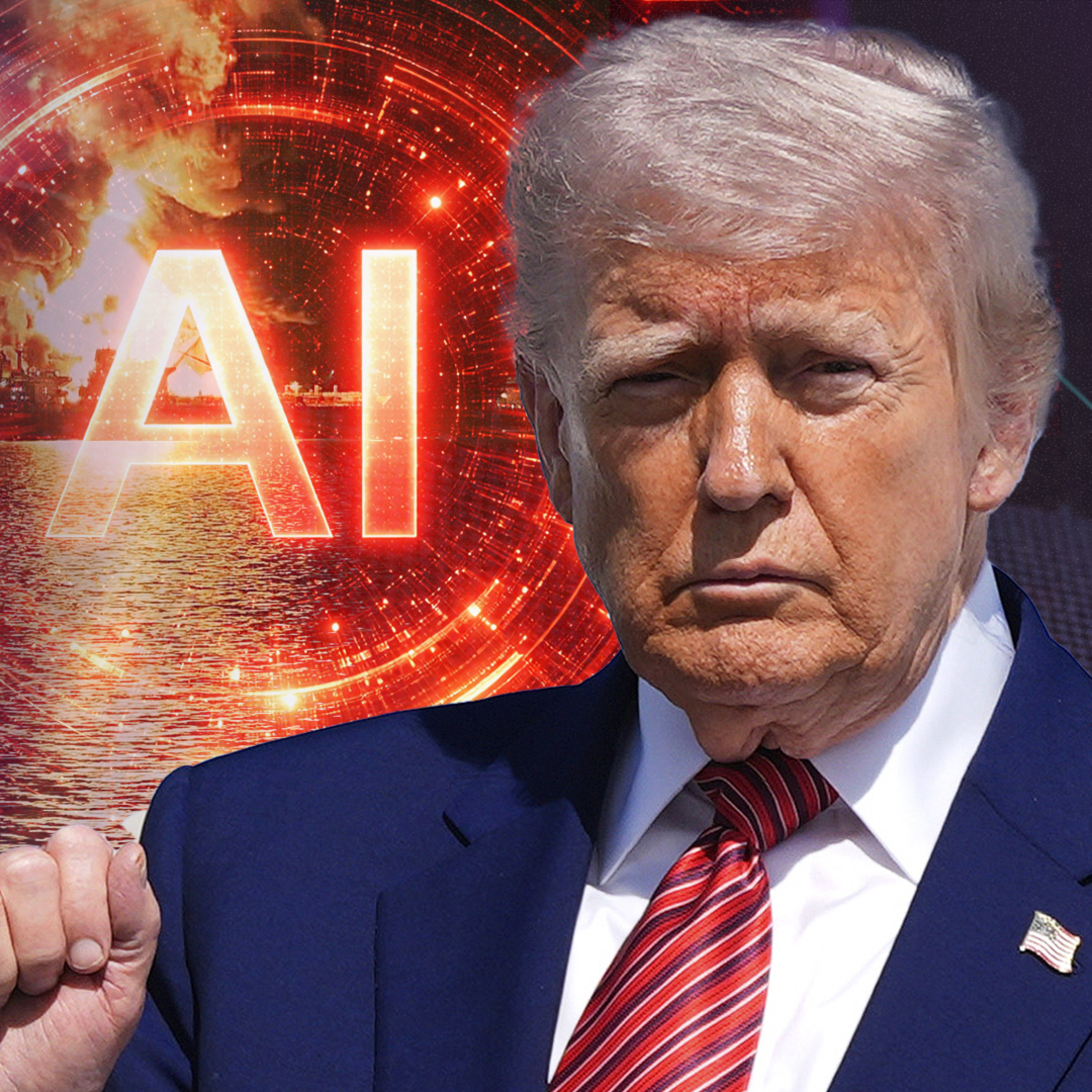
Across the battlefields of Ukraine, Gaza and now Iran, artificial intelligence is reshaping how wars are fought.AI is helping militaries process intelligence, identify targets and make decisions at a rapidly accelerating pace. Some believe this is the beginning of an AI revolution in warfare - one that could eventually lead to autonomous weapons and algorithmic battlefields. So how far has this transformation already gone? Is Iran the first AI war and is the world ready for what’s coming? On this episode of The Fourcast, Ciaran Jenkins is joined by Emelia Probasco, who was a Navy officer, later worked in the Pentagon and is now a senior fellow at the Center for Security and Emerging Technology, and Arthur Holland Michel, an AI researcher and journalist.
The conflict in Iran is entering its second week, and the shockwaves are rippling across the globe - through global markets, shipping routes and regional security alliances. In the past 24 hours, multiple ships have been hit in the Strait of Hormuz, a key trade route effectively closed by Iran, and now the Iranian regime has said the country’s new supreme leader, Mojtaba Khamenei, was “lightly injured” after an Israeli airstrike.In today’s episode of The Fourcast, British‑Iranian comedian and cultural commentator Omid Djalili joins Krishnan Guru‑Murthy to explain why he believes that attacks by Trump and Israel on Iran could ultimately benefit the Iranian people if the Islamic Republic is removed.

 2
2The war in Iran is already sending shockwaves far beyond the battlefield. Stock markets are sinking, Brent crude has jumped above $100 a barrel, and G7 governments are considering tapping emergency reserves to steady the markets. Missiles landing close to critical Gulf energy infrastructure have sharpened fears that what began as a regional confrontation could tip the global economy into something far more dangerous.The real question is whether this crisis can be contained, and if not, how vulnerable our economies really are - how fast could the world’s energy system start to break apart, and who would feel the pain first?In today's episode of the Fourcast, Krishnan Guru-Murthy is joined by Guy Laron, author of Oil Wars: The Struggle for Control That Has Shaped the Modern World and Bernard Haykel, Professor of Near Eastern Studies.
It’s seven days since America and Israel launched a war against Iran - the Middle East is on fire, the Qataris are warning of a global economic disaster and Donald Trump’s White House is pumping out propaganda clips of their airstrikes spliced with Hollywood memes. So what kind of world do we now live in? And what could come next? On the latest episode of The Fourcast Krishnan Guru-Murthy is joined by General Sir Richard Shirreff, Nato’s former Deputy Supreme Allied Commander Europe, Chimène Keitner, who was a legal advisor in Obama and Trump’s administrations, and former CIA analyst Fred Fleitz, who worked in the National Security Council in Trump’s first administration and is now vice-chairman of the America First Policy Institute.
The war in the Middle East is rapidly expanding. Azerbaijan is now the latest country reportedly hit by Iranian drones while another missile barrage struck Tehran and Beirut overnight. The seas aren’t immune either: Iranian warships have been sunk, and a US oil tanker is reportedly on fire in the Gulf.Now there are signs a land war could be beginning, with reports Kurdish fighters may have crossed into Iran - though commanders deny it, saying they would need US air cover first.So can anything stop this bloody conflict from spiraling out of control?On this episode of the Fourcast, Krishnan Guru-Murthy speaks to Channel 4 News correspondents at the heart of the story: Foreign Affairs Correspondent Secunder Kermani in Tel Aviv, International Editor Lindsey Hilsum in Beirut, and US Editor Anushka Asthana in Washington.

The war launched by the United States and Israel against Iran has already rattled the global economy. Gas prices have jumped 30% to a three-year high, oil is surging, tankers are stuck in the Strait of Hormuz and refineries across the region are under attack. Stock markets from London to Tokyo are tumbling, and hopes of interest rate cuts in the UK and US are fading fast.So how serious is this economic shock? What happens if the conflict lasts weeks, as Donald Trump has suggested? And is Rachel Reeves’s newly claimed fiscal headroom about to disappear as energy prices spike?Matt Frei speaks to our economics correspondent Helia Ebrahimi, and to Dr Neil Quilliam, a leading Middle East energy policy and geopolitics specialist at Chatham House. They explain how this war is reverberating through global markets, the risks to supply routes, the inflation threat, and how governments and central banks might respond.
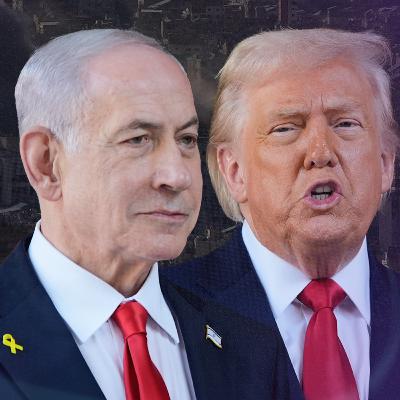
The crisis in the Middle East is deepening by the day. The killing of Iran’s Supreme Leader has triggered a regional shockwave, from missile launches to unrest in neighbouring states. But what does this moment really reveal about the Iranian state, its capacity for survival, and the calculations being made in Washington, Jerusalem, and Tehran?In this episode of The Fourcast, Krishnan Guru-Murthy speaks to journalist Anshel Pfeffer and peace advocate Sanam Naraghi-Anderlini about the limits of decapitation strategy, why Western governments have so often misread the Islamic Republic, and the competing endgames now in play.
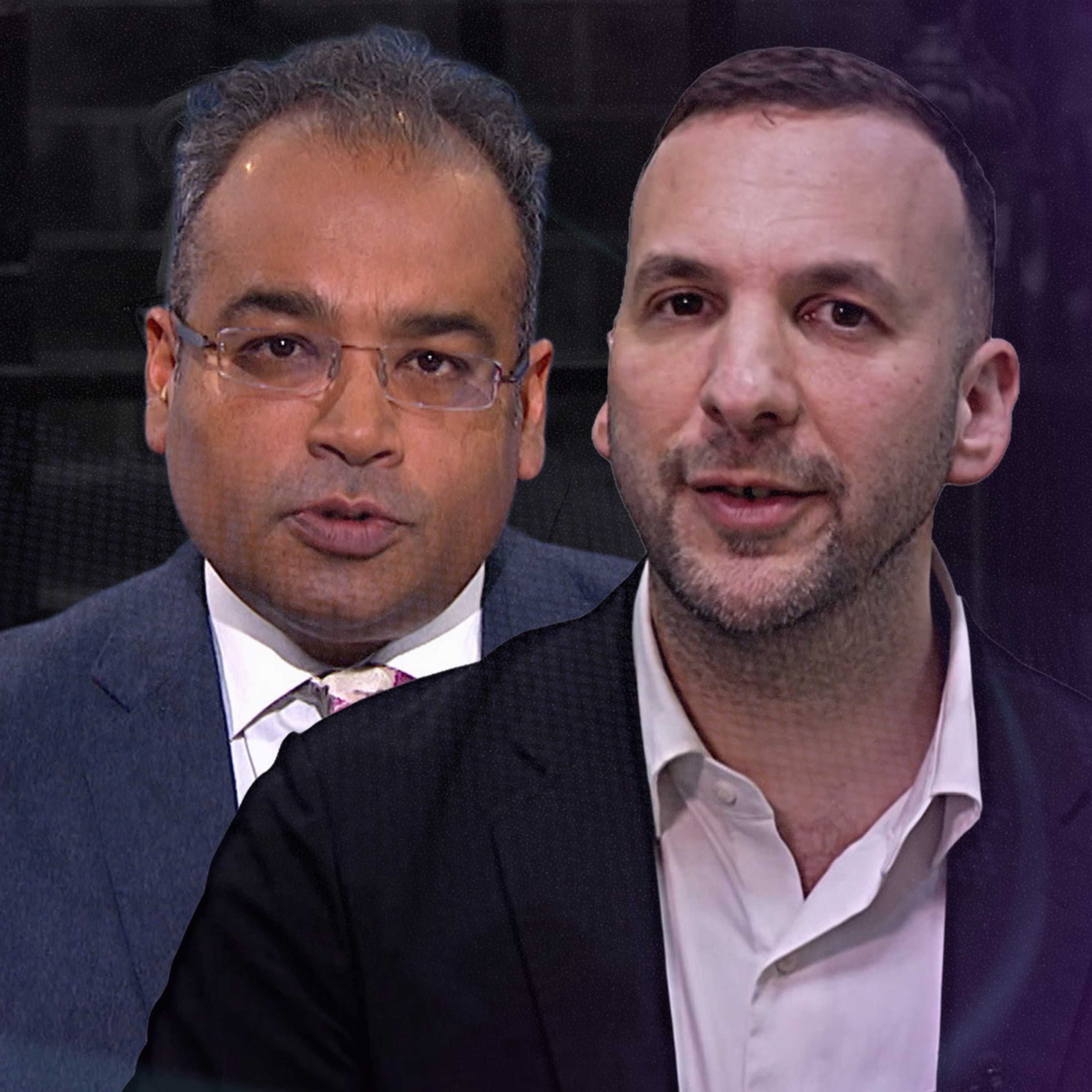
'Something massive is happening.' The words of the Green Party's new MP Hannah Spencer after her decisive win in the Gorton and Denton by-election. Is she right? Labour came a distant third and neither the Conservatives nor the Liberal Democrats managed to get even two percent of the vote. Arguably none of that was unexpected. But Reform UK, up until now seen as the populist insurgents ready to replace the mainstream parties, fell short by over 4000 votes. Not nearly the knife-edge result predicted. So is Nigel Farage in danger of running out of steam after diluting his party with Tory defectors? Could the Greens offer white working class voters a left alternative to kick the establishment? And is Labour going to have to move left, whether to take on the Green threat or their unhappy backbenchers?On this episode of the Fourcast, Krishnan Guru-Murthy speaks to Zack Polanski after his win, and is joined by the ex-Tory now Reform commentator Tim Montgomerie, Sam White, who is a former Chief of Staff to Keir Starmer, and Natalie Bennett, one of two Greens peers in the House of Lords.
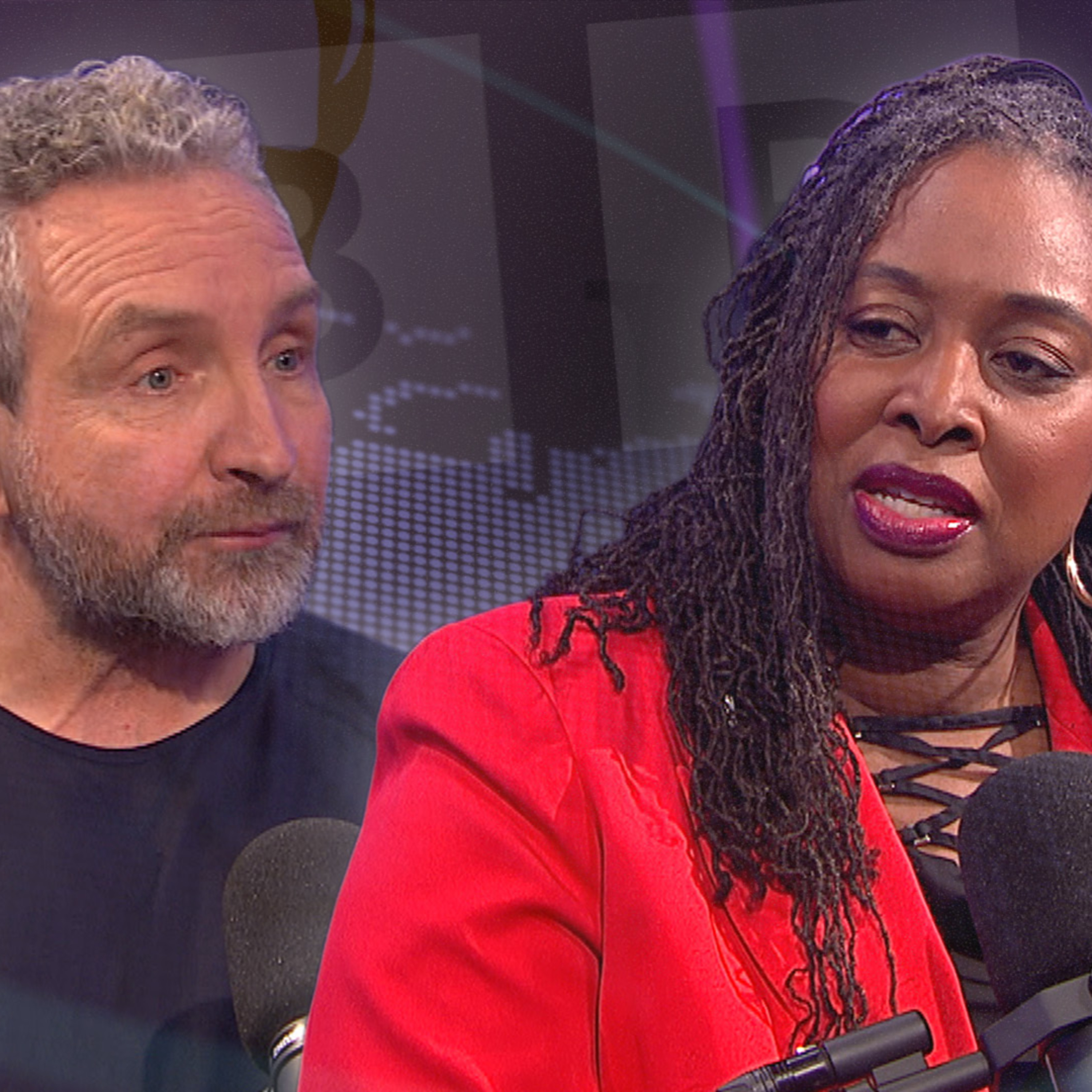
It’s the Bafta row that only deepens - sitting at the intersection of disability rights, broadcasting standards, the harm caused by offensive language, and the treatment of Black talent.A racist slur shouted by a guest with Tourette's syndrome was broadcast during the recent Bafta ceremony, despite the TV event airing on a two-hour delay. The incident triggered widespread criticism, urgent questions for the BBC and Bafta , and renewed debate about how broadcasters handle sensitive language and disability. The BBC and Bafta have both apologised for harm and offence caused, and have launched separate investigations into the incident.In this episode of The Fourcast, we examine how this moment has exposed deeper tensions around race, responsibility and broadcasting standards. Krishnan Guru-Murthy is joined by Labour MP Dawn Butler to discuss why she has demanded answers from the BBC, and actor Eddie Marsan, whose son lives with Tourettes and is a patron of the charity Tourettes Action.This episode includes discussion around offensive language and suicide.
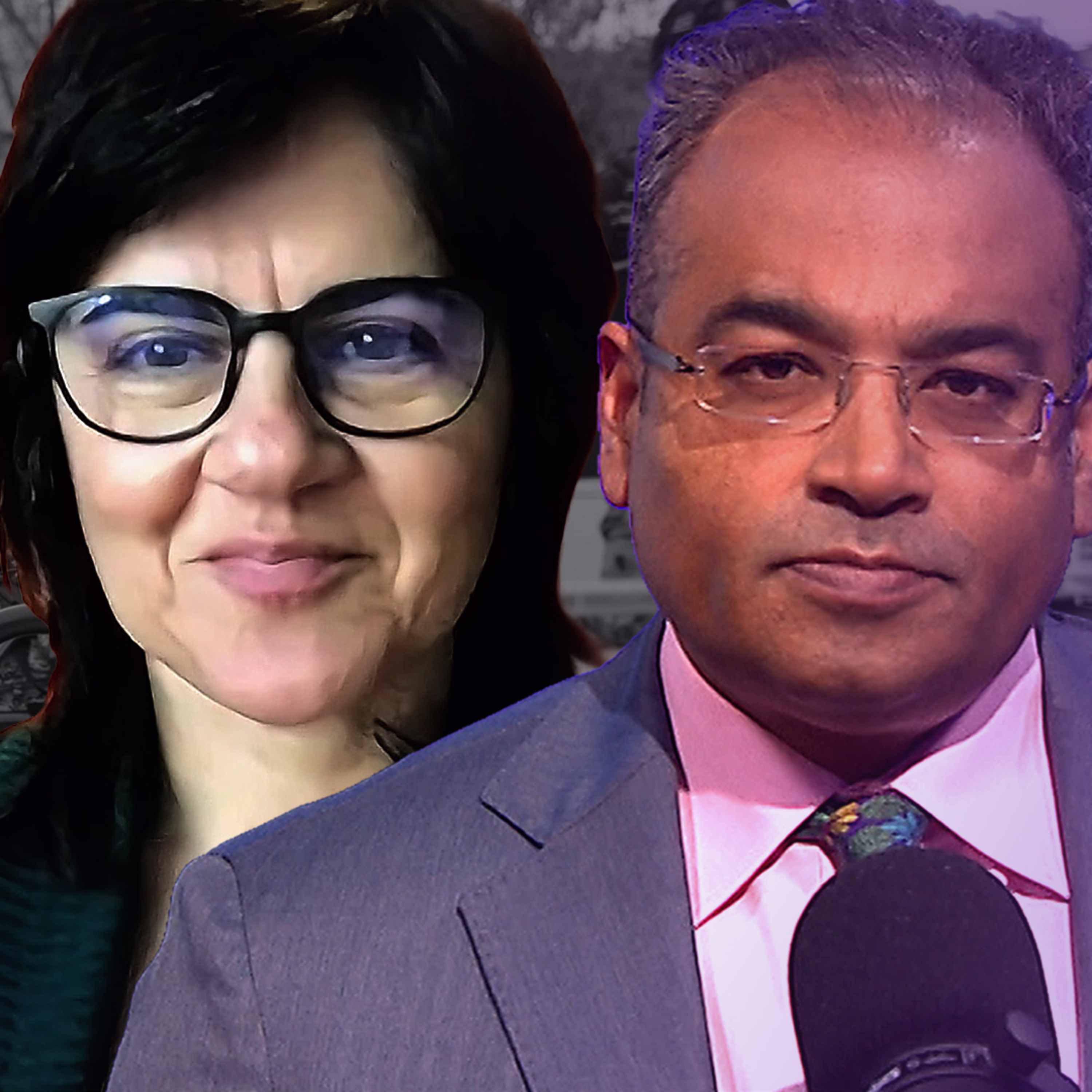
A $15 million bounty, a failed capture, and a dead cartel leader. The killing of Nemesio Oseguera Cervantes aka El Mencho by Mexican special forces has triggered a violent backlash across the country, with the CJNG torching businesses, blocking highways with burning vehicles, and spreading panic in major cities including Guadalajara, one of the host locations for this summer’s FIFA World Cup. Tourists have been told to stay indoors, airports have shut down routes, and Mexico’s government is once again being tested on whether it can maintain control. On today’s episode of The Fourcast, Krishnan Guru-Murthy is joined by journalist Deborah Bonelle, Cecilia Farfán-Méndez from the Global Initiative against Transnational Organized Crime, and Benjamin Smith, Professor of Latin American History at the University of Warwick and author of The Dope: The Real History of the Mexican Drug Trade, to discuss what El Mencho’s death reveals about state power, cartel dominance, US-Mexico pressure, and what this violence means for the world’s biggest sporting event.
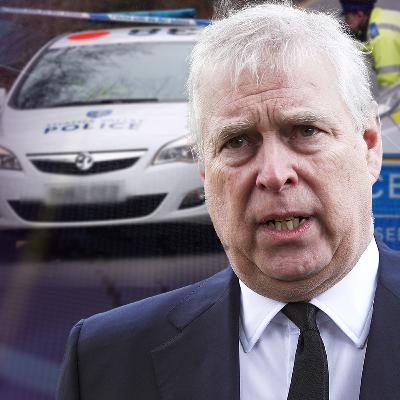
Andrew Mountbatten-Windsor, formerly Prince Andrew, has been arrested and his brother, King Charles, says the police have his “full and wholehearted support” and the “law must take its course”.So, what happens next for both Andrew and the Crown? Is this the biggest crisis the royal family has faced in modern history?The King says it “would not be right” to comment further on the matter, but how long will he be able to hold that line?Andrew Mountbatten-Windsor has always denied any wrongdoing. On this episode of The Fourcast, Krishnan Guru-Murthy is joined by historian Dan Snow and and former Editor of The Sun newspaper and Co-host of When it Hits the Fan, David Yelland.
In a week when a convincingly lifelike AI video of Tom Cruise and Brad Pitt slugging it out went viral and caused a meltdown in Hollywood, unemployment stats in the UK have hit a five-year high with young people the biggest losers.Are these two clear examples of how AI could threaten all jobs and livelihoods, no matter how much of a megastar you are? Or are we getting ahead of ourselves, and the UK’s employment slump is just the result of weak growth and higher business costs?In this episode of The Fourcast, Krishnan Guru-Murthy is joined by Channel 4 News Economics Correspondent Helia Ebrahimi and Andrea Miotti, CEO of the campaign group Control AI.
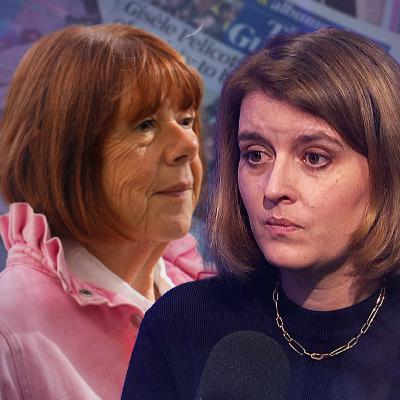
The trial of Gisèle Pelicot shocked France - a case so disturbing it forced a national reckoning about consent, complicity, and the terrifying ordinariness of the men accused.But as the world continues to confront the vast scale of abuse linked to billionaire financier Jeffrey Epstein, it raises a deeper question: are these crimes the work of monsters, or do they reveal something far more disturbing about power, entitlement, and men?In today’s episode of the Fourcast, Jackie Long was joined by French philosopher Manon Garcia, whose latest book, Living With Men, reflects on what she witnessed while observing Gisèle Pelicot's trial.
Andrew Mountbatten-Windsor is once again at the centre of serious allegations connected to Jeffrey Epstein, with police now assessing whether a criminal case will follow over allegations he leaked documents to Epstein during his time as a trade envoy for the government. So could the former prince really face jail time?But beyond the legal questions lies a deeper one about power, privilege and accountability. Will this just be another royal scandal that fades with the news cycle, or a moment of reckoning for the Crown?On this episode of The Fourcast, Matt Frei is joined by Dr Tessa Dunlop, royal historian and host of the podcast Where Politics Meets History, and Professor Jeremy Horder - professor of Criminal Law at LSE.Andrew Mountbatten Windsor has always denied any wrongdoing in relation to Epstein; in particular he has denied the allegation he had sex with Virginia Giuffre when she was 17 and was trafficked by the US financier.

The government is in full-on leadership crisis - with pressure building on Keir Starmer to resign. The Scottish Labour leader Anas Sarwar was the first major figure to go over the top - saying there have been too many mistakes and Starmer should go. A lot of the cabinet are out declaring their support for the PM but it is clear things are moving fast. Starmer's Chief of Staff Morgan McSweeney quit on Sunday over his advice to appoint Peter Mandelson as US ambassador. Today the No 10 director of communications, Tim Allan, also quit. So what next - and if Starmer is going what and who should follow? On this episode of the Fourcast, Krishnan Guru-Murthy is joined by Polly Toynbee, a columnist at the Guardian, Tom Baldwin, former Labour communications chief who has also written a biography of Sir Keir Starmer, and Luke Tryl, executive director of the More in Common UK thinktank.
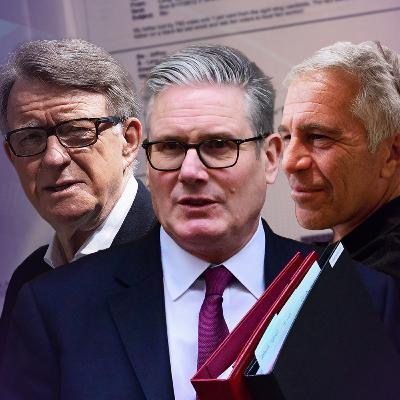
The Peter Mandelson Epstein files emails is the biggest scandal of Keir Starmer's time as Prime Minister, but is it the one to finish him off?The PM admits Peter Mandelson's ongoing relationship with paedophile financier Jeffrey Epstein came up as part of the vetting process to appoint the disgraced peer as the UK's man in Washington, but he says Mandelson 'lied and lied again’, adding, ‘he betrayed our country and our party’.The government's invective shows their determination to distance themselves from the scandal but the stench of sleaze and corruption hangs heavy over the Labour government because of Mandelson - the man Keir Starmer was praising less than a year ago.Could it be the final straw for the Prime Minister's restless backbenchers?On this episode of The Fourcast, Krishnan Guru-Murthy was joined by Starmer biographer Tom Baldwin, the political commentator Zoe Williams and pollster and strategist Scarlett Maguire.
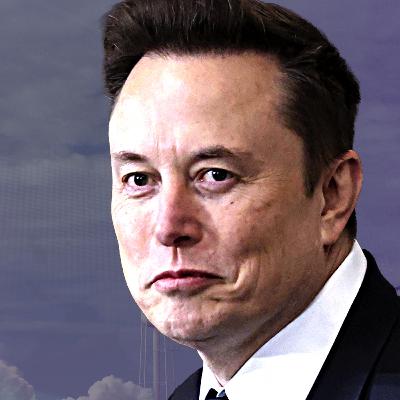
Elon Musk has stunned the tech and finance worlds by merging SpaceX with his AI company xAI, creating the most valuable private firm in history. The deal folds rockets, satellites, AI models, robotics, and even X, the social platform formally known as Twitter, into one sprawling empire ahead of a blockbuster IPO.In this episode, Ciaran Jenkins speaks to economics correspondent Helia Ebrahimi, and Jacob Silverman, author of “Gilded Rage: Elon Musk and the Radicalization of Silicon Valley” about the forces behind the trillion-dollar valuation, the hype around space-based AI, and what Musk’s latest consolidation means for markets, regulation, and global tech power.
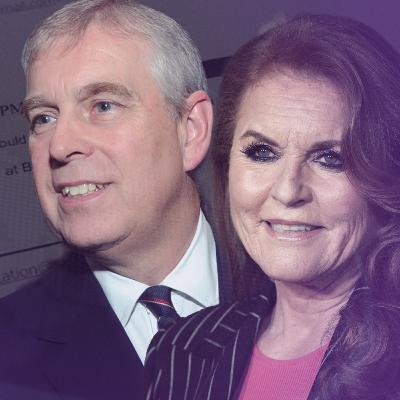
If you thought the Epstein Files would damage Donald Trump it is here in Britain where they have caused the most devastation. The most damning material yet about the former Prince Andrew include photographs that seem to show him on all fours over a woman on the floor, as well as humiliating emails from his ex-wife Sarah Ferguson to Epstein in which she appears to suggest he marries her. It all raises new questions about the conduct of certain Royals, the monarchy and the Palace’s handling of this over many years, and what this new low means for the whole institution.Andrew has said nothing new - but consistently denies any wrongdoing, despite his financial settlement with Virginia Giuffre. Sarah Ferguson has previously expressed sympathy with Epstein’s victims. In this episode of The Fourcast, Krishnan Guru-Murthy talks to biographer Andrew Lownie, whose work has explored the private world of the Windsors, and historian Kate Williams, who has charted the monarchy’s turbulent existence across generations.Sarah Ferguson has previously said she “deeply regret” the involvement with Jeffrey Epstein and that she “abhor paedophilia and any sexual abuse of children and know that this was a gigantic error of judgment on my behalf”.
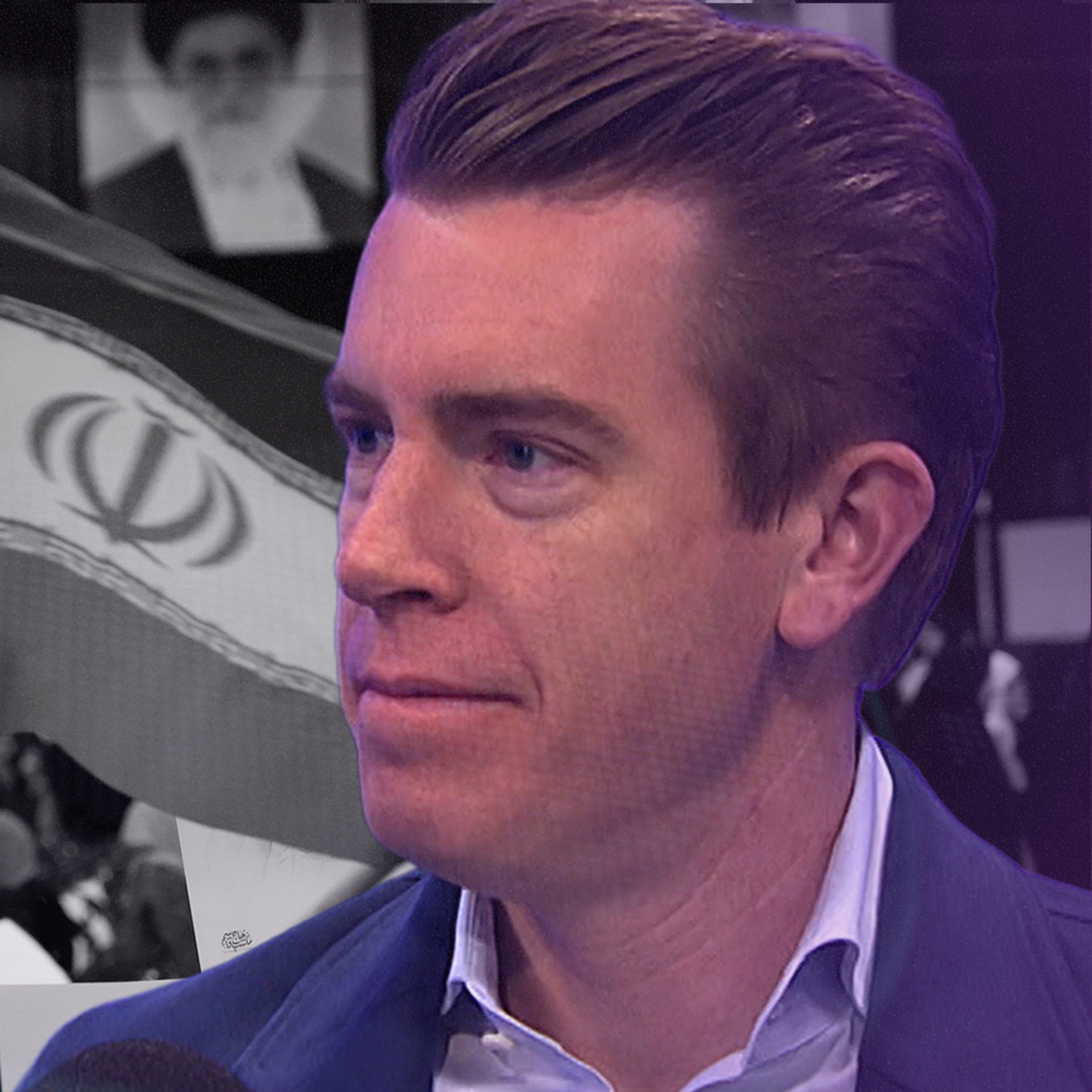
A US carrier group is racing toward Iran. Trump’s statements are swinging between threats and vague offers of a nuclear deal. Inside Tehran, unrest is spreading, and the regime’s most powerful security institutions are showing strain. But how much do Western intelligence services really know about what comes next, and how dangerous is this moment?In this episode of The Fourcast, Paul McNamara talks to David McCloskey, a former CIA analyst who spent years covering Syria, Iraq and Iran from inside the Agency. He explains why Trump is harder to predict than the regimes analysts usually study, how Israel has been able to penetrate Iran’s security apparatus, and what a US strike package would actually look like.
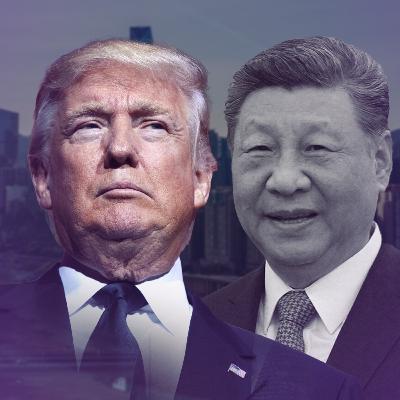
Keir Starmer is in Beijing meeting Xi Jinping, as Britain looks to reset ties with China. Is this a glimpse of a new world order - one where America’s traditional allies start to look elsewhere? For some, it’s an inevitable response to the breakdown of the US-led order that could usher in a more balanced world that reflects growing power outside of the West. For others, it’s a dangerous shift accelerated by President Trump, that increases the risk of great-power war.To discuss, I’m joined by Robert Kagan, a staff writer at The Atlantic and Washington foreign-policy insider whose ideas have shaped US strategy for decades, author and scholar Amitav Acharya, who has long criticised the US-led world order, and Nathalie Tocc, professor of practice at the Johns Hopkins School of Advanced International Studies, Europe, and a senior fellow at Bocconi University’s Institute for European Policymaking.


Download from Google Play

Download from App Store
 United States
Excellent interview in the face of a right wing nugget. She ran through the despot play book to a tee, ignore, deflect, rant, accuse the interviewer of siding with the enemy and spilling out pure fantasy. I would have stopped the interview!
You need to fix your timing. Matt and the other contributor's contributions were running into and over the contributions from the Ukrainian contributor.
I remember when Johnson was PM, no Tory government politician would give Channel 4 News the time of day. C4 repeatedly offered them opportunities to discuss policy, but no. Now that there are books to be promoted, regrets to be aired, bandwagons to jump on, they seem to be queuing up. 🤷🏻🤦🏻. Well, at least Johnson and Dorries are.
Kristin Davison claims that it is a left-wing scare tactic to say that women are bleeding out in hospital parking lots and that no undecided voter believes that. She should look up Carmen Broesder's story.
Broken source please repair
Great idea but the presenter pauses randomly when he's speaking and it's really annoying