DiscoverBest Book Summaries 📚 by StoryShots
Best Book Summaries 📚 by StoryShots

Best Book Summaries 📚 by StoryShots

Author: StoryShots

Subscribed: 291Played: 5,756
Share

Description

Have you ever left a great book unfinished? Instead, learn or review the key takeaways of bestselling nonfiction, personal development and business books in minutes, instead of hours or never. Get through your stack of unfinished books or meet your next great read. Learn on your terms with text, PDF, audiobook, animation, infographic and mind map summaries of business and personal development books. Learn more at https://www.getstoryshots.com/

Support us by becoming a premium subscriber and get access to exclusive content: https://storyshots.supercast.com/


COPYRIGHT NOTICE: The content provided in this podcast is analysis, critique, commentary and summary of books. The content falls under Copyright Fair Use. For any other copyright inquiries, please contact support@getstoryshots.com.

DISCLAIMER: The content provided here is unofficial and does not replace professional help.

FREE AUDIOBOOKS: StoryShots is an affiliate of Audible. We earn a small commission every time you sign up to the free trial of Audible for the first time. These commissions help support the podcast.

Subscribe to StoryShots in 🇩🇪 German on Spotify or Apple, 🇪🇸 in Spanish and 🇫🇷 French.


Help us grow and bring you more amazing content by writing us a review. If you don't want to miss out on new episodes, subscribe and click the bell button to be notified.

Ready to advertise to a fast-growing audience of leaders, entrepreneurs, executives and driven young professionals? Contact sales@getstoryshots.com for sponsorship opportunities.

193 Episodes
Reverse
Ad-free audiobook summary & exclusive content | Show notes (Free Summary) | PDF & Infographic | Free audiobook | Elevate your chat game with Leil Lowndes' How to Talk to Anyone! Discover 92 foolproof tricks to charm, disarm, and connect in any scenario. 🇩🇪 German Read on your terms. Start a free trial of StoryShots: https://www.getstoryshots.com to get the extended ad-free audiobook, PDF, infographic, and animated version of this summary and 300,000 more bestselling books. ⭐️⭐️⭐️⭐️⭐️ Help us grow to create more amazing content for you! Don't forget to subscribe, rate and review the StoryShots podcast now.  What should our next book be? Suggest and vote it up on the free StoryShots app. If you don't already have the book, order it here or get the audiobook for free to learn the juicy details. Leil Lowndes is a recognized communications expert. She has conducted communication seminars for major US corporations, foreign governments, and the US Peace Corps. Lowndes has appeared on hundreds of television and radio programs. She has authored ten bestselling books on communications. These books have been published in over 26 foreign languages How to Talk to Anyone is a psychology-backed book that offers guidance on effective communication. Lowndes covers a wide range of communication types, broken down into verbal and nonverbal, across almost every possible context. Your approach should adapt depending on whom you are talking to and the specific context. So, How to Talk to Anyone offers guidance on how you can become a master communicator. As a master communicator, you can connect with others irrespective of the environment. 80% of first impressions is the way you look and move. In fact, studies suggest that emotional reactions occur in our brains before we even have time to register a reaction to somebody. So, try to utilize Leil Lowndes’ tips to intrigue everyone through your first impressions. Lowndes advises against quick smiles. If you interact with somebody, you should start by looking at their face for a second and pausing. This pause will let you soak in their persona. You should then let out a big warm smile that floods across your face. Allow this flood to overflow into smiling with your eyes. While engaging with the flooding smile, you should also try to maintain eye contact. Others will respect you more if you maintain strong eye contact. Specifically, this ability is associated with intelligence and abstract thinking. Lowndes’ second technique builds on the importance of maintaining eye contact. She describes how you should adopt sticky eyes. This means you should not break eye contact even after they have finished speaking. Once you have decided to break eye contact, you should do so slowly and reluctantly. Lowndes believes this approach will send a message to others to comprehend their conversation and respect them as an individual. If you are seeking romance, you should use what Lowndes describes as epoxy eyes. If you are romantically interested in someone, maintain deep eye contact with them even when they are not the person talking. If they are interested in you, keeping eye contact while they are a listener can be an effective aphrodisiac. (00:00) Introduction and Overview of How to Talk to Anyone (01:17) About the Author: Leil Lowndes (01:46) First Impressions: The Power of Your Smile and Eyes (03:45) Mastering Small Talk (04:58) Starting Conversations Effectively (05:52) Avoiding Common Conversation Pitfalls (06:16) Making Others Feel Special (06:50) Handling Challenging Conversations (07:29) Engaging with Celebrities (08:04) Understanding Others' Passions (08:55) Conclusion and Next Steps from How to Talk to Anyone Related Books Surrounded by Idiots by Thomas Erikson How to Win Friends and Influence People by Dale Carnegie The Art of Seduction by Robert Greene Get the Guy by Matthew Hussey First published on 30/03/24. Learn more about your ad choices. Visit megaphone.fm/adchoices
Show notes / PDF & Infographic / Free audiobook / 🇩🇪 German / Are you tired of scraping by and ready to flourish your bank account? Do you want to break free from the paycheck-to-paycheck cycle and live your life your way? Look no further. Get ready to unlock the secrets of financial success with I Will Teach You to Be Rich. 📚 READ 1 MILLION BOOKS IN MINUTES: For free. Get the PDF, infographic, extended ad-free audiobook and animated version of this summary and more exclusive content on the top-rated StoryShots app: https://www.getstoryshots.com ⭐️⭐️⭐️⭐️⭐️ Don't forget to subscribe, rate and review the StoryShots podcast now to help us grow and create more amazing content for you. What should our next book be? Comment on Spotify/iTunes or vote it up on the StoryShots app. Key figures and topics: Personal Finance, Investing, Automation, Wealth-Building, Financial Mindset, Entrepreneurship, Ramit Sethi, I Will Teach You To Be Rich, Carrie Underwood, Luke Bryant, story shorts, StoryShots, investing, Personal finance, budgeting, Wealth building, automation In the book summary of I Will Teach You to Be Rich by Ramit Sethi, the focus is on developing a personal financial strategy that empowers individuals to take control of their financial futures. The book emphasizes the importance of defining what being rich means to you personally, and encourages conscious spending by tracking expenses and making informed financial decisions. Sethi advocates for prioritizing spending on things you truly love while cutting back on less important expenses. The summary highlights key strategies for financial success, including starting early to leverage compound interest and breaking free from excuses that hinder financial growth. Sethi recommends focusing on macro financial decisions rather than getting caught up in minor cost-cutting measures. The book outlines 12 critical financial strategies, such as automating your money system, maintaining a good credit score, getting employer 401k matches, and negotiating raises. A central theme of the book is creating an automatic money management system that simplifies financial planning and helps individuals stick to long-term financial goals. By setting up multiple accounts for different purposes - including checking, savings, credit cards, retirement, and investment accounts - individuals can more effectively manage their finances. Sethi's approach is practical and non-judgmental, focusing on creating sustainable financial habits that align with personal values and long-term objectives. Key takeaways: Define what being 'rich' means to you personally and practice conscious spending by prioritizing expenses that truly matter to you Start investing and building wealth early to leverage compound interest and establish smart money habits over time Avoid making excuses that prevent financial progress; take action even if your initial steps aren't perfect Focus on macro financial strategies like automating your money system, maintaining a good credit score, and contributing to retirement accounts rather than getting stuck on minor expenses Set up an automatic money management system with multiple accounts (checking, savings, credit card, retirement, investment) to simplify finances and ensure consistent financial habits Prioritize five to ten key financial actions that yield significant results, such as negotiating raises, cutting major expenses, and using credit cards strategically (00:00) Book Summary and Synopsis of I Will Teach You to Be Rich (01:05) Introduction to Financial Success (01:39) The Four Pillars of Personal Finance (02:29) About Ramit Sethi (03:26) Define What Being Rich Means to You (04:47) The Importance of Starting Early (06:02) Excuses Hinder Growth (08:45) Focus on Macro Decisions (10:43) Setting Up an Automatic Money System (12:15) Benefits of an Automatic Money System (13:18) Make a Money Bucket (13:26) Conclusion and Next Steps Learn more about your ad choices. Visit megaphone.fm/adchoices
Show notes | PDF & Infographic | Free Audiobook | What can a high-powered lawyer-turned-monk teach us about true success? In this audiobook summary, we break down the 7 virtues from The Monk Who Sold His Ferrari — simple principles for a more meaningful, joyful life. Read on your terms. Get the PDF, infographic, extended ad-free audiobook and animated version of this summary and 1 million more books the top-rated StoryShots app: https://www.getstoryshots.com Help us grow to create more amazing content for you! ⭐️⭐️⭐️⭐️⭐️ Don't forget to subscribe, rate and review the StoryShots podcast now. What should our next book be? Suggest and vote it up on the StoryShots app. Key topics and figures: Self-improvement, spirituality, time management, Purpose, Mindfulness, Kindness, Discipline, Robin Sharma, The 5 AM Club, The Monk Who Sold His Ferrari, StoryShots, Kaizen, Self-Improvement, Gratitude, Spirituality, Kaizen Robin Sharma's book 'The Monk Who Sold His Ferrari' is a transformative narrative about Julian Mantle, a successful lawyer who leaves his stressful life behind to seek enlightenment in the Himalayan mountains. After encountering Yogi Raman, Julian learns seven virtues for achieving inner peace, personal growth, and spiritual fulfillment. These virtues are fundamentally about mastering one's mind, understanding personal purpose, and developing self-discipline. The seven virtues include mastering your mind through positive thinking and meditation, following your purpose by setting clear goals, practicing Kaizen (continuous improvement), developing self-discipline, respecting time, serving others selflessly, and embracing the present moment. Sharma emphasizes techniques like rose meditation, goal-setting, performing small acts of courage, and maintaining a mindset of gratitude and personal growth. Central to Sharma's philosophy is the idea that success and happiness come from within, and individuals must consciously cultivate their mental, physical, and spiritual potential. He recommends daily rituals such as solitude, physical exercise, reading, personal reflection, and maintaining a simple lifestyle. The ultimate message is about taking control of one's life, discovering personal calling, and living with intention, passion, and compassion. Key ideas: Mastering your mind involves consciously cultivating positive thoughts and treating your brain like a garden, deliberately choosing to replace negative thoughts with positive ones such as kindness, love, and empathy Discover and pursue your life's purpose by setting clear, written goals, as unwritten goals lack power and commitment Practice Kaizen, a Japanese philosophy of continuous improvement, by consistently engaging with small acts of courage and incrementally developing your skills and character Develop self-discipline through consistent small acts of courage, understanding that willpower is the essential virtue of a fully actualized life Respect your time by focusing on high-impact activities, using principles like the 80/20 rule to maximize productivity and minimize procrastination Serve others selflessly and practice daily acts of kindness, recognizing that the quality of your life is determined by the quality of your contributions to the world Live in the present moment, appreciating life's small joys and avoiding sacrificing happiness for future achievements Key quotes of The Monk Who Sold His Ferrari: "You don't attract what you want, you attract who you are." - Robin Sharma "The quality of your life is determined by the quality of your contributions to the world." - Robin Sharma "Self mastery is the DNA of life mastery." - Robin Sharma Related Book Summaries The 5 AM Club by Robin Sharma Who Will Cry When You Die? by Robin Sharma The Power of Now by Eckhart Tolle Man’s Search for Meaning by Viktor Frankl Be Here Now by Ram Dass This episode was first published on January 21, 2021 but was updated on January 21, 2022. Learn more about your ad choices. Visit megaphone.fm/adchoices
Show notes | PDF, infographic, animated summary | Your Best Year Ever is a self-help book that examines goal-setting across different areas of your life. 🚀 Your Best Year Ever by Michael Hyatt Summary Get the full ad-free audiobook, PDF, infographic, and animated summary on the StoryShots app: Get the audiobook for FREE: https://geni.us/your-best-year-audio Stop setting goals that fade by February! This summary of Michael Hyatt's Your Best Year Ever breaks down the 5-step system to achieve your most important goals. Learn the SMARTER goals framework, the power of a weekly review, and how to quit-proof your ambitions. In this summary, you'll learn: • The 5-step plan for achieving your goals • How to set SMARTER goals (Specific, Measurable, Actionable, Risky, Time-keyed, Exciting, Relevant) • The power of a 30-minute weekly review • How to overcome limiting beliefs • The secret to staying motivated all year long 📚 RELATED BOOK SUMMARIES: • Atomic Habits by James Clear • Deep Work by Cal Newport • The 7 Habits of Highly Effective People by Stephen Covey: 💬 ENGAGE WITH US: What's one goal you're ready to achieve this year? Let us know in the comments below! 👇 Don't forget to subscribe, rate, and review the StoryShots podcast! ⭐️⭐️⭐️⭐️⭐️ #YourBestYearEver #MichaelHyatt #GoalSetting #Productivity #SMARTERgoals #BookSummary #AnimatedSummary #StoryShots your best year ever, michael hyatt, goal setting, productivity, smarter goals, book summary, animated summary, storyshots, self-help, motivation, achievement, new year resolutions, weekly review, full focus planner, goal achievement, how to set goals, how to achieve goals, book review, audiobook Learn more about your ad choices. Visit megaphone.fm/adchoices
PDF, Infographic, Ad-free Audiobook and Animated Book Summary / Talking to Strangers Free Audiobook / 🇩🇪 German / Why do we fail to understand strangers? Malcolm Gladwell reveals the shocking truth. In this episode, we break down the key ideas from Talking to Strangers—Gladwell's exploration of why our interactions with people we don't know go so wrong. 🎯 What You'll Learn: • Truth-Default Theory: Why we're wired to believe people—even when we shouldn't • The Transparency Illusion: Why reading body language is a myth • Coupling: How context shapes behavior more than personality • Why spies, con artists, and liars fool even the experts • The tragic cases of Sandra Bland and Amanda Knox explained 💡 Key Takeaways: 1. We default to trust. It's not a bug—it's a feature of human society. But it makes us vulnerable to deception. 2. Faces lie. Studies show we're no better than a coin flip at detecting lies from facial expressions. 3. Context matters more than character. Behavior is "coupled" to circumstances. To understand someone, examine their world. 4. Mismatched people get misjudged. When behavior doesn't match expectations, our judgment fails catastrophically. 5. Humility is the answer. The right way to talk to strangers is with caution, not confidence. 📚 Related Book Summaries: • Blink by Malcolm Gladwell • Outliers by Malcolm Gladwell: • The Tipping Point by Malcolm Gladwell: • Influence by Robert Cialdini: • Thinking, Fast and Slow by Daniel Kahneman: 🎧 Get the Full Experience: • Read the full summary: https://www.getstoryshots.com/books/talking-to-strangers-summary/ • Download the StoryShots app: https://www.getstoryshots.com/ 📖 About the Book: Talking to Strangers by Malcolm Gladwell examines high-profile cases—from Bernie Madoff's Ponzi scheme to the death of Sandra Bland—to show why we misread people. Published in 2019, it became an instant bestseller and challenges everything we think we know about human interaction. 🔑 Who This Episode Is For: • Leaders making hiring decisions • Anyone who's been fooled or misjudged • True crime enthusiasts • Students of psychology and human behavior 💬 Discussion Question: Which theory resonates most with you—Truth-Default, Transparency Illusion, or Coupling? Drop a comment! #TalkingToStrangers #MalcolmGladwell #BookSummary #StoryShots #Psychology #HumanBehavior #TruthDefault #PersonalDevelopment Learn more about your ad choices. Visit megaphone.fm/adchoices
Free Longevity Tracker App / Show notes / PDF & Infographic | Free audiobook / 🇩🇪 German / Discover how to increase your chances of living a long, healthy life with our comprehensive summary and infographic of Peter Attia’s Outlive. Read 1 million books in minutes. For free. Get the PDF, infographic, extended ad-free audiobook and animated version of this summary and unlimited bestselling book insights on the top-rated StoryShots app: https://go.getstoryshots.com/free ⭐️⭐️⭐️⭐️⭐️ Help us grow to create more amazing content for you! Don't forget to subscribe, rate and review the StoryShots podcast now.  What should our next book be? Suggest and vote it up on the StoryShots app. Ever wonder how some people seem to age slower than others? They're vibrant, active, and sharp, even in their later years. That's no accident – it's backed by science! Peter Attia's book, Outlive, offers insights into this very subject. Outlive is packed with tips for emotional health, strength training, regular exercise, and more. It serves as an eye-opener for anyone looking to live not just longer but better. It tackles our daily habits head-on; from grip strength to diet choices that can add or subtract years from your life. Dr. Peter Attia’s Outlive emphasizes four pillars for longevity: Exercise Nutrition Sleep Emotional health Intrigued? Dive deep into the principles of longevity shared by Attia in his groundbreaking work Outlive. Peter Attia, MD, is the founder of the digital program Early Medical. He received his medical degree from the Stanford University School of Medicine, and he trained at the Johns Hopkins Hospital in general surgery. He also trained at the National Institutes of Health (NIH) as a surgical oncology fellow at the National Cancer Institute, where he focused his research on immune-based therapies for melanoma. He currently serves on the editorial board for the journal Aging and hosts The Drive, a popular podcast about health, medicine, and longevity. (00:00) Introduction (01:16) The Four Pillars of Longevity (02:15) About Peter Attia (02:56) Emotional Health and Longevity (03:31) Mental Health's Role in Longevity (04:25) Cultivating Positive Emotions (05:07) Mental Health Support (05:23) Strength Training for Longevity (05:44) Benefits of Strength Training (07:24) Promoting Mobility and Physical Function (07:53) Exercise and Longevity (08:10) Effective Exercise Routines (08:49) Finding Your Fitness Balance (09:21) Diet and Longevity (09:45) Grip Strength as a Health Indicator (10:18) Improving Grip Strength (11:49) Conclusion and Next Steps Related Book Summaries Fast Like a Girl The 4-Hour Body Good Energy Bigger Leaner Stronger How Not To Die The Obesity Code Fast This Way Superlife Thinner Leaner Stronger Super Human Lifespan Why We Sleep Peter Attia, Outlive: The Science and Art of Longevity, The Great Mental Models: Volume 3, The Guardian, StoryShots, antiaging, fitness, Audiobook Summaries, sleep, emotional health, exercise, grip-strength, nutrition, story shorts, Longevity, biohacking, Bryan Johnson, Tim Ferriss Learn more about your ad choices. Visit megaphone.fm/adchoices

Show notes / PDF, Infographic, Detailed Chapter-by-Chapter Audiobook Summary, Animated Book Summary / Free Audiobook Audiobook Summary of The Happiness Project: Or, Why I Spent a Year Trying to Sing in the Morning, Clean My Closets, Fight Right, Read Aristotle, and Generally Have More Fun Life gets busy. Has The Happiness Project been gathering dust on your bookshelf? Instead, learn some of the key ideas now. We’re scratching the surface here. If you don’t already have the book, order the book or get the audiobook for free on Amazon to learn the juicy details. ⁠The Happiness Project⁠ covers a year of Gretchen Rubin’s pursuit of what she wants to obtain from life: happiness. Therefore, as a form of scientific research, she spent a whole year trying to maximize her degree of happiness. For each month, she allocated herself tasks to engage with that she believed would make her happier. The Happiness Project summarizes the tasks that worked for her so you can also follow your own happiness project. ⁠Gretchen Rubin⁠ is a writer on subjects of habits, happiness, and human nature. She is the author of the New York Times bestsellers Better Than Before, Happier at Home, and The Happiness Project. Rubin’s books have sold more than two million print and online copies worldwide in over thirty languages. On her daily blog, GretchenRubin.com, she reports on her adventures in pursuit of habits and happiness. On her weekly podcast, Happier with Gretchen Rubin, she discusses good habits and happiness with her sister Elizabeth Craft, a Los Angeles-based television writer. Learn more about your ad choices. Visit megaphone.fm/adchoices
Extended audiobook summary, PDF & Infographic | 📝 Show notes | Free audiobook | PDF and Infographic | 🇩🇪 German | Imagine walking into a room where every face lights up at your arrival, where your words carry weight and your presence commands genuine respect. That world is yours for the taking—if you know how to connect, inspire, and lead others. Discover Dale Carnegie’s timeless strategies from “How to Win Friends and Influence People” to effortlessly build genuine relationships, earn unwavering trust, and inspire those around you.  Read on your terms. Start a free trial of StoryShots: https://www.getstoryshots.com to get the extended ad-free audiobook, PDF, infographic and animated version of this summary of How to Win Friends and Influence People and 300,000 more bestselling books. This episode is brought to you by our sponsors. Help us grow to create more amazing content for you! ⭐️⭐️⭐️⭐️⭐️ Don't forget to subscribe, rate and review the StoryShots podcast now.  What should our next book be? Suggest and vote it up on the StoryShots app. Disclaimer: This is an unofficial summary and analysis. Free audiobook: https://geni.us/win-friends-audiobook StoryShots Book Summary and Analysis of How to Win Friends and Influence People by Dale Carnegie How to Win Friends and Influence People was published in 1936 and became an instant bestseller. Dale Carnegie was already a famous public speaking coach and author of five other books. Out of his 11 books, this one has proven to be his most popular. It sold over five million copies throughout the author’s lifetime and over ten million more since then. Carnegie researched the lives of greats from Julius Caesar to Thomas Edison. He also interviewed influential individuals like Franklin D. Roosevelt and Clark Gable. Based on these findings, he created a book that has become one of the best-selling books of all time. The book is based on a 14-week course he gave on human relations and public speaking.  (00:00) The Futility of Arguments (00:28) Admitting Faults (00:51) StoryShots Introduction (01:57) About Dale Carnegie (02:50) Introduction to 'How to Win Friends and Influence People' (03:42) Learn to Handle People (04:54) Show People You Are Interested in Them (05:47) Use Your Smile to Make a Good First Impression (06:22) Learn People’s First Names and Use Them (07:08) Encourage People to Talk About Themselves (08:04) Learn About Other People’s Interests (08:28) Make People Feel Important and Needed (09:07) Arguments Aren’t Worth Your Time (09:39) How to Avoid Making Enemies (11:02) Respond to Anger with Friendliness Entities: How to Win Friends and Influence People, Google, Apple, Young Men's Christian Association (YMCA), Cognitive biases, Clark Gable, Warren Buffett, Franklin D. Roosevelt, Woodrow Wilson, Dale Carnegie, Albert Hubbard, Storyshots App, audible, The Guardian, State Teacher's College Topics: Book summaries, public speaking, Leadership, empathy, Podcasting, Conflict resolution, Self-improvement, Relationship building, negotiation, emotional intelligence, Nonviolent Communication, Interpersonal Communication, Active Listening, Influence and persuasion, Self-help and personal development Editor's Note: This episode was first published in 2022. Learn more about your ad choices. Visit megaphone.fm/adchoices
Show notes | PDF & Infographic | Free audiobook | Explore The Daily Stoic by Ryan Holiday in minutes. Learn about the three Stoic disciplines, monthly themes like clarity, controlling emotions, and cultivating awareness, and how to apply ancient wisdom to modern life. Read 1 million books in minutes. For free. Get the PDF, infographic, full ad-free audiobook and animated version of this summary of The Daily Stoic and unlimited book insights on the top-rated StoryShots app: https://www.getstoryshots.com ⭐️⭐️⭐️⭐️⭐️ Don't forget to subscribe, rate and review the StoryShots podcast now.  Suggest and vote up the next book on the StoryShots app. IN THIS EPISODE: This The Daily Stoic audioobok summary explores the tenets of Stoic philosophy through the lens of Ryan Holiday's book, which offers a monthly guide for personal growth and mindfulness based on Stoic principles. TOPICS: Mindset, Mindfulness, personal growth, Self-help, Book summaries, personal development, Stoic philosophy, Philosophy KEY FIGURES: Marcus Aurelius, Tim Ferriss, Ryan Holiday, Epictetus, Zeno of Citium, The 48 Laws of Power, Tony Robbins, American Apparel, Neil Strauss, Arnold Schwarzenegger, Seneca the Younger, Musonius Rufus, The Daily Stoic: 366 Meditations on Wisdom, Perseverance, and the Art of Living, Storyshots SUMMARY: The Daily Stoic audiobook summary begins with Ryan Holiday discussing the core principles of Stoic philosophy, emphasizing the importance of differentiating between what we can control and what we cannot. He breaks down Stoicism into a month-by-month transformation path, with January focusing on clarity and understanding the tools within our reach to regain personal power. It covers the key concepts of Stoic philosophy, such as the three areas of interest (logic, physics, and ethics), the three disciplines (perception, action, and will), and the monthly themes outlined in the book. The audiobook summary delves into the specific monthly themes of the book, including clarity in January, controlling passions and emotions in February, self-awareness in March, and unbiased thought in April. It also touches on the concept of focusing on the right action rather than the outcome, as advocated by the Stoics. KEY QUOTES: • "The single most important practice in stoic philosophy is differentiating between what we can change and what we can't, what we have influence over, and what we do not." - Ryan Holiday • "Some things are in our control while while others are not. We control our opinion, choice, desire, aversion, and in a word, everything of our own doing. We don't control our body, property, reputation, position, and in a word, everything not of our own doing." - Ryan Holiday KEY TAKEAWAYS: • The core principle of Stoic philosophy is differentiating between what we can control and what we cannot, and focusing our efforts on what is within our influence. • Stoicism emphasizes three main areas of interest: logic, physics, and ethics, as well as three disciplines: perception, action, and will. • Ryan Holiday's book 'The Daily Stoic' offers a month-by-month guide for personal growth and mindfulness based on Stoic teachings, with each month focusing on a specific theme... (00:00) Overview of The Daily Stoic and its purpose (00:55) About the Author: Ryan Holiday and his Background of the author and his expertise in Stoicism (01:44) The Three Stoic Interests: explanation of key Stoic principles (03:10) The Three Stoic Disciplines (04:55) January: Focus on Clarity (06:41) February: Controlling Passions and Emotions (08:13) March: Cultivating Awareness (09:32) April: Embracing Unbiased Thought (10:57) May: Taking Right Action (11:42) June: Problem-Solving Mindset (13:17) July: Embracing Duty RELATED BOOK SUMMARIES The Obstacle is the Way by Ryan Holiday How To Be a Stoic by Massimo Pigliucci Ikigai by Héctor García Stillness is the Key by Ryan Holiday Meditations by Marcus Aurelius Learn more about your ad choices. Visit megaphone.fm/adchoices
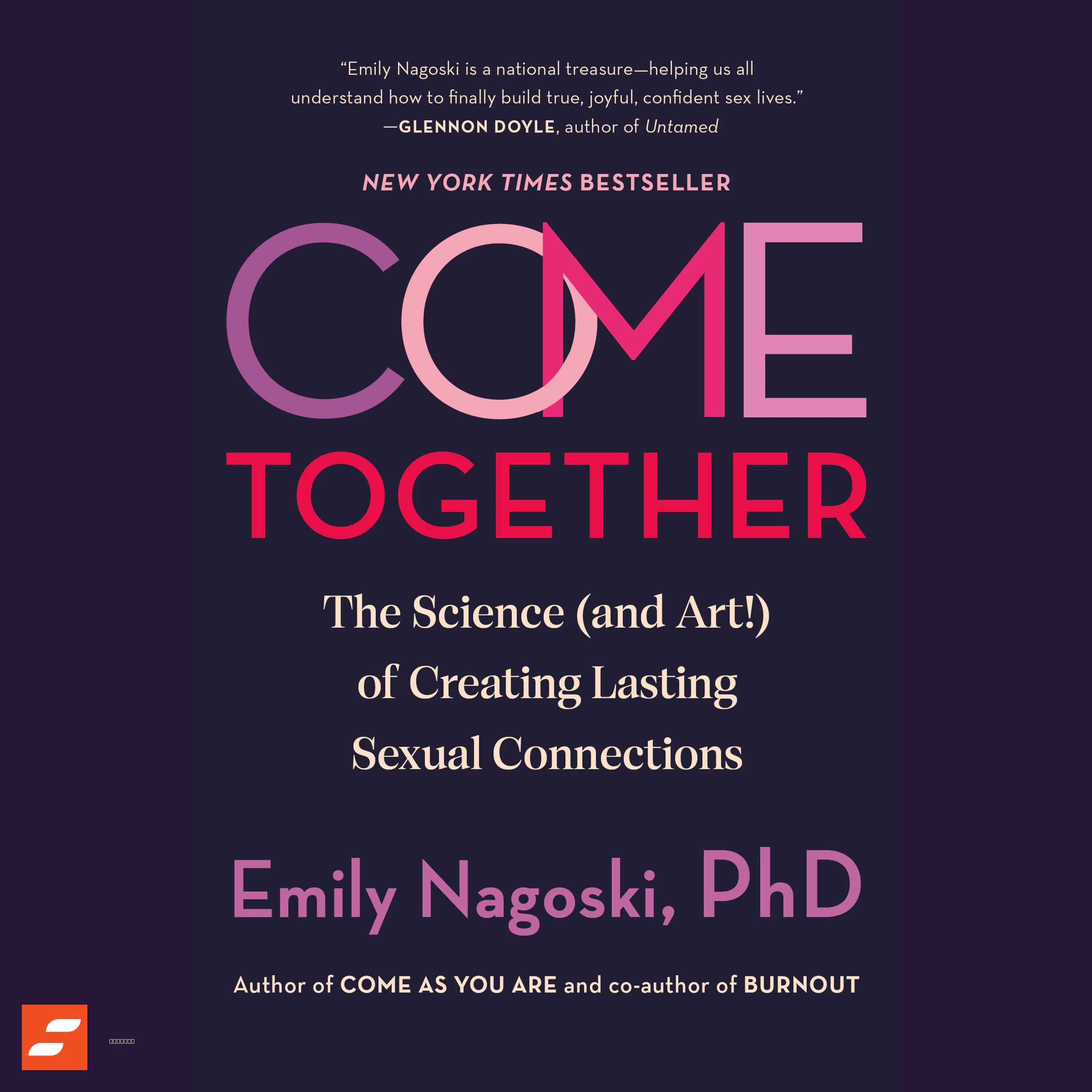
In this episode, we explore 'The Art of Spending Money: Simple Choices for a Richer Life' by Morgan Housel, the bestselling author of 'The Psychology of Money.' Show notes / Free Audiobook Discover how mindset shapes our relationship with wealth and happiness. Learn the key concepts that will transform the way you think about spending: • Spending is a psychological journey, not just a numbers game—it's about envy, social aspirations, identity, and insecurity • Money serves two purposes: as a tool to live a better life, or as a yardstick to measure your status against others • Spend for utility and meaning, not for status—real value comes from comfort, time, and relationships • Independence is the ultimate form of wealth—every dollar saved is freedom purchased • The 'Deserted Island Test': Would you want this if no one could see it? • Minimize future regret by aligning spending with personal values • The greatest luxury isn't material—it's calmness and financial peace • Learn how generosity multiplies wealth in ways that numbers can't capture • True wealth lies not in net worth, but in the alignment of money with your life goals Whether you're struggling with overspending, comparing yourself to others, or searching for financial clarity, this episode offers practical wisdom for making intentional choices about money. Morgan Housel reminds us that the art of spending is truly the art of living well. Join us as we unpack the psychology behind money and discover how simple choices can lead to a richer, more intentional life. Learn more about your ad choices. Visit megaphone.fm/adchoices
Show notes / PDF & Infographic / Free Audiobook / What if I told you the key to freedom is actually being willing to be disliked? In the next 20 minutes, you'll discover the Adlerian secret to authentic living that's captivated readers worldwide. Read 1 million books in minutes. For free. Get the PDF, infographic, extended ad-free audiobook and animated version of this summary and unlimited bestselling book insights on the top-rated ⁠StoryShots⁠ app: ⁠https://go.getstoryshots.com/free⁠ ⭐️⭐️⭐️⭐️⭐️ Don't forget to subscribe, rate and review the StoryShots podcast now.  What should our next book be? Suggest and vote it up on the ⁠StoryShots⁠ app. IN THIS EPISODE: Ichiro Kishimi and Fumitake Koga's book reveals how adopting Adlerian psychological principles can help individuals break free from past constraints, overcome the fear of disapproval, and live more authentically by focusing on personal values and community contribution. TOPICS: Relationships, personal growth, happiness, Self-help, psychology KEY FIGURES: Mark Manson, Man's Search for Meaning, Jordan Peterson, The Courage to Be Disliked, Sigmund Freud,, 12 Rules for Life, Alfred Adler, StoryShots, The Subtle Art of Not Giving a Fuck, Viktor E. Frankl, Ichiro Kishimi, Fumitake Koga SUMMARY: The podcast episode explores the key principles of Alfred Adler's psychology as presented in the book 'The Courage to Be Disliked' by Ichiro Kishimi and Fumitake Koga. The core message challenges traditional psychological thinking by asserting that individuals are not controlled by their past experiences, but rather by their future goals and choices. The book argues that people can liberate themselves by understanding that they have the power to interpret and reframe their life experiences, moving beyond deterministic views of personal development. A central theme of the book is that all problems are fundamentally interpersonal relationship problems, and true freedom comes from developing the courage to be disliked. This means living authentically according to one's values, even if it means facing potential disapproval from others. The authors emphasize the importance of separating tasks in relationships, letting go of the need for external recognition, and focusing on contribution rather than personal gain. The book introduces several transformative mental models from Adlerian psychology, such as horizontal versus vertical relationships, task separation, and the concept of community feeling (Gemeinschaftskefuel). These principles encourage individuals to view themselves as equal members of a community, focus on present-moment living, and find meaning through contributing to others. The ultimate goal is to help readers develop a more authentic, purposeful, and liberated approach to life by challenging societal expectations and internal limiting beliefs. KEY QUOTES: • "What if I told you the key to freedom is actually being willing to be disliked?" - Ichiro Kishimi • "Your life is not something that someone gives you, but something you choose yourself, and you are the one who decides how you live." - Ichiro Kishimi • "Freedom is being disliked by other people." - Ichiro Kishimi • "Happiness is the feeling of contribution." - Ichiro Kishimi KEY TAKEAWAYS: • Your past experiences do not determine your future; you have the power to reinterpret and choose your path forward • Interpersonal relationships are the root of most psychological problems, and understanding relationship dynamics is key to personal growth • Developing the courage to be disliked means living authentically according to your values, even if it means facing potential disapproval from others • True happiness comes from contribution, not recognition - focus on adding value to others and society rather than seeking praise • Practice 'task separation' by clearly distinguishing between your responsibilities and those of others, which creates healthier boundaries in relationships... Learn more about your ad choices. Visit megaphone.fm/adchoices
📝 Show notes (Free Summary) | PDF & Infographic | Free audiobook | Learn how to rapidly lose fat, increase muscle mass, and optimize your health with Tim Ferriss' groundbreaking 4-Hour Body and Slow-Carb Diet. 🇩🇪 German version Read and grow with 1 million bestselling books on your terms. Start a free trial of StoryShots: https://www.getstoryshots.com to get the extended ad-free audiobook, PDF, infographic and animated version of this summary of The 4-Hour Body and more exclusive content. ⭐️⭐️⭐️⭐️⭐️ Don't forget to subscribe, rate and review the StoryShots podcast now to help us grow and create more amazing content for you. What should our next book be? Comment on Spotify/iTunes or vote it up on the StoryShots app. Interested in sponsorship? Contact sales@getstoryshots.com. StoryShots Book Summary and Review of The 4-Hour Body: An Uncommon Guide to Rapid Fat-Loss, Incredible Sex, and Becoming Superhuman by Timothy Ferriss Life gets busy. Has The 4-Hour Body been on your reading list? Learn the key insights now. If you don't already have Timothy Ferriss's popular book on self-help, slow-carb diet, exercise, and sexual performance, order it here or get the audiobook for free to learn the juicy details. Imagine if you could transform your body and improve your well-being in just a few hours a week. The 4-Hour Body promises to do just that. Tim Ferriss goes in-depth with The Slow-Carb Diet and provides guidance on exercise, sleep, and sex. This guidance relates to his encounters over three years with experts. These experts range from doctors to athletes and black-market drug salespeople to sex experts.  Through the book, you will explore the realms of strength training, swimming, sleeping, and beyond. Each chapter presents a new path from which you can choose, and a new decision to make. The 4-Hour Body is a choose-your-own-adventure experience within the universe of health and fitness. Arm yourself with the key takeaways from the book, and embark on a journey of transformation for your physical and mental health. Tim Ferriss is an author, investor, TV host, podcaster, and economic advisor. He has written five books, including his bestselling debut book, The 4-hour Workweek. Since then, he has had his own TV series, The Tim Ferriss Experiment, and his own TV show, Fear(less) with Tim Ferriss. Related Book Summaries The Obesity Code by Jason Fung Fast Like a Girl by Dr Mindy Pelz Bigger Leaner Stronger by Michael Matthews Lifespan by David Sinclair Thinner Leaner Stronger by Michael Matthews The Plant Paradox by Steven Gundry How Not to Die by Dr. Michael Greger The 4-Hour Workweek by Tim Ferriss Tools of Titans by Tim Ferriss Super Human by Dave Asprey (00:00) Introduction to The 4-Hour Body by Tim Ferriss (00:26) About StoryShots: Audiobook, Animated Video and Infographic Summaries (01:25) Overview of The 4-Hour Body: A Tim Ferriss Guide (02:23) About Tim Ferriss: Author of The 4-Hour Body (02:58) Discover the Power of the Minimum Effective Dose (04:53) The Slow-Carb Diet: Lose 20 Pounds in 30 Days with Tim Ferriss (07:25) Common Questions About the Slow-Carb Diet (10:09) Avoid Making These 8 Common Mistakes on the Slow-Carb Diet (12:09) The Role of Gut Bacteria in Weight Loss (13:38) Conclusion and Next Steps: Adopting Tim Ferriss’ Health Tips Ryan Reynolds, Tim Ferriss, The 4-Hour Body, Brain.fm, StoryShots, MyProtein Dieting, lifestyle optimization, Gut health, efficiency, weight loss, Self-help, exercise, Motivation Learn more about your ad choices. Visit megaphone.fm/adchoices
What if everything you've been taught about female sexuality is based on the wrong model? Discover the science that will transform how you think about sex, desire, and your own body. Show notes / Free Audiobook Come As You Are Summary: The Science of Female Sexual Desire by Emily Nagoski Introduction For decades, women have been told their sexuality should look a certain way—spontaneous, effortless, and always ready. When reality doesn't match this idealized picture, many feel broken or ashamed. But what if the problem isn't you? What if it's the model? Dr. Emily Nagoski, a sex educator and researcher, dismantles myths about female sexuality with cutting-edge science and compassion. She reveals that sexual wellbeing comes from understanding your unique body and mind, not conforming to external standards. Whether struggling with low libido or simply wanting to understand female arousal better, this book offers evidence-based insights that can change everything. Who This Book Is For This book speaks directly to women experiencing low desire, difficulty with arousal, or frustration about their sex lives. It's for partners seeking to understand female sexuality beyond stereotypes. It's for anyone who's felt broken because their sexuality doesn't match cultural narratives. If you've ever wondered why desire fades in relationships, why context matters more than technique, or why your body doesn't always cooperate with your mind, this book offers answers grounded in research, not shame. About Emily Nagoski Dr. Emily Nagoski holds a PhD in health behavior and is a certified sex educator. She has taught human sexuality at the University of Delaware and worked as a sex educator for over a decade. Her research focuses on sexual health, pleasure, and the science of desire. She's recognized internationally for making sexual science accessible and shame-free. Her work has been featured in major media outlets and has helped thousands of women understand their sexuality. Learn more about your ad choices. Visit megaphone.fm/adchoices

Have you ever felt like the proverbial hamster on a wheel? The 80/20 Principle is the idea that 80 percent of all our results in business and life stem from 20 percent of our efforts. ⁠Get Lifetime access to 1M bestsellers and hot new releases⁠ / ⁠Show notes⁠ / ⁠PDF, Infographic & Animated Summary⁠ / ⁠Free audiobook⁠ / ⁠⁠🇩🇪German⁠⁠⁠ / ⁠⁠⁠🇪🇸Spanish⁠⁠⁠ / 🇫🇷⁠⁠⁠French⁠⁠⁠ / 🇸🇪⁠⁠⁠Swedish⁠⁠ Read on your terms. Get the PDF, infographic, full ad-free audiobook and animated version of this summary and a lot more on the top-rated StoryShots app: https://www.getstoryshots.com Help us grow to create more amazing content for you! ⭐️⭐️⭐️⭐️⭐️ Don't forget to subscribe, rate and review the StoryShots podcast now.  What should our next book be? Suggest and vote it up on the StoryShots app. Life gets busy. Has The 80/20 Principle been gathering dust on your bookshelf? Instead, pick up the key ideas now. If you don’t already have Richard Koch’s classic book on productivity and time management, order it here or get the audiobook for free on Amazon to learn the juicy details. StoryShots Book Summary and Review of The 80/20 Principle: The Secret of Achieving More With Less by Richard Koch The episode is a summary of the book 'The 80/20 Principle' (The 80-20 Principle) by Richard Koch. It introduces the idea that 80% of results in business and life stem from 20% of efforts, and emphasizes the importance of prioritization and focusing on the aspects that matter. The summary explores Koch's background and the key concepts of the book, including 80/20 thinking, happiness, finding and sticking to strengths, investing, and relationships. The episode delves into the idea of 80/20 thinking, which involves self-reflection, unconventional approaches, and understanding nonlinear relationships. It also discusses the concept of actively seeking happiness in the present rather than waiting for the future, and the idea that success depends on identifying and focusing on one's strengths. Additionally, the summary covers the application of the 80/20 principle in investing, where typically 20% of investments drive 80% of wealth growth. It also highlights the importance of nurturing the 20% of relationships that contribute to 80% of one's success and happiness. The episode concludes by encouraging listeners to apply the key insights from the book. #1: 80/20 Thinking Emphasizes Self-Reflection and Thought Before Action  #2: 80/20 Happiness Is Actively Seeking Out Happiness Today Instead of Waiting for a Future Day #3: Your Success Depends on Being Able to Find and Stick to Your Strengths #4: 80% of Your Investing Success Comes From 20% of Your Investments Related Book Summaries Eat that Frog by Brian Tracy The 4-Hour Workweek by Tim Ferriss The New One Minute Manager by Ken Blanchard Essentialism by Greg McKeown Digital Minimalism by Cal Newport Start With Why by Simon Sinek First Things First by Stephen Covey Principles by Ray Dalio The Happiness Project by Gretchen Rubin The Snowball by Alice Schroeder Extreme Ownership by Jocko Willink and Leif Babin Entities: The 4-Hour Workweek, The 80/20 Principle, Boston Consulting Group, LinkedIn, Bain & Company, L.E.K. Consulting, Apple, Filofax, Plymouth Gin, Great Little Trading Company, Google, Betfair, Richard Koch, Tim Ferriss, audible, Storyshots App Keywords: investing, Relationships, Productivity, happiness, prioritization, self-reflection, Strengths, Free Book Summary, Story Shorts Learn more about your ad choices. Visit megaphone.fm/adchoices
In this episode, we explore "The Cafe on the Edge of the World" by John Strelecky, a transformative story about finding life's true purpose and meaning. Show notes / Free audiobook / 🇩🇪 German Join us as we follow John, a successful but unfulfilled businessman, who stumbles upon a mysterious cafe in the middle of nowhere. What unfolds is a profound journey of self-discovery triggered by three life-changing questions: "Why are you here?", "Do you fear death?", and "Are you fulfilled?" Through conversations with the cafe's remarkable staff—Mike the cook, Casey the waitress, and other guests—John begins to question his priorities and the life he's built. He discovers that he's been caught up in an endless cycle of chasing wealth and material possessions while neglecting what truly matters. Key takeaways from this book include: • The importance of identifying your Personal Fulfillment Endeavor (PFE)—what you truly want to do with your life • How societal pressures and external expectations can lead us away from our authentic selves • The power of mindfulness and being present in the moment • Understanding that fulfillment comes from within, not from external validation • The green sea turtle metaphor—aligning your daily actions with your true purpose • Breaking free from the cycle of working just to consume, and instead finding work that brings genuine satisfaction • The realization that you can shape your life's narrative and choose your own path John's journey takes him from the advertising world to the beautiful coasts of Hawaii, where he learns that the greatest wealth is having the freedom to do what you love. By the end of his night at the cafe, John recognizes that finding meaning in life isn't about perfection—it's about making conscious choices that align with your deepest values and desires. This book is perfect for anyone feeling stuck, unfulfilled, or questioning whether they're living the life they truly want. Whether you're in a midlife crisis or simply seeking greater purpose, this timeless fable offers practical wisdom wrapped in an engaging narrative. Learn more about your ad choices. Visit megaphone.fm/adchoices

⁠Show notes⁠ / ⁠Free Audiobook ⁠/ 🇩🇪 ⁠German⁠ / Are you saving for a future you might be too old to enjoy? In this episode of the StoryShots podcast, we break down the radical, life-changing philosophy of Bill Perkins from his bestselling book, Die With Zero. Forget everything you know about traditional retirement planning. Perkins, a hedge fund manager and high-stakes poker player, argues that our greatest goal should be to maximize our life experiences, not our net worth. We explore how to strategically spend your money to create a rich and fulfilling life, leaving nothing on the table. This isn't just a book summary; it's a guide to redesigning your life around what truly matters. Learn how to invest in "memory dividends," why your ability to enjoy money declines with age, and how to pinpoint your personal "net worth peak." If you've ever felt guilty about spending money or worried you're saving too much for an uncertain future, this episode is your permission slip to start living. Tune in to discover the nine rules for dying with zero regrets. StoryShot #1: The Power of Memory Dividends – Understand why experiences are investments that pay dividends for the rest of your life. StoryShot #2: Your Ability to Enjoy Money Declines with Age – Learn to align your spending with your health and energy to avoid the regret of waiting too long. StoryShot #3: Give to Your Children Before You Die – Discover the power of giving when it makes the most impact, not when you're gone. StoryShot #4: The Time Buckets Framework – An actionable method for planning your life experiences across decades. StoryShot #5: The Net Worth Peak – Find out when you should stop accumulating and start decumulating your wealth. StoryShot #6: Overcoming the Fear of Running Out of Money – Use data and logic to conquer longevity risk and spend with confidence. StoryShot #7: The Asymmetry of Risk – Reframe risk to see that the danger of not living fully is greater than the risk of financial loss. StoryShot #8: Your Life is the Sum of Your Experiences – Embrace the ultimate takeaway and start building a life rich in memories, not just money. Today: Calculate the memory dividend of one past experience. This Week: Create your Time Buckets for the decades ahead. This Month: Estimate your personal Net Worth Peak. This Quarter: Find one way to give with a warm hand. This Year: Commit to one bucket-list experience you've been delaying. Bill Perkins is a successful hedge fund manager, film producer, and high-stakes poker player from Houston, Texas. He is the CEO of Skylar Capital, a commodities trading firm. Perkins is known for his extravagant lifestyle and his contrarian philosophy on personal finance, which he details in Die With Zero. He advocates for prioritizing life experiences over wealth accumulation, challenging the conventional wisdom of saving for retirement. Get the full summary, infographics, and audiobook in the StoryShots app: https://www.getstoryshots.com Subscribe to our YouTube channel: https://www.youtube.com/c/StoryShots Join our newsletter for more insights: https://www.getstoryshots.com/ The 4-Hour Workweek by Tim Ferriss: Read Summary Your Money or Your Life by Vicki Robin: Read Summary The Psychology of Money by Morgan Housel: Read Summary Keywords: Die With Zero, Bill Perkins, Personal Finance, Financial Independence, FIRE Movement, Lifestyle Design, Retirement Planning, Net Worth, Life Experiences, Memory Dividend, Time Buckets, StoryShots Podcast Learn more about your ad choices. Visit megaphone.fm/adchoices
Show notes / Free Audiobook / Discover the life-changing insights from Lori Gottlieb's "Maybe You Should Talk to Someone" - a raw, honest look at therapy from both sides of the couch. Learn why even therapists need therapy and how healing truly happens. 🔑 KEY INSIGHTS ✅ Therapists need therapy too - seeking help is human, not weak ✅ We heal through connection, not isolation ✅ All pain deserves compassion - no hierarchy of suffering ✅ Change is scary but necessary for growth ✅ You can edit your life story without changing the past ✅ Self-compassion is the foundation of all other growth 📚 ABOUT THE BOOK "Maybe You Should Talk to Someone" by Lori Gottlieb ⭐ New York Times Bestseller ⭐ Over 1 million copies sold ⭐ Being adapted for Netflix 👤 ABOUT LORI GOTTLIEB • Psychotherapist and bestselling author • "Dear Therapist" columnist at The Atlantic • TED Talk: Top 10 Most Watched 2019 • Graduate of Yale, Stanford, and Pepperdine🎯 PERFECT FOR: • Anyone considering therapy • People currently in therapy • Mental health advocates • Fans of Brené Brown, Irvin Yalom • Anyone interested in psychology and personal growth 🔗 RESOURCES MENTIONED • Crisis Text Line: crisistextline.org • National Alliance on Mental Illness: nami.org • Mental Health America: mhanational.org • The Atlantic "Dear Therapist": theatlantic.com/author/lori-gottlieb/📱 CONNECT WITH STORYSHOTS • Website: storyshots.com • Instagram: @storyshots • Twitter: @storyshots • YouTube: StoryShots • App: Download free on iOS/Android ⭐ ENJOYED THIS EPISODE? • Rate and review on Apple Podcasts • Share with someone who needs to hear this • Subscribe for weekly book summaries • Tell us your favorite insight in the comments ⚠️ DISCLAIMER This content is for educational purposes only and is not a substitute for professional mental health treatment. If you're experiencing a mental health crisis, please contact emergency services or a mental health professional immediately. 00:00 - Introduction: Maybe You Should Talk to Someone Book Review01:10 - Lori Gottlieb: From Hollywood Executive to Therapist04:59 - Key Insight: Therapists Need Therapy Too06:00 - Healing Through Connection and Relationships08:19 - Understanding Pain and Compassion in Therapy09:17 - Overcoming Resistance to Change in Therapy11:10 - The Truth About Closure and Processing Loss13:13 - Finding the Right Therapist: Tips and Guidance15:40 - Living with Uncertainty: Lessons from Therapy18:03 - Final Summary and Book Review20:22 - Related Books and Additional Resources Learn more about your ad choices. Visit megaphone.fm/adchoices
Show notes / PDF, Infographic & Animated Summary / Free Audiobook / Forget talent—grit is your unstoppable edge. What if talent isn't what sets champions apart? Discover why passion and perseverance - not natural ability - are the true secrets to extraordinary success. Read on your terms. Get the PDF, infographic, extended ad-free audiobook and animated version of this summary and 1 million more books on the top-rated StoryShots app: https://www.getstoryshots.com Help us grow to create more amazing content for you! ⭐️⭐️⭐️⭐️⭐️ Don't forget to subscribe, rate and review the StoryShots podcast now.  What should our next book be? Suggest and vote it up on the StoryShots app. Key figures and topics: Grit, Effort, Perseverance, Achievement, Passion, Purpose, Goals, Effort, Grit, success, Talent, Motivation, Angela Duckworth, McAfee, Grit, John IrvingCharacter Lab, Chia Jeong Tsai, Mark Allen Morris, Anders Erikson, story shorts, Emilia Lati, Sisu, In her book Grit, Angela Duckworth challenges the societal obsession with natural talent, arguing that effort and perseverance are far more critical to success than innate abilities. She introduces the concept of 'grit' as a combination of passion, endurance, and consistent hard work that distinguishes high achievers. Duckworth presents her research demonstrating that talent alone is insufficient and that how rapidly one develops skills and the commitment to long-term goals are more predictive of success. Duckworth outlines four key characteristics of gritty individuals: passionate interest in their pursuits, dedicated daily practice, a clear overarching purpose, and hope for continual improvement. She emphasizes that true skill development requires consistent, intelligent practice and that individuals should focus on goals that genuinely motivate them. The book suggests that while genetics play a role in grit, it is also something that can be cultivated through experience, cultural immersion, and deliberate effort. The author provides practical strategies for developing grit, including the 'Hard Thing Rule' for families, which encourages commitment to challenging activities for specified periods. She highlights the importance of finding work and pursuits that align with personal interests, as this creates the intrinsic motivation necessary for long-term success. Duckworth also explores how culture, parenting, and personal mindset can significantly influence an individual's ability to develop and maintain grit throughout their life. Key ideas Effort and perseverance matter more than talent, with consistent hard work leading to greater success. Grit combines passion, deliberate practice, purpose, and hope—all essential for long-term achievement. High achievers set goal hierarchies, using daily goals to support bigger life objectives. They embrace dissatisfaction as fuel for growth, always pushing to improve. Skill comes from focused, intelligent practice—not just repetition. A grit-focused culture boosts resilience and commitment. And since only 13% of workers feel engaged, aligning work with passion is key to lasting motivation. (00:00) Synopsis of Grit (01:05) About Angela Duckworth (01:44) Understanding Grit (02:30) The Role of Talent (03:45) Effort and Its Importance (08:10) Setting and Achieving Goals (10:20) Developing Grit (16:59) Conclusion and Next Steps Related Book Summaries 13 Things Mentally Strong People Don't Do Deep Work Can't Hurt Me The Dip Mindset Make Your Bed The Mamba Mentality DISCLAIMER: This is an unofficial summary and analysis. Learn more about your ad choices. Visit megaphone.fm/adchoices
Show notes/ PDF & Infographic / Free Audiobook / ☀️ What if your mornings held the key to transforming your entire life? Discover the 6 daily habits used by high achievers worldwide. In this audiobook summary of The Miracle Morning by Hal Elrod, we break down a simple but powerful routine that’s helped millions improve their mindset, productivity, and well-being — all before 8 a.m. Whether you want more energy, clarity, or purpose, this episode offers a proven blueprint to reinvent your mornings and upgrade your life. Elrod’s “SAVERS” method — Silence, Affirmations, Visualization, Exercise, Reading, and Scribing — is designed to activate your full potential, starting from day one. He developed this framework after a near-fatal accident and financial collapse, and it’s since become a movement embraced by CEOs, athletes, and everyday people looking to break out of burnout or stagnation. Ready for more? Unlock the full experience on the StoryShots app — including: ✅ PDF summary ✅ Infographic ✅ Full audiobook ✅ Animated version 👉 https://www.getstoryshots.com/ What you’ll learn in this episode: • Why how you start your day shapes everything else • How to implement the full SAVERS routine in under an hour • The science and psychology behind each morning habit • How Elrod turned tragedy into transformation • Practical tips to beat the snooze button and own your mornings Like this episode? 🎧 Subscribe to the StoryShots podcast ⭐️ Rate & review to support the show 📚 Suggest your next book summary inside the StoryShots app! The Miracle Morning, Hal Elrod, SAVERS, morning routine, book summary, productivity, success habits, personal growth, self-discipline, how to wake up early, mindset, Tim Ferriss, Mel Robbins, Tony Robbins, StoryShots, audiobook summary, nonfiction podcast, Spotify book summary, YouTube book summary Learn more about your ad choices. Visit megaphone.fm/adchoices
Short on time or need a refresher? Get the summary at https://www.getstoryshots.com/books/meditations-summary/ Learn more about your ad choices. Visit megaphone.fm/adchoices
loading
Comments 
loading