


 Claim Ownership
Therapy on the Cutting Edge
Subscribed: 33Played: 263
Subscribe

© 2020 Institute for the Advancement of Psychotherapy
Description
With so many developments in the field of psychotherapy, so many integrations, innovations, and shifts from evidence-based to common factors, its hard to keep up! Therapy On the Cutting Edge is a podcast with hour long interviews of clinicians that are creating, innovating, researching, developing, and perfecting treatments for clients.
83 Episodes
Reverse
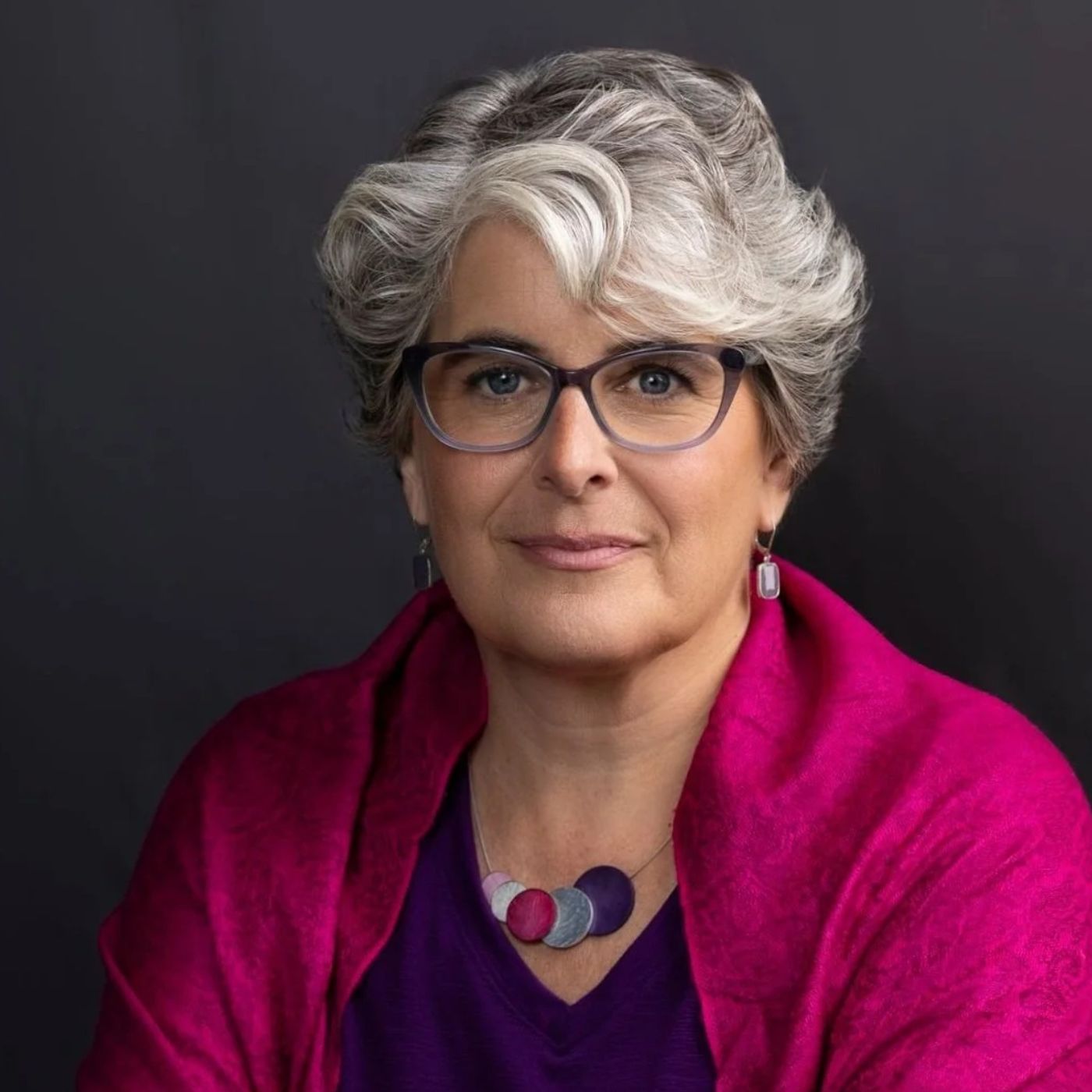
In this episode, Oona discusses how she went through her own divorce a number of years ago and found that there were not that many resources for women. After moving through her own divorce and becoming resettled, she started running groups for women going through divorce and has run numerous groups over the years. She shared that through working with many women, she began to find patterns and themes and wrote a book for women to help them as they make this transition in their life. She explained that the Kubler-Ross model of grief was helpful, but wasn’t quite capturing the nuances of divorce. She described what she calls the five phases of divorce, which are Heartbreak, Roller Coaster, Mending, Letting Go and Moving On. In the Heartbreak phase, she explained that whether the person initiated the divorce or not, there is a great deal of pain and heartbreak and its a time for the therapist to be fully present with their client. The Roller Coaster phase features a mix of emotions with sadness, anger, fear, shame, and other emotions, and can be confusing since there may be conflicting emotions. For example, someone might feel a great deal of anger and maybe hate, but at the same time sadness and love. Helping clients to understand that this is a phase of the process of moving through divorce can help clients to understand that this will not last forever and to be patient with themselves, rather than rushing into another relationship or self medicating. The Mending phase is a time to turn toward the self instead of spending so much energy on the ex or the divorce. Mending includes a process of renegotiating boundaries, not only with the ex around what their interactions will be like or how they will coparent, but also their friends, family, and in laws. She explained that it’s a time for reevaluation and many people also begin to reevaluate their boundaries with others in their life. The fourth phase is Letting Go and is an important component of healing. When people divorce, they not only let go of their spouse, but also their identity of being a married person, as well as their identity of being part of an intact family. Lastly, in the Moving On phase, she explains that the person is shifting their focus away from the divorce and towards the future, whether that be in another relationship, their work, their children or a new venture. She explained that sometimes people can get stuck in a phase like the Roller Coaster phase, and it can be helpful to work with them in becoming unstuck. The process of the therapist figuring out whether this is part of the natural process or whether the client is stuck can be difficult to differentiate. We discuss getting legal consultation and Oona recommends against therapists referring to a specific lawyer because all divorces are different, but instead encouraging clients to do a lot of research to find what is the right fit for them. We also talked about co-parenting counseling and how it’s different than therapy where you’re not working on the relationship between the couple, but helping them work together for the best interest of the child. Oona shares how valuable the groups have been for her clients. Her book, Unhitched: The Essential Divorce Guide for Women just came out the week before the interview and is reflective of so many women’s journeys through the process. She also said she is providing trainings for therapists to learn how to run the divorce support groups for women and is leading a two day long Institute at the American Group Psychotherapy Association Conference in NY in March for therapists experiencing divorce.
Oona Metz, LICSW is a Licensed Independent Clinical Social Worker, a Certified Group Psychotherapist, and a Fellow of the American Group Psychotherapy Association. She has 30 years of experience working with individuals, families, and groups. Her private practice offices are located in Brookline and Arlington, Massachusetts. She is active on numerous committees and boards related to group therapy and prioritizes ongoing learning in diversity, equity, and inclusion. Her practice is focused on treating the emotional aspects of divorce and group therapy, and she leads three weekly divorce support groups. She is the author of Unhitched: The Essential Divorce Guide for Women. You can learn more about her at her website oonametz.com

In this episode, Alicia discusses her work with Dialectical Behavior Therapy and Radically Open DBT. She explains that she was first exposed to DBT in her predoctoral internship at Marin General Hospital, where part of the rotation was to run a DBT group and fell in love with its practicality and giving people real tools they could take away. She explained that it was great to see clients using the tools and finding success, so she got went and got trained with Marsha Linehan, Ph.D. and Behavioral Tech and made DBT her focus. She explained that DBT is especially helpful for clients who describe themselves as emotionally sensitive or struggle to “ride the wave” of emotions that feel overwhelming. Alicia discusses the five modules of DBT that she works from, including mindfulness, distress tolerance, affect regulation, interpersonal skills, and “walking the middle path,” (which is related to validation and reinforcement in family emotional dynamics). Alicia goes on to explain the use of the modules in working towards emotional awareness, getting through emotional crises, and radical acceptance of emotions. We also discuss coping skills and exposure therapy and how there are tools to expand one’s window of tolerance as well as self-soothing skills utilized to sit with one’s emotions. We speak on what dialectics in DBT refer to: holding two truths at a time, as opposed to relying on rigid, black-and-white thinking, which can exacerbate feelings of distress and overwhelm. Alicia discusses Radical DBT, or Radically Open DBT, and how it is different from regular DBT as it expands radical openness, self-inquiry, and accepting imperfection in oneself in treating emotional OC (overcontrol) disorders such as Anorexia Nervosa, OCPD, and chronic depression. We discuss how RO DBT benefits clients who experience rigidity in their overcontrol as well as shame, anxiety, and hypervigilance in their daily life. Alicia discusses her website, Therahive, which provides DBT skills online for clients as well as training for therapists to make DBT accessible throughout the world. We discuss how important having a supportive community is for clinicians who are providing DBT and how DBT’s model includes a therapist consultation group. Lastly, we discuss phone coaching with clients and how it is utilized with clients who are struggling with self-harm and other behaviors and how therapists navigate personal boundaries around time with family and time off, while also being available for clients in need.
Alicia Smart, PsyD is a licensed clinical psychologist in California with over 20 years of clinical experience providing evidence-based mental health care to children, adolescents, adults, and families. She began seeing clients during graduate training and has worked across community mental health, medical, and private practice settings throughout her career. Alicia earned her B.A. in Psychology and Chemistry from New York University and her Doctorate in Clinical Psychology (PsyD) from the California Institute of Integral Studies. She is a DBT-Linehan Certified Clinician and has extensive experience treating mood and personality disorders, trauma, anxiety, grief, ADHD, autism-spectrum presentations, and chronic emotion dysregulation. Her work frequently integrates DBT into suicide risk management, neurodivergent-affirming care, and complex relational systems. She is the Founder and Clinical Director of Guidepost DBT in Corte Madera, California, where she oversees a team of therapists providing comprehensive Dialectical Behavior Therapy (DBT) and evidence-based care. In addition to clinical leadership, Alicia provides training, supervision, and consultation to clinicians seeking advanced education in DBT and related approaches. Alicia is also a co-founder of TheraHive, an innovative online DBT skills and learning platform designed to make high-quality DBT education more accessible to individuals and clinicians worldwide.

In this episode, Alecia explores the critical intersection of women's mental health, ADHD, and reproductive psychiatry—an area where science is only beginning to catch up with women's lived experiences. Alecia's journey into psychiatry began in Sacramento, California, where she witnessed profound disparities in healthcare access across diverse communities. After seeing loved ones struggle with both physical and mental illness, she pursued medicine with a mission. During medical school, she gravitated toward geriatric psychiatry, drawn to the complexity of caring for older adults. But during residency, her focus began to shift as she became fascinated by something even more fundamental: the intricate dialogue between mind and body. This growing interest led her to consultation-liaison psychiatry, formerly known as psychosomatic medicine, where she served as chief resident. The field gave her a lens to understand how physical illness shapes mental health and vice versa—a perspective that would profoundly inform her later work. She went on to complete a consultation-liaison psychiatry fellowship at the University of Chicago, followed by specialized training in reproductive psychiatry. Alecia’s attention to health disparities guided her toward women's and minority mental health, populations that remain vastly underfunded and underresearched. In her clinical work, she began noticing a troubling pattern: many patients struggling financially, physically, and emotionally actually met criteria for ADHD, yet had never been properly identified or treated. These missed diagnoses often compounded existing challenges, leaving people to navigate life with an invisible burden they didn't understand. In our conversation, Alecia illuminates why girls with ADHD are so often overlooked. While boys typically display hyperactive, disruptive symptoms that demand attention, girls more commonly present with inattentiveness—daydreaming, losing track of conversations, internal restlessness—symptoms easily misattributed to anxiety or depression. This diagnostic blind spot means girls are less likely to receive appropriate medication and more likely to struggle silently through years of self-blame. Alecia then guides us through the remarkable role hormones play in ADHD across the female lifespan. She explains how estrogen acts as a neuroprotective force, supporting the neurotransmitter systems that govern focus and impulse control. During the menstrual cycle, as estrogen and progesterone fluctuate, women with ADHD experience predictable shifts: heightened impulsivity and hyperactivity when estrogen dips after ovulation, and increased inattention, depression, and anxiety when both hormones plummet before menstruation. Strikingly, about sixty percent of women with ADHD also meet criteria for Premenstrual Dysphoric Disorder, underscoring just how intertwined hormones and mental health truly are. The postpartum period presents another vulnerable window. When estrogen declines after delivery, previously manageable or even unrecognized ADHD symptoms can suddenly intensify, leading to new diagnoses during what is already a demanding transition. Alecia thoughtfully discusses navigating stimulant medication during pregnancy, emphasizing that treatment decisions must honor each woman's unique circumstances while weighing risks and benefits for both mother and baby. As women approach perimenopause and menopause, declining and erratic estrogen levels can trigger cognitive changes, mood shifts, and worsening ADHD symptoms—yet clinical guidelines for diagnosis and treatment in this population remain virtually nonexistent. Alecia addresses the ongoing debates around hormone replacement therapy, noting that timing matters: estrogen therapy initiated earlier may offer benefits with fewer risks than when started later in life. She also discusses how certain SSRIs may help manage perimenopausal symptoms by supporting neurotransmitter function. What emerges most powerfully from this conversation is Alecia's compassion and her insistence on one fundamental principle: believe women. Listen to their experiences. Include their families in care. The science, she acknowledges, still has considerable catching up to do—but in the meantime, women deserve to be heard, validated, and treated with the individualized, evidence-informed care that respects the full complexity of their lives.
Alecia Greenlee, MD, MPH is a board-certified psychiatrist who brings both rigorous training and deep humanity to her work with women navigating ADHD and co-occurring mental health conditions. After earning her medical degree from UC San Francisco, she completed her psychiatric residency at Harvard Medical School/Cambridge Health Alliance, where she served as chief resident in consultation-liaison psychiatry and developed expertise in collaborative care and mental health services for vulnerable populations. She went on to fellowship training at the University of Chicago, first in consultation-liaison psychiatry and then in reproductive psychiatry, gaining specialized knowledge in how the body and mind interact throughout women's lives. Allecia specializes in comprehensive psychiatric evaluation and evidence-based treatment for adults, with particular expertise in how hormonal changes throughout the female lifespan—from menstrual cycles to pregnancy to perimenopause—influence ADHD symptoms and overall mental health. Her commitment to health equity drew her to focus on women's and minority mental health, populations often underserved by research and clinical resources. She approaches each patient with cultural attunement and warmth, creating collaborative, safe spaces where people from all backgrounds feel genuinely heard. Her practice reflects a commitment to whole-person care that considers not just psychiatric symptoms, but the complex interplay of biology, identity, life circumstances, and medical conditions that shape each individual's treatment needs.
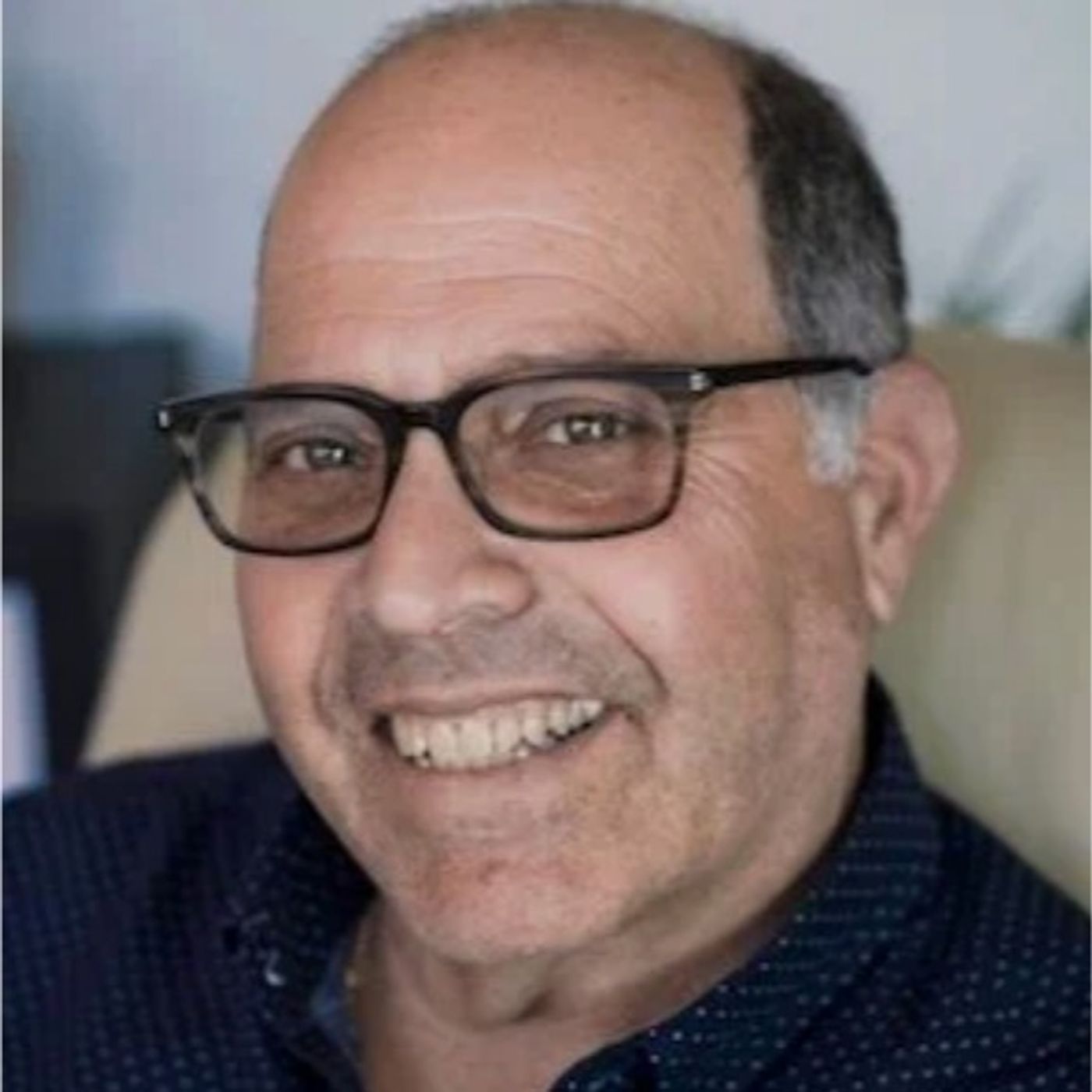
In this episode, I speak with psychologist Kenneth Perlmutter about his work with wounded family systems and how his background shaped his therapeutic approach. Kenneth shared that he originally planned to go to medical school but switched to journalism, then worked in advertising in San Francisco in the 1980s. During that time, he worked with a therapist who made a profound impact on him, which ultimately inspired him to pursue graduate training and become a therapist himself. In 1989 he joined Boyer House as an intern, later becoming the Clinical Milieu Director, and it was there that he was placed on the Family Therapy team and found he really enjoyed working with family dynamics. Kenneth explained that his work is heavily informed by psychodynamic and psychoanalytic thinking, especially the ways people relate to others across different parts of their lives. He shared that his current clinic functions as a full-service mental health center with significant expertise in substance abuse, addiction recovery, and trauma-related disorders, and that many of their referrals involve college-age and young adult clients whose families are struggling to support them. We discussed how he uses a psychoanalytically informed systemic approach, paying close attention to attachment patterns, the family’s stage of development, and even reflections on his own family system. He talked about how wounded family systems often fall into patterns of dependency, such as exaggerated dependency, hostile dependency, or chronic dependency, and how parents may unknowingly reinforce these dynamics. He explained that he looks closely at what he calls the ‘S’ actions,” which include serving, soothing, saving, smoothing, solving, sacrificing, and sobbing, and how these actions often keep families stuck in their roles. He shared that when parents begin to shift their focus toward their own needs and adjust their responses, children often change their behaviors in positive ways. Kenneth also discussed how families tolerate hostility and how interventions often start by looking at the behaviors that enable it. He explained that part of the work is helping families understand how their system functions, what they want more or less of, and what keeps them locked in certain roles. He postulates on what can be considered “right” or “wrong” actions as a result of these pressures and gives the example of sending an adult child money time and time again under tenuous circumstances. He claims that what would be “wrong” in fact, would be not to reflect at all on how the parent’s actions are affecting the child’s behaviors. Kenneth calls these narratives “the lies that bind”, explaining that the most common belief is that whatever ‘S’ behavior is at play is what is keeping this family member alive and well. This distorted narrative keeps a tight grip on current dynamics and gives the parent a false sense of control. Being locked in this “if only” mindset is either aspirational or regretful. We ended the conversation by talking about his Model of Stress-Induced Impaired Coping. Kenneth explained that every family develops its own stress-driven roles and that members often fall into patterns such as escaping, distracting, blaming, or fixing. He described how he helps families understand what holds them in these roles, what reinforces them, and how these patterns originally developed, so they can move toward more flexibility and healthier ways of relating.
Kenneth Perlmutter, PhD, is the founder of the Family Recovery Institute and a licensed psychologist specializing in Family Systems. He has 35 years of experience working with complex psychological and behavioral health disorders. In 2008, he founded The Family Recovery Institute to provide multi-disciplinary treatment for individuals and families including dynamic therapy, family systems work, group therapies, healing workshops and clinician training. He has pioneered and validated a theory of family system woundedness with a corresponding recovery model he calls Stress-Induced Impaired Coping. He wrote the book Freedom from Family Dysfunction: A Guide for Families Battling Addiction or Mental Illness specifically for family members who love someone battling addiction or mental illness but “want to break the cycles of codependency and relapse plaguing their dysfunctional systems.” He has overseen the design and installation of the family treatment program for Bayside Marin, Morningside Recovery, Safe Harbor Treatment Center for Women, Casa Capri/Windward Way and other national-level programs. In addition, he conducts a twice-monthly therapy group for parents of troubled teens and stuck young adults and has historically conducted several healing workshop for families of the White Mountain Apache Reservation in Whiteriver, AZ. As a professional educator, he has served on the graduate faculty for San Francisco State University’s Counseling Department and as Associate Professor of Chemical Dependency Studies at Cal State East Bay.
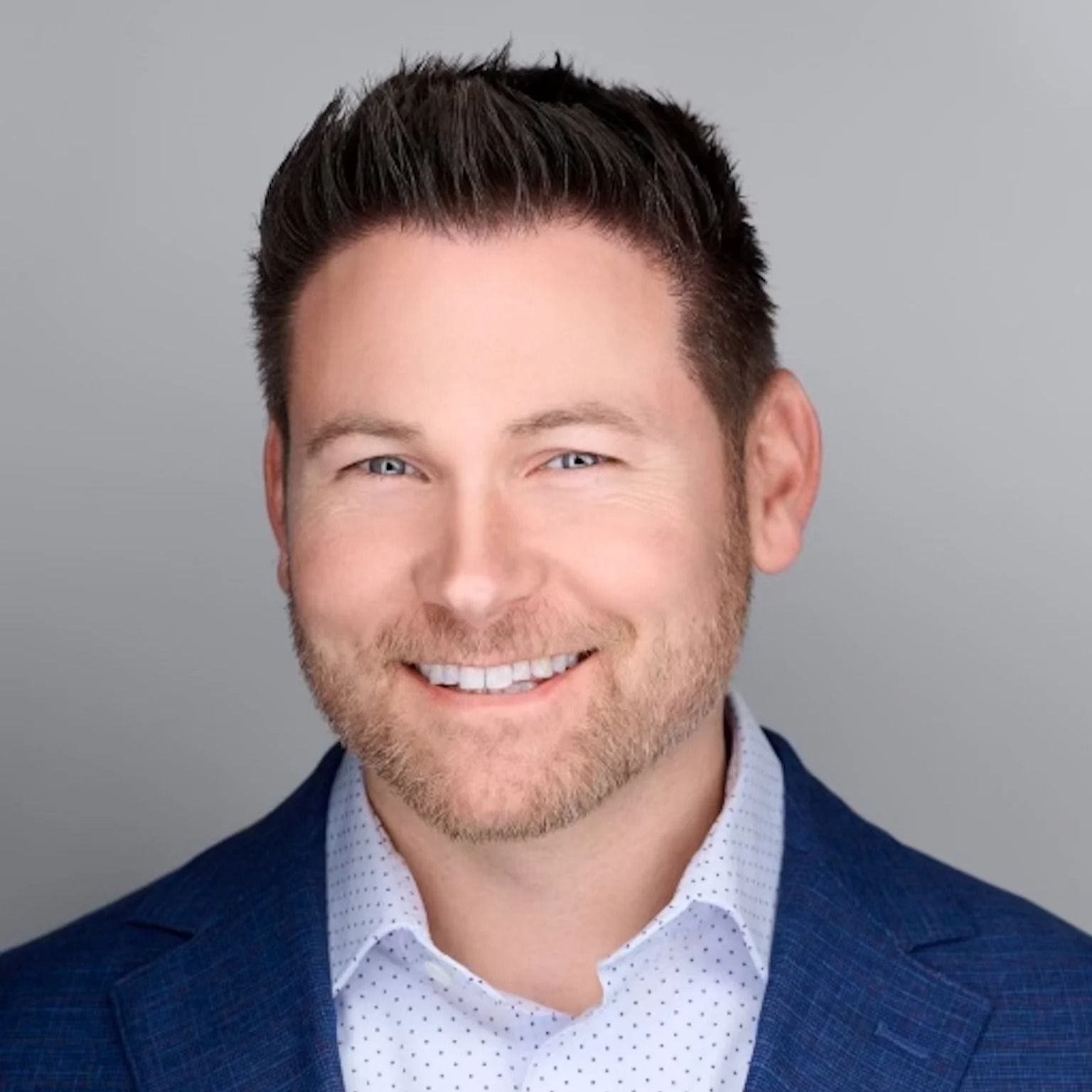
In this episode, I speak with Peter about his work on narcissism and its place within the broader spectrum of personality disorders. He shares that when he was in graduate school for literature, he was required to participate in a course of psychotherapy—an experience that sparked his interest in the field and eventually led him to pursue clinical training. Peter explains that he became increasingly interested in personality disorders, especially after having his own personal encounter with someone exhibiting narcissistic traits. This experience helped shape his focus in this area of study. He notes that the field of psychotherapy often views narcissism through the lens of “hurt people hurt people”—the idea that harmful behavior stems from unresolved trauma. While that framework can sometimes be useful, Peter believes it may also lead people to remain in harmful dynamics for too long because they extend too much empathy and assume the behavior is unintentional. He discusses meta-analytic research on twins showing that roughly 50% of psychological traits are heritable; in some studies, narcissistic traits have been found to be up to 79% heritable. Peter emphasizes the importance of clinicians and clients understanding that, in many cases, narcissistic individuals do know their behavior is harmful and continue it because it benefits them. This runs counter to the prevailing idea that such behavior is purely unconscious or trauma-driven. He acknowledges that this perspective is controversial and that he has received criticism for challenging long-standing therapeutic assumptions. When working with clients, Peter helps them navigate the cognitive dissonance between their painful or abusive experiences and their belief that the narcissistic individual “didn’t mean it” or was simply reacting from trauma. The belief that someone is merely “wounded” and reacting can keep people in unhealthy relationships far beyond what is safe or reasonable. We also discussed the differences between narcissism and antisocial personality disorder. Peter explains that one way to determine whether a person is workable is to assess their collaborative capacity—and, importantly, for therapists not to assume there is mutual agreement on collaboration or shared responsibility. He underscores the importance of validating victims of these relational dynamics, reminding them that no matter how much self-work they do, they may not be able to improve the relationship because the problem may not be about them at all. Part of his work involves helping clients reconnect with their sense of self, especially when an invalidating environment has led them to doubt their own perceptions, question their reality, or even wonder whether they are a “good” person.
Peter Salerno, PsyD, is a Doctor of Psychology, retired licensed psychotherapist, and nationally recognized expert on personality disorders and pathological relationships. Over the course of his career, he has specialized in personality disorders, family trauma, complex trauma, and pathological abuse. He was trained and qualified to administer the Hare Psychopathy Checklist–Revised (PCL-R), the gold standard for identifying psychopathy in clinical and forensic settings. He was also a featured expert in the docuseries Ted Bundy: Dialogue with the Devil, streaming on Hulu and Disney+. His work has always been driven by a passion for understanding the human mind and helping people make sense of some of its most challenging and misunderstood conditions. Today, he uses that expertise to help people around the world understand painful, confusing, and often manipulative relationship dynamics. While he no longer practices traditional therapy, he offers remote consultations focused on clarity, insight, and practical decision-making—not treatment.
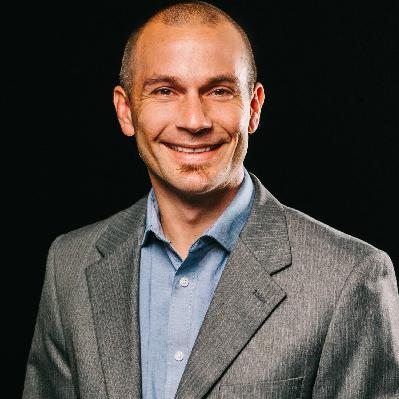
In this episode, I speak with Matt about his work with veterans, PTSD and his research on AI's ability to diagnose mental health disorders. Matt explained that he got into the field of psychotherapy after being a patient, working through his own issues after being in the Marines. He found the process very helpful and went on to become a therapist and initially worked with unhoused populations, psychosis and gang young, but wanted to go into working with veterans and first responders, treating PTSD. He shared that he never intended to go into research, but after doing his dissertation, he thought he might as well publish it, and then was invited to be part of a research group. Matt shared that most of the treatment for veterans is provided by the Veteran’s Administration, although they did not hire clinicians with his licensure. He explained that he was fortunate to get connected with an organization called the Head Strong Project that provides services to active duty military and veterans addressing PTSD and suicide prevention. He said that many of his clients often have a history of trauma, in addition to their experience in the military, as well as around 50% of his clients also have comorbid ADHD. Matt discusses the three major evidence based approaches to treating trauma: Prolonged Exposure (PE), Cognitive Processing Therapy, & Eye Movement Desensitization Reprocessing. He shares how the dropout rate for PE is 40% and EMDR is not always successful, which might be due to the eye movements and that not being as effective with those in the military, although he doesn’t know any research backing that up. Matt explained that he uses CPT and in the approach, the focus is on beliefs or what they refer to as “stuck points”. There may be assimilated “stuck points" that the person has taken from the traumatic experience and over accommodated "stuck points”< which are things that the person now believes and has adjusted their thinking patters as a result of the trauma. He explains the treatment starts off with psycheducation and teaching coping skills, then addressing the “stuck points”. He explained that they help the clients break down thinking patterns from events, then usechallenging questions, identify cognitive distortions, use cognitive reframing, and put this all together into a challenging questions worksheet. He shared that once you have that framework in place, then you follow up on five themes which include: Safety, Trust, Power & Control, Esteem, and Intimacy, then work through stuck points in each of those areas. Finally, you work through the traumatic narrative and what you believed before and what you believe now. We discussed the five themes and how particularly discussed an intervention called the Trust Star, where the person picks aspects of someone’s personality, and rates how that leads them to be more trusting of them or less. The breaks out of the all or none thinking around trust. Lastly, we discuss Matt’s research into linguistic patterns in different DMS disorders throughout the various editions of the DSM. He also discusses his work group’s research into having AI review vignettes and try to arrive at a diagnosis. He reported that Chat GPT did worse than chance, Claude was about as good as chance, and Gemini had a 97% rate of accuracy. We discuss AI and its use related to therapy.
Matt Rensi, Ph.D., LPCC, is a licensed counselor in California, Oregon, and Idaho. He holds a Ph.D. in counselor education and supervision, often teaching at various universities. He currently works primarily with law enforcement, veterans, firefighters, and active duty military personnel. His primary focuses are PTSD, substance use, ADHD, marital or couples issues, and anything that may be associated with that cluster of struggles. Matt conducts research on various topics as part of an independent research team. He is a clinical partner with The Headstrong Project and the SOF Network. Matt is also a clinician at the Institute for the Advancement of Psychotherapy and its specialty center, the Bay Area Center for ADHD.

In this episode, Fred discusses how in college he got very interested in spiritual questions and read books, learned how to meditate, thought a lot about deeper meaning and opened a vegetarian restaurant in Santa Cruz. After having his first child, he went to graduate school and decided to do his dissertation on the topic of forgiveness, which was something that he struggled with in his own life, describing himself as “dramatically unable to forgive”. He shared that the dissertation was a great success and received a lot of media attention, which set him in this direction in his research. He shared how they went for a secular approach, because a religious approach involved a lot of tribalism, and they were all essentially different portals to enter into the work of forgiveness. They integrated mindfulness and a Buddhist influenced Cognitive Behavioral Therapy, which were not common in psychotherapy then. We discussed my interpretation of his work and how I’ve conceptualized is as forgiveness is for you, not for the other person who did the harm. Fred discusses the term “trauma” and how sometimes it is used in situations that may not be trauma, and labeling it that way can lead to blame, rather than the empathy for what one has gone through and allowing the person to cope with their life right now. He discussed how forgiveness can allow us to be more connected to what is happening with one’s life, right now, in the present. He shared that an essential part of forgiveness is acknowledging our vulnerability, which never goes away, and accepting that vulnerability and not blaming that which reminds us of how vulnerable we are. He said he learned more about mindfulness from Jon Kabat Zinn, Ph.D. and how when you increase awareness, you increase choice. We discussed his work with people from Northern Ireland, Israel, Palestine, Sierra Leon, Columbia and people after 9-11 and how one of the hardest parts related to forgiveness is when there are different sides, as forgiveness may lead the person’s “side” to label them as a traitor. In discussing how to forgive when the person is not safe because they may not be out of the situation, like Israel and Gaza, this lead to a discussion of what makes us safe. He shared that often armoring up, becoming bitter, and trusting others less and being more guarded may feel like it’s protecting us, but it also limits our capacity for love and joy. He shared that mindfulness helps us bring ourselves back to the now and in this very moment, we are usually safe. He explained that our threat response overreaches, and combatting that overreach is important to connect us to our present safety and abundance that we may have. He discusses his new workbook, The Forgive for Good Recovery Workbook, that helps people through a process of forgiveness. He leaves us with one of his favorite quotes about forgiveness: "It’s giving up all hope for a better past".
Frederic Luskin, Ph.D. is a psychologist in Counseling and Health Psychology from Stanford University where he has been teaching for the past 30 years. Currently, he is on the faculty for the Stanford School of Business Executive Education program where he teaches mindfulness, emotional intelligence, psychological safety, and positive psychology to executives from all over the world. He serves as Director of the Stanford University Forgiveness Projects, researching the positive effects of forgiveness for a healthy and happy life. Fred is one of the world’s recognized authorities on forgiveness of self and others. He’s been interviewed and featured in such media outlets as The New York Times, O Magazine, Today Show, LA Times, Time Magazine, Huffington Post, and CBS Morning News. In addition, he’s published 3 books and dozens of articles on forgiveness. His book Forgive for Good is the best-selling secular self-help book published on the topic of forgiveness.
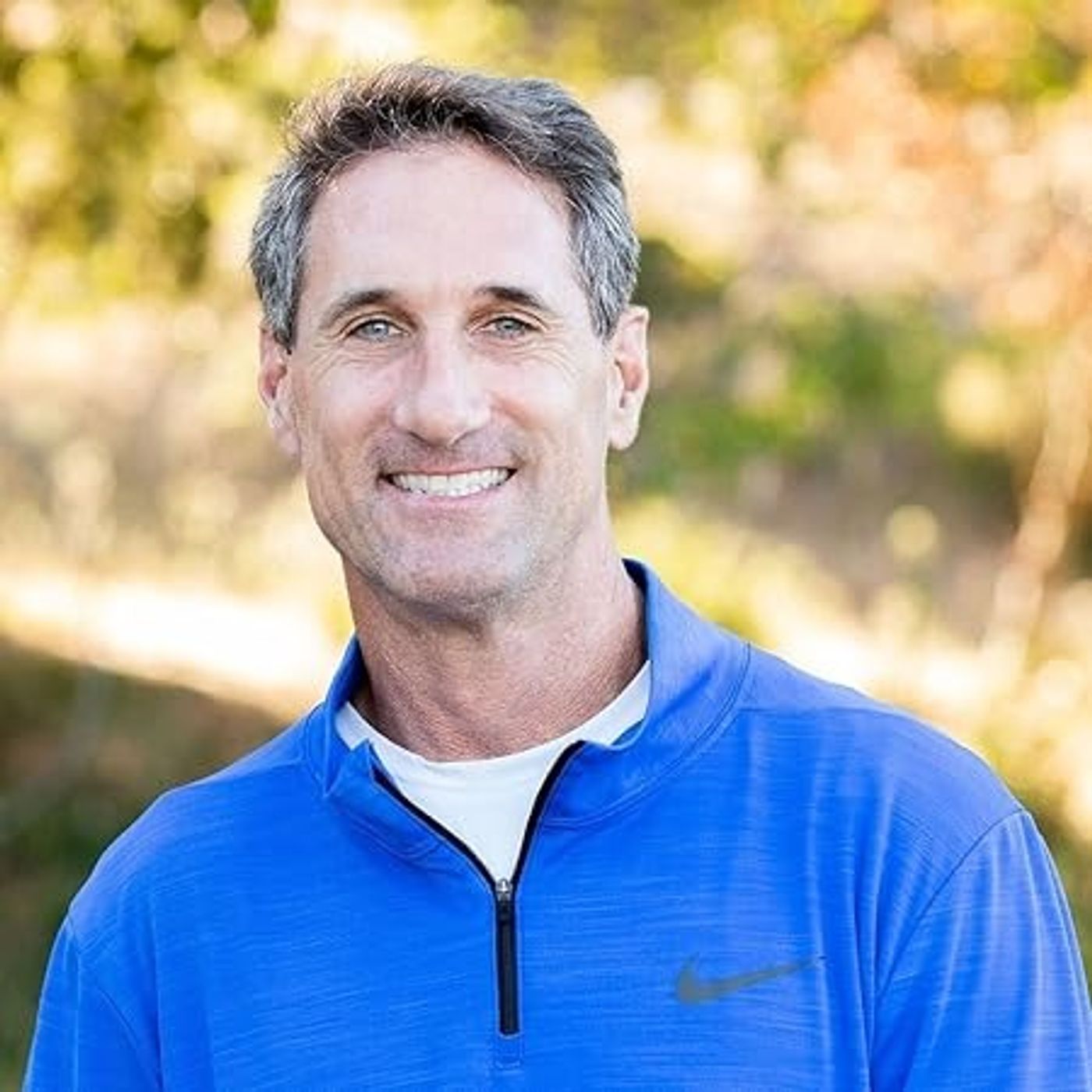
In this episode, Jeff Greenwald—world champion tennis player, licensed therapist, and sports psychology consultant—offers a rare glimpse into the intersection of clinical therapy and high-performance coaching. Jeff highlights how anxiety has become the predominant struggle both inside and outside of sport, often crippling athletes and families alike. Drawing on nearly three decades of experience, he explains how his dual training allows him to work not only on performance enhancement but also on the deeper roots of anxiety, perfectionism, and family dynamics that shape an athlete’s experience. He shares how he integrates Cognitive Behavioral Therapy (CBT), Acceptance and Commitment Therapy (ACT), Motivational Interviewing, and Somatic Psychotherapy, tailoring each to the unique needs of athletes. Jeff clarifies how sports psychology typically focuses on attention control, motivation, and performance skills, while clinical practice digs into family systems, emotional regulation, and underlying anxiety. Listeners will also hear about Jeff’s practical frameworks, including the four dimensions of focus (narrow/broad, internal/external) and his “remote control” metaphor from The Mental Edge for Young Athletes. These models help young athletes understand they have multiple tools at their disposal—but it’s their responsibility to choose and apply them in the heat of competition. A major theme of the conversation is Jeff’s emphasis on the “permission to miss.” With statistics showing that 70% of kids quit sports by age 16, Jeff underscores the importance of helping athletes reframe mistakes, embrace imperfection, and cultivate a mastery mindset focused on growth and process rather than outcome. Over time, athletes learn to anchor their confidence in the skills they can control—their routines, effort, and perspective—rather than in outcomes they can’t. This framework not only reduces anxiety but also fosters resilience, freedom, and joy in sport. He also shares how parents can best support their children—not by rushing in to fix, but by validating their experiences and normalizing their anxiety. As a competitive athlete himself, and still competing internationally, Jeff has demonstrated how you can transform from a tentative, perfectionistic mindset to a full realization of your ability through the mastery mindset, which also catapulted him to world No. 1 in his age group. He shares how this breakthrough was instrumental to his work and how grateful he is to be in a position to help the thousands of athletes he has worked with over the past 27 years.
Jeff Greenwald, MFT, is a world champion athlete, licensed psychotherapist, best-selling author, and one of the world’s leading mental coaches for athletes. With over 25 years of experience helping youth, college, and professional competitors thrive under pressure, Jeff brings a rare blend of elite performance insight and clinical expertise to his work. He is the author of the international bestseller The Best Tennis of Your Life, which has sold over 80,000 copies worldwide, and the new book The Mental Edge for Young Athletes—a groundbreaking guide for building confidence, emotional resilience, and a stronger mindset in sports and life. Jeff has worked with athletes across every major sport and consulted for national teams, Fortune 500 leaders, top junior academies, and competitive athletes at all levels of sport. He is a two-time ITF World Champion and was inducted into the Northern California Tennis Hall of Fame in 2019 for his contribution in the field of sports psychology and success as a world-ranked tennis player. Through his writing, coaching, and speaking, Jeff empowers athletes and their families to navigate the mental game with clarity, courage, and lasting confidence.
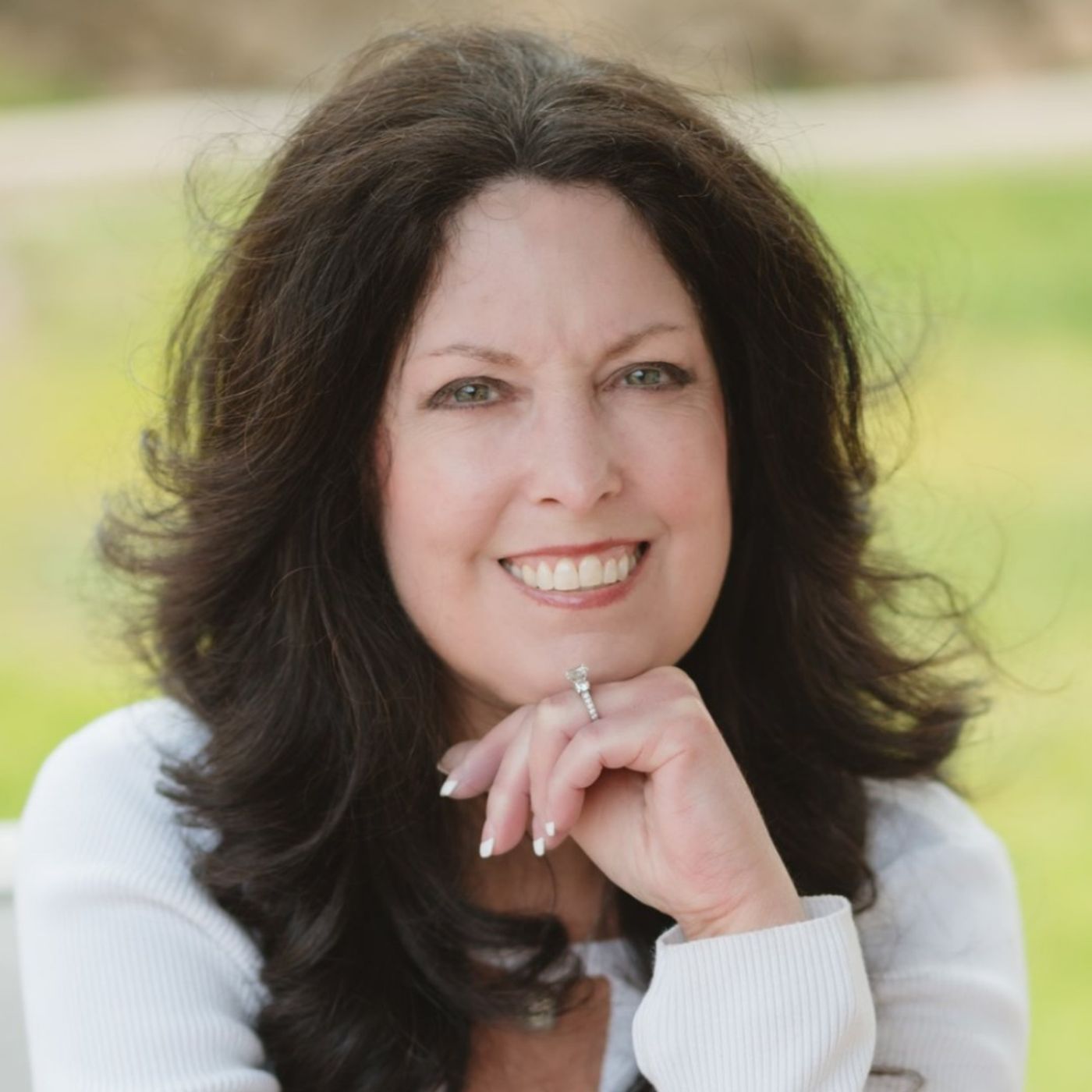
In this episode, Michelle discussed how she grew up in a dysfunctional family, and as a child and adolescent, she was always trying to figure it out and understanding why this is happening. She said it wasn’t until she got into recovery from food addiction and codependency, did she get the principles for living that she didn't learn growing up, and this inspired her to become a therapist to help others. She explained that she defines codependency as over functioning in order to get the love, support and validation that you can’t give to yourself. We discussed how the hyper vigilance of being aware of others can be a gift, but at the same time, it can lead to misinterpretation, worrying that if someone is upset, they’re upset at me. We talked about boundaries, and how for many people with codependency they have a hard time saying no because it is threatening, and by pleasing the other, it’s a way of seeking safety and love. She discusses how many people that come into therapy with codependency may not be realizing that they are struggling with codependency, but instead are wanting help fixing a relationship, and not realizing their part in it. She discusses how healing from codependency happens when the person starts befriending themselves and doing less. She talked about how often times, the therapist can’t just point out that the person is doing too much, but instead asking if its working, and helping the client to see they are working so hard to please the other person, but this may only be leading to more anxiety and resentment. She explains that we have to be able to be with ourselves, and love ourselves, to be able to love others, otherwise, we are so afraid of losing the other or them not liking us, that we are scared to be without them and be with ourselves. She discusses how 12 step programs like Al-Anon and CoDA can be a very powerful resource for clients because when they tell their story over and over, they develop a stronger sense of self and realize, I wasn’t bad, I’m not a bad person, I’m not alone, and I’m not defective. She talked about how the goal in recovery from codependency is being able to give without it hurting you. She explains that she encourages clients to take small steps, asking for their needs, stating their preferences, and that these are tests, seeing how the other person reacts. This gives information whether the other person is safe and should be in our inner circle, or we might realize that we can’t be that vulnerable with them, can’t be ourselves with them. She explains that it is important to be gentle with yourself and your clients as they are trying to change these codependent behaviors, because they’re doing the best they can in breaking these pattern and oftentimes there is perfectionism wrapped up in codependency. Lastly, she talked about her psychoeducational groups called Beyond Codependency, which can help accelerate the process of recovery.
Michelle Farris, LMFT is a psychotherapist, codependency expert, and anger management specialist with a passion for helping people break free from codependent patterns and manage emotions with confidence. She’s been featured in several online publications and podcasts, known for her down-to-earth approach and deep expertise. Michelle empowers her clients to stop people-pleasing, trust themselves again, and build the healthy, connected relationships they’ve always wanted. Through her online courses and digital resources, she teaches practical tools for codependency recovery, emotional regulation, self-trust, and lasting relationship success. She teaches a 4 week class, Beyond Codependency, and has a website with free resources for therapists on codependency and anger.

In this episode, I speak with Rachel about using Energy Psychology (EP) and Sound Healing (SH) in her psychotherapy work. Rachel describes how she was originally trained psychodynamically and had been in psychodynamic therapy herself. After Rachel learned about EP from her acupuncturist she pursued training in the approach, and found it was very effective with clients. She also worked with an EP psychotherapist and experienced a significant shift. Rachel explains that EP facilitates changes in subtle energy resulting in shifts in behaviors, emotions, physical symptoms, anxiety, PTSD, performance and other issues. Rachel discussed the most well-known EP approach, Emotional Freedom Technique (EFT). Many people have learned it as a technique to help regulate the nervous system. With more in depth training, EFT can be used for a variety of issues one might bring to a therapist. Rachel discusses how she integrates SH into other EP techniques. She has found that it often increases the speed and ease of change. Rachel discussed the significant research support for EP, including numerous double blind, randomized and controlled research studies. Lastly, Rachel shared practical strategies listeners can use to calm their nervous system and also demonstrated the sound produced by her various SH instruments.
Rachel Michaelson, LCSW is a licensed clinical social worker in the state of California with over 35 years of clinical experience. Along with providing individual and group psychotherapy, Rachel is a clinical supervisor and consultant, who specializes in energy psychology and sound healing. She is a certified Diplomate in Comprehensive Energy Psychology (D-CEP) and has training in several energy-based therapeutic modalities including Emotional Freedom Technique (EFT), Havening Techniques, Advanced Integrative Therapy (AIT), Tapas Acupuncture Technique (TAT,) Psych-K, Trauma Tapping Technique and other energy medicine techniques. Rachel has developed an Energy Psychology protocol called Release Issues Past and Present which she uses with individuals and in groups and teaches to other mental health providers. When working with clients, Rachel often integrates sound healing by utilizing calibrated tuning forks and chimes to facilitate change. For over 25 years Rachel has been providing training to mental health professionals on a variety of topics including Energy Psychology, Sound Healing, trauma informed care, clinical supervision, law and ethics, telehealth, diagnoses, time and paperwork management, and suicide. Rachel is a past chair of the Association for Comprehensive Energy Psychology’s Humanitarian Committee.
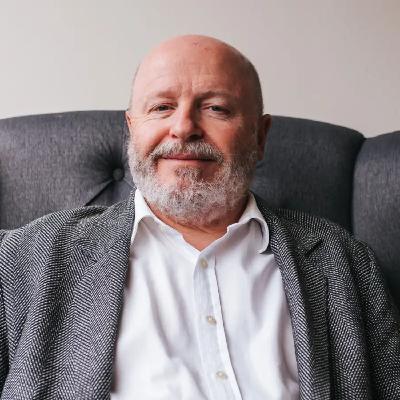
In this episode, I speak with Nigel about his work with Integrative Attachment Therapy (IAT). He discusses how his studies with Dan Siegel, M.D. and his meditation training in the Tibet Bon Dzongchen, led him to be very interested in what is a “mind”, how it works, what its about, and how ti develops. He discussed how attachment is the basis for the development of the mind, which we create "bottom up in our relation to others. He explained that the key developmental processes for the mind include attachment, care and nurturance, social rank, sexual identify and safety. He said that the novel part of the work that Daniel Brown, Ph.D., the coauthor of Attachment Disturbances in Adults: Treatment for Comprehensive Repair, was using an ideal parental figure to repair what had or had not been established in development. Nigel talks about the three pillars of IAT, where the therapist and client are collaborating on the work they’re doing together at the beginning of the session, doing the imaginal intervention of the ideal attachment figure, and then using metallization to process the experience and gain new awareness. He explained that they are helping a client to connect with the felt experience of feeling safe, seen, being able to trust and other elements of experiencing a secure attachment with this imagined parental figure. He shared that the conditions for a secure attachment include embodied trust, felt safety, being good enough, that its ok to explore, being able to down regulate the nervous system, and knowing your a good person. He spoke about how transference is encouraged to be shared directly with the therapist, and discussed using metallization, rather than using the therapist to provoke transference and letting it build up and then be worked through. We also discussed his work with psychedelics and its ability to help clients to integrate experiences in a different interpretive map.
Nigel Denning, M.Psych, MA is a Counselling Psychologist and Director of Integrative Psychology and Medicine in Melbourne, Australia. Nigel is Research Fellow at Australian National University. Nigel has been involved in developing the Three Pillars of Attachment Repair and Integrative Attachment Therapy with David Elliott and Traill Dowie and developing the IAT Training Program. Nigel is a nationally recognized expert in family violence, institutional abuse, trauma and attachment-focused practice. Nigel is also clinical lead in several psychedelic medicine trials and a trainer in psychedelics and holotropic breathwork, having studied under Stanislav Grof. In addition, Nigel is a long-term meditation practitioner and teacher in the Tibet Bon Dzogchen tradition. Nigel has a profound understanding of how Eastern practices affect the mind and their subsequent connection to psychotherapy. Nigel is a jovial and kind person who is passionate about improving the world one mind at a time.
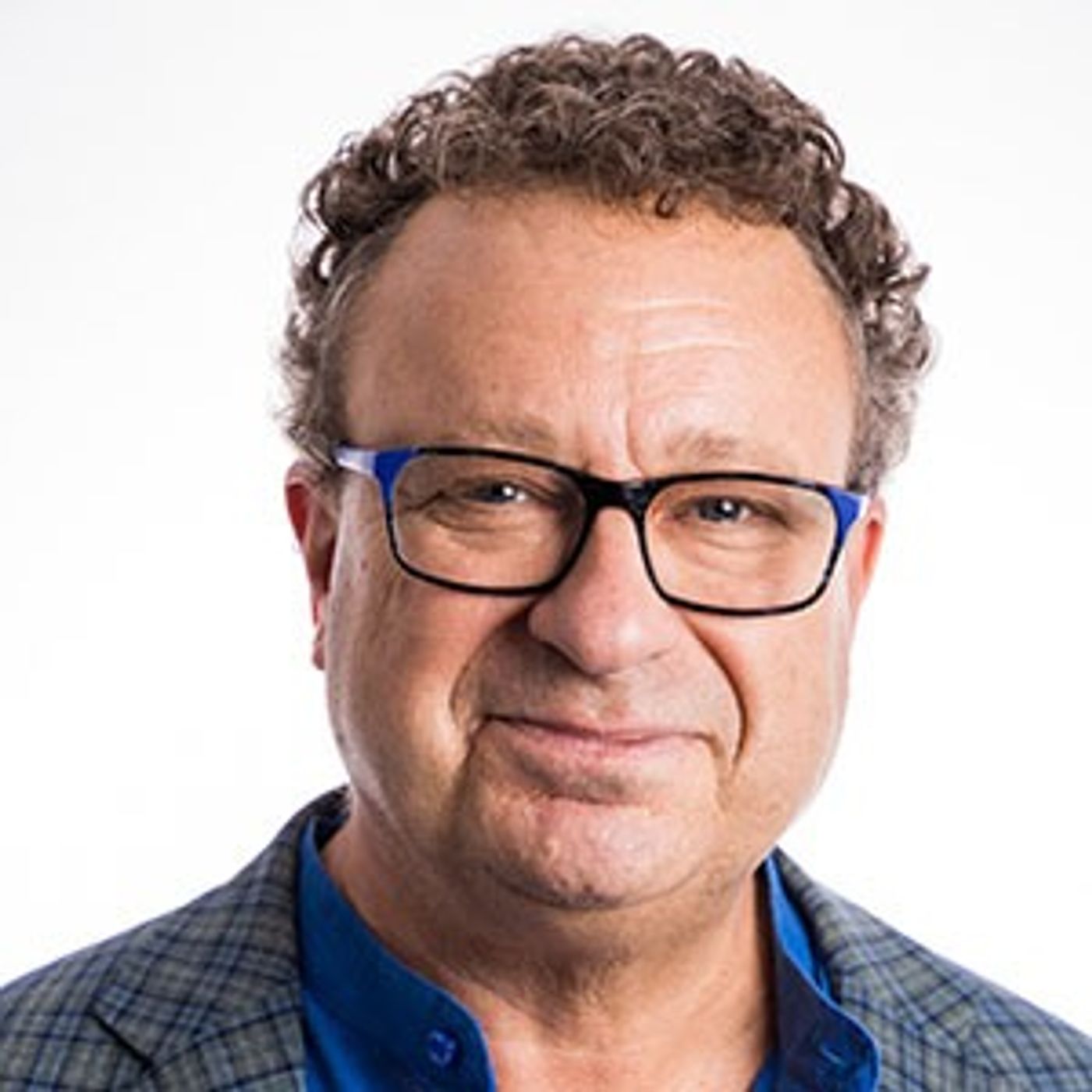
In this episode, I speak with Peter about his work with “last chance couples” -- couples on the brink of separation who are putting in potentially one final effort in therapy. Peter first gives us a history of how he began specializing in this demographic of couples, the cornucopia of therapeutic models he brings into his work, and the particular challenges these types of couples pose to the therapeutic approach. He speaks about the creative relational movement approach to change which he employs to break a couples’ systemic cycle of fighting. A common issue that these “last chance couples” have, is there is often very little to no internal motivation left to employ a change to their dynamic. Within this creative relational change approach, Peter speaks to the four premises that are important for the couple and therapist alike to understand to get on board with this process, and which of the four premises is most controversial to the field of psychology. He also talks about naming vulnerability as a good way to break the cycle of angry fighting, the challenges of a detached partner, and the often gendered dynamics that can either play into or disrupt the cycle of fighting. Peter shares four research-supported suggestions for couples to increase both the therapeutic credibility and therapeutic outcomes and the five most common “last chance couple” scenarios, including one he discovered after the publication of his book on the subject. Finally, Peter zooms out and leaves us with the big picture concept of how couples can adopt relational values to use as a compass to better guide their relationship on a daily basis.
Peter Fraenkel, Ph.D., is an Associate Professor of Psychology at City College of New York; former faculty at the Ackerman Institute for the Family and NYU Medical Center; and is in private practice in New York City. He is the author numerous peer-reviewed articles and chapters, and the books Last Chance Couple Therapy: Bringing Relationships Back from the Brink (2023, Norton); Sync Your Relationship, Save Your Marriage: Four Steps to Getting Back on Track; and is co-author of The Relational Trauma of Incest: A Family-Based Approach to Treatment. Peter lectures and conducts therapist trainings internationally. He received the American Family Therapy Academy’s 2012 award for Innovative Contribution to Family Therapy. He is a former Vice President and former Board Member of AFTA, a Board member of the Minuchin Center for the Family, and a reviewer for several family therapy journals. Peter is also a professional drummer and percussionist, and has performed and recorded worldwide.
In this episode, I speak with Chandra about her path into trauma-informed work with young children and their caregivers. Raised in San Francisco by parents who worked in child welfare, Chandra was exposed early to stories of trauma and healing. Before age 7, several of her friends lost their parents to cancer, which inspired her to become a doctor. In high school, during an internship on a pediatric oncology ward she noticed that while physical health was prioritized, children’s emotional needs were often overlooked. This realization led her to study psychology. After college, Chandra worked at a residential program with children aged 6–12. She found the children often opened up about trauma during informal moments—car rides, bedtime, or watching TV—highlighting the need to involve caregivers in the healing process. In 1998, Chandra interned with Dr. Alicia Lieberman at UCSF’s Child Trauma Research Program, where she trained in Child-Parent Psychotherapy (CPP), an evidence-based treatment for young children under age 6 who have experienced trauma. She later developed the CPP fidelity framework and co-authored the second edition of the manual. Chandra noted a key challenge: although many parents recognize their child’s trauma, few clinicians are trained to work effectively with young children. Many therapists also avoid discussing trauma directly with young children, which can leave them alone with their experiences. CPP begins with the therapist meeting alone with the caregiver to supportively explore the child’s symptoms, experiences of trauma, the caregiver’s own history, including how past experiences may shape the parent's responses. Then the therapist and caregiver gently acknowledge past traumatic experiences to the child—“speaking the unspeakable”—and help the child process their experiences using developmentally attuned pacing and modalities, including play and art. As children process their experiences they sometimes shift topics or activities or seek physical comfort when they begin to move outside their window of tolerance. Therapists help parents understand this process, attune to their child’s needs, and support their child. CPP has a strong evidence base, including five randomized controlled trials. It has shown positive outcomes for preschoolers exposed to violence and infants and toddlers who experienced maltreatment. Notably, a recent study found CPP is associated with lower epigenetic age acceleration in trauma-exposed children aged 2–6—suggesting a measurable impact at the biological level.
Chandra Ghosh Ippen, Ph.D. is a child trauma psychologist specializing in working with families with children under age 6. She is co-developer of Child-Parent Psychotherapy, the associate director of the Child Trauma Research Program at the University of California, San Francisco, and a member of the Board of Directors of Zero to Three. She has spent over 30 years conducting clinical work, research, and training in the area of childhood trauma and diversity-informed practice. She is also an award-winning children’s book author and has written 5 children’s books as well as the free Trinka and Sam disaster series, which has been translated and distributed to over 400,000 families around the world.
In this episode, Heather discusses her background and how she came to working with couples in therapy. She discussed how usually, when a partner in a couple has significant PTSD, it is recommended that each do individual therapy, but as she discussed, that doesn’t mean the couple doesn’t continue to struggle in their relationship. She shared how in her research with couples, where one person was a child sexual abuse survivor, the Emotionally Focused Couples Therapy approach was helpful, but it was difficult to complete Deescalation Stage, since there was a great deal of emotional dysregulation and difficulty with mentalizing. Heather discussed her conceptualization of Complex PTSD and how she began starting with cognitive-based interventions to help clients understand trauma, their reactions to trauma, and learn skills for emotional regulation and mentalizing, which is being able to reflect on one’s own perceptions of the other, what the other may be experiencing/thinking, and how one might be being perceived. She explained how helping improve these skills helps to couple to address the effects of the trauma together and then allowing for the couple to do the relationship work. She talked about refining her Developmental Couples Therapy for Complex Trauma approaches, trained other clinicians, writing a treatment manual and conducting research. Heather also shared that she had recently published a workbook for clients, “Healing Broken Bonds: A Couple's Workbook for Complex Trauma” which goes through Developmental Couples Therapy for Complex Trauma step-by-step from a client’s perspective. She describes how it’s being used not only alongside treatment, but independently by couples and individuals. It can be paired with episodes of her podcast Healing Broken Bonds that help walk people through the concepts.
Heather MacIntosh, Ph.D., CPsych is a clinical psychologist, Associate Professor, and Director of the Couple and Family Therapy Clinic at McGill University where she is the recipient of the H. Noel Fieldhouse Award for Distinguished Teaching. Heather is author of Developmental Couple Therapy for Complex Trauma a Manual for Therapists and Healing Broken Bonds: A Couple's Workbook for Complex Trauma. She is also the developer and host of Healing Broken Bonds, a podcast featuring couples dealing with the impacts of complex trauma in their relationships. Developmental Couple Therapy for Complex Trauma is an evidence based, psychoanalytically informed treatment approach, developed by Heather, for working with couples dealing with the impacts of complex trauma. Heather is the author of over 60 peer reviewed journal articles, book chapters, and treatment manuals. She is in demand as a speaker at international conferences and workshops as well as a resource for local and national media in the areas of trauma, couple and family relationships and issues, and queer and trans wellbeing. She leads an active funded research program having been principal researcher on over $500,000 in peer reviewed research grants and an active co-investigator on over $7,000,000 more with other internationally recognized colleagues. Heather’s research primarily examines the impact of early life trauma on the process and outcome of couple therapy. In addition, she studies the experiences of 2SLGBTQIA+ trauma survivors in therapy, in healing their sexual selves, adapting and integrating models of treatment to ensure accessibility and inclusion of Indigenous, racialized, queer, and trans, graduate student therapist trainees and clients. Heather lives and works on land of the Crawford Purchase Mohawk territory “purchased” for settlement by United Empire Loyalists at the end of the American Revolutionary War. MerryMac Farm is in Eastern Ontario, Canada, where she strives to live with the land in peace, and to bring healing through therapy offered in relation with her Icelandic horses, her retired RCMP Musical Ride Horse, three Ojibwe Spirit Ponies, and a cadre of other creatures who bring joy, hilarity, and love to life.
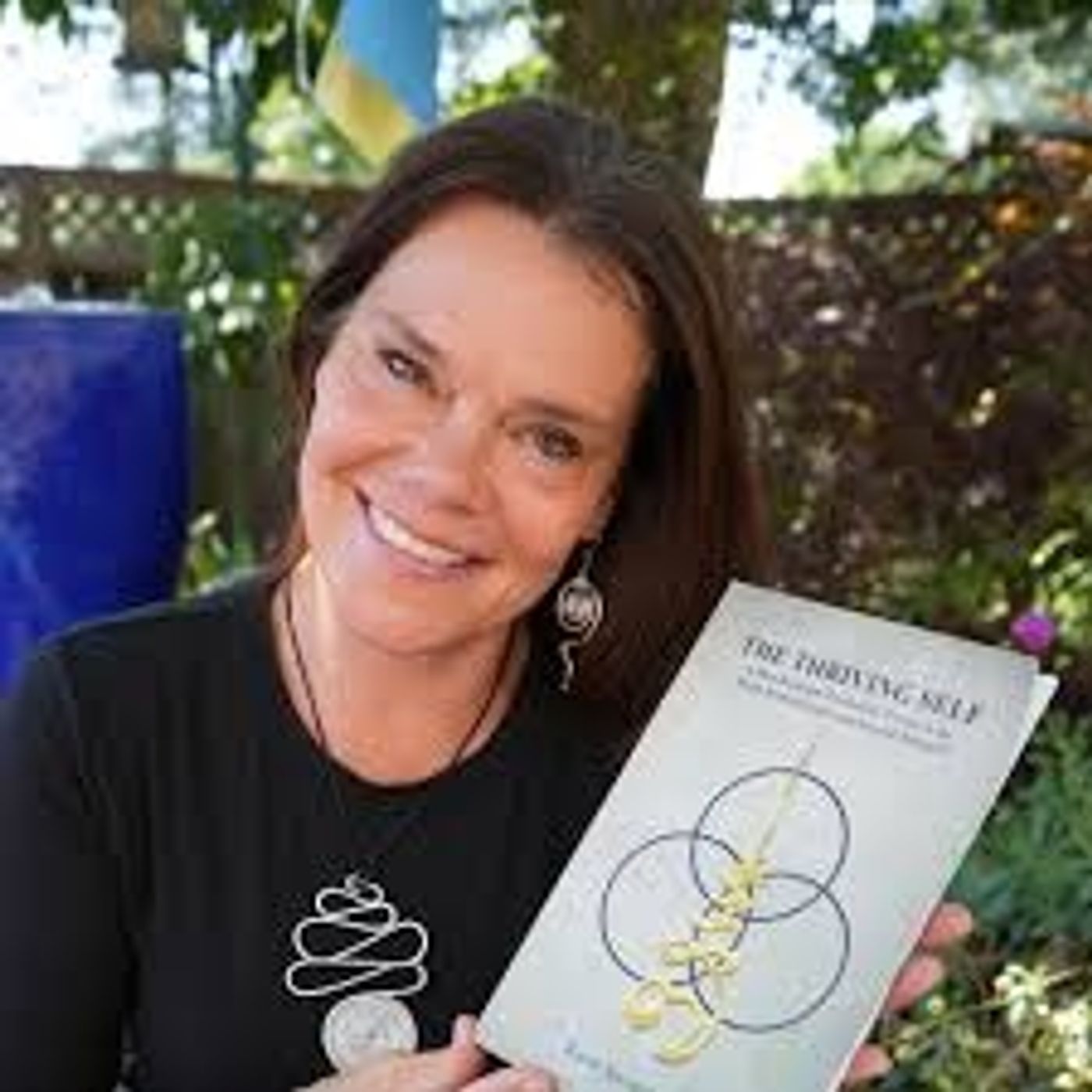
In this episode, I speak with Karen Sprinkel Ancelet about her path to integrating trauma-informed, psychedelic-assisted therapy into her clinical practice. Karen shares how, early in her career, she worked with families whose loved ones had been murdered by a serial killer. She found that the models she had been trained in were not enough to address the profound spiritual trauma her clients experienced as they struggled to make sense of such horrific loss. This realization led Karen to begin practicing Buddhism and eventually to live in Asia, where she deepened her understanding of human suffering. While working with people from Thailand and Tibet who had endured trauma, she witnessed how cultural perspectives shape the ways we make meaning out of tragedy and resilience. She also facilitated group therapy for child sexual abuse survivors, where she discovered that while some approaches were effective for certain individuals, they were not universally helpful. From these experiences, Karen came to conceptualize trauma as impacting the mind, body, and spirit, all of which must be addressed in healing. She describes her initial skepticism toward psychedelic therapies, coming from a place of purism, but shares how her perspective shifted as she learned more about their effectiveness. Immersing herself in advanced training and certification, Karen began working with clients using psychedelics in therapeutic contexts. Karen also discusses the breadth of her training across multiple trauma-healing approaches. She highlights Somatic modalities such as Somatic Experiencing, Hakomi, and Sensorimotor Psychotherapy; Desensitization-based methods like Eye Movement Desensitization and Reprocessing (EMDR) and Brainspotting; and Parts models including Internal Family Systems (IFS), Voice Dialogue, and Ego State Therapy. She explains how client factors often determine which approach is the best fit for a given individual. Throughout our conversation, Karen emphasizes her commitment to helping clients heal from PTSD as efficiently as possible. This integrative vision inspired her book, The Thriving Self: A New Paradigm for Healing the Mind, Body and Spirit and Moving Beyond It, which offers clients a framework to move toward healing without spending years in therapy.
Karen Sprinkel Ancelet, LMFT is a licensed psychotherapist with more than 30 years of clinical experience, practicing in California, Colorado, Oregon, Washington, and Michigan. She specializes in trauma-informed care and integrates a broad range of evidence-based modalities, including EMDR, Brainspotting, Somatic Experiencing, Internal Family Systems (Level 3), and HeartMath. Karen is also a Ketamine-Assisted Psychotherapy (KAP) provider with advanced psychedelic training through MAPS, Fluence, and Three Cups. She graduated with a Certificate in Psychedelic-Assisted Therapies and Research from CIIS. In addition to her clinical practice, she serves as a consultant, educator, Certified Clinical Trauma Professional, and Continuing Education provider. A pivotal chapter in Karen’s life was her time living in Asia, where she conducted her master’s research on trauma healing following violent crimes in Tibet, Southeast Asia, and the United States. Deeply impacted by these findings, she returned to Asia for several years to further her exploration. Today, Karen weaves together the ancient wisdom of meditation and mindfulness with contemporary approaches such as EMDR, Brainspotting, Flash, EFT, IFS, and Somatic Experiencing to guide and support her clients in their healing journey.
In this episode, I speak with Sam about his career and what lead him to become an Emotionally Focused Couple Therapy trainer, teaching EFT in The United States and throughout Latin America, Spain and the Caribbean. Sam discussed how his clients lead him to EFT when, although he had trained in multiple models of couples therapy, his clients were saying they felt like the therapy wasn’t going deep enough for them. He shared that he had been reading about attachment theory and John Bowlby’s work, and then took a workshop in EFT from Sue Johnson, Ph.D. He said he fell in love with the model and explained how it helped him see the struggles of couples he was working within a different light, and through the lens of attachment, he could see beyond their conflicts and struggles and see their protests at disconnection as longing for connection. We discussed how Sue asked him to become a trainer in EFT, and asked him to bring EFT to Spanish-speaking countries, as he was originally from Mexico City and spoke Spanish fluently. Sam shares about the countries he has provided trainings in and we discussed cultural nuances that he has found in Latin American cultures and with other cultures. He discussed how the expression of love and the expectations of closeness are influenced by culture, and also how all human beings, regardless of culture, have the fundamental need for connection and safety. We discussed dynamics in Latin American culture that relate to gender, socioeconomic status, relation to family, collectivism and individualism, and how these may appear in couples therapy. In addition to Sam’s cross cultural work, we also discussed his work on Forgiveness, and a training he had first done with Dr. Michelle Gannon on apologies and how important they are to healing Attachment Injuries. Sam now teaches Master Classes on Attachment Injuries and Forgiveness with fellow Argentinean Trainer Natalia Gilabert. We left off commenting on the book Sam coauthored for the APA called Deliberate Practice in Emotionally Focused Couple Therapy, and trainings he is offering in-person this September in San Diego with Dr. Lisa Palmer Olsen, and online in 2026.
Sam Jinich, Ph.D. is a Clinical Psychologist in private practice, licensed in California since 1995, and currently based in Buenos Aires, Argentina. He is an internationally recognized Emotionally Focused Therapy (EFT) Trainer, Supervisor, and Certified Couple Therapist, endorsed by the International Centre for Excellence in Emotionally Focused Therapy (ICEEFT). Sam teaches EFT to therapists across the globe in English and Spanish. In North America, his trainings feature English-language didactic presentations with the option of bilingual experiential role plays—reflecting his belief that Latinx bilingual therapists should learn in the language they are most comfortable with, while deliberately practicing in the language they use clinically. A respected leader in the EFT community, Sam co-founded the Northern California Community for EFT (NCCEFT) and served as its EFT Trainer until 2025. He is also a past president of the San Francisco Psychological Association. Over nearly three decades, he has trained thousands of therapists, taught at multiple universities, published scientific research on trauma and family dynamics, and coauthored the APA book Deliberate Practice in Emotionally Focused Couple Therapy. Sam is the Clinical Director of the San Francisco Consultancy in Emotionally Focused Therapy (SFCEFT). Sam will be co-leading an EFT Externship in San Diego in September 2025, and an online EFT Externship in May 2026. Learn more at www.drsamjinich.com or on the ICEEFT website.
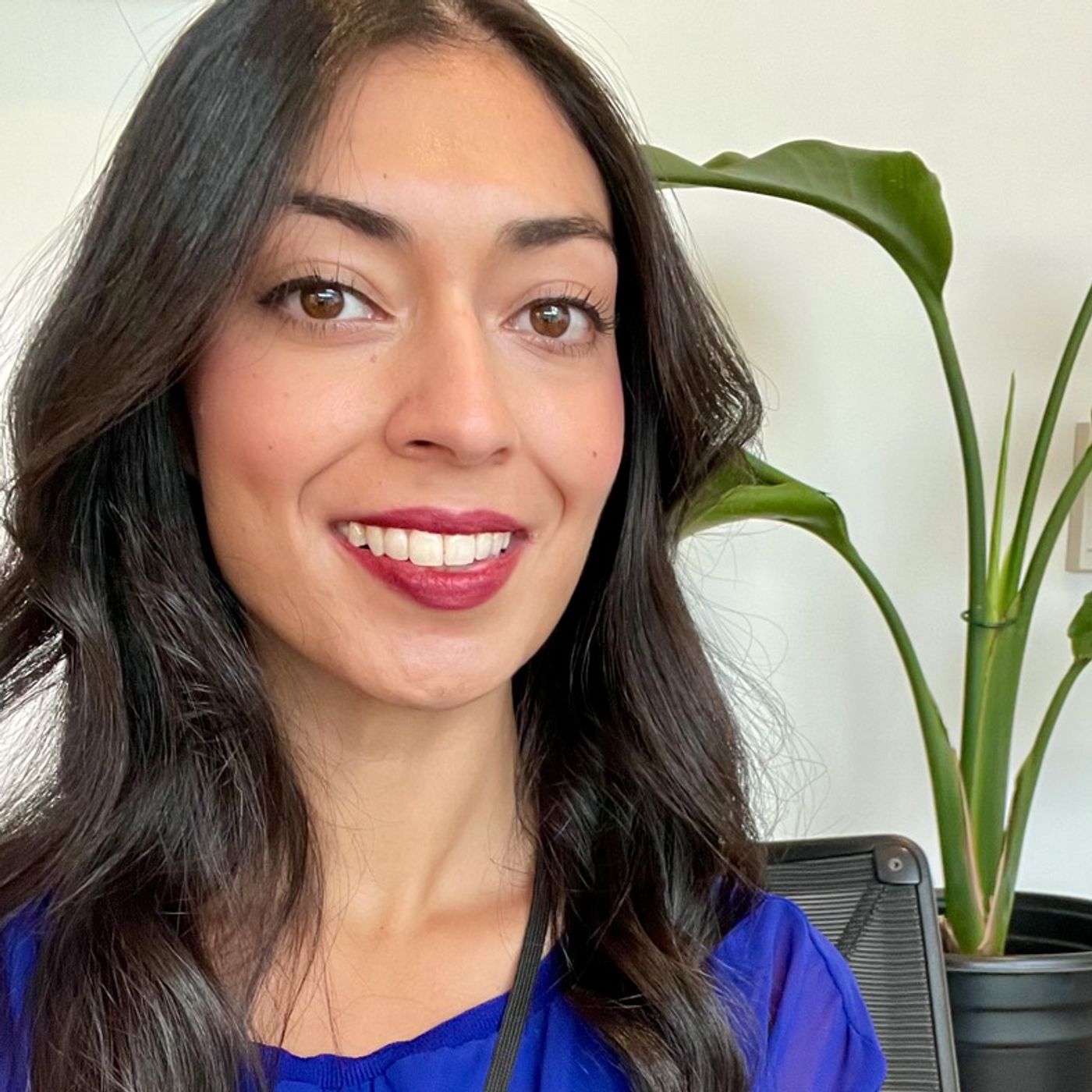
In this episode, I sit down with Zenobia Morrill, Ph.D., who shares her journey into psychotherapy—from a personal confrontation with existential truth to navigating her family’s intergenerational pain. Dr. Morrill reflects on her early experiences as a therapy client, where she encountered traditional frameworks that often fell short, approaches that pathologized pain while ignoring the broader systemic and historical forces at play. Grounded in liberation psychology and critical theory, Dr. Morrill offers a compelling critique of mainstream psychological models that individualize suffering and overlook the impact of power, politics, and culture. We explore how psychotherapy can become a tool for liberation, not by reinforcing institutional norms, but by creating space to challenge and reimagine them in service of opening up possibilities for personhood. Dr. Morrill shares how critical-liberation psychotherapy offers practitioners a framework to question how therapeutic practices may either reinforce alienation or open new paths toward freedom, healing, and fuller participation in society. She reflects on the importance of broadening our range of being, reclaiming repressed parts of the self, and bridging individual pain to collective emancipation. Therapy, she argues, must move beyond static formulations and recognize that social, political, and cultural forces are already present in the room—they are not “add-ons” but essential to the client’s lived experience. This approach does not suggest liberation occurs solely within the therapy room, but asks how the institution of therapy itself—its theories, method, and practices—can be used to support liberatory outcomes. Ultimately, Dr. Morrill calls on therapists to resist objectification of clients and of therapy itself—and to reimagine psychotherapy as a dynamic, relational, and contextually grounded space for transformation.
Zenobia Morrill, Ph.D., is a critical-liberation psychologist and psychology professor at William James College. She received her doctorate from the University of Massachusetts Boston and completed her pre- and post-doctoral fellowship at the Yale School of Medicine and at Yale Health, Mental Health & Counseling, respectively. Inspired by her personal and professional experiences with the mental health system, Dr. Morrill emphasizes the power in psychological frameworks as the stories we use to understand ourselves, and the risks presented when these frameworks cannot capture the complex existential, sociocultural, familial, physiological, and tacit dimensions of humanity. Her work centers on the belief that psychological healing must account for these broader meaning systems and political structures that shape individual experience. Her research and clinical interests include psychotherapy process, global mental health, qualitative methodology, theory and philosophy, and critical and liberation psychologies. A recipient of the American Psychological Association’s Sigmund Koch Award for Early Career Contribution to Psychology, Dr. Morrill’s work and Critical-Liberation Psychotherapy model have been recognized and presented internationally.
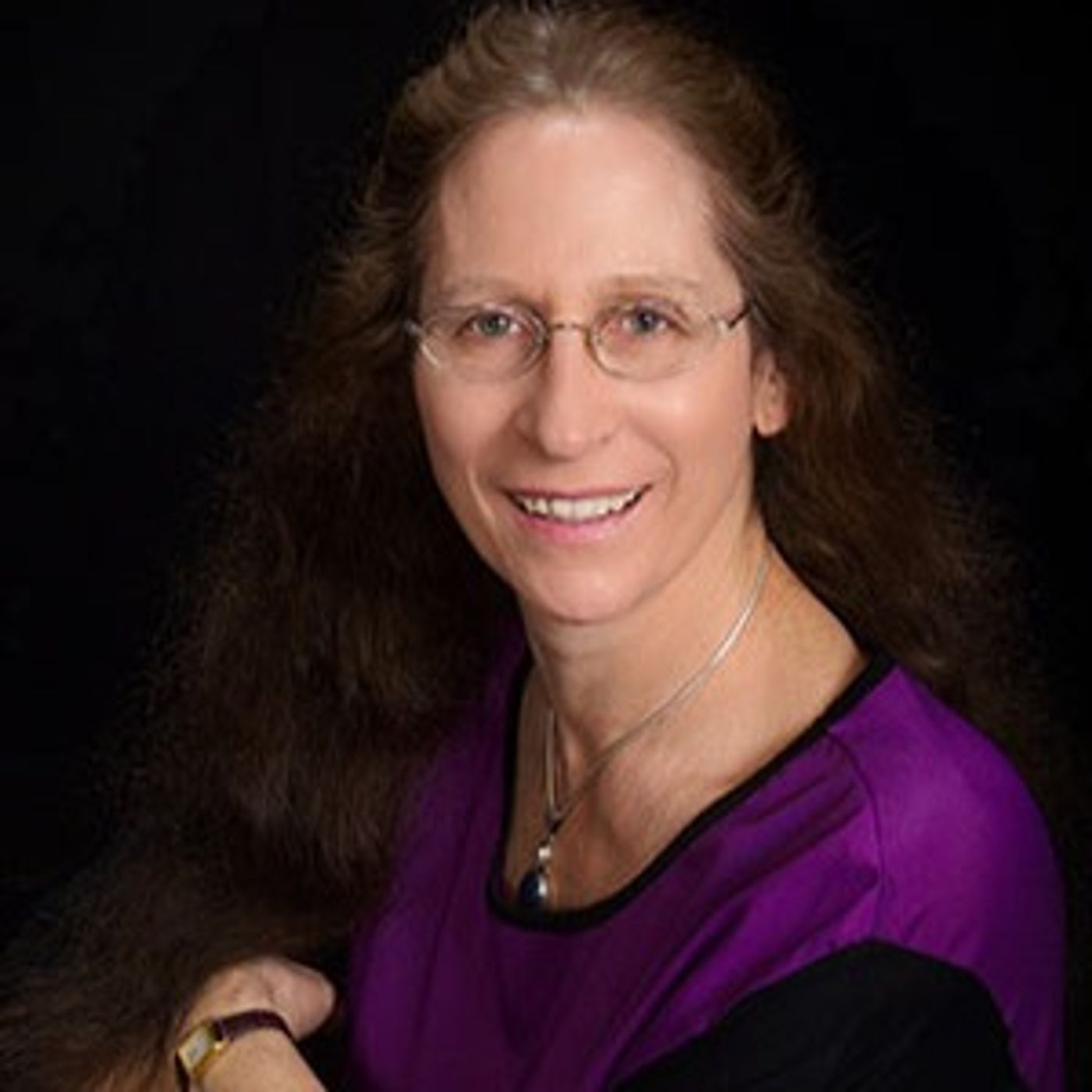
In this episode, Laney discusses her experience learning about eye movements from taking a training in Eye Movement Desensitization Reprocessing (EMDR). After trying it one time she then found a way to be as direct and quick as possible, which she called Accelerated Resolution Therapy (ART). She discusses her approach to utilizing ART to help clients rescript past negative images and narratives. With a background in Gestalt therapy, Laney incorporates rapid eye movements and guided associations to support clients in transforming adverse cognitions into more positive, empowering perspectives. She discovered a way to have the clients brain erase negative images, which cause triggers. Laney has developed this accelerated, directive therapeutic method to address conditions such as ADHD, OCD, eating disorders, generalized anxiety, and depression. She emphasizes the efficiency of ART, noting that clients often experience significant breakthroughs in just a few sessions—sometimes even in a single session. Laney likens the process to a dental procedure: identifying and removing emotional “decay” and replacing it with a metaphorical filling. When clients become emotionally stuck, therapists may employ a technique called Scene Matching, which connects current emotions to past experiences with similar emotional tones, facilitating healing and insight. Much like Fritz Perls’ empty chair technique in Gestalt therapy, ART utilizes metaphorical visualization to allow clients to process unresolved experiences internally. Laney distinguishes ART from EMDR by highlighting its structured, therapist-directed approach, as opposed to EMDR’s emphasis on building a longer-term client-therapist relationship and a free association approach. ART’s clinical precision and efficiency are key to its growing popularity. She explained how today, over 16,000 clinicians have been trained in ART. She discussed research in ART and how in July 2025, Laney and a team of professionals from Yale will begin training clinicians in Kenya.
Laney Rosenzweig, MS, LMFT is a Licensed Marriage and Family Therapist who has been in the mental health field since 1989. Laney is the Founder/Developer of Accelerated Resolution Therapy (ART) developed in 2008. She is the CEO of Rosenzweig Center for Rapid Recovery, which trains clinicians in ART. ART has a treatment protocol that is directive, standardized and easy to apply using. It is an eye movement therapy. Her introduction of the Voluntary Image Replacement (VIR), which guides clients to erase negative images from view in their mind, is a unique and powerful way to quickly eliminate triggers and eradicate symptoms. Laney has traveled the globe training licensed mental health professionals in ART and has over 65 ART trainers. Yale University has trained clinicians and in the process of doing a study as well as Mayo Clinic and the Canadian Military. She is available for presentations to civilian and military groups who are seeking an alternative to longer, less effective treatments for trauma and other mental health problems. The website is www.ARTworksNOW.com. There is an intro to ART every 4th Wednesday of the month at 6 pm Eastern and the link can be found on the top of the website.
In this episode, I speak with Alex about his career working with addiction. While there are countless resources for substance-related issues—such as drug, alcohol, and sex addiction—he noticed a striking lack of support when it came to process addictions related to technology use. He shared how he connected with and learned from Dr. Hilarie Cash, founder of reSTART, a pioneering treatment program for technology addiction. Alex discusses his work with parents, helping them implement comprehensive behavioral strategies to support children and adolescents in developing a healthy relationship with technology. In an age where digital exposure is unavoidable and children grow up as digital natives, he explains how we can encourage balance and moderation from an early age to prevent problematic or addictive behaviors from forming. He delves into the unique challenges of treating process or behavioral addictions, which can involve greater complexity than substance-related ones. Alex emphasizes the difficulty of establishing structures that foster intrinsic motivation for self-regulation in children and young adults. He highlights the importance of helping young people connect with their values, become more intentional with their screen time, and take a holistic approach to balance—not just with technology, but across all areas of life. The conversation also explores how parents can coordinate across households to create consistent expectations around technology use and how they can impose meaningful limits even when school-issued laptops have minimal built-in safeguards. Alex concludes by discussing how screen use can become a mechanism for emotional avoidance, which can significantly block personal growth. He underscores the need to prioritize self-care and emotional awareness to prevent this from becoming a long-term negative coping strategy.
Alex Basche, LMFT is a psychotherapist based in the SF Bay Area. He works mainly with adolescents and young adults, specializing in the treatment of tech-related behavioral addictions such as gaming, social media, pornography, online gambling & shopping in addition to substance use disorders, as well as frequently co-occurring conditions such as anxiety disorders, ADHD, depressive disorders, OCD, Autism Spectrum, and identity formation issues. In 2017, Alex helped create and found the first in-network Intensive Outpatient Program in the state of California treating technology addiction in adolescents. He has written many therapy groups’ curricula and leads trainings and workshops on topics related to Assessment & Treatment for Process Addictions, Parenting in the Digital Age, Adolescent Anxiety & Depression Treatment and more. Alex serves as a Subject Matter Expert (SME) on the Mental Health Workgroup Advisory Board for Fairplay’s Children’s Screentime Action Network and on the Board of Directors for local nonprofit Adolescent Counseling Services. He continues to co-author and present research on digital addictions and related topics.
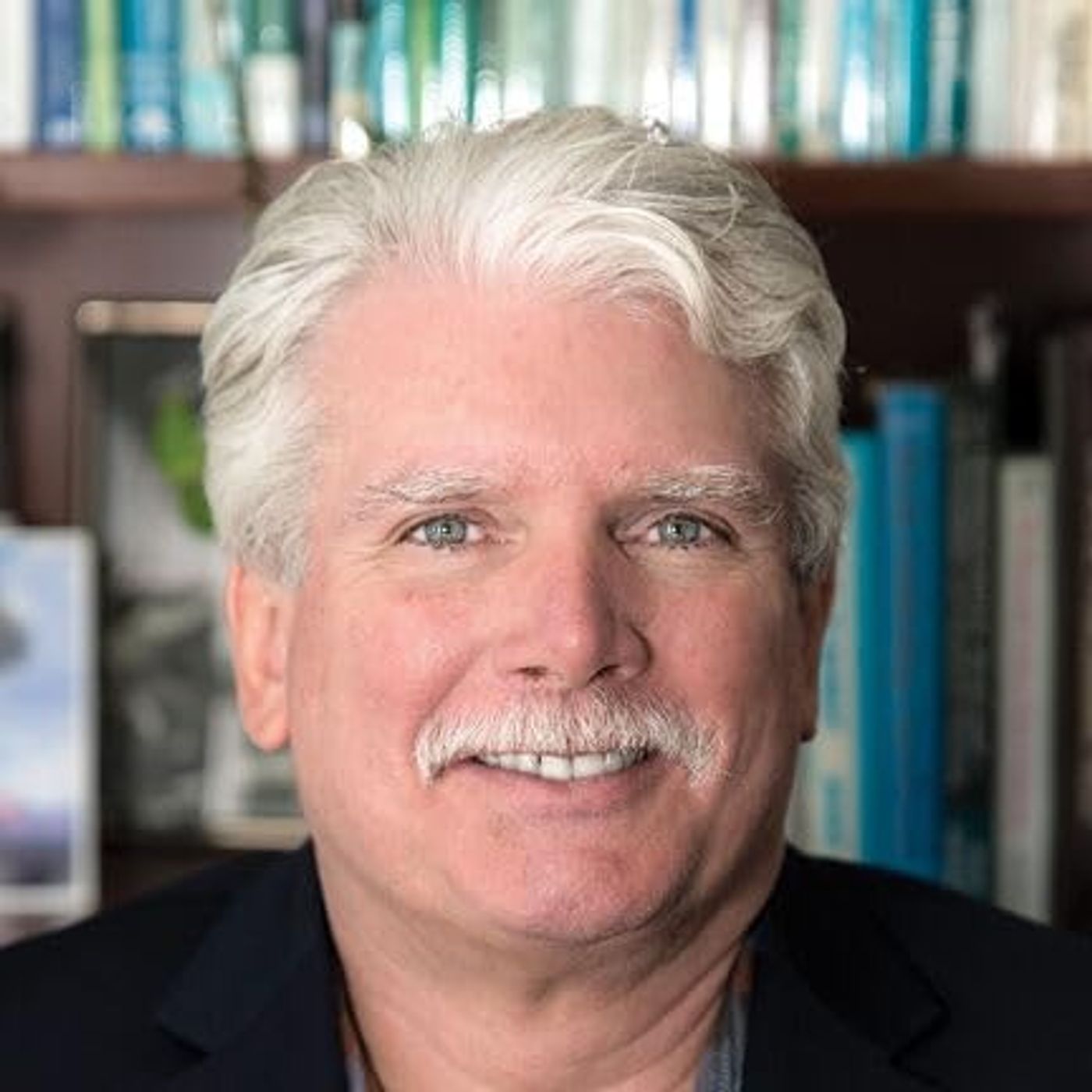
In this episode, I speak with Matt about his evolution as a therapist, researcher, and founder of New Harbinger Publications. Originally trained in Gestalt therapy, Matt transitioned to Cognitive Behavioral Therapy (CBT) after discovering its effectiveness in addressing his own anxiety—and its ability to offer more structured tools for change. From there, his work expanded into third-wave CBTs like Acceptance and Commitment Therapy (ACT) and Dialectical Behavior Therapy (DBT), especially as he sought to support clients experiencing complex emotional challenges, trauma, and persistent distress that weren’t always responsive to traditional CBT protocols. We discuss the development of a transdiagnostic and precision-based approach to therapy, centered on identifying specific mechanisms such as emotional and cognitive avoidance. Matt explains how treatment can be tailored using interventions like emotion exposure, mindfulness, and cognitive diffusion to address each client’s unique coping profile—an approach supported by his work on the Comprehensive Coping Inventory. Matt also talks about the founding and mission of New Harbinger Publications, which pioneered the self-help workbook format grounded in evidence-based therapies. He shares insight into their newest tool, Therapy Assist, a digital resource for therapists to assign skills-based, diagnostic-specific homework. We delve into his clinic’s current research on trauma treatment, including the effectiveness of combining ACT with EMDR and written exposure therapy. We also explore how trauma manifests physiologically and emotionally, and why traditional approaches often fall short when addressing complex PTSD, dissociation, or early attachment trauma. Matt reflects on integrating coping skills into ACT—an often debated topic—and describes his efforts to bridge therapeutic models like Schema Therapy and ACT. We explore how these integrations can support trauma clients in choosing value-based responses over automatic, schema-driven reactions. Throughout the conversation, we reflect on the growing movement toward precision therapy—individualized, mechanism-targeted, and empirically grounded. Dr. McKay’s work continues to shape how therapists understand suffering and resilience, and how they can empower clients with the tools to navigate both.
Dr. Matthew McKay is a clinical psychologist, professor at the Wright Institute, founder of New Harbinger Publications, and author of research and over 40 books on CBT, ACT, trauma, and emotional healing, including Mind and Emotions, The Relaxation and Stress Reduction Workbook, and Emotion Efficacy Therapy. He cofounded the Haight Ashbury Psychological Services agency in 1979 and served as its Clinical Director for 25 years and is currently the co-director of the Bay Area Trauma Recovery Clinical Services (BATRCS). Matt's interests extend to writing poetry, fiction, and music, and he has a published novel and two books of poetry.

Comments

Download from Google Play

Download from App Store
 United States