


 Claim Ownership
De gijzeling op de Noordzee (verbeterde versie 2025)
Subscribed: 138Played: 2,256
Subscribe

© Copyright 2026 Rik Bouman
Description
Titel: De Gijzeling op de Noordzee: Het Ongelooflijke Verhaal van Sealand
Shownotes:
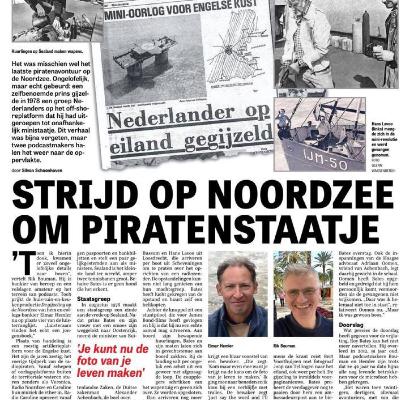
Duik in het ongelooflijke verhaal van Sealand in de podcast “De Gijzeling op de Noordzee,” waar geschiedenis, avontuur en politieke intriges samenkomen. In 1978 vindt een ongekende staatsgreep plaats op het prinsdom Sealand, slechts 10 km van de Engelse kust. Wat ooit begon als een Tweede Wereldoorlog luchtafweergeschut platform, uitgeroepen tot onafhankelijke staat door Paddy Roy Bates in 1967, wordt het toneel van een strijd die klinkt als fictie. Maar het is allemaal waar.
Deze spannende serie onthult de machtsgrepen, gijzelingen, en de strijd om onafhankelijkheid die Sealand heeft doorstaan, geleid door figuren zo kleurrijk en complex als de geschiedenis zelf. Met bijzondere aandacht voor de rol van Alexander Achenbach en een cast van Nederlandse figuren zoals o.a. Willem van Kooten ("Joost den Draaijer"), advocaat Oomen, Pistolen Paultje, Willem Ruska, hoogspringer Raymond de Vries en Hans Lavoo. Deze personen onthullen in de “De Gijzeling op de Noordzee” de verborgen verhalen achter dit laatste piratenavontuur.
Ontdek hoe Sealand, tegen alle verwachtingen in, uitgroeide tot een symbool van autonomie en avontuur. Met exclusieve bijdragen van betrokkenen, inclusief Prince Michael of Sealand, biedt deze podcast een unieke blik op een van de meest ongelooflijke verhalen van de twintigste eeuw.
Luister naar “De Gijzeling op de Noordzee” en stap in een verhaal zo spannend en ongelooflijk, je moet horen om het te geloven.
Hashtags: #DeGijzelingOpDeNoordzee #Sealand #Piratenavontuur #Staatsgreep #WareVerhalen #PodcastLiefhebbers
Shownotes:
Duik in het ongelooflijke verhaal van Sealand in de podcast “De Gijzeling op de Noordzee,” waar geschiedenis, avontuur en politieke intriges samenkomen. In 1978 vindt een ongekende staatsgreep plaats op het prinsdom Sealand, slechts 10 km van de Engelse kust. Wat ooit begon als een Tweede Wereldoorlog luchtafweergeschut platform, uitgeroepen tot onafhankelijke staat door Paddy Roy Bates in 1967, wordt het toneel van een strijd die klinkt als fictie. Maar het is allemaal waar.
Deze spannende serie onthult de machtsgrepen, gijzelingen, en de strijd om onafhankelijkheid die Sealand heeft doorstaan, geleid door figuren zo kleurrijk en complex als de geschiedenis zelf. Met bijzondere aandacht voor de rol van Alexander Achenbach en een cast van Nederlandse figuren zoals o.a. Willem van Kooten ("Joost den Draaijer"), advocaat Oomen, Pistolen Paultje, Willem Ruska, hoogspringer Raymond de Vries en Hans Lavoo. Deze personen onthullen in de “De Gijzeling op de Noordzee” de verborgen verhalen achter dit laatste piratenavontuur.
Ontdek hoe Sealand, tegen alle verwachtingen in, uitgroeide tot een symbool van autonomie en avontuur. Met exclusieve bijdragen van betrokkenen, inclusief Prince Michael of Sealand, biedt deze podcast een unieke blik op een van de meest ongelooflijke verhalen van de twintigste eeuw.
Luister naar “De Gijzeling op de Noordzee” en stap in een verhaal zo spannend en ongelooflijk, je moet horen om het te geloven.
Hashtags: #DeGijzelingOpDeNoordzee #Sealand #Piratenavontuur #Staatsgreep #WareVerhalen #PodcastLiefhebbers
26 Episodes
Reverse
 2
2**Titel Aflevering 1:** De Staatsgreep op Sealand: Begin van een Legende**Show Notes:****Welkom bij "De Gijzeling op de Noordzee," aflevering één: Een ongekende staatsgreep op Sealand.** In deze opener duiken we diep in de dramatische gebeurtenissen van 10 augustus 1978, toen Sealand, een onwaarschijnlijk prinsdom op een Tweede Wereldoorlog luchtafweergeschut platform, het toneel werd van een machtsgreep. Ontdekt door Paddy Roy Bates en uitgeroepen tot onafhankelijke staat in 1967, zou Sealand het decor worden voor een van de meest unieke conflicten van de twintigste eeuw.Hoor direct van de hoofdrolspelers die deze bizarre geschiedenis hebben vormgegeven. Ontdek de plannen van Willem van Kooten, alias "Joost den Draaijer," en hoe atleet Raymond de Vries een sportieve held werd voor dit ministaatje. Leer over de cruciale rol van advocaat Oomen in het internationale drama en de strategieën van de Duitse minister van Buitenlandse Zaken van Sealand, Alexander Achenbach. Beleef de ervaringen van Michael Bates tijdens de staatsgreep, en ontdek de intrigerende bijdrage van een Duits televisiestation en een KLM helikopter aan dit ongekende gevecht.Deze aflevering is slechts het begin van een serie vol intriges, avonturen, en onthullingen die je doen twijfelen aan de grenzen van werkelijkheid en fictie.**Luister en duik in het verhaal van Sealand, waar politiek, avontuur en de droom van soevereiniteit samenkomen in een verhaal dat te bizar lijkt om waar te zijn.** **Hashtags:** #DeGijzelingOpDeNoordzee #SealandSaga #WareVerhalenPodcast #StaatsgreepAvontuur #OnafhankelijkSealand
**Titel Aflevering 2:** Gijzeling en Verzet: De Slag om Sealand Intensiveert**Show Notes:****Welkom terug bij "De Gijzeling op de Noordzee," waar aflevering twee ons dieper meeneemt in het hart van de confrontatie.** Augustus 1978 markeert een cruciale fase in de geschiedenis van Sealand: Michael Bates, zoon van Prins Roy Bates, bevindt zich in de greep van Duitse opstandelingen. Hun plannen voor hem en het prinsdom zijn ongewis, terwijl elders op zee, Hans Lavoo en een bonte crew van avonturiers zich opmaken voor een gewaagde onderneming.Luister naar het relaas van hoe de familie Lavoo, samen met Willem van Kooten, droomt van een nieuwe zeezender, terwijl Roy Bates, ver van huis, onwetend is van de dreiging die zijn creatie belaagt. De verhalen van oorlogsveteraan Bates, advocaat Adriaan Oomen, en de mysterieuze verschijning van Russische spelers vervlechten zich tot een complex web van intriges en strategieën.Met exclusieve interviews en nooit eerder gehoorde verhalen, duiken we in de avonturen, de plannen, en de onverwachte wendingen die Sealand en zijn bewoners raken. Ontdek wat de Nederlandse journalisten ontdekken over Raymond de Vries, en hoe dit kleine prinsdom het middelpunt werd van internationale aandacht.**Beleef de spanning van de strijd om Sealand, waar familiebanden, politieke ambities en de roep om vrijheid samenkomen in een onvoorstelbare saga.****Hashtags:** #DeGijzelingOpDeNoordzee #SealandStrijd #HistorischePodcast #ZeezenderDromen #SealandAvonturen
**Titel Aflevering 3:** Onwaarschijnlijke Bondgenoten: De Tegenaanval van Sealand**Show Notes:****Bereid je voor op een nieuwe wending in "De Gijzeling op de Noordzee," waar aflevering drie ons midden in de tegenaanval van Sealand werpt.** Het is 1978, en de staatsgreep heeft Roy Bates en zijn zoon Michael niet onberoerd gelaten. Vastbesloten om hun thuis te heroveren, wenden zij zich tot een onverwachte bondgenoot: een stuntpiloot bekend van James Bond.Deze episode onthult de volledige lijst van markante figuren die gevangen werden gehouden op het eiland. Terwijl Roy en Michael Bates hun krachten bundelen voor wraak, vraagt men zich af: is de dreiging van de Duitsers werkelijk ten einde, of broeien er in de schaduwen van advocaat Oomen's kantoor nieuwe plannen?Een toevallige ontmoeting tussen Raymond de Vries en journalist Theo Jongedijk leidt tot een gedurfd bezoek aan Sealand, samen met fotograaf Glenn Wassenbergh. En alsof het lot ermee speelt, arriveert ook Hans Lavoo net op dat moment met een vissersboot. De gebeurtenissen die volgen zijn zo verbazingwekkend dat ze haast ongelooflijk lijken.**Dompel jezelf onder in het verhaal van weerstand en doorzettingsvermogen, waarbij elke nieuwe bondgenoot en iedere verrassende ontmoeting het lot van Sealand kan bepalen.****Hashtags:** #DeGijzelingOpDeNoordzee #SealandWraak #HistorischePodcast #OnverwachteHelden #SealandSaga
**Titel Aflevering 4:** Beslissende Momenten: Fotografie, Vrijheid en Verborgen Verhalen van Sealand**Show Notes:****In "De Gijzeling op de Noordzee" aflevering vier worden we geconfronteerd met keuzes die levens kunnen veranderen.** Fotograaf Glenn Wassenbergh staat voor een dilemma: gaat hij voor de foto van zijn leven of redt hij Hans Lavoo? Terwijl de Nederlandse regering worstelt met wat te doen met brieven van de gegijzelden, onthult journalist Bert Voorthuijsen, 42 jaar na dato, een nog nooit eerder gedeeld verhaal over zijn onderhandelingen met Roy Bates.Advocaat Adriaan Oomen, die streefde naar de vrijlating van collega Gernot Putz om persoonlijke redenen, confronteert later mevrouw Bates in Den Haag. De plannen van een huurleger geleid door Pistolen Paultje worden ontrafeld, terwijl Gernot Putz’s ontsnappingspoging vragen oproept over zijn oordeel.**Bereid je voor op een reis door tijd en conflict,** van de moord op Versace tot de Baader-Meinhof Groep, de Falklandoorlog, en de wereldwijde invloed van Sealand paspoorten, die ons van Hong Kong naar de donkerste hoeken van de internationale intriges brengen.**Hashtags:** #DeGijzelingOpDeNoordzee #SealandMysteries #FotografieOfVrijheid #InternationaleIntriges #PodcastVerdieping
The Incredible Sealand Story of Dutch High Jump Champion Raymond de Vries.
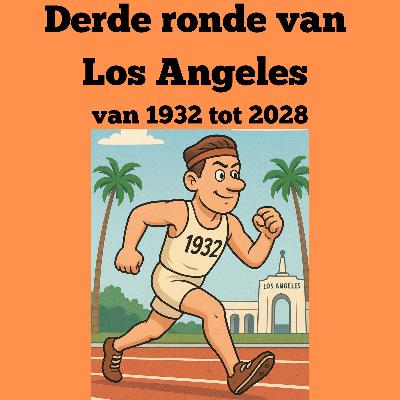
In deze podcastserie, 'Derde Ronde van Los Angeles van 1932 tot 2028', verken ik samen met Boudewijn van Eijck de rijke geschiedenis van de Olympische Spelen, met een bijzondere focus op de edities van 1932 en 1984 in Los Angeles, alsook de aanstaande Olympische Spelen van 2028. Wij zijn beiden fervente sportliefhebbers en delen onze passie door te reflecteren op memorabele momenten en verborgen verhalen uit het verleden, terwijl wij ook vooruitkijken naar de toekomst van de Olympische evenementen.The inaugural episode of the podcast series "Derde Ronde" elucidates the historical trajectory of the Olympic Games in Los Angeles, spanning from 1932 to 2028. We commence by examining the initial Olympic Games held in Los Angeles in 1932, highlighting the limited participation of female athletes, with only five sports allowing both men and women to compete, in stark contrast to contemporary standards of gender equality in sports. Furthermore, we delve into the economic and logistical challenges that the Dutch Olympic team faced during this period, which ultimately culminated in a reduced contingent of athletes. The conversation also touches upon the evolution of various sports over the decades and the implications for future Olympic events. As we navigate through this rich tapestry of athletic history, we set the stage for a deeper exploration of the nuances and complexities surrounding the Olympic legacy in forthcoming episodes.In the debut episode of 'Derde Ronde', Boudewijn van Eijk and Rik Bouman embark on an insightful examination of the Olympic Games, particularly focusing on the Los Angeles Olympics of 1932. This episode serves as a gateway into the intricate history of the Olympics, highlighting the sports that were included at that time, and notably, the significant gender disparities that existed. The hosts poignantly point out that a mere five sports featured both male and female competitors, prompting a critical discussion on the implications of such disparity and the evolution towards greater inclusivity in modern Olympic competitions.The narrative unfolds with a thorough analysis of the economic backdrop that influenced the participation of various nations, particularly the Netherlands. The hosts illustrate how the financial constraints of the era nearly precluded the Dutch team from attending the Olympics, and they commend the decisive actions of the Dutch Football Association, which stepped forward to secure necessary funding. This highlights the interplay between sport, national identity, and economic realities, emphasizing that even in the realm of athletics, financial viability plays a crucial role in representation.As the episode progresses, Boudewijn and Rik reflect on the historical significance of the 1932 Olympics, setting the stage for a broader discourse on the evolution of sports and gender dynamics in the Olympics. The episode concludes with a promise of continued exploration into the subsequent Olympic Games, inviting listeners to consider how the past informs the present and future of athletic competition. This engaging and informative episode serves as both a historical narrative and a catalyst for discussion on the ongoing journey toward equality in sports.Takeaways:The podcast series titled 'Derde Ronde' explores the history of the Olympic Games from 1932 to 2028, highlighting key events and changes in sports participation.The initial Olympic Games in Los Angeles in 1932 featured a limited number of sports, with notable exclusions for women's participation in many categories.In 1932, the ratio of male to female participants was strikingly imbalanced, emphasizing the historical context of gender inequality in sports.li...
Deze keer nemen we je mee naar Los Angeles 1984 – het jaar waarin een jonge Michael Jordan zijn wereldwijde doorbraak beleefde. Nog vóór zijn eerste NBA-minuten leidde hij Team USA naar olympisch goud en liet hij zien dat er een nieuw icoon was opgestaan.We ontrafelen de verhalen achter dit gouden team van 1984, kijken naar Jordans eerste stappen van talent naar legende en verbinden die momenten met de bredere betekenis van de Olympische Spelen toen én nu.Een mix van historie, anekdotes en vooruitblik – van de magie van 1984 tot de weg naar Los Angeles 2028.This podcast episode delves into the intriguing responses we have received regarding our inaugural episode, highlighting the growing interest from both listeners and athletes alike. We share insights about our journey towards the 2028 Olympics, reflecting on the connections we are forging with former Olympians who participated in the 1984 Los Angeles Games. The discussion encompasses the remarkable legacy of Michael Jordan, elucidating his amateur status during the 1984 Olympics and his subsequent ascent to global basketball fame. As we explore the historical context of basketball and its evolution, we also touch upon the significance of national representation in sports, including the Netherlands' achievements in recent competitions. Join us as we traverse the rich tapestry of Olympic history and its enduring impact on contemporary athleticism.The discourse unfolds with an enthusiastic recounting of the responses elicited from the debut episode of the podcast series, which has garnered attention not only from the general listening public but also from athletes, coaches, and trainers within the sporting community. It is a profound realization for us that the upcoming Olympic Games in 2028 serve not merely as a distant event but as a focal point that intertwines past and present, inspiring both listeners and athletes alike. The conversations delve into nostalgic reflections of the 1984 Los Angeles Olympics, highlighting notable athletes and their enduring connections. As we navigate through the annals of athletic history, we unearth personal anecdotes, illustrating the camaraderie that persists among team members, even decades after their competitive days. The anticipation of hosting former Olympic athletes on our platform promises to enrich our discussions with firsthand experiences and insights, thereby elevating the narrative surrounding the Olympic legacy and the personal journeys of those who have triumphed upon that global stage.In the subsequent segment of our dialogue, we steer towards the illustrious figure of Michael Jordan, whose nascent career blossomed during the 1984 Olympic Games. A pivotal moment is illustrated as we reflect on how Jordan, then a burgeoning talent from the University of North Carolina, exemplified the qualities of an exceptional athlete. His participation not only marked the beginning of a legendary career but also showcased the potency of the Olympic platform as a springboard for athletes entering the professional realm. Our discussions reveal the remarkable statistics from that tournament, where Jordan emerged as the leading scorer for the American team, thereby cementing his status as a formidable competitor. As we analyze the dynamics of the 1984 games, we also touch upon the broader implications of international competition and the evolution of basketball in the years that followed, culminating in the famed Dream Team of 1992.The concluding reflections pivot towards the contemporary landscape of sports, particularly as we consider the implications of international relations on future Olympic participation. The dialogue broaches the topic of potential Russian participation in the upcoming Olympic Games, drawing parallels with past boycotts and the ever-evolving nature of global politics as it pertains to athletics. The intricate relationship between sports and national identity emerges as a...
Luister naar de nieuwe podcast serie: "Derde Ronde van Los Angeles van 1932 tot 2028"The salient point of this podcast episode revolves around the historical instances of disqualifications in Olympic sports, particularly focusing on the events of 1932 and the subsequent implications of such actions. We delve into the tumultuous water polo match between Brazil and Germany, where the Brazilian team faced disqualification due to misconduct, leading to an altercation with the referees. This discussion serves as a precursor to a broader exploration of various Olympic events marred by disqualifications, including those stemming from doping violations. I further illuminate the context of the 1984 Olympics, where doping emerged as a significant issue, noting a marked increase in violations in subsequent games. We encapsulate our examination by reflecting on the most disqualifications recorded at the London 2012 Olympics, thereby underscoring the ongoing challenges of maintaining integrity within competitive sports.In a compelling analysis, the episode transitions from the tumultuous events of 1932 to the doping scandals that have plagued the Olympic Games over the decades. The speakers provide a meticulous examination of the disqualifications during the 1984 Olympics, identifying a significant uptick in doping violations across various sports. This segment not only elucidates the mechanisms of doping detection but also reflects on the broader implications for athletes and the integrity of the Olympic movement. The discussion is enriched by statistical insights into the prevalence of doping violations, as well as personal anecdotes that contextualize these occurrences within the larger narrative of Olympic history. The speakers emphasize the ongoing battle against doping, drawing parallels between past and present, and probing the effectiveness of current regulations in safeguarding the spirit of competition.Takeaways:In the 1932 Olympic water polo match, Brazil faced disqualification due to team misconduct.The intense emotions from the 1932 water polo incident demonstrate the longstanding passion for competitive sports.Doping emerged as a significant issue in the 1984 Olympics with multiple athletes testing positive.The 2012 Olympics saw a notable number of doping violations and subsequent disqualifications among athletes.Both the Summer and Winter Olympics have histories of disqualification related to doping infractions.The case of Aad van den Hoek highlights the repercussions of doping within the realm of competitive cycling.
De nieuwe succesvolle sport podcast serie: "Derde Ronde van Los Angeles van 1932 tot 2028"In an engaging and comprehensive discussion, the podcast delves into the historical significance of doping scandals in the world of athletics, particularly as it pertains to the Olympic Games. The episode provides an insightful analysis of Ria Staalman's experiences during the 1984 Los Angeles Olympics, where she faced both triumph and intense scrutiny. The hosts reflect on how her achievements were overshadowed by allegations of doping, a theme that resonates throughout the history of competitive sports.As the conversation unfolds, the hosts consider the psychological and societal pressures that compel athletes to resort to performance-enhancing drugs, especially in a sporting culture that increasingly emphasizes success at any cost. Staalman’s eventual confession regarding her use of steroids presents a pivotal moment for discussion, prompting an exploration of the ethical implications and the long-lasting effects such decisions have on athletes’ lives and legacies. The episode serves as a critical examination of the intertwining narratives of integrity, competition, and the relentless pursuit of excellence, offering listeners a profound understanding of the complexities surrounding doping in sports.Takeaways:This episode delves into the historical context of the Los Angeles Olympics from 1932 to 2028, examining the evolution of this significant event over the decades.We explore the implications of doping in sports, particularly focusing on the cases of Dutch athletes and the societal pressures they faced during their careers.The discussion includes a critical analysis of the public perception surrounding doping allegations, as exemplified by Ria Stalman's experiences and her eventual admission of using performance-enhancing substances.The podcast highlights the complexities of Olympic history, including the achievements of Charles Pahout de Mortagne and his contributions to Dutch equestrian sports during the twentieth century.We reflect on the broader impact of doping scandals on the integrity of sports and how they influence the narratives surrounding athletic accomplishments.The episode also considers the societal and cultural factors that have shaped the Olympic Games, from the grandeur of the 1932 Los Angeles Olympics to the modern-day challenges athletes face.Companies mentioned in this episode:NOS
De succesvolle Olympische Podcast serie is nu alweer toe aan de vijfde aflevering. Vanaf aflevering 7 zullen ook de (voormalige en toekomstige) olympische sporters zelf deelnemen aan onze afleveringen.This podcast episode elucidates the intriguing parallels between the Netherlands and the Los Angeles area, especially in light of the preparations for the 2028 Olympic Games. We delve into the economic and demographic similarities, noting that both regions boast comparable gross national products and populations, each hovering around 18 to 19 million inhabitants. Furthermore, we examine the substantial urban challenges faced by both territories, such as housing shortages and climate-related issues, which serve to underscore their shared dilemmas. Additionally, we reflect on historical performances of Dutch hockey teams in the Olympics, particularly the nuances of past successes and failures, drawing connections to the aspirations for the upcoming Olympic events. Through this discourse, we aim to foster a deeper understanding of the interconnectedness of global sporting cultures and their implications for future competitions.The podcast episode provides a detailed exploration of the preparatory measures being undertaken by the Dutch Olympic Committee as it gears up for the 2028 Olympic Games in Los Angeles. Central to the discussion is the engagement of various Dutch enterprises in the establishment of a Holland Village, which seeks to promote Dutch culture and commerce during the Games. The speakers draw intriguing comparisons between the Netherlands and the Los Angeles region, noting their shared geographical features and urban challenges. Both regions are situated along the western coast, possess similar economic outputs, and face significant urban issues such as housing shortages and climate change management. This comparative analysis serves not only to highlight the collaborative potential between the two regions but also to underscore the importance of strategic partnerships as the Olympics approach.In a reflective segment, the conversation shifts to the historical context of Dutch hockey within the Olympic framework, specifically focusing on the 1984 Games held in Los Angeles. The speakers recount the experiences of the Dutch men’s hockey team, which boasted a roster of esteemed players yet ultimately fell short of expectations. Through a critical examination of their performance, the discussion reveals the complexities of competitive sports and the high stakes involved in Olympic competitions. The narrative serves as a reminder of the unpredictability of sports, particularly in high-pressure environments, and highlights the lessons learned that can inform the aspirations of future Dutch teams as they prepare for the upcoming Olympic events.Concluding the episode, the speakers reflect on the advancements in broadcasting technology that have transformed the viewing experience of Olympic events. They contrast the limited media representation of the 1984 Games with today’s capabilities, which allow audiences to engage with multiple events concurrently. This evolution illustrates a significant shift towards inclusivity in sports broadcasting, enhancing the accessibility of Olympic events for a diverse audience. The discussion wraps up with a forward-looking perspective on the potential for sustainable practices to be integrated into the planning of the 2028 Olympics, emphasizing the necessity of creating a legacy that not only celebrates athletic excellence but also prioritizes environmental stewardship.Takeaways:This episode discusses the similarities between the Netherlands and Los Angeles, particularly in terms of economic factors and geographical attributes.Both regions face significant urban challenges, including housing...
Bernard Leene, de pechvogel van 1932 en Carl Lewis, het fenomeen van 1984!De succesvolle Olympische Podcast serie is nu alweer toe aan de zesde aflevering. Vanaf aflevering 7 zullen ook de (voormalige en toekomstige) olympische sporters zelf deelnemen aan onze afleveringen.The discourse herein elucidates the historical trajectory of the Los Angeles Olympic Games, spanning from 1932 to 2028, with a particular focus on the events surrounding the 1932 Games. We meticulously examine the challenges faced by the Dutch tandem cycling team, notably the unfortunate circumstances that precluded Bernard Lenen from defending his title alongside Daan van Dijk due to financial constraints. The episode further delves into the strategic decisions made by athletes, notably Jacques van Egmond, who grappled with the implications of competing in multiple events on the same day. This discussion encapsulates the broader theme of financial limitations impacting athletic performance and opportunities. Notably, we draw parallels to contemporary issues faced by athletes, underscoring the enduring relationship between fiscal support and success in competitive sports.Takeaways:In 1932, financial constraints prevented the Dutch tandem duo from defending their title.Jacques van Egmond prioritized his sprint events over the tandem race in Los Angeles.The decision to withdraw from the tandem race was officially attributed to equipment failure.Carl Lewis's remarkable achievements in 1984 drew comparisons to Jesse Owens's historic performance in Berlin.The pressure on Lewis's teammates during the relay was immense, given his quest for a fourth gold.Inevitably, financial issues continue to affect the performance and preparation of athletes today.Companies mentioned in this episode:NRCWielenunieDaan van DijkJacques van EgmondHarry La VrijsseStanley ChambersErnst ChambersGuus SchillingCarl LewisJesse OwensGiusem BolterBob BiemanSam McGreadyBrownKelvin SmithPietro Menea
We kijken terug naar de spelen van 1980 en 1984 waarin Sebastian Coe en Steve Ovett historische duels uitvochten maar voor 2028 hebben wij nu Niels Laros als serieuze kandidaat voor de Spelen!This episode provides a detailed exploration of the dramatic encounters between Sébastien Coe and Steve Ovett, two titans of British athletics whose rivalry captivated fans during the 1980 Moscow Olympics. The hosts present a comprehensive analysis of the context surrounding the Games, including the geopolitical implications that led to the absence of several countries, thus intensifying the spotlight on the British duo. The narrative captures the essence of their rivalry, discussing how Ovett triumphed in the 800 meters, while Coe redeemed himself in the 1500 meters just days later. This duality of outcomes not only illustrates the unpredictability of athletic competition but also reflects the emotional and psychological toll such rivalries can exert on athletes. The hosts engage in a thoughtful discourse on the nature of competition, the significance of media narratives, and how personal character plays a pivotal role in shaping public perception and legacy in sports.Takeaways:This episode delves into the intense rivalry between Sébastien Coe and Steve Ovett during the 1980 Moscow Olympics.The podcast highlights the significance of the 800 meter and 1500 meter races in shaping their legacies.Listeners are informed about the political backdrop of the Moscow Olympics and the boycotts that affected many athletes.The episode discusses the psychological pressures faced by athletes when competing under immense public scrutiny.We explore how both athletes managed to achieve success despite their fierce rivalry and personal challenges.The conversation reflects on the evolution of middle-distance running and the competitive landscape over the decades.
Nico Rienks, de Nederlandse roeiwereld verkoos Rienks tot roeier van de 20ste eeuw, met een roeicarrière van dik twintig jaar, twee keer goud op de Olympische Spelen, één keer in de dubbeltwee in Seoul in 1988, één keer in de acht in Atlanta in 1996, één maal wereldkampioen en drager van talloos ander eremetaal.The dialogue presented in this episode unveils a profound exploration of the experiences and reflections of a former athlete, Nico, regarding his participation in the 1984 Olympic Games. The conversation begins with an examination of Nico's memories from that event, where he candidly admits that despite not achieving remarkable success—finishing ninth in the double four—his time at the Olympics was marked by an overwhelming sense of camaraderie and celebration. This reflection serves as a poignant reminder of the multifaceted nature of athletic competition, which extends beyond mere accolades to encompass the rich tapestry of shared experiences among athletes. Furthermore, Nico's recollections of attending other events, such as witnessing Carl Lewis's triumphant victory, highlight the unique privileges afforded to athletes during the Games, contrasting sharply with the contemporary restrictions faced by modern competitors. This juxtaposition invites listeners to reflect on the evolving landscape of competitive sports and the shifting dynamics of athlete experiences over time.The discussion further delves into the logistical and emotional aspects of preparing for the Olympics, including the rigorous training regimen Nico and his team undertook prior to their arrival in Los Angeles. He recounts the challenges they faced during their training camp in Nevada, emphasizing the significance of altitude training in their preparation. The narrative unfolds to reveal the intense travel arrangements, the heightened security measures, and the palpable excitement that enveloped the athletes as they approached the Olympic arena. Within this framework, Nico's narrative illuminates the intricate interplay between preparation, competition, and the broader Olympic experience, offering listeners a nuanced perspective on the sacrifices and triumphs that define an athlete's journey.Finally, the episode culminates in a reflective discussion on the legacy of the 1984 Games and its implications for future Olympians, particularly those preparing for the upcoming 2028 Los Angeles Olympics. Nico shares his insights on the importance of acclimatization to the climatic conditions athletes may encounter, drawing parallels between his experiences and the prospective challenges faced by modern competitors. This segment of the conversation serves as a valuable resource for aspiring athletes, offering practical advice and fostering an understanding of the relentless pursuit of excellence that characterizes Olympic competition. Ultimately, the episode encapsulates a rich historical narrative, weaving together themes of nostalgia, competition, and camaraderie that resonate deeply within the world of sports. It is a testament to the enduring spirit of the Olympic Games and the athletes who partake in them, inviting listeners to reflect on their own perceptions of achievement and legacy.Takeaways:The 1984 Olympic Games left a profound impact on me, despite not achieving a remarkable performance.Our training camp in the mountains prior to the Games was a unique and memorable experience.During the Olympics, I observed Carl Lewis's historic victory from a privileged position.The camaraderie among athletes across different sports enhances the Olympic experience significantly.
Een terugblik op de dames sprint tijdens de Olympische Spelen van o.a. Los Angeles 1984 met o.a. Els Vader. En uiteraard komt ook Daphne Schippers alvast even voorbij in de 21ste eeuw.The focus of our discourse revolves around the compelling topic of female sprinting, specifically within the context of the 100 and 200 meters events. We delve into the historical contributions of Dutch athletes in this domain, acknowledging the comparatively limited representation of the Netherlands at major international competitions, particularly the Olympic Games. A significant figure in this discussion is Els Vader, an athlete who, despite not securing a medal, showcased remarkable talent and determination by qualifying for the Olympics in both the 100 and 200 meters during the 1980s. We explore her legacy, as well as the broader implications of national identity and historical performance on the contemporary landscape of women's sprinting. Furthermore, we aim to analyze the statistical data surrounding these events, thereby providing a comprehensive understanding of the evolution and current state of female sprinting on the global stage.The discourse surrounding the realm of women's sprinting, particularly the 100 and 200 meters, unveils a fascinating narrative of athletic prowess and national representation, with a pronounced focus on the Dutch contributions to the Olympic stage. Throughout the discussion, we delve into the historical context, highlighting the relatively sparse representation of Dutch athletes in sprinting events compared to their counterparts from Anglo-Saxon nations, notably the United States, Jamaica, and Canada. The speakers reflect on the legacy of athletes such as Els Vader, who, despite never winning an Olympic medal, played an integral role in elevating the profile of Dutch sprinting during the 1980s. The dialogue further scrutinizes the competitive landscape of sprinting, where the dominance of certain countries raises questions about the underlying factors that foster such excellence, including tradition, training, and the psychological impact of national pride on emerging athletes.Expounding upon the achievements and challenges faced by Dutch sprinters, the conversation transitions to a comparative analysis of historical performance metrics. We examine the times clocked by Vader and juxtapose them against renowned sprinters such as Florence Griffith, whose world record remains a benchmark in the sport. The speakers emphasize the importance of personal bests and the environmental conditions that influence race outcomes, affirming that while Vader's achievements were significant, they were overshadowed by the extraordinary performances of her contemporaries. This reflective narrative not only honors the contributions of past athletes but also serves as a catalyst for understanding the evolving nature of sprinting and the potential for future generations.In a broader sense, the discussion encapsulates the essence of competitive athletics, where victories are often measured in medals, yet the journey of each athlete, particularly those like Els Vader who have navigated the fierce competitive waters of sprinting, deserves recognition. As we traverse through statistics and anecdotes, we are reminded that the spirit of competition transcends the mere acquisition of accolades; it is about the relentless pursuit of excellence and the stories that shape the legacy of a sport. This episode thus serves as a poignant tribute to the unsung heroes of athletics, illuminating the path for those who aspire to sprint towards greatness.Takeaways:In this episode, we extensively discuss the contributions of Dutch female sprinters in Olympic events, particularly focusing on the 100 and 200 meter races.We delve into the historical...
Hans Koeleman:Hij was tienvoudig Nederlands kampioen 3000m Steeplechase tussen 1978 en 1990.Hij heeft ook de door atletieksport geïnspireerde boeken geschreven:Olympiërs – Roman (2016) ISBN 9789029506793Het blauwe uur – Wat de hardloper bezielt (2014) ISBN 9789035142053https://mysticalmiles.nl/abonnement/The salient point of this podcast episode revolves around the intricate experiences of Hans Koeleman as an athlete during the 1984 Los Angeles Olympics. We delve into the myriad challenges and triumphs he faced leading up to, during, and after the event, providing listeners with a profound understanding of the dedication and resilience required at such a high level of competition. The episode encapsulates not merely the athletic achievements but also the personal narratives that define the Olympic journey, shedding light on the emotional and psychological facets of preparing for the grand stage. As we explore Hans's reflections on his journey, we examine the broader implications of the Olympic Games, particularly how they resonate with the culture of Los Angeles and the memories they evoke for those who participated. Ultimately, this discussion invites listeners to appreciate the rich tapestry of stories that come to life through sports and the enduring legacy of the Olympic spirit.This episode of the podcast presents an engaging dialogue centered around Hans Koeleman, a distinguished athlete who participated in the 1984 Los Angeles Olympics. The hosts welcome him in the vibrant RTV Rijnmond studio, fostering an atmosphere conducive to candid conversation. Koeleman shares his unique journey from being a football player to an accomplished runner, illustrating the serendipitous moments that shaped his athletic career. His narrative is enriched with personal anecdotes, revealing the challenges and triumphs that characterize an athlete's life.As the dialogue transitions to the Olympic experience, Koeleman vividly describes the qualifying trials and the intense preparations leading up to the Games. He reflects on the emotional high of competing on an Olympic stage, the collective spirit of the athletes, and the significance of representing one’s country. The hosts skillfully navigate through his memories, allowing listeners to grasp the weight of the moment and the pride associated with Olympic participation.Moreover, the episode touches upon the legacy of the 1984 Olympics, emphasizing its role in revitalizing the spirit of Los Angeles and the broader implications for future Games. The discussion culminates in a forward-looking perspective towards the 2028 Olympics, with Koeleman’s insights offering a bridge between past experiences and future aspirations. This rich tapestry of narratives not only honors the legacy of Olympic athletes but also inspires a new generation to pursue their dreams with unwavering dedication.Takeaways:In this episode, we explore the significance of the 1984 Los Angeles Olympics and how they shaped the perception of athletic achievement.The conversation delves into the unique challenges faced by athletes in meeting Olympic qualification standards during the 1980s.Listeners gain insight into the personal journey of an Olympic runner, highlighting the mental and physical preparation required for such a prestigious event.We discuss the lasting impact of the 1984...
Beste waterpoloster van de wereld op weg naar LA, Simone van de Kraats (Live interview)This podcast episode elucidates the intricate dynamics of water polo, focusing particularly on the remarkable achievements and preparations of the Dutch national team as they approach the upcoming Olympic Games in Los Angeles. We engage in a profound dialogue with key players, who provide insights into the rigorous training regimens, competitive landscape, and the mental fortitude required to excel at the highest levels of the sport. The conversation highlights the significance of teamwork, the development of young talent in Catalonia, and the strategic adjustments made during pivotal matches. Additionally, we reflect upon the journey from the past Olympic Games to the present, emphasizing the lessons learned and the aspirations for future triumphs. Our discourse encapsulates not only the technical aspects of water polo but also the emotional resilience and camaraderie that define this compelling athletic endeavor.In the latter portion of the discussion, the speakers examined the mental fortitude required in high-stakes competitions, particularly in the context of their experiences in crucial matches, including a dramatic semifinal against Spain. Speaker B recounted the psychological strategies employed to overcome a challenging 6-1 deficit, illustrating the resilience and adaptability of the team under pressure. This segment emphasized the necessity of maintaining mental clarity amidst the physical and emotional demands of the sport. The conversation also touched upon tactical nuances, such as the role of the coach in guiding players through critical moments and the importance of teamwork and communication in executing strategies. As they looked toward the future, particularly the 2028 Los Angeles Olympics, the speakers expressed optimism about the team's prospects while acknowledging the ongoing challenges of competition and the need for continuous improvement in their gameplay, both technically and mentally. This multifaceted discussion not only highlighted the current state of water polo but also the personal and collective journeys of the athletes involved.Takeaways:The water polo scene in Catalunya is significantly enhanced by a centralized training facility near Barcelona, fostering talent from a young age.Playing professionally in Spain entails rigorous training schedules, with athletes engaging in two to three training sessions daily, enhancing their skills and competitive edge.The podcast discusses the transition of the national team to a new coach, highlighting the importance of fresh perspectives for team dynamics and performance.The speakers reflect on their journey through recent tournaments, emphasizing the mental resilience required to succeed under pressure and the importance of teamwork.The conversation addresses the significance of mental fortitude in water polo, noting that maintaining composure is crucial during high-stakes matches.Companies mentioned in this episode:SabadellRTV Rijnmond
Derde Ronde van Los Angeles van 1932 tot 2028!Aflevering 12: Bizar voorval voor Carla Beurskens in 1984 tijdens de eerste olympische marathon voor vrouwen!The focal point of our discussion revolves around the historic Marathon for Women, which took place in 1984, marking a pivotal moment as it was the inaugural marathon for women in the Modern Olympic Games. This groundbreaking event not only showcased the extraordinary capabilities of female athletes but also underscored the long-standing debate regarding the physiological equivalence of male and female competitors in distance running. The episode delves into the remarkable journey of Joan Benoit, who emerged victorious in this momentous race, despite having undergone knee surgery just weeks prior. We also reflect on the challenges and adversities faced by other participants, including the unfortunate incident involving Carla Beurskens, whose race was irrevocably altered by an unforeseen mishap. Through this examination, we aim to illuminate the significance of this marathon in the broader context of women's athletics and the evolution of gender parity in competitive sports.The 1984 Women's Marathon is portrayed as a watershed moment in the realm of athletics, serving as a catalyst for the recognition of female endurance athletes on a global platform. The speakers engage in a thorough analysis of the event, starting with the backdrop of women's athletics leading up to the Olympics. They reflect on the prevailing skepticism surrounding women's ability to compete on equal footing with men in such a grueling event, yet they laud the courage and determination of the women who participated. Joan Benoit’s remarkable victory is highlighted, especially considering her recent knee surgery just weeks prior to the race. This achievement not only shattered existing records but also served as a powerful statement about the potential of female athletes. The episode further dissects the race conditions, such as the high humidity, which complicated the athletes' performances and contributed to varying outcomes, including challenges faced by other competitors like Carla Beurskens and Gabrielle Anderson-Swiss. The speakers articulate how these narratives intertwine to form a larger story of resilience, perseverance, and the pursuit of equality in sports, making it clear that the 1984 marathon was not merely a race, but a profound statement about women's rights in athletics.Takeaways:The inaugural Women's Marathon at the 1984 Olympics marked a significant milestone in athletics history.Joan Benoit, a remarkable athlete, won the first Women's Marathon with an impressive time.The challenging conditions during the marathon included high humidity and warm temperatures, impacting performance.The media portrayal of Gabrielle Anderson-Swiss during her struggle in the marathon highlights gender biases in sports coverage.
This podcast episode delves into the intricate interplay between politics and the Olympic Games, focusing specifically on the events of the 1936 Berlin Olympics and the 1948 London Olympics. The discussion begins with a thorough examination of the 1936 Games, during which Jesse Owens' remarkable achievements not only shattered athletic records but also directly challenged the prevailing Nazi ideologies of racial superiority. We explore the profound implications of these Games, noting how the political climate of the era permeated the sporting spectacle, with Germany leveraging the event as a platform for propaganda. Transitioning to the 1948 Olympics, we highlight the absence of Germany and Japan due to their roles in the recent global conflict, emphasizing the enduring impact of political decisions on international sporting events. Throughout this discourse, we engage with the remarkable athletic feats and the broader socio-political context, providing listeners with a comprehensive understanding of how these Olympic Games were not merely athletic contests but pivotal moments in history.The thirteenth episode of our podcast delves into the intricate intersection of sports and politics, exploring two pivotal Olympic Games: Berlin in 1936 and London in 1948. We commence with an analysis of the Berlin Games, a significant event held under the oppressive political climate of Nazi Germany. The episode highlights the remarkable athletic feats that occurred during these Games, particularly the extraordinary achievements of Jesse Owens, whose four gold medals not only showcased his unparalleled talent but also served as a poignant rebuttal to the Nazi ideology of racial superiority. Owens' performance is framed within the socio-political context of the time, illustrating how the Olympics became a stage for propaganda, as epitomized by Leni Riefenstahl's film 'Olympia', which celebrated the athletes while simultaneously glorifying the Nazi regime. The discussion further examines how the political machinations surrounding the Games impacted the athletes, including the inclusion of Jewish athlete Helena Mayer, whose participation was a calculated move by the regime to mitigate international criticism.Transitioning to the 1948 London Games, we reflect on the aftermath of World War II and the absence of Germany and Japan from the competition. The London Games marked a significant return to international athletics, with a focus on the resurgence of sportsmanship and global unity. We pay tribute to Fanny Blankers-Koen, who emerged as a beacon of hope and resilience, winning four gold medals and capturing the imagination of the public. Her performances are celebrated as not only athletic triumphs but also milestones in the evolution of women's sports, challenging societal norms and expectations. The episode encapsulates how the Olympics, while often marred by political undertones, also offer a platform for athletes to transcend boundaries and inspire future generations.In our in-depth examination, we juxtapose the contrasting narratives of the two Olympic Games, emphasizing how the political landscape influenced the athletes and the broader implications for society. The Berlin Games serve as a cautionary tale of how sports can be co-opted for political ends, while the London Games exemplify the potential for sport to unite and heal a fractured world. Through engaging dialogue and rich historical context, we invite listeners to reflect on the enduring legacy of the Olympics and the role of athletes as agents of change. The episode concludes with a forward-looking perspective, hinting at future discussions on the evolving nature of the Olympics and its relevance in contemporary society.Takeaways:The political landscape surrounding the Olympic Games has always been intertwined with sportsmanship, as evidenced by the events of 1936
De veertiende aflevering van de Derde Ronde LA podcast biedt een diepgravende discussie met Peter Blange, een icoon in de volleybalsport. Het gesprek begint met een terugblik op Blange’s beginjaren en zijn ervaringen tijdens de Olympische Spelen van 1984, waar Nederland niet deelnam, maar waar Blange zijn carrière in het nationale team begon. Hij bespreekt de toestand van het volleybal in Nederland tijdens die periode, waarin de sport nog niet de erkenning en structuur had die het nu geniet. Het gesprek ontvouwt zich verder en belicht de rol van de Nederlandse volleybalbond en de inspanningen die zijn geleverd om de sport naar een hoger niveau te tillen.Blange’s inzichten over de transformatie van het team onder leiding van coach Arie Selinger zijn bijzonder intrigerend. Hij benadrukt hoe Selinger's innovatieve benadering en zijn focus op intensieve training de spelers hebben geholpen om het niveau van hun spel drastisch te verhogen. Dit leidde niet alleen tot betere prestaties op internationaal niveau, maar creëerde ook een cultuur van hard werken en toewijding binnen het team. Blange deelt zijn persoonlijke worstelingen en overwinningen in deze transformatie, en hoe deze ervaringen hebben bijgedragen aan zijn groei als speler en als individu. Het gesprek belicht ook de dynamiek binnen het team, de rivaliteit en de vriendschappen die zijn ontstaan, en hoe deze elementen cruciaal waren voor hun uiteindelijke succes.De aflevering biedt een schat aan waardevolle lessen over teamwork, doorzettingsvermogen en de impact van leiderschap in de sport. De verhalen van Blange zijn niet alleen een eerbetoon aan de geschiedenis van het Nederlandse volleybal, maar ook een inspiratiebron voor toekomstige generaties sporters die streven naar uitmuntendheid in hun vakgebied.Takeaways:In deze aflevering bespreken we het bijzondere verhaal van Peter Blange, een legendarische volleyballer.Peter Blange reflecteert op zijn Olympische ervaringen, waaronder vier deelnames aan de Spelen.De ontwikkeling van het Nederlandse volleybalteam is essentieel voor het behalen van Olympische successen.We onderzoeken de impact van trainers en coaches op de sportieve groei van atleten.Companies mentioned in this episode:RTV RijnmondNVODDutch OlympiansFC AmsterdamNationale NederlanderSporthal BankrasMartinezDelta Lloyd AMVJZonhovenCataniaParmaHellasHermesStarlift VoorburgRon Zwerver
The principal focus of this podcast episode is the exploration of Peter Blange's journey leading up to the 1996 Atlanta Olympics, particularly the transformative years following the 1992 Barcelona Games. We delve into the nuances of competitive volleyball during this period, highlighting the shift from club to national team dynamics that defined the athletes' experiences. Peter articulates the significance of team chemistry and tactical adaptations that emerged amidst evolving player roles and coaching strategies. Furthermore, we recount pivotal moments from the World League and the emotional weight of facing Italy, a recurring rival, in several high-stakes matches. Ultimately, the episode encapsulates the resilience and determination of the team as they prepared for the Olympic stage, setting the tone for the challenges and triumphs that lay ahead.The discourse initiates with an insightful reflection on Peter Blange's extensive career in volleyball, tracing the evolution from his early Olympic appearances to the monumental preparations for the 1996 Atlanta Olympics. This segment provides a granular examination of the interplay between club commitments and national responsibilities, revealing the nuanced challenges faced by athletes in balancing these demanding roles. Peter articulates the invigorating effect of transitioning between teams, which not only fostered a sense of renewal but also enhanced the collective spirit among teammates, a theme that resonates throughout his narrative.As the conversation unfolds, Peter shares vivid recollections of the European Championships and World Championships, where the team navigated through both exhilarating victories and heart-wrenching defeats. The emphasis on strategic adaptations and the collaborative nature of tactical discussions illuminates the complexities inherent in high-level competition, particularly when facing perennial rivals such as Italy. Peter's insights into the evolving dynamics of team play offer a profound understanding of the sport's intricacies, reflecting a deep-seated passion for volleyball and a commitment to excellence.The dialogue culminates in a riveting recounting of the Olympic journey in Atlanta, where the stakes reached their zenith. Peter's reflections on the final match against Italy encapsulate the essence of competitive spirit, underscoring the emotional resilience required to thrive in such high-pressure environments. The podcast not only chronicles the milestones of an athlete's career but also serves as a testament to the indelible bonds forged through shared struggles and triumphs, leaving listeners with a deeper appreciation for the dedication that underpins the pursuit of sporting greatness.Takeaways:The four years leading up to the Atlanta 1996 Olympics were marked by significant team dynamics and preparations.The experience gained from previous tournaments contributed significantly to the team's performance in Atlanta.The tactical adjustments made during the matches were crucial for overcoming challenging opponents like the United States.The emotional highs and lows experienced during the tournament highlighted the psychological aspects of competitive sports.The final match against Italy was a culmination of years of rivalry and strategic evolution in gameplay.The importance of team cohesion and communication was evident in the successful navigation of the Olympic tournament.Companies mentioned in this...

Comments

Download from Google Play

Download from App Store
 United States