


 Claim Ownership
Kali Mandir Satsang
Subscribed: 228Played: 2,498
Subscribe

© 2011 Kali Mandir. All Rights Reserved.
Description
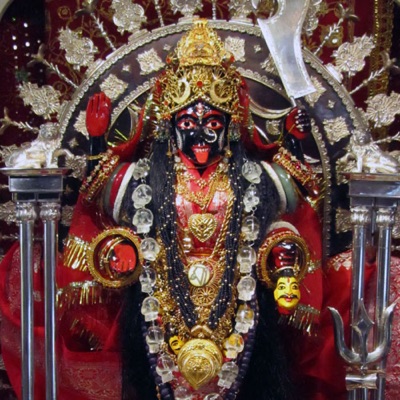
Spiritual discourses given at Kali Mandir Ramakrishna Ashram, a traditional Hindu temple, ashram, and seminary dedicated to the worship of the Divine Mother in Laguna Beach, California.
326 Episodes
Reverse
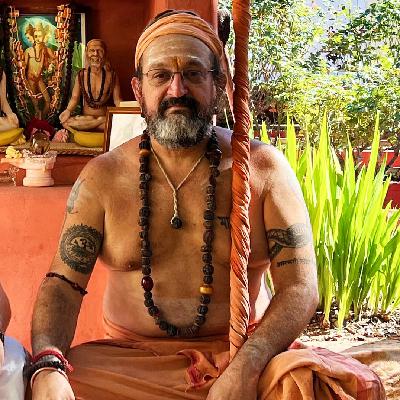
Discourse by Revered Dr. Swami Bhajanananda Saraswati given on 28 March 2026 at Kali Mandir Ramakrishna Ashram. Swamiji continues his series on the Principles of Bhakti Yoga, reading from the teachings of Narada Muni from the Srimad Bhagavatam, Skanda 51, Discourse 5 (translation by Swami Bhajanananda):
1.5.8
śrī-nārada uvāca
bhavatānudita-prāyaḿ yaśo bhagavato 'malam
yenaivāsau na tuṣyeta. manye tad darśanaḿ khilam
Sri Narada said:
"You have not praised the stainless glories of Bhagavan. This does not satisfy Him. I think such philosophy incomplete."
1.5.9
yathā dharmādayaś cārthā. muni-varyānukīrtitāḥ
na tathā vāsudevasya mahimā hy anuvarṇitaḥ
"You have repeatedly described dharma and the rest (dharma, kama, artha, moksha) as the goals, but although a great sage, have not described the glories of Vāsudeva."
1.5.10
na yad vacaś citra-padaḿ harer yaśo. jagat-pavitraḿ pragṛṇīta karhicit
tad vāyasaḿ tīrtham uśanti mānasā. na yatra haḿsā niramanty uśik-kṣayāḥ
"Words, however beautiful, that do not describe the glories of Hari, which purify the world, are places of pilgrimage to crows, and not to swans who take pleasure in transcendental bliss."
1.5.11
tad-vāg-visargo janatāgha-viplavo
yasmin prati-ślokam abaddhavaty api
nāmāny anantasya yaśo 'ńkitāni yat
śṛṇvanti gāyanti gṛṇanti sādhavaḥ
"But those words, however badly composed each verses is, that describe the names etc (name, form, abode, qualities, activities) of the Infinite, destroy the sins of all people. Such words are heard, sung, and accepted by sadhus."
Revered Dr. Swami Bhajanananda Saraswati continues his series on the Principles of Bhakti Yoga, reading from the teachings of Kapila Muni in the Srimad Bhagavatam, Skanda 3, Discourse 28 (translation by Swami Bhajanananda):
1. śrī-bhagavān uvāca
yogasya lakṣaṇaṁ vakṣye
sabījasya nṛpātmaje
mano yenaiva vidhinā
prasannaṁ yāti sat-patham
The Blessed Lord said:
"O princess, I shall describe the authorized system of yoga, by the practice of which one’s mind becomes joyful and advances on the path of Truth."
2. sva-dharmācaraṇaṁ śaktyā
vidharmāc ca nivartanam
daivāl labdhena santoṣa
ātmavic-caraṇārcanam
"One must perform one’s dharma with all one’s strength and avoided prohibited actions. One should be satisfied with what one has through destiny and worship the lotus feet of the Self-realized."
3. grāmya-dharma-nivṛttiś ca
mokṣa-dharma-ratis tathā
mita-medhyādanaṁ śaśvad
vivikta-kṣema-sevanam
"Giving up worldly activities one should then develop a taste for activates that lead to liberation. One should always eat pure food in moderation and stay in a secluded and peaceful dwelling."
4. ahiṁsā satyam asteyaṁ
yāvad-artha-parigrahaḥ
brahmacaryaṁ tapaḥ śaucaṁ
svādhyāyaḥ puruṣārcanam
"One should practice nonviolence, truthfulness, non-stealing, possessing only what is necessary, celibacy, austerity, cleanliness, self-study, and worship of the Supreme Person."
5. maunaṁ sad-āsana-jayaḥ
sthairyaṁ prāṇa-jayaḥ śanaiḥ
pratyāhāraś cendriyāṇāṁ
viṣayān manasā hṛdi
"One should practice silence, attain mastery of a proper and steady posture, control the breath/prana, gradually withdraw the senses from sense-objects, and focus the mind on the heart."
6. sva-dhiṣṇyānām eka-deśe
manasā prāṇa-dhāraṇam
vaikuṇṭha-līlābhidhyānaṁ
samādhānaṁ tathātmanaḥ
"One should fix the mind and prana in one place in a chakra in the body and meditate upon the pastimes of Lord of Vaikunta and thus become absorbed in the self."
7. etair anyaiś ca pathibhir
mano duṣṭam asat-patham
buddhyā yuñjīta śanakair
jita-prāṇo hy atandritaḥ
"By these and other ways this wicked mind on the path of illusion must be gradually controlled by the intelligence and one’s prana should be carefully focused."
8. śucau deśe pratiṣṭhāpya
vijitāsana āsanam
tasmin svasti samāsīna
ṛju-kāyaḥ samabhyaset
"Spreading a proper seat in a pure place and sitting in an easy posture, with body erect , engage in practice."
9. prāṇasya śodhayen mārgaṁ
pūra-kumbhaka-recakaiḥ
pratikūlena vā cittaṁ
yathā sthiram acañcalam
"One should purify the passages of prana by inhaling, retaining and exhaling and then reversing the process , thus making the mind-stuff (cittam yathā) steady and unwavering."
10. mano ’cirāt syād virajaṁ
jita-śvāsasya yoginaḥ
vāyv-agnibhyāṁ yathā lohaṁ
dhmātaṁ tyajati vai malam
"When a yogi’s breath is thus controlled then the mind is soon freed from disturbance, just like gold in an air-fanned fire becomes free of impurities."
11. prāṇāyāmair dahed doṣān
dhāraṇābhiś ca kilbiṣān
pratyāhāreṇa saṁsargān
dhyānenānīśvarān guṇān
"Through pranayama, one overcomes faults; by concentration, sins; by withdrawal of the mind, worldliness; and by meditation, ungodly qualities."
12. yadā manaḥ svaḿ virajaḿ
yogena susamāhitam
kāṣṭhāḿ bhagavato dhyāyet
sva-nāsāgrāvalokanaḥ
"When one’s mind is purified by yoga, gazing at the tip of the nose, with full concentration one should meditate upon the Supreme Lord."
____________
34. evaḿ harau bhagavati pratilabdha-bhāvo
bhaktyā dravad-dhṛdaya utpulakaḥ pramodāt
autkaṇṭhya-bāṣpa-kalayā muhur ardyamānas
tac cāpi citta-baḍiśaḿ śanakair viyuńkte
T"hus one will develop intense love for Bhagavan Hari, the heart will melt, hairs stand erect from excessive joy and tears will flow constantly from one’s eyes due to longing . Thus overcome , the mind, which has acted as a hook, begins to withdraw."
Rev. Dr. Swami Bhajanananda Saraswati continues his series of discourses on the Principles of Bhakti Yoga, followed by arati and Ramnam Sankirtan. Swamiji expands on the pillars of dharma discussed in last week's class, focusing on truthfulness, compassion, desire, and company.
Rev. Dr. Swami Bhajanananda Saraswati continues his series of discourses on the Principles of Bhakti Yoga, followed by arati and kirtan. Swamiji expands on the pillars of dharma discussed in last week's class, and expands on tapasya (austerity/self-discipline); the Yamas & Niyamas; austerities of the body, speech, and mind; and truthfulness.
Rev. Dr. Swami Bhajanananda Saraswati begins a new series of discourses on the "Principles of Bhakti Yoga.", followed by arati and kirtan.
This class focuses on a story in the Srimad Bhagavatam about the bull of dharma and the cow of Earth being attached by the demon Kali, the personification of the adharma of Kali Yuga. Swamiji reads and discusses chapters 17 and 18 of Skanda I, and then focuses on some important verse given below:
ŚB 1.17.24
राजोवाच
तप: शौचं दया सत्यमिति पादा: कृते कृता: ।
अधर्मांशैस्त्रयो भग्ना: स्मयसङ्गमदैस्तव ॥ २४ ॥
rājovāca
tapaḥ śaucaṁ dayā satyam iti pādāḥ kṛte kṛtāḥ
adharmāṁśais trayo bhagnāḥ smaya-saṅga-madais tava
The King (Parikshit) said:
"In Satya Yuga your four legs were established as austerity (tapaḥ), purity (śaucaṁ), compassion (dayā), and truthfulness (satyam). But it appears that three of your legs have been broken by adharma in the form of pride (smaya), attachment (saṅga), and blinding passion (madaiḥ)."
ŚB 1.17.25
इदानीं धर्म पादस्ते सत्यं निर्वर्तयेद्यत: ।
तं जिघृक्षत्यधर्मोऽयमनृतेनैधित: कलि: ॥ २५ ॥
idānīṁ dharma pādas te satyaṁ nirvartayed yataḥ
taṁ jighṛkṣaty adharmo ’yam anṛtenaidhitaḥ kaliḥ
"At present, O Dharma, you are standing on one leg only, which is truthfulness (satyam), and you are somehow or other hobbling along. But Kali, the personification of adharma, is trying to destroy this leg by dishonesty (anṛtena)."
ŚB 1.17.38
सूत उवाच
अभ्यर्थितस्तदा तस्मै स्थानानि कलये ददौ ।
द्यूतं पानं स्त्रिय: सूना यत्राधर्मश्चतुर्विध: ॥ ३८ ॥
sūta uvāca
abhyarthitas tadā tasmai sthānāni kalaye dadau
dyūtaṁ pānaṁ striyaḥ sūnā yatrādharmaś catur-vidhaḥ
Sūta said:
"Thus petitioned, he (Parikshit) gave Kali permission to reside where there are the four kinds of adharma: gambling (dyūtam), drinking (pānam), womanizing (striyaḥ), and animal slaughter (sūnā)."
ŚB 1.17.39
पुनश्च याचमानाय जातरूपमदात्प्रभु:
।
ततोऽनृतं मदं कामं रजो वैरं च पञ्चमम् ॥ ३९ ॥
punaś ca yācamānāya jāta-rūpam adāt prabhuḥ
tato ’nṛtaṁ madaṁ kāmaṁ rajo vairaṁ ca pañcamam
"[Kali] asked for something more, and because of his begging, the king gave him permission to live where there is gold (jāta-rūpam), because wherever there is gold, there is also deceit (anṛtam), intoxication (madam), lust (kāmam), cruelty (rajaḥ), and enmity (vairam) the fifth."
ŚB 1.17.41
अथैतानि न सेवेत बुभूषु: पुरुष: क्वचित् ।
विशेषतो धर्मशीलो राजा लोकपतिर्गुरु: ॥ ४१ ॥
athaitāni na seveta bubhūṣuḥ puruṣaḥ kvacit
viśeṣato dharma-śīlo rājā loka-patir guruḥ
"Therefore, whoever desires their own welfare, those who aspire to be virtuous, kings, public leaders, and gurus, should never encounter these under any circumstance."

Comments

Download from Google Play

Download from App Store
 United States